
検索
プロダクトファミリー
プロダクトファミリー (75)製品モデル
製品モデル (743)


アプリケーション
アプリケーション (2263)
電極
電極 (514)Accessories
スペアーパーツ (2491)カラム
カラム (162)ソフトウェア
ソフトウェア (350)取扱説明書&カタログ
文献 (2495)その他のコンテンツ
お問い合わせ (230)Industries
Industries (64)ニュース
ニュース (82)注目の技術情報
技術情報 (183)他にない保守&修理
Support & service (93)オンデマンド ウェビナー
ウェビナー (75)OMNIS KF(容量法 / 電量法)
OMNIS 容量法・電量法 カールフィッシャー水分計なら、分解能最大25万分の1のビュレットが使用できて、サンプルロボットで高速多検体自動化も可能。システム拡張すれば自動滴定も行えます。
OMNISタイトレーター
メトロームのOMNIS(オムニス)自動滴定装置は、異なる滴定を1台で4種類同時に完全自動分析できるほか、分解能が最大10万分の1の電動ビュレットを装備、175検体連続測定可能など、今までにない新次元の自動滴定装置です。
OMNIS IC
OMNIS ICは、モジュール構成で自由に拡張可能な自動イオンクロマトグラフです。滴定やNIRとの統合、高度な自動化、優れた信頼性で効率的かつ規制準拠の分析をサポートします。
OMNIS NIR アナライザー(ラボ用近赤外分析計)
最先端の近赤外分析計(NIR)は、ラボでの簡単・迅速・効率的な品質管理とルーチン分析を実現します。FDA 21 CFR Part11準拠、オートサンプラ―接続して多検体自動測定対応、固体/液体サンプル対応
CVS分析計 894プロフェッショナル CVS
CVS分析装置(サイクリックボルタンメトリックストリッピング分析装置)は、DT、MLAT、RCなどの各種方法を使用した硫酸銅めっき浴の有機添加物(サプレッサー、ブライトナー、レベラー)の測定を行います。サンプルチェンジャーを接続して連続自動分析も可能です。
949 pH メーター
コンパクトなエントリータイプの卓上型pH / mV / ORP測定装置
VIONIC | 腐食や電池研究に
VIONIC は腐食や電池分野の基礎から応用まで1台でカバーできるオールインワンのポテンショスタット / ガルバノスタット(電気化学測定装置)です。
940 IC Vario
940プロフェッショナルIC Vario は、アプリケーションに合わせて柔軟にモジュールを構成できるイオンクロマトグラフです。陰イオン・陽イオン同時分析も可能です。
MIRA XTR 防衛治安向けハンドヘルドラマン分光計
MIRA XTRは、危険な環境下でも未知の物質を迅速に測定・検知し、現場の担当者が最適な対応策を立てるために必要かつ実用的な情報を提供するラマン分光計です。
2060プラットフォーム (プロセス用オンライン分析計)
モジュールを組み合わせることで、滴定、水分、pH、導電率、イオンクロマトグラフ、近赤外分析、吸光度、ラマン分光、蛍光X線、などの測定が、24時間 / 365日モニタリングできるオンライン分析計(プロセス分析計)シリーズ
2060 VA/CVS プロセスアナライザー
生産現場で24時間365日、VA(ボルタンメトリー)やポーラログラフィーによる精密な微量金属分析、さらにCVS(サイクリックボルタンメトリーストリッピング)によるめっき液の有機添加剤のモニタリングが行えます。
コンパクトライン | 省スペース&高機能
Autolab(オートラボ)のコンパクトシリーズは限られたスペースでも機能を犠牲にしない高性能の電気化学測定装置です.
タイトランドシリーズ
メトロームのタイトランドシリーズは、高温、有機溶媒、界面活性剤測定、強酸対応など、用途や使用条件に合わせて100種類以上の電極から選択できます。オートサンプラ用ラックのカスタマイズにも対応しています。FDA 21 CFR Part11に準拠しデータインテグリティ対策(DI)も安心です。
KFタイトランド(容量法 / 電量法)
KF タイトランドは、電量法と容量法が1台で行える高機能タイプなど用途に合わせてさまざまな種類が揃っています。試料粉砕などの自動サンプル前処理や多検体連続測定も可能でラック上のサンプル容器のフタを自動開閉することもできます。FDA 21 CFR Par11完全準拠です。
912/913/914 pH/導電率/DOメーター
メトロームのpH計/導電率計は、pH、導電率、溶存酸素濃度(DO)、TDS、塩分濃度の測定がラボだけでなく本体を取り外せば屋外でも使用できます。
MIRA P ハンドヘルドラマン分光計
受け入れ原料合否判定などに最適なメトロームの携帯型ラマン分光計(ハンドヘルドラマン分光計)Mira P は、わずか705gで、FDA 21 CFR Part 11 準拠、医薬品や化学品の原料受け入れ検査を数秒で測定することができます。
930 IC Flex
930コンパクトIC Flexは、コンパクト、簡単操作、ルーチン分析に最適なイオンクロマトグラフです。装置は3年保証、アニオンサプレッサは10年保証です。
ボルタンメトリーアナリシス (VA) 884プロフェッショナルVA
ボルタンメトリーアナリシス(VA)およびポーラログラフィーは、溶液中の微量金属、重金属、レアメタル・レアアースを短時間で測定。亜鉛、ニッケル、カドミウム、コバルト、クロム、ロジウム、タングステン、鉛、ヒ素、銅、金、銀などをppt~ppbレベルで簡単に分析できます。
Eco IC
Eco ICは、水分析や教育向けに最適なエントリーモデルのイオンクロマトグラフです。Eco ICは310万円~ (税抜き価格) で、検出器、ソフトウェア、サプレッサが標準装備されています。
モジュールライン
モジュールラインなら、分光電気化学インピーダンス、pH/pX測定、電気化学水晶振動子マイクロバランス、電流積分サイクリックボルタンメトリーにも対応できる高い拡張性を備えています。
KF Ti-タッチ(容量法 / 電量法)
915/917 KF水分計は、必要な機能が一体となったコンパクト&高機能カールフィッシャー水分計です。電動ビュレットや測定容器が全て装置本体上にセットできるため、省スペースでの設置が可能です。FDA 21 CFR Par11完全準拠です。
916Ti-タッチ
916Ti-タッチはタッチスクリーン画面、測定容器、電動ビュレット、スターラー、試薬ビンが一体となったA4サイズの自動滴定装置です。FDA 21 CFR Part 11に対応で、データインテグリティ対策も安心。
2060 NIR アナライザー(プロセス用近赤外分析計)
メトローム プロセス アナリティクスの 2060 NIR アナライザーは、生産現場でも最終製品の検査でも、効率的に近赤外分析法でオンライン品質管理を実現します。
i-Raman NxG プローブ型ラボ用ラマン分光計
次世代型の品質管理測定用プローブ型ラボ向けラマン分光計 i-Ramn NxG
携帯型ボルタンメトリー (VA) 946ポータブルVAアナライザー
水中に含まれるヒ素、水銀、亜鉛、鉛、銅、ニッケル、コバルト、鉄、ビスマスなどの微量重金属は、946携帯型ボルタンメトリー(VA)分析装置を屋外に持ち出して現場で測定できます。
MISA 表面増強ラマン散乱分光計
MISAは食品中の汚染物質を現場で迅速に検出できる最高の表面増強ラマン散乱分光計です。簡単、迅速、柔軟、高感度な最高のポータブル装置です。
780/781 | pH & イオン計
メトロームの780/781は、GLP/ISO対応でpH測定だけでなくイオン分析を行える高性能pH/イオン計です。サンプルチェンジャーを接続して多検体連続自動分析にも対応できます。
2060 XRF プロセスアナライザー(蛍光X線分析)
メトロームプロセスアナリティクスの 2060 XRF プロセス アナライザーは、オンラインタイプのエネルギー分散型蛍光 X 線 (EDXRF) 分光計です。液体の製造ラインにおいてのモニタリングに最適です。
2060 TI プロセスアナライザー
2060 TI プロセスアナライザーは、滴定や水分などの湿式化学分析を自動化するオンラインプロセス分析計。複数の測定項目・サンプルストリームに対応し、プロセスをリアルタイムでモニタリングします。pH、導電率、イオン、吸光度などの測定も24時間 / 365日モニタリングできます。
Eco KF タイトレーター(容量法 / 電量法)
Eco シリーズのカールフィシャー水分計は、精度・再現性・安全を犠牲にせずにお求めやすい価格を実現しました。食品はもちろん、石油化学、塗料などの水分測定にも最適です。容量法にはEco KFタイトレーター、電量法にはEcoクーロメーターがあります。
マルチチャンネルライン | 1台で12チャンネル対応
マルチチャンネルラインなら、1台用意してフル接続すれば、最大12種類の電気化学測定が同時に行えます。
Eco タイトレーター
メトロームのEcoタイトレーターは、ルーチン分析向けのお手頃価格な自動滴定装置です。酸濃度、ビタミンCの定量、塩分濃度、油脂中のヨウ素価、過酸化物価、硫酸塩指数、過マンガン酸塩指数、酸価/アルカリ価、バイオリアクターガス(FOS/TAC 値)などさまざまな滴定アプリケーションに最適です。
i-Raman Plus プローブ型ラボ用ラマン分光計
i-Raman Plusは、メトロームの研究・探索に適した小型軽量のプローブ型ラボ用ラマン分光計です。光ファイバープローブにも対応した柔軟なサンプリングが可能です。
燃焼法イオンクロマトグラフ | 他分析装置との組み合わせ
メトロームのイオンクロマトグラフは、自動試料燃焼装置、大気汚染物質吸着システム、質量分析計 (IC-MS)、誘導結合プラズマ分析装置 (IC-ICP/MS)、自動滴定装置など、さまざまな外部機器と接続できます。
2060ラマンアナライザー(ラマン分光計)
2060ラマンアナライザーは、インラインプロセスモニタリング向けラマン分光分析計です。数秒で再現性のある迅速な測定結果をもとめることができます。
2060 RISE:プロセス向けインラインラマン分光計
プロセス分析を向上させるためのメトローム製インラインラマン分光センサー
電量法カールフィッシャー水分計一覧
電量法カールフィッシャー水分計はppmレベルの水分量を測定できます。メトロームなら固体試料中の微量水分測定でも水分気化装置付きオートサンプラ―を接続して多検体自動測定が行えます。
界面活性剤測定装置(自動滴定装置)
アニオン、カチオン、ノニオンの各種界面活性剤を専用電極を使用して直接測定(滴定)が行えますので、特別な前処理を必要とせずに界面活性剤の分析が簡単に行えます。メトロームだけのアプリケーションです。
防爆仕様プロセス分析計
メトローム プロセスアナリティクスの防爆電気領域等級認証済プロセス分析計のページです。
ポータブルライン | 携帯型電気化学測定装置
ハンディサイズの小型電気化学測定装置なので、現場でもラボでも、どこでも好きなところで測定できます。アクセサリ類をフルセットで納められるケースが付属します。μStat-i 400ならバイポテンショスタット/ガルバノスタット/インピーダンス(EIS)の測定ができます。
867/856モジュール | pH計・イオン計・導電率計 (EC計)
867/856は前処理装置や多検体連続分析にも対応し、滴定装置にも接続できる高性能 pH/イオン/導電率 (EC) 測定装置です。設置時適格性評価(IQ)、性能適格性評価(OQ)対応可能で、データインテグリティ対策(DI)も安心です。
メトローム プロセス アナリティクスの 2060 The NIR アナライザーは、生産現場でも最終製品の検査でも、効率的に近赤外分析法でインラインによる自動品質管理をおこない、DX(デジタルトランスフォーメーション)を実現します。
TacticID 1064-ST 防衛・治安向けハンドヘルドラマン分光計
片手で持てるハンドヘルド型のラマン分光計は、化学物質、爆発物、麻薬、その他多くの有害な化学物質や原材料を現場で簡単に同定できます。
サンプル前処理の自動化
メトロームのインラインサンプル前処理テクニック (MISP) は、イオンクロマトグラフで測定する際に手間のかかる試料の前処理を全て自動化します。不純物の除去、設定した濃度への希釈、設定したサンプル量を濃縮カラムを利用して濃縮、試料のpH調整&中和化など、さまざまな前処理を自動化できます。
メトロームのイオンクロマトグラフは、オートサンプラ、溶離液自動生成装置、試料の前処理(希釈やフィルタレーション)などを接続して、測定まで自動化できます。コスト削減とサンプル処理能力を大幅に向上させます。
2060 IC プロセスアナライザー (イオンクロマトグラフ)
水溶液中のng/L~%のイオン化合物をオンラインモニタリングできるプロセス型イオンクロマトグラフ
原材料確認試験用携帯型ラマン分析計:NanoRam
主薬(API)、賦形剤、中間体などの入荷原料を非破壊的に識別および検証するための最先端のハンドヘルド 1064 nm ラマン分析計。
中和滴定(酸塩基滴定)電極
中和滴定(酸塩基滴定)電極が検索できます。高粘性、微量、長尺、高温、非水溶媒含有などに対応した電極もあります。
ポータブルマルチチャンネルライン | 最大16チャンネル
コンパクトかつシンプルながら最大16チャンネルで測定可能な電気化学測定装置(ポテンショスタット/ガルバノスタット)です。
メトロームには、さまざまな用途・形状のpH電極があります。微量、含非水溶媒、高温、刺し込み型、フラット型、50cm以上の長さのあるpH電極もあります。
SPELEC | 分光電気化学測定装置
SPELECは、電気化学測定だけでなくUV-Vis、Vis-NIR、ラマン分光分析なども1つのシステムでおこなえる分光電気化学測定装置です。
沈殿滴定用電極検索
沈殿滴定用電極が検索できます。高感度な硫化物 (Ag2S) コーティングされた電極もあります。
検出器
メトロームのイオンクロマトグラフは、様々な種類の検出器を利用できます。伝導度検出器、UV/VIS 検出器、アンペロメトリック検出器から選択できます。複数の検出器を用いた連続分析でも、ハイフネーティッド・テクニックでも柔軟に使用することで総合的な分析が可能です。MSおよびICP/MS向けの検出器にも対応しています。
ハイフネーション
メトローム オートラボのハイフネーテッド分光電気化学システムは、ラマン分光や紫外/可視と組み合わせもできる電気化学測定システムです。
イオンクロマトグラフ用カラム
メトロームのイオンクロマトグラフ用カラムです。分離カラム、ガードカラム、プレカラム、トラップカラム、カラム関連のアクセサリーなどを掲載しています。
酸化還元滴定用電極検索
酸還元滴定用電極を検索できます。微量、Winkler(ウィンクラー)法、Hg(NO3)2による滴定など、さまざまな条件に応じた電極があります。
2035 プロセスアナライザー
2035プロセスアナライザーは、滴定をはじめとする各種化学分析を行い24時間365日オンラインモニタリングが行えるプロセス用湿式分析装置です。排水の管理や製造工程のモニタリングに最適です。
202Xシリーズ (滴定 / pH / 吸光度)
プロセス用オンライン分析計202Xシリーズは、滴定、pH、吸光度といった測定をシングルメソッドで行えるコンパクトな装置です。
電機化学発光法 | ECL法 | エレクトロケミルミネッセンス
ECL法(Electrochemiluminescence;エレクトロケミルミネッセンス;電気化学発光法)がドロップセンス社の電気化学測定装置を使用して行えます。電気化学測定装置により電気化学的に標準物質を発光させて、対象物をその発光量から算出するアッセイ(方法)です。汎用性、シンプルさ、さらなる高感度を持ち合わせています。
プロトロード pHセンサー
プロトロード (ProTrode) インラインpHセンサーを使用してプロセス工程をモニタリング
プロセス向けラマン分光計:PTRam
ラボやパイロットプラントでの開発とプロセス開発のために設計された785nmラマン分光計
SPE スクリーンプリント電極
手頃な価格で1回使い切りのセンサーでメンテナンスが不要なチップ型の小型電極。サイズや材質も豊富で特注仕様も承ります。
酸化安定性試験装置 | 熱安定性試験装置 | 熱安定度試験装置
メトロームの酸化安定性試験装置/熱安定性試験装置/熱安定度試験装置 ランシマットは、油脂、バイオディーゼルおよびバイオディーゼル混合品ならびにPVC(ポリ塩化ビニル)の劣化を、各種国際標準に準拠して評価できます。
Ecoドジマットで精密分注&手動滴定 | 電動ビュレット
指示薬を用いた目視による手動滴定、標準試薬の調整、サンプル調整のための精密分注など、 µL (マイクロリットル) レベルの正確な分注や滴下に最適な高性能電動ビュレット(オートビュレット / 自動ビュレット)です。
KF水分計用水分気化装置付きサンプルチェンジャー(タイトランド向け)
メトロームのカールフィッシャー水分計用サンプルチェンジャーは、固体試料の水分をKFタイトランドど組み合わせて自動連続測定することができます。
B&W Tek プロセス向けラマン分光計 PTRam
ラボやパイロットプラントにおける製品開発とプロセス開発のために設計された785 nmラマン分光計
846ドージングインターフェース | 自動分注装置
分注操作が、846とコントローラだけで操作できるほか、自動滴定装置やサンプルチェンジャーなどに組み込んで、システムの拡張性を広げることもできます。
ドジマットプラス | 自動分注装置
ドジマットプラスは、指示薬を用いた目視による手動滴定や、試薬の分注に便利な電動ビュレットです。
VAサンプル前処理 | UV分解装置 | ボルタンメトリー(VA)/ ポーラログラフィー
メトロームの909UVダイジェスターは、VA(ボルタンメトリー)による微量の重金属分析においてサンプル中の有機物により干渉を受ける可能性のある不純物をUV分解して除去できます。
μStat-iMultiX
学術研究やさまざまな電気化学測定を行うユーザー向けのマルチチャネル式ポテンシオスタット/ガルバノスタット/インピーダンスアナライザー(MultiplEIS®テクノロジーを使用)
拡張モジュール | イオンクロマトグラフ
複雑なアプリケーションの場合、サンプル注入やインラインサンプル前処理で高度なテクニックが必要になることがあります。 940プロフェッショナルIC Varioシステムなら、さまざまな種類の942エクステンションモジュールを追加してシステムを拡張することができます。
サンプルをカールフィッシャー水分法で直接測定できない時の前処理システム
KF Ti-タッチ向け多検体自動水分気化装置システム
メトロームのカールフィッシャー水分計向け水分気化装置付きサンプルチェンジャー。コンパクトで使いやすく、お手頃な価格の製品が揃っています
電量法KFタイトランド向けサンプル前処理装置
電量法カールフィッシャー水分測定法で、直接測定が難しいサンプルには、水分気化装置やホモジナイザーを使ってサンプル前処理できます。
タイトランド オートメーション
メトロームのタイトランド自動滴定装置用自動化システムオプション。試料の粉砕や試薬の添加などの前処理から測定まで自動化。オートサンプラ用サンプルラックの特注もできて、ビーカーサイズに合わせたラック製作も可能。
2.1001.0010
スターラーなしの OMNIS Titrator、ファンクションライセンス無し革新的なモジュール式の OMNIS 電位差滴定装置です。3S リキッドアダプタテクノロジーにより、化学薬品の取り扱いに関してはこれまでにないほどの安全性を誇ります。滴定装置は測定モジュールおよびシリンダーユニットによって自由にコンフィグレーションすることができ、必要に応じてスターラーで拡張することも可能です。様々なソフトウェアファンクションライセンスにより、色々な測定モードおよび機能の使用が可能です。 コンピューターまたはローカルネットワークを介した制御; 他のアプリケーションまたは補助溶液のための他の滴定モジュールまたはドージングモジュールを 4 つまで接続可能; マグネチックスターラおよび/またはロッドスターラによる拡張が可能; 様々なシリンダーサイズに対応: 5、10、20、50 mL; 3S テクノロジーによるリキッドアダプター: 化学薬品の安全な取り扱い、試薬データの自動転送測定モードおよびソフトウェアオプション:; 終点滴定: ファンクションライセンス「Basic (ベーシック)」; 終点滴定および当量点滴定 (等量/変動): ファンクションライセンス「Advanced (アドバンス)」; 並行滴定を伴う終点滴定および当量点滴定 (等量/変動): ファンクションライセンス「Professional (プロフェッショナル)」; その他の測定モード、滴定モード、動作モード (カール フィッシャー容量滴定、電導度滴定、温度滴定、クーロメトリー、臭素指数の測定など) のオプションライセンス ;
2.1008.0010
Eco Titratorビルトインのマグネチックスターラおよびタッチセンサーユーザーインターフェース付きのコンパクトな Eco Titrator は、ルーチン分析に理想的です。これは、いかなるときもGLPに適合した結果を、最小限のスペース要件 (およそ DIN A4) にて提供します。ほぼすべての電位差滴定にて汎用的に使用可能。たとえば食品: 酸性度、塩化物、ビタミンC、油脂のヨウ素価および過酸化物価; 水質分析: 炭酸塩硬度およびCa/Mg硬度、塩化物、硫酸、過マンガン酸塩指数; 石油化学: 酸/塩基価、硫酸塩およびメルカプタン、塩化物、臭素価; 電気めっき: 総酸価、金属含有量、塩化物; 界面活性剤分析: 陰イオン、陽イオン、および非イオン界面活性剤; Optrodeを用いた測光: p値およびm値、金属、水硬度;
2.1010.1120
OMNIS Sample Robot S – WSM (1T/2P)OMNIS Sample Robot S – WSM には、センサーとサンプル容器の洗浄および吸引のためのポンプ 2 台、ワークステーション 1 台、ロッドスターラ、ならびに多様な付属品が装備されており、全自動滴定をすぐに開始できます。このシステムでは 2 つのサンプルラックにおいて、120 mL のサンプルビーカー 32 個分のスペースが設けられており、モジュール式のシステムは、完全に組み立てられた状態で納品されるため、最短時間で運転開始できます。ご要望に応じて、システムは更に 2 台のペリスタリックポンプおよび追加の ワークステーションでの拡張が可能なので、スループットを倍増することができます。更なるワークステーションが必要な場合、Sample Robot S は L サイズまでの OMNIS Sample Robot に拡張することで最高 4 台までのワークステーションで 7 つのラックのサンプルを並行して処理し、スループットを 4 倍に増やすことができます。
2.1030.0010
OMNIS Sample Robot OvenMain module for setting up an OMNIS Sample Robot Oven in size S. This module is equipped with the module and rack plate. It is already equipped with the main lift and a gripper. It must be equipped with sample racks and at least 1 oven module in order to use it to set up a functioning Sample Robot Oven.
2.1050.0010
OMNIS IC S ModuleOMNIS IC S Moduleは、OMNIS ICシリーズの基本となる装置であり、完璧なカスタマイズに完全な柔軟性を与えます。これには、OMNIS High-Pressure Pump Unitと、注入バルブを柔軟に選択できるOMNIS Actuator Unitが含まれており、アクセスしやすい透明なドアも備えています。追加の7台の空きユニットにより、完全にパーソナライズされたIC システムを作成できます。個別のアプリケーションのニーズに合わせてカスタマイズ可能なOMNIS IC S Moduleには、OMNIS Conductivity Detector Unit、OMNIS MSM Unit、OMNIS MCS Unit、OMNIS Degasser Unit、OMNIS Peristaltic Pump Unit、OMNIS Column Holder Unit、OMNIS Column Thermostat Unitなどの様々なユニットを装備できるほか、溶離液の自動調製や低圧グラジェントにも対応可能です。ベースプレートまたはオートサンプラーと併せて、Reagent OrganizerまたはReagent Organizer Liquid Controlが必要です。フルオートメーションのため、統合型OMNIS IC AutosamplerまたはOMNIS IC Autosampler COOLを自由に選択できます。OMNIS IC S Moduleは、いつでも自由に構成可能なOMNIS Extension Moduleを用いてアップグレードすることができ、例えば連続サプレッションやMetrohm Inline Sample Preparationオプションなどを追加することで、その性能をさらに向上させることが可能です。OMNIS IC 装置は947 Professional UV/VIS Detector Varioおよび945 Professional Detector Vario – Amperometryと互換性があり、検出のオプションを拡大します。お近くのICの専門家に連絡し、特定のアプリケーションニーズに合わせて完全にカスタマイズされたイオンクロマトグラフをコンフィグレーションしてください。
2.1050.0020
OMNIS IC S COND/MSM/PP/CHOMNIS IC S COND/MSM/PP/CHは、基本的なサンプル導入とケミカルサプレッションを備えた、OMNIS ICシリーズのエントリーモデルです。この製品は、OMNIS High-Pressure Pump Unit、OMNIS Actuator Unit、OMNIS Conductivity Detector Unit、OMNIS MSM Unitおよび2チャンネルのOMNIS Peristaltic Pump Unitを備えた、取り付け済みですぐに使用可能な販売バージョンとして提供されます。アクセスが容易な透明ドアとReagent Organizerを備えています。インテリジェントカラムチップテクノロジーを搭載したOMNIS Column Holder Unitが備わっています。サンプル輸送とインジェクションのために、ペリスタリックポンプおよび6/2ポートバルブが組み込まれています。3つの空きユニットスペースがあるため、システムのアップグレードに柔軟に対応できます。例えば、OMNIS Dosing Drive Unit、OMNIS MISP Unit、OMNIS Degasser Unit、または連続サプレッション用のOMNIS MCS Unitなどを追加することが可能です。OMNIS IC装置はオートサンプラーへの搭載を想定しています。フルオートメーションのため、統合型OMNIS IC AutosamplerまたはOMNIS IC Autosampler COOLを自由に追加できます。あるいは、例えばダブルタワー溶液の場合、ベースプレート上に設置することも可能です。OMNIS IC S COND/MSM/PP/CHは、ケミカルサプレッションを用いるアプリケーションに使用できます。OMNIS Extension Moduleはいつでも追加可能で、OMNIS IC S Systemをアップグレードできます。例えば、連続サプレッションやMetrohm Inline Sample Preparationオプションによって性能を向上させることができます。OMNIS IC装置は947 Professional UV/VIS Detector Varioおよび945 Professional Detector Vario – Amperometryと互換性があり、検出のオプションを拡大します。OMNIS IC S COND/MSM/PP/CHは、地表水や飲料水などの単純なマトリックス中の標準陰イオン分析といったアプリケーションに最適な選択肢です。
2.1050.0030
OMNIS IC S COND/MSM/MCS/PP/COL/DEGOMNIS IC S COND/MSM/MCS/PP/COL/DEGは、基本的なサンプル導入と連続サプレッションを備えた、OMNIS ICシリーズのエントリーモデルです。この製品は、OMNIS High-Pressure Pump Unit、OMNIS Actuator Unit、OMNIS Conductivity Detector Unit、OMNIS MSM Unit、OMNIS MCS Unit、OMNIS Degasser Unitおよび2チャンネルのOMNIS Peristaltic Pump Unitを搭載した、取り付け済みですぐに使用可能な販売バージョンとして提供されます。アクセスが容易な透明ドアとReagent Organizerを備えています。統合型OMNIS Column Thermostat Unit 1には、カラムチップテクノロジーが搭載された、取り外し可能なカラムトレイが装備されており、カラム温度を調整します (5~80 °C、環境条件によって異なります)。カラムサーモスタットは、単一のカラムでの使用を想定して設計されていますが、2つのカラムにも対応できるようアップグレード可能です。サンプル輸送とインジェクションのために、ペリスタリックポンプおよび6/2ポートバルブが組み込まれています。OMNIS IC装置はオートサンプラーへの搭載を想定しています。フルオートメーションのため、統合型OMNIS IC AutosamplerまたはOMNIS IC Autosampler COOLを自由に追加できます。あるいは、例えばダブルタワー溶液の場合、ベースプレート上に設置することも可能です。本システムは、OMNIS Extension Moduleで簡単にアップグレード可能です。これにより、Metrohm Inline Sample Preparationテクノロジーの追加、リキッドハンドリングオプションを強化するOMNIS Dosing Drive Unit、あるいは溶離液の自動調製など、将来の需要に合わせて無限の柔軟性を持たせることができます。OMNIS IC装置は 947 Professional UV/VIS Detector Varioおよび945 Professional Detector Vario – Amperometryと互換性があり、検出のオプションを拡大します。OMNIS IC S COND/MSM/MCS/PP/COL/DEGは、オキシハライド分析などの温度調節されたカラム条件を必要とする、連続サプレッションを用いたアプリケーションに使用できます。
2.1051.0010
OMNIS IC M ModuleOMNIS IC M Moduleは、OMNIS ICシリーズのハイクラスのシングルチャンネル装置であり、完璧なカスタマイズに完全な柔軟性を与えます。これには、OMNIS High-Pressure Pump Unit、注入バルブを柔軟に選択できるOMNIS Actuator Unit、OMNIS MISP Unit、およびOMNIS Column Thermostat Unit 1(1チャンネル、アップグレード可能)が含まれており、アクセスしやすい透明なドアを備えています。OMNIS MISP Unitは、Metrohm Inline Sample Preparation (MISP) オプションを追加するために完全な柔軟性を提供し、また、限外ろ過やMetrohmのインテリジェントパーシャルループインジェクションテクニック (MiPT) など、アプリケーションのニーズに完全に適合させることが可能であり、トラップカラムのホルダーとしても使用できます。MISP 技術は、サンプル前処理に通常伴う手動の手順数を低減し、効率と精度を向上させます。内蔵の Multi Flow Monitor ユニットを使って、4 チャンネルまでフローをスマートモニタリングできます。例えば、チューブの摩耗やろ過膜の汚れによって引き起こされるフロートレンドの変動を検出し、障害を最小限に抑えるためのソフトウェア動作を起動することができます。追加の8台の空きユニットにより、完全にパーソナライズされたIC システムを作成できます。個別のアプリケーションのニーズに合わせて、OMNIS IC M Moduleには、OMNIS Conductivity Detector Unit、OMNIS MSM Unit、OMNIS MCS Unit、OMNIS Degasser Unit、OMNIS Peristaltic Pump Unitなどの様々なユニットを搭載できるほか、溶離液の自動生成、低圧グラジェント、またはデュアルカラムの使用にも対応可能です。ベースプレートまたはオートサンプラーと併せて、Reagent OrganizerまたはReagent Organizer Liquid Controlが必要です。フルオートメーションのため、統合型OMNIS IC AutosamplerまたはOMNIS IC Autosampler COOLを自由に選択できます。OMNIS IC M Moduleは、更なる性能向上のため、自由にコンフィグレーション可能なOMNIS Extension Moduleでいつでもアップグレード可能です。OMNIS IC装置は 947 Professional UV/VIS Detector Varioおよび945 Professional Detector Vario – Amperometryと互換性があり、検出のオプションを拡大します。お近くのICの専門家に連絡し、特定のアプリケーションニーズに合わせて完全にカスタマイズされたイオンクロマトグラフをコンフィグレーションしてください。
2.1051.0020
OMNIS IC M COND/MSM/MCS/PP/DEG/DD/ROLCOMNIS IC M COND/MSM/MCS/PP/DEG/ DD/ROLC は、OMNIS IC シリーズのハイクラスのシングルチャンネル装置です。この製品は、OMNIS High-Pressure Pump Unit、OMNIS Actuator Unit、OMNIS Conductivity Detector Unit、OMNIS MSM Unit、OMNIS MCS Unit、OMNIS Degasser Unit、2 チャンネルの OMNIS Peristaltic Pump Unit、OMNIS Dosing Drive Unit を備えた、取り付け済みですぐに使用可能な販売バージョンとして提供されます。アクセスが容易な透明ドアと Reagent Organizer Liquid Control を備えています。統合型 OMNIS Column Thermostat Unit 1 には、カラムチップテクノロジーが搭載された、取り外し可能なカラムトレイが装備されており、カラム温度を調整します (5~80 °C、環境温度によって異なります)。カラムサーモスタットは、単一のカラムでの使用を想定して設計されていますが、2 つのカラムにも対応できるようアップグレード可能です。サンプル輸送とインジェクションのために、ペリスタリックポンプ および 7/3 ポートバルブが組み込まれています。高スループットアプリケーション向けに、OMNIS IC M COND/MSM/MCS/PP/DEG/DD/ROLC には統合サンプル前処理用の OMNIS MISP Unit が付属しています。OMNIS MISP Unit は、Metrohm インラインサンプル前処理 (MISP) オプションを追加するために完全な柔軟性を提供し、また、限外ろ過や Metrohm インテリジェントパーシャルループインジェクションテクニック (MiPT) など、アプリケーションのニーズに完全に適合させることが可能であり、トラップカラムのホルダーとしても使用できます。これら MISP 技術は、サンプル前処理に通常伴う手動の手順を低減し、効率と精度を向上させます。内蔵の Multi Flow Monitor ユニットを使って、4 チャンネルまでフローをスマートモニタリングできます。例えば、チューブの摩耗やろ過膜の汚れによって引き起こされるフロートレンドの変動を検出し、障害を最小限に抑えるためのソフトウェア動作を起動することができます。付属の Reagent Organizer Liquid Control は、液体や溶離液ボトルのホルダーとして機能するだけでなく、1 つ以上ドアが開いている際に装置内部を照らす内蔵ライトを備えています。組み込まれているリークセンサーとレベルセンサーは OMNIS software によってモニタリングされ、自動溶離液の生成と液体レベルのコントロールをサポートします。OMNIS IC 装置はオートサンプラーへの搭載を想定しています。フルオートメーションのため、統合型 OMNIS IC Autosampler または OMNIS IC Autosampler COOL を自由に追加できます。あるいは、例えばダブルタワーソリューションの場合、ベースプレート上に設置することも可能です。OMNIS IC 装置は 947 Professional UV/VIS Detector Vario および 945 Professional Detector Vario – Amperometry と互換性があり、検出のオプションを拡大します。OMNIS IC M COND/MSM/MCS/PP/DEG/DD/ROLC は、柔軟な高スループットのシングルチャンネル装置として機能します。OMNIS Extension Modules による追加のアップグレード性により、デュアルチャンネルイオンクロマトグラフィーや拡張されたリキッドハンドリング機能など、将来の要求に応えるための機能が拡充されます。ハイクラスの装置 OMNIS IC M は、オキシハロゲン化物の分析や各種マトリックスにおける、陽イオン抑制分析など、連続サプレッションと温度制御カラム条件を必要とする高度な分析用途に最適な選択です。統合されたサンプル前処理により、複雑なマトリックスでも処理が可能となり、手作業の負担を最小限に抑えながら精度を向上させます。
2.1052.0010
OMNIS IC L ModuleOMNIS IC L Module は、OMNIS IC シリーズのハイクラスのデュアルチャンネル装置であり、完璧なカスタマイズに完全な柔軟性を与えます。2 台の OMNIS 高圧ポンプ、注入バルブの柔軟な選択によるデュアル操作用の 2 台の OMNIS Actuator Unit、OMNIS MISP Unit、OMNIS Column Thermostat Unit 2 (2チャンネル) を装備し、容易なアクセスを可能にする透明ドアを備えています。OMNIS MISP Unit は、Metrohm インラインサンプル前処理 (MISP) オプションを追加するために完全な柔軟性を提供し、また、限外ろ過や Metrohm のインテリジェントパーシャルループインジェクションテクニック (MiPT) など、アプリケーションのニーズに完全に適合させることが可能であり、トラップカラムのホルダーとしても使用できます。MISP 技術は、サンプル前処理に通常伴う手動の手順数を低減し、効率と精度を向上させます。内蔵の Multi Flow Monitor ユニットを使って、4 チャンネルまでフローをスマートモニタリングできます。例えば、チューブの摩耗やろ過膜の汚れによって引き起こされるフロートレンドの変動を検出し、障害を最小限に抑えるためのソフトウェア動作を起動することができます。追加の 10 台のフリーユニットにより、完全にパーソナライズされた IC システムを作成できます。個々のアプリケーションのニーズに合わせてカスタマイズされた OMNIS IC L Module は、OMNIS Conductivity Detector Unit、OMNIS MSM Unit、OMNIS MCS Unit、OMNIS Degasser Unit、OMNIS Peristaltic Pump Unit、または OMNIS Dosing Drive Unit など様々なユニットを装備することができます。ベースプレートまたはオートサンプラーと併せて、Reagent Organizer または Reagent Organizer Liquid Control が必要です。フルオートメーションのため、統合型 OMNIS IC Autosampler または OMNIS IC Autosampler COOL を自由に選択できます。OMNIS IC L Module は、更なる性能向上のため、自由にコンフィグレーション可能な OMNIS Extension Module でいつでもアップグレード可能です。OMNIS IC 装置は 947 Professional UV/VIS Detector Vario および 945 Professional Detector Vario – Amperometry と互換性があり、検出のオプションを拡大します。お近くの IC の専門家に連絡し、特定のアプリケーションニーズに合わせて完全にカスタマイズされたイオンクロマトグラフをコンフィグレーションしてください。
2.1052.0020
OMNIS IC L 2COND/MSM/MCS/PP/DEG/DD/ROLCOMNIS IC L 2COND/MSM/MCS/PP/DEG/ DD/ROLC は、OMNIS IC シリーズのハイクラスのデュアルチャンネル装置です。この製品は、2 台の OMNIS Conductivity Detector Unit、OMNIS MSM Unit、OMNIS MCS Unit、OMNIS Degasser Unit、2 チャンネルの OMNIS Peristaltic Pump Unit、OMNIS Dosing Drive Unit を備えた、取り付け済みですぐに使用可能な販売バージョンとして提供されます。アクセスが容易な透明ドアと Reagent Organizer Liquid Control を備えています。統合型 OMNIS Column Thermostat Unit 2 には、カラムチップテクノロジーが搭載された、取り外し可能なカラムトレイが装備されており、カラム温度を調整します (5~80 °C、環境条件によって異なります)。サンプル輸送とインジェクションのために、ペリスタリックポンプ および 7/3 ポートバルブが組み込まれています。高スループットアプリケーション向けに、OMNIS IC L 2COND/MSM/MCS/PP/DEG/DD/ROLC には統合サンプル前処理用の OMNIS MISP Unit が付属しています。OMNIS MISP Unit は、Metrohm インラインサンプル前処理 (MISP) オプション追加に完全な柔軟性を提供し、また、限外ろ過や Metrohm インテリジェントパーシャルループテクニック (MiPT) など、アプリケーションのニーズに完全に適合させることが可能であり、トラップカラムのホルダーとしても使用できます。これら MISP 技術は、サンプル前処理に通常伴う手動の手順を低減し、効率と精度を向上させます。内蔵の Multi Flow Monitor ユニットを使って、4 チャンネルまでフローをスマートモニタリングできます。例えば、チューブの摩耗やろ過膜の汚れによって引き起こされるフロートレンドの変動を検出し、障害を最小限に抑えるためのソフトウェア動作を起動することができます。付属の Reagent Organizer Liquid Control は、液体や溶離液ボトルのホルダーとして機能するだけでなく、1 つ以上ドアが開いている際に装置内部を照らす内蔵ライトを備えています。組み込まれているリークセンサーとレベルセンサーは OMNIS software によってモニタリングされ、自動溶離液の生成と液体レベルのコントロールをサポートします。OMNIS IC 装置はオートサンプラーへの搭載を想定しています。フルオートメーションのため、統合型 OMNIS IC Autosampler または OMNIS IC Autosampler COOL を自由に追加できます。あるいは、例えばダブルタワーソリューションの場合、ベースプレート上に設置することも可能です。OMNIS IC 装置は 947 Professional UV/VIS Detector Vario および 945 Professional Detector Vario – Amperometry と互換性があり、検出のオプションを拡大します。そのアップグレード性により、本製品は柔軟な高スループットのデュアルチャンネル装置として機能します。OMNIS Extension Modules による追加のアップグレード性により、追加のチャンネルや拡張されたリキッドハンドリング機能など、将来の要求に応えるための新しい領域を切り開きます。ハイクラスの装置 OMNIS IC L は、陰イオンと陽イオンの並列分析など、高スループットのデュアルチャンネルアプリケーションに最適な選択肢です。統合されたサンプル前処理により、複雑なマトリックスでも処理が可能となり、手作業の負担を最小限に抑えながら精度を向上させます。
2.1054.0010
OMNIS IC Autosampler ModuleOMNIS IC Autosampler は、OMNIS IC System でのサンプル交換を自動化し、選択したサンプルラックに応じて 5 mL のバイアルを最大 160 個まで効率的に処理することができます。新世代 OMNIS IC 初の完全統合型オートサンプラーとして、標準仕様では OMNIS IC の真下に設置されます。これはスタンドアローン装置ではなく OMNIS IC System に統合されたコンポーネントであり、OMNIS Software を介して簡単にコントロールすることができます。主な特色:コンパクトな設置面積: OMNIS IC の真下に設置することができます; 高いサンプルスループット: 96 x 10 mL バイアル、160 x 5 mL バイアル、192 x (1500、700、300) µL HPLC バイアル、384 x 2 mL ウェルフォーマット (ディープウェルプレート); 高速 (30 s/5 µL のインジェクション当たり); ローディングおよびアンローディングを容易にする着脱式オートサンプラートレイ; ローディングおよびアンローディングを容易にする内部空間の照明; 自動バイアル検出機能が付いた、迅速かつ正確な xyz ニードルドライブ; ニードルの動きやオートサンプラーのステータスを視覚的に追跡できる、追跡用ライトおよびステータス表示; 異なるサンプル容器やラックタイプに対する高い柔軟性 (カスタム仕様のサンプルラックを含む); 標準や洗浄溶液などのための、50 mL ボトル用の 6 つの統合された設置用ポジション; 最大限の安全性を実現するため、統合型洗浄ステーションと漏れ検出機能を標準装備; OMNIS Software への完全な統合; オプションのアップグレード: 3/2 方向制御バルブ、希釈ステーション、バーコードリーダー;
2.1054.0020
OMNIS IC Autosampler Module COOLOMNIS IC Autosampler COOL は、OMNIS IC System でのサンプル交換を自動化し、選択したサンプルラックに応じて 5 mL のバイアルを最大 160 個まで効率的に処理することができます。さらに OMNIS IC Autosampler COOL は、4 °C から 22 °C までの範囲の温度を精確にコントロールするオプションを提供しており、多数のサンプルを冷却することができます。この冷却機能は、有機酸、ハロゲン化酢酸、アミノ酸、炭水化物など、熱的に不安定で生化学的に重要なサンプルの分析に最適です。主な特色:コンパクトな設置面積: OMNIS IC の真下に設置することができます; 4 °C から 22 °C までの温度調節; 高いサンプルスループット、冷却可能な大量のサンプル: (96 x 10 mL バイアル、160 x 5 mL バイアル、192 x (1500、700、300) µL HPLC バイアル、384 x 2 mL ウェルフォーマット (ディープウェルプレート); 高速 (30 s/5 µL のインジェクション当たり); ローディングおよびアンローディングを容易にする着脱式オートサンプラートレイ; ローディングおよびアンローディングを容易にする内部空間の照明; 自動バイアル検出機能が付いた、迅速かつ正確な xyz ニードルドライブ; ニードルの動きやオートサンプラーのステータスを視覚的に追跡できる、追跡用ライトおよびステータス表示; 異なるサンプル容器やラックタイプに対する高い柔軟性 (カスタム仕様のサンプルラックを含む); 標準や洗浄溶液などのための、50 mL ボトル用の 6 つの統合された設置用ポジション; 最大限の安全性を実現するため、統合型洗浄ステーションと漏れ検出機能を標準装備; OMNIS Software への完全な統合; オプションのアップグレード: 3/2 方向制御バルブ、希釈ステーション、バーコードリーダー;
2.1055.0020
OMNIS Extension ModuleOMNIS Extension Module は、OMNIS IC の拡張モジュールとして機能し、常にメインモジュールともに稼働されます。OMNIS IC は、最大 5 レベルまで拡張することができます。OMNIS Extension Module は、OMNIS Degasser Unit、OMNIS High-Pressure Pump Unit、または OMNIS Conductivity Detector Unitなど、最高 5 台まで、ファンクションユニットのための場所を提供します。
2.1056.0110
OMNIS Degasser Unit 1-ChannelOMNIS Degasser Unit 1-Channel は、OMNIS IC System で溶離液やサンプルから溶存したガスや気泡を自動で取り除きます。溶離液を脱気することでベースラインが安定し、クロマトグラフィー測定の精度が向上します。ガスを多く含むサンプルでは、統合型サンプル脱気装置によって、インジェクションごとに一定したサンプル容量が確実にサンプルループに入るようにします。その結果、再現性と分析が著しく向上し、手動での脱気が完全に不要になります。新しい技術的 Film Degassing Chamber (フィルム脱気チャンバー)コンセプトにより、OMNIS Degasser Unit は格段に効率的になりました。OMNIS Degasser Unit は、OMNIS Extension Module に統合できる省スペース型製品です。OMNIS Degasser Unit 1-Channel は、チャンバーを 2 つ、3 つまたは 4 つに拡張できます。その際、Degasser Unit を最高 4 つまでの溶離液脱気装置 (チャンバー 4つ) か、1 つのサンプル脱気装置と 3 つまでの溶離液脱気装置のいずれかで装備することができます。仕様:真空確立所要時間: < 10 s; 脱気効率: > 150 µL air / min、1 mL/min の場合; 溶媒に対する耐薬品性: 制限なし (PFC 以外); 拡張性: はい、4 チャンネルまで; フローパス: メタルフリー;
2.1056.0120
OMNIS Degasser Unit 2-ChannelOMNIS Degasser Unit 2-Channel は、OMNIS IC System で溶離液やサンプルから溶存したガスや気泡を自動で取り除きます。溶離液を脱気することでベースラインが安定し、クロマトグラフィー測定の精度が向上します。ガスを多く含むサンプルでは、統合型サンプル脱気装置によって、インジェクションごとに一定したサンプル容量が確実にサンプルループに入るようにします。その結果、再現性と分析が著しく向上し、手動での脱気が完全に不要になります。OMNIS Degasser Unit は、OMNIS Extension Module に統合できる省スペース型製品です。OMNIS Degasser Unit 2-Channel は、チャンバーを 3 つまたは 4 つに拡張できます。その際、Degasser Unit を最高 4 つまでの溶離液脱気装置 (チャンバー 4つ) か、1 つのサンプル脱気装置と 3 つまでの溶離液脱気装置のいずれかで装備することができます。仕様:真空確立所要時間: < 10 s; 脱気効率: > 150 µL air / min、1 mL/min の場合; 溶媒に対する耐薬品性: 制限なし (PFC 以外); 拡張性: はい、4 チャンネルまで; フローパス: メタルフリー;
2.1056.0210
OMNIS High-Pressure Pump UnitOMNIS IC High-Pressure Pump Unit は、イオンクロマトグラフィーに特化して設計された、先進的な耐薬品性の高圧ポンプです。本製品は溶離液の脈動を制御した供給を特長としており、容量が自動的に補正されるため、追加のパルセーションダンパーは必要ありません。ポンプのストロークは、稼働条件に応じて動的に最適化されるため、最適なパフォーマンスを保障します。同期された 2 つの個別のドライブが正確な制御と一定した流量を実現します。ピストンはポンプヘッドではなく駆動部に接続されており、これにより安定性が向上し、メンテナンスが簡素化されます。フローパスはメタルフリーで化学的に不活性なため、侵食性媒体に最大限の適合性があります。加えて、0 ~ 14 までの広範囲の pH 値の物質に耐性があるため、幅広い用途に適しています。結晶化を防ぎ、メンテナンス作業を最小限に抑えるため、OMNIS IC High-Pressure Pump Unit にオプションでピストンシール洗浄を装備することができます。OMNIS High-Pressure Pump Unit には、手動のパージバルブが含まれています。OMNIS IC System に 7/3 インジェクターが取り付けられている場合、脱気プロセスを全自動で実行できます。仕様:圧力範囲: 0 ~ 42 MPa; 流量範囲: 0.0001 ~10.000 mL/min; 流量精度: < 0.1%; 流量再現性: < 0.1%; 脈動: < 0.1 %; ポンプヘッドの材質: PEEK;
2.1056.0310
OMNIS Dosing Drive UnitOMNIS Dosing Drive Unit は、液体を正確に吸引および吐出する、装着可能なシリンダーユニットのドージングデバイスとして機能します。OMNIS Dosing Drive Unit は様々なシリンダーユニット (2 ~ 50 mL) と互換性があります。新設計により、吐出時により高い分解能と精度を実現します。仕様:分解能: シリンダー容量あたり 250 000 ステップ; 吐出時間/ 充填時間: 10 秒;
2.1056.0410
OMNIS Actuator UnitOMNIS Actuator Unit は、OMNIS IC System の様々なインジェクタやセレクタ、および OMNIS MSM Unit の駆動システムとして機能します:OMNIS Actuator Unit はインジェクターバルブと組み合わせて、溶離液のフローへのサンプルのインジェクションに使用されます。; セレクターバルブを装備した OMNIS Actuator Unit は、複数の異なる液体を切り替えるトグルボタンとして使用されます。; OMNIS MSM Unit はサプレッサーローターとともに Metrohm Suppressor Module (MSM) を形成しています。MSM は、OMNIS IC System でケミカルサプレッサーとして使用されます。;
2.1056.0510
OMNIS Column Holder UnitOMNIS Column Holder Unit は、OMNIS IC System でインテリジェントなカラムホルダーとして機能し、分離カラムとガードカラムを固定できます。カラムを固定するため、OMNIS Column Holder Unit にはチップ接点が付いたカラムホルダーがあります。カラムの別の端は、固定レールの Clip で支えられます。カラムチップを使うと、ソフトウェアでカラムを認識し、インジェクション数や生産データ (製品番号、製造番号など) を読み込むことができます。ご利用の OMNIS IC アプリケーションに適したカラムをこちらで検索してください: カラム検索ファインダー
2.1056.0520
OMNIS Column Thermostat Unit 1OMNIS Column Thermostat Unit 1 は、OMNIS IC System の中で着脱式カラムトレイ付きインテリジェントカラムサーモスタットとして機能します。ファンなしで機能する、内蔵ペルティエ技術により、サーモスタットは加熱も冷却もでき、安定したベースラインを保証します。カラムトレイとして横方向に取り付けることにより、カラムの取り付け・取り外しが容易になり、カラムの交換作業も軽減されます。カラムトレイにはカラムが固定・収容されます。カラムは、インジェクション数や生産データ (製品番号、製造番号) などの重要なカラムパラメータを読み取れるインテリジェントカラムチップに取り付けられます。カラムサーモスタットは分離カラムおよび溶離剤の温度調整を行い、測定条件を安定させます。分離カラム内での温度変化を避けるため、溶離液は予熱カートリッジで定義された温度に予熱または冷却されます。OMNIS Column Thermostat Unit はカラムを 2 つまで加熱・冷却できます。Column Thermostat Unit 1 には、稼働のためにカラムが 1 つ装備されています。ユニットには、2 本目の予熱キャピラリーで 2 つめのカラムを後から装備できます。複数の温度帯には、他のOMNIS Extension Module に追加の OMNIS Column Thermostat Unit を組み込むことができます。OMNIS Column Thermostat Unit 1 には、リークセンサーと外部の排出口があります。ゆえに、漏れは直ちに検出され、漏出した液体は排出されるため、OMNIS IC System が損傷することはありません。ご利用の OMNIS IC アプリケーションに適したカラムをこちらで検索してください: カラム検索ファインダー。仕様:温度範囲: 5 ~ 80 °C; 温度分解能 (調整可能): 1 °C; 最低温度: 5 °C; 最高温度: 80 °C; ヒートアップ時間: 5 分 (25 °C から 50 °C); 冷却時間: 14 分 (50 °C から 25 °C); 温度安定性: 0.05 °C; 温度の再現性: 0.2 °C;
2.1056.0530
OMNIS Column Thermostat Unit 2OMNIS Column Thermostat Unit 2 は、OMNIS IC System の中で着脱式カラムトレイ付きインテリジェントカラムサーモスタットとして機能します。ファンなしで機能する、内蔵ペルティエ技術により、サーモスタットは加熱も冷却もでき、安定したベースラインを保証します。カラムトレイとして横方向に取り付けることにより、カラムの取り付け・取り外しが容易になり、カラムの交換作業も軽減されます。カラムトレイにはカラムが固定・収容されます。カラムは、インジェクション数や生産データ (製品番号、製造番号) などの重要なカラムパラメータを読み取れるインテリジェントカラムチップに取り付けられます。カラムサーモスタットは分離カラムおよび溶離剤の温度調整を行い、測定条件を安定させます。分離カラム内での温度変化を避けるため、溶離液は予熱カートリッジで定義された温度に予熱または冷却されます。OMNIS Column Thermostat Unit はカラムを 2 つまで加熱・冷却できます。Column Thermostat Unit 2 には、稼働のためにカラムが 2 つ装備されています。複数の温度帯には、他のOMNIS Extension Module に追加の OMNIS Column Thermostat Unit を組み込むことができます。OMNIS Column Thermostat Unit 2 には、リークセンサーと外部の排出口があります。ゆえに、漏れは直ちに検出され、漏出した液体は排出されるため、OMNIS IC System が損傷することはありません。ご利用の OMNIS IC アプリケーションに適したカラムをこちらで検索してください: カラム検索ファインダー。仕様:温度範囲: 5 ~ 80 °C; 温度分解能 (調整可能): 1 °C; 最低温度: 5 °C; 最高温度: 80 °C; ヒートアップ時間: 5 分 (25 °C から 50 °C); 冷却時間: 14 分 (50 °C から 25 °C); 温度安定性: 0.05 °C; 温度の再現性: 0.2 °C;
2.1056.0610
OMNIS MSM UnitOMNIS MSM Unit はサプレッサーローターとともに Metrohm Suppressor Module (MSM) を形成しています。MSM は、OMNIS IC System でケミカルサプレッサーとして使用されます。ケミカルサプレッションの場合、溶離液の電導性の対イオンは、イオン交換によって電気伝導度の低いイオンと交換されます。その結果、バックグラウンド電気伝導度が著しく低下し、検出感度が明らかに向上します。OMNIS MCS Unit (Metrohm CO2 Suppressor) と組み合わせることで、連続サプレッションを用いてバックグラウンド電気伝導度を絶対最小限に低減し、感度をさらに向上させます。サプレッションに関する詳細をご覧ください: イオンクロマトグラフィーのモノグラフ。サプレッサーローターの他に、SPM ローター (Sample Preparation Module Rotor) を OMNIS MSM Unit に装着することもできます。OMNIS MSM Unit は、SPM ローターと組み合わせて Metrohm インライン中和に使用されます。その際、強アルカリまたは酸性サンプルの pH 値は pH 値 5 ~ 7 に中和されます。必要に応じて、サプレッサーローターの代わりにインジェクタまたはセレクタを OMNIS MSM Unit に取り付けることができます。
2.1056.0710
OMNIS MCS UnitOMNIS MCS Unit は、OMNIS IC System で CO2 サプレッサーとして機能します。Metrohm CO2 Suppressor (MCS) は溶離液流から CO2 を除去します。MCS は MSM とともに連続サプレッサーとして機能します。その結果、バックグラウンド電気伝導度が低下し、ベースラインノイズが低減され、検出感度が向上します。システムピークは最小限に抑えられます。MCS では、溶離液は気体透過キャピラリーを通って流れます。真空ポンプによって圧力と濃度の差が生成され、溶離液流でキャピラリーから CO2 が拡散されます。MCS から CO2 を除去するため、CO2 フリーの空気の流れが空気口から継続的に吸引されます。連続サプレッションに関する詳細をご覧ください: イオンクロマトグラフィーのモノグラフ。仕様:真空確立所要時間: < 10 s; フローパス: メタルフリー;
2.1056.0720
OMNIS MCS MB UnitOMNIS MCS MB Unit は、OMNIS IC System において CO2 サプレッサーとして機能し、特にマイクロポアカラムに適しています。Metrohm CO2 Suppressor (MCS) は、溶離液の流れから CO2 を除去します。MCS は MSM と連動して連続サプレッサーとして機能します。これにより、バックグラウンド電気伝導度が低下し、ベースラインノイズが低減されるため、検出感度が向上します。システムピークは最小限に抑えられます。MCS では、溶離液は気体が透過するキャピラリーを流れます。真空ポンプは圧力差と濃度差を生じさせるために用いられ、溶離液の流れとともに CO2 がキャピラリーから拡散します。MCS から CO2 を除去するため、空気入口から CO2 を含まないエアフローを送り込みます。連続サプレッションの詳細についてはこちらをご覧ください: イオンクロマトグラフィーのモノグラフ。仕様:真空達成までの時間: 10 s; フローパス: メタルフリー;
2.1056.0810
OMNIS Conductivity Detector UnitOMNIS Conductivity Detector Unit は、OMNIS IC System で電気伝導度検出器として機能します。電気伝導度検出器は、ポンプで送られる液体の電気伝導度を連続測定します。サンプルは、分離カラムの中でイオンコンポーネントごとに分離されます。その後、分離されたイオンにより、電気伝導度検出器における測定信号に、ベースラインと比較して変化が生成されます。これは、クロマトグラム上で評価可能なピークとして現れます。電気伝導度の変化は、電解液の濃度タイプおよび適用されるサンプル容量に依存します。ベースラインノイズが低いため、Limit Of Detection が低くなり、より高精度な測定が可能となります。電気伝導度検出器は高い熱安定性を示すため、再現性の高い測定条件を保証します。仕様:- 0~35000 μS/cm(範囲切り替えなし)- セル容量: 0.3 μL- ステンレス鋼製リング電極 X2CrNiMo17-12-2 (316 L)、MSA との互換性あり- 最大作動圧力: 10.0 MPa (100 bar)- ペルチェ素子によるセル温度制御: 15~60 °C (1 °C 刻み)- 温度安定性: 0.001 °C- ベースラインノイズ: 連続サプレッションの場合、通常 0.1 nS/cm- キャピラリー: 内径 0.18 mm
2.1056.0910
OMNIS Multi Flow Monitor UnitOMNIS Multi Flow Monitor Unit はOMNIS IC System で流量モニタリングとして機能します。この装置はフローのトレンド変化を検出することができます。OMNIS Software で対応する措置が定義されている場合、OMNIS IC System はこれを実行します。流量を連続モニタリングすることは、OMNIS IC System 全体をスムーズに稼働するためにも有効です。流量の変化は、ポンプチューブの摩耗やろ過膜の汚れなど、OMNIS IC System に機能障害が生じていることを示唆しています。OMNIS IC System から排出された液体は、最大 4 つまでのチャンネルを通り、OMNIS Multi Flow Monitor Unit の排液容器に流されます。どのチャンネルの流量も、個別に、かつ他のチャンネルから独立してモニタリングできます。4 つ以上のチャンネルを排水システムに導く場合、試薬オーガナイザー (フローモニタリングなし) に追加の排液容器を取り付けることができます。仕様:流量範囲: 0.1 ml/min ~ 8 ml/min、水の場合; 測定チャンネル数: 4;
2.1056.1010
OMNIS Peristaltic Pump Unit 1-ChannelOMNIS Peristaltic Pump Unit は、OMNIS IC System で、サンプルや補助溶液を輸送するペリスタリックポンプとして機能します。ペリスタリックポンプは変位の原理に従って、すなわち、ポンプチューブを外部から機械的に変形させ、ポンプチューブから液体を押し出して稼働します。ポンプチューブは回転するローラーヘッドに押しつぶされ、変形します。1 チャンネルペリスタリックポンプは、2 チャンネルペリスタリックポンプに拡張できますが、その際、両方のチャンネルを異なる回転数で稼働できます。仕様:チャンネル数: 1 (2チャンネルまで拡張可能); 増加回転数: 2.5 rpm; 最小回転数: 2.5 rpm; 最大回転数: 250 rpm; 回転方向: 時計回り;
2.1056.1020
OMNIS Peristaltic Pump Unit 2-ChannelOMNIS Peristaltic Pump Unit は、OMNIS IC System で、サンプルや補助溶液を輸送するペリスタリックポンプとして機能します。ペリスタリックポンプは変位の原理に従って、すなわち、ポンプチューブを外部から機械的に変形させ、ポンプチューブから液体を押し出して稼働します。ポンプチューブは回転するローラーヘッドに押しつぶされ、変形しますどちらのチャンネルも別々に異なる回転数で稼働できるため、様々な用途での柔軟性が向上します。仕様:チャンネル数: 2; 増加回転数: 2.5 rpm; 最小回転数: 2.5 rpm; 最大回転数: 250 rpm; 回転方向: 時計回り;
2.1056.1110
OMNIS MISP UnitOMNIS MISP Unit は、様々な Metrohm インラインサンプル前処理技術 (Metrohm Inline Sample Preparation 「MISP」)、ならびにリキッドハンドリングプロセス用の付属品のホルダーおよびトレイとして機能します。トレイが付いた新しい設計により、付属部品を簡単に装着もしくは交換することができます。この機能により、スペースを節約し、整理整頓して収納でき、フローパスに統合することができます。OMNIS MISP Unit を使えば、対応する付属品を用いて以下の Metrohm インラインサンプル前処理技術を実行できます:Metrohm インライン限外ろ過 (UF); Metrohm インライン希釈 (MIDT); Metrohm インライン希釈と Metrohm インライン限外ろ過の組み合わせ (MIDT-UF); Metrohm インライン透析; Metrohm インテリジェント可変注入テクニック (MiPT); Metrohm インライン限外ろ過と Metrohm インテリジェント可変注入テクニックの組み合わせ (UF-MiPT); Metrohm インテリジェント濃縮技術 (MiPCT); Metrohm インテリジェント濃縮技術とマトリックス除去 (MiPCT-ME); Metrohm インテリジェントピックアップ注入テクニック (MiPut); Metrohm インライン中和と Metrohm インライン陽イオン除去; Metrohm インテリジェント濃縮技術とインライン中和 (MiPCT-NE); OMNIS MISP Unit では、限外ろ過セル、透析セル、移送チューブまたは移送キャピラリーを使用できます。オプションの MISP ホルダーを用いて、Metrohm で入手できるすべてのトラップカラムを取り付けることができます。オプションの MISP ベースプレートには、様々なコネクターを固定し、フローパスに統合させることができます。
2.1056.1200
OMNIS Reagent Organizer Liquid ControlOMNIS Reagent Organizer Liquid Control は試薬オーガナイザーとして機能し、OMNIS IC System 装置内を照らします。さらに、ソフトウェアに統合されたリーク検出機能を提供します。OMNIS Reagent Organizer Liquid Control は、常に OMNIS Extension Module の最上部あり、同時に OMNIS IC System の蓋になっています。OMNIS Reagent Organizer Liquid Control の排出口には、リークセンサーが設置されています。OMNIS Reagent Organizer Liquid Control に装備されている照明は、1 つ以上ドアが開くと OMNIS IC System の内部を照らします。OMNIS Reagent Organizer Liquid Control にはボトル用のスペースが 6 本まであり、ボトルホルダーやボトル固定具、容量センサー、マグネチックスターラ、外部のキャニスターセンサーが付いた排液容器などの他の付属品を装備することができます。
2.143.0200
ドットインパクトプリンター TX-900MHCompact impact printer with USB and RS232 interface for 900 Touch Control (+); 915 KF Ti-Touch (+); 916 Ti-Touch (+); 917 Coulometer (+); 91X Meter (+)Eco Dosimat/Titrator (+); 877/848 Titrino plus (additional 6.2151.100 required); 865/876 Dosimat plus (additional 6.2151.100 required); 862 Compact Titrosampler (additional 6.2151.100 required); 870 KF Titrino plus (additional 6.2151.100 required); 899 Coulometer (additional 6.2151.100 required); (+) Cable included in scope of delivery
2.780.0010
780 pH Meter780pHメータ は、pH、配電電圧、温度を測定する機能の他、自動攪拌制御、最大9種類のpHバッファーで校正できるマルチ・ポイント・キャリブレーション、メソッドメモリ、多種の監視機能を提供します。GLPに準拠した自動pH電極テストにより、電極の客観的な判定が可能です。バックライト付きの大きなマルチライン・ディスプレイによって全体像を掴むことができ、個々の設定をすることが容易になります。双方向性のRS-232インターフェースにより、プリンターやパソコンへのデータ転送が可能となります。
2.781.0010
781 pH/Ion Meter複合型781pH/イオンメータ は、pH、イオン、電圧、温度を測定できるほか、自動攪拌制御、最大9種類のpHバッファーで校正できるマルチ・ポイント・キャリブレーション (pHモード)、メソッドメモリ、多種の監視機能を提供します。GLPに準拠した自動pH電極テストにより、電極の客観的な判定が可能です。バックライト付きの大きなマルチライン・ディスプレイによって全体像を掴むことができ、個々の設定をすることが容易になります。双方向性のRS-232インターフェースにより、プリンターやパソコンへのデータ転送が可能となります。イオン測定では3種類のモード(直接測定、標準添加、サンプル添加)の使用が可能です。オプションのドジマット付きの完全自動標準添加モードでは、標準液の濃度および希望する添加段階数を入力するだけで、残りはpH/イオンメーターが実行します。直接測定のためのキャリブレーションには19までの標準液の使用が可能です。
2.856.0010
856 Conductivity Module既存のTitrandoシステム、または900 Touch Controlと組み合わせた「スタンドアローン」の拡張としての電気伝導度測定モジュールです。856 Conductivity Module により、電気伝導度と温度だけでなく、TDSと塩分も測定することができます。最新テクノロジーの電気伝導度測定セル、5リング測定セルがこれをサポートします。Conductivity Moduleには、プリンター、バーコードリーダーまたはサンプルチェンジャーを接続するUSBインターフェースが2つ、スターラーまたはDosinoを接続するMSBインターフェースが4つ装備されています。OMNISソフトウェア、tiamoソフトウェアもしくはTouch Controlを適用。GMP/GLP基準およびFDA 基準21 CFR Part 11の要件を満たしています (必要な場合)。
2.856.0110
856 Conductivity Module 5-リング電気伝導度測定セルを含むTouch Control付きハイエンドモデルの電気伝導度測定器は900 Touch Control、5-リング電気伝導度測定セル、校正標準を含む856 Conductivity Moduleがベースとなっています。856 Conductivity Module により、電気伝導度と温度だけでなく、TDSと塩分も測定することができます。最新テクノロジーの電気伝導度測定セル、5-リング測定セルがこれをサポートします。Conductivity Module には、プリンター、バーコードリーダーまたはサンプルチェンジャーを接続するUSBインターフェースが2つ、スターラーまたは Dosino を接続するMSBインターフェースが4つ装備されています。900 Touch Controlと接続することにより、856 Conductivity ModuleはGLPおよびFDA 21 CFR part 11の要求仕様を満たします。
2.867.0010
867 pH ModuleTitrandoの拡張もしくは900 Touch Controlと組み合わせた「スタンドアローン」としてのpH/イオン測定のためのモジュール。pHモジュールは、pH、温度、mV、Ipol、Upol、濃度測定の他に標準添加 (manual、dos、autodos) およびLQH (add、prep、empty) を実施することができます。このモジュールにより、測定のための従来のセンサーおよびインテリジェントセンサーの使用が可能です。ソフトウェアにはGLP準拠の自動のpH電極テストも組み込まれています。pHモジュールには、プリンター、バーコードリーダーまたはサンプルチェンジャーを接続するUSBインターフェースが2つ、スターラーもしくはDosinoを接続するMSBインターフェースが4つ装備されています (補助溶液の添加もしくは標準添加のため)。OMNISソフトウェア、tiamoソフトウェアもしくはTouch Controlを適用。GMP/GLP基準およびFDA 基準21 CFR Part 11の要件を満たしています (必要な場合)。
2.867.0110
867 pH Module、Touch Control付きハイエンドpH/イオンメータは、900 タッチコントロール、854 iコネクト、インテリジェントなpHガラス電極 《iユニトロード》 を含む867 pH モジュールをベースとしています。pH モジュールは、pH、温度、mV、Ipol、Upol、濃度の他に 標準添加 (manual、dos、autodos) およびリキッドハンドリング(add、prep、empty)を実施することができます。このモジュールにより、測定のための従来のセンサーおよびインテリジェントセンサーの使用が可能です。ソフトウェアにはGLP準拠の自動pH電極テストも組み込まれています。pH モジュールには、プリンター、バーコードリーダーまたはサンプルチェンジャーを接続するUSBインターフェースが2つ、スターラーもしくはドジーノを接続するMSBインターフェースが4つ装備されています(予備溶液の添加もしくは標準添加のため)。タッチコントロールと組み合わせることにより、GLPおよびFDA 21 CFR part 11の要求仕様を満たします。
2.892.0010
892 Professional Rancimat892 プロフェッショナルランシマットは、長年世界で使われているランシマットメソッドによって自然の油脂および油の酸化安定性を簡単かつ安全に測定するための分析システムです。加熱ブロック2つに8つの測定ポジションがあります。内蔵式ディスプレイには装置およびそれぞれの個々の測定ポジションのステータスが表示されます。各測定ポジションのスタートキーによって装置の測定をスタートできます。洗浄にかかる手間およびコストは、実用的である使い捨て反応容器および洗浄機に耐えられる付属品の使用によって最小限に抑えることができます。これによって時間とコストを削減し、精度と再現性を著しく改善することができます。測定実施のために必要な全ての付属品は同梱されています。装置の制御、データの記録、評価、保存のためには、StabNetソフトウェアが必要です。
2.893.0010
893 Professional Biodiesel Rancimat893 プロフェッショナル バイオディーゼル ランシマットは、バイオディーゼル(脂肪酸メチルエステル、FAME)および規格EN 14112、EN 15751、EN 16568に則したバイオディーゼルブレンドの酸化安定性を簡単かつ安全に測定するための分析システムです。加熱ブロック2つに8つの測定ポジションがあります。内蔵式ディスプレイには装置およびそれぞれの個々の測定ポジションのステータスが表示されます。各測定ポジションのスタートキーによって装置の測定をスタートさせることができます。洗浄にかかる手間およびコストは、実用的である使い捨て反応容器および洗浄機に耐えられる付属品の使用により最小限に抑えることができます。これにより時間とコストを削減し、精度と再現性を著しく改善することができます。測定実施のために必要な全ての付属品は同梱されています。装置の制御、データの記録、評価、保存のためには、StabNetソフトウェアが必要です。
2.895.0010
895 Professional PVC Thermomat895 プロフェッショナルPVCサーモマッットは、ポリ塩化ビニル(PVC)と使用されているコポリマーの熱安定性を自動的に測定する分析システムです。加熱ブロック2つに8つの測定ポジションがあります。内蔵式ディスプレイには装置およびそれぞれの個々の測定ポジションのステータスが表示されます。各測定ポジションのスタートキーによって装置の測定をスタートさせることができます。洗浄にかかる手間およびコストは、実用的である使い捨て反応容器および洗浄機に耐えられる付属品の使用によって最小限に抑えることができます。これによって時間とコストを削減し、精度と再現性を著しく改善することができます。測定実施のために必要な全ての付属品は同梱されています。装置の制御、データの記録、評価、保存のためには、StabNetソフトウェアが必要です。
2.912.0010
912 Conductometer電気伝導度/TDS/塩分および温度を測定するための、持ち運び可能な1チャンネルの電気伝導度測定装置。このバッテリー駆動の測定装置は、屋外での測定に最適です。 バッテリーパック内蔵の持ち運び可能な電気伝導度測定装置; メトロームの4線式電気伝導度測定セルのためのアナログ電気伝導度測定インプット口; 屋外およびラボでの過酷な使用のために防水性・防塵性を備えた頑丈なハウジング (IP67); 結果の読み取りが容易なバックライト付きLCDカラーディスプレイ; パソコンまたはプリンターへのデータエクスポートが簡単なUSBインターフェース; 大容量の内部メモリ (10,000データセット); PINで保護されたユーザーおよびエキスパートモードにより、意図しないパラメータ変更を防止; ユーザーIDおよびタイムスタンプ付きのGLP準拠の印刷およびデータエクスポート;
2.912.0110
912 Conductometer、アクセサリーケース付き電気伝導度/TDS/塩分および温度を測定するための、持ち運び可能な1チャンネルの電気伝導度測定装置。このバッテリー駆動の測定装置は、屋外での測定に最適です。 バッテリーパック内蔵の持ち運び可能な電気伝導度測定装置; メトロームの4線式電気伝導度測定セルのためのアナログ電気伝導度電極インプット口; 屋外およびラボでの過酷な使用のために防水性・防塵性を備えた頑丈なハウジング (IP67); 結果の読み取りが容易なバックライト付きLCDカラーディスプレイ; パソコンまたはプリンターへのデータエクスポートが簡単なUSBインターフェース; 大容量の内部メモリ (10000データセット); PINで保護されたユーザーモードおよびエキスパートモードにより、意図しないパラメータ変更を防止; ユーザーIDおよびタイムスタンプ付きのGLP準拠の印刷およびデータエクスポート; 現場でのルーチン測定のための頑丈なキャリーケース;
2.912.0210
912 Conductometer、ラボ向け電気伝導度/TDS/塩分および温度を測定するための、持ち運び可能な1チャンネルの電気伝導度測定装置。サポートスタンドの付いたこのバッテリー駆動の測定装置は、現場およびラボでの測定に最適です。 バッテリーパック内蔵の持ち運び可能な電気伝導度測定装置; Metrohmの4線式電気伝導度測定セルのためのアナログ電気伝導度電極インプット口; 屋外およびラボでの過酷な使用のために防水性・防塵性を備えた頑丈なハウジング (IP67); 結果の読み取りが容易なバックライト付きLCDカラーディスプレイ; パソコンまたはプリンターへのデータエクスポートが簡単なUSBインターフェース; 大容量の内部メモリ (10000データセット); PINで保護されたユーザーモードおよびエキスパートモードにより、意図しないパラメータ変更を防止; ユーザーIDおよびタイムスタンプ付きのGLP準拠の印刷およびデータエクスポート;
2.913.0010
913 pH MeterpH/mV および温度を測定するための持ち運び可能な2チャンネルpH測定装置。このバッテリー駆動の測定装置は、屋外での測定に最適です。 電気的に絶縁されたpH電極インプット口を2つ備えたバッテリーパック内蔵の持ち運び可能なpHメータ; メトローム標準pH電極のためのアナログpH電極インプット口; メトロームのインテリジェントなpH 電極のためのデジタルpH 電極インプット口; 屋外およびラボでの過酷な使用のために防水性・防塵性を備えた頑丈なハウジング (IP67); 結果の読み取りが容易なバックライト付きLCDカラーディスプレイ; パソコンまたはプリンターへのデータエクスポートが簡単なUSBインターフェース; 大容量の内部メモリ (10,000データセット); PINで保護されたユーザーおよびエキスパートモードにより、意図しないパラメータ変更を防止; ユーザーIDおよびタイムスタンプ付きのGLP準拠の印刷およびデータエクスポート;
2.913.0020
913 pH/DO MeterThe 913 pH/DO Meter offers two measuring inputs for determining the pH value and dissolved oxygen in water.Portable meter with built-in battery pack and two galvanically isolated measuring inputs.; Analog pH measuring input for standard pH electrodes; Digital measuring input for O2 measurement using O2 Lumitrode or intelligent pH electrodes; Robust, water-tight, and dust-tight housing (IP67) for tough outdoor and laboratory use; LCD color display with background illumination making results easy to read; USB interface for simple data export to PC or printer; Large internal memory (10,000 data sets); Pin-protected User and Expert modes, prevents unwanted parameter changes; GLP-compliant printout and data export with User ID and timestamp;
2.913.0110
913 pH Meter、付属品ケース付きpH/mV および温度を測定するための持ち運び可能な2チャンネルpH測定装置。このバッテリー駆動の測定装置は、屋外での測定に最適です。 電気的に絶縁されたpH電極インプット口を2つ備えたバッテリーパック内蔵の持ち運び可能なpHメータ。; Metrohm標準pH 電極のためのアナログpH電極インプット口; MetrohmのインテリジェントなpH 電極のためのデジタルpH 電極インプット口; 屋外およびラボでの過酷な使用のために防水性・防塵性を備えた頑丈なハウジング (IP67); 結果の読み取りが容易なバックライト付きLCDカラーディスプレイ; パソコンまたはプリンターへのデータエクスポートが簡単なUSBインターフェース; 大容量の内部メモリ (10000データセット); PINで保護されたユーザーモードおよびエキスパートモードにより、意図しないパラメータ変更を防止; ユーザーIDおよびタイムスタンプ付きのGLP準拠の印刷およびデータエクスポート; 現場でのルーチン測定のための頑丈なキャリーケース;
2.913.0120
913 pH/DO Meter、アクセサリーケース付きpH/mV および溶存酸素を測定するための持ち運び可能な2チャンネル測定装置。このパッケージには、すぐに使い始められるすべてのものが含まれています: 測定装置、センサー、校正溶液など、すべてが丈夫なキャリーケースに梱包されています。電気的に絶縁された電極インプット口を2つ備えたバッテリーパック内蔵の持ち運び可能なメータ。; 標準pH 電極のためのアナログpH 電極インプット口; インテリジェントなpH 電極もしくはO2 Lumitrodeのためのデジタル電極インプット口; 屋外およびラボでの過酷な使用のために防水性・防塵性を備えた頑丈なハウジング (IP67); 結果の読み取りが容易なバックライト付きLCDカラーディスプレイ; パソコンまたはプリンターへのデータエクスポートが簡単なUSBインターフェース; 大容量の内部メモリ (10000データセット); PINで保護されたユーザーモードおよびエキスパートモードにより、意図しないパラメータ変更を防止; ユーザーIDおよびタイムスタンプ付きのGLP準拠の印刷およびデータエクスポート; 現場でのルーチン測定のための頑丈なキャリーケース;
2.913.0210
913 pH Meter、ラボ向けpH/mV および温度を測定するための持ち運び可能な2チャンネルpH測定装置。サポートスタンドの付いたこのバッテリー駆動の測定装置は、現場およびラボでの測定に最適です。 電気的に絶縁されたpH電極インプット口を2つ備えたバッテリーパック内蔵の持ち運び可能なpHメータ。; メトローム標準pH電極のためのアナログpH電極インプット口; メトロームのインテリジェントなpH 電極のためのデジタルpH 電極インプット口; 屋外およびラボでの過酷な使用のために防水性・防塵性を備えた頑丈なハウジング (IP67); 結果の読み取りが容易なバックライト付きLCDカラーディスプレイ; パソコンまたはプリンターへのデータエクスポートが簡単なUSBインターフェース; 大容量の内部メモリ (10000データセット); PINで保護されたユーザーモードおよびエキスパートモードにより、意図しないパラメータ変更を防止; ユーザーIDおよびタイムスタンプ付きのGLP準拠の印刷およびデータエクスポート;
2.913.0220
913 pH/DO Meter、ラボ向けpH/mVの測定および水中の溶存酸素量を測定するための持ち運び可能な2チャンネル測定装置。サポートスタンドの付いたこのバッテリー駆動の測定装置は、現場およびラボでの測定に最適です。電気的に絶縁された電極インプット口を2つ備えたバッテリーパック内蔵の測定装置。; 標準pH 電極のためのアナログpH 電極インプット口; インテリジェントなpH 電極もしくはO2 LumitrodeのためのデジタルpH 電極インプット口; 屋外およびラボでの過酷な使用のために防水性・防塵性を備えた頑丈なハウジング (IP67); 結果の読み取りが容易なバックライト付きLCDカラーディスプレイ; パソコンまたはプリンターへのデータエクスポートが簡単なUSBインターフェース; 大容量の内部メモリ (10000データセット); PINで保護されたユーザーモードおよびエキスパートモードにより、意図しないパラメータ変更を防止; ユーザーIDおよびタイムスタンプ付きのGLP準拠の印刷およびデータエクスポート; サポートスタンドおよび電極ホルダ付き;
2.914.0020
914 pH/ConductometerpH/mV/電気伝導度/TDS/塩分および温度を測定するための、2チャンネルのpH/電気伝導度測定装置。このバッテリー駆動の測定装置は、屋外での測定に最適です。 バッテリーパック内蔵の持ち運び可能なpH/電気伝導度測定装置; pH値および電気伝導度の並行測定; Metrohm標準pH 電極のためのアナログpH電極インプット口; Metrohmの4線式電気伝導度測定セルのためのアナログ電気伝導度電極インプット口; 屋外およびラボでの過酷な使用のために防水性・防塵性を備えた頑丈なハウジング (IP67); 結果の読み取りが容易なバックライト付きLCDカラーディスプレイ; パソコンまたはプリンターへのデータエクスポートが簡単なUSBインターフェース; 大容量の内部メモリ (10000データセット); PINで保護されたユーザーモードおよびエキスパートモードにより、意図しないパラメータ変更を防止; ユーザーIDおよびタイムスタンプ付きのGLP準拠の印刷およびデータエクスポート;
2.914.0030
914 pH/DO/ConductometerPortable two-channel pH/DO/conductivity measuring instrument with intelligent measuring input for the parallel measurement of pH/mV and conductivity or dissolved oxygen and conductivity in water.Parallel measurement of pH value and conductivity or of dissolved oxygen and conductivity; Analog conductivity measuring input for the 4-conductor conductivity measuring cells; Digital measuring input for the intelligent pH electrodes or the intelligent O2 Lumitrode; Robust, water-tight, and dust-tight housing (IP67) for tough outdoor and laboratory use; LCD color display with background illumination for simple legibility of the results; USB interface for simple data export to the PC or the printer; Large internal memory (10,000 data sets); Pin-protected User mode and Expert mode, prevents unwanted parameter changes; GLP-compatible printout and data export with User ID and timestamp;
2.914.0120
914 pH/Conductometer、アクセサリーケース付きpH/mV/電気伝導度/TDS/塩分および温度の並行測定のための、持ち運び可能な2チャンネルのpH/電気伝導度測定装置。このバッテリー駆動の測定装置は、屋外での測定に最適です。 pH値および電気伝導度の並行測定; メトローム標準pH 電極のためのアナログpH電極インプット口; メトロームの4線式電気伝導度測定セルのためのアナログ電気伝導度電極インプット口; 屋外およびラボでの過酷な使用のために防水性・防塵性を備えた頑丈なハウジング (IP67); 結果の読み取りが容易なバックライト付きLCDカラーディスプレイ; パソコンまたはプリンターへのデータエクスポートが簡単なUSBインターフェース; 大容量の内部メモリ (10000データセット); PINで保護されたユーザーモードおよびエキスパートモードにより、意図しないパラメータ変更を防止; ユーザーIDおよびタイムスタンプ付きのGLP準拠の印刷およびデータエクスポート; 現場でのルーチン測定のための頑丈なキャリーケース;
2.914.0130
914 pH/DO/Conductometer、アクセサリーケース付きpH/mV/ 電気伝導度、または溶存酸素および電気伝導度を並行測定するためのアナログおよびデジタル電極インプット口を備えた持ち運び可能な 2 チャンネルの pH/DO/ 電気伝導度測定装置。キャリーケース入りのこのバッテリー駆動の測定装置は、屋外での測定に最適です。pH 値および電気伝導度の並行測定; 溶存酸素および電気伝導度の並行測定; Metrohm の 4 線式電気伝導度測定セルのためのアナログ電気伝導度電極インプット口; インテリジェントな pH 電極および O2-Lumitrode のためのデジタル電極インプット口; 屋外およびラボでの過酷な使用のために防水性・防塵性を備えた頑丈なハウジング (IP67); 結果の読み取りが容易なバックライト付き LCD カラーディスプレイ; コンピューターまたはプリンターへのデータエクスポートが簡単な USB インターフェース; 大容量の内部メモリ (10000 データセット); PIN で保護されたユーザーモードおよびエキスパートモードにより、意図しないパラメータ変更を防止; ユーザー ID およびタイムスタンプ付きの GLP 準拠の印刷およびデータエクスポート; 現場でのルーチン測定のための頑丈なキャリーケース;
2.914.0220
914 pH/Conductometer、ラボ向けpH/mV/電気伝導度/TDS/塩分および温度を測定するための、持ち運び可能な2チャンネルのpH/電気伝導度測定装置。サポートスタンドの付いたこのバッテリー駆動の測定装置は、現場およびラボでの測定に最適です。 Metrohm標準pH 電極のためのアナログpH電極インプット口; Metrohmの4線式電気伝導度測定セルのためのアナログ電気伝導度電極インプット口; バッテリーパック内蔵のラボ用pH/電気伝導度測定装置; pH値および電気伝導度の並行測定; 屋外およびラボでの過酷な使用のために防水性・防塵性を備えた頑丈なハウジング (IP67); 結果の読み取りが容易なバックライト付きLCDカラーディスプレイ; パソコンまたはプリンターへのデータエクスポートが簡単なUSBインターフェース; 大容量の内部メモリ (10000データセット); PINで保護されたユーザーモードおよびエキスパートモードにより、意図しないパラメータ変更を防止; ユーザーIDおよびタイムスタンプ付きのGLP準拠の印刷およびデータエクスポート;
2.914.0230
914 pH/DO/Conductometer、ラボ向け溶存酸素/pH/mVの測定のためのインテリジェントな電極インプット口、および電気伝導度/TDS/塩分および温度のためのアナログ電極インプット口を備えた持ち運び可能な2チャンネルのpH/DO/電気伝導度測定装置。サポートスタンドの付いたこのバッテリー駆動の測定装置は、屋外およびラボでの測定に最適です。O2 LumitrodeもしくはインテリジェントなpH 電極のためのデジタル電極インプット口; 4線式電気伝導度測定セルのためのアナログ電気伝導度電極インプット口; バッテリーパック内蔵のラボ用pH/DOおよび電気伝導度測定装置; pH値および電気伝導度の並行測定; 酸素および電気伝導度の並行測定; 屋外およびラボでの過酷な使用のために防水性・防塵性を備えた頑丈なハウジング (IP67); 結果の読み取りが容易なバックライト付きLCDカラーディスプレイ; パソコンまたはプリンターへのデータエクスポートが簡単なUSBインターフェース; 大容量の内部メモリ (10000データセット); PINで保護されたユーザーモードおよびエキスパートモードにより、意図しないパラメータ変更を防止; ユーザーIDおよびタイムスタンプ付きのGLP準拠の印刷およびデータエクスポート;
2.919.0020
919 IC Autosampler plus919 ICオートサンプラプラスは、中程度のサンプル量におけるラボの要求を満たします。本製品によってメトローム製品の様々なイオンクロマトグラフを自動化することができます。
2.947.0010
947 Professional UV/VIS Detector Vario SWインテリジェントな単一波長検出器 947 Professional UV/VIS Detector Vario SW は、紫外線や可視光線範囲でアクティブな物質を安全かつ確実に検出することができます。波長を一つ選択することができます。
2.949.0210
949 pH Meter、電極なしベンチトップ型 949 pH Meter – ラボでの迅速かつ信頼性の高い測定のためのコンパクトな pH 測定装置です。カラーディスプレイがついたコンパクトな pH 測定装置; 精確な pH、mV、ORP 測定、一体型の温度表示付き; Metrohm、USA および NIST バッファーによる 3 点までの簡単なキャリブレーション、または独自のバッファーによる 2 点キャリブレーション; 読み取りを容易にするため、記号を使用し、明確に構造化されたキャリブレーション値の表示; 信頼性の高い結果のための測定値検出の 3 つの安定基準; 日付と時刻埋め込み型の測定値で GLP 適合; モニタリング機能がついたキャリブレーションデータ概要; RS 232 コネクタでプリンターに接続可能。; ラボですぐに使用できるよう、パッケージには 949 pH Meter、電極ホルダ、ならびに電源装置が含まれています。
2.949.0220
949 pH Meter、Solitrode 付きThe 949 pH Meter is the perfect tabletop pH meter for quick and precise pH measurements. Ideal for laboratories, research institutes and industrial environments where pH analyses are performed regularly.Complete tabletop pH measuring instrument with color display; Measures pH, mV, and ORP with temperature display for comprehensive analyses; Simple pH calibration with Metrohm, USA, and NIST buffers up to 3 points or by user-defined 2-point calibration; Display of the calibrated values with symbols for clear readability; Signals measurement stability and offers the option of selecting between 3 stability criteria for reliable results; In conformance with GLP with embedded date and time; Display of calibration data and setting of the calibration deadline; Solitrode with stable plastic shaft for long-lasting use; Included in the package are the 949 pH Meter, the electrode holder, the power supply unit, and the Solitrode with Pt1000 with fixed cable for simple and immediate use.
A062026010C
2026 Titrolyzer2026 Titrolyzer は、高精度ビュレットシステムおよび高性能電極を用いて電位差滴定を行います。様々な滴定には、酸/塩基滴定、酸化還元滴定、沈殿滴定などが含まれます。変曲点自動検出技術は、ほとんどのアプリケーションで利用することができます。インラインセンサーが故障した状況でも、pH 値の測定にアナライザーを用いることができます。さらに、2026 Titrolyzer は、高精度ビュレットおよび高性能イオン選択性電極 (ISE) を用いて動的標準添加メソッドを行うことができます。このメソッドにでは、動的ディファレンシャルアプローチを用いることで、標準添加容量を実際のサンプル濃度に合わせることができます。さらに、複数の範囲におけるイオン選択性電極スロープ値が考慮されます。すなわち、イオン選択性電極をその最低もしくは最高測定領域に適応させることができるということです。付随して行われる温度測定により、分析結果に与え得る温度の影響を排除します。2026 Titrolyzer は、化学、石油化学、半導体、環境、鉱業、鉄鋼や金属、飲料水などの幾つかの市場に最適です。選択されたアプリケーションに含まれるもの:酸性またはアルカリ性溶液; 塩化物; 過酸化水素; 硬度; シアン化物; 銅; フッ化水素; pH; など;
AUT302N.S
Autolab PGSTAT302NThis high end, high current potentiostat/galvanostat, with a compliance voltage of 30 V and a bandwidth of 1 MHz, combined with our FRA32M module, is specially designed for electrochemical impedance spectroscopy.The PGSTAT302N is the successor of the popular PGSTAT30. The maximum current is 2 A, the current range can be extended to 20 A with the BOOSTER20A, the current resolution is 30 fA at a current range of 10 nA.
BWT-840000340
i-Raman Plus 785S ポータブル型ラマンスペクトロメーターi-Raman® Plus 785S は、弊社の革新的かつインテリジェントなスペクトロメーターテクノロジーを備えた i-Raman ポータブル型ラマンスペクトロメーターの受賞歴のあるシリーズの構成要素です。このポータブル型ラマンスペクトロメーターは、高い量子効率、TE 冷却、ならびに高いダイナミックレンジを備えた CCD アレイ検出器を用い、積分時間でさえ最長30分、低ノイズの傑出した性能を提供します。こうして、弱いラマン信号も測定することができます。i-Raman Plus 785S は、65 cm-1 から 3350 cm-1 までの測定を可能にするコンフィグレーションを有する幅広いスペクトル範囲と高分解能のユニークな組み合わせを特徴としています。 システムの小さな底面、軽量構造、そして低消費電力により、どこでもラマン分析を研究レベルで実施することができます。i-Raman Plus には、サンプル採取を簡単にする光ファイバープローブが装備されており、キュベットホルダー、ビデオマイクロスコープ、プローブホルダー付き XYZ スライドテーブル、ならびに弊社独自の多変量解析ソフトウェア BWIQ®および同定ソフトウェア BWID®と共に使用することができます。i-Raman Plus により、品質分析および定量分析のための高精度のラマンソリューションを常に使用することができます。
BWT-840000953
NanoRam-1064 ハンドヘルドラマンスペクトロメーターNanoRam-1064 は、API や賦形剤、中間体などといった、納入された原材料を、その色に関わらず非破壊同定するための高性能ハンドヘルドラマンスペクトロメーターです。コンパクトで敏捷な NanoRam-1064 は、倉庫、積載用スロープ、現場、またはラボにて、非技術系ユーザーが迅速なサンプル同定に使用できるため、隔離区域を最小にし、製造ライフサイクルにおける材料処理を迅速化します。ラマンテクノロジーを使用することにより、NanoRam-1064 は蛍光を最小限に抑え、等級の異なるセルロース、ポリソルベート、Opadry® を区別して広範囲にわたるサンプルを同定することができます。NanoRam-1064 による迅速な入荷材料の試験を、サンプルの容量と完全性を維持しながら、透明な容器を通して行うことができます。この装置は、メソッドとライブラリ開発に対応したワークフローを作成する、完全なオンボードライブラリとメソッドバリデーションも提供します。NanoRam は、US FDA 21 CFR Part 11 と Part 1040.10 に完全に準拠しており、cGMP に準拠した設備において重要な役割を果たすことができます。NanoRam-1064 は、米国薬局方 858>、欧州薬局方 2.2.48、日本薬局方 2.26、並びに中国薬局方のラマン分光法に関する指令を含むラマン分光法メソッドの要求を満たしています。ラマンは、出発原料の 100% 同定保証に関する PIC/S & GMP 指令に準拠するための認識メソッドです。広範囲にわたるトレーニングコース、およびIQ/OQ/PQ/DQ 実装サービス、並びにメソッドおよび/または新規ライブラリ開発サポートを含むサポートサービスもご利用いただけます。
DRP-STATECL
µStat ECL Electrochemiluminescence InstrumentμStat ECL is a portable BiPotentiostat/Galvanostat combined with a specific ElectroChemiLuminescence (ECL) Cell that performs Electrochemiluminescence studies with DropSens Screen-Printed Electrodes (SPEs). Electrochemical and Chemiluminescence responses are perfectly synchronized and shown in real time. The equipment can also be used independently as a Bipotentiostat/Galvanostat.
2.1001.0020
マグネチックスターラのついた OMNIS 滴定装置、機能ライセンス無しスタンドアローン稼働またはOMNIS滴定システムのメインパートとしての、革新的なモジュール式のOMNIS電位差滴定装置です。3Sリキッドアダプタテクノロジーにより、化学物質の取り扱いに関してはこれまでにないほどの安全性を誇ります。滴定装置は測定モジュールおよびシリンダーユニットによって自由にコンフィグレーションすることができ、必要に応じてスターラで拡張することも可能です。様々なソフトウェア機能ライセンスにより、色々な測定モードおよび機能の使用が可能です。 パソコンまたはローカルネットワークを介した制御; 他のアプリケーションまたは補助溶液のための他の滴定モジュールもしくはドージングモジュールが4つまで接続可; プロペラスターラの接続可; 様々なシリンダーサイズに対応: 5、10、20、50 mL; 3Sテクノロジーによるリキッドアダプター: 化学物質の安全な取り扱い、メーカーのオリジナル試薬データの自動伝送測定モードおよびソフトウェアオプション:; 終点滴定: 機能ライセンス「Basic (ベーシック)」; 終点滴定および当量点滴定 (等量/変動): 機能ライセンス「Advanced (アドバンスド)」; 並行滴定を伴う終点滴定および当量点滴定 (等量/変動): 機能ライセンス「Professional (プロフェッショナル)」;
2.1008.1010
Eco Titrator Acid/BaseThe compact Eco Titrator with integrated magnetic stirrer and touch-sensitive user interface is ideal for routine analysis. It provides GLP-compliant results with minimum space requirements at all times (approx. DIN A4).The Eco Titrator Acid/Base offers you the complete package for acid-base titration in aqueous solutions. Included in the package are titrators, a 20 mL cylinder unit, and a combined Ecotrode plus pH electrode.
2.858.0010
858 Professional Sample Processor858 プロフェッショナルサンプルプロセッサは、500 µLから500 mLまでのサンプルを処理します。サンプルは850 プロフェッショナル IC システム のペリスタリックポンプまたは800 ドジーノ電動ビュレットを使用することによって転送されます。
2.930.9010
930 Combustion IC PP (AJ)930 Combustion IC PP (AJ)は、インライン燃焼消化(熱加水分解)により、またその後イオンクロマトグラフ測定(Combustion IC)を行うことによって、あらゆる種類の可燃性サンプル中のハロゲンおよび硫黄の分析を可能にします。これは、Analytik Jena社の Combustion Module (2.136.0700 )、920 Absorber Module 、930 Compact IC Flex Oven/SeS/PP/Deg、MagIC Net ソフトウェアなどといった、必要とされるあらゆるコンポーネントを包括しています。930 Metrohm Combustion ICパッケージは需要に応じて固体または液体サンプルのためのオートサンプラーによって補完することができます(Autosampler MMS 5000)。サンプル注入およびサンプル分解を含む分析行程全体が完全に自動化され、MagIC Netによって完全に制御されます。
2.930.9020
930 Combustion IC DR (AJ)930 Metrohm Combustion IC は、インライン燃焼消化(熱加水分解)により、またその後イオンクロマトグラフ測定(Combustion IC)を行うことによって、あらゆる種類の可燃性サンプル中のハロゲンおよび硫黄の分析を可能にします。これは、Analytik Jena社のCombustion Module(2.136.0700)、920 Absorber Module、930 Compact IC Flex Oven/SeS/Deg、サプレッサ再生のための800 Dosino、MagIC Net ソフトウェアなどといった、必要とされるあらゆるコンポーネントを包括しています。930 Metrohm Combustion ICパッケージは需要に応じて固体または液体サンプルのためのオートサンプラーによって補完することができます(Autosampler MMS 5000)。サンプル注入およびサンプル分解を含む分析行程全体が完全に自動化され、MagIC Netによって完全に制御されます。
2.947.0020
947 Professional UV/VIS Detector Vario MWインテリジェントな複数波長検出器 947 Professional UV/VIS Detector Vario MW は、紫外線や可視光線範囲でアクティブな物質を安全かつ確実に検出することができます。最高8つまでの波長を自由に選択することができます。検出はダイオードアレイによって行われます。
A062026020C
2026 pH AnalyzerpH 測定のための 2026 Titrolyzer は、インライン pH 測定 が上手くいかない状況に最適な装置です。温度、圧力変化、流動電位の効果などは、測定に影響を与えません。電極の状態は絶え間なく監視され、キャリブレーションおよび洗浄は自動で行われます。これによりメンテナンス作業は軽減され、pH 電極の寿命は延び、より信頼度の高い測定が実現します。洗浄などのタスクのために電極を引き上げる必要がないので、パイプライン・サンプルの臨界点に関する潜在的な危険性や安全性への懸念がなくなりました。電極は常に液体に浸されているため、皮膜が乾ききってしまう心配は必要ありません。2026 Titrolyzer は、化学、石油化学、半導体、環境、鉱業、鉄鋼・金属、飲料水などの幾つかの市場に最適です。
BWT-840000920
TacticID 1064 携帯型ラマンスペクトロメーターTacticID®-1064 は、セキュリティスタッフや緊急サービス人員による迅速かつ正確な非接触スクリーニングを可能とする、現場での使用に対応した携帯型ラマンスペクトロメーターです (捜査当局員、税関、国境警備隊、爆発物処理班など)。TacticID-1064は、実績のあるラマン分光法を使用しており、不明な化学薬品、麻薬、医薬品、爆発物およびその他の様々な物質を1分以内というリアルタイムでの識別を可能にしています。これによって、操作時の不確実性が低減され、反応時間が大幅に短縮されます。TacticID-1064では、1064 nmの波長を活用することで蛍光発光を防止しているため、困難な路上サンプルの取り扱いでさえも可能としています。
DRP-SPELEC
SPELEC UV-VIS Instrument (200-900 nm)SPELEC is an instrument for performing spectroelectrochemical measurements. It combines in only one box a Lightsource, a Bipotentiostat/Galvanostat and a Spectrometer (UV-VIS wavelength range: 200-900 nm) and includes a dedicated spectroelectrochemical software that allows optical and electrochemical experiments synchronization.
DRP-SPELEC1050
SPELEC VIS-NIR Instrument (350-1050 nm)SPELEC1050 is an instrument for performing spectroelectrochemical measurements. It combines in only one box a Lightsource, a Bipotentiostat/Galvanostat and a Spectrometer (VIS-NIR wavelength range: 350-1050 nm) and includes a dedicated spectroelectrochemical software that allows optical and electrochemical experiments synchronization.
DRP-STAT8000
µStat 8000 Multi Potentiostat/GalvanostatμStat 8000 is a portable Multi Potentiostat/Galvanostat that can be applied for Voltammetric, Amperometric or Potentiometric measurements, being able to perform up to 8 different independent measurements at the same time, including also a multichannel mode that allows you to work with up to 8 working electrodes sharing auxiliary and reference electrode. Li-ion Battery powered, it can be easily connected to a PC via USB or wireless.
2.1001.0110
スターラなしのOMNISタイトレーターベーシック終点滴定のための革新的なモジュール式の電位差OMNISタイトレーターです。3Sリキッドアダプタテクノロジーにより、化学物質の取り扱いに関してはこれまでにないほどの安全性を誇ります。滴定装置は測定モジュールおよびシリンダーユニットによって自由にコンフィグレーションすることができ、必要に応じてスターラで拡張することも可能です。必要に応じてOMNISタイトレーターベーシックの機能範囲を、対応するソフトウェア機能ライセンスによって拡張することができます。 パソコンまたはローカルネットワークを介した制御; マグネチックスターラおよび/またはロッドスターラによる拡張が可能; 様々なシリンダーサイズに対応: 5、10、20、50 mL; 他のアプリケーションまたは予備溶液のための他の滴定モジュールまたはドージングモジュールを4つまで接続可能; 3Sテクノロジーによるリキッドアダプター: 化学物質の安全な取り扱い、メーカーのオリジナル試薬データの自動転送測定モードおよびソフトウェアオプション:; 終点滴定: 機能ライセンス「Basic (ベーシック)」; 終点滴定および当量点滴定 (等量/変動): 機能ライセンス「Advanced (アドバンス)」; 並行滴定を伴う終点滴定および当量点滴定 (等量/変動): 機能ライセンス「Professional (プロフェッショナル)」;
2.1008.2010
Eco Titrator SaltThe compact Eco Titrator with integrated magnetic stirrer and touch-sensitive User Interface is ideal for routine analysis. It provides GLP-compliant results with minimum space requirements at all times (approx. DIN A4).The Eco Titrator Salt plus offers you the complete package for the analysis of chloride in a wide variety of samples. The package contains a titrator, a 10 mL cylinder unit and an Ag Titrode, a maintenance-free electrode for precipitation titration with silver nitrate.
2.858.0020
858 Professional Sample Processor – Pump858 プロフェッショナルサンプルプロセッサ - ポンプは、500 µLから500 mLまでのサンプルを処理します。サンプルは内蔵式双方向性の2チャンネルのペリスタリックポンプまたは800 ドジーノ電動ビュレットによって転送されます。
2.945.0010
945 Professional Detector Vario – Conductivity高性能電気伝導度検出器が装備されたインテリジェントスタンドアローン検出器です。インテリジェントIC装置と、または独立した電気伝導度検出器として使用できます。
A062029010C
2029 Process Photometer2029 Process Photometer は可視光範囲にて感度の高い光度吸収測定を行います。低い ppb 域という検知限界のお陰で、これは様々な用途に魅力的な装置となっています。分析装置の中核は、年中無休でオンライン測定可能な状態の高性能コンパクト光度計モジュールです。それは光路 3 cm のサーモスタットキュベット、および環境に関わらず安定した精密な測定を保証する LED テクノロジーで構成されています。発色安定性は、差分吸収測定法を用いることで自動的に検知されます。測光法ラボメソッドは、改良されたプロセス確認の結果生まれた偏りを取り除いて、容易に 2029 Process Photometer に転送することができます。2029 Process Photometer は、化学、環境、半導体、石油化学、食品や飲料、飲用水、および電力やエネルギーなどの幾つかの市場に最適です。選択されたアプリケーションに含まれるもの:リン酸塩; シリカ; 塩素; ニッケル; 亜鉛; 銅; クロム; アンモニア; 硝酸塩; 亜硝酸塩; 硬度; など;
BWT-840000341
NanoRam ラマン・ハンドヘルドスペクトロメーターNanoRamは、原薬、医薬添加剤、および医薬中間体のような納品された原材料を非破壊で同定、検証するための最新小型ラマン装置です。コンパクトかつフレキシブルなNanoRamは、技術的に不慣れな方でも、倉庫、道板、またはラボにてサンプルを迅速に同定するのにお使いいただけるため、隔離区域を可能な限り小さく保ち、製造サイクルを早めることができます。ラマンテクノロジーを用いることで、サンプルの完全性またはその容量を損なうことなく、透明な容器を通して非破壊分析を実施することができます。NanoRamは、USPの総則858>、ヨーロッパ薬局方2.2.48、日本薬局方2.26、ならびにラマン分光法に関する中国薬局方の基準に準ずるすべての要件を含む、ラマン分光法のメソッドにおける一般的な要件を満たします。出発物質を100%確実に同定することに重点が置かれているのであれば、ラマンハンドヘルドスペクトロメーターはPIC/S および GMP に従った基準を遵守した上で企業をサポートします。NanoRamは、アメリカ合衆国の政府機関FDAによる 21 CFR Part 11 および Part 1040.10 に準ずるすべての要件を満たし、cGMP (アメリカ合衆国にて現在有効な適正製造規範) を遵守している設備において中心的な役割を担い得ます。トレーニング、サポートサービスは幅広い範囲において提供されており、その中には IQ/OQ/PQ/DQ の実装サービス、メソッドおよび/または新しいライブラリの開発におけるサポートも含まれます。
DRP-SPELEC-NIR
SPELEC NIR Instrument (900-2200 nm)SPELEC NIR is an instrument for performing spectroelectrochemical measurements. It combines in only one box a Lightsource, a Bipotentiostat/Galvanostat and a Spectrometer (NIR wavelength range: 900-2200 nm) and includes a dedicated spectroelectrochemical software that allows optical and electrochemical experiments synchronization.
DRP-STAT8000P
µStat 8000P Multi PotentiostatμStat 8000P is a portable Multi Potentiostat that can be applied for Voltammetric or Amperometric measurements, being able to perform up to 8 different independent measurements at the same time, including also a multichannel mode that allows you to work with up to 8 working electrodes sharing auxiliary and reference electrode. Li-ion Battery powered, it can be easily connected to a PC via USB or wireless.
PGSTAT100N
Autolab PGSTAT100NThis product is no longer available to purchase, but it is under warranty. Should you have a service requirement please contact your Metrohm distributor. The PGSTAT100N is a high voltage potentiostat/galvanostat with a compliance voltage of 100 V and a maximum current of 250 mA (and a maximum of 10 A / 20 V when combined with BOOSTER10A). This instrument is designed to address the needs of scientists doing electrochemical measurements in extreme conditions such as organic electrolytes, soil, concrete etc.
2.1001.0210
スターラなしのOMNISタイトレーターアドバンス終点滴定および当量点滴定 (等量/変動) のための革新的なモジュール式の電位差OMNISタイトレーターです。3Sリキッドアダプタテクノロジーにより、化学物質の取り扱いに関してはこれまでにないほどの安全性を誇ります。滴定装置は測定モジュールおよびシリンダーユニットによって自由にコンフィグレーションすることができ、必要に応じてスターラで拡張することも可能です。必要に応じてOMNISタイトレーターアドバンスを、対応するソフトウェア機能ライセンスによって並行滴定用に装備することができます。 パソコンまたはローカルネットワークを介した制御; 他のアプリケーションまたは予備溶液のための他の滴定モジュールまたはドージングモジュールを4つまで接続可能; マグネチックスターラおよび/またはロッドスターラによる拡張が可能; 様々なシリンダーサイズに対応: 5、10、20、50 mL; 3Sテクノロジーによるリキッドアダプター: 化学物質の安全な取り扱い、メーカーのオリジナル試薬データの自動転送測定モードおよびソフトウェアオプション:; 終点滴定: 機能ライセンス「Basic (ベーシック)」; 終点滴定および当量点滴定 (等量/変動): 機能ライセンス「Advanced (アドバンス)」; 並行滴定を伴う終点滴定および当量点滴定 (等量/変動): 機能ライセンス「Professional (プロフェッショナル)」;
2.1008.3010
Eco Titrator OilThe compact Eco Titrator with integrated magnetic stirrer and touch-sensitive User Interface is ideal for routine analysis. It provides GLP-compliant results with minimum space requirements at all times.The Eco Titrator Oil offers you the complete package for the determination of the acid or base number in petrochemical products. Included in the package are titrators and a 20 mL cylinder unit as well as a Solvotrode EasyClean, a robust, combined pH electrode specially developed for nonaqueous acid-base titration.
2.858.0030
858 Professional Sample Processor – Pump – Injector858 プロフェッショナルサンプルプロセッサ : ポンプ – インジェクター は、500 µLから500 mLまでのサンプルを処理します。サンプルは内蔵式双方向性の2チャンネルのペリスタリックポンプもしくは800 ドジーノ電動ビュレットによって転送されます。更にサンプル前処理では、六方向注入バルブの使用が可能です。
2.945.0020
945 Professional Detector Vario – AmperometryICアンペロメトリック検出器が装備されたインテリジェントスタンドアローン検出器です。4つの測定モードによる優れた選択性が特長です: DC、PAD、flexIPAD、CV。抜群の信号対雑音比および非常に高速の測定可能準備状態により高精度の測定が保証されます。インテリジェントIC装置と、または独立した検出器として使用できます。
BWT-840000675
i-Raman Prime 785S ポータブル型ラマンスペクトロメーターi-Raman® Prime 785S は、タブレット PC および光ファイバーサンプルプローブ内蔵の、低ノイズかつ高スループットの完全一体型のラマンシステムです。このポータブル型ラマンスペクトロメーターは、高い量子効率、TE 冷却 (-25 °C)、ならびに高いダイナミックレンジを備えた CCD アレイ検出器を使用し、リアルタイムでの定量化と同定を含む研究レベルでのラマン分析を提供します。高スループットにより、傑出した信号対雑音比のラマンスペクトルを得ることができるので、速いプロセスの測定、および最も弱いラマン信号でさえもが可能となり、サンプルの微細な相違も検出できます。i-Raman Prime 785S には、そのポータブル式の構造に加え、幅広いスペクトル領域と高い分解能というユニークな組み合わせが装備されているため、150 cm-1 から 3350 cm-1までの測定が可能です。i-Raman Prime はバッテリーでの稼働が可能なので、容易に持ち運びができます。そのため、場所を選ばず、高精度かつ質的、量的に価値の高いラマン分析を研究レベルで実施することができます。システムは、不透明なパッケージ越しの分析用の、弊社 STRaman®テクノロジーの使用向けに最適化されました。
BWT-840000972
TacticID-GP Plus ラマン・ハンドヘルドスペクトロメーターTacticID-GP Plus は、迅速かつ非破壊の化学的同定を行う、現場での使用のための携帯型ラマンスペクトロメーターです。これで、応答時間と作業における不確実性が改善されます。直観的なワークフローおよびタッチスクリーンのおかげで、不透明および透明なパッケージ越しにサンプルの非破壊分析を行うことができます。保安係員、救急隊員 (捜査当局など)、税関、国境警備隊、ならびに爆弾処理隊、危険物処理隊などのユーザーには、リスクレベルが明確に表示されるので、サンプルとの最小限の接触でも迅速な反応が可能です。TacticID-GP Plus は実証済みのラマン分光法を起用しており、ユーザーは、リスクレベル、およびGHS と NFPA704 に準じた安全に関する注意事項の分かりやすい表示とともにリアルタイムの同定ができるようになります。
DRP-STAT4000
µStat 4000 Multi Potentiostat/GalvanostatμStat 4000 is a portable Multi Potentiostat/Galvanostat that can be applied for Voltammetric, Amperometric or Potentiometric measurements, being able to perform up to 4 different independent measurements at the same time and including also a multichannel mode that allows you to work with up to 4 working electrodes sharing auxiliary and reference electrode. Li-ion Battery powered, it can be easily connected to a PC via USB or wireless.
2.1001.0310
スターラーなしの OMNIS Professional Titrator終点滴定および当量点滴定 (等量/変動) のための革新的なモジュール式の電位差 OMNIS Titrator です。3S OMNIS Liquid Adapter テクノロジーにより、化学薬品の取り扱いに関してはこれまでにないほどの安全性を誇ります。滴定装置は測定モジュールおよびシリンダーユニットによって自由にコンフィグレーションすることができ、必要に応じてスターラーで拡張することも可能です。他の滴定モジュールまたはドージングモジュールによる並行滴定のためのファンクションライセンス「Professional (プロフェッショナル)」を含みます。 コンピューターまたはローカルネットワークを介した制御; 他のアプリケーションまたは補助溶液のための他の滴定モジュールまたはドージングモジュールを 4 つまで接続可能; マグネチックスターラおよび/またはロッドスターラによる拡張が可能; 様々なシリンダーサイズに対応: 5、10、20、50 mL; 3S テクノロジーによる OMNIS Liquid Adapter: 化学物質の安全な取り扱い、メーカーのオリジナル試薬データの自動転送測定モードおよびソフトウェアオプション:; 終点滴定: ファンクションライセンス「Basic (ベーシック)」; 終点滴定および当量点滴定 (等量/変動): ファンクションライセンス「Advanced (アドバンス)」; 5 つの並行滴定を伴う終点滴定および当量点滴定 (等量/変動): ファンクションライセンス「Professional (プロフェッショナル)」;
2.1008.4010
Eco Titrator Redoxマグネチックスターラとタッチパネル式ユーザーインターフェースを一体化したコンパクトなEco Titratorは、日常的な分析に最適です。最小限の設置スペース(DIN A4サイズ)で、常にGLPに適合した結果を提供します。Eco Titrator Redox plusは、多種多様なサンプルを対象とした酸化還元滴定(ヨウ素滴定、セリウム滴定、臭素酸滴定、過マンガン酸滴定など)を行うための包括的なパッケージを提供します。本パッケージには、滴定装置、20 mLシリンダーユニット、および酸化還元滴定専用のメンテナンスフリー電極であるPt Titrode(Ptチトロード)が含まれています。
2.889.0010
889 IC Sample Center889 IC サンプルセンタは多くのサンプルを扱うことのできる丈夫なオートサンプラーであり、最新分析ラボの難度の高い作業に最適です。このサンプラーは高精度のサンプル注入のために、xyz式で分解能の高い注入制御により作業を行います。二本針システムにより、容器のキャップと隔壁を貫通させることが可能です。PEEK注入バルブが889 IC サンプルセンタのオートメーションシステムを補完します。使用できるサンプルがごく少量である場合に最適なソリューションです。
2.945.0030
945 Professional Detector Vario – Conductivity & Amperometry高性能電気伝導度検出器IC導電率検出器および4つの測定モードDC、PAD、flexIPAD、CVを備えたICアンペロメトリック検出器が装備された、インテリジェントスタンドアローン検出器。インテリジェントIC装置と、または電気伝導度検出器およびアンペロメトリック検出器のための独立した検出器として使用できます。
BWT-840000994
TacticID N Plus 携帯型ラマンスペクトロメーターTacticID®–N Plus は、捜査当局員による麻薬、調合ドラッグ、カッティング物質およびそれらの前駆体の非接触法医学的分析用に設計された、現場での使用を可能とする携帯型ラマンスペクトロメーターです。直感的なワークフローとタッチスクリーンを備えており、不透明および透明な梱包を通した非破壊的なサンプル分析を可能としています。セキュリティスタッフ、(捜査当局等の) 緊急業務人員、税関、国境警備隊、爆発物処理班、危険物処理班による、サンプルとの接触を最小限に抑えた迅速な作業を可能とし、サンプルの脅威レベルをはっきりと表示します。TacticID-N Plus ではラボ環境でその実力を実証したラマン分光法が使用されており、サンプルの完全性または証拠保全という面で妥協することなくリアルタイムで違法物質を識別することができるようになります。さらに、常に最新の識別能力を維持して新しい麻薬にも対応できるよう、TacticID-N Plus ユーザーは定期的にライブラリを更新することができます。
DRP-STAT4000P
µStat 4000P Multi PotentiostatμStat 4000P is a portable Multi Potentiostat that can be applied for Voltammetric or Amperometric measurements, being able to perform up to 4 different independent measurements at the same time and including also a multichannel mode that allows you to work with up to 4 working electrodes sharing auxiliary and reference electrode. Li-ion Battery powered, it can be easily connected to a PC via USB or wireless.
2.1001.0120
マグネチックスターラのついた OMNIS Basic 滴定装置スタンドアローン稼働またはOMNIS滴定システムのメインパートとしての革新的なモジュール式の終点滴定のためのOMNIS電位差滴定装置です。3Sリキッドアダプタテクノロジーにより、化学物質の取り扱いに関してはこれまでにないほどの安全性を誇ります。滴定装置は測定モジュールおよびシリンダーユニットによって自由にコンフィグレーションすることができ、必要に応じてプロペラスターラで拡張することも可能です。必要に応じてOMNIS Basic滴定装置の機能範囲を、相当するソフトウェア機能ライセンスによって拡張することができます。 パソコンまたはローカルネットワークを介した制御; 他のアプリケーションまたは補助溶液のための他の滴定モジュールもしくはドージングモジュールが4つまで接続可; プロペラスターラの接続可; 様々なシリンダーサイズに対応: 5、10、20、50 mL; 3Sテクノロジーによるリキッドアダプター: 化学物質の安全な取り扱い、メーカーのオリジナル試薬データの自動伝送測定モードおよびソフトウェアオプション:; 終点滴定: 機能ライセンス「Basic (ベーシック)」; 終点滴定および当量点滴定 (等量/変動): 機能ライセンス「Advanced (アドバンスド)」; 並行滴定を伴う終点滴定および当量点滴定 (等量/変動): 機能ライセンス「Professional (プロフェッショナル)」;
2.1008.5010
Eco Titrator BiogasThe compact Eco Titrator with integrated magnetic stirrer and touch-sensitive user interface is ideal for routine analysis. It provides GLP-compliant results with minimum space requirements at all times (approx. DIN A4). The Eco Titrator Biogas offers you the complete package for determining the FOS/TAC value for monitoring your biogas reactor. The package contains the titrator, a 20 mL cylinder unit, a maintenance-free pH electrode with temperature sensor, and all buffer solutions and electrolytes for calibration and storage of the electrodes.
2.889.0020
889 IC Sample Center – cool889 IC サンプルセンタ – cool は、使用できるサンプルがごく少量である場合の適切なオートメーションのソリューションです。889 IC サンプルセンタに対して本製品は更に冷却機能を有しているので、生化学的に重要な、または熱化学的に不安定なサンプルに最適なサンプルチェンジャーです。
AUT.UVVIS.KIT.S
Autolab spectrophotometer kit UV/VISThe Autolab spectrophotometer kit UV/VIS consist of: UB spectrophotometer, light source, fiber cables and two type of DIO trigger cables.
DRP-STAT400
µStat 400 Bipotentiostat/GalvanostatμStat 400 is a portable BiPotentiostat/Galvanostat that can be applied for Voltammetric, Amperometric or Potentiometric measurements and can be used with one- or two-working electrodes configuration. Li-ion Battery powered, it can be easily connected to a PC via USB and wireless.
2.1001.0220
マグネチックスターラのついた OMNIS Advanced 滴定装置スタンドアローン稼働またはOMNIS滴定システムのメインパートとしての、革新的なモジュール式の終点滴定および当量点滴定 (等量/変動) のためのOMNIS電位差滴定装置です。3Sリキッドアダプタテクノロジーにより、化学物質の取り扱いに関してはこれまでにないほどの安全性を誇ります。滴定装置は測定モジュールおよびシリンダーユニットによって自由にコンフィグレーションすることができ、必要に応じてプロペラスターラで拡張することも可能です。必要に応じてOMNIS Advanced滴定装置を、対応するソフトウェア機能ライセンスによって並行滴定用に装備することができます。 パソコンまたはローカルネットワークを介した制御; 他のアプリケーションまたは補助溶液のための他の滴定モジュールもしくはドージングモジュールが4つまで接続可; プロペラスターラの接続可; 様々なシリンダーサイズに対応: 5、10、20、50 mL; 3Sテクノロジーによるリキッドアダプター: 化学物質の安全な取り扱い、メーカーのオリジナル試薬データの自動伝送測定モードおよびソフトウェアオプション:; 終点滴定: 機能ライセンス「Basic (ベーシック)」; 終点滴定および当量点滴定 (等量/変動): 機能ライセンス「Advanced (アドバンスド)」; 並行滴定を伴う終点滴定および当量点滴定 (等量/変動): 機能ライセンス「Professional (プロフェッショナル)」;
2.1014.0010
Pick&Place モジュールOMNIS Sample Robots Pick&Place のモジュールキャリアへの取り付けのためのモジュール。このワークステーションに、分析用のサンプルビーカーが収容されます。分析の合間に、使用されたセンサーはPick&Placeモジュールの保管用ビーカーにて洗浄、または保管されます。分析中に撹拌する場合は、このワークステーションでは別個のプロペラスターラーを使用しなければなりません。
2.850.9010
IC Conductivity DetectorインテリジェントIC装置のためのコンパクトかつインテリジェントな高出力電気伝導度検出器。 優れた温度安定性、保護された検出器ブロック内の総合的な信号処理、最新版のDSP (Digital Signal Processing) が高精度の測定を保証します。稼動範囲がダイナミックなので測定範囲の変更は(自動のものも含めて)必要ありません。
2.863.0010
863 Compact IC Autosampler863 コンパクトICオートサンプラ はルーチン分析における理想的なアシスタントです。本製品によってメトローム製品の様々なイオンクロマトグラフを自動化することができます。
AUT.UVIR.KIT.S
Autolab spectrophotometer kit UV/VIS/NIRThe Autolab spectrophotometer kit UV/VIS/NIR consist of: UA spectrophotometer, light source, fiber cables and two type of DIO trigger cables
BWT-840000358
i-Raman Plus 785H 携帯型ラマンスペクトロメーターi-Raman® Plus 785H は、弊社の革新的かつインテリジェントなスペクトロメーターテクノロジーを備えた i-Raman 携帯型ラマンスペクトロメーターの受賞歴のあるシリーズの構成要素です。この携帯型ラマンスペクトロメーターは、高い量子効率、TE 冷却、ならびに高いダイナミックレンジを備えた CCD アレイ検出器を用い、積分時間でさえ最長30分、低ノイズの傑出した性能を提供します。こうして、弱いラマン信号も測定することができます。i-Raman Plus 785H は、65 cm-1 から 2800 cm-1 までの測定を可能にするコンフィグレーションを有する幅広いスペクトル範囲と高分解能のユニークな組み合わせを特徴としています。 システムの小さな底面、軽量構造、そして低消費電力により、どこでもラマン分析を研究レベルで実施することができます。i-Raman Plus には、サンプル採取を簡単にする光ファイバープローブが装備されており、キュベットホルダー、ビデオマイクロスコープ、プローブホルダー付き XYZ スライドテーブル、ならびに弊社独自の多変量解析ソフトウェア BWIQ®および同定ソフトウェア BWID®と共に使用することができます。i-Raman Plus により、品質分析および定量分析のための高精度のラマンソリューションを常に使用することができます。
DRP-STAT300
µStat 300 BipotentiostatμStat 300 is a portable BiPotentiostat that can be applied for Voltammetric or Amperometric measurements and can be used with one- or two-working electrodes configuration. Li-ion Battery powered, it can be easily connected to a PC via USB and wireless.
2.1001.0320
マグネチックスターラのついた OMNIS Professional Titratorスタンドアローン稼働または OMNIS 滴定システムのメインパートとしての、革新的なモジュール式の終点滴定および当量点滴定 (等量/変動) のための電位差 OMNIS Titrator です。3S リキッドアダプタテクノロジーにより、化学物質の取り扱いに関してはこれまでにないほどの安全性を誇ります。滴定装置は測定モジュールおよびシリンダーユニットによって自由にコンフィグレーションすることができ、必要に応じてロッドスターラで拡張することも可能です。他の滴定モジュールまたはドージングモジュールによる並行滴定のための機能ライセンス「Professional (プロフェッショナル)」を含みます。 コンピューターまたはローカルネットワークを介した制御; 他のアプリケーションまたは補助溶液のための他の滴定モジュールまたはドージングモジュールを 4 つまで接続可能; ロッドスターラの接続可; 様々なシリンダーサイズに対応: 5、10、20、50 mL; 3S テクノロジーによる OMNIS Liquid Adapter: 化学物質の安全な取り扱い、メーカーのオリジナル試薬データの自動転送測定モードおよびソフトウェアオプション:; 終点滴定: ファンクションライセンス「Basic (ベーシック)」; 終点滴定および当量点滴定 (等量/変動): ファンクションライセンス「Advanced (アドバンス)」; 5 つの並行滴定を伴う終点滴定および当量点滴定 (等量/変動): ファンクションライセンス「Professional (プロフェッショナル)」;
2.1014.0110
スターラのついた Pick&Place モジュールOMNIS Sample Robots Pick&Place のモジュールキャリアへの取り付けのためのモジュール。このワークステーションに、分析用のサンプルビーカーが収容されます。ビルトインのマグネチックスターラーにより、マグネチックスターラーを事前に取り外さなくても、外部でマグネチックスターラー機構上に準備されたサンプルを Sample Robot にて直接分析することができます。分析の合間に、使用されたセンサーはPick&Placeモジュールの保管用ビーカーにて洗浄、または保管されます。
2.850.9110
IC Amperometric DetectorインテリジェントIC装置のためのコンパクトかつインテリジェントなアンペロメトリック検出器。4つの測定モード(DC、PAD、flexIPAD、CV)による優れた選択性、卓越した信号・騒音比、非常に高速の測定待機機能が高精度の測定できます。
AUT.SPECT.UA.S
Autolab Spectrophotometer UAThe Autolab Spectrophotometer UA is a compact device for applications in the UV/VIS/NIR wavelenght range (from 200 nm to 1100 nm). This instrument is designed to work in combination with all Autolab potentiostat/galvanostat instruments and is supported by the NOVA software.The spectrophotometer can be manually controlled or can be synchronized with electrochemical measurements. This ensures accurate timing during the measurements and allows a direct correlation between the electrochemical and spectroscopic data.
2.1002.0010
スターラなしのOMNIS滴定モジュール滴定/ドージング用追加ビュレットおよび2つまでの測定モジュール (アナログまたはデジタル) によって拡張するためのOMNIS滴定装置への接続のための滴定モジュールです。別個の滴定スタンドとして用いるためのマグネチックスターラまたはプロペラスターラによって拡張可能です。5、10、20、50 mLのシリンダーユニットが自由に選択可能です。
2.1016.0010
ポンプモジュール Peristaltik (2 チャンネル)OMNIS Sample Robots Pick&Place のモジュールキャリアへの取り付けのためのモジュール。このワークステーションには、洗浄ポンプおよび排液ポンプが装備されています。これは、Pick&Place モジュール内のセンサーを洗浄したり、分析後のサンプルビーカーをラックに戻す前に空にするために使用されます。
AUT.SPECT.UB.S
Autolab Spectrophotometer UBThe Autolab Spectrophotometer UB is a compact device for applications in the UV/VIS wavelenght range (from 200 nm to 850 nm). This instrument is designed to work in combination with all Autolab potentiostat/galvanostat instruments and is supported by the NOVA software. The spectrophotometer can be manually controlled or can be synchronized with electrochemical measurements. This ensures accurate timing during the measurements and allows a direct correlation between the electrochemical and spectroscopic data.
BWT-840000360
i-Raman Plus 532H 携帯型ラマンスペクトロメーターi-Raman® Plus 532H は、弊社の革新的かつインテリジェントなスペクトロメーターテクノロジーを備えた i-Raman 携帯型ラマンスペクトロメーターの受賞歴のあるシリーズの構成要素です。この携帯型ラマンスペクトロメーターは、高い量子効率、TE 冷却、ならびに高いダイナミックレンジを備えた CCD アレイ検出器を用い、積分時間でさえ最長30分、低ノイズの傑出した性能を提供します。こうして、弱いラマン信号も測定することができます。i-Raman Plus 532H は、65 cm-1 から 3400 cm-1 までの測定を可能にするコンフィグレーションを有する幅広いスペクトル範囲と高分解能のユニークな組み合わせを特徴としています。 システムの小さな底面、軽量構造、そして低消費電力により、どこでもラマン分析を研究レベルで実施することができます。i-Raman Plus には、サンプル採取を簡単にする光ファイバープローブが装備されており、キュベットホルダー、ビデオマイクロスコープ、プローブホルダー付き XYZ スライドテーブル、ならびに弊社独自の多変量解析ソフトウェア BWIQ®および同定ソフトウェア BWID®と共に使用することができます。i-Raman Plus により、品質分析および定量分析のための高精度のラマンソリューションを常に使用することができます。
DRP-DROPSTAT
DropStat Portable Electrochemical ReaderDropStat is a hand-held, single-technique, potentiostat-based custom Electrochemical Reader that is configured attending to customer’s needs, allowing the researcher to have a unique instrument able to show in a LCD screen the concentration of the analyte for which an electrochemical sensor has been developed.
2.1002.0110
マグネチックスターラのついた OMNIS 滴定モジュール追加の滴定スタンド、滴定/ドージング用追加ビュレット、および2つまでの測定モジュール (アナログまたはデジタル) によって拡張するためのOMNIS滴定装置への接続のためのマグネチックスターラ付き滴定モジュールです。5、10、20、50 mLのシリンダーユニットが自由に選択可能です。
2.1016.0110
ポンプモジュール Peristaltik (4 チャンネル)OMNIS Sample Robots Pick&Place のモジュールキャリアへの取り付けのためのモジュール。このワークステーションには、洗浄ポンプおよび排液ポンプが各々2つずつ装備されています。これは、2つのPick&Place モジュール内のセンサーを洗浄したり、分析後のサンプルビーカーをラックに戻す前に空にするために使用されます。
AUT.LIGHT.DHC.S
Autolab D/HAL Light SourceThe Autolab D/HAL Light Source is a compact deuterium/halogen light source. It provides a good light output between 200 and 2500 nm for nearly all absorbance chemistry applications. The light source is equipped with a software-controlled shutter enable or disable light output.
BWT-840000674
i-Raman Prime 785H 携帯型ラマンスペクトロメーターi-Raman® Prime 785H は、タブレット PC および光ファイバーサンプルプローブ内蔵の、低ノイズかつ高スループットの完全一体型のラマンシステムです。この携帯型ラマンスペクトロメーターは、高い量子効率、TE 冷却 (-25 °C)、ならびに高いダイナミックレンジを備えた CCD アレイ検出器を使用し、リアルタイムでの定量化と同定を含む研究レベルでのラマン分析を提供します。高スループットにより、傑出した信号対雑音比のラマンスペクトルを得ることができるので、速いプロセスの測定、および最も弱いラマン信号でさえもが可能となり、サンプルの微細な相違も検出できます。i-Raman Prime 785H には、その携帯式の構造に加え、幅広いスペクトル領域と高い分解能というユニークな組み合わせが装備されているため、150 cm-1 から 2800 cm-1までの測定が可能です。i-Raman Prime はバッテリーでの稼働が可能なので、容易に持ち運びができます。そのため、場所を選ばず、高精度かつ質的、量的に価値の高いラマン分析を研究レベルで実施することができます。システムは、不透明なパッケージ越しの分析用の、弊社 STRaman®テクノロジーの使用向けに最適化されました。
DRP-SPECTROECL
SpectroElectrochemiluminescence instrument for Screen-Printed ElectrodesSpectroECL combines in one equipment a biopotentiostat/galvanostat and a microspectrometer integrated in an innovative cell for Screen-Printed Electrodes. This miniaturized and portable alternative is perfect for performing Electrogenerated ChemiLuminescence (ECL) measurements
2.1003.0010
スターラなしのOMNISドージングモジュール滴定/ドージング用追加ビュレットによって拡張するためのOMNIS滴定装置への接続のためのドージングモジュールです。別個の滴定スタンドとして用いるためのマグネチックスターラもしくはプロペラスターラによって拡張可能です。5、10、20、50 mLのシリンダーユニットが自由に選択可能です。
2.1006.0010
OMNIS Rod Stirrer Sample Robot固定取り付けケーブル (2.5 m) で OMNIS Sample Robot に直接接続するロッドスターラ。
BWT-840000673
i-Raman Prime 532H 携帯型ラマンスペクトロメーターi-Raman® Prime 532H は、タブレット PC および光ファイバーサンプルプローブ内蔵の、低ノイズかつ高スループットの完全一体型のラマンシステムです。この携帯型ラマンスペクトロメーターは、高い量子効率、TE 冷却 (-25 °C)、ならびに高いダイナミックレンジを備えた CCD アレイ検出器を使用し、リアルタイムでの定量化と同定を含む研究レベルでのラマン分析を提供します。高スループットにより、傑出した信号対雑音比のラマンスペクトルを得ることができるので、速いプロセスの測定、および最も弱いラマン信号でさえもが可能となり、サンプルの微細な相違も検出できます。i-Raman Prime 532H には、その携帯式の構造に加え、幅広いスペクトル領域と高い分解能というユニークな組み合わせが装備されているため、150 cm-1 から 3400 cm-1までの測定が可能です。i-Raman Prime はバッテリーでの稼働が可能なので、容易に持ち運びができます。そのため、場所を選ばず、高精度かつ質的、量的に価値の高いラマン分析を研究レベルで実施することができます。システムは、不透明なパッケージ越しの分析用の、弊社 STRaman®テクノロジーの使用向けに最適化されました。BWS475-532H-HT
2.1003.0110
マグネチックスターラのついた OMNIS ドージングモジュール追加の滴定スタンド、および滴定/ドージング用追加ビュレットによって拡張するためのOMNIS滴定装置への接続のためのマグネチックスターラ付きドージングモジュールです。5、10、20、50 mLのシリンダーユニットが自由に選択可能です。
2.1006.0020
OMNIS Rod Stirrer TitrationOMNIS Titrator に接続するためのロッドスターラ (ケーブル長 1.1 m)。
2.925.0020
Eco IC全ての人のためのイオンクロマトグラフィー!Eco ICは、大変手頃な価格でイオンクロマトグラフィーに入門できる商品です。この装置は、日常作業および学校、大学など教育の場での作業における水分分析に特に適しています。納品内容には、電気伝導度検出器、Metrohm Suppressor Module「MSM」、ソフトウェアが含まれています。サンプル数36までの後からの自動化、およびインライン限外ろ過の使用は、いつでも可能です。
2.925.1020
Eco IC Package水分分析および教育のための自動化されたエントリーモデル。IC Eco Packageには、いつでもインライン限外ろ過を追加装備することができます。納品内容には、Eco IC、863 Compact IC Autosampler、電気伝導度検出器、Metrohm Suppressor Module「MSM」、ソフトウェアMagIC Net Basicが含まれます。
2.0136.0600
Combustion Oven (TEI)The Combustion Oven (TEI) is the central unit for pyrohydrolytic combustion of samples as preparation for subsequent analysis with ion chromatography.
2.0136.0610
Liquid Autosampler CIC (TEI)、30 ポジションLiquid Autosampler CIC (TEI) は、液体サンプルを Combustion IC を用いて自動で分析するために使用されます。これは、Boat Introduction Modules (6.07311.010または 6.07311.020)、および Liquid Introduction Module (6.07311.040) と組み合わせて使用することができます。
2.0136.0620
Solid Autosampler CIC (TEI)The Solid Autosampler CIC (TEI) is used for automated analysis of solid samples using Combustion IC. It can be used in combination with the Boat Introduction Modules (6.07311.010 or 6.07311.020). The sample rack for solids no. 1 (6.07312.010) and a cover for the sample rack are already included.
2.0136.0630
GLS Sampler CIC (TEI)GLS Sampler CIC (TEI) は、高圧状態の液体ガスまたは気体を Combustion IC を用いて分析するために使用されます。これは、Combustion Oven (TEI) のための手動および自動の Liquid Introduction Module と組み合わせて使用することができます。
2.1001.1220
OMNIS Titrator SaltOMNIS Titrator Salt は、銀滴定のための完璧なパッケージを提供します。パッケージには、マグネチックスターラ付き OMNIS Advanced Titrator、10 mL のシリンダーユニット、硝酸銀による滴定のための d-AgTitrode、および OMNIS ソフトウェアのスタンドアローンライセンスが含まれています。
2.1001.2220
OMNIS Titrator FoodOMNIS Titrator Foodは、水性の酸/塩基滴定のための完璧なパッケージを提供します。パッケージには、マグネチックスターラ付きOMNIS Advanced Titrator、20 mLのシリンダーユニット、水性の酸/塩基滴定のためのd-Ecotrode plus、およびOMNISソフトウェアのスタンドアローンライセンスが含まれています。
2.1001.3220
OMNIS Titrator OilOMNIS Titrator Oilは、あらゆる一般的な石油化学製品の分析のための完璧なパッケージを提供します。パッケージには、マグネチックスターラおよびプロペラスターラ付きOMNIS Advanced Titrator、20 mLのシリンダーユニット、非水溶媒による酸/塩基滴定のためのd-Solvotrode、およびOMNISソフトウェアのスタンドアローンライセンスが含まれています。
2.1001.4220
OMNISタイトレーターKFOMNISタイトレーターKFは、カールフィッシャー容量滴定法のためのパッケージ一式を提供します。このパッケージには、ポテンショメトリックエンドポイント滴定用マグネチックスターラーを備えたOMNIS Basic滴定装置、コンディショニング付きファンクションユニットKFT、OMNISソルベントモジュール、およびカールフィッシャー容量滴定法付属品一式が含まれています。3SリキッドアダプタとOMNISソルベントモジュールを使用した非接触試薬処理による試料添加後の自動滴定開始と最大安全性により、ユニークなユーザーフレンドリーなメリットが得られます。
2.1007.0010
Eco DosimatEco Dosimatは、マグネチックスターラおよびタッチディスプレイ内蔵の汎用可能なディスペンサーです。以下のようなラボでの従来の作業において、効率と正確さを高めることができます 分量の正確な計量。; 手動での滴定。; イオン標準液の調製。; あらかじめ設定された吐出速度による管理された吐出。; 実行されたすべての作業に対して、GLP準拠のレポートをPDF形式で保存または印刷することができます。手動の滴定および吐出制御のためのプッシュボタンケーブルを含みます。5、10、20、および50 mLのシリンダーユニットが自由に選択可能です。
2.1009.0010
OMNIS Solvent ModuleOMNIS Solvent Moduleは、試薬に直接触れることなく、溶媒の確実な添加や滴定容器内の含有量の吸引排出を行うことができます。クロロホルム、クロロベンゼン、キシレン、および氷酢酸に対する耐性を備えた、改良された新しいバージョンです (OMNIS 4.4.1 以降が必要です)。OMNIS Software によるマニュアル操作または作動により、ユーザーのために最大限の使いやすさを実現します。付属品、溶媒、廃棄物ボトルが含まれます。
2.1010.0010
メインモジュール Pick&Place Sサイズ S の OMNIS Sample Robot Pick&Place を組み立てるためのメインモジュールです。このモジュールにはモジュールキャリアおよびラックキャリアが含まれます。これには既にメインリフトとグリッパーが装備されています。完全動作する Sample Robot に拡充するためには、サンプルラックとグリッパーフィンガーに加えて、Pick&Place モジュールやポンプモジュールなどのワークステーションが必要となります。このコンポーネントの選択は、アプリケーションに合わせて行われます。
2.1010.0120
OMNIS Main Module S – WSMサイズ S の OMNIS Sample Robot WSM を組み立てるためのメインモジュールです。このモジュールには、サンプルラック 2 つまでと OMNIS Workstation Module 1 台のためのモジュールプレートおよびラックプレートが含まれます。これには既にメインリフトとグリッパーが装備されています。完全に動作するサンプルロボットに拡張するには、サンプルラックとグリッパーフィンガーに加え、サンプル処理のために OMNIS Workstation Module も必要です。このコンポーネントの選択はアプリケーションに合わせて行われます。
2.1010.1010
OMNIS Sample Robot S Pick&Placeポンプモジュール「Peristaltik」(2 チャンネル)、Pick&Place モジュール、および全自動滴定を直に導入するための多種の付属品のついた OMNIS Sample Robot S。このシステムでは 2 つのサンプルラックにおいて、120 mL のサンプルビーカー 32 個分のスペースが設けられており、モジュール式のシステムは、完全に組み立てられた状態で納品され、よって最短時間で稼働させることができます。ご要望に応じて、システムには更に 2 つのペリスタリックポンプおよび追加の Pick&Place モジュールを装備することができ、スループットを倍増することができます。更なるワークステーションが必要な場合、この Sample Robot は L サイズまでの OMNIS Sample Robot に拡張することで最高 4 つまでの Pick&Place モジュールにおいて 7 つのラックのサンプルを並行して処理し、スループットを4倍に増やすことができます。
2.1011.0010
メインモジュール Pick&Place Mサイズ M の OMNIS Sample Robot Pick&Place を組み立てるためのメインモジュールです。このモジュールにはメインリフトおよびグリッパーが装備されています。完全に組み立てるには、それぞれモジュール基盤 M/L とラック基盤が必要となります。サンプルラック、グリッパーフィンガー、Pick&Place モジュールやポンプモジュールなどのワークステーションの装備によって完全動作する Sample Robot に拡充することができます。このコンポーネントの選択は、アプリケーションに合わせて行われます。
2.1011.0120
OMNIS Main Module M – WSMサイズ M の OMNIS Sample Robot WSM を組み立てるためのメインモジュールです。このモジュールには、サンプルラック 5 つまでとワークステーション 4 台のためのモジュールプレートおよびラックプレートが含まれます。これには既にメインリフトとグリッパーが装備されています。完全に動作するサンプルロボットに拡張するには、サンプルラックとグリッパーフィンガーに加え、サンプル処理のために 2 台までの OMNIS Workstation Module が必要です。このコンポーネントの選択は、アプリケーションに合わせて行われます。
2.1011.1010
OMNIS Sample Robot M Pick&Placeポンプモジュール「Peristaltik」(4 チャンネル)、Pick&Place モジュール、および全自動滴定を直に導入するための多種の付属品のついた OMNIS Sample Robot M。このシステムでは、5 つのサンプルラックに 120 mL のサンプルビーカー 80 個分のスペースが設けられており、ご要望に応じて、システムには更に最高 4 つまでのペリスタリックポンプおよび追加で 3 つの Pick&Place モジュールを装備することができ、スループットを 4 倍に増やすことができます。Sample Robot でより多くのサンプルが使用される場合、この Sample Robot は L サイズの OMNIS Sample Robot まで拡張することで 4 つのPick&Place モジュールにて 112 のサンプルを並行して処理することができ、長時間にわたる中断のない稼働が保証されます。
2.1012.0010
メインモジュール Pick&Place Lサイズ L の OMNIS Sample Robot Pick&Place を組み立てるためのメインモジュールです。このモジュールにはメインリフトおよびグリッパーが装備されています。完全に組み立てるには、モジュール基盤と2つのラック基盤が必要となります。サンプルラック、グリッパーフィンガー、Pick&Place モジュールやポンプモジュールなどといったワークステーションの装備によって完全動作する Sample Robot に拡充することができます。このコンポーネントの選択は、アプリケーションに合わせて行われます。
2.1012.0120
OMNIS Main Module L – WSMサイズ L の OMNIS Sample Robot WSM を組み立てるためのメインモジュールです。このモジュールには、サンプルラック 7 つまでとワークステーション 4 台のためのモジュールプレートおよびラックプレートが含まれます。これには既にメインリフトとグリッパーが装備されています。完全に動作するサンプルロボットに拡張するには、サンプルラックとグリッパーフィンガーに加え、サンプル処理のために 2 台までの OMNIS Workstation Module が必要です。このコンポーネントの選択は、アプリケーションに合わせて行われます。
2.1012.1010
OMNIS Sample Robot L Pick&Placeポンプモジュール「Peristaltik」(4 チャンネル)、Pick&Place モジュール、および全自動滴定を直に導入するための多種の付属品のついた OMNIS Sample Robot L。このシステムでは、7つのサンプルラックに 120 mL のサンプルビーカー 112 個分のスペースが設けられており、ご要望に応じて、システムには更に最高 4 つのペリスタリックポンプおよび追加で3つの Pick&Place モジュールを装備することができ、スループットを4倍に増やすことができます。このようにして、長時間にわたる中断のない稼働が保証されます。
2.1017.0010
OMNIS Oven Module 2RModule for installation in the module plate of the OMNIS Sample Robot Oven. This workstation picks up the 2R sample vial and transports it from the handover position into the oven and then back again after the analysis is completed.
2.1017.1000
OMNIS Oven Module 6 mLModule for installation in the module plate of the OMNIS Sample Robot Oven. This workstation picks up the 6 mL sample vial and transports it from the handover position into the oven and then back again after the analysis is completed.
2.1017.1010
OMNIS Oven Module 8 mLModule for installation in the module plate of the OMNIS Sample Robot Oven. This workstation picks up the 8 mL sample vial and transports it from the handover position into the oven and then back again after the analysis is completed.
2.1018.0010
OMNIS Coulometer、スターラーなしOMNIS Coulometer without magnetic stirrer for stand-alone operation or as the heart of an OMNIS titration system. The coulometer can be enhanced with additional titration, dosing or coulometer modules.Coulometry is the ideal method for water content determination in the trace range (10 μg to 10 mg absolute water content) in liquids, solids and gases. In addition, coulometric Karl Fischer titration is an absolute method making titer determination unnecessary.
2.1018.0020
OMNIS Coulometer、スターラーありOMNIS Coulometer with magnetic stirrer for stand-alone operation or as the heart of an OMNIS titration system. The coulometer can be enhanced with additional titration, dosing or coulometer modules.Coulometry is the ideal method for water content determination in the trace range (10 μg to 10 mg absolute water content) in liquids, solids and gases. In addition, coulometric Karl Fischer titration is an absolute method making titer determination unnecessary.
2.1019.0010
OMNIS Coulometer Module、スターラーなしCoulometer module without magnetic stirrer for connection to an OMNIS Titrator or to an OMNIS Coulometer as enhancement to include a measuring interface.
2.1019.0110
OMNIS Coulometer Module、スターラーありCoulometer module with magnetic stirrer for connection to an OMNIS Titrator or to an OMNIS Coulometer as enhancement to include a measuring interface.
2.1024.0010
OMNIS Workstation Module (1T/0P)OMNIS Sample Robot WSM に取り付けるためのモジュールです。 このモジュールには、サンプル容器を自動処理するためのワークステーション 1 台が含まれます。ポンプはありません。ワークステーションには分析用のサンプルビーカーが収容されます。分析の合間に、使用されたセンサーをワークステーションの保管用ビーカーにて洗浄、または保管できます。 分析中に撹拌が必要な場合は、このワークステーションに別個のロッドスターラまたはマグネチックスターラを装備することができます。
2.1024.0020
OMNIS Workstation Module (1T/2P)OMNIS Sample Robot WSM に取り付けるためのモジュールです。このモジュールには、サンプル容器を自動処理するためのワークステーション 1 台と、サンプル容器とセンサーを自動クリーニング (リンスと吸引) するためのポンプ 2 台が含まれます。ワークステーションには分析用のサンプルビーカーが収容されます。分析の合間に、使用されたセンサーをワークステーションの保管用ビーカーにて洗浄、または保管できます。分析中に撹拌が必要な場合は、このワークステーションに別個のロッドスターラまたはマグネチックスターラを取り付けることができます。
2.1024.0030
OMNIS Workstation Module (2T/4P)OMNIS Sample Robot WSM に取り付けるためのモジュールです。 このモジュールには、サンプル容器を自動処理するためのワークステーション 2 台と、両方のワークステーションでサンプル容器とセンサーを自動クリーニング (リンスと吸引) するためのポンプ 4 台が含まれます。ワークステーションには、分析用のサンプルビーカーが収容されます。分析の合間に、使用されたセンサーをワークステーションの保管用ビーカーにて洗浄、または保管できます。分析中に撹拌が必要な場合は、どのワークステーションにも別個のロッドスターラまたはマグネチックスターラを取り付けることができます。
2.1027.0010
Eco KF TitratorThe new Eco KF Titrator with integrated magnetic stirrer und touch-sensitive display is ideal for routine water content determination. Predefined methods enable a smooth and easy instrument start-up. In addition to GLP-compliant printouts on paper or as PDFs, the Eco KF Titrator also offers the option of connecting balances or of sending the determination data to a PC via PC / LIMS reports.
2.1027.0100
Eco KF Titratorコンプリートマグネチックスターラとタッチセンサーディスプレイを装備した新しいEco KF Titratorは、日常的に行われる水分測定に理想的です。事前に定義されたメソッドにより、装置のスタートアップを円滑かつ簡潔に行うことが可能となります。GLPに適合した紙面またはPDFファイルへの出力の他、Eco KF Titratorにより、天秤との接続、あるいはPC/LIMSレポートによる測定データのコンピュータへの送信が可能となります。コンプリートパッケージには、化学薬品に触れることなく迅速に試薬を交換するためのSolvent Pumpが含まれています。
2.1028.0010
Eco Coulometer(2液型電極付き)マグネチックスターラおよびタッチセンサーディスプレイ内蔵のEco Coulometerは、10 µgから200 mgの範囲の絶対水分量の水分測定に理想的です。事前に定義されたメソッドにより、装置のスタートアップを円滑かつ簡潔に行うことが可能となります。GLPに適合した紙面またはPDFファイルへの出力の他、Eco Coulometerにより、天秤との接続、あるいはPC/LIMSレポートによる測定データのコンピュータへの送信が可能となります。2液型の指示電極ならびに発生電極が同梱されています。クーロメトリーは液体、固体、気体の微量範囲における水分測定に理想的なメソッドです。更にクーロメトリーは完全なメソッドなので、試薬ファクター測定の必要がありません。
2.1028.0110
Eco Coulometer(1液型電極付き)マグネチックスターラおよびタッチセンサーディスプレイ内蔵のEco Coulometerは、10 µgから200 mgの範囲の絶対水分量の水分測定に理想的です。事前に定義されたメソッドにより、装置のスタートアップを円滑かつ簡潔に行うことが可能となります。GLPに適合した紙面またはPDFファイルへの出力の他、Eco Coulometerにより、天秤との接続、あるいはPC/LIMSレポートによる測定データのコンピュータへの送信が可能となります。1液型の指示電極ならびに発生電極が同梱されています。クーロメトリーは液体、固体、気体のトレースレベルにおける水分測定に理想的なメソッドです。更にクーロメトリーは完全なメソッドなので、試薬ファクター測定の必要がありません。
2.1029.0010
Solvent PumpSolvent Pumpは、Eco Titrator / Eco KF Titrator / Eco Coulometerと組み合わせて使用され、試薬に直接触れることなく、溶媒の確実な添加や滴定容器内の含有量の吸引排出を行うことができます。オプションの電源装置6.2164.010 を使用すれば、装置に依存しない使用も可能です。
2.1030.1010
OMNIS Sample Robot Oven 1 x 6 mLOMNIS Sample Robot Oven with 1 oven module 6 mL and extensive accessories for the direct transition to fully automated thermal sample preparation with subsequent water determination in accordance with Karl Fischer. The system provides space in 2 sample racks for 100 sample beakers of 6 mL each. This modular system is supplied completely installed and can thus be put into operation in a very short time. The system can also be extended upon request to include an additional oven module, thus doubling the throughput.
2.1030.1020
OMNIS Sample Robot Oven 2 x 6 mLOMNIS Sample Robot Oven with 2 oven modules 6 mL and extensive accessories for the direct transition to fully automated thermal sample preparation with subsequent water determination in accordance with Karl Fischer. The system provides space in 2 sample racks for 100 sample beakers of 6 mL each. This modular system is supplied completely installed and can thus be put into operation in a very short time.
2.1030.1030
OMNIS Sample Robot Oven 1 x 8 mLOMNIS Sample Robot Oven with 1 oven module 8 mL and extensive accessories for the direct transition to fully automated thermal sample preparation with subsequent water determination in accordance with Karl Fischer. The system provides space in 2 sample racks for 100 sample beakers of 8 mL each. This modular system is supplied completely installed and can thus be put into operation in a very short time. The system can also be extended upon request to include an additional oven module, thus doubling the throughput.
2.1042.0010
Dosino Module (ケーブル 0.75 m)Dosino Module は、滴定や吐出、その他のリキッドハンドリングタスクのために OMNIS 滴定システムに追加のインテリジェントビュレットを装備し、省スペースで拡張するための高精度の駆動システムです。固定取付けされたケーブル付き (長さ0.75 m)。
2.1042.0020
Dosino Module (ケーブル 2 m)Dosino Module は、滴定や吐出、その他のリキッドハンドリングタスクのために OMNIS 滴定システムに追加のインテリジェントビュレットを装備し、省スペースで拡張するための高精度の駆動システムです。固定取付けされたケーブル付き (長さ2 m)。
2.1070.0010
OMNIS NIR Analyzer Liquid液体サンプル用の近赤外スペクトロメーター。 スイスの品質規格に基づいて開発および製造されたOMNIS NIR Analyzerは、生産工程全体にわたる日常的な分析に対応する近赤外分光法(NIRS)ソリューションです。最新技術のアプリケーションと、最新のOMNIS Softwareとの統合により、このNIR分光計は高速性、操作性、そして柔軟な活用が可能となっています。OMNIS NIR Analyzer Liquidの利点の概要:液体サンプルの測定を10秒未満で実施; 25~80 °Cの範囲でのサンプルの温度調節; サンプル容器の挿入および取り外しの自動検出; オートメーションシステムへの容易な統合、または追加の分析技術(滴定)との連携; 異なる光路長を持つ多数のサンプル容器に対応;
2.1071.0010
OMNIS NIR Analyzer SolidNear-infrared spectrometer for solid and viscous samples. Developed and produced in accordance with Swiss quality standards, the OMNIS NIR Analyzer is the near-infrared spectroscopy (NIRS) solution for routine analysis along the entire production chain. Its application of the latest technologies and its integration in the modern OMNIS Software are reflected in its speed, operability and flexible utilization of this NIR spectrometer.Overview of the advantages of the OMNIS NIR Analyzer Solid:Measurements of solids and viscous samples in less than 10 seconds; Automated multi-position measurements for reproducible results, even with nonhomogeneous samples; Simple integration in an automation system or link with additional analysis technologies (titration); Supports numerous sample vessels;
2.1072.0010
OMNIS NIR Analyzer Liquid/Solid液体、固形物、および粘性のあるサンプル用の近赤外分光計。 スイスの品質規格に基づいて開発および製造されたOMNIS NIR Analyzerは、生産工程全体にわたる日常的な分析に対応する近赤外分光法(NIRS)ソリューションです。最新技術のアプリケーションと、最新のOMNIS Softwareとの統合により、このNIR分光計は高速性、操作性、そして柔軟な活用が可能となっています。OMNIS NIR Analyzer Liquid/Solidの利点の概要:液体、固形物、粘性サンプルの測定を10秒未満で実施; システムの切り替えなしで、液体および固形物サンプルを高速かつ連続的に測定; オートメーションシステムへの容易な統合、または追加の分析技術(滴定)との連携; 多数のサンプル容器に対応; 液体測定のハイライト:25~80 °Cの範囲でのサンプルの温度調節; サンプルの自動検出; 固形物の液体測定のハイライト:不均一なサンプルであっても再現性のある結果が得られる、自動多点測定;
2.1073.0010
OMNIS Sample Robot S – NIROMNIS Sample Robot S – NIR は、全自動分光法を直接開始できる製品です。このシステムには、直径 8 ~ 28 mm のバイアルを 77 個まで収容できるサンプルラックのスペースが設けられています。OMNIS Sample Robot S – NIR は、液体の分析にも固形物の分析にも対応しています。
2.1074.0010
OMNIS Sample Robot M - NIROMNIS Sample Robot M – NIR は、全自動分光法を直接開始できる製品です。このシステムには、直径 8 ~ 28 mm のバイアルを 231 個まで収容できるサンプルラック 3 つ分のスペースが設けられています。OMNIS Sample Robot M - NIR は、液体の分析にも固形物の分析にも対応しています。
2.135.0205
864 Robotic Balance Sample Processor 用天秤、115V天秤 (Precisa) は、864 Robotic Balance Sample Processor のサンプルラック 6.2068.010 の下で使用できるよう、特別な構造になっています。電源は 115V 用です。
2.135.0206
864 Robotic Balance Sample Processor 用天秤、230V天秤 (Precisa) は、864 Robotic Balance Sample Processor のサンプルラック 6.2068.010 の下で使用できるよう、特別な構造になっています。電源は 230V 用です。
2.136.0100
Polytron PT 1300 DPolytron PT 1300 D - Metrohm バージョンOMNIS Software、tiamo™ または Touch Control による直接操作が可能なホモゲナイザー。Polytron PT1300 D は制御装置と駆動システムから構成されています。駆動システムのカップリングシステムにより、余計なツールを使用することなくユニットを容易かつ迅速に交換することが可能です。固体のサンプルを難なくすり潰すことができます。この装置は粘性を有するサンプルを均一に混ぜ合わせるのにも大変適しています。
2.136.0305
864 Robotic Balance Sample Processor 用イオナイザー、115V864 Robotic Balance Sample Processor 用イオナイザー (HAUG)、電源は 115V 用。
2.136.0306
864 Robotic Balance Sample Processor 用イオナイザー、230V864 Robotic Balance Sample Processor 用イオナイザー (HAUG)、電源は 230V 用。
2.136.0700
Combustion Module (Oven + ABD, AJ)Combustion Module (Oven + ABD, AJ) により、あらゆる種類の可燃性サンプルの熱分解および酸化によるサンプル分解が可能となります。Combustion Module は燃焼炉およびオートボートドライバー(自動サンプル注入)を内蔵しています。両方とも、特にイオンクロマトグラフとの接続に最適化されたAnalytik Jena社の製品です。
2.136.0710
Auto Boat Drive (AJ)Auto Boat Drive (ABD) は自動的にサンプルボートを燃焼炉に運びます。ボートへのサンプル注入は手動または適切なサンプラーを用いて行うことができます。このAnalytik Jena社の製品は、特にイオンクロマトグラフとの接続に最適化されています。
2.136.0720
LPG/GSS Module (AJ)LPG/GSS モジュール (AJ) は、液化ガスまたは加圧条件下にあるガスのためのサンプル注入システムです。このモジュールは自動で制御され、燃焼用ガスを適切な量だけ燃焼炉に送り込みます。このアナリティック・イエナ社の製品は、特にイオンクロマトグラフとの接続に最適化されています。
2.136.0730
Combustion Module (Oven + LPG/GSS, AJ)Combustion Module (燃焼装置;Oven + LPG/GSS, AJ) により、液化ガスおよび加圧条件下にあるガスの熱分解によるサンプル分解が可能となります。Combustion Module (燃焼装置;Oven + LPG/GSS, AJ)には燃焼炉と LPG/GSS モジュールが装備されています。両方とも、特にイオンクロマトグラフとの接続に最適化されたアナリティック・イエナ社の製品です。
2.136.0740
LPG Module (AJ)LPG Module (AJ) は、液化ガスのためのサンプル注入システムです。このモジュールは自動で制御され、燃焼用ガスを適切な量だけ燃焼炉に送り込みます。このAnalytik Jena社の製品は、特にイオンクロマトグラフとの接続に最適化されています。
2.136.0750
Combustion Oven (AJ)Combustion Oven (AJ) は、メトローム燃焼ICシステムにおける燃焼炉です。これは、Combustion Module 2.136.0700 および 2.136.0730 の構成部品です。
2.136.0800
Autosampler MMS 5000 (AJ)液体および固体のサンプルの完全自動分析のためメトローム燃焼法ICと共に使用されるAnalytik Jena社のAutosampler MMS 5000 (AJ)。モジュール方式のマルチ・マトリックス・サンプラーを正しいサンプルタイプに合わせるため、液体キット(6.7303.000)または固体キット(6.7302.000)の使用が必要となります。
2.140.0200
Impact printer CUSTOM DP40-S4NNormal paper printer, paper width 58 mm (40 columns), serial interface RS 232C (DB9). U = 100...240 V, 50/60 Hz.
2.141.0100
USB thermal printer Neo'sCompact printer with USB interface for the Ti-Touch, the Titrino plus and Dosimat plus and the 91X Meter instruments.Paper width 60 mm (40 characters). Including 6.2151.120 USB cable.
2.142.0100
感熱式プリンタ Custom Q3X以下の装置のためのUSBインターフェース付きコンパクトプリンター 900 Touch Control; 915 KF Ti-Touch; 916 Ti-Touch; 917 Coulometer; 877 / 848 Titrino plus; 865 / 876 Dosimat plus; 91X Meter (ケーブル6.2151.140); Eco Dosimat / Titrator; 862 Compact Titrosampler; 870 KF Titrino plus; 899 Coulometer; 用紙幅 60 mm (40 字)。USBケーブル 6.2151.120 付属。
2.143.0100
ドットインパクトプリンター EPSON TM U220BImpact printer with USB interface for the 912/913/914 hand meter.Power supply units: 100 - 240 VPaper width: 76 mm
2.663.0020
Metrohm Autolabのポテンショスタット用663 VA Stand663 VA Standは、Metrohm Autolabのポテンショスタットのためのボルタンメトリー測定スタンドです。663 VA Standによって、次の電極でポーラログラフィーおよびボルタンメトリー測定を実施することができます: Multi-Mode-Elektrode pro (MME)、回転ディスク電極、またはscTRACE Gold。 完全な測定システムのための全ての電極を含む付属品一式の納品: Multi-Mode-Elektrode pro (MME)、Ag/AgCl参照電極、Glassy Carbon対極。ケーブルおよび電源装置なし。Metrohm Autolabのポテンショスタットの接続には、IME663インターフェースが必要です。
2.700.0010
700 Dosinoドージングユニット用の駆動システム、固定取り付けされたケーブルと 9 ピンプラグ (DB9) 付き。この商品は販売を終了しました!
2.700.0020
700 Dosino700 Dosino は、ドージングユニット用の駆動システムです。固定取り付けされたケーブルと Mini DIN プラグ付き。この商品は販売を終了しました!
2.703.0010
703 Ti Stand with stirrer and pumpCompact titration stand with magnetic stirrer and built-in pump for addition of solvents and for aspirating off titration vessel contents.
2.705.0016
705 UV Digester (220 V, 60 Hz)Digestion instrument for UV photolysis of water samples with low to medium organic load. For sample preparation in voltammetry, ion chromatography and spectroscopy (AAS, ICP). Comprised of a control unit with built-in timer and a separate wet end with UV lamp, cooling device and a holder for 12 sample digestion vials, each for a max. of 12 mL sample volume. Device for 220 V and 60 Hz.
2.705.0017
705 UV Digester (220 V, 50 Hz)Digestion instrument for UV photolysis of water samples with low to medium organic load. For sample preparation in voltammetry, ion chromatography and spectroscopy (AAS, ICP). Comprised of a control unit with built-in timer and a separate wet end with UV lamp, cooling device and a holder for 12 sample digestion tubes, each for max. 12 mL sample. Device for 220 V and 50 Hz.
2.728.0010
728 Magnetic Stirrer(スタンドなし)直径10 mmのスタンドロッドに取り付ける場合。ベースプレート(またはホルダー)なし、スタンドロッドなし。電源アダプターなし、固定接続ケーブル付き。
2.728.0021
728 Magnetic Swing-out Stirrer(スタンドなし、110 V米国仕様)直径10 mmのスタンドロッドへの取り付け用。ベースプレート(またはホルダー)およびスタンドロッドは付属しません。電源アダプター(6.2119.020)が付属します。U = 100 ~ 120 V、USプラグ。
2.728.0024
728 Magnetic Stirrer(スタンドなし、220V EU仕様)直径10 mmのスタンドロッドへの取り付け用。ベースプレート(またはホルダー)およびスタンドロッドは付属しません。電源アダプター(6.2117.020)が付属します。U = 220~240 V、EUプラグ。


- AB-146AB-146ポーラログラフィーによる水に含まれる微量のモリブデン (またはタングステン) の測定
「モリブデンは植物が育つための必須微量元素です。これは天然水に微量しか含まれていないため、非常に高感度のメソッドが必要とされます。以下のポーラログラフィー・メソッドを用いることで、50 ng/L あたり 5·10-10 mol/Lを測定することが可能です。メソッドの原則は、水銀電極で吸着されるMoO2L22錯体を形成するためのモリブデンイオン MoO42- および錯化剤 8-ヒドロキシ-7-ヨードキノリン-5-スルホン酸 (H2L) 間の反応に基づいています。吸着されたモリブデン (VI) はモリブデン (V) 錯体に電気化学的に還元されます。水素イオンは、同様に新たに電気化学的還元が可能なモリブデン (VI) 錯体を自発的に生成するべく、再び酸化モリブデン (V) 溶液に現れます。この触媒反応が、高感度メソッドの理由です。タングステン(W(VI)は、実質的にモリブデン同様の電気化学的挙動を見せますが、このApplication Bulletinではその詳細については説明していません。」
- AB-147AB-147ストリッピングボルタンメトリー法による「電子材料グレード」材料中の7元素の同時微量分析
カドミウム(Cd)、コバルト(Co)、銅(Cu)、鉄(Fe)、ニッケル(Ni)、鉛(Pb)、亜鉛(Zn)の7元素を、ストリッピングボルタンメトリーによりサブppbレベル(検出限界0.05 µg/L)で定量した。Cd、Cu、Pb、Znの測定には二重パルス非拡散型アノード溶出ボルタンメトリー(DP-ASV)法を用い、Co、Ni、Feについては二重パルス還元溶出ボルタンメトリー(DP-CSV)法を用いた(ジメチルグリオキシムまたはカテコール錯体を利用)。VAプロセッサーおよびサンプルチェンジャーを使用することで、これら金属イオンを含む一溶液中の自動同時測定が可能である。本法はシリコンを基盤とした半導体チップ製造における微量分析のために特別に開発されたものであるが、環境分析分野にも十分応用可能である。
- AB-176AB-176アノードストリッピングボルタンメトリーによる鉛および錫の測定
多くの電解質において鉛と錫のピーク電位はあまりにも近接しているため、電圧電流法での測定は不可能です。特に片方の金属が過度に存在している場合に、その困難は生じます。メソッド1では、Pb および Sn の測定について説明しています。アノードストリッピングボルタンメトリー (ASV) は、臭化セチルトリメチルアンモニウムを添加した上で用いられます。このメソッドは以下の場合に使用されます:• 主に Pb について調査したいとき• Pbが過度に存在しているとき• Sn/Pb の比率が200:1を超えないときメソッド1に従って、Sn とPb は、濃度差が高過ぎず、Cd が含まれていなければ、同時に測定することができます。メソッド2は微量の Sn と Pb が検出されている、または、TI および/または Cd イオンが存在する場合に適用されます。このメソッドは、メチレンブルーの添加されたシュウ酸緩衝液において DPASV も使用します。
- AB-177AB-177石油製品中の臭素価および臭素指数の自動測定
臭素価および臭素指数は、石油製品中の脂肪族 C = C二重結合の測定において重要な品質管理パラメータです。いずれの指標からも、臭素と反応する物質の含有量に関する情報を知ることができます。両指標の違いは、臭素価はサンプル100gあたりの臭素の消費をグラムで、臭素指数は100gあたりの消費量をミリグラムで示すことです。このApplication Bulletinでは、ASTM D1159、ISO 3839、BS2000-130、IP 130、GB/T 11135 および DIN-51774-1に準じた臭素価の測定について説明されています。脂肪族炭化水素のための臭素指数測定は、ASTM D2710、IP 299、GB/T 11136 および DIN 51774-2に準じて説明されています。芳香族炭化水素のためには、臭素指数の測定はASTM D5776 および SH/T 1767に準じて説明されています。UOP 304は、その滴定溶媒に塩化第二水銀が含まれるため、臭素価または臭素指数の測定には推奨されません。
- AB-178AB-178完全自動の水質分析
電気伝導度、pH値、p値およびm値 (アルカリ度)、塩化物含有量、カルシウムおよびマグネシウム硬度、総硬度、ならびにフッ化物含有量などといったか物理的および化学的パラメータの測定は、水質評価において必要不可欠です。この bulletin では、上記のパラメータを、一度の分析実行でいかに測定できるかが説明されています。水質分析においてさらに重要なパラメータは、過マンガン酸塩指数 (PMI) および化学的酸素要求量 (COD) です。そのため、この Bulletin では、EN ISO 8467に準じたPMIの完全自動測定、ならびにDIN 38409-44に準じたCODの測定についても説明しています。
- AB-179AB-179Polarographic determination of maleic and fumaric acid alone or in mixtures
Maleic and fumaric acid can be reduced electrochemically to succinic acid. In acidic solutions a differentiation of the two acids is not possible since both are reduced at the same potential. On the other hand, separation at pH 7.8...8.0 is easily possible since fumaric acid is now more difficult to reduce at the lower proton concentration (as a result of cis-trans isomerism) than maleic acid.
- AB-180AB-180Automatic determination of the formol number in fruit and vegetable juices
The formol number represents a further parameter for the characterization of fruit and vegetable juices. As this is merely an index (the formalin number does not deal with the molecular size, nor with the quantity of amino acids), the conditions of the titration can be adapted to meet practical needs. This concerns mainly the pH value of the endpoint of the SET titration (pH = 8.5, pH = 9.0, pH = 9.2, etc.).
- AB-181AB-181Automatic potentiometric titration of aluminum and magnesium in the same solution
Mixtures of aluminum and magnesium ions can be analyzed automatically using potentiometric titration. The excess DCTA is back-titrated with copper(II) sulfate solution after the addition of 1,2-diaminocyclohexanetetraacetic acid (DCTA) and complex formation. The ion-selective copper electrode is used here as the indicator electrode. First, the aluminum is determined in acidic solution and then the magnesium in alkali solution.
- AB-186AB-186Determination of aluminum in water samples by adsorptive voltammetry
This Bulletin describes the voltammetric determination of aluminum in water samples down to a concentration of 1 μg/L. An aluminum complex is formed with alizarin red S (DASA) and enriched at the HMDE. The following determination employs differential pulse adsorptive stripping voltammetry (DP-AdSV). Disturbing Zn ions are eliminated by addition of CaEDTA.
- AB-188AB-188pH measurement technique
This Bulletin, using practical examples, indicates how the user can achieve optimum pH measurements. As this Bulletin is intended for actual practice, the fundamentals - which can be found in numerous books and publications - are treated only briefly.
- AB-190AB-190ポーラログラフィーによるテレフタル酸中の4-カルボキシベンズアルデヒドの測定
4-カルボキシベンズアルデヒド (以下4-CBA) は、アンモニア性溶液において滴下水銀電極 (DME) で直接還元することができます。ごく簡単なサンプル前処理後、ポーラログラフィーによってppmを下回る範囲まで、テレフタル酸中の4-CBA濃度を迅速かつ正確に測定することが可能です。
- AB-191AB-191ポーラログラフィーによるシステインおよびシスチンの同時測定
生体サンプル (例えば牛乳や羊毛など) の劣化後は、しばしばシステイン/シスチン比率の確認が重要です。このApplication Bulletinでは、2種類のアミノ酸のポーラログラフィーによる同時測定について説明しています。この測定は DME で過塩素酸溶液にて実施されます。タンパク質含有量の高いサンプルでは、測定をアルカリ性溶液で行う必要性があります。
- AB-192AB-192ポーラログラフィーおよびカソードストリッピングボルタンメトリーによる低いmg/Lおよびµg/L範囲におけるチオ尿素の測定
チオ尿素は、水銀と共に不溶性の高い化合物を形成します。その結果生じる陽極波はチオ尿素のポーラログラフィー測定に用いられます。ごく少量 (µg/L) の分析にはカソードストリッピングボルタンメトリー (CSV) が用いられます。示差パルス測定モードはいずれのケースにも用いられます。
- AB-195ニッケルめっき浴中の遊離ホウ酸および テトラフルオロホウ酸の滴定法
このアプリケーションは、ニッケルめっき浴中の遊離ホウ酸および遊離テトラフルオロホウ酸の同時電位差滴定法について解説しています。
- AB-196AB-196ポーラログラフィーによるホルムアルデヒドの測定
ホルムアルデヒドは DME で還元的に測定することが可能です。サンプル組成によって、サンプルでホルムアルデヒドを直接測定できるかどうかは異なります。干渉が生じる場合、吸収、抽出、または蒸留などのサンプル前処理が必要となります。ここでは2つのメソッドについて説明します。1つ目のメソッドでは、ホルムアルデヒドはアルカリ性溶液にて直接還元されます。高濃度のアルカリ度またはアルカリ土類金属は干渉します。このような場合は、2つ目のメソッドを使用することができます。ホルムアルデヒドは、酸性溶液にてポーラログラフィーによって測定することのできるヒドラゾンを形成するヒドラジンを用いて誘導体化されます。
- AB-199AB-199ポーラログラフィーによる硫化物および亜硫酸塩の測定
硫化物および亜硫酸塩は、全く問題なくポーラログラフィーによって測定することができます。硫化物ではポーラログラフィーはアルカリ性溶液にて実施され、亜硫酸塩では弱酸性の一次溶液にて実施されます。このメソッドは医薬品 (輸液)、廃水や排ガス水、写真現像液などの分析に適しています。
- AB-200ポリウレタン原料であるポリオールの酸価、ヒドロキシル価、イソシアネート価 - 様々な規格に準じた自動電位差滴定による測定
ポリウレタンは、最も一般的によく用いられるプラスチックの1種です。これは原料ポリオールのイソシアネートとの反応によって製造されます。この技術資料では、ASTM E1899 および DIN 53240-3に準じた測定について説明されています。
- AB-204AB-204Oxidation stability of oils and fats – Rancimat method
This document outlines Rancimat testing for both liquid and solid food samples, including direct and PEG methods, for oxidation stability QC in the food industry.
- AB-205AB-205Thermostability of PVC and other chlorine-containing polymers
This Application Bulletin describes the determination of the thermostability of PVC in accordance with ISO 182 Part 3 using the dehydrochlorination method with the 895 Professional PVC Thermomat. The instrument permits fully automatic determination of the stability time. The test is suitable for monitoring the manufacture and processing of PVC products manufactured in the injection molding process, for their final clearance, characterization and for the comparison of PVC products and for testing the effectiveness of heat stabilizers.
- AB-206AB-206Titer determination in potentiometry
This Bulletin provides an overview of the potentiometric titer determination of current titrants. Many publications only describe methods with color indicators. However, the titration conditions chosen for the titer determination should resemble those used for the actual analysis as closely as possible. The tables contain suitable titrimetric standard substances and electrodes for selected titrants as well as additional information. Following this, an example is given to show what an SOP for a titer determination could look like.
- AB-207AB-207カーボンRDEを用いたアノードストリッピングボルタンメトリーによる銀の測定
このApplication Bulletinでは、グラッシーカーボンチップ (GC) または超微量グラファイトチップを用いた回転ディスク電極 (RDE) における Ag のストリッピング分析について説明しています。通常操作では銀の測定限界はおよそ 10 μg/L ですが、作業を慎重に行うことで 5 μg/L まで達することも可能です。適切な分解後は、有機成分の含有比率が比較的高いサンプル (例えばワインや食料品など) における銀の測定も可能です。このメソッドは、主に水のサンプル (井戸、地下水および廃水、写真産業における脱銀液) のために開発されたものです。
- AB-209AB-209絶縁油、炭化水素、ならびにその製品に含まれる水分 - カール フィッシャー滴定による正確かつ信頼性の高い測定
カールフィッシャー電量滴定のみが、低水分を充分な精度で測定することができます。このApplication Bulletinでは、ASTM D6304、ASTM E1064、ASTM D1533、ASTM D3401、ASTM D4928、EN IEC 60814、EN ISO 12937、ISO 10337、DIN 51777 および GB/T 11146に準じた直接測定について説明されています。Ovenの技術は、ASTM D6304、EN IEC 60814 および DIN 51777に準じて説明されています。
- AB-211AB-211Sample preparation for ion chromatography
The sample preparation for ion chromatography is divided into steps which should generally be implemented to preserve the column and into steps which should be performed to obtain an improved chromatogram. The goal is to have the test substance in ionic form in solution without the presence of interfering substances.
- AB-213AB-213ポーラログラフィーによるニコチン酸アミドの測定
このApplication Bulletinでは、ビタミンB群の1つであるニコチン酸アミド (ビタミンPP) の測定について説明しています。溶液 (フルーツジュースなど)、ビタミンカプセルおよびマルチビタミン剤における測定のための手引きが示されています。測定の直線性の範囲も指定されています。ニコチン酸アミドの検出限界はおよそ 50 μg/L です。
- AB-215AB-215ポーラログラフィーによる葉酸の測定
このApplication Bulletinでは、ビタミンB群の1つであり、ビタミンB9またはBCとして知られる葉酸の、ポーラログラフィーによる測定について説明されています。溶液 (フルーツジュースなど)、ビタミンカプセルおよびマルチビタミン剤における測定のための手引きが示されています。測定の線形範囲も指定されています。葉酸の検出限界はおよそ 75 μg/L です。
- AB-218AB-218ポーラログラフィーによるチアミン (ビタミンB1) の測定
このApplication Bulletinでは、チアミン (ビタミンB1) のポーラログラフィーによる測定について説明しています。この手順により、モノビタミンの製剤における分析が可能となります。測定の線形範囲も示されています。チアミンの検出限界はおよそ 50 µg/L です。
- AB-219AB-219ポーラログラフィーによるリボフラビン (ビタミンB2) の測定
このApplication Bulletinでは、リボフラビン (ビタミンB ) のポーラログラフィーによる測定について説明されています。この手順により、モノビタミンの製剤における分析が可能となります。測定限界はおよそ 100 μg/L です。
- AB-220AB-220吸着ストリッピングボルタンメトリーによる超微量域の白金およびロジウムの測定
このApplication Bulletinは…
- AB-221AB-221水質分析の標準的な方法
この会報は、水分析の分野からの標準的な方法の調査を提供します。また、それぞれの決定に必要な分析機器と、対応するメトロームアプリケーション速報およびアプリケーションノートへの参照もあります。次のパラメータが処理されます:電気伝導率、pH値、フッ化物、アンモニウムおよびケルダール窒素、イオンクロマトグラフィーによる陰イオンおよび陽イオン、ボルタンメトリーによる重金属、化学酸素需要(COD)、水の硬度、遊離塩素も他のいくつかの水の成分として。
- AB-223AB-223Fully automated determination of uranium
This Bulletin describes the fully automated determination of uranium according to the method of Davies and Gray: Uranium(VI) is reduced in concentrated phosphoric acid solution with iron(II) to form Uranium(IV). With molybdenum as a catalyst, the excess iron(II) is oxidized with nitric acid. The nitrous acid that is formed is destroyed with sulfamic acid before uranium(IV) is titrated with a potassium dichromate solution in the presence of a vanadium catalyst.
- AB-224AB-224ポーラログラフィーによるピドリキシン (ビタミンB6) の測定
このApplication Bulletinでは、ピドリキシン (ビタミンB6) のポーラログラフィーによる測定について説明しています。ここで示されているメソッドにより、モノビタミンおよびいくつかのマルチビタミン製剤における測定が可能となります。分析の線形範囲も指定されています。ピドリキシンHCIの検出限界はおよそ 100 µg/L です。
- AB-225AB-225Simple wine analysis
The Bulletin describes the determination of the following parameters in wine: pH value, total titratable acid, free sulfurous acid, total sulfurous acid as well as ascorbic acid (vitamin C) and other reductones.
- AB-226AB-226Determination of arsenic by stripping voltammetry at the rotating gold electrode
This Bulletin describes the determination of arsenic by anodic stripping voltammetry (ASV) at the rotating gold electrode. A determination limit of 0.5 μg/L can be achieved with 10 mL sample solution. A differentiation between the As(III) concentration and the total arsenic concentration can be made by appropriate selection of the deposition potential. The analyses are performed with a special gold electrode whose active surface is located laterally; c(HCl) = 5 mol/L is used as supporting electrolyte. For the determination of the total arsenic content, As(III) and As(V) are reduced at -1200 mV by nascent hydrogen to As0, which is preconcentrated on the electrode surface. If the deposition is carried out at -200 mV then only As(III) is reduced; this allows the differentiation between total arsenic and As(III). During the subsequent voltammetric determination the preconcentrated As0 is again oxidized to As(III).
- AB-230AB-230Potentiometric determination of nonionic surfactants based on polyoxyethylene adducts with the NIO electrode
The titrimetric determination of nonionic surfactants on the basis of polyoxyethylene adducts (POE adducts) is described in the Bulletin. The basis for the determination is the transfer of the nonionic surfactant into a pseudo-cation compound and its precipitation titration with sodium tetraphenylborate (Na-TPB). The NIO electrode is used for the indication of the potentiometric titration. This Bulletin describes determinations in raw products, formulations and wastewater and draws attention to special features, possibilities, limits and disruptions.
- AB-231AB-231DIN 38406-16に則したアノードおよび吸着ストリッピングボルタンメトリーによる、水サンプルに含まれる亜鉛、カドミウム、鉛、銅、タリウム、ニッケル、およびコバルトの測定
DIN 38406 Part 16 を条件とした標準メソッドでは、飲料水、地下水、地表水、および降水 (雨水など) に含まれるZn、Cd、Pb、Cu、Tl、Ni、およびCoの測定について説明しています。水サンプル中に含まれる有機物質は電圧電流法による測定に強い干渉を与え得るため、過酸化水素を用いたUV分解による前処理が必要となります。この分解により、ブランク値の導入なしですべての有機物質を確実に除去することができます。これらのメソッドはもちろん、例えばシリコンベースの半導体チップの製造における微量分析など、他の物質の微量分析にも応用することができます。Zn、Cd、Pb、Cu、およびTlはアノードストリッピングボルタンメトリー (ASV) を用いてHMDEで測定され、NiおよびCoは吸着ストリッピングボルタンメトリー (AdSV) を用いて測定されます。
- AB-232AB-232Determination of antioxidant activity in accordance with the Rancimat method
The effectiveness of antioxidants can be expressed as antioxidant activity. It can be readily determined using the Rancimat method. This is accomplished by first determining the induction time of a mixture made up of hog fat and the antioxidant to be investigated and then by determining the corresponding time for hog fat alone. The quotient expresses the efficiency of the respective antioxidant and is referred to as the antioxidant activity index (AAI).This Application describes the determination of the antioxidant activity index of five common antioxidants.
- AB-233AB-233Potentiometric determination of anionic and cationic surfactants with surfactant electrodes
Anionic surfactants can be titrated with cationic surfactants and vice-versa. The Bulletin describes a multitude of substances that can be determined in this fashion and specifies the respective working conditions and parameters. In contrast to the classic two-phase titration in accordance with Epton, the titration with the anionic and cationic surfactants electrodes can be performed without chloroform. Furthermore, the equivalence point of the titration is difficult to determine in some cases with the Epton method and the titration cannot be automated.In many cases, a surfactant ISE is a remedy that is both environmentally friendly and suitable here. It was developed specially for application with potentiometrically indicated surfactant determinations.
- AB-235AB-235Potentiometric titration of calcium (magnesium) in dairy products
This Bulletin describes a simple method for the determination of the calcium content in dairy products. The use of CuEGTA and the ion-selective copper electrode (Cu ISE) as indicator electrode allows the determination to be performed without time-consuming sample preparation. If the complexing agent EDTA is used as titrant instead of EGTA, the sum of calcium and magnesium is obtained. The magnesium content can then be calculated from the difference between the results of the two titrations.
- AB-237AB-237Determination of the stability index of solid foods with the Rancimat method
Determination of the oxidation stability of foods with a low fat content is a challenge. As an alternative, the oxidation stability can be specified indirectly. To accomplish this, a determination is made as to the extent that a sample that has been mixed with a fat as a standard solution, e.g., hog fat, will change the oxidation stability of that standard solution. This is accomplished by first determining the induction time of the mixture made up of hog fat and the sample and then by determining the corresponding time for the lard alone. The quotient is referred to as the stability index (SI).
- AB-241AB-241Determination of cadmium and lead by anodic stripping voltammetry at a mercury film electrode
This Application Bulletin describes the determination of cadmium and lead at a mercury film electrode (MFE) by anodic stripping voltammetry (ASV). The mercury film is plated ex situ on a glassy carbon electrode and can be used for up to one day. With a deposition time of 30 s, the limit of detection is ß(Cd2+) = 0.02 µg/L and ß(Pb2+) = 0.05 µg/L. The linear working range for both elements goes up to approx. 50 μg/L using the same deposition time.
- AB-242AB-242超微量グラファイトRDEを用いたアノードストリッピングボルタンメトリーによるタングステンの測定
ここで説明されているメソッドにより、0.2~50 µg/L (ppb) 範囲の微量の W(VI) を測定することが可能となります。サンプル (天然水など) に含まれる微量の有機化合物は干渉します。それらはUV分解によって除去しなければなりません (705 UV Digester など)。100 mg/L までの濃度のFe(III) による干渉は、アスコルビン酸を用いた Fe(lI) への還元によって除去します。もしサンプル中の Cu(II) の量が係数200またはそれ以上で W(VI) の量を上回る場合、Cuイオンはチオ尿素によって固定されなければなりません。さらに、Cu(II) 濃度が 5 mg/L を超えてはなりません。測定はDPモードにおいて吸着ストリッピング分析によって実施されます。
- AB-243AB-243超微量グラファイトRDEを用いた吸着ストリッピングボルタンメトリーによるクロムの測定
このメソッドでは、1~250 μg/L の間の範囲の微量 Cr の測定について説明しています。このメソッドは超微量グラファイト回転ディスク電極 (RDE) におけるCr(lll)-ジフェニルカルバゾナト錯体の吸着をベースとしています。サンプル (天然水など) に含まれる有機化合物は強い干渉効果を有します。そのため、それらはUV分解などによって除去しなければなりません。測定はDC (直流) 測定モードで吸着ストリッピングボルタンメトリーによって実施されます。窒素パージは不要です。測定は、高塩濃度溶液においても良く機能します。
- AB-249AB-249DIN EN ISO 7393-1 および APHA 4500-Cl に基づく遊離残留塩素の測定
塩素は、消毒目的で飲料水にしばしば添加されます。塩素の反応性および濃度によっては、その際に毒性のある消毒副生成物 (DBP) が放出されることがあります。そのため、飲料水の塩素濃度を厳しく管理する必要があります。この Application Bulletin では、DIN EN ISO 7939-1、APHA 4500-Cl メソッド B、および APHA 4500-Cl メソッド I の3つの標準メソッドに従ってどのように塩素濃度を測定するかが示されています。
- AB-250AB-250Polarographic determination of diazepam in body fluids and pharmaceutical preparations
Diazepam belongs to the 1,4-benzodiazepine group of compounds, which are used for medical purposes as tranquilizers and antidepressants. This Bulletin describes the determination of diazepam in tablets and body fluids (blood, serum, urine) by means of differential pulse polarography. If a Britton-Robinson buffer pH = 2.8 with a methanol volume fraction of 20% is used as the supporting electrolyte then a pronounced reduction peak is obtained at -0.73 V; this allows diazepam concentrations even below 0.05 µg/mL to be determined in blood. The necessary sample preparation steps are also dealt with in this Bulletin.
- AB-251AB-251Polarographic determination of cinchocaine (dibucaine) in pharmaceutical preparations
Cinchocaine (dibucaine) is used in the form of ointments or injection solutions as a local anaesthetic. Its base is soluble in diethyl ether; its hydrochloride, on the other hand, is insoluble in diethyl ether but easily soluble in water. This Bulletin describes the determination of cinchocaine in ointments, creams and injection solutions by means of differential pulse polarography. An acetate buffer pH = 4.8 is used as the supporting electrolyte. The limit of quantitation and the linear working range of the method are given. The necessary sample preparation steps are also dealt with in this Bulletin.
- AB-254AB-254水銀膜電極でのアノードストリッピングボルタンメトリーによる亜鉛、カドミウム、および鉛の測定
このApplication Bulletinでは、水銀膜電極 (MFE) での亜鉛の測定について説明しています。亜鉛は、カドミウムおよび鉛と同時に測定することもできます。MFE での銅の測定はできません。水銀膜は GC 電極上にエクスシトゥ(ex-situ)でめっきされており、半日から1日の間使用することができます。亜鉛は、アノードストリッピングボルタンメトリー (ASV) によって水銀膜電極で測定することができます。多くのサンプルに自然に含まれている銅の存在は、金属間化合物形成の理由から、測定に影響を及ぼします。その結果、測定された亜鉛濃度が低過ぎることになります。ガリウムと銅の金属間化合物は亜鉛と銅の化合物より安定性が高いため、ガリウムを添加することで、干渉をある程度取り除くことができます。蒸着時間 10 秒の場合、検出限界は β(Zn2+) = 0.15 μg/L です。線状の稼動範囲はおよそ 300 μg/L までになります。蒸着時間 10 秒の場合、メソッドは亜鉛含有量 10 μg/L から 150 μg/L のサンプルに適しています。濃度の比較的低いサンプルでは、蒸着時間が例えば 30 秒まで増加した場合に、より信頼度の高い結果が得られます。濃度のより高いサンプルは希釈しなければなりません。
- AB-264AB-264Titrimetric methods for the determination of betains
The two potentiometric titration methods described here allow the determination of the content of commercial betaine solutions. Neither method is suitable for determining the betaine content of formulations. The possibilities and limits of both methods are described and distinctive features and possible sources of interference are mentioned. The Bulletin explains the most important theoretical principles and is intended to help users to develop their own product-specific titration methods.
- AB-265AB-265Hamilton PRP-X100 IC anion column (6.1005.000)
This Bulletin describes the determination by ion chromatography of anions, particularly fluoride, chloride, nitrite, bromide, nitrate, and sulfate using the Hamilton PRPX100 IC anion column without chemical suppression.
- AB-266AB-266吸着ストリッピングボルタンメトリーによるチタンの測定
このApplication Bulletinでは、マンデル酸を錯化剤として用いた吸着ストリッピングボルタンメトリー (AdSV) によるチタンの測定について説明しています。このメソッドは、チタン濃度が重要とされる地下水、飲料水、海水、地表水、および冷却水の分析に適しています。このメソッドはもちろん、他のマトリックスの微量分析にも用いることができます。検出限界はおよそ 0.5 µg/L です。
- AB-268AB-268界面活性剤および医薬品の電位差滴定 - 概要
このBulletinでは、電位差滴定を用いて測定できる数多くの界面活性剤および医薬品の概要をご覧いただけます。Metrohmは滴定の終点を示す5つの異なる界面活性剤電極、すなわちイオン界面活性剤電極、High Sense、Surfactrode Resistant、Surfactrode Refill、NIO界面活性剤電極を提供しています。それぞれの滴定試薬の製造およびそれらの試薬ファクター測定については、詳細に説明されています。 それに加え、このBulletinには、界面活性剤および医薬品分析の分野からの、170を超える数のテスト済みアプリケーションを表形式にした概要が含まれています。このガイドラインは、お客様を確実に目的地までご案内します: どの界面活性剤電極、および、どの滴定試薬がお客様の製品に最も適しているか、この表によって、ひと目でご覧いただけます。
- AB-269AB-269Potentiometric determination of ionic surfactant through two-phase titration with the Surfactrode
On the basis of a multitude of practical examples, this Bulletin describes the potentiometric two-phase titration of ionic surfactants in raw materials and many other formulations.Two surfactant electrodes – the Surfactrode Resistant and the Surfactrode Refill – make it possible to perform this type of surfactant titration, analogous to the classic "Epton titration", with a high degree of automation. The achieved results correlate very well with those of Epton titration. The toxic, carcinogenic and environmentally hazardous chloroform can be replaced by other solvents such as methyl iosbutyl ketone or n-hexane.
- AB-275AB-275Potentiometric two-phase titration of anionic surfactants in washing powder and liquid detergent
Two-phase titration with potentiometric indication is a universal method for the determination of ionic surfactants in detergents. The results obtained are comparable to those with the classic two-phase titration in accordance with Epton (mixed indicator system disulfine blue / dimidium bromide). The present Bulletin addresses various parameters that could have an influence on potentiometric surfactant titration. The information provided makes it possible for the user to determine precisely the anionic surfactant content in practically all formulations.
- AB-280AB-280874 Oven Sample Processor による自動カールフィッシャー水分測定
ガス採取や気化法は原則として、加熱によってその水分を放出するあらゆるサンプルにおいて使用することができます。サンプルに測定の妨げとなる成分が含まれていることにより、またはサンプルの密度の濃さが原因で滴定容器に流入させにくいか、まったく流入させられないことによって、直接的な容量または電量によるカールフィッシャー滴定が不可能な場合には、気化法は不可欠です。既存のApplication Bulletinでは、食品工業やプラスチック工業、ならびに薬品、石油化学のサンプルを例に、気化技術とカールフィッシャー電量滴定による水分の自動測定について説明しています。
- AB-298AB-298Sodium determination in various foods with thermometric titration
In an acidic solution (containing NH4F * HF, Al(NO3)3 / KNO3) sodium forms NaK2AlF6 which precipitates in an exothermic solution, enabling analysis by thermometric titration. Several foods were analyzed, namely bouillon, gravy, tomato ketchup, corn chips, pretzel sticks as well as crackers. The reproducibility of the results was good. After weighing in and adding solutions, samples were crushed with a polytron to ensure homogeneity in the measuring solution. Relative standard deviations were between 0.08% and 3.75%. In addition to this application bulletin, you can find more information on thermometric sodium determination in foods in our application video available on YouTube:https://youtu.be/lnCp9jBxoEs
- AB-304AB-304Titration of whole blood and blood plasma for acid-base analysis according to Joergensen and Stirum
The presented Application Bulletin describes the apparatus and methods that are used for acid-base analysis of whole blood and blood plasma by Joergensen and Stirum. Evaluation of the measured data is performed with a software sold by Komstar AG.
- AB-305AB-305界面活性剤測定用電極の検査
この Application Bulletin では、界面活性剤の滴定に使用される界面活性剤測定用電極を検査するためのメソッドについて説明しています。イオン性界面活性剤の滴定のための界面活性剤測定用電極 (Ionic Surfactant electrodes イオン性界面活性剤電極) では、TEGO®trant を用いてドデシル硫酸ナトリウム (SDS または SLS) の測定がおこなわれます。陽イオン性界面活性剤の滴定に使用される界面活性剤測定用電極 (Cationic Surfactant electrodes 陽イオン性界面活性剤電極) では、逆に SDS を用いて TEGO®trant を滴定します。非イオン性界面活性剤の滴定用の電極 (NIO surfactant electrode 非イオン性界面活性剤電極) では、テトラフェニルホウ酸ナトリウム (sodium tetraphenylborate、STPB) を用いて PEG 1000 を滴定します。電極 Surfactrode Resistant および Surfactrode Refill を検査するためには、TEGOtrant を用いて SDS を滴定します。適切な検査基準は、ポテンシャルステップの高さと滴定曲線の形状です。キーワード: NaPh4B
- AB-307AB-307Determination of sulfate in granular phosphate fertilizers with thermometric titration
Sulfate can be rapidly and easily titrated thermometrically using a standard solution of Ba2+ as titrant. In industry, the widespread procedure is applied to the determination of sulfate in wet-process phosphoric acid. This bulletin deals with the determination of sulfate in granular fertilizers such as MAP (monoammonium phosphate), DAP (diammonium phosphate) and TSP (triple superphosphate). Results are reported as percentage of elemental sulfur, %S.
- AB-308AB-308Determination of sulfate in phosphoric acid (liquid fertilizer samples) with thermometric titration
Sulfate can be rapidly and easily titrated thermometrically using a standard solution of Ba2+ as titrant. In industry, the widespread procedure is applied to the determination of sulfate in wet-process phosphoric acid.
- AB-313AB-313Analysis of Bayer process liquors using thermometric titration
The determination of the total causticizer, sodium carbonate and aluminum oxide contents in (Bayer) process liquors can be accomplished with high precision and speed by using the 859 Titrotherm in a thermometric acid-base titration. A complete titration takes approximately 5 minutes.The procedure is an automated adaptation of the traditional Watts-Utley method, and is similar to the VanDalen-Ward thermometric titration method, but with the added advantage that the analysis can also be performed for the carbonate content of the liquor.
- AB-314AB-314Determination of total phosphate in phosphoric acid and phosphate fertilizers with thermometric titration
Phosphate can be rapidly and easily titrated thermometrically using a standard solution of Mg2+ as titrant. The phosphate-containing solution is basified and buffered with NH3/NH4Cl solution before titration. The formation of insoluble MgNH4PO4 is exothermic. The method is a titrimetric adaptation of a classical gravimetric procedure. This bulletin deals with the determination of phosphate in phosphoric acid and granular fertilizers such as MAP (monoammonium phosphate), DAP (diammonium phosphate) and TSP (triple superphosphate). Results are reported as percentage of P and P2O5.
- AB-315AB-315Determination of free fatty acids (FFA) in edible oils with 859 Titrotherm
In titration, the titrant reacts with the analyte either exothermically (gives off heat) or endothermically (absorbs heat). The Thermoprobe measures the temperature change during titration. When all of the analyte has reacted with the titrant, the temperature of the solution will change, and the endpoint of the titration is indicated by an inflection in the temperature curve. Catalytically enhanced titrations using paraformaldehyde as catalyst are based on the endothermic hydrolysis of the paraformaldehyde in the presence of excess hydroxide ions. Edible oils are dissolved in a mixture of toluene and 2-propanol (1:1) and titrated with standardized TBAH (0.01 mol/L) in 2-propanol to a catalytically enhanced endpoint.
- AB-316AB-316Determination of phosphoric acid in liquid fertilizer with thermometric titration
The phosphoric acid content can be easily titrated with a standardized solution of 2 mol/L NaOH. The interfering calcium content in phosphoric fertilizer can be eliminated by adding a saturated oxalate solution.
- AB-317AB-317ポーラログラフィーによる µg/L 範囲での鉄の測定
このApplication Bulletinでは、マルチモード電極での鉄の測定のための2つのメソッドについて説明しています。DMEを用いたポーラログラフィーによる測定であるメソッド1は、濃度が β(Fe) > 200 μg/L である場合に推奨されます。このメソッドにおいて線形範囲は β(Fe) = 800 μg/L 以下です。濃度 < 200 μg/L の場合HMDE を用いたボルタンメトリーによる測定であるメソッド2が推奨されます。このメソッドの検出限界は β(Fe) = 2 μg/L で、定量下限は β(Fe) = 6 μg/L です。沈殿物によってメソッドの感度が高まることはありません。鉄(II) および鉄(III) の感度は、いずれのメソッドにおいても同じです。このメソッドは、水サンプルに含まれる鉄の測定のために開発されました。例えば海水などの高濃度のカルシウムおよびマグネシウムが含まれる水サンプルでは、対応する金属水酸化物の沈殿を防ぐために、わずかに修飾された電解質が用いられます。このメソッドは、適切な分解を行った後に、有機物負荷を伴うサンプル (廃水、飲料、生体液、医薬品、または原油製品) にも用いることができます。
- AB-322AB-322ASTM E1899およびDIN EN ISO 4629-2に準じたヒドロキシル価 (HN) の完全自動電位差測定
ここで紹介する滴定システムは、ASTM E1899およびEN ISO 4629-2に準じたヒドロキシル価 (HN) の完全自動測定にも用いることができます。このメソッドにより、還流下の沸騰またはその他のサンプル前処理もなくポリオールおよびオキソ油を測定できるようになり、これにより多くのサンプルスループットに対処しなければならないラボにとって大きなメリットとなります。EN 15168およびDIN 53240-3規格は、ASTM E1899にあるのと同じ分析メソッドに引き継がれます。
- AB-340AB-340Bromine index (BI) by coulometric titration
This bulletin describes a procedure to determine the bromine index (BI) using coulometric titration. The bromine index is the fraction of reactive unsaturated compounds (mostly C=C double bonds) in hydrocarbons encountered in the petrochemical industry. The double bonds are split with the attachment addition of bromine.
- AB-342AB-342Automated determination of calcium and magnesium in milk with thermometric titration
This bulletin deals with the automated determination of calcium and magnesium in commercially available finished milk products using a 859 Titrotherm and a 814 USB Sample Processor. Calcium and magnesium in milk can be rapidly and easily titrated thermometrically using a standard solution of Na4EDTA as titrant.Thermometric titrations are conducted under conditions of constant titrant addition rate. The molarity of the titrant is computed automatically in tiamo (software) using the SLO command. Results are reported as mg Ca and Mg/100 mL.
- AB-343AB-343Automated determination of sodium in milk with thermometric titration
This bulletin discusses automated determination of sodium in milk products available to the public using a 859 Titrotherm and a 814 USB Sample Processor. The sodium content of milk can be rapidly and easily titrated thermometrically with a standard solution of Al3+ as titrant. Thermometric titrations are conducted under conditions of constant titrant addition rate. The molarity of the titrant is computed automatically in tiamoTM (software) with the SLO command. Results are reported as mg Na/100 mL. In addition to this application bulletin, you can find more information on thermometric sodium determination in foods in our application video available on YouTube:https://youtu.be/lnCp9jBxoEs
- AB-344AB-344Automated analysis of etch acid mixtures for silicon substrates with thermometric titration
This bulletin deals with the automated determination of mixtures of HNO3, HF and H2SiF6 in the range of approximately 200-600 g/L HNO3, 50-160 g/L HF, and 0-185 g/L H2SiF6 using thermometric titration.Etch acid mixtures containing HNO3, HF and H2SiF6 from the etching of silicon substrates can be analyzed in a sequence of two determinations using the 859 Titrotherm. The first determination involves a direct titration with standard c(NaOH) = 2 mol/L, followed by a back titration with c(HCl) = 2 mol/L. This determination yields the H2SiF6 content plus a value for the combined (HNO3+HF) contents. The second determination consists of a titration with c(Al3+) = 0.5 mol/L to determine the HF content. For freshly made up mixtures of HNO3 and HF containing no H2SiF6, a linked two-titration sequence is employed. Results from the two determinations are used by tiamoTM to yield individual results for HNO3, HF and H2SiF6.
- AB-358AB-358Analysis of residual moisture in a lyophilized pharmaceutical product by near-infrared spectroscopy (NIRS)
This Application Bulletin describes the method of near-infrared spectroscopy in diffuse reflection for the purpose of determining residual moisture in a lyophilized pharmaceutical product. Numerous sample vials containing freeze-dried pharmaceuticals were spiked with varying amounts of water for calibration purposes. The resulting differences in the absorption wavelengths of the OH-oscillation were correlated with the water content determined by Karl Fischer titration using the algorithm of multiple linear regression (MLR).
- AB-404AB-404石油製品中の全酸価の測定
全酸価 (TAN) の測定は、石油製品の分析において重要な役割を果たします。この 技術資料では、様々なタイプの滴定を使用した石油製品の全酸価の測定について説明しています。電位差測定は ASTM D664、分光光度測定は ASTM D974、そして温度滴定は ASTM D8045 に準じて解説しています。
- AB-405AB-405Total base number titration of petroleum products
This Application Bulletin shows the determination of the total base number in petroleum products by applying different titration types according to various standards.
- AB-407AB-407MATi 10システム 容量法カールフィッシャー水分測定を全自動化
メトロームのMATi 10 カールフィッシャー水分測定システム(容量法)は、液体や固体サンプルの水分量を全自動で測定できます。 最大 24 サンプルラックに 75 mL のサンプル容器を秤量後セットすれば、あとはシステムが自動で水分測定します。 サンプル容器をアルミホイルでカバーしたままでオートサンプラーにセットおけば、測定待ちの状態での水分蒸発を防いで自動測定が可能です。
- AB-408AB-408ランシマット法による固形食品の酸化安定性試験
ランシマット法は、固形食品の酸化安定性(OSI)および酸化安定指数(SI)を評価する手法である。OSIの測定は、直接測定、抽出した単離脂質を用いた測定、あるいはポリエチレングリコール法によって行うことができる。SIは、サンプルを抗酸化物質を含まない基準脂質と混合することで測定可能である。
- AB-409AB-409Analysis of chemicals using near-infrared spectroscopy
The present Application Bulletin contains NIR applications and feasibility studies for NIRSystems devices in the chemical industry. Qualitative and quantitative analyses of a wide variety of samples are part of this bulletin. Each application describes the instrument that was originally used for the analysis, as well as the system recommended for the analysis and the results that were achieved thereby.
- AB-410AB-410Pharmaceutical analysis using near-infrared spectroscopy
The present Application Bulletin contains NIR applications and feasibility studies using NIRSystems devices in the pharmaceutical industry. Qualitative and quantitative analyses of a wide variety of samples are part of this bulletin. Each application describes the instrument that was originally used for the analysis, as well as the system recommended for the analysis and the results that were achieved thereby.
- AB-411AB-411Analysis of lacquers and paints using near-infrared spectroscopy
Near-infrared spectroscopy is used for a wide range of analyses. Thanks to its fast and non-destructive determination, NIRS is outstandingly suited to quality control of products and raw materials, whether during production or on the finished product. This Application Bulletin shows NIR applications and feasibility studies from the lacquer and paint industry performed using NIRSystems devices.
- AB-412AB-412Pulp and paper analyses using near-infrared spectroscopy
The present Application Bulletin contains NIR applications for the determination of important parameters for pulp and paper quality analysis. Each application describes the instrument that was originally used for the analysis, as well as the system recommended for the analysis and the results that were achieved thereby.
- AB-413AB-413Textile analysis using near-infrared spectroscopy
The present Application Bulletin describes applications that use near-infrared spectroscopy. Each application describes the used and alternatively deployable spectrometer as well as analysis conditions and results and, where available, information on feasibility studies.
- AB-414AB-414Polymer analyses using near-infrared spectroscopy
The present Application Bulletin elucidates several applications for the polymer industry that can be carried out with the aid of NIR instruments. This Bulletin contains analyses of a wide range of parameters in a very large array of samples. The hydroxyl number is one of the best-known of the parameters that can be determined rapidly using near-infrared spectroscopy. The determination of the hydroxyl number in different areas and in different polyol types is also a part of this Bulletin. Each application describes the sample and the instrument that was originally used for the analysis, as well as the recommended instruments and the results.
- AB-416AB-416Determination of arsenic in water with the scTRACE Gold
This Application Bulletin describes the determination of arsenic in water samples by anodic stripping voltammetry using the scTRACE Gold sensor. This method makes it possible to distinguish between As(total) and As(III). With a deposition time of 60 s, the limit of detection for As(total) is 0.9 µg/L, for As(III) it is 0.3 µg/L.
- AB-417AB-417MATi 11システムによる容量法カールフィッシャー水分測定の全自動化
メトロームのMATi11システムは、付属のホモジナイザーでサンプルを自動粉砕して均質化させてからカールフィッシャー水分測定が行えます。 最大 53検体 のサンプルを 120 mL の滴定ビーカーで直接水分測定できます。 サンプルは滴定ビーカーと一緒に秤量後アルミホイルとホイルホルダーで密封させて、サンプルを均質化するための Polytron PT 1300 D が含まれています。 最大 53 のサンプルが 120 mL の滴定ビーカーで直接測定できます。 サンプルは滴定ビーカーで秤量後、水分を失ったり吸収したりしないようにアルミホイルとホイルホルダーで密封してターンテーブルにセットすれば、全自動でサンプル前処理後水分測定できます。
- AB-420AB-420動的加算ボリュームを使用したキャリブレーション手法«smartDT»を使用したCVSによるサプレッサーの決定
Application Bulletinは、smartDTによる酸性銅浴中のサプレッサーの測定について説明しています。希釈滴定(DT)によるサプレッサーの測定には、評価比に到達するための標準溶液またはサンプルの多数の添加が含まれます。通常、固定された等距離の追加ボリュームが使用されます。smartDTでは、ソフトウェアによって動的に計算される可変加算量が使用されます。最初は、ボリュームが大きくなっています。評価率に向けて、添加量を少なくし、精度の高い結果を保証します。オペレーターは、使用する最初の最小の追加ボリュームを定義します。その間のすべてのボリュームは、決定の進行状況を考慮してソフトウェアによって計算されます。追加ボリュームが固定された従来のDTと比較して、smartDTを使用すると、最大40%の時間を節約できます。 smartDTは、線形補間だけでなく、非線形回帰と2次回帰にも適しています。酸性銅浴、スズおよびスズ鉛浴のサプレッサーの測定に使用でき、1、2、および3mmのPt作用電極で機能します。サプレッサー標準またはサンプルの自動追加には、800Dosinoが必要です。この方法は、完全に自動化されたシステムでも使用できます。
- AB-421AB-421Automated coulometric Karl Fischer titration
MATi 4 (Metrohm Automated Titration) is a configured system for automated water content determination in liquid samples using coulometric Karl Fischer titration. The maximum sample volume is 5 mL. Up to 160 samples are filled in glass vials and sealed with lids. This ensures that the water content in the samples remains constant. The samples are aspirated and transferred into the coulometric cell through a needle. The tiamo™ software controls the system.
- AB-422AB-422scTRACE Gold を用いた水に含まれる水銀の測定
この Application Bulletin では、水銀を使用しないVA用電極scTRACE Gold センサーを用いた陽極ストリッピング電圧電流法による水のサンプルに含まれる無機水銀の測定について説明しています。蒸着時間 90 秒の場合、キャリブレーションは 30 µg/L 以上の濃度で線状となり、検出限界はおよそ 0.5 μg/L です。
- AB-423AB-423Improvement of optical focusing properties in mobile Raman systems for pharmaceutical analysis
This Application Bulletin compares the unique focusing technology of the portable Metrohm Raman system "Mira" with conventional methods. The method described here is called Orbital Raster Scan (ORS). Experiments show the advantages of ORS technology, using determination and quantification of medicines as an example. It improves the reproducibility of the Raman signals from targeted, active, pharmaceutical ingredients (APIs) in effervescent, cold medicines. Shorter analysis times and an improved, consistent assignment of spectra of the known medicine with the help of a spectral library are further advantages of ORS technology.
- AB-424AB-424容量法 カールフィッシャー水分測定における力価測定
本アプリケーションは、カールフィッシャー水分測定における力価測定について、特に力価測定に適した水標準品とその正しい取り扱いに関することを説明します。 カールフィッシャー水分測定では、空気中の湿度によって力価が変化するため、力価測定が不可欠です。力価測定の頻度は、滴定溶液と測定システムの気密性の度合いにより異なります。 力価の単位は、mg/mLです。力価測定で計算される値は、滴定溶液 1 mLに対して何 mg の水が反応するかを示します。
- AB-427AB-427Acid number in petroleum products with thermometric titration
This Application Bulletin describes the determination of the total acid number in various oil samples by catalytic thermometric titration as per ASTM D8045.
- AB-428AB-428USP<645>に準拠した導電性のごく低い水サンプルにおける自動電気伝導度測定
この Bulletin ではUSP<645>に準拠した導電性のごく低い水サンプルにおける自動電気伝導度測定について説明しています。電気伝導度測定は、主に製薬分野における注射用の溶液の製造に使われる超純水を例に詳しく説明されています。
- AB-429AB-429scTRACE Gold による水に含まれる銅の測定
銅は、そのままの金属の形で自然界に存在する数少ない金属物質の一つです。さらに融解が比較的容易という事もあり、青銅器時代から既にこの金属は広く使われてきました。今日では、その電気伝導度の高さおよびその他の物理的特性から、銅はこれまで以上に重要となってきています。植物や動物には不可欠な微量元素である一方で、微生物にとっては有毒です。この技術資料では、スクリーンプリント電極であるscTRACE Gold 電極を用いた陽極ストリッピング電圧電流法 (ASV) による銅の測定について紹介しています。蒸着時間 30 秒の場合、検出限界はおよそ 0.5 μg/L です。
- AB-430AB-430DIN 38406-17に則した吸着ストリッピングボルタンメトリーによるウランの測定
このApplication Bulletinでは、DIN 38406 part 17に則した吸着ストリッピングボルタンメトリー (AdSV) によるウランの測定のためのメソッドついて説明しています。このメソッドは、ウラン濃度が重要とされる地下水、飲料水、海水、地表水、および冷却水の分析に適しています。このメソッドはもちろん、他のマトリックスの微量分析にも用いることができます。ウランはクロラニル酸錯体として測定されます。塩化物濃度が低いサンプルでの検出限界はおよそ50 ng/Lで、海水ではおよそ1 µg/Lです。塩化物含有量の高いマトリックスでは、硫酸塩をロードしたイオン交換体を用いて塩化物濃度を下げた後でなければ分析をおこなうことができません。
- AB-431AB-431吸着ストリッピングボルタンメトリーによる鉄、銅、およびバナジウムの測定
このApplication Bulletinでは、鉄、銅、およびバナジウムの成分のボルタンメトリー測定について書かれています。FeもCuもVも、吸着ストリッピングボルタンメトリー (AdSV) によるHMDEでカテコール錯体として測定することができます。Fe(II)およびFe(III)は、リン酸緩衝液またはPIPES電解質にて、いずれの種にも同感度でFe(total) として測定されます。CuおよびVはPIPES緩衝液で測定されます。メソッドは、これらの金属濃度が重要とされる地下水、飲料水、および地表水の調査に主に適しています。しかしこのメソッドは、もちろん他のマトリックスでの微量分析にも用いることができます。PIPES緩衝液におけるこの3つ全ての成分の検出限界は、0.5~1 µg/Lであり、リン酸緩衝液における鉄の検出限界はおよそ5 µg/Lです。
- AB-432AB-432アノードストリッピングボルタンメトリーによる スズ(II) の測定
この Application Bulletin では、アノードストリッピング電圧電流法 (ASV) によるSn(IV)に存在するSn(II)の測定について説明しています。フッ化物の含まれる電解質を用いると、Sn(IV)は何の反応も示さないため、化学種同定が可能となります。検出限界は2.5 µg/Lです。
- AB-433AB-433銀膜によって修飾されたscTRACE Gold による水に含まれる鉛の測定
鉛は強い毒性を有すること、鉛塩は生物に吸収されやすいことで知られています。酵素反応の干渉により、鉛は人体のあらゆる部分に影響を及ぼし得ます。これは脳および腎臓に重大な損傷を与える原因となり、また血液脳関門を通過する可能性があります。水道管システムに使われる鉛地金によって引き起こされる慢性鉛中毒のケースは、よく知られています。そのため、飲料水に含まれる鉛含有量の管理は大変重要です。多くの国々では (EUやアメリカなど) 飲料水に含まれる鉛の限度は10~15 μg/Lと定められています。このApplication Bulletinにて説明されているメソッドにより、これらの濃度を確実に測定することができます。測定は、scTRACE Gold電極に施された銀被膜におけるアノードストリッピングボルタンメトリーによって行われれます。
- AB-434カールフィッシャー水分計によるリチウムイオン電池材料の水分測定
リチウムイオン電池には水が含まれていてはいけません。なぜなら水がLiPF6などの導電性塩と反応してフッ化水素酸を生成してしまうからです。 リチウムイオン電池に使用される材料のなかには、電量法カールフィッシャー水分計で含水量が正確に、高い信頼性で測定できるものがあります。 このアプリケーションでは、以下の材料の測定を取り上げます︓ 1)リチウムイオン電池の原材料(電解質用溶媒、カーボンブラック/グラファイト等) 2)アノードとカソードの電極コーティング剤(スラリー) 3)アノードおよびカソードの被膜とセパレーター膜ならびに複合材料 4)リチウムイオン電池の電解質
- AB-438AB-438滴下ビスマス電極を用いたアノードストリッピングボルタンメトリーによる水サンプルに含まれるカドミウムおよび鉛の測定
重金属、特にカドミウムや鉛は人体にとって毒性が高いことで知られています。そのため、飲料水に含まれるカドミウムと鉛の含有量の管理は大変重要です。多くの国々で飲料水に含まれるカドミウムの限度は3 ~ 5 μg/L、鉛は5 ~ 15 µg/Lと定められています。このApplication Bulletinにて説明されているメソッドにより、これらの微量濃度を確実に測定することができます。測定は、弱酸性電解質における無毒性の滴下ビスマス電極を用いたアノードストリッピングボルタンメトリー (ASV) によって行われれます。
- AB-439AB-439滴下ビスマス電極を用いた水サンプルに含まれる鉄のボルタンメトリー測定
鉄は人間の食事に不可欠な要素で、多くの天然水や処理水中に含まれています。そのため、世界保健機関 (WHO) は健康をベースとした鉄の指針値を発表していません。地表水中に高濃度の鉄が含まれている場合、産業排水の存在、あるいは他の事業や汚染源からの流出を指し示している可能性があります。このため、環境サンプルや産業サンプルにおける正確かつ迅速で高精度な低濃度の鉄の測定は非常に重要です。これは、このApplication Bulletinにて説明されているメソッドによって実施することができます。
- AB-440AB-440滴下ビスマス電極を用いた吸着ストリッピングボルタンメトリーによる水サンプルに含まれるニッケルおよびコバルトの測定
コバルトはビタミンB12の成分であるため、人体に必要不可欠な要素です。コバルト化合物を少し過剰摂取するだけなら人体への毒性はわずかですが、一日25~30 mgを超える多量摂取は、皮膚、肺、胃の疾患、ならびに肝臓、心臓、腎臓に損傷を与えたり、がん腫を発生させたりすることさえあります。同様のことは、高濃度の場合に炎症を引き起こし得るニッケルについても言えます。ニッケルを含む水を多量摂取すると、不快感や吐き気を催すことがあります。EUでは法令に飲料水中のニッケル濃度の限界値が0.02 mg/Lであることが明示されています。この濃度は、このApplication Bulletinにて説明されているメソッドにより、確実に測定することができます。
- AB-441AB-441ピリチオン錯体のアッセイ – 電位差滴定による信頼性が高い完全自動測定
ジンクピリチオン (ZnPT)、銅ピリチオン (CuPT)、ナトリウムピリチオン (NaPT) などといったピリチオン錯体は、防カビ剤や殺菌剤として使用されます。ZnPTは、脂漏性皮膚炎またはフケといった皮膚症状の治療において使用されます。さらに、ZnPTは藻類やカビの生育を防ぐために塗料中で抗菌剤として使用されることもあります。CuPTは、主として水中に沈んでいる表面の生物付着を防ぐための殺生物剤として使用されます。一方、NaPTは水虫などの真菌症を治療するための抗真菌剤として使用されます。 様々なピリチオン錯体は、ヨウ素滴定で測定できます。この技術資料では、自動滴定装置によりPt Titrode電極を使用して、ピリチオン錯体のヨウ素滴定をおこなったアプリケーションを紹介しています。
- AN_RA-010スクリーン印刷電極を用いた農薬のSERS検出
EC-SERSは、電気化学的に活性化した金スクリーン印刷電極(Au SPEs)を用いることでラマン感度を向上させ、複雑な前処理や装置を必要とせずに迅速かつ簡便に農薬を検出することを可能にします。
- AN-AUT-001AN-AUT-001NOVA: オートラボ (Autolab) と リキッドハンドリングを組み合わせた自動サンプルハンドリングと分析
多数のサンプルに対するルーチン測定においては、自動サンプル処理および分析は非常に便利です。メトロームは、高性能なリキッドハンドリング装置を幅広く提供しており、これらはオートラボ (Autolab) 製品シリーズと組み合わせて使用することができ、NOVAソフトウェアによって直接制御することできます。
- AN-AUT-002AN-AUT-002NOVAによる自動サンプル処理と分析:メトローム800ドジーノによる標準添加法
メトローム 800ドジーノは、自動液体処理システムにおける中核的なデバイスです。本デバイスは、NOVAソフトウェアと容易に連携でき、オートラボ8 (Autolab) システムによって行われる電気化学測定にもスムーズに統合することができます。
- AN-AUT-003AN-AUT-003NOVAシステムを用いた、サンプルの自動処理と電気化学分析 ハイスループットに対応します
858プロフェッショナルサンプルプロセッサーは、大量のサンプルを自動処理できるロボット式液体ハンドリングシステムです。NOVAソフトウェアから直接制御できるプラットフォームにより、オートラボ (Autolab) ポテンショスタット/ガルバノスタットと組み合わせることで、ハイスループットの電気化学測定を自動化することができます。
- AN-BAT-001AN-BAT-001High voltage measurements: Characterization of NiMH batteries with Autolab PGSTAT302N in combination with voltage multiplier
A nickel metal hydride battery, abbreviated NiMH, is a type of rechargeable battery similar to a nickel-cadmium (NiCd) battery but, for the anode, instead of cadmium, it has a hydrogen absorbing alloy. Like in NiCd batteries, nickel is the cathode. The voltage output of such packs is directly proportional to the number of single cells in the pack. In some cases, the total voltage can exceed the maximum of 10 V that is measurable by the Autolab potentiostat/galvanostat. To apply and measure voltages greater than 10 V, we have developed a voltage multiplier that increases the voltage range of the Autolab.
- AN-BAT-002AN-BAT-002Galvanostatic charge-discharge of a Li-ion battery with Autolab
Lithium-ion (Li-ion) batteries are one of the most important energy storage devices in the market. A typical Li-ion battery is usually composed of one or more cells. Characterization of Li-ion cells and batteries usually involves the galvanostatic charge and discharge during various cycles.
- AN-BAT-003リチウムイオン電池におけるガルバノスタティック間欠滴定法(GITT)
本アプリケーションノートでは、リチウムイオン電池の反応速度、開回路電圧(OCV)、および拡散挙動を評価するための重要な手法である GITT について、制御および解析を効率化する INTELLO を用いて概説しています。
- AN-BAT-004AN-BAT-004ポテンショスタット間欠滴定法(定電圧間欠滴定法 ;PITT)
リチウムイオン電池 (Li-ion電池) の充電と放電中、リチウムイオンは一方の電極から電解質を通って他方の電極へと輸送されます。電極材料の化学拡散係数を知ることは非常に重要です。ポテンシオスタット間欠滴定法(PITT)は、電極活性材料の拡散係数に関する洞察を得るために最もよく使用される技術の一つです。
- AN-BAT-006Determination of the MacMullin number
The main components of a battery are the positive and negative electrodes, together with the electrolyte, which provides only the ionic conductivity. The most common electrolytes are in the liquid state. Therefore, a separator is needed to provide a physical separation between the electrodes. The separator is soaked with electrolyte. The MacMullin number is a parameter used to determine the quality of a separator, in terms of ionic conductivity, when soaked with an electrolyte. The MacMullin number can be calculated, using the results of data fitting of two EIS experiments and the geometric factors of the measurement cells. In this application note, a commercial electrolyte is employed, together with a porous filter, used as a separator.
- AN-BAT-007AN-BAT-007空気または湿気に敏感な測定のための電気化学的セルを用いて行われるシンプルな CV および EIS テスト測定
TSC SW closed および TSC バッテリーセルは、充電式バッテリーに使われる材料のような空気や湿気に敏感な材料の測定のために開発されたコンパクトなシステムです。これらのセルは、平面配列のメタル電極と接触する、固形物およびゲル状物質の温度管理された測定のために、よく管理された環境を提供します。たとえば、電池活物質、イオン導電性固体状電解質、およびバッテリーセパレータは、これらのセルを用いてテストすることができます。この実験では、セルの効果を理解するために、もしあれば、測定にて、100 Ωの標準抵抗が両方のセルにて用いられます。
- AN-BAT-008AN-BAT-008Metrohm Autolab DuoCoin Cell Holder with EIS measurements on a commercial battery
The DuoCoin Cell Holder is introduced. EIS measurements on a commercial coin cell battery are performed. Differences in impedance between the four-terminal configuration and two-terminal configuration is highlighted, putting in evidence the importance of having a direct four-terminal configuration, when low-impedance DUTs are investigated.
- AN-BAT-009AN-BAT-009バッテリー内部液の二元拡散係数の測定
このApplication Noteでは、定電流パルス分極メソッドに基づいた、民生用液体二元リチウムイオンバッテリー内部液の二元拡散係数の測定方法について紹介しています。
- AN-BAT-010AN-BAT-010固体電解質の界面構造ならびに動力学の研究
このApplication Noteでは、典型的な有機電池電解質と接触した平板GC電極に形成された固体電解質界面のモデルの構造を研究するためのEISおよびCV実験からの、実験詳細および最も重要な発見をご紹介します。
- AN-BAT-011AN-BAT-011リン酸鉄リチウム対称セルにおける EIS による電池電極の厚み方向トーチオシティの測定
この Application Note では、電気化学インピーダンス分光法 (EIS) に基づく、市販リチウムイオン電池正極材料の既知の多孔性と膜厚による厚み方向トーチオシティ τ の測定法をご紹介します。
- AN-BAT-012AN-BAT-012VLF-EIS による電池電解質のリチウムイオン輸率の測定
この Application Note では、超低周波電気化学インピーダンス分光法 (VLF-EIS) に基づいた、市販液体バイナリリチウムイオン電池電解質のリチウムイオン輸率の測定法をご紹介します。
- AN-BAT-013Simultaneous EIS measurements of a Li-ion battery cathode and anode
In battery research, electrochemical impedance spectroscopy (EIS) is a necessary tool to investigate the processes occurring at the electrodes. With a common three-electrode battery, EIS can be performed sequentially first at one electrode and then at the other electrode.
- AN-BAT-014Constant current constant voltage (CCCV) cycling with INTELLO
This Application Note explains how researchers can determine the underlying chemistry and potential failure mechanisms from cycle testing batteries with INTELLO.
- AN-BAT-015INTELLOを使用した電池研究での微分容量解析(DCA)
この技術資料では、微分容量解析(DCA)と電池性能向上への応用について解説しています。この実験では、メトロームの電気化学測定装置 INTELLOを使用しています。
- AN-BAT-016EIS at different states of charge with INTELLO
This application shows how EIS, combined with INTELLO and NOVA, tracks changes in internal battery resistance across SOC levels to study performance and aging mechanisms.
- AN-C-008AN-C-008陽イオンクロマトグラフィーによるコカミドプロピルベタイン中DMAPA測定
この技術資料では、陽イオンクロマトグラフィーと電導度検出を用いて、パーソナルケア製品のコカミドプロピルベタイン中の3-ジメチルアミノ-1-プロピルアミン(DMAPA)を定量する分析手法を紹介します。C18固相抽出前処理により、皮膚感作性が指摘される残留DMAPAを高精度に定量できる点を詳しく解説します。
- AN-C-022AN-C-022透析陽イオンクロマトグラフィーによる経腸栄養剤中Na・K・Ca・Mg測定
この技術資料では、経腸栄養剤中のナトリウム、カリウム、カルシウム、マグネシウムを定量する分析法を解説します。透析処理を前処理として用いた陽イオンクロマトグラフィー(直接電気伝導度検出)により、栄養剤中の夾雑成分を除去しつつ目的イオンを選択的に分離・検出する手法を、使用カラムや溶離液などの条件とあわせて紹介します。
- AN-C-028AN-C-028陽イオンクロマトグラフィーによる粉ミルク中Na・K・Ca・Mgの測定
粉ミルク中のナトリウム、カリウム、カルシウム、マグネシウムの4種の陽イオンを、陽イオンクロマトグラフィーで定量する分析法を解説します。試料を希硝酸に溶解した後、透析装置(754 Dialysis Unit)による前処理でたんぱく質などの妨害成分を除去しながらカラムを保護し、直接電導度検出で測定する手法を紹介します。
- AN-C-031AN-C-031陽イオンクロマトグラフィーによる高純度塩化ナトリウム中微量Ca・Mg測定
この技術資料では、高純度塩化ナトリウム中の微量なカルシウムおよびマグネシウムを、陽イオンクロマトグラフィー(直接電気伝導度検出)により定量する分析法を解説します。前処理を行わずに希硝酸溶解試料を直接注入できる簡便な手法として、使用カラムや溶離液の条件、ppmレベルでの定量結果とあわせて詳しく紹介します。
- AN-C-032AN-C-032【技術資料】陽イオンクロマトグラフィーにおけるオートゼロ機能によるノイズ低減
非サプレッション形陽イオンクロマトグラフィーにおいて、732 IC検出器のオートゼロ機能とフルスケール設定を活用したベースラインノイズの低減手法を解説します。Metrosep Cation 1-2カラムと酒石酸・ジピコリン酸溶離液を用いた検証例をもとに、ノイズレベルを最大20分の1まで低減し検出限界を改善する効果を紹介します。
- AN-C-038AN-C-038陽イオンクロマトグラフィーによる4%ホウ酸中微量陽イオン5成分測定
この技術資料では、陽イオンクロマトグラフィーと電導度検出を用いて、4%ホウ酸中のナトリウム、アンモニウム、カリウム、カルシウム、マグネシウムを定量する分析手法を紹介します。前処理不要の直接注入とサプレッサーを用いない検出方式により、µg/Lオーダーの微量陽イオンを高感度に定量できる点を分かりやすく解説します。
- AN-C-040AN-C-040【技術資料】陽イオンクロマトグラフィーによる酸性岩石抽出液中Ca・Mg測定
この技術資料では、酸性岩石抽出液中のカルシウムおよびマグネシウムを、陽イオンクロマトグラフィーと直接電気伝導度検出を組み合わせて定量する分析法を解説します。水酸化ナトリウムによるpH調整のみの簡便な前処理を、使用カラムや溶離液の具体的な条件、わずかな試料注入量による分析結果とあわせて詳しく紹介します。
- AN-C-049AN-C-049陽イオンクロマトグラフィーによる発電用給水中微量陽イオン9成分の測定
モノエタノールアミン(MEA) 7 ppmで安定化した発電用給水中の亜鉛、リチウム、コバルト、ナトリウム、アンモニウムなど微量陽イオン9成分を、陽イオンクロマトグラフィーで定量する分析法を解説します。試料をインラインで2.6 mL濃縮してから注入し、µg/Lレベルの微量成分を高感度に検出する前処理手法を紹介します。
- AN-C-051AN-C-051ポストカラム反応-UV検出を伴う陽イオンクロマトグラフィーによるAl測定
この技術資料では、陽イオンクロマトグラフィーとポストカラム反応-UV/Vis検出を組み合わせた標準溶液中のアルミニウム定量法を紹介します。硫酸・アンモニウム硫酸でAl3+をAlSO4+錯体に変換する前処理と、ピロカテコールバイオレット試薬を用いた570 nmでの高感度検出の原理を分かりやすく検出します。
- AN-C-055AN-C-055【技術資料】陽イオンクロマトグラフィーによる陽イオン10成分の分離
この技術資料では、陽イオンクロマトグラフィーと直接電気伝導度検出により、鉛・亜鉛・インジウム・カドミウム・コバルト・アンモニウム・カリウム・マンガン・マグネシウム・カルシウムの標準溶液中10種の陽イオンを約30分以内に分離する手法と、Metrosep C 2 - 250カラムを用いた具体的な分離条件について解説します。
- AN-C-056AN-C-056【技術資料】陽イオンクロマトグラフィーによる廃水中無機カチオンとアミン類測定
この技術資料では、陽イオンクロマトグラフィーと電導度検出を用いて、廃水中のナトリウム・アンモニウムなどの無機カチオンと、メチルアミン・グアニジン・アミノグアニジンを同時定量する分析手法を紹介します。50倍希釈という簡便な前処理と、アセトン添加溶離液による無機カチオンとグアニジン類の分離条件を解説します。
- AN-C-059AN-C-059陽イオンクロマトグラフィーによるポリエーテル中Na・NH4・Kの測定
ポリウレタン原料として広く使用されるポリエーテル中に存在するナトリウム、アンモニウム、カリウムを、陽イオンクロマトグラフィーで高精度に定量する分析法を解説します。試料を希硝酸で抽出した後、C18カートリッジで有機成分を除去してから注入する前処理手法や、直接電導度検出による分析条件についても紹介します。
- AN-C-060AN-C-060【技術資料】陽イオンクロマトグラフィーによる高塩随伴水中Sr・Ba・Mg測定
この技術資料では、陽イオンクロマトグラフィーと電導度検出を用いて、油ガス田随伴水中のスケール形成成分ストロンチウム・バリウム・マグネシウムを、11 g/Lの高濃度ナトリウム共存下で定量する分析手法を紹介します。酸性化・直接注入という簡便な前処理と、ナトリウムとの高い選択的分離を両立する条件を解説します。
- AN-C-061AN-C-061【技術資料】陽イオンクロマトグラフィーによるジネブ抽出液中Zn・Mn測定
この技術資料では、殺菌剤ジネブの抽出液中に含まれる亜鉛、マンガン、ナトリウム、アンモニウムを、陽イオンクロマトグラフィーと直接電気伝導度検出により定量する分析法を解説します。標準カチオンとして添加したマグネシウムおよびカルシウムが共存する条件下でも、目的イオンを妨害なく選択的に分離・定量できる手法として紹介します。
- AN-C-062AN-C-062【技術資料】陽イオンクロマトグラフィーによるMEG中鉄を含む陽イオン5成分測定
この技術資料では、陽イオンクロマトグラフィーと電導度検出を用いて、モノエチレングリコール(MEG)中のナトリウム・カリウム・鉄(II)・マグネシウム・カルシウムを定量する分析手法を紹介します。アスコルビン酸によるFe2+酸化防止と、フルスケール切替による広ダイナミックレンジ検出の測定原理を分かりやすく解説します。
- AN-C-063AN-C-063ポストカラムUV/Vis検出による臭化リチウム中微量遷移金属5成分の測定
臭化リチウム中のニッケル、亜鉛、コバルト、鉄(II)、マンガンといった微量遷移金属5成分を、陽イオンクロマトグラフィーで定量する分析法を解説します。試料をアスコルビン酸で希釈した後、ポストカラム反応でPAR試薬と発色させ、UV/Vis検出(520 nm)により高感度に検出する手法や、分析条件についても紹介します。
- AN-C-064AN-C-064陽イオンクロマトグラフィーによる飼料用ベタイン中陽イオン5成分測定
この技術資料では、陽イオンクロマトグラフィーと電導度検出を用いて、動物飼料用ベタイン製剤中のナトリウム・アンモニウム・カリウム・カルシウム・マグネシウムを定量する分析手法を紹介します。超純水への溶解と酸性化のみの簡便な前処理と、ベタイン主成分ピークとの良好な分離条件について分かりやすく詳しく解説します。
- AN-C-066AN-C-066陽イオンクロマトグラフィーによる粉末洗剤水溶部中Na・K・Ca・Mg測定
この技術資料では、粉末洗剤の水溶性成分中のナトリウム、カリウム、カルシウム、マグネシウムを、陽イオンクロマトグラフィーと直接電気伝導度検出により定量する分析法を解説します。水溶性成分の分析結果をもとに洗剤全体の含有量を算出する手法として、使用カラムや溶離液などの具体的な条件とあわせて詳しく紹介します。
- AN-C-067AN-C-067陽イオンクロマトグラフィーによるグレープフルーツ飲料中陽イオン5成分測定
この技術資料では、陽イオンクロマトグラフィーと電導度検出を用いて、グレープフルーツ風味の炭酸飲料中のナトリウム・アンモニウム・カリウム・カルシウム・マグネシウムを定量する分析手法を紹介します。インライン透析による前処理の自動化により、複雑な飲料マトリックスでも高い再現性を実現する分析条件を分かりやすく解説します。
- AN-C-068AN-C-068陽イオンクロマトグラフィーによる機能性果汁飲料中陽イオン5成分の測定
機能性果汁飲料中のナトリウム、アンモニウム、カリウム、カルシウム、マグネシウムといった陽イオン5成分を、陽イオンクロマトグラフィーで定量する分析法を解説します。試料を超純水で希釈した後、インライン透析による前処理で果汁由来の成分によるカラムへの負荷を抑えながら測定する手法や、直接電導度検出の分析条件を紹介します。
- AN-C-069AN-C-069陽イオンクロマトグラフィーによるクーラント中Zn・Na・Ca・Mg測定
この技術資料では、陽イオンクロマトグラフィーと電導度検出を用いて、金属加工用クーラント中の亜鉛・ナトリウム・カルシウム・マグネシウムを定量する分析手法を紹介します。硝酸による50倍希釈のみの簡便な前処理を行い、添加剤成分と硬度成分を同時にモニタリングできる分析条件について詳しく分かりやすく解説します。
- AN-C-070AN-C-070陽イオンクロマトグラフィーによるワイン中の無機カチオンと生体アミンの測定
この技術資料では、ワイン中の無機カチオン(ナトリウム、カリウム、カルシウム、マグネシウム)と生体アミン(プトレシン、カダベリン、ヒスタミン)を、陽イオンクロマトグラフィーと直接電気伝導度検出により一斉定量する分析法を解説します。希硝酸で希釈するだけの簡便な前処理を、使用カラムや溶離液の条件とあわせて紹介します。
- AN-C-071AN-C-071陽イオンクロマトグラフィーによる食塩水中コリンなど陽イオン6成分測定
この技術資料では、陽イオンクロマトグラフィーと電導度検出を用いて、食塩水中のナトリウム・カリウム・DMEA・カルシウム・コリン・マグネシウムを定量する分析手法を紹介します。ろ過のみの簡便な前処理により、主成分ナトリウムから微量マグネシウムまで広い濃度範囲を単一測定で捉える分析条件を分かりやすく解説します。
- AN-C-073AN-C-073陽イオンクロマトグラフィーによるドロマイト鉱物中Ca・Mg含有量測定
この技術資料では、陽イオンクロマトグラフィーと電導度検出を用いて、ドロマイト鉱物中のカルシウムとマグネシウムを定量する分析手法を紹介します。硝酸溶解と段階希釈による前処理を経て、鉱物の理論組成値に対しCa 102.0%・Mg 96.3%という良好な回収率を実証した検証結果を分かりやすく詳しく解説します。
- AN-C-074AN-C-074陽イオンクロマトグラフィーによる過酸化水素水中の微量トリメチルアミン測定
この技術資料では、31%過酸化水素水中の微量トリメチルアミンを、陽イオンクロマトグラフィーと直接電気伝導度検出により定量する分析法を解説します。インラインでのマトリックス除去、濃縮、キャリブレーションを組み合わせることで、µg/Lレベルの超微量分析を可能にする手法として紹介します。
- AN-C-078AN-C-078陽イオンクロマトグラフィーによる標準カチオンとメチルアミン類の同時測定
この技術資料では、陽イオンクロマトグラフィーと電導度検出を用いて、モノメチルアミン・ジメチルアミン・トリメチルアミンの3種を、リチウム・ナトリウム・カルシウム・ストロンチウムなど標準カチオンと同時に分離定量する分析手法を紹介します。前処理不要な標準溶液を用い、計11成分を1回の注入で分離できる点を解説します。
- AN-C-082AN-C-082【技術資料】陽イオンクロマトグラフィーによる肥料中のNH4・Mg・Ca測定
この技術資料では、陽イオンクロマトグラフィーと電導度検出を用いて、化学肥料中のアンモニウム・マグネシウム・カルシウムを定量する分析手法を紹介します。6%塩酸による抽出と希釈のみの簡便な前処理と、Metrosep C 2 – 100カラムでパーセントオーダーの高濃度成分を精度よく定量できる分析条件を解説します。
- AN-C-083AN-C-083陽イオンクロマトグラフィーによるボイラー給水中微量陽イオン6成分の測定
ボイラー給水のオンライン監視を目的として、リチウム、ナトリウム、アンモニウム、カリウム、マグネシウム、カルシウムの微量陽イオン6成分を、陽イオンクロマトグラフィーで定量する分析法を解説します。Metrosep C2 S-Guardで試料を10 mL濃縮してから注入し、高感度に検出する前処理手法を紹介します。
- AN-C-084AN-C-084陽イオンクロマトグラフィーによる液体肥料中のNH4・K・Mg・Ca測定
この技術資料では、陽イオンクロマトグラフィーと電導度検出を用いて、液体肥料中のアンモニウム・カリウム・マグネシウム・カルシウムを定量する分析手法を紹介します。試料を1:1000希釈するのみで分解処理を必要としない簡便な前処理と、パーセントオーダーの主要成分を精度よく定量できる分析条件について解説します。
- AN-C-085AN-C-085【技術資料】陽イオンクロマトグラフィーによるエキナセア搾汁液中ベタイン測定
この技術資料では、健康食品原料として用いられるエキナセア搾汁液中に含まれるベタインを、陽イオンクロマトグラフィーと直接電気伝導度検出により定量する分析法を解説します。ナトリウムやカリウム、カルシウムなどの標準カチオンが共存する条件下でも、目的成分を妨害なく明確に分離・定量できる手法として紹介します。
- AN-C-086AN-C-086陽イオンクロマトグラフィーによるアミノ酸輸液中の亜鉛と標準カチオン測定
この技術資料では、陽イオンクロマトグラフィーと電導度検出を用いて、アミノ酸輸液中の亜鉛と、ナトリウム・カリウム・マグネシウム・カルシウムなどの標準カチオンを定量する分析手法を紹介します。1:20希釈とpH調整のみの簡便な前処理により、微量金属と主要電解質成分を同時に高精度で定量できる点を解説します。
- AN-C-090AN-C-090陽イオンクロマトグラフィーによるボイラー水中微量陽イオン8成分の測定
ボイラー水中のリチウム、ナトリウム、アンモニウム、カリウム、亜鉛、鉄(II)、マグネシウム、カルシウムの微量陽イオン8成分を、陽イオンクロマトグラフィーで定量する分析法を解説します。試料をインライン限外ろ過で前処理した後、直接注入して高感度に検出する手法や、直接電導度検出による分析条件を紹介します。
- AN-C-091AN-C-091陽イオンクロマトグラフィーによる硫酸亜鉛溶液中のZn・Mn・Mg測定
この技術資料では、陽イオンクロマトグラフィーと電導度検出を用いて、硫酸亜鉛溶液中の主成分である亜鉛と、不純物として含まれるマンガン・マグネシウムを定量する分析手法を紹介します。1:5000希釈のみの簡便な前処理により、高濃度亜鉛から微量の不純物金属までを同一分析で精度よく定量できる点について解説します。
- AN-C-092AN-C-092陽イオンクロマトグラフィーによる魚肉中の揮発性アミンと生体アミンの測定
この技術資料では、魚肉中の揮発性アミン(ジメチルアミン、トリメチルアミンオキシド、トリメチルアミン)と生体アミン(プトレシン、カダベリン、ヒスタミン)を、陽イオンクロマトグラフィーと直接電気伝導度検出により一斉定量する分析法を解説します。鮮度・腐敗の評価指標として、使用カラムや溶離液の条件とあわせて紹介します。
- AN-C-093AN-C-093陽イオンクロマトグラフィーによる標準カチオン共存下での微量アミン類測定
この技術資料では、陽イオンクロマトグラフィーと電導度検出を用いて、メチルアミン・イソプロピルアミン・ジエチルアミンなどのアミン類を、標準カチオン共存下でµg/Lレベルまで定量する分析手法を紹介します。インライン濃縮と18-クラウン-6添加溶離液による高感度な分離条件を解説します。
- AN-C-095AN-C-095陽イオンクロマトグラフィーによるNMP中微量MMA・DMA・TMAの測定
メチルピロリドン(NMP)中のメチルアミン、ジメチルアミン、トリメチルアミンといった微量アミン類を、陽イオンクロマトグラフィーで定量する分析法を解説します。Inline Matrix Eliminationとプレコンセントレーションを組み合わせ、有機溶媒の影響を排除しつつ高感度に検出する手法を紹介します。
- AN-C-096AN-C-096陽イオンクロマトグラフィーによる原子炉二次冷却水中の微量一価陽イオン測定
この技術資料では、陽イオンクロマトグラフィーと電導度検出を用いて、原子炉二次冷却水を模したエタノールアミン共存下でリチウム・ナトリウム・アンモニウムを微量定量する分析手法を紹介します。800 Dosinoによるインライン濃縮と自動校正を用いて、µg/Lレベルの高精度分析を実現する条件について解説します。
- AN-C-097AN-C-097陽イオンクロマトグラフィーによるバイオ燃料用エタノール中微量カチオン測定
この技術資料では、バイオ燃料用エタノール中の微量なリチウム、ナトリウム、アンモニウム、カリウム、カルシウム、マグネシウムを、陽イオンクロマトグラフィーと直接電気伝導度検出により定量する分析法を解説します。マトリックスの自動除去と直接電気伝導度検出により定量する分析法を解説します。マトリックスの自動除去と目的成分の濃縮を組み合わせ、煩雑な前処理なしに定量できる手法として紹介します。
- AN-C-098AN-C-098イオンクロマトグラフィによるレアアースを含むレアメタルの微量定量
陽イオンクロマトグラフィによる、ルテチウム、イッテルビウム、ツリウム、エルビウム、テルビウム、ガドリニウム、サマリウム、ネオジム、プラセオジム、セリウム、ランタンの微量定量を紹介したアプリケーションになります。
- AN-C-099AN-C-099イオンクロマトグラフィーによる鉱物に含まれるレアアースを含むレアメタルの微量定量
陽イオンクロマトグラフィによる、ガドリニウム、サマリウム、ネオジム、セリウム、ランタンの微量定量を紹介したアプリケーションです。
- AN-C-100AN-C-100オンライン透析を用いた陽イオンクロマトグラフィーによる粉乳中コリン測定
この技術資料では、陽イオンクロマトグラフィーと電導度検出を用いて、乳幼児用調製粉乳中のコリンを定量する分析手法を紹介します。Metrohmインラインダイアリシスによりタンパク質などの妨害物質を自動的に除去することで、煩雑な前処理を行うことなく試料を直接注入し、高い再現性で定量できる点について解説します。
- AN-C-101AN-C-101陽イオンクロマトグラフィーによるバイオディーゼル中微量K・Mg・Ca測定
この技術資料では、陽イオンクロマトグラフィーと電導度検出により、バイオディーゼル中のカリウム、マグネシウム、カルシウムを定量する方法を紹介します。硝酸抽出とMetrohm Inline Dialysisを組み合わせた全自動前処理により、複雑なマトリックス中でも微量カチオンを高精度に測定する分析手法を解説します。
- AN-C-102AN-C-102陽イオンクロマトグラフィーによるオレンジジュース中の標準カチオン測定
この技術資料では、陽イオンクロマトグラフィーと電導度検出を用いて、オレンジジュース中のナトリウム・カリウム・マグネシウム・カルシウムを定量する分析手法を紹介します。インライン希釈とインライン限外ろ過による自動前処理で、果肉由来の懸濁物質を除去し直接注入できる点を解説します。全体として煩雑さを軽減します。
- AN-C-103AN-C-103【技術資料】陽イオンクロマトグラフィーによる湖水中陽イオン5成分の測定
湖水中のリチウム、ナトリウム、カリウム、マグネシウム、カルシウムといった標準陽イオン5成分を、陽イオンクロマトグラフィーで定量する分析法を解説します。試料を酸性化(pH約2.5)し、0.45 µmでろ過してから直接注入するシンプルな前処理手法や、Metrosep C 3-250カラムを用いた分析条件を紹介します。
- AN-C-104AN-C-104陽イオンクロマトグラフィーによる標準カチオン共存下の微量アンモニウム測定
この技術資料では、陽イオンクロマトグラフィーと電導度検出を用いて、ナトリウム・カリウム・マグネシウム・カルシウムが高濃度で共存する中、微量のアンモニウムを選択的に定量する分析手法を紹介します。18-クラウン-6添加溶離液により、カリウムと明確に分離しつつ低濃度域まで定量できる分析条件について解説します。
- AN-C-105AN-C-105陽イオンクロマトグラフィーによるワイン中Cu・Zn・Fe(Ⅱ)・Mn測定
この技術資料では、陽イオンクロマトグラフィーとポストカラム反応-UV/Vis検出を用いて、赤ワイン中の銅、亜鉛、鉄(II)、マンガンを定量する分析手法を紹介します。試料をアスコルビン酸水溶液で希釈するのみの簡便な前処理と、PAR試薬による誘導体化で鉄(II)を選択的に検出し、微量重金属を高感度に測定できる点を解説します。
- AN-C-106AN-C-106【技術資料】ポストカラム反応-UV/Vis検出によるランタノイド13元素測定
この技術資料では、陽イオンクロマトグラフィーとポストカラム反応-UV/Vis検出を組み合わせ、13種のランタノイド(希土類元素)を分離定量する分析手法を紹介します。α-ヒドロキシイソ酪酸を用いたグラジエント溶離と、アルセナゾIIIによるポストカラム誘導体化に基づく655 nmでの高感度検出の原理について解説します。
- AN-C-107AN-C-107【技術資料】陽イオンクロマトグラフィーによる有機アミン4成分の分離
この技術資料では、陽イオンクロマトグラフィーと直接電気伝導度検出により、ヒドロキシルアミン・エタノールアミン・トリエタノールアミン・ヒドラジンの4種の有機アミン化合物を標準溶液中で分離する手法と、Metrosep C 3 - 250カラムと硝酸・アセトン混合溶離液を用いた具体的な分離条件について解説します。
- AN-C-108AN-C-108陽イオンクロマトグラフィーによる標準カチオン共存下でのメチルアミン測定
この技術資料では、陽イオンクロマトグラフィーと電導度検出を用いて、ナトリウム・アンモニウム・カリウム・マグネシウム・カルシウムが共存する中、メチルアミンを選択的に定量する分析手法を紹介します。前処理を必要としない標準溶液を用い、保持挙動が近いアンモニウムなどと明確に分離できる分析条件について解説します。
- AN-C-109AN-C-109陽イオンクロマトグラフィーによる製剤中4-メチルシクロヘキシルアミン測定
この技術資料では、陽イオンクロマトグラフィーと電導度検出を用いて、医薬品製剤中のtrans-4-メチルシクロヘキシルアミン(TMCA)を定量する分析手法を紹介します。試料を溶離液に溶解し、C18カートリッジ前処理で妨害物質を除去したうえで、共存イオンと分離しつつ微量アミン不純物を定量できる点を解説します。
- AN-C-110AN-C-110陽イオンクロマトグラフィーによるガバペンチン原薬中のトリブチルアミン測定
この技術資料では、陽イオンクロマトグラフィーと電導度検出を用いて、医薬品原薬ガバペンチン中に残留する製造工程由来のトリブチルアミンを定量する分析手法を紹介します。試料の溶解とろ過のみの簡便な前処理と、10 mg/Lの添加回収試験で99.5%という良好な回収率を確認できる分析条件について詳しく解説します。
- AN-C-111AN-C-111陽イオンクロマトグラフィーによるセフェピム塩酸塩中不純物NMPの測定
セファロスポリン系抗生物質原薬セフェピム塩酸塩の製造工程に由来する残留溶媒不純物、N-メチルピロリドン(NMP)を陽イオンクロマトグラフィーで定量する分析法を解説します。試料を溶離液に溶解し、ろ過してから注入するシンプルな前処理手法や、Metrosep C 2-100カラムを用いた分析条件を紹介します。
- AN-C-112AN-C-112【技術資料】自動インライン溶離液調製による標準カチオン分析の長期安定性評価
この技術資料では、陽イオンクロマトグラフィーと電導度検出を用いて、陽イオン6成分を対象に、DosinoとLevel Controlによる自動インライン溶離液調製が、長期的な分析安定性に与える効果を紹介します。830回の連続注入試験で保持時間の相対標準偏差0.4%以下という高い再現性を維持できる点について解説します。
- AN-C-113AN-C-113陽イオンクロマトグラフィーによるリジン中の純度と無機カチオン不純物測定
この技術資料では、陽イオンクロマトグラフィーと電導度検出を用いて、バルクリジン中の主成分リジンと、ナトリウム、アンモニウム、カリウム、カルシウムなどの無機カチオン不純物を一斉に定量する分析手法を紹介します。超純水への溶解のみの簡便な前処理で、含量評価と不純物スクリーニングを同時に行える点を解説します。
- AN-C-114AN-C-114【技術資料】PILS-ICによるPM2.5エアロゾル中陽イオンの半連続測定
この技術資料では、陽イオンクロマトグラフィーと電導度検出を用いて、大気中PM2.5エアロゾル中のナトリウム・アンモニウム・カリウム・カルシウムを準連続定量する分析手法を紹介します。PILSにより採取したエアロゾルを直接液相に変換してICへ導入し、1時間に3回の頻度で分析できる仕組みについて解説します。
- AN-C-115AN-C-115【技術資料】陽イオンクロマトグラフィーによる水道水中陽イオン5成分測定
この技術資料では、陽イオンクロマトグラフィーと電気伝導度検出を用いて水道水中のリチウム、ナトリウム、カリウム、カルシウム、マグネシウムを同時測定する手法を紹介します。pH3への酸性化前処理とMetrosep C 4 – 150カラムを用いた分析条件を解説するとともに、µg/Lからmg/Lオーダーまでの幅広い濃度範囲に対応できる点も紹介します。
- AN-C-116AN-C-116陽イオンクロマトグラフィーによる歯磨き粉中のナトリウム・カリウム測定
この技術資料では、陽イオンクロマトグラフィーと電導度検出を用いて、歯磨き粉中に含まれるナトリウムとカリウムの2成分を定量する分析手法を紹介します。試料の溶解と2段階の希釈、0.45 µmでのろ過のみの簡便な前処理により、両成分をパーセントオーダーで精度よく定量できる分析条件について詳しく丁寧に解説します。
- AN-C-117AN-C-117陽イオンクロマトグラフィーにおけるパーシャルループ注入法による広域校正
この技術資料では、陽イオンクロマトグラフィーと電導度検出を用いて、7種のカチオンを対象としたパーシャルループ注入法(MiPT)による校正手法を紹介します。注入量を2〜200 µLの範囲で可変させ、1本の校正溶液から最大1:10,000の濃度範囲をカバーできる点と、優れた再現性やキャリーオーバーの少なさについても解説します。
- AN-C-118AN-C-118陽イオンクロマトグラフィーによるシリンジフィルターの微量陽イオン溶出評価
この技術資料では、陽イオンクロマトグラフィーと電導度検出を用いて、シリンジフィルターから溶出するリチウム・ナトリウム・アンモニウム・亜鉛など微量陽イオン7成分を評価する分析手法を紹介します。超純水による3回連続すすぎにより、溶出量が回数を重ねるごとに大幅に減少していく傾向についても詳しく解説します。
- AN-C-119AN-C-119陽イオンクロマトグラフィーによる錠剤中塩化ベタネコール・Na・Ca測定
この技術資料では、陽イオンクロマトグラフィーと電気伝導度検出を用いたベタネコール錠中の塩化ベタネコール、ナトリウム、カルシウムの同時測定法を紹介します。錠剤の前処理条件やMetrosep C 4 – 150カラムを用いた分析条件を解説するとともに、塩化ベタネコールを回収率99.7%で定量できた結果も紹介します。
- AN-C-120AN-C-120陽イオンクロマトグラフィーによるベタネコール塩化物とHPTA測定
この技術資料では、陽イオンクロマトグラフィーと電導度検出を用いて、医薬品有効成分ベタネコール塩化物とその関連物質HPTAをmg/Lオーダーで定量する分析手法を紹介します。前処理を必要としない標準溶液を用い、ナトリウムやカルシウムが共存する条件下でも良好な分離が得られる分析条件について詳しく解説します。
- AN-C-121AN-C-121陽イオンクロマトグラフィーによるモノエチレングリコール中Sr・Ba測定
この技術資料では、陽イオンクロマトグラフィーと電導度検出を用いて、ポリエステル原料等に用いられるモノエチレングリコール中のストロンチウムおよびバリウムを定量する分析手法を紹介します。超純水への10倍希釈のみの簡便な前処理で、他のカチオンと分離しつつ微量のアルカリ土類金属を高精度に定量できる点を解説します。
- AN-C-122AN-C-122陽イオンクロマトグラフィーによるMEG中鉄を含む陽イオン5成分測定
この技術資料では、陽イオンクロマトグラフィーと電導度検出を用いて、モノエチレングリコール(MEG)中のナトリウム・カリウム・鉄(II)・マグネシウム・カルシウムを定量する分析手法を紹介します。アスコルビン酸によるFe3+からFe2+への還元を利用し、総鉄量を単一価数で定量する原理について詳しく解説します。
- AN-C-123AN-C-123【技術資料】陽イオンクロマトグラフィーによる塩水中陽イオン7成分測定
この技術資料では、陽イオンクロマトグラフィーと電気伝導度検出を用いて塩水中のリチウム、ナトリウム、アンモニウム、カリウム、カルシウム、マグネシウム、ストロンチウムという陽イオン7成分を測定する手法を紹介します。希釈・ろ過前処理とMetrosep C 4 – 150カラムを用いた分析条件を解説するとともに、検出結果の傾向も紹介します。
- AN-C-124AN-C-124陽イオンクロマトグラフィーによる標準カチオン共存下のエタノールアミン測定
この技術資料では、陽イオンクロマトグラフィーと電導度検出を用いて、リチウム・ナトリウム・アンモニウムなどの標準カチオンが共存する中、モノ・ジ・トリエタノールアミンの3種を選択的に定量する分析手法を紹介します。18-クラウン-6を添加した溶離液を用いて明確に分離できる分析条件について詳しく解説します。
- AN-C-125AN-C-125陽イオンクロマトグラフィーによるCs含む標準カチオンとメチルアミン測定
この技術資料では、陽イオンクロマトグラフィーと電導度検出を用いて、モノメチルアミン、ジメチルアミン、トリメチルアミンをセシウムなど標準カチオンと同時に分離定量する分析手法を紹介します。硝酸酸性化のみの簡便な前処理で、通常含まれにくいセシウムを含む計10成分を1回の分析で明確に分離できる点を解説します。
- AN-C-126AN-C-126陽イオンクロマトグラフィーによるメチルアミン類とエタノールアミン類測定
この技術資料では、陽イオンクロマトグラフィーと電導度検出を用いて、メチルアミン類(MMA・DMA・TMA)とエタノールアミン類(MEA・DEA・TEA)を合わせた計6種のアミンを一斉分離定量する分析手法を紹介します。硝酸による酸性化のみの簡便な前処理で、全成分を良好に分離できる条件について詳しく解説します。
- AN-C-127AN-C-127【技術資料】陽イオンクロマトグラフィーによる塩水中陽イオン7成分測定
この技術資料では、陽イオンクロマトグラフィーと電気伝導度検出を用いて塩水中のリチウム、ナトリウム、アンモニウム、カリウム、カルシウム、マグネシウム、ストロンチウムという陽イオン7成分を測定する手法を紹介します。希釈・ろ過前処理とMetrosep C 4 – 150カラムを用いた分析条件を解説するとともに、検出結果の傾向も紹介します。
- AN-C-128AN-C-128陽イオンクロマトグラフィーによるメトホルミン中のジメチルアミン測定
この技術資料では、陽イオンクロマトグラフィーと電導度検出を用いて、糖尿病治療薬メトホルミン原薬中の製造工程由来の不純物ジメチルアミンを定量する分析手法を紹介します。溶解とろ過のみの簡便な前処理により、メトホルミン本体の大きなピークと明確に分離しつつ高精度に定量できる分析条件について、詳しく丁寧に解説します。
- AN-C-129AN-C-129【技術資料】陽イオンクロマトグラフィーによる無機カチオン9成分の同時分離定量
この技術資料では、陽イオンクロマトグラフィーと電導度検出を用いて、リチウム、マンガン、カルシウム、バリウムなど計9種の無機カチオンを1回の分析で同時に分離定量する分析手法を紹介します。前処理不要な標準溶液を用いて、1本のカラムで幅広い種類のカチオンを高い分離能で測定できる汎用性についても解説します。
- AN-C-130AN-C-130陽イオンクロマトグラフィーによる標準カチオン共存下のエタノールアミン測定
この技術資料では、陽イオンクロマトグラフィーと電導度検出を用いて、リチウム・ナトリウム・アンモニウムなどの標準カチオンが共存する中、モノ・ジ・トリエタノールアミンの3種を選択的に定量する分析手法を紹介します。18-クラウン-6を添加した溶離液を用いて明確に分離できる分析条件について詳しく解説します。
- AN-C-131AN-C-131陽イオンクロマトグラフィーによるリン酸中マグネシウム・カドミウム・鉄測定
この技術資料では、陽イオンクロマトグラフィーと電気伝導度検出を用いてリン酸中のマグネシウム、カドミウム、鉄(II)を測定する手法を紹介します。超純水での1000倍希釈による前処理とMetrosep C 4 – 150カラムを用いた分析条件を解説するとともに、実試料でのカドミウムと鉄の高濃度検出結果も紹介します。
- AN-C-132AN-C-132陽イオンクロマトグラフィーによるエタノールアミン共存下の微量陽イオン測定
この技術資料では、陽イオンクロマトグラフィーと電導度検出を用いて、モノエタノールアミンが共存する中、リチウム・ナトリウム・アンモニウムを微量定量する分析手法を紹介します。インライン濃縮と自動較正を組み合わせることで、0.8 µg/Lという極めて低いレベルまで高精度に分析できる条件について詳しく解説します。
- AN-C-133AN-C-133【技術資料】陽イオンクロマトグラフィーによる水道水中Na・K・Ca・Mg測定
この技術資料では、陽イオンクロマトグラフィーと電導度検出を用いて、水道水や飲用天然水中のナトリウム、カリウム、カルシウム、マグネシウムを定量する分析手法を紹介します。MiPTによる可変注入量の直接注入により希釈操作が不要となるほか、陰イオン測定とも並行実施できる効率的な水質分析手法についても解説します。
- AN-C-134AN-C-134【技術資料】自動インライン溶離液調製による標準カチオン分析の長期安定性評価
この技術資料では、陽イオンクロマトグラフィーと電導度検出を用いて、849 Level Controlと800 Dosinoによる自動インライン溶離液調製が、長期的な陽イオン分析の安定性に与える効果を紹介します。830回の連続注入試験で保持時間の相対標準偏差0.4%以下という高い再現性を維持できる点について解説します。
- AN-C-135AN-C-135【技術資料】陽イオンクロマトグラフィーによる飲料水中陽イオン8成分測定
ISO 14911に準拠した飲料水中のリチウム・ナトリウム・アンモニウム・カリウム・カルシウム・マグネシウム・ストロンチウム・バリウムの8陽イオンを陽イオンクロマトグラフィーにより測定する手法を解説します。分離カラムや溶離液条件、MiPTによる自動試料導入システムについても紹介し、実際の分析結果も示します。
- AN-C-136AN-C-136【技術資料】部分ループ注入法によるドージングユニット容量の比較評価
この技術資料では、陽イオンクロマトグラフィーと電導度検出を用いて、メトロームインテリジェント部分ループ注入法(MiPT)による単一標準溶液からの検量線作成手法を紹介します。800 Dosinoの2 mLと5 mLのドージングユニットを比較し、良好な直線性・再現性が得られる分析条件について詳しく解説します。
- AN-C-137AN-C-137陽イオンクロマトグラフィーによるBWR水蒸気系統中微量陽イオン8成分測定
この技術資料では、沸騰水型原子炉(BWR)水蒸気系統中の銅・ニッケル・亜鉛・ナトリウム・アンモニウム・カリウム・マグネシウム・カルシウムを、イオンクロマトグラフィーとインラインプレコンセントレーション(MiPCT)により微量(サブppbレベル)で測定する手法と、良好な回収率・再現性についても解説します。
- AN-C-138AN-C-138陽イオンクロマトグラフィーによる原子炉一次冷却水中の微量陽イオン測定
この技術資料では、陽イオンクロマトグラフィーと電導度検出を用いて、PWR一次系冷却水を模したホウ酸・リチウム共存下で、亜鉛・ニッケル・カルシウム・マグネシウムを微量定量する分析手法を紹介します。MiPCT-MEによるマトリックス除去と濃縮を組み合わせた高精度な分析条件について、詳しく丁寧に解説します。
- AN-C-139AN-C-139陽イオンクロマトグラフィーによる発電用水中陽イオン・アミン11成分測定
水-蒸気サイクル水中のナトリウム・アンモニウム・エタノールアミンなど無機陽イオンおよび有機アミン11成分を、陽イオンクロマトグラフィーにより測定する手法を解説します。MiPCT-MEによる自動前処理や専用カラムを用いたインライン溶離液調製についても紹介し、直接電気伝導度検出による分析条件を示します。
- AN-C-140AN-C-140【技術資料】陽イオンクロマトグラフィーによる原子炉一次冷却水中のリチウム測定
この技術資料では、陽イオンクロマトグラフィーと電導度検出を用いて、PWR一次系冷却水を模した高濃度ホウ酸共存下でリチウムを定量する分析手法を紹介します。MiPCT-MEによるマトリックス除去と自動溶離液調製を組み合わせることで、n=6・RSD 0.78%という高い再現性を実現する条件について解説します。
- AN-C-141AN-C-141【技術資料】陽イオンクロマトグラフィーによる水道水中無機カチオン6成分測定
この技術資料では、陽イオンクロマトグラフィーと電導度検出を用いて、水道水中のリチウム、ナトリウム、カリウム、亜鉛、マグネシウム、カルシウムを定量する分析手法を紹介します。MiPuTにより100 µLの試料からわずか10 µLのみを採取・注入する、極少量試料対応の高精度な分析手法について詳しく解説します。
- AN-C-142AN-C-142【技術資料】高容量分離カラムによるナトリウム・アンモニウム分離能評価
この技術資料では、陽イオンクロマトグラフィーと電導度検出を用いて、高容量な新しい分離カラムシリーズによる標準カチオン6成分の優れた分離性能を紹介します。イオン半径が近く分離が難しいとされるナトリウムとアンモニウムを、20~45分の測定時間で、3種類全てのカラム長にて明確に分離できる点を詳しく解説します。


カラムは、イオンクロマトグラフィ (IC) の心臓部です。 適切なカラムがなければ、最も強力な IC システムでさえ、正確で信頼できる結果は得られません。そのため、メトロームは、必要な分析を正確に実行できる幅広い IC カラムを提供しています。
近赤外分析計
近赤外分析計・近赤外分光計(NIR)ならメトローム。固体・液体試料を非破壊・高速で分析し、品質管理や工程管理を効率化。ラボ用からプロセス用まで豊富なラインアップと130種類以上のアプリケーションを提供します。
世界で使われているカールフィッシャー水分計
カールフィッシャー水分計をお探しならメトローム。電量法・容量法による高精度な水分測定に加え、最大4検体の同時測定や固体試料の自動測定に対応。FDA 21 CFR Part 11対応、データインテグリティ(DI)対策、3年保証を備えています。
Automation for OMNIS
ラボを効率的にするために、OMNISシステムで分析を自動化しましょう。OMNISの自動化オプションは滴定、KF水分測定、近赤外分析が無人で分析できます。
世界で使われている自動滴定装置
メトロームの自動滴定装置は、最大4種類の滴定を完全同時測定。カールフィッシャー水分測定にも対応し、ホモジナイザーや天秤との連携による試料採取・秤量・前処理を自動化します。界面活性剤測定、IQ/OQ、FDA 21 CFR Part 11、データインテグリティ対応、3年保証を備えています。
OMNISは、1つのソフトウェアですべてを制御し分析できる、ユニバーサルなプラットフォームです。滴定、近赤外分光法、多検体自動化を1つのプラットフォームでおこないます。
イオンクロマトグラフ
イオンクロマトグラフならメトローム。陰イオン・陽イオン・有機酸分析に対応したイオンクロマトグラフィシステムをラインアップ。自動化、豊富なアプリケーション、3年保証・アニオンサプレッサ10年保証で分析業務をサポートします。
ポテンショスタット / ガルバノスタット(電気化学測定装置)
メトロームの電気化学分析装置をご紹介。ポテンショスタット、ガルバノスタット、ワークステーションなど、電気化学測定・研究に対応する幅広い製品を提供します。
ボルタンメトリー&CVS
ボルタンメトリー(VA)・ポーラログラフィーによる微量金属・重金属分析、CVSによるめっき浴中の有機添加物分析。メトロームの電気化学分析装置をご紹介します。
Data protection for 3rd party tools
Overview of data protection for third party services or service providers.
ラマン分光計
ラマン分光計ならメトローム。携帯型・ポータブル型からラボ用、プロセス向けまで幅広くラインアップ。原料確認、品質管理、異物検査などを迅速・非破壊で行えます。
酸化安定性試験装置
酸化安定性試験装置ランシマットは、油脂、バイオディーゼルおよびバイオディーゼル混合品ならびにPVC(ポリ塩化ビニル)の劣化を、各種国際標準に準拠して評価できます。
プロセス分析計
プロセス分析計・オンライン分析計ならメトローム。滴定、カールフィッシャー水分測定、イオンクロマトグラフィ、NIR、ラマンなどに対応し、生産ラインを24時間365日リアルタイムで監視。品質向上と製造DXを実現します。
メトロームについて
メトロームジャパンは、スイス・メトローム社の日本法人です。自動滴定装置、カーフフィッシャー水分計、イオンクロマトグラフ、近赤外分析計(NIR)、ラマン分光計、電気化学測定装置(ポテンショスタット/ガルバノスタット)電気化学分析装置(VA/CVS)などの分析装置を取り扱っています。
メトロームジャパンの会社情報を掲載しています。
ラボオートメーション&ロボット
柔軟なラボオートメーションにより、卓上型のサンプルロボットから完全にカスタマイズされたロボットシステムまで、効率的で信頼性が高く、再現性のある分析を実現します。
高性能電動ビュレット
液体ハンドリングシステムならメトローム。自動分注、希釈、サンプル前処理、オートサンプラーに対応し、滴定・イオンクロマトグラフィ・分光分析の自動化を実現。高精度分注で分析業務の効率化と再現性向上をサポートします。
イオンクロマトグラフィでインライン中和システムを利用すると直接注入では到底測定不可能な高アルカリ溶液中の塩化物イオンをpH変動に基づく妨害を全く受けることなく自動前処理して定量できます。
スクリーンプリント電極は、電気化学測定用にカスタマイズできる各種電極を素材などを指定して特注することができます。
製品情報
メトロームの分析装置・理化学機器を掲載しています。
スクリーンプリント電極
手頃な価格で1回使い切りタイプのチップ形状した小型電極(センサー)。メンテナンスは不要。サイズや材質も豊富で特注可能です。
アンティキティラ島の機械の謎を解き明かす | メトローム
海底に埋もれている金属遺物を検出するため、アンティキティラ島周辺を水中ドローンにメトロームの超小型ボルタンメトリー(VA)を装備して探索しています。
メトロームのプライバシーポリシーを掲載しています。
pH/イオン/DO/導電率計
メトロームのpH計は有機溶媒、高温溶液、懸濁液、生体試料、皮膚表面、微量などの条件でも正確に測定することができます。携帯に便利で野外でpH/導電率/溶存酸素濃度のうち2測定1台で正確に行えるタイプもあります。
Golden Ticket Terms & Conditions
Terms & Conditions for the promotion Golden Ticket by Metrohm DropSens.
20 years sensing the future
For two decades, the 110 Carbon Screen-Printed Electrode (SPE) has been at the heart of discovery, innovation, and progress of the scientific community. Let's celebrate together!
近赤外分析計 (NIR) 向けプリキャリブレーション
OMNIS NIRアナライザーおよびDS2500アナライザー向けのNIR分光法のプリキャリブレーションは、ポリマーやプラスチック、パーム油、ディーゼル、ガソリンなど、さまざまな業界に合わせて用意されています。
今回は、イオンクロマトグラフィのピーク面積変動の原因として、純水タンクに溜めておいた超純水で調整した試料が、細菌や微生物で汚染されたケースについて、お話ししています。
今回は、イオンクロマトグラフィのピーク面積変動の原因として、 オペレーターの試料取り扱い時のミスによる汚染が原因になるケースについて、お話ししています。
前回「ピーク面積の再現性-2」の続きです。調製ミスや環境汚染が原因となるピーク面積の変動について、さらに具体的な例をあげて解説しています。
イオンクロマトグラフィーの試料調製に関わるピーク面積変動の原因と対策について、試料の調製ミスと測定環境からの汚染が原因となる事例について、ご隠居さんがわかりやすく解説します。
ここまで,イオンクロマトグラフィで用いられる分離モード (相互作用) についてお話をしてきましたが、シーズン3最終回は,分離モード (相互作用) ではなく,前処理に用いられている相互作用に関してお話することとしましょう。
イオンクロマトグラフで有機溶媒中の陰イオン分析をするには分析前の予備実験が欠かせませんが、けっこう大変ですよね。今回は少しでも予備実験を楽にするコツをご隠居さんが解説しています。
イオンクロマトグラフで土壌分析する際の注意点とヒントをご隠居さんが解説します。イオンクロマトグラフで土壌分析をする場合、先ず前処理を行います。土壌試料の前処理はとても重要で分析結果に大きく影響します。
雨水をイオンクロマトグラフで測定する際のテクニックとヒントをご隠居さんが紹介します。イオンクロマトグラフは環境分析で広く使われており、酸性雨の分析などができます。
イオンクロマトグラフィで食品分析、特に有機酸分析を行えます。ホウレン草のシュウ酸とリンゴ酸,レタスや水菜のリンゴ酸,みつ葉のシュウ酸,リンゴ酸,クエン酸の測定などです。葉もの野菜の有機酸成分測定にはイオン排除カラムが有効です。
イオンクロマトグラフの装置内でコンタミネーション(汚染)が起きる原因とその対処法について、ご隠居さんがわかりやすく解説しています。
イオンクロマトグラフのカラムが詰まってしまった場合、ろ過だけでは不十分な場合があります。今回はカラムの詰まる原因やその予防方法について解説します。また、シリコンの入った試料を測定する際の注意点もご隠居さんが詳しく教えてくれます。
イオンクロマトグラフィの原理から応用までヒント満載の楽しいコラム
イオンクロマトグラフィの原理、測定、装置の使い方、溶離液、カラム、検量線、サンプル前処理、トラブル対応、アプリケーションも含めて、ご隠居さんが毎回楽しくわかり易く解説する大人気コラム《ご隠居達のIC四方山話》
陸上養殖の海水をイオンクロマトグラフで自動管理!
スイスにあるヨーロッパ最大のエビ養殖場で、メトロームのイオンクロマトグラフを使用し、陸上養殖で使用する海水の水質管理を行っています。
治安と防衛関連の分析装置
メトロームは、治安&防衛向けの堅牢で信頼性の高い分析装置メーカーです。空気、水、化学兵器の分析、腐食の測定、爆発物・危険物の検知、油、燃料、医薬品の品質管理が行えます。
電気化学測定装置向け各種アクセサリー
ハンドヘルドラマン分光計の選び方
メトロームのポータブルラマン分光計は、適合性の有無を問わず、材料の識別および検証において、使いやすさ、コンパクトで堅牢な設計、高速性、そして高い精度を有しています。
プロセスラマンアナライザー
メトロームでは、最先端のラマンシステムである PTRam アナライザー、2060 ラマンアナライザー、2060 RISE を取り揃えており、プロセス分析の能力を強化できます。
メトロームのイオンクロマトグラフ向け検出器には、伝導度検出器、UV/VIS 検出器、案ペロメトリック検出器、IC+質量分析計接続などがあります。
溶離液自動生成装置
水酸化物溶出液および炭酸塩・硝酸を基にした、イオンクロマトグラフ用溶出液の自動生成により、より迅速で安全かつ信頼性の高い測定が可能になります。
ラボ向けロボット
高サンプル処理量や多様なサンプル前処理作業など、複雑なプロジェクトに対応する完全カスタマイズ型のラボ用ロボティクスソリューション。
めっき液のような試料中の金属イオンを、イオンクロマトグラフで測定することは結構大変です。金属塩類のイオン測定における注意点やヒント、金属イオンの除去法などについて、ご隠居さんが解説しています。
固体試料のハロゲン分析や硫黄分析に最適な燃焼法イオンクロマトグラフィ(燃焼法ICシステム)について、ご隠居さんが詳しく解説しています。
シーズン4では、イオンクロマトグラフのトラブルの発生原因について解説しています。第一話は、イオンクロマトグラフィ固有の特異的な問題、測定対象が無機イオン・有機酸、分離機構がイオン交換モード、検出手法が電気伝導度検出機であることからくるトラブルについて、ご隠居さんがわかりやすく解説しています。
イオン排除クロマトグラフィは、有機酸や無機弱酸の分離、測定において、とても有用です。今回はご隠居さんが「イオン排除クロマトグラフィ」について、詳しく解説しています。
イオンクロマトグラフィの溶離液へ有機溶媒を添加して陰イオンの溶出時間を調節し、分離を改善する方法をご隠居さんが解説しています。
カラム温度の調整は、イオンクロマトグラフィだけでなく、液クロやガスクロなどの他のクロマトグラフィでも、分離を改善するために有効です。
イオンクロマトグラフで、遅く出てくる成分が妨害ピークとなって測定の障害になることがありますよね。なかなかピークが出てこない測定の際の対処方法について、ご隠居さんが解説しています。
固相抽出法は吸着剤への相互作用を利用して目的成分の抽出や夾雑成分の除去を行ないます。今回はイオンクロマトグラフィでの固相抽出法についてご隠居さんがわかりやすく解説しています。
前回イオン交換樹脂は特定イオンだけを吸着させることはできません、と書きましたが,条件が整えば特定イオンを除去することが可能です。その方法について、ご隠居さんが解説しています。
一見簡単そうに見えるイオンクロマトグラフィのろ過操作も,測定対象が身の回りにあるので結構神経を使います。今回は試料溶液の正しいろ過の仕方についてご隠居さんが解説しています。
クロマトグラムの溶出時間が変わってしまったという話しはよく耳にしますが、いろいろと原因がありますので、まず装置に関わることから解説します。
今回は,イオンクロマトグラフのシステムの圧力上昇についてお話ししましょう。圧力上昇が起きたという話はよく聞く話で,我々も数多く経験しています。原因は意外と明確で,その対策・対処策も簡単なんですが。。
陰イオン分析用のサプレッサには陽イオン交換樹脂が,陽イオン分析用サプレッサには陰イオン交換樹脂が充填されています。サプレッサは堅牢なもので,短期間で性能が低下してしまうなんてことはありませんが、それでもいくつかのトラブルが発生することがあります。 今回はその原因と対策について、ご隠居さんがわかりやすく解説します。
ベースラインが大きく変動し,一方向に増加,あるいは減少するような現象をドリフトと呼びます。今回は,このドリフトが発生する原因と,その対処策についてご隠居さんが解説しています。
今回は、溶離液用の高圧ポンプ、温度調節,電気系を原因とするベースラインノイズの原因と対処策についてお話しすることとしましょう。
バックグランド電気伝導度の話から始めましょう。バックグランド電気伝導度は溶離液の状態を反映しています。バックグランド電気伝導度を調べることにより,溶離液がいつも通りに正確に調製されているのかを知ることができます。
イオンクロマトグラフは、誰でも容易に扱うことができますが,環境からの影響を受けやすいため,イオンクロマトグラフィを上手く使いこなすには設置場所・設置環境にも十分配慮する必要があります。 今回はICの設置環境についてご隠居さんが解説します。
イオン排除クロマトグラフィで、ホウ酸や炭酸といった無機弱酸を上手に分離するヒント、さらにはシアン化物と塩化シアンの分析方法について、ご隠居さんが楽しくわかりやすく解説しています。
今回は,イオン排除モードにおける有機酸の分離の改善の話です。 イオン排除クロマトグラフィにおいても分析条件の設定は重要で,溶離液,溶離液流量,カラム温度の他,試料注入量や試料濃度等が分離に影響します。これらの調節で,分離の改善が可能です。
イオンクロマトグラフで陽イオンを分析していて、あと一息、分離を改善するための手法として、カラム温度の調節と、溶離液への有機溶媒の添加の 方法について、ご隠居さんがやさしく解説しています。
実試料中でナトリウムイオン濃度が凄く高く、直ぐ後ろに溶出するアンモニウムイオンの濃度とは数百倍から数千倍も掛け離れているなんてことがあります。しかし、溶離液の酸濃度やジピコリン酸の添加では、ナトリウムイオン、カリウムイオン、アンモニウムイオンの3種の溶出パターンを変化させることはできません。 こんな時は、クラウンエーテルの登場です!
イオンクロマトグラフィの陽イオン分析では,水質分析における一価および二価イオンの同時測定が可能です。極度に汚染された水の場合を除き一般的な水試料中のアンモニウムイオン濃度は数十µg/L (ppb) 以下ですので,ナトリウムイオンとの大きな濃度差のために精度良く定量できないことがあります。このような場合、溶離液へのジピコリン酸の添加が有効です。
イオンクロマトグラフィにおいて、陽イオン分析の基本的な溶離液である、硝酸を使用した際の陽イオンの分離挙動について、ご隠居さんがわかりやすく解説しています。
イオンクロマトグラフィにおける陽イオン分析の分離改善についてです。陽イオンがカラム内でどのように分離されて測定されるのか、そしてどうすれば分離が改善されるかについて、ご隠居さんが基本から解説しています。
イオンクロマトグラフィの溶離液濃度を変化させれば溶出時間を調整できて、分離の度合いもある程度調整できる仕組みを、ご隠居さんがわかりやすく解説しています。前回の続きになります。
イオンクロマトグラフィの溶離液濃度と保持の関係について、ホフマイスターの序列のところから、ご隠居さんが楽しく解説しています。
イオンクロマトグラフィ(イオン交換クロマトグラフィ)の保持と溶出の基本原理について、イオン交換相互作用とは?から、ご隠居さんが解説しています。
クロマトグラフィの基本である理論段数と分離度について、ご隠居さんが楽しくやさしく解説しています。イオンクロマトグラフのユーザーだけでなく液クロやガスクロのユーザーにもお勧めです。
SERS trace detection solutions
Discover our SERS materials. Surface-Enhanced Raman Scattering (SERS) can detect analytes at trace levels, overcome fluorescence, detect multiple analytes in complex samples, and enables quantitation using chemometrics.
イオンクロマトグラフで測定の精度や信頼性には、分離カラムや装置の保護がとても重要です。そして高価な分離カラムを守るのがガードカラムです。今回はガードカラムの正しい使い方について解説します。
イオンクロマトグラフィの前処理は、HPLCのそれとはだいぶ違います。 イオンクロマトグラフィにおける前処理の目的と、実験に使用する水の取り扱い注意点について、ご隠居さんが詳しく解説します。
イオンクロマトグラフで未知試料を測定する場合の進め方を解説しています。イオンクロマトフラフのユーザーだけでなく、ほかの分析化学分野の方にもお勧めです。
イオンクロマトグラフで紫外吸収検出器 (UVD) を接続する際の配管方法から検出器の特徴について、ご隠居さんがお話しします。
分析化学の考え方について、ご隠居さんがゆる~くお話ししています。 「ご隠居達のIC四方山話(よもやまばなし)」シリーズ1完結編!
インラインダイアリシスは膜を挟んでイオンだけを抽出するイオンクロマトグラフィの自動前処理法で、試料の前処理にかかる時間と手間を省き、効率を大幅に改善できます。今回はインラインダイアリシスの仕組みをご隠居さんがわかりやすく解説しています。
訳の分からないピーク、所謂「未知ピーク」ですが、イオンクロマトグラフに限らず、その他のクロマトグラフで分析していてもよくあるトラブルです。ご隠居さんがその原因と解決方法を紹介しています。
アルカリで透析抽出した試料は、そのままではイオンクロマトグラフで測定できません。pHを下げる必要があるため、試料の中和化が必要です。メトロームのイオンクロマトグラフなら中和化の前処理工程を自動で行えます。
イオンクロマトグラフィも原子吸光も無機分析が得意ですが、前処理方法に注意が必要です。今回はイオンクロマトグラフと原子吸光光度計で測定した結果を比較する際の注意点をご隠居さんが解説しています。
難燃剤は,材料が燃えにくくするために加える添加剤です。身の回りのプラスチックや繊維のほとんどに入っているそうです。燃焼法イオンクロマトグラフは、難燃剤に含まれるハロゲンや硫黄の微量分析ができます。
有機酸分析はイオンクロマトグラフでできますが、前処理が大切です。イオンクロマトグラフで有機酸を分析する際の注意点をご隠居さんが試料の前処理方法から解説します。
イオンクロマトグラフで、凍結解凍後の試料を分析する際の注意点と適切な取扱い方法を、ご隠居さんが詳しく解説しています。
陰イオンと陽イオンの両方を分析をしていると、陽イオン分析用カラムに陰イオン分析用の溶離液を流してしまった…というトラブルが起きることがあります。その場合の対処方法をご隠居さんが丁寧に解説しています。
イオンクロマトグラフィのクロマトグラム上で保持時間が変動してしまう原因には、①ポンプ ②液漏れ ③カラム ④試料中の夾雑成分 ⑤溶離液 ⑥温度 ⑦試料注入量 などがあります。ご隠居さんがその解決方法を解説します。
イオンクロマトグラフ (IC) に検出器として質量分析計 (MS) を接続した、 IC-MSの原理から応用までをご隠居さんがわかりやすく解説しています。
イオンクロマトグラフィで油を分析をする場合、試料の油類からイオンを抽出する必要があります。イオンクロに限らず、試料から油分を抽出する前処理方法を基本から注意点まで、ご隠居さんがわかりやすく解説しています。。
イオンクロマトグラフで溶離液の種類を間違って流すとカラム内で何が起きるか?陽イオン用と陰イオン用の溶離液を間違えて流した際のトラブル解決方法について、ご隠居さんが解説します。
イオンクロマトグラフィだけでなく検量線のトラブルはHPLCやGCでもありますよね。多点検量線の基本から検量線が曲がる原因と対応策まで、これを読めばスッキリ解決します!
イオンクロマトグラフィによる陽イオン分析の原理と基本を、ご隠居さんが解説しています。イオンクロマトグラフで陽イオン分析する方は必読です!
イオンクロマトグラフィに限らず、分析作業において正確な試料の希釈はとても重要です。メスフラスコのメニスカスの見方からマイクロピペットの使い方まで化学実験の基本をご隠居さんがわかりやすく解説しています。。
クラウンエーテル (crown ether) とは環状ポリエーテルのことです。王冠みたいなのでクラウンと言います。イオンクロマトグラフィでクラウンエーテルを使うと分離が改善されます。ご隠居さんがその理由を解説しています。
ポストカラム法とは分離カラムの後ろで何かをすることです。イオンクロマトグラフィでのポストカラム法(正しくはポストカラム誘導体化法)の原理と利点について、ご隠居さんがわかりやすく解説します。
イオンクロマトグラフで廃水中の窒素を測定したら、UV検出器(UVD)と電気伝導度検出器(CD)で値が違う!? イオンクロマトグラフで定性分析する際の注意点も含めて、ご隠居さんがその原因と解決方法を解説しています。
イオンクロマトグラフ用カラムに使われる充填剤についての続編です。カラムを逆方向にして使ってはいけない理由なども、ご隠居さんがわかりやすく解説しています。
ご隠居達のIC四方山話シーズン1 その7です。イオンクロマトグラフで、水中のカルシウムとマグネシウムの総量である硬度を測定すると、原子吸光の値と合わないことがあります。その原因と対策について、ご隠居さんが楽しく解説しています。
イオンクロマトグラフで遷移金属を分析したら、鉄イオンのピークが2つある?これは鉄イオンがカラム内で2価から3価に変わるためです。ご隠居さんがその原因と対策について、わかりやすく解説しています。
イオンクロマトグラフのカラムに使われる充填財のほとんどはイオン交換樹脂です。 イオン交換樹脂は,不溶性の合成樹脂にイオン交換基が化学的に導入されていて,イオン交換基の対イオンを放出して,代わりに溶液中のイオンを捕まえることができます。今回はカラム充填剤の役割と構造も含めて、ご隠居さんが解説しています。
イオンクロマトグラフの測定用試料としてもらってきた井戸水が変色した原因とは?実は井戸水を容器の中に半分ほど入れて揺すられると二価の鉄イオンが酸化されて三価になり、三価の鉄イオンはリン酸と沈殿性の塩を作って容器につくことがあるんです。 ご隠居さんが詳しく解説しています。
イオンクロマトグラフで水を測定したらクロマトグラム上に入ってもいない成分のピークがある!?未知ピークが出た時の対処方法について、今回もご隠居さんが楽しく明快に解説しています。
イオンクロマトグラフで水道水を分析中に亜硝酸のピークが消えてしまった!?ご隠居さんがその原因と対策を解説しています。
ご隠居達のIC四方山話 シーズン4の第31話、マトリックス効果の13回目です。最終回は、前処理,特にインライン前処理による妨害マトリックスの除去「透析 (ダイアリシス)」の話です。
ご隠居達のIC四方山話 シーズン4の第30話、マトリックス効果の12回目です。今回は、濃縮カラム法を活用したマトリックス除去法のお話しです。ターゲットマトリックスは有機溶媒です。
ご隠居達のIC四方山話 シーズン4の第29話、マトリックス効果の11回目です。今回は、試料前処理モジュール SPM Rotor A を用いた重金属除去のお話しです。
ご隠居達のIC四方山話 シーズン4の第28話、マトリックス効果の10回目です。試料前処理モジュールSPM Rotor Aによるイオン交換反応を用いる手法は,インライン中和だけでなく「金属イオンの吸着除去」や「対イオン交換」等にも利用可能です。
ご隠居達のIC四方山話 シーズン4の第26話、マトリックス効果の9回目です。今回は試料前処理モジュール SPM Rotor A を用いるインライン中和についてのお話しです。
ご隠居達のIC四方山話 シーズン4の第26話、マトリックス効果の8回目です。今回はイオン排除カラムと陰イオン交換カラムを接続するカラムスイッチング法についてのお話しです。
ご隠居達のIC四方山話 シーズン4の第25話、マトリックス効果の7回目です。今回は、濃縮カラム法 (インライン濃縮法) について、ご隠居さんがわかりやすく解説しています。イオンクロマトグラフィにおいては古典的な手法で,ppt (ng/L) レベルの極微量イオンの定量法としてJISに採用され,超純水の管理等に利用されています。
マトリックス効果の6回目です。金属元素については特殊な配位子を利用して錯体を形成させれば,かなり選択的な吸着・除去を行うことが可能です。しかし,イオンクロマトグラフィの測定対象となるような一般的な無機イオンを選択的に吸着・除去するなんて不可能なんです。そうはいっても,高濃度イオンはいろんな意味で邪魔なんです。どうしても除去・排除したいんですね。今回は,こんなお悩みをお持ちの方に,システムの工夫による解消策についてお話いたしましょう。
マトリックス効果の5回目です。イオンクロマトグラフィにおける高濃度塩化物イオンの妨害解消策について解説しています。塩濃度,特に塩化物イオンや硫酸イオン濃度が高い試料中の亜硝酸イオンや硝酸イオンを測定について、ご隠居さんがわかりやすくお話ししています。
今回はマトリックス効果の4回目です。陽イオンの分離の改善手法について、ピリジンジカルボン酸及び18-クラウン-6-エーテルを用いる分離の改善方法について、ご隠居さんがわかりやすく紹介しています。
今回はマトリックス効果の3回目です。ナトリウムイオンとアンモニウムイオンとの分離の解説します。
今回はマトリックス効果の2回目です。「イオンクロマトグラフィの試料は “きれいな水” である」なんて言われていますが,前回お話ししましたように,この “きれいな水” にも多種多彩なマトリックスが含まれていて分離や検出の妨害となることがあります。当然,腐食性物質,固体,吸着性成分等が含まれている場合には,装置やカラムに深刻なダメージを与えてしまうこともあります。つまり,“マトリックス” は種々のトラブルの原因となり得ますので,常にその対応策を意識して前処理や測定条件等を設定する必要があるんです。 ということで,今回からは可能な限り実試料のデータをお見せしながら “マトリックス効果” への対応策についてお話をしていきます。
実際にイオンクロマトグラフィで測定されている試料の多くはろ過をするだけで測定可能な水です。具体的には,飲料水や用水,汚染の少ない河川水や井戸水等ですね。実際にどんな試料を測定しているかの比率を正確に把握することは難しいんですが,恐らく70~80%が,所謂 “きれいな水” を測定していると思います。但し,これらの水は分離カラムや装置を劣化させないという点で “きれいな水” と言っているだけです。当然これらの “きれいな水” にも測定対象以外に種々の成分が共存しており,それらの成分が分離や検出の妨害となることがあります。 今回から何回かは “マトリックス” の話をしていきたいと思います。
前回と今回で、前処理操作に絡む汚染・ピーク面積値の増減についてお話しします。イオンクロマトグラフィの分析で、多くの試料は,ろ過と希釈をするだけで良好な結果を得ることができます。しかし,器具や容器からのイオンの溶出と共に,ろ過材からのイオンの溶出にも十分な注意が必要です。
イオンクロマトグラフィの分析で、多くの試料は,ろ過と希釈をするだけで良好な結果を得ることができます。しかし,器具や容器からのイオンの溶出と共に,ろ過材からのイオンの溶出にも十分な注意が必要です。今回と次回次回に分けて、前処理操作に絡む汚染・ピーク面積値の増減についてお話しします。
今回はイオンクロマトグラフで使用する超純水の品質や取り扱いとピーク面積値の再現性と変動についてお話しします。以前お話しした溶出時間と共に,ピーク面積は分離分析において定性と定量の重要なパラメータです。
前回第拾話では,クロマトグラムのピーク形状の変形を引き起こすデッドボリューム,試料pH,試料濃度について話をしました。分離カラムが正常であってもピークの変形が生じるってことです。けど,ピークの変形のトラブルにおいて大きな問題となるのは分離カラムの劣化です。ということで,今回は,分離カラムの劣化の発生原因とその対処策について、ご隠居さんが詳しく解説します。
クロマトグラムのピーク形状が変形したり,ピーク幅が拡がったりした時には,「分離カラムの劣化が原因」と一言で片づけちゃうかもしれませんが,実際には種々の原因があります。その辺をご隠居さんがわかりやすく解説します。
クロマトグラムの溶出時間が変わってしまったという話しはよく耳にしますが、いろいろと原因があります。溶出時間の変動の原因は多々ありますので,今回はその続きをお話しします。
イオンクロマトグラフィとは、液体クロマトグラフィの一種で主に低分子イオンを分析対象とする分離分析法のことです。ご隠居さんがイオンクロマトグラフィの定義について、楽しく詳しく解説します。
メトロームの企業情報を掲載しています。
メトローム エンタープライズサービス
メトローム エンタープライズサービスのIT専門家は、OMNIS Client/Serverシステムの導入におけるあらゆる側面を担当し、プロジェクトのライフサイクル全体を通じてサポートを提供します。
メトロームジャパンを含むメトロームグループの採用情報を掲載しています。
ASTM D8192: Automated water hardness determination
The norm ASTM D8192 presents automated photometric titration for water hardness determination. A free white paper describes the determination of total, calcium, and magnesium hardness using the optical sensor Optrode from Metrohm for more reliable, accurate, and precise measurements compared to manual titrations.
メトロームには、さまざまな産業に対応した高精度な分析機器があります。
メトロームのアプリケーション検索、ニュース、コラム、イベント情報など最新情報を掲載しています。
ラボデータ管理ソフトウェア
OMNIS ソフトウェアは、メトロームの最新で直感的なラボ データ管理ソフトウェアです。ラボでの効率と生産性を大幅に向上させます。
2060 MARGA | 環境モニタリング イオンクロマトグラフ
マルガ(MARGA)は大気汚染物質の原因となるpm2.5などの浮遊微粒子状物質を自動で捕集してイオンクロマトグラフィにより分析することができるモニタリングシステムです。気象、火山、工場、極地などの場所でも無人で自動モニタリングできます。
電極 & ICカラム
電極、センサー、イオンクロマトグラフ用カラム、ソフトウェア、電動ビュレットなど、メトロームのアクセサリー全てがご覧いただけます。
The Hublot team uses Metrohm voltammetry instruments for underwater metal detection.
分光電気化学を1つのシステムに統合
メトロームとブルゴス大学との協力で、分析装置市場に初めて分光電気化学測定システムが出ました。ブルゴス大学教授のインタビューが日本語字幕付き動画でご覧いただけます。
CVS分析計のよくある質問 Q&A
CVS(サイクリックボルタんメトリックストリッピング)に関するお問い合わせの中から、よくあるご質問をQ&A形式でまとめました。
イオンクロマトグラフと滴定装置を組み合わせたシステムでビールの品質管理を自動化
スイスのアールガウ州にある醸造会社 フェルドシュロッセン社(Feldschloesschen AG) は、メトロームの滴定装置とイオンクロマトグラフを組み合わせシステムを使用して、ビールの品質管理分析を自動化しています。
エアサンプラー MARS «Metrohm AeRosol Sampler »
MARS は、環境大気中に浮遊する粒子状物質(エアロゾル)を気流から水相に移すエアサンプラー(微小粒子状物質自動捕集装置)です。MARSは、PM2.5(微小粒子状物質)やSPM(浮遊粒子状物質)などの大気汚染物質を捕集して、イオンクロマトグラフィーで成分分析する際の自動サンプル前処理として使用できます。
IBEX 自立型四足歩行ロボット
IBEX の四足歩行ロボットは、周りの状況を自ら判断して、搭載しているラマン分光計で危険物や爆発物を検知・特定できるため、危険な場所でもオペレーターは安全な場所からリモートで作業が行えます。
Polymer ID verification in under two minutes
Hauff-Technik relies on the handheld Raman spectrometer MIRA XTR from Metrohm for fast and reliable ID verification of incoming polymer pellets.
USP recommendations: Overcoming manual titration
USP has published recommendations how to convert manual titration methods into automatic titration methods for pharmaceutical assay testing. Download our free White Paper and learn how to convert your manual titration methods and modernize your pharmaceutical assay testing.
アクセサリー検索
ドージングユニット、チューブ類、ガラス部品、ビーカーなど、アクセサリーやスペアーパーツを検索できます。
イオンクロマトグラフ用カラム検索
メトロームで取り扱っているイオンクロマトグラフ用カラムをこちらから検索できます。
電極検索
メトローム製の電極をこちらで検索できます。
ソフトウェア検索
ラマン ライブラリー
メトロームのラマン分光計を使用した最新のラマン スペクトル ライブラリによる、違法薬物、化学物質の正確な材料識別
メトロームの分析装置を使用している世界中のお客様のインタビューです。動画では実際に使用している様子も御覧いただけます。
ドイツのESy-Labs社は廃棄物から原材料を電気合成しています。同社は統計的手法を用いて、電気合成プロセスを小規模から産業的に実用可能な規模へとスケールアップしています。その過程でメトローム オートラボの電気化学測定装置を使用しています。
メトローム プロセス分析計
メトローム プロセスアナリティクスは、さまざまな業界のあらゆる要件に対応できるプロセス分析、プロセス制御、プロセスモニタリングの装置を製造・メンテナンスしています。
イオンクロマトグラフィに関するお問い合わせQ6~10までを掲載しています。 Q6. 溶離液はどのような試薬を使って作れば良いですか? Q7. 溶離液の脱気は必要ですか? Q8. 溶離液はどのくらい持ちますか? Q9. 溶離液はどのように調整しますか? Q10. 立ち上げから何分で測定可能ですか?
イオンクロマトグラフィー質量分析
イオンクロマトグラフィと質量分析を組み合わせることで、IC 分析の感度と選択性が向上します。
Analytica 2024でのお客様の声
Various customers wanted to share their experience with Metrohm instruments at Analytica 2024. Hear how our instruments are used for various applications in different industries.
イオンクロマトグラフィに関するお問い合わせQ1~5までを掲載しています。 Q1. 装置はどのような場所に設置したら良いですか? Q2.イオンクロマトグラフのカタログに記載されている『メタルフリー』とはどういう意味ですか? Q3. イオンクロマトはHPLCとして使えますか? Q4. イオンクロマトを新規購入する予定ですが,装置,カラム,試薬以外にどのようなものを用意しておけば良いのでしょうか? Q5. イオンクロマトで使用する水はどのレベルのものを使えば良いですか?
イオンクロマトグラフィに関するお問い合わせQ21~25までを掲載しています。 Q21. 有機溶媒を含む溶離液はどのようにして調製しますか? Q22.分離カラムが劣化したかどうかの判定基準はありますか? Q23. サプレッサーに陽イオン分析用の溶離液を流してしまいました。大丈夫ですか? Q24. 室温変化以外のベースライン変動の原因はなんですか? Q25. 以前より保持時間が早く (遅く) なりました。どうしてですか?
イオンクロマトグラフィに関するお問い合わせQ41~45までを掲載しています。 Q41. サプレッサーはどのような働きをするのですか? Q42 .pHが高い (低い) 試料をそのまま注入しても問題ありませんか? Q43. 分離が不十分なので,もっと分離をよくしたいのですが? Q44. クロマトグラムの波形処理の基本を教えて下さい。 Q45. サプレッサー方式においてアンモニウムイオンの検量線が曲がるといわれますが,ノンサプレスト式ではどうですか?
イオンクロマトグラフィに関するお問い合わせQ11~15までを掲載しています。 Q11. 標準的な溶離液のバックグランド電気伝導度はどのくらいですか? Q12.イオンクロマト用分離カラムを使う上での注意事項は何ですか? Q13. ガードカラムを付ける必要はありますか? Q14. 分離カラムはどのくらい持ちますか? Q15. サプレッサーはどのくらい持ちますか?交換時期の判断基準は何ですか?
イオンクロマトグラフィーに関するお問い合わせQ26~30までを掲載しています。 Q26. ピーク割れやショルダーが出たりしました。どうしてですか? Q27. 特定のイオンだけ出なくなってしまうことはありますか? Q28. ポンプが液漏れしています。どのように対処したら良いですか? Q29. 周期的なノイズが出るようになりました。どうすれば良いですか? Q30. 不規則なノイズが出るようになりました。どうすれば良いですか?
イオンクロマトグラフィに関するお問い合わせQ36~40までを掲載しています。 Q36. 溶離液を違う組成の溶離液に変更したいのですが? Q37. 粉末の試薬から標準溶液を調製する場合,どのようにして調製するのですか? Q38. 調製した希釈標準溶液は,どのような容器に入れたら良いですか? Q39. イオンクロマトに注入してはいけないものは何ですか? Q40. バックグランド電気伝導度が高いまま下がりません。どうすれば良いですか?
イオンクロマトグラフィに関するお問い合わせQ46~50までを掲載しています。 Q46. 分離カラムを逆に接続してしまいました。大丈夫ですか? Q47. 装置を陰イオン分析から陽イオン分析に変更したいのですが? Q48. 装置を陽イオン分析から陰イオン分析に変更したいのですが? Q49. 陰イオン (陽イオン) 分析における陽イオン (陰イオン) はどこにでますか? Q50. 測定用標準溶液の希釈は,どのように行えば良いでしょうか?
イオンクロマトグラフィに関するお問い合わせQ31~35までを掲載しています。 Q31. イオンクロマトで使用できない溶媒はありますか? Q32.余っている溶離液に注ぎ足して使っても構いませんか? Q33. 新品の分離カラムを使用するとき注意点はありますか? Q34. 分離カラムは洗浄できますか? Q35. サプレッサーの交換はどのようにして行うのですか?
イオンクロマトグラフィーに関するお問い合わせQ1~5までを掲載しています。 Q1. 装置はどのような場所に設置したら良いですか? Q2.イオンクロマトグラフのカタログに記載されている『メタルフリー』とはどういう意味ですか? Q3. イオンクロマトはHPLCとして使えますか. Q4. イオンクロマトを新規購入する予定ですが,装置,カラム,試薬以外にどのようなものを用意しておけば良いのでしょうか? Q5. イオンクロマトで使用する水はどのレベルのものを使えば良いですか?
「獺祭」の品質管理にメトロームの自動滴定装置が使われています
日本酒が世界的なブームとなっていますが、その火付け役となったのが、旭酒造株式会社さんの「獺祭(だっさい)」です。 旭酒造さんでは、お酒を製造する際に重要な指標となる、「酸度」と「アミノ酸度」をメトロームの電位差自動滴定装置「タイトランド」と、オートサンプラ「814USBサンプルプロセッサ」を使用して測定されています。
入門 ラマン分光計の原理
電気化学測定装置であるポテンショスタットおよびガルバノスタットに関連する、よくあるお問い合わせをQ&A形式でまとめました。
イオンクロマトグラフィーに関するお問い合わせのうち、特に多い項目を50問FAQ形式でまとめました。
ラマン分光計に関するお問い合わせで、よくある質問をFAQ形式でまとめました。 ラマン分光法の特徴は何ですか? ラマン分光法で測定できる試料(原料)は何ですか? ラマン分光計は、日本薬局方(日局)の確認試験に利用できますか? など、全部で15項目を掲載しています。
近赤外分光分析装置に関する質問のうち、代表的なものをQ&A式でまとめました。
イオンクロマトグラフィーのウェビナーです。 イオンクロ初心者向けに基礎を中心とした内容でまとめられています。 1、何が測定できるの? 2、イオンクロマトグラフの基本構成と原理&サプレッサについて
新しいO2 ルミトロード電極を使用した溶存酸素の測定
O2-ルミトロード電極は、ポータブルメーターと組み合わせて水中の酸素含量(溶存酸素)を測定することができます。
現場でフェンタニルを素早く検査
ハンドヘルドラマン分光計を使用して、違法薬物であるフェンタニルを現場で迅速に検査できます。
Quality control and RMID with a handheld device
Iris Biotech has consolidated their regular quality control testing on a single, handheld Raman spectrometer – MIRA P. This device allows the company to identify and verify the quality of materials in just a few seconds.
メトローム イオン クロマトグラフを使用した医薬品のモノグラフ、アッセイ、不純物評価
メトローム IC は、USP 標準化された医薬品分析のためのアプリケーションが行えます。<1225> Validation of Compendial Procedures、<621> Chromatography、<1065> Ion Chromatography、<191> Identification Tests – General などの USP General Chapters への準拠。
IMPACT ソフトウェア
IMPACTソフトウェアは、品質管理から製造まで、工場全体で複数のパラメーターのインライン、オンライン、アットライン分析を24時間365日対応するために特別に設計されています。
Automated analysis of water
The Laboratory of the Swiss Canton of Zurich uses OMNIS and TitrIC from Metrohm for fast, reliable, and reproducible drinking water analyses.
Stool analysis in under one minute
A university laboratory in France uses the near-infrared spectrometer DS2500 Solid Analyzer for fast, easy, and hygienic stool analysis.
Technology triumph: Metrohm's steel industry impact
ArcelorMittal uses a process analyzer from Metrohm Process Analytics to monitor the quality of phosphate treatement and improve the efficiency of the process overall.
メトローム ドロップセンス社では、コストを抑えつつ、特注仕様の電気化学測定用電極の制作を請け負っております。
ナノマテリアルと試薬 | メトローム
メトロームは、カーボンナノマテリアル、金属ナノワイヤとナノ粒子、量子ドット、電気活性酵素化合物など、最先端の電気化学研究用のさまざまなナノマテリアルと試薬を取り扱っています。
電気化学セル
メトロームの電気化学セルには、アクリル、テフロン、PEEK、ポリプロピレン、ABS、ガラス製のものがあります。また、お客様の仕様に合わせてカスタマイズしたセルも、メトロームが製作いたします。ASTM準拠の腐食研究向けセルや電気触媒研究用RRDEセルなどの特別なアプリケーション向けセルもあります。
メトロームプロセス分析品質サービス
メトローム プロセス分析計向けの高品質サービス。
サンプリングコンディショニングシステム
メトローム・アナリティクのプロセス分析計は、ご要望に応じて、冷却、加熱、減圧、脱気、ろ過などに対応する自動サンプル前処理システムを接続できます。
ppmオーダーの低水分測定を簡単に行える電量法カールフィッシャー水分計。お求めやすい価格で装置は3年保証!
【再生エネルギー・燃料・環境分野の技術資料】バイオガス発酵槽のメタン生成を最適化:滴定装置によるFOS/TAC比率測定
全無機炭酸塩(TAC)と遊離有機酸(FOS)の比率をモニタリングすることは、バイオリアクター(バイオガス発酵槽)内の発酵プロセスを最適化するためにとても大切です。バイオリアクター内を最適なTAC/FOC比率で安定に保つことは、メタン生成を最大化するため、バイオガスプラントの収益性を最大化することになります。このホワイトペーパー (WP) では、バイオガス製造工程に関わる化学物質と、滴定装置によるFOS/TAC比率の測定方法について、詳しく解説します。
滴定は、最もよく使用される分析方法の1つです、手動、半自動、完全自動滴定の選択肢があり、学術研究でも詳細に検討されています。この技術資料では、手動滴定と自動滴定を比較した際の優位性とメリットについて解説しています。 測定の正確性と精度の向上のほか、時間とコストの大幅削減についても解説します。
マイクロボア イオンクロマトグラフ
メトロームのマイクロボア イオンクロマトグラフは、2 mmカラム、マイクロボア キャピラリー、新型伝導度検出器を備えています。これにより、溶離液の消費量が減り、感度が向上するため、コスト削減、時間の節約、 IC 測定の効率化につながります。
メトロームのプライバシーポリシーです。
メトロームのウェブサイトおよびアプリを使用する際の使用条件が掲載されています。
こちらよりメトロームジャパンのニュースレターへ登録できます。
SDGs
メトロームジャパンのSDGsへの取り組みについて掲載しています。
2060 ヒューマンインターフェース
プロセス分析を自動化し24時間年中無休で管理できるコントローラー
メトロームジャパンの本社地図を掲載しています。
6.06004.200
OMNIS Stand-Alone セグメント化キャリブレーションスタンドアロン OMNIS Software インストール用の OMNIS IC のセグメント化キャリブレーションを実行するための OMNIS ライセンス。
6.06007.210
ファンクションライセンスアップグレード IC S-MOMNIS IC S を OMNIS IC M にアップグレードするためのファンクションライセンス。
6.06007.220
IC S-L ファンクションライセンスアップグレードOMNIS IC S を OMNIS IC L にアップグレードするためのファンクションライセンス。
6.06007.230
ファンクションライセンスアップグレード IC M-LOMNIS IC M を OMNIS IC L にアップグレードするためのファンクションライセンス。
6.06007.340
ファンクションライセンス Dose-in グラジェントOMNIS で Dose-in グラジェント実行するためのファンクションライセンス。
6.06007.390
ファンクションライセンス・カスタムサンプルラックOMNIS でイオンクロマトグラフ用のカスタマイズラックを実行するためのファンクションライセンス。
6.6069.412
Vision 4.1Visionはメソッド開発およびMetrohm XDSプロセス装置およびB&W Tek装置の制御のための、Metrohmのソフトウェアソリューションです。ユーザーにとって使い勝手の良いグラフィックによる分析画面により、識別、認証、定量化メソッドを確立するための計量化学的なアルゴリズムを容易に使用することができるようになります。
6.6072.208
Vision Air 2.0 CompleteVision Air - 汎用性に優れた分光法ソフトウェア。Vision Air Complete は、規制環境下での使用のための、操作の容易な最新のソフトウェアソリューションです。Vision Air の利点の概要: 調整済みのユーザーインターフェースを伴う個別のソフトウェアアプリケーションにより、直観的かつ容易な操作が保証されます。; 作業手順の容易な作成およびメンテナンス; 安全かつ容易なデータ管理のための SQL データベース; バージョン Vision Air Complete (66072208) には、可視近赤外分光法を用いた品質管理のための全てのアプリケーションが含まれています: 装置管理およびデータ管理のためのアプリケーション; メソッド開発のためのアプリケーション; ルーチン分析のためのアプリケーション; その他の Vision Air Complete ソリューション: 66072207 (Vision Air Network Complete); 66072209 (Vision Air Pharma Complete); 66072210 (Vision Air Pharma Network Complete);
DropView 8400M
DropView 8400M SoftwareDropView 8400M is the advanced software for all electrochemical Metrohm DropSens instruments allowing you to perform electrochemical experiments easily and intuitively. It detects the instrument connected automatically and adjusts the menus. Thanks to shortcut buttons and drop-down menus, performing electrochemical instruments is as easy as can be. Key Features:Depending on the specific features of each of the equipments:Easy-to-use and intuitive; Advanced electrochemistry software; Features all main potentiostatic and galvanostatic techniques (including EIS); Includes advanced features for data treatment in corrosion, impedance analysis or hydrogen permeation experiments; Software capabilities for remote connection allowing a multiuser experience; Independent channel configuration or multichannel configuration allowing measurements with several WEs sharing AUX and REF electrodes; Export to any format, save and load in one click your method, curves and measurements; Treat and design the view of your experiment with different options including 3D plot; Use the script command to program routine experiments and the manual script command to create your own electrochemical technique; Automatic control of external devices/systems via PIO configuration; Computer requirements for running DropView 8400M:Compatible with Windows 8, 8.1, 10 or 11. Compatible with Mac OS X , “Mountain Lion” or later (under request).; 8 GB of free RAM space is required; 64-bit (x64) processor. - 16 GB RAM minimum and 32 GB advised.; Screen resolution of 1024 x 768 minimum and 1280 x 1024 advised;
6.6068.114
StabNet 1.x Update 2.x fullUpgrade of StabNet 1.0 or 1.1 (Full) to Stabnet 2.X Full.
6.6069.414
Vision Multi 4.1Visionはメソッド開発およびMetrohm XDSプロセス装置およびB&W Tek装置の制御のための、Metrohmのソフトウェアソリューションです。ユーザーにとって使い勝手の良いグラフィックによる分析画面により、識別、認証、定量化メソッドを確立するための計量化学的なアルゴリズムを容易に使用することができるようになります。Vision Multiは5つのマルチユーザーライセンスを有する、サーバークライアントネットワークを構築するための理想的なソリューションです。
6.6072.207
Vision Air 2.0 Network CompleteVision Air - 汎用性に優れた分光法ソフトウェア. Vision Air Network は操作の容易な最新のソフトウェアソリューションです。ネットワークバージョンでは、セントラルデータバンクを伴うグローバルなサーバークライアントネットワークの構築が可能となります。Vision Air の利点の概要: 調整済みのユーザーインターフェースを伴う個別のソフトウェアアプリケーションにより、直観的かつ容易な操作が保証されます。; 一元化されたデータ管理および装置管理; 少ない手順で複数の装置を容易にコンフィグレーション、アップデート ; バージョン Vision Air Network Complete (66072207) には、可視近赤外分光法を用いた品質管理のための全てのアプリケーションが含まれています: グローバルな装置管理およびデータ管理のためのアプリケーション; メソッド開発のためのアプリケーション; ルーチン分析のためのアプリケーション;
DropView SPELEC
DropView SPELEC ソフトウェアDropView SPELEC は SPELEC 装置をコントロールする分光電気化学ソフトウェアであり、光学測定と電気化学測定の完全な同期を実現し、データ処理用の高度なツールを提供します。
6.6068.921
StabNet 2.x full DemoDemo version for StabNet. Test version for 30 days.
6.6069.413
Vision Pharma 4.1Visionは、制御された環境におけるメソッド開発およびMetrohm XDSプロセス装置およびB&W Tek装置の制御のための、Metrohmのソフトウェアソリューションです。ユーザーにとって使い勝手の良いグラフィックによる分析画面により、識別、認証、定量化メソッドを確立するための計量化学的なアルゴリズムを容易に使用することができるようになります。
6.6072.209
Vision Air 2.0 Pharma CompleteVision Air - 汎用性に優れた分光法ソフトウェア. Vision Air Pharma Complete は、規制環境下での使用のための、操作の容易な最新のソフトウェアソリューションです。Vision Air の利点の概要: 調整済みのユーザーインターフェースを伴う個別のソフトウェアアプリケーションにより、直観的かつ容易な操作が保証されます。; 作業手順の容易な作成およびメンテナンス; 安全かつ容易なデータ管理のための SQL データベース; Title 21 CFR Part 11の全ての要求を満たします。; バージョン Vision Air Pharma Complete (66072209) には、可視近赤外分光法を用いた品質管理のための全てのアプリケーションが含まれています: 装置管理およびデータ管理のためのアプリケーション; メソッド開発のためのアプリケーション; ルーチン分析のためのアプリケーション;
DropView 200
DropView 200 SoftwareA simple and functional interface that controls µStat 200 hand-held USB powered Bipotentiostat
6.6069.415
Vision Multi Pharma 4.1Vision Multi Pharma はメソッド開発および規制環境下での Metrohm XDS プロセス用装置の制御のための、Metrohm のソフトウェアソリューションです。ユーザーにとって使い勝手の良いグラフィックによる分析画面により、識別、認証、定量化メソッドを確立するための計量化学的なアルゴリズムを容易に使用することができるようになります。Vision Multi は 5 つのマルチユーザーライセンスを有する、サーバークライアントネットワークを構築するための理想的なソリューションです。
6.6072.210
Vision Air 2.0 Pharma Network CompleteVision Air - 汎用性に優れた分光法ソフトウェア. Vision Air Pharma Network Complete は操作の容易な最新のソフトウェアソリューションです。ネットワークバージョンでは、セントラルデータバンクを伴うグローバルなサーバークライアントネットワークの構築が可能となります。Vision Air の利点の概要: 調整済みのユーザーインターフェースを伴う個別のソフトウェアアプリケーションにより、直観的かつ容易な操作が保証されます。; 一元化されたデータ管理および装置管理; 少ない手順で複数の装置を容易にコンフィグレーション、アップデート; Title 21 CFR Part 11の全ての要求を満たします。; バージョン Vision Air Pharma Network Complete (66072210) には、可視近赤外分光法を用いた品質管理のための全てのアプリケーションが含まれています: グローバルな装置管理およびデータ管理のためのアプリケーション; メソッド開発のためのアプリケーション; ルーチン分析のためのアプリケーション ;
6.6069.013
Vision MultiへのVisionのアップグレードVisionからVision Multiへアップグレードすると、クライアントサーバーインストールによるメリットをご享受いただくことができます。このバージョンにより、セントラル・サーバー・コンピューターからの様々なスペクトロメーターのデータを編集・加工することが可能となります。Vision Multi には5つのライセンスが含まれます。
6.6069.012
Vision PharmaへのVisionのアップグレードVisionをVision Pharmaにアップグレードすることにより、規制環境下でもVisionを使用することができるようになります。Vision Pharmaは、FDAやその他の管理局が提示する要件を満たしています。
6.6069.014
Multi PharmaへのVision MultiのアップグレードVision MultiをVision Multi Pharmaにアップグレードすることにより、規制環境下でもVisionのクライアントサーバーバージョンを使用することができるようになります。Vision Multi Pharmaは、FDAやその他の管理局が提示する要件を満たしています。
6.6069.016
Multi PharmaへのVision PharmaのアップグレードVision PharmaからVision Multi Pharmaへアップグレードすると、クライアントサーバーインストールによるメリットをご享受いただくことができます。このバージョンにより、セントラル・サーバー・コンピューターからの様々なスペクトロメーターのデータを編集・加工することが可能となります。Vision Multi Pharmaは、FDAやその他の管理局が提示する要件を満たしています。Vision Multi には5つのライセンスが含まれます。
6.06000.000
OMNISソフトウェアデータキャリア複雑なOMNIS分析システムの制御のための、ライセンスに基づいたPCプログラム多数のテンプレートを有する、サンプルに合わせた作業手順; 多数のテンプレートを有するグラフィックメソッドエディター; ひと目で概要が分かるプロフェッショナルなサンプルリスト; 装置、ワークシステム、センサー、溶液の管理; ダイアログ言語: ドイツ語、英語、中国語;
6.06001.000
Funktionslizenz MEAS U/T/pH/ConcFunktionslizenz MEAS U/pH/T/Conc für ein OMNIS Titrationssystem.
6.06001.002
ファンクションライセンス MEAS U/T/pHFunction license for pH, potential and temperature measurement with one OMNIS Titrator
6.06001.060
ファンクションライセンス タンデム吐出OMNIS 滴定システムのための 2 つのビュレットが付いた、中断なく吐出するためのファンクションライセンス。
6.06001.085
リキッドハンドリングのファンクションライセンスOMNIS ビュレットによるピペッティングなど、特定のリキッドハンドリング用
6.06001.100
機能ライセンス DETOMNIS 滴定システムのための機能ライセンス「変動滴下量当量点滴定」。
6.06001.110
機能ライセンス METOMNIS 滴定システムのための機能ライセンス「等量滴下当量点滴定」。
6.06001.130
ファンクションライセンス TETファンクションライセンス TET、滴定モード TET による温度滴定のための OMNIS 滴定システムの拡張用。
6.06001.140
ファンクションライセンス STATOMNIS 滴定システムのための、STAT 滴定 (モニタリングなし) 用ファンクションライセンス。
6.06001.150
コンディショニング付きのファンクションライセンス SETファンクションライセンス 「コンディショニング付き SET」、滴定モード「コンディショニング付き SET 」による OMNIS 滴定システムの拡張用
6.06001.160
コンディショニング付きのファンクションライセンスKFTOMNIS滴定システムのコンディショニングによるカールフィッシャー容量滴定法のファンクションライセンス。
6.06001.170
ファンクションライセンス KFCOMNIS Titrator のカールフィッシャー電量滴定のためのファンクションライセンス
6.06001.180
ファンクションライセンス BRCOMNIS Titrator による臭素指数の電量測定のためのファンクションライセンス
6.06001.190
外部のドージングデバイスとピストンビュレット付きの滴定ファンクションライセンスOMNIS Titrator 用 OMNIS Titration Module または OMNIS Dosing Module を使用した滴定のためのファンクションライセンス。
6.06001.200
ファンクションライセンス MAT「Manual Dosing」コマンドを使用した、OMNIS Titrator のためのファンクションライセンス「手動滴定」。
6.06001.245
ファンクションライセンス イオン測定Function license for ion measurement (direct measurement and standard addition) with one OMNIS Titrator.
6.06001.265
ファンクションライセンス MEAS CONDOMNIS Titrator のためのファンクションライセンス「電気伝導度測定。
6.06001.290
機能ライセンス 並行滴定2つ追加の滴定モジュールまたはドージングモジュールによる OMNIS 滴定装置での最高2つの並行滴定のためのファンクションライセンス。
6.06001.320
機能ライセンス 並行滴定5つ追加の滴定モジュールまたはドージングモジュールによる OMNIS 滴定装置での最高5つの並行滴定のための機能ライセンス。
6.06001.330
タンデム吐出を伴う滴定のファンクションライセンス。2 つのビュレットで中断せずに滴定を行うためのファンクションライセンス。
6.06001.900
ファンクションライセンス BasicOMNIS Titrator のためのファンクションライセンス「Basic」 リキッドハンドリング (LQH); MEAS U/T/pH; MEAS CONC (直接測定 & 標準添加); キャリブレーション (Cal); コンディショニング無しの終点滴定 (SET); OMNIS Titration Module または OMNIS Dosing Module を使用した滴定; 並行吐出;
6.06001.910
ファンクションライセンス AdvancedOMNIS Titrator のためのファンクションライセンス「Advanced」 リキッドハンドリング (LQH); MEAS U/T/pH; MEAS CONC (直接測定 & 標準添加); キャリブレーション (Cal); コンディショニング無しの終点滴定 (SET); 等量滴下当量点滴定 (MET); 変動滴下量当量点滴定 (DET); OMNIS Titration Module または OMNIS Dosing Module を使用した滴定; 並行吐出;
6.06001.920
ファンクションライセンス ProfessionalOMNIS Titratorのためのファンクションライセンス「Professional」 リキッドハンドリング (LQH); MEAS U/T/pH; MEAS CONC (直接測定 & 標準添加); キャリブレーション (Cal); コンディショニング無しの終点滴定 (SET); 等量滴下当量点滴定 (MET); 変動滴下量当量点滴定 (DET); OMNIS Titration Module または OMNIS Dosing Module を使用した滴定; 並行吐出; 並行滴定;
6.06001.930
ファンクションライセンス 温度滴定装置Function license "Thermometric Titrator" for the OMNIS TitratorContains the function modesThermometric Titration (TET); MEAS U/T/pH; Liquid Handling; Titration only with internal buret of an OMNIS Titrator;
6.06001.940
ファンクションライセンス 「電気伝導度滴定」Function license "Conductometric titrator" for the OMNIS TitratorContains the function modesMET COND; MEAS U/T/pH/COND; Liquid Handling; Titration only with internal buret of an OMNIS Titrator;
6.06001.960
ファンクションライセンス ポテンショメータ滴定装置Function license "Potentiometric Titrator" for one OMNIS Titrator. MEAS U/T/pH; Calibration (Cal); Liquid Handling; Endpoint titration without conditioning (SET); Monotonic equivalence point titration (MET); Dynamic equivalence point titration (DET); Titration only with internal buret of an OMNIS Titrator ;
6.06001.970
クーロメーターのファンクションライセンスOMNIS Coulometer 用ファンクションライセンスを含む- リキッドハンドリング (LQH)- カール フィッシャー電量滴定 (KFC)- ASTM D1492に準拠した臭素指数の電量測定 (BRC)- MEAS U/T/pH/CONC
6.06002.000
Portable VA Analyzer ソフトウェア 1.0946 Portable VA Analyzer用PCプログラム。ソフトウェアの機能範囲には、装置制御と測定スタンド、データ記録および評価、結果の計算およびレポート作成が含まれます。 使いやすいメソッドエディター; あらゆる重要な用途に対応するメソッドテンプレート; 測定および校正曲線や分析結果のディスプレイ; ダイアログ言語: 英語、中国語; USBメモリスティックで納品;
6.06002.010
OMNIS Stand-Alone: 1 装置ライセンスOMNIS Stand-Aloneシステム内の他の1台の OMNIS 装置稼働用装置セット1台。以下の装置に対応しています:OMNIS 装置; Metrohm USB 装置; RS-232 装置(例: 天秤等);
6.06002.012
OMNIS Stand-Alone: 5 装置ライセンスOMNIS Stand-Alone システム内の他の5台の OMNIS 装置稼働用装置セット5台。以下の装置に対応しています:OMNIS 装置; Metrohm USB 装置; RS-232 装置(例: 天秤等);
6.06002.013
OMNIS Stand-Alone: 10 装置ライセンスOMNIS Stand-Alone システム内の他の10台の OMNIS 装置稼働用装置セット10台。以下の装置に対応しています:OMNIS 装置; Metrohm USB 装置; RS-232 装置(例: 天秤等);
6.06002.110
OMNIS Client/Server:1装置ライセンスOMNIS Client/Serverシステム内の他の1台のOMNIS装置操作用装置セット1台。以下の装置に対応しています:OMNIS装置; Metrohm-USB装置; RS-232装置 (天秤等);
6.06002.111
OMNIS Client/Server:5 装置ライセンス同一の OMNIS Client/Server システムにおいて、最高 5 つまでの OMNIS 装置を稼働させるための 5 つのライセンス。以下の装置に対応しています:OMNIS 装置; Metrohm USB 装置; RS-232 装置(天秤等);
6.06002.113
OMNIS Client/Server:10 装置ライセンスOMNIS Client/Server システム内の他の 10 台の OMNIS 装置操作用装置セット 10 台。以下の装置に対応しています:OMNIS 装置; Metrohm USB 装置; RS-232 装置(天秤等) ;
6.06002.114
OMNIS Client/Server:25 装置ライセンスOMNIS Client/Server システム内の他の 25 台の OMNIS 装置操作用装置セット 25 台。以下の装置に対応しています:OMNIS 装置; Metrohm USB 装置; RS-232装置(天秤等);
6.06003.010
OMNIS スタンドアローンライセンスWindows™コンピューター上のOMNISソフトウェアをスタンドアローン操作することが可能になります。特徴:ライセンスには、既に1つのOMNISデバイスライセンスが含まれています。; メトローム・ライセンシングポータルにて、アクティブ化する必要があります。;
6.06003.012
2つの装置ライセンスを含むOMNIS スタンドアローンライセンスWindows™コンピューター上のOMNISソフトウェアをスタンドアローン操作することが可能になります。特徴:ライセンスには、既に2つのOMNIS装置ライセンスが含まれています; メトローム・ライセンシングポータルにて、アクティブ化する必要があります。;
6.06003.110
1 つの装置ライセンス付き OMNIS Client/Server ライセンスEnables client/server operation of the OMNIS software.Features:The software license already contains one instrument license.; Permits operation of up to 1000 OMNIS Clients on one OMNIS Server.; Must be activated via the Metrohm licensing portal.;
6.06004.010
ソフトウェアライセンス コンプライアンス/レギュレーション スタンドアロンソフトウェアスタンドアロンライセンスとの関連におけるコンプライアンス機能性の使用のためのソフトウェアライセンス。
6.06004.011
ソフトウェアライセンス Compliance/Regulation Client/ServerOMNIS Client/Server ソフトウェアライセンスとの関連におけるコンプライアンス機能性の使用のためのソフトウェアライセンス。すべての OMNIS Client でコンプライアンス機能をご利用いただけます。
6.06004.020
ソフトウェアライセンス、サードパーティデータ統合、スタンドアローンこのソフトウェアライセンスは、OMNIS Software とサードパーティ製ソフトウェア (LIMS など) の間のデータ交換を可能にします。このソフトウェアライセンスには、OMNIS Stand-Alone のための有効なソフトウェアライセンスが必要です。
6.06004.120
ソフトウェアライセンス 3rd Party Data Integration Client/Serverこのソフトウェアライセンスは、OMNIS Software とサードパーティ製ソフトウェア (LIMS など) の間のデータ交換を可能にします。このソフトウェアライセンスには、OMNIS Client/Server のための有効なソフトウェアライセンスが必要です。この機能性はすべての OMNIS Client で使用できます。
6.06004.300
OMNIS Client/Server セグメント化キャリブレーションClient/Server OMNIS Software インストール用 OMNIS IC のセグメント化キャリブレーションを実行するための OMNIS ライセンス。
6.06006.000
機能ライセンス Basic から Advanced へのアップグレードOMNISタイトレーターのアップグレードのための機能ライセンス: Basic から Advanced。
6.06006.010
機能ライセンス Basic から Professional へのアップグレードOMNISタイトレーターのアップグレードのための機能ライセンス: Basic から Professional。
6.06006.020
機能ライセンス Advanced から Professional へのアップグレードOMNISタイトレーターのアップグレードのための機能ライセンス: Advanced から Professional。
6.06008.001
OMNIS NIR ファンクションライセンスOMNIS NIR Analyzer によるNIR スペクトルの測定と評価のためのファンクションライセンス。
6.06008.002
Quant Development ソフトウェアライセンスSoftware license for the creation and editing of quantification models in a stand-alone OMNIS Software installation.
6.06008.003
Ident Development ソフトウェアライセンスSoftware license for the creation and editing of identification models in a stand-alone OMNIS Software installation.
6.06008.005
プリキャリブレーション、Isocyanate、液体近赤外分光法による、イソシアネート中の NCO 数測定のための OMNIS プリキャリブレーション。
6.06008.006
プリキャリブレーション、ポリオール、液体近赤外分光法による、ポリオール中の水酸基価の測定のための OMNIS プリキャリブレーション。
6.06008.007
プリキャリブレーション、CPO、液体近赤外分光法による、粗パーム油中のヨウ素価、水分、および遊離脂肪酸の測定のための OMNIS プリキャリブレーション。
6.06008.008
プリキャリブレーション、ベンジン、液体NIR分光法を用いた、ガソリン中のオクタン価、AKI、密度、およびベンゼン、芳香族化合物、オレフィン、含酸素化合物の含有量測定のためのOMNISプリキャリブレーション。
6.06008.009
プリキャリブレーション、ディーゼル、液体NIR分光法を用いたディーゼル油のセタン指数、セタン価、密度、引火点、T95、および粘度の測定に向けたOMNISのプリキャリブレーション。
6.06008.011
プリキャリブレーション、RBD パーム油、液体NIR分光法を用いたRBDパーム油のヨウ素価、水分、遊離脂肪酸、および過酸化物価の測定に向けたOMNISのプリキャリブレーション。
6.06008.012
プリキャリブレーション、CPKO、液体近赤外分光法による、パーム核油中のヨウ素価、水分、および遊離脂肪酸の測定のための OMNIS プリキャリブレーション。
6.06008.013
プリキャリブレーション、PET、固体近赤外(NIR)分光法を用いたポリエチレンテレフタレート(PET)中の極限粘度、ジエチレングリコール含有量、およびイソフタル酸含有量の測定に向けたOMNISプリキャリブレーション。
6.06008.014
プリキャリブレーション、PE、固体OMNIS pre-calibration for determination of intrinsic viscosity and density in polyethylene using NIR spectroscopy.
6.06008.015
プリキャリブレーション、PP、固体OMNIS pre-calibration for determination of the melt flow index in polypropylene using NIR spectroscopy.
6.06008.016
プリキャリブレーション、PA6、固体OMNIS pre-calibration for determination of relative viscosity, carboxyl end-group content, and amine end-group content in polyamides (PA 6) using NIR spectroscopy.
6.06008.017
プリキャリブレーション、コーヒー、固体OMNIS pre-calibration for determination of moisture and caffeine content in roasted coffee using NIR spectroscopy.
6.06008.018
プリキャリブレーション、食用油、液体NIR分光法を用いた、大豆油、ごま油、ひまわり油、および菜種油におけるヨウ素価、屈折率、遊離脂肪酸含有量、脂肪酸組成(C16:0、C18:0、C18:1、C18:2、C18:3)、誘導期間、および過酸化物価の測定に向けたOMNISプリキャリブレーション。
6.06008.019
プリキャリブレーション、小麦粉、固体近赤外分光法による、小麦粉の湿気、プロテインと配分含有量の測定のための OMNIS プリキャリブレーション。
6.06008.020
プリキャリブレーション、大麻、固体OMNIS pre-calibration for determination of moisture and the THC, CBD, and CBG content in cannabis using NIR spectroscopy.
6.06008.021
プリキャリブレーション、粉ミルク、固体OMNIS pre-calibration for determination of moisture, protein, fat, and lactose content in milk powder using NIR spectroscopy.
6.06008.022
プリキャリブレーション、ホップ、固体OMNIS pre-calibration for determination of moisture, the Hop Storage Index HSITHC, and the alpha acid and beta acid content in hops using NIR spectroscopy.
6.06008.025
プリキャリブレーション、パルプおよび紙、固体近赤外分光法による砕木パルプのカッパー価、密度、パルプ濾水度、破裂強度、引張強度、圧縮強度の測定のための OMNIS プリキャリブレーション。
6.06008.026
プリキャリブレーション、オリーブ油、液体OMNIS pre-calibration for determination of iodine number, FFA, peroxide and K232 values, fatty acid distribution, refractivity, and induction time in olive oil using NIR spectroscopy.
6.06008.027
プリキャリブレーション、家畜・愛玩動物用乾燥飼料、固体近赤外分光法による、家畜・愛玩動物用乾燥飼料中の湿気、プロテイン、脂肪、配分含有量の測定のための OMNIS プリキャリブレーション。
6.06008.028
プリキャリブレーション、魚粉、固体NIR 分光法を使用して、魚粉に含まれるタンパク質、脂質、水分、繊維、灰分の含有量を測定するための OMNIS プリキャリブレーション。
6.06008.029
プリキャリブレーション、便サンプル、固体NIR 分光法を使用して、ヒトの便サンプルに含まれるカロリー、乾燥物質、脂質、水分、窒素含有量を測定するための OMNIS プリキャリブレーション。
6.06008.030
プリキャリブレーション、ナッツ、固体NIR 分光法を使用してナッツの湿気、脂肪、タンパク質、PV、FFA 含有量を測定するための OMNIS プリキャリブレーション。
6.06008.031
プリキャリブレーション、ホエイパウダー、固体NIR 分光法を使用して、ホエイパウダーに含まれる水、タンパク質、脂質含有量を測定するための OMNIS プリキャリブレーション。
6.06008.032
プリキャリブレーション、菜種、固体NIR 分光法を使用して、菜種に含まれる C18:1、C18:2 および C18:3 の脂肪酸含有量ならびに油および湿気含有量を測定するためのOMNISプリキャリブレーション。
6.06008.102
Quant Development C/S ソフトウェアライセンスClient/Server OMNIS Software のインストールにおける定量化モデルの作成と編集のためのソフトウェアライセンス。
6.06008.103
Ident Development C/S ソフトウェアライセンスSoftware license for the creation and editing of identification models in a client/server OMNIS Software installation.
6.06008.201
ファンクションライセンス OMNIS Sample Robot S - NIRFunction license for utilization of the command parameters for the OMNIS Sample Robot S – NIR.
6.06008.202
ファンクションライセンス OMNIS Sample Robot M NIROMNIS Sample Robot M – NIR 用コマンドパラメータを使用するためのファンクションライセンス。
6.06071.020
Mira Cal DS USBスティック操作の単純なこのソフトウェアは、レポートをダウンロードしてプリントアウトし、データを分析し、スペクトルライブラリを作成し、データを把握し、そしてユーザーを管理することを主な目的として開発されました。
6.06073.000
ラマンUSPスペクトルライブラリMIRA M-3/PのUSPライブラリには、API(医薬品原薬)および賦形剤に対する、認定された500以上のUSP(米国薬局方)二次標準物質が含まれています。
60607310
MIRA P Comprehensive USP ラマンライブラリMetrohm Comprehensive USP ラマンライブラリ、MIRA P 用、追跡可能な認定物質を最大 900 品目までカバー。
6.6053.030
797 VA Computrace Software CD 1.3Control and evaluation software for 797 VA Computrace. For the following operating systems: Windows ® 2000, Windows ® XP Professional, Windows ® Vista (32-bit) and Windows ® 7 (32-bit).
6.6055.001
Food PAC (German)The know-how package for the titrimetric/potentiometric analysis of foods.
6.6055.003
Food PAC (English)The know-how package for the titrimetric/potentiometric analysis of foods.
6.6056.021
tiamo™ 2.X multi: 追加1ライセンスオプションとしてのtiamo™ multiのライセンス。ご注文の際にはtiamo™ multiのシリアルナンバーが必要です!
6.6056.022
tiamo™ 2.X multi: 追加5ライセンスオプションとしてのtiamo™ multiのライセンス。ご注文の際にはtiamo™ multiのシリアルナンバーが必要です!
6.6056.023
tiamo™ 2.X multi: 追加10ライセンスオプションとしてのtiamo™ multiのライセンス。ご注文の際にはtiamo™ multiのシリアルナンバーが必要です!
6.6056.026
追加ライセンスのアップグレード tiamo™ 2.X-3.X (1ライセンス)tiamo™ 2.X multiからtiamo™ 3.Xへの追加1ライセンスのアップグレード
6.6056.027
追加ライセンスのアップグレード tiamo™ 2.X-3.X (5ライセンス)tiamo™ 2.X multiからtiamo™ 3.Xへの追加5ライセンスのアップグレード
6.6056.028
追加ライセンスのアップグレード tiamo™ 2.X-3.X (10ライセンス)tiamo™ 2.X multiからtiamo™ 3.Xへの追加10ライセンスのアップグレード。
6.6056.031
tiamo™ 3.X multi: 追加1ライセンスオプションとしてのtiamo™ multiのライセンス。ご注文の際にはtiamo™ multiのライセンス番号が必要です。
6.6056.032
tiamo™ 3.X multi: 追加5ライセンスオプションとしてのtiamo™ multiのライセンス。ご注文の際にはtiamo™ multiのライセンス番号が必要です。
6.6056.033
tiamo™ 3.X multi: 追加10ライセンスオプションとしてのtiamo™ multiのライセンス。ご注文の際にはtiamo™ multiのライセンス番号が必要です。
6.6056.206
tiamo™ 2.X light upgrade full: 1 LicenseAdds the functions of tiamo™ full version to tiamo™ light.
6.6056.207
tiamo™ 2.X light upgrade multi: 3 LicensesAdds the functions of tiamo™ multi version to tiamo™ light.
6.6056.208
tiamo™ 2.X full upgrade multi: 3ライセンスtiamo™ multiバージョン機能によってtiamo™ fullを拡張します。
6.6056.251
Tiamo 2.5 Light CD: 1ライセンス滴定システム制御のためのtiamo™ 2.5 light PCプログラム。メトローム社の装置 (Titrino、Titrando など) 2台まで接続することができ、天秤やその他一般的な (すなわちメトローム社製以外の) 装置は制限なしで接続できます。; 多数のテンプレートを有するグラフィック・メソッド・エディター; 個々の画面設定のためのレイアウトマネージャー; 再評価機能のついたプロフェッショナルなデータベース; 高性能のレポートジェネレーター; PDF、CSV、SLKでのデータエクスポート; 並行滴定なし; LIMSへのXMLファイル形式でのデータエクスポートなし; ダイアログ言語: ドイツ語、英語、フランス語、イタリア語、スペイン語、チェコ語、ポルトガル語、ポーランド語、ロシア語、スロバキア語、日本語、中国語 (繁体、簡体);
6.6056.252
Tiamo 2.5 Full CD: 1ライセンス複雑な滴定システムの制御のためのPCプログラム。多数のテンプレートを有するグラフィック・メソッド・エディター; 個々の画面設定のためのレイアウトマネージャー; 再評価機能のついたプロフェッショナルなデータベース; LIMS、NuGenesis、Cyberlabなどへの転送; 高性能のレポートジェネレーター; FDA 21 CFR Part 11 規定に適合。; 並行滴定; ダイアログ言語: ドイツ語、英語、フランス語、イタリア語、スペイン語、ポルトガル語、ポーランド語、ロシア語、スロバキア語、チェコ語、日本語、中国語 (繁体、簡体);
6.6056.253
Tiamo 2.5 Multi CD: 3ライセンス複雑な滴定システムの制御のためのクライアント/サーバー対応のPCプログラム。多数のテンプレートを有するグラフィック・メソッド・エディター; 個々の画面設定のためのレイアウトマネージャー; クライアント/サーバーデータベース; 再評価機能のついたプロフェッショナルなデータベース; LIMS、NuGenesis、Cyberlabなどへの転送; 高性能のレポートジェネレーター; FDA 21 CFR Part 11 規定に適合。; 並行滴定; ダイアログ言語: ドイツ語、英語、フランス語、イタリア語、スペイン語、チェコ語、ポルトガル語、ポーランド語、ロシア語、スロバキア語、日本語、中国語 (繁体、簡体);
6.6056.255
tiamo™ 2.X upgrade 3.X light: 1ライセンスtiamo™ 2.0、2.1、2.2、2.3、2.4または2.5 (light) からtiamo™ 3.X lightへのアップグレード。
6.6056.256
tiamo™ 2.Xアップグレード3.X full : 1ライセンスtiamo™ 2.0、2.1、2.2、2.3、2.4または2.5 (full) からtiamo™ 3.X fullへのアップグレード。
6.6056.259
tiamo™ 2.X upgrade 3.X multi: 3ライセンスtiamo™ 2.0、2.1、2.2、2.3、2.4または2.5 (multi) からtiamo™ 3.X multiへのアップグレード。
6.6056.301
tiamo 3.0 light USB: 1ライセンス滴定システム制御のためのtiamo™ 3.0 light PCプログラム。2つまでのメトローム装置 (Titrino、Titrandoなど) を接続することができ、天秤およびその他の一般的な装置(Metrohm製ではない)装置は制限無く使用することができます 多数のテンプレートを備えたグラフィックメソッドエディター 個々のモニター画面のためのレイアウトマネージャー 再評価機能を備えたプロフェッショナルなデータベース 効率的なレポート作成機能 PDF、CSV、SLKでのデータエクスポート 並行滴定無し LIMSのためのXML形式でのデータエクスポート無し ダイアログ言語: ドイツ語、英語、フランス語、イタリア語、スペイン語、チェコ語、ポルトガル語、ポーランド語、ロシア語、スロバキア語、日本語、中国語 (繁体、簡体)
6.6056.302
tiamo 3.0 full USB: 1ライセンス複雑な滴定システムの制御のためのPCプログラム。多数のテンプレートを備えたグラフィックメソッドエディター個々のモニター画面のためのレイアウトマネージャー再評価機能を備えたプロフェッショナルなデータベースLIMS、NuGenesis、Cyberlabなどへのエクスポート効率的なレポート作成機能FDA 21 CFR Part 11に準拠並行滴定ダイアログ言語: ドイツ語、英語、フランス語、イタリア語、スペイン語、チェコ語、ポルトガル語、ポーランド語、ロシア語、スロバキア語、日本語、中国語 (繁体、簡体)
6.6056.304
tiamo™ 3.X light upgrade full: 1ライセンスtiamo™ fullバージョンの機能によってtiamo™ lightを拡張します。
6.6056.305
tiamo™ 3.X light upgrade multi: 3ライセンスtiamo™ multiバージョンの機能によってtiamo™ lightを拡張します。
6.6056.306
tiamo™ 3.X full upgrade multi: 3ライセンスtiamo™ multiバージョン機能によってtiamo™ fullを拡張します。
6.6056.830
ProcessLab用tiamo 3.x fullライセンス複雑な滴定システムの制御のためのPCプログラム。多数のテンプレートを備えたグラフィックメソッドエディター 個々のモニター画面のためのレイアウトマネージャー 再評価機能を備えたプロフェッショナルなデータベース LIMS、NuGenesis、Cyberlabなどへのエクスポート 効率的なレポート作成機能 FDA 21 CFR Part 11に準拠 並行滴定 ダイアログ言語: ドイツ語、英語、フランス語、イタリア語、スペイン語、チェコ語、ポルトガル語、ポーランド語、ロシア語、スロバキア語、日本語、中国語 (繁体、簡体)
6.6056.835
tiamo 2.x update 3.xライセンス、ProcessLab用tiamo™ 2.0、2.1、2.2、2.3、2.4または1.3 (full) のProcessLab用tiamo™ 3.Xへのアップグレード。
6.6056.925
Tiamo update 2.5 CDすべての tiamo™ のバージョンを 2.5.にアップデートするためのCD ROMおよび文書。
6.6056.930
Tiamo 更新 3.0 USBスティックすべての tiamo™ 2.X バージョンを 3.0 に更新するための USB スティックおよび文書 (ライセンスを含まない)。
6.6059.006
MagIC Net Multi 1.x – 1 additional license: Upgrade to Version 2.x or 3.xProgram upgrade from MagIC Net Multi 1.x – 1 additional license to MagIC Net Multi 2.x or 3.x.
6.6059.007
MagIC Net Multi 1.x – 5 additional licenses: Upgrade to Version 2.x or 3.xProgram upgrade from MagIC Net Multi 1.x – 1 additional license to MagIC Net Multi 2.x or 3.x.
6.6059.008
MagIC Net Multi 1.x – 10 additional licenses: Upgrade to Version 2.x or 3.xProgram upgrade from MagIC Net Multi 1.x – 10 additional licenses to MagIC Net Multi 2.x or 3.x.
6.6059.021
MagIC Net 2.x および 3.x Multi: 追加1ライセンス追加1ライセンス
6.6059.022
MagIC Net 2.x および 3.x Multi: 追加5ライセンス追加5ライセンス
6.6059.023
MagIC Net 2.x および 3.x Multi: 追加10ライセンス追加10ライセンス
6.6059.036
MagIC Net Multi: 追加1ライセンスバージョン 2.x/3.x からバージョン 4.x へのアップグレードMagIC Net Multi の拡張 - MagIC Net 2.x/3.x Multi から MagIC Net 4.x への追加ライセンスのアップグレード。
6.6059.037
MagIC Net Multi - 追加5ライセンス バージョン2.x/3.xからバージョン4.xへのアップグレードMagIC Net Multiの拡張 - MagIC Net 2.x/3.x MultiからMagIC Net 4.xへの追加5ライセンスのアップグレード。
6.6059.038
MagIC Net Multi - 追加10ライセンス バージョン2.x/3.xからバージョン4.xへのアップグレードMagIC Net Multiの拡張 - MagIC Net 2.x/3.x MultiからMagIC Net 4.xへの追加10ライセンスのアップグレード。
6.6059.041
MagIC Net 4.X Multi: 追加1ライセンスAdditional license for MagIC Net 4.x Multi. The license code of MagIC Net Multi is required for ordering
6.6059.042
MagIC Net 4.x Multi: 追加5ライセンスMagIC Net 4.x Multiのための追加ライセンス。ご注文の際にはMagIC Net 4.x Multiのライセンス番号が必要です。
6.6059.043
MagIC Net 4.x Multi: 追加10ライセンスMagIC Net 4.x Multiのための追加ライセンス。ご注文の際にはMagIC Net 4.x Multiのライセンス番号が必要です。
6.6059.114
MagIC Net Compact 1.x バージョン 3.x へのアップグレード CD: 1 ライセンスMagIC Net Compact 1.x から MagIC NetCompact 3.x へのプログラム拡張。
6.6059.115
MagIC Net Professional 1.x バージョン 3.x へのアップグレード CD: 1 ライセンスMagIC Net Professional 1.x から MagIC Net Professional 3.x へのプログラム拡張
6.6059.119
MagIC Net Multi 1.x バージョン 3.x へのアップグレード CD: 3 ライセンスMagIC NetMulti 1.x から MagIC Net Multi 3.x へのプログラム拡張。
6.6059.206
MagIC Net 2.x および 3.x Compact Upgrade to Professional: 1ライセンスMagIC Net CompactからMagIC Net Professionalへのプログラム拡張
6.6059.207
MagIC Net 2.x および 3.x Compact Upgrade to Multi: 3ライセンスMagIC Net CompactからMagIC Net Multiへのプログラム拡張
6.6059.208
MagIC Net 2.x および 3.x Professional Upgrade to Multi: 3ライセンスMagIC Net ProfessionalからMagIC Net Multiへのプログラム拡張
6.6059.331
MagIC Net 3.3 Compact CD: 1ライセンスProfessional PC program for controlling one intelligent Compact IC instrument, one detector and one Autosampler, or one 771 Compact Interface. The software permits checks, data acquisition, data evaluation and data monitoring as well as report generation of ion chromatographic analyses.Graphical user interface for routine operations, extensive database programs, method development, configuration, and manual system control; very flexible user management, powerful database operations, extensive data export functions, individually configurable report generator, control and monitoring of all system components and the chromatography results.MagIC Net Compact complies fully with FDA Regulation 21 CFR Part 11 as well as GLP.MagIC Net is available in 16 dialog languages.1 license.
6.6059.332
MagIC Net 3.3 Professional CD: 1 ライセンスProfessional PC program for controlling all intelligent Professional IC systems, Compact IC instruments and their peripherals, such as various Autosamplers, 800 Dosino, 771 Compact Interface, etc. The software permits checks, data acquisition, data evaluation, data monitoring, and report generation of ion chromatographic analyses.Graphical user interface for routine operations, extensive database programs, method development, configuration and manual system control; very flexible user management, powerful database operations, extensive data export functions, individually configurable report generator, control and monitoring of all system components and the chromatography results.MagIC Net Professional complies fully with FDA Regulation 21 CFR Part 11 as well as GLP.MagIC Net is available in 16 dialog languages.1 license.
6.6059.333
MagIC Net 3.3 Multi CD: 3 ライセンスProfessional PC program for controlling all intelligent Professional IC systems, Compact IC instruments and their peripherals, such as various Autosamplers, 800 Dosino, 771 Compact Interface, etc. The software permits checks, data acquisition, data evaluation, data monitoring, and report generation of ion chromatographic analyses.Graphical user interface for routine operations, extensive database programs, method development, configuration, and manual control panel; very flexible user management, efficient database operations, extensive data export functions, individually configurable report generator, control and monitoring of all system components and the chromatography results.MagIC Net Multi complies fully with FDA Regulation 21 CFR Part 11 as well as with GLP.MagIC Net is available in 16 dialog languages.Client/server version with 3 licenses.
6.6059.393
MagIC Net 2.x/3.x BasicからMagIC Net 4.x Basicへの更新:1ライセンスMagIC Net 2.x/3.x BasicからMagIC Net 4.x Basicへの更新。
6.6059.394
MagIC Net 2.x/3.x CompactからMagIC Net 4.x Compactへの更新:1ライセンスMagIC Net 2.x/3.x CompactからMagIC Net 4.x Compactへの更新。
6.6059.395
MagIC Net 2.x/3.x ProfessionalからMagIC Net 4.x Professionalへの更新:1ライセンスMagIC Net 2.x/3.x ProfessionalからMagIC Net 4.x Professionalへの更新。
6.6059.399
MagIC Net 2.x/3.x Multi の MagIC Net 4.x Multi へのアップデート: 3ライセンスMagIC Net 2.x/3.x Multi の MagIC Net 4.x Multi へのアップデート。
6.6059.406
MagIC Net 4.x CompactからMagIC Net 4.x Professionalへのアップグレード: 1ライセンスMagIC Net CompactからMagIC Net Professionalへのプログラム拡張。
6.6059.407
MagIC Net 4.x CompactからMagIC Net 4.x Multiへのアップグレード: 3ライセンスMagIC Net CompactからMagIC Net Multiへのプログラム拡張。
6.6059.408
MagIC Net 4.x ProfessionalからMagIC Net 4.x Multiへのアップグレード: 3ライセンスMagIC Net ProfessionalからMagIC Net Multiへのプログラム拡張。
6.6059.421
MagIC Net 4.2 Compact: 1ライセンスProfessional chromatography software from Metrohm for controlling one intelligent Compact IC instrument, one detector and one Autosampler, or one 771 Compact Interface. The software permits checks, data acquisition, data evaluation and data monitoring as well as report generation of ion chromatographic analyses.Graphical user interface for routine operations, extensive database programs, method development, configuration and manual control panel; very flexible user management, efficient database operations, extensive data export functions, individually configurable report generator, control and monitoring of all system components and the chromatography results.MagIC Net Compact complies fully with FDA Regulation 21 CFR Part 11 as well as GLP.MagIC Net is available in 15 dialog languages: German, English, Chinese, Traditional Chinese, French, Italian, Spanish, Portuguese, Bulgarian, Czech, Hungarian, Japanese, Korean, Russian, SlovakianWith this version, the graphic user interface has been modernized, which improves, among other things, the scaling and sharpness of the user interface on 4K monitors.1 license.The installation and documents are supplied on a USB flash drive.
6.6059.422
MagIC Net 4.2 Professional: 1ライセンスProfessional chromatography software from Metrohm for controlling all intelligent Professional IC systems, Compact IC systems and their peripherals, all detectors and the various Auto samplers, 800 Dosino, 771 Compact Interface, etc. The software permits checks, data acquisition, data evaluation and data monitoring as well as report generation of ion chromatographic analyses.Graphical user interface for routine operations, extensive database programs, method development, configuration and manual control panel; very flexible user management, efficient database operations, extensive data export functions, individually configurable report generator, control and monitoring of all system components and the chromatography results.MagIC Net Professional complies fully with FDA Regulation 21 CFR Part 11 as well as GLP.MagIC Net is available in 15 dialog languages: German, English, Chinese, Traditional Chinese, French, Italian, Spanish, Portuguese, Bulgarian, Czech, Hungarian, Japanese, Korean, Russian, SlovakianWith this version, the graphic user interface has been modernized, which improves, among other things, the scaling and sharpness of the user interface on 4K monitors.1 licenseThe installation and documents are supplied on a USB flash drive.
6.6059.423
MagIC Net 4.2 Multi: 3 ライセンスClient/server-compatible chromatography software from Metrohm for controlling all intelligent Professional IC systems, Compact IC systems and their peripherals, all detectors and the various Autosamplers, 800 Dosino, 771 Compact Interface, etc. The software permits checks, data acquisition, data evaluation and data monitoring as well as report generation of ion chromatographic analyses.Data and method are centrally stored on a Server.Graphical user interface for routine operations, extensive database programs, method development, configuration and manual control panel; very flexible user management, efficient database operations, extensive data export functions, individually configurable report generator, control and monitoring of all system components and the chromatography results.MagIC Net Multi complies fully with FDA Regulation 21 CFR Part 11 as well as with GLP.MagIC Net is available in 15 dialog languages: German, English, Chinese, Traditional Chinese, French, Italian, Spanish, Portuguese, Bulgarian, Czech, Hungarian, Japanese, Korean, Russian, SlovakianWith this version, the graphic user interface has been modernized, which improves, among other things, the scaling and sharpness of the user interface on 4K monitors.Performance for client/server systems with servers outside the in-house company network has been improved.Client/server version with 3 licenses
6.6059.933
MagIC Net Upgrade 3.3 CDMagIC Net 3.2 またはそれ以下のバージョンから MagIC Net 3.3 へのソフトウェアアップグレード
6.6059.942
MagIC Net 4.2 の更新 (ライセンスなし)USB flash drive with the installation and documentation for updating to MagIC Net 4.2 (without license)
6.6061.010
Titrino plus methods USB StickContains the FOOD PAC, WINE PAC and OIL PAC methods for direct import into the Titrino plus.
6.6063.002
tiBase multi: 追加5ライセンスtiBase multiのための追加5ライセンス。
6.6063.003
tiBase multi: 追加10ライセンスtiBase multiのための追加10ライセンス。
6.6064.010
USB Memory Stick for 900 Touch Control6.6065.001
viva Multi 1.x/2.x: 1 additional licenseOptional license for viva Multi. The serial number of viva Multi is required when ordering this item!
6.6065.002
viva Multi 1.x/2.x: 5 additional licensesOptional licenses for viva Multi. The serial number of viva Multi is required when ordering this item!
6.6065.003
viva Multi 1.x/2.x: 10 additional licensesOptional licenses for viva Multi. The serial number of viva Multi is required when ordering this item!
6.6065.006
追加ライセンス viva 1.x/2.x–3.x/4.x の更新: 1 ライセンスviva 1.x/2.x から viva 3.x または viva 4.x への追加ライセンスの更新。
6.6065.007
追加ライセンス viva 1.x/2.x–3.x/4.x の更新: 5 ライセンスviva 1.x/2.x から viva 3.x または viva 4.x への追加 5 ライセンスの更新。
6.6065.008
追加ライセンス viva 1.x/2.x–3.x/4.x の更新: 10 ライセンスviva 1.x/2.x から viva 3.x または viva 4.x への追加 10 ライセンスへの更新。
6.6065.031
viva 3.x/4.x Multi: 追加 1 ライセンスviva Multi 3.x/4.x のオプションライセンス。ご注文の際は、viva Multi 3.x/4.x の製造番号が必要です!
6.6065.032
viva 3.x/4.x Multi: 追加 5 ライセンスviva Multi 3.x/4.x のオプションライセンス。ご注文の際は、viva Multi 3.x/4.x の製造番号が必要です!
6.6065.033
viva 3.x/4.x Multi: 追加 10 ライセンスviva Multi 3.x/4.x のオプションライセンス。ご注文の際は、viva Multi 3.x/4.x の製造番号が必要です!
6.6065.108
viva 1.x/2.x Full upgrade Multi: 3 licensesExtends viva Full with the functions of viva Multi version.
6.6065.216
viva 1.x/2.x 更新 3.x/4.x Full: 1 ライセンスviva 1.x Full または viva 2.x Full を viva 3.x Full または viva 4.x Full に更新します。更新用の USB スティックと文書を含みます。
6.6065.219
viva 1.x/2.x 更新 3.x/4.x Multi: 3 ライセンス。viva 1.x Multi または viva 2.x Multi を viva 3.x Multi または viva 4.x Multi に更新します。更新用の USB スティックと文書を含みます。
6.6065.308
viva 3.x/4.x Full アップグレード Multi: 3 ライセンスviva Full 3.x または viva Full 4.x をviva Multi バージョンの機能でアップグレードします。コンピューター 1 台あたり最大 4 台の VA/CVS 装置を使用した、コンピューター 3 台分の 3 ライセンスを含みます。
6.6065.402
viva 4.0 Full: 1 ライセンスProfessional VA/CVS 装置の制御およびデータ管理のための PC プログラム。このソフトウェアにより、チェック、データの記録・評価・監視、レポートの作成が可能となります。ルーチンオペレーションのためのグラフィックユーザーインターフェース、再評価機能を備えた幅広いデータベースプログラム、多数のテンプレートを備えたメソッドエディター、システムコンフィグレーション、非常にフレキシブルなユーザー管理、幅広いデータエクスポート機能、独自の設定が可能なレポート作成機能。測定技術 «微分パルス法»(DP)、«矩形波法»(SQW)、«リニアスイープボルタンメトリー法»(LSV)、«サイクリックボルタンメトリー法»(CV)、«サイクリックボルタンメトリックストリッピング法»(CVS)、«サイクリックパルスボルタンメトリックストリッピング法»(CPVS)、«クロノポテンショメトリー»(CP)を含みます。以下のキャリブレーション技術に対応しています: 標準添加、外部キャリブレーション、DT 法 (Dilution Titration)、LAT 法 (Linear Approximation Technique)、MLAT 法 (Modified Linear Approximation Technique)、RC 法 (Response Curve)。ダイアログ言語:ドイツ語、英語、中国語、日本語。以下の装置に対応しています:884 Professional VA、894 Professional CVSPC 1 台あたり最大 4台までの Professional VA/CVS 装置に対し 1 ライセンス。インストール用の USB スティックと文書を含みます。
6.6065.403
viva 4.0 Multi: 3 ライセンスProfessional VA/CVS 装置の制御およびデータ管理のためのクライアント/サーバー対応の PC プログラム。このソフトウェアにより、チェック、データの記録・評価・監視、レポートの作成が可能となります。ルーチンオペレーションのためのグラフィックユーザーインターフェース、再評価機能を備えた幅広いデータベースプログラム、多数のテンプレートを備えたメソッドエディター、システムコンフィグレーション、非常にフレキシブルなユーザー管理、幅広いデータエクスポート機能、独自の設定が可能なレポート作成機能。測定技術 «微分パルス法»(DP)、«矩形波法»(SQW)、«リニアスイープボルタンメトリー法»(LSV)、«サイクリックボルタンメトリー法»(CV)、«サイクリックボルタンメトリックストリッピング法»(CVS)、«サイクリックパルスボルタンメトリックストリッピング法»(CPVS)、«クロノポテンショメトリー»(CP)を含みます。以下のキャリブレーション技術に対応しています: 標準添加、外部キャリブレーション、DT 法 (Dilution Titration)、LAT 法 (Linear Approximation Technique)、MLAT 法 (Modified Linear Approximation Technique)、RC 法 (Response Curve)。ダイアログ言語:ドイツ語、英語、中国語、日本語。以下の装置に対応しています:884 Professional VA、894 Professional CVS最大 4 台までのProfessional VA/CVS 装置を備えた PC3 台に対し 3 ライセンスが付いたクライアント・サーバーバージョン。インストール用の USB スティックと文書を含みます。
6.6065.940
viva 更新 4.0 USBすべての viva バージョンを 4.0 に更新するための USB スティックおよび文書。viva-1.x および viva-2.x バージョンのライセンスは、viva 4.0 に対して無効です。このソフトウェアは、30 日間は購入せずにテストバージョンとしてご利用いただけます。
6.6066.000
USB flash drive for Ti-TouchUSB flash drive for 915 KF Ti-Touch and 916 Ti-Touch.
6.6067.000
USB Stick for 898 XYZ Sample Changer6.6068.202
StabNet 2.x fullPC program for data handling and instrument control of stability measuring instruments. The software permits checks, data acquisition, evaluation and monitoring, as well as generating reports on stability measurements.Graphical user interface for routine operations, extensive database programs, method development, system configuration, very flexible user administration, extensive data export functions, individually configurable report generator.StabNet Full complies with the directives according to FDA 21 CFR Part 11.Dialog languages: German, EnglishThe following instruments are supported:892 Professional Rancimat; 893 Professional Biodiesel Rancimat; 895 Professional PVC Thermomat; 1 license for max. 4 stability measuring instruments on one PC.
6.6070.010
Empower™ 装置コントロールライセンスEmpower™ 3 CDS ソフトウェアに Metrohm の IC 装置を統合するための Waters 社のライセンス番号
6.6070.220
Metrohm IC Driver 2.2 for Empower™Waters™社の «Empower™ 3 CDS» にMetrohm のIC装置を接続するためのソフトウェアドライバー。コンピューター1台につき1つのライセンスにより、«Empower™ 3 CDS»におけるICシステムを稼働させる権限が与えられます。IC と質量分析計の結合についての詳細
6.6070.922
アップグレード Metrohm IC Driver 2.2 for Empower™Metrohm IC Driver 2.x for Empower™ からMetrohm IC Driver 2.2 for Empower™ へのソフトウェアのアップグレード。IC と質量分析計の結合についての詳細
6.6071.000
Mira Cal softwareThe user-friendly Mira Cal software is used primarily for saving data, data transfer and the activation/deactivation of spectral libraries. In addition, Mira Cal is ideal for using the "open library" principle. This means that libraries can be created that are tailored to the solving of a very specific problem.
66071634
MIRA Illicit and General Chemicals LibraryMIRA (Metrohm Instant Raman Analyzer) 違法物質ライブラリには、薬物、TIC、TIM、前駆物質、一般化学薬品が含まれています。
6.6071.640
HazMasterG3 ソフトウェア HazMasterG3®HazMasterG3®は、167000以上の化学物質 (有毒産業用化学物質 (TIC)、有毒産業用物質 (TIM)、化学兵器 (CWA)、出発原料、ブランド名など) に関する不可欠な洞察と重要な指針を提供します。
6.6071.660
Mira DS ラマンスペクトルライブラリ – 化学兵器製剤一般的な化学兵器製剤および前駆物質を含みます。
SERSスペクトルライブラリ - 禁止物質
SERS spectral library of illicit materials commonly encountered by law enforcement in street samples, including heroin, cocaine, methamphetamine, MDMA and more.
SERSスペクトルライブラリ - 禁止物質、デモ
SERS spectral library of illicit materials commonly encountered by law enforcement in street samples, including heroin, cocaine, methamphetamine, MDMA and more.
SERS spectral library of illegal additives and adulterants commonly found in food.


6.00350.100
分離Agリング電極この銀電極は参照電極 (参照内部液としてのc(KNO3) = 1 mol/ L) と一緒に使用しなければならず、例えば以下のような沈殿滴定 (滴定試薬硝酸銀) に適しています: 塩化物、臭化物、ヨウ化物; 硫化物; 硫化水素; メルカプタン; シアン化物; 完全に溶解した銀リングは、濃度の比較的高い酸や食塩水に耐性があります。
6.00430.100
Ag Titrode参照電極としての、pHガラスメンブランを含む複合銀リング電極。このメンテナンスフリーの電極は、例えば以下のような一定したpH値 (滴定試薬硝酸銀) での沈殿滴定に適しています: 塩化物、臭化物、ヨウ化物; 硫化物; 硫化水素; メルカプタン; シアン化物 ; この電極は蒸留水で保管されます。用途に応じて、注文可能な、コーティングされた (AgBr、AgClまたはAg2Sコーティング) Ag Titrodeの使用を推奨しています。
6.00450.100
複合Agリング電極固定グランドジョイントダイアフラム付き複合銀リング電極。この電極は、例えば以下のような様々なpH値 (滴定試薬硝酸銀) での沈殿滴定に適しています: 塩化物、臭化物、ヨウ化物; 硫化物; 硫化水素; メルカプタン; シアン化物; 固定グランドジョイントダイアフラムは汚れに強く、固く溶解した銀リングは、濃度の比較的高い酸および食塩水に耐性があります。参照電解質として、および保管用にc(KNO3) = 1 mol/Lが使用されます。用途に応じて、注文可能な、コーティングされた (AgBr、AgClまたはAg2Sコーティング) Agリング電極の使用を推奨しています。
6.00450.300
複合iAgリング電極センサーデータのためのメモリーチップが内蔵されたインテリジェントな銀リング電極。この電極は、例えば以下のような様々なpH値 (滴定試薬硝酸銀) での沈殿滴定に適しています: 塩化物、臭化物、ヨウ化物; 硫化物; 硫化水素; メルカプタン; シアン化物; 固定グランドジョイントダイアフラムは汚れに強く、固く溶解した銀リングは、濃度の比較的高い酸および食塩水に耐性があります。参照電解質として、および保管用にc(KNO3) = 1 mol/Lが使用されます。
DRP-110-U75
Screen-Printed Carbon ElectrodeScreen-Printed Carbon Electrode (Aux.:C; Ref.:Ag). Suitable for working with microvolumes, for decentralized assays or to develop specific sensors.
DRP-C110-U75
Screen-Printed Carbon Electrode / Work in SolutionScreen-Printed Carbon Electrode (Aux.:C; Ref.:Ag) / Work in Solution. Recommended for working in batch analysis.
DRP-150-U75
Screen-Printed Carbon Electrode (Aux.:Pt; Ref.:Ag)Screen-Printed Carbon Electrode (Aux.:Pt; Ref.:Ag). Suitable for working with microvolumes, for decentralized assays or to develop specific sensors.
DRP-220AT-U75
Screen-Printed Gold Electrode (Aux.:Au; Ref.:Ag) / Ink ATScreen-Printed Gold Electrode (Aux.:Au; Ref.:Ag) / Ink AT. Suitable for working with microvolumes, for decentralized assays or to develop specific sensors.
DRP-220BT-U75
Screen-Printed Gold Electrode (Aux.:Au; Ref.:Ag) / Ink BTScreen-Printed Gold Electrode (Aux.:Au; Ref.:Ag) / Ink BT. Suitable for working with microvolumes, for decentralized assays or to develop specific sensors.
DRP-C220AT-U75
Screen-Printed Gold Electrode (Aux.:Au; Ref.:Ag) / Ink AT / Work in SolutionScreen-Printed Gold Electrode (Aux.:Au; Ref.:Ag) / Ink AT / Work in Solution. Recommended for working in batch analysis.
DRP-C220BT-U75
Screen-Printed Gold Electrode (Aux.:Au; Ref.:Ag) / Ink BT / Work in SolutionScreen-Printed Gold Electrode (Aux.:Au; Ref.:Ag) / Ink BT / Work in Solution. Recommended for working in batch analysis.
DRP-C223AT-U75
Screen-Printed Gold Electrode (Aux.:Au; Ref.:Ag) d. 1.6 / Ink ATScreen-Printed Gold Electrode (Aux.:Au; Ref.:Ag) / Ink AT. Working Electrode of 1.6 mm diameter.
DRP-C223BT-U75
Screen-Printed Gold Electrode (Aux.:Au; Ref.:Ag) d. 1.6 / Ink BTScreen-Printed Gold Electrode (Aux.:Au; Ref.:Ag) / Ink BT. Working Electrode of 1.6 mm diameter.
DRP-250AT-U75
Screen-Printed Gold Electrode (Aux.:Pt; Ref.:Ag) / Ink ATScreen-Printed Gold Electrode (Aux.:Pt; Ref.:Ag) / Ink AT. Suitable for working with microvolumes, for decentralized assays or to develop specific sensors.
DRP-250BT-U75
Screen-Printed Gold Electrode (Aux.:Pt; Ref.:Ag) / Ink BTScreen-Printed Gold Electrode (Aux.:Pt; Ref.:Ag) / Ink BT. Suitable for working with microvolumes, for decentralized assays or to develop specific sensors.
DRP-410-U75
Screen-Printed Co-phthalocyanine/Carbon ElectrodeScreen-Printed Co-phthalocyanine/Carbon Electrode. Ideal for the determination of hydrogen peroxide at a low detection potential. These electrodes are recommended for the development of enzymatic biosensors based on oxidases.
DRP-550-U75
Screen-Printed Platinum Electrode (Aux.:Pt; Ref.:Ag)Screen-Printed Platinum Electrode (Aux.:Pt; Ref.:Ag). Suitable for working with microvolumes, for decentralized assays or to develop specific sensors.
DRP-610-U75
Screen-Printed Meldola's Blue/Carbon ElectrodeScreen-Printed Meldola's Blue / Carbon Electrode. Ideal for the determination of NADH at a low detection potential. These electrodes are recommended for the development of enzymatic biosensors based on dehydrogenases.
DRP-710-U75
Screen-Printed Prussian Blue/Carbon ElectrodeScreen-Printed Prussian Blue/Carbon Electrode. Ideal for the determination of hydrogen peroxide at a low detection potential.
DRP-F10-U75
Screen-Printed Ferrocyanide/Carbon ElectrodeScreen-Printed Ferrocyanide/Carbon Electrode. Ideal for the determination of hydrogen peroxide at a low detection potential.
DRP-810-U50
Screen-Printed Ruthenium Oxide ElectrodeScreen-Printed Ruthenium Oxide Electrode. Suitable for working with microvolumes, for decentralized assays or to develop specific sensors.
DRP-C013-U75
Screen-Printed Silver Electrode (Aux.:C; Ref.:Ag)Screen-Printed Silver Electrode (Aux.:C; Ref.:Ag). Working Electrode of 1.6 mm diameter.
DRP-110AGNP-U50
Silver Nanoparticles modified Screen-Printed Carbon ElectrodeSilver Nanoparticles modified Screen-Printed Carbon Electrode. Designed for the development of (bio) sensors with an enhanced electrochemical active area.
DRP-110BI-U50
Bismuth Oxide modified Screen-Printed Carbon ElectrodeBismuth Oxide modified Screen-Printed Carbon Electrode. Ideal for the environmental friendly determination of heavy metals at ppb levels.
DRP-110CNF-U50
Carbon Nanofibres modified Screen-Printed Carbon ElectrodeCarbon Nanofibres modified Screen-Printed Carbon Electrode designed for the development of (bio) sensors with an enhanced electrochemical active area.
DRP-110CNF-GNP-U50
Carbon Nanofibres-Gold Nanoparticles modified Screen-Printed Carbon ElectrodeCarbon Nanofibres-Gold Nanoparticles modified Screen-Printed Carbon Electrode designed for the development of (bio) sensors with an enhanced electrochemical active area.
DRP-110CNT-U50
Multi-Walled Carbon Nanotubes modified Screen-Printed Carbon ElectrodeMulti-Walled Carbon Nanotubes modified Screen-Printed Carbon Electrode designed for the development of (bio) sensors with an enhanced electrochemical active area.
DRP-110CNT-GNP-U50
Multi-Walled Carbon Nanotubes-Gold Nanoparticles modified Screen-Printed Carbon ElectrodeMulti-Walled Carbon Nanotubes-Gold Nanoparticles modified Screen-Printed Carbon Electrode designed for the development of (bio) sensors with an enhanced electrochemical active area.
DRP-110CSQD-U50
Core-shell Quantum Dots ZnS/CdSe modified Screen-Printed Carbon ElectrodeCore-shell Quantum Dots ZnS/CdSe modified Screen-Printed Carbon Electrode designed for the development of sensors with a different electrochemical active area. Also suitable to perform electrochemiluminescence experiments.
DRP-110GNP-U50
Gold Nanoparticles modified Screen-Printed Carbon ElectrodeGold Nanoparticles modified Screen-Printed Carbon Electrode designed for the development of (bio) sensors with an enhanced electrochemical active area.
DRP-110GNP-STR-U50
Streptavidin modified Gold Nanostructured Screen-Printed Carbon ElectrodeStreptavidin modified Gold Nanostructured Screen-Printed Carbon Electrode
DRP-110GPH-U50
Graphene modified Screen-Printed Carbon ElectrodeGraphene modified Screen-Printed Carbon Electrode designed for the development of (bio) sensors with an enhanced electrochemical active area.
DRP-110GPH-GNP-U50
Graphene-Gold Nanoparticles modified Screen-Printed Carbon ElectrodeGraphene-Gold Nanoparticles modified Screen-Printed Carbon Electrode designed for the development of (bio) sensors with an enhanced electrochemical active area.
DRP-110GPHOX-U50
Graphene Oxide modified Screen-Printed Carbon ElectrodeGraphene Oxide modified Screen-Printed Carbon Electrode designed for the development of (bio) sensors with an enhanced electrochemical active area.
DRP-110MC-U50
Mesoporous Carbon modified Screen-Printed Carbon ElectrodeMesoporous Carbon modified Screen-Printed Carbon Electrode designed for the development of (bio) sensors with an enhanced electrochemical active area.
DRP-110NI-U50
Nickel Oxide modified Screen-Printed Carbon ElectrodeNickel Oxide modified Screen-Printed Carbon Electrode designed for the electrocatalytic oxidation of small organic molecules such as carbohydrates and alcohols.
DRP-110OMC-U50
Ordered Mesoporous Carbon modified Screen-Printed Carbon ElectrodeOrdered Mesoporous Carbon modified Screen-Printed Carbon Electrode designed for the development of (bio) sensors with an enhanced electrochemical active area.
DRP-110PANI-U50
Polyaniline modified Screen-Printed Carbon ElectrodePolyaniline modified Screen-Printed Carbon Electrode designed for the development of (bio) sensors with an enhanced electrochemical active area.
DRP-110QD-U50
Core Quantum Dots CdSe modified Screen-Printed Carbon ElectrodeCore Quantum Dots CdSe modified Screen-Printed Carbon Electrode designed for the development of sensors with a different electrochemical active area. Also suitable to perform electrochemiluminescence experiments.
DRP-110RGPHOX-U50
Reduced Graphene Oxide modified Screen-Printed Carbon ElectrodeReduced Graphene Oxide modified Screen-Printed Carbon Electrode designed for the development of (bio) sensors with an enhanced electrochemical active area.
DRP-110STR-U50
Streptavidin modified Screen-Printed Carbon ElectrodeStreptavidin modified Screen-Printed Carbon Electrodes provide a stable high affinity surface for a large amount of biotinylated molecules.
DRP-110SWCNT-U50
Single-Walled Carbon Nanotubes modified Screen-Printed Carbon ElectrodeSingle-Walled Carbon Nanotubes modified Screen-Printed Carbon Electrode designed for the development of (bio) sensors with an enhanced electrochemical active area.
DRP-110XTR-U50
Extravidin modified Screen-Printed Carbon ElectrodeExtravidin modified Screen-Printed Carbon Electrode. ExtrAvidin combines Avidin high specificity with low non-specific adsorption of Streptavidin. These SPCEs are designed for the development of (bio) sensors with an enhanced electrochemical active area.
DRP-4W110-U20
4 WEs Screen-Printed Carbon Electrode4 WEs Screen-Printed Carbon Electrode (1 Aux.: C; 1 Ref.:Ag). Aimed at detecting four signals simultaneously, allowing (differential) measurement of up to four analytes in the solution.
DRP-8W110-U20
8 WEs Screen-Printed Carbon Electrode8 WEs Screen-Printed Carbon Electrode (1 Aux.: C; 1 Ref.:Ag) Aimed at detecting eight signals simultaneously, allowing (differential) measurement of up to eight analytes in the solution.
DRP-8X110-U20
8X Screen-Printed Carbon Electrode8X Screen-Printed Carbon Electrode (Aux.: Carbon; Ref.:Ag) Screen-printed electrochemical array formed by eight 3-electrode electrochemical cells. Specially designed for the development of multiple simultaneous analysis.
DRP-96X110-U4
96X Screen-Printed Carbon Electrode96X Screen-Printed Carbon Electrode. Formed by 96 three-electrode electrochemical cells. Gold plated contact paths are printed in the backside of the plate
DRP-96X110CNT-U2
96X Multi-Walled Carbon Nanotubes modified Screen-Printed Carbon Electrode96X Multi-Walled Carbon Nanotubes modified Screen-Printed Carbon Electrode. Formed by 96 three-electrode electrochemical cells. Gold plated contact paths are printed in the backside of the plate
DRP-96X110CNT-GNP-U2
96X Multi-Walled Carbon Nanotubes-Gold Nanoparticles modified Screen-Printed Carbon Electrode96X Multi-Walled Carbon Nanotubes-Gold Nanoparticles modified Screen-Printed Carbon Electrode. Formed by 96 three-electrode electrochemical cells. Gold plated contact paths are printed in the backside of the plate
DRP-96X110GNP-U2
96X Gold Nanoparticles modified Screen-Printed Carbon Electrode96X Gold Nanoparticles modified Screen-Printed Carbon Electrode. Formed by 96 three-electrode electrochemical cells. Gold plated contact paths are printed in the backside of the plate
DRP-96X110GNP-STR-U2
96X Streptavidin modified Gold Nanostructured modified Screen-Printed Carbon Electrode96X Streptavidin modified Gold Nanostructured modified Screen-Printed Carbon Electrode. Formed by 96 three-electrode electrochemical cells. Gold plated contact paths are printed in the backside of the plate. The Streptavidin modification provides a stable high affinity surface for a large amount of biotinylated molecules.
DRP-96X110STR-U2
96X Streptavidin modified Screen-Printed Carbon Electrode96X Streptavidin modified Screen-Printed Carbon Electrode. Formed by 96 three-electrode electrochemical cells. Gold plated contact paths are printed in the backside of the plate. Streptavidin provides a stable high affinity surface for a large amount of biotinylated molecules
DRP-96X110SWCNT-U2
96X Single-Walled Carbon Nanotubes modified Screen-Printed Carbon Electrode96X Single-Walled Carbon Nanotubes modified Screen-Printed Carbon Electrode. Formed by 96 three-electrode electrochemical cells. Gold plated contact paths are printed in the backside of the plate
DRP-96X110XTR-U2
96X Extravidin modified Screen-Printed Carbon Electrode96X Extravidin modified Screen-Printed Carbon Electrode. Formed by 96 three-electrode electrochemical cells. Gold plated contact paths are printed in the backside of the plate
DRP-96X220-U4
96X Screen-Printed Gold Electrode96X Screen-Printed Gold Electrode. Formed by 96 three-electrode electrochemical cells. Gold plated contact paths are printed in the backside of the plate
DRP-96X550-U4
96X Screen-Printed Platinum Electrode96X Screen-Printed Platinum Electrode. Formed by 96 three-electrode electrochemical cells. Gold plated contact paths are printed in the backside of the plate
DRP-X1110-U75
Dual Screen-Printed Carbon ElectrodeDual Screen-Printed Carbon Electrode (1 Aux.: C; 1 Ref.:Ag). Aimed at detecting two signals simultaneously, allowing (differential) measurement of up to two analytes in the solution.
DRP-X1110AGNP-U50
Silver Nanoparticles modified Dual Screen-Printed Carbon ElectrodeSilver Nanoparticles modified Dual Screen-Printed Carbon Electrode
DRP-X1110BI-U50
Bismuth Oxide modified Dual Screen-Printed Carbon ElectrodeBismuth Oxide modified Dual Screen-Printed Carbon Electrode. Ideal for the environmental friendly determination of heavy metals at ppb levels.
DRP-X1110CNF-U50
Carbon Nanofibres modified Dual Screen-Printed Carbon ElectrodeCarbon Nanofibres modified Dual Screen-Printed Carbon Electrode.Designed for the development of (bio) sensors with an enhanced electrochemical active area.
DRP-X1110CNF-GNP-U50
Carbon Nanofibres-Gold Nanoparticles modified Dual Screen-Printed Carbon ElectrodeCarbon Nanofibres-Gold Nanoparticles modified Dual Screen-Printed Carbon Electrode. Designed for the development of (bio) sensors with an enhanced electrochemical active area.
DRP-X1110CNT-U50
Carbon Nanotubes modified Dual Screen-Printed Carbon ElectrodeCarbon Nanotubes modified Dual Screen-Printed Carbon Electrode. Designed for the development of (bio) sensors with an enhanced electrochemical active area.
DRP-X1110CNT-GNP-U50
Multi-Walled Carbon Nanotubes-Gold Nanoparticles modified Dual Screen-Printed Carbon ElectrodeMulti-Walled Carbon Nanotubes-Gold Nanoparticles modified Dual Screen-Printed Carbon Electrode. Designed for the development of (bio) sensors with an enhanced electrochemical active area.
DRP-X1110CSQD-U50
Core-shell Quantum Dots ZnS/CdSe modified Dual Screen-Printed Carbon ElectrodeCore-shell Quantum Dots ZnS/CdSe modified Dual Screen-Printed Carbon Electrode. Designed for the development of sensors with a different electrochemical active area. Also suitable to perform electrochemiluminescence experiments.
DRP-X1110GNP-U50
Gold Nanoparticles modified Dual Screen-Printed Carbon ElectrodeGold Nanoparticles modified Dual Screen-Printed Carbon Electrode.Designed for the development of (bio) sensors with an enhanced electrochemical active area.
DRP-X1110GNP-STR-U50
Streptavidin modified Gold Nanostructured Dual Screen-Printed Carbon ElectrodeStreptavidin modified Gold Nanostructured Dual Screen-Printed Carbon Electrode. Designed for the development of (bio) sensors with an enhanced electrochemical active area.
DRP-X1110GPH-U50
Graphene modified Dual Screen-Printed Carbon ElectrodeGraphene modified Dual Screen-Printed Carbon Electrode. Designed for the development of (bio) sensors with an enhanced electrochemical active area.
DRP-X1110GPH-GNP-U50
Graphene-Gold Nanoparticles modified Dual Screen-Printed Carbon ElectrodeGraphene-Gold Nanoparticles modified Dual Screen-Printed Carbon Electrode. Designed for the development of (bio) sensors with an enhanced electrochemical active area.
DRP-X1110GPHOX-U50
Graphene Oxide modified Dual Screen-Printed Carbon ElectrodeGraphene Oxide modified Dual Screen-Printed Carbon Electrode. Designed for the development of (bio) sensors with an enhanced electrochemical active area.
DRP-X1110MC-U50
Mesoporous Carbon modified Dual Screen-Printed Carbon ElectrodeMesoporous Carbon modified Dual Screen-Printed Carbon Electrode. Designed for the development of (bio) sensors with an enhanced electrochemical active area.
DRP-X1110NI-U50
Nickel Oxide modified Dual Screen-Printed Carbon ElectrodeNickel Oxide modified Dual Screen-Printed Carbon Electrode. Designed for the electrocatalytic oxidation of small organic molecules such as carbohydrates and alcohols.
DRP-X1110OMC-U50
Ordered Mesoporous Carbon modified Dual Screen-Printed Carbon ElectrodeOrdered Mesoporous Carbon modified Dual Screen-Printed Carbon Electrode designed for the development of (bio) sensors with an enhanced electrochemical active area.
DRP-X1110PANI-U50
Polyaniline modified Dual Screen-Printed Carbon ElectrodePolyaniline modified Dual Screen-Printed Carbon Electrode designed for the development of (bio) sensors with an enhanced electrochemical active area.
DRP-X1110QD -U50
Core Quantum Dots CdSe modified Dual Screen-Printed Carbon ElectrodeCore Quantum Dots CdSe modified Dual Screen-Printed Carbon Electrode designed for the development of sensors with a different electrochemical active area. Also suitable to perform electrochemiluminescence experiments.
DRP-X1110RGPHOX-U50
Reduced Graphene Oxide modified Dual Screen-Printed Carbon ElectrodeReduced Graphene Oxide modified Dual Screen-Printed Carbon Electrode. Designed for the development of (bio) sensors with an enhanced electrochemical active area.
DRP-X1110STR-U50
Streptavidin modified Dual Screen-Printed Carbon ElectrodeStreptavidin modified Dual Screen-Printed Carbon Electrode provides a stable high affinity surface for a large amount of biotinylated molecules.
DRP-X1110SWCNT-U50
Single-Walled Carbon Nanotubes modified Dual Screen-Printed Carbon ElectrodeSingle-Walled Carbon Nanotubes modified Dual Screen-Printed Carbon Electrode designed for the development of (bio) sensors with an enhanced electrochemical active area.
DRP-X1110XTR-U50
Extravidin modified Dual Screen-Printed Carbon ElectrodeExtravidin modified Dual Screen-Printed Carbon Electrode. ExtrAvidin combines Avidin high specificity with low non-specific adsorption of Streptavidin. These SPCEs are designed for the development of (bio) sensors with an enhanced electrochemical active area.
DRP-GLU10-U50
Glucose SensorGlucose Sensor. Suitable for the determination of Glucose in liquid samples
DRP-ITO10-U20
Optically Transparent ITO Screen-Printed ElectrodeOptically Transparent ITO Screen-Printed Electrode. Specially designed for Spectroelectrochemical applications.
DRP-P10-U75
Optically Transparent PEDOT Screen-Printed ElectrodeOptically Transparent PEDOT Screen-Printed Electrode. Specially designed for ElectroChemiLuminiscence or Spectroelectrochemical applications.
DRP-AUTR10-U20
Optically Transparent Gold ElectrodeOptically Transparent Gold Electrode. Specially designed for Spectroelectrochemical applications.
DRP-AL10-U20
Thick Film Aluminium Electrode (Aux.:C; Ref.:Ag) / Individually packagedThick Film Aluminium Electrode (Aux.:C; Ref.:Ag) / Individually packaged
DRP-CR10-U20
Thick Film Chromium Electrode (Aux.:C; Ref.:Ag) / Individually packagedThick Film Chromium Electrode (Aux.:C; Ref.:Ag) / Individually packaged
DRP-MO10-U20
Thick Film Molybdenum Electrode (Aux.:C; Ref.:Ag) / Individually packagedThick Film Molybdenum Electrode (Aux.:C; Ref.:Ag) / Individually packaged
DRP-PB10-U20
Thick Film Lead Electrode (Aux.:C; Ref.:Ag) / Individually packagedThick Film Lead Electrode (Aux.:C; Ref.:Ag) / Individually packaged
DRP-SB10-U20
Thick Film Antimony Electrode (Aux.:C; Ref.:Ag) / Individually packagedThick Film Antimony Electrode (Aux.:C; Ref.:Ag) / Individually packaged
DRP-SN10-U20
Thick Film Tin Electrode (Aux.:C; Ref.:Ag) / Individually packagedThick Film Tin Electrode (Aux.:C; Ref.:Ag) / Individually packaged
DRP-TA10-U20
Thick Film Tantalum Electrode (Aux.:C; Ref.:Ag) / Individually packagedThick Film Tantalum Electrode (Aux.:C; Ref.:Ag) / Individually packaged
DRP-PW-AU10-U20
Thick Film Gold Electrode (Aux.:C; Ref.:Ag) / Plastic SubstrateThick Film Gold Electrode (Aux.:C; Ref.:Ag) / Plastic Substrate
DRP-TLFCL110-U10
Thin-Layer Flow-Cell Integrated Screen-Printed Carbon ElectrodeThin-Layer Flow-Cell Integrated Screen-Printed Carbon Electrode (Aux.: C; Ref.:Ag)
DRP-TLFCL110-CIR-U10
Thin-Layer Flow-Cell Integrated Screen-Printed Circular Carbon ElectrodeThin-Layer Flow-Cell Integrated Screen-Printed Circular Carbon Electrode (Aux.:C; Ref.:Ag)
DRP-TLFCL110S-U10
Thin-Layer Flow-Cell Integrated Screen-Printed Carbon Electrode 2X1 mmThin-Layer Flow-Cell Integrated Screen-Printed Carbon Electrode 2X1 mm (Aux.:C; Ref.:Ag)
DRP-TLFCL1110-U10
Thin-Layer Flow-Cell Integrated Dual Screen-Printed Carbon ElectrodeThin-Layer Flow-Cell Integrated Dual Screen-Printed Carbon Electrode (Aux.:C; Ref.:Ag)
DRP-TLFCL210ATCIRU10
Thin-Layer Flow-Cell Integrated Screen-Printed Circular Gold ElectrodeThin-Layer Flow-Cell Integrated Screen-Printed Circular Gold Electrode (Aux.:C; Ref.:Ag)
DRP-TLFCL2222AT-U10
Thin-Layer Flow-Cell Integrated Dual Screen-Printed Gold ElectrodeThin-Layer Flow-Cell Integrated Dual Screen-Printed Gold Electrode (Aux.:Au; Ref.:Au)
DRP-TLFCL510-CIR-U10
Thin-Layer Flow-Cell Integrated Screen-Printed Circular Platinum ElectrodeThin-Layer Flow-Cell Integrated Screen-Printed Circular Platinum Electrode
DRP-SPESMIX-U100
Mix of different working electrode material Screen-Printed ElectrodesMix of different working electrode material Screen-Printed Electrodes 110, 220AT, 220BT and 550 (25 units/model). Recommended for testing purposes.
DRP-AUMIX-U100
Mix of Gold working Screen-Printed ElectrodesMix of different gold working electrode material Screen-Printed Electrodes 220AT, 220BT, C223AT and C223BT (25 units/model). Recommended for testing purposes
DRP-G-IDE222-U20
Interdigitated Gold electrode (Aux.:Au; Ref.:Au) / 10 microns lines and gaps/ Glass substrateInterdigitated Gold electrode (Aux.:Au; Ref.:Au) / 10 microns lines and gaps/ Glass substrate
DRP-PL1
Laboratory Practice - Ascorbic Acid in JuiceThese practical kits allow students with or without electrochemical experience to complement their academicprograms by an inquiry-based learning on research experiences. They are also useful for those researchers that are starting in the biosensing field.Most of the methods described for ascorbic acid determination are based on the ascorbic acid oxidation, therefore Cyclic Voltammetry (CV) is used to identify the oxidation process over screen-printed electrodes. CV is a powerful technique also to determine if the process is controlled by adsorption or diffusion and study the effect of pH variation on the ascorbic acid electrochemical behaviour. On a second step, Differential Pulse Voltammetry (DPV) is used for developing an electrochemical method for ascorbic acid detection. Its analytical characteristics are determined and measurement of the analyte in a real sample is carried out in batch and in flow-injection analysis.The kit contains:• The professor outline• The student outline• A box of suitable screen-printed electrodes (50 units)• The needed analyte
DRP-C11L-U75
Screen-Printed Carbon Electrode (Aux.:C;Ref.:Ag/AgCl) / Work in SolutionScreen-Printed Carbon Electrode (Aux.:C; Ref.:Ag/Cl). Suitable for working with microvolumes, for decentralized assays or to develop specific sensors. Recommended for working in batch analysis.
DRP-G-IDE555-U20
Interdigitated Platinum electrode (Aux.:Pt; Ref.:Pt) / 10 microns lines and gaps/ Glass substrateInterdigitated Platinum electrode (Aux.:Pt; Ref.:Pt) / 10 microns lines and gaps/ Glass substrate
DRP-PL2
Laboratory Practice - Uric Acid in UrineThese practical kits allow students with or without electrochemical experience to complement their academicprograms by an inquiry-based learning on research experiences. They are also useful for those researchers that are starting in the biosensing field.Characterization of uric acid oxidation process is done by Cyclic Voltammetry, including if the process is adsorption or diffusion controlled and if the accumulation time could affect the electrochemical signal. Once a calibration curve is defined, the quantification of uric acid in urine can be easily done by direct quantification or bystandard additions methods. Real samples can be analyzed in a simple and easy way.The kit contains:• The professor outline• The student outline• A box of suitable screen-printed electrodes (50 units)• The needed analyte
DRP-G-IDEAU10-U20
Interdigitated Gold Electrode / 10 microns lines and gaps / Glass SubstrateInterdigitated Gold Electrode / 10 microns lines and gaps / Glass Substrate
DRP-PL3
Laboratory Practice - Paracetamol in DrugsThese practical kits allow students with or without electrochemical experience to complement their academicprograms by an inquiry-based learning on research experiences. They are also useful for those researchers that are starting in the biosensing field.The determination method is based in the electrochemical oxidation of acetaminophen to N-acetyl-p-benzoquinone imine. The identification of the reduction-oxidation process is done by CV that also allows to define if the process is controlled by adsorption or by diffusion. After process characterization, Cyclic Voltammetry and Square Wave Voltammetry parameters and analytical characteristics of both methods are studied and defined. Comparison of the results obtained with both electrochemical methods can be done by determination of paracetamol in pharmaceutical preparations by direct quantification or standard aditions. Also, Amperometric Detection (AD) is optimized in a flow-injection analysis system, defining the hydrodynamic curve and allowing the measurement of different samples under flow conditions.The kit contains:• The professor outline• The student outline• A box of suitable screen-printed electrodes (50 units)• The needed analyte
DRP-G-IDEAU5-U20
Interdigitated Gold Electrode / 5 microns lines and gaps / Glass SubstrateInterdigitated Gold Electrode / 5 microns lines and gaps / Glass Substrate
DRP-PL4
Laboratory Practice - Copper in tap waterThese practical kits allow students with or without electrochemical experience to complement their academicprograms by an inquiry-based learning on research experiences. They are also useful for those researchers that are starting in the biosensing field. Stripping analysis is widely used in metal analysis. This technique incorporates an electrolytic pre-concentration step before stripping performed by a voltammetry technique. Cyclic Voltammetry allows to characterize and define the oxidation and reducction processes on screen-printed electrodes, as well as the possibility of applying this electrolytic pre-concentration step. Square Wave Voltammetry is used for an enhancement of the electrochemical signal once frequency, amplitude, potential and time of deposition are optimized. Analytical characteristics are determined and measurement of copper in tap water can be easily carried out.The kit contains:• The professor outline• The student outline• A box of suitable screen-printed electrodes (50 units)• The needed analyte
DRP-G-IDEPT10-U20
Interdigitated Platinum Electrode / 10 microns lines and gaps / Glass SubstrateInterdigitated Platinum Electrode / 10 microns lines and gaps / Glass Substrate
DRP-PL5
Laboratory Practice - Glucose in drinks for babies and in honeyThese practical kits allow students with or without electrochemical experience to complement their academicprograms by an inquiry-based learning on research experiences. They are also useful for those researchers that are starting in the biosensing field.In amperometric biosensors the analytical signal is a faradaic current generated when a fixed potential is applied. This current isrelated to analyte concentration. Glucose sensor is one of the more studied a amperometric enzymatic biosensor.This practice is focused on working with glucose biosensors: Defining the detection potential in Amperometric Detection, the posible re-usuability of sensors through sampling and definition of the analytical characteristics of the biosensor such as generating a calibration plot, concentration range of analysis and interelectrode reproducibility. Finally, glucose determination in sugar water for babies and honey is easily carried out.The kit contains:• The professor outline• The student outline• A box of suitable screen-printed electrodes shipped in an isulated kit (50 units)
DRP-G-IDEPT5-U20
Interdigitated Platinum Electrode / 5 microns lines and gaps / Glass SubstrateInterdigitated Platinum Electrode / 5 microns lines and gaps / Glass Substrate
DRP-G-IDECONAU10-U20
Interdigitated Gold Concentric Electrode / 10 microns lines and gaps / Glass SubstrateInterdigitated Gold Concentric Electrode / 10 microns lines and gaps / Glass Substrate
DRP-G-IDECONPT10-U20
Interdigitated Platinum Concentric Electrode / 10 microns lines and gaps / Glass SubstrateInterdigitated Platinum Concentric Electrode / 10 microns lines and gaps / Glass Substrate
DRP-IDEAU200-U50
Interdigitated Gold Electrode / 200 microns lines and gapsInterdigitated Gold Electrode / 200 microns lines and gaps
DRP-P-IDEAU100-U50
Interdigitated Gold Electrode / 100 microns lines and gaps / Transparent Plastic SubstrateInterdigitated Gold Electrode / 100 microns lines and gaps / Transparent Plastic Substrate
DRP-PW-IDEPD100-U50
Interdigitated Palladium Electrode / 100 microns lines and gaps / Plastic SubstrateInterdigitated Palladium Electrode / 100 microns lines and gaps / Plastic Substrate
DRP-PW-IDEAU100-U50
Interdigitated Gold Electrode / 100 microns lines and gaps / Plastic SubstrateInterdigitated Gold Electrode / 100 microns lines and gaps / Plastic Substrate
010
Screen-printed silver electrode (Aux.: C; Ref.: Ag)Screen-Printed Silver Electrode (Aux.:C; Ref.:Ag). Suitable for working with microvolumes, for decentralized assays or to develop specific sensors
110ALI
Alizarin modified Screen-Printed Carbon ElectrodeScreen-printed electrodes suitable for pH monitoring via the detection of protons since the voltammetric oxidation peak potential can be easily correlated with the pH of the solution. Also,this electrochemical platform is useful for developing other (bio)sensing applications in multiple sectors and fields.
2.854.0010
854 iConnect854 iConnect - インテリジェント電極 «iTrodes» 用の電極ケーブルと測定アンプ (ケーブル長さ 150 cm)。
3500003870
Blank (empty) working electrode 5mmEmpty working electrode for samples with a disk diameter of 5 mm.
3500003880
Copper working electrode 5 mmCopper working electrode with a disk diameter of 5 mm.
3500003900
Glassy Carbon working electrode 5mmGlassy Carbon working electrode with a disk diameter of 5 mm.For the 5 mm glassy carbon PTFE sleeve RDE electrode, please use item number 3500003890.
3500003910
Platinum working electrode 5 mm diskPlatinum working electrode with a disk diameter of 5 mm.
3500003930
Carbon steel working electrode 5 mmCarbon steel working electrode with a disk diameter of 5 mm.
6.00200.300
Pt1000 を備えた dUnitrodePt1000 温度センサー内蔵のデジタル複合 pH 電極。これらは、特に以下に適しています:- 困難な、または粘性の高い、あるいはアルカリ性のサンプルでの pH 測定および滴定- 高温時- 長期測定固定グランドジョイントダイアフラムは汚れに対して耐性があります。参照電解液(さんしょうでんかいえき): c(KCl) = 3 mol/L、保存液で保管。あるいは: T>80°C での測定用参照内部液: Idrolyte、Idrolyte で保管。dTrode は OMNIS Titrator にて使用できます。
6.00201.300
dEcotrode PlusOMNIS用デジタル複合pH 電極。この電極は、水性酸/塩基滴定に適しています。固定グランドジョイントダイアフラムは汚れに対して耐性があります。参照内部液: c(KCl) = 3 mol/L、保存液で保存。dTrodeはOMNIS Titratorにて使用できます。
6.00202.300
Pt1000 を備えた dAquatrode Plus低濃度イオンの水性溶媒 (例えば飲料水、プロセス水など) における pH 測定/滴定のための内蔵 Pt1000 温度センサー付き OMNIS のデジタル複合 pH 電極。この電極は、これらのサンプルにおいても非常に速い応答時間を示します。固定グランドジョイントダイアフラムは汚れに対して耐性があります。塩橋(えんきょう) として c(KCl) = 3 mol / L を使用する場合、保存液中での保存が推奨されます。塩橋(えんきょう) は、塩化物フリーの電解液と交換することができます (例えば、硝酸カリウム c(KNO3) = 1 mol/L (6.2310.010)) 。使用される電解液にて保管します。dTrode は OMNIS Titrator にて使用できます。
6.00203.300
dSolvotrodeあらゆる酸/塩基の非水滴定のための OMNIS 用デジタル複合pH 電極。ガラスメンブランは導電性の低い溶液のために最適化されており、フレキシブルなグランドジョイントダイアフラムにより、この電極は汚染されたサンプルにも適しています。電極は、非水性参照内部液 (塩化リチウムまたはTEABr) と共に用いることができます。対応する参照内部液にて保管します。dTrode は OMNIS Titrator にて使用できます。
6.00204.300
dProfitrodeダブルジャンクションシステムを装備した OMNIS 用デジタル複合 pH 電極。この電極は、以下のようなサンプルの pH 測定/滴定に適しています:センサーの参照システムを汚すサンプル (例えば浴槽、硫化物を含むサンプルなど); 塩化カリウム c(KCl) = 3 mol/L に参照内部液として用いることのできないサンプル (例えばサンプルとカリウムまたは塩化物の反応など); 電極には、必要に応じて取り換えることのできる、汚れに耐性のあるフレキシブルなグランドジョイントダイアフラムが装備されています。塩橋(えんきょう) として c(KCl) = 3 mol / L を使用する場合、保存液中での保存が推奨されます。塩橋(えんきょう) は、適切な内部液と交換することができます (例えば、硝酸カリウム c(KNO3) = 1 mol/L (6.2310.010))。使用される電解液にて保管します。dTrode は OMNIS Titrator にて使用できます。
6.00221.600
Pt1000 付き Ecotrode Gel類似サンプルにおける日常的なpH測定のための内蔵式温度センサー (Pt1000) 付きメンテナンスフリーpH 電極 (ゲル電解質(げるでんかいしつ))。この電極は c(KCl) = sat. (6.2308.000) に保管されており、低濃度イオンの溶液には適していません。ライフタイムインジケータは、電極の交換時期を早期に表示します。
6.00226.600
Pt1000付きスピアヘッド電極あらゆる種類の刺入計測 (例えばチーズ、食肉、練り粉など) のための、Pt1000温度センサー内蔵のメンテナンスフリーの複合pH 電極 (ゲル電解質)。この電極は飽和塩化カリウム溶液 c(KCl) = sat. (6.2308.000) に保管されており、低濃度イオンの溶液には適していません。経年劣化インジケータは、電極の交換時期を早期に表示します。
6.00235.600
Pt1000 付き Porotrode (プラグ U)Combined pH electrode with integrated Pt1000 temperature sensor for pH measurements/titrations in:samples containing protein (food, biological samples)extremely contaminated samplesviscous samplesThe specially developed capillary diaphragm and the reference electrolyte porolyte (6.2318.010) enable an optimum performance in samples containing protein. Storage in storage solution.
6.00249.540
プラグインへッドS付きSyntrode (長さ58.0 cm)プラグインへッドS付き複合pH 電極、取り付け長さ 50.0 cm。この電極は、特に以下の用途に適しています: STAT滴定等、合成または生体反応における使用; 高温時; 長期測定; 固定グランドジョイントダイアフラムのおかげで電極は汚れに対して耐性があり、参照内部液用の保管容器を備えています。参照内部液: c(KCl) = 3 mol / L、保存液で保管。代替: T>80°Cでの測定用参照内部液: イドロライト、イドロライトで保管。
6.00249.600
Pt1000付きSyntrode (長さ51.8 cm)Pt1000温度センサー内蔵の複合pH電極、取り付け長さ43.8 cm。この電極は、特に以下の用途に適しています:STAT滴定等、合成もしくは生体反応における使用; 高温時; 長期測定; 固定グランドジョイントダイアフラムのおかげで電極は汚れに対して耐性があり、参照電解質用のリザーバを備えています。参照電解質: c(KCl) = 3 mol / L、保存液で保管。代替: T>80°Cでの測定用参照電解質: イドロライト、イドロライトで保管。
6.00257.000
Pt1000付きAquatrode Plus (固定式ケーブル)低濃度イオンの水性溶媒 (例えば飲料水、プロセス水など) におけるpH測定/滴定のためのPt1000温度センサーおよび固定式ケーブル (2.0 m、バナナプラグ 2 mm) 内蔵の複合pH 電極、またこのようなサンプルにおいて著しく迅速な応答時間を示します。固定グランドジョイントダイアフラムは汚れに対して耐性があります。ブリッジ電解質として c(KCl) = 3 mol / L を使用する場合、保存液中での保存が推奨されます。ブリッジ電解質は、塩化物フリーの電解質 (例えば硝酸カリウム c(KNO3) = 1 mol/L (6.2310.010)) と交換することができ、使用する電解質にて保存します。
6.00346.100
容量滴定用ダブルPtリング電極2つの溶融プラチナリングによって従来のプラチナピン電極 (6.0338.100) よりも頑丈で、かつ洗浄しやすくなったカール フィッシャー滴定用の指示電極。
6.00348.100
発生電極 (2 液型電極付き)カール フィッシャー電量滴定用の発生電極 (2 液型電極付き)、すり合わせ 29/22。この電極は、OMNIS Sample Robot Oven との使用時にケーブル配線と操作を簡単にする、上向きに角度の付いたケーブルコネクタを有しています。この発生電極は特に以下の用途に適しています:絶対水分 50 ppm の非常に低いサンプル; オイルサンプルにおける電量法水分測定; ケトン試薬を用いるアプリケーション; 低導電性試薬が用いられる用途 (10% を超えるクロロホルム、キシレンの追加 >10%);
6.00349.100
発生電極 (1 液型電極付き)カール フィッシャー電量滴定用の発生電極 (1 液型電極付き)、すり合わせ 29/22。この発生電極は、サンプルがアルコールによく溶解するアプリケーションのほとんどに適しています。この電極は、上向きに角度の付いたケーブルコネクタを有しています。
6.00353.100
ダブル Au リング電極酸化還元滴定のために分極化される金リングを2つ伴うガラスシャフト電極(バイボルタンメトリー滴定)。この電極はビタミンCの測定に非常に良く適しており、酷く付着したサンプルも容易に洗浄することができます。
6.00401.300
dPt Titrode参照電極としての、pH ガラスメンブランを含む OMNIS 用デジタル複合白金リング電極。このメンテナンスフリーの電極は、例えば以下のような一定した pH 値での酸化還元滴定に適しています: ヨウ素滴定; クロム酸滴定; セリウム滴定; 過マンガン酸塩滴定; この電極は蒸留水で保管されます。dTrode は OMNIS Titrator にて使用できます。
6.00402.300
dAg リング電極固定グランドジョイントダイアフラム付き OMNIS 用デジタル複合銀リング電極。この電極は、例えば以下のような様々な pH 値 (滴定試薬硝酸銀) での沈殿滴定に適しています: 塩化物、臭化物、ヨウ化物; 硫化物; 硫化水素; メルカプタン; シアン化物; 固定グランドジョイントダイアフラムは汚れに対して耐性があります。参照内部液として、および保管のため c(KNO3) = 1 mol / L を使用します。dTrode は OMNIS Titrator にて使用できます。
6.00402.300S
Ag2S コーティング付き dAg リング電極固定グランドジョイントダイアフラム付き OMNIS 用デジタル複合銀リング電極。融解固定されたシルバーリングは、感度を高めるため、またより優れた検出限界のために硫化物 (Ag2S) でコーティングされています。この電極は、例えば以下のような様々な pH 値 (滴定試薬硝酸銀) での沈殿滴定に適しています:塩化物、臭化物、ヨウ化物; 硫化物; 硫化水素; メルカプタン; シアン化物; 固定グランドジョイントダイアフラムは汚れに対して耐性があります。参照内部液として、および保管のため c(KNO3) = 1 mol / L を使用します。dTrode は OMNIS Titrator にて使用できます。
6.00403.300
dPt リング電極固定グランドジョイントダイアフラム付き OMNIS 用デジタル複合白金リング電極。この電極は、例えば以下のような様々な pH 値での酸化還元滴定に適しています: Winkler(ウィンクラー)法による酸素含有量; KMnO4 を用いた過酸化水素の測定; ジアゾ化滴定; 固定グランドジョイントダイアフラムは汚れに対して耐性があります。参照内部液として、および保管のため c(KCl) = 3 mol / L を使用します。dTrode は OMNIS Titrator にて使用できます。
6.00404.300
dAg Titrode参照電極としての、pHガラスメンブランを有する OMNIS 用デジタル複合銀リング電極。このメンテナンスフリーの電極は、例えば以下のような一定した pH 値 (滴定試薬硝酸銀) での沈殿滴定に適しています: 塩化物、臭化物、ヨウ化物; 硫化物; 硫化水素; メルカプタン; シアン化物; この電極は蒸留水で保管されます。dTrode は OMNIS Titrator にて使用できます。
6.00404.300S
Ag2Sコーティング付き dAg Titrode参照電極としての、pH ガラスメンブランを有する OMNIS 用デジタル複合銀リング電極。シルバーリングは、感度を高めるため、またより優れた検出限界のために硫化物 (Ag2S) でコーティングされています。このメンテナンスフリーの電極は、例えば以下のような一定した pH 値 (滴定試薬硝酸銀) での沈殿滴定に適しています: 塩化物、臭化物、ヨウ化物; 硫化物; 硫化水素; メルカプタン; シアン化物; この電極は蒸留水で保管されます。dTrode は OMNIS Titrator にて使用できます。
6.00430.100BR
AgBrコーティング付きAg Titrode参照電極としての、pHガラスメンブランを含む複合銀リング電極。シルバーリングは、感度を高めるため、またより優れた検出限界のために臭化物 (AgBr) でコーティングされています。このメンテナンスフリーの電極は、例えば以下のような一定したpH値 (滴定試薬硝酸銀) での沈殿滴定に適しています: 塩化物、臭化物、ヨウ化物; 硫化物; 硫化水素; メルカプタン; シアン化物; この電極は蒸留水で保管されます。
6.00430.100CL
AgClコーティング付きAg Titrode参照電極としての、pHガラスメンブランを含む複合銀リング電極。シルバーリングは、感度を高めるため、またより優れた検出限界のために塩化物 (AgCl) でコーティングされています。このメンテナンスフリーの電極は、例えば以下のような一定したpH値 (滴定試薬硝酸銀) での沈殿滴定に適しています: 塩化物、臭化物、ヨウ化物; 硫化物; 硫化水素; メルカプタン; シアン化物; この電極は蒸留水で保管されます。
6.00430.100S
Ag2Sコーティング付きAg Titrode参照電極としての、pHガラスメンブランを含む複合銀リング電極。シルバーリングは、感度を高めるため、またより優れた検出限界のために硫化物 (Ag2S) でコーティングされています。このメンテナンスフリーの電極は、例えば以下のような一定したpH値 (滴定試薬硝酸銀) での沈殿滴定に適しています: 塩化物、臭化物、ヨウ化物; 硫化物; 硫化水素; メルカプタン; シアン化物; この電極は蒸留水で保管されます。
6.00435.120
マイクロAu Titrode (取り付け長さ 30.8 cm)参照電極としての、pHガラスメンブランを含む複合金リング電極、取り付け長さ = 30.8 cm、直径 6.4 mmに先細りになっています。このメンテナンスフリーの電極は、例えば以下のような一定したpH値での酸化還元滴定に適しています: 化学的酸素要求量(COD、鉄(II)滴定)の測定; ペニシリンおよびアンピシリンの測定; Hg(NO3)2による滴定; クロムまたは鉄が存在する滴定; この電極は蒸留水で保管されます。
6.00450.100BR
AgBrコーティング複合Agリング電極固定グランドジョイントダイアフラム付き複合銀リング電極。固く溶解した銀リングは、濃度の比較的高い酸と食塩水に耐性があり、感度を高めるため、またより優れた検出限界のために臭化物 (AgBr) でコーティングされています。この電極は、例えば以下のような様々なpH値 (滴定試薬硝酸銀) での沈殿滴定に適しています: 塩化物、臭化物、ヨウ化物; 硫化物; 硫化水素; メルカプタン; シアン化物; 固定グランドジョイントダイアフラムは汚れに対して耐性があります。参照電解質として、および保管用にc(KNO3) = 1 mol/Lが使用されます。
6.00450.100CL
AgClコーティング複合Agリング電極固定グランドジョイントダイアフラム付き複合銀リング電極。固く溶解した銀リングは、濃度の比較的高い酸と食塩水に耐性があり、感度を高めるため、またより優れた検出限界のために塩化物 (AgCl) でコーティングされています。この電極は、例えば以下のような様々なpH値 (滴定試薬硝酸銀) での沈殿滴定に適しています: 塩化物、臭化物、ヨウ化物; 硫化物; 硫化水素; メルカプタン; シアン化物; 固定グランドジョイントダイアフラムは汚れに対して耐性があります。参照電解質として、および保管用にc(KNO3) = 1 mol/Lが使用されます。
6.00450.100S
Ag2Sコーティング複合Agリング電極固定グランドジョイントダイアフラム付き複合銀リング電極。固く溶解した銀リングは、濃度の比較的高い酸と食塩水に耐性があり、感度を高めるため、またより優れた検出限界のために硫化物 (Ag2S) でコーティングされています。この電極は、例えば以下のような様々なpH値 (滴定試薬硝酸銀) での沈殿滴定に適しています: 塩化物、臭化物、ヨウ化物; 硫化物; 硫化水素; メルカプタン; シアン化物; 固定グランドジョイントダイアフラムは汚れに対して耐性があります。参照電解質として、および保管用にc(KNO3) = 1 mol/Lが使用されます。
6.00470.300
iAg-Titrode参照電極としての pH ガラスメンブランを備え、センサーデータ用のメモリーチップが内蔵された、インテリジェントな複合銀リング電極。このメンテナンスフリーの電極は、例えば以下のような、一定した pH 値 (滴定試薬硝酸銀) での沈殿滴定に適しています: 塩化物、臭化物、ヨウ化物; 硫化物; 硫化水素; メルカプタン; シアン化物; この電極は蒸留水で保管されます。用途に応じて適宜注文可能な、Ag2S でコーティングコーティングされた Ag Titrode の使用が推奨されます。iTrodes は、Titrando、Ti-Touch、または 913/914 メーターにて使用できます。
6.00470.300BR
AgBr コーティング付き iAg Titrodeセンサーデータのメモリーチップが内蔵された参照電極としての、pH ガラスメンブランを含むインテリジェントな複合銀リング電極。シルバーリングは、感度を高めるため、またより優れた検出限界のために臭化物 (AgBr) でコーティングされています。このメンテナンスフリーの電極は、例えば以下のような一定した pH 値 (滴定試薬硝酸銀) での沈殿滴定に適しています: 塩化物、臭化物、ヨウ化物; 硫化物; 硫化水素; メルカプタン; シアン化物; この電極は蒸留水で保管されます。iTrode は、Titrando か Ti-Touch、または 913/914 メーターにて使用できます。
6.00470.300S
Ag2S コーティング付き iAg Titrode参照電極としての pH ガラスメンブランを備え、センサーデータ用のメモリーチップが内蔵された、インテリジェントな複合銀リング電極。シルバーリングは、感度を高めるため、またより優れた検出限界のために硫化物 (Ag2S) でコーティングされています。このメンテナンスフリーの電極は、例えば以下のような、一定した pH 値 (滴定試薬硝酸銀) での沈殿滴定に適しています: 塩化物、臭化物、ヨウ化物; 硫化物; 硫化水素; メルカプタン; シアン化物; この電極は蒸留水で保管されます。iTrode は、Titrando か Ti-Touch、または 913/914 メーターにて使用できます。
6.00500.300
Pt1000 内蔵の複合 dF ISE温度センサー Pt1000 内蔵の OMNIS のための結晶膜を有する複合デジタルフッ化物選択性電極。このイオン選択性電極は以下の用途に適しています: F- のイオン測定; 自動イオン測定; 滴定; 参照内部液: c(KCl) = 3 mol/L 電極は参照内部液に保管されます。dTrode は OMNIS Titrator にて使用できます。
6.00500.600
Pt1000 内蔵の複合Fイオン選択性電極Pt1000 温度センサー内蔵の結晶膜を有する複合フッ化物選択性電極。このイオン選択性電極は以下の用途に適しています: F- のイオン測定; 自動イオン測定; 滴定; 参照電解液(さんしょうでんかいえき): c(KCl) = 3 mol/L 電極は参照電解液(さんしょうでんかいえき) に保管されます。
6.00502.300
複合dCa ISEOMNIS用デジタル複合カルシウム選択性電極。このイオン選択性電極は以下の用途に適しています: 水性溶液における Ca2+ のイオン測定; 錯(逆)滴定 (たとえば水の硬度の測定など); 頑丈で耐破損性のポリプロピレン製合成樹脂シャフト、および高分子膜のための衝撃保護により、これは機械的に非常に耐性の高いセンサーとなっています。参照内部液として、および保管のためc(KCl) = 3 mol / Lを使用します。dTrodeは OMNIS Titratorにて使用できます。
6.00510.120
複合ポリマー皮膜電極、NO3ポリマー皮膜を有する硝酸塩選択性複合電極。このイオン選択性電極は以下の用途に適しています: 水性溶液におけるNO3- のイオン測定; 水性溶液での滴定; 頑丈で耐破損性のポリプロピレン製合成樹脂シャフト、および高分子膜のための衝撃保護により、これは機械的に非常に耐性の高いセンサーとなっています。参照電解質としては、c(KCl) = 3 mol/L で使用されます。
6.00921.040
電気伝導度測定セル c = 0.1 cm-1 Pt1000付き (固定式ケーブル、0.65 m)セル定数c = 0.1 cm-1 (指針値 )のステンレス製電気伝導度測定セル、内蔵型Pt1000温度センサーおよびOMNIS Measuring Module Conductivityとの接続のための固定式ケーブル (0.65 m) 付き。このセンサーは、脱イオン水などでの低い電気伝導度 (0から300 µS/cm) の測定、またはUSP 645>に則した測定に適しています。
6.00922.040
電気伝導度測定セル c = 0.1 cm-1Pt1000付き (固定式ケーブル、2.0 m)セル定数c = 0.1 cm-1 (指导数值) のステンレス製電気伝導度測定セル、内蔵型Pt1000温度センサーおよびOMNIS Measuring Module Conductivityとの接続のための固定式ケーブル (2.0 m) 付き。このセンサーは、脱イオン水などでの低い電気伝導度 (0から300 µS/cm) の測定、またはUSP 645>に則した自動測定に適しています。
6.00923.080
電気伝導度測定セル c = 0.5 cm-1Pt1000付き (固定式ケーブル、0.65 m)セル定数c = 0.5 cm-1 (指針値) の4極式電気伝導度測定セル、内蔵型Pt1000温度センサーおよびOMNIS Measuring Module Conductivityとの接続のための固定式ケーブル (0.65 m) 付き。頑丈かつ耐破損性に優れたPEEK製のプラスチックシャフトにより、このセンサーは機械的に非常に耐性が高く、以下の液体などにおける中程度の電気伝導度 (15 µS/cm から 250 mS/cm) の測定に適しています:飲料水; 表流水; 廃水;
6.00924.080
電気伝導度測定セル c = 0.5 cm-1Pt1000付き (固定式ケーブル、2.0 m)セル定数c = 0.5 cm-1 (指針値) の4極式電気伝導度測定セル、内蔵型Pt1000温度センサーおよびOMNIS Measuring Module Conductivityとの接続のための固定式ケーブル (2.0 m) 付き。頑丈かつ耐破損性に優れたPEEK製のプラスチックシャフトにより、このセンサーは機械的に非常に耐性が高く、以下の液体などにおける中程度の電気伝導度 (15 µS/cm から 250 mS/cm) の自動測定に適しています:飲料水; 表流水; 廃水;
6.00925.100
5リング電気伝導度測定セル c = 0.7cm-1Pt1000付き (固定式ケーブル、0.65 m)セル定数c = 0.7 cm-1 (指針値)の5リング電気伝導度測定セル、内蔵型Pt1000温度センサーおよびOMNIS Measuring Module Conductivityとの接続のための固定式ケーブル (0.65 m) 付き。このセンサーは、以下の液体などにおける中程度の電気伝導度 (5 µS/cmから20 mS/cm) の測定に適しています:飲料水; 表流水; 廃水;
6.00929.140
電気伝導度測定セル c = 1.6 cm-1Pt1000付き (固定式ケーブル、0.65 m)セル定数c = 1.6 cm-1 (指針値) の3極式電気伝導度測定セル、内蔵型Pt1000温度センサーおよびOMNIS Measuring Module Conductivityとの接続のための固定式ケーブル (0.65 m) 付き。このセンサーは、以下の液体などにおける高い電気伝導度 (0.1から1000 mS/cm) の測定に適しています:海水; 洗浄水; 生理溶液;
6.00930.140
電気伝導度測定セル c = 1.6 cm-1Pt1000付き (固定式ケーブル、2.0 m)セル定数 c = 1.6 cm-1 (基準値) の3極式電気伝導度測定セル、内蔵型Pt1000温度センサーおよびOMNIS Measuring Module Conductivityとの接続のための固定式ケーブル (2.0 m) 付き。このセンサーは、以下の液体などにおける高い電気伝導度 (0.1から1000 mS/cm) の自動測定に適しています:海水; 洗浄水; 生理溶液;
6.00931.100
マイクロ電気伝導度測定セル c = 1 cm-1 Pt1000付き (固定式ケーブル、2.0 m)内蔵型 Pt1000 温度センサーおよび OMNIS 測定モジュールと 856 Conductivity Module との接続用固定式ケーブル (2.0 m) 付きマイクロ電気伝導度測定セルです。少ないサンプル容量、または小さい測定容器での測定のため、外径はわずか 4 mm です。
6.01117.300
dThermoprobeHigh-sensitivity digital temperature sensor for thermometric titration with OMNIS.The Thermoprobe has a short response time and a high resolution, which enables precise recording of even the smallest temperature changes.This sensor can be used in aqueous and nonaqueous solutions which do not contain any HF, for determinations such as:Acid number (TAN) in accordance with ASTM D8045; Total base number (TBN); Free fatty acids; Ca/Mg determination; Phosphate;
6.01118.300
dThermoprobe HFHigh-sensitivity digital temperature sensor for thermometric titration with OMNIS in HF-containing media.The Thermoprobe has a short response time and a high resolution, which enables precise recording of even the smallest temperature changes.This sensor can be used in acidic, fluoride-containing solutions. It is suitable for:Determination of sodium; Titration of etching baths;
6.0150.100
別個のpHガラス電極水性pH測定または非水性媒体中の電位差測定用pHガラス電極。このpH 電極は、参照電極と一緒に使用する必要があります。- 最適化された長さは、サンプルチェンジャーアプリケーションに理想的です- 電気的にシールドされています- 信頼性の高い結果を得るための青色Tガラス蒸留水で保存します。
6.0210.100
Combined pH glass electrodeCombined pH glass electrode for sampler changers, SGJ, Metrohm plug-in head G
6.0220.100
Solitrode沈殿物、タンパク質、および硫化物を含まない溶液における日常的な滴定のための複合pH 電極。頑丈で耐破損性のPP製プラスチックシャフト、およびガラスメンブランのための衝撃保護により、機械的に非常に耐性の高い電極となっています。参照内部液: c(KCl) = 3 mol/L、保存液で保存。
6.0221.100
Ecotrode Gel類似サンプルの滴定のためのメンテナンスフリーのpH 電極 (ゲル内部液)。この電極は c(KCl) = sat. (6.2308.000) に保管されており、低濃度イオンの溶液には適していません。ライフタイムインジケータは、電極の交換時期を早期に表示します。
6.0223.100
Solitrode HFHF を含む溶液での滴定/測定のための複合pH 電極。頑丈で耐破損性のポリプロピレン製プラスチックシャフト、およびガラスメンブランのための衝撃保護により、機械的に非常に耐性の高い電極となっています。参照内部液: c(KCl) = 3 mol/L、保存液で保管。
6.0224.100
Biotrodeごく少量のサンプル (>50 uL) および生体サンプルでの測定のための複合pH 電極。Idrolyt (6.2308.040) は、参照内部液および保存液として使用されます。
6.0226.100
スピアヘッド電極あらゆる種類の刺入測定 (例えばチーズ、食肉、練り粉など) のためのメンテナンスフリーの複合pH 電極 (ゲル内部液)。この電極は飽和塩化カリウム溶液 c(KCl) = sat. (6.2308.000) に保管されており、低濃度イオンの溶液には適していません。ライフタイムインジケータは、電極の交換時期を早期に表示します。
6.0228.000
Solitrode Pt1000付き (固定式ケーブル 1.2 m)Pt1000温度センサー内蔵の複合pH 電極および固定式ケーブル (1.2 m)。電極は、沈殿物、タンパク質、および硫化物を含まない溶液における日常的なpH測定に適しています。頑丈かつ耐破損性のPP製プラスチックシャフト、およびガラスメンブランのための衝撃保護により、機械的に非常に耐性の高い電極となっています。参照内部液: c(KCl) = 3 mol/L、保存液で保管。
6.0228.030
Solitrode Pt1000付き (IP67、固定式ケーブル 1.2 m)温度センサー (Pt1000) 内蔵、およびIP67準拠の固定式ケーブル (1.2 m) 付き複合pH 電極。電極は、沈殿物、タンパク質、および硫化物を含まない溶液における、GLPに準拠した初めてのpH測定に適しています。頑丈で耐破損性のPP製プラスチックシャフト、およびガラスメンブランのための衝撃保護により、機械的に非常に耐性の高い電極となっています。さらにこの電極は、弊社のpHメータを携帯併用するためのIP67準拠の防水プラグを有しています。参照電解液(さんしょうでんかいえき): c(KCl) = 3 mol/L、保存液で保管。
6.0229.010
Solvotrode easyClean (固定式ケーブル 1.2 m)あらゆる酸/塩基の非水滴定のための、フレキシブルなeasyCleanダイヤフラムおよび固定式ケーブル (1.2 m) 付き複合pH 電極。ガラスメンブランは導電性の低い溶液のために最適化されており、洗浄の容易なeasyCleanダイアフラムにより、この電極は汚れの酷いサンプル (たとえば廃油) にも適しています。この電極は、非水系参照内部液(塩化リチウムまたは臭化テトラエチルアンモニウム)を使用することができます。適切な参照内部液で保管してください。Solvotrode easyCleanについては、製品番号6.0229.020の固定ケーブル長2.0mも入手可能です。
6.0229.020
Solvotrode easyClean (固定式ケーブル 2.0 m)あらゆる自動化された酸/塩基の非水滴定のためのフレキシブルなeasyCleanダイアフラムおよび固定式ケーブル (2.0 m) 付き複合pH 電極。ガラスメンブランは導電性の低い溶液のために最適化されており、洗浄の容易なeasyCleanダイアフラムにより、この電極は汚れの酷いサンプル (たとえば廃油) にも適しています。電極は、非水参照内部液 (塩化リチウムまたはTEABr) と共に用いることができます。適切な参照内部液にて保管。
6.0229.100
Solvotrodeあらゆる酸/塩基の非水滴定のための複合pH 電極。ガラスメンブランは導電性の低い溶液のために最適化されており、フレキシブルなグランドジョイントダイアフラムにより、この電極は汚れの酷いサンプルにも適しています。電極は、非水性参照内部液 (塩化リチウムもしくはTEABr) と共に用いることができます。適切な参照内部液にて保管。
6.0232.100
Ecotrode水性酸/塩基滴定のための複合pH 電極。参照内部液: c(KCl) = 3 mol/L、保存液で保管。
6.0233.100
複合pHガラス電極水性酸/塩基滴定のためのNS 14/15のすり合わせを有する複合pH 電極。参照内部液: c(KCl) = 3 mol/L、保存液で保管。
6.0234.100
マイクロ電極 (長さ 12.5 cm)水性酸/塩基滴定のための細い複合pH 電極、直径6 mm、取り付け長さ11.3 cm。参照内部液: c(KCl) = 3 mol / L、保存液で保管。 微小電極は、17.8cmの長さの製品番号6.0234.110で入手することもできます。
6.0234.110
マイクロ電極 (長さ 17.8 cm)水性酸/塩基滴定のための細い複合pH 電極、直径 6 mm、取り付け長さ 16.8 cm。参照内部液: c(KCl) = 3 mol/L、保存液で保管。
6.0235.200
Porotrode以下のサンプルにおけるpH測定/滴定のための複合 pH 電極:タンパク質を含むサンプル (食料品、生体サンプル); 汚れの酷いサンプル; 粘性のあるサンプル; 特別に開発されたキャピラリーダイアフラムおよび参照内部液 Porolyt (6.2318.000) により、タンパク質を含む溶液において最適な性能が実現されます。保存液で保管。
6.0239.100
Viscotrode以下のサンプルにおけるpH測定/滴定のための複合pH 電極:粘性のあるサンプル (例えば栄養液、エマルジョンなど); タンパク質または硫化物を含む媒質; フレキシブルなグランドジョイントダイアフラムは汚れに耐性があり、洗浄も簡単です。参照内部液: c(KCl) = 3 mol/L、保存液で保管。
6.0248.600
Pt1000付きSyntrode (長さ36.8 cm)Pt1000温度センサー内蔵の複合pH 電極、取り付け長さ28.8 cm。この電極は、特に以下の用途に適しています:STAT滴定等、合成または生体反応における使用; 高温時; 長期測定; 固定グランドジョイントダイアフラムのおかげで電極は汚れに対して耐性があり、参照内部液用の保管容器を備えています。参照内部液: c(KCl) = 3 mol / L、保存液で保管。代替: T>80°Cでの測定用参照内部液: イドロライト、イドロライトで保管。
6.0253.100
Aquatrode plus低濃度イオンの水性溶媒 (例えば飲料水、プロセス水など) におけるpH滴定のための複合pH 電極。この電極は、これらのサンプルにおいて非常に速い応答時間を示します。固定グランドジョイントダイアフラムは汚れに対して耐性があります。ブリッジ内部液としてc(KCl) = 3 mol / Lを使用する場合、保存液中での保存が推奨されます。ブリッジ内部液は、塩化物フリーの内部液 (例えば、硝酸カリウム c(KNO3) = 1 mol/L (6.2310.010)) と交換することができます。使用する内部液にて保管します。
6.0255.100
Profitrode (長さ12.5 cm)ダブルジャンクションシステムを備えた複合pH 電極、取り付け長さ11.3 cm。この電極は、以下のようなサンプルのpH測定/滴定に適しています。センサーの参照システムを汚すサンプル (例えば浴槽、硫化物を含むサンプルなど); 塩化カリウム c(KCl) = 3 mol/Lに参照内部液として用いることのできないサンプル (例えばサンプルとカリウムまたは塩化物の反応など); 電極には、必要に応じて取り換えることのできる、汚れに耐性のあるフレキシブルなグランドジョイントダイアフラムが装備されています。塩橋(えんきょう)としてc(KCl) = 3 mol / Lを使用する場合、保存液中での保存が推奨されます。塩橋(えんきょう)は、適切な電解液 (例えば硝酸カリウム c(KNO3) = 1 mol/L (6.2310.010)) と交換することができます。使用する電解液にて保管してください。Profitrodeは、以下の製品番号において他の長さの製品も入手可能です: - 6.0255.110: 長さ17.8 cm- 6.0255.120: 長さ31.0 cm
6.0255.110
Profitrode (長さ 17.8 cm)ダブルジャンクションシステムを備えた複合pH 電極、取り付け長さ 17.0 cm。この電極は、以下のようなサンプルのpH測定/滴定に適しています。センサーの参照システムを汚すサンプル (例えば浴槽、硫化物を含むサンプルなど); 塩化カリウム c(KCl) = 3 mol/L に参照内部液として用いることのできないサンプル (例えばサンプルとカリウムまたは塩化物の反応など); 電極には、必要に応じて取り換えることのできる、汚れに耐性のあるフレキシブルなグランドジョイントダイアフラムが装備されています。ブリッジ内部液としてc(KCl) = 3 mol / Lを使用する場合、保存液中での保存が推奨されます。ブリッジ内部液は、適切な内部液 (例えば、硝酸カリウム c(KNO3) = 1 mol/L (6.2310.010)) と交換することができます。使用する内部液にて保管します。
6.0255.120
Profitrode (長さ 31 cm)ダブルジャンクションシステムを備えた複合pH 電極、取り付け長さ 31.0 cm。この電極は、以下のようなサンプルのpH測定/滴定に適しています。センサーの参照システムを汚すサンプル (例えば浴槽、硫化物を含むサンプルなど); 塩化カリウム c(KCl) = 3 mol/L に参照内部液として用いることのできないサンプル (例えばサンプルとカリウムまたは塩化物の反応など); 電極には、必要に応じて取り換えることのできる、汚れに耐性のあるフレキシブルなグランドジョイントダイアフラムが装備されています。ブリッジ内部液としてc(KCl) = 3 mol / Lを使用する場合、保存液中での保存が推奨されます。ブリッジ内部液は、適切な内部液 (例えば、硝酸カリウム c(KNO3) = 1 mol/L (6.2310.010)) と交換することができます。使用する内部液にて保管します。
6.0256.100
フラットメンブラン電極この複合pH 電極は以下の測定に良く適しています:紙、織物、または皮革などの、表面のpH測定; 少量サンプルのpH測定/滴定 (最小浸漬深度 = 1 mm); 水性懸濁液のpH測定/滴定; 参照内部液: c(KCl) = 3 mol/L、保存液で保管。
6.0257.600
Pt1000付きAquatrode Plus低濃度イオンの水性溶媒 (例えば飲料水、プロセス水など) におけるpH測定/滴定のためのPt1000温度センサー内蔵の複合pH 電極、またこのようなサンプルにおいて著しく迅速な応答時間を示します。固定グランドジョイントダイアフラムは汚れに対して耐性があります。ブリッジ内部液として c(KCl) = 3 mol / L を使用する場合、保存液中での保存が推奨されます。ブリッジ内部液は、塩化物フリーの内部液 (例えば硝酸カリウム c(KNO3) = 1 mol/L (6.2310.010)) と交換することができ、使用する内部液にて保管します。
6.0258.010
Pt1000付きUnitrode (固定式ケーブル 1.2 m、2 mm)内蔵Pt1000温度センサーおよび固定式ケーブル (1.2 m、バナナプラグ直径 2 mm) 付き複合pH電極。これは、特に以下の用途に適しています:困難なサンプル、粘性のあるサンプル、またはアルカリ性のサンプルにおけるpH測定および滴定; 高温時; 長期測定; 固定グランドジョイントダイアフラムは汚れに対して耐性があります。参照内部液: c(KCl) = 3 mol/L、保存液で保存。代替: T>80°Cでの測定用参照内部液: イドロライト、イドロライトで保管。
6.0258.600
Pt1000付きUnitrodepH 電極/滴定のためのPt1000温度センサー内蔵の複合pH電極。これは、特に以下の用途に適しています:困難なサンプル、粘性のあるサンプル、またはアルカリ性のサンプルにおけるpH測定および滴定; 高温時; 長期測定; 固定グランドジョイントダイアフラムは汚れに対して耐性があります。参照内部液: c(KCl) = 3 mol/L、保存液で保存。代替: T>80°Cでの測定用参照内部液: イドロライト、イドロライトで保管。
6.0259.100
UnitrodepH滴定のための複合pH 電極。これは、特に以下の用途に適しています:困難なサンプル、粘性のあるサンプル、あるいはアルカリ性のサンプルにおけるpH滴定; 高温時; 固定グランドジョイントダイアフラムは汚れに対して耐性があります。参照内部液: c(KCl) = 3 mol / L、保存液で保管。代替: T>80°Cでの滴定用参照内部液: イドロライト、イドロライトで保管。
6.0260.010
Unitrode easyClean、Pt1000付き (固定式ケーブル1.2 m)easyCleanダイヤフラム、および内蔵Pt1000-温度センサー付きの複合pH 電極および固定式ケーブル (1.2 m)。特に適しているのは以下のとおりです:困難なサンプル、粘性のあるサンプル、またはアルカリ性のサンプルでのpH測定および滴定; 高温時; 長期測定; easyCleanダイアフラムは、強度な汚れのサンプルの場合でも簡単に洗浄することができます。参照内部液: c(KCl) = 3 mol/L、保存液で保存。代替: T>80°Cでの測定用参照内部液: イドロライト、イドロライトで保管。Pt1000付きUnitrode easyCleanについては、製品番号6.0260.020の固定ケーブル長2.0mも入手可能です。
6.0260.020
Unitrode easyClean、Pt1000付き (固定式ケーブル 2 m)easyCleanダイアフラム、および内蔵Pt1000温度センサー付きの複合pH 電極および固定式ケーブル (2.0 m)。これは、特に以下の用途に適しています:困難なサンプル、粘性のあるサンプル、またはアルカリ性のサンプルにおける自動化されたpH測定および滴定; 高温時; 長期測定; easyCleanダイアフラムは、強度な汚れのサンプルの場合でも簡単に洗浄することができます。参照内部液: c(KCl) = 3 mol / L、保存液で保管。代替: T>80°Cでの測定用参照内部液: イドロライト、イドロライトで保管。


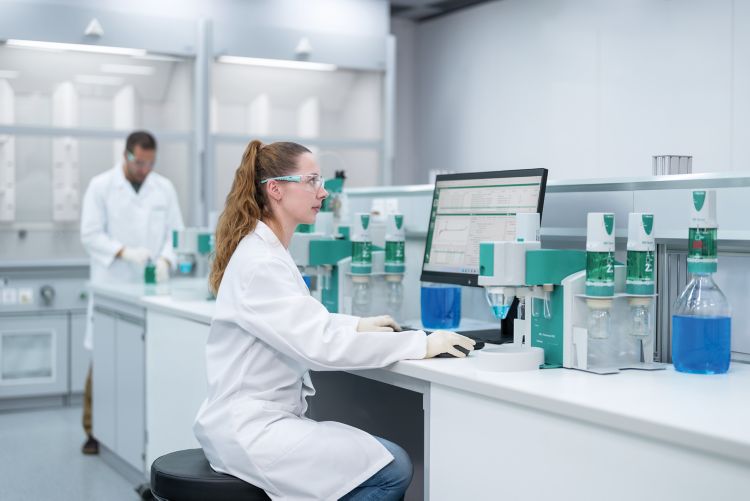
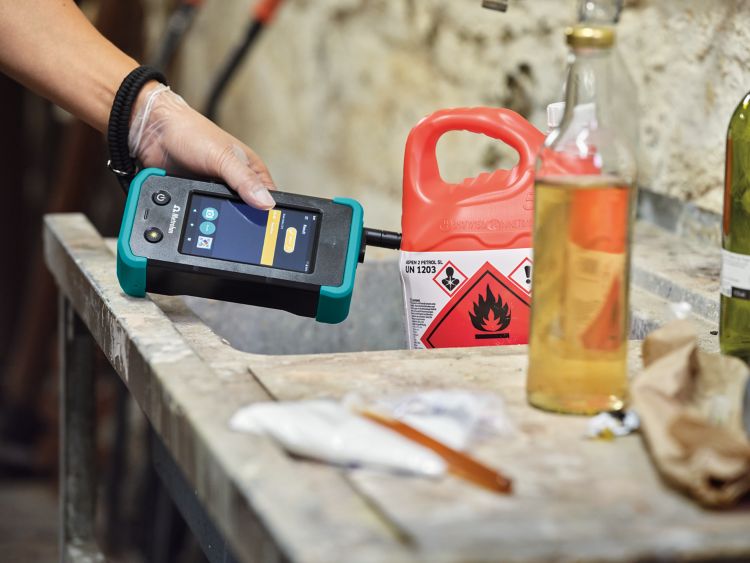
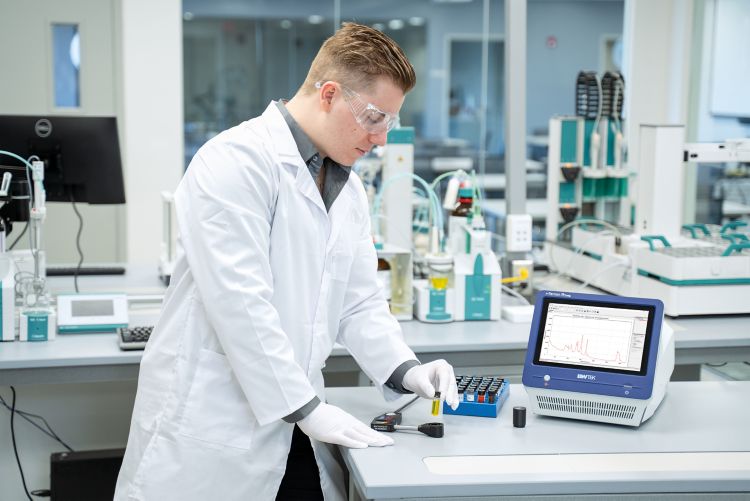

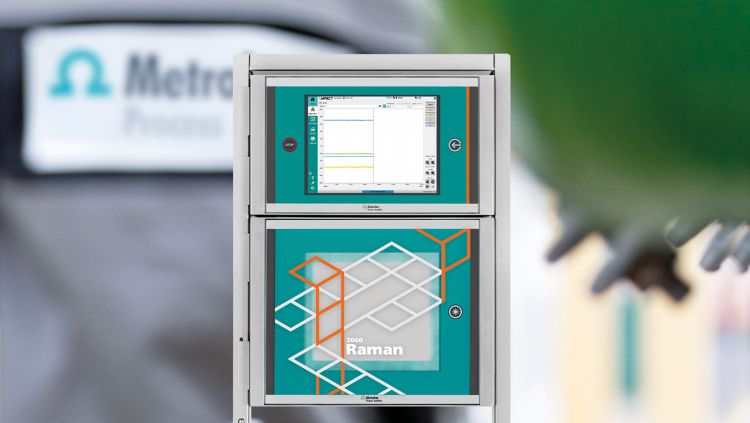

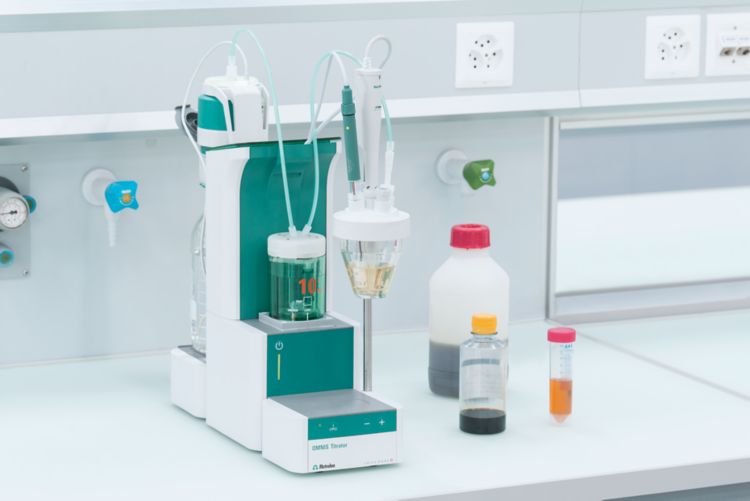
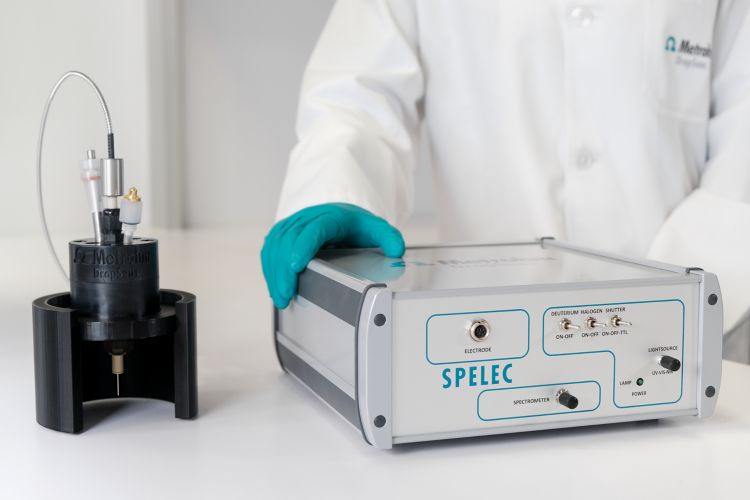
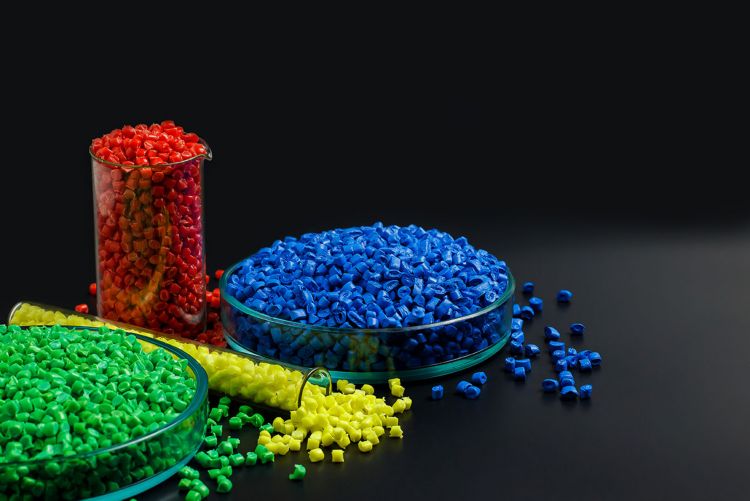
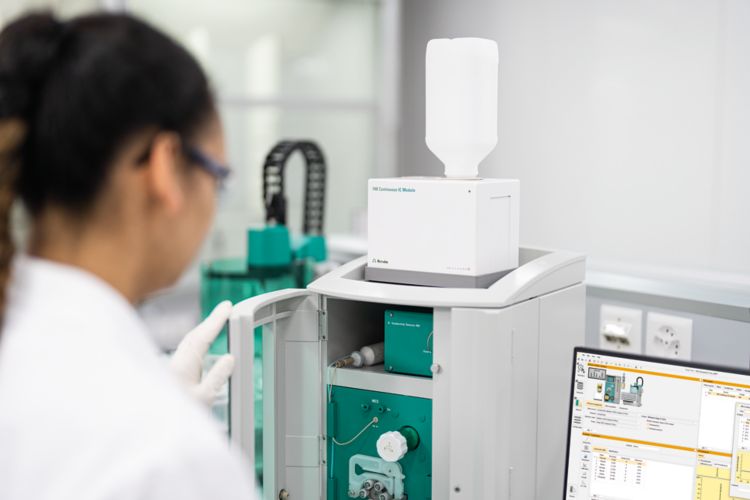
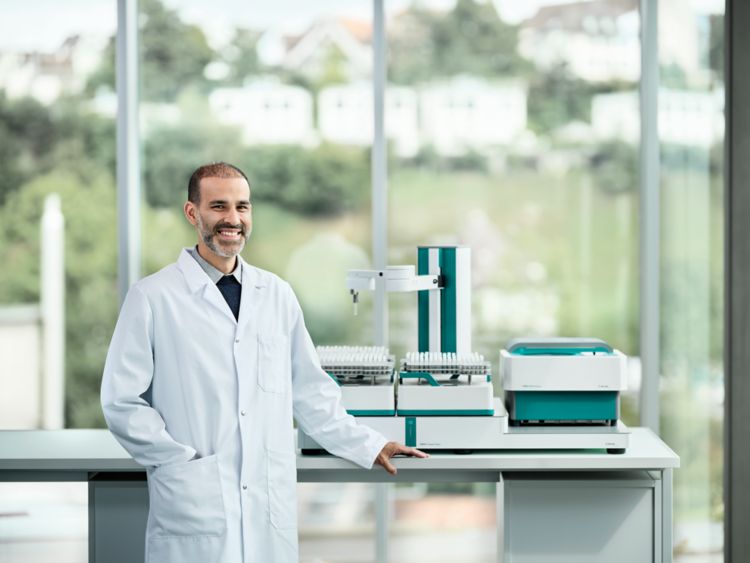
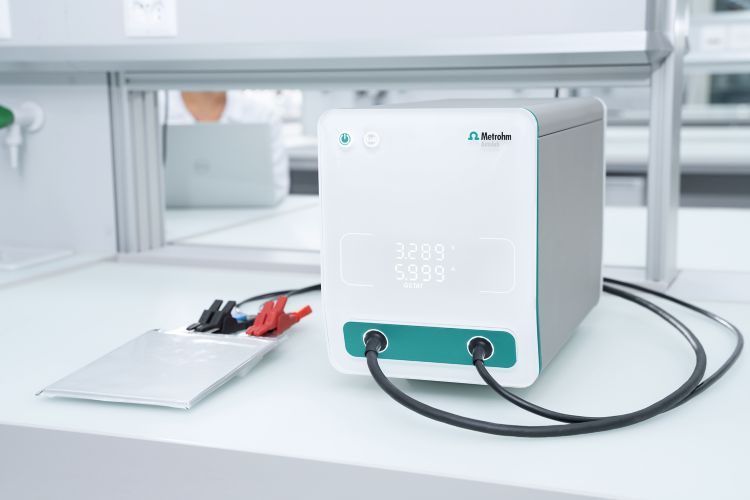


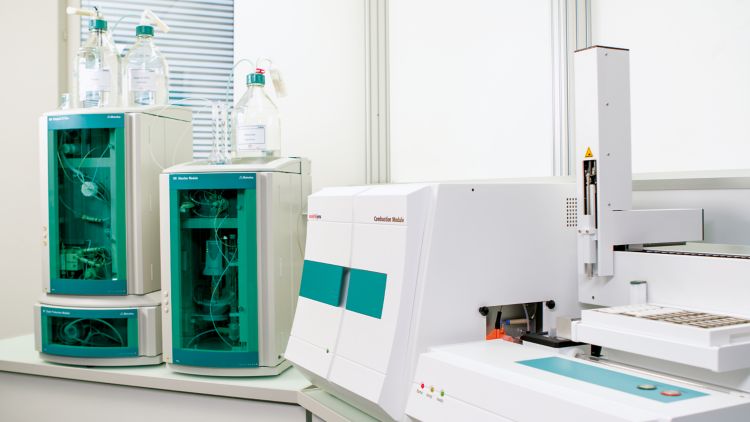
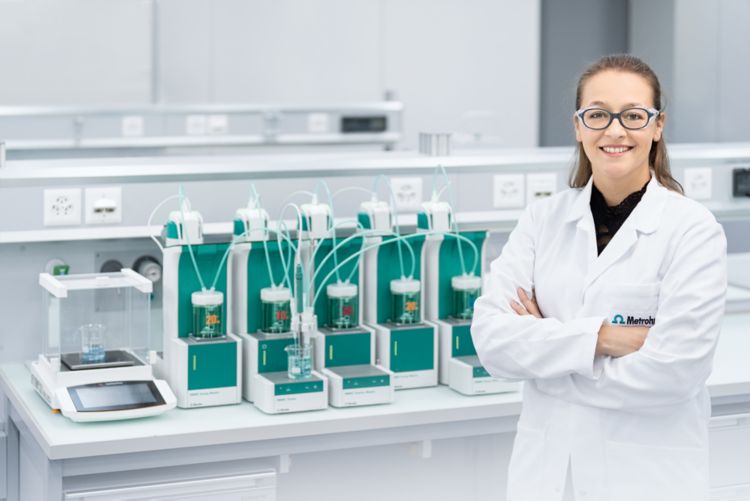

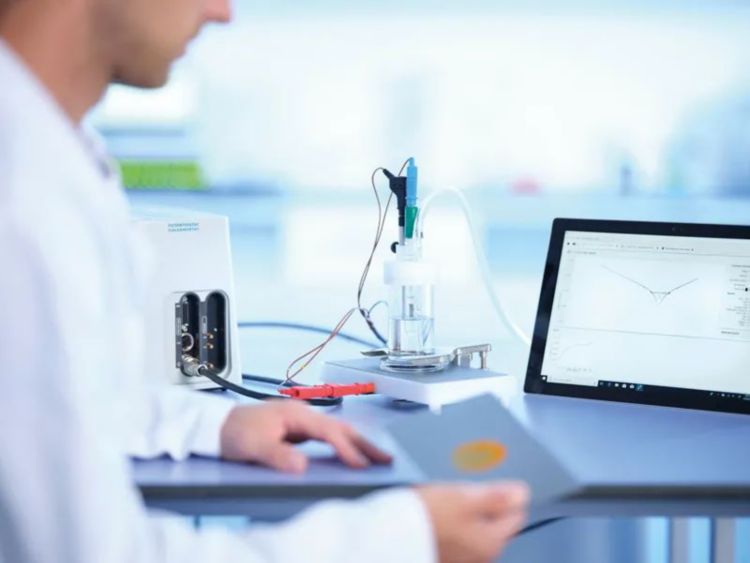


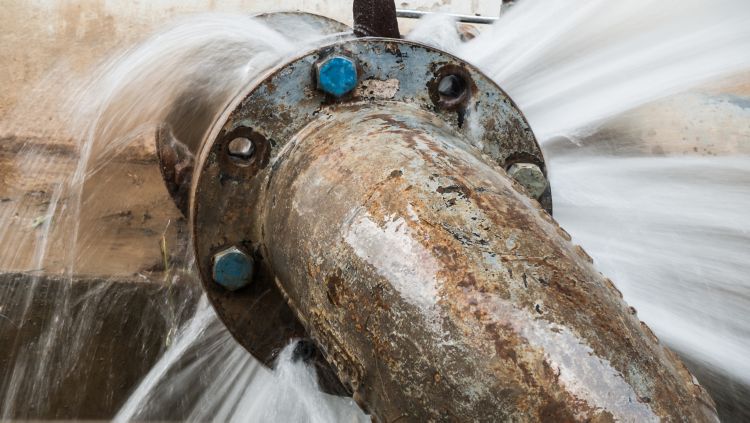
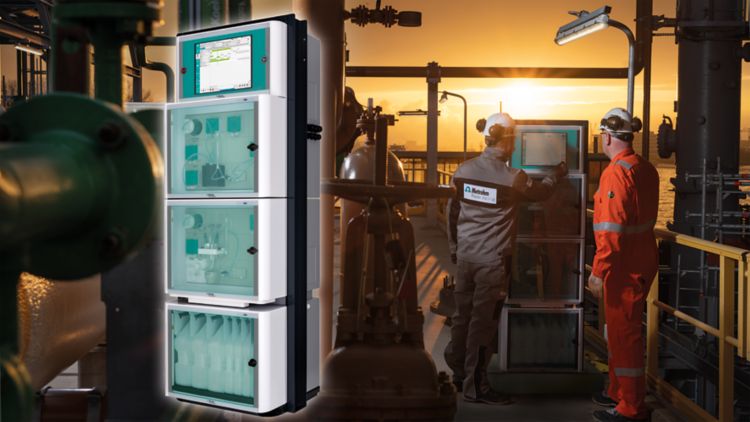

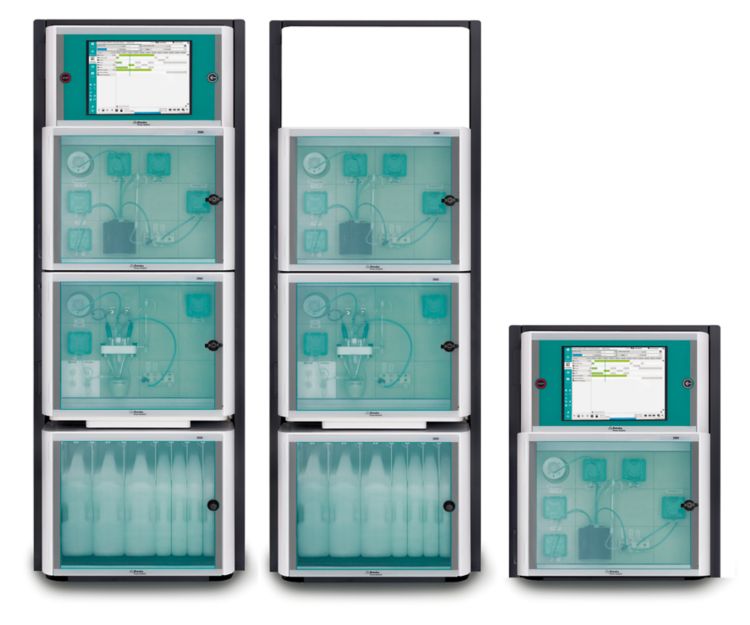
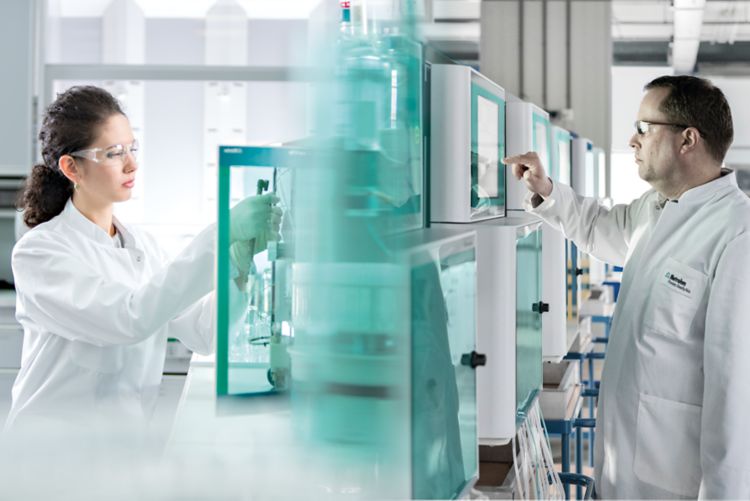

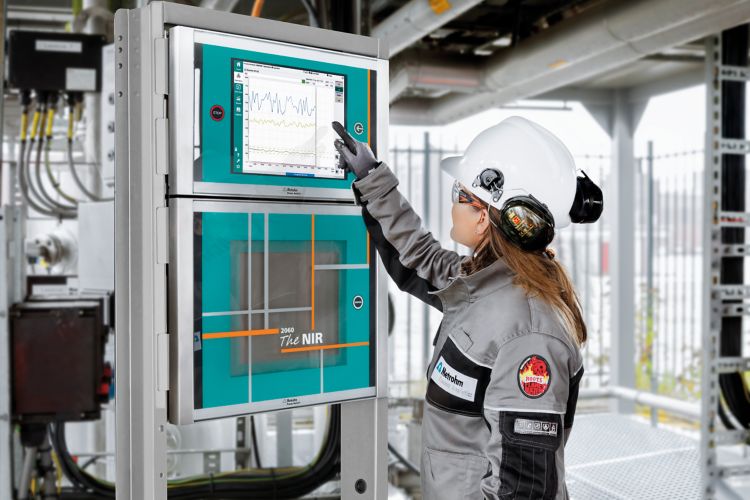
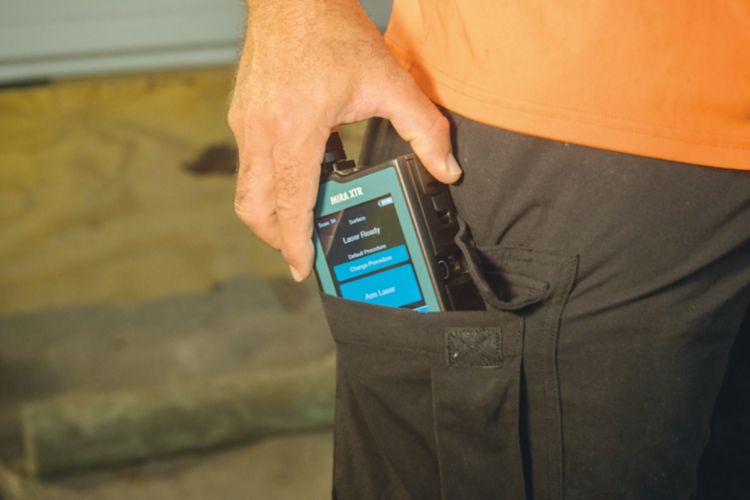


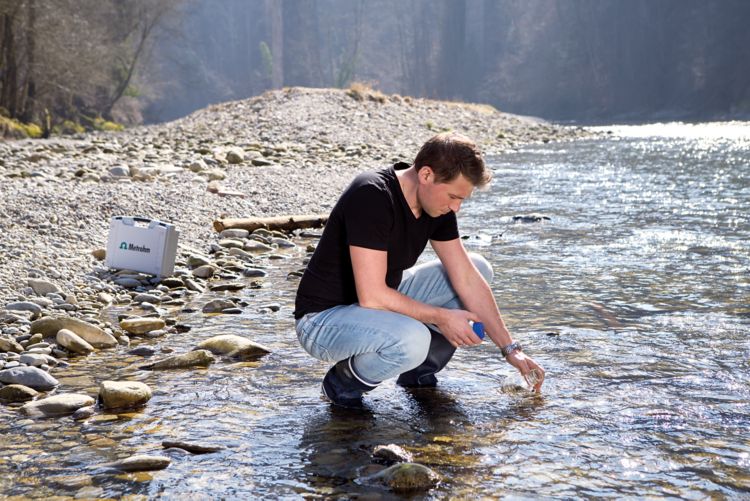
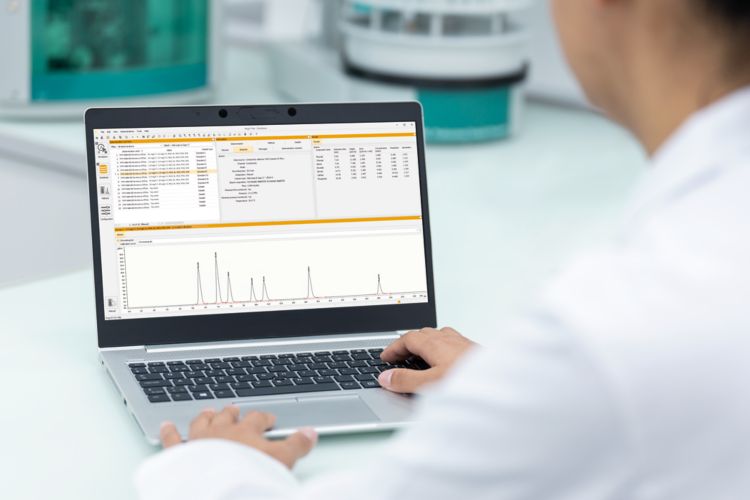


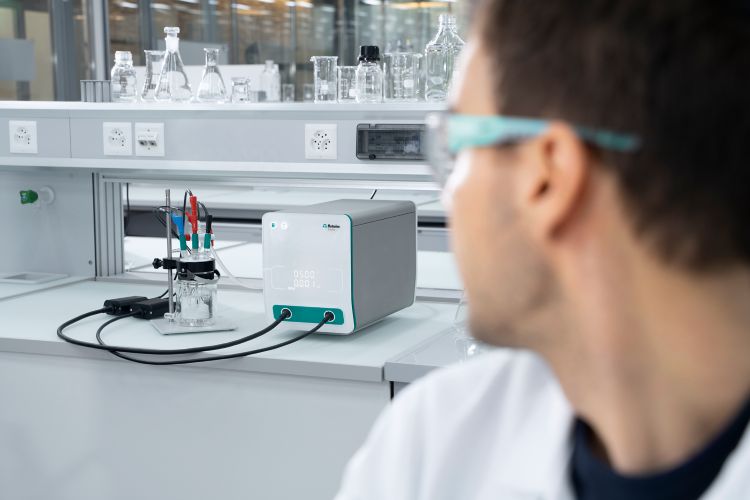

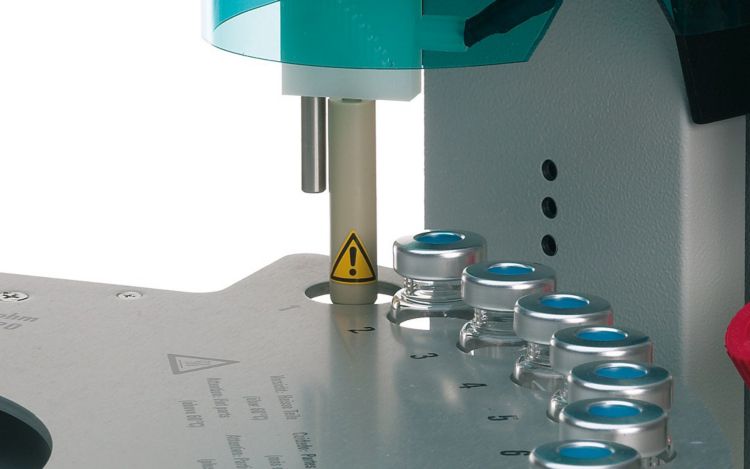
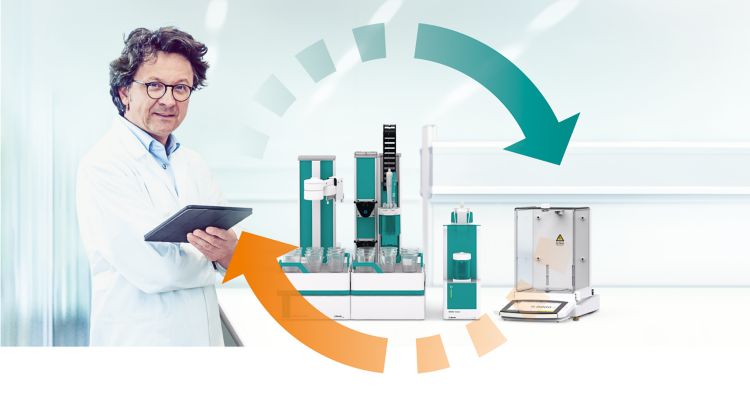
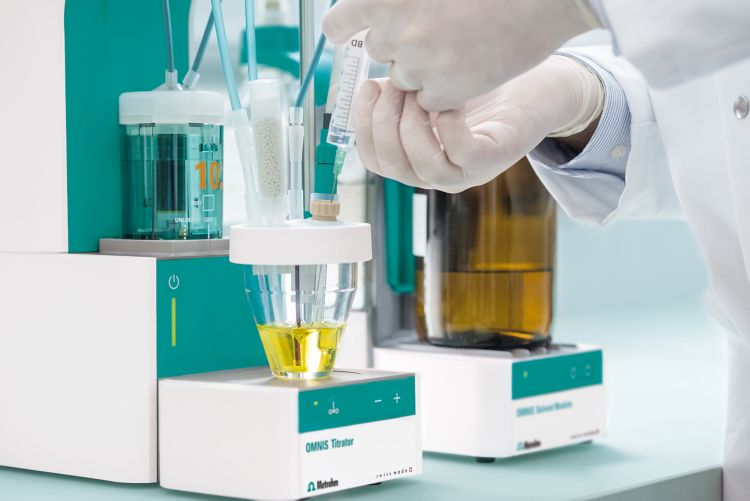
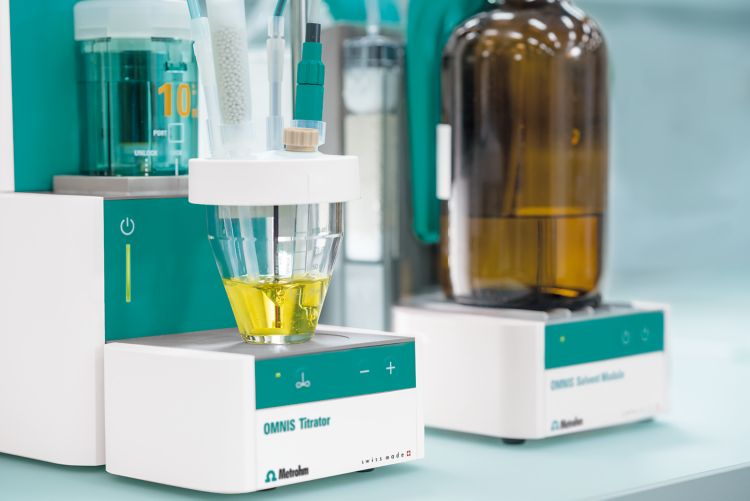
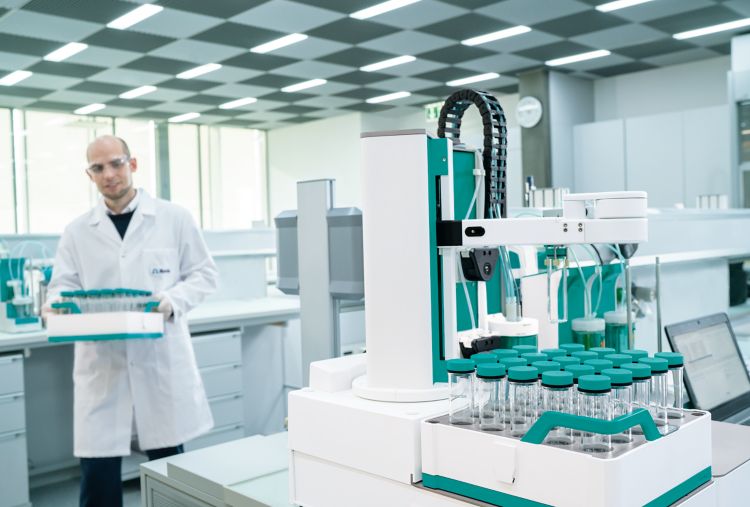
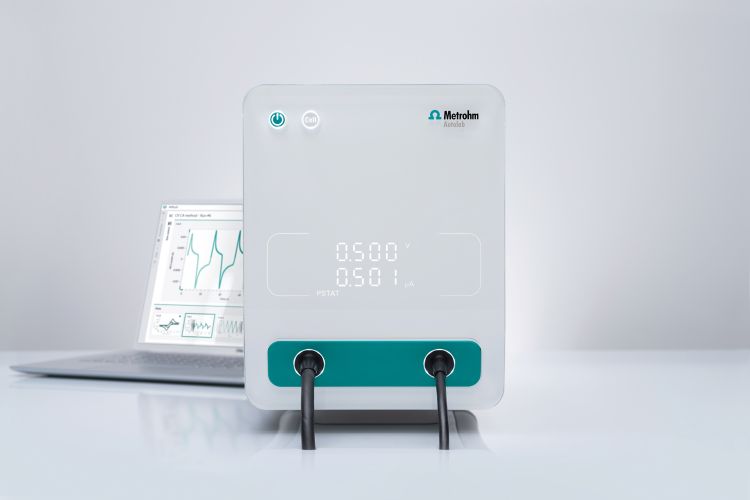
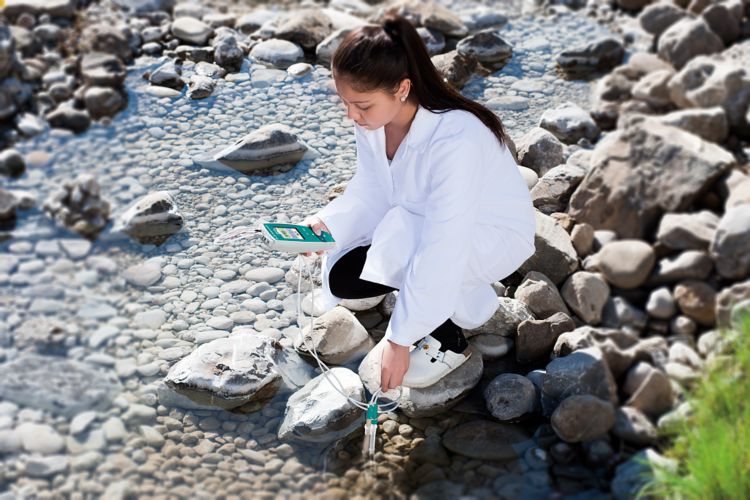
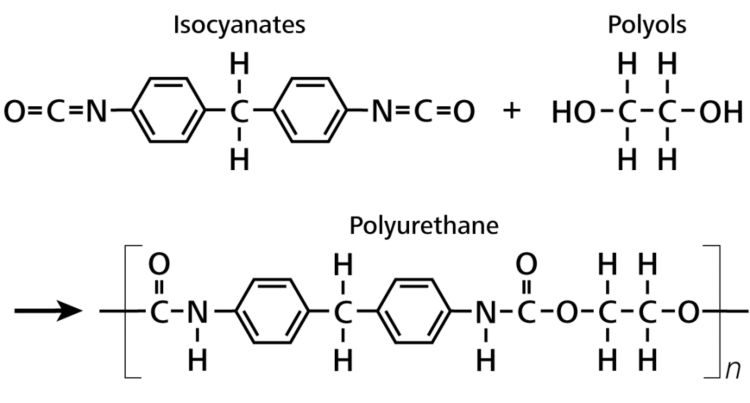



- 2026年3月25日【CVSキャンペーン】CVS装置の更新・買い替え・アップグレードキャンペーン 2026年12月末まで
メトロームジャパンでは、CVS装置の884/894 CVS装置ユーザー様向けアップグレードキャンペーン、他社製 CVSユーザー様向け894 CVS装置特別価格キャンペーン、797 VA Computraceユーザー様向け894 プロフェッショナル CVS への買い替えキャンペーンをおこなっています。
- 日本分光学会近赤外分光部会 第19回シン...2026年3月5日日本分光学会近赤外分光部会 第19回シンポジウム
- 2025年7月14日【コラム】直感的で使いやすいセルを用いた簡略化された分光電気化学のセットアップ方法
SPELEC 装置と使いやすいセルにより、分光電気化学はより手軽に利用できるようになり、セットアップやデータ処理が簡略化され、より多くの人々が活用できるようになっています。
- 2025年6月4日【コラム】イオンクロマトグラフィにおける溶離液の役割
このコラムでは、溶離液の選択と調製の重要性について探り、信頼性が高く堅牢なイオンクロマトグラフィ測定を実現するための重要なポイントを解説しています。
- 2025年5月29日【キャンペーン価格でお得に!】ポテンショスタット・ガルバノスタット
DropSensのポテンショスタット・ガルバノスタットを特別価格で!
- 2025年5月12日【コラム】リニアスイープボルタンメトリーおよびサイクリックボルタンメトリーの理解を深める
本コラムでは、代表的な二つの電気化学的手法である「リニアスイープボルタンメトリー」および「サイクリックボルタンメトリー」の原理、主な測定パラメータ、および応用例について解説します。
- 2025年4月28日【コラム】分光電気化学の基本
Spectroelectrochemistry (SEC) combines electrochemistry and spectroscopy to simultaneously record optical and electrochemical signals. This article defines SEC and highlights its advantages.
- 2025年3月31日【コラム】蛍光X線分析(XRF)はどのような原理で機能するのか?
蛍光X線分析(XRF)は、固体、液体、粉末中に含まれる元素を非破壊で識別・定量できる分析手法です。本ブログ記事では、XRFの概要とその測定原理についてご紹介します。
- 2025年2月24日【コラム】大気中の有害微粒子やエアロゾルを長期連続自動モニタリング
メトロームのエアロゾルサンプラー(MARS)と2060 MARGA(Monitor for AeRosols and Gases in ambient Air)を使用すれば、大気の連続モニタリングが長期間連続して無人で行えます。
- 2025年1月20日【コラム】電位差自動滴定を知る:製薬における重要な分析
製薬の品質管理は、正確さと簡便さから USP-NF 一般章<541>などの薬局方で強調されている滴定法に大きく依存しています。このコラムでは、製薬業界における滴定法の実例とその自動化について解説しています。
- 2024年12月16日【コラム】はじめてのCVS(サイクリックボルタンメトリックストリッピング)
このコラムでは、銅電気めっき浴中の有機添加剤をモニタリングするためのサイクリックボルタンメトリックストリッピング(CVS分析計)に注目し、最適な成膜を行うための重要な部分について解説しています。
- 2024年11月18日【コラム】製薬業界におけるイオンクロマトグラフィの応用
このコラムでは、イオンクロマトグラフィの原理について解説した後、USP 1065に基づく製薬分析におけるICの利用例と利点について紹介しています。
- 2024年10月7日【コラム】より正確で再現性の高いNIRS結果を得るために温度を管理する理由
温度変化はNIRSの予測値に影響を与え、温度が1度変化するごとに1%以上の変動を生じます。サンプル温度のモニタリングは、特に液体サンプルの場合に極めて重要です。
- 2024年9月23日【コラム】カソード電池材料の品質管理測定
このコラムでは、リチウムイオン電池カソードの生産品質と効率的なリサイクルに重要な複数の主要なパラメータおよびそれらを分析するための方法(滴定、イオンクロマトグラフ、カールフィッシャー水分計)について紹介しています。
- 2024年9月9日【コラム】オンラインプロセス分析計による廃棄物焼却のコンプライアンス向上
廃棄物焼却プラントはエネルギーを生成し、埋立地の容積を削減します。オンラインプロセス分析計は、プラントの運転状況に関するリアルタイムのモニタリングデータを提供します。
- 2024年8月26日【コラム】ラマン分光法:ポリマーを簡単に分析する方法
このコラムでは、さまざまなプラスチックおよびポリマーの同定、分類、品質管理において、ラマン分光法がいかに汎用性の高い手法であるかを説明します。
- 2024年8月12日【コラム】MiPTによる多用途かつ高精度なサンプルハンドリングを用いたラボ効率の最適化
Metrohm intelligent Partial-Loop Injection Technique(MiPT)は、可変サンプル容量に対応し、Dosinoによる自動ハンドリングによって精度を向上させます。
- 2024年7月29日【コラム】入門 食用油の分析
食用油とは何か、どのように製造されているか、さまざまな分析技術を使って品質をテストする方法、そして最も重要な分析項目について解説しています。
- 2024年7月15日【コラム】どうやって滴定誤差を取り除くか?
この記事では、滴定における一般的なランダム誤差と系統的誤差について説明し、これらの問題を特定し、最小限に抑えて実験の正確性を向上させるための方法を解説しています。
- 2024年7月1日【コラム】Dosinoサンプル移送によるCVSルーチン分析の効率向上
このコラムでは、プリント基板(PCB)および半導体分析の向上を目的として、サイクリックボルタンメトリックストリッピング(CVS)アプリケーションにおける自動サンプルハンドリングにDosinoを使用する方法を紹介します。
- 2024年6月17日【コラム】pH計の校正方法とよくある質問
pH計の校正方法について、よくある質問も含めて解説しています。
- 2024年6月3日【コラム】電気化学技術を利用した美術品の保存
非破壊的な技術を開発することは難しい挑戦ですが、電気化学などの意外な解決策は、芸術保存に貴重な貢献をしています。以下では、電気化学が将来の世代のために芸術を守る役割を示す3つのケースを紹介します。
- 2024年5月20日【コラム】溶液の自動分注 - 正確かつ再現性のある結果を得るためのカギ
ラボでは正確な液体の分注作業が重要です。自動化はエラーを減らし、正確な結果を保証します。このブログで液体の自動分注作業の利点をもっと知ってください。
- 2024年5月6日【コラム】イオンクロマトグラフィーにおける自動インライン希釈による高精度化と効率化の推進
Metrohm Inline Dilution Technique(MIDT)のようなイオンクロマトグラフィー向けの全自動ソリューションは、試料前処理を簡素化し、高精度な分析結果を実現します。
- 2024年4月22日【コラム】滴定 – 定義と原理
滴定は最も古く確立された分析手法の一つです。このコラムでは、滴定の原理とそのプロセスについて説明し、さまざまな滴定の種類を紹介します。
- 2024年4月8日【コラム】ラマン分光電気化学を用いたフェンタニルの検出方法の改良
迅速かつ信頼性の高い薬物スクリーニング手法は、法科学調査において極めて重要です。このコラムでは、ラマン分光電気化学法を用いたフェンタニルの検出について紹介しています。
- 2024年4月1日【コラム】未来のラボ: 石油製品の自動ロボット分析
OMNIS ソフトウェアを使用したロボット滴定システムを使用すると、石油化学製品中の全酸価(TAN)と全塩基価(TBN)の完全自動分析が可能になります。
- 2024年3月25日【コラム】ラマン分光法によるポイントオブケア検査 ― がん、感染症などの検出
ラマン分光法は、がん、バイオマーカー、病原体の検出といった新たな医療分野へと応用が広がっています。本ブログでは、ポイントオブケア(Point-of-Care)検査への応用に関する注目の研究をご紹介します。
- 2024年3月11日【コラム】高周波EIS:モビリティの未来に向けた強力なツール
固体電池の電気化学的特性評価は困難な場合があります。高周波での電気化学インピーダンス分光法 (EIS) を使用すると、急速なプロセスを捉えることができます。 固体電池 全固体電池 全固体 ナイキスト ナイキストプロット バッテリー
- 2024年2月26日【コラム】規制環境における品質とコンプライアンスの確保と認証
メトロームの AOAC のIQ/OQ(設置および運用適格性評価) (Q2) 認定装置は、規制要件を満たすプロセスを簡素化することで安心を提供します。 適格性評価 設計時適格性評価 据付時適格性評価 運転時適格性評価 性能適格性評価 パフォーマンスバリデーション
- 2024年2月12日【コラム】他の手法では難しい分析も可能にする導電率滴定
導電率滴定は、滴定液の添加に伴う導電率の変化を利用する滴定法です。本記事では、導電率滴定の原理、利点、そして代表的なアプリケーション例についてご紹介します。
- 2024年1月29日【コラム】ラボ分析計 vs. プロセス分析計:どちらを購入するべきか判断する基準
ラボ用分析計とプロセス分析計のどちらを購入を選択するかを判断する、いくつかの要素があります。多くの状況において、一方のソリューションが明らかに好ましい場合があります。このコラムでは、判断を下す前に考慮すべき5つの主要なトピックについて説明します: データのトレーサビリティとコミュニケーション、分析の頻度、安全性、 設置場所、実際の現場での分析
- 2024年1月15日【コラム】近赤外(NIR)分光法によるパルプおよび製紙の品質管理と製品スクリーニング
紙製品は主に、パルプおよび製紙工場で処理された処理済み木材繊維から作られています。これには、かなりの化学物質の使用とエネルギー消費が伴います。木材から最終的な紙製品まで、生産チェーン全体にわたって品質管理を確実に行うことが重要です。このブログ記事では、近赤外線分光法 (NIRS) がパルプおよび製紙製造中に複数の重要な品質管理パラメータ(カッパー価、密度、座屈強度、破断強さ、引張強さ、パルプフリーネス)を同時に効果的にモニタリングする方法を説明します。
- 2024年1月8日【コラム】NIRプレキャリブレーション:すぐに測定結果が得られます
プレキャリブレーションはNIR分析にすぐに使用できる予測モデルで、最初から満足のいく測定結果が得られます。ボタンを1つ押すだけで測定が開始されます。
- 2024年1月8日【コラム】NIRとIR:その違いとは?
近赤外分光法(NIR)と赤外分光法(IR)は異なる波長領域の光を利用するため、必要な試料量、光の試料への透過深さ、および得られるスペクトル情報に違いがあります。本記事では、測定速度や汎用性の観点から、NIR分光法がIR分光法に対してどのような利点を持つのかをご紹介します。
- 2024年1月8日【コラム】近赤外(NIR)分光法とは?
近赤外分光法(NIR分光法またはNIRSとしても知られる)は、30年以上にわたり確立されてきた信頼性の高い分光分析技術です。この手法は、固体および液体の化学的・物理的特性を迅速かつ正確に測定することができます。本シリーズの第1部では、近赤外分光法の基本的な原理を解説し、その利点と幅広い応用可能性についてご紹介します。
- 2024年1月8日【コラム】ラボのワークフローにNIR分光法を導入する方法
ラボのワークフローに近赤外分光法を導入するために必要なステップをご紹介します。主な内容として、検量セットの作成、予測モデルの構築および検証、そして日常分析について解説します。
- 2023年12月11日【コラム】カールフィッシャー水分測定:容量法と電量法の選択方法
このコラムでは、カールフィッシャー水分測定法において、どのようにして容量法か電量法かのどちらを選択するかについて解説しています。電量法カールフィッシャー水分測定法(KFC)は、一般的に水分含有量が0.001%から1%の低い試料に使用されます。電量法カールフィッシャー水分測定法(KFT)は、水分含有量が0.1%から100%の高い試料に使用されます。
- 2023年11月27日【コラム】NIRSによるインクおよび塗料のQCおよび製品スクリーニング
インクおよび塗料は日常生活の一部です。インクおよび塗料の品質管理およびスクリーニングは、製造プロセス全体を通じて、また最終製品においても重要です。製造業者は、近赤外分光法(NIRS)を使用して原材料および完成したインクおよび塗料製品の複数の品質パラメータを確認することにより、時間とコストを節約できます。NIRSは、環境に優しく、費用対効果が高く、使いやすい分析技術です。
- 2023年11月13日【コラム】全固体電池:プレッシャーの下で成長する有望な技術
固体電池 (SSB) は、エネルギー貯蔵に革命を起こす可能性を秘めています。従来のリチウムイオン電池よりも安全で、エネルギー密度が高く、寿命が長く、急速充電が可能です。この記事では、SSB とリチウムイオン電池の一般的な違い、SSB の商業生産に向けて克服すべき課題、さまざまな電池パラメータをテストするための電気化学インピーダンス分光法 (EIS) の使用について説明します。
- 2023年10月30日【コラム】熱のジェットコースター:CVS測定における温度依存性の解明
PCB製造における精度は、銅めっき中の有機添加剤の正確な制御を要求します。サイクリックボルタンメトリックストリッピング(CVS)はこれらの添加剤を定量するために使用されますが、温度差は結果の精度に影響を与えます。本記事は、銅めっき浴中の有機添加剤を評価する方法を概説し、温度がCVS測定に与える影響について考察します。
- 2023年10月16日【コラム】分離カラムの同等性に関するUSP検証済みメソッドの適用
USP モノグラフの更新により、イオンクロマトグラフィー (IC) を用いた医薬品分析用の分離カラムの選択肢が広がりました。カラム同等性試験により、複雑なメソッド検証手順を必要とせずに代替分析カラムを使用できます。これにより、検証済みのメソッドに従って分析結果の精度と信頼性を維持しながら、時間と労力を節約できるため、医薬品研究者にメリットがあります。
- 2023年10月2日【コラム】近赤外分光法 (NIR) によるパーム油のスクリーニングと品質管理
近赤外分光法(NIRS)は粗パーム油(CPO)、粗パーム核油(CPKO)、精製・漂白・脱臭(RBD)パーム油の複数の重要な品質パラメータの分析に最適です。NIRS装置1台で、水分、遊離脂肪酸(FFA)、よう素価(IV)、漂白性指数(DOBI)を含む複数の品質管理パラメータを、他の分析手法の数分の一の時間で測定することができます。
- 2023年9月18日【コラム】直感的な分光電気化学:ユーザーフレンドリーなセルが分析をさらに容易にする
分光電気化学(SEC)は、大きな可能性を秘めた新興の分析技術です。複雑なセットアップとデータ処理が一部の研究者を躊躇させてきた一方で、単一のソフトウェアで制御されるSPELEC装置ラインは、SECをより身近なものにしました。さまざまなSEC構成に対応するユーザーフレンドリーなセルの開発は、測定をさらに簡素化し、分光電気化学をより幅広い層にとって利用しやすいものにしています。
- 2023年9月4日【コラム】規制産業における材料検査を効率化する新しいラマンUSPライブラリ
メトロームのラマンシステムおよびComprehensive USP Raman Libraryは、医薬品製造業などの規制産業を支援します。これにより、納入品の検査を効率化し、検査に必要なリソースを削減するとともに、最終製品の市場投入までの時間を短縮することができます。
- 2023年8月21日【コラム】イリジウム系ナノ材料は、どのようにしてより環境に優しい未来に貢献するのでしょうか?
気候変動の緩和は、過剰なCO₂排出がもたらす深刻な影響のために極めて重要です。輸送部門は化石燃料への依存度が高く、2021年には二酸化炭素総排出量の37%を占めました。電気自動車の普及が進む一方で、水素燃料車のような他のソリューションにも注目が集まっています。グリーン水素の製造方法として、高分子電解質膜(PEM)水電解装置による電気化学的水分解が提案されており、その中でイリジウム系触媒が有望視されています。本研究では、H₂製造における耐久性の向上と金属並みの導電性を実現するためのイリジウム酸化物材料に焦点を当てています。
- 2023年8月7日【コラム】サービス契約を結ぶことは重要ですか?
分析装置を放置しておくと、信頼性が低下し、調子が悪くなる可能性がある。このような状況では、規制要件への不適合も懸念される。しかし、サービス契約の一環として定期的な予防保守を行うことで、このような状況を回避することができます。メトロームのサービス契約は、ご予算に応じた様々なメンテナンスプランで、お客様に安心をお届けします。
- 2023年7月24日【コラム】滴定の観点から見た界面活性剤の世界
電位差滴定によってサンプル中の界面活性剤含有量を正確に測定することは、複数の要因を考慮する必要があり、困難な場合があります。しかし、適切なpHを選択し、適切な電極を使用し、役立つヒントやコツを実行することで、滴定法は、界面活性剤含量を測定する信頼性の高い正確な手段となります。
- 2023年7月10日【コラム】有害な粒子状物質およびエアロゾルの連続的な大気質モニタリング
Metrohm Process AnalyticsのMetrohm AeRosol Sampler(MARS)および2060 Monitor for AeRosols and Gases in Ambient Air(2060 MARGA)を使用すると、大気質の連続モニタリングを容易に実施できます。2060 MARGAには、専用のイオンクロマトグラフ(IC)を搭載した2つのバージョン(研究用およびモニタリング用)が用意されています。一方、MARSはIC、ボルタンメトリー(VA)、質量分析(MS)、さらには全有機炭素(TOC)分析など、さまざまな分析技術と組み合わせて使用することができます。
- 2023年6月26日【コラム】ラマン分光法に関するよくある質問(FAQ):アプリケーション(用途)
ラマン分光法は非常に汎用性の高いツールであり、さまざまな目的に利用することができます。この記事では、さまざまなアプリケーションに対するラマン分光法の適用性について、よくある質問にお答えします。
- 2023年6月12日【コラム】電気化学が切り拓くアンモニア生産の未来
アンモニアは、最も一般的かつ広く使用されている窒素系肥料です。また、大量の水素を安全に輸送するためのキャリアとしても有望です。従来のアンモニア製造では、反応に必要な水素源として化石燃料が使用されています。一般に「グリーンアンモニア」と呼ばれる、再生可能エネルギー由来の電力を使用して電気化学的に合成されたアンモニアは、炭素排出ゼロを実現する魅力的な代替手段です。
- 2023年5月29日【コラム】電気化学的手法による排出二酸化炭素の化学原料への転換
多くの研究者が、気候変動への対応の必要性から、電気触媒、エネルギー貯蔵、およびエネルギー変換といった電気化学アプリケーションに注目しています。これらを結び付ける共通の要素は、その研究に必要な電気化学測定機器です。メトロームは、このような先駆的研究のために高品質な機器を製造しています。特に、ハイエンドポテンショスタットであるVIONIC powered by INTELLOは、その卓越した仕様により、この研究分野におけるほとんどの研究テーマに対応できる汎用性の高い装置です。
- 2023年5月15日【コラム】水銀フリーセンサーによる無電解ニッケルめっき浴のプロセス制御
無電解ニッケル(EN)めっきプロセスでは、Pb、Bi、Sb(III)などの様々な安定剤を使用してめっき速度を制御し、浴の無秩序な分解を防止しています。安定剤濃度は一定レベルに保つ必要があるため、最適なめっきプロセスには安定剤濃度のモニタリングが不可欠です。そのための最良の分析方法のひとつが、ボルタンメトリー分析(VA)です。
- 2023年5月1日【コラム】実際のアプリケーションにおけるORP値の容易な測定方法
Metrohm DropSensのORPキットは、さまざまな状況における酸化還元電位(ORP)の再現性の高い測定を、便利かつ信頼性高く、容易に実施できるツールです。ORPを測定する必要がある複数の業界の多様な要求は、スクリーンプリント電極および小型化された機器を使用することで得られる利点、すなわち携帯性、アクセス性、使い捨て可能であること、少量サンプルで測定できること、および信頼性と非常によく適合しています。
- 2023年4月17日【コラム】NIRSによる洗剤および手指消毒剤の容易な品質管理
このブログ記事では、洗剤および手指消毒剤の用途と、近赤外分光法(NIRS)を用いてこれらの製品の品質管理を実施する方法について説明します。
- 2023年4月3日【コラム】ビタミンC(アスコルビン酸)の歴史と分析
このコラムでは、ビタミンC(アスコルビン酸)の歴史と、さまざまな製品中のビタミンCを測定するために使用されるいくつかの分析手法(例:滴定法、ポーラログラフィー、イオンクロマトグラフィー)について説明します。
- 2023年3月20日【コラム】プロセス・アナリティクス4.0ソリューションの実装によるスマート・ファクトリーの構築
インダストリー4.0ソリューションを実装することで、製造業は競争力を維持しながら効率性、生産性、収益性を向上させ、顧客体験を改善することができます。プロセス・アナリティクス4.0は、プロセス分析の進化に焦点を当てています。この記事では、適切なPATの選択、適切なサンプルの前処理、信頼性の高いデータの取得など、プロセス・アナリティクス 4.0ソリューションの実装を成功させる方法について説明します。
- 2023年3月6日【コラム】メトロームのインライン限外ろ過とインライン透析によるICシステムの保護
IC分析用のサンプルを効率的に調製する方法として、メトローム インライン前処理技術 (MISP)技術を使用してプロセスを自動化する方法があります。メトローム インライン限外ろ過(UF)またはインライン透析のいずれかを使用することで、有害なマトリックス成分からICシステムを保護すると同時に、手作業を減らし、サンプルスループットを向上させることができます。
- 2023年2月20日【コラム】温度はどの程度pH値に影響を与えるか?
温度はpH測定にさまざまな影響を与えます。このコラムでは、その理由を解説し、pH測定に対する温度の異なる影響に対処する方法について説明します。
- 2023年2月6日【コラム】ボルタンメトリーによる使用中工業用潤滑油の酸化防止剤含有量のモニタリング
使用中の潤滑油について残存酸化防止剤含有量を試験することは、重要設備の稼働時間を延長し、運転コストおよび修理費用を削減するために極めて重要です。ボルタンメトリー(VA)は、工業用潤滑油中の残存酸化防止剤含有量を測定するための迅速かつ確立された手法です。
- 2023年1月23日【コラム】MIRA ラマン分光計 と IBEX四足歩行ロボットによる屋外での危険物質の検知と回収
このコラムでは、ラマン分光計と四足歩行ロボットの組み合わせを紹介しています。スタンドオフラマン分光計(MIRA XTR DS)と一連の環境センサーを備えた四足歩行ロボットIBEXは、遠隔操作ロボットにより、安全に初期の偵察を行い、環境をモニタリングし、対象物を識別し、特定の条件について報告できます。
- 2022年12月12日【コラム】オンラインNIRSによる半導体ウェハ前処理プロセスの品質管理
半導体ウェハーの前処理工程におけるオンラインNIRSの活用を解説する記事です。エッチングや洗浄などのウェットベンチ工程で求められる高い清浄度と生産管理の重要性を説明したうえで、2060 The NIR Analyzerによるリアルタイム分析の仕組みや非接触型クランプオンフローセルの利点を紹介します。SC1浴中のアンモニアと過酸化水素の連続モニタリング例も取り上げ、歩留まり向上と浴寿命延長への効果を解説します。
- 2022年11月28日【コラム】メトロームのインラインサンプル前処理技術で時間とコストを節約
分析技術としてイオンクロマトグラフィー(IC)を使用する場合、サンプルを分離カラムに直接注入できないことがよくあります。メトロームのインラインサンプル前処理(MISP)技術は、このような状況に対して、コストと時間を節約する幅広いソリューションを提供します。この記事では、MISP技術、すなわちIC分析用の様々なマトリックスの自動インラインサンプル前処理技術の概要と考察をご紹介します。
- 2022年11月14日【コラム】接地モードの電気化学実験における活用方法
電気化学実験におけるグラウンディング(接地)モードの活用方法を解説する記事です。グラウンド状態とフローティング状態の定義、ポテンショスタット/ガルバノスタットの電子回路構成、作用電極・対極・セル本体それぞれを接地する場合の違いを説明したうえで、腐食測定やバイオリアクター、オートクレーブなど具体的な応用例を紹介します。VIONIC powered by INTELLOのフローティング切替機能にも触れます。
- 2022年10月31日【コラム】ラマン分光電気化学の歴史と応用:インドからスペインへの変遷
電気化学とラマン分光法の分野を組み合わせた、ラマン分光電気化学は、同じ実験から 2 つの異なる信号をユーザーに提供し、分析対象システムに関するさらに多くの知識を収集するための強力なツールとして機能します。メトロームのラマン分光電気化学測定装置SPELEC RAMAN を使えば、ラマン分光電気化学測定実験がすぐに行えます。
- 2022年10月17日【コラム】DIN 38409-59に従ったCICによるハロゲン化有機化合物の分析
本記事では、燃焼イオンクロマトグラフィー(CIC)を用いたハロゲン化有機化合物の分析手法について解説します。PFASsを含む環境中の有機フッ素・塩素・臭素・ヨウ素化合物の測定に焦点を当て、DIN 38409-59に準拠したAOF、AOCl、AOBr、AOIおよびCIC-AOX(Cl)の分析方法を紹介します。さらに、活性炭への吸着、燃焼、吸収、イオンクロマトグラフィーによる検出までの測定プロセスや、従来法との違いについて詳しく解説する記事です。
- 2022年10月3日【コラム】NIRS(近赤外分光法)による毛髪、皮膚、および歯科用製品の品質管理および製品スクリーニング
ヘアケア、スキンケア、デンタルケア製品の品質管理において、近赤外分光法(NIRS)が最適な手法であることを解説する記事です。シャンプーやコンディショナー、石鹸、クリーム、歯磨き粉、洗口液など各製品の品質管理上の課題を紹介したうえで、NIRSが化学薬品や前処理を必要とせず短時間で複数パラメータを同時測定できる利点を説明します。DS2500 Solid Analyzerを用いたシャンプー中の界面活性剤定量の応用例も紹介します。
- 2022年9月19日【コラム】ラマン分光法に関するよくある質問 (FAQ):理論と使用方法
ラマン分光法は、分子の異なる振動モードに関連する光の非弾性散乱に基づく非破壊的な分析技術です。このコラムでは、ラマン分光法の理論と実際の使用方法に関するよくある質問をQ&A形式で取り上げています。
- 2022年9月5日【コラム】NIR分光法による医療用大麻の品質管理(QC)および製品スクリーニング
本記事では、医療用大麻製品の品質管理(QC)や製品スクリーニングにおけるNIR(近赤外)分光法の活用方法を解説します。乾燥大麻、CBDオイル、ワックス、チンキ剤などを対象に、NIRSによるTHC、CBD、CBG含有量や水分量の測定、分析工程の効率化について紹介します。また、Metrohm DS2500 Liquid AnalyzerやDS2500 Solid Analyzerを用いた測定例、透過、トランスフレクション、拡散反射など試料に応じた測定モード、HPLCと比較した迅速性やコスト削減の利点についても解説します。
- 2022年8月22日【コラム】回転電極を用いた層流および乱流条件下での電気化学。
本記事では、回転電極を用いて層流および乱流条件を再現する電気化学測定の手法と、その活用例を紹介します。静止溶液下での測定との違いや、強制対流によって物質移動を制御する仕組みを解説し、層流と乱流それぞれの特性を説明します。さらに、Rotating Disk Electrode(RDE)、Rotating Ring Disk Electrode(RRDE)、Rotating Cylinder Electrode(RCE)の構造や特徴、適用分野について取り上げます。加えて、電極触媒の評価、反応機構解析、センサー研究、めっき評価、配管腐食試験などの具体的なアプリケーションを紹介し、目的に応じた回転電極の選択方法を解説します。
- 2022年8月8日【コラム】近赤外分光法(NIRS):回収溶媒の純度をモニタリングする完璧なソリューション
この記事では、回収溶媒の純度モニタリングに最適な手法として近赤外分光法(NIRS)について解説します。溶媒回収プロセスにおけるコスト削減や環境負荷低減といったメリットを紹介しつつ、ASTM E1655のガイドラインに基づくジクロロメタン溶媒の水分・メタノール不純物分析事例、DS2500 Liquid AnalyzerとVision Air Completeを用いた1分以内での測定結果、GC・カールフィッシャー滴定との精度比較についても説明します。
- 2022年7月25日【コラム】変革をもたらす日常的な電気化学研究 - Multiを活用しましょう!
本記事では、電気化学研究の効率化と生産性向上を実現するMetrohm DropSensのマルチチャネル電気化学分析装置「μStat-i MultiX」を紹介します。最大16チャネルによる同時測定や最大16人のユーザーによる並行利用、各チャネルの独立制御などの特長を解説します。さらに、MultiplEIS®技術を用いたインピーダンス測定、リモート接続機能、拡張可能なチャネル構成、ガルバニック絶縁への対応についても取り上げます。加えて、DropView 8400Mソフトウェアとの連携による操作性や、センサー開発、電極触媒、腐食評価、電池研究など幅広い用途への活用例を紹介します。
- 2022年7月11日【コラム】日常的な水質分析における日々の課題への対処
この記事では、水質分析ラボにおける日々の課題への対応について解説します。ラボごとに異なるサンプル数や国際規格への対応の複雑さを紹介しつつ、pH・導電率・アルカリ度・硬度をワークステーションで並行測定する自動化システムの利点、並行測定により分析時間を最大64%削減できるという実証データ、専用ワークステーション方式によるラボの柔軟性向上についても説明します。
- 2022年6月27日【コラム】パーソナルケア・化粧品産業におけるNIR分光法:QCおよび製品スクリーニングのための理想的なツール―第1部
この記事では、NIR分光法シリーズとして、パーソナルケア・化粧品産業における品質管理(QC)および製品スクリーニングについて解説します。世界のパーソナルケア・化粧品市場の規模を紹介しつつ、DS2500 Liquid AnalyzerとDS2500 Solid Analyzerによる透過・反射・トランスフレクタンスといった測定モードの使い分け、USP<856>やASTM E1655への準拠、水分・SPF値・脂肪含有量など具体的な測定パラメータについても説明します。
- 2022年6月13日【コラム】実験室を超えた自動化―最も精密な実験室pH測定を製造プロセスに統合する
この記事を読んでいる今この瞬間にも、世界中で何千ものpH測定が実施されています。この記事では、ラボにおける高精度なpH測定をプロセス(生産工程)へ統合する自動化について解説します。Merck KGaAとの実証実験を紹介しつつ、インライン測定用ProTrode pHセンサーの特長、2060 TI Process Analyzerを用いたラボ相当の精度を実現する校正・電極テスト・洗浄の自動化についても説明します。
- 2022年5月30日【コラム】ハンドヘルド785 nmラマンアプリケーション:あなたのポケットに収まる最先端の材料識別能力
この記事では、ハンドヘルド型785 nmラマン分光計の最新機能について、製薬・防衛分野を超えた幅広い応用可能性の観点から解説します。MIRAの高いS/N比を実現する分光計設計や蛍光除去技術XTRの原理を紹介しつつ、化学品・染料・食品(サフラン・食用油)・栄養補助食品・植物ストレス研究など多様な分野への応用例、SERS(表面増強ラマン散乱)による微量農薬・染料検出の実例についても説明します。
- 2022年5月23日【コラム】Hydranal™ NEXTGENリエージェントとOMNISによる、次のレベルの安全性の提供
Honeywell Research Chemicalsは安全性の追求を掲げ、発がん性・変異原性・生殖毒性(CMR)物質を含まない試薬を提供しています。この記事では、Hydranal™ NEXTGEN試薬とメトロームOMNISによるカールフィッシャー(KF)滴定の安全性向上について解説します。イミダゾールがCMR物質に分類された経緯とイミダゾールフリー試薬の開発を紹介しつつ、RFIDチップ内蔵のHydranal Smart Reagentsによる情報自動転送、OMNIS Solvent Moduleによる非接触での試薬交換、サンプル添加を検知して滴定を自動開始する機能についても説明します。
- 2022年5月16日【コラム】Metrohm IC(イオンクロマトグラフィー)の歴史―第6部
この記事では、メトロームのイオンクロマトグラフィー(IC)開発史第6回として、燃焼イオンクロマトグラフィー(CIC)の歴史について解説します。1955年のSchöninger法(酸素フラスコ法)からピロ水解法の確立を経て、燃焼装置とICを組み合わせる技術発展を紹介しつつ、2012年発売のメトロームCICシステムや920 Absorber Moduleによる内部標準不要の分析、石油業界での硫黄・ハロゲン測定、PFAS(残留性有機フッ素化合物)のAOF分析への応用についても説明します。
- 2022年5月2日【コラム】イオン選択性電極の基本– パート2(標準添加法と直接測定法)
このコラムでは、イオン選択性電極を用いた標準添加法と直接測定法の実験方法を解説しています。
- 2022年4月4日【コラム】オンライン分散型NIR分光法、FT-NIR、およびFT-IRに関する5つの誤解―第2部
シリーズ第1回では、IR分光法とNIR分光法、フーリエ変換型(FT)分光法と分散型分光法の歴史的概要を示し、分散型NIRがFT-NIRと同等以上であることを解説しました。この記事では、NIR分光法シリーズ第7回として、残る2つの俗説を検証し、プロセス統合の観点から分散型NIRがFT-IRより優れていることについて解説します。光路長やファイバーオプティクスの経済性、防爆エリアへの対応の違いを紹介しつつ、Karl Fischer滴定と組み合わせた低濃度分析の実例、2060 The NIR Analyzerを用いたIR光度計の置き換え事例についても説明します。
- 2022年3月21日【コラム】イオンクロマトグラフィー(IC)における分離カラムのベストプラクティス―第3部
イオンクロマトグラフィー(IC)分離カラムのベストプラクティスシリーズ最終回(第3回)として、この記事では、カラムの寿命にわたる性能評価とトラブルシューティングについて解説します。CoA(分析証明書)を用いた基準値の確認方法を紹介しつつ、保持時間・カラム容量の変化要因、理論段数やピーク対称性による充填状態の判定、システム圧力上昇時の原因切り分け、パラメータ別のトラブルシューティング対応表についても説明します。
- 2022年3月7日【コラム】NIR分光法:QCおよび製品スクリーニングのための21 CFR Part 11準拠ツール
人類が薬を求めてきた歴史は、人類そのものの歴史とほぼ同じくらい古いといえます。この記事では、製薬品質の評価における21 CFR Part 11準拠ツールとして近赤外分光法(NIRS)について解説します。欧州・米国・日本の各薬局方によるNIRSの位置づけを紹介しつつ、原材料検査やブレンド工程の均一性モニタリング、凍結乾燥製剤の水分測定、錠剤の透過測定モードによる含量均一性評価など、製造工程全体にわたる具体的な応用例についても説明します。
- 2022年2月21日【コラム】イオン選択性電極の基本 - パート1
このコラムでは、理論的なイオン測定とは、イオン選択性電極の種類、イオンを測定する際にTISABやISA溶液を使用する理由などについて解説しています。
- 2022年2月7日【コラム】オンライン分散型NIR分光法、FT-NIR、およびFT-IRに関する5つの誤解―第1部
「分光法はただの分光法ではない、のでしょうか?」という問いかけから、この記事では、NIR分光法シリーズとして、オンライン分散型NIR分光法・FT-NIR・FT-IRに関する5つの俗説について解説します。1880年代のNIR波長域研究の歴史やFT-IRとの技術的相違を紹介しつつ、「NIR分光法は必ずFT-NIRを意味する」という俗説の誤りや、分散型分光計における方法移管の実現方法についても説明します。
- 2022年1月24日【コラム】石油化学および精製産業におけるNIR分光法:QCおよび製品スクリーニングのためのASTM準拠ツール―第5部
ASTM Internationalは1898年、鉄道業界で頻発していたレール破損問題への対応として設立されました。この記事では、NIR分光法シリーズ第5回として、石油化学産業におけるASTM規格への準拠について解説します。方法開発のASTM E1655・E1790、バリデーションのASTM D6122・D8321・D8340といった関連規格を紹介しつつ、DS2500 Petro AnalyzerとVision Airソフトウェアによる温度安定性や波長精度への対応、外れ値処理機能についても説明します。
- 2022年1月10日【コラム】USP<645>―超純水の簡便な自動分析
この記事では、超純水(UPW)の品質基準USP<645>に基づく自動分析について解説します。医療用途に必要な超純水の品質確認において、電気伝導度とpH測定が求められる点を紹介しつつ、Aquatrode plusとステンレス製導電率セルを用いた3段階(校正・電気伝導度測定・pH測定)の標準手順、856/867モジュールまたはOMNIS Titratorを用いた一連の自動化ソリューションについても説明します。
- 2021年12月13日【コラム】石油化学および精製産業におけるNIR分光法:QCおよび製品スクリーニングのためのASTM準拠ツール―第4部
この記事では、NIR分光法シリーズ第4回として、鉱物油系・合成油系潤滑油の品質管理について解説します。潤滑油が担う摩擦低減・冷却・保護という3つの機能や、鉱物油と合成油の違いを紹介しつつ、酸価・粘度指数・水分含有量・塩基価など複数パラメータを1分以内で同時測定できるDS2500 Liquid Analyzerの活用法、ASTM E1655などの規格に基づく手法開発についても説明します。
- 2021年12月6日【コラム】カールフィッシャー水分測定の副反応
カールフィッシャー水分計で水分測定した際の結果を誤らせる副反応の識別と回避方法について解説しています。
- 2021年11月29日【コラム】Ph. Eur. 2.2.48 ラマン分光法:Metrohm製ラマン装置は2022年改訂にどのように準拠しているか
この記事では、欧州薬局方(Ph. Eur.)2.2.48章の2022年改訂に対するメトロームのラマン分光装置の適合状況について解説します。分光分解能や応答強度スケール、スペクトル比較手順といった新規要件を紹介しつつ、MIRA PやNanoRamシリーズなどハンドヘルド機種の炭酸カルシウム標準を用いた分解能検証、独自技術ORS(Orbital Raster Scan)による代表性の高い測定手法についても説明します。
- 2021年11月22日【コラム】グリーン水素生成:電気化学に根差した学際的課題
この記事では、グリーン水素製造技術の発展を支える電気化学の学際的な研究協力について解説します。電気分解と燃料電池のコスト構造や、ニッケル・白金・イリジウムなど触媒金属のコストが実用化の鍵となる点を紹介しつつ、参照電極(RE)の選定や可逆水素電極(RHE)の重要性、HER・OER電気触媒の性能評価に関するベンチマーキングプロトコル、有機化学者向けの電気化学概念解説記事についても説明します。
- 2021年11月15日【コラム】石油化学および精製産業におけるNIR分光法:QCおよび製品スクリーニングのためのASTM準拠ツール―第3部
この記事では、NIR分光法シリーズ第3回として、熱分解ガソリン(Pygas)の品質管理について解説します。ジエン価(DV)やブロム価(BN)を指標とした共役ジオレフィン含有量の管理の重要性を紹介しつつ、従来のDiels-Alder湿式化学法(UOP 326)やASTM D1159法と比較したNIR分光法の迅速性、DS2500 Liquid AnalyzerとVision Airソフトウェアを用いた1分以内の測定手法についても説明します。ASTM E1655などの規格にも言及します。
- 2021年11月8日【コラム】オンライン・インライン表面処理分析ガイド
この記事では、自動車・半導体・金属など各産業で使用される表面処理プロセスのオンライン・インライン分析について解説します。電気めっきやエッチング、リン酸塩処理といった主要工程と、手動滴定による従来分析の課題を紹介しつつ、NIRSプロセスアナライザーによる複数酸の個別モニタリング、2060 Process Analyzerを用いた導電率・pH・全アルカリ度などの同時測定、作業員の薬品曝露リスク低減や廃棄削減といった導入メリットについても説明します。
- 2021年11月1日【コラム】ハンドヘルド785 nmラマン分光法の進化:蛍光干渉からのラマン抽出
この記事では、ハンドヘルド型ラマン分光計MIRA XTR DSによる蛍光干渉からのラマン信号抽出技術について解説します。785 nm励起の利点と、約10%のラマン活性材料が蛍光を発するという課題を紹介しつつ、SSE(順次シフト励起)や1064 nm励起など従来の蛍光対策との比較、XTRアルゴリズムによる蛍光除去の仕組み、ガムアラビックやリドカイン、蜂蜜の品質判定など具体的な応用例についても説明します。
- 2021年10月25日【コラム】サイクリックボルタンメトリー(CV)―触媒研究に不可欠な分析技術
この記事では、触媒研究における必須の分析技術としてサイクリックボルタンメトリー(CV)について解説します。電解質の安定性ウィンドウの決定や電極表面積の算出、電極触媒材料のレドックス挙動の解明など、研究目的別の手法選択を紹介しつつ、可逆性・準可逆性・不可逆性の判定方法、分光電気化学やEQCMなど他手法との組み合わせ、燃料電池触媒層のPt担持量削減に関する文献事例についても説明します。
- 2021年10月18日【コラム】イオンクロマトグラフィー(IC)における分離カラムのベストプラクティス―第2部
イオンクロマトグラフィー(IC)分離カラムのベストプラクティスに関するシリーズ第2回として、この記事では、カラムの適性・安定性に関わる応用面のトピックについて解説します。用途に適したカラムの選定方法を紹介しつつ、カラム長・内径の違いが分離効率や選択性に与える影響、温度変化やイオン交換溶離液の濃度・組成による選択性の最適化、有機溶媒添加剤の活用方法についても説明します。
- 2021年10月11日【コラム】カールフィッシャー水分計で使用する指示電極、発生電極の洗浄、保守、保管、点検方法
このコラムでは、カールフィッシャー水分計で使用する指示電極、発生電極の洗浄、保守、保管、点検方法について、分かりやすく解説しています。
- 2021年10月4日【コラム】石油化学および精製産業におけるNIR分光法:QCおよび製品スクリーニングのためのASTM準拠ツール―第2部
ガソリン、ディーゼル、およびジェット燃料の品質評価のための近赤外分光法。利点、事前校正、および応用例。
- 2021年9月27日【コラム】階段状掃引か線形掃引か:信頼性の高い電気化学実験のための2つの選択肢
本記事では、電気化学測定におけるリニアスキャンとステアケーススキャンという2つの手法の違いを、アナログ信号とデジタル信号の観点から解説します。キャパシタや水素の吸脱着反応など、容量性電流を無視できない実験例を挙げながら、それぞれの手法が適した測定対象を紹介し、両方式を選択可能なVIONICについても触れています。
- 2021年9月20日【コラム】コーヒー:1杯のコーヒーに詰まった化学の魅力
コーヒーの起源と、自動滴定装置や近赤外分析計を使用したコーヒーの主要な品質指標の分析方法を紹介しています。
- 2021年9月13日【コラム】イオンクロマトグラフィーによる飲料分析によくある質問
本記事では、飲料分析におけるイオンクロマトグラフィー(IC)の活用について、よくある質問形式で解説します。HPLCとの違いや利点、コーヒーやジュースなど異なる飲料間の切り替えのしやすさ、亜硫酸塩など安定化が必要な分析対象への対応、希釈係数の自動計算、MagIC Netソフトウェアによる結果のトレーサビリティなど、実務者の疑問に答える内容です。
- 2021年8月30日【コラム】石油化学および精製産業におけるNIR分光法:QCおよび製品スクリーニングのためのASTM準拠ツール―第1部
本記事は「石油化学・精製産業におけるNIR分光法」シリーズ第1部で、ASTM規格に準拠したNIRSの全体像を紹介します。上流・中流・下流それぞれの工程での活用例、NIRSの原理と特長(30秒以内・前処理不要)、比重・沸点・引火点・オクタン価・セタン価など各品質パラメータと関連ASTM規格(E1655、D8321、D6122、D8340)を体系的に整理しています。
- 2021年8月23日【コラム】イオンクロマトグラフィー(IC)における分離カラムのベストプラクティス―第1部
本記事は「イオンクロマトグラフィ(IC)分離カラムのベストプラクティス」シリーズ第1部で、カラムの寿命を最大化するための取り扱い方法を解説します。標準操作条件やコンディショニング、操作限界、保管条件、ガードカラムの活用、試薬・超純水の品質、iColumnのチップ機能などを取り上げ、カラムを長く良好な状態で使うための実践的な情報を紹介しています。
- 2021年8月16日【コラム】対極(CE)のサイズは重要か?
本記事では、三電極系の電気化学測定における対極(CE)のサイズと配置について解説します。対極の面積は作用電極(WE)より大きく確保する必要があること、一般的には作用電極の3倍程度が目安とされること、白金やグラファイトなどの材質選定や、非水溶液・低導電率溶液における配置上の注意点などを、基礎理論とあわせて紹介しています。
- 2021年8月9日【コラム】トウモロコシからエタノールへ:NIRSによる発酵プロセスの改善
本記事では、トウモロコシからバイオエタノールを製造する発酵工程における近赤外分光法(NIRS)の活用を解説します。従来のHPLCやカールフィッシャー滴定などによる分析には最大1時間かかっていた複数パラメータを、NIRSなら1台の装置で1分以内に測定可能となり、発酵時間の短縮とプラント稼働率の向上(最大10%)につながる事例を紹介しています。
- 2021年8月2日【コラム】サワードウの化学分析:pHおよび総滴定酸度(TTA)
本記事では、サワードウブレッドの発酵に関わる乳酸菌の働きと、パン作りにおけるpH値と総滴定酸度(TTA)の重要性を解説します。pH値がアミラーゼ活性を調整する仕組み、TTAが乳酸と酢酸の比率から味わいを左右する仕組みを紹介し、pH電極や自動滴定装置を用いた具体的な測定方法にも触れています。
- 2021年7月26日【コラム】ポリマー産業におけるNIR分光法:QCおよび製品スクリーニングのための理想的なツール―第5部
本記事は「ポリマー産業におけるNIR分光法」シリーズ第5部で、ポリウレタンの品質評価を取り上げます。ポリオールとイソシアネートから生成される仕組みや用途を紹介したうえで、水酸基価・NCO含量・水分含量といった品質パラメータを、サンプル前処理や試薬を使わずに1分以内で測定できるNIR分光法の利点を、DS2500シリーズの活用例とともに解説しています。
- 2021年7月19日【コラム】迅速性と基本の両立:電気化学測定の信頼性を左右する要因
本記事では、サブミリ秒スケールで生じる高速・超高速の電気化学測定において、信頼性の高いデータを得るための重要な要素を解説します。電気化学セルの時定数、ポテンショスタット/ガルバノスタットの制御ループ帯域幅、電流センサーの応答特性、データサンプリング間隔とナイキスト定理との関係など、実験設計上の留意点を具体的に取り上げています。
- 2021年7月12日【コラム】非水酸塩基滴定-よくある間違いとその回避方法(非水滴定)
このコラムでは、非水での酸塩基滴定(非水系の中和滴定 / 有機溶媒を使用した中和滴定)をおこなう際の基礎とコツを解説しています。
- 2021年7月5日【コラム】ポリマー産業におけるNIR分光法:QCおよび製品スクリーニングのための理想的なツール―第4部
ポリアミド(PA6・PA66、いわゆるナイロン)の品質管理に、近赤外分光法(NIRS)はどのように役立つのでしょうか。本記事では両者の合成方法や特性の違いを整理した上で、相対粘度・アミン末端基・カルボキシル末端基・水分含有量といった重要な管理パラメータを、サンプル前処理や化学試薬を使わずわずか1分以内で同時測定できる方法をご紹介します。DS2500ポリマーアナライザーを用いた実践例も紹介していますので、ぜひご覧ください。
- 2021年6月28日【コラム】花火の化学
本ブログでは、花火の化学組成、発色の仕組み、安全性、環境影響について解説します。花火は黒色火薬・点火装置・「星」と呼ばれる着色剤入りの粒から構成され、金属イオンが燃焼することで色が生まれます(例:ストロンチウムは赤、バリウムは緑、銅は青)。一方でエンスヘーデ爆発事故など重大事故の例もあり、保管・取扱いには注意が必要です。メトロームはカールフィッシャー滴定、イオンクロマトグラフィ、ラマン分光、近赤外分光(NIR)などの分析技術により、水分含有量や成分純度の品質管理、爆発物の検知、大気中重金属のモニタリング(2060 MARGA)を支援し、より安全で環境に優しい花火の開発に貢献していることを紹介します。
- 2021年6月21日【コラム】グリーン水素、未来の燃料:水素製造用新触媒開発におけるポテンショスタットの活用
この記事は、再生可能エネルギーを利用した「グリーン水素」の製造技術に焦点を当て、水電解による水素生成の課題と新規触媒開発について解説しています。特に、ポテンショスタットを用いて触媒の活性・安定性・効率を評価する電気化学測定手法(分極測定、ターフェル解析、インピーダンス測定など)を紹介し、高性能かつ低コストな水素製造触媒の開発を支援する重要性を説明しています。
- 2021年6月14日【コラム】ポリマー産業におけるNIR分光法:QCおよび製品スクリーニングのための理想的なツール―第3部
本記事は「ポリマー産業におけるNIR分光法」シリーズ第3部で、PET(ポリエチレンテレフタレート)の品質管理を取り上げます。PETの構造や特性、用途を紹介したうえで、ジエチレングリコール含量・イソフタル酸含量・極限粘度・酸価といった品質パラメータを、サンプル前処理や試薬を使わずに1分以内で測定できるNIR分光法の利点を、DS2500 Polymer Analyzerの活用例とともに解説しています。
- 2021年6月7日【コラム】分析装置を使用したバッテリー研究と生産の促進 – Part 2
このコラムでは、電池研究、電気化学、リチウムイオン電池の電気化学的特性評価手法について解説しています。
- 2021年5月31日【コラム】滴定法のバリデーション
本記事では、USP<1225>およびICH Q2(R1)に基づく滴定法バリデーションの要点を解説します。滴定剤の標定、真度・精度、直線性、特異性という4つの検証項目について、それぞれの評価方法と具体的な推奨条件(濃度範囲80~120%など)を、炭酸水素カリウムの分析例を交えて紹介しています。
- 2021年5月25日【コラム】ポリマー産業におけるNIR分光法:QCおよび製品スクリーニングのための理想的なツール―第2部
本記事は「ポリマー産業におけるNIR分光法」シリーズ第2部で、世界で最も生産量の多いプラスチックであるポリプロピレン(PP)とポリエチレン(PE)の品質管理を取り上げます。両樹脂の性質比較を紹介したうえで、密度・共重合レベル・メルトフローレートといった品質パラメータを、前処理不要で1分以内に測定できるNIR分光法の利点を、DS2500 Polymer Analyzerの活用例とともに解説しています。
- 2021年5月17日【コラム】1年間でパイプはどれくらい錆びますか?
本記事では、腐食による経済損失(GDPの3.5%相当)を切り口に、電気化学的手法を用いた腐食評価の重要性を解説します。回転円筒電極(RCE)を使って配管内の乱流条件を実験室で再現する方法や、Tafel解析による腐食速度の算出、腐食抑制剤の効果検証などを、従来法との比較を交えて紹介しています。
- 2021年5月3日【コラム】ポリマー産業におけるNIR分光法:QCおよび製品スクリーニングのための理想的なツール―第1部
この記事では、ポリマー産業における品質管理ツールとして近赤外分光法(NIRS)を解説します。Metrohm DS2500 Polymer Analyzerによる拡散反射測定の原理と、水分、水酸基価、酸価、密度、極限粘度、メルトフローレートなど多項目を1分未満で同時分析できる利点を紹介しつつ、ポリエチレンやポリアミド、PETなど各種ポリマーへの適用例、原料から成形品までの生産工程全体でのNIRS活用方法にも触れます。
- 2021年4月26日【コラム】夢の電気化学センサーを開発する
この記事では、電気化学センサーの開発・製造について、Metrohm DropSensのカスタムメイド対応と量産体制の観点から解説します。ポイント・オブ・ケア測定向けセンサーの小型化・高精度化・低コスト化の流れを紹介しつつ、設計からプロトタイプ作成、大量生産までの一貫サポート体制、医療機器製造に対応するISO 13485認証取得についても説明します。健康・環境・食品分野など幅広い用途への応用にも触れます。
- 2021年4月22日【コラム】Thorによる化学プロセスの脱炭素化
この記事では、2021年Metrohm Young Chemist Award受賞者Ryan Jansonius氏による化学製造プロセスの脱炭素化技術「Thor」について解説します。パラジウム膜を陰極・水素選択膜・水素化触媒として同時に機能させ、水の電気分解で得た水素を用いて有機原料を水素化する仕組みを紹介しつつ、高圧水素ガスを使わない安全性やカーボンニュートラルな点、ThorTechの起業経緯にも触れます。研究にはMetrohmのポテンショスタットが使用されています。
- 2021年4月19日【コラム】炎と氷:イオンクロマトグラフィーによる火山噴火の発見
この記事では、南極・グリーンランドの氷床コアを用いた火山噴火の解明について、イオンクロマトグラフィ(IC)による硫酸塩分析の観点から解説します。噴火の爆発度指数(VEI)や成層圏まで達した噴煙が引き起こす地球規模の寒冷化現象を紹介しつつ、氷床コアの掘削から輸送までの過酷な調査プロセス、デュアルチャンネルICによる陽イオン・陰イオンの同時測定、Metrohm Inline Ultrafiltration/Dilutionを用いた自動前処理の利点を説明します。1809年頃の未記録の熱帯火山噴火発見の事例にも触れます
- 2021年4月12日【コラム】滴定における終点 (エンドポイント:EP) の検出
このコラムでは、電位差自動滴定における電位差と光度滴定の終点検出方法について詳しく解説します。
- 2021年4月6日【コラム】近赤外分光法による肥料中の水分の簡便な決定
本記事では、肥料原料である硝酸アンモニウムの水分管理を題材に、NIR分光法による水分測定の利点を紹介します。過去の爆発事故事例にも触れつつ、カールフィッシャー滴定など従来法との比較を通じて、前処理・試薬不要で数十秒で結果が得られるNIRSの迅速性・非破壊性・環境負荷の低さを解説します。
- 2021年3月29日【コラム】ラマン分光計の活用方法-現場での原材料の入荷検査を簡素化
このコラムでは、ハンドヘルド(携帯)型ラマン分光計MIRAによる、信頼性の高い迅速な原材料の識別と検証について解説しています。
- 2021年3月22日【コラム】IC-PADによるプレバイオティクスの分析:AOAC 2001.02の改良
本記事では、プレバイオティクスであるガラクトオリゴ糖(GOS)の含有量分析について、標準法AOAC 2001.02をパルスドアンペロメトリー検出イオンクロマトグラフィー(IC-PAD)で改良する手法を紹介します。失活酵素の使用省略や希釈溶媒を超純水に統一するなど、試薬コストと手間を削減しつつ精度を維持する改良点を解説しています。
- 2021年3月8日【コラム】オンラインイオン分析における卓越した柔軟性:2060 IC Process Analyzer
化学分析というと、ラボで化学者がサンプルを分析する姿を思い浮かべがちですが、この記事では、産業プロセスにおけるオンラインイオン分析装置2060 IC Process Analyzerについて解説します。930 Compact IC Flexを基盤としたモジュール式設計による柔軟な多成分・多流路測定を紹介しつつ、原子力発電所の一次冷却水中の陰イオン・陽イオン分析、飲料水中の臭素酸塩などの消毒副生成物モニタリング、大気中エアロゾル・ガス分析(2060 MARGA)への応用にも触れます。
- 2021年3月1日【コラム】分析装置を使用したバッテリー研究と生産の促進 Part1
リチウムバッテリーの生産およびバッテリー研究における重要な分析項目について、そしてそれらをメトロームの装置を使用してどのように測定するかを解説しています。
- 2021年2月22日【コラム】食の安全と品質を守るラマン分光法
本記事では、ワインやチーズ、肉、食用油、蜂蜜、茶葉など身近な食品を題材に、ラマン分光法を用いた品質・安全性分析の事例を紹介します。フェノール化合物や殺菌剤の検出、果実の追熟モニタリング、合成着色料の判定、油の純度・熱安定性評価など、査読済み論文をもとに幅広い応用例を取り上げています。
- 2021年2月13日【コラム】チョコレートの化学
本記事では、チョコレートを構成するカカオマスやカカオバター、カカオ固形分などの成分と、それらの配合による種類分けを解説します。あわせて、糖分(イオンクロマトグラフィー)、水分(カールフィッシャー滴定)、酸化安定性(Rancimat法)、カドミウム(ボルタンメトリー)といった品質管理項目について、Metrohm製品を用いた分析事例を紹介します。
- 2021年2月8日【コラム】ASTM D6304:石油製品中の水分をより簡単に決定する
本ブログでは、石油製品中の水分測定に用いられる規格「ASTM D6304(クーロメトリックカールフィッシャー滴定による水分測定法)」について解説します。同規格は2021年1月に改訂され、現在は3つの手法が定められています。低粘度で干渉のないサンプルには「直接注入法(手順A)」が推奨されます。一方、カールフィッシャー試薬に溶けにくいサンプル、粘度の高いサンプル、干渉成分を含むサンプルには、「オーブン法(手順B)」または「水分蒸発装置を用いる方法(手順C)」が適しています。本ブログでは、これら3つの手法それぞれの原理と、どのような場合にどの手法を選ぶべきかについて紹介します。
- 2021年2月1日【コラム】ラマンとSERS…その違いは何か?
本ブログでは、ラマン分光法と表面増強ラマン散乱(SERS)の違いについて解説します。通常のラマン分光は非破壊で選択性が高い一方、散乱光がごく微弱なうえ蛍光の干渉を受けやすく、検出感度には限界があります。SERSでは、銀や金など粗面化した金属基板にサンプルを吸着させることで局在表面プラズモン共鳴が生じ、信号を大幅に増強でき、単一分子検出も可能になります。両者はスペクトルの形状も異なるため、既存のラマンライブラリをそのままSERS解析に使うのは難しく、専用データベースの構築が推奨されることも紹介します。あわせて、メトロームが提供する市販SERS基板や関連製品についても紹介します。
- 2021年1月11日【コラム】分析機器適格性評価入門 - パート2
メトロームのIQ/OQドキュメンテーションは、USP、FDA、GAMP、PIC/Sなどの主要な規制に厳密に準拠した必要なドキュメントを提供します。 適格性評価 設計時適格性評価 据付時適格性評価 運転時適格性評価 性能適格性評価 DQ IQ OQ PQ
- 2020年12月7日【コラム】分析機器適格性評価入門 - パート1
このコラムでは、規制環境における分析機器適格性評価 (AIQ) について詳しく解説しています。
- 2020年11月30日【コラム】宇宙ステーションで電気化学測定
国際宇宙ステーション (ISS) において、メトロームの電気化学測定装置が、尿を水に変換するために、無重力環境下でのアンモニア酸化を研究する目的で使用されています。
- 2020年11月23日【コラム】固体電極を用いたボルタンメトリーアナリシス (VA) による微量金属分析 – Part 5 ガラス状炭素回転ディスク電極 (GC RDE)
scTRACE Gold 電極による飲料水中の重金属イオンの定量を紹介しています。
- 2020年11月16日【コラム】ラマン分光計 MIRA DS の活用方法 – 現場で安全に違法薬物を検出
ハンドヘルド(携帯)型ラマン分光計 MIRA DSで、メタンフェタミンなどの薬物を現場で安全に検出できます。
- 2020年11月9日【コラム】Metrohm IC(イオンクロマトグラフィー)の歴史―第4部
この記事では、メトロームのイオンクロマトグラフィ(IC)開発史第4回として、複合分析システムであるTitrICとVoltICについて解説します。滴定・pH・電気伝導度測定とICを組み合わせたTitrICによるイオンバランスの自動算出を紹介しつつ、ボルタンメトリーとICを統合し陰イオン・主要陽イオン・微量陽イオンを一度に検出できるVoltIC Professionalの仕組み、両システムの開発の変遷にも触れます。
- 2020年11月2日【コラム】近赤外分光法分析によくある質問―第2部
この記事では、近赤外分光法(NIRS)分析に関するよくある質問第2回として、検出限界や精度、校正、バリデーションについて解説します。液体・固体サンプルの検出限界の違いや基準法との相関によるNIR法の精度を紹介しつつ、NISTスタンダードを用いた校正方法とUSP<856>に基づくバリデーション、カーボンブラックなどNIR分析に不向きなサンプル、防爆エリアでのインラインNIR分析の可否にも触れます。
- 2020年10月19日【コラム】固体電極を用いたボルタンメトリーアナリシス (VA) による微量金属分析 – Part 4 スクリーンプリント電極
スクリーンプリント電極を用いたボルタンメトリーによる重金属分析について解説しています。スクリーンプリント電極にはさまざまな種類があり、メンテナンス不要の使い捨て電極です。
- 2020年10月12日【コラム】水分気化装置を使用したカールフィッシャー水分計による水分測定
Water and moisture content in insoluble samples and samples that contaminate the titration cell or react with the Karl Fischer reagent on our blog.
- 2020年9月28日【コラム】近赤外分光法分析のよくある質問―第1部
NIR分光法の初心者からベテランまで、最適な分析を行うための知識を提供するシリーズの第1回として、この記事では近赤外分光法(NIRS)分析に関するよくある質問について解説します。IR分光法との違いや二次的手法としての特性、予測モデルの作成に必要なサンプル数を紹介しつつ、USP<856>やASTM E1655などの規格、プロセスへの導入方法、光ファイバープローブによるオンライン・インライン監視への活用にも触れます。
- 2020年9月14日【コラム】Metrohm IC(イオンクロマトグラフィー)の歴史―第3部
この記事では、メトロームのイオンクロマトグラフィ(IC)開発史第3回として、2000年代半ば以降の技術発展について解説します。2005年に導入されたシーケンシャルサプレッション技術によるベースライン改善を紹介しつつ、2007年の850 Professional ICシリーズとMagIC Netソフトウェアによるインテリジェントな自動希釈機能、2013年の940 Professional IC Varioおよび930 Compact IC Flexによるモジュール式設計の実現にも触れます。プロセス分析用IC装置への展開についても言及します。
- 2020年9月7日【コラム】固体電極を用いたボルタンメトリーアナリシス (VA) による微量金属分析 – Part 3 改良型scTRACE Gold電極
この記事ではストリッピングボルタンメトリーおよび scTRACE Gold 電極を用いた重金属分析の応用例を解説しています。
- 2020年8月31日【コラム】備えあれば憂いなし: プロセス分析におけるエラーとリスクの最小化 - パート3
プロセス分析計のリスクを最小化し、機能安全性を高めるためるためには何をするべきか解説しています。
- 2020年8月24日【コラム】Metrohm IC(イオンクロマトグラフィー)の歴史―第2部
この記事では、メトロームのイオンクロマトグラフィ(IC)開発史第2回として、1990年代半ばから2000年代半ばまでのモジュール式IC開発について解説します。1996年に導入されたMetrohm Suppressor Module(MSM)によるサプレッション技術と、その後継となる761 Compact ICを紹介しつつ、817 Bioscanによるパルスドアンペロメトリック検出への対応、2003年のAdvanced Modular IC、844 UV/VIS Compact ICの発売についても説明します。
- 2020年8月17日【コラム】カールフィッシャー水分計のよくある質問 パート2
カールフィッシャー水分計に関して、これまでに受けた最もよくある質問を20件選び、機器の準備と取り扱い、測定のトラブルシューティング、水分気化法の3つのカテゴリーに分けました。パート2では、トラブルシューティングと水分気化法について焦点を当てます。
- 2020年8月10日【コラム】固体電極を用いたボルタンメトリーアナリシス (VA) による微量金属分析 – Part 2 scTRACE Gold電極
ストリッピングボルタンメトリーおよびscTRACE Gold電極を用いたヒ素、銅、鉄、鉛、六価クロム[Cr(VI)]などの重金属分析について詳しく解説しています。
- 2020年8月3日【コラム】化学でより良いビールを作る
自宅でのホームブリューイングを趣味とする著者が、国際ビールデーを記念して執筆したこの記事では、化学分析によるビールの品質向上について解説します。ラガーとエールの違いや醸造用語、ビール純粋令(Reinheitsgebot)などの基礎知識を紹介しつつ、スイス最大手ブリュワリーFeldschlösschen社でのイオンクロマトグラフィーと滴定を組み合わせた品質管理システムの導入事例、tiamoソフトウェアによる苦味・pH・アルコール度数などの一括測定についても説明します。
- 2020年7月27日【コラム】Metrohm IC(イオンクロマトグラフィー)の歴史―第1部
メトロームは1987年からイオンクロマトグラフィー(IC)製品を分析機器ポートフォリオに加え、33年にわたり進化を続けてきました。この記事では、メトロームIC開発史シリーズ第1回として、1980年代における導電率検出器と分離カラムの開発について解説します。690 Ion Chromatographの誕生や「電子的サプレッション」によるノイズ低減の工夫を紹介しつつ、Schomburgカラムによる一価・二価陽イオンの同時分離技術、PCベースのデータ処理ソフトウェア714 IC-Metrodataの登場についても説明します。
- 2020年7月20日【コラム】カールフィッシャー水分計のよくある質問 Part1
カールフィッシャー水分計のメンテナンス方法や電極を正しく保管する方法など、よくある質問をQ&A形式で解説しています。
- 2020年7月13日【コラム】相互接続された世界におけるプロセスオートメーションの役割 - Part 2
このコラムでは、プロセス分析計の故障や停止のリスクを最小限に抑えるための対策、故障が発生した場合に人や環境への被害を最小限に抑えるために何をするべきか、ついて解説しています。
- 2020年7月6日【コラム】滴定用電極のベストプラクティス
前回の記事「pH測定でよくある間違いを避けるために」に続き、この記事では、滴定に用いる電極の選定・清掃・保管方法について解説します。滴定の種類に応じた適切なセンサーの選び方を紹介しつつ、ダイヤフラムの汚れや基準液の定期的な補充・交換といったメンテナンス方法、電極タイプごとに異なる正しい保管溶液の選定、銀電極を例にした性能チェック手順についても説明します。
- 2020年6月29日【コラム】食品偽装と戦う:MISAのご紹介
2008年の粉ミルク混入事件や2013年の英国における馬肉偽装事件など、食品偽装は世界各地で規制強化後も後を絶ちません。この記事では、違法薬物や食品添加物を複雑なマトリックス中から検出する携帯型分光計MISAについて解説します。表面増強ラマン散乱(SERS)の原理を用いて微量成分の信号を最大100万倍に増幅する仕組みを紹介しつつ、着色料や農薬など82種類の食品偽装物質を検出可能な点、非専門家でも使えるフィールドテストプロトコル、既存のMIRA DSシリーズとの関連性についても説明します。
- 2020年6月22日【コラム】固体電極を用いたボルタンメトリーアナリシス (VA) による微量金属分析 – Part 1 ビスマス滴下電極
ストリッピングボルタンメトリーとビスマス滴下電極を用いると、カドミウム、鉛、ニッケル、コバルト、鉄といった重金属の基準値を水銀を使用せずにモニタリングすることを可能にします。
- 2020年6月15日【コラム】包括的な水分析:滴定、IC、直接測定を一つのセットアップに統合
定期的に水質分析を行っている方であれば、飲料水中のさまざまなパラメータ分析には多くの時間とコスト、人手を要することをご存じでしょう。この記事では、直接測定、滴定、イオンクロマトグラフィー(IC)を1台に統合した自動分析システムTitrICについて解説します。1998年に開発された経緯や、温度・導電率・pHの直接測定、酸容量の滴定測定、主要陰イオン・陽イオンのIC測定を組み合わせた仕組みを紹介しつつ、イオンバランスの自動算出機能、ボルタンメトリーとICを統合したVoltIC Professionalについても説明します。
- 2020年6月8日【コラム】スクリーン印刷電極を用いたウイルス検出
世界的なウイルス感染症の流行が世代を超えた例外ではなく常態化しつつある中、この記事では、スクリーン印刷電極(SPE)を用いたウイルス検出について解説します。ELISAやPCRなど従来法の課題を紹介しつつ、電気化学的検出法による迅速性・低コスト・高感度といった利点、ISO 13485認証取得によるFDA承認プロセスの簡略化、Metrohm DropSensによるカスタムメイド対応と大量生産体制についても説明します。
- 2020年6月2日【コラム】自動滴定装置によるコスト削減方法
このコラムでは、自動滴定装置を使用して、自動化を推進しコストを削減する具体的な方法を解説しています。
- 2020年5月27日【コラム】飲料水中の除草剤の測定
除草剤グリホサートは2015年にIARCから「ヒトに対しておそらく発がん性がある」と分類されて以来、その使用をめぐり議論が続いています。この記事では、飲料水中のグリホサートおよび代謝物AMPAの測定方法について解説します。940 Professional IC Vario ONEとアンペロメトリック検出器を用いたイオンクロマトグラフィー(flexIPAD)による分析手法を紹介しつつ、Metrosep Carb 2カラムによる分離原理、約1µg/Lという検出限界、HPLC法と比較した低コスト性にも触れます。
- 2020年5月25日【コラム】光度錯滴定
この記事では、光度法による錯滴定(complexometric titration)について、実施時によくある課題とその解決策を解説します。EDTAなど錯化剤と金属イオンの錯形成定数、指示薬の選定、マスキング剤を用いたイオン分離の考え方を紹介しつつ、8波長対応の光学センサーOptrodeによる終点検出の自動化、pH管理や反応時間など錯滴定特有の注意点にも触れます。
- 2020年5月20日【コラム】化学の歴史―第4部
この記事では、化学史シリーズ第4回として、電気化学の産業化と近代化学の発展について解説します。ファラデーによる電気分解の基本法則の発見とその後の電気化学工業の確立、ソルベー法による安価なソーダ灰製造、メンデレーエフによる元素周期表の作成(1869年)を紹介しつつ、アスピリンの発見、ハーバー・ボッシュ法によるアンモニア合成とその農業・軍事への影響、第一次世界大戦後の化学産業の変遷にも触れます。
- 2020年5月18日【コラム】逆滴定にて考慮すべきこと
逆滴定について、どのような場合に使用されるのか、また逆滴定を使用した場合の結果の計算方法などについて説明します。
- 2020年5月13日【コラム】化学の歴史―第3部
この記事では、化学史シリーズ第3回として、19世紀以降の生命化学と化学工業の発展について解説します。ベルセリウスによる元素記号の考案とウェーラーによる尿素の人工合成、リービッヒとの友情から生まれたラジカル説と異性体の発見を紹介しつつ、リービッヒが確立した人工肥料スーパーホスフェートによる農業革命、ケクレによるベンゼン構造の発見と染料産業の発展にも触れます。
- 2020年5月11日【コラム】カールフィッシャー水分計:力価の測定方法
このコラムでは、水標準物質、固体水標準物資、純水を用いたカールフィッシャー水分測定での力価の測定方法について解説しています。
- 2020年5月6日【コラム】化学の歴史―第2部
この記事では、化学史シリーズ第2回として、原子論への回帰と近代化学の発展について解説します。ドルトンによる原子説の提唱とその限界、게이=リュサックの気体反応の法則、アボガドロの仮説とその後カニッツァーロによる証明を紹介しつつ、鉛室法やルブラン法など18世紀の化学工業の実態、ラボアジエによる化学命名法の確立、滴定分析法の発展にも触れます。
- 2020年4月29日【コラム】化学の歴史―第1部
この記事では、化学史シリーズ第1回として、錬金術から近代化学への移行過程について解説します。デモクリトスによる原子概念の提唱、錬金術の神秘主義的性格とその限界を紹介しつつ、デカルトの方法的懐疑がもたらした自然科学への影響、ロバート・ボイルの「懐疑的化学者」出版による化学の確立、ヴォルタの電池発明とデービーによる電気分解を用いた元素発見にも触れます。
- 2020年4月27日【コラム】簡単な滴定であっても自動化を検討する価値がある理由
完全自動化された滴定システムを用いると分析作業の効率が向上するだけでなく、より優れた再現性の高い測定結果も同時に実現することができます。
- 2020年4月20日【コラム】水分分析―カールフィッシャー滴定、NIRS、それとも両方?
本記事では、水分測定の代表的な2手法であるカールフィッシャー滴定とNIR分光法を比較します。それぞれの原理、検出限界、測定時間、適用可能なサンプルタイプの違いを表で整理し、変動の多いサンプルには滴定、常に同一物質を測る場合はNIRSが適するなど、用途に応じた使い分けの指針を紹介しています。
- 2020年4月16日【コラム】滴定溶液を標定する際に考慮すべき事項
このコラムでは、なぜ滴定溶液の標定が重要なのか?また滴定溶液のファクターや力価を標定する方法について解説しています。
- 2020年4月14日【コラム】溶存酸素測定―これまでになく簡便に
飲料水を数時間放置すると気が抜けたように感じたり、オレンジジュースが開封後に色濃く変化したりするのはなぜでしょうか。この記事では、液体中の溶存酸素(DO)がもたらす影響とその測定方法について解説します。温度・圧力・塩分濃度がDO濃度に与える影響を紹介しつつ、ルミネッセンス消光の原理を利用した光学センサーO2-Lumitrodeによる30秒未満の迅速測定、温度・圧力・塩分の自動補正機能、滴定法と直接測定法の比較についても説明します。
- 2020年4月8日【コラム】NIR分光法の利点:第4部
この記事では、NIR分光法シリーズ第4回として、分析法開発が不要なプレキャリブレーションについて解説します。100〜600の実製品スペクトルに基づく予測モデルにより導入初日から正確な結果が得られる仕組みを紹介しつつ、Vision Airソフトウェアへのインポート手順、測定結果がズレた際のスロープバイアス補正や範囲限定などの最適化方法、ポリオールやパーム油、大麻など幅広い製品向けプレキャリブレーションの種類にも触れます。
- 2020年4月6日【コラム】伝導度測定の向上
この記事では、導電率測定で誤った結果が得られた経験はないか、という問いかけから始まり、導電率測定の精度を向上させるコツについて解説します。測定セルの選択やセル定数の決定方法を紹介しつつ、温度依存性への対応と温度補償係数の考え方、標準液選定の注意点、撹拌の有無が測定値に与える影響についても説明します。
- 2020年4月1日【コラム】プロセス分析装置を導入する?しない? PATのメリット– Part 1
このコラムでは、プロセス分析技術(Process Analytical Technology:PAT)の紹介とそのメリットを紹介しています。
- 2020年3月30日【コラム】IC(イオンクロマトグラフィー)カラムのヒントとコツ
この記事では、イオンクロマトグラフィー(IC)の分離カラム性能を監視・維持するためのコツについて解説します。新規カラム使用時のCoA(分析証明書)に基づく初期性能チェックの方法を紹介しつつ、バックプレッシャー、保持時間、分解能、理論段数、非対称性という5つの性能指標のモニタリング方法、MagIC Netソフトウェアでの共通変数活用、ガードカラムや分離カラムの交換・再生といった具体的な対処法についても説明します。
- 2020年3月23日【コラム】NIR分光法の利点:第3部
実験室のワークフローにNIR分光法を導入する方法についてのブログ。
- 2020年3月16日【コラム】メトローム自動イオンクロマトグラフィーによる環境分析の強化
環境分析化学の分野で長年キャリアを積んできた著者の経験を踏まえ、この記事では、メトロームの自動イオンクロマトグラフィー(IC)による環境分析の生産性・収益性向上について解説します。米国のある環境分析ラボで実施した30日間の実証試験結果を紹介しつつ、インライン限外ろ過による年間約25,000ドルのコスト削減、Metrohm Suppressor Module(MSM)による消耗品費削減、分離カラムの長寿命化、自動インライン希釈による作業効率化についても説明します。
- 2020年3月9日【コラム】MIRAはいかにしてモバイル化したか
分光計は物質とエネルギーの相互作用を利用して化学種を定性・定量する分析装置ですが、通常はラボに設置された据え置き型の機器です。この記事では、そうした常識を覆したハンドヘルド型ラマン分光計MIRA(Metrohm Instant Raman Analyzer)の開発史について解説します。ダイオードレーザーやCCD、非点収差分光器といった小型化を実現した技術要素を紹介しつつ、開発者Keith Carron博士による研究の経緯、2015年のMIRA誕生、現場での安全な材料同定への応用についても説明します。
- 2020年3月2日【コラム】食用油が酸敗しているかどうかを判定する方法
この記事では、食用油の酸化安定性を測定するRancimat法について、実践的なコツとテクニックを解説します。892 Rancimatや893 Biodiesel Rancimatを用いた電気伝導度変化による酸化生成物の検出原理を紹介しつつ、反応容器や測定容器の取り扱い、蓋の密閉性、エアチューブの位置決めなど再現性の高い測定結果を得るための具体的な注意点、洗浄・メンテナンス方法にも触れます。
- 2020年2月24日【コラム】NIR分光法の利点:第2部
この記事では、NIR分光法シリーズ第2回として、近赤外分光法(NIR)と赤外分光法(IR)の違いについて解説します。波長とエネルギーの反比例関係や、基準振動と倍音・結合音という振動の種類の違いを紹介しつつ、検出器の飽和のしにくさ、試料への透過深さの大きさ、定量分析への適性、光ファイバー対応によるプロセス環境への導入のしやすさなど、NIR分光法がIR分光法に対して持つ利点についても説明します。
- 2020年2月17日【コラム】食品・飲料中の総亜硫酸塩の決定―これまでになく迅速かつ容易に
この記事では、食品・飲料中の総亜硫酸塩を従来よりも迅速かつ簡便に測定する方法について解説します。ワインやドライフルーツなど幅広い食品に含まれる亜硫酸塩の規制表示基準や、AOAC公定法における感度の課題を紹介しつつ、直流モード電気化学検出とMagIC Net 4.0の作用電極コンディショニング機能を組み合わせたメトロームの新規イオンクロマトグラフィー法、従来比10倍の処理能力向上についても説明します。
- 2020年2月10日【コラム】メトローム創業者:ベルトルト・スーナー
この記事では、1943年にスイス・ヘリサウでメトロームを創業したベルトルト・スーナー氏の人物像について解説します。科学者・スポーツマン・画家・パイロット・慈善家という多面的な顔を紹介しつつ、独立採算にこだわった経営哲学やチームワークを重視する姿勢、73歳での鉱物学博士号取得、非営利のメトローム財団設立による会社の永続的な独立性確保にも触れます。
- 2020年2月3日【コラム】私たちはプロセス分析計のパイオニア-メトローム プロセス アナリティクス
メトローム プロセス アナリティクス とプロセス分析計のポートフォリオに関するコラムです。
- 2020年1月27日【コラム】pH測定でよくある間違いを避けるために
pH測定の際の、電極の選択、準備、校正、正しい保管方法など、間違えやすい項目を挙げて解説するコラムです。
- 2020年1月20日【コラム】NIR分光法の利点:第1部
近赤外分光法(NIR分光法、NIRS)は、30年以上にわたり確立されてきた信頼性の高い分光分析技術です。この記事では、シリーズ第1回として、その基本原理と幅広い応用可能性について解説します。780~2500 nmの波長域を用いた光吸収測定の仕組みや検量線予測モデルの構築方法を紹介しつつ、拡散反射法・透過法など固体・液体サンプルごとの測定方式、高速性や前処理不要といった利点、ポリマーや製薬、食品など多様な産業分野への応用についても説明します。
- 2019年12月13日【コラム】Inline Ultrafiltrationのろ過膜はいつ交換すべきですか?
この記事では、イオンクロマトグラフィー(IC)におけるインライン限外ろ過(Inline Ultrafiltration)のフィルターメンブレン交換タイミングについて解説します。表面水や地下水、廃水など粒子を含むサンプルへの適用例を紹介しつつ、MagIC Netソフトウェアによるチェック標準測定の自動組み込み機能、メンブレンの目詰まりを検知して警告を表示する仕組み、水質・環境・製薬・食品飲料・化学など幅広い分野での活用についても説明します。


6.01034.220
Metrosep A Supp 19 - 150/2.0Metrosep A Supp 19 - 150/2.0 は、Metrosep A Supp 19 固定相の卓越した分離性能と、2 mm マイクロボア形式の効率的な利点を兼ね備えています。高い選択性、鋭いピーク形状、そして大きなキャパシティを実現し、要求の厳しいサンプルマトリックスでも、 標準陰イオンと有機酸の両方の正確な定量化が可能です。溶離液の消費量が少なく、流量も本質的に低いため、150/2.0 バージョンはIC–MS カップリングに特に適しており、質量分析検出において感度の向上と バックグラウンドノイズの低減を実現します。Metrosep A Supp 19 充填材の実績ある機械的、熱的、化学的安定性を基盤として構築されたこのカラムは、高圧力および様々な溶離液条件下においても優れた堅牢性を維持します。その細径設計により、非常に効率的な分離が保証されると同時に、幅広い濃度範囲にわたる正確な分析に必要な高い陰イオン交換キャパシティも確保されています。Metrosep A Supp 19 - 150/2.0は、従来の水質・環境分析に適しているだけでなく、MARGA(Monitor for Aerosols and Gases in Ambient Air)やMARS(Metrohm AeRosol Sampler)といった完全オートメーションシステムを含む、大気モニタリングアプリケーションにおいても最適な選択肢です。高い分離効率、低いフロー要件、そして安定したベースライン性能を兼ね備えたこのカラムは、大気中の陰イオンを連続的かつ高い正確性でモニタリングするのに理想的です。
6.01034.230
Metrosep A Supp 19 - 250/2.0Metrosep A Supp 19 - 250/2.0 は、Metrosep A Supp 19 マイクロボアシリーズの大容量モデルです。Metrosep A Supp 19 固定相の特徴である優れた選択性とピーク対称性をさらに強化したこの2mm 長のカラムは、大幅にキャパシティが増加しており、非常に複雑なサンプルマトリックスにおいても信頼性の高い分離と定量化が可能になります。その細径設計により、溶離液の消費量を抑えながら効率的な分離を実現し、長尺フォーマットにより、複雑な分析物の組み合わせに対しても高い分離度を提供します。キャパシティが向上した Metrosep A Supp 19 - 250/2.0 は、マトリックス負荷が大きい環境サンプル、産業廃水、または幅広い濃度範囲で標準陰 イオンと有機酸の両方を含むサンプルなど、150/2.0 バージョンでは限界に達するようなアプリケーションで優れた性能を発揮します。カラムの長さを長くすることで、マトリックス妨害の影響が強い場合でも、優れた分離能力と信頼性の高い性能を確保できます。Metrosep A Supp 19 - 250/2.0 は、本来的に流量が低いため、IC-MS カップリングにも特に適しています。マイクロボア形式は、質量分析検出におけるバックグラウンドノイズを低減し、感度を向上させるため、このカラムは微量定量化、高い選択性、および安定したベースラインを必要とする 研究室にとって最適な選択肢となります。
6.01034.410
Metrosep A Supp 19 - 100/4.0卓越した分離特性と高静電容量 – これが、Metrosep A Supp 19 製品群をカラムポートフォリオから明確に際立たせている理由です。最高のピーク対称性と選択性、そして高い熱的、機械的、化学的安定性を特徴とし、より高い流速と圧力に対して非常に堅牢で安定したものとなっています。Metrosep A Supp 19 製品群の中で最も短いアニオン分離カラムは、100 mmのバリエーションであり、高速で堅牢な分析が必要なシンプルな用途に最適です。流量を上げると、標準的な陰イオンを7分以内に確実に測定することができます。このような高流量であっても、フッ化物とインジェクションピークとの分離は保証されています。短い溶出時間で高いサンプルスループットを実現し、受託ラボやルーチン分析において特に重要な役割を果たします。Metrosep A Supp 19 - 100/4.0 のもう一つの用途は、過塩素酸塩やクエン酸塩など、通常は非常に遅く溶出する分析物の測定です。高流速と強力な溶離液により、このような分析物でも短時間で測定することができ、分析全体の時間短縮と効率化を実現します。
6.01034.420
Metrosep A Supp 19 - 150/4.0卓越した分離特性と高静電容量 – これが、Metrosep A Supp 19 製品群をカラムポートフォリオから明確に際立たせている理由です。最高のピーク対称性と選択性、そして高い熱的、機械的、化学的安定性を特徴とし、より高い流速と圧力に対して非常に堅牢で安定したものとなっています。150 mmのバリエーションは、最も多くの用途を安全に解決し、汎用性が高いため、陰イオンクロマトグラフィーの標準カラムと見なされています。Metrosep A Supp 19 - 150/4.0 分離カラムは、その高い容量により、要求の厳しいマトリックスを含む複雑な用途にも特に適しています。Metrosep A Supp 19 - 150/4.0 の応用分野は、その優れた分離特性から非常に多岐にわたり、例えば以下のような用途があります:多種多様な水サンプル中の標準的な陰イオン(フッ化物、塩化物、亜硝酸塩、臭化物、硝酸塩、リン酸塩、硫酸塩)の測定。; 環境サンプルや食品サンプルなどの複雑なサンプルマトリックス中の標準的な陰イオンと有機酸の測定。; 発電所の安全な運転を確保するためのボイラー給水中の標準陰イオンと有機酸の測定。; 医薬品サンプル中の標準的な陰イオンの測定。;
6.01034.430
Metrosep A Supp 19 - 250/4.0卓越した分離特性と高静電容量 – これが、Metrosep A Supp 19 製品群をカラムポートフォリオから明確に際立たせている理由です。最高のピーク対称性と選択性、そして高い熱的、機械的、化学的安定性を特徴とし、より高い流速と圧力に対して非常に堅牢で安定したものとなっています。最長の250 mmバリエーションである、Metrosep A Supp 19 製品群のポートフォリオは、高性能分離カラムによって完成されます。極めて安定した充填物により、分離カラムの長寿命化を実現しました。その卓越した分離性能により、最も複雑な用途の課題にも適しています。このアニオン分離カラムの用途は、標準的な用途にとどまりません。この分離カラムの非常に高いキャパシティと優れたプレートカウントにより、最も要求の厳しいサンプルマトリックスでもMetrosep A Supp 19 - 250/4.0 で容易にマスターすることができます。分離カラムは、たとえば低分子有機酸を測定する場合など、分離をさらに最適化するためのグラジエントアプリケーションにも使用できます。
6.01034.450
Metrosep A Supp 19 - 50/4.0Metrosep A Supp 19 製品ファミリーは、卓越した分離性能と高い処理能力を特徴としています。シリーズ最短モデルである Metrosep A Supp 19 - 50/4.0 は、超高速分析を必要とするアプリケーション向けに、これらの強みをさらに高めています。極めて短い溶出時間と優れたピーク形状を特徴とするこの分離カラムは、信頼性を損なうことなく最大の処理能力を求める研究室向けに設計されています。Metrosep A Supp 19 - 50/4.0 は、カラムの長さが短いにもかかわらず、高流量・高圧条件下でも極めて安定した性能を発揮し、Metrosep A Supp 19 シリーズ全体に見られるのと同じ機械的、熱的、化学的堅牢性を確保しています。そのため、速度、安定性、再現性が不可欠な迅速な日常分析において、本製品は理想的な選択肢となります。Metrosep A Supp 19 - 50/4.0 は、最適化された充填材と高い陰イオン交換キャパシティにより、わずか 4 分で標準陰イオンの測定を確実に行うことができます。その極めて短い稼働時間により非常に高いサンプル処理能力を実現し、受託分析機関、スクリーニングワークフロー、および時間効率の高いイオンクロマトグラフィーが不可欠なあらゆる環境において、大きな利点をもたらします。
6.01034.600
Metrosep A Supp 19 Guard/2.0Metrosep A Supp 19 Guard/2.0 は、マイクロボアMetrosep A Supp 19製品ファミリーの陰イオン分離カラムをサンプルや溶離液からの汚染から確実に保護し、それによってカラムの耐用年数を大幅に延長させます。Metrosep A Supp 19 製品ファミリーの Guard カラムと分離カラムは PEEK 製であり、同じ材料が充填されています。これにより、クロマトグラフィーによる分離効率が一切制限されないことが保証されます。
6.01035.420
Metrosep A Supp 20 - 150/4.0Metrosep A Supp 20 - 150/4.0は、規制対応や高度な用途において高品質な分離を実現するように設計された、先進的な陰イオンクロマトグラフィーカラムです。その優れた分離効率により、US EPA 300.1 パート A および B、ISO 10304 パート 1 および 4 など、標準陰イオンやオキシハロゲン化物の正確性を伴う測定が必要なメソッドに最適です。さまざまなサンプルタイプにおいて信頼性の高い性能を発揮するため、日常的な分析から適合規則対応陰イオン分析に至るまで、実験室に安定したソリューションを提供します。耐久性に優れたポリスチレン/ジビニルベンゼン基材を採用した Metrosep A Supp 20 - 150/4.0 は、等度炭酸塩溶離液での稼働に最適化された選択性を備えており、日常的な陰イオンクロマトグラフィーのワークフローにおいて、特に堅牢で使いやすいソリューションを提供します。これにより、優れた長期安定性と、広く確立された IC メソッドとの完全な互換性が保証されます。Metrosep A Supp 20 - 150/4.0 は、その高い陰イオン交換キャパシティにより、オキシハロゲン化物、標準陰イオン、およびジクロロ酢酸イオンの測定を含む、高キャパシティ陰イオンカラムで通常扱われるあらゆるアプリケーション範囲に対応しています。Metrosep A Supp 20 シリーズの短縮バージョンである 150/4.0 バージョンは、多様なサンプルタイプに対して迅速かつ正確な分析を提供し、ほとんどの測定に対して適しています。
6.01035.430
Metrosep A Supp 20 - 250/4.0Metrosep A Supp 20 - 250/4.0 は、規制関連や分析メソッド主導型アプリケーションにおける高品質な分離のために設計された、先進的な陰イオンクロマトグラフィーカラムです。長いカラムの長さと卓越した分離効率により、US EPA 300.1 パート A および B、ならびに ISO 10304 パート 1 および 4 に準拠した標準陰イオンおよびオキシハロゲン化物の精密測定に最適です。幅広い範囲の水質およびマトリックスタイプにおいて優れた性能を発揮するため、一貫性のある準拠した陰イオン分析を必要とする研究所にとって信頼できる選択肢となります。耐久性に優れたポリスチレン/ジビニルベンゼン基材を採用した Metrosep A Supp 20 - 250/4.0 は、等度炭酸塩溶離液での稼働に最適化された選択性を備えており、長期にわたるIC稼働に特に堅牢で使いやすいソリューションを提供します。Metrosep A Supp 20 のロングバージョンは分離度が向上しており、複雑なサンプルマトリックスとの互換性も高めながら、より良い分離性能を提供します。Metrosep A Supp 20 - 250/4.0 は、環境サンプル、産業廃水、その他の難易度の高いサンプルマトリックスを扱う、要求の厳しいアプリケーションに最適です。高キャパシティ陰イオンカラムで通常扱われる全アプリケーション範囲に対応しておりha、オキシハロゲン化物、標準陰イオン、ジクロロ酢酸の測定に特化することで、優れたメソッドの堅牢性と分析の柔軟性を提供します。
6.01035.500
Metrosep A Supp 20 Guard/4.0Metrosep A Supp 20 Guard/4.0 は、サンプルや溶離液からの汚染物質が分離カラムに侵入するのを防ぐことで、Metrosep A Supp 20 分離カラムを確実に保護します。対応する分離カラムと同じ固定相を充填し、化学的に安定した PEEK 製の本体に収められたこの Guard カラムは、クロマトグラフィーの品質を損なうことなく、カラムの性能を保護し、メインの分析カラムの耐用年数を延ばします。
6.1006.520
Metrosep A Supp 5 - 150/4.0Metrosep A Supp 5の150mmのバリエーションは、その非常に高い分離特性が際立っています。高い理論段数および素晴らしいピーク対称性により、低いµg/L域における分析も容易になります。5µmの粒子サイズが、このカラムの分離性能の向上に大きく貢献しています。Metrosep A Supp 5 - 150/4.0は、複雑な分離作業を短時間で確実に行うことができる、選択性と容量の最適な組み合わせを提供します。この特性により、Metrosep A Supp 5 - 150/4.0は、最も汎用性の高いイオンクロマトグラフィーの標準カラムの1つとなっています。
6.01034.500
Metrosep A Supp 19 Guard/4.0The Metrosep A Supp 19 Guard/4.0 reliably protects the anion separation columns of the Metrosep A Supp 19 product family against contaminations from the sample or eluent and thus prolong their service life significantly. The guard columns and separation columns of the Metrosep A Supp 19 product family are made of PEEK and filled with the same material. This ensures that the chromatographic separating efficiency is not restricted in any way. The "On Column Guard System" makes it possible to screw the guard column onto the anion separation column directly and conveniently. The economical price and simple handling make the Metrosep A Supp 19 Guard/4.0 the ideal protection for the separation column.
6.1050.450
Metrosep C 4 - 50/4.0Metrosep C 4 - 50/4.0は、Metrosep C 4のシリーズの中で最も短い分離カラムです。5 μmol (K+)という容量から、これは大変迅速な分離に特に適しています。容量が小さいので、遅れて溶離するアルカリ土類金属を短時間で分析することが可能です。短い保持時間のお陰で、これまでは分析時間に関してFIAシステム (Flow Injection Analysis System) によってのみ可能であったアプリケーションを、イオンクロマトグラフィーに転用することが可能となります。
6.1010.410
Metrosep C 3 - 100/4.0ポリビニルアルコールベースの新式のキャリア材により、一価および二価の陽イオンの分離精度が際立って向上します。この陽イオンカラムのピーク形状は、高い対称性を持ちます。Metrosep-C-3シリーズの最も短い分離カラムは、標準陽イオンの迅速な分離や、比較的大きな有機アミンの分離に特に適しています。
6.1010.420
Metrosep C 3 - 150/4.0ポリビニルアルコールベースの新式のキャリア材により、一価および二価の陽イオンの分離精度が際立って向上します。この陽イオンカラムのピーク形状は、高い対称性を持ちます。Metrosep-C-3シリーズの中位の長さの分離カラムは、標準陽イオンやある種の遷移金属陽イオンの迅速な分離、および中サイズの有機アミンの分離に特に適しています。
6.01053.410
Metrosep C Supp 2 - 100/4.0The Metrosep C Supp 2 separation material is based on a polystyrene-divinylbenzene copolymer with carboxyl groups. It is suitable for the separation and determination of monovalent and divalent cations. The Metrosep C Supp 2 - 100/4.0 column is the shortest separation column in the Metrosep C Supp 2 product range. It is especially suitable for trace analysis of standard cations. Limits of quantification below the µg/L range are achieved thanks to the extremely low baseline noise following sequential suppression.
6.01053.420
Metrosep C Supp 2 - 150/4.0The Metrosep C Supp 2 - 150/4.0 column is the standard separation column of the Metrosep C Supp 2 product range. It is suitable for the separation and determination of monovalent and divalent cations with an excellent sodium/ammonium separation. The Metrosep C Supp 2 separation material is based on a polystyrene-divinylbenzene copolymer with carboxyl groups. The column is used with sequential suppression. So it is particularly suitable for determining concentrations in the middle µg/L range and lower.
6.01053.430
Metrosep C Supp 2 - 250/4.0The longest separation column in the Metrosep C Supp 2 product range is the Metrosep C Supp 2 - 250/4.0. The Metrosep C Supp 2 separation material is based on a polystyrene-divinylbenzene copolymer with carboxyl groups. Thanks to the optimized sodium/ammonium separation of this separation material, this column is perfectly suitable for determination of the smallest concentrations of ammonium in addition to a large amount of sodium. The column is used with sequential suppression. So it is particularly suitable for determining concentrations in the middle µg/L range and lower.
6.01021.500
Metrosep A Supp 4 Guard/4.0Metrosep A Supp 4 Guard/4.0は、陰イオンカラム Metrosep A Supp 4 - 250/4.0 をサンプルや溶離液による汚れからしっかりと守ります。
6.01021.510
Metrosep A Supp 4 S-Guard/4.0Metrosep A Supp 4 S-Guard/4.0 は、IC陰イオンカラムMetrosep A Supp 4 をサンプルや溶離液による汚れからしっかりと守ります。
6.01021.600
Metrosep A Supp 4 Guard/2.0Metrosep A Supp 4 Guard/2.0は、陰イオンカラム Metrosep A Supp 4 - 250/2.0 をサンプルや溶離液による汚れからしっかりと守ります。
6.01032.500
Metrosep A Supp 17 Guard/4.0Metrosep A Supp 17 Guard/4.0は分析用分離カラムMetrosep A Supp 17を効果的に汚れから守ります。この保護カラムは「On Column Guard System」によって取り扱いが大変容易な点においてすぐれています。保護カラムは簡単に分析用カラムに回して取り付けられます。工具は必要ありません。
6.01032.510
Metrosep A Supp 17 S-Guard/4.0Metrosep A Supp 17 S-Guard/4.0は分析用分離カラムMetrosep A Supp 17を効果的に汚れから守ります。保護カラムは、キャピラリー接続部を用いて簡単に分離カラムと接続できます。工具は必要ありません。
6.01032.530
Metrosep A Supp 17 S-Guard - 50/4.0Metrosep A Supp 17 S-Guard 50/4.0は、分析用分離カラムMetrosep A Supp 17を効果的に汚れから守ります。保護カラムは、キャピラリー接続部を用いて簡単に分離カラムと接続できます。工具は必要ありません。
6.01051.600
Metrosep C 6 Guard/2.0Metrosep C 6 Guard/2.0 には C 6 カラムの材料が含まれており、粒子や汚れから保護します。これにより、分析の分離カラムの耐用期間が格段に長くなります。Metrosep C 6 Guard/2.0 は «On Column Guard System» に則して機能し、それぞれの分離カラムにほぼデッドボリュームなしで直接取り付けることができます。
6.01053.500
Metrosep C Supp 2 Guard/4.0The Metrosep C Supp 2 Guard/4.0 contains the C Supp 2 column material and is used to protect Metrosep C Supp 2 cation columns. Particles and contamination are reliably retained, considerably prolonging the service life of the analytical separation column. The Metrosep C Supp 2 Guard/4.0 also works based on the "On Column Guard System" and is screwed directly onto the separation column with virtually no dead volume.
6.01070.500
MetroSil RP 3 Guard/4.0MetroSil RP 3 Guard/4.0は、粒子や細菌による汚れからMetroSil RP 3 - 150/4.0を保護するために使用されます。
6.01090.600
Metrosep Carb 2 Guard/2.0マイクロボア保護カラム Metrosep Carb 2 Guard/2.0 は汚れを効果的に取り除き、分析用の分離カラムを保護します。保護カラムのデザインは、クロマトグラフィーによる分離への影響が出ないよう選定されています。
6.1005.020
PRP-X100 guard column cartridge/4.0For protecting Hamilton PRP-X100 columns.The cartridge efficiently removes contamination in the form of particles due, for example, to the growth of bacteria or algae.
6.1005.250
Metrosep Organic Acids Guard/4.6Metrosep Organic Acids Guard/4.6 は汚れを効果的に取り除き、分析用の分離カラムを保護します。
6.1005.340
Metrosep A Supp 1 Guard/4.6Metrosep A Supp 1 Guard/4.6は、Metrosep A Supp 1 - 250/4.6 分離カラムを粒子や細菌による汚れからしっかりと守ります。
6.1006.500
Metrosep A Supp 5 Guard/4.0Metrosep A Supp 5 Guard/4.0は、IC陰イオンカラムMetrosep A Supp 5 および 7をサンプルや溶離液による汚れからしっかりと守ります。これはMetrosep A Supp 5と同じ分離材料を有し、また同様にPEEK製であり、それぞれの分離カラムにほぼデッドボリュームなしで直接取り付けることができます (「On Column Guard System」) 。ガードカラムは、クロマトグラフィーにおける分離性能に影響を与えることなく、分析用カラムの寿命を延ばします。安価で取扱いが容易であるため、A Supp 5 Guard/4.0の使用が大変推奨されています。
6.1006.540
Metrosep A Supp 5 S-Guard/4.0Metrosep A Supp 5 S-Guard/4.0は、IC陰イオンカラムMetrosep A Supp 5 および 7をサンプルや溶離液による汚れからしっかりと守ります。
6.1006.600
Metrosep A Supp 5 Guard/2.0Metrosep A Supp 5 Guard/2.0は、IC陰イオンカラムMetrosep A Supp 5および7の2mmのバリエーションをサンプルや溶離液による汚れからしっかりと守ります。これはMetrosep A Supp 5と同じ分離材料を有し、また同様にPEEK製であり、それぞれの分離カラムにほぼデッドボリュームなしで直接取り付けることができます («On Column Guard System») 。ガードカラムは、クロマトグラフィーにおける分離性能に影響を与えることなく、分析用カラムの寿命を延ばします。安価で取扱いが容易であるため、A Supp 5 Guard/2.0の使用が大変推奨されています。
6.1006.610
Metrosep A Supp 5 S-Guard/2.0Metrosep A Supp 5 S-Guard/2.0は、IC陰イオンカラムMetrosep A Supp 5および7の2mmのバリエーションをサンプルや溶離液による汚れからしっかりと守ります。これはMetrosep A Supp 5と同じ分離材料を有し、また同様にPEEK製であり、キャピラリー接続部を用いて、それぞれの分離カラムに直接接続されます。ガードカラムは、クロマトグラフィーにおける分離性能に影響を与えることなく、分析用カラムの寿命を延ばします。安価で取扱いが容易であるため、A Supp 5 S-Guard/2.0の使用が大変推奨されています。
6.1007.110
Nucleosil 5SA 2 Guard cartridge/4.0For the protection of the Nucleosil 5SA - 125/4.0 analytic separation column. Requires the 6.2821.140 holder for connection to the analytic column.
6.1010.450
Metrosep C 3 Guard/4.0Metrosep-C-3 Guard/4.0 は C-3 カラム素材を含んでおり、Metrosep-C-3陽イオンカラムの保護に使用されます。粒子状物質や汚れを確実に抑え、その結果分析用分離カラムの耐用期間が格段に長くなります。Metrosep C 3 Guard/4.0 は «On Column Guard System» に則して機能し、それぞれの分離カラムにほぼデッドボリュームなしで直接取り付けることができます。
6.1010.460
Metrosep C 3 S-Guard/4.0Metrosep C 3 S-Guard/4.0 は C-3 カラム素材を含んでおり、Metrosep-C-3陽イオンカラムの保護に使用されます。粒子状物質や汚れを確実に抑え、その結果分析用分離カラムの耐用期間が格段に長くなります。
6.1011.030
Metrosep RP 2 Guard/3.5Metrosep RP 2 Guard/3.5 は、分析用分離カラムを汚れからしっかりと保護する、汎用性のある保護カラムです。微粒子、微量の酸化鉄または細菌を確実に取り除きます。Metrosep RP 2 Guard/3.5は、僅かな操作でフィルターディスクを交換できるため、費用節約の助けとなります。
6.1011.040
Metrosep RP 3 Guard HC/4.0The Metrosep RP 3 Guard HC/4.0 is a guard column for universal use. It reliably protects the analytical separation column against contamination, securely removing lipophilic organic contamination, the smallest particles, traces of iron oxide and bacteria. The guard column is based on a polymer material and thanks to its larger pack volume, has a significantly higher capacity that the Metrosep RP 2Guard/3.5. It can be used throughout the entire pH range.
6.1016.500
Metrosep Dual 4 Guard Column Kit/4.6モノリシックシリカゲル上に構築されたDual 4 カラムは大変頑丈ではありますが、分析用分離カラムの安全性をさらに高めるためには、Dual 4 ガードカラムの使用が推奨されます。Dual 4 ガードカラムは、同様にモノリシックシリカゲルが充填されたPEEKカートリッジです。このカートリッジは交換しやすく、アルミニウムホルダーにて分析カラム上に直接ねじ回して取り付けることができます。試験済みの「On Column Guard System」は扱いやすく、さらにデッドボリュームが非常に少ないという長所を有します。
6.1016.510
Metrosep Dual 4 Guard Column Cartridge/4.6ガードカラムカートリッジ3つを含むセット
6.1020.500
Metrosep A Supp 10 Guard/4.0Metrosep A Supp 10 Guard/4.0は分析用分離カラムMetrosep A Supp 10を効果的に汚れから守ります。この保護カラムは「On Column Guard System」によってとりわけ取り扱いが大変容易な点において優れています。保護カラムは、直接簡単に分析用カラムに回して取り付けられます。工具は必要ありません。
6.1020.510
Metrosep A Supp 10 S-Guard/4.0Metrosep A Supp 10 S-Guard/4.0は分析用分離カラムMetrosep A Supp 10を効果的に汚れから守ります。保護カラムは、キャピラリー接続部を用いて簡単に分離カラムと接続できます。工具は必要ありません。
6.1020.520
Metrosep A Supp 10 Guard HC/4.0Metrosep A Supp 10 Guard HC/4.0 は、Metrosep A Supp 10 Guard/4.0 の大容量のバリエーションです。
6.1020.600
Metrosep A Supp 10 Guard/2.0Metrosep A Supp 10 Guard/2.0 カラムは、分析用マイクロボア分離カラムA Supp 10を効果的に汚れから守ります。この保護カラムは「On Column Guard System」によってとりわけ取り扱いが大変容易な点において優れています。保護カラムは、直接簡単に分析用カラムにねじ回して取り付けられるので、工具は不要です
6.1031.500
Metrosep A Supp 16 Guard/4.0Metrosep A Supp 16 Guard/4.0は分析用分離カラムMetrosep A Supp 16を効果的に汚れから守ります。この保護カラムは「On Column Guard System」によって取り扱いが大変容易な点においてすぐれています。保護カラムは簡単に分析用カラムに回して取り付けられます。工具は必要ありません。
6.1031.510
Metrosep A Supp 16 S-Guard/4.0Metrosep A Supp 16 S-Guard/4.0は分析用分離カラムMetrosep A Supp 16を効果的に汚れから守ります。保護カラムは、キャピラリー接続部を用いて簡単に分離カラムと接続できます。工具は必要ありません。
6.1031.600
Metrosep A Supp 16 Guard/2.0Metrosep A Supp 16 Guard/2.0は、内径2 mmの分析用分離カラムMetrosep A Supp 16を効果的に汚れから守ります。この保護カラムは「On Column Guard System」によって取り扱いが大変容易な点においてすぐれています。保護カラムは簡単に分析用カラムに回して取り付けられます。工具は必要ありません。
6.1031.610
Metrosep A Supp 16 S-Guard/2.0Metrosep A Supp 16 S-Guard/2.0は、内径2 mmの分析用分離カラムMetrosep A Supp 16を効果的に汚れから守ります。保護カラムは、キャピラリー接続部を用いて簡単に分離カラムと接続できます。工具は必要ありません。
6.1050.500
Metrosep C 4 Guard/4.0Metrosep C 4 Guard/4.0 は C 4 カラム素材を含み、シリカゲルを基材とする全ての Metrosep 陽イオンカラムを保護します。粒子状物質や汚れを確実に抑え、その結果分析用分離カラムの耐用期間が格段に長くなります。手頃な値段もさらなるプラスポイントの1つです。Metrosep C 4 Guard/4.0 は «On Column Guard System» に則して機能し、それぞれの分離カラムにほぼデッドボリュームなしで直接取り付けることができます。
6.1050.510
Metrosep C 4 S-Guard/4.0Metrosep C 4 S-Guard/4.0 は C 4 カラム材料を含み、シリカゲルを基材とする全ての Metrosep 陽イオンカラムを保護します。粒子状物質や汚れを確実に抑え、その結果分析用分離カラムの耐用期間が格段に長くなります。手頃な値段もさらなるプラスポイントの1つです。
6.1050.530
Metrosep C 4 S-Guard - 50/4.0Metrosep C 4 S-Guard - 50/4.0 は C 4 カラム材料を含み、シリカゲルを基材とする全ての Metrosep 陽イオンカラムを保護します。粒子状物質や汚れを確実に抑え、その結果分析用分離カラムの耐用期間が格段に長くなります。標準C4保護カラムと比べると、Metrosep C 4 S-Guard - 50/4.0はより大きな容量を備え、そのため、より長い耐用期間を有します。
6.1050.600
Metrosep C 4 Guard/2.0Metrosep C 4 Guard/2.0 は C 4 カラム素材を含み、シリカゲルを基材とする内径2mmの全ての Metrosep 陽イオンカラムを保護します。粒子状物質や汚れを確実に抑え、その結果分析用分離カラムの耐用期間が格段に長くなります。手頃な値段もさらなるプラスポイントの1つです。Metrosep C 4 Guard/2.0 は «On Column Guard System» に則して機能し、それぞれの分離カラムにほぼデッドボリュームなしで直接取り付けることができます。
6.1050.610
Metrosep C 4 S-Guard/2.0Metrosep C 4 Guard/2.0 は C 4 カラム素材を含み、シリカゲルを基材とする内径2mmの全ての Metrosep 陽イオンカラムを保護します。粒子状物質や汚れを確実に抑え、その結果分析用分離カラムの耐用期間が格段に長くなります。手頃な値段もさらなるプラスポイントの1つです。
6.1051.500
Metrosep C 6 Guard/4.0Metrosep C 6 Guard/4.0にはC 6カラムの材料が含まれており、粒子や汚れから保護します。これにより、分析の分離カラムの耐用期間が格段に長くなります。Metrosep C 6 Guard/4.0は «On Column Guard System» に則して機能し、それぞれの分離カラムにほぼデッドボリュームなしで直接取り付けることができます。
6.1051.510
Metrosep C 6 S-Guard/4.0Metrosep C 6 S-Guard/4.0 には C 6 カラムの材料が含まれており、粒子や汚れからそれを保護します。これにより、分析の分離カラムの耐用期間が格段に長くなります。
6.1052.500
Metrosep C Supp 1 Guard/4.0Metrosep C Supp 1 Guard/4.0 は C-Supp-1 カラム材料を含んでおり、Metrosep-C-Supp-1陽イオンカラムの保護に使用されます。粒子状物質や汚れを確実に抑え、その結果分析用分離カラムの耐用期間が格段に長くなります。Metrosep C Supp 1 Guard/4.0 は «On Column Guard System» に則して機能し、それぞれの分離カラムにほぼデッドボリュームなしで直接取り付けることができます。
6.1090.500
Metrosep Carb 2 Guard/4.0Metrosep Carb 2 Guard/4.0 は汚れを効果的に取り除き、分析用の分離カラムを保護します。保護カラムのデザインは、クロマトグラフィーによる分離への影響が出ないよう選定されています。
6.1090.510
Metrosep Carb 2 S-Guard/4.0Metrosep Carb 2 S-Guard/4.0 は汚れを効果的に取り除き、分析用の分離カラムを保護します。保護カラムのデザインは、クロマトグラフィーによる分離への影響が出ないよう選定されています。
6.01010.350
Metrosep Chel PCC 1 VHC/4.0Preconcentration column for polyvalent cations. Monovalent cations are removed by matrix elimination prior to injection.
6.1006.330
Metrosep A PCC 2/4.0陰イオン濃縮用。少量サンプルでの陰イオン濃縮用。この陰イオン濃縮カラムは容量が低く、ポリエーテルエーテルケトン (PEEK) 製です。
6.1006.340
Metrosep A PCC 2 HC/4.0陰イオン濃縮ならびにマトリックス除去用です。 充填ベッドの拡大は、PEEK 製両濃縮カラムの容量を増大します。 特にマトリックス効果が濃縮カラムの過負荷となる場合、あるいはサンプルを高度のイオン強度で解析するべき場合に、大きな容量が必要となります。
6.1006.350
Metrosep A PCC 2 VHC/4.0陰イオン濃縮ならびにマトリックス除去用です。 特にマトリックス効果が濃縮カラムの過負荷となる場合、あるいはサンプルを高度のイオン強度で解析するべき場合に、非常に大きな容量が必要となります。
6.1010.300
Metrosep C PCC 1/4.0陽イオン濃縮用
6.1010.310
Metrosep C PCC 1 HC/4.0陽イオン濃縮およびマトリックス除去用
6.1010.320
Metrosep C PCC 1 VHC/4.0非常に大容量の陽イオン濃縮カラム
6.1014.000
Metrosep A Trap 1 - 100/4.0溶離液流の洗浄のために用いられる大容量の陰イオンカラム。試薬の品質が「Ultrapur」や「puriss」などの最高レベルであっても、ごくわずかな陰イオンの汚れが混入している場合があります。これらはMetrosep A Trap 1 - 100/4.0によって確実に取り除くことができます。このカラムは、特にグラジェントアプリケーションにて使用されます。
6.1014.100
Metrosep RP Trap 1 - 50/4.0Metrosep-Säule RP Trap 1 - 50/4.0は、溶離液から有機性の汚れを取り除くために用いられます。Metrosep RP Trap 1 - 50/4.0は、ベースライン、特にグラジェントシステムにおいて、溶離液に起因する障害を防ぐために役立ちます。分離カラム Metrosep Dual 4 の p-シアノフェノール溶離液の洗浄にもその使用が推奨されます。
6.1014.150
Metrosep RP Trap 2 - 100/4.0Metrosep-Säule RP Trap 2 - 100/4.0は、溶離液から有機性の汚れを取り除くために用いられます。Metrosep RP Trap 2 - 100/4.0は、ベースライン、特にグラジェントシステムにおいて、溶離液に起因する障害を防ぐために役立ちます。これはポリマー素材がベースとなっています。そのため、Metrosep RP Trap 2 - 100/4.0は、酸性、アルカリ性のいずれのpH範囲においても使用することができます。
6.1014.200
Metrosep I Trap 1 - 100/4.0Metrosep I Trap 1 - 100/4.0 カラムは、水溶液中のイオン性、すなわち陽イオンおよび陰イオン性の汚染を除去するのに使用されます。特に「MISP」、すなわち「メトロームインラインサンプル前処理」の一環における給送水の洗浄において、その使用が推奨されます。Metrosep I Trap 1 - 100/4.0 カラムの使用により、システムブランクへの給送水の影響を大きく抑制することができます。
6.1015.000
Metrosep C Trap 1 - 100/4.0溶離液流の洗浄のために用いられる大容量の陽イオンカラム。試薬の品質が「Ultrapur」や「puriss」などの最高レベルであっても、ごくわずかな陽イオンの汚れが混入している場合があります。これらはMetrosep C Trap 1 - 100/4.0によって確実に抑制することができます。
6.1015.100
Metrosep BP 1 Guard/2.0Metrosep BP 1 Guard/2.0は、ポストカラム試薬の流路に充分な高い作業圧力を生成するのに使用されます。これは搬送用高圧ポンプと組み合わせることで、専門リアクターでのポストカラム試薬の供給に使用されます。
6.1015.200
Metrosep BO3 Trap 1 - 100/4.0溶離液からホウ酸塩の汚れを取り除くためのトラップカラム。Metrosep BO3 Trap 1 - 100/4.0は主に水酸化物系溶離液による炭水化物分析において使用されます。
6.1015.300
Metrosep CO3- Trap 1 - 100/4.0水酸化物系溶離液中の微量の炭酸塩を除去するためのトラップカラム。
6.1011.120
RP Guard用交換用フィルター、10個6.1011.030には使用しないでください。
6.1011.130
Spare filter for RP 2 Guard/3.5, 10 pieces6.1012.000
IC-RP sample preparation cartridge, 50 piecesFor manual sample preparation in ion chromatography: removal of lipophilic components.
6.1012.010
IC-H sample preparation cartridge, 50 piecesFor manual sample preparation in ion chromatography: removal of sample cations
6.1012.020
IC-Ag sample preparation cartridge, 50 piecesFor manual sample preparation in ion chromatography: removal of halides.
6.1012.030
IC-OH sample preparation cartridge, 50 piecesFor manual sample preparation in ion chromatography: removal of anions
6.1012.040
IC-Na sample preparation cartridge, 0.5 mL, 50 piecesFor manual sample preparation in ion chromatography: replacement of sample cations with sodium.
6.1012.050
IC-C18 sample preparation cartridge, 0.5 mL, 50 piecesFor manual sample preparation in ion chromatography: removal of lipophilic components
6.1012.100
IC-RP sample preparation cartridge, 10 piecesFor manual sample preparation in ion chromatography: removal of lipophilic components
6.1012.110
IC-H sample preparation cartridge, 10 piecesFor manual sample preparation in ion chromatography: removal of cations
6.1012.120
IC-Ag sample preparation cartridge, 10 piecesFor manual sample preparation in ion chromatography: removal of halides.
6.1012.130
IC-OH sample preparation cartridge, 10 piecesFor manual sample preparation in ion chromatography: removal of anions
6.1012.210
IC-H sample preparation cartridge, 1.5 mL, 25 piecesFor manual sample preparation in ion chromatography: removal of cations
6.1012.220
IC-Ag sample preparation cartridge, 1.5 mL, 25 piecesFor manual sample preparation in ion chromatography: removal of halides.
6.1006.550
Metrosep A Supp 5 - 50/4.0Metrosep A Supp 5 - 50/4.0は、6分未満で、7つの標準陰イオンを分離します。フッ化物もまたインジェクションピークによって分離され、問題無く組み込むことができます。ポリビニルアルコール・ポリマーを基礎とするカラムは、A Supp 5シリーズの全てのカラム同様、その理論段数の高さと素晴らしい分離性能により際立っています。Metrosep A Supp 5 - 50/4.0は、非常に低い検出限界を断念することなく、簡単な分離作業を短時間に行わなければならない場合に選択されるカラムです。
6.1006.510
Metrosep A Supp 5 - 100/4.0Metrosep A Supp 5 - 100/4.0により、非常に効率の良い、迅速な分離が実現します。この特性により、Metrosep A Supp 5 - 100/4.0は、短い分析時間や遅れて溶出する陰イオン (過塩素酸塩など) の測定のための標準カラムとなっています。
6.1006.530
Metrosep A Supp 5 - 250/4.0困難な分離作業のための理論段数の極端に高い、メトローム社が開発した高性能分離カラム。複雑な分離問題も、Metrosep A Supp 5 - 250/4.0によって容易かつ再現可能に解決できます。カラムの容量が高いので、例えば、サンプル前処理なしの、150 mg/Lの塩化物、並びに1 μg/Lの臭素酸塩の証明も可能です。このカラムの適用範囲は、標準陰イオンの証明にとどまりません。Metrosep A Supp 5 - 250/4.0は、半導体産業や発電所のボイラー給水における高い純度基準の確実な検査が重要な場合に選択されるカラムです。
6.1006.220
Metrosep A Supp 5 - 150/2.0マイクロボアデザインのMetrosep A Supp 5 - 150は、その非常に高い分離特性が際立っています。5µmの粒子サイズが、このカラムの分離性能の向上に大きく貢献しています。Metrosep A Supp 5 - 150/2.0は、複雑な分離作業を短時間で確実に行うことができる、選択性と容量の最適な組み合わせを提供します。Metrosep A Supp 5の2mm分離カラムは、4mm分離カラムと同様の素材で充填されています。このカラム型の150mmのバージョンは、溶離液消費量が少ない、汎用的な用途に使用されます。溶離液の流量がごく少ないため、このカラムは特に IC-MSカップリングに適しています。
6.1006.230
Metrosep A Supp 5 - 250/2.0Metrosep A Supp 5 - 250/2.0は、複雑な分離問題も容易かつ再現可能に解決できる、マイクロボア高性能分離カラムです。このカラムの適用範囲は、標準陰イオンの証明にとどまりません。Metrosep A Supp 5 - 250/2.0は、最低検出限界値および少ない溶離液消費量と、最高の分離性能の組み合わせが必要とされる状況で常に使用されます。溶離液の流量がごく少ないため、このカラムは特に IC-MSカップリングに適しています。
6.1006.620
Metrosep A Supp 7 - 150/4.0Metrosep A Supp 7 - 150/4.0 は、A-Supp-7 カラムの短い方のタイプです。これにより、250 mm のバージョンを用いた場合と同じように、分離性能を大きく落とすことなく複雑な分離タスクをこなすことができます。そのため、この分離カラム上で亜塩素酸塩と臭素酸塩を標準陰イオンから非常に良く分離することができます。Metrosep A Supp 7 - 150/4.0 を用いることで、これらのイオンを µg/L の低い範囲まで、確実かつ精密に測定できます。5-μm ポリビニルアルコール・ポリマーを使用することで、検出感度が高まり、極端に高い理論段数を示し、その結果傑出した分離特性および検出特性を実現することができます。さらに、温度変化によって、アプリケーション特有の条件に分離を順応させることができます。
6.1006.630
Metrosep A Supp 7 - 250/4.0水処理における副産物 (消毒副産物) は、健康を害するだけではなく発がん性も疑われています。そのため、オキシハライドは、多くの調査や規格の対象となっています (例えば EPA 300.1 Part B、EPA 317.0、EPA 326.0 など) 。その際、何よりも問題となっているのは、飲料水をオゾン処理する際に臭化物から生成される臭素酸塩です。Metrosep A Supp 7 - 250/4.0は、標準陰イオン、オキシハライドおよびジクロロ酢酸の並行測定に高性能を発揮する分離カラムです。このカラムを用いることで、これらのイオンを µg/L の低い範囲まで、確実かつ精密に測定できます。5-μm ポリビニルアルコール・ポリマーを使用することで、検出感度が高まり、極端に高い理論段数を示し、その結果傑出した分離特性および検出特性を実現することができます。さらに、温度変化によって、アプリケーション特有の条件に分離を順応させることができます。
6.1006.640
Metrosep A Supp 7 - 150/2.0Metrosep A Supp 7 - 150/2.0 は、マイクロボア・モデルにおける 2 種類の A-Supp-7 カラムの短い方のタイプです。Metrosep A Supp 7 - 150/2.0 を用いることで、これらのイオンを µg/L の低い範囲まで、確実かつ精密に測定できます。5-μm ポリビニルアルコール・ポリマーを使用することで、検出感度が高まり、極端に高い理論段数を示し、その結果傑出した分離特性および検出特性を実現することができます。さらに、温度変化によって、アプリケーション特有の条件に分離を順応させることができます。このマイクロボア・カラムは、MS 検出器との使用に特に適しています。
6.1006.650
Metrosep A Supp 7 - 250/2.0水処理における副産物 (消毒副産物) は、健康を害するだけではなく発がん性も疑われています。そのため、オキシハライドは、多くの調査や規格の対象となっています (例えば EPA 300.1 Part B、EPA 317.0、EPA 326.0 など) 。その際、何よりも問題となっているのは、飲料水をオゾン処理する際に臭化物から生成される臭素酸です。Metrosep A Supp 7 - 250/4.0 のマイクロボア・バージョンは、標準陰イオン、オキシハライドおよびジクロロ酢酸の並行測定に高性能を発揮する分離カラムです。このカラムを用いることで、これらのイオンを µg/L の低い範囲まで、確実かつ精密に測定できます。5-μm ポリビニルアルコール・ポリマーを使用することで、検出感度が高まり、極端に高い理論段数を示し、その結果傑出した分離特性および検出特性を実現することができます。さらに、温度変化によって、アプリケーション特有の条件に分離を順応させることができます。このマイクロボア・カラムは、MS 検出器との使用に特に適しています。
6.1006.430
Metrosep A Supp 4 - 250/4.0Metrosep A Supp 4 - 250/4.0は、非常に高い分離特性を提供する、大変頑丈なカラムです。分離フェーズは、4級アンモニウム基を持ち、かつ直径が9 μmであるポリビニルアルコールの粒子から成ります。この構造により、高い安定性と、ビルトインのフィルタープレートを通過する可能性のある超微粒子に対するより高い耐性が保証されます。Metrosep A Supp 4 - 250/4.0は、中程度のイオン交換容量を有します; 12分半後に硫酸塩を溶出。この分離カラムで得られる理論段数は、Metrosep Anion Dual 2 - 75/4.6におけるものよりもより高いものとなっています。A Supp 4 - 250/4.0は、水質分析におけるあらゆるルーチン作業に特に適しています。
6.01021.230
Metrosep A Supp 4 - 250/2.0マイクロボアカラムMetrosep A Supp 4 - 250/2.0は、非常に高い分離特性を提供する、大変頑丈なカラムです。分離フェーズは、4級アンモニウム基を持ち、かつ直径が9 μmであるポリビニルアルコールの粒子から成ります。この構造により、高い安定性と、ビルトインのフィルタープレートを通過する可能性のある超微粒子に対するより高い耐性が保証されます。Metrosep A Supp 4 - 250/2.0は中規模のイオン交換容量を有し、水質分析におけるあらゆるルーチン作業に特に適しています。
6.1020.050
Metrosep A Supp 10 - 50/4.0分離カラムMetrosep A Supp 10 - 50/4.0は粒子径たった4.6 µmの大容量ポリスチレン・ジビニルベンゼン共重合体をベースとしています。この信頼性が高く、メトロームによって最適化されたカラムコンセプトは、頑丈な造り、高い選択性、素晴らしい分離性能により際立ったものとなっています。理論段数の高さおよびフッ化物と塩化物の程よいシステムピークの位置がパフォーマンスを補強します。カラムの特性は、温度、流量、溶離液の組成により、当該用途に合わせて調整することができます。この50 mmカラムはごく短く、それに伴って総容量が比較的少ないため、標準陰イオンの分離を迅速に行うことができます。このカラムは、流量が1.0 mL/minの場合、9分未満で測定することができます。単純な分離課題や複雑でないマトリックスには、Metrosep A Supp 10 - 50/4.0が最適です。
6.1020.010
Metrosep A Supp 10 - 100/4.0Metrosep A Supp 10 - 100/4.0分離カラムは、粒子径たった4.6 µmの大容量ポリスチレン・ジビニルベンゼン共重合体をベースとしています。このカラムの特徴は、理論段数と選択性の高さです。そのため、溶離液に有機性修飾剤を添加しなくても、亜硫酸塩と硫酸塩を確実に分離することができます。カラム温度、流量、溶離液の構成成分における柔軟性の高さが、この特性を補完します。頑丈な造り、極めて高いコストパフォーマンス、非常に優れた分離性能、適度なクロマトグラフィーの分析時間により、Metrosep A Supp 10 - 100/4.0は汎用的に使用可能な陰イオンカラムです。
6.1020.030
Metrosep A Supp 10 - 250/4.0分離カラムMetrosep A Supp 10 - 250/4.0は粒子径たった4.6 µmの大容量ポリスチレン・ジビニルベンゼン共重合体をベースとしています。A-Supp-10シリーズで最長のこのカラムは、最高の選択性と柔軟性を提供します。クロマトグラムの時間が長い場合は特に、MSM-HCの使用が推奨されます。この分離カラムにおいても、温度、流量、溶離液の構成成分の変化による陰イオンの様々な分離が可能です。Metrosep A Supp 10 - 250/4.0は非常に大きな容量を備えています。これは、イオン強度の高いサンプル、複雑な分離課題、個々の成分濃度に大きな差異のあるサンプルの分析に適しています。
6.1020.070
Metrosep A Supp 10 - 75/4.0分離カラムMetrosep A Supp 10 - 75/4.0は粒子径たった4.6 µmの大容量ポリスチレン・ジビニルベンゼン共重合体をベースとしています。標準的な条件下において、リン酸塩は亜硝酸塩および臭化物の間に溶出します。現在、アプリケーションは、温度、溶離液の構成成分、流量の変化によって最適化されます。A Supp 10 - 75/4.0の容量は、マトリックスおよび速度という2つの点において最適化されました。例えばコーラ飲料におけるリン酸塩など、イオン強度の高いサンプルでは、ベースライン分離を行うことができます。亜硝酸塩と硫酸塩の量が多い場合でも、分析時間は7.5分未満にとどまります。大気分析においても、サンプルスループットの高さは大変重要です。
6.1020.250
Metrosep A Supp 10 - 50/2.0Metrosep A Supp 10 - 50/2.0分離カラムは、粒子径たった4.6 µmの大容量ポリスチレン・ジビニルベンゼン共重合体をベースとしています。カラムの特性は、温度、流量、溶離剤の組成などにより、当該用途に合わせて調整することができます。Metrosep A Supp 10の2mm分離カラムは、4mm分離カラムと同様の素材で充填されています。この50 mmカラムはごく短く、それに伴って総容量が比較的少ないため、標準陰イオンの分離を非常に迅速に行うことができます。単純な分離課題や複雑でないマトリックスには、Metrosep A Supp 10 - 50/2.0が最適です。このマイクロボア分離カラムは、フローが少ないので、IC-MSの用途に適しています。
6.1020.270
Metrosep A Supp 10 - 75/2.0Metrosep A Supp 10 - 75/2.0分離カラムは、粒子径たった4.6 µmの大容量ポリスチレン・ジビニルベンゼン共重合体をベースとしています。この信頼性が高く、メトロームによって最適化されたカラムコンセプトは、頑丈な造り、高い選択性、素晴らしい分離性能により際立ったものとなっています。Metrosep A Supp 10の2mm分離カラムは、4mm分離カラムと同様の素材で充填されています。カラムの特性は、温度、流量、溶離液の組成により、当該用途に合わせて調整することができます。Metrosep A Supp 10 - 75/2.0の容量は、マトリックスおよび速度という2つの点において最適化されました。イオン強度の高いサンプルでも、標準陰イオンのベースライン分離を迅速に行うことができます。IC-MSの用途に特に適しています。
6.1020.210
Metrosep A Supp 10 - 100/2.0Metrosep A Supp 10 - 100/2.0分離カラムは、粒子径たった4.6 µmの大容量ポリスチレン・ジビニルベンゼン共重合体をベースとしています。Metrosep A Supp 10の2mm分離カラムは、4mm分離カラムと同様の素材で充填されています。カラムの特性は、温度、流量、溶離液の組成により、当該用途に合わせて調整することができます。A Supp 10 - 100/2.0は、日常的な用途において選択されるマイクロボアカラムです。この分離カラムは流量と圧力の安定性が高いので、イオン分離の優れた非常に迅速なクロマトグラムを実現することができます。このようにして、標準イオンは3分以内に分離することができます。IC-MSの用途に特に適しています。
6.1020.220
Metrosep A Supp 10 - 150/2.0Metrosep A Supp 10 - 150/2.0分離カラムは、粒子径たった4.6 µmの大容量ポリスチレン・ジビニルベンゼン共重合体をベースとしています。この信頼性が高く、メトロームによって最適化されたカラムコンセプトは、頑丈な造り、高い選択性、素晴らしい分離性能により際立ったものとなっています。Metrosep A Supp 10の2mm分離カラムは、4mm分離カラムと同様の素材で充填されています。カラムの特性は、温度、流量、溶離液の組成などにより、当該用途に合わせて調整することができます。Metrosep A Supp 10 - 150/2.0分離カラムは、濃度差の大きい複雑な分離作業に適しています。マイクロボアデザインは溶離液消費量がごく少ないので、IC-MS用途に特に適したものとなっています。
6.1020.230
Metrosep A Supp 10 - 250/2.0Metrosep A Supp 10 - 250/2.0分離カラムは、粒子径たった4.6 µmの大容量ポリスチレン・ジビニルベンゼン共重合体をベースとしています。この信頼性が高く、メトロームによって最適化されたカラムコンセプトは、頑丈な造り、高い選択性、素晴らしい分離性能により際立ったものとなっています。Metrosep A Supp 10の2mm分離カラムは、4mm分離カラムと同様の素材で充填されています。カラムの特性は、温度、流量、溶離液の組成により、当該用途に合わせて調整することができます。Metrosep A Supp 10 - 250/2.0は、マイクロボアカラムのために非常に大きな容量を備えています。これは、イオン強度の高いサンプル、複雑な分離課題、個々の成分濃度に大きな差異のあるサンプル分析に適しています。このマイクロボア分離カラムは、流量が少ないので、IC-MSの用途に最適です。
6.01032.410
Metrosep A Supp 17 - 100/4.0Metrosep A Supp 17カラムは、コストパフォーマンスの非常に高い、環境温度で使用するための陰イオン分離カラムです。Metrosep A Supp 17 - 100/4.0により、短時間での標準陰イオンの分離が可能となります。流量の柔軟性が高いため (1.8 mL/minまで)、分離課題に関係なく、非常に短い分析時間を実現することができます。
6.01032.420
Metrosep A Supp 17 - 150/4.0分離カラムMetrosep A Supp 17 - 150/4.0 は、環境温度において高い分離性能と短い分離時間を要する陰イオン測定で選択されるカラムです。更に1.4 mL/minという最高流量により、測定を最適化することができます。Metrosep A-Supp-17カラムは、そのコストパフォーマンスの高さで際立っています。
6.01032.430
Metrosep A Supp 17 - 250/4.0Metrosep A Supp 17 - 250/4.0では高い分離性能と高いコストパフォーマンスが組み合わされており、カラムオーブンを必要としません。使用されているポリスチレン/ジビニルベンゼンの基本材料により、カラムの長期耐用を保証します。このカラムでは、複雑な分離課題を解決することができます。
6.1031.410
Metrosep A Supp 16 - 100/4.0Metrosep A Supp 16は大容量の分離カラムであり、表面機能化したポリスチレン・ジビニルベンゼン共重合体をベースとしています。官能基は共有結合しています。陰イオン交換体の構造により、このような独特の選択性が生じます。さらにこのカラム型は、高い機械的および化学的耐久性において際立っています。このカラムは、高いイオン負荷を示すけれども、比較的低い分離度のみが必要となる用途に適しています。Metrosep A Supp 16 - 100/4.0には数多くの用途がありますが、三ヨウ化物方式 (EPA 326, DIN EN ISO 11206) による水に含まれる臭化物の測定のための使用はその1つに数えられます。
6.1031.420
Metrosep A Supp 16 - 150/4.0Metrosep A Supp 16 - 250/2.0は、大容量の分離課題に最も適しており、卓越した分離度が際立っています。Metrosep A Supp 16 - 150/4.0は、表面機能化したポリスチレン・ジビニルベンゼン共重合体をベースとしています。官能基は共有結合しています。Metrosep A Supp 16 - 150/4.0は卓越した分離度を備えており、非常に困難な分離課題をも解決することができます。このカラムは、高いイオン負荷を示すけれども最高の分離度が必要ではない用途に適しています。これは陰イオンクロマトグラフィーの標準カラムの1つです。
6.1031.430
Metrosep A Supp 16 - 250/4.0Metrosep A Supp 16は、大容量の分離課題に最も適しており、複雑な分離課題においても卓越した分離度が際立っています。分離カラムMetrosep A Supp 16は、表面機能化したポリスチレン・ジビニルベンゼン共重合体をベースとしています。官能基は共有結合しています。これと陰イオン交換体の表面構造により、このような独特の選択性が生じます。大容量のMetrosep A Supp 16は、複雑な課題解決に使用されます。Metrosep A Supp 16 - 250/4.0は卓越した分離度を備えており、非常に困難な分離課題をも解決することができます。このカラムは、電気めっき槽のモニタリングに非常に適しています。濃縮酸に含まれる微量の陰イオンを測定することが可能です。大規模容量のMetrosep A Supp 16 - 250/4.0には数多くの用途がありますが、マルトース誘導体の測定のための食品分析における使用はその1つに数えられます。
6.1031.210
Metrosep A Supp 16 - 100/2.0マイクロボアデザインのMetrosep A Supp 16 - 100では、内径が小さいため、低い流量で使用されます。このことにより、溶離液の消費量が大幅に低減されます。イオンが検出器内にとどまる時間が延び、感度、またはピーク領域がそれに対応して高まります (サンプル量が同じ場合) 。マイクロボア分離カラムは、MSM-LCと一緒に使用されます。Metrosep A Supp 16の2mm分離カラムは、4mm分離カラムと同様の素材で充填されています。このカラム型の短いバージョンにより、非常に迅速な分離が可能となります。このカラムは、高いイオン負荷を示すけれども、比較的低い分離度のみが必要となる用途に適しています。溶離液の流量がごく少ないため、このカラムは特に IC-MSカップリングに適しています。
6.1031.220
Metrosep A Supp 16 - 150/2.0マイクロボアデザインのMetrosep A Supp 16 - 150は、中程度の容量の分離課題に最も適しています。このカラム型の内径は小さく、またそれに応じて流量も少ないため、溶離液の消費量が大幅に低減されます。少ない流量により、陰イオンが検出器にとどまる時間が延び、それに伴って、サンプル量が同じ場合ピーク領域も大きくなります。マイクロボア分離カラムは、MSM-LCと一緒に使用されます。Metrosep A Supp 16の2mm分離カラムは、4mm分離カラムと同様の素材で充填されています。このカラム型の中型バージョンは、汎用的に使用されます。このカラムは、高いイオン負荷を示すけれども最高の分離度が必要ではない用途に適しています。溶離液の流量がごく少ないため、このカラムは特に IC-MSカップリングに適しています。
6.1031.230
Metrosep A Supp 16 - 250/2.0マイクロボアデザインのMetrosep A Supp 16 - 250/2.0は、大規模容量の分離課題において最も適しています。このカラム型の内径は小さいため、低い流量で使用されます。このことにより、溶離液の消費量が大幅に低減されます。イオンが検出器内にとどまる時間が延び、感度、またはピーク領域がそれに対応して高まります (サンプル量が同じ場合) 。マイクロボア分離カラムは、MSM-LCと一緒に使用されます。Metrosep A Supp 16の2mm分離カラムは、4mm分離カラムと同様の素材で充填されています。これは、表面機能化したポリスチレン/ジビニルベンゼン共重合体をベースとしています。官能基は共有結合しています。陰イオン交換体の構造により、このような独特の選択性が生じます。大規模容量のMetrosep A Supp 16 - 250/2.0は、複雑な課題解決の際に使用されます。Metrosep A Supp 16 - 250/2.0は卓越した分離度を備えており、非常に困難な分離課題をも解決することができます。溶離液の流量がごく少ないため、このカラムは特に IC-MSカップリングに適しています。
6.1005.000
Hamilton PRP-X100 - 125/4.0Hamilton PRP-X100 - 125/4.0 IC陰イオンカラムは、ポリスチレン・ジビニルベンゼン共重合体ベースの頑丈なカラムです。これは、ケミカルサプレッションなしの塩化物、硝酸塩、硫酸塩の分離に特に適しています。陽イオンをH+カートリッジで前もって取り除いておけば、フッ化物も測定することができます。ケイ酸塩を測定するには、Hamilton PRP-X100 - 125/4.0も選択可能な分離カラムです。このカラムは、そのコストパフォーマンスにおいて際立っています。
6.1005.010
Hamilton PRP-X100 - 250/4.0Hamilton PRP-X100 - 250/4.0 IC陰イオンカラムは、ポリスチレン・ジビニルベンゼン共重合体ベースの頑丈な分離カラムです。これは、特に染料などの困難なマトリックスの際に使用されます。
6.1009.000
Super-Sep - 100/4.6ケミカルサプレッション無しの標準陰イオンの分析に加え、このカラムは一連の特殊なアプリケーションに用いることができます。IC 陰イオンカラム Super-Sep - 100/4.6 により、アルカリ溶離液を用いたリン酸塩の検出が実施できます。適切な溶離液を用いることでギ酸塩、酢酸塩、およびフッ化物を分離することができます。これは、総合的に非常に良い分離性能を有するカラムです。
6.1016.030
Metrosep Dual 4 - 100/4.6分離カラムMetrosep Dual 4は、シリカゲルベースの機能化モノリスに基づいています。モノリスにより、溶離液の流量は5 mL/Minまで可能となります。カラムは流量の多さにも関わらず背圧が低い点で優れています。従来用いられてきた素材と比べ、モノリスは、マクロ細孔およびメソ細孔によるその構造により、極めて拡張された表面積を有します。これは、カラムが大容量であることと同時にデッドボリュームが大変低いことに役立っています。Metrosep Dual 4 - 100/4.6は、多数のアプリケーションに適しています。あらゆる標準陰イオンも、9分未満で分離することができます。カラムの高い容量により、マトリックスにもほとんど影響を受けません。3 g/Lの塩化物、炭酸塩、硫酸塩のマトリックスにおいても、0.5 μg/Lの過塩素酸塩を検出することができます。そのため、このカラムはEPA 規格 314に準ずる過塩素酸塩分析において使用されます。
6.1005.300
Metrosep A Supp 1 - 250/4.6Metrosep A Supp 1 - 250/4.6は、中程度の容量と特殊な選択性により際立った、汎用的に利用可能な陰イオンカラムです。このカラムにより、濃度差異の大きいサンプルを取り扱うことも可能となります。例えば、150 g/Lの塩化ナトリウムを含む溶液で4 μg/Lの硫化物を測定することも可能です。更なる長所は、臭化物は硝酸塩の後にはじめて溶離されるということです。A Supp 1 - 250/4.6は、特にオキシハライドの分析において、卓越した分離特性を有する製品です。圧力変動、常に変わる溶離液、大きなサンプル・スループットにも、カラムの分離能力は長期間使用後も影響を受けません。この製品は、開発ラボや日常的なラボにおける「働き者」です。
6.1005.320
Metrosep A Supp 3 - 250/4.6Metrosep A Supp 3 - 250/4.6は水性ならびに有機性媒体における分離課題を解決します。これは、有機溶媒の割合の高い溶離液も含めて多くの溶離液と共に安全に使用することができます。Metrosep A Supp 3 - 250/4.6によって、例えば有機マトリックスにおける生物学的サンプルの測定、または無機性陰イオンの測定のような困難な分析課題のサンプルを、通常作業で分析することができます。水酸化ナトリウムグラジエントを使用して、Metrosep A Supp 3 - 250/4.6でポリリン酸塩を確実に分離することができます。このカラムは、アイソクラティックでの、亜硫酸塩、硫酸塩、チオ硫酸塩の20分以内での分離にも適しています。
6.1005.350
Metrosep A Supp 1 HS - 50/4.6Metrosep A Supp 1 HS - 50/4.6により、短時間での標準陰イオンの分離が可能となります。Metrosep A Supp 1 HS - 50/4.6 は、複雑ではないサンプルマトリックスにおける僅かなイオンのためのカラムの選択肢です。たとえば、コーラ飲料における塩化物および硫酸塩とならんでリン酸塩の分析が3分未満で実施できます。
6.1090.410
Metrosep Carb 2 - 100/4.0ICカラムMetrosep Carb 2 - 100/4.0は、アルカリ性溶離液およびパルスアンペロメトリー検出を用いた炭水化物の測定に特に適しています。大容量の陰イオン交換カラムは、スチロール/ジビニルベンゼン共重合体をベースとしています。これは pH = 0~14 の範囲で安定しており、ぶどう糖、果糖、ショ糖を分離します。さらに、数種の糖アルコールやオリゴ糖類の分析にも適しています。Metrosep Carb 2分離カラムの100mmのバージョンでは、短い分析時間が実現できます。
6.1090.420
Metrosep Carb 2 - 150/4.0IC カラム Metrosep Carb 2 - 150/4.0 は、アルカリ性溶離液およびパルスアンペロメトリー検出を用いた炭水化物の測定に特に適しています。陰イオン交換カラムは、スチロール/ジビニルベンゼン共重合体をベースとしています。これはpH = 0からpH = 14までの範囲で安定しており、単糖類および二糖類を分離します。さらに、数種の糖アルコール、無水糖、オリゴ糖類などの分析にも適しています。カラム容量の最適化により、迅速な分離と優良な分離特性が組み合わされています。
6.1090.430
Metrosep Carb 2 - 250/4.0ICカラムMetrosep Carb 2 - 250/4.0は、アルカリ性溶離液およびパルスアンペロメトリー検出を用いた炭水化物の測定に特に適しています。大容量の陰イオン交換カラムは、スチロール/ジビニルベンゼン共重合体をベースとしています。これはpH = 0~14の範囲で安定しており、単糖類および二糖類を分離します。さらに、数種の糖アルコール、無水糖、アミノ糖などの分析にも適しています。Metrosep Carb 2分離カラムの250mmのバージョンは、複雑な分離のために最適化されています。
6.01090.210
Metrosep Carb 2 - 100/2.0IC カラム Metrosep Carb 2 - 100/2.0 は、Metrosep Carb 2 カラムの短いマイクロボアバージョンであり、アルカリ性溶離液およびパルスアンペロメトリー検出を用いた炭水化物の測定に特に適しています。大容量の陰イオン交換カラムは、スチロール/ジビニルベンゼン共重合体をベースとしています。これは pH = 0~14 の範囲で安定しており、ぶどう糖、果糖、ショ糖を分離します。さらに、数種の糖アルコールやオリゴ糖類の分析にも適しています。Metrosep Carb 2分離カラムの100mmのバージョンでは、短い分析時間実現できます。溶離液の流量がごく少ないため、このカラムは特に IC-MSカップリングに適しています。
6.01090.220
Metrosep Carb 2 - 150/2.0ICカラムMetrosep Carb 2 - 150/2.0のマイクロボア・バージョンは、アルカリ性溶離液およびパルスアンペロメトリー検出を用いた炭水化物の測定に特に適しています。陰イオン交換カラムは、スチロール/ジビニルベンゼン共重合体をベースとしています。これはpH = 0からpH = 14までの範囲で安定しており、単糖類および二糖類を分離します。さらに、数種の糖アルコール、無水糖、オリゴ糖類などの分析にも適しています。カラム容量の最適化により、迅速な分離と優良な分離特性が組み合わされています。溶離液の消費量がごく少ないため、このカラムは特にIC-MSカップリングに適しています。
6.01090.230
Metrosep Carb 2 - 250/2.0ICカラムMetrosep Carb 2 - 250/2.0は、アルカリ性溶離液およびパルスアンペロメトリー検出を用いた炭水化物の測定に特に適しています。大容量の陰イオン交換カラムは、スチロール/ジビニルベンゼン共重合体をベースとしています。これはpH = 0~14の範囲で安定しており、単糖類および二糖類を分離します。さらに、数種の糖アルコール、無水糖、アミノ糖などの分析にも適しています。Metrosep Carb 2分離カラムの250-mmマイクロボア・バージョンは、複雑な分離のために最適化されています。溶離液の消費量がごく少ないため、このカラムは特にIC-MSカップリングに適しています。
6.1018.000
Hamilton RCX-30 - 250/4.6Hamilton RCX-30 - 250/4.6 は、モノアルコール、ジアルコール、および糖アルコールの分離のためのカラムです。これは、スチロール-ジビニルベンゼン樹脂をベースとする陰イオン交換カラムです。RCX-30 - 250/4.6 は、汎用的に使用することができます。Hamilton RCX-30 - 250/4.6 分離カラムは、果糖および乳糖の優れた分離を示します。さらにこのカラムは、クロマトグラフィーを加速させるため、2 mL/min までの流量を用いることができるという長所を有しています。カラムの長い設計 (250 mm) により、分子量の小さい炭水化物 (単糖、二糖、および糖アルコール) の測定において優先的に使用されます。
6.1005.210
Metrosep Organic Acids - 100/7.8有機酸および弱鉱酸の測定のための排除分離カラム。Metrosep Organic Acids - 250/7.8 (6.1005.200) に比べて、低い容量により、有機酸の迅速な分離が可能となります。カラムは、複雑でないサンプルマトリックスにおける低度から中度の濃度に特に適しています。
6.1005.200
Metrosep Organic Acids - 250/7.8Metrosep Organic Acids - 250/7.8は、ポリマーベースの陽イオン交換カラムです。これは、有機酸の測定や、困難かつ複雑な分離課題の解決のための高性能カラムです。更に、有機酸の他に、炭酸塩 (逆相サプレッションによって) 、フッ化物 (フッ酸) 、リン酸塩 (リン酸) も測定することができます。Hamilton PRP-X300 - 250/4.0に比べて、Metrosep Organic Acids - 250/7.8の容量はより大きく、選択性も向上しています。
6.1005.030
Hamilton PRP-X300 - 250/4.0Hamilton-PRP-X300イオン排除カラムは低容量の陽イオン交換カラムです。イオン交換体としてスルホン酸群をポリスチレン/ジビニルベンゼン共重合体に組み合せるのは、単純な分離課題を解決するのに理想的です。有機酸塩の測定、中でもとても敏感なギ酸塩を測定するための選択肢として、このカラムは最適です。
6.1050.410
Metrosep C 4 - 100/4.0Metrosep C 4カラムの100mmのバージョンは、標準陽イオンを迅速に測定するために開発されました。ナトリウムとアンモニウムの溶離時間は25秒異なるものの、ごく短い保持時間を実現します。特殊な溶離液を使用する場合、Metrosep C 4 - 100/4.0を用いて6つの陽イオン、すなわちリチウム、アンモニウム、ナトリウム、カルシウム、マグネシウム、カリウムを5分未満で測定することができます。
6.1050.420
Metrosep C 4 - 150/4.0Metrosep C 4 - 150/4.0は、短時間で高い分離性能を示す、マイクロボア分離カラムの陽イオン分析における汎用的な標準カラムです。Metrosep C 4 - 150/4.0は、水性溶媒中のアルカリ金属およびアルカリ土類金属の分析に理想的な分離カラムです。
6.1050.430
Metrosep C 4 - 250/4.0Metrosep C 4 - 250/4.0は、C 4シリーズの最も容量の大きい陽イオンカラムです。これは、最高の分離性能が必要とされる用途を想定して開発されました。このカラムを用いて、極端に濃度の異なるサンプルを正確に分析することができます。カラムは、7 mg/Lのモノエタノールアミン (MEA) 並びに7 μg/Lのナトリウムの定量化が重要となるボイラー給水の分析などに優れた性能を発揮します。C 4 - 250/4.0を用いて、アミンや遷移金属の他、アルカリ金属やアルカリ土類金属をも1度で測定することができます。
6.1050.210
Metrosep C 4 - 100/2.0内径2mmの「マイクロボア」陽イオン分離カラムMetrosep-C-4カラムの短いバージョンは、標準陽イオンを迅速に測定するために開発されました。ナトリウムとアンモニウムの溶離時間は25秒異なるものの、ごく短い保持時間を実現します。特殊な溶離液を使用する場合、Metrosep C 4 - 100/2.0を用いて6つの陽イオン、すなわちリチウム、アンモニウム、ナトリウム、カルシウム、マグネシウム、カリウムを5分未満で測定することができます。溶離液の流量がごく少ないため、このカラムは特に IC-MSカップリングに適しています。
6.1050.220
Metrosep C 4 - 150/2.0「マイクロボア」陽イオンカラムMetrosep C 4 - 150/2.0は、マイクロボア分離カラムの陽イオン分析における汎用的標準カラムです。短時間で高い分離性能。Metrosep C 4 - 150/2.0は、水性溶媒中のアルカリ金属およびアルカリ土類金属の分析に理想的な分離カラムです。溶離液の流量がごく少ないため、このカラムは特に IC-MSカップリングに適しています。
6.1050.230
Metrosep C 4 - 250/2.0「マイクロボア」陽イオン分離カラムMetrosep C 4 - 250/2.0は、内径2mmのC 4シリーズの最も容量の大きい陽イオンカラムです。これは、高い分離性能が必要とされる用途を想定して開発されました。このカラムを用いて、極端に濃度の異なるサンプルを正確に分析することができます。カラムは、モノエタノールアミン (MEA) 並びに微量のナトリウムを分析する際にすぐれた性能を発揮します。C 4 - 250/2.0を用いて、アミンや遷移金属の他、アルカリ金属やアルカリ土類金属をも1度で測定することができます。溶離液の流量がごく少ないため、このカラムは特に IC-MSカップリングに適しています。
6.1051.410
Metrosep C 6 - 100/4.0Metrosep C 6 カラムの 100 mm のバージョンは、飲料水などに含まれる標準陽イオンを測定するために開発されました。短い保持時間が実現しますが、ナトリウムとアンモニウムはそれでも非常に良く分離します。C 6 の材料は容量が大きいため、多量のサンプルを扱うことが可能となります。
6.1051.420
Metrosep C 6 - 150/4.0C 6 の材料の容量が大きいため、分離カラム Metrosep C 6 - 150/4.0 は、妥当な保持時間の場合、濃度差の大きな標準陽イオンを分離するのに最も適したソリューションです。アンモニウム含有量の少ない飲料水は、このカラムで測定することができます。
6.1051.430
Metrosep C 6 - 250/4.0Metrosep C 6 - 250/4.0 は、C 6 シリーズで最も容量の大きい陽イオンカラムです。これは、最高の分離性能が必要とされる用途を想定して開発されました。このカラムを用いて、極端に濃度の異なるサンプルを正確に分析することができます。特にナトリウムとアンモニウムはここで非常に良く分離します。
6.01051.210
Metrosep C 6 - 100/2.0マイクロボアMetrosep C 6カラムの100mmのバージョンは、飲料水などに含まれる標準陽イオンを測定するためのものです。これにより、良好なナトリウム/アンモニウムの分離と保持時間の短縮が実現できます。C 6 の材料は容量が大きいため、多量のサンプルを扱うことが可能となります。カラムは、IC-MS カップリングでの使用に適しています。
6.01051.220
Metrosep C 6 - 150/2.0容量の大きい C 6 の材料により、Metrosep C 6 - 150/4.0 カラムのマイクロボアバージョンは、妥当な保持時間での濃度差の大きい標準陽イオンの分離に最適なソリューションです。アンモニウム含有量の少ない飲料水は、このカラムで測定することができます。カラムは、IC-MS カップリングでの使用に適しています。
6.01051.230
Metrosep C 6 - 250/2.0Metrosep C 6 - 250/2.0は、C 6シリーズの最も容量の大きいマイクロボア陽イオンカラムです。これは、最高の分離性能が必要とされる用途を想定して開発されました。このカラムを用いて、極端に濃度の異なるサンプルを正確に分析することができます。特にナトリウムとアンモニウムはここで非常に良く分離します。カラムは、IC-MS カップリングでの使用に適しています。
6.1010.430
Metrosep C 3 - 250/4.0ポリビニルアルコールベースの新式のキャリア材により、一価および二価の陽イオンの分離精度が際立って向上します。ここでの特性値は、「メーターあたりの理論段数」の数値です。Metrosep C 3 - 250/4.0では、例えばナトリウムでは42’000、アンモニウムでは51’000、後に溶離するバリウムでは31’000にまで達します。この陽イオンカラムのピーク形状は、高い対称性を持ちます。Metrosep C 3 - 250/4.0の選択性により、遷移金属の分離も可能となります。メトロームのイオンクロマトグラフは、陽イオンを一般的にケミカルサプレッションなしで測定するため、遷移金属はMetrosep C 3 - 250/4.0上においてアルカリ金属およびアルカリ土類金属と共に分析することができます。
6.1007.000
Nucleosil 5SA - 125/4.0IC陽イオンカラムNucleosil 5SA - 125/4.0は、陽イオンの分離のためにスルホン酸群を使用します。有機酸とエチレンジアミンを含む溶離液により、このカラムは、マグネシウム、カルシウム、またいくつかの遷移金属 (ニッケル、亜鉛、コバルト、マンガンなど) などといった二価の陽イオンを分離します。そのためNucleosil 5SA - 125/4.0は、ポストカラム反応なしの直接的な電気伝導度測定によって遷移金属を測定するための、リーズナブルかつ頑丈な分離カラムです。カルシウムとマグネシウムは、アルカリ金属の高い濃度とともに、確実に測定することができます。カラムは、二価の陽イオンのみに適しています。一価の陽イオンは、インジェクションピークに伴って容易に溶離します。
6.1052.410
Metrosep C Supp 1 - 100/4.0Metrosep C Supp 1の短いバージョンは、連続サプレッション後の電気電導度検出によるµg/L域での陽イオンの迅速な測定のために使用されます。サプレッションにより、陽イオン分析におけるベースラインノイズが改善されます。それにより、測定する陽イオンにおいて、より低い検出限界が実現します。
6.1052.420
Metrosep C Supp 1 - 150/4.0Metrosep C Supp 1 - 150/4.0分離カラムは、標準陽イオンの低い濃度の測定において選択されるカラムです。連続サプレッション後の低いベースラインノイズにより、検出限界はµg/L域以下まで達することができます。
6.1052.430
Metrosep C Supp 1 - 250/4.0Metrosep C Supp 1 - 250/4.0 分離カラムは、低い濃度範囲の標準陽イオンやいくつかの遷移陽イオン、アミンなどの困難な分離に使用されます。連続サプレッション後の電気伝導度検出は、低いベースラインノイズのおかげで、低い検出限界値が可能です。
6.01070.420
MetroSil RP 3 - 150/4.0MetroSil RP 3 - 150/4.0は、水性の溶離液でも、また水性のサンプルにも使うことができる、汎用的な使用が可能な中程度の容量の「Reversed Phase(逆相)」カラムです。この特性は、特にイオンクロマトグラフィーにおけるアプリケーションにおいて重要です。MetroSil RP 3 - 150/4.0により、HPLCとイオンクロマトグラフィーの間の限界域にあるアプリケーションの問題を解決することができます。Metrosil-RP-3の素材は、細孔径が120オングストロームの「エンドキャッピング」C18 シリカゲルです。
6.4001.410
Metrosep Amino Acids 1 - 100/4.0120℃でニンヒドリンを用いたPCR後のUV/VIS検出によるアミノ酸の測定のための分離カラム。Metrosep Amino Acids 1 - 100/4.0は、アミノ酸のための標準分離カラムです。カラムは、スルホン化したポリスチレン/ジビニルベンゼンの材料をベースとしています。アミノ酸の測定は、ニンヒドリンを用いたポストカラム反応後の吸光光度検出によって行われます。Metrosep Amino Acids 1 - 100/4.0により、あらゆる自然発祥のアミノ酸を含む44までのアミノ酸を、研究や実験において分離することが可能となります。
6.01015.030
Metrosep C Trap 1 - 30/4.0Short, high-capacity cation column, which is used to purify the eluent flow. Even reagents of the highest quality level, e.g. "Ultrapur" or "puriss", can still contain minimum amounts of cation contamination. These are reliably held back by the Metrosep C Trap 1 - 30/4.0.
6.01033.420
Metrosep A Supp 18 - 150/4.0The selectivity of the Metrosep A Supp 18 column is designed specifically for work with hydroxide eluents. The Metrosep A Supp 18 - 150/4.0 is the shorter column version of the A Supp 18. High separating efficiencies are achieved with the small particle size of 3.5 µm. The symmetrical peaks enable simple determination of anions, including in low µg/L concentration ranges. The Metrosep A Supp 18 - 150/4.0 is particularly suitable for the separation of standard anions under isocratic conditions at room temperature.
6.01033.430
Metrosep A Supp 18 - 250/4.0The selectivity of the Metrosep A Supp 18 columns is designed specifically for work with hydroxide eluents. The Metrosep A Supp 18 - 250/4.0 is the longer column version of the A Supp 18. High separating efficiencies are achieved with the small particle size of 3.5 µm. The symmetrical peaks enable simple determination of anions, including in low µg/L concentration ranges. In addition to the standard anions, the Metrosep A Supp 18 - 250/4.0 is particularly suitable for the separation of the halides chlorite, bro mate and chlorate at room temperature.
6.01033.500
Metrosep A Supp 18 Guard/4.0The Metrosep A Supp 18 Guard/4.0 reliably protects the Metrosep A Supp 18 analytical separation column against contamination from sample or eluent. It contains the same separation material as the Metrosep A Supp 18 IC Columns, is also made of PEEK, and is screwed directly onto the respective separating column with virtually no dead volume ("On Column Guard System"). The guard column prolongs the service life of the analytical column, without influencing chromatographic separating efficiency.
6.01036.420
Metrosep A Supp 21 - 150/4.0The Metrosep A Supp 21 columns are designed for operation with hydroxide-based eluents and provide excellent separating efficiency, coupled with a very high capacity. The small particles (4.6 μm) based on hydrophilized polystyrene/divinylbenzene guarantee sharp peaks. The stationary phase exhibits high stability with respect to temperature, pressure, and pH value, and is therefore suitable for extreme working conditions.The shorter version, Metrosep A Supp 21 - 150/4.0, is suitable for the determination of standard anions (fluoride, chloride, nitrite, bromide, nitrate, sulfate and phosphate) in all types of water samples at room temperature. With its separating efficiency, it exceeds the requirements of the US EPA method 300.1 A and of the DIN EN ISO 10304-1 standard. The high capacity of the column enables the quantification of anions in low μg/L concentrations with excellent reproducibility, even in the most challenging sample matrices.
6.01036.430
Metrosep A Supp 21 - 250/4.0The Metrosep A Supp 21 columns are designed for operation with hydroxide-based eluents and provide excellent separating efficiency, coupled with a very high capacity. The small particles (4.6 μm) based on hydrophilized polystyrene/divinylbenzene guarantee sharp peaks. The stationary phase exhibits high stability with respect to temperature, pressure, and pH value, and is therefore suitable for extreme working conditions.The longer Metrosep A Supp 21 - 250/4.0 column version was specially developed for the determination of oxohalides (chlorite, bromate, chlorate), standard anions (fluoride, chloride, nitrite, bromide, nitrate, sulfate, and phosphate), und DCAA (dichloracetate). With its separating efficiency, it exceeds the requirements of the US EPA method 300.1 A+B and of the DIN EN ISO 10304-1&4 standard. The high column capacity enables the quantification of anions and oxohalides in low μg/L concentrations with excellent reproducibility, even in the most challenging sample matrices. With the wide range of elution conditions available, it is also possible to determine other anionic components, e.g. low-molecular-weight organic acids.
6.01036.500
Metrosep A Supp 21 Guard/4.0The Metrosep A Supp 21 Guard/4.0 reliably protects the analytic Metrosep A Supp 21 IC Columns against contamination from the sample or eluent. It contains the same stationary phase as the Metrosep A Supp 21 IC Columns, which is packed in a PEEK guard column housing. As it is screwed directly onto the respective separation column, practically no dead volume is created ("On Column Guard System"). The guard column prolongs the service life of the analytical column, without influencing chromatographic separating efficiency.
6.1009.010
Super-Sep Guard/4.6For the protection of the Super-Sep - 100/4.6 analytic separation column


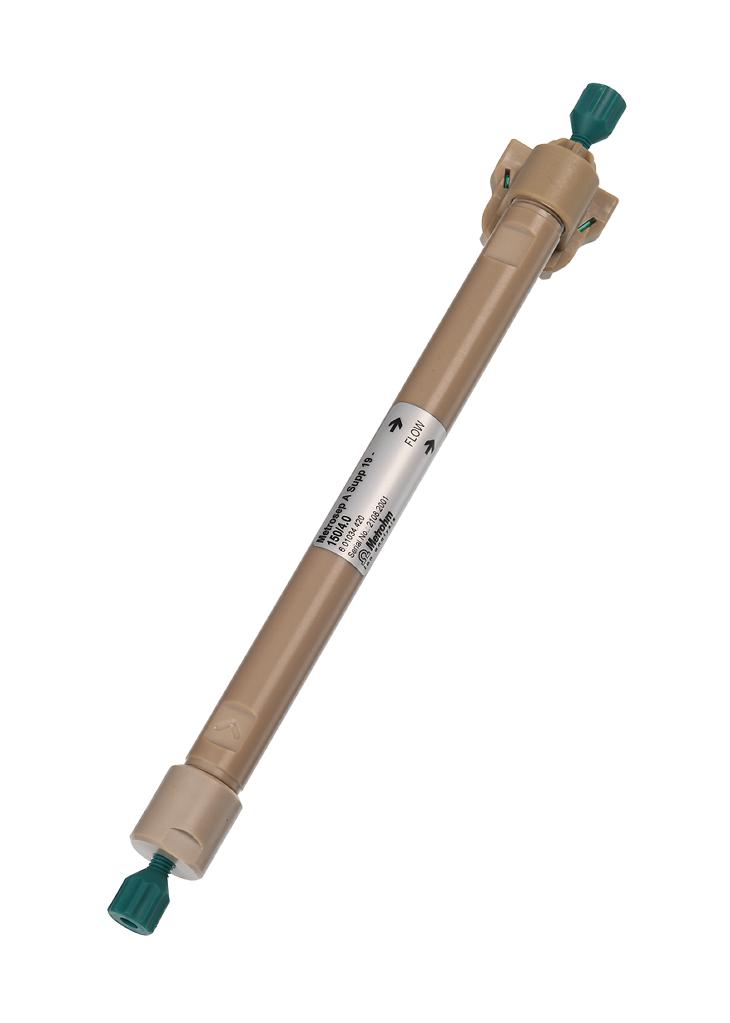


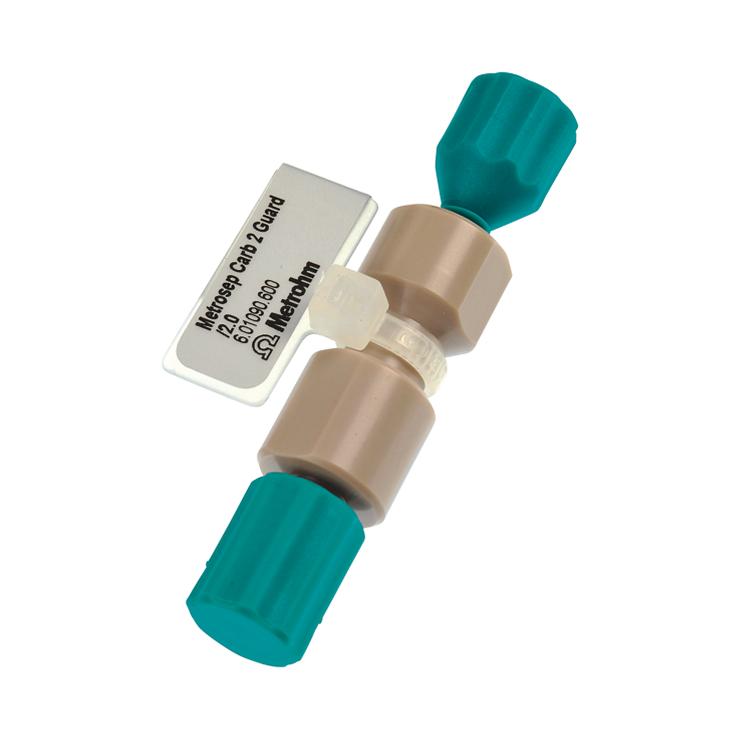



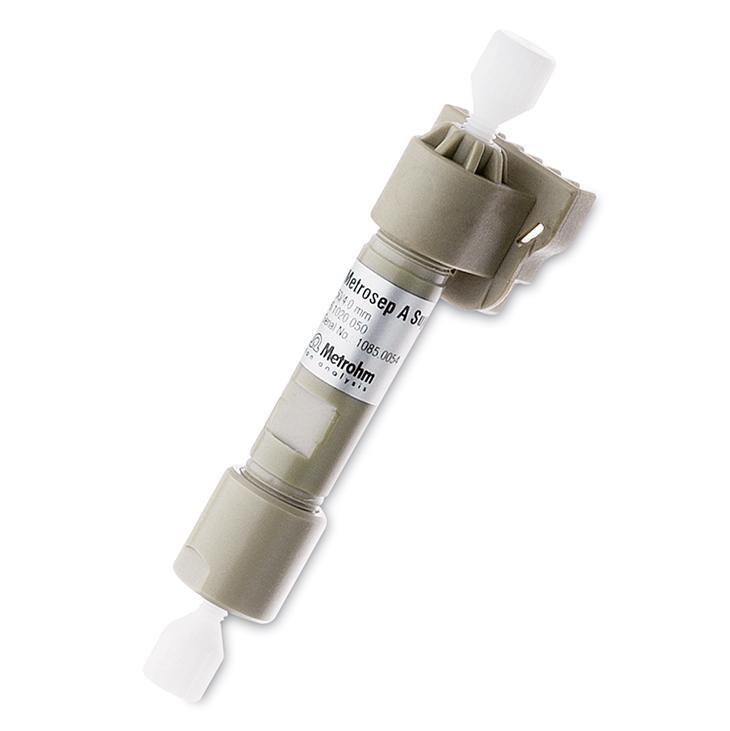


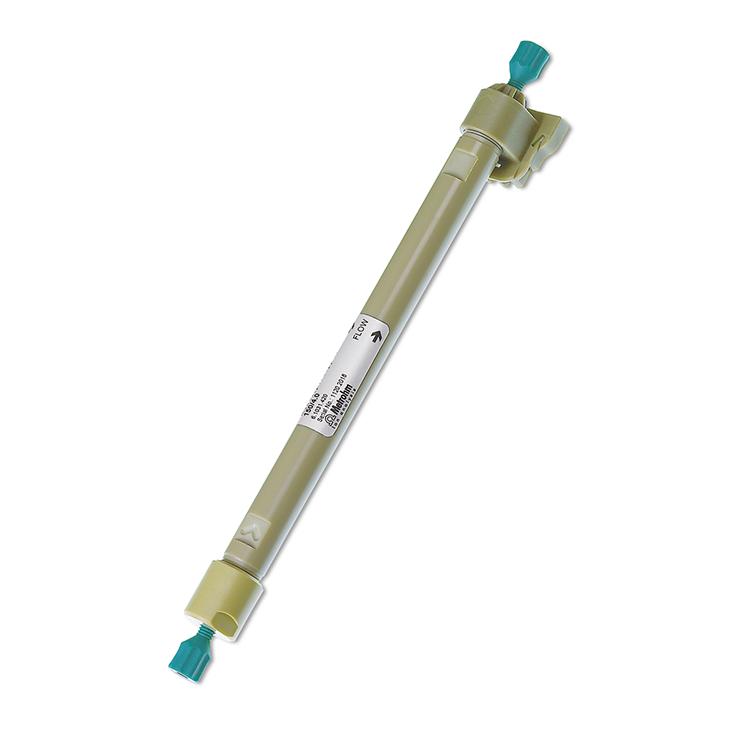


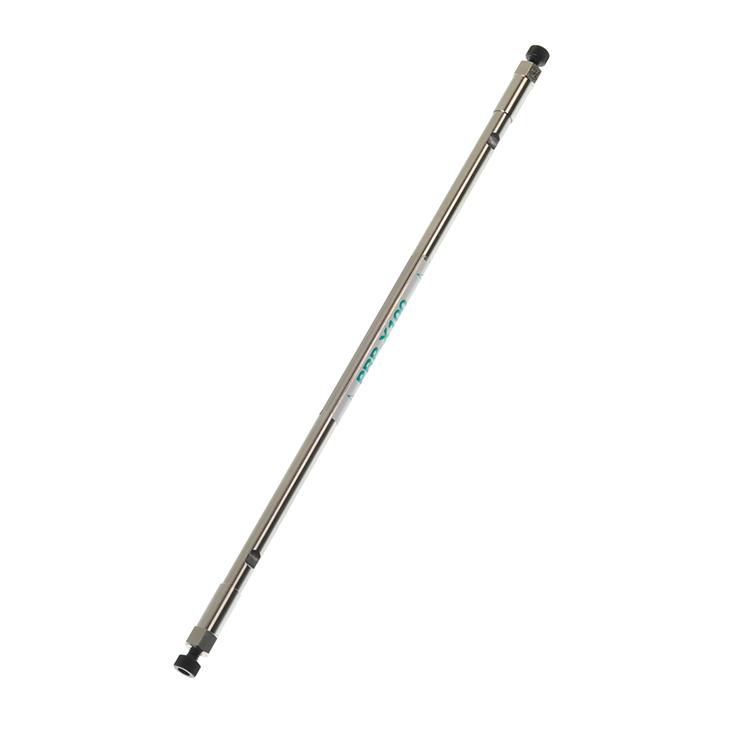

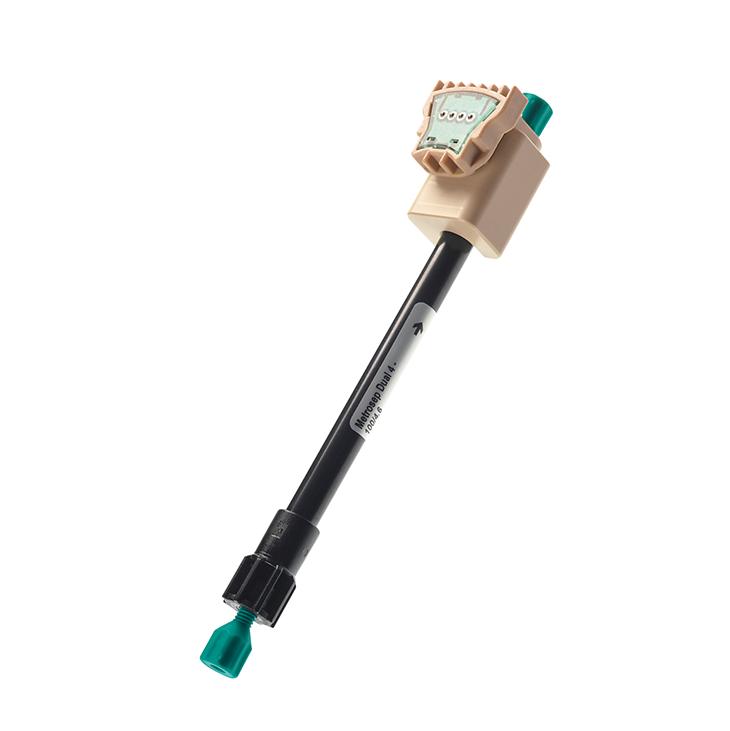


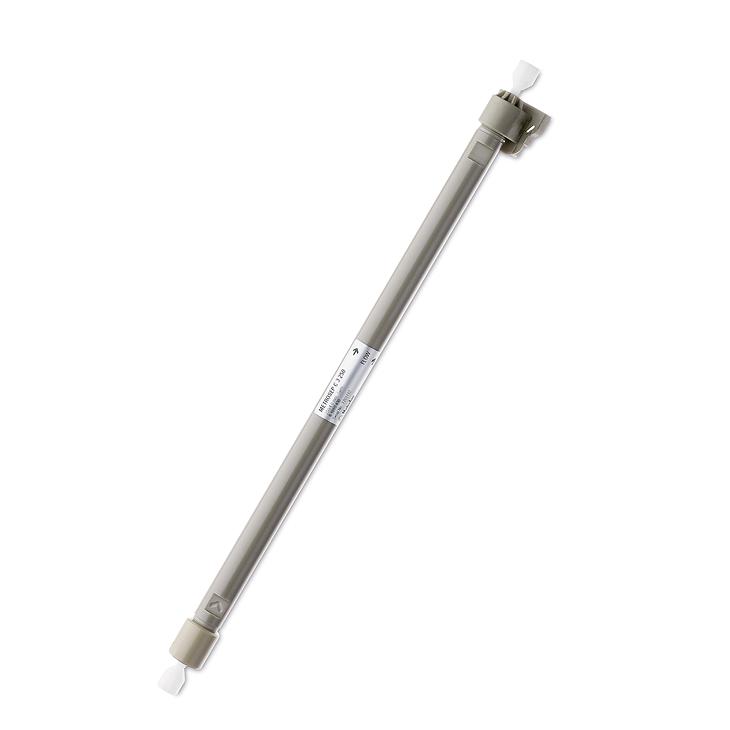


2.1056.0930
OMNIS Waste Collector UnitOMNIS Waste Collector Unit は、廃液に流れ込む液体の流れを回収するために使用されます。排液容器の透明ハウジングにより、最大 4 つの液体フローを目視で検証できます。排水システムに 4 チャンネル以上接続されている場合は、試薬オーガナイザーに追加の Waste Collector を取り付けることができます。仕様:- チャンネル数: 4- 目視でフローの検証を行うための透明なデザイン
6.01532.110
移送チューブ 10 mL、FEP、M6MISP Unit に取り付けて、液体を転送したり、一時的に保管したりするための移送チューブ 10 mL、FEP、M6。ドージングユニットの汚れを防止します。FEP チューブは化学的に不活性であり、柔軟性があります。このチューブは、キャピラリーより内径が大きいため、大量の液体をより迅速に送液することができます。代表的なアプリケーション:濃縮技術 (MiPCT)希釈技術 (MIDT)
6.01532.120
移送チューブ 10 mL、PEEK、外径 1/8"MISP Unit に取り付けて、液体を転送したり、一時的に保管したりするための移送チューブ 10 mL、PEEK、外径 ⅛"。ドージングユニットの汚れを防止します。PEEK チューブは化学的に不活性であり、フッ化物による汚染の可能性を防止するため、PTFE (FEP/PFA) チューブの代わりに使用されます。このチューブは、キャピラリーより内径が大きいため、大量の液体をより迅速に送液することができます。代表的なアプリケーション:濃縮技術 (MiPCT)
6.01532.130
移送チューブ 5 mL、FEP、外径 1/8"MISP Unit に取り付けて、液体を転送したり、一時的に保管したりするための移送チューブ 5 mL、外径 1/8"。ドージングユニットの汚れを防止します。FEP チューブは化学的に不活性であり、柔軟性があります。このチューブは、キャピラリーより内径が大きいため、大量の液体をより迅速に送液することができます。代表的なアプリケーション:濃縮技術 (MiPCT および MiPCT-ME)希釈技術 (MIDT)
6.01532.140
移送チューブ LQH、FEP、外径 1/8"MISP Unit に取り付けて、液体を転送したり、一時的に保管したりするための移送チューブ LQH、FEP、外径 1/8"。ドージングユニットの汚れを防止します。FEP チューブは化学的に不活性であり、柔軟性があります。このチューブは、キャピラリーより内径が大きいため、大量の液体をより迅速に送液することができます。代表的なアプリケーション:希釈技術 (MIDT)
6.01562.100
転送キャピラリー 2 mL、PEEKMISP Unit に取り付けて、液体を転送したり、一時的に保管したりするための転送キャピラリー 2 mL、PEEK。ドージングユニットの汚れを防止します。PEEK チューブは化学的に不活性であり、フッ化物による汚染の可能性を防止するため、PTFE (FEP/PFA) チューブの代わりに使用されます。このチューブは、キャピラリーより内径が大きいため、大量の液体をより迅速に送液することができます。代表的なアプリケーション:パーシャルループ技術 (MiPT)濃縮技術 (MiPCT)
6.01602.100
ボトルキャップ GL 45, 2 x M6, UNF 10/32溶離液、再生液、試薬、洗浄ボトル用ボトルキャップ GL 45、乾燥管および吸引チューブ用コネクタ付き。
6.01602.110
ボトルキャップ S 40、2x M6、UNF 10/3210 L キャニスター用 キャップ S 40。
6.01608.000
PP 製ボトル、2 L、GL 45OMNIS Reagent Organizer 用に設計されたボトル 2 L (PP)、溶離液、再生液、試薬、洗浄溶液用の容量表示機能付き。
6.01803.110
PTFE 製キャピラリー RO - PP、900/0.5 mmOMNIS IC 用表示ラベル付きのカット済み PTFE 製キャピラリー
6.01803.120
PEEK 製キャピラリー INJ - MFM/WC、950/0.75 mmOMNIS IC 用表示ラベル付きのカット済み PEEK 製キャピラリー
6.01805.400
FEP チューブ M6、1/8" x 1.59 mm、3 m6.01805.500
FEP チューブ 1/8" RO - DEG、1200 mmOMNIS IC 用表示ラベル付きカット済み FEP チューブ
6.01808.000
排水チューブコネクタ、PP、2 x 7~8 mm排水チューブ用コネクタ。
6.01808.010
Y型チューブ接続部、PP製、3 x 7-8 mm排水チューブ用コネクタ。
6.01808.020
L チューブコネクタ、PP、2 x 7~8 mm排水チューブ用コネクタ。
6.01808.030
T チューブコネクタ、PP、3 x 7~8 mm排水チューブ用コネクタ。
6.01808.100
排水チューブ固定具、7~8 mm試薬オーガナイザー用の実用的なチューブ固定具は、IC 装置の中を排水チューブが確実に通るようにガイドします。
6.01810.000
刻み付きナット M3、PC/PBTOMNIS IC カラムトレイに予熱カートリッジと PCR カートリッジを取り付けるための取り付け具です。システム構成で、カートリッジを安全かつすっきりと統合します。
6.01815.000
スパイラルバンド、3~15 mm、0.5 m様々なチューブまたはケーブルをまとめるためのスパイラルバンド。
6.01816.000
排水チューブ、7/9 mm、1 mシリコン製排水チューブ
6.01826.010
ポンプチューブ、内径 0.5 mm、オレンジ - 黄OMNIS IC System で Peristaltic Pump Unit を使用するための、内径 0.5 mm のポンプチューブ。このチューブを使用することで、透析、サプレッサー再生、またはPCR 溶液などの液体を、制御された状態で確実に輸送することができます。稼働中のフロー性能を安定させるように設計されています。その材料特性は、通常の分析条件下でも安定した機能性をサポートします。
6.01826.020
ポンプチューブ、内径 1.0 mm、白 - 白OMNIS IC System で Peristaltic Pump Unit を使用するための、内径 1.0 mm のポンプチューブ。このチューブを使用することで、サンプル溶液などの液体を、制御された状態で確実に輸送することができます。稼働中のフロー性能を安定させるように設計されています。その材料特性は、通常の分析条件下でも安定した機能性をサポートします。
6.01831.100
PEEK 製キャピラリー DEG - HPP、250/0.75 mmOMNIS IC 用表示ラベル付きのカット済み PEEK 製キャピラリー
6.01831.110
PEEK 製キャピラリー HPP - INJ、160/0.5 mmOMNIS IC 用表示ラベル付きのカット済み PEEK 製キャピラリー
6.01831.140
PEEK 製キャピラリー INJ - COL、180/0.18 mmOMNIS IC 用表示ラベル付きのカット済み PEEK 製キャピラリー
6.01831.150
PEEK 製キャピラリー MCS - COND、120/0.18 mmOMNIS IC 用表示ラベル付きのカット済み PEEK 製キャピラリー
6.01831.160
PEEK 製キャピラリー PA - INJ、180/0.5 mmOMNIS IC 用表示ラベル付きのカット済み PEEK 製キャピラリー
6.01831.170
PEEK 製キャピラリー INJ - COL、540/0.18 mmOMNIS IC 用表示ラベル付きのカット済み PEEK 製キャピラリー
6.01831.180
PEEK 製キャピラリー INJ - COL、280/0.18 mmOMNIS IC 用表示ラベル付きのカット済み PEEK 製キャピラリー
6.01831.190
PEEK 製キャピラリー COND - MFM/WC、400/0.18 mmOMNIS IC 用表示ラベル付きのカット済み PEEK 製キャピラリー
6.01831.200
PEEK 製キャピラリー COL - COND, 350/0.18 mmOMNIS IC 用表示ラベル付きのカット済み PEEK 製キャピラリー
6.01831.210
PEEK 製キャピラリー PP - SAMPLE IN、400/0.5 mmOMNIS IC 用表示ラベル付きのカット済み PEEK 製キャピラリー
6.01831.220
PEEK 製キャピラリー FILTRATE OUT - INJ、400/0.5 mmOMNIS IC 用表示ラベル付きのカット済み PEEK 製キャピラリー
6.01831.230
PEEK 製キャピラリー、1000/0.75 mmOMNIS IC 用カット済み PEEK 製キャピラリー
6.01831.240
PEEK 製キャピラリー、1400/0.75 mmOMNIS IC 用カット済み PEEK 製キャピラリー
6.01831.250
PEEK 製キャピラリー INJ - INJ、250/0.18 mmOMNIS IC 用表示ラベル付きのカット済み PEEK 製キャピラリー
6.01831.260
PEEK 製キャピラリー INJ - INJ、250/0.5 mmOMNIS IC 用表示ラベル付きのカット済み PEEK 製キャピラリー
6.01831.270
PEEK 製キャピラリー PP - SAMPLE IN、600/0.5 mmOMNIS IC 用表示ラベル付きのカット済み PEEK 製キャピラリー
6.01831.280
PEEK 製キャピラリー SAMPLE OUT - PP、600/0.5 mmOMNIS IC 用表示ラベル付きのカット済み PEEK 製キャピラリー
6.01831.290
PEEK 製キャピラリー DD/PP - DIAL. IN、750/0.5 mmOMNIS IC 用表示ラベル付きのカット済み PEEK 製キャピラリー
6.01831.300
PEEK 製キャピラリー DIALYSATE OUT - INJ、400/0.25 mmOMNIS IC 用表示ラベル付きのカット済み PEEK 製キャピラリー
6.01831.310
PEEK 製キャピラリー PLVL - HPP、140/0.75 mmOMNIS IC 用表示ラベル付きのカット済み PEEK 製キャピラリー
6.01831.320
PEEK 製キャピラリー DEG - PLVL、140/0.75 mmOMNIS IC 用表示ラベル付きのカット済み PEEK 製キャピラリー
6.01834.010
フィルター付き FEP チューブ、0.27 m6.01608.000 PP 製ボトル、2 L、GL 45 用の、粒子フィルター(気孔径 27 µm)が予め取り付けられたFEP 吸引チューブ。
6.01903.100
撹拌子、楕円形、32 mm試薬ボトルの摩耗を軽減するための錠剤型マグネチックスターラ(6.01608.000 PP 製ボトル、2 L、GL 45)。
6.02006.100
MISP ベースプレートOMNIS MISP Unit を T 字コネクターに固定するためのベースプレート。
6.02006.110
MISP ホルダー、トラップカラムOMNIS MISP Unit をトラップカラムに固定するためのホルダー。
6.02006.120
ホルダー、固定レールOMNIS IC 内の固定レールに T 字コネクターを固定するためのブラケット。
6.02009.000
容量センサーホルダー、キャニスター 10 L容量センサー内蔵の 10-L-キャニスター用ホルダー。
6.02027.000
Clip カバー、サイドパネル、2 個OMNIS ICにおけるキャピラリーおよびチューブの垂直固定用 Clip。数量: 2 個
6.02027.010
Clip COL、3 x 外径 1/16"OMNIS Column Thermostat Unit に PEEK 製キャピラリーを固定するための Clip。
6.02027.020
Clip COL、外径 1/16"OMNIS Column Thermostat Unit に PEEK 製キャピラリーを固定するための Clip。
6.02027.030
Clip 固定レール、2 x 外径 1/16"OMNIS Column Holder Unit を使用する際に、インレットキャピラリーをカラムに固定するための Clip。
6.02027.040
Clip カバー、固定レール、2 個OMNIS IC におけるキャピラリーおよびチューブの水平固定用 Clip。数量: 2 個
6.02027.050
Clip 10 mm、固定レール、2 個OMNIS IC における付属品の水平固定用 Clip。数量: 2 個
6.02040.000
OMNIS IC AS TrayOMNIS IC Autosampler でサンプルラックを収容するためのトレイ。このトレイは、自動サンプリング中にサンプルラックを確実に設置し、正確に位置決めするための安定した土台となります。その形状は、日常的な分析ワークフローにおいて、安定したハンドリングと確実な操作を確保できるように設計されています。このトレイはオートサンプラーシステムにシームレスに統合することができ、簡単に取り外すこともできるため、オートサンプラーにセットする前に、実験台の上で直接サンプルラックのローディングや準備をスムーズに行うことができます。
6.02040.010
OMNIS IC AS COOL トレイOMNIS IC Autosampler でサンプルラックを収容するための冷却トレイ。このトレイはサンプルを制御された低温度に保ち、温度に敏感な化合物の分析を可能にします。ラック位置および取り扱いは標準の AS トレイに準拠しており、自動サンプリング時における確実かつ精密な操作を保証します。このトレイはオートサンプラーシステムにシームレスに統合することができ、簡単に取り外すこともできるため、オートサンプラーにセットする前に、実験台の上で直接サンプルラックのローディングや準備をスムーズに行うことができます。
6.02041.500
サンプルラック OMNIS 24 x 10 mLOMNIS IC Autosampler 内の 24 x 10 mL バイアルを保持するためのサンプルラック。サンプルラックの形状はバイアルのスペックに適合しており、自動サンプリング時の正確な位置決めと安定した取り扱いを確実にします。サンプルラックは AS/ASCOOL トレイにシームレスに取り付けることができます。
6.02041.510
サンプルラック OMNIS 40 x 5 mLOMNIS IC Autosampler 内の 40 x 5 mL バイアルを保持するためのサンプルラック。サンプルラックの形状はバイアルのスペックに適合しており、自動サンプリング時の正確な位置決めと安定した取り扱いを確実にします。サンプルラックは AS/ASCOOL トレイにシームレスに取り付けることができます。
6.02041.520
サンプルラック OMNIS 48 x 11 mmOMNIS IC Autosampler 内の 48 x 11 mm 外径バイアルを保持するためのサンプルラック。サンプルラックの形状はバイアルのスペックに適合しており、自動サンプリング時の正確な位置決めと安定した取り扱いを確実にします。サンプルラックは AS/ASCOOL トレイにシームレスに取り付けることができます。
6.02041.530
サンプルラック OMNIS 6 x 50 mLOMNIS IC Autosampler 内の 6 x 50 mL ボトルを保持するためのサンプルラック。サンプルラックの形状はバイアルのスペックに適合しており、自動サンプリング時の正確な位置決めと安定した取り扱いを確実にします。サンプルラックは AS/ASCOOL トレイにシームレスに取り付けることができます。
6.02041.540
サンプルラック OMNIS 12 x 22 mmOMNIS IC Autosampler 内の 12 x 22 mm 外径バイアルを保持するためのサンプルラック。サンプルラックの形状はバイアルのスペックに適合しており、自動サンプリング時の正確な位置決めと安定した取り扱いを確実にします。サンプルラックは AS/ASCOOL トレイにシームレスに取り付けることができます。
6.02041.550
サンプルラック OMNIS、2 x 200 mLOMNIS IC Autosampler 内の 2 x 200 mL ボトルを保持するためのサンプルラック。サンプルラックの形状はバイアルのスペックに適合しており、自動サンプリング時の正確な位置決めと安定した取り扱いを確実にします。サンプルラックは AS/ASCOOL トレイにシームレスに取り付けることができます
6.02050.000
ボトルホルダー、ROOMNIS IC Reagent Organizer の溶離液ボトル PP 2 L 用ボトルホルダー。
6.02050.010
ボトル固定具 ROOMNIS IC Reagent Organizer の溶離液ボトル PP 2 L 用ボトル固定具。
6.02050.100
ボトルホルダー RO、ユニバーサルOMNIS IC Reagent Organizer に取り付ける、1 L または 2 L のガラスボトル用ボトルホルダー。
6.02050.200
ボトルダウンホルダー, ROLCOMNIS IC Reagent Organizer Liquid Control の溶離液ボトル PP 2 L 用ボトルダウンホルダー。
6.02050.210
キャニスター 10 L 固定具容積センサーホルダーへのキャニスター固定具、キャニスター 10 L。
6.02061.000
Reagent OrganizerOMNIS IC装置用試薬および溶離液ボトルオーガナイザー。
6.02061.100
ベースプレートOMNIS IC モジュールおよび事前構成済み装置(OMNIS IC S、M、L)用のベースプレート。
6.02061.110
ドリップコレクター、ベースプレートベースプレート用インテリジェントドリップコレクター。
6.02061.120
ドリップコレクター、ExtensionExtension 用インテリジェントドリップコレクター。
6.02061.130
ドリップコレクター、Unitユニット用ドリップコレクター、固定レールに取り付け、Extension。
6.02061.200
カバープレート、Extension/ASExtension またはオートサンプラーと、Reagent Organizer または Reagent Organiser Liquid Control との間のカバープレート。
6.02102.100
リモートケーブル、PL/開、2mOMNIS を質量スペクトロメーターなどの他社製装置と接続するためのリモートケーブル。
6.02104.100
センサーケーブルプラグ/プラグ、3 m容量センサーホルダー、キャニスター 10 L をOMNIS IC に接続するためのセンサーケーブル。
6.02107.000
ネットワークケーブル 1 mOMNIS 装置をイーサネットルーター、イーサネットスイッチ、もしくはローカルネットワークに接続するためのネットワークケーブル (1 m)
6.02107.010
ネットワークケーブル 2 mOMNIS 装置をイーサネットルーター、イーサネットスイッチ、もしくはローカルネットワークに接続するためのネットワークケーブル (2 m)
6.02107.040
ネットワークケーブル、0.3 mOMNIS 装置をイーサネットルーター、イーサネットスイッチ、もしくはローカルネットワークに接続するためのネットワークケーブル (0.3 m)
6.02122.120
電源コード、C13/14、0.35 mOMNIS Extension Module 接続用電源コード(0.35 m)
6.02122.130
電源コード、C13/14、1 mOMNIS Extension Module 接続用電源コード(1 m)
6.02601.060
固定レール、ExtensionOMNIS IC Extention モジュール用固定レール。
6.02603.000
落下防止装置、ベースプレートOMNIS IC をテーブルに固定するための落下防止装置。石油プラットフォーム、船舶、航空機、バス、あるいは地震の多い地域などでの取り付けに役立ちます。
6.02621.010
multitool、HPPOMNIS High-Pressure Pump Unit のメンテナンス用多機能ツール。
6.02624.100
サンプルニードル、MF、内径 0.5 mmOMNIS IC Autosampler および OMNIS IC Autosampler COOL 用のサンプルニードル、金属不使用。
6.02705.100
ガイドクリップ、CM948 Continuous IC Module、CEP におけるキャピラリーおよびチューブを誘導するためのクリップ。
6.02741.000
ピストンパッキング、PE、オレンジOMNIS IC High-Pressure Pump Unit 用ピストンパッキング。
6.02741.030
メンテナンスキット、ピストンフラッシングシール、2 個OMNIS IC High-Pressure Pump Unit のピストンバックフラッシュ用メンテナンスキット。
6.02743.017
バイアル PS、10 mL、200 個OMNIS IC Autosampler での使用に特化して設計された、高品質ポリスチレン(PS)製の容量目盛り付き使い捨てサンプルバイアル。容量 10 mL かつ最適化された形状(平底)により、これらのバイアルはシームレスな統合、安全な取り扱い、そして信頼性の高いオートメーションを実現します。Metrohm サンプルバイアルは、クリーンルーム条件下(DIN ISO 14644 に基づくクリーンルームクラス 7)で製造および梱包されており、高純度が求められるアプリケーション向けに設計されています。これらは汚染レベルが最小限に抑えられていることが妥当性確認済みであり、わずかな不純物でも結果に影響を及ぼし得るイオンクロマトグラフィーでの微量分析に最適です。数量: 200 個
6.02743.020
バイアル PS、5 mL、2000 個OMNIS IC Autosampler での使用に特化して設計された、高品質ポリスチレン(PS)製の容量目盛り付き使い捨てサンプルバイアル。容量 5 mL かつ最適化された形状(平底)により、これらのバイアルはシームレスな統合、安全な取り扱い、そして信頼性の高いオートメーションを実現します。Metrohm サンプルバイアルは、クリーンルーム条件下(DIN ISO 14644 に基づくクリーンルームクラス7)で製造および梱包されており、高純度が求められるアプリケーション向けに設計されています。これらは汚染レベルが最小限に抑えられていることが妥当性確認済みであり、わずかな不純物でも結果に影響を及ぼし得るイオンクロマトグラフィーでの微量分析に最適です。数量: 2000 個
6.02743.027
バイアル PS、5 mL、200 個OMNIS IC Autosampler での使用に特化して設計された、高品質ポリスチレン(PS)製の容量目盛り付き使い捨てサンプルバイアル。容量 5 mL かつ最適化された形状(平底)により、これらのバイアルはシームレスな統合、安全な取り扱い、そして信頼性の高いオートメーションを実現します。Metrohm サンプルバイアルは、クリーンルーム条件下(DIN ISO 14644 に基づくクリーンルームクラス 7)で製造および梱包されており、高純度が求められるアプリケーション向けに設計されています。これらは汚染レベルが最小限に抑えられていることが妥当性確認済みであり、わずかな不純物でも結果に影響を及ぼし得るイオンクロマトグラフィーでの微量分析に最適です。数量: 200 個
6.02743.040
ボトル PP、200 mLOMNIS IC Autosampler でのスムーズな使用、およびサンプル、試薬、標準の安全な取り扱いと分析のために設計された、高品質ポリスチレン(PS)製サンプルバイアル。管理されたクリーンルーム条件(DIN EN ISO 14644-1 に基づく ISO クラス 7)で製造・梱包されたこのバイアルは、汚染レベルを低く抑え、日常的な実験室業務において信頼性の高い性能を発揮します。数量: 1 個
6.02743.070
キャップ PP、外径 16.6 mm、2000 個ポリスチレン製サンプルバイアル 10 mL 用ポリプロピレン製キャップ。このキャップはクリーンルーム条件下(DIN ISO 14644 に基づくクリーンルームクラス 7)で製造・梱包されており、高純度が求められる IC アプリケーションに適しています。数量: 2000 個
6.02743.077
キャップ PP、外径 16.6 mm、200 個ポリスチレン製サンプルバイアル 10 mL 用ポリプロピレン製キャップ。このキャップはクリーンルーム条件下(DIN ISO 14644に基づくクリーンルームクラス 7)で製造・梱包されており、高純度が求められる IC アプリケーションに対応しています。数量: 200 個
6.02743.080
キャップ PP、外径 11.5 mm、2000 個ポリスチレン製サンプルバイアル 5 mL 用ポリプロピレン製キャップ。このキャップはクリーンルーム条件下(DIN ISO 14644に基づくクリーンルームクラス 7)で製造・梱包されており、高純度が求められる IC アプリケーションに対応しています。数量: 2000 個
6.02743.087
キャップ PP、外径 11.5 mm、200 個ポリスチレン製サンプルバイアル 5 mL 用ポリプロピレン製キャップ。このキャップはクリーンルーム条件下(DIN ISO 14644に基づくクリーンルームクラス 7)で製造・梱包されており、高純度が求められる IC アプリケーションに対応しています。数量: 200 個
6.02743.097
セプタム付きスクリューキャップ、12 個サンプル、標準および試薬の安全な保管・取り扱いに適した、セプタム一体型スクリューキャップ。セプタムは、汚染や蒸発を最小限に抑えながら自動的なサンプルアクセスを可能にするため、自動化された実験室のワークフローに最適です。その堅牢な設計により、サンプル前処理および分析の際、確実な密閉性と信頼性の高い性能が確保されます。数量: 12 個
6.02744.000
ニードル固定コネクターOMNIS IC Autosampler および OMNIS IC Autosampler COOL のニードルドライブへのサンプルニードルの固定。
6.02744.010
フランジレスフィッティング M6、1/8", 2 個1/8'' チューブ用フランジレスフィッティング。数量:2 個
6.02744.020
T 字コネクター、M63 M6 チューブ用T 字コネクター。
6.02744.030
T 字コネクター、2 x UNF 10/32、M62 キャピラリーおよび 1 M6 チューブ用 T 字コネクター。
6.02744.060
アダプター M6メス / ルアーメス、PEEK溶液で吸引チューブをパージするためのアダプター
6.02744.110
1/8" 用フランジレスフェルール、PVDF、4 個1/8'' 用フランジレスフィッティング、チューブ。数量: 4 個
6.02762.100
希釈容器OMNIS IC Autosampler および OMNIS IC Autosampler COOL 用、インライン希釈用混合容器。
6.02762.110
希釈容器の蓋OMNIS IC Autosampler または OMNIS IC Autosampler COOL の希釈容器用蓋。
6.02765.000
排液容器、4 x UNF 10/32最大 4 本の廃液キャピラリー用排液容器。
6.02800.000
ブラインドカバーユニット空きユニット用ブラインドカバー。
6.02816.000
シリンジ 20 mL、ルアーPP 製 20 mL シリンジ、ルアーコネクタ付き。
6.02824.000
ポンプピストン、ZrO2、3.8 mmOMNIS IC High Pressure Pump 用ポンプピストン。
6.02824.010
入口用チェックバルブ (PEEK)OMNIS IC High Pressure Pump Unit 出口側のメタルフリーチェックバルブ。
6.02824.020
出口用チェックバルブ、PEEKOMNIS High-Pressure Pump Unit 出口側のメタルフリーチェックバルブ。
6.02837.030
CO2 Absorber (Tube)ルアーアダプター付き CO2 Absorber (Tube);試薬や溶離液を粒子から保護し、CO2 の影響を受けやすい溶離液において安定した保持時間を確保します。
6.02837.040
フィルター管ルアーアダプター付きフィルター管、溶離液や試薬を粒子から保護します。
6.02837.110
CO2 Absorber (Cartridge)OMNIS MCS Unit に吸入される空気から CO₂ を除去する吸着カートリッジにより、ベースラインの安定性と一貫性が確保されます。
6.02841.120
洗浄ステーションOMNIS IC Autosampler および OMNIS IC Autosampler COOL 用の、ニードル洗浄用洗浄ステーション。
6.02842.010
ユニオンナット、Actuator UnitOMNIS Actuator Unit 用ユニオンナット。
6.02842.020
接続ピース、OMNIS MSM/SPMOMNIS MSM および SPM 用、入口および出口を備えた接続ピース。
6.02842.030
ユニオンナット、接続ピースOMNIS MSM Unit 用ユニオンナット。
6.02842.040
ローターハウジングOMNIS Actuator Unit を OMNIS MSM Unit にアップグレードするためのローターハウジング。
6.02845.000
予熱カートリッジ内径 0.18 mmOMNIS Column Thermostat Unit に装着する、溶離液予熱用キャピラリーを内蔵したカートリッジ。
6.02845.100
PCR カートリッジ、PTFE、内径 0.5 mmOMNIS IC Thermostate Unit に装着する、PCR キャピラリーを内蔵したカートリッジ。
6.02860.000
MFM センサーバーOMNIS IC MFM Unit 用センサーバー。
6.05000.000
付属品キット: OMNIS IC取り付けや毎日の作業、メンテナンスに必要な OMNIS IC 付属品セット.このセットには、OMNIS IC 装置に関連する簡単なタスクに不可欠なツールや付属品が含まれています。
6.05000.030
付属品キット:OMNIS IC M ModuleOMNIS IC M Moduleの取り付けを完了するための付属品セット。
6.05000.120
取り付けキット:OMNIS IC M、ケーブル6.05000.130
取り付けキット:OMNIS IC L、ケーブル6.05000.140
取り付けキット:AS/AS COOL6.05000.150
取り付けキット:ASケーブル6.05000.160
取り付けキット:AS COOLケーブル6.05331.030
OMNIS IC装置:UF、PP/DDOMNIS ICの限外ろ過用付属品セット:インライン限外ろ過により、サンプルから含有粒子を分離することができます。Metrohmインライン限外ろ過システムの主要コンポーネントは、限外ろ過セルです。この限外ろ過セルは、ろ過効率とサンプル処理能力に対する要求が高いサンプルのろ過に適しています。本装置は、Peristaltic Pump UnitとDosing Drive Unitを組み合わせてセットアップするためのものです。前提条件:OMNIS IC AS/ASCOOLを搭載したOMNIS IC S/M/Lには以下が含まれます:利用可能なOMNIS Dosing Drive Unit; 利用可能なOMNIS Peristaltic Pump Unitチャンネル; 利用可能なOMNIS MISP Unit; 3/2 方向制御バルブを搭載したAS/ASCOOL、UNF;
6.05331.040
OMNIS IC装置:MIDTOMNIS ICの希釈用付属品セット:このテクニックにより、イオン濃度が極端に高いイオンや、高濃度のサンプルマトリックスを希釈することが可能になります。必要なサンプル容量は、OMNIS Dosing Drive Unitによって正確に吸引されます。サンプルと希釈溶液は希釈ステーションにて混合され、サンプルが希釈されるとともに、完全に均一化されます。さらに、Metrohm インライン希釈テクニックを用いることで、単一の標準液によるキャリブレーションが可能です。仕様:最大希釈率:2000; 精度:DF 100までは<1.5%、DF 1000までは<2.5%; 再現性(n=9):DF 1000までは<1%; キャリーオーバー:< 0.003%; 前提条件:OMNIS IC S/M/Lには以下が含まれます:利用可能なOMNIS Dosing Drive Unit; 利用可能なOMNIS MISP Unit; AS/ASCOOL装備:希釈ステーションおよび; 3/2 方向制御バルブ、M6;
6.05331.050
OMNIS IC装置:UF、PP/PPOMNIS ICの限外ろ過用付属品セット:インライン限外ろ過により、サンプルから含有粒子を分離することができます。Metrohmインライン限外ろ過システムの主要コンポーネントは、限外ろ過セルです。この限外ろ過セルは、ろ過効率とサンプル処理能力に対する要求が高いサンプルのろ過に適しています。本装置は、Peristaltic Pump Unitを用いたセットアップ専用です。前提条件:OMNIS IC AS/ASCOOLを搭載したOMNIS IC S/M/Lには以下が含まれます:利用可能なOMNIS Peristaltic Pump Unitの2チャンネル; 利用可能なOMNIS MISP Unit;
6.05331.060
OMNIS IC装置:MIDT-UF、PP/DDOMNIS ICにおける希釈と限外ろ過の組み合わせ用付属品セット:このテクニックにより、イオン濃度が極端に高いイオンや、高濃度のサンプルマトリックスを希釈することが可能になります。必要とされるサンプル容量は、OMNIS Dosing Drive Unitによって正確に吸引されます。さらに、インライン限外ろ過により、サンプルをそこに含まれる粒子から分離することができます。この複合テクニックにより、わずか1種類の標準液でキャリブレーションを行うことが可能になります。前提条件:OMNIS IC AS/ASCOOLを搭載したOMNIS IC S/M/Lには以下が含まれます:利用可能なOMNIS Dosing Drive Unit; 利用可能なOMNIS Peristaltic Pump Unitチャンネル; 利用可能なOMNIS MISP Unit; 希釈ステーションおよび3/2 方向制御バルブを搭載したAS/ASCOOL、UNF;
6.05331.070
OMNIS IC装置:MiPTOMNIS IC パーシャルループインジェクション用付属品セット:このテクニックにより、250 μLのサンプルループに規定の容量を充填することが可能です。OMNIS Dosing Drive Unitは、装着されたOMNISシリンダーユニットとともに、正確な吐出手順を行います。インテリジェントパーシャルループインジェクションテクニックは、インジェクション量を自由に選択できるため、単一の標準液でのキャリブレーションが可能です。サンプル注入についても同様です。高濃度のサンプルには少なめのインジェクション量を選択し、低濃度のサンプルには多めのインジェクション量を選択することができます。前提条件:OMNIS IC AS/ASCOOLを搭載したOMNIS IC S/M/Lには以下が含まれます:利用可能なOMNIS Dosing Drive Unit; 利用可能なOMNIS MISP Unit;
6.05331.080
OMNIS IC装置:UF-MiPT、PP/DDOMNIS ICにおけるパーシャルループインジェクションテクニックと限外ろ過の組み合わせ用付属品セット:インライン限外ろ過により、サンプルから含有粒子を分離することができます。さらに、パーシャルループインジェクションを用いることで、250 μLのサンプルループにろ過済みサンプルの規定容量を充填することが可能です。OMNIS Dosing Drive Unitは、装着されたOMNISシリンダーユニットとともに、正確な吐出手順を行います。この複合テクニックにより、単一の標準液を用いたキャリブレーションが可能になります。前提条件:OMNIS IC AS/ASCOOLを搭載したOMNIS IC S/M/Lには以下が含まれます:利用可能なOMNIS Dosing Drive Unit; 利用可能なOMNIS Peristaltic Pump Unitチャンネル; 利用可能なOMNIS MISP Unit; 希釈ステーションおよび3/2 方向制御バルブを搭載したAS/ASCOOL、UNF;
6.05331.090
OMNIS IC 装置:D-INJ、手動OMNIS ICの手動フルループインジェクション用付属品セット:このテクニックにより、サンプルループを手動で充填することができます。前提条件:OMNIS IC S/M/L
6.05332.000
OMNIS IC装置:キャニスター10 L、LC10 Lキャニスターの自動モニタリング用付属品セット。前提条件:ROLC搭載OMNIS IC
6.05332.010
OMNIS IC装置:キャニスター10 L、排水口排水口を10 Lキャニスターに接続するための付属品セット。前提条件:OMNIS IC S/M/L
6.05332.020
OMNIS IC装置:HPPピストンバックフラッシュ、DDHPPピストンバックフラッシュ用付属品セット:OMNIS IC HPP用のピストンバックフラッシュには、OMNIS Cylinder Unit上の吐出システムに設けられた空きポートが標準として割り当てられています。各サンプルの分析後、ピストンはUPWの少量の割合で洗浄されます。Cylinder Unitの空きチャンネルがない場合は、代わりに601826010のペリスタリックポンプチューブを装着したペリスタリックポンプチャンネルを介してUPWを転送することができます。前提条件:OMNIS IC S/M/Lには以下が含まれます:利用可能なOMNIS Cylinder Unitポート(作動媒体としてUPWを使用)または; 利用可能なOMNIS Peristaltic Pump Unitチャンネル;
6.05332.040
OMNIS IC装置:PP再生Peristaltic Pump Unitを搭載したMSM再生用付属品セット。前提条件:OMNIS IC S/M/Lには以下が含まれます:利用可能なOMNIS Peristaltic Pump Unitチャンネル;
6.05332.050
OMNIS IC装置:DD再生STREAMセットアップを含むDosing Drive Unitを搭載したMSM再生用付属品セット。前提条件:OMNIS IC S/M/Lには以下が含まれます:利用可能なOMNIS Dosing Drive Unit;
6.05332.060
OMNIS IC装置:ベースプレートOMNIS IC ASまたはASCOOLを含まないOMNIS IC用付属品セット:本装置を使用することで、OMNIS IC(S/M/L)を、ICの下流にオートメーション無しのスタンドアローン溶液として提供することが可能です。OMNIS ICを858 Professional Sample Processor、または919 IC Autosampler plusと組み合わせて使用する場合も、この装置が必要になります。前提条件:AS/ASCOOLオートメーションなしのOMNIS IC S/M/L
6.05332.070
OMNIS IC装置:PCR、DDOMNIS IC用PCR付属品セット:PCR-UV/VIS検出は、クロマトグラフィー分離後の化学反応を介して、分析物を吸光光度検出で検出するために使用されます。PCR カートリッジ内では、分離カラムの後方で溶離液が試薬と混合され、それにより分析物と特異的な反応が可能になります。その後、溶離液と試薬の混合物は、反応した分析物と共にUV検出器へと送られます。本セットは、Dosing Drive Unitと組み合わせて使用するPCRアプリケーション専用であり、洗浄用の予備ボトルも付属しています。前提条件:OMNIS IC S/M/Lには以下が含まれます:利用可能なOMNIS Dosing Drive Unit; 利用可能なOMNIS Column Thermostat Unit;
6.05332.080
OMNIS IC装置:EPODOMNIS ICにおける溶離液自動製造用付属品セット。前提条件:OMNIS IC S/M/Lには以下が含まれます:利用可能なOMNIS Dosing Drive Unit;
6.05332.090
OMNIS IC装置:Dose-inグラジェントOMNIS ICのDose-inグラジェント用付属品セット:グラジェントは、分析時間を通じて変化する混合比であり、異なる溶離液を混合することによって生成されます。OMNIS Cylinder Unitは、濃縮または希釈された溶離液を、所定の比率で主溶離液流に添加します。これにより、移動相の全体的な濃度が変化します。その結果、許容可能な分析時間内で、すべてのイオンの最適な分離が実現されます。前提条件:OMNIS IC S/M/Lには以下が含まれます:利用可能なOMNIS Dosing Drive Unit;
6.05332.100
OMNIS IC装置:DD再生、洗浄STREAMセットアップ無しのDosing Drive Unitを搭載したMSM再生用付属品セット。前提条件:OMNIS IC S/M/Lには以下が含まれます:利用可能なOMNIS Dosing Drive Unit;
6.05332.110
OMNIS IC装置:PCR、PPOMNIS IC用PCR付属品セット:PCR-UV/VIS検出は、クロマトグラフィー分離後の化学反応を介して、分析物を吸光光度検出で検出するために使用されます。PCR カートリッジ内では、分離カラムの後方で溶離液が試薬と混合され、それにより分析物と特異的に反応します。その後、溶離液と試薬の混合物は、反応した分析物と共にUV検出器へと送られます。本セットは、ペリスタルティックポンプユニットと組み合わせて使用する、PCRアプリケーション専用の製品です。前提条件:OMNIS IC S/M/Lには以下が含まれます:利用可能なOMNIS Peristaltic Pump Unitチャンネル; 利用可能なOMNIS Column Thermostat Unit;
6.05332.120
OMNIS IC装置:2タワーセットアップOMNIS IC ASまたはASCOOLを含まないOMNIS IC用付属品セット:OMNIS IC Systemを2スタック構成(2タワーセットアップ)で設置する場合、OMNIS ICにはベースプレートを、AS/ASCOOLには試薬オーガナイザーを装備する必要があります。前提条件:OMNIS IC S/M/L
6.05332.130
OMNIS IC 機器: AutoSwitchOMNIS IC の AutoSwitch 用付属品セット: 多くのサンプルでは、陰イオンや陽イオンなど、複数の分析物の分析が必要となります。OMNIS IC M は、AutoSwitch の分析実施を可能にするため、簡単にアップグレードできます。これにより、陰イオンおよび陽イオン分析など、オートメーションによる連続実行が可能になります。追加のインジェクタと 2 個の 3/2 方向バルブにより、様々な分析の自動切り替えが可能です。前提条件:OMNIS IC M には以下が含まれます:6/2 または 7/3 インジェクタ (最低 1 x 7/3 インジェクタが必要です) が搭載された OMNIS Actuator Unit が使用可能; OMNIS Column Thermostat Unit でのポジションが使用可能; 1x 3/2 方向制御バルブ、M6 および 1x 3/2 方向制御バルブ、UNF が搭載された AS/ASCOOL;
6.05801.000
ペリスタリックポンプチャンネルキットOMNIS Peristaltic Pump Unit 1-Channelに、ポンプチャンネルを1つ増設するためのアップグレードキット。前提条件:2.1056.0010 OMNIS Peristaltic Pump Unit 1-Channel; 情報:本アップグレードは、認定された現地の Metrohm サービス担当者によってインストールされなければなりません。
6.05801.010
ピストンバックフラッシュキットOMNIS High-Pressure Pump Unitにピストンバックフラッシュを追加するためのアップグレードキット。ピストンバックフラッシュパッキングが付属しています。前提条件:2.1056.0210 OMNIS High Pressure Pump Unit; 6.02621.010 Multitool、HPP;
6.05801.020
脱気装置チャンネルキットOMNIS IC Degasser Unitを追加の脱気装置チャンネルで拡張するためのアップグレードキット。前提条件:OMNIS IC S/M/Lには以下が含まれます:2.1056.0010 OMNIS Degasser Unit 1-Channelまたは; 2.1056.0020 OMNIS Degasser Unit 2-Channel; 情報:本アップグレードは、認定された現地の Metrohm サービス担当者によってインストールされなければなりません。
6.05801.040
容量センサー、ROLC キットOMNIS Reagent Organizer Liquid Controlに、追加の容量センサーを増設するためのアップグレードキット。前提条件:2.1056.1200 OMNIS Reagent Organizer Liquid Control; 情報:本アップグレードは、認定された現地の Metrohm サービス担当者によってインストールされなければなりません。
6.05801.050
ドア1キット交換部品:OMNIS IC Door 1。必要なヒンジが付属しています。
6.05801.060
ドア2キット交換部品:OMNIS IC Door 2。必要なヒンジが付属しています。
6.05801.070
ドア3キット交換部品:OMNIS IC Door 3。必要なヒンジが付属しています。
6.05801.080
ドア4キット交換部品:OMNIS IC Door 4。必要なヒンジが付属しています。
6.05801.090
マグネチックスターラ、ROLC キットOMNIS Reagent Organizer Liquid Controlに、マグネチックスターラを増設するためのアップグレードキット。 前提条件: 2.1056.1200 OMNIS Reagent Organizer Liquid Control; 情報:本アップグレードは、認定された現地の Metrohm サービス担当者によってインストールされなければなりません。
6.05801.110
3/2 方向制御バルブ、UNF キット3/2 方向制御バルブは、3 つのコネクタと 2 つのスイッチ位置が付いたバルブです。3/2 方向制御バルブには、UNF 10/32 コネクタか、M6 コネクタが付いており、どちらかを選択できます。これは、例えば以下の用途などに使用できます:陰イオン/陽イオンシステム: どのチャンネルにサンプルを注入するかをコントロールします。; 2 つの異なる溶液による洗浄: どの洗浄溶液を使用するかをコントロールします。; サンプルチェンジャーごとに 3 つまで3/2方向制御バルブを設置できます。注記: このアップグレードは認可を受けた現地の Metrohm サービス担当者が設置する必要があります。
6.05801.120
3/2 方向制御バルブ、M6 キット3/2 方向制御バルブは、3 つのコネクタと 2 つのスイッチ位置が付いたバルブです。3/2 方向制御バルブには、UNF 10/32 コネクタか、M6 コネクタが付いており、どちらかを選択できます。これは、例えば以下の用途などに使用できます:陰イオン/陽イオンシステム: どのチャンネルにサンプルを注入するかをコントロールします。; 2 つの異なる溶液による洗浄: どの洗浄溶液を使用するかをコントロールします。; サンプルチェンジャーごとに 3 つまで3/2方向制御バルブを設置できます。注記: このアップグレードは認可を受けた現地の Metrohm サービス担当者が設置する必要があります。
6.05801.130
バーコードリーダーキット個別のサンプルラックおよび OMNIS IC AS Tray には、それぞれバーコードが付いています。バーコードリーダーがバーコードをスキャンします。それによってサンプルチェンジャーは現在設置されているサンプルラックの数、ポジションおよびタイプを検出します。さらに、バーコードリーダーは空のラック位置を検出します。注記: このアップグレードは認可を受けた現地の Metrohm サービス担当者が設置する必要があります。
6.05801.170
インジェクタ 6/2 キットOMNIS Actuator Unit に UNF 10/32 継手付きメタルフリー 6/2 インジェクタを増設するためのアップグレードキット。 インジェクタの仕様: 穴の内径: 0.4 mm; ローターの材質: Valcon E; ステーター材質: PAEK/カーボンファイバー; 最大圧力: 35 MPa; 前提条件:210560410 OMNIS Actuator Unit 情報:本アップグレードは、認定された現地の Metrohm サービス担当者によってインストールされなければなりません。
6.05801.180
インジェクタ 7/3 キットOMNIS Actuator Unit に UNF 10/32 継手付きメタルフリー 7/3 インジェクタを増設するためのアップグレードキット。 インジェクタの仕様: 穴の内径: 0.4 mm; ローターの材質: Valcon E; ステーター材質: PAEK/カーボンファイバー; 最大圧力: 35 Mpa; 前提条件: 2.10560.410 OMNIS Actuator Unit 情報:本アップグレードは、認定された現地の Metrohm サービス担当者によってインストールされなければなりません。
6.05801.190
インジェクタ 4/2、0.25 µL キットOMNIS Actuator Unit に UNF 10/32 継手付きメタルフリー 4/2、0.25µL 内部ループインジェクタを増設するためのアップグレードキット。インジェクタの仕様:穴の内径: 0.4 mm; ローターの材質: Valcon E; ステーター材質: PAEK/カーボンファイバー; 最大圧力: 24 MPa; 前提条件:210560410 OMNIS Actuator Unit情報:本アップグレードは、認定された現地の Metrohm サービス担当者によってインストールされなければなりません。
6.05801.200
インジェクタ 4/2、1.0 µL キットOMNIS Actuator Unit に UNF 10/32 継手付きメタルフリー 4/2、1.0 µL 内部ループインジェクタを増設するためのアップグレードキット。 インジェクタの仕様: 穴の内径: 0.4 mm; ローターの材質: Valcon E; ステーター材質: PAEK/カーボンファイバー; 最大圧力: 24 MPa; 前提条件: 210560410 OMNIS Actuator Unit 情報:本アップグレードは、認定された現地の Metrohm サービス担当者によってインストールされなければなりません。
6.05801.210
インジェクタ 8/2 キットOMNIS Actuator Unit に UNF 10/32 継手付きメタルフリー 8/2 インジェクタを増設するためのアップグレードキット。 インジェクタの仕様: 穴の内径: 0.4 mm; ローターの材質: Valcon E; ステーター材質: PAEK/カーボンファイバー; 最大圧力: 35 Mpa; 前提条件: 210560410 OMNIS Actuator Unit 情報:本アップグレードは、認定された現地の Metrohm サービス担当者によってインストールされなければなりません。
6.05801.220
インジェクタ 10/2 キットOMNIS Actuator Unit に UNF 10/32 継手付きメタルフリー 10/2 インジェクタを増設するためのアップグレードキット。インジェクタの仕様:穴の内径: 0.4 mm; ローターの材質: Valcon E; ステーター材質: PAEK/カーボンファイバー; 最大圧力: 35 Mpa; 前提条件:210560410 OMNIS Actuator Unit情報:本アップグレードは、認定された現地の Metrohm サービス担当者によってインストールされなければなりません。
6.05801.230
セレクタ 10/1、LP キットOMNIS Actuator Unit に UNF 10/32 継手付きメタルフリー 10/1 セレクタ、低圧力を増設するためのアップグレードキット。 インジェクタの仕様: 穴の内径: 0.75 mm; ローターの材質: Valcon E; ステーター材質: PPS; 最大圧力: 2 Mpa; 前提条件: 210560410 OMNIS Actuator Unit 情報:本アップグレードは、認定された現地の Metrohm サービス担当者によってインストールされなければなりません。
6.05801.240
セレクタ 10/1、HP キットOMNIS Actuator Unit に UNF 10/32 継手付きメタルフリー 10/1 セレクタ、低圧力を増設するためのアップグレードキット。インジェクタの仕様: 穴の内径: 0.4 mm; ローターの材質: Valcon E; ステーター材質: PAEK/カーボンファイバー; 最大圧力: 35 Mpa; 前提条件:210560410 OMNIS Actuator Unit情報:本アップグレードは、認定された現地の Metrohm サービス担当者によってインストールされなければなりません。
6.05801.250
希釈ステーションキット希釈ステーションは、サンプルを自動希釈するために用いられます。定義された量の濃縮サンプルが、OMNIS Dosing Drive Unit によって正確に計量されます。濃縮サンプルは、必要な希釈液の容量とともに希釈容器に移送されます。内蔵のマグネチックスターラが濃縮サンプルと希釈液を均等に混合します。希釈されたサンプルは、続いてサンプル出口からサンプルパスに流れていきます。Metrohm は、以下の撹拌子を使用することを推奨します:撹拌子 / 8 x 3 mm (6.1903.000); 希釈ステーションには排出口が付いています。排出口の液体はドリップコレクターに収集され、そこからリークセンサーへ、それから排出チューブシステムに流れます。サンプルチェンジャーごとに 1 台まで希釈ステーションを設置できます。希釈容器が汚れている場合は、クリーニングするか、交換することができます。注記: このアップグレードは認可を受けた現地の Metrohm サービス担当者が設置する必要があります。
6.05801.260
排出キット、ASOMNIS IC Autosampler Module の排水チューブおよび接続部を交換するための排出キット。前提条件:2.1054.0010 OMNIS IC Autosampler Module
6.05801.270
排出キット、AS COOLOMNIS IC Autosampler COOL の排水チューブと接続部を交換するための排出キット。前提条件:2.1054.0020 OMNIS IC Autosampler Module COOL
6.05801.280
排出キット、SOMNIS IC S の排水チューブおよび接続部を交換するための排出キット。 前提条件: 2.1050.00x0 OMNIS IC S
6.05801.290
排出キット、MOMNIS IC M の排水チューブおよび接続部を交換するための排出キット。前提条件:2105100x0 OMNIS IC M
6.05801.310
排出キット、LOMNIS IC L の排水チューブおよび接続部を交換するための排出キット。前提条件:2105200x0 OMNIS IC L
6.05801.330
モバイルデバイスホルダーキットOMNIS IC S/M/L にモバイルデバイスホルダーを増設するためのアップグレードキット。前提条件:OMNIS IC S/M/L情報:本アップグレードは、認定された現地の Metrohm サービス担当者によってインストールされなければなりません。
6.2743.100
PP 製バイアル、0.7 ml、U 型、1000 個低容量分析アプリケーション向けに設計されたこの 0.7 mL バイアルを使用することで、サンプル回収率を最大化することができます。このバイアルは、デッドボリュームの少ないインサート設計が特色となっており、廃液を最小限に抑えながら、効率的にサンプルを抽出することを可能にします。 数量: 1000 個
6.2743.107
PP 製バイアル、0.7 ml、U 型、100 個低容量分析アプリケーション向けに設計されたこの 0.7 mL バイアルを使用することで、サンプル回収率を最大化することができます。このバイアルは、デッドボリュームの少ないインサート設計が特色となっており、廃液を最小限に抑えながら、効率的にサンプルを抽出することを可能にします。 数量: 100 個
6.2743.110
PP 製バイアル、0.3 ml、V 型、1000 個低容量分析アプリケーション向けに設計されたこの 0.3 mL バイアルを使用することで、サンプル回収率を最大化することができます。このバイアルは、デッドボリュームの少ないインサート設計が特色となっており、廃液を最小限に抑えながら、効率的にサンプルを抽出することを可能にします。 数量: 1000 個
6.2743.117
PP 製バイアル、0.3 ml、V 型、100 個低容量分析アプリケーション向けに設計されたこの 0.3 mL バイアルを使用することで、サンプル回収率を最大化することができます。このバイアルは、デッドボリュームの少ないインサート設計が特色となっており、廃液を最小限に抑えながら、効率的にサンプルを抽出することを可能にします。 数量: 100 個
6.2743.120
赤/白のセプタム付きスナップキャップ、1000 個11 mm バイアル用セプタム付きスナップキャップ。日常的なラボ分析において、信頼性の高い密封性能と幅広い化学的適合性を提供します 数量: 1000 個
6.2743.127
青のセプタム付きスナップキャップ、100 個11 mm バイアル用セプタム付きスナップキャップ。日常的なラボ分析において、信頼性の高い密封性能と幅広い化学的適合性を提供します 数量: 100 個
6.7303.100
ガラス製バイアル、1.8 ml、U 型、100 個低容量分析アプリケーション向けに設計されたこの汎用 1.8 mL スナップリングバイアルを使用することで、サンプル回収率を最大化することができます。 数量: 100 個
6.7303.110
赤のセプタム付きスナップキャップ、100 個11 mm バイアル用セプタム付きスナップキャップ。日常的なラボ分析において、信頼性の高い密封性能と幅広い化学的適合性を提供します。 数量: 100 個
BWT-840000961
ビデオマイクロスコープ付きラマンサンプル採取システム (785 nm)ラボおよび産業用のB&W Tek社製ラマンプローブを用いた使用のためのビデオマイクロスコープ付きサンプル採取システム。作動距離16 mmで20倍拡大の対物レンズ付き。X、Y、およびZ軸方向の粗調整ならびに微調整、ターゲティング用同軸LED照明、サンプル観察のためのビデオカメラが使用可能であり、標準マイクロスコープ対物レンズと互換性があります。プローブは含まれておらず、個別にご購入いただけます。785 nmコンフィグレーション。BAC151C-785
DRP-CAST
μStat Cable connector for Screen-Printed ElectrodesConnects any DropSens equipment with DropSens Screen-Printed Electrodes
DRP-CNFSOL-1ML
Installation Instruction for ProfIC Vario 1 AnionCarbon Nanofibres Solution produced via the catalytic carbon vapour deposition process. The manufacturing processes provide a highly graphitized material without amorphous carbon – Available in 1.0 mL and 5.0 mL.
DRP-FLWCL
Flow Cell for Screen-Printed ElectrodesMethacrylate wall-jet Flow-Cell for FIA. Suitable to be used with standard format Screen-Printed Electrodes with the electrochemical cell in the middle of the strip. Closing system with powerful magnets Fittings included.
EC.Raman.Battery
Metrohm Hyphenated EC-Raman Battery SolutionAn Autolab modular PGSTAT302N with an Electrochemical Impedance Spectroscopy (EIS) module installed and a B&W Tek i-Raman Plus 532 H System are the foundation of this system. Depending on your cell size and design you can add either a B&W Tek Raman Video Micro-Sampling System (532 nm), or the B&W Tek Raman Probe Holder.Get ready to track age-induced structural changes, electrolyte decomposition, and solid electrolyte interphase (SEI) formation with your EC-Raman Battery Solution.It is easy to get started, see instant results, all with an instrument you can upgrade as your research progresses.• Two editable hyphenated EC-Raman procedures for the NOVA software as well as the BWSpec software for extended data analysis.• An electrochemical workstation with high accuracy EIS.• Future-proof your research with the ability to add up to 7 additional modules post-installation.Choose, depending on your cell size, either a B&W Tek Raman Video Microsampling System (532 nm), or the B&W Tek Raman Probe Holder.B&W Tek Raman Video Microsampling System (532 nm) can accommodate cells up 30 mm high.B&W Tek Raman Probe Holder can accommodate large battery-dedicated EC-Raman cells.
DRP-BICAST
μStat Cable connector for Dual Screen-Printed ElectrodesConnects any DropSens equipment with DropSens Dual Screen-Printed Electrodes
DRP-CNTSOL-0.5ML
-COOH funcionalized Multi-Walled Carbon Nanotubes SolutionCarbon nanotubes are produced via CVD and purified to remove free amorphous carbon deposits and catalyst metallic particles. They are functionalized with -COOH groups - Available in 1.0 mL and 5.0 mL.
EC.Raman.Corrosion.Explorer
Metrohm Hyphenated EC-Raman Explorer Corrosion SolutionIncludes an Autolab modular PGSTAT302N with an Electrochemical Impedance Spectroscopy (EIS) module installed, a B&W Tek i-Raman Plus 532 H System, a B&W Tek Raman Video Microsampling System (532 nm) and an Autolab Trigger cable.Ready when you are, the EC-Raman Explorer Corrosion Solution is easy to use. Get started quickly with a versatile potentiostat/galvanostat that can be expanded as your research develops.• Two editable hyphenated EC-Raman procedures for the NOVA software as well as the BWSpec software for extended data analysis.• An electrochemical workstation with high accuracy EIS.• Future-proof your research with the ability to add up to 7 additional modules post-installation.• 532 nm laser excitation for higher Raman signal• Visual surface inspection with the microsampling system
DRP-CABSTAT1
μStat 8000(P)/4000(P) one node cable connector for conventional electrodesConnects individual nodes of the μStat 8000(P)/4000(P) to conventional electrodes
DRP-FLWCL-PEEK
Flow Cell in PEEK for Screen-Printed ElectrodesPEEK wall-jet Flow-Cell for FIA. Suitable to be used with standard format Screen-Printed Electrodes with the electrochemical cell in the middle of the strip. Closing system with powerful magnets. Fittings included.
DRP-GPHSOL-1ML
Graphene SolutionGraphene Solution - Available in 1.0 mL and 5.0 mL.
EC.Raman.ECAT.Explorer
Metrohm Hyphenated EC-Raman Explorer Electrocatalysis SolutionIncludes an Autolab modular PGSTAT302N with an Electrochemical Impedance Spectroscopy (EIS) module installed, a B&W Tek i-Raman Plus 532 H System, a B&W Tek Raman Video Microsampling System (532 nm) and an Autolab Trigger cable.Synchronize your electrochemical measurements with in situ Raman spectroscopy providing:• Simultaneous structural and functional information about your catalysts• Operando measurements allow for tracking changes of the catalyst structure, identifying adsorbed products or intermediates• A powerful modular potentiostat/galvanostat with current ranges from 10 nA to 1 A.• An electrochemical workstation with high accuracy EIS.• Two editable hyphenated EC-Raman procedures for the NOVA software as well as the BWSpec software for extended data analysis.• Future-proof your research with the ability to add up to 7 additional modules post-installation.• 532 nm laser excitation for higher Raman signalAll without complicated setups or complex training.
DRP-CAST8X
μStat 8000(P) cable connector for format 8X Screen-Printed ElectrodesConnects μStat 8000(P) equipment to 8X format Screen-Printed Electrodes
DRP-FLWCL-P
Flow Cell in Polypropylene for Screen-Printed ElectrodesPolypropylene wall-jet Flow-Cell for FIA. Suitable to be used with standard format Screen-Printed Electrodes with the electrochemical cell in the middle of the strip. Closing system with powerful magnets. Fittings included.
EC.Raman.Corrosion.Starter
Metrohm Hyphenated EC-Raman Starter Corrosion SolutionIncludes a compact Autolab PGSTAT204 with an Electrochemical Impedance Spectroscopy (EIS) module installed, a B&W Tek i-Raman Plus 532 H System, a B&W Tek Raman Video Micro-Sampling System (532 nm) and an Autolab Trigger cable.Get started quickly and have a dual perspective on corrosion phenomena. The EC-Raman Starter Corrosion Solution provides you with the instrumentation you need to get started.• Two editable hyphenated EC-Raman procedures for the NOVA software as well as the BWSpec software for extended data analysis.• An electrochemical workstation with high accuracy EIS.• Ready-to-go and simple to use.• 532 nm laser excitation for higher Raman signal• Visual surface inspection with the microsampling system


- Vulnerability reporting
Metrohm’s product vulnerability disclosure program provides a channel to report any security vulnerabilities in Metrohm products.
- OMNIS NIR アナライザーの操作方法
OMNIS NIR アナライザーを使用してどのように液体、固体、ゲル状サンプルを測定するかを動画で解説しています。
- NOVA
- Autolab SDK
The Autolab Software Development Kit (Autolab SDK) is designed to control the Autolab instrument from different external applications such as LabVIEW, Visual Basic for Applications (VBA), scripting etc.
- 据え付け調整
新しい装置をを導入する際、確かな分析結果を得るには正しい据え付けと動作テストは欠かせません。メトロームは豊富な経験からお客様の目的に応じたサービスプランをご紹介しております。
- ウェビナーセンター
ウェブサイトで公開しているメトロームのウェビナーが視聴できます(英語)。
- 自動滴定装置のメンテナンス
メトロームの自動滴定装置に関するメンテナンス方法やトラブルの際の対処方法を掲載しています。
- OMNISシリンダーユニットのメンテナンス方法
バルブディスクの詰まりを解消する方法と、OMNISシリンダーユニットを適切に洗浄・グリース塗布する方法を解説しています。
- カールフィッシャー水分計メンテナンス
メトロームのカールフィッシャー水分計に関するメンテナンス方法やトラブルの際の対処方法を掲載しています。
- How to maintain the 807 Dosing Unit
Learn how to use automated cleaning, unblock the valve disk, and clean and grease your 807 Dosing Unit with step-by-step videos.
- 近赤外分析計(NIR)メンテナンス
メトロームの近赤外分析計について、操作方法やメンテナンス方法を掲載しています。
- DS2500 アナライザーの操作方法...DS2500 アナライザーの操作方法
- DS2500 アナライザーのメンテナンス...DS2500 アナライザーのメンテナンス
- CVS分析計のトラブル対処方法とよくある...CVS分析計のトラブル対処方法とよくある質問
CVS分析計のメンテナンス方法やトラブルの際の対処方法についてFAQ形式で解説しています。
- イオンクロマトグラフ用自動前処理テクニッ...イオンクロマトグラフ用自動前処理テクニック(MISPテクニック)のよくある質問
- 自動滴定装置 トラブル対応&よくある質問...自動滴定装置 トラブル対応&よくある質問
自動滴定装置のトラブルの際の対処方法とよくある質問をFAQ形式でまとめました。
- viva ソフトウェア
- OMNIS NIR アナライザーのメンテナンスの仕方
Learn how to maintain your OMNIS NIR アナライザーの信頼性ある測定結果を確かなものにするためのメンテナンス方法を解説しています。
- CVS分析装置のメンテナンス
メトロームのCVS分析計に関するメンテナンス方法やトラブルの際の対処方法を掲載しています。
- ボルタンメトリー (VA):よくある質問...ボルタンメトリー (VA):よくある質問
- ボルタンメトリー (VA)&ポーラログラフのメンテナンス
メトロームのボルタンメトリー(VA)に関する取り扱い方法やメンテナンス方法を掲載しています。
- Pt rotating disk electrode (6.1204.170, 6.1204.190, 6.1204.610)
Learn how to install and maintain your platinum rotating disk electrode (Pt RDE).
- LL-Ag/AgCl reference electrode (6.0728.x30)
Learn everything about the installation and maintenance of your «Long Life» Ag/AgCl reference electrode.
- Multi-Mode Electrode pro (MME pro) for 884 Professional VA
Learn everything about the installation and maintenance of your Multi-Mode Electrode (MME) pro with the 884 Professional VA.
- Ag/AgCl reference electrode (6.0728.x20)
Learn everything about the installation and maintenance of your Ag/AgCl reference electrode.
- Laboratory Raman software
Download the latest software versions of SpecSuite, BWSpec, BWID, MISA Cal, and Vision.
- Handheld Raman software
Download the latest software versions of TacticID, MIRA P, MIRA XTR, or NanoRam-1064.
- tiamoソフトウェア
- メトロームの製品保証
メトローム製品の妥協のない品質により、一般的な基準を大きく上回る保証サービスを提供することが可能となっています。
- 製造認証
お手持ちの装置の製造認証はこちらから取得できます。
- Metrohm IC Driver 1.0 for OpenLab CDS
Metrohm IC Driver 1.0 for OpenLab CDS を使用すると、メトロームのイオンクロマトグラフをAgilent社のソフトウェア OpenLab CDS に統合できます。 Windows OS との互換性について確認し、最新バージョンをダウンロードしてください。
- メトロームのサービスアグリーメント
メトロームでは、各国の規制に準拠した保守・点検だけでなく、特に準拠を必要としない保守・点検にも対応したサービスアグリーメントも行っています。お客様のニーズに合わせた保守サービスが自由にカスタマイズできます。
- メトロームの適格性確認サービス
メトロームでは、お客様の環境と要件に合わせて適格性確認の内容をカスタマイズします。 リスクアセスメントに基づいて本当に重要なポイントに焦点を当てることで、お客様のシステムが、適格性確認プロセスにおいて最大限の効率を発揮できるよう、必要なものを的確に提供します。
- MSDS
化学物質等安全シート(MSDS)はこちらからダウンロードできます。
- ドキュメント検索
カタログ、マニュアル、装置仕様などのドキュメントを検索、ダウンロードできます。
- ソフトウェアセンター
各種ソフトウェアのダウンロードが行えます。
- FAQ 検索
質疑応答形式で装置のトラブルシューティングを紹介しています。
- 装置の設置方法、操作の仕方、Q&A (よくあるトラブルとご質問)
メトロームの分析計のメンテナンス方法やトラブルの際の対処方法を掲載しています。
- 保守&修理について
修理のお問い合わせ、定期メンテナンスサービス、装置据え付け調整、装置トレーニングなど保守&修理関連の情報を掲載しています。
- Vision ソフトウェア
- イオンクロマトグラフィ:メンテナンス間隔
メトロームのイオンクロマトグラフで使用されているカラムや消耗品の交換時期(間隔)を一覧で掲載しています。
- 電極各種メンテナンス
メトロームの各種電極に関するメンテナンス方法やトラブルの際の対処方法を掲載しています。
- 定期保守・点検サービス(プリベンティブメンテナンス)のご案内
メトロームの分析装置も、車と同様のお手入れと注意が必要です。定期的に保守・メンテナンスを行うことで、装置の故障を防ぎ、費用のかかる修理を避けて、装置のライフタイムを通じて費用を節約することができます。
- Maintenance of the B...Maintenance of the Bi drop electrode
Step-by-step video instructions on how to maintain your Bi drop electrode (cleaning of the electrode, regeneration of the electrode, and more).
- 電量法KF水分計を無水化させる方法...電量法KF水分計を無水化させる方法
メトロームの電量法カールフィッシャー水分計の測定容器内をを無水化させる方法を解説しています。
- 容量法KF水分計のコンディショニング方法...容量法KF水分計のコンディショニング方法
メトロームのカールフィッシャー水分計(容量法)を測定前に測定容器内を無水化させる方法を解説しています。
- 電極のメンテナンス方法と取扱い注意事項...電極のメンテナンス方法と取扱い注意事項
- Metrohm IC Driver 1.0 for Agilent ICP-MS MassHunter
The Metrohm IC Driver for ICP-MS MassHunter enables the integration of Metrohm IC instruments in the Agilent software ICP-MS MassHunter. Learn about the compatibility with Windows OP and find more information.
- ICメンテナンス方法...ICメンテナンス方法
イオンクロマトグラフの消耗品の交換方法、溶媒調整方法の他、検出器、サプレッサ、燃焼法IC、ポンプなどのメンテナンス方法について、動画付きで解説しています。
- イオンクロマトグラフのメンテナンス
メトロームのイオンクロマトグラフに関するメンテナンス方法やトラブルの際の対処方法を掲載しています。
- 900タッチコントロール&Ti-タッチデバイス用監査証跡ビューア (Audit trail viewer)
900タッチコントロール&Ti-タッチ向け監査証跡ビューア (Audit trail viewer)
- よくある質問 – MagIC Net...よくある質問 – MagIC Net
- イオンクロマトグラフ:よくある質問(スイ...イオンクロマトグラフ:よくある質問(スイスHP和訳版)
イオンクロマトグラフのよくある質問をQ&A形式でまとめました。スイス本社HPの和訳版です。
- カールフィッシャー水分計のよくある質問...カールフィッシャー水分計のよくある質問
- KF水分測定 ー サンプルの注入方法...KF水分測定 ー サンプルの注入方法
- Eco KF タイトレータ― ガイド:力...Eco KF タイトレータ― ガイド:力価とサンプル水分量の求め方
- 電量法KF水分計用 測定容器や部品の組み...電量法KF水分計用 測定容器や部品の組み立て方法
- カールフィッシャー水分計の力価の求め方...カールフィッシャー水分計の力価の求め方
- Ecoタイトレータ― : セットアップ、...Ecoタイトレータ― : セットアップ、校正、滴定の方法
- ティアモ(tiamo)でよくある質問...ティアモ(tiamo)でよくある質問
- 酸化安定性試験装置のメンテナンス
メトロームの酸化安定性試験装置(ランシマット)に関する取り扱い方法やメンテナンス方法を掲載しています。
- リモートサービス
メトロームのリモートサポートは、PCソフトウェアでコントロールする全てのメトローム装置でご利用できます。インターネットと通して、必要としている全てのお客様へお届けできます。
- 保証制度
メトロームは決して品質を犠牲にしません。メトロームの装置は全てスイス製の純正部品のみを使用しています。メトロームでは装置、スペアーパーツ、サプレッサ、ソフトウェアそれぞれに下記のような保証制度を設けております。
- 修理サービス
製品修理に関するお問い合せ先、アフターサービス終了製品を掲載しています。
- 各種点検サービス
定期的にメンテナンスを実施することは、正確な結果と装置の寿命を延ばす上で大切なポイントとなります。お客様のニーズに合わせて4種類のメンテナンスサービスのパックをご用意しています。
- トレーニング
メトロームは、基本的な取扱い方から上級者向けのトレーニングまで各国グループ会社、メトローム本社にて、お客様の国の言語にて行います。このトレーニングコースには以下の特徴があります。
- アプリケーションサポート
メトロームは、豊富な経験によりアプリケーションに関する独自のノウハウが蓄積されています。そのノウハウをメトロームのエキスパートやウェブからのダウンロードなどにより。積極的にお客様へ提供しています:
- ご相談 (コンサルタント)
メトロームのコンサルティングサポートは、メトロームの装置をお使いいただいている限り継続されます。メトロームシステムを使用されている過程で起こりうるあらゆる問題から、装置の買い替えのご相談までご相談いただけます。
- 追加サービス
メトロームでは、保守契約内にビュレットの校正サービスなどを追加することができます。
- MagIC Net(マジックネット)
Find information on compatibility and download the MagIC Net ion chromatography software as well as language packs.
- Metrohm IC Driver 2.2 for Empower
The Metrohm IC Driver 2.2 for Empower 3 enables the integration of Metrohm IC instruments in the software Empower 3 from Waters. Learn about the compatibility with Windows OS and find more information in applications notes.
- Portable VA Analyzer ソフトウェア
- Vision Air ソフトウェア
- StabNet ソフトウェア
- ボルタンメトリー:水銀の取り扱い...ボルタンメトリー:水銀の取り扱い
- 946ポータブルVAアナライザ:組立て方...946ポータブルVAアナライザ:組立て方と操作方法
- 884 Professional VA:...884 Professional VA: Stirrer maintenance
- How to operate the B...How to operate the Bi drop electrode
Step-by-step video instructions explain how to operate the Bi drop electrode (blank determination, sample preparation, long-term storage, and more).
- How to operate viva...How to operate viva
Video tutorials explain how to operate viva, the control and database software for voltammetry and cyclic voltammetric stripping instruments.
- Online Multimedia Gu...Online Multimedia Guide – Electrodes in Voltammetry
- 884 Professional VA:...884 Professional VA: Stirrer installation
- 保守&修理...保守&修理
メトロームのサービス情報を掲載しています。保守契約、修理、ソフトウェア更新、製造認証、MSDS、よくある質問等を掲載しています。
- tiBase - Discontinued
- 補助電極の取り付け方法...補助電極の取り付け方法
- 補助電極のメンテナンス方法...補助電極のメンテナンス方法
- 参照電極のメンテナンス方法...参照電極のメンテナンス方法
- 900 タッチコントロールおよびTiータッチ向け IP Calculator
- IC Net(サポート終了製品)
- 測定容器の取り扱い方法について...測定容器の取り扱い方法について
- 酸化安定性試験装置のよくある質問...酸化安定性試験装置のよくある質問
- 日常行うメンテナンスの方法...日常行うメンテナンスの方法
- 測定後の洗浄について...測定後の洗浄について
- 反応容器の取扱い方法について...反応容器の取扱い方法について


- 2026年9月1日新型イオンクロマトグラフ OMNIS IC 発売開始
メトロームは次世代イオンクロマトグラフィシステム「OMNIS IC」を発表。1つの分析プラットフォームで、最大限の柔軟性・自動化・信頼性を実現します。
- 2026年6月9日燃焼イオンクロマトグラフィ(CIC)による繊維製品中の総ハロゲン定量のための新規格 ISO 20999
ISO 20999は、繊維製品中の総ハロゲン測定のための標準化されたCIC法を定めており、PFASのスクリーニングおよび各種規制への適合確認に役立ちます。
- 2026年4月15日New ISO 18127 for monitoring of adsorbable organically bound halogens (AOX and AOF) in waters using combustion ion chromatography (CIC)
New ISO 18127 enables reliable AOX and AOF monitoring for PFAS pre‑screening using CIC. Developed with Metrohm expertise for comprehensive water analysis.
- 2026年1月15日Metrohm receives new SelectScience® Seal of Quality awards
Metrohm has been recognized by SelectScience® with two new Seals of Quality for the OMNIS platform and 930 Compact IC Flex. This honor is based on verified customer reviews from scientists and laboratory professionals worldwide.
- 2025年12月2日年末年始休業のお知らせ
年末年始休業期間は2025年12月27日(土) ~ 2026年1月4日(日) となります。
- 2025年11月26日新型光度滴定センサー オプトロードM2
オプトロードM2 は、メトロームが開発した最新の光度滴定用センサーで、あらゆるラボで迅速かつ信頼性の高い滴定を行うために設計されています。電極シャフト上の LED で示される 8 つの選択可能な波長を備え、幅広い指示薬や用途に対応します。
- 2025年11月13日Thermometry enables direct sodium titration in foodstuffs
A free white paper presents how determining the sodium content of food by thermometric titration provides accurate results, involves very little work, and can be fully automated – making it the perfect choice for routine analysis applications.
- 2025年10月8日【新発売】ポータブルラマン分光計 i-Raman NxG
メトロームは、ルーチンでの品質管理測定における精度と性能を高めた次世代ラボ用ラマン分光計 【 i-Raman NxG 】 と、研究とルーチン分析の両方に対応する多用途ソフトウェアプラットフォーム 【 SpecSuite 】の発売を開始しました。
- 2025年6月9日OMNISが新たなマイルストーンを打ち立てる
最大1000クライアントに対応するクライアント/サーバーネットワーク、最大96時間のオフライン動作中でもデータを自動的にサーバーへ同期できる機能、さらにAmazonやMicrosoftのクラウドサービスを利用してOMNISをクラウド上でホストできる可能性――これらは、メトロームの分析データ管理システム「OMNIS」の最新バージョンにおける最も重要な特長です。
- 2025年2月14日New Regional Support Center for West, Central, and East Africa
Metrohm Central Africa Ltd. provides application, technical, and service support for customers in West, Central, and East Africa.
- 2025年1月22日New subsidiaries: Metrohm Korea and Metrohm Portugal
Metrohm is pleased to welcome two new members to the Metrohm family: Metrohm Korea and Metrohm Portugal. These new subsidiaries allow us to strengthen our presence in these two markets and provide the best possible service and support to our customers.
- 2025年1月27日最新情報を入手:ニュース、イベント、ブログを購読できます
世界中の多くの方がメトロームのコラムを読んでいます。最新情報を直接メールで受け取りましょう。
- 2024年11月27日年末年始休業のお知らせ
年末年始休業期間は2024年12月28日(土) ~ 2025年1月5日(日) となります。
- 2024年10月21日【コラム】ご隠居たちのIC四方山話シーズン4 その31 「マトリックス効果-13」最終回
ご隠居達のIC四方山話 シーズン4の第31話、最終回は、「透析(ダイアリシス」技術を活用した妨害マトリック除去を、ご隠居さんがわかりやすくお話ししています。
- 2024年7月1日【コラム】ご隠居たちのIC四方山話シーズン4 その29 「マトリックス効果-11」
ご隠居達のIC四方山話 シーズン4の第29話、試料前処理モジュール SPM Rotor A を用いた重金属除去について、ご隠居さんがわかりやすくお話ししています。
- 2024年6月4日【コラム】ご隠居たちのIC四方山話シーズン4 その28 「マトリックス効果-10」
ご隠居達のIC四方山話 シーズン4の第28話、試料前処理モジュール (SPM Rotor A ) を用いたイオン交換反応で金属イオン吸着除去や対イオン交換について、ご隠居さんがわかりやすく解説しています。
- 2024年6月3日【新発売】2060 VA/CVSプロセスアナライザー
メトロームプロセスアナリティクスは、微量金属および有機添加剤の分析のためのオンラインVA/CVSアナライザーを発売しました。
- 2024年4月22日【コラム】ご隠居たちのIC四方山話シーズン4 その27 「マトリックス効果-9」
ご隠居達のIC四方山話 シーズン4の第27話、マトリックス効果の9回目を掲載しました。今回はマトリックス効果の9回目で、マトリックス対策として有効なMISP(Metrohm Inline Sample Preparation)をいくつか紹介していきたいと思います。まず今回は試料溶液のpHのお話しです。
- 2024年4月15日【新発売】 プロセス用蛍光X線分析装置:2060 XRF プロセスアナライザー
Metrohm Process Analytics introduces its first XRF spectrometer, specifically Energy-Dispersive X-ray Fluorescence (EDXRF), the 2060 XRF Process Analyzer. Reliable online x-ray fluorescence analysis for liquid process control.
- 2024年3月13日ご隠居たちのIC四方山話シーズン4 その26 「マトリックス効果-8」
ご隠居達のIC四方山話 シーズン4の第26話、マトリックス効果の8回目を掲載しました。イオン排除カラムと陰イオン交換カラムを接続するカラムスイッチング法について、ご隠居さんがわかりやすく解説しています。
- 2024年4月9日OMNISクーロメーター&サンプルロボットオーブン 【新発売】
メトロームより、電量法カールフィッシャー水分計「OMNISクーロメーター」が発売されました。微量水分の測定を固体から液体サンプルまでロボットで最大100検体自動化させることができます。
- 2024年4月9日【新発売】近赤外分析計 OMNIS NIRアナライザー
新発売、OMNIS NIRアナライザーを使用すると、メトローム分析装置のユニバーサルプラットフォームがさらに強力になります。OMNISでは、すあらゆる滴定に加えて、近赤外分光分析が1つのシステムでおこなえるため、そのすべての利点が利用できるようになりました。
- 2024年2月26日ご隠居たちのIC四方山話シーズン4 その25 - 「マトリックス効果-7」
「マトリックス効果」の7回目です。今回は濃縮カラム法 (インライン濃縮法) について、ご隠居さんがわかりやすく解説しています。イオンクロマトグラフィにおいては古典的な手法で,ppt (ng/L) レベルの極微量イオンの定量法としてJISに採用され,超純水の管理等に利用されています。
- 2024年3月18日【新発売】プロセス用ラマン分光計 2060ラマンアナライザー
メトロームプロセスアナリティクスは、プロセスモニタリングと最適化向けのオンラインラマン分光計 2060ラマンアナライザーを発売しました。
- 2024年1月5日代表取締役社長交代に関するお知らせ
メトロームジャパン株式会社は、2024年1月1日付けで、代表取締役社長 竹内 幹の後任として、新たに市場 計輔が代表取締役社長に就任したことをお知らせします。
- 2023年12月20日年末年始休業のお知らせ
メトロームジャパンの年末年始休業期間のお知らせです。
- 2023年11月14日医薬品における亜硝酸塩分析:ニトロソアミンの前駆体のモニタリング
ニトロソアミンには発がん性があり、FDAで は人間が消費する医薬品中のニトロソアミン不純物のモニタリングに関するガイダンスを発表しました。アミンと亜硝酸塩が存在すると、ニトロソアミンが形成される可能性があります。この技術資料では、イオン クロマトグラフィ (IC) が微量の亜硝酸塩の分析に適していることが示されています。
- 2023年10月23日Launch of updated 202X Process Analyzer versions
Metrohm Process Analytics launches an updated version of 202X Process Analyzers. In its continuous pursuit of excellence, Metrohm has introduced a heavy-duty (HD) variant, revolutionizing process analysis for diverse industries.
- 2023年9月27日ご隠居たちのIC四方山話シーズン4 その23 - 「マトリックス効果-5」
「マトリックス効果」の5回目です。イオンクロマトグラフィーの高濃度イオンの妨害対策と前処理による塩化物イオンの除去法について、ご隠居さんがわかりやすく紹介しています。
- 2023年9月25日Launch of Metrohm Comprehensive Raman Library
Metrohm is pleased to introduce the new Metrohm Comprehensive Raman Library. This complete collection of over >16,200 substances simplifies material identification for customers in diverse industries and broadens applications for handheld and laboratory Raman.
- 2023年9月6日Jun Zhao wins 2024 Williams-Wright Award from the Coblentz Society
Dr. Jun Zhao from Metrohm Spectro has been named the 2024 Williams-Wright Award recipient from the Coblentz Society. The Society presents the Williams-Wright Award annually to a spectroscopist who has made significant contributions to vibrational spectroscopy while working in industry.
- 2023年9月4日ご隠居たちのIC四方山話シーズン4 その22 - 「マトリックス効果-4」
「マトリックス効果」の4回目です。前回の補足ということで、陽イオンの分離の改善手法について、ピリジンジカルボン酸及び18-クラウン-6-エーテルを用いる分離の改善方法について、ご隠居さんがわかりやすく紹介しています。
- 2023年8月18日【お知らせ】滴定装置を長期お貸出しします!- Try&Buyプログラムのご案内
手分析から電位差自動滴定への移行をお考えの皆さまへ、メトロームの自動滴定装置の長期お貸出しプログラムのご案内です。
- 2023年8月9日Metrohm comprehensive USP Raman Library
Metrohm Spectro is delighted to announce the Comprehensive Metrohm USP Raman Library in support of our consolidated, compliant Raman product line. For MIRA P, NanoRam-1064, and i-Raman® systems with BWID software, it is the largest in-house USP library available.
- 2023年9月4日ご隠居たちのIC四方山話シーズン4 その21 - 「マトリックス効果-3」
前回は塩化物イオンと亜硝酸イオンとの分離でしたが,今回はナトリウムイオンとアンモニウムイオンとの分離の話をします。このテーマは既に何回か書いていますが,結構ニーズがありますので再登場ということにします。
- 2023年7月12日SERS products available in m-oem store
m-oem, the OEM business of Metrohm, is pleased to announce that a new product line of surface-enhanced Raman scattering (SERS) materials has been added to the webshop (www.m-oem.com). These SERS materials greatly enhance the Raman signal from weak scatterers or materials that are present in trace amounts for consistent detection and quantification.
- 2023年7月3日Water hardness by photometric titration as per new ASTM D8192
ASTM has published method D8192 describing the determination of water hardness by automatic photometric titration in domestic and industrial water samples. The new standard method uses a photometric sensor to detect the titration endpoint with superior reliability. Along with a digital titrator, this provides for always accurate and reproducible results, even in colored sample matrices. A free Metrohm white paper describes the new method and its application to determine water hardness.
- 2023年6月22日Introducing the SAVANNAH Raman Module
m-oem, the OEM division of Metrohm, is thrilled to announce the launch of the SAVANNAH Raman Module. SAVANNAH is a fully integrated Raman module consisting of a laser source and detection system. This cutting-edge technology empowers our customers to incorporate Raman as an analytical tool in a variety of applications across various industries.
- 2023年7月12日食品および飲料の分析を成功させるための効率的なサンプル前処理と大容量カラム
イオンクロマトグラフィ (IC) は、食品および飲料サンプル中のさまざまな規制対象成分を 1 回の実行で同時に分析するための多用途かつ不可欠な分析装置です。このように複雑な試料を IC で分析する場合、サンプル前処理とカラム容量が成功の最も重要な要素の 2 つです。
- 2023年6月15日Metrohm Spectro が米国科学財団地域イノベーション エンジン開発賞を受賞
Metrohm Spectro は、ニュージャージー州、ペンシルバニア州、ニューヨーク州の Advancing Photonics Technologies (APT) コラボレーションへの参加の一環として、全米科学財団 (NSF) から地域イノベーション エンジン開発賞を受賞した 11 社と 12 大学のうちの 1 社となりました。
- 2023年6月29日ご隠居たちのIC四方山話シーズン4 その20 - 「マトリックス効果-2」
- 2023年6月7日Metrohm issued first AOAC installation and operational qualification certification
The AOAC Research Institute has awarded AOAC’s first Installation & Operational Qualification (Q2) Certifications for technology provider instrument documentation in support of ISO 17025:2017 laboratory accreditation and customer service. Metrohm was the first technology provider earning AOAC Research’s Q2 certification.
- 2023年6月14日ご隠居たちのIC四方山話シーズン4 その19 - 「マトリックス効果-1」
- 2023年5月8日The Karl Fischer Oven Method – Step by Step
In a free webinar on June 20, 2023, participants can learn how to determine the water content in «difficult» samples using the Karl Fischer oven method.
- 2023年5月1日Thermometric titration implemented in OMNIS
Highly aggressive media or heavily contaminated samples can quickly destroy a potentiometric sensor making it impossible to follow the chemical reaction in the sample solution and accurately determine the titration endpoint. Thermometric titration can often be the solution for measuring such samples; and this titration mode has now been implemented in OMNIS, the universal platform for titration by Metrohm.
- 2023年4月11日Copper content in boiler feed water
Copper corrosion in boiler systems can lead to the loss of megawatts. Voltammetry is a sensitive and inexpensive method for measuring copper in boiler water.
- 2023年3月27日医薬品用途のイオンクロマトグラフィー
メトロームは、2023 年 4 月 18 日の無料ウェビナーで、最近検証されたさまざまなアッセイ用の IC メソッドと、それに関連する不純物、および一部のマグネシウム ベースの OTC 製品に関連する課題を紹介します。
- 2023年3月13日Mercury-free determination of heavy metals by voltammetric trace analysis
A free White Paper presents the new Hg-free sensors from Metrohm along with several application examples. These Hg-free sensors can measure trace levels of cadmium, lead, zinc, arsenic, chromium, and other heavy metals in various water matrices ranging from boiler feed to drinking to sea water samples.
- 2023年1月16日【新発番】マイクロボアイオンクロマトグラフ
メトロームのマイクロボアイオンクロマトグラフを使用すると、4mmの標準分離カラムを使用するのに比べて最大75%の溶離液を節約でき、分析感度を最大 20%向上させることができます。
- 2023年3月9日Simplified sample preparation of dairy products with Metrohm Inline Dialysis
A free White Paper compares automated Inline Ultrafiltration and Inline Dialysis to the traditional Carrez clarification procedure for the analysis of dairy products by ion chromatography (IC).
- 2023年5月4日ご隠居たちのIC四方山話シーズン4 その18 - 「ピーク面積の再現性-7」
- 2023年3月3日イオンクロで水および廃水中の PFAS およびその他の有機結合ハロゲンの監視
共同ウェビナーで、Analytik Jena と Metrohm は、AOX と AOF の合計パラメーターを決定するための実行可能なソリューションとして、燃焼元素分析と燃焼イオンクロマトグラフィー (CIC) を紹介します。
- 2023年2月28日より速く、より簡単に: 近赤外分光法によるパーソナルケア製品の品質管理
3 月 22 日の無料ウェビナーで、メトローム国際本社の Maria Cartes と Andreas Agerer は、近赤外分光法 (NIRS) を、パーソナル ケア製品や化粧品の製造業者が製品に迅速かつコスト効率の高い QC テストを実装するためのソリューションとして紹介します。
- 2023年1月5日Metrohm wins award from The National Institute on Drug Abuse (NIDA)
Metrohm’s SERS expert and inventor of P-SERS strips, Dr. Wei Yu, has been awarded a grant from the National Institute on Drug Abuse (NIDA) for a portable Raman-based postmortem toxicology screening method.
- 2023年1月30日アミン類、有機酸などのイオン性物質の燃焼法イオンクロマトグラフィーシステムによる高感度分析
このホワイト ペーパーでは、メトロームのイオン クロマトグラフィー (IC) と高感度質量分析計 (MS) をハイフネーションして、炭水化物、有機酸、およびその他の多くのイオン性物質を測定することの独自の利点を調査しています。
- 2023年5月4日ご隠居たちのIC四方山話シーズン4 その16
- 2023年1月23日新発売 メトロームの電量法水分計 Ecoクーロメータ―
メトロームは、液体、粘性、固体サンプル中の微量水分量を測定するカールフィッシャー水分計 Ecoクーロメータ―を発売しました。 お求めやすい価格で3年保証の安心な電量法KF水分計です。
- 2022年12月20日年末年始休業のお知らせ
- 2023年5月4日ご隠居たちのIC四方山話シーズン4 その14
- 2022年4月26日【新発売】ユーザーエクスペリエンスを向上させるマルチチャネル機器 µStat-iMultiX
Metrohm DropSensは、柔軟で無料の高度な電気化学分析のためのµStat-iMultiXを新発売します。ポテンシオスタットだけでなく、マルチチャネルバイポテンシオスタット、ガルバノスタット、およびインピーダンスアナライザー(MultiplEIS®テクノロジー)を1台でカバーしています。
- 2022年4月12日離乳食の品質管理–栄養素、添加物、汚染物質の堅牢で効率的な分析
乳児用調製粉乳と離乳食は、明確に定義された栄養要件と品質基準を満たさなければなりません。無料のウェビナーで、Metrohm AGは、イオンクロマトグラフィー(IC)を、メーカー、分析ラボ、および公的機関がこれらの標準と要件を維持および準拠するための堅牢で効率的な分析技術として紹介します。
- 2022年1月20日電気化学測定装置によるボイラー給水中の鉄の高感度分析法
吸着ストリッピングボルタンメトリー(AdSV)は、発電所の水-蒸気回路(ボイラー給水、補給水、凝縮水)のプロセス水に含まれる鉄を迅速かつ高感度で検出します。
- 水道水の複数の測定項目を同時分析...2021年10月22日水道水の複数の測定項目を同時分析
スイス・チューリッヒのラボでは、2000を超える公益事業および民間水道事業者が水道水に関する規制を準拠しているか監視しています。より効率的に分析をおこなうため、このラボでは、メトロームの自動滴定装置とイオンクロマトグラフを組み合わせたシステム(TitrIC)を採用して、水道水の複数の分析項目を同時に行っています。詳細は動画でご覧いただけます。
- 2020年12月8日エビ養殖場の水質をイオンクロマトで管理
- 2021年12月23日《コラム》宇宙ステーションで電気化学測定 - 宇宙船内の水の回収と再利用
- 2026年8月24日tiamo 3.0 released
- 2026年8月24日DS2500 Liquid Analyzer from Metrohm nominated for a Scientists’ Choice Award
The DS2500 Liquid Analyzer is the latest benchtop near-infrared spectrometer from Metrohm and was nominated in the category “Best New Spectroscopy Product of 2020”.
- 2026年8月24日バッテリー 研究&品質管理向け アプリケーション カタログ
メトローム製品を使用したアプリケーションカタログがこちらのページよりダウンロードできます。
- 2026年8月24日Carbon materials
- 2018年8月7日メトローム本社によるB&W Tek社買収に関する契約締結について
スイス、ヘリザウのメトローム AG 社と米国デラウェア州ニューアークの B&W Tek 社 は、B&W Tek の分光ソリューション事業である B&W Tek LLC およびいくつかの海外子会社を買収したことを発表します。
- 2026年8月24日Ion chromatography for carbohydrate analysis and more
- 2026年8月24日Simplified analysis of total sulfite in foodstuffs
- 2026年8月24日New options emerge for the development of electrochemical sensors
- 2026年8月24日Karl Fischer titration: how to deal with tricky matrices & time wasting routines
- 2026年8月24日Mercaptans and hydrogen sulfide in crude oil as per ASTM D3227 and UOP163
- 2026年8月24日What's suppression in ion chromatography all about? Theoretical aspects and practical benefits explained.
- 2026年8月24日Real World Raman: Exposing fentanyl-laced, counterfeit, and illegal drugs
- 2026年8月24日OMNIS meets Cubis® II
- 2021年8月23日電気化学測定装置によるスクロース鉄注入中の第一鉄の検出
- 2020年5月8日Free white paper: Safer production practices for propylene oxide using online and inline process analysis technology
Metrohm has published a white paper focusing on the improvement of various propylene oxide (PO) production methods through automated online and inline measurements of critical parameters directly at the process.
- 2026年8月24日Fluoride ISE (Fluoride Ion Selective Electrode) launched
Metrohm is pleased to launch the Fluoride ISE, a dedicated sensor for selective measurements of fluoride. The new sensor combines the measuring electrode, the reference electrode, and a temperature sensor in a space saving design making it ideal for measurements in small sample volumes.
- 2026年8月24日Rapid point-of-care testing using screen-printed electrodes from Metrohm DropSens


?$xh-730$&bfc=on)


- 8.874.50028.874.5002パンフレット: 874 USB Oven Sample Processor
カール フィッシャー滴定用自動熱サンプル前処理。874 USB Oven Sample Processor のメリット:874 USB Oven Sample Processor は、コンピューターの USB ポートに簡単に接続でき、自動的に認識されます。; お客様ご自身のサンプル容器をご使用ください。オーブンおよびサンプルラックはさまざまなサンプルバイアルに合わせて調整可能です。; 800 Dosinoは、874 USB Oven Sample Processor のMSBポートに直接接続でき、試薬自動交換用ドージングユニットの使用が可能です。; 簡単なサンプルのための最適なオーブン温度は、温度グラジェントによって決定することができます。; トランスファーチューブが加熱されるため、湿気が滴定セルへ完全に移送されます。;
その他の言語
- 8.105.80448.105.8044リリースノート - Vision 4.1
その他の言語
- 8.000.52568.000.5256Poster: 概要 - OMNISプラットホーム
OMNIS - ラボでのパフォーマンス向上のための滴定プラットホーム。OMNISは、ラボでの日常作業において増加し続ける要求に答えます。このパンフレットでは、OMNISアナライザーの概要をご覧いただけます。
その他の言語
- 8.922.50058.922.5005パンフレット: DS2500 Solid Analyzer – 固形サンプルのための近赤外分光法システム
固形サンプルのための近赤外分光法システム
その他の言語
- 8.929.50008.929.5000パンフレット: DS2500 Liquid Analyzer – 液体サンプルのための近赤外分光法システム
液体サンプルのための近赤外分光法システム
その他の言語
- 8.929.50058.929.5005パンフレット: DS2500 Analyzer - 近赤外分光法 (NIRS) によるQCラボでの効率性の向上
その他の言語
- 8.922.50038.922.5003パンフレット: NIRS DS2500 Polymer Analyzer
NIRS DS2500 Polymer Analyzerにより、メルトフローインデックス (MFI)、粘性、密度、あるいは水分などといったポリマーにおける主要品質パラメータを、サンプル前処理を全く必要することなく1分未満で測定できるようになります。その頑丈かつコンパクトなデザインのおかげで、DS2500はラボや、あるいは製造現場で直接使用することができます。
その他の言語
- 8.929.50028.929.5002パンフレット: NIRS DS2500 Polyol Analyzer
ポリオールの主要品質パラメータを測定する簡単な方法
その他の言語
- 8.929.50048.929.5004パンフレット:ポリオールの品質管理 - 近赤外プリキャリブレーションによる迅速な結果
Metrohmは、ポリオールの水酸基価をASTM D6342-12およびISO 15603:2011に準じて測定するためのターンキーソリューションを提供します。測定装置は、実際のプロダクトスペクトルの大規模なコレクションに基づくプリキャリブレーションモデルを備えたDS2500近赤外アナライザーで構成されています。このソリューションにより、ポリオール製造業者、およびポリウレタンメーカーなどといったポリオール加工業者は、製品の品質をすると同時に分析のための時間を節約し、コストを削減することができます。
その他の言語
- 8.929.50018.929.5001パンフレット: NIRS DS2500 Petro Analyzer
燃料の主要品質パラメータを測定する簡単な方法
その他の言語
- 8.0929.80018.0929.8001ハンドブック DS2500 Liquid Analyzer
その他の言語
- 8.922.80018.922.8001DS2500 Solid Analyzerのハンドブック
その他の言語
- 8.0929.80028.0929.8002EU適合宣言 DS2500 Liquid Analyzer
その他の言語
- 8.922.30038.922.3003DS2500 Solid AnalyzerのEU適合宣言
その他の言語
- 8.000.50988.000.5098Brochure: Metrohm Remote Support
The advantages of Metrohm Remote Support are obvious: With Metrohm Remote Support, you will get help directly and precisely when you need it. You can use your valuable time more efficiently and reduce downtime on your analysis system to a minimum. Problems are solved quickly and inexpensively with Metrohm Remote Support.
日本語
その他の言語
- 8.000.51008.000.5100Brochure: Metrohm Software Care – Security and productivity through regular maintenance
The present brochure describes the advantages of Metrohm Software Care. Metrohm Software Care is the perfect supplement to your Metrohm Care Contract. The fact that the hardware of your Metrohm analysis system requires regular maintenance is obvious: Signs of wear appear in the mechanics following continuous operation for years at a time, an electronic contact may become corroded or a motor may age. With Metrohm Software Care, you are on the safe side from the start – and remain there. You profit from the maximum performance of your analysis system, minimum downtimes and are optimally secured against the risk of data loss.
日本語
その他の言語
- 8.000.51118.000.5111Brochure: Metrohm NIRSystems
Near-infrared spectroscopy is a versatile analysis procedure that has been applied successfully in the pharmaceutical and chemical industries for more than 25 years. This simple, rapid and non-destructive physical measurement method offers, for practically every sample matrix, an accurate and precise analysis of chemical and physical parameters comparable to reference methods.
日本語
その他の言語
- 8.000.51228.000.5122Brochure: Metrohm Quality Service – Experts by your side
Under the name Metrohm Quality Service we provide you with services that make your everyday laboratory work simpler. Safer. And above all more predictable. Get in touch and let us know what we can do for you.
日本語
その他の言語
- 8.000.51658.000.5165Brochure: Metrohm Preventive Maintenance – The key to reliability, durability and accuracy for your Metrohm analyzers
With the purchase of your Metrohm analyzer, you have made the choice for first-class quality. To ensure you will be able to rely fully on this quality and continue to trust your measurement results for years to come, we recommend that regular maintenance be performed. In the present brochure, we explain to you the basic elements of a preventive maintenance.
日本語
その他の言語
- 8.000.53588.000.5358環境試験業界向け - 自治体の下水・工業廃水分析用オンライン分析計
日本語
その他の言語
- 8.797.50018.797.5001パンフレット: CVS - メトローム社製品によるサイクリックボルタンメトリーストリッピング
Cyclic Voltammetric Stripping (CVS) and Cyclic Pulse Voltammetric Stripping (CPVS) are widely used methods in the electroplating industry for the determination of organic additives in electroplating baths. The most important fields of application:Suppressors DT - Dilution Titration; Brighteners LAT - Linear Approximation TechniqueMLAT - Modified Linear Approximation Technique; Leveler RC - Response Curve;
日本語
その他の言語
- 8.797.50028.797.5002Brochure: 797 VA Computrace
The 797 VA Computrace opens up new possibilities:Voltammetric trace analysis and additive determination in electroplating baths with a single instrument; Outstanding sensitivity thanks to a combination of the unique Multi-Mode Electrode with the newly designed potentiostat; Automation with the 863 Compact Autosampler or 838 Advanced Sample Processor; Data archiving in the database program Autodatabase with report generator; More than 220 important analytical methods are supplied; Output of the result in as many formats as required; Unique EXPLORATORY mode specially designed for training students in technical colleges and universities. Ideal in combination with the Metrohm monographs «Introduction to Polarography and Voltammetry and «Practical Voltammetry; Built-in quality assurance with GLP mode, individual rights of access for each user and automatic electrode test; Simple operation thanks to the clearly laid out user interface oriented on Windows operating procedures;
日本語
その他の言語
- 8.865.50028.865.5002パンフレット: 865/876 Dosimat plus
Metrohm Dosimats facilitate the routine tasks of liquid handling and dosing in laboratories all over the globe. The new Dosimats can be used as independent, manually controlled instruments or as automatic dosing devices for the Titrino/Titrino plus titrators.
日本語
その他の言語
- 8.921.50098.921.5009Brochure: NIRS XDS MasterLab Analyzer – Rapid, nondestructive analyses of tablets, capsules and other solid-state dosage forms
The NIRS XDS MasterLab Analyzer enables rapid, nondestructiveanalysis of solid-state dosage forms such as tablets, capsules, film-coated tablets, gel tablets and gel capsules for manufacturers in the pharmaceutical industry. We are presenting the most important advantages and features for you in this brochure.
日本語
その他の言語
- 8.921.50128.921.5012Brochure: NIRS XDS RapidLiquid Analyzer – Rapid, precise analyses of liquids and suspensions of all types
The NIRS XDS RapidLiquid Analyzer enables rapid, precise analyses of liquid formulations and substances. Precise measurement results at the push of a button make the NIRS XDS RapidLiquid Analyzer an equally reliable and simple solution for quality monitoring in laboratories and processes. This brochure shows you the most important advantages and features of the NIRS XDS RapidLiquid Analyzer.
日本語
その他の言語
- 8.921.50158.921.5015Brochure: NIRS XDS SmartProbe Analyzer – Robust and flexible measuring system for quality control of solid and liquid substances
The NIRS XDS SmartProbe Analyzer enables rapid, nondestructive analyses of solid and liquid substances and formulations. This brochure contains information regarding the advantages and features of the NIRS XDS SmartProbe Analyzer.
日本語
その他の言語
- 8.0108.80098.0108.8009ハンドブック ボトルキャップ・マルチユース
日本語
その他の言語
- 8.0108.80108.0108.8010ハンドブック OMNIS Cylinder Unit
日本語
その他の言語
- 8.0108.80118.0108.8011製品ハンドブック OMNIS Liquid Adapter
日本語
その他の言語
- 8.0108.80128.0108.8012製品ハンドブック Measuring Module Analog
日本語
その他の言語
- 8.0108.80138.0108.8013ハンドブック Measuring Module Digital
日本語
その他の言語
- 8.0108.80208.0108.8020ハンドブック OMNIS Measuring Module Conductivity
日本語
その他の言語
- 8.0108.80308.0108.8030ハンドブック OMNIS Cylinder Unit special
日本語
その他の言語
- 8.0600.81018.0600.8101ハンドブック OMNIS NIR 理論
日本語
その他の言語
- 8.1001.80028.1001.8002ハンドブック OMNIS Titrator
日本語
その他の言語
- 8.1002.80028.1002.8002ハンドブック OMNIS Titration Module
日本語
その他の言語
- 8.1003.80028.1003.8002ハンドブック OMNIS Dosing Module
日本語
その他の言語
- 8.1006.80028.1006.8002ハンドブック OMNIS Rod Stirrer
日本語
その他の言語
- 8.1009.80028.1009.8002ハンドブック OMNIS Solvent Module
日本語
その他の言語
- 8.1012.80018.1012.8001ハンドブック OMNIS サンプルロボット ピック&プレイス
日本語
その他の言語
- 8.1030.80018.1030.8001製品ハンドブック OMNIS Sample Robot Oven
日本語
その他の言語
- 8.1072.81018.1072.8101ハンドブック OMNIS NIR Analyzer
OMNIS NIR Analyzer Liquid、OMNIS NIR Analyzer Solid、OMNIS NIR Analyzer Liquid/Solid
日本語
その他の言語
- 8.899.80028.899.8002ハンドブック – クイックスタートガイド 899 Coulometer
日本語
その他の言語
- 8.930.80168.930.8016ハンドブック 29302360 Compact IC Flex Oven/ChS/PP/Deg
日本語
その他の言語
- 8.930.80208.930.8020ハンドブック 29302560 Compact IC Flex Oven/SeS/PP/Deg
日本語
その他の言語
- 8.940.80098.940.8009ハンドブック 29401300 Professional IC Vario ONE/ChS/PP
日本語
その他の言語
- 8.940.80198.940.8019ハンドブック 29401510 Professional IC Vario ONE/SeS/PP/Prep 1
日本語
その他の言語
- 8.940.80218.940.8021ハンドブック 29401530 Professional IC Vario ONE/SeS/PP/Prep 3
日本語
その他の言語
- 8.940.80228.940.8022ハンドブック 29401540 Professional IC Vario ONE/SeS/PP/HPG
日本語
その他の言語
- 8.940.80268.940.8026ハンドブック 29402300 Professional IC Vario TWO/ChS/PP
日本語
その他の言語
- 8.940.80278.940.8027ハンドブック 29402400 Professional IC TWO SeS
日本語
その他の言語
- 8.940.80288.940.8028ハンドブック 29402500 Professional IC TWO SeS/PP
日本語
その他の言語
- 8.941.80018.941.8001ハンドブック 29410010 Eluent Production Module
日本語
その他の言語
- 8.942.80068.942.8006ハンドブック 29421060 Extension Module Vario ONE/Deg
日本語
その他の言語
- 280001108-D280001108-Dラマン液体フローセルデータシート
液体サンプリングフローセル (BAC160-xx) は、液体のオンラインラマンプロセスモニタリングのために設計されています。これは弊社のラボプローブ (9.5mm) を伴う使用に、高いスループットと安定性を有するサンプリングプラットフォームを提供します。ステンレスまたはチタン製のものをお求めいただけます。
その他の言語
- 280001129-F280001129-Fデータシート: BWID
その他の言語
- 280001154-C280001154-Cデータシート: ソフトウェア開発キット
その他の言語
- 280001154-D280001154-D装置コントロール用ソフトウェア開発キット SDK
SDK データシート
その他の言語
- 280001188-D280001188-Dデータシート: ラマンビデオマイクロサンプリングシステム – BAC151C
その他の言語
- 280001195-H280001195-Hデータシート: BAC102 ラマントリガープローブ
その他の言語
- 280001206-B280001206-Bデータシート: ラマンキュベットホルダー – BCR100A
その他の言語
- 280001217-H280001217-HDatasheet: GemRam
その他の言語
- 280001218-C280001218-Cデータシート: BWIQソフトウェア
その他の言語
- 280001225-C280001225-Cデータシート: BAC101 産業グレードのラマンプローブ
その他の言語
- 280001231-K280001231-KDatasheet: i-RamanPlus
その他の言語
- 280001233-K280001233-Ki-RamanEX データシート
その他の言語
- 280001245-L280001245-LDatasheet: TacticID-GP
その他の言語
- 280001247-A280001247-Aデータシート: BAC150B
その他の言語
- 280001249-I280001249-IDatasheet: TacticID-N
その他の言語
- 280001260-J280001260-JDatasheet: i-Raman Pro
その他の言語
- 280001279-G280001279-GSTRamデータシート
その他の言語
- 280001280-B280001280-Bデータシート: RTS20xシリーズ ラマンズームレンズ
その他の言語
- 280001283-B280001283-Bデータシート: マイクロスコープエンクロージャ・ラマンサンプリングシステム – BAC152C
その他の言語
- 280001285-B280001285-Bデータシート: TacticID-GP Plus
その他の言語
- 280001286-E280001286-EQTRamデータシート
QTRamデータシート
その他の言語
- 280001287-D280001287-DDatasheet: i-Raman Prime
その他の言語
- 280001290-D280001290-DDatasheet: NanoRam-1064
その他の言語
- 280001291-D280001291-DTacticID-N Plus データシート
その他の言語
- 280001293-A280001293-ABWSpec データシート
その他の言語
- 280001297-A280001297-APTRam Process Development Raman Analyzer データシート
PTRam™は、製品開発とプロセス開発のために設計され、ラボおよびパイロットプラントのセッティングにて使用される、19インチのサンプルラックに取り付け可能なラマンアナライザーです。
その他の言語
- 280001298-A280001298-ATacticID Mobile データシート
TacticID Mobile は、疑わしい物質をファーストレスポンダーが訴訟用に迅速に識別するためのエルゴノミックな 1064 nm ハンドヘルドラマンです。
その他の言語
- 280001299-A280001299-ABAC100B ラボグレードのラマンプローブ
785 nmポータブルラマンシステム用のラボグレード光ファイバーラマンプローブアセンブリ
その他の言語
- 290020246-B290020246-Bクイックスタートガイド: GemID ソフトウェアを含む GemRam
その他の言語
- 290020251-C290020251-Cクイックスタートガイド: i-Raman Plus
その他の言語
- 290020255-J290020255-Jクイックスタートガイド: NOS/NID 5.15 を含む NanoRam シリーズ (785)。ソフトウェア
その他の言語
- 290020325-D290020325-Dクイックスタートガイド: i-Raman Pro と i-Raman Prime
その他の言語
- 290020332-A290020332-Aクイックスタートガイド: ラマンニードルプローブ
その他の言語
- 400000068-M400000068-Mパンフレット: B&W Tek 携帯型ラマン製品ライン
このパンフレットでは B&W Tek 携帯型ラマン製品ラインについてご紹介します。
その他の言語
- 400000077-F400000077-Fフライヤー: TacticID ハンドヘルドラマンに関する安全とセキュリティのための B&W Tek によるよくある質問(FAQ)
このフライヤーでは、TacticID ハンドヘルドラマンに関する安全とセキュリティのためのよくある質問(FAQ)をご覧いただけます。
その他の言語
- 400000093-B400000093-B製品概要: B&W Tek 装置および分析ソフトウェア
このパンフレットでは B&W Tek 装置および分析ソフトウェアの概要をご覧いただけます。
その他の言語
- 400000093-C400000093-C製品概要: B&W Tek 装置および分析ソフトウェア
こちらは、B&W Tekポータブルラマンシステムに使用可能なソフトウェア全製品の概要グラフです。分析時間、データ操作、データ分析、リアルタイム分析に提供される様々な機能がまとめられています。識別による異なるサンプルと多様なアプリケーション、定量化、およびルーチン分析のためにポータブルラマンを使用する際に、これがお客様をサポートします。
その他の言語
- 400000109-B400000109-Bフライヤー: Art & Archeology におけるアプリケーションのための i-Raman® シリーズソリューション
その他の言語
- 400000110-B400000110-Bフライヤー: 生物医学アプリケーションのための i-Raman® シリーズソリューション
その他の言語
- 400000112-C400000112-Cフライヤー: プロセス分析テクノロジーのための携帯型ラマン
その他の言語
- 400000162-B400000162-Bフライヤー: 原材料識別および検証のための NanoRam
その他の言語
- 400000166-B400000166-Bフライヤー: i-Raman EX
このフライヤーでは、同定および定量化分析のための i-Raman® EX 1064 nm ラマンシステムについてご紹介します。
その他の言語
- 400000167-C400000167-Cフライヤー: マイクロスコープ付き i-Raman Plus 携帯型ラマン
その他の言語
- 400000168-E400000168-Eフライヤー: 麻薬、爆薬、危険化学物質などのためのハンドヘルドラマンアナライザー
その他の言語
- 400000242-D400000242-Dフライヤー: 原材料識別のための B&W Tek 携帯型ハンドヘルドソリューション
その他の言語
- 400000243-B400000243-Bデータシート: カーボンラマンアナライザー
その他の言語
- 400000244-E400000244-Eフライヤー: 定量的含量均一性およびブレンドテストのための QTRam 携帯型透過ラマン
その他の言語
- 400000261-A400000261-Aフライヤー: 薬物転用および偽装を検知するための TacticID
その他の言語
- 400000264-B400000264-BTacticID-1064 フライヤー
その他の言語
- 400000309-A400000309-ATacticID Family フライヤー 2019
その他の言語
- 400000349-A400000349-ASTRam フライヤー
STRamおよびSTRam-1064製品のための STRam フライヤー
- 400000357-A400000357-ATacticID-1064 ST 製品フライヤー
TacticID-1064 ST のための情報フライヤー
その他の言語
- 400000375-A400000375-ANanoRam® シリーズ製品ライングラフ: 原材料識別および検証のためのハンドヘルドラマン
その他の言語
- 400000398-A400000398-AB&W Tek 携帯型ラマン製品互換性グラフ
このグラフは、iラマン全シリーズ携帯型ラマン製品ライン、ならびにシステムと共に使用できるサンプリング付属品の概要を示すものです。これには、様々なサンプルを様々な測定環境で取り扱うためのシステムでコンフィグレーションできる多数のオプションが含まれています。
その他の言語
- 400000425-A400000425-AB&W Tek 携帯型ラマンプローブパンフレット
B&W Tek ラマンプローブは、サンプル測定のための最適な信号と結果を得るべく、B&W Tek 携帯型ラマンスペクトロメーターシステムと共に活用されるよう設計/試験されています。プローブシャフトは、過酷な作業環境と専用インターフェースに見合うよう設計されています。最適なソリューションを選択するための幅広いオプションをご覧ください。
その他の言語
- 8.000.50198.000.5019Brochure: Temperature probe Pt 1000
The lower part of the new Pt 1000 temperature probe made of stainless steel has a shaft diameter of just 3 mm. It is nevertheless very robust. It has been designed especially for semi-solid foodstuffs, such as cheese or fruit or for all other samples for which the risk of glass breakage has to be excluded.The temperature range extends from -50 °C to +100 °C and the sensor is suitable for non-oxidizing solutions with pH values from 1 to 13.
その他の言語
- 8.000.50208.000.5020フライヤー: 水銀接点によるRDE動軸
ほとんど抵抗のない通電; 最小電流で低ノイズな測定; 静的および流体力学的な測定に最適; 摩耗の無い接触により耐用年数が長い; チタン製の耐腐食性軸; 高い測定の再現性; M3-ネジ接続部を有する既存のすべての電極チップとの組み合わせが可能; 全てのMetrohm-VAスタンドベースに適合;
その他の言語
- 8.000.50228.000.5022Brochure: RoHS analysis
Determination of hazardous substances in electrical and electronic equipment
その他の言語
- 8.000.50498.000.5049パンフレット: 太陽電池の開発および製造のための分析
当パンフレットには、太陽電池の開発および製造のための分析に関する興味深い情報が記載されています。メトローム社は、電圧電流法、滴定、およびイオンクロマトグラフィーによる電気めっきプロセスの監視のための様々なソリューションを提供いたします。
その他の言語
- 8.000.50548.000.5054Brochure: Mercury Handling Guidelines
This brochure describes several safety rules that must be observed in the handling of mercury due to its toxicity.
その他の言語
- 8.000.50658.000.5065パンフレット: 過マンガン酸塩指数 - 飲料水の分析で重要なパラメータ
当パンフレットには、過マンガン酸塩指数に関する興味深いテーマが記載されています。過マンガン酸塩指数は、飲料水の分析で重要なパラメータです。メトローム社は、DIN EN ISO 8467 (DIN 38409-5) に則した過マンガン酸塩指数の完全自動測定を提供いたします。
その他の言語
- 8.000.50728.000.5072パンフレット: メトロームアカデミー - トレーニング、セミナー、コンファレンスなど
当パンフレットには、メトロームアカデミーに関する興味深い情報が記載されています。メトロームアカデミーは、メトロームシステムおよびそのアプリケーションについて知っておくべき全てのことを学ぶための場です。メトロームハードウェアとソフトウェアのトレーニング、アプリケーションコース、特別トレーニング、シンポジウム、およびコンファレンスを提供しています。
その他の言語
- 8.000.50878.000.5087Brochure: Mineral Extraction
Chemical analysis for the mining industry
その他の言語
- 8.000.51018.000.5101Brochure: ADI 2045TI Ex proof process analyzer – Safe online process analysis in explosion hazard environments
In explosion-hazard environments in which concentrations of flammable gases, vapors or dusts occur, it is imperative that measuring instruments be safe to operate and that they trigger no explosions. Metrohm Applikon has developed the third generation of wet-chemistry process analyzers specially for these environments. This brochure introduces the ADI 2045TI Ex proof process analyzer.
その他の言語
- 8.000.51078.000.5107Brochure: Environmental analysis – quality monitoring of water, soil and air
The effects of human activity on the environment are complex and require sensitive analysis procedures and powerful analytic instruments. As a leading manufacturer of instruments for chemical analysis, we are quite aware of these challenges. We offer you the most up-to-date of instruments and systems with which you can monitor the composition of your water, soil and air samples.
その他の言語
- 8.000.51148.000.5114Brochure: Dosing Package, pH Meter Package, Conductivity Package
The present brochure describes complete packages for professional Liquid Handling and pH and conductivity measurement for the pharmaceuticals industry.
その他の言語
- 8.000.51198.000.5119Brochure: Metrohm Image Brochure
Metrohm AG is a worldwide leading manufacturer of precision instruments for chemical analysis. We have held the unchallenged Number 1 position for years in the area of electrochemical ion analysis, but we offer considerably more than just instruments. In our laboratories we develop tailored applications to help our customers ensure the quality of their products, comply with regulations and optimize processes.
その他の言語
- 8.000.51318.000.5131Brochure: Gradients in ion chromatography – Optimum separation with shorter duration of the analyses
The present brochure describes the advantages of gradients. The goal of ion chromatography reads: optimum separation of the analytes within an acceptable total duration of the analysis. It is not always possible to have both of these at once. Gradients provide an elegant solution to this problem: depending on the elution behavior of the individual ions, gradients alter the strength of the eluent, thus shortening retention times.
その他の言語
- 8.000.51348.000.5134Brochure: Suppression in anion chromatography – More sensitive analysis of anions and organic acids
Suppression plays a key role in the analysis of anions and organic acids using ion-exchange chromatography and conductivity detection. The patented Metrohm Suppressor Module (MSM) is a suppression solution that is just as reliable as it is sophisticated. Suppression with the MSM is optimized and simplified even further thanks to STREAM (Suppressor Treatment Reusing Eluent After Measurement).
その他の言語
- 8.000.51358.000.5135Brochure: Short instructions for the maintenance of your Metrohm ion chromatograph
This flyer describes the basic conditions for a perfect operation of your Metrohm ion chromatograph. The most important maintenance steps are listed in the form of a guideline that answers the following questions:Which components require maintenance?; Which maintenance steps are required for this?; How often should maintenance be performed?;
その他の言語
- 8.000.51398.000.5139パンフレット: Pharmaceutical analysis – Quality control of pharmaceuticals
Authorities around the globe hold the pharmaceutical industry to very high standards of drug quality and safety. The standards are documented in official collections of recognized pharmaceutical rules in pharmacopoeias. They provide a legal consumer protection framework for ensuring that drugs are used safely. Measurement and testing procedures used in the context of drug testing identify drugs and determine whether they can be released. Reliable instruments and methods are required in order to guarantee these strict quality and safety standards. As a leading manufacturer of instruments for chemical analysis, we are well aware of these challenges. On the following pages, discover the solutions Metrohm offers the pharmaceuticals industry in general, and you in particular, to ensure the quality and safety of your products.
その他の言語
- 8.000.51418.000.5141Brochure: Water analysis – Quality assurance of water
Water is the source and basis for all life. In the context of quality control and risk evaluation, effective and inexpensive instruments and methods are in demand in the water laboratory that are suited to the ever more complex array of contaminants, the increasing sample throughput and the decreasing detection limits. On the following pages, discover the analytic solutions Metrohm offers for water analysis in general, and you in particular, for ensuring the quality and safety of your work.
その他の言語
- 8.000.51428.000.5142パンフレット: 下水処理設備における下水分析
メトロームは、下水処理設備の下水の分析において専門的なサポートを提供します。当社のシステムにより、時間とコストが節約できます。滴定による化学的酸素要求量 (COD) の測定:必要な試薬をすべて自動添加; 40種類までのサンプルを完全自動で測定することができます; イオンクロマトグラフィーによる陽イオンと陰イオンの測定:陽イオンと陰イオンの同時測定; フレキシブルなサンプルチェンジャー; インライン限外ろ過またはインライン透析;
その他の言語
- 8.000.51568.000.5156パンフレット: メトロームプロセス分析
ブランド「メトロームプロセス分析」は、滴定、分光法、電気化学、イオンクロマトグラフィー、測光法、およびイオン選択測定のオンライン、インライン、またはアットラインでの統合のための複数の分析機器を提供いたします。
その他の言語
- 8.000.51588.000.5158Brochure: 2035 Process Analyzer – Multi-purpose analyzer for the online monitoring of industrial processes and waste waters
Metrohm Process Analytics presents the 2035 Process Analyzer, a complete system for the monitoring ofindustrial processes, water and waste water. With the 2035 Process Analyzer, you keep critical chemical parameters for your process in view, around the clock, 365 days a year. It makes no difference here whether it is just one or more than one sample flows that need to be monitored, the 2035 Process Analyzer enables both.
その他の言語
- 8.000.51608.000.5160Brochure: Water determination according to Karl Fischer with MATi 10 – Complete system for fully automated,volumetric Karl Fischer titration
The present brochure contains interesting information on MATi 10. MATi 10 (MATi = Metrohm Automated Titration) is a fully automated complete system for water content determination using volumetric Karl Fischer titration. The advantages of the MATi 10 can be found in this brochure.
その他の言語
- 8.000.51618.000.5161Water determination according to Karl Fischer with MATi 4 – Complete system for fully automated, coulometric Karl Fischer titration
The present brochure contains interesting information on MATi 4. MATi 4 (MATi = Metrohm Automated Titration) is a fully automated titration system for water content determination using coulometric Karl Fischer titration. This brochure describes the advantages of MATi 4.
その他の言語
- 8.000.51628.000.5162Water determination according to Karl Fischer with MATi 11 – Complete system for fully automated, volumetric Karl Fischer titration, including sample preparation
The present brochure contains information on MATi 11. MATi 11 (MATi = Metrohm Automated Titration) is a fully automated titration system for water content determination using volumetric Karl Fischer titration.This brochure describes the advantages of MATi 11.
その他の言語
- 8.000.51638.000.5163Brochure: Cation suppression in ion chromatography – Cation determination in the trace range
Trace analyses of cations, amines, and transition metals can be run with or withoutsuppression. The version with suppression offers advantages, particularly in the case of applications that require exceptionally high detection sensitivity, because it considerably lowers the detection limits for the analytes in question. The present brochure presents advantages, typical applications and application examples for cation suppression in IC.
その他の言語
- 8.000.51678.000.5167Brochure: Upgrade from System II Analyzers to Metrohm NIRSystems Analyzers
In the present brochure, we introduce you to the latest features and advantages of the NIRS XDS and DS2500 Analyzers.
その他の言語
- 8.000.51828.000.5182フライヤー: 滴定の基礎のための初心者講習会
2016年8月30日から9月1日にかけて開かれる滴定の基礎のための初心者講習会にご参加ください。メトローム・アカデミーは、滴定の方法について理論面、実践面から学べる初心者講習会に、皆さまをご招待いたします。滴定について一から学びたい方にはぴったりの講習会です。今すぐこの日程をご予約ください。スイス、ヘリザウにて皆さまにお会いできるのを心よりお待ち申し上げます。
その他の言語
- 8.000.51908.000.5190パンフレット: PILS、940IC、797VA
このパンフレットではカップリングシステム PILS-IC-VA の長所について説明しています。
その他の言語
- 8.000.52008.000.5200パンフレット: メトローム社の Certified Installation(認証取り付け) - Certified Installation による品質への信頼
このパンフレットでは、メトローム社の Certified Installation パックの特長について説明しています。
その他の言語
- 8.000.52018.000.5201パンフレット: メトロームの設置サービス - メトロームの設置サービスによる信頼のクオリティ
このパンフレットは、Metrohm設置サービスの利点について説明しています。
その他の言語
- 8.000.52038.000.5203パンフレット: Metrohm プロセスICシステム – オンライン プロセス コントロール用の信頼性の高い複合コンポーネント解析
既存のパンフレットは、MetrohmプロセスICシステムの利点について説明しています。
その他の言語
- 8.000.52078.000.5207VoltIC Professional – 組み合わされたトレース分析のためのフレキシブルなソリューション。
このパンフレットは、VoltIC Professionalの利点について説明しています。VoltIC Professionalは、共通のソフトウェアを介して制御され、ユーザーに両方の分析技術の利点を提供する完全に自動化された独自のシステムに、電圧電流法とイオンクロマトグラフィーを統合したものです。
その他の言語
- 8.000.52108.000.5210パンフレット: 腐食測定のための電気化学システム
電気化学分析により、正確かつ再現性のある定量結果が得られます。このパンフレットでは、Metrohm Autolab装置を用いた電気化学分析の長所について説明しています。
その他の言語
- 8.000.52158.000.5215パンフレット: Air Monitoring (エアモニタリング)- 周囲空気の質の半持続的な測定
エネルギーを生成するために化石燃料を燃焼させると、ガスやエアロゾルという形で大量の有害物質が環境を汚染します。Particle Into Liquid Sampler(略称PILS)により、気流に含まれるエアロゾル粒子を液相に変換することができます。その後、これをイオンクロマトグラフィーもしくは電圧電流法を用いて分析することができます。気相の分析には、920 Absorber Module、あるいはMARGAシステムが推奨されます。このパンフレットでは、このようなシステムの長所について説明しています。
その他の言語
- 8.000.52168.000.5216パンフレット: パルプおよび紙の迅速かつ安価な品質管理 - 近赤外分光法(NIRS)を用いたマルチパラメータの同時分析
パルプおよび製紙メーカーは、一定した品質を保証できなければなりません。競争力を保ち続けるためには、費用を抑え、同時に能率を上げなければなりません。メトロームの近赤外線(NIR)を用いたソリューションにより、品質管理をより簡単かつ迅速に行うことが可能となります。このパンフレットでは、パルプおよび製紙産業におけるメトロームの近赤外線装置の用途の可能性について説明しています。
その他の言語
- 8.000.52198.000.5219パンフレット: 漁業 & 養殖業 – 養殖業の最適化のための信頼性の高いオンライン、インライン、およびアットライン分析システム。
プロセス分析装置は正確に水質を監視することにより、養魚場の経営におけるコストを削減します。プロセスの最適化により、魚が健康のままよく成長します。Metrohm Process Analytics は、様々なメソッドおよび分析装置を提供いたします。
その他の言語
- 8.000.52208.000.5220パンフレット: バイオガス採取 – 廃棄物リサイクルのための信頼性の高いオンライン、インライン、およびアットライン分析装置
廃棄物を削減し、同時に収益を増加させるためには、バイオガスの採取における常時監視が不可欠です。Metrohm Process Analytics は、様々な分析装置およびメソッドを提供いたします。
その他の言語
- 8.000.52228.000.5222パンフレット: 発電所分析用オンライン測定器 - 腐食に対する監視と保護
発電所において、腐食はコスト高および危機的なダウンタイムの主な原因となります。石炭および原子力発電所における水蒸気回路は、金属製の部材が常時水と接触するため、元々腐食に対して脆弱です。このことからも、腐食の監視または防止のための対策が不可欠となります。メトロームは、腐食に関して重要なパラメーターを測定するための、一連の装置およびメソッドを提供しています。
その他の言語
- 8.000.52238.000.5223パンフレット: 電気触媒作用 - 電気触媒および強制対流測定のための完璧なソリューション
このパンフレットでは、電気触媒もしくは強制対流測定において用いられる製品をご紹介します。
その他の言語
- 8.000.52248.000.5224パンフレット: Vision Air - 汎用性に優れたVis-NIR分光法ソフトウェア
このパンフレットでは、Metrohm社のVis-NIR分光法ソフトウェア「Vision Air」の概要をご覧いただけます。Vision Air は、品質保証においてほぼ全ての用途に使用可能な、最新の、直観的かつ簡単に操作できるソフトウェアソリューションです。
その他の言語
- 8.000.52258.000.5225パンフレット: パルプのカッパー価、密度および強度パラメータ - 近赤外分光法を用いた迅速かつ容易な測定
紙の品質は、パルプの物理的および化学的特性に大きく依存しています。これまで、カッパー価、密度やその他のパラメータは、しばしば時間を要する分析法によって測定されてきました。ここでご紹介するソリューションにより、従来のメソッドにはない多数の利点を享受ことができます。このパンフレットでは、パルプおよび製紙産業における近赤外線装置の用途の可能性について説明しています。
その他の言語
- 8.000.52268.000.5226フライヤー: Vision Air Software
このフライヤーは、Vis-NIR 分析ソフトウェア「Vision Air」の特長を紹介するものです。
その他の言語
- 8.000.52278.000.5227パンフレット: 半導体産業 - お客様のプロセス要件に応じた信頼度の高いオンライン、インライン、アットラインのソリューション
集積回路は、最新の電子装置の重要な構成要素です。このパンフレットでは、半導体産業における Metrohm プロセス分析装置の用途の多様性と利点について説明しています。
その他の言語
- 8.000.52288.000.5228データシート: 携帯型ラマン分光計 Mira M-3
Mira M-3 ラマン分光計は、原料の識別および検証のための、頑丈かつ信頼度の高い携帯型分光計です。このデータシートでは、Mira M-3 ラマン分光計の様々な仕様についてご覧いただけます。
その他の言語
- 8.000.52298.000.5229パンフレット: 繊維業界 – プロセス分析の要件に対応する信頼性の高いオンライン、インラインおよびアットラインソリューション。
天然または合成繊維から作られた、衣類および維製品が幅広く提供されています。これらの繊維は後から染色され、材料に応じて特定の染色技術が適用されます。これらの技術をできるだけ有効に活用するためには、継続的な品質検査および分析が必要です。このパンフレットでは、様々な分析についてご覧いただけます。
その他の言語
- 8.000.52318.000.5231フライヤー: 分光電気化学のためのワンストップサービス
このパンフレットでは、Autolab Spectrophotometerに関するより詳しい情報をご覧いただけます。Autolabは、NOVA ソフトウェアパッケージによって全て制御でき、ポテンショスタットをフレキシブルに選択できる電気化学的装置同様、完全な分光法システムを提供します。
その他の言語
- 8.000.52328.000.5232フライヤー: 電気触媒の研究のための総合的なソリューション
このパンフレットでは、電気触媒の研究のためのソリューションに関するより詳しい情報をご覧いただけます。現在、ECAT-Compact と ECAT-Complete という2種のオプションからお選びいただけます。
その他の言語
- 8.000.52388.000.5238パンフレット: ジェット燃料中のセタン指数、濃度、芳香族化合物、飽和点、水素 - 近赤外分光法による迅速かつ簡単な測定
メトローム社は、近赤外分光法 (NIRS) によるジェット燃料の品質管理のためのターンキーソリューションを提供いたします。専用のスペクトルデータベースおよびプレキャリブレーションモデルに基づき、ジェット燃料のメーカーは、このソリューションで、製品の品質を改良しつつも日常的なルーチン分析のコストを抑えることができます。
その他の言語
- 8.000.52398.000.5239パンフレット: パーム油中の脂肪酸、水分含量、およびヨウ素価 - 近赤外分光法による迅速かつ簡単な測定
メトローム社は、近赤外分光法 (NIRS) によるパーム油の様々な品質パラメータの測定のためのターンキーソリューションを提供いたします。専用のスペクトルデータベースおよびプレキャリブレーションモデルに基づき、パーム油のメーカーおよび加工業者は、このソリューションで、製品の品質を改良しつつも日常的な品質管理のコストを抑えることができます。
その他の言語
- 8.000.52408.000.5240パンフレット: 品質管理の啓発 - コーティング、塗料、インク産業のための持続可能かつ費用対効果の高いアプローチ
このパンフレットは、コーティング、塗料、インク産業のためのメトローム Vis-NIR 分光法の長所および利点に関する、より詳細な情報をお伝えするものです。
その他の言語
- 8.000.52468.000.5246パンフレット: パーソナルケア業界のための分光法を用いたソリューション - 完全な生産チェーンにおける品質管理の強化のために
このパンフレットは、メトローム Vis-NIR アナライザーの長所および利点に関する、より詳細な情報をお伝えするものです。メトローム Vis-NIR アナライザーを用いると、いかなるサンプル前処理も全く必要とすることなく、多数の品質パラメータのための精密な結果を1度だけの測定で入手することができるのです!
その他の言語
- 8.000.52478.000.5247パンフレット: メトロームの75年 – 信頼できる人々。
このパンフレットは75周年記念に関する詳細情報を提供しています。これはメトロームの特別な人たちに対する75年の信頼です。彼らの忠誠心と革新的なアイデアへの信頼が、当社を世界的なマーケットリーダーにしました。そしてもちろん、当社が提供する製品とサービスの品質におけるお客様の信頼です。
その他の言語
- 8.000.52508.000.5250パンフレット: 強力なコンビネーション - メトロームのイオンクロマトグラフィーと質量分析法の組み合わせ
サンプルには実際に何がどのような濃度で含まれているのか? イオンクロマトグラフィーと質量分析法の組み合わせが答えを示してくれます。次のパンフレットでは、メトローム装置によるIC-MSのメリットについて記載されています。
その他の言語
- 8.000.52518.000.5251パンフレット: クロールアルカリ産業 - お客様のプロセスニーズに合わせた信頼性あるオンライン、インライン、およびアットラインでのソリューション
このパンフレットは、クロールアルカリ分析に関する詳細情報を提供しています。メトローム・アプリコンは、メトロームプロセス分析装置のブランドとともに、クロールアルカリ産業に多数のアプリケーションソリューションを提供することができます。お客様のプロセスニーズに合わせて、オンライン、インライン、およびアットラインでのソリューションが可能です。
その他の言語
- 8.000.52528.000.5252パンフレット: メトロームの75年 – 記念号
今年メトロームは創立75年を迎えます。これはメトロームの特別な人たちに対する75年の信頼です。彼らの忠誠心と革新的なアイデアへの信頼が、当社を世界的なマーケットリーダーにしました。そしてもちろん、当社が提供する製品とサービスの品質におけるお客様の信頼です。今号では、メトロームの75年間を振り返ります。このパンフレットでは、重要人物および節目がメインテーマとなっています。
その他の言語
- 8.000.52538.000.5253フライヤー: 2026 Sulfuric Acid Analyzer
このフライヤーでは、2026 Sulfuric Acid Analyzer の利点について説明しています。
その他の言語
- 8.000.52588.000.5258パンフレット: Contact Ball Probe - シンプルな操作性により、非専門家でも高品質のデータ収集が可能に
このパンフレットでは、Contact Ball Probeに関する詳細情報を提供しています。
その他の言語
- 8.000.52618.000.5261フライヤー: 2026 Hydrochloric Acid Analyzer
このフライヤーでは、2026 Hydrochloric Acid Analyzer の利点について説明しています。
その他の言語
- 8.000.52668.000.5266フライヤー: Vision Airによる安心感 - データ完全性のガイドラインを伴ったコンプライアンスでより簡単に
データ完全性のための要求とは、変更の完全なる透明性とトレーサビリティを提供するそのライフサイクル全般において、データは完全かつ一貫性があり、正確でなければならないということです。FDA、WHO、PIC/S、およびGAMPが用いている産業ガイドラインは、頭文字ALCOAもしくはALCOA+にて表されます。Vision Airは、ALCOAおよびALCOA+で規定されたのと同様に全てのデータがこのようなクオリティを満たすことを保証するという完全なる安心感をお客様に与えるものです。このテーマに関するより詳しい情報は、このフライヤーにてご覧いただけます。
その他の言語
- 8.000.52678.000.5267フライヤー: USP<645>に準じた電気伝導度測定 - オートメーションによる信頼性と生産性の向上
電気伝導度は、超純水における重要な品質パラメータです。メトロームは、USP645>に準じたこの測定のための完全自動のソリューションを提供します。このソリューションにより、ヒューマンエラーのリスクは低減し、結果の信頼性が向上します。このメソッドに関するより詳しい情報は、このパンフレットにてご覧いただけます。
その他の言語
- 8.000.52698.000.5269パンフレット: 2026 Hydrogen Peroxide Analyzer
当パンフレットでは2026 Hydrogen Peroxide Analyzerの長所をご紹介します。
その他の言語
- 8.000.52718.000.5271パンフレット: Metrohm 修理サービス
このパンフレットでは、Metrohm 修理サービスに関するより詳細な情報をご覧いただけます。
その他の言語
- 8.000.52728.000.5272フライヤー: 2029 Ammonia Analyzer
世界で製造されているアンモニア (NH3) の85%以上が、農業分野での肥料製造のために用いられており、2015年からはNH3の世界での供給能力は9%以上増加しています (FAO)。肥料の利用増加は環境問題の原因となる可能性があるので、あらゆる種類の土地においてNH3を測定することへの需要が高まっています。Metrohm Process Analyticsが開発した2029 Ammonia process analyzerは、オンラインで作業するのに最も簡単かつ使いやすいツールです。当パンフレットでは2029 Ammonia Analyzerの長所をご紹介します。
その他の言語
- 8.000.52738.000.5273フライヤー: 2029 Copper(I & II) Analyzer
銅はその物理的特性のため、主に電気的用途に用いられます。廃水に含まれるCu(I & II)の量は制限されており、多くの産業分野において、水を処理、または浄化する前に、その濃度が測定されます。Metrohm Process Analyticsが開発した2029 Copper(I & II) process analyzerは、オンラインで作業するのに最も簡単かつ使いやすいツールです。当パンフレットでは、2029 Copper(I & II) Analyzerの長所について説明しています。
その他の言語
- 8.000.52748.000.5274フライヤー: 2029 Phosphate Analyzer
水源のリン酸は、鉱物、洗剤、農業 (肥料) 排水や、その他の人為的干渉に起因することがあります。環境庁はリン酸の産業的排出に関して厳格な規制を課しています。多くの様々な製品や環境プロセスにおけるその役割のため、リン酸濃度を注意深く監査することは極めて重要です。Metrohm Process Analyticsが開発した2029 Phosphate process analyzerは、オンラインで作業するのに最も簡単かつ使いやすいツールです。当パンフレットでは2029 Phosphate Analyzerの長所について説明しています。
その他の言語
- 8.000.52758.000.5275フライヤー: ID キット - ヘロイン、その他の違法薬物のための迅速かつ信頼性の高いテスト
ヘロインの脅威がますます重大なものとなるのに伴って、迅速かつ扱いやすく、信頼のおける推定検査法が求められています。昨今の検査メソッド - 特に比色試験 - は、周知のとおり不充分なものです。プリント式表面増強ラマン散乱 (P-SERS) を用いたMetrohmのIDキットは、これに対するソリューションです。このパンフレットでは、新しいIDキットに関するより詳細な情報をご覧いただけます。
その他の言語
- 8.000.52768.000.5276パンフレット: Eco Dosimat – 生産性を高め、信頼性を上げるための鍵
このパンフレットでは新しい Eco Dosimat をご紹介します。ガラス製ピペットとビュレットを用いたリキッドハンドリングと手動滴定に比べ、Eco Dosimat にはより多くの利点があります。
その他の言語
- 8.000.52778.000.5277フライヤー: メトロームビュレットキャリブレーション
定期的なメトロームのビュレットキャリブレーションは、滴定結果の信頼度を確実なものとするために不可欠です。
その他の言語
- 8.000.52788.000.5278フライヤー: IDキット クイックガイド
オピオイドを含む疑いのある複雑なサンプルの分析のためのMira DSの使用法。
その他の言語
- 8.000.52798.000.5279パンフレット: 保護、制御、管理 – 防衛および安全保障のための精密分析
素材および装置の最大の信頼性。極端な状況下における洗練されたテクノロジーの信頼性の高い性能。差し迫った脅威に対する効果的な防御。このような要求には高精度な分析が必要です。メトロームは、化学分析に技術的ソリューションおよびアプリケーションノウハウを提供するリーディングサプライヤーです。弊社の装置を用いると、いかなる状況かにおいてもあらゆる種類の物質の元素組成を、迅速かつ確実に、最高の精度をもって分析することができます。
その他の言語
- 8.000.52808.000.5280フライヤー: Mira Cal Pによる安心感 - データ完全性のガイドラインを伴ったコンプライアンスでより簡単に
データ完全性は、完全な透明性とトレーサビリティを提供するライフサイクル全体において、データが完全かつ一貫性があり、正確であることを要求します。FDA、WHO、PIC/S、およびGAMPで用いられているデータ完全性に関する産業ガイドラインは、頭文字ALCOAおよびALCOA+で説明されます。メトローム・ラマンによるMira Cal P分析ソフトウェアは、全てのデータプロセスがALCOAおよびALCOA+で規定された規格に即していることを保証することにより、安心感を提供します。データ完全性に関するより詳しい情報は、このフライヤーにてご覧いただけます。
その他の言語
- 8.000.52818.000.5281フライヤー: デモキット クイックスタートガイド
どのようにIDデモキットをMira DSと共に使用するかを学びましょう。
その他の言語
- 8.000.52828.000.5282パンフレット: 2060 MARGA Monitor for AeRosols and Gases in ambient Air – エアロゾルと大気の連続測定
世界保健機構によると、世界人口の91%がWHOによる大気質指標ガイドラインのレベルに達していない地域に居住しています。都市および農村地域の環境空気 (外気汚染) は、2016年に世界中で420万件の早死の原因となったと推定されています。このパンフレットでは、弊社の新しい2060 MARGAを用いたエアロゾルおよび気体の同時定量による空気質のモニタリングについて説明しています。
その他の言語
- 8.000.52868.000.5286パンフレット: 燃料エタノールにおける腐食電位
ASTM D6423 および EN 15490 に準じた pHeの測定法。このパンフレットでは、ASTM D6423 および EN 15490に準じた、メトローム EtOH Trode を用いた pHe の測定に関する情報を提供しています。
その他の言語
- 8.000.52888.000.5288フライヤー: 2026 Hardness Process Analyzer
飲料水または飲用水に含まれる硬度を測定するには、Metrohm Process Analytics 製の 2026 Hardness process analyzer は理想的な装置です。このプロセスアナライザは、狭いスペースにもフィットするほどコンパクトで、実証済みのよく知られた分析滴定メソッドに基づいています。
その他の言語
- 8.000.52898.000.5289フライヤー: 2026 pH Process Analyzer
pH 測定のための 2026 Titrolyzer は、インライン pH 測定 が上手くいかない状況に最適な装置です。洗浄などのタスクのために電極を引き上げる必要がないので、クリティカルなパイプライン・サンプルに関する潜在的な危険性および安全性への懸念がなくなりました。電極は常に液体に浸されているため、皮膜乾燥の心配は不要です。このアナライザーは、オペレーターの手動の介入を必要とする用途、またはガラス電極を使用するには危険すぎるプロセスに特に適しています。
その他の言語
- 8.000.52908.000.5290フライヤー: Caustic/Carbonate Process Analyzer
OH- および CO32-の濃度を念入りにモニタリングすることは大変重要です。Metrohm Process Analytics が開発した 2026 Caustic/Carbonate は、オンラインで作業するのに最も簡単かつ使いやすいツールです。
その他の言語
- 8.000.52918.000.5291フライヤー: 2026 Chloride Process Analyzer
このような状況で mg/L から g/L の範囲を取り得る塩化物の分析は、非常に堅固な滴定メソッドを用いて容易に実施できます。Metrohm Process Analyticsが開発した 2026 Chloride process analyzer は、オンラインで作業するのに最も簡単かつ使いやすいツールです。
その他の言語
- 8.000.52928.000.5292フライヤー: 2026 Copper Process Analyzer
銅は世界で最もよくリサイクルされるトップ3の金属の1つであり、主に硫化銅の形で採掘、または抽出されます。様々な製造プロセスを経た廃水流から銅を取り除くのには、多くの経済的かつ環境保護の理由があります。多くの様々な (製造) プロセスにおけるその役割のため、濃度を注意深くモニタリングすることは極めて重要です。Metrohm Process Analyticsが開発した 2026 Copper process analyzer は、オンラインで作業するのに最も簡単かつ使いやすいツールです。
その他の言語
- 8.000.52938.000.5293フライヤー: 2029 Chromium Process Analyzer
健康への懸念から、クロム酸塩の分析は取水口および排水口にて正確に測定することが極めて重要です。Metrohm Process Analyticsが開発した 2029 Chromium process analyzer は、オンラインで作業するのに最も簡単かつ使いやすいツールです。
その他の言語
- 8.000.52948.000.5294フライヤー: 2029 Iron Process Analyzer
鉄濃度は高過ぎても低過ぎても悪影響を及ぼしかねず、いくつかの種類の水において測定する必要があります (地表水、ボイラー水、飲用水)。鉄を測定するのに最も一般的に使われてきたメソッドの1つが吸光光度検出です。Metrohm Process Analyticsが開発した 2029 Iron process analyzer は、オンラインで作業するのに最も簡単かつ使いやすいツールです。
その他の言語
- 8.000.52958.000.5295フライヤー: 2029 Silica Process Analyzer
より効率の高いエネルギー生産への産業的需要の高まりと、最新のボイラーにおける運転圧力の拡大により、ケイ素濃度の測定およびコントロールは一層重要となっています。Metrohm Process Analyticsが開発した 2029 Silica process analyzer は、オンラインで作業するのに最も簡単かつ使いやすいツールです。
その他の言語
- 8.000.52968.000.5296フライヤー: 2029 Zinc Process Analyzer
亜鉛濃度が限界値を超えないようにするため、廃水を常時モニタリングすることは多くの産業において重要です。Metrohm Process Analyticsが開発した 2029 Zinc process analyzer は、オンラインで作業するのに最も簡単かつ使いやすいツールです。
その他の言語
- 8.000.52988.000.5298パンフレット: 共に限界を超える - プロセス工業のためのカスタマイズされたオンラインモニタリングソリューション
Metrohm Process Analytics は、プロセス工業において有名な Applikon 社の湿式化学アナライザーのブランド名です。このパンフレットでは、プロセス工業のためのカスタマイズされたオンラインモニタリングソリューションをご紹介します。
その他の言語
- 8.000.52998.000.5299パンフレット: Metrohm Autolab Microcell HC – 電気伝導度測定のための統合システム
液体やポリマー、固体内部液の電気伝導度について研究中ですか?Metrohm Autolab ならびに弊社のパートナー rhd は、適切なワークステーションを構築するための付属品を提供しています。お客様のご要望に合わせて、効率的かつ正確な電気伝導度測定のニーズに応える付属品をご用意しています。
その他の言語
- 8.000.53008.000.5300パンフレット: TitrIC flex – 包括的な水質分析に必要な全てのこと
TitrIC flex は、これまででもっともフレキシブルで信頼がおける、水質分析のための使いやすいシステムです。滴定、直接測定、およびイオンクロマトグラフィー (IC) を組み合わせると、TitrIC flex によって水中に一般的に存在する全てのイオンを測定することができるようになります。当パンフレットでは、メトロームの新型の TitrIC flex システムに関する概要をご覧いただけます。
その他の言語
- 8.000.53128.000.5312スクリーンプリント電極用電極シャフト - VA分析のためのスクリーンプリント電極
電極シャフトにより、あらゆるMetrohm VA Standにてスクリーンプリント電極 (SPE) を用いることができるようになります。ボルタンメトリー微量分析を行う場合でも、あるいはご自身の改良されたセンサーで新たなアプリケーションフィールドを試してみたい場合でも、電極シャフトでSPEを簡単に使うことができます。
その他の言語
- 8.000.53138.000.5313パンフレット: 下水の分析 - 上水および下水の分析におけるノウハウ
有機汚染物質の濃度が高過ぎる場合、それらは多くの工業プロセスを妨げ、問題を引き起こす恐れがあります。Metrohm Process Analyticsは化学分析装置のトップメーカーとして、水サンプルのモニタリングを容易かつ低コストなものにし得る最新鋭のシステムと完全なるソリューションをお届けします。
その他の言語
- 8.000.53148.000.5314パンフレット: 電気化学的研究のための装置
Metrohm Autolab は、電気化学測定機器の基準を確立します。装置は、腐食、エネルギー、環境、センサー、太陽熱を含むほとんどの範囲の用途に適しています。このパンフレットでは、Metrohm Autolab の製品のポートフォリオをご紹介します。
その他の言語
- 8.000.53158.000.5315パンフレット: Metrohm Process Analytics品質サービス
メトローム品質サービスは、単なる分析サービス以上のものを取り扱っています。メトローム品質サービスは、第一に信頼性を重視しています。助言、サービス、サポートの必要な時、お客様のために誰かがいるという信頼性。お客様の分析器に対するサービスとメンテナンス作業への信頼性。お客様の要望に応えるべく時間を取る専門家によるアプリケーションサポートへの信頼性。メトローム品質サービスは、昼夜ノンストップの製造現場環境での日常業務を簡易化し、より安全に、とりわけ予見性をより高めるため邁進しています。
その他の言語
- 8.000.53178.000.5317フライヤー: 2026 Cyanide Analyzer
シアン化水素 (HCN) は、重合体前駆体 (アジポニトリルなど) やキレート剤 (EDTA など) といった様々な重要な化学薬品の製造に用いられる猛毒の可燃性ガスです。HCNは、金の抽出や金属めっきの鉱業にて使用されるシアン化ナトリウムとして、シアン化物誘導体の製造にも用いられます。多くの様々な (製造) プロセスにおけるその役割のため、濃度を注意深くモニタリングすることは極めて重要です。Metrohm Process Analyticsが開発した 2026 Cyanide Process Analyzer は、オンラインで作業するのに最も簡単かつ使いやすい分析ツールです。
その他の言語
- 8.000.53188.000.5318フライヤー: 2029 Hardness Process Analyzer
配管中のスケールや、発電用給水加熱器の腐食を避けるため、給水および廃水流中の硬度を定期的に測定する必要があります。Metrohm Process Analyticsが開発した 2029 Hardness Process Analyzer は、オンラインで作業するのに最も簡単かつ使いやすいツールです。
その他の言語
水(表面水、海水、他)
高塩分海水の分析から表流水中の栄養塩モニタリングに至るまで、メトロームの分析装置は、環境モニタリングにおいて正確で信頼性の高いデータが得るのに必要な精度と信頼性を備えています。
セメント、金属、鉱物
メトロームには、セメント、金属、鉱業分野において、製品品質の確保、プロセスの最適化、環境規制の遵守を支援する堅牢な分析装置とノウハウがあります。
メトロームには、防衛の任務遂行準備と運用の安全性を支える、堅牢な分析装置があります。
メトロームには、CBRNE 対応チーム(Chemical(化学)、Biological(生物)、Radiological(放射線)、Nuclear(核)、Explosive(爆発物)が高リスク環境で安全かつ効果的に活動できるようサポートする分析装置があります。
火災現場での分析装置
メトロームには、緊急時に迅速かつ確実な化学物質の識別を行うため、初動対応者や消防士を堅牢なソリューションがあります。
Law enforcement
Our portfolio includes handheld Raman instruments for on-site chemical detection, complemented by laboratory techniques such as ion chromatography for detailed analysis of drugs, explosives, and unknown materials.
治安と防衛
爆発物の確認、化学兵器剤の分析、燃料・潤滑油・水質のモニタリング、現場での迅速な識別など、これらの作業を確実に行うための分析ソリューションを提供しています。
金属&鉱物
メトロームには、探査、採取、精製、環境モニタリングに至るまで、金属および鉱物・鉱山分野を幅広くサポートする堅牢な分析装置とノウハウがあります。
セメント
メトロームには、セメント業界において、原料のモニタリング、製造プロセスの最適化、製品品質の一貫性確保をサポートする分析装置とノウハウがあります。
バイオテクノロジー
発酵プロセスの最適化、栄養成分のモニタリング、バッチの一貫性の確保など、いずれの場合でも、メトロームの分析装置は正確なリアルタイムの知見を提供します。
臨床研究
メトロームには、複雑な臨床マトリックスの処理が可能な高精度の分析装置があります。メトロームのポートフォリオには、統合型サンプル前処理システム、イオンクロマトグラフィ、ボルタンメトリー、分光法が含まれます。
バイオテクノロジー(生命化学)
メトロームは、プロセスモニタリング、品質管理、研究開発向けに設計された分析機器により、バイオテクノロジーにおけるイノベーションをサポートします。
ポリマー
メトロームには、ポリマー業界向けに信頼性の高い分析装置とノウハウンがあり、材料の品質確保、製造プロセスの最適化、研究開発をサポートしています。
プラスチックのリサイクリング
メトロームには、リサイクル業界に対し、効率的な材料回収、品質管理、法規制の遵守を確保する分析装置とノウハウがあります。
ポリマーとプラスチック
メトロームには、高分子およびプラスチック産業において、製品の品質確保、プロセスの効率化、規制順守を支援する分析機器があります。
銅めっき浴の品質管理測定
メトロームは、信頼性の高いラボおよびプロセス向けソリューションにより、銅めっきを利用するメーカーが高品質なコーティングを維持し、めっき浴液の寿命を延ばし、銅めっき工程で一貫性のある再現可能な結果を得られるようサポートします。
腐食の測定
Metrohm provides analytical solutions to help researchers and industries better understand, monitor, and prevent corrosion.
自動車と航空宇宙での測定
メトロームは、材料の品質、プロセスの信頼性、規制遵守を確実にする分析ソリューションによって、自動車および航空宇宙産業をサポートしています。
金属製品&めっき&表面処理の分析
メトロームには、金属製品、めっき、表面処理の分野で、品質、一貫性、規制遵守を確保するのを支援する分析ソリューションがあります。
考古学&美術品&史跡での分析や測定
メトロームのロバストで使いやすい分析装置は、研究者が文化遺産の対象物を非破壊で調査することを可能にします。信頼性が高く再現性のある分析データを提供することで文化財の保存活動に貢献いたします。
教育および基礎研究
入門用の電位差自動滴定装置や電気化学計測装置から、分光分析装置やクロマトグラフィーシステムに至るまで、メトロームの分析ソリューションは、研究者が基礎的なスキルを習得することをサポートするとともに、正確かつ再現性のある分析結果を保証いたします。
肥料
メトロームは、肥料中の窒素、リン酸、カリウム、微量元素、および不純物を測定するための、ロバストな分析ソリューションを提供しています。
製薬原料
メトロームの分析装置なら、薬局方規格に準拠した原料試験や迅速な入荷品検査のために、正確で検証済みの分析がおこなえます。
製薬分野の研究開発
メトロームには、高品質の分析機器、専門知識、優れたオンサイトサービスがあり、API(医薬品有効成分)の研究開発プロセス全体をサポートします。
精製と製造
メトロームには、最高品質の分析装置、専門的なノウハウ、一流の現場サービスを提供し、石油製品の確かな精製、製造、流通の実現とサポートを行っています。
潤滑油の測定
メトロームには、最高品質の分析装置、専門的なノウハウ、一流の現場サービスがあり、潤滑油や添加剤の開発、製造、使用中のモニタリング、リサイクルをサポートします。
探索と生産
メトロームは、最高品質の分析装置、専門的なノウハウ、一流の現場サービスを提供し、原油の探査および生産を支援・実現しています
燃料&再生エネルギー
原料から最終製品の流通に至るまで、燃料生産をサポートするために、最高品質の分析装置、専門的なノウハウ、一流の現場サービスがあるメトロームにお任せください。
石油と再生燃料
石油および再生可能燃料の探査・加工から最終製品の品質および流通に至るまで、メトロームの分析装置は、グローバルなサプライチェーン全体で品質と性能を確保するために活用されています。
化粧品&パーソナルケア製品
メトロームは、パーソナルケア製品や化粧品の開発・製造のあらゆる段階を支援するために、原材料の確認から製品完成後の品質管理に至るまで、精密で信頼性の高い分析ソリューションを提供しています。
繊維&皮革
合成繊維の製造でも天然皮革の加工でも、メトロームの分析装置(自動滴定・イオンクロマトグラフ・から近赤外分光計まで)は、迅速で正確かつコスト効率の高い分析を可能にします。
紙&パルプ
繊維組成の最適化でも化学的パラメータのモニタリングでも、メトロームの分析装置は、パルプおよび製紙メーカーが品質の一貫性を維持し、規制基準を満たし、さらに運用効率を高めることを可能にします。
紙・パルプ・繊維・皮革
染浴のモニタリングから最終製品の品質保証に至るまで、メトロームは各製造段階の特有の課題に対応した堅牢なソリューションを提供します。 メトロームの製品には、先進的な滴定システム、イオンクロマトグラフィー、近赤外分光法が含まれており、迅速でコスト効率が高く、環境にやさしい分析を実現します。
食品の混入と安全性
メトロームには、汚染物質の特定、真正性の確認、微量の混入物の検出に対応する高度な分析装置があります。メトロームの技術は、品質の保護、国際的な規制への適合、そして消費者の信頼維持に役立ちます。
大気
メトロームには、大気および排出ガスの試験向けに堅牢な分析装置があり、規制当局、研究者、産業界が厳しい環境基準をモニタリングできます。
廃水
メトロームの分析装置は、困難なマトリックスにおいても正確な結果をが得られ、オペレーター、規制当局、産業界が安全な排水、資源回収、持続可能な水管理を実現することをサポートします。
土壌
メトロームには、土壌および堆積物試料中の栄養素、重金属、汚染物質を測定するための高精度な分析装置があります。
環境分野
メトロームには、環境試験において複雑なマトリックスを扱い、低濃度を測定することに優れた高品質の分析装置があります。
太陽光発電
メトロームの分析装置は、製造者、研究者、品質管理チームが一貫した性能を確保し、厳しい業界基準を満たすとともに、太陽光発電技術のイノベーションを加速させることをサポートいたします。
水素
メトロームは水素の製造、貯蔵、燃料電池用途において高精度な分析ソリューションを提供しており、あらゆる段階で水の純度、触媒の性能、微量汚染物質のモニタリングをサポートいたします。
電池
メトロームの分析装置は、リチウムイオン電池、全固体電池、そして最新のエネルギー貯蔵技術において、研究者および製造者が性能を最適化し、安全性を確保するとともに、厳格な業界基準を満たすことを可能にしております。
発電所
メトロームは、発電所における水質管理、腐食防止、およびプロセスの重要パラメータのモニタリングのために、先進的な分析ソリューションを提供しております。
エネルギー
メトロームは、電池の研究および製造における重要なパラメータのモニタリング、発電における腐食および水質管理、再生可能エネルギーのプロセスにおける品質保証のために、ロバストな分析ソリューションを提供しております。
半導体デバイス製造
メトロームは、半導体製造プロセスのあらゆる段階において、微量イオン分析、金属汚染の検出、エッチング液の管理などに対応する、高精度かつロバストな分析ソリューションを提供しております。
電子機器 & 半導体デバイス
メトロームは、電子機器および半導体産業に最適化された信頼性の高い分析ソリューションを提供しております。
染料、顔料、およびインク
メトロームは、pH、導電率、純度などの重要なパラメータをモニタリングするための精密な分析ソリューションを提供しており、効率的な生産および信頼性の高い性能の実現をサポートしています。
高純度化学品
メトロームは、最も厳しい純度要件を満たすために必要な高感度な分析ソリューションを提供しています。イオンクロマトグラフィー、ボルタンメトリー、カールフィッシャー滴定、分光分析などの技術を駆使し、極微量の不純物まで確実に検出することで、製品の完全性、規制遵守、そしてすべてのバッチに対する信頼性を確保します。
バルク化学品および中間体化学品
メトロームは、原料、プロセス中の流体、あるいは最終製品における酸性度、アルカリ度、水分含有量、導電率、不純物などの重要なパラメータのモニタリングにおいて、生産者を信頼性の高い機器で支援しています。実績ある当社の技術は、大規模な化学製造における工程の効率化と生産リスクの最小化に貢献いたします。
ファインケミカルおよびスペシャリティケミカル
微量不純物の検出から高精度な滴定、材料の真正性確認に至るまで、イオンクロマトグラフィー、分光分析、電気化学的手法などの当社技術は、あらゆる工程において一貫した品質、規制遵守、そしてプロセスの効率化を実現します。
化学分野
原材料の検証から工程管理、最終製品の品質に至るまで、メトロームの機器は、法令遵守の確保、ダウンタイムの削減、多様な化学プロセスにおけるワークフローの最適化を支援します。
パーソナルケア製品
研究開発、製造、品質管理のいずれにおいても、メトロームの分析装置は、パーソナルケア製品メーカーが消費者を守り、ブランドへの信頼を高める信頼性の高い製品を提供するのをサポートします。
化粧品
研究開発から大規模生産に至るまで、メトロームの分析装置は規制遵守と革新をサポートし、化粧品メーカーが安全で高品質な製品を生み出すお手伝いをいたします。
食品と飲料
メトロームは、酸度や塩分含有量から糖類、防腐剤、汚染物質に至るまで、あらゆる分析をおこなう技術で、あなたのワークフローをサポートします。
製薬
メトロームには、品質管理、分析法のバリデーション、USP、EP、JP などの国際薬局方への適合を支援する堅牢な分析装置とソリューションがあります。
医薬品製造工程での品質管理
メトロームは、工程内試験、最終製品分析、バリデーション向けの信頼性の高い技術によって、医薬品の生産現場をサポートします。
製剤
メトロームには、有効成分、賦形剤、pH、水分、その他の重要な指標を測定するための柔軟で高精度な分析装置があります。
乳製品
メトロームは、酸度、塩分、水分、ラクトース、微量汚染物質といった重要なパラメータを測定する装置があり、乳製品サプライチェーン全体にわたる効率的な品質管理をサポートします。
ソフトドリング
メトロームには、糖類、酸、保存料などの主要成分を分析するための精密で信頼性の高い装置があり、品質管理および規制遵守をサポートします。
ワイン
メトロームには、酸度、二酸化硫黄、アルコール含量、糖度などの主要な指標をモニタリングするための、信頼性が高く使いやすい分析装置があります。発酵からボトリングに至るまで、メトロームのソリューションは、製品の一貫性、規制遵守、そしてすべてのボトルにおける完璧なバランスを確保するのに役立ちます。
飼料
メトロームには、飼料製造全体にわたり、一貫した品質と規制順守をサポートするために、水分、タンパク質含量、ミネラル、添加物、汚染物質といった主要パラメータを測定するための信頼性の高い分析装置があります。
食品添加物
メトロームには、成分の確認、不純物の検出、および幅広い添加物における規制遵守のための精密な分析装置があります。
食用油脂
Metrohm provides accurate, easy-to-use analytical solutions for monitoring key parameters such as oxidation stability, moisture, acidity, and contaminants – helping you ensure product consistency, shelf life, and regulatory compliance.
飲料水
メトロームは、陰イオン、重金属、消毒剤、その他の重要成分を検出するための信頼性の高い分析ソリューションを提供し、規制基準の順守と公衆衛生の保護をサポートします。
アルコール飲料
Metrohm provides robust solutions to measure alcohol content, acidity, sugar, sulfites, and more, supporting quality control from fermentation to final product.