
Sök
- All (9733)
- Produktfamiljer (71)
- Produktmodeller (752)
- Applikationer (2263)
- Elektroder (513)
- Reservdelar (2504)
- Kolonner (162)
- Software (342)
- Dokument (2510)
- Annat innehåll (101)
- Inblick i industrin (180)
- Nyheter (92)
- Industries (64)
- Support & service (85)
- Eventer (1)
- Webinars (93)
Produktfamiljer
Produktfamiljer (71)Produktmodeller
Produktmodeller (752)


Applikationer
Applikationer (2263)Elektroder
Elektroder (513)Accessories
Reservdelar (2504)Kolonner
Kolonner (162)Programvara
Software (342)Manualer och broschyrer
Dokument (2510)Annat innehåll
Innehåll (101)Inspirerande inblick i industrin
Inblick i industrin (180)Nyheter
Nyheter (92)Industries
Industries (64)Support & service i särklass
Support & service (85)Utbildning & webbinarier
Webinars (93)OMNIS IC
Ny referenspunkt inom jonkromatografi
Omnis KF-titrering
Helt igenom integrerad lösning för vattenhaltsbestämning med volymetrisk och coulometrisk Karl Fischer-titrering.
OMNIS Titratorer
Gör dig redo att möta det nya riktmärket för titrering: snabbare resultat, säkrare hantering av kemikalier och med större anpassningsförmåga till ditt användningsområde
OMNIS NIR Analyzer
"Good Vibes" i ditt labb: Toppmodern nära-infraröd spektrometer för enklare, snabbare och effektivare kvalitetskontroll och rutinmässig screening.
Professional CVS
Flexibla bänkanalysatorer för cyklisk voltametrisk strippning.
VIONIC powered by INTELLO
Elektrokemins framtid är ren. VIONIC: ett instrument, ren upptäckt.
940 Professional IC Vario
Ett instrument – överlägsen flexibilitet: Jonkromatograf med praktiskt taget inga begränsningar för individuell systemkonfiguration och anpassning.
2060 Plattformen
Robust och pålitlig modulär analysplattform för största flexibilitet med specialdesignad processövervakning.
MIRA XTR
Det främsta handhållna Raman-systemet för säker identifiering på fältet av okända material: kompakt, flexibelt, smart och robust.
949 pH Meter
Kompakt pH-mätare till labbet för enkla och tillförlitliga pH-, mV- och ORP-mätningar
Professinal VA
Flexibla bänkanalysatorer för spåranalys med voltametri och polarografi.
KF Titrando
Volymetrisk och coulometrisk Karl Fischer-titrator för noggrann bestämning av vilken vattenhalt som helst, från 0,001 till 100 %.
MIRA P
Det främsta handhållna Raman-systemet för snabb verifiering av råmaterial på plats: enkelt, snabbt, flexibelt och transparent.
930 Compact IC Flex
Enkanalig jonkromatograf ör rutinanalys med överlägsen känslighet för analys av anjoner, katjoner och polära ämnen.
912/913/914 pH/DO/Konduktometer
Kraftfulla bärbara pH-mätare, konduktivitetsmätare och kombinerade syrgasmätare för användning på fältet eller i labbet.
Kompakta potentiostater/galvanostater
Utrymmesbesparande potentiostater/galvanostater – lätta, bärbara och ekonomiska.
Titrando
Från fristående titrator till en helautomatisk lösning i ett övergripande nätverk: en potentiometrisk titrator som kan skräddarsys efter dina unika behov.
2060 VA/CVS Process Analyzer
Precise trace metal analysis with Voltammetry or organic additives monitoring with CVS (Cyclic Voltammetric Stripping).
IONIC Titrator
Compact, stand-alone titrator with direct cloud connection.
KF Ti-Touch
Kompakt allt-i-ett volymetrisk eller coulometrisk Karl Fischer-titrator för rutinmässig vattenbestämning.
Eco IC
Kompakt jonkromatograf på instegsnivå som erbjuder schweizisk kvalitet till ett överkomligt pris.
Bärbar VA-analysator
Bärbara voltametriska analysatorer för bestämning av spårhalter av tungmetaller i vatten på plats.
780/781 pH/jonmätare
780 pH-mätare och 781 pH/jon-mätare: instrument för mätningar av pH, ORP och jonkoncentration
Modulär produktlinje
Bygg ett instrument för elektrokemisk forskning som uppfyller dina exakta krav. Med bara de specifikationer och funktioner som du behöver.
2060 The NIR Analyzer
A turnkey solution for Process Analytical Technology (PAT)
Ti-Touch
Minsta bänkutrymme och maximal prestanda: En kompakt allt-i-ett potentiometrisk titrator för rutinmässiga applikationer.
i-Raman NxG
Next-generation quality control measurements utilizing laboratory Raman spectroscopy.
2060 XRF Process Analyzer
Reliable online x-ray fluorescence analysis for liquid process control
Eco KF Titrator
Hög kvalitet, lågt pris: tillverkad i Schweiz, prisvärd lösning för rutinmässig volymetrisk Karl Fischer-titrering.
i-Raman Plus
Mobila Raman-spektrometrar erbjuder flexibel provtagning och resultat med hög kvalitet oberoende av var du utför din analys.
Eco Titrator
Schweizisk kvalitet till ett överkomligt pris? Den här potentiometriska titratorn erbjuder mer än så.
867/856 Moduler
Avancerade moduler för anpassad pH-, jon- och konduktivitetsmätning.
Multikanalsinstrument: Potentionstater/galvanostater
Multikanalsinstrument: elektrokemi gånger tolv.
2060 TI Processanalysator för titrering
Integrerad lösning för övervakning online, dygnet runt av kritiska kemiska parametrar i industriella processer och avloppsvattenströmmar med titrering, pH, ISE, konduktivitet, coulometri eller fotometriska metoder
Kopplade tekniker
Utöka räckvidden för jonkromatografi: sofistikerad provtagning, känslig detektion eller multiparameteranalys.
2060 RISE
An inline Raman spectroscopy sensor to elevate your process analysis
2060 Raman Process Analyzer
Unleashing analytical precision for comprehensive process monitoring
Provpreparering inline
Intelligenta injektionstekniker och automatiseringslösningar för komplex provberedning i jonkromatografianalyser
Mobila potentiostater
Kombinera elektrokemisk forskning i laboratoriet med testning i fält: Använd väletablerade elektrokemiska tekniker för att bibehålla de högsta nivåerna av mätkvalitet och noggrannhet.
KF Coulometrar
Att bestämma låg fukt- och vattenhalt i prover är inget problem för dessa coulometrar.
Explosionssäkra processanalysatorer
Toppmodern säkerhet för processanalys online.
TacticID
Handhållen Raman för fältidentifiering av kemikalier, sprängämnen, narkotika och många andra giftiga industrikemikalier och material.
Oberoende av antalet prover eller om en förberedande provbehandling behövs så finns automatiserade lösningar för jonkromatografi att få
NanoRam
Toppmodernt handhållet 1064 nm Raman-instrument för oförstörande identifiering och verifiering av inkommande råmaterial som API:er, hjälpämnen och intermediärer.
2060 Processanalysator för jonkromatografi
Komplett och flexibelt system för onlineövervakning av joniska föreningar i vattenhaltiga medier från ng/L till %-koncentrationer.
Portable Multichannel Line
Obtain more results in less time keeping the reduced size and simplicity
Detektorer till jonkromatografi
Överlägsen flexibilitet: Jonkromatografisystem från Metrohm kan användas med vilken detekteringsmetod som helst.
Integrerad spektroelektrokemi
Nästa generationsverktyg för spektroelektrokemisk forskning: bipotentiostat/galvanostat, spektrometer och ljuskälla. Allt i ett instrument, styrt av en enda programvara. Möt SPELEC
STRam
Bärbar Raman-analysator för snabb analys och identifiering av prover genom ogenomskinliga förpackningar. Ingen provförberedelse behövs.
Columns for IC
Ion chromatography columns from Metrohm include separation columns, guard columns, precolumns, trap columns, accessories for columns, and more.
Kopplad spektroelektrokemi
Autolab Spektroelektrokemi Lätt att lägga till, alltid exakta resultat.
QTRam
Kvantitativ Transmissions-Raman för likformighetstestning av fasta doseringsformer.
2035 Processanalysatorer
Processanalysatorer tillgängliga i potentiometriska, fotometriska och termometriska versioner med valfri ytterligare pH- och konduktivitetsmätning.
202X-serien
Singelmetoder, processanalysatorer för övervakning av kemikalier, vatten och avloppsvatten med titrering, pH, ISE eller fotometrimetoder.
Elektrokemiluminescens
Mångsidighet, enkelhet, förbättrad synkronisering och känslighet för ECL-analystekniken.
ProTrode pH-elektroder
Förbättra dina processinsikter med inbyggda mätningar av pH, upplöst syre och upplöst koldioxid
PTRam Process Analyzer
Inline self-calibrating process development Raman.
Eco Dosimat
Den prisvärda fristående enheten för vätskehantering (LQH) möjliggör exakt dosering vid beredning av lösningar och standarder, kemisk reaktionskontroll och manuell titrering.
846 Dosing Interface
Vätskehanteringsenhet som styr upp till fyra doseringsenheter, vilket ger flexibilitet för olika vätskehanteringsuppgifter i labbet. Enheten kan användas som ett fristående instrument eller som ett tillägg till befintliga Metrohm-system för att öka automationsgraden.
Rancimat and Thermomat
Accelererad åldringstestning (oxidationsstabilitetsindex och stabilitetstid) för naturliga oljor och fetter, fetthaltiga veck och kosmetika, biodiesel och klorhaltiga polymerer, såsom PVC.
Dosimat plus
Vätskehanteringssystem för fristående användning med manuell styrning in eller som automatisk doseringsanordning för Titrino plus titratorer.
Provförberedelser för voltametri
Bli av med organisk kontaminering av ett prov med UV-nedbrytning. En garanti för tillförlitliga bestämningar i voltametrianalyser.
μStat-i MultiX
Flerkanalig bipotentiostat, galvanostat och impedansanalysator (med MultiplEIS®-teknologi) för multi-användare och multidisciplinär elektrokemisk forskning.
2060 NIR-analysatorn
En nyckelfärdig lösning för Process Analytical Technology (PAT)
Utbyggnadsmoduler
Komplexa applikationer med flexibel jonkromatografi- Uppgradera din 940 Professional IC Vario med utbyggnadsmoduler och ännu fler detektorer.
Tillförlitliga lösningar när vattenhalten i prover inte kan titreras direkt.
Automatisering för KF Ti-Touch
Spara tid och utrymme: automatiserad termisk provberedning för vattenhaltsanalys
Provpreparering för KF Titrando coulometrar
Metoder för provberedning med KF Titrando coulometrar när prover inte kan titreras direkt.
Automatisering för KF Titrando
Ugnsprovväxlare: Automatiserad provberedning för prover som inte kan titreras direkt.
Automatisering för Titrando
Flexibla och utbyggbara automatiseringsalternativ. Allt från vätskehantering till homogenisering och direktmätning.
Process Raman Analyzers
Explore our cutting-edge Raman systems, including the PTRam Analyzer, 2060 Raman Analyzer, and 2060 RISE to enhance process analysis capabilities.
2.1001.0010
OMNIS Titrator without stirrer, without function licenseInnovative, modular potentiometric OMNIS Titrator. Thanks to 3S Liquid Adapter technology, handling chemicals is safer than ever before. The titrator can be freely configured with measuring modules and cylinder units and can have a stirrer added as needed. Thanks to various software function licenses, various measuring modes and functionalities are possible. Actuation via PC or local network; Connection option for up to four additional titration or dosing modules for additional applications or auxiliary solutions; Can be supplemented with magnetic stirrer and/or rod stirrer; Various cylinder sizes available: 5, 10, 20 or 50 mL; Liquid Adapter with 3S technology: Safe handling of chemicals and automatic transfer of the reagent dataMeasuring modes and software options:; Endpoint titration: "Basic" function license; Endpoint and equivalence point titration (monotonic/dynamic): "Advanced" function license; Endpoint and equivalence point titration (monotonic/dynamic) with parallel titration: "Professional" function license; Optional licenses for additional measuring, titration, and operating modes (e.g. volumetric Karl Fischer titration, conductometric or thermometric titration, coulometry, determination of the bromine index);
2.1008.0010
Eco TitratorThe compact Eco Titrator with integrated magnetic stirrer and touch-sensitive User Interface is ideal for routine analysis. It provides GLP-compliant results with minimum space requirements at all times (approx. DIN A4).Universally compatible with almost all potentiometric titrations, such as, for example, forFood products: Acid content, chloride, Vitamin C, iodine and peroxide number in fats; Water analysis: Carbonate and Ca/Mg hardness, chloride, sulfate, permanganate index; Petrochemistry: Acid/base number, sulfide & mercaptans, chloride, bromine number; Electroplating: Total acid, metal content, chloride; Surfactant analysis: Anionic, cationic and non-ionic surfactants; Photometry with the Optrode: p and m value, metals, water hardness;
2.1010.1120
OMNIS Sample Robot S – WSM (1T/2P)OMNIS Sample Robot S – WSM, equipped with an OMNIS Workstation Module with 2 pumps for cleaning and extraction of the sensors and sample vessels, a workstation, rod stirrers, and extensive accessories for getting started directly with fully automated titration. The system provides space in two sample racks for 32 sample beakers of 120 mL each. This modular system is supplied completely installed and can thus be put into operation in a very short time. The system can also be extended upon request to include 2 additional peristaltic pumps and another workstation, thus doubling the throughput. If additional workstations are required, then the Sample Robot S can be extended to become an L-sized OMNIS Sample Robot, thus enabling samples from 7 racks to be processed in parallel on up to 4 workstations to quadruple the sample throughput.
2.1030.0010
OMNIS Sample Robot OvenMain module for setting up an OMNIS Sample Robot Oven in size S. This module is equipped with the module and rack plate. It is already equipped with the main lift and a gripper. It must be equipped with sample racks and at least 1 oven module in order to use it to set up a functioning Sample Robot Oven.
2.1050.0010
OMNIS IC S ModuleThe OMNIS IC S Module is the start instrument in the OMNIS IC world and gives the entire flexibility for complete customization. It includes an OMNIS High-Pressure Pump Unit and an OMNIS Actuator Unit with a flexible choice of the injection valve, and features a transparent door for easy access.The additional 7 free units enable the creation of a fully personalized IC system. Tailored to meet individual application needs, the OMNIS IC S Module can be equipped with various units, such as the OMNIS Conductivity Detector Unit, the OMNIS MSM Unit, the OMNIS MCS Unit, the OMNIS Degasser Unit, the OMNIS Peristaltic Pump Unit, the OMNIS Column Holder Unit or the OMNIS Column Thermostat Unit, or even automatic eluent production or low-pressure gradient.Blind Cover Units are standard not provided and need to be added additionally.A baseplate or autosampler is required, along with a Reagent Organizer or Reagent Organizer Liquid Control. For full automation, there is the free choice to add an integrated OMNIS IC Autosampler or an OMNIS IC Autosampler COOL.At any time, the OMNIS IC S Module can be upgraded with freely configurable OMNIS Extension Modules to further improve the performance, for example, with sequential suppression or Metrohm Inline Sample Preparation options.The OMNIS IC instrument is compatible with the 947 Professional UV/VIS Detector Vario and the 945 Professional Detector Vario – Amperometry, expanding the options for detection.Reach out to your local IC specialist to configure your own fully customized ion chromatograph tailored to your specific application needs.
2.1050.0020
OMNIS IC S COND/MSM/PP/CHThe OMNIS IC S COND/MSM/PP/CH is the start instrument in the OMNIS IC world with basic sample introduction and chemical suppression. It is provided as a pre-installed, ready-to-use sales version with an OMNIS High-Pressure Pump Unit, an OMNIS Actuator Unit, an OMNIS Conductivity Detector Unit, an OMNIS MSM Unit, and an OMNIS Peristaltic Pump Unit with two channels. It features a transparent door for easy access and a Reagent Organizer.It is equipped with an OMNIS Column Holder Unit with intelligent column chip technology. For sample transport and injection, a peristaltic pump and a 6/2-port valve are integrated. The 3 empty unit spaces give flexibility to upgrade the system, for example, with an OMNIS Dosing Drive Unit, an OMNIS MISP Unit, an OMNIS Degasser Unit, or an OMNIS MCS Unit for sequential suppression.The OMNIS IC instrument is foreseen to be placed on an autosampler. There is the free choice to add an integrated OMNIS IC Autosampler or an OMNIS IC Autosampler COOL for full automation; alternatively, it can be placed on a baseplate, for example, in case of a double tower solution.The OMNIS IC S COND/MSM/PP/CH can be used for applications with chemical suppression. At any time, OMNIS Extension Modules can be added to upgrade the OMNIS IC S system, for example, to improve performance with sequential suppression or Metrohm Inline Sample Preparation options.The OMNIS IC instrument is compatible with the 947 Professional UV/VIS Detector Vario, and the 945 Professional Detector Vario – Amperometry, expanding the options for detection.The OMNIS IC S COND/MSM/PP/CH is an ideal choice for applications like standard anions in simple matrices such as surface or drinking water.
2.1050.0030
OMNIS IC S COND/MSM/MCS/PP/COL/DEGThe OMNIS IC S COND/MSM/MCS/PP/COL/DEG is the start instrument in the OMNIS IC world with basic sample introduction and sequential suppression. It is provided as a pre-installed, ready-to-use sales version with an OMNIS High-Pressure Pump Unit, an OMNIS Actuator Unit, an OMNIS Conductivity Detector Unit, an OMNIS MSM Unit, an OMNIS MCS Unit, an OMNIS Degasser Unit, and an OMNIS Peristaltic Pump Unit with two channels. It features a transparent door for easy access and a Reagent Organizer.The integrated OMNIS Column Thermostat Unit 1 features a removable column tray with intelligent column chip technology and regulates the column temperature (5–80 °C, depending on ambient conditions). The column thermostat is intended for single-column use but can be upgraded to support two columns at any time. For sample transport and injection, a peristaltic pump and a 6/2-port valve are integrated.The OMNIS IC instrument is foreseen to be placed on an autosampler. There is the free choice to add an integrated OMNIS IC Autosampler or an OMNIS IC Autosampler COOL for full automation; alternatively, it can be placed on a baseplate, for example, in case of a double tower solution.The system is easily upgradable with OMNIS Extension Modules. This gives unlimited flexibility to meet future demands, such as the addition of Metrohm Inline Sample Preparation Techniques, OMNIS Dosing Drive Units for enhanced liquid handling options, or automatic eluent production.The OMNIS IC instrument is compatible with the 947 Professional UV/VIS Detector Vario, and the 945 Professional Detector Vario – Amperometry, expanding the options for detection.The OMNIS IC S COND/MSM/MCS/PP/COL/DEG can be used for applications with sequential suppression, requiring temperature-controlled column conditions such as oxyhalide analysis.
2.1051.0010
OMNIS IC M ModuleThe OMNIS IC M Module is a high-class single-channel instrument in the OMNIS IC world and gives the entire flexibility for complete customization. It includes an OMNIS High-Pressure Pump Unit, an OMNIS Actuator Unit with a flexible choice of the injection valve, an OMNIS MISP Unit, and an OMNIS Column Thermostat Unit 1 (one channel, upgradeable), and features a transparent door for easy access.The OMNIS MISP Unit offers complete flexibility to add the Metrohm Inline Sample Preparation (MISP) options, which perfectly suit the application needs, such as Ultrafiltration, Metrohm intelligent Partial Loop Injection Technique (MiPT), or can be used as a holder for a trap column. The MISP techniques improve efficiency and accuracy while reducing the number of manual steps typically involved in sample preparation.The built-in Multi Flow Monitor Unit enables smart flow monitoring for up to four channels. It detects flow trend variations, for example, induced by worn tubings or fouled filtration membranes, and can trigger software actions to minimize disturbances.The additional 8 free units enable the creation of a fully personalized IC system. Tailored to meet the individual application needs, the OMNIS IC M Module can be equipped with various units, such as the OMNIS Conductivity Detector Unit, the OMNIS MSM Unit, the OMNIS MCS Unit, the OMNIS Degasser Unit, the OMNIS Peristaltic Pump Unit, or even with automatic eluent production, low-pressure gradient, or dual-column use.Blind Cover Units are standard not provided and need to be added additionally.A baseplate or autosampler is required, along with a Reagent Organizer or Reagent Organizer Liquid Control. For full automation, there is the free choice to add an integrated OMNIS IC Autosampler or an OMNIS IC Autosampler COOL.At any time, the OMNIS IC M Module can be upgraded with freely configurable OMNIS Extension Modules, to further improve the performance.The OMNIS IC instrument is compatible with the 947 Professional UV/VIS Detector Vario, and the 945 Professional Detector Vario – Amperometry, expanding the options for detection.Reach out to your local IC specialist to configure your own fully customized ion chromatograph tailored to your specific application needs.
2.1051.0020
OMNIS IC M COND/MSM/MCS/PP/DEG/DD/ROLCThe OMNIS IC M COND/MSM/MCS/PP/DEG/ DD/ROLC is the high-class single channel instrument in the OMNIS IC world. It is provided as a pre-installed, ready-to-use sales version with an OMNIS High-Pressure Pump Unit, an OMNIS Actuator Unit, an OMNIS Conductivity Detector Unit, an OMNIS MSM Unit, an OMNIS MCS Unit, an OMNIS Degasser Unit, an OMNIS Peristaltic Pump Unit with one channel, and OMNIS Dosing Drive Unit. It features a transparent door for easy access and a Reagent Organizer Liquid Control.The integrated OMNIS Column Thermostat Unit 1 features a removable column tray with intelligent column chip technology and regulates the column temperature (5–80 °C, depending on ambient temperature). The column thermostat is intended for single-column use, but can be upgraded to support two columns at any time. For sample transport and injection, a peristaltic pump and a 7/3-port valve are integrated.For high-throughput applications, the OMNIS IC M COND/MSM/MCS/PP/DEG/DD/ROLC comes with an OMNIS MISP Unit for integrated sample preparation. The OMNIS MISP Unit provides complete flexibility to add Metrohm Inline Sample Preparation (MISP) options, perfectly tailored to the application needs, such as Ultrafiltration, Metrohm intelligent Partial Loop Injection Technique (MiPT), or can be used as a holder for a trap column. These MISP techniques enhance efficiency and accuracy while reducing the manual steps usually involved in sample preparation.The built-in Multi Flow Monitor Unit enables smart flow monitoring for up to four channels. It detects flow trend variations, for example, induced by worn tubing or fouled filtration membranes, and can trigger software actions to minimize disturbances.The included Reagent Organizer Liquid Control functions not only as a holder for liquids and eluent bottles but also has an integrated light that illuminates the instrument's interior when at least one door is open. The integrated leak and level sensors are monitored by the OMNIS software and support automatic eluent production and liquid level control.The OMNIS IC instrument is foreseen to be placed on an autosampler. There is the free choice to add an integrated OMNIS IC Autosampler or an OMNIS IC Autosampler COOL for full automation; alternatively, it can be placed on a baseplate, for example, in case of a double tower solution.The OMNIS IC instrument is compatible with the 947 Professional UV/VIS Detector Vario and the 945 Professional Detector Vario – Amperometry, expanding the options for detection.The OMNIS IC M COND/MSM/MCS/PP/DEG/DD/ROLC serves as a flexible, high-throughput single-channel device. Additional upgradeability with OMNIS Extension Modules broadens its capabilities to meet future demands, such as dual-channel ion chromatography or extended liquid handling functions.The high-class OMNIS IC M instrument is the ideal choice for qualified or sophisticated applications requiring sequential suppression and temperature-controlled column conditions, such as oxyhalide analyses or suppressed cations analyses in various matrices. Due to integrated sample preparation, even complex matrices can be handled, while manual workload is minimized and accuracy is increased.
2.1052.0010
OMNIS IC L ModuleThe OMNIS IC L Module is the high-class dual-channel instrument in the OMNIS IC world and gives the entire flexibility for complete customization. It is equipped with two OMNIS High-Pressure Pumps, two OMNIS Actuator Units for dual operations with the flexible choice of the injection valve, an OMNIS MISP Unit, and an OMNIS Column Thermostat Unit 2 (two channel), and features a transparent door for easy access.The OMNIS MISP Unit offers complete flexibility to add the Metrohm Inline Sample Preparation (MISP) options, which perfectly suit the application needs, such as Ultrafiltration, Metrohm intelligent Partial Loop Injection Technique (MiPT), or can be used as a holder for a trap column. The MISP techniques improve efficiency and accuracy while reducing the number of manual steps typically involved in sample preparation.The built-in Multi Flow Monitor Unit enables smart flow monitoring for up to four channels. It detects flow trend variations, for example, induced by worn tubings or fouled filtration membranes, and can trigger software actions to minimize disturbances.The additional 10 free units enable the creation of a fully personalized IC system. Tailored to meet individual application needs, the OMNIS IC L Module can be equipped with various units, such as the OMNIS Conductivity Detector Unit, the OMNIS MSM Unit, the OMNIS MCS Unit, the OMNIS Degasser Unit, the OMNIS Peristaltic Pump Unit, or the OMNIS Dosing Drive Unit.Blind Cover Units are standard not provided and need to be added additionally.A baseplate or autosampler is required, along with a Reagent Organizer or Reagent Organizer Liquid Control. For full automation, there is the free choice to add an integrated OMNIS IC Autosampler or an OMNIS IC Autosampler COOL.At any time, the OMNIS IC L Module can be upgraded with freely configurable OMNIS Extension Modules, to further improve the performance.The OMNIS IC instrument is compatible with the 947 Professional UV/VIS Detector Vario, and the 945 Professional Detector Vario – Amperometry, expanding the options for detection.Reach out to your local IC specialist to configure your own fully customized ion chromatograph tailored to your specific application needs.
2.1052.0020
OMNIS IC L 2COND/MSM/MCS/PP/DEG/DD/ROLCThe OMNIS IC L 2COND/MSM/MCS/PP/DEG/ DD/ROLC is the high-class dual-channel instrument in the OMNIS IC world. It is provided as a pre-installed, ready-to-use sales version with two OMNIS Conductivity Detector Units, an OMNIS MSM Unit, an OMNIS MCS Unit, an OMNIS Degasser Unit, an OMNIS Peristaltic Pump Unit with one channel, and an OMNIS Dosing Drive Unit. It features a transparent door for easy access and a Reagent Organizer Liquid Control.The integrated OMNIS Column Thermostat Unit 2 features a removable column tray with intelligent column chip technology and regulates the column temperature (5–80 °C, depending on ambient conditions). For sample transport and injection, a peristaltic pump and a 7/3-port valve are integrated.For high-throughput applications, the OMNIS IC L 2COND/MSM/MCS/PP/DEG/ DD/ROLC comes with an OMNIS MISP Unit for integrated sample preparation. The OMNIS MISP Unit provides complete flexibility to add Metrohm Inline Sample Preparation (MISP) options, perfectly tailored to the application needs, such as Ultrafiltration, Metrohm intelligent Loop Technique (MiPT), or can be used as a holder for a trap column. These MISP techniques enhance efficiency and accuracy while reducing the manual steps usually involved in sample preparation.The built-in Multi Flow Monitor Unit enables smart flow monitoring for up to four channels. It detects flow trend variations, for example, induced by worn tubings or fouled filtration membranes, and can trigger software actions to minimize disturbances.The included Reagent Organizer Liquid Control functions not only as a holder for liquids and eluent bottles but also has an integrated light that illuminates the instrument's interior when at least one door is open. The integrated leak and level sensors are monitored by the OMNIS software and support automatic eluent production and liquid level control.The OMNIS IC instrument is foreseen to be placed on an autosampler. There is the free choice to add an integrated OMNIS IC Autosampler or an OMNIS IC Autosampler COOL for full automation; alternatively, it can be placed on a baseplate, for example, in case of a double tower solution.The OMNIS IC instrument is compatible with the 947 Professional UV/VIS Detector Vario and the 945 Professional Detector Vario – Amperometry, expanding the options for detection.Thanks to its upgradability, it serves as a flexible, high-throughput dual-channel device. Additional upgradeability with OMNIS Extension Modules opens the horizon to meet future demands, such as an additional channel or extended liquid handling functions.The high-class OMNIS IC L instrument is the perfect choice for high-throughput dual-channel applications, such as parallel analysis of anions and cations. Due to the integrated sample preparation, even complex matrices can be handled, while the manual workload is minimized and accuracy is increased.
2.1054.0010
OMNIS IC Autosampler ModuleThe OMNIS IC Autosampler automates the sample change in the OMNIS IC System and enables efficient processing of up to 160 vials of 5 mL each, depending on the selected rack. As the first fully integrated autosampler of the new OMNIS IC generation, it is installed directly below the OMNIS IC as standard. It is not a stand-alone device, but an integral part of the OMNIS IC System, which is conveniently controlled via the OMNIS Software.Key features:Compact footprint: Can be placed directly under the OMNIS IC; High sample throughput: 96 x 10 mL vials, 160 x 5 mL vials, 192 x (1500, 700, 300) µL HPLC vials, 384 x 2 mL well format (deep well plate); High speed (30 s/injection of 5 µL); Removable autosampler tray for easy loading and unloading; Interior lighting for easy loading and unloading; Fast and precise xyz needle drive with automatic vial detection; Follow-up light and status display for visual traceability of needle movement and autosampler status; High flexibility for different sample vessels and rack types (including customer-specific racks); Six integrated positions for 50 mL bottles, e.g., for standards or rinsing solutions; Integrated rinsing station and leak detection as standard for maximum safety; Fully integrated into the OMNIS Software; Optional upgrades: 3/2-way valves, dilution station, barcode reader;
2.1054.0020
OMNIS IC Autosampler Module COOLThe OMNIS IC Autosampler COOL automates the sample change in the OMNIS IC System and enables efficient processing of up to 160 vials of 5 mL each, depending on the selected rack. In addition, the OMNIS IC Autosampler COOL offers the option of precisely controlling the temperature in the range from 4 °C to 22 °C, enabling a large number of samples to be cooled. The cooling function is ideal for thermally unstable and biochemically relevant samples, for example in the analysis of organic acids, halogenated acetic acids, amino acids, and carbohydrates.Key features:Compact footprint: Can be placed directly under the OMNIS IC; Temperature control from 4 °C to 22 °C; High sample throughput, large quantity of coolable samples: (96 x 10 mL vials, 160 x 5 mL vials, 192 x (1500, 700, 300) µL HPLC vials, 384 x 2 mL well format (deep well plate); High speed (30 s/injection of 5 µL); Removable autosampler tray for easy loading and unloading; Interior lighting for easy loading and unloading; Fast and precise xyz needle drive with automatic vial detection; Follow-up light and status display for visual traceability of needle movement and autosampler status; High flexibility for different sample vessels and rack types (including customer-specific racks); Six integrated positions for 50 mL bottles, e.g., for standards or rinsing solutions; Integrated rinsing station and leak detection as standard for maximum safety; Fully integrated into the OMNIS Software; Optional upgrades: 3/2-way valves, dilution station, barcode reader;
2.1055.0020
OMNIS Extension ModuleThe OMNIS Extension Module serves as an extension module for an OMNIS IC and is always operated together with a main module. An OMNIS IC can thus be expanded to a maximum of 5 levels. An OMNIS Extension Module can accommodate up to 5 functional units, such as the OMNIS Degasser Unit, OMNIS High-Pressure Pump Unit or OMNIS Conductivity Detector Unit.Blind Cover Units are standard not provided with the extension module and need to be added additionally.
2.1056.0110
OMNIS Degasser Unit 1-ChannelThe OMNIS Degasser Unit 1-Channel is used for the automated removal of dissolved gases and air bubbles from eluents and samples in the OMNIS IC System. The degassing of the eluent ensures a stable baseline and thus enhances the precision of the chromatographic measurement. For samples with a high gas content, the integrated sample degasser ensures that a constant sample volume enters the sample loop with each injection. This improves the reproducibility of the analysis significantly, and manual degassing is omitted in its entirety. Thanks to the new technical Film Degassing Chamber concept, thee OMNIS Degasser Unit is considerably more efficient.The OMNIS Degasser Unit is integrated in space-saving fashion in the OMNIS Extension Module. The OMNIS Degasser Unit 1-Channel can be expanded to comprise 2, 3 or 4 chambers. The Degasser Unit can at this time be equipped with either up to 4 eluent degassers (4 chambers) or with 1 sample degasser and up to 3 eluent degassers.Specifications:Time to establish vacuum: 10 s; Degassing efficiency: > 150 µL air / min at 1 mL/min; Resistance against solvents: No restrictions (except PFC); Expandable: Yes, up to 4 channels; Flow path: Free of metal;
2.1056.0120
OMNIS Degasser Unit 2-ChannelThe OMNIS Degasser Unit 2-Channel is used for the automated removal of dissolved gases and air bubbles from eluents and samples in the OMNIS IC System. The degassing of the eluent ensures a stable baseline and thus enhances the precision of the chromatographic measurement. For samples with a high gas content, the integrated sample degasser ensures that a constant sample volume enters the sample loop with each injection. This improves the reproducibility of the analysis significantly, and manual degassing is omitted in its entirety.The OMNIS Degasser Unit is integrated in space-saving fashion in the OMNIS Extension Module. The OMNIS Degasser Unit 2-Channel can be expanded to comprise 3 or 4 chambers. The Degasser Unit can at this time be equipped with either up to 4 eluent degassers (4 chambers) or with 1 sample degasser and up to 3 eluent degassers.Specifications:Time to establish vacuum: 10 s; Degassing efficiency: > 150 µL air / min at 1 mL/min; Resistance against solvents: No restrictions (except PFC); Expandable: Yes, up to 4 channels; Flow path: Free of metal;
2.1056.0210
OMNIS High-Pressure Pump UnitThe OMNIS IC High-Pressure Pump Unit is an advanced, chemically resistant high-pressure pump specifically designed for ion chromatography.It features pulsation-controlled delivery of eluents, whereby the delivery volume is automatically compensated, eliminating the need for additional pulsation dampers. The stroke is dynamically optimized according to the operating conditions, ensuring optimal performance. Two synchronized individual drives enable precise control and consistent flow rates. The piston is connected to the drive rather than the pump head, which enhances stability and simplifies maintenance. The flow path is free of metal and chemically inert, guaranteeing maximum compatibility with aggressive media. Additionally, the pump is resistant to substances across a wide pH range from 0 to 14, making it suitable for a broad spectrum of applications.The OMNIS IC High-Pressure Pump Unit can optionally be equipped with a piston seal wash to prevent crystallization and minimize maintenance. The OMNIS High-Pressure Pump Unit includes a manual purge valve. If a 7/3 injector is installed in the OMNIS IC system, then the purging process can be fully automated.Specifications:Pressure range: 0–42 MPa; Flow range: 0.0001–10.000 mL/min; Flow accuracy: 0.1%; Flow reproducibility: 0.1%; Pulsation: 0.1%; Pump head material: PEEK;
2.1056.0310
OMNIS Dosing Drive UnitThe OMNIS Dosing Drive Unit functions as a dosing drive for attachable cylinder units used for the precise aspiration and dosing of liquid volumes.The OMNIS Dosing Drive Unit is compatible with various cylinder units (2 to 50 mL). Thanks to the new design, a higher resolution and accuracy can be achieved during dosing.Specifications:Resolution: 250,000 steps per cylinder volume; Dosing times/filling times: 10 seconds;
2.1056.0410
OMNIS Actuator UnitThe OMNIS Actuator Unit functions as a drive for various injectors, selectors, and the OMNIS MSM Unit in the OMNIS IC System:In combination with an injector valve, the OMNIS Actuator Unit is used for the injection of sample into the flow of the eluent.; Equipped with a selector valve, the OMNIS Actuator Unit serves as a toggle switch between multiple liquids.; Together with a suppressor rotor, the OMNIS MSM Unit forms a Metrohm Suppressor Module (MSM). The MSM serves as a chemical suppressor in the OMNIS IC System.;
2.1056.0510
OMNIS Column Holder UnitThe OMNIS Column Holder Unit functions as an intelligent column holder in the OMNIS IC System, upon which a separation column with guard column can be fastened. The OMNIS Column Holder Unit has a column holder with chip contacts to fasten the column. The other end of the column is supported on a clip on the fixation bar. The memory chip enables column recognition by the software and the reading of data, e.g., the number of injections, production data (product number, serial number), etc.Find here the matching column for your OMNIS IC application: Column Finder
2.1056.0520
OMNIS Column Thermostat Unit 1The OMNIS Column Thermostat Unit 1 functions as an intelligent column thermostat with removable column tray in the OMNIS IC System. With the aid of the installed Peltier technology, which functions without fans, the thermostat can cause heating as well as cooling, and ensures a stable baseline. The horizontal installation as column tray enables simple installation and removal of the column and thus facilitates column replacement. The column is fastened to and stowed on the column tray. The column is fastened to the intelligent memory chip which enables the reading of important column parameters, e.g., number of injections or production data (product number, serial number).The column thermostat regulates the temperature for the separation columns and the eluent, thereby providing stable measuring conditions. The eluent in the preheating cartridge is preheated or cooled to the defined temperature to avoid temperature fluctuations within the separation column. In the OMNIS Column Thermostat Unit, up to 2 columns can not only be heated but also cooled. The Column Thermostat Unit 1 is equipped for operation with 1 column. It can however be retrofitted with a second preheating capillary for a second column.For multiple temperature zones, additional OMNIS Column Thermostat Units can be installed in further OMNIS Extension Modules.The OMNIS Column Thermostat Unit 1 has a leak sensor and an external overflow. Leakages are thus detected immediately and the escaped liquid is discharged without damage to the OMNIS IC System. Find here the matching column for your OMNIS IC application: Column Finder.Specifications:Temperature range: 5 to 80 °C; Temperature resolution (adjustable): 1 °C; Minimum temperature: 5 °C; Maximum temperature: 80 °C; Heating time: 5 min (from 25 °C to 50 °C); Cooling time: 14 min (from 50 °C to 25 °C); Temperature stability: 0.05 °C; Temperature reproducibility: 0.2 °C;
2.1056.0530
OMNIS Column Thermostat Unit 2The OMNIS Column Thermostat Unit 2 functions as an intelligent column thermostat with removable column tray in the OMNIS IC System. With the aid of the installed Peltier technology, which functions without fans, the thermostat can cause heating as well as cooling, and ensures a stable baseline. The horizontal installation as column tray enables simple installation and removal of the column and thus facilitates column replacement.The column is fastened to and stowed on the column tray. The column is fastened to the intelligent memory chip which enables the reading of important column parameters, e.g., number of injections or production data (product number, serial number).The column thermostat regulates the temperature for the separation columns and the eluent, thereby providing stable measuring conditions. The eluent in the preheating cartridge is preheated or cooled to the defined temperature to avoid temperature fluctuations within the separation column. In the OMNIS Column Thermostat Unit, up to 2 columns can not only be heated but also cooled.The Column Thermostat Unit 2 is equipped for operation with 2 columns. For multiple temperature zones, additional OMNIS Column Thermostat Units can be installed in further OMNIS Extension Modules.The OMNIS Column Thermostat Unit 2 has a leak sensor and an external overflow. Leakages are thus detected immediately and the escaped liquid is discharged without damage to the OMNIS IC System. Find here the matching column for your OMNIS IC application: Column Finder.Specifications:Temperature range: 5 to 80 °C; Temperature resolution (adjustable): 1 °C; Minimum temperature: 5 °C; Maximum temperature: 80 °C; Heating time: 5 min (from 25 °C to 50 °C); Cooling time: 14 min (from 50 °C to 25 °C); Temperature stability: 0.05 °C; Temperature reproducibility: 0.2 °C;
2.1056.0610
OMNIS MSM UnitTogether with a suppressor rotor, the OMNIS MSM Unit forms the Metrohm Suppressor Module (MSM). The MSM serves as a chemical suppressor in the OMNIS IC System.In chemical suppression, conductive counterions from the eluent are replaced by ions of lower conductivity by means of ion exchange. Doing so greatly reduces background conductivity and considerably improves detection sensitivity. When used in combination with an OMNIS MCS Unit (Metrohm CO2 Suppressor), and with the aid of sequential suppression, background conductivity can be reduced to an absolute minimum and sensitivity can be further enhanced.Learn more about suppression: Monograph Ion Chromatography.In addition to the suppressor rotors, an SPM rotor (Sample Preparation Module rotor) can be mounted on the OMNIS MSM Unit. In combination with an SPM rotor, the OMNIS MSM Unit is used for Metrohm Inline Neutralization. The pH value of strongly alkaline or acidic samples is neutralized to a pH value of 5 to 7.If required, an injector or selector can be installed on the OMNIS MSM Unit instead of a suppressor rotor.
2.1056.0710
OMNIS MCS UnitThe OMNIS MCS Unit serves as a CO2 suppressor in the OMNIS IC System. The Metrohm CO2 Suppressor (MCS) removes CO2 from the eluent flow. Together with the MSM, the MCS acts as a sequential suppressor. This lowers the background conductivity and reduces the baseline noise, which improves detection sensitivity. The system peak is minimized.In the MCS, the eluent flows through a capillary that is permeable for gases. A vacuum pump is used to create a difference in pressure and concentration and the CO2 is diffused out of the capillary in the eluent flow. To remove the CO2 from the MCS, a constant CO2-free air flow is drawn through the air inlet. Learn more about sequential suppression: Monograph Ion Chromatography.Specifications:Time to establish vacuum: 10 s; Flow path: Free of metal;
2.1056.0720
OMNIS MCS MB UnitThe OMNIS MCS MB Unit serves as a CO2 suppressor in the OMNIS IC System and is specifically suited for microbore columns. The Metrohm CO2 Suppressor (MCS) removes CO2 from the eluent flow. Together with the MSM, the MCS acts as a sequential suppressor. This lowers the background conductivity and reduces the baseline noise, which improves detection sensitivity. The system peak is minimized.In the MCS, the eluent flows through a capillary that is permeable for gases. A vacuum pump is used to create a difference in pressure and concentration and the CO2 is diffused out of the capillary in the eluent flow. To remove the CO2 from the MCS, a constant CO2-free air flow is drawn through the air inlet.Learn more about sequential suppression: Monograph Ion Chromatography.Specifications:Time to establish vacuum: 10 s; Flow path: Free of metal;
2.1056.0810
OMNIS Conductivity Detector UnitThe OMNIS Conductivity Detector Unit functions as a conductivity detector in the OMNIS IC System.The conductivity detector continuously measures the conductivity of the pumped liquid. The sample is separated into its ionic components in the separation column. Afterwards, the separated ions generate a change in the measurement signal in the conductivity detector compared to the baseline. This manifests itself in the form of evaluable peaks in the chromatogram.The conductivity change depends on the type and concentration of the electrolyte and on the sample volume applied. Low baseline noise enables low limits of detection and therefore more precise measurements. The conductivity detector exhibits high thermal stability and thus guarantees reproducible measuring conditions.Specifications:- 0–35000 μS/cm without range switching- Cell volume: 0.3 μL- Ring-shaped electrodes made of stainless steel X2CrNiMo17-12-2 (316 L), compatible with MSA- Maximum operating pressure: 10.0 MPa (100 bar)- Peltier controlled cell temperature: 15–60 °C in increments of 1 °C- Temperature stability: 0.001 °C- Baseline noise: 0.1 nS/cm typical for sequential suppression- Capillaries: ID 0.18 mm
2.1056.0910
OMNIS Multi Flow Monitor UnitThe OMNIS Multi Flow Monitor Unit is used for flow monitoring in the OMNIS IC System. It can detect trend changes in the behavior of the flow. If corresponding measures have been defined in the OMNIS Software, then the OMNIS IC System will execute them.Constant monitoring of the flow rate helps to ensure the smooth operation of the entire OMNIS IC System. Changes in the flow rate indicate a functional disruption, caused for example by worn pump tubings or a dirty filtration membrane.The liquids drained by the OMNIS IC System flow through up to 4 channels into the waste collector of the OMNIS Multi Flow Monitor Unit. The flow rate of each channel can be monitored individually and independently of the other channels. If more than 4 channels are fed into the drainage system, then an additional waste collector can be installed on the reagent organizer (without flow monitoring).Specifications:Flow range: 0.1 ml/min to 8 ml/min for water; Number of measuring channels: 4;
2.1056.1010
OMNIS Peristaltic Pump Unit 1-ChannelThe OMNIS Peristaltic Pump Unit is used as the peristaltic pump in the OMNIS IC System to convey the samples and auxiliary solutions.It works according to the displacement principle, i.e., liquids are forced through the pump tubing by external mechanical deformation of the pump tubing. The pump tubing is deformed by pressing it against a rotating roller head. The 1-channel peristaltic pump can be expanded into a 2-channel peristaltic pump, after which the 2 channels can be operated at different rotational speeds.Specifications:Number of channels: 1 (can be expanded to 2); Rotational speed increment: 2.5 rpm; Minimum rotational speed: 2.5 rpm; Maximum rotational speed: 250 rpm; Rotation direction: Clockwise;
2.1056.1020
OMNIS Peristaltic Pump Unit 2-ChannelThe OMNIS Peristaltic Pump Unit is used as the peristaltic pump in the OMNIS IC System to convey the samples and auxiliary solutions.It works according to the displacement principle, i.e., liquids are forced through the pump tubing by external mechanical deformation of the pump tubing. The pump tubing is deformed by pressing it against a rotating roller head.The two channels can be operated independently of each other at different speeds, increasing flexibility for a wide range of applications.Specifications:Number of channels: 2; Rotational speed increment: 2.5 rpm; Minimum rotational speed: 2.5 rpm; Maximum rotational speed: 250 rpm; Rotation direction: Clockwise;
2.1056.1110
OMNIS MISP UnitThe OMNIS MISP Unit acts as a holder and pullout for the accessories of the various Metrohm inline sample preparation techniques (Metrohm Inline Sample Preparation "MISP") and liquid handling processes. The innovative pull-out design makes it easy to insert or change accessories. As a result, they are stored in an orderly and space-saving way and integrated in the flow path.With the corresponding accessories, the following Metrohm inline sample preparation techniques can be carried out with the OMNIS MISP Unit:Metrohm Inline Ultrafiltration (UF); Metrohm Inline Dilution (MIDT); Metrohm inline dilution in combination with Metrohm inline ultrafiltration (MIDT-UF); Metrohm Inline Dialysis; Metrohm intelligent Partial Loop injection Technique (MiPT); Metrohm inline ultrafiltration and Metrohm intelligent Partial Loop injection Technique in combination (UF-MiPT); Metrohm intelligent Preconcentration Technique (MiPCT); Metrohm intelligent Preconcentration Technique with matrix elimination (MiPCT-ME); Metrohm intelligent Pick-up injection Technique (MiPuT); Metrohm Inline Neutralization and Metrohm Inline Cation Removal; Metrohm intelligent Preconcentration Technique with inline neutralization (MiPCT-NE); Ultrafiltration or dialysis cell, transfer tubings or transfer capillaries can be used in the OMNIS MISP Unit. All trap columns available from Metrohm can be mounted with the optional MISP holder. Various connectors can be fastened to the optional MISP base plate and integrated into the flow path.
2.1056.1200
OMNIS Reagent Organizer Liquid ControlThe OMNIS Reagent Organizer Liquid Control serves as Reagent Organizer and provides the illumination of the interior in the OMNIS IC System. In addition, it offers a software-integrated leak detection.The OMNIS Reagent Organizer Liquid Control is always located on the topmost OMNIS Extension Module and also forms the lid of the OMNIS IC System. A leak sensor is installed at the drain of the OMNIS Reagent Organizer Liquid Control. The lighting integrated into the OMNIS Reagent Organizer Liquid Control illuminates the interior of the OMNIS IC System as soon as at least one door is opened.The OMNIS Reagent Organizer Liquid Control offers space for up to 6 bottles and can be equipped with additional accessories, as for example bottle holder, bottle fixation, volume sensor, magnetic stirrer or waste container with external canister sensor.
2.143.0200
TX-900MH impact printerCompact impact printer with USB and RS232 interface for 900 Touch Control (+); 915 KF Ti-Touch (+); 916 Ti-Touch (+); 917 Coulometer (+); 91X Meter (+)Eco Dosimat/Titrator (+); 877/848 Titrino plus (additional 6.2151.100 required); 865/876 Dosimat plus (additional 6.2151.100 required); 862 Compact Titrosampler (additional 6.2151.100 required); 870 KF Titrino plus (additional 6.2151.100 required); 899 Coulometer (additional 6.2151.100 required); (+) Cable included in scope of delivery
2.780.0010
780 pH MeterIn addition to pH, voltage and temperature measurement, the 780 pH Meter also offers an automatic stirrer control, a multi-point calibration with up to nine buffers, a method memory and various monitoring functions. The automatic pH electrode test in conformance with GLP permits objective assessment of the electrode. The large backlit multi-line display provides an overview and makes the individual settings easy. The bi-directional RS-232 interface enables data transfer to a printer or PC.
2.781.0010
781 pH/Ion MeterIn addition to pH, ion, voltage and temperature measurement, the combined 781 pH/Ion Meter also offers an automatic stirrer control, a multi-point calibration with up to nine buffers (pH mode), a method memory and various monitoring functions. The automatic pH electrode test in conformance with GLP permits objective assessment of the electrode. The large backlit multi-line display provides an overview and makes the individual settings easy. The bi-directional RS-232 interface enables data transfer to a printer or PC.Three different modes are available for ion measurement: direct measurement, standard or sample addition. In the case of fully automated standard addition with an optional Dosimat, only the concentration of the standard and the desired quantity of addition steps need to be entered, the pH/ion meter takes care of the rest. Up to 19 standards can be used for the calibration for direct measurement.
2.856.0010
856 Conductivity ModuleConductivity measuring module as supplement to an existing Titrando system or "stand-alone" in combination with a 900 Touch Control. With the 856 Conductivity Module, not only conductivity and temperature can be determined, but also TDS and salinity. It supports state-of-the-art conductivity measuring cells, i.e. 5-ring measuring cells. The Conductivity Module is equipped with two USB interfaces for connecting printers, barcode readers, or sample changers and four MSB interfaces for stirrers or Dosinos.For use with OMNIS Software, tiamo software, or Touch Control unit. Compliance with GMP/GLP and FDA regulations such as 21 CFR Part 11, if required.
2.856.0110
856 Conductivity Module with Touch Control, including 5-ring conductivity measuring cellHigh-end conductometer, based on the 856 Conductivity Module, including 900 Touch Control, 5-ring conductivity measuring cell and calibration standards. With the 856 Conductivity Module, not only conductivity and temperature can be determined, but also TDS and salinity. It supports state-of-the-art conductivity measuring cells, i.e. 5-ring measuring cells.The Conductivity Module has two USB interfaces for connecting printers, barcode readers or sample changers and four MSB interfaces for stirrers or Dosinos. In combination with the 900 Touch Control, the 856 Conductivity Module is in compliance with GLP and FDA 21 CFR part 11 requirements.
2.867.0010
867 pH ModuleModule for pH/ion measurement as supplement to a Titrando or "stand-alone" in combination with a 900 Touch Control.In addition to measurements of pH, temperature, mV, Ipol, Upol and concentration, the pH Module can perform standard additions (manual, dos, autodos) and Liquid Handling (add, prep, empty). It enables the use of both conventional and intelligent sensors for measuring. Also integrated in the software is an automatic GLP-compliant pH electrode test.The pH Module has two USB interfaces for connecting printers, barcode readers or sample changers and four MSB interfaces for stirrers or Dosinos (for the addition of auxiliary solutions or for standard addition).For use with OMNIS Software, tiamo software, or Touch Control unit. Compliance with GMP/GLP and FDA regulations such as 21 CFR Part 11, if required.
2.867.0110
867 pH Module with Touch ControlHigh-end pH/ion meter based on the 867 pH Module, including 900 Touch Control, 854 iConnect and intelligent "iUnitrode" pH glass electrode.In addition to measurements of pH, temperature, mV, Ipol, Upol and concentration, the pH Module can perform standard additions (manual, dos, autodos) and Liquid Handling (add, prep, empty). It enables the use of both conventional and intelligent sensors for measuring. Also integrated in the software is an automatic GLP-compliant pH electrode test.The pH Module has two USB interfaces for connecting printers, barcode readers or sample changers and four MSB interfaces for stirrers or Dosinos (for the addition of auxiliary solutions or for standard addition).In combination with the Touch Control, it is in compliance with GLP and FDA 21 CFR part 11 requirements.
2.892.0010
892 Professional RancimatThe 892 Professional Rancimat is an analysis system for the simple and safe determination of the oxidation stability of natural fats and oils with the well-established Rancimat method. With eight measuring positions in two heating blocks. The built-in display shows the status of the instrument and each individual measuring position. Start buttons for every measuring position enable the measurement start on the instrument. Cleaning effort can be reduced to a minimum through the use of practical disposable reaction vessels and dishwasher-safe accessories. This saves time and costs and significantly improves accuracy and reproducibility.All accessories necessary for carrying out determinations are included in the scope of delivery. The StabNet software is required for instrument control, data recording and evaluation and for data storage.
2.893.0010
893 Professional Biodiesel RancimatThe 893 Professional Biodiesel Rancimat is an analysis system for easy and safe determination of the oxidation stability of biodiesel (fatty acid methyl ester, FAME) and biodiesel blends in accordance with EN 14112, EN 15751 and EN 16568 standards. With eight measuring positions in two heating blocks. The built-in display shows the status of the instrument and each individual measuring position. Start buttons for every measuring position enable the measurement start on the instrument. Cleaning effort can be reduced to a minimum through the use of practical disposable reaction vessels and dishwasher-safe accessories. This saves time and costs and significantly improves accuracy and reproducibility.All accessories necessary for carrying out determinations are included in the scope of delivery. The StabNet software is required for instrument control, data recording and evaluation and for data storage.
2.895.0010
895 Professional PVC ThermomatThe 895 Professional PVC Thermomat is an analysis system for the automatic determination of the thermostability of polyvinyl chloride (PVC) and related copolymers. With eight measuring positions in two heating blocks. The built-in display shows the status of the instrument and each individual measuring position. Start buttons for every measuring position enable the measurement start on the instrument. Cleaning effort can be reduced to a minimum through the use of practical disposable reaction vessels and dishwasher-safe accessories. This saves time and costs and significantly improves accuracy and reproducibility.All accessories necessary for carrying out determinations are included in the scope of delivery. The StabNet software is required for instrument control, data recording and evaluation and for data storage.
2.912.0010
912 ConductometerPortable single-channel conductivity measuring instrument for measuring conductivity/TDS/salinity and temperature. You will be optimally equipped for measurements in the field with this battery-operated measuring instrument. Portable conductivity measuring instrument with built-in battery pack; Analog conductivity measuring input for the 4-wire conductivity measuring cells from Metrohm; Robust, water-tight and dust-tight housing (IP67) for hard outdoor and laboratory use; LCD color display with background illumination for simple legibility of the results; USB interface for simple data export to PC or printer; Large internal memory (10,000 data sets); Pin-protected User and Expert modes, prevents unwanted parameter changes; GLP-compliant printout and data export with User ID and timestamp;
2.912.0110
912 Conductometer with accessories casePortable single-channel conductivity measuring instrument for measuring conductivity/TDS/salinity and temperature. You will be optimally equipped for measurements outdoors with this battery-operated measuring instrument. Portable conductivity measuring instrument with built-in battery pack; Analog conductivity measuring input for the 4-conductor conductivity measuring cells from Metrohm; Robust, water-tight, and dust-tight housing (IP67) for tough outdoor and laboratory use; LCD color display with background illumination making results easy to read; USB interface for simple data export to PC or printer; Large internal memory (10,000 data sets); Pin-protected User mode and Expert mode, prevents unwanted parameter changes; GLP-compliant printout and data export with User ID and timestamp; Robust transport case for routine measurements in the field;
2.912.0210
912 Conductometer, laboratory versionPortable single-channel conductivity measuring instrument for measuring conductivity/TDS/salinity and temperature. You will be optimally equipped for measurements in the field and in the laboratory with this battery-operated measuring instrument with a stand plate. Portable conductivity measuring instrument with built-in battery pack; Analog conductivity measuring input for the 4-conductor conductivity measuring cells from Metrohm; Robust, water-tight, and dust-tight housing (IP67) for tough outdoor and laboratory use; LCD color display with background illumination making results easy to read; USB interface for simple data export to PC or printer; Large internal memory (10,000 data sets); Pin-protected User mode and Expert mode, prevents unwanted parameter changes; GLP-compliant printout and data export with User ID and timestamp;
2.913.0010
913 pH MeterPortable two-channel pH measuring instrument for measuring pH/mV and temperature. You will be optimally equipped for measurements in the field with this battery-operated measuring instrument. Portable pH meter with built-in battery pack and two galvanically isolated pH measuring inputs; Analog pH measuring input for Metrohm standard pH electrodes; Digital pH measuring input for the intelligent pH electrodes from Metrohm; Robust, water-tight and dust-tight housing (IP67) for hard outdoor and laboratory use; LCD color display with background illumination for simple legibility of the results; USB interface for simple data export to PC or printer; Large internal memory (10,000 data sets); Pin-protected User and Expert modes, prevents unwanted parameter changes; GLP-compliant printout and data export with User ID and timestamp;
2.913.0020
913 pH/DO MeterThe 913 pH/DO Meter offers two measuring inputs for determining the pH value and dissolved oxygen in water.Portable meter with built-in battery pack and two galvanically isolated measuring inputs.; Analog pH measuring input for standard pH electrodes; Digital measuring input for O2 measurement using O2 Lumitrode or intelligent pH electrodes; Robust, water-tight, and dust-tight housing (IP67) for tough outdoor and laboratory use; LCD color display with background illumination making results easy to read; USB interface for simple data export to PC or printer; Large internal memory (10,000 data sets); Pin-protected User and Expert modes, prevents unwanted parameter changes; GLP-compliant printout and data export with User ID and timestamp;
2.913.0110
913 pH Meter with accessories casePortable two-channel pH measuring instrument for measuring pH/mV and temperature. You will be optimally equipped for measurements outdoors with this battery-operated measuring instrument. Portable pH meter with built-in battery pack and two galvanically isolated pH measuring inputs.; Analog pH measuring input for Metrohm standard pH electrodes; Digital pH measuring input for the intelligent pH electrodes from Metrohm; Robust, water-tight, and dust-tight housing (IP67) for tough outdoor and laboratory use; LCD color display with background illumination making results easy to read; USB interface for simple data export to PC or printer; Large internal memory (10,000 data sets); Pin-protected User mode and Expert mode, prevents unwanted parameter changes; GLP-compliant printout and data export with User ID and timestamp; Robust transport case for routine measurements in the field;
2.913.0120
913 pH/DO Meter with accessories casePortable two-channel measuring instrument for measuring pH/mV and dissolved oxygen. This package includes everything needed to get started at once: measuring instrument, sensors, calibration solutions – and all packaged in a robust transport case.Portable pH meter with built-in battery pack and two galvanically isolated pH measuring inputs.; Analog pH measuring input for standard pH electrodes; Digital measuring input for the intelligent pH electrodes or the O2 Lumitrode; Robust, water-tight, and dust-tight housing (IP67) for tough outdoor and laboratory use; LCD color display with background illumination making results easy to read; USB interface for simple data export to PC or printer; Large internal memory (10,000 data sets); Pin-protected User mode and Expert mode, prevents unwanted parameter changes; GLP-compliant printout and data export with User ID and timestamp; Robust transport case for routine measurements in the field;
2.913.0210
913 pH Meter, laboratory versionPortable two-channel pH measuring instrument for measuring pH/mV and temperature. You will be optimally equipped for measurements in the field and in the laboratory with this battery-operated measuring instrument with a stand plate. Portable pH meter with built-in battery pack and two galvanically isolated pH measuring inputs.; Analog pH measuring input for Metrohm standard pH electrodes; Digital pH measuring input for the intelligent pH electrodes from Metrohm; Robust, water-tight, and dust-tight housing (IP67) for tough outdoor and laboratory use; LCD color display with background illumination making results easy to read; USB interface for simple data export to PC or printer; Large internal memory (10,000 data sets); Pin-protected User mode and Expert mode, prevents unwanted parameter changes; GLP-compliant printout and data export with User ID and timestamp;
2.913.0220
913 pH/DO Meter, laboratory versionPortable two-channel measuring instrument for measuring pH/mV and for measuring the amount of dissolved oxygen in water. You will be optimally equipped for measurements in the field and in the laboratory with this battery-operated measuring instrument with a stand plate.Measuring instrument with built-in battery pack and two galvanically isolated measuring inputs.; Analog pH measuring input for standard pH electrodes; Digital pH measuring input for the intelligent pH electrodes or O2 Lumitrode; Robust, water-tight, and dust-tight housing (IP67) for tough outdoor and laboratory use; LCD color display with background illumination making results easy to read; USB interface for simple data export to PC or printer; Large internal memory (10,000 data sets); Pin-protected User mode and Expert mode, prevents unwanted parameter changes; GLP-compliant printout and data export with User ID and timestamp; With stand plate and electrode holder;
2.914.0020
914 pH/ConductometerTwo-channel pH/conductivity measuring instrument for measuring pH/mV/conductivity/TDS/salinity and temperature. You will be optimally equipped for measurements in the field with this battery-operated measuring instrument. Portable pH/conductivity measuring instrument with built-in battery pack; Parallel measurement of pH value and conductivity; Analog pH measuring input for Metrohm standard pH electrodes; Analog conductivity measuring input for the 4-conductor conductivity measuring cells from Metrohm; Robust, water-tight, and dust-tight housing (IP67) for tough outdoor and laboratory use; LCD color display with background illumination making results easy to read; USB interface for simple data export to PC or printer; Large internal memory (10,000 data sets); Pin-protected User mode and Expert mode, prevents unwanted parameter changes; GLP-compliant printout and data export with User ID and timestamp;
2.914.0030
914 pH/DO/ConductometerPortable two-channel pH/DO/conductivity measuring instrument with intelligent measuring input for the parallel measurement of pH/mV and conductivity or dissolved oxygen and conductivity in water.Parallel measurement of pH value and conductivity or of dissolved oxygen and conductivity; Analog conductivity measuring input for the 4-conductor conductivity measuring cells; Digital measuring input for the intelligent pH electrodes or the intelligent O2 Lumitrode; Robust, water-tight, and dust-tight housing (IP67) for tough outdoor and laboratory use; LCD color display with background illumination for simple legibility of the results; USB interface for simple data export to the PC or the printer; Large internal memory (10,000 data sets); Pin-protected User mode and Expert mode, prevents unwanted parameter changes; GLP-compatible printout and data export with User ID and timestamp;
2.914.0120
914 pH/Conductometer with accessories casePortable two-channel pH/conductivity measuring instrument for parallel measurement of pH/mV/conductivity/TDS/salinity and temperature. You will be optimally equipped for measurements outdoors with this battery-operated measuring instrument. Parallel measurement of pH value and conductivity; Analog pH measuring input for Metrohm standard pH electrodes; Analog conductivity measuring input for the 4-conductor conductivity measuring cells from Metrohm; Robust, water-tight, and dust-tight housing (IP67) for tough outdoor and laboratory use; LCD color display with background illumination making results easy to read; USB interface for simple data export to PC or printer; Large internal memory (10,000 data sets); Pin-protected User mode and Expert mode, prevents unwanted parameter changes; GLP-compliant printout and data export with User ID and timestamp; Robust transport case for routine measurements in the field;
2.914.0130
914 pH/DO/Conductometer with accessories casePortable 2-channel pH/DO/conductivity measuring instrument with analog and digital measuring input for parallel measurements of pH/mV/conductivity or dissolved oxygen and conductivity. You will be optimally equipped for measurements outdoors with this battery-operated measuring instrument in a transport case.Parallel measurement of pH value and conductivity; Parallel measurement of dissolved oxygen and conductivity; Analog conductivity measuring input for the 4-conductor conductivity measuring cells from Metrohm; Digital measuring input for the intelligent pH electrodes and O2 Lumitrode; Robust, water-tight, and dust-tight housing (IP67) for hard outdoor and laboratory use; LCD color display with background illumination making results easy to read; USB interface for simple data export to PC or printer; Large internal memory (10,000 data sets); Pin-protected User mode and Expert mode, prevents unwanted parameter changes; GLP-compliant printout and data export with User ID and timestamp; Robust transport case for routine measurements in the field;
2.914.0220
914 pH/Conductometer, laboratory versionPortable two-channel pH/conductivity measuring instrument for measuring pH/mV/conductivity/TDS/salinity and temperature. You will be optimally equipped for measurements in the field and in the laboratory with this battery-operated measuring instrument with a stand plate. Analog pH measuring input for Metrohm standard pH electrodes; Analog conductivity measuring input for the 4-conductor conductivity measuring cells from Metrohm; Laboratory pH and conductivity measuring instrument with built-in battery pack; Parallel measurement of pH value and conductivity; Robust, water-tight, and dust-tight housing (IP67) for tough outdoor and laboratory use; LCD color display with background illumination making results easy to read; USB interface for simple data export to PC or printer; Large internal memory (10,000 data sets); Pin-protected User mode and Expert mode, prevents unwanted parameter changes; GLP-compliant printout and data export with User ID and timestamp;
2.914.0230
914 pH/DO/Conductometer, laboratory versionPortable two-channel pH/DO/conductivity measuring instrument with intelligent measuring input for measuring dissolved oxygen/pH/mV and analog measuring input for conductivity/TDS/salinity and temperature. You will be optimally equipped for measurements in the field and in the laboratory with this battery-operated measuring instrument with a stand plate.Digital measuring input for the O2 Lumitrode or the intelligent pH electrodes; Analog conductivity measuring input for the 4-conductor conductivity measuring cells; Laboratory pH/DO and conductivity measuring instrument with built-in battery pack; Parallel measurement of pH value and conductivity; Parallel measurement of oxygen and conductivity; Robust, water-tight, and dust-tight housing (IP67) for tough outdoor and laboratory use; LCD color display with background illumination making results easy to read; USB interface for simple data export to PC or printer; Large internal memory (10,000 data sets); Pin-protected User mode and Expert mode, prevents unwanted parameter changes; GLP-compliant printout and data export with User ID and timestamp;
2.919.0020
919 IC Autosampler plusThe 919 IC Autosampler plus fulfills the requirements of laboratories with medium sample numbers. It enables automation of the full range of Metrohm IC instruments.
2.947.0010
947 Professional UV/VIS Detector Vario SWAs an intelligent, single-wavelength detector, the 947 Professional UV/VIS Detector Vario SW permits a secure and reliable quantification of substances active in the ultraviolet or visible range. One wavelength can be selected.
2.949.0210
949 pH Meter without electrodeDiscover the 949 pH Tabletop Meter – Your compact pH measuring instrument for quick and reliable laboratory measurements.Complete pH measuring instrument with color display; Precise pH, mV and ORP measurements with integrated temperature display; Simple calibration with Metrohm, USA, and NIST buffers up to 3 points or by 2-point calibration with in-house buffers; Clearly structured display of the calibrated values using symbols for simple read-off; 3 stability criteria for measured value recognition for reliable results; GLP conformity of the measured values with embedded date and time; Overview of calibration data with monitoring function; RS232 port enables connection of a printer.; Included in the package are the 949 pH Meter, the electrode holder, and the power supply unit for immediate use in the laboratory.
2.949.0220
949 pH Meter with SolitrodeThe 949 pH Meter is the perfect tabletop pH meter for quick and precise pH measurements. Ideal for laboratories, research institutes and industrial environments where pH analyses are performed regularly.Complete tabletop pH measuring instrument with color display; Measures pH, mV, and ORP with temperature display for comprehensive analyses; Simple pH calibration with Metrohm, USA, and NIST buffers up to 3 points or by user-defined 2-point calibration; Display of the calibrated values with symbols for clear readability; Signals measurement stability and offers the option of selecting between 3 stability criteria for reliable results; In conformance with GLP with embedded date and time; Display of calibration data and setting of the calibration deadline; Solitrode with stable plastic shaft for long-lasting use; Included in the package are the 949 pH Meter, the electrode holder, the power supply unit, and the Solitrode with Pt1000 with fixed cable for simple and immediate use.
A062026010C
2026 TitrolyzerThe 2026 Titrolyzer performs potentiometric titrations by means of a high precision burette system and high performance electrodes. Different titration types include acid/base, redox and precipitation titrations. A self-finding inflection point technique can be applied for most applications. It is also possible to use the analyzer to measure pH in situations where inline sensors would otherwise fail.Additionally, the 2026 Titrolyzer can perform the dynamic standard addition method by means of the high precision burette and high performance Ion Selective Electrodes (ISE). This method adapts the standard addition volume to the actual sample concentration by means of a dynamic differential approach. Moreover it takes into account ISE slope values over several ranges. This means that ISEs can be used to their ultimate low or high measuring ranges. An accompanying temperature measurement eliminates possible temperature effects on the analysis results.Several markets are a perfect fit for the 2026 Titrolyzer such as chemical, petrochemical, semiconductor, environmental, mining, steel/metal, and potable water.Selected applications include:Acidic or alkaline solutions; Chloride; Hydrogen peroxide; Hardness; Cyanide; Copper; Hydrogen fluoride; pH; and more;
AUT302N.S
Autolab PGSTAT302NThis high end, high current potentiostat/galvanostat, with a compliance voltage of 30 V and a bandwidth of 1 MHz, combined with our FRA32M module, is specially designed for electrochemical impedance spectroscopy.The PGSTAT302N is the successor of the popular PGSTAT30. The maximum current is 2 A, the current range can be extended to 20 A with the BOOSTER20A, the current resolution is 30 fA at a current range of 10 nA.
BWT-840000340
i-Raman Plus 785S Portable Raman SpectrometerThe i-Raman® Plus 785S is part of our award-winning series of i-Raman portable Raman spectrometers powered by our innovative intelligent spectrometer technology. Using a high-quantum-efficiency CCD array detector with TE cooling and high dynamic range, this portable Raman spectrometer delivers excellent performance with low noise, even at integration times of up to 30 minutes, making it possible to measure weak Raman signals. The i-Raman Plus 785S features the unique combination of wide spectral range and high resolution with configurations which allow measurements from 65 cm-1 to 3,350 cm-1. The system’s small footprint, lightweight design, and low power consumption ensure research-grade Raman analysis capabilities at any location. The i-Raman Plus is equipped with a fiber probe for easy sampling, and can be used with a cuvette holder, a video microscope, an XYZ positioning stage with a probe holder, as well as our proprietary BWIQ® multivariate analysis software and BWID® identification software. With the i-Raman Plus, you always have a high precision Raman solution for qualitative and quantitative analysis.
BWT-840000953
NanoRam-1064 Handheld Raman SpectrometerThe NanoRam-1064 is a high-performance handheld Raman Spectrometer for nondestructive identification and verification of incoming raw materials, such as APIs, excipients, and intermediates, regardless of their color. Compact and agile, the NanoRam-1064 can be used by non-technical users to rapidly identify samples in the warehouse, on the loading ramp, in the field or in the laboratory, minimizing quarantine areas and expediting materials through the manufacturing lifecycle. Utilizing Raman technology, the NanoRam-1064 minimizes fluorescence and can identify a large range of samples by distinguishing between different grades of cellulose, polysorbate and Opadry®. Rapid incoming material testing with the NanoRam-1064 can be performed through transparent containers, all the while maintaining sample volume and integrity. The unit also offers full onboard library and method validation, making a compliant workflow for methods and library development.The NanoRam is fully compliant with the US FDA 21 CFR Part 11 and Part 1040.10, and can play an integral role in cGMP-compliant facilities. The NanoRam-1064 meets the requirements of Raman spectroscopy methods, including the US Pharmacopeia 858>, European Pharmacopeia 2.2.48, Japanese Pharmacopeia 2.26, as well as the People’s Republic of China Pharmacopeia Directives on Raman Spectroscopy. Raman is a recognized method for complying with the PIC/S & GMP directives regarding 100% identity assurance for starting materials. A complete range of training courses and support services is available, including IQ/OQ/PQ/DQ implementation services, as well as method and/or new library development support.
DRP-STATECL
µStat ECL Electrochemiluminescence InstrumentμStat ECL is a portable BiPotentiostat/Galvanostat combined with a specific ElectroChemiLuminescence (ECL) Cell that performs Electrochemiluminescence studies with DropSens Screen-Printed Electrodes (SPEs). Electrochemical and Chemiluminescence responses are perfectly synchronized and shown in real time. The equipment can also be used independently as a Bipotentiostat/Galvanostat.
2.1001.0020
OMNIS Titrator with magnetic stirrer, without function licenseInnovative, modular potentiometric OMNIS Titrator for stand-alone operation or as the core of an OMNIS titration system. Thanks to 3S Liquid Adapter technology, handling chemicals is more secure than ever before. The titrator can be freely configured with measuring modules and cylinder units and can have a stirrer added as needed. Thanks to various software function licenses, various measuring modes and functionalities are possible. Control via PC or local network; Connection option for up to four additional titration or dosing modules for additional applications or auxiliary solutions; Connection option for one rod stirrer; Various cylinder sizes available: 5, 10, 20 or 50 mL; Liquid Adapter with 3S technology: Secure handling of chemicals, automatic transfer of the original reagent data of the manufacturerMeasuring modes and software options:; Endpoint titration: "Basic" function license; Endpoint and equivalence point titration (monotonic/dynamic): "Advanced" function license; Endpoint and equivalence point titration (monotonic/dynamic) with parallel titration: "Professional" function license;
2.1008.1010
Eco Titrator Acid/BaseThe compact Eco Titrator with integrated magnetic stirrer and touch-sensitive user interface is ideal for routine analysis. It provides GLP-compliant results with minimum space requirements at all times (approx. DIN A4).The Eco Titrator Acid/Base offers you the complete package for acid-base titration in aqueous solutions. Included in the package are titrators, a 20 mL cylinder unit, and a combined Ecotrode plus pH electrode.
2.858.0010
858 Professional Sample ProcessorThe 858 Professional Sample Processor processes samples from 500 µL to 500 mL. The sample transfer takes place either by means of a peristaltic pump on the 850 Professional IC system or with an 800 Dosino.
2.930.9010
930 Combustion IC PP (AJ)The 930 Combustion IC PP (AJ) enables the analysis of halogens and sulfur in flammable samples of all types using inline combustion digestion (pyrohydrolysis) with subsequent ion chromatography determination (Combustion IC). It comprises all required components, e.g., the Combustion Module from Analytik Jena (2.136.0700), the 920 Absorber Module, the 930 Compact IC Flex Oven/SeS/PP/Deg, and the MagIC Net software. If necessary, the 930 Metrohm Combustion IC package can be supplemented with an Autosampler for solid or liquid samples (MMS 5000 Autosampler). The entire analysis, including sample input and sample digestion, is completely automated and is completely controlled by MagIC Net.
2.930.9020
930 Combustion IC DR (AJ)The 930 Metrohm Combustion IC enables the analysis of halogens and sulfur in flammable samples of all types using inline combustion digestion (pyrohydrolysis) with subsequent ion chromatography determination (Combustion IC). It comprises all required components, e.g., the Combustion Module from Analytik Jena (2.136.0700), the 920 Absorber Module, the 930 Compact IC Flex Oven/SeS/Deg, the 800 Dosino for suppressor regeneration and the MagIC Net software.If necessary, the 930 Metrohm Combustion IC package can be supplemented with an Autosampler for solid or liquid samples (MMS 5000 Autosampler). The entire analysis, including sample input and sample digestion, is completely automated and is completely controlled by MagIC Net.
2.947.0020
947 Professional UV/VIS Detector Vario MWAs an intelligent. multi-wavelength detector, the 947 Professional UV/VIS Detector Vario MW permits a secure and reliable quantification of substances active in the ultraviolet or visible range. Up to eight wavelengths can be freely selected. A diode array is used for detection.
A062026020C
2026 pH AnalyzerThe 2026 Titrolyzer configured for pH measurements is the perfect instrument for situations where inline pH measurements fail.Temperature, pressure changes, streaming potential effects and more have no influence on the measurement. The electrode condition is continuously monitored, and calibration and cleaning is done automatically. This results in less maintenance, longer lifetime of the pH electrode, and more reliable measurements.Potential hazards and safety concerns regarding critical pipeline sample points are removed as the electrode does not need to be retracted for tasks like cleaning. You never have to worry about the membrane drying out since the electrode is always immersed in liquid.Several markets are a perfect fit for the 2026 Titrolyzer such as chemical, petrochemical, semiconductor, environmental, mining, steel/metal, and potable water.
BWT-840000920
TacticID 1064 Handheld Raman SpectrometerThe TacticID®-1064 is a field-ready, handheld Raman Spectrometer designed for fast and accurate non-contact screening by security staff and emergency services (e.g. law enforcement personnel, customs and border guards, as well as bomb disposal squads). The TacticID-1064 utilizes proven Raman spectroscopy, allowing users to obtain real-time identification of a wide variety of unknown chemicals, narcotics, pharmaceutical drugs, explosives, and other substances in less than one minute. Accordingly, operational uncertainty and response time are significantly reduced. By utilizing the 1064 nm wavelength, the TacticID-1064 avoids fluorescence, allowing users to even work with difficult street samples.
DRP-SPELEC
SPELEC UV-VIS Instrument (200-900 nm)SPELEC is an instrument for performing spectroelectrochemical measurements. It combines in only one box a Lightsource, a Bipotentiostat/Galvanostat and a Spectrometer (UV-VIS wavelength range: 200-900 nm) and includes a dedicated spectroelectrochemical software that allows optical and electrochemical experiments synchronization.
DRP-SPELEC1050
SPELEC VIS-NIR Instrument (350-1050 nm)SPELEC1050 is an instrument for performing spectroelectrochemical measurements. It combines in only one box a Lightsource, a Bipotentiostat/Galvanostat and a Spectrometer (VIS-NIR wavelength range: 350-1050 nm) and includes a dedicated spectroelectrochemical software that allows optical and electrochemical experiments synchronization.
DRP-STAT8000
µStat 8000 Multi Potentiostat/GalvanostatμStat 8000 is a portable Multi Potentiostat/Galvanostat that can be applied for Voltammetric, Amperometric or Potentiometric measurements, being able to perform up to 8 different independent measurements at the same time, including also a multichannel mode that allows you to work with up to 8 working electrodes sharing auxiliary and reference electrode. Li-ion Battery powered, it can be easily connected to a PC via USB or wireless.
2.1001.0110
OMNIS Basic Titrator without stirrerInnovative, modular potentiometric OMNIS Titrator for endpoint titration. Thanks to 3S Liquid Adapter technology, handling chemicals is safer than ever before. The titrator can be freely configured with measuring modules and cylinder units and can have a stirrer added as needed. If required, the range of functions of the OMNIS Basic Titrator can be extended with a corresponding software function license. Control via PC or local network; Can be supplemented with magnetic stirrer and/or rod stirrer; Various cylinder sizes available: 5, 10, 20 or 50 mL; Connection option for up to four additional titration or dosing modules for additional applications or auxiliary solutions; Liquid Adapter with 3S technology: Safe handling of chemicals, automatic transfer of the original reagent data from the manufacturerMeasuring modes and software options:; Endpoint titration: "Basic" function license; Endpoint and equivalence point titration (monotonic/dynamic): "Advanced" function license; Endpoint and equivalence point titration (monotonic/dynamic) with parallel titration: "Professional" function license;
2.1008.2010
Eco Titrator SaltThe compact Eco Titrator with integrated magnetic stirrer and touch-sensitive User Interface is ideal for routine analysis. It provides GLP-compliant results with minimum space requirements at all times (approx. DIN A4).The Eco Titrator Salt plus offers you the complete package for the analysis of chloride in a wide variety of samples. The package contains a titrator, a 10 mL cylinder unit and an Ag Titrode, a maintenance-free electrode for precipitation titration with silver nitrate.
2.858.0020
858 Professional Sample Processor – PumpThe 858 Professional Sample Processor – Pump processes samples from 500 µL to 500 mL. The sample transfer takes place either with the installed bidirectional two-channel peristaltic pump or with an 800 Dosino.
2.945.0010
945 Professional Detector Vario – ConductivityIntelligent stand-alone detector equipped with a high-performance IC Conductivity Detector. For use with intelligent IC instruments or as independent conductivity detector.
A062029010C
2029 Process PhotometerThe 2029 Process Photometer performs sensitive photometric absorption measurements in the visible light range. Detection limits in the low ppb range make this an attractive instrument for a variety of applications.At the heart of the analyzer is a high performance compact photometer module ready for 24/7 online measurement. It comprises a thermostated cuvette with 3 cm light path and LED technology, ensuring stable, accurate measurements no matter the environment. The color development stabilization is automatically detected by making use of differential absorbance measurements. Photometric laboratory methods can be easily transferred to the 2029 Process Photometer, eliminating any bias in results for improved process validation.Several markets are a perfect fit for the 2029 Process Photometer such as chemical, environmental, semiconductor, petrochemical, food and beverage, potable water, and energy/power.Selected applications include:Phosphate; Silica; Chlorine; Nickel; Zinc; Copper; Chromium; Ammonia; Nitrate; Nitrite; Hardness; and more;
BWT-840000341
NanoRam Handheld Raman SpectrometerThe NanoRam is a state-of-the-art, handheld Raman instrument for nondestructive identification and verification of incoming raw materials such as APIs, excipients, and intermediates. Compact and flexible, the NanoRam can be used by non-technical users to rapidly identify samples in the warehouse, on the loading dock, or in the lab, minimizing quarantine areas and expediting materials through the manufacturing lifecycle. Utilizing Raman technology, nondestructive analysis can be performed through transparent containers, maintaining the volume and integrity of the sample.The NanoRam meets the general requirements of Raman spectroscopy methods, including all the requirements of the US Pharmacopeia General Chapter 858>, European Pharmacopeia 2.2.48, Japanese Pharmacopeia 2.26, as well as the People’s Republic of China Pharmacopeia Guidelines on Raman Spectroscopy. Handheld Raman spectrometers support companies in compliance with the PIC/S & GMP guidelines regarding 100% identity assurance for starting materials. The NanoRam is fully compliant with the US FDA 21 CFR Part 11 and Part 1040.10, and can play an integral role in cGMP-compliant facilities. Full training and support services are available, including IQ/OQ/PQ/DQ implementation services as well as method and/or new library development support.
DRP-SPELEC-NIR
SPELEC NIR Instrument (900-2200 nm)SPELEC NIR is an instrument for performing spectroelectrochemical measurements. It combines in only one box a Lightsource, a Bipotentiostat/Galvanostat and a Spectrometer (NIR wavelength range: 900-2200 nm) and includes a dedicated spectroelectrochemical software that allows optical and electrochemical experiments synchronization.
DRP-STAT8000P
µStat 8000P Multi PotentiostatμStat 8000P is a portable Multi Potentiostat that can be applied for Voltammetric or Amperometric measurements, being able to perform up to 8 different independent measurements at the same time, including also a multichannel mode that allows you to work with up to 8 working electrodes sharing auxiliary and reference electrode. Li-ion Battery powered, it can be easily connected to a PC via USB or wireless.
PGSTAT100N
Autolab PGSTAT100NThis product is no longer available to purchase, but it is under warranty. Should you have a service requirement please contact your Metrohm distributor. The PGSTAT100N is a high voltage potentiostat/galvanostat with a compliance voltage of 100 V and a maximum current of 250 mA (and a maximum of 10 A / 20 V when combined with BOOSTER10A). This instrument is designed to address the needs of scientists doing electrochemical measurements in extreme conditions such as organic electrolytes, soil, concrete etc.
2.1001.0210
OMNIS Advanced Titrator without stirrerInnovative, modular potentiometric OMNIS Titrator for endpoint titration and equivalence point titration (monotonic/dynamic). Thanks to 3S Liquid Adapter technology, handling chemicals is safer than ever before. The titrator can be freely configured with measuring modules and cylinder units and can have a stirrer added as needed. If required, the OMNIS Advanced Titrator can be additionally equipped for parallel titration with a corresponding software function license. Control via PC or local network; Connection option for up to four additional titration or dosing modules for additional applications or auxiliary solutions; Can be supplemented with magnetic stirrer and/or rod stirrer; Various cylinder sizes available: 5, 10, 20 or 50 mL; Liquid Adapter with 3S technology: Safe handling of chemicals, automatic transfer of the original reagent data from the manufacturerMeasuring modes and software options:; Endpoint titration: "Basic" function license; Endpoint and equivalence point titration (monotonic/dynamic): "Advanced" function license; Endpoint and equivalence point titration (monotonic/dynamic) with parallel titration: "Professional" function license;
2.1008.3010
Eco Titrator OilThe compact Eco Titrator with integrated magnetic stirrer and touch-sensitive User Interface is ideal for routine analysis. It provides GLP-compliant results with minimum space requirements at all times.The Eco Titrator Oil offers you the complete package for the determination of the acid or base number in petrochemical products. Included in the package are titrators and a 20 mL cylinder unit as well as a Solvotrode EasyClean, a robust, combined pH electrode specially developed for nonaqueous acid-base titration.
2.858.0030
858 Professional Sample Processor – Pump – InjectorThe 858 Professional Sample Processor – Pump – Injector processes samples from 500 µL to 500 mL. The sample transfer takes place either with the installed bidirectional two-channel peristaltic pump or by means of an 800 Dosino. In addition, a six-way injection valve is available for the sample preparation.
2.945.0020
945 Professional Detector Vario – AmperometryIntelligent stand-alone detector equipped with the IC Amperometric Detector. Outstanding selectivity due to the four measuring modes: DC, PAD, flexIPAD, CV. The excellent signal/noise ratio and the very fast start-up guarantee the highest in measurement precision. For use with intelligent IC instruments or as independent detector.
BWT-840000675
i-Raman Prime 785S Portable Raman SpectrometerThe i-Raman® Prime 785S is a low-noise, high-throughput, and fully integrated Raman system with an embedded tablet computer and a fiber-optic sampling probe. Using a high-quantum-efficiency CCD array detector with TE deep cooling (-25 °C) and high dynamic range, this portable Raman spectrometer delivers research-grade Raman analysis capabilities, including real-time quantitation and identification. The high throughput gives Raman spectra with excellent signal-to-noise ratio, making it possible to measure rapid processes and to measure even the slightest Raman signals, detecting subtle sample differences.In addition to its portable construction, the i-Raman Prime 785S features the unique combination of wide spectral coverage and high resolution, thus enabling measurements from 150 cm-1 to 3,350 cm-1. The i-Raman Prime can be battery-operated for easy portability, providing research-grade Raman analysis capabilities for high-precision qualitative and quantitative work wherever needed. The system is optimized for use with our STRaman® technology for analyses through non-transparent packaging.
BWT-840000972
TacticID GP Plus Handheld Raman SpectrometerThe TacticID-GP Plus is a field-ready, handheld spectral analyzer designed for rapid, nondestructive chemical identification. This allows the reduction of operational uncertainty and response time. Featuring an intuitive workflow and touch screen, samples can be nondestructively analyzed through opaque and transparent packaging. The sample threat level is displayed prominently to the users, e.g. security staff, emergency services (such as law enforcement authorities), customs and border guards as well as bomb disposal squads, and hazmat teams, allowing them to act quickly with minimal sample contact. The TacticID-GP Plus utilizes proven Raman spectroscopy, allowing users to obtain real-time identification of samples with threat level and GHS and NFPA704 safety information clearly displayed.
DRP-STAT4000
µStat 4000 Multi Potentiostat/GalvanostatμStat 4000 is a portable Multi Potentiostat/Galvanostat that can be applied for Voltammetric, Amperometric or Potentiometric measurements, being able to perform up to 4 different independent measurements at the same time and including also a multichannel mode that allows you to work with up to 4 working electrodes sharing auxiliary and reference electrode. Li-ion Battery powered, it can be easily connected to a PC via USB or wireless.
2.1001.0310
OMNIS Professional Titrator without stirrerInnovative, modular potentiometric OMNIS Titrator for endpoint titration and equivalence point titration (monotonic/dynamic). Thanks to 3S Liquid Adapter technology, handling chemicals is safer than ever before. The titrator can be freely configured with measuring modules and cylinder units and can have a stirrer added as needed. Including "Professional" function license for parallel titration with additional titration or dosing modules. Actuation via PC or local network; Connection option for up to four additional titration or dosing modules for additional applications or auxiliary solutions; Can be supplemented with magnetic stirrer and/or rod stirrer; Various cylinder sizes available: 5, 10, 20 or 50 mL; Liquid Adapter with 3S technology: Safe handling of chemicals, automatic transfer of the original reagent data from the manufacturerMeasuring modes and software options:; Endpoint titration: "Basic" function license; Endpoint and equivalence point titration (monotonic/dynamic): "Advanced" function license; Endpoint and equivalence point titration (monotonic/dynamic) with 5-way parallel titration: "Professional" function license;
2.1008.4010
Eco Titrator RedoxThe compact Eco Titrator with integrated magnetic stirrer and touch-sensitive User Interface is ideal for routine analysis. It provides GLP-compliant results with minimum space requirements at all times (DIN A4).The Eco Titrator Redox plus offers you the complete package for redox titrations (e.g. iodometry, cerimetry, bromatometry, manganometry) in a wide variety of samples. The package contains a titrator, a 20 mL cylinder unit and a Pt Titrode, a maintenance-free electrode specially for redox titrations.
2.889.0010
889 IC Sample CenterThe 889 IC Sample Center is a robust Autosampler for high sample throughput, optimized for the challenges of the modern analytic laboratory. It works in accordance with the x-y-z principle and a syringe control with high resolution for precise sample injection. A double needle system enables the penetration of vessel caps and septa. A PEEK injection valve completes the automation system of the 889 IC Sample Center. It is the appropriate automation solution when you have only a very small amount of sample.
2.945.0030
945 Professional Detector Vario – Conductivity & AmperometryIntelligent stand-alone detector equipped with the high performance IC Conductivity Detector and the IC Amperometric Detector, with the four measuring modes DC, PAD, flexIPAD and CV. For use with intelligent IC instruments or as independent detector for conductivity and amperometric detection.
BWT-840000994
TacticID-N Plus Handheld Raman SpectrometerThe TacticID®-N Plus is a field-ready handheld Raman Spectrometer specifically designed for non-contact forensic analysis of narcotics, pharmaceutical drugs, cutting agents, and their precursors by law enforcement personnel.Featuring an intuitive workflow and touch screen, samples can be nondestructively analyzed through opaque and transparent packaging. The sample threat level is displayed prominently to the users, e.g. security staff, emergency services (such as law enforcement authorities), customs and border guards as well as bomb disposal squads, and hazmat teams, allowing them to act quickly with minimal sample contact. The TacticID-N Plus utilizes laboratory-proven Raman spectroscopy, which allows users to obtain identification of illicit substances in real time without ever compromising the integrity of the sample or the chain of evidence.TacticID-N Plus users have access to regular library updates in order to continuously maintain up-to-date identification capabilities and stay ahead of emerging narcotics.
DRP-STAT4000P
µStat 4000P Multi PotentiostatμStat 4000P is a portable Multi Potentiostat that can be applied for Voltammetric or Amperometric measurements, being able to perform up to 4 different independent measurements at the same time and including also a multichannel mode that allows you to work with up to 4 working electrodes sharing auxiliary and reference electrode. Li-ion Battery powered, it can be easily connected to a PC via USB or wireless.
2.1001.0120
OMNIS Basic Titrator with magnetic stirrerInnovative, modular potentiometric OMNIS Titrator for stand-alone operation or as the core of an OMNIS titration system for endpoint titration. Thanks to 3S Liquid Adapter technology, handling chemicals is more secure than ever before. The titrator can be freely configured with measuring modules and cylinder units and can have a rod stirrer added as needed. If required, the range of functions of the OMNIS Basic Titrator can be supplemented with a corresponding software function license. Control via PC or local network; Connection option for up to four additional titration or dosing modules for additional applications or auxiliary solutions; Connection option for one rod stirrer; Various cylinder sizes available: 5, 10, 20 or 50 mL; Liquid Adapter with 3S technology: Secure handling of chemicals, automatic transfer of the original reagent data of the manufacturerMeasuring modes and software options:; Endpoint titration: "Basic" function license; Endpoint and equivalence point titration (monotonic/dynamic): "Advanced" function license; Endpoint and equivalence point titration (monotonic/dynamic) with parallel titration: "Professional" function license;
2.1008.5010
Eco Titrator BiogasThe compact Eco Titrator with integrated magnetic stirrer and touch-sensitive user interface is ideal for routine analysis. It provides GLP-compliant results with minimum space requirements at all times (approx. DIN A4). The Eco Titrator Biogas offers you the complete package for determining the FOS/TAC value for monitoring your biogas reactor. The package contains the titrator, a 20 mL cylinder unit, a maintenance-free pH electrode with temperature sensor, and all buffer solutions and electrolytes for calibration and storage of the electrodes.
2.889.0020
889 IC Sample Center – coolThe 889 IC Sample Center – cool is the appropriate automation solution when you have only a very small amount of sample. In comparison with the 889 IC Sample Center, it possesses in addition a cooling function and is thus the ideal sample changer for biochemically relevant or thermally unstable samples.
AUT.UVVIS.KIT.S
Autolab spectrophotometer kit UV/VISThe Autolab spectrophotometer kit UV/VIS consist of: UB spectrophotometer, light source, fiber cables and two type of DIO trigger cables.
DRP-STAT400
µStat 400 Bipotentiostat/GalvanostatμStat 400 is a portable BiPotentiostat/Galvanostat that can be applied for Voltammetric, Amperometric or Potentiometric measurements and can be used with one- or two-working electrodes configuration. Li-ion Battery powered, it can be easily connected to a PC via USB and wireless.
2.1001.0220
OMNIS Advanced Titrator with magnetic stirrerInnovative, modular potentiometric OMNIS Titrator for stand-alone operation or as the core of an OMNIS titration system for endpoint titration and equivalence point titration (monotonic/dynamic). Thanks to 3S Liquid Adapter technology, handling chemicals is more secure than ever before. The titrator can be freely configured with measuring modules and cylinder units and can have a rod stirrer added as needed. If required, the OMNIS Advanced Titrator can be equipped for parallel titration via a corresponding software function license. Control via PC or local network; Connection option for up to four additional titration or dosing modules for additional applications or auxiliary solutions; Connection option for one rod stirrer; Various cylinder sizes available: 5, 10, 20 or 50 mL; Liquid Adapter with 3S technology: Secure handling of chemicals, automatic transfer of the original reagent data from the manufacturerMeasuring modes and software options:; Endpoint titration: "Basic" function license; Endpoint and equivalence point titration (monotonic/dynamic): "Advanced" function license; Endpoint and equivalence point titration (monotonic/dynamic) with parallel titration: "Professional" function license;
2.1014.0010
Pick&Place moduleModule for installation in the module plate of the Pick&Place of the OMNIS Sample Robot. This workstation takes up the sample beaker for the analysis. Used sensors are cleaned or parked in the storage beaker of the Pick&Place module between analyses. If stirring is required during the analysis, then a separate rod stirrer must be used for this workstation.
2.850.9010
IC Conductivity DetectorCompact and intelligent high performance conductivity detector for intelligent IC instruments. Outstanding temperature stability, the complete signal processing within the protected detector block and the latest generation of DSP – Digital Signal Processing – guarantee the highest precision of the measurement. No change of measuring ranges (not even automatic ones) is required, due to the dynamic working range.
2.863.0010
863 Compact IC AutosamplerThe 863 Compact IC Autosampler is the ideal help for routine analysis. It enables automation of the full range of Metrohm IC instruments.
AUT.UVIR.KIT.S
Autolab spectrophotometer kit UV/VIS/NIRThe Autolab spectrophotometer kit UV/VIS/NIR consist of: UA spectrophotometer, light source, fiber cables and two type of DIO trigger cables
BWT-840000358
i-Raman Plus 785H Portable Raman SpectrometerThe i-Raman® Plus 785H is part of our award-winning series of i-Raman portable Raman spectrometers powered by our innovative intelligent spectrometer technology. Using a high-quantum-efficiency CCD array detector with TE cooling and high dynamic range, this portable Raman spectrometer delivers excellent performance with low noise, even at integration times of up to 30 minutes, making it possible to measure weak Raman signals. The i-Raman Plus 785H features the unique combination of wide spectral range and high resolution with configurations which allow measurements from 65 cm-1 to 2,800 cm-1. The system’s small footprint, lightweight design, and low power consumption ensure research-grade Raman analysis capabilities at any location. The i-Raman Plus is equipped with a fiber probe for easy sampling, and can be used with a cuvette holder, a video microscope, an XYZ positioning stage with a probe holder, as well as our proprietary BWIQ® multivariate analysis software and BWID® identification software. With the i-Raman Plus, you always have a high precision Raman solution for qualitative and quantitative analysis.
DRP-STAT300
µStat 300 BipotentiostatμStat 300 is a portable BiPotentiostat that can be applied for Voltammetric or Amperometric measurements and can be used with one- or two-working electrodes configuration. Li-ion Battery powered, it can be easily connected to a PC via USB and wireless.
2.1001.0320
OMNIS Professional Titrator with magnetic stirrerInnovative, modular potentiometric OMNIS Titrator for stand-alone operation or as the core of an OMNIS titration system for endpoint titration and equivalence point titration (monotonic/dynamic). Thanks to 3S Liquid Adapter technology, handling chemicals is more secure than ever before. The titrator can be freely configured with measuring modules and cylinder units and can have a rod stirrer added as needed. Including "Professional" function license for parallel titration with additional titration or dosing modules. Actuation via PC or local network; Connection option for up to four additional titration or dosing modules for additional applications or auxiliary solutions; Connection option for one rod stirrer; Various cylinder sizes available: 5, 10, 20 or 50 mL; Liquid Adapter with 3S technology: Safe handling of chemicals, automatic transfer of the original reagent data from the manufacturerMeasuring modes and software options:; Endpoint titration: "Basic" function license; Endpoint and equivalence point titration (monotonic/dynamic): "Advanced" function license; Endpoint and equivalence point titration (monotonic/dynamic) with 5-way parallel titration: "Professional" function license;
2.1014.0110
Pick&Place module with stirrerModule for installation in the module plate of the Pick&Place of the OMNIS Sample Robot. This workstation takes up the sample beaker for the analysis. The built-in magnetic stirrer makes it possible to analyze samples that were prepared externally on a magnetic agitator directly in the Sample Robot without having to remove the magnetic stirring bar beforehand. Used sensors are cleaned or parked in the storage beaker of the Pick&Place module between analyses.
2.850.9110
IC Amperometric DetectorCompact and intelligent amperometric detector for intelligent IC instruments. Outstanding selectivity due to the four measuring modes: DC, PAD, flexIPAD and CV, as well as the excellent signal/noise ratio and the very fast stabilization of the measuring signal guarantee the highest in measurement precision.
AUT.SPECT.UA.S
Autolab Spectrophotometer UAThe Autolab Spectrophotometer UA is a compact device for applications in the UV/VIS/NIR wavelenght range (from 200 nm to 1100 nm). This instrument is designed to work in combination with all Autolab potentiostat/galvanostat instruments and is supported by the NOVA software.The spectrophotometer can be manually controlled or can be synchronized with electrochemical measurements. This ensures accurate timing during the measurements and allows a direct correlation between the electrochemical and spectroscopic data.
2.1002.0010
OMNIS Titration Module without stirrerTitration module for connection to an OMNIS Titrator for extending the system to include an additional buret for titration/dosing and up to two measuring modules (analog or digital). Can be supplemented with one magnetic stirrer or rod stirrer for use as separate titration stand. Freely selectable cylinder unit with 5, 10, 20 or 50 mL.
2.1016.0010
Peristaltic (2-channel) pump moduleModule for installation in the module plate of the Pick&Place of the OMNIS Sample Robot. This workstation is equipped with both a rinsing pump and an aspiration pump. They are used to clean the sensors in a Pick&Place module and to empty the sample beaker after the analysis before it is returned to the rack once again.
AUT.SPECT.UB.S
Autolab Spectrophotometer UBThe Autolab Spectrophotometer UB is a compact device for applications in the UV/VIS wavelenght range (from 200 nm to 850 nm). This instrument is designed to work in combination with all Autolab potentiostat/galvanostat instruments and is supported by the NOVA software. The spectrophotometer can be manually controlled or can be synchronized with electrochemical measurements. This ensures accurate timing during the measurements and allows a direct correlation between the electrochemical and spectroscopic data.
BWT-840000360
i-Raman Plus 532H Portable Raman SpectrometerThe i-Raman® Plus 532H is part of our award-winning series of i-Raman portable Raman spectrometers powered by our innovative intelligent spectrometer technology. Using a high-quantum-efficiency CCD array detector with TE cooling and high dynamic range, this portable Raman spectrometer delivers excellent performance with low noise, even at integration times of up to 30 minutes, making it possible to measure weak Raman signals.The i-Raman Plus 532H features the unique combination of wide spectral range and high resolution with configurations which allow measurements from 65 cm-1 to 3,400 cm-1. The system’s small footprint, lightweight design, and low power consumption ensure research-grade Raman analysis capabilities at any location. The i-Raman Plus is equipped with a fiber probe for easy sampling, and can be used with a cuvette holder, a video microscope, an XYZ positioning stage with a probe holder, as well as our proprietary BWIQ® multivariate analysis software and BWID® identification software. With the i-Raman Plus, you always have a high precision Raman solution for qualitative and quantitative analysis.
DRP-DROPSTAT
DropStat Portable Electrochemical ReaderDropStat is a hand-held, single-technique, potentiostat-based custom Electrochemical Reader that is configured attending to customer’s needs, allowing the researcher to have a unique instrument able to show in a LCD screen the concentration of the analyte for which an electrochemical sensor has been developed.
2.1002.0110
OMNIS Titration Module with magnetic stirrerTitration module with magnetic stirrer for connection to an OMNIS Titrator for extending the system to include an additional titration stand, a buret for titration/dosing and up to two measuring modules (analog or digital). Freely selectable cylinder unit with 5, 10, 20 or 50 mL.
2.1016.0110
Peristaltic (4-channel) pump moduleModule for installation in the module plate of the Pick&Place of the OMNIS Sample Robot. This workstation is equipped with two rinsing pumps and two aspiration pumps each. They are used to clean the sensors in two Pick&Place modules and to empty the sample beaker after the analysis before it is placed back in the rack once again.
AUT.LIGHT.DHC.S
Autolab D/HAL Light SourceThe Autolab D/HAL Light Source is a compact deuterium/halogen light source. It provides a good light output between 200 and 2500 nm for nearly all absorbance chemistry applications. The light source is equipped with a software-controlled shutter enable or disable light output.
BWT-840000674
i-Raman Prime 785H Portable Raman SpectrometerThe i-Raman® Prime 785H is a low-noise, high-throughput, and fully integrated Raman system with an embedded tablet computer and a fiber-optic sampling probe. Using a high-quantum-efficiency CCD array detector with TE deep cooling (-25 °C) and high dynamic range, this portable Raman spectrometer delivers research-grade Raman analysis capabilities, including real-time quantitation and identification. The high throughput gives Raman spectra with excellent signal-to-noise ratio, making it possible to measure rapid processes and to measure even the slightest Raman signals, detecting subtle sample differences.In addition to its portable construction, the i-Raman Prime 785H features the unique combination of wide spectral coverage and high resolution, thus enabling measurements from 150 cm-1 to 2,800 cm-1. The i-Raman Prime can be battery-operated for easy portability, providing research-grade Raman analysis capabilities for high-precision qualitative and quantitative work wherever needed. The system is optimized for use with our STRaman® technology for analyses through non-transparent packaging.
DRP-SPECTROECL
SpectroElectrochemiluminescence instrument for Screen-Printed ElectrodesSpectroECL combines in one equipment a biopotentiostat/galvanostat and a microspectrometer integrated in an innovative cell for Screen-Printed Electrodes. This miniaturized and portable alternative is perfect for performing Electrogenerated ChemiLuminescence (ECL) measurements
2.1003.0010
OMNIS Dosing Module without stirrerDosing module for connection to an OMNIS Titrator for extending the system to include an additional buret for titration/dosing. Can be supplemented with one magnetic stirrer or rod stirrer for use as separate titration stand. Freely selectable cylinder unit with 5, 10, 20 or 50 mL.
2.1006.0010
OMNIS Rod Stirrer Sample RobotRod stirrer with permanently mounted cable (2.5 m) for direct connection to the OMNIS Sample Robot.
BWT-840000673
i-Raman Prime 532H Portable Raman SpectrometerThe i-Raman® Prime 532H is a low-noise, high-throughput, and fully integrated Raman system with an embedded tablet computer and a fiber-optic sampling probe. Using a high-quantum-efficiency CCD array detector with TE deep cooling (-25 °C) and high dynamic range, this portable Raman spectrometer delivers research-grade Raman analysis capabilities, including real-time quantitation and identification. The high throughput gives Raman spectra with excellent signal-to-noise ratio, making it possible to measure rapid processes and to measure even the slightest Raman signals, detecting subtle sample differences.In addition to its portable construction, the i-Raman Prime 532H features the unique combination of wide spectral coverage and high resolution, thus enabling measurements from 150 cm-1 to 3400 cm-1. The i-Raman Prime can be battery-operated for easy portability, providing research-grade Raman analysis capabilities for high-precision qualitative and quantitative work wherever needed. The system is optimized for use with our STRaman® technology for analyses through non-transparent packaging.BWS475-532H-HT
2.1003.0110
OMNIS Dosing Module with magnetic stirrerDosing module with magnetic stirrer for connection to an OMNIS Titrator for extending the system to include an additional titration stand and a buret for titration/dosing. Freely selectable cylinder unit with 5, 10, 20 or 50 mL.
2.1006.0020
OMNIS Rod Stirrer TitrationRod stirrer for connection to one OMNIS Titrator (cable length 1.1 m).
2.925.0020
Eco ICIon chromatography for everyone! The Eco IC is the entry into ion chromatography at a very affordable price. The instrument is particularly suitable for water analysis in routine operations and for training purposes at schools and universities. Included in the scope of delivery are the conductivity detector, the Metrohm Suppressor Module ("MSM") and the software. Later automation for up to 36 samples and the use of Inline Ultrafiltration are possible at any time.
2.925.1020
Eco IC PackageThe automated introductory model for water analysis and teaching. The IC Eco Package can be retrofitted with Inline Ultrafiltration at any time. The scope of delivery includes the Eco IC, the 863 Compact IC Autosampler, the conductivity detector, the Metrohm Suppressor Module ("MSM") and the MagIC Net Basic software.
2.0136.0600
Combustion Oven (TEI)The Combustion Oven (TEI) is the central unit for pyrohydrolytic combustion of samples as preparation for subsequent analysis with ion chromatography.
2.0136.0610
Liquid Autosampler CIC (TEI), 30 positionsThe Liquid Autosampler CIC (TEI) is used for automated analysis of liquid samples using Combustion IC. It can be used in combination with the Boat Introduction Modules (6.07311.010 or 6.07311.020) and the Liquid Introduction Module (6.07311.040).
2.0136.0620
Solid Autosampler CIC (TEI)The Solid Autosampler CIC (TEI) is used for automated analysis of solid samples using Combustion IC. It can be used in combination with the Boat Introduction Modules (6.07311.010 or 6.07311.020). The sample rack for solids no. 1 (6.07312.010) and a cover for the sample rack are already included.
2.0136.0630
GLS Sampler CIC (TEI)The GLS Sampler CIC (TEI) is used to analyze liquid gas or gases under increased pressure using Combustion IC. It can be used in combination with either the manual or the automated Liquid Introduction Module for the Combustion Oven (TEI).
2.1001.1220
OMNIS Titrator SaltThe OMNIS Titrator Salt offers you the complete package for argentometric titration. The package contains the OMNIS Advanced Titrator with magnetic stirrer, a 10 mL cylinder unit, a d-AgTitrode for titration with silver nitrate and one stand-alone OMNIS Software license.
2.1001.2220
OMNIS Titrator FoodThe OMNIS Titrator Food offers you the complete package for aqueous acid-base titration. The package contains the OMNIS Advanced Titrator with magnetic stirrer, a 20 mL cylinder unit, a d-Ecotrode plus for aqueous acid-base titration and one stand-alone OMNIS Software license.
2.1001.3220
OMNIS Titrator OilThe OMNIS Titrator Oil offers you the complete package for all conventional analyses of petrochemical products. The package contains the OMNIS Advanced Titrator with magnetic and rod stirrer, a 20 mL cylinder unit, a d-Solvotrode for nonaqueous acid-base titration and one stand-alone OMNIS Software license.
2.1001.4220
OMNIS Titrator KFThe OMNIS Titrator KF offers you the complete package for volumetric Karl Fischer titration. Included in the package is the OMNIS Basic Titrator with magnetic stirrer for potentiometric end point titration, the function license for KFT with conditioning, the OMNIS Solvent Module and the complete accessories for volumetric Karl Fischer titration.Benefit from the unique user-friendliness of an automatic start of titration after sample addition and maximum safety thanks to contact-free reagent handling with the 3S-Liquid Adapter and OMNIS Solvent Module.
2.1001.6220
OMNIS Titrator Basic KFTThe OMNIS Titrator Basic KFT offers you the complete package for volumetric Karl Fischer titration. The package contains the OMNIS Titrator with magnetic stirrer for volumetric Karl Fischer titration, the Solvent Pump for manual reagent replacement, all necessary accessories for volumetric Karl Fischer titration, and one stand-alone OMNIS Software license. Titration can be carried out only with the internal buret of the OMNIS Titrator.
2.1001.7220
OMNIS Titrator AlkalinityThe OMNIS Titrator Alkalinity offers you the complete package for alkalinity determination in aqueous media via endpoint titration. The package contains the OMNIS Titrator with magnetic stirrer for endpoint titration, a 20 mL cylinder unit, a d-Ecotrode plus, and one stand-alone OMNIS Software license. Titration is possible only with internal buret of the OMNIS Titrator.
2.1001.8220
OMNIS Titrator Acid/BaseThe OMNIS Titrator Acid/Base offers you the complete package for aqueous acid-base titration via dynamic equivalence point titration. The package contains the OMNIS Titrator with magnetic stirrer for dynamic equivalence point titration, a 20 mL cylinder unit, a dEcotrode Plus, and one stand-alone OMNIS Software license. Titration can be carried out only with the internal buret of the OMNIS Titrator.
2.1007.0010
Eco DosimatThe Eco Dosimat is a dispensing unit with built-in magnetic stirrer and touch display for universal use.Increase your efficiency and precision for classic laboratory tasks such as the precise dosing of any volume.; manual titrations.; the preparation of ion standards.; controlled dosing with specified dosing rate.; A report in accordance with GLP can be stored as a PDF or printed out for all of the activities listed.Including push-button cable for manual titration and dispensing control.Freely selectable cylinder unit with 5, 10, 20, and 50 mL.
2.1009.0010
OMNIS Solvent ModuleOMNIS Solvent Module for reliable addition of solvent and aspirating off titration vessel content without contact with the reagents. New, improved version resistant against chloroform, chlorobenzene, xylene, and glacial acetic acid (requires OMNIS 4.4.1 or higher). Manual control or actuation via OMNIS Software for maximum user-friendliness. Including accessories, solvent, and waste bottle.
2.1010.0010
Main module Pick&Place SMain module for setting up an OMNIS Sample Robot Pick&Place in size S. This module is comprised of module and rack plates. It is already equipped with the main lift and one gripper. In addition to sample racks and gripper fingers, workstations such as Pick&Place module or a pump module are required for using it to set up a functioning Sample Robot. The selection of these components proceeds in accordance with the application.
2.1010.0120
OMNIS Main Module S – WSMMain module for setting up an OMNIS Sample Robot WSM in size S. This module is equipped with the module and rack plate for up to 2 racks and an OMNIS Workstation Module. It is already equipped with the main lift and a gripper. It must be equipped with sample racks, gripper fingers, and an OMNIS Workstation Module for sample processing in order to use it to set up a functioning Sample Robot. The selection of these components proceeds in accordance with the application.
2.1010.1010
OMNIS Sample Robot S Pick&PlaceOMNIS Sample Robot S with a "Peristaltic" (2-channel) pump module and a Pick&Place module in addition to extensive accessories for the direct transition to fully automatic titration. The system provides space in two sample racks for 32 sample beakers of 120 mL each. This modular system is supplied completely installed and can thus be put into operation in a very short time.The system can also be extended upon request to include two additional peristaltic pumps and another Pick&Place module, thus doubling the throughput. If additional workstations are required, then this Sample Robot is already able to be expanded to become an L-sized OMNIS Sample Robot, thus enabling samples from seven racks to be processed in parallel on up to four Pick&Place modules and quadrupling the sample throughput.
2.1011.0010
Main module Pick&Place MMain module for setting up an OMNIS Sample Robot Pick&Place in size M. This module is equipped with the main lift and one gripper. One M/L module base and one rack base are each required to complete the setup. It must be equipped with sample racks, gripper fingers and workstations, e.g., Pick&Place module or a pump module in order to use it to set up a functioning Sample Robot. The selection of these components proceeds in accordance with the application.
2.1011.0120
OMNIS Main Module M – WSMMain module for setting up an OMNIS Sample Robot WSM in size M. This module is equipped with the module and rack plate for up to 5 racks and 4 workstations. It is already equipped with the main lift and a gripper. Sample racks, gripper fingers, and up to 2 OMNIS Workstation Modules for sample processing can also be attached in order to use it to set up a functioning Sample Robot. The selection of these components proceeds in accordance with the application.
2.1011.1010
OMNIS Sample Robot M Pick&PlaceOMNIS Sample Robot M with a "Peristaltic" (4-channel) pump module and a Pick&Place module in addition to extensive accessories for the direct transition to fully automatic titration. The system provides space in five sample racks for 80 sample beakers of 120 mL each.The system can be extended upon request to include up to four peristaltic pumps and three additional Pick&Place modules, thus quadrupling the throughput. If even more samples are to be placed on the Sample Robot, then this Sample Robot can be expanded to become an L-sized OMNIS Sample Robot, thus enabling 112 samples to be processed in parallel on up to four Pick&Place modules and thus guaranteeing long and interruption-free operation.
2.1012.0010
Main module Pick&Place LMain module for setting up an OMNIS Sample Robot Pick&Place in size L. This module is equipped with the main lift and one gripper. One module base and two rack bases are required to complete the setup. It must be equipped with sample racks, gripper fingers and clients, e.g., Pick&Place module or a pump module in order to use it to set up a functioning Sample Robot. The selection of these components proceeds in accordance with the application.
2.1012.0120
OMNIS Main Module L – WSMMain module for setting up an OMNIS Sample Robot WSM in size L. This module is equipped with the module and rack plate for up to 7 racks and 4 workstations. It is already equipped with the main lift and a gripper. Sample racks, gripper fingers, and up to 2 OMNIS Workstation Modules for sample processing can also be attached in order to use it to set up a functioning Sample Robot. The selection of these components proceeds in accordance with the application.
2.1012.1010
OMNIS Sample Robot L Pick&PlaceOMNIS Sample Robot L with a "Peristaltic" (4-channel) pump module and a Pick&Place module in addition to extensive accessories for the direct transition to fully automatic titration. The system provides space in seven sample racks for 112 sample beakers of 120 mL each.The system can be extended upon request to include up to four peristaltic pumps and three additional Pick&Place modules, thus quadrupling the throughput while at the same time also guaranteeing long and interruption-free operation.
2.1017.0010
OMNIS Oven Module 2RModule for installation in the module plate of the OMNIS Sample Robot Oven. This workstation picks up the 2R sample vial and transports it from the handover position into the oven and then back again after the analysis is completed.
2.1017.1000
OMNIS Oven Module 6 mLModule for installation in the module plate of the OMNIS Sample Robot Oven. This workstation picks up the 6 mL sample vial and transports it from the handover position into the oven and then back again after the analysis is completed.
2.1017.1010
OMNIS Oven Module 8 mLModule for installation in the module plate of the OMNIS Sample Robot Oven. This workstation picks up the 8 mL sample vial and transports it from the handover position into the oven and then back again after the analysis is completed.
2.1018.0010
OMNIS Coulometer without stirrerOMNIS Coulometer without magnetic stirrer for stand-alone operation or as the heart of an OMNIS titration system. The coulometer can be enhanced with additional titration, dosing or coulometer modules.Coulometry is the ideal method for water content determination in the trace range (10 μg to 10 mg absolute water content) in liquids, solids and gases. In addition, coulometric Karl Fischer titration is an absolute method making titer determination unnecessary.
2.1018.0020
OMNIS Coulometer with stirrerOMNIS Coulometer with magnetic stirrer for stand-alone operation or as the heart of an OMNIS titration system. The coulometer can be enhanced with additional titration, dosing or coulometer modules.Coulometry is the ideal method for water content determination in the trace range (10 μg to 10 mg absolute water content) in liquids, solids and gases. In addition, coulometric Karl Fischer titration is an absolute method making titer determination unnecessary.
2.1019.0010
OMNIS Coulometer Module without stirrerCoulometer module without magnetic stirrer for connection to an OMNIS Titrator or to an OMNIS Coulometer as enhancement to include a measuring interface.
2.1019.0110
OMNIS Coulometer Module with stirrerCoulometer module with magnetic stirrer for connection to an OMNIS Titrator or to an OMNIS Coulometer as enhancement to include a measuring interface.
2.1024.0010
OMNIS Workstation Module (1T/0P)Module for installation in the OMNIS Sample Robot WSM. This module contains a workstation for the automatic processing of sample vessels without pumps. The workstation takes up the sample beaker for the analysis. Used sensors can be cleaned or parked in the storage beaker of the workstation between analyses. If stirring is required during the analysis, then a separate rod stirrer or a magnetic stirrer can be attached for this workstation.
2.1024.0020
OMNIS Workstation Module (1T/2P)Module for installation in the OMNIS Sample Robot WSM. This module contains a workstation for the automatic processing of sample vessels and two pumps for the automatic cleaning (rinsing and extraction) of sample vessels and sensors. The workstation takes up the sample beaker for the analysis. Used sensors can be cleaned or parked in the storage beaker of the workstation between analyses. If stirring is required during the analysis, then a separate rod stirrer or a magnetic stirrer can be installed for this workstation.
2.1024.0030
OMNIS Workstation Module (2T/4P)Module for installation in the OMNIS Sample Robot WSM. This module contains 2 workstations for the automatic processing of sample vessels and 4 pumps for the automatic cleaning of sample vessels and sensors (rinsing and extraction) at both workstations. The workstations take up the sample beaker for the analysis. Used sensors can be cleaned or parked in the storage beakers of the workstations between analyses. If stirring is required during the analysis, then a separate rod stirrer or a magnetic stirrer can be installed for each workstation.
2.1027.0010
Eco KF TitratorThe new Eco KF Titrator with integrated magnetic stirrer und touch-sensitive display is ideal for routine water content determination. Predefined methods enable a smooth and easy instrument start-up. In addition to GLP-compliant printouts on paper or as PDFs, the Eco KF Titrator also offers the option of connecting balances or of sending the determination data to a PC via PC / LIMS reports.
2.1027.0100
Eco KF Titrator assemblyThe new Eco KF Titrator with integrated magnetic stirrer and touch-sensitive display is ideal for routine water content determination. Predefined methods enable a smooth and easy instrument start-up. In addition to GLP-compliant printouts on paper or as PDFs, the Eco KF Titrator also offers the option of connecting balances or of sending the determination data to a PC via PC / LIMS reports.Complete package including Solvent Pump for rapid reagent replacement without chemical contact.
2.1028.0010
Eco Coulometer with generator electrode with diaphragmThe Eco Coulometer with integrated magnetic stirrer and touch-sensitive display is ideal for water content determination in the 10 µg to 200 mg absolute water range. Predefined methods enable a smooth and easy instrument start-up. In addition to GLP-compliant printouts on paper or as PDFs, the Eco Coulometer also offers the option of being able to connect balances or send determination data to a PC via PC / LIMS reports. Indicator electrode and generator electrode with diaphragm are included in the scope of delivery.Coulometry is the ideal method for water content determination in the trace range in liquids, solids and gases. In addition, coulometry is an absolute method making titer determination unnecessary.
2.1028.0110
Eco Coulometer with generator electrode without diaphragmThe Eco Coulometer with integrated magnetic stirrer and touch-sensitive display is ideal for water content determination in the 10 µg to 200 mg absolute water range. Predefined methods enable a smooth and easy instrument start-up. In addition to GLP-compliant printouts on paper or as PDFs, the Eco Coulometer also offers the option of being able to connect balances or send determination data to a PC via PC / LIMS reports. Indicator electrode and generator electrode without diaphragm are included in the scope of delivery.Coulometry is the ideal method for water content determination in the trace range in liquids, solids and gases. In addition, coulometry is an absolute method making titer determination unnecessary.
2.1029.0010
Solvent PumpSolvent Pump is used with an Eco Titrator / Eco KF Titrator / Eco Coulometer for reliably adding solvent and aspirating off titration vessel content without contact with the reagents.Device-independent use is also possible with optional 6.2164.010 power supply unit.
2.1030.1010
OMNIS Sample Robot Oven 1 x 6 mLOMNIS Sample Robot Oven with 1 oven module 6 mL and extensive accessories for the direct transition to fully automated thermal sample preparation with subsequent water determination in accordance with Karl Fischer. The system provides space in 2 sample racks for 100 sample beakers of 6 mL each. This modular system is supplied completely installed and can thus be put into operation in a very short time. The system can also be extended upon request to include an additional oven module, thus doubling the throughput.
2.1030.1020
OMNIS Sample Robot Oven 2 x 6 mLOMNIS Sample Robot Oven with 2 oven modules 6 mL and extensive accessories for the direct transition to fully automated thermal sample preparation with subsequent water determination in accordance with Karl Fischer. The system provides space in 2 sample racks for 100 sample beakers of 6 mL each. This modular system is supplied completely installed and can thus be put into operation in a very short time.
2.1030.1030
OMNIS Sample Robot Oven 1 x 8 mLOMNIS Sample Robot Oven with 1 oven module 8 mL and extensive accessories for the direct transition to fully automated thermal sample preparation with subsequent water determination in accordance with Karl Fischer. The system provides space in 2 sample racks for 100 sample beakers of 8 mL each. This modular system is supplied completely installed and can thus be put into operation in a very short time. The system can also be extended upon request to include an additional oven module, thus doubling the throughput.
2.1040.0120
IONIC Titrator with 1 magnetic stirrerAs powerful as a computer! With its 10-inch display and its large internal database, the IONIC Titrator provides full convenience with respect to user-friendliness and data handling. Operate it like your mobile telephone or tablet and save thousands of determinations directly to the instrument.Thanks to the installed mobile communications module, you can upload your determination data directly into Metrohm Data Service, the new cloud data storage from Metrohm – without integration in your local network. This means that the data is available at all times and everywhere.pH, voltage, and temperature measurement; Endpoint titration; Monotonic equivalence point titration; Dynamic equivalence point titration; Over 30 method templates included for the most common potentiometric titrations in the areas of food, nonaqueous titration, and redox and surfactant titrations; Titration/dosing with up to 4 Dosino Modules (250,000 dosing steps) ; Report output on compact or network printers; Optional titration modes and additional functional enhancements:Volumetric Karl Fischer titration; Compliance with statutory regulations: 21 CFR Part 11; EudraLex, Volume 4, Annex 11; Option for second titration stand with magnetic or rod stirrer; Use of up to three analog or digital electrodes; Basic unit for potentiometric titration, version with one digital measuring input and one magnetic stirrer (left).
2.1040.0220
IONIC Titrator with 2 magnetic stirrersAs powerful as a computer! With its 10-inch display and its large internal database, the IONIC Titrator provides full convenience with respect to user-friendliness and data handling. Operate it like your mobile telephone or tablet and save thousands of determinations directly to the instrument.Thanks to the installed mobile communications module, you can upload your determination data directly into Metrohm Data Service, the new cloud data storage from Metrohm – without integration in your local network. This means that the data is available at all times and everywhere.pH, voltage, and temperature measurement; Endpoint titration; Monotonic equivalence point titration; Dynamic equivalence point titration; Over 30 method templates included for the most common potentiometric titrations in the areas of food, nonaqueous titration, and redox and surfactant titrations; Titration/dosing with up to 4 Dosino Modules (250,000 dosing steps) ; Report output on compact or network printers; Optional titration modes and additional functional enhancements:Volumetric Karl Fischer titration; Compliance with statutory regulations: 21 CFR Part 11; EudraLex, Volume 4, Annex 11; Option for second titration stand with magnetic or rod stirrer; Use of up to three analog or digital electrodes; Basic unit for potentiometric titration, version with one digital measuring input and two magnetic stirrers.
2.1040.2010
IONIC Titrator SaltAs powerful as a computer! With its 10-inch display and its large internal database, the IONIC Titrator provides full convenience with respect to user-friendliness and data handling. Operate it like your mobile telephone or tablet and save thousands of determinations directly to the instrument.Thanks to the installed mobile communications module, you can upload your determination data directly into Metrohm Data Service, the new cloud data storage from Metrohm – without integration in your local network. This means that the data is available at all times and everywhere.pH, voltage, and temperature measurement; Endpoint titration; Monotonic equivalence point titration; Dynamic equivalence point titration; Over 30 method templates included for the most common potentiometric titrations in the areas of aqueous titration, nonaqueous titration, and redox and surfactant titrations; Titration/dosing with up to 4 Dosino Modules (250,000 dosing steps); Report output on compact or network printers; Optional titration modes and additional functional enhancements:Volumetric Karl Fischer titration; Compliance with statutory regulations: 21 CFR Part 11; EudraLex, Volume 4, Annex 11; Option for second titration stand with magnetic or rod stirrer; Use of up to three analog or digital electrodes; Version with one digital measuring input and one magnetic stirrer (left). Complete package for argentometric titration, including Dosino Module, 10 mL dosing unit, and dAg Titrode.
2.1040.3010
IONIC Titrator OilAs powerful as a computer! With its 10-inch display and its large internal database, the IONIC Titrator provides full convenience with respect to user-friendliness and data handling. Operate it like your mobile telephone or tablet and save thousands of determinations directly to the instrument.Thanks to the installed mobile communications module, you can upload your determination data directly into Metrohm Data Service, the new cloud data storage from Metrohm – without integration in your local network. This means that the data is available at all times and everywhere.pH, voltage, and temperature measurement; Endpoint titration; Monotonic equivalence point titration; Dynamic equivalence point titration; Over 30 method templates included for the most common potentiometric titrations in the areas of aqueous titration, nonaqueous titration, and redox and surfactant titrations; Titration/dosing with up to 4 Dosino Modules (250,000 dosing steps); Report output on compact or network printers; Optional titration modes and additional functional enhancements:Volumetric Karl Fischer titration; Compliance with statutory regulations: 21 CFR Part 11; EudraLex, Volume 4, Annex 11; Option for second titration stand with magnetic or rod stirrer; Use of up to three analog or digital electrodes; Version with one digital measuring input and one magnetic stirrer (left). Complete package for nonaqueous acid-base titration, including Dosino Module, 20 mL dosing unit, and dSolvotrode.
2.1040.4010
IONIC Titrator Acid/BaseAs powerful as a computer! With its 10-inch display and its large internal database, the IONIC Titrator provides full convenience with respect to user-friendliness and data handling. Operate it like your mobile telephone or tablet and save thousands of determinations directly to the instrument.Thanks to the installed mobile communications module, you can upload your determination data directly into Metrohm Data Service, the new cloud data storage from Metrohm – without integration in your local network. This means that the data is available at all times and everywhere.pH, voltage, and temperature measurement; Endpoint titration; Monotonic equivalence point titration; Dynamic equivalence point titration; Over 30 method templates included for the most common potentiometric titrations in the areas of aqueous titration, nonaqueous titration, and redox and surfactant titrations; Titration/dosing with up to 4 Dosino Modules (250,000 dosing steps); Report output on compact or network printers; Optional titration modes and additional functional enhancements:Volumetric Karl Fischer titration; Compliance with statutory regulations: 21 CFR Part 11; EudraLex, Volume 4, Annex 11; Option for second titration stand with magnetic or rod stirrer; Use of up to three analog or digital electrodes; Version with one digital measuring input and one magnetic stirrer (left). Complete package for aqueous acid-base titration, including Dosino Module, 20 mL dosing unit, and dEcotrode Plus.
2.1040.5010
IONIC Titrator RedoxAs powerful as a computer! With its 10-inch display and its large internal database, the IONIC Titrator provides full convenience with respect to user-friendliness and data handling. Operate it like your mobile telephone or tablet and save thousands of determinations directly to the instrument.Thanks to the installed mobile communications module, you can upload your determination data directly into Metrohm Data Service, the new cloud data storage from Metrohm – without integration in your local network. This means that the data is available at all times and everywhere.pH, voltage, and temperature measurement; Endpoint titration; Monotonic equivalence point titration; Dynamic equivalence point titration; Over 30 method templates included for the most common potentiometric titrations in the areas of aqueous titration, nonaqueous titration, and redox and surfactant titrations; Titration/dosing with up to 4 Dosino Modules (250,000 dosing steps); Report output on compact or network printers; Optional titration modes and additional functional enhancements:Volumetric Karl Fischer titration; Compliance with statutory regulations: 21 CFR Part 11; EudraLex, Volume 4, Annex 11; Option for second titration stand with magnetic or rod stirrer; Use of up to three analog or digital electrodes; Version with one digital measuring input and one magnetic stirrer (left). Complete package for redox titrations, including Dosino Module, 20 mL dosing unit, and dPt Titrode.
2.1040.6010
IONIC Titrator KFAs powerful as a computer! With its 10-inch display and its large internal database, the IONIC Titrator provides full convenience with respect to user-friendliness and data handling. Operate it like your mobile telephone or tablet and save thousands of determinations directly to the instrument.Thanks to the installed mobile communications module, you can upload your determination data directly into Metrohm Data Service, the new cloud data storage from Metrohm – without integration in your local network. This means that the data is available at all times and everywhere.pH, voltage, and temperature measurement; Volumetric Karl Fischer titration; Titration/dosing with up to 4 Dosino Modules (250,000 dosing steps); Report output on compact or network printers; Optional titration modes and additional functional enhancements:Function license for IONIC potentiometric titrator; Compliance with statutory regulations: 21 CFR Part 11; EudraLex, Volume 4, Annex 11; Option for second titration stand with magnetic or rod stirrer; Use of up to three analog or digital electrodes; Version with one digital and one measuring input each and with one magnetic stirrer (left). Complete package for volumetric Karl Fischer titration, including Dosino Module, 10 mL dosing unit, and double Pt ring electrode. Without pump.
2.1042.0010
Dosino Module (cable 0.75 m)The Dosino Module is a high-precision drive for the space-saving extension of an OMNIS titration system to include an additional intelligent buret for titrations, dosings, and other liquid handling tasks. With permanently attached cable (length 0.75 m).
2.1042.0020
Dosino Module (cable 2 m)The Dosino Module is a high-precision drive for the space-saving extension of an OMNIS titration system to include an additional intelligent buret for titrations, dosings, and other liquid handling tasks. With permanently attached cable (length 2 m).
2.1070.0010
OMNIS NIR Analyzer LiquidNear-infrared spectrometer for liquid samples. Developed and produced in accordance with Swiss quality standards, the OMNIS NIR Analyzer is the near-infrared spectroscopy (NIRS) solution for routine analysis along the entire production chain. Its application of the latest technologies and its integration in the modern OMNIS Software are reflected in its speed, operability, and flexible utilization of this NIR spectrometer.Overview of the advantages of the OMNIS NIR Analyzer Liquid:Measurements of liquid samples in less than 10 seconds; Temperature control on the sample from 25–80 °C; Automatic detection of the insertion and removal of the sample vessel; Simple integration in an automation system or link with additional analysis technologies (titration); Supports numerous sample vessels with different path lengths;
2.1071.0010
OMNIS NIR Analyzer SolidNear-infrared spectrometer for solid and viscous samples. Developed and produced in accordance with Swiss quality standards, the OMNIS NIR Analyzer is the near-infrared spectroscopy (NIRS) solution for routine analysis along the entire production chain. Its application of the latest technologies and its integration in the modern OMNIS Software are reflected in its speed, operability and flexible utilization of this NIR spectrometer.Overview of the advantages of the OMNIS NIR Analyzer Solid:Measurements of solids and viscous samples in less than 10 seconds; Automated multi-position measurements for reproducible results, even with nonhomogeneous samples; Simple integration in an automation system or link with additional analysis technologies (titration); Supports numerous sample vessels;
2.1072.0010
OMNIS NIR Analyzer Liquid/SolidNear-infrared spectrometer for liquid, solid, and viscous samples. Developed and produced in accordance with Swiss quality standards, the OMNIS NIR Analyzer is the near-infrared spectroscopy (NIRS) solution for routine analysis along the entire production chain. Its application of the latest technologies and its integration in the modern OMNIS Software are reflected in its speed, operability and flexible utilization of this NIR spectrometer.Overview of the advantages of the OMNIS NIR Analyzer Liquid/Solid:Measurements of fluid, solid, and viscous samples in less than 10 seconds; Fast sequential measurement of liquid and solid samples without conversion of the system; Simple integration in an automation system or link with additional analysis technologies (titration); Supports numerous sample vessels; Highlights of measurements of liquids:Temperature control on the sample from 25–80 °C; Automatic detection of the sample; Highlights of measurements of solids:Automated multi-position measurements for reproducible results, even with nonhomogeneous samples;
2.1073.0010
OMNIS Sample Robot S – NIROMNIS Sample Robot S – NIR for the direct transition to fully automated spectroscopy. The system provides space for 1 sample rack for up to 77 vials with diameters of 8–28 mm.The OMNIS Sample Robot S – NIR supports the analyses of both liquid and solid samples.
2.1074.0010
OMNIS Sample Robot M – NIROMNIS Sample Robot M – NIR for the direct transition to fully automated spectroscopy. The system provides space for 3 sample racks for up to 231 vials with diameters of 8–28 mm.The OMNIS Sample Robot M – NIR supports the analyses of both liquid and solid samples.
2.135.0205
Balance for 864 Robotic Balance Sample Processor, 115VThe balance (Precisa) has a special construction for usage below the sample rack 6.2068.010 of the 864 Robotic Balance Sample Processor. The power supply is for 115V.
2.135.0206
Balance for 864 Robotic Balance Sample Processor, 230VThe balance (Precisa) has a special construction for usage below the sample rack 6.2068.010 of the 864 Robotic Balance Sample Processor. The power supply is for 230V.
2.136.0100
Polytron PT 1300 DPolytron PT 1300 D - Metrohm versionHomogenizer that can be controlled directly by OMNIS Software, tiamo™ or Touch Control.The Polytron PT 1300 D is comprised of a control unit and a drive. The coupling system on the drive permits simple and rapid replacement of the aggregates without additional tools.Solid samples can be pulverized without difficulty. However the instrument is also highly suitable for ensuring thorough mixing in viscous samples.
2.136.0305
Ionizer for 864 Robotic Balance Sample Processor, 115VIonizer (HAUG) for 864 Robotic Balance Sample Processor with power supply for 115V.
2.136.0306
Ionizer for 864 Robotic Balance Sample Processor, 230VIonizer (HAUG) for 864 Robotic Balance Sample Processor with power supply for 230V.
2.136.0700
Combustion Module (Oven + ABD, AJ)The Combustion Module (Oven + ABD, AJ) enables sample digestion during pyrolysis and oxidation of all types of flammable samples. The Combustion Module consists of the combustion oven and the Auto Boat Driver (automatic sample introduction). Both are products made by Analytik Jena which have been optimized specially for coupling with ion chromatographs.
2.136.0710
Auto Boat Drive (AJ)The Auto Boat Drive (ABD) automatically guides the sample boats into the combustion oven. The sample can be put into the boat manually or using an appropriate sampler. This product made by Analytik Jena has been specially optimized for coupling with ion chromatographs.
2.136.0720
LPG/GSS Module (AJ)The LPG/GSS Module (AJ) is a sample injection system for either liquefied gases or gases under enhanced pressure. The module is controlled automatically and moves the respective amounts of gas to the combustion oven for combustion. The Analytik Jena product has been optimized specially for coupling with ion chromatographs.
2.136.0730
Combustion Module (Oven + LPG/GSS, AJ)The Combustion Module (Oven + LPG/GSS, AJ) enables sample digestion during the pyrolysis of liquefied gases and gases under pressure. The Combustion Module (Oven + LPG/GSS, AJ) is comprised of the combustion oven and the LPG/GSS module. Both are products of Analytik Jena which have been optimized specially for coupling with ion chromatographs.
2.136.0740
LPG Module (AJ)The LPG Module (AJ) is a sample injection system for liquefied gases. The module is controlled automatically and moves the respective quantities of gas to the combustion oven for combustion. This product from Analytik Jena has been specially optimized for coupling with ion chromatographs.
2.136.0750
Combustion Oven (AJ)The Combustion Oven (AJ) is part of the Metrohm Combustion IC system. It is part of the two Combustion Modules 2.136.0700 and 2.136.0730.
2.136.0800
MMS 5000 Autosampler (AJ)Autosampler MMS 5000 (AJ) made by Analytik Jena for use with the Metrohm Combustion IC for fully automatic analysis of liquid and solid samples. To adapt the modular Multi-Matrix sampler to the correct sample type, either the liquids kit (6.7303.000) of the solids kit (6.7302.000) must be used.
2.140.0200
Impact printer CUSTOM DP40-S4NNormal paper printer, paper width 58 mm (40 columns), serial interface RS 232C (DB9). U = 100...240 V, 50/60 Hz.
2.141.0100
USB thermal printer Neo'sCompact printer with USB interface for the Ti-Touch, the Titrino plus and Dosimat plus and the 91X Meter instruments.Paper width 60 mm (40 characters). Including 6.2151.120 USB cable.
2.142.0100
Custom Q3X thermal printerCompact printer with USB interface for 900 Touch Control; 915 KF Ti-Touch; 916 Ti-Touch; 917 Coulometer; 877 / 848 Titrino plus; 865 / 876 Dosimat plus; 91X Meter (cable 6.2151.140); Eco Dosimat / Titrator; 862 Compact Titrosampler; 870 KF Titrino plus; 899 Coulometer; Paper width 60 mm (40 characters). Including 6.2151.120 USB cable.


- 410000001-C410000001-CChoosing the Most Suitable Laser Wavelength For Your Raman Application
Raman instrumentation can use lasers of different laser excitation, giving the same Raman spectrum for a sample. This paper presents the specific strengths and weaknesses that different excitation wavelengths provide, allowing a user to optimize the measurement of different samples by their choice of Raman excitation laser wavelength.
- 410000002-B410000002-BCarbon Black At-line Characterization Using a Portable Raman Spectrometer
In this article portable Raman spectroscopy as an effective tool for at-line characterization of carbon black is presented. Raman spectroscopic analysis can be an effective test to characterize carbon black material, including the structural order.
- 410000003-A410000003-APortable Raman Spectroscopy for the Study of Polymorphs and Monitoring Polymorphic Transitions
Raman spectroscopy is used for material characterization by analyzing molecular or crystal symmetrical vibrations and rotations that are excited by a laser, and exhibit vibrations specific to the molecular bonds and crystal arrangements in the molecules. Raman technology is a valuable tool in distinguishing different polymorphs. Examples of portable Raman spectroscopy for identification of polymorphs and in monitoring the polymorphic transiton of citric acid and its hydrated form are presented.
- 410000004-A410000004-ARaman Spectroscopy in Archaeological Studies
Portable Raman spectroscopy is an invaluable tool in the study of archaeological sites, allowing for in situ analysis which minimizes the impact of such studies on important cultural sites. The flexibility of the use of a fiber optic probe and tripod-mounted video microscope with a light weight instrument reduces the need for sampling, and increases the ability to make representative measurements over what can be very large sample areas. The information content of Raman spectroscopy aids in the understanding of the materials used in the construction and restoration of important archaeological sites, and in understanding the degradation that is occurring which should aid in preservation and restoration work.
- 410000005-B410000005-BPortable Raman Instrumentation for SERS Applications
For SERS developers and end users of SERS for specific applications to investigate low concetation levels of compounds, the centerpiece of their technological platform must be a Raman setup that provides reliable lab grade performance and is affordable and portable, allowing them to tackle real world problems. The portable i-Raman Plus system coupled with a BAC151 video microscope sampling accessory provides an ideal setup. With the performance and flexibility of use with different laser spot size and power for SERS research.
- 410000008-A410000008-ARaw Materials Identification through Multiple Polyethylene Bags
The NanoRam is able to test material through multiple layers of transparent plastic bags. Postive identification of material on PE bags from 1 to 9 layers were obtained, demonstrating minimum interference from the PE bags on the material identification result.
- 410000009-A410000009-ARapid Identification of Heroin with Handheld Raman
Raman spectroscopy is used widely by law enforcement as a field screening tool due to its speed, selectivity and ease of use. The majority of materials can be identified by the Raman signature, as they exhibit sharp distinctive peaks serving as a molecular fingerprint. However, many street and real-world samples are dark in color and not pure. The dark color, often due to impurities, gives rise to fluorescence that interferes with the Raman measurement. One method to suppress the fluorescence of a sample and enhance the Raman activity / signal is by the use of Surface-Enhanced Raman Spectroscopy (SERS).
- 410000012-A01410000012-A01Rapid Detection of the Low Dose API in Xanax Using Surface-Enhanced Raman Spectroscopy for Anti-Counterfeiting Purposes
The emergence of counterfeit prescription drugs has become a concern for the pharmaceutical industry. Because of the low concentrations of APIs found in pharmaceutical drugs, normal Raman spectroscopy is typically not sensitive enough to detect the API from the surface of a pill. In this study we develop a surface-enhanced Raman spectroscopy (SERS)-based approach to identify a low-dose of the API alprazolam in a Xanax tablet using a handheld Raman spectrometer. If no SERS peaks consistent with alprazolam are observed from a Xanax tablet, the pill is a suspected fake. The method demonstrates the power of SERS to quickly verify the presence of alprazolam in the tablet for anti-counterfeiting purposes.
- 410000013-A410000013-AFast and Selective Detection of Trigonelline, a Coffee Quality Marker, Using a Portable Raman Spectrometer
Portable Raman is used to quantify trigonelline, an alkaloid that contributes to the health benefits of some foods. A simple method to quantify the presence of diluted trigonelline in solutions using surface enhanced Raman spectroscopy is described. Portable Raman is a tool that could be used in quality control of food items such as coffee and quinoa.
- 410000014-B410000014-BRaman Spectroscopy as a Tool for Process Analytical Technology
This article demonstrates the utility of portable Raman spectroscopy as a versatile tool for process analytical technology (PAT) for raw material identification, in-situ monitoring of reactions in developing active pharmaceutical ingredients (APIs), and for real-time process monitoring. Raw material identification is done for verification of starting materials as required by PIC/S and cGMP, and can be readily done with handheld Raman. Portable Raman systems allow users to make measurements to bring process understanding and also provide proof of concept for the Raman measurements to be implemented in pilot plants or large-scale production sites. For known reactions which are repetitively performed or for continuous online process monitoring of reactions, Raman provides a convenient solution for process understanding and the basis for process control.
- 410000016-A410000016-AQuantification of Urea in Ethanol by Raman Spectroscopy
Urea in widely employed as a nitrogen-release fertilizer with more than 90 % of urea production destined for agricultural applications. Urea is also known to form complexes with fatty acids, which have been employed for separation of complex mixtures and purification processes. In this application note, we present the quantification of the concentration of urea in ethanol by Raman Spectroscopy and show how this method can be employed for determining the percentage of urea in a solid inclusion compound with stearic acid.
- 410000017-A410000017-ARaman for See Through Material Identification Application Note
A new Raman system design is presented that expands the applicability of Raman to See Through diffusely scattering media such as opaque packaging materials, as well as to measure the Raman spectrum and identify thermolabile, photolabile, or heterogeneous samples.
- 410000019-BQuantification of methanol in contaminated spirits with Raman
Methanol, often present in spirits prepared with industrial solvents like wood alcohol, can lead to blindness and even death when ingested. After an incident involving methanol-laced alcohol in the Czech Republic, they adopted Raman spectroscopy as the preferred method for identifying and quantifying methanol in contaminated spirits, following an exhaustive study using various screening tools. This Application Note discusses the reasons why Raman spectroscopy is the ideal choice for this application and shows a real-world example of Raman analysis of methanol-laced rum.
- 410000021-A410000021-APortable Raman Spectroscopy in Forensics: Explosive Residues and Inflammable Liquids
The suitability and potential of Raman spectroscopy in forensics is widely known by forensic specialists who use it in the laboratory to identify a wide variety of compounds including explosives, drugs, paints, textile fibers and inks. However, the use of laboratory-grade Raman outside the laboratory, such as for in‐situ analysis at a crime scene, was something thought possible only in forensic‐fiction until just a few years ago. Fortunately, modern portable Raman spectrometers are commercially available, and their instrumental features are comparable to Raman lab‐ spectrometers.To prove this, some extraordinarily demanding and challenging applications, in which an in‐situ standoff identification of samples might be advisable, were tested.
- 410000024-B410000024-BRaman solution suite for forensics applications
Law enforcement personnel, laboratory technicians, crime scene investigators and many others face a significant challenge for identification of materials in a forensic investigation.Traditionally, technicians used multiple forms of identification in order to collect results from various forms of forensic samples. Although certain technologies are ideal for precise laboratory identification, many technologies, such as Raman spectroscopy, can be successfully used for identification of multiple forensic sample types either directly in the field or in the lab. Raman spectroscopy is classified as a Category A analytical method by the Scientific Working Group for the Analysis of Seized Drugs (SWGDRUG; Version 7.1, 2016).
- 410000025-A410000025-AIdentification of Forensic Fabrics Using a Portable Raman Spectrometer
At a crime scene, a police officer collects a fiber sample that may prove to be invaluable evidence in identifying a criminal or exonerating an innocent person. In recent years, Raman spectroscopy has been studied extensively for forensic fiber analysis because of the high selectivity of Raman signatures, non-destruction nature of the test, and the ability to conduct the analysis without any sample preparation. The Raman spectrum can be measured directly on fabrics or fibers mounted on glass slide with very little interference from the mounting resin or the glass.
- 410000026-A410000026-AFast Ingredient Analysis of Edible Oils Using a Portable Raman Spectrometer
Edible oils are not only a major source of nutrition but also a key basic material in the food industry. Vegetable oils are increasingly important because of their high content in mono- and polyunsaturated fatty acids in comparison with animal fats. In this application note, the main ingredients of olive oil, camellia oil, arachis oil, sunflower seed oil, and colza oil are analyzed using a portable Raman spectrometer combined with chemometrics software.
- 410000028-A410000028-AIdentification of Additives used in the Pharmaceutical and Food Industries with the NanoRam Handheld Raman Spectrometer
Today’s Raman instrumentation is faster, more rugged, and less expensive than previous instrumentation.The design of high performance, portable and handheld devices has introduced the technology to new application areas that were previously not possible with older, more cumbersome instruments. Handheld Raman instruments such as the NanoRam® from B&W Tek are well-suited for pharmaceutical applications such as the testing of raw materials, verification of final products and the identification of counterfeit drugs due to the technique’s extremely high molecular selectivity.
- 410000029See-through ID with Raman technology
Metrohm’s ST Raman technology enables fast, contactless identification of substances through opaque packaging, expanding safe, field-ready use of Raman spectroscopy.
- 410000030-A410000030-APortable Transmission Raman Spectroscopy for At-Line Content Uniformity Testing of Pharmaceutical Tablets
Analytical methods to perform CU testing should ideally be fast, noninvasive and achieved with limited sample preparation. Recently, transmission near-infrared (NIR) spectroscopy and transmission Raman spectroscopy have both been explored as alternative methods for rapid and non-destructive on- and at-line CU testing with no sample preparation. Although quick and nondestructive, transmission NIR spectroscopy suffers from poor chemical selectivity and is sensitive to changes in the testing environment. Transmission Raman spectroscopy combined with chemometric modeling is quickly emerging as a valued technique for CU testing due to its high chemical specificity, which is particularly useful when dealing with complex pharmaceutical formulations that contain multiple components.
- 410000031-A410000031-ARapid Field Testing of Ecstasy Pills Using a 1064-nm Handheld Raman Device
B&W Tek’s TacticID®-1064 is a field-ready handheld Raman system utilizing 1064-nm wavelength laser excitation. Designed for forensic analysis by safety personnel, first responders, and law enforcement personnel, the TacticID-1064 significantly reduces fluorescence, allowing users to identify tough street samples such as ecstasy tablets in a variety of colors and mixture forms.
- 410000032-A410000032-APros and Cons of Using Correlation Versus Multivariate Algorithms for Material Identification via Handheld Spectroscopy
The two most common mathematical representations used with handheld Raman spectroscopy as decision-making tools for spectroscopic data: Hit Quality Index (HQI) and significance level (p-value) are presented.
- 410000033-A410000033-AMicro-Raman Spectroscopy in Thin Section Analysis of Rock Mineralogy
Correct identification of mineral phases in rock thin sections is essential to petrographic and petrologic analysis of rocks. Portable Raman coupled to an optical microscope gives chemical information along with the optical images to give a higher certainty of identification than traditionally used optical micropcopy alone.
- 410000034-A410000034-AThe Advantages of a Compact, Thermoelectrically-Cooled Fiber Optic Spectrometer for Raman and Fluorescence Spectroscopy
The benefits of a TE-cooled spectrometer in Raman systems are discussed to deliver lower system noise over longer integration times, resulting in lower limits of detection.
- 410000035-A410000035-AB&W Tek TacticID for Narcotics Identification
Forensics testing of samples encountered by law enforcement and customs agents is based on analytical techniques that are now being miniaturized and simplified and are making their way into field instrumentation. Field testing with Raman spectroscopy allows users to conduct reliable measurements at the point of arrest, reducing the burden on crime labs and accelerating the prosecution process.
- 410000036-A410000036-ACost & Benefits of Handheld Raman for Quality Control Testing of Incoming Raw Materials in the Pharmaceutical Supply Chain
Handheld Raman solutions have improved the ability to do complete incoming raw material testing quickly without the need for sample preparation. The NanoRam handheld Raman contributes to increased quality testing with a cost-effective technology used at point of receipt, thus minimizing steps to material acceptance, giving a high return on investment (ROI).
- 410000037-A410000037-AIn-situ Monitoring of a Moisture-Induced Polymorphic Transition using Raman Spectroscopy and Gravimetric Vapor Sorption
The combination of Raman spectroscopy and vapor sorption techniques provides a comprehensive understanding of vapor-solid interactions of pharmaceutical materials as it relates to the structural properties.This paper investigates the in-situ monitoring of a moisture-induced polymorphic transformation (D-mannitol from delta to beta form) using a combined Raman-vapor sorption technique.
- 410000038-A410000038-AMaterial ID through Dark Brown PVBag
This technical note is to demonstrate the NanoRam material identification through dark brown plastic bags. NanoRam is shown to work for material identification inside dark brown polyvinyl bag.
- 410000039-A410000039-AQuantitative Analysis of Solutions Using a High Resolution Portable Raman Spectrometer
Ternary mixtures of aqueous sugar solutions are measured and multivariate models of the concentration of analytes developed using BWIQ software.
- 410000040-A410000040-ASampling Guidelines for Handheld Raman Measurements – What You Need To Know
Handheld Raman is used for raw material testing of different sample types and forms. The use of optimized sampling accessories enhances the utility of handheld Raman without compromising data quality or complicating testing.
- 410000042-A410000042-AProper care and handling of fiber-optic cables
Fiber-optic cables are marvels of innovation for modern spectroscopic instrumentation. The advantages offered by fiber optical cable-based sampling include great flexibility for enabling measurements at various sample sites, ease of use, and flexibility for easy transportation. With this freedom however comes increased responsibility for care and maintenance of the associated fiber accessories to ensure the measurement quality and fiber durability.
- 410000043-A410000043-AHigh Throughput Large Spot Adaptor
Conventional Raman typically has a very small sampling area with a high power density (PD) at the laser focal point on the sample, which means that only a limited portion of a sample is measured, and the result tends to be irreproducible for heterogeneous sample. The high power density may also cause samples to heat up or burn. The large spot adaptor (LSA) for B&W Tek’s handheld Raman products, featuring a much larger sampling area of 4.5 mm in diameter, is designed to overcome these issues.
- 410000044-A410000044-AReduced Variable Multivariate Analysis for Material Identification with the NanoRam®-1064
The RVM method requires only a few spectra to make a model and can be quickly developed on the NanoRam-1064. Multivariate analysis of the Raman spectra on handheld Raman instruments provides more robust methodologies for identifying samples.
- 410000046-A410000046-AQTRam® for Content Uniformity Analysis of Low-Dose Pharmaceutical Tablets
In this note, we use a model drug, acetaminophen, to demonstrate the capability of QTRam® to quantify low concentrations of API in compressed tablets.QTRam® is a compact transmission Raman analyzer designed specifically for content uniformity analysis of pharmaceuticals in solid dosage forms.
- 410000047-A410000047-ANanoRam-1064 Fast Fact: Raw Material Verification of Cellulose and its Derivatives
Cellulose is a common naturally-derived raw excipient found in the majority of pharmaceutical products. Raw material testing is required to ensure that consumers are receiving quality cellulose and its derivatives. The NanoRam®-1064 is an asset for pharmaceutical identity testing, minimizing fluorescence generated by typical handheld Raman systems with 785 nm lasers. As such, the NanoRam®-1064 is used here to identify cellulose derivatives that would normally fluoresce with a 785 nm laser.
- 410000048-A410000048-AA-Mode: Customizable Library Capabilities for Advanced Users with the TacticID®-GP Plus Handheld Raman System
The TacticID®-GP Plus has multiple measurement modes to support safety and security users. A-Mode allows the user to create library Raman or SERS spectra customizable for spectral search range and hit quality index (HQI) threshold. A-mode is of beneficial use to forensics laboratories that would like to utilize expansion of SERS detection of designer drugs specific to their geographical regions or for food safety in perspective markets. In this example, A-Mode is used to create a SERS library of melamine to easily detect the presence of melamine in infant formula using a single indicator peak.
- 410000049-A410000049-ANanoRam®-1064 Fast Facts: Botanical Verification
Botanicals are derived from plant materials and used for their medicinal and therapeutic properties in the nutraceuticals market. They are not as heavily regulated by the U.S. Food and Drug Administration (FDA) like the pharmaceuticals drug market, but they are required to follow Good Manufacturing Practice (GMP Requirements).The NanoRam®-1064 is an asset for pharmaceutical identity testing, minimizing fluorescence generated by typical handheld Raman systems with 785 nm lasers. As such, the NanoRam®-1064 is used here to identify botanicals that would normally fluoresce with a 785 nm laser.
- 410000050-A410000050-AApplication Fast Fact Historic Stamp Inks
Stamps are cultural heritage objects that provide an invaluable amount of historical information. There is an increase of counterfeit historical inks and it is imperative that fraudulent stamps can be identified and removed from the market. The portable Raman i-Raman EX® with a 1064 nm laser is used because it minimizes the fluorescence of the ink. The i-Raman EX® also has the functionality of low laser power reduction down to 1% to prevent sample burning and the Raman video microscope system analyzes the smallest of details, which is imperative for cultural heritage analysis of an 1885 historical envelope.
- 410000051-BIdentification of microplastics with Raman microscopy
Research laboratories must expand their capabilities to routinely analyze candidate microplastics from environmental samples to determine their origin and help predict biological impacts. Spectroscopic techniques are well suited to polymer identification. Laboratory Raman spectroscopy is an alternative to confocal Raman microscopes and Fourier transform infrared (FTIR) microscopes for quick identification of polymer materials. Raman microscopy was used to identify very small microplastic particles in this Application Note.
- 410000052-A410000052-ASee-Through Measurements of Illicit Substances in Commercial Containers with the TacticID®-1064 ST
The TacticID®-1064 ST is a 1064 nm handheld Raman system designed for law enforcement officials, first responders, and customs and border protection officers for rapid field identification of illicit substances such as narcotics, explosives, and other suspicious materials.The TacticID-1064 ST is specially designed with see-through Raman functionality to measure materials through both transparent and opaque containers. These through-barrier measurements remove the need for active sampling of potentially dangerous compounds such as fentanyl, leading to safer operations and reduced wait time for clear results.
- 410000053-A410000053-AQuantitative Analysis of a Water-soluble Polymer Using the i-Raman EX Spectrometer
Quantitation of the functionalization of a water-soluble polymer was achieved using a portable Raman spectrometer. The Raman spectrum provides strong, unique bands for both the initial and fully reacted polymer. This enables development of a simple, robust quantitative analysis of the percent polymer functionalization. This method is now routinely used in a manufacturing plant's quality control laboratory.
- 410000054-A410000054-ATechnical Note: Method Development with NanoRam®-1064
Although the process of building, validating and using a method is well-defined through software, the robustness of the method is dependent on proper practice of sampling, validation, and method maintenance. In this document, we will detail the recommended practices for using the multivariate method with NanoRam-1064. These practices are recommended for end users who are in the pharmaceutical environment, and can expand to other industries as well. This document aims to serve as a general reference for NanoRam-1064 users who would like to build an SOP for method development, validation and implementation.
- 410000055-A410000055-AThe Importance of Relative Intensity Correction of Raman Data and How to Utilize it for i-Raman Series Portable Raman Instruments in BWSpec Software
An important aspect of collecting Raman data to make it comparable across instruments is correcting for the spectrometer’s relative intensity, since the relative response for each Raman spectrometer is unique. Standard reference materials (SRMs) are optical glasses that emit a broadband luminescence spectrum when illuminated with a Raman laser at a specific wavelength. This spectrum is applied as the spectral-intensity response correction for a specific instrument, to remove instrumental artefacts. The standard software for i-Raman series portable instruments, BWSpec, has functions for applying this instrument-specific correction. This technical note explains the relative intensity correction, and how to apply it using BWSpec software.
- 410000056-A410000056-ACounterfeit Adderall Pills Identification with TacticID Mobile
In this case study, a suspected counterfeit Adderall pill was measured directly with a TacticID Mobile using a point-and-shoot adapter. The spectra of the suspected couterfeit pill was found to contain cellulose and caffeine, but not the active ingredient. The TacticiD Mobile with 1064-nm laser excitation provides fluorescence suppression, giving those on the front lines a tool in the fight against dangerous counterfeit drugs.
- 410000057-A410000057-ATechnical Note: Spectral Preprocessing for Raman Quantitative Analysis
Raman spectroscopy’s use for process analytics in the pharmaceutical and chemical industries continues to grow due to its nondestructive measurements, fast analysis times, and ability to do both qualitative and quantitative analysis. Spectral preprocessing algorithms are routinely applied to quantitative spectroscopic data in order to enhance spectral features while minimizing variability unrelated to the analyte in question. In this technical note we discuss the main preprocessing options pertinent to Raman spectroscopy with real applications examples, and to review the algorithms available in B&W Tek and Metrohm software so that the reader becomes comfortable applying them to build Raman quantitative models.
- 410000059-BCharacterization of carbon materials with Raman spectroscopy
Raman spectroscopy is a valuable tool for the characterization of carbon nanomaterials due to its selectivity, speed, and ability to measure samples nondestructively. Carbon materials typically have simple Raman spectra, but they contain a wealth of information about internal microcrystalline structures in peak position, shape, and relative intensity.
- 410000061-A410000061-AIdentification of Starting Materials in Pharmaceutical industry using STRam®-1064
100% starting materials identification testing is one of the FDA’s directives as per 211.84 for FDA regulated industries such as Pharmaceutical, Vaccines, Cosmetics, Tobacco, Animal veterinary products, Food, etc. STRam®-1064 is a Raman analyzer uniquely suited for this purpose. It measures samples through thick packaging materials such as plastics, multilayer kraft paper sacks, and HDPE containers. A long wavelength laser is used to suppress fluorescence. The ID algorithm isolates the sample signature by subtracting that of the packaging material and compares that with library spectra to achieve identification.
- 8.000.60058.000.6005Hyphenated techniques as modern detection systems in ion chromatography
The coupling of highly efficient ion chromatography (IC) to multi-dimensional detectors such as a mass spectrometer (MS) or an inductively coupled plasma mass spectrometer (ICP/MS) significantly increases sensitivity while simultaneously reducing possible matrix interference to the absolute minimum. By means of IC/MS several oxyhalides such as bromate and perchlorate can be detected in the sub-ppb range. Additionally, organic acids can be precisely quantified through mass-based determination even in the presence of high salt matrices. By means of IC-ICP/MS different valence states of the potentially hazardous chromium, arsenic and selenium in the form of inorganic and organic species can be sensitively and unambiguously identified in one single run.
- 8.000.60078.000.6007Determination of sulfate in denatured ethyl alcohol according to ASTM D7319
In this poster a convenient direct injection suppressed ion chromatographic method for determining chloride and sulfate in denatured ethanol samples according to ASTM D7319 is presented.
- 8.000.60098.000.6009Determination of lanthanides by ion chromatography using non-suppressed conductivity and UV/VIS detection
The simultaneous ion chromatographic determination of trace-levels of lanthanides (or lanthanoides) was achieved by using either direct non-suppressed conductivity detection or UV/VIS detection after post-column reaction (PCR) with arsenazo III at 655 nm. Conductivity detection under isocratic conditions resulted in an overall analysis time of approx. 70 minutes. In contrast, the determination of the lanthanides via gradient elution and subsequent spectrophotometric detection of the arsenazo III-lanthanide(III) complexes was performed within 22 minutes. Besides the outstanding analysis time, UV/VIS detection excelled by its enhanced selectivity and sensitivity and did not suffer from interferences by ubiquitous non-lanthanide impurities such as iron(III) or other transition metals. For both conductivity and spectrophotometric detection, the inclusion of sample preconcentration steps lowered the limit of detection (LOD) to the sub-ppb range.
- 8.000.60108.000.6010Inline sample preparation – An effective tool for ion analysis in pharmaceutical products
By means of azide analysis in Irbesartan a simple, fast, precise and accurate ion chromatographic method for the determination of traces of inorganic contaminants in pharmaceuticals is described. Traces of toxic azides in pharmaceutical products can accurately be determined in the sub-ppb range after Metrohm Inline Matrix Elimination using isocratic ion chromatography (IC) with suppressed conductivity detection. While the azide anions are retained on the preconcentration column, the interfering pharmaceutical matrix is washed away by a transfer solution, ideally consisting of 70% methanol and 30% ultrapure water. The analytical setup provides a well-resolved azide peak and thus alleviates the common drawback of excipient interferences, especially from the nitrate anion. Calibration with azide standards is linear over the range of 5…80 ppb, providing a coefficient of determination of 0.9995. The limit of detection (LOD) and the limit of quantification (LOQ) of azide in Irbesartan are 5 and 30 µg/L respectively; the relative standard deviations (RSD) for the peak area, peak height and retention time being smaller than 3.9%. Robustness testing involved variation of column oven temperature and composition of the transfer solution and, in terms of peak area, provided RSDs smaller than 2.8% and 3.1% respectively.
- 8.000.60118.000.6011Ion chromatographic determination of anions, cations and organic acids in biofuels
Quality and process control of biofuels require straightforward, fast and accurate analysis methods. Ion chromatography (IC) is at the leading edge of this effort. Traces of anions in a gasoline/ethanol blend can accurately be determined in the sub-ppb range after Metrohm Inline Matrix Elimination using anion chromatography with conductivity detection after sequential suppression. While the analyte anions are retained on the preconcentration column, the interfering organic gasoline/bioethanol matrix is washed away.Detrimental alkali metals and water-extractable alkaline earth metals in biodiesel are determined in the sub-ppm range using cation chromatography with direct conductivity detection applying automated extraction with nitric acid and subsequent Metrohm Inline Dialysis. Unlike high-molecular substances, ions in the high-ionic strength matrix diffuse through a membrane into the low-ionic water acceptor solution. In biogas reactor samples, low-molecular-weight organic acids stem from the biodegradation of organic matter. Their profile allows important conclusions concerning conversion in the anaerobic digestion reaction. Volatile fatty acids and lactate can be accurately determined by using ion-exclusion chromatography with suppressed conductivity detection after inline dialysis or filtration.
- 8.000.60128.000.6012Automated logical dilution for ion chromatographic determinations
The combination of 850 Professional IC, 858 Professional Sample Processor, Dosino and MagIC NetTM software offers a variety of sophisticated ion chromatographic sample preparation techniques. One of these is the automated inline dilution of samples.After the first sample injection, MagIC NetTM verifies if the area of the sample peak lies within the calibration range. If the measured peak area is outside these limits, the software calculates the appropriate dilution factor, dilutes and automatically re-injects the sample. For all investigated ions (Li+, Na+, K+, Ca2+, Mg2+, F-, Cl- , NO2-, Br-, NO3-, SO42- ), automated logical dilution yielded coefficients of determination (R2) better than 0.9999. Direct-injection recoveries for cations and anions were within 98.6…99.5% and 93.4…100.4% respectively. In contrast, after logical dilution, recoveries for cations and anions were within 100.1…102.9% and 98.2…102.6% respectively. The relative standard deviations for all determinations involving diluted sample solutions were smaller than 0.91%.
- 8.000.60138.000.6013Analysis of produced water contaminants by ion chromatography
The analytical challenge treated by the present work consists in detecting sub-ppm quantities of bromide, sulfate, aliphatic monocarboxylic acids and several alkaline earth metals in the presence of very high concentrations of sodium and chloride. Bromide, sulfate, acetate and butyrate can be reliably determined by suppressed conductivity detection. Due to matrix effects, propionate can only be detected qualitatively. This drawback can be overcome by coupling the ion chromatograph (IC) to a mass spectrometric (MS) detector. This results in reduced matrix interferences and significantly enhanced sensitivities. The cations magnesium, barium and strontium are determined by non-suppressed conductivity detection.
- 8.000.60148.000.6014Determination of anions and cations in aerosols by ion chromatography
The study of adverse effects of air pollution requires semi-continuous, rapid and accurate measurements of inorganic species in aerosols and their gas phase components in ambient air. The most promising instruments, often referred to as steam collecting devices, are the Particle-Into-Liquid-Sampler (PILS) coupled to wet-chemical analyzers such as a cation and/or anion chromatograph (IC) and the Monitoring instrument for AeRosols and GAses (MARGA) with two integrated ICs. Both instruments comprise gas denuders, a condensation particle growth sampler as well as pump and control devices. While PILS uses two consecutive fixed denuders and a downstream growth chamber, the MARGA system is composed of a Wet Rotating Denuder (WRD) and a Steam-Jet Aerosol Collector (SJAC). Although the aerosol samplers of PILS and MARGA use different assemblies, both apply the technique of growing aerosol particles into droplets in a supersaturated water vapor environment. Previously mixed with carrier water, the collected droplets are continuously fed into sample loops or preconcentration columns for on-line IC analysis. While PILS has been designed to sample aerosols only, MARGA additionally determines water-soluble gases. Compared to the classical denuders, which remove gases from the air sample upstream of the growth chamber, MARGA collects the gaseous species in a WRD for on-line analysis. In contrast to the gases, aerosols have low diffusion speeds and thus neither dissolve in the PILS denuders nor in the WRD. Proper selection of the ion chromatographic conditions of PILS-IC allows a precise determination, within 4 to 5 minutes, of seven major inorganic species (Na+, K+, Ca2+, Mg2+, Cl-, NO3- and SO4 2-) in fine aerosol particles. With longer analysis times (10-15 minutes) even airborne low-molecular-weight organic acids, such as acetate, formate and oxalate can be analyzed. MARGA additionally facilitates the simultaneous determination of HCl, HNO3, HNO2, SO2 and NH3.PILS and MARGA provide semi-continuous, long-term stand-alone measurements (1 week) and can measure particulate pollutants in the ng/m3 range.
- 8.000.60158.000.6015Effect of eluent composition and column temperature on IC column retention times
This work was carried out with a Metrosep C 2 - 150 separation column, the following eluent parameters being investigated: nitric, tartaric, citric and oxalic acid concentration and concentration of the complexing anion of dipicolinic acid (DPA). The aim was to determine the effect of these parameters plus that of the column temperature on the retention times of alkali metals, alkaline earth metals, ammonium and amines using ion exchange chromatography with non-suppressed conductivity detection. Due to similar affinities for the ion exchange column, transition metals are difficult to separate with the classical nitric, tartaric, citric and oxalic acid eluents. Partial complexation with the dipicolinate ligand significantly shortens the retention times and improves the separation efficiency. However, too strong complexation results in a rapid passage through the column and thus in a complete loss of separation. Apart from a change in the elution order of magnesium and calcium at high DPA concentrations, other non-amine cations are only slightly affected by the eluent composition. Irrespective of the tartaric acid and nitric acid concentration in the eluent, an increase in column temperature shortens the retention times and slightly improves the peak symmetries of organic amine cations, particularly in the case of the trimethylamine cation. In contrast, an increase in column temperature in the presence of DPA concentrations exceeding 0.02 mmol/L increases the retention time of the transition metals. Depending on the separation problem, variation of the pH value, the use of a complexing agent and/or an increase in column temperature are powerful tools for broadening the scope of cation chromatography.
- 8.000.60168.000.6016Advantages of multidimensional ion chromatography for trace analysis
The analytical challenge treated in the present work consists in detecting trace concentrations (ppb) of bromide in the presence of a strong chloride matrix. This problem was overcome by separating the bromide ions from the main fraction of the early eluting chloride matrix (several g/L) by applying two sequential chromatographic separations on the same column. After the first separation, the main fraction of the interfering chloride matrix is flushed to waste, while the later eluting anions are diverted to an anion-retaining preconcentration column. After elution in counter flow, the bromide ions are efficiently separated from the marginal chloride residues. The four-point calibration curves for bromide and sulfate are linear in the range of 10…100 µg/L and 200…800 µg/L and yield correlation coefficients of 0.99988 and 0.99953 respectively. For the method shown here, a second injection valve and a preconcentration column are the only additional devices needed to master this demanding separation problem.
- 8.000.60178.000.6017Determination of sulfide in mining leachates
Metal precipitation and cyanide recovery in the SART process (sulfidization, acidification, recycling, thickening) depend to a great extent on the sulfide concentration. Among the flow injection analysis methods coupled to wet-chemical analyzers, the combination of a gas diffusion cell with an ion chromatograph (IC) plus subsequent direct spectrophotometric detection has proven to be one of the most convenient methods of sulfide analysis.This paper deals with the determination of sulfide anions via the coupling of a gas diffusion cell to an IC with subsequent spectrophotometric detection.
- 8.000.60208.000.6020Titrimetric analyses of biofuels
Several testing methods such as the determination of the acid and the iodine numbers in biodiesel as well as the quantification of sulfate and chloride in bioethanol are described.
- 8.000.60218.000.6021Water analysis
A complete tap water analysis includes the determination of the pH value, the alkalinity and the total water hardness. Both the pH measurement and the pH titration by means of a standard pH electrode suffer from several drawbacks. First, the response time of several minutes is too long and, above all, the stirring rate significantly influences the measured pH value. Unlike these standard pH electrodes, the Aquatrode Plus with its special glass membrane guarantees rapid, correct and very precise pH measurements and pH titrations in solutions that have a low ionic strength or are weakly buffered. Total water hardness is ideally determined by a calcium ion-selective electrode (Ca ISE). In a complexometric titration, calcium and magnesium can be simultaneously determined up to a calcium/magnesium ratio of 10:1. Detection limits for both ions are in the range of 0.01 mmol/L.
- 8.000.60228.000.6022Automated preparation of surrogate mixtures for the determination of octane and cetane numbers
Commercially available fuels are complex mixtures of hundreds of different hydrocarbons. For the calibration of the test engines or advanced experimental and computational research they are modeled by means of multicomponent surrogate mixtures that adequately represent the desired physical and chemical characteristics. By definition, every octane and cetane number corresponds to a specific mixing ratio of primary reference fuels (PRFs). Based on this information, the tiamoTM controlled automatic dosing device prepares the surrogate mixtures. The setup drastically minimizes time-consuming and error-prone manual preparation steps and the contact with hazardous solvents. Additionally, precise and accurate results are displayed on customizable reports that fully comply with all current GLP and GMP requirements.
- 8.000.60238.000.6023Determination of anionic and cationic surfactants by potentiometric two-phase titration
Compared to the classical Epton titration, potentiometrically indicated two-phase titrations using organic-solvent-resistant Surfactrodes can be easily automated and require no toxic and environmentally hazardous chloroform. Even challenging matrices such as fats and oils in bath oils and hair conditioners or strong oxidizing agents in washing powder and industrial cleaners do not interfere with the titration of the ionic surfactants. Results obtained show excellent agreement to those of the Epton titration. Irrespective of the matrix, relative standard deviations of threefold determinations are all below 2.1%. While the Surfactrode Resistant is mainly used for oil-containing formulations, the Surfactrode Refill is ideal for washing powders and soaps. Both electrodes excel by their ruggedness and allow the rapid and precise determination of anionic and cationic surfactants.
- 8.000.60248.000.6024Fully automated sample preparation for the content determination of tablets
Benzbromaron is one of the main uricosuric drugs currently used. In addition to sophisticated and expensive LC-MS and GC-MS methods, benzbromaron can be effectively determined by titration with sodium hydroxide solution using a straightforward, fully automated sample preparation method. A high-frequency homogenizer comminutes one or three tablets within 90 or 120 s respectively. The overall analysis time is 8 minutes. Ten-fold determinations with one and three tablets resulted in a benzbromaron content of 99.2 and 98.7 mg per tablet respectively. Increasing the number of tablets from one to three lowers the RSD from 1.36 to 0.88%. These results show an excellent agreement with the benzbromaron content indicated by the manufacturer (approx. 100 mg/tablet).Besides the presented Titrando/homogenizer combination, the other two members of the 815 Robotic Soliprep Sample Processor family offer comprehensive sample preparation possibilities within the fields of IC, HPLC, ICP or voltammetry.
- 8.000.60268.000.6026Determination of the water content in tablets by automated Karl Fischer titration
The water content of tablets determines the release of their active ingredients as well as their chemical, physical, microbial and shelf-life properties. Accordingly, the water content is of crucial importance and has to be accurately determined. This paper describes the straightforward determination of the water content using automated volumetric Karl Fischer titration (KFT). Tedious sample preparation steps are eliminated by using a high-frequency homogenizer that additionally serves as a stirrer. Prior to titration, the homogenizer comminutes the tablets directly in the KF solution. As the comminution process takes place directly in the hermetically sealed titration vessels, interference from atmospheric humidity does not occur. Even after 24 h in the vessels, the moisture content of four different tablet type samples was within 93…108% of the initially determined values. With a coefficient of determination of 0.99993 the KF method is highly linear for water amounts between 4 and 215 mg. For all investigated tablet types, KFT provides results that lie within the range expected by the manufacturer.
- 8.000.60288.000.6028Ultratrace determination of uranium(VI) in drinking water by adsorptive stripping voltammetry according to DIN 38406-17
A convenient adsorptive cathodic stripping voltammetric (AdCSV) method has been developed for trace determination of uranium(VI) in drinking water samples using chloranilic acid (CAA). The presence of various matrix components (KNO3, Cl-, Cu2+, organics) can impair the determination of the uranium-CAA complex. The interferences can be mitigated, however, by appropriate selection of the voltammetric parameters. While problematic water samples still allow uranium determination in the lower µg/L range, in slightly polluted tap water samples uranium can be determined down to the ng/L range, comparable to the determination by current ICP-MS methods.
- 8.000.60298.000.6029Determination of copper in fuel ethanol for car engines by anodic stripping voltammetry
The presence of copper in fuel ethanol blends has gained considerable attention, since Cu2+ catalyzes oxidative reactions in gasoline leading to a deterioration of olefins and the formation of gum. Anodic stripping voltammetry (ASV), one of the most sensitive and accurate techniques for trace-metal analysis, has been demonstrated for the determination of Cu(II) in ethanol/gasoline blends without any sample pretreatment. Copper ions are first electrodeposited onto the surface of a hanging mercury drop electrode (HMDE) before the amalgamated copper is quantitatively stripped (anodically dissolved), a current-voltage curve being recorded.Experimental conditions such as deposition time and potential as well as the suitable electrolyte and reference electrode were determined in preliminary experiments. For synthetic samples spiked with Cu2+ (5…100 µg/L), recovery rates between 96 and 112% were obtained. The copper-spiked E85 sample provided a recovery of 100%. The relative standard deviations for Cu2+ concentrations of 5 µg/L and above were 8.0 and 5.5% respectively. Using a preconcentration time of 60 s at -0.7 V versus Ag/AgCl, a linear range of 0…500 µg/L with a detection limit of 2 µg/L was obtained.
- 8.000.60308.000.6030Automated water determination in chocolate
For a variety of reasons, the water content of chocolate is of crucial importance and has to be accurately determined. This poster compares an automated version of the Karl Fischer titration (KFT) using the sequential addition of various solvents with the widespread manual titration at elevated temperatures using a chloroform/methanol mixture. The water contents determined by the two procedures show excellent agreement. However, manual titration requires laborintensive sample preparation, the side reactions are difficult to quantify and hazardous halogenated solvents have to be used. In contrast, automated KFT is straightforward, uses non-hazardous solvents, allows to quantify the side reactions and is easily applicable to water determinations in sugar- and fat-containing matrices.
- 8.000.60338.000.6033Analysis of energetic materials in various water and soil samples using HPLC and LC-MS
In modern days, a new breed of energetic (explosive) materials is emerging. Traditional aromatic nitrates are still in use, but there is dire need of analytical techniques for energetic materials in the chemical class of peroxides, azo etc. This presentation will demonstrate the use of a modern HPLC system with traditional detector (DAD) and also coupled with mass spectrometry for the analysis of abovementioned various classes of energetic materials.
- 8.000.60348.000.6034Determination of the sodium contribution of solvent-extractable organic compounds in Bayer process liquor
This poster presents a highly reproducible procedure for the determination of the sodium contribution of acid-extractable organic species in Bayer process liquor. The precision of the method is estimated to be 0.2% RSD.
- 8.000.60358.000.6035New column generation with built-in intelligence
Metrohm's iColumns are the first IC columns that are equipped with a data chip that stores freely definable data, fixed column data as well as data entered by the MagIC NetTM software. Any relevant information such as column type, standard parameters, maximum pressure, etc. can be called up at any time. Analysis data continuously entered by the MagIC NetTM software guarantees a complete column and GLP-compliant surveillance irrespective of the IC system in which the column is operated. The MagIC NetTM software surveys the critical column data and indicates any infringement of limits.
- 8.000.60378.000.6037Fully automated inline eluent preparation on demand
By using the 800 Dosino and the 849 Level Control as the only additional devices, Metrohm`s intelligent ion chromatography (IC) systems - the 850 Professional IC and the Compact IC family - can be easily extended to perform any unattended inline eluent preparation. Fully controlled by MagIC NetTM, the 849 Level Control monitors the eluent level while the Dosino performs all dosing and liquid handling tasks. Consecutive injections of a 250-µg/L standard over approximately 20 days revealed an excellent retention-time stability. After more than 800 consecutive injections, relative standard deviations for anions (F-, Cl-, NO2-, Br-, NO3-, PO43-, SO42-) and cations (Li+ , Na+, NH4+, K+, Ca2+, Mg2+) were smaller than 0.55 and 0.41%, respectively. In the case of a 24-hour sequence, retention-time precision for anions and cations was better than 0.09 and 0.08%, respectively. The presented inline eluent preparation system increases the retention-time reproducibility and allows the determination of anions and cations over a one-month period without manual eluent preparation.
- 8.000.60408.000.6040Improved cation separation thanks to a new column material
Comparative measurements show that the new Metrosep C 4 cation column has even better separation characteristics than the previous Metrosep C 2 and Metrosep Cation 1-2 column types. The Metrosep C 4 column has a clearly improved peak shape which leads to a better separation of the individual peaks. Using Metrosep C 4 the number of theoretical plates per meter was noticeably higher than that obtained on the Metrosep C 2 or C 1-2 column. Additionally for standard cations transition metals and amines, the Metrosep C 4 column shows better results with respect to peak shape, peak height, resolution and asymmetry factor. The clearly improved resolution of the C 4 column with its narrow and high peaks achieves baseline separation for six standard and six transition metal cations. Analysis times and peak areas obtained with the C 4 column are in the same range as those obtained with its predecessors.As a result of the latest production methods and materials, the promising Metrosep C 4 column excels by an outstanding separation performance for complex mixtures comprising standard cations, transition metal cations and amines.
- 8.000.60418.000.6041Simultaneous determination of fluoride species plus acid anions in etching baths by ion chromatography with dual detection
This poster presents a straightforward ion chromatographic determination of HF, HNO3, short-chain organic acids and H2SiF6 in etching bath samples. Standard ions such as fluoride, nitrate, acetate and sulfate are determined via suppressed conductivity detection while dissolved silicate is spectrophotometrically detected in the same run after downstream post-column reaction (PCR) as molybdosilicic acid. Analytical results of several commercial HF-HNO3-H2SiF6 mixtures obtained by ion chromatography (IC) and titration showed good agreement, which confirms the applicability of the presented «dual» detection IC method for controlling the composition of acidic texturing baths.
- 8.000.60428.000.6042Straightforward multipoint calibration using a single standard
The combination of 850 Professional IC, 858 Professional Sample Processor, Dosino and MagIC NetTM software offers a variety of automated ion chromatographic sample preparation and calibration techniques available as an anion, cation or dual channel system. Calibration is straightforward and requires only one multi-ion standard.Inline calibration allows the calibration of any standard concentration in the ppt range by using one single stable standard solution at the ppb level. By using a preconcentration column and switching the valves one, two or more times different calibration concentrations at the ultra-trace level can be created with unprecedented reproducibility. The inline preconcentration technique uses a pre-concentration column and is ideally suited for trace analysis in complex matrices, especially when combined with matrix elimination. Besides facilitating the preparation of g/L to ng/L calibration graphs Metrohm`s intelligent techniques are capable of logical decision making. While Metrohm`s intelligent Partial Loop technique (MiPT) allows samples with a wide concentration range to be injected without previous manual dilution, the intelligent inline dilution technique, after the first sample injection, compares peak areas, calculates, if necessary, the dilution factor, dilutes and automatically re-injects the sample. The presented inline techniques allow the rationalization of the time-consuming, error-prone and cost-intensive manual preparation of standard solutions. They guarantee that the determined sample concentrations always lie within the calibration range. Higher sample throughputs as well as lower analysis costs and improved data reliability are achieved.
- 8.000.60438.000.6043Automated dialysis as a sample preparation tool in ion chromatography
The analytical challenge treated in the present work consists in the determination of chloride, phosphate and sulfate in the presence of difficult sample matrices that interact with the stationary column phase or even render it unusable. Metrohm`s patented stopped-flow dialysis coupled to the new 881 Compact IC pro ion chromatograph overcomes these drawbacks. Two standard solutions covering the concentration ranges 1.0…3.6 mg/L and 10…36 mg/L as well as two samples, an ultra-high temperature (UHT) processed milk and a baby milk powder, were characterized in terms of analyte concentration, relative standard deviation, calibration quality, carryover and recovery rates. While the five-point calibration curves yielded correlation coefficients (R) better than 0.9999, carryover (between two subsequent injections of a concentrated sample and a blank) was less than 0.49%. Recoveries for the low (10…36 mg/L) and high standard concentrations (1.0…3.6 mg/L) were within 91…99% and 94…100%, respectively. Automated compact stopped-flow dialysis is a leading-edge sample preparation technique that ensures optimum separation performance by effectively protecting the column from detrimental matrix compounds.
- 8.000.60448.000.6044Fully automated sample preparation for liquid chromatographic content determinations
Inline coupling of the 815 Robotic Soliprep with an ion chromatograph (IC) allows the straightforward determination of anions and cations in tablets. After automatic solvent addition and subsequent comminution, the homogenized tablet samples (Singulair and Bezafibrat) are filtered and subsequently transferred to the injector. The completely automated sample preparation saves both time and money, guarantees traceability of each sample preparation step and yields correct and precise results. In the range of 0.2…50 mg/L, six-point calibration curves for anions and cations yield correlation coefficients better than 0.99990 and 0.99991, respectively. While relative standard deviations (RSDs) for sub-ppm levels of nitrate, sulfate, calcium and magnesium in Singulair and Bezafibrat are smaller than 3.64%, RSD of ppm levels of chloride is better than 0.83%. The application of further inline sample preparation steps such as pulverizing, extracting, filtering or diluting facilitates numerous custom-tailored setups for ion determinations in exacting matrices such as animal feed, sediments or food.
- 8.000.60458.000.6045Trace-level aliphatic amines in cationic pharmaceutical ingredients
The analytical challenge treated by the present work consists in detecting sub-ppb concentrations of low-molecular-weight amines in the presence of strongly retained cationic drugs by using ion chromatography (IC) with upstream inline coupled-column matrix elimination (CCME). In contrast to direct-injection IC, where the late elution of strongly retained drugs requires eluents with added acetonitrile, the CCME technique uses two preconcentration columns in series. In an «inverse matrix elimination step, cationic drug and target amines are trapped on a high-capacity and a very-high-capacity preconcentration column, respectively. During amine determination, a rinsing solution flushes the drug to waste. This significantly shortens the analysis time and improves sensitivity as well as selectivity. Besides the determination of monomethylamine in Nebivolol hydrochloride discussed here, the CCME technique is a promising tool for detecting further low-molecular-weight amines in a wide range of drugs.
- 8.000.60478.000.6047Fully automated potentiometric determination of the hydroxyl number (HN) according to ASTM E1899-08 and DIN 53240-2
Hydroxyl is an important functional group and knowledge of its content is required in many intermediate and end-use products such as polyols, resins, lacquer raw materials and fats (petroleum industry). The test method to be described determines primary and secondary hydroxyl groups. The hydroxyl number is defined as the mg of KOH equivalent to the hydroxyl content of 1 g of sample.The most frequently described method for determining the hydroxyl number is the conversion with acetic anhydride in pyridine with subsequent titration of the acetic acid released: H3C-CO-O-CO-CH3 + R-OH -> R-O-CO-CH3 + CH3COOH. However, this method suffers from the following drawbacks: - The sample must be boiled under reflux for 1 h (long reaction time and laborious, expensive sample handling) - The method cannot be automated - Small hydroxyl numbers cannot be determined exactly - Pyridine has to be used, which is both toxic and foul-smellingBoth standards, ASTM E1899-08 and DIN 53240-2, offer alternative methods that do not require manual sample preparation and therefore can be fully automated: The method suggested in ASTM E1899-08 is based on the reaction of the hydroxyl groups attached to primary and secondary carbon atoms with excess toluene-4-sulfonyl-isocyanate (TSI) to form an acidic carbamate. The latter can then be titrated in a non-aqueous medium with the strong base tetrabutyl- ammonium hydroxide (TBAOH). The method suggested in DIN 53240-2 is based on the catalyzed acetylation of the hydroxyl group. After hydrolysis of the intermediate, the remaining acetic acid is titrated in a non-aqueous medium with alcoholic KOH solution. The present work demonstrates and discusses an easy way to determine the hydroxyl number according to ASTM E1899-08 or DIN 53240-2 with a fully automated titrimetric system for a great variety of industrial oil samples.
- 8.000.60488.000.6048Fully automated determination of fluoride in blood samples
Sodium fluoride is used as a preservative in biological samples for alcohol analysis. All submitted blood samples, including those taken from vehicle drivers suspected of driving under the influence of liquor, have to be tested for adequate preservation prior to alcohol determination by gas chromatography. This is critical to ensure adequate sample preservation. Inadequate sample preservation may allow glycolysis and/or microorganism growth to produce ethanol.In the past this has been done by direct potentiometric measurement using a fluoride-selective electrode (F ISE), an ion meter and certified NaF standards. The sodium fluoride level was determined manually by dipping the electrode directly into the blood sample. Results were recorded manually. This poster describes two independent automated methods of analysis that allow the minimization of this tedious and time-consuming procedure.In the first one, the fluoride content in a blood aliquot is measured by direct potentiometric measurement after the addition of TISAB and deionized water. The second method employs the titration of the sample aliquot with La(NO3)3 after adding a buffer solution.
- 8.000.60518.000.6051PC-controlled dosing and liquid handling
The 800 Dosino controlled by tiamo™ or Touch Control can be used universally for dosing and liquid handling tasks in both the analytical laboratory or directly in the synthesis laboratory. This poster looks at three typical liquid handling applications, the synthesis of metal-organic compounds, the preparation of standards, and the determination of pharmaceutical ingredients.
- 8.000.60528.000.6052Quality assurance of biofuels
This poster provides an overview of ion chromatographic methods combined with inline sample preparation for the determination of anions and water-extractable cations in biofuels. In addition, the determination of the oxidation stability is described.
- 8.000.60538.000.6053Trace-level determination of perfluorinated compounds in water by suppressed ion chromatography with inline matrix elimination
This poster describes a simple and sensitive method for the determination of perfluorooctanoate (PFOA) and perfluorooctane sulfonate (PFOS) in water samples by suppressed conductivity detection. Separation was achieved by isocratic elution on a reversed-phase column thermostated at 35 °C using an aqueous mobile phase containing boric acid and acetonitrile. The PFOA and PFOS content in the water matrix was quantified by direct injection applying a 1000 μL loop. For the concentration range of 2 to 50 μg/mL and 10 to 250 μg/mL, the linear calibration curve for PFOA and PFOS yielded correlation coefficients (R) of 0.99990 and 0.9991, respectively. The relative standard deviations were smaller than 5.8%.The presence of high concentrations of mono and divalent anions such as chloride and sulfate has no significant influence on the determination of the perfluorinated alkyl substances (PFAS). In contrast, the presence of divalent cations, such as calcium and magnesium, which are normally present in water matrices, impairs PFOS recovery. This drawback was overcome by applying Metrohm`s Inline Cation Removal. While the interfering divalent cations are exchanged for non-interfering sodium cations, PFOA and PFOS are directly transferred to the sample loop. After inline cation removal, PFAS recovery in water samples containing 350 mg/mL of Ca2+ and Mg2+ improved from 90…115% to 93…107%.While PFAS determination of low salt-containing water samples is best performed by straightforward direct-injection IC, water rich in alkaline-earth metals are best analyzed using Metrohm`s Inline Cation Removal.
- 8.000.60558.000.6055Liquid handling applied to automated sample preparation in liquid chromatography
In routine chemical analysis, the predominant challenge involves a higher sample throughput, improved reproducibility, liquid handling flexibility and reduced personnel costs. In response to these requirements, the 872 Extension Module Liquid Handling in combination with the MagIC NetTM software and the well-proven Dosino technology expands the possibilities of inline sample preparation and opens up new fields of application. Among others, the module can be used, together with an optional mixing vessel, for pH adjustments, pre-column derivatizations, or the mixing of solutions.As a representative of an inline sample preparation technique, this poster describes the performance of precise dilutions. By using only one single stable standard solution, multi-point calibration curves can be automatically recorded by diluting a concentrated standard in an external vessel.
- 8.000.60578.000.6057Simultaneous determination of gamma-hydroxybutyric acid (GHB) and gamma-butyrolactone (GBL) in beverages
Psychoactive gamma-hydroxybutyrate (GHB) and its prodrug gamma-butyrolactone (GBL) are substances that are increasingly abused as date-rape and recreational (party) drugs. Since the non-controlled GBL converts into the illicit GHB both in-vivo and in-vitro, their legal distinction is of crucial importance.For the forensic determination of illegally added GHB and GBL in commonly consumed beverages, this work presents a simple and sensitive method that employs direct-injection ion chromatography combined with spectrophotometric detection. The method allows to trace GHB-GLB interconversion, whether in vivo or in vitro lactone cleavage or intramolecular GHB esterification, and thus complies with pertinent requirements of law enforcement agencies.
- 8.000.60588.000.6058Analysis of airborne particulate matter by PILS-IC
This study compares air sampling data obtained by a filter-based method including off-line manual filter extraction followed by ion chromatographic analysis with those gained by an automated Particle-Into-Liquid-Sampler coupled to an ion chromatograph (PILS-IC).PILS-IC is a straightforward instrument for aerosol sampling that provides near real-time measurements for long-term unattended operation and is thus an indispensable tool to monitor rapid changes in aerosol particle ionic composition.
- 8.000.60598.000.6059Determination of hazardous substances in electrical and electronic equipment
The Restriction of Hazardous Substances (RoHS) Directive 2002/95/EC stipulates maximum limits for the hazardous metals cadmium, lead and mercury as well as the hexavalent chromium and the brominated flame retardants in electrical and electronic products. To ensure compliance, reliable analysis methods are required.This poster deals with the wet-chemical determination of trace concentrations of the six RoHS-restricted substances in a wide variety of materials including metals, electrotechnical components, plastics and wires. After sample preparation according to IEC 62321, the metals lead, cadmium and mercury are best determined by anodic stripping voltammetry (ASV) and the flame retardants PBB and PBDE are quantified by direct-injection ion chromatography (IC) using spectrophotometric detection. Chromium(VI) can be determined either by adsorptive stripping voltammetry (AdSV) or IC. Both methods are very sensitive and meet prescribed RoHS limits.
- 8.000.60628.000.6062Water determination in various plastics
The presence of excessive water in plastics adversely affects the performance of polymeric goods which is why water determination is of crucial importance. This article describes the accurate and straightforward determination of the water content using the Karl Fischer Oven Method in ten different plastic types that are not amenable to direct Karl Fischer titration. The experiments revealed that besides the determination of the oven temperature, sample preparation is one of the most important steps of the analysis, especially in case of hygroscopic plastic samples.
- 8.000.60638.000.6063Post-column chemistry for improved optical absorption detection
UV/VIS detection is one of the most sensitive detection techniques in trace-level chromatography. Sometimes, however, spectrophotometric detection lacks sensitivity, selectivity or reproducibility and chemical derivatizations are required. By using Metrohm`s rugged and versatile flow-through reactor, single- or multi-step derivatizations can be done fully automatically, in either pre- or post-column mode at any temperature between 25…120 °C. The variable reactor geometry allows to adjust the reactor residence time of the reactants according to derivatization kinetics. The flexibility of the reactor is demonstrated by optimizing four widespread post-column techniques: the relatively slow ninhydrin reaction with amino acids and the fast derivatizations of silicate, bromate and chromate(VI).
- 8.000.60648.000.6064Microbore columns: a contribution to green chemistry
Available sample size, mass sensitivity, efficiency and the detector type are important criteria in the selection of separation column dimensions. Compared to conventional 4 mm i.d. columns, microbore columns excel, above all, by their low eluent consumption. Once an eluent is prepared, it can be used for a long time. Additionally, the lower flow rates of microbore columns facilitate the hyphenation to mass spectrometers due to the improved ionization efficiency in the ion source.With the same injected sample amount, a halved column diameter involves a lower eluent flow and results in an approximate four-fold sensitivity increase. In a converse conclusion, this means that with less sample amount, microbore columns achieve the same chromatographic sensitivity and resolution than normal bore columns. This makes them ideally suited for samples of limited availability.
- 8.000.60658.000.6065Automated ion chromatographic determinations over six orders of magnitude
Metrohm`s intelligent Preconcentration Technique with Matrix Elimination (MiPCT-ME) excels in its capacity to perform automatic ion chromatographic determinations over 6 orders of magnitude. Crucial requirements for this are the system`s intelligence and the exact measurement of the sample volume. While the intelligence allows to compare results and take decisions, the dosing device takes over the high-precision liquid handling of even single-digit microliter volumes to the preconcentration column. By using only one analytical setup and without additional rinsing, samples containing both ultratraces and high concentrations can be analyzed.As the other Metrohm Inline Techniques, the MiPCT-ME technique presented reduces the workload, ensures complete traceability, is free of carryover effects and significantly improves accuracy and reproducibility of the results.
- 8.000.60668.000.6066Determination of the total acid number (TAN) using thermometric titration
The thermometric titration method presented here permits a simple and direct determination of the total acid number (TAN) in petroleum products. It is an invaluable alternative to current manual and potentiometric methods. Thermometric titration uses a maintenance-free temperature sensor that does not require rehydration and is free of fouling and matrix effects. The procedure requires minimal sample preparation. Results agree closely with those from the potentiometric titrimetric procedure according to ASTM D664, but the thermometric titration method is far superior in terms of reproducibility and speed of analysis, with determinations being complete in approximately one minute.
- 8.000.60698.000.6069Determination of the oxidation stability of fat-containing solid foodstuffs
The Rancimat method is a widely accepted method for the determination of the oxidation stability of natural fats and oils. Its main application is quality control in oil mills and the oil processing industry. At elevated temperatures and under the exposure of air, fatty acids are oxidized. The reaction products are absorbed in ultrapure water that is continually monitored for conductivity. After an induction period with slow reaction, the formation of volatile carboxylic acids is accelerated. At that time the conductivity begins to increase rapidly. Instead of investing weeks or months, the sample can be oxidized within a few hours.The method can also be used to determine the oxidation stability of solid foodstuffs that contain natural fats or oils. Frequently, a direct determination without extraction of the fat is possible, if the fat content exceeds a minimum level. In these cases, a simple and reliable assessment of the quality of the produced foodstuff is possible.A number of fat-containing solid foodstuffs such as almonds, peanuts, peanut-flavored puffs, potato chips, muffins, butter cookies, French fries, and instant noodles were successfully tested with the Rancimat method. The experiments revealed that the comminution of the sample is one of the most important steps. The grinding procedure of the tested samples was kept as simple as possible to avoid the use of expensive milling instrumentation.
- 8.000.60718.000.6071Trace-level determination of anions in the primary circuit of a PWR-type nuclear power plant using ion chromatography after inline sample preparation
The poster presents the ion chromatographic determination of organic degradation products such as glycolate, formate and acetate besides the standard anions fluoride, chloride, nitrate and sulfate.
- 8.000.60728.000.6072Trace-level determination of cations in the secondary circuit of a PWR-type nuclear power plant using ion chromatography after inline sample preparation
The presented IC system with inline sample preparation allows the determination of traces of lithium and sodium (ppt) in the presence of ppm quantities of ammonium and ethanolamine.
- 8.000.60738.000.6073Determination of anions in concentrated nitric acid by ion chromatography: the influence of temperature on column selectivity
Determination of chloride and sulfate in the presence of high nitrate concentrations. Optimization of the chromatographic separation by variation of the temperature and eluent composition.
- 8.000.60748.000.6074Influence of pH, temperature, and molybdate concentration on the performance of the triiodide method for the trace-level determination of bromate (EPA 326)
This poster discusses results showing the influence of pH, temperature of the post-column reactor, eluent composition, and iodide concentration on the sensitivity of the triiodide method.
- 8.000.60758.000.6075Determination of pyrophosphate, trimetaphosphate, tripolyphosphate, and standard ions in detergents or fertilizers using IC with a high-capacity suppressor
Three different suppressor systems are compared in terms of sensitivity. Additionally, binary gradient elution was applied to analyze phosphates in the presence of mono- and divalent ions.
- 8.000.60768.000.6076Sequential suppression for conductivity detection in ion chromatography
The poster describes how different suppressors (MSM and MCS) work and mentions possible applications.
- 8.000.60778.000.6077Determining the water content in biodiesel by Karl Fischer titration as per EN ISO 12937
This poster describes the water determination in different biodiesel samples via direct coulometric titration, the Karl Fischer oven method and an automated KF pipetting system.
- 8.000.60788.000.6078Water determination in pharmaceuticals using an automated Karl Fischer Oven Technique
The poster describes the water determination in pharmaceuticals using the Karl Fischer oven technique.
- 8.000.60798.000.6079Automated Karl Fischer titration for liquid samples using edible oils as an example
The poster describes the development of an automated Karl Fischer method for determining the water content in different edible oils.
- 8.000.60808.000.6080Thermometric titration – the missing piece of the titration puzzle
Thermometric titration can solve application problems that potentiometry cannot solve at all, or at least not satisfactorily.
- 8.000.60848.000.6084Spectroelectrochemical analysis of a N-aryl-D2-pyrazoline derivative
By combining the information from electrochemical and spectroscopic techniques, UV/VIS spectroelectrochemistry (UV/VIS-SEC) allows a comprehensive analysis of electron-transfer processes and complex redox reactions. The anodic oxidation of a N-aryl-D2-pyrazoline derivative was investigated by combining cyclic voltammetry and UV/VIS spectroscopy. In-situ measured UV/VIS absorbance depicted the absorption changes that accompanied the anodic oxidation and could therewith prove the stability of the electrogenerated radical cation. UV/VIS-SEC provides a powerful tool for the in situ study of shorter-lived species, reaction mechanims, and kinetics in a wide variety of electrochemical active organic, inorganic, and biological molecules.
- 8.000.60868.000.6086Semi-continuous determination of anions, cations, and heavy metals in aerosols using PILS-IC-VA
This poster presents an approach that couples a Particle-Into-Liquid-Sampler (PILS) to a dual-channel ion chromatograph (IC) for measurement of aerosol anions and cations and a voltammetric measuring stand (VA) to determine the heavy metals. Feasibility of the PILS-IC-VA online system was demonstrated by collecting aerosol samples in Herisau Switzerland, at defined time intervals; air pollution events were simulated by burning lead- and cadmium-coated sparklers.
- 8.000.60878.000.6087Determination of hexavalent chromium in drinking water according to a U.S. EPA Method
This poster looks at the possibility to modify the existing EPA Method to meet California's rigorous public health goal (PHG) of 0.02 µg/L. After optimizing instrument settings and method parameters, a method detection limit (MDL) of 0.01 µg/L is obtained.
- 8.000.60898.000.6089Automated sample measurement in Karl Fischer titration
This poster describes a method for automated and precise dosing of liquid samples into the Karl Fischer titration cell using Metrohm Dosino liquid handling technology. First, the titer was automatically determined with ultrapure water. The same dosing procedure proved valuable for the automated water determination in highly viscous water-glycol fluids and low-boiling organic solvents such as n-pentane. Lastly, the method copes with the labor-intensive and human error-prone suitability test stipulated in chapter 2.5.12 in the European Pharmacopoeia.
- 8.000.60918.000.6091Ion chromatographic determination of halogens and sulfur in solids using combustion as inline sample preparation
The Combustion IC system presented allows the automated determination of organic halogen and sulfur compounds in all flammable samples. Both combustion digestion, which is automatically controlled with a flame sensor, and the professional Liquid Handling guarantee highest precision and trueness. This poster describes the determination of the halogen and sulfur content in a certified polymer standard, a coal reference material as well as in latex and vinyl gloves.
- 8.000.60938.000.6093Determination of arsenic in water with the gold electrode (scTRACE Gold)
Because of its toxicity, the World Health Organization recommends a maximum arsenic content in drinking water of 10 μg/L. Anodic stripping voltammetry with the scTRACE Gold offers a straightforward, highly affordable alternative to spectroscopic determination.
- 8.000.60978.000.6097TP screen printed ethanol sensor (EN)
Non-enzymatic ethanol sensor based on a nanostructured disposable screen-printed electrode.
- 8.000.60988.000.6098Determination of cobalt content, solids content, relative density and viscosity in paint driers using Vis-NIR spectroscopy.
The poster shows the use of Vis-NIR spectroscopy for the simultaneous quantification of cobalt content, solids content, relative density and viscosity in paint driers as an outstanding alternative to conventional wet chemical laboratory methods. The advantages of the expanded wavelength range over the visible range become clear in this application: the visible range (400 – 780 nm) correlates directly with the cobalt content; the NIR range (780 – 2500 nm) is used for determining the chemical and physical parameters.
- 8.000.61018.000.6101Analysis of Anions and Oxoanions using Ion Chromatography Mass Spectrometry (IC-MS)
Ion chromatography tackles difficult separation problems of various ionic species and typically works with conductivity detection. Mass detection as a secondary independent detector significantly lowers the detection limits and confirms the identity of analytes even when coeluting. This poster describes how the combination of IC-MS and automated sample preparation techniques cope with the analysis of anions and oxoanions in challenging matrices such as soil or explosion residues.
- 8.000.61028.000.6102Ion chromatography – the all-rounder for pharmaceutical analysis
Pharmaceutical analysis guarantees drug safety by providing information on the identity, content, quality, purity, and stability of pharmaceutical products using analytical chemistry. Ion chromatography (IC) offers a broad range of pharmacopeia-compliant applications for quality control, monitoring, and improving drug manufacturing.As a very accurate and versatile technique, IC meets the requirements of many pharmaceutical applications. IC is a USP-accepted standard method for the determination of active pharmaceutical ingredients (APIs), excipients, impurities,pharmaceutical solutions as well as pharmaceutical starting materials, finished pharmaceutical products (FPPs) and even body fluids.This poster describes some typical examples.
- 8.000.61038.000.6103Speciation of Cr(III) and Cr(VI) by IC-ICP-MS and Empower 3
This poster demonstrates the feasibility of coupling a Metrohm IC system to a PerkinElmer NexION ICP-MS, operated under Empower 3 Software.Using a Metrosep Carb 2 column, the chromatographic separation of both species was achieved with a high resolution. Low background and high sensitivity allow determination in the low ng/L range.Optimal separation and full complexation of Cr(III) is already possible with EDTA concentrations from 40 μmol/L in low matrix solutions and may need to be increased depending on the sample matrix.Handling of the system was easy and user friendly. It was shown that speciation of Cr(III) and Cr(VI) can be carried out on this system utilizing a professional data system for acquisition, processing, and reporting.
- 8.000.61058.000.6105Selective and Sensitive determination of Zinc in Various OTC formulations as per USP <591>
This poster presented jointly with USP at AAPS meeting shows the new USP method for zinc as per <591> using Ion Chromatography which is highly selective and sensitive. Selectivity is achieved by separation and further improved with PCR reaction. Sensitivity and wide linear quantification limit make the new USP method ideal for QA/QC. Automated PCR delivery makes the overall method performance easy to validate.
- 8.000.61068.000.6106Potassium Assay in OTC Drug Products by Ion Chromatography
This poster presented jointly with USP at AAPS meeting shows, that we successfully developed and validated a single IC procedure for potassium assay and identification in potassium bicarbonate and potassium chloride for effervescent oral suspension. The optimized chromatographic conditions could be used for other cationic impurities, such as magnesium, calcium, sodium, and ammonium in potassium bicarbonate and potassium chloride for effervescent oral suspension. Single chromatographic method for assay and identification simplifies the overall QA/QC workflow.
- 8.000.61078.000.6107USP Modernization Initiative: Ionic Impurities in Drug Substances by Ion Chromatography
This poster presented jointly with USP at AAPS meeting shows, that we successfully validated an IC method to determine chloride and sulfate in drug substances, potassium bicarbonate and potassium carbonate. The proposed IC method overcomes limitations of the turbidimetry/visual comparison methods.
- 8.000.61088.000.6108Comparative Study of Moisture Analysis Techniques on Cannabis
Moisture in cannabis impacts potency and must be accurately determined. Loss on drying (LOD) is the most popular method for determining moisture in cannabis. Unfortunately, this technique is not specific to moisture and the loss of any volatile components, such as terpenes, will be incorrectly classified as moisture. Karl Fischer (KF) titration is the only chemically specific test for moisture. This poster describes the instrument used to determine moisture content by Karl Fischer titration and compares the results of this data to loss on drying.
- 8.000.61098.000.6109USP Modernization Initiative: Iodide Assay by Ion Chromatography
Potassium iodide (KI) is used to treat overactive thyroid and to protect the thyroid gland from the effects of radiation from inhaled or swallowed radioactive iodine. Currently, in the USP Potassium Iodide Monograph, iodide identification is performed by wet chemistry and assay by manual titration, which has a history of reduced precision and accuracy. As part of USP’s global monograph modernization initiative, an alternative selective and sensitive method was developed and validated – ion chromatography (IC). The proposed IC method can also be used for the identification test as an alternative to wet chemistry.
- 8.000.61108.000.6110Fluoride in OTC Products by Ion Chromatography
Fluoride is commonly used in dental products to help prevent tooth decay. When fluoride is present in high concentrations, these products are regulated by 21 CFR 355. Three fluoride compounds used in over the counter (OTC) anti‐cavity dental products are sodium fluoride, stannous fluoride and sodium monofluorophosphate (MFP). The assay of fluoride in these active ingredients and finished formulations are determined by manual titration, or by ion‐selective electrodes. As a part of USP’s global monograph modernization initiative, an alternative selective and sensitive method has been developed and validated – ion chromatography (IC). The proposed IC method can also be used for the identification test as an alternative to the wet chemistry method.
- 8.000.61118.000.6111Fully Automated Determination of pH Using Flow Cell Technology
A high throughput automated system was developed to determine pH of culture media using a pH module equipped with an external flow cell. A custom septum-piercing, vented needle was developed to accommodate the shape and size of the customer sample vials. For this application, both accurate and precise pH measurements were required. The data presented in this document was collected by a customer as a part of their validation process and was provided for use with their consent.
- 8.000.61128.000.6112Technical Poster: Haloacetic acids in water
LC-MS/MS quantification methods are commonly used to determine trace levels of organic compounds. However, highly polar reversed phases (RPs) lack sufficient retention for very polar compounds, or they fail for charged organics. Separation using ion chromatography (IC) and subsequent MS/MS detection is an innovative alternative approach that combines the fast elution and flexibility of the IC system with the excellent resolution and high sensitivity of the MS/MS detector. This poster presents a fast, robust and reliable IC-MS/MS method for the detection of HAAs and other ionic analytes using the high-end MS/MS system QTRAP 6500+ from SCIEX coupled to a the 940 Professional IC Vario One SeS/PP/HPG instrument. This analytical setup is able to identify and quantify the presence of HAAs at trace levels with LLODs between 0.02 μg/mL and 0.2 μg/L on a single HAA. This capability easily fulfills the sensitivity requirements specified in EU Drinking Water Directive, which specifies a maximum residue level (MRL) of 60 mg/mL for the sum of monochloroacetic acid, dichloroacetic acid, trichloroacetic acid, monobromoacetic acid and dibromoacetic acid present in the representative sample.
- 8.000.61138.000.6113Determination of Trace Level Lead (Pb) in Drinking Water Using a Mercury-Free Electrode and a Portable InstrumentAccording to the Requirements of USEPA Lead and Copper Rule
Lead is known to be highly toxic, and lead salts are easily resorbed by humans. Cases of chronic lead poisoning caused by lead metal used in the water piping system are well known. Therefore, the control of drinking water for lead content is of utmost importance. The Lead and Copper Rule (LCR) published by the USEPA (United States Environmental Protection Agency) states an action limit of 15 μg/L lead for drinking water. Using a portable voltammetric instrument, lead can be determined in these concentrations directly at the point of sampling.
- AB-004AB-004Biamperometric titration method for the determination of antimony in lead
An automatic titration method is described using biamperometric endpoint indication for the determination of antimony in antimony-alloyed cable lead (approx. 1% Sb). A 0.01 mol/L KBrO3 solution is used as the titrant.
- AB-011AB-011Determination of zinc by bi-amperometric titration with potassium hexacyanoferrate(II)
Zinc, such as that occurring as a constituent of light alloys, can be determined by precipitation titration with potentiometric endpoint indication. The determination of zinc in the presence of cadmium is also possible.2 K4[Fe(CN)6] + 3 ZnCl2 → K2Zn3[Fe(CN)6]2 + 6 KCl
- AB-014AB-014Determination of nickel by potentiometric titration
A potentiometric method for the determination of nickel in gold and silver electroplating baths is described. The titration is carried out with KCN. Gold and silver are removed before titration by a reduction process. It is also possible to determine nickel in steel alloys, etc. (see the literature reference).Ni2+ + 4 KCN + 2NH4+ → (NH4)2[Ni(CN)4] + 4 K+
- AB-016AB-016Routine determination of copper in brass, bronze, German silver and in electroplating baths
A routine method for the determination of copper is described. After dissolving the sample and adding a KI/KCNS solution, the released iodine is back-titrated with thiosulfate. The endpoint indication is potentiometric.
- AB-017AB-017Potentiometric titration of calcium carbonate in raw meal from the cement industry
A method for the potentiometric determination of CaCO3 in cement raw meal is described, in which the accurately weighed-out sample is treated with HCl, heated to boiling and the excess HCl is then back-titrated with NaOH.
- AB-018AB-018Simultaneous determination of gold and copper in electroplating baths and/or alloys by potentiometric titration
This Bulletin describes the simultaneous determination of gold and copper by potentiometric titration using an Fe(II) solution as titrant. Fe(II) reduces Au(III) directly to the free metal, whereas Cu(II) does not react. By the addition of fluoride ions the Fe(III) is complexed and a shift of the redox potential is effected. Afterwards, potassium iodide is added, thus reducing the Cu(II) to Cu(I), and the free iodine is again titrated with the Fe(II) solution using a Pt Titrode.Chemical reactions:Au(III) + 3 Fe(II) → Au + 3 Fe(III)2 Cu(II) + 2 I- → 2 Cu(I) + I2I2 + 2 Fe(II) → 2 I- + 2 Fe(III)
- AB-025AB-025Coatings on silver electrodes
Ag electrodes are used for the indication of the potentiometric endpoints in precipitation titrations between silver and halide or sulfide ions. A coating on the silver ring may increase the sensitivity of the electrode and can thus reduce the limit of detection. This is why a variety of coated Ag electrodes are commercially available. This bulletin describes how the silver ring of Ag electrodes can be coated with AgCl, AgBr, AgI or Ag2S by electrolysis.
- AB-027AB-027Potentiometric titration of chloride and bromide in the presence of each other
If chloride and bromide are present in approximately equal molar concentrations they can be titrated directly with silver nitrate solution after addition of barium acetate. If, however, the molar ratio n(Br-) : n(Cl-) changes from 1 : 1 to 1 : 5, 1 : 10, 5 : 1 or 10 : 1 then greater relative errors must be expected with this method. The Bulletin describes an additional titration method that allows bromide to be determined in the presence of a large excess of chloride. The determination of small chloride concentrations in the presence of a large excess of bromide is not possible by titration.
- AB-036AB-036Half wave potentials of metal ions for the determination by polarography
In the following tables, the half-wave potentials or peak potentials of 90 metal ions are listed. The half-wave potentials (listed in volts) are measured at the dropping mercury electrode (DME) at 25 °C unless indicated otherwise.
- AB-037AB-037Determination of chromium in iron and steel
Two methods are described for the determination of chromium: a biamperometric titration and a polarographic analysis.
- AB-039AB-039Potentiometric determination of nitrating acid
A potentiometric, nonaqueous method is described for analyzing nitrating acid using cyclohexylamine as titrant. Both sulfuric and nitric acid can be determined quantitatively.
- AB-040AB-040Determining the pH value of paper
Two electrometric methods for determining the pH value of papers with homogeneous and heterogeneous pH cross-sections are described.
- AB-042AB-042Determination of carbonyl compounds by potentiometric titration
Carbonyl compounds (CC) occur in many products, such as bio-oils and fuels, cyclic and acyclic solvents, flavors and mineral oils. Carbonyl compounds can be responsible for the instability of these products during storage or processing. Especially pyrolysis bio-oils are known to cause issues during storage, handling and upgrading. This bulletin describes an aqueous and a non-aqueous analytical titration method for the determination of carbonyl compounds by potentiometric titration.
- AB-046AB-046Potentiometric determination of cyanide
The determination of cyanide is very important not only in electroplating baths and when decontaminating wastewater but, due to its high toxicity, also in water samples in general. Concentrations of 0.05 mg/L CN- can already be lethal for fish.This Bulletin describes the determination of cyanide in samples of different concentrations by potentiometric titration.Chemical reactions:2 CN- + Ag+ → [Ag(CN)2]-[Ag(CN)2]- + Ag+ → 2 AgCN
- AB-048AB-048Check of Silver, Platinum and Gold electrodes
It is essential to know before starting the sample analysis if the electrode is in a good state or not. A well workingelectrode will increase the quality of your results, as the accuracy and precision will be increased. Furthermore, tedious error tracking can be omitted and no sample is wasted due to a defect or old electrode. There exist several ways how to check metal electrodes, e.g., measurement of redox potentials, potentiometric titration or bivoltammetric titration. This bulletin describes the best methods for the various by Metrohm available metal electrodes.
- AB-050AB-050Determination of lead in petroleum products by stripping voltammetry
The determination of the lead content in engine fuels has gained considerable importance since the introduction of the catalytic converter technique. Even small contents of lead interfere with the effectiveness of the catalysts or may destroy them. On the other hand, there are still many vehicles on the roads which run on leaded fuel (addition of tetraalkyl lead). Here also the knowledge of the lead content is of interest.With reference to DIN 51769 and ASTM 0-1269 a simplified procedure for the determination of lead in petrochemical products is described. The products are digested with HCl and the lead compounds are converted to lead(II) chloride. After extraction with water, the inverse voltammetric Pb determination is carried out.
- AB-053AB-053Determination of ammonium or Kjeldahl nitrogen
The potentiometric titration of Kjeldahl nitrogen is one of the most common analytic procedures. It is referenced in numerous standards, ranging from the food and animal feed industries through sewage and waste analysis and all the way to the fertilizer industry. As a rule, the samples are digested with concentrated sulfuric acid with the addition of a catalyst. The ammonium sulfate that is formed is distilled as ammonia in alkali solution, collected in an absorption solution and titrated there.This Bulletin provides a detailed description of potentiometric nitrogen determination following distillation of the digestion solution, followed by a discussion of the possibilities of coulometric titration (without distillation).
- AB-057AB-057Polarographic determination of nicotine
The quantitative determination of the alkaloid nicotine, which is an essential constituent of the tobacco plant, can be carried out by polarography. The quantification limit is less than 0.1 mg/L in the polarographic vessel.
- AB-060AB-060Polarographic determination of fructose
Fructose (fruit sugar) is the only ketose that occurs naturally. It is found free in a mixture with dextrose (honey, sweet fruits, tomatoes) or bound as a component of cane sugar and various starch-like carbohydrates. As fructose tastes sweeter than dextrose, it finds great use as a sweetening agent.In 1932, the polarographic reducibility of sugar was described for the first time by Heyrovsky and Smoler. The following method can be used to determine the fructose content of fruit, fruit juice and honey quantitatively.
- AB-061AB-061Potentiometric determination of silver – Accurate determination according to EN ISO and GB/T standards
Silver is an important metal not only in jewelry and silverware but also in electrical conductors and contacts. The knowledge of the exact silver content in fine silver and silver alloys ensures that quality standards for jewelry and silverware are met. As for the plating industry, the knowledge of the amount of silver in silver plating baths helps to run the bath efficiently.While X-ray fluorescence (XRF) is a fast alternative to determine the silver content in fine silver and silver alloys, it can only determine the silver content of the outermost sections of the metal. In contrast, titration offers a more comprehensive solution considering the whole sample, thus preventing fraud by thick plating.This application bulletin describes the potentiometric determination of silver in fine silver and silver alloys accordingto EN ISO 11427, ISO 13756, GB/T 17823, and GB/T 18996 as well as in silver plating baths by a titration with potassium bromide or potassium chloride, respectively
- AB-063AB-063Silicon, calcium, magnesium, iron and aluminum in cement after digestion and photometric titration
As much as the many types of cement may differ from one another, the characteristic that all of them have in common is the presence of the elements calcium, magnesium, iron, aluminum and silicon.Calcium, magnesium, iron and aluminum can be determined using various indicators following digestion of the cement sample using photometric titration with the Optrode at 610 nm. The determination of silicon, on the other hand, is gravimetric.
- AB-064AB-064Platinization of platinum electrodes and conductivity measuring cells
It is a comparatively easy matter to coat platinum electrodes with platinum black by electrolytic deposition of the metal from a platinizing solution.
- AB-066AB-066Potentiometric and thermometric determination of boric acid
Boric acid is used in many primary circuits of nuclear power plants, in nickel plating baths, and in the production of optical glasses. Furthermore, boron compounds are found in washing powders and fertilizers. This bulletin describes the potentiometric and thermometric determination of boric acid. The determination also covers further boron compounds, when acidic digestion is applied.
- AB-068AB-068Potentiometric determination of carboxyl and amino terminal groups in polyamide fibers
Indication of the titration endpoint of the weakly alkaline or weakly acidic terminal groups in non-aqueous solution is frequently not easy. An improvement is possible by using a suitable titrant (TBAH = tetrabutylammonium hydroxide for terminal carboxyl groups; perchloric acid for terminal amino groups).An improvement in the evaluation can also be achieved by choosing benzyl alcohol as the solvent.The choice of electrode combination and the measuring setup is also important. Differential potentiometry using the three-electrode technique results in a great improvement in titrations in poorly conducting solutions. Noisy signals are eliminated.
- AB-069AB-069Titrimetric methods for the chemical analysis of pasta
The quality of egg-based pasta is primarily determined by its egg content. Also of importance, however, is the water content, which influences the storage life of the product, as well as the degree of acidity which, in the case of high values, indicates undesirable acidification during processing or drying. A check of the chloride content shows whether salt has been added to the pasta.
- AB-070AB-070Polarographic determination of nitrate in water samples, soil and plant extracts, vegetable juices, meat and sausages, fertilizers, liquid manure, etc.
The photometric determination of nitrate is limited by the fact that the respective methods (salicylic acid, brucine, 2,6-dimethyl phenol, Nesslers reagent after reduction of nitrate to ammonium) are subject to interferences. The direct potentiometric determination using an ion-selective nitrate electrode causes problems in the presence of fairly large amounts of chloride or organic compounds with carboxyl groups. The polarographic method, on the other hand, is not only more rapid, but also practically insensitive to chemical interference, thus ensuring more accurate results. The limit of quantification depends on the matrix of the sample and is approximately 1 mg/L.
- AB-071AB-071pH value and oxidation reduction potential in soil samples – Determination according to EN 15933, ISO 10390, and ASTM D4972
The pH value and oxidation reduction potential (ORP) of soil provide important information about soil properties, such as solubility of minerals and ion mobility. Knowledge of these properties allows making predictions concerning plant growth, bacterial activity, nutrients that may be needed, possible corrosive effects on buildings, etc.Here, the determination of the pH value is described according to ISO 10390, EN 15933 and ASTM D4972. Th oxidation reduction potential determination is carried out in a suspension.
- AB-072AB-072Potentiometric determination of mercury or silver in the presence of halides
Halides interfere with most determinations of mercury or silver. However, if mercury or silver is titrated with sulfide ions, extremely insoluble sulfides are formed.A simple method is described that allows the direct titration of mercury(II) or silver(I) compounds in the presence of halides. The potentiometric titration takes place under alkaline conditions using thioacetamide as the titrant after formation of the EDTA complex.Organic compounds that are insoluble in alkaline EDTA can also be titrated after a Schoeniger digestion.
- AB-073AB-073Polarographic analysis – half-wave potentials of organic substances
This Bulletin is a supplement to Application Bulletin no. 36 (Half-wave potentials of inorganic substances) in the sense that the half-wave potentials of 100 different organic substances are listed. At the same time the supporting electrolytes used and the limits of determination are given.The various substances are listed in alphabetical order. The most important polarographically active functional groups are taken into consideration. This means that substances for related structures can also be determined polarographically in the same or similar supporting electrolytes, although they may not appear in the list.Unless otherwise stated, the half-wave potentials refer to a temperature of 20 °C, and the potentials are given in volts, measured with a sat. KCI-Ag/AgCl electrode assembly.The determination limits give the smallest concentrations which can be measured without risking serious errors in the results. In all cases, the limit of detection lies below the limit of determination.
- AB-074AB-074Determination of antimony, bismuth, and copper by anodic stripping voltammetry
This Application Bulletin describes the voltammetric determination of the elements antimony, bismuth, and copper. The limit of detection for the three elements is 0.5 ... 1 µg/L.
- AB-076AB-076Polarographic determination of nitrilotriacetic acid (NTA) and ethylenediaminetetraacetic acid (EDTA) according to DIN 38413 part 5
According to the described method, NTA and EDTA can be determined in mass concentrations of 0.05 mg/L up to 25 mg/L in polluted water and wastewater.At first NTA and EDTA are converted to the corresponding Bi complexes by addition of Bi3+ ions at a pH value of 2.0. As these Bi complexes have significantly different peak potentials, they can be determined simultaneously by DP polarography. The interfering anions nitrite, sulfite, and sulfide are removed from the sample by acidification and purging. Interfering cations are removed by cation exchange; any NTA or EDTA heavy metal complexes present in the sample are disintegrated during this procedure. To remove surfactants and other organic components interfering with the analysis, the sample solution is run through a column filled with non-polar adsorber resin.
- AB-077AB-077Volumetric water content determination according to Karl Fischer – Tips and tricks for volumetric Karl Fischer titration
This Application Bulletin gives an overview of the volumetric water content determination according to Karl Fischer. Amongst others, it describes the handling of electrodes, samples, and water standards. The described procedures and parameters comply with the ASTM E203.
- AB-082AB-082Determination of fluoride with an ion-selective electrode
This Bulletin describes fluoride determination in various matrices with the help of the ion-selective fluoride electrode (F-ISE). The F-ISE is comprised of a lanthanum fluoride crystal and exhibits a response in accordance with the Nernst equation across a wide range of fluoride concentrations.The first part of this Bulletin contains notes regarding the handling and care of the electrode and the actual fluoride determination itself. The second part demonstrates the direct determination of fluoride with the standard addition technique in table salt, toothpaste and mouthwash.
- AB-083AB-083Sodium analysis by ion-selective electrode
This document explains how to measure Na ion concentration in diverse matrices with a sodium ion-selective electrode (Na-ISE) using direct measurement and standard addition.
- AB-084AB-084Titrimetric analysis of vinegar
The quality of a vinegar depends on various factors. Since the contents of the individual components vary widely even from bottle to bottle, it is impossible to give average values. This Bulletin describes the determination of the following parameters in vinegar: pH value, total titratable acid, volatile, and non-volatile acid, free mineral acid as well as free and total sulfurous acid.
- AB-085AB-085Analysis of jams, fruit and vegetable juices, and their concentrates
This Bulletin describes analysis methods for determining the following parameters: pH value, total titratable acid, ash alkalinity, formol number, total sulfurous acid, chloride, sulfate, calcium, and magnesium. These methods are suitable for the analysis of jams, fruit and vegetable juices, and their concentrates.
- AB-086AB-086Measuring the pH value of dairy products
This Bulletin describes methods for measuring the pH value of dairy products. Particular attention has been paid to the handling, maintenance, and storage of the pH electrodes.
- AB-087AB-087Analysis of dairy products
This Bulletin describes potentiometric titration methods for the determination of the acidity in milk and yoghurt according to DIN 10316, ISO/TS 11869, IDF/RM 150, ISO 6091 and IDF 86, the chloride content in milk, butter and cheese according to EN ISO 5943, IDF 88, ISO 15648, IDF 179, ISO 21422, and IDF 242. Additionally the determination of the sodium content in milk using the thermometric titration is described. The determination of the oxidation stability of butter in accordance to AOCS Cd 12b-92, ISO 6886 and GB/T 21121 as well as the determination of lactose in lactose free milk by ion chromatography is also described.For the determination of the pH value in dairy products see Application Bulletin AB-086 and for the determination of calcium and magnesium see Application Bulletin AB-235.
- AB-089AB-089Potentiometric analysis of anodizing baths
This Bulletin describes potentiometric titration methods for checking sulfuric acid and chromic acid anodizing baths. In addition to the main components aluminum, sulfuric acid, and chromic acid, chloride, oxalic acid, and sulfate are determined.
- AB-090AB-090Potentiometric analysis of tin plating baths
Potentiometric titration methods for the analysis of acid and alkaline tin plating baths are presented. The following methods are described: tin(II) / tin(IV) / total tin, free fluoroboric acid, or free sulfuric acid, chloride in acidic tin baths, free hydroxide, and carbonate in alkaline tin baths.
- AB-091AB-091Potentiometric analysis of brass and bronze plating baths
Methods are described for the potentiometric analysis of the following bath components:Brass plating bath: copper, zinc, free cyanide, ammonium, carbonate, and sulfite.Bronze plating bath: copper, tin, and free cyanide.
- AB-092AB-092Potentiometric analysis of lead plating baths
This Bulletin describes the potentiometric determination of lead, tin(II), and free fluoroboric acid.
- AB-093AB-093Potentiometric analysis of cadmium plating baths
This Bulletin describes titrimetric methods for the determination of cadmium, free sodium hydroxide, sodium carbonate, and total cyanide. The free cyanide can be calculated from the total cyanide and the Cd content.
- AB-096AB-096Determination of mercury at the rotating gold electrode by anodic stripping voltammetry
This Application Bulletin describes the determination of mercury by anodic stripping voltammetry (ASV) at the rotating gold electrode. With a deposition time of 90 s, the calibration curve is linear from 0.4 to 15 μg/L; the limit of quantification is 0.4 μg/L.The method has primarily been drawn up for investigating water samples. After appropriate digestion, the determination of mercury is possible even in samples with a high load of organic substances (wastewater, food and semi-luxuries, biological fluids, pharmaceuticals).
- AB-097AB-097Determination of tocopherols (vitamin E) in edible oils and fats by anodic stripping voltammetry at a glassy carbon RDE
Edible oils and fats contain natural tocopherols and, in some cases, also synthetic tocopherols added as antioxidants. The method described below allows the simple and rapid determination of the tocopherol content by voltammetry. The tocopherols are oxidized electrochemically at the glassy carbon electrode (GCE). The limit of quantitation is approximately 5 ppm (mg/kg) tocopherol.
- AB-098AB-098Determination of ascorbic acid (Vitamin C) and its compounds
In addition to its natural occurrence in fruit and vegetables, ascorbic acid (Vitamin C) is used as an antioxidant in foods and drinks. Ascorbic acid is furthermore also to be found in numerous drugs.Ascorbic acid and its salts and esters can be determined with titration or by using polarography, for which ascorbic acid is oxidized to form dehydroascorbic acid.Bi-voltammetric or photometric equivalence point indication can be used for titrimetric determination. It must be taken into account here that only bi-voltammetric indication is independent of the inherent color of the sample. Polarography is the most selective of the methods described, as other reducing or oxidizing substances are not recorded.
- AB-100AB-100Biamperometric determination of potassium and/or ammonium
The potassium (or ammonium) ion is precipitated with sodium tetraphenyl borate, and the excess of this reagent back-titrated against the thallous(I) ion, using biamperometric endpoint detection. Ammonium can either be titrated together in an acid solution, or driven off by previous boiling in an alkaline solution. Methods are given for determining potassium in the presence of large excesses of sodium, ammonium, calcium, and magnesium.
- AB-101AB-101Complexometric titrations with the copper-selective electrode
This document outlines complexometric and potentiometric determination of metal ions via EDTA titration using a copper-selective electrode (Cu-ISE) with a durable epoxy shaft and crystal membrane. Because the electrode is insensitive to complexing agents, a preformed Cu–metal complex must be introduced into the sample prior to analysis. The method, applicable to direct or back-titration, exploits EDTA–metal formation constants to define equivalence points and enables quantification in several different matrices.
- AB-102AB-102Conductometry
This bulletin contains two parts. The first part gives a short theoretical overview while more details are offered in the Metrohm Monograph Conductometry. The second, practice-oriented part deals with the following subjects:Conductivity measurements in general; Determination of the cell constant; Determination of the temperature coefficient; Conductivity measurement in water samples; TDS – Total Dissolved Solids; Conductometric titrations;
- AB-110AB-110Determination of free cyanide by polarography
This Application Bulletin describes a polarographic method for the determination of cyanide that allows to determine free cyanide fast and accurately. The determination also succeeds in solutions containing sulfides, where other methods fail. Cyanide concentrations in the range b(CN–) = 0.01...10 mg/L cause no problems. Interference caused by anions and complexed cyanides has been investigated.
- AB-112AB-112Quantitative determination of metals that can be precipitated by potassium hexacyanoferrate(II) in wine («décassage» of wine)
Wine sometimes contains heavy metals which can be precipitated out by the addition of potassium ferrocyanide. Generally, these are quantities of iron ranging between 1 and 5 mg, and exceptionally up to 9 mg Fe/L. Zinc, copper, and lead – in descending order of content – may also be present. To estimate the quantity of potassium ferrocyanide necessary for the «décassage of the wine», only very complicated and relatively inaccurate methods have been described until now.This Bulletin permits accurate results to be obtained easily with a simple instrumentation. The results are available in a short time.
- AB-113AB-113Determination of cadmium, lead and copper in foodstuffs, waste water and sewage sludge by anodic stripping voltammetry after digestion
Cadmium, lead, and copper can be determined simultaneously in oxalate buffer by anodic stripping voltammetry (ASV) after digestion with sulfuric acid and hydrogen peroxide. Tin present in the sample does not interfere with the determination of lead.For the voltammetric determination of tin please refer to Application Bulletin no. 176.
- AB-114AB-114Determination of copper, nickel, cobalt, zinc, and iron in a single operation by polarography
Cu2+, Co2+, Ni2+, Zn2+, and Fe2+/Fe3+ are determined simultaneously. Interference due to the presence of other metals is mentioned, and methods given to eliminate it. The threshold of determination is ρ = 20 µg/L for Co and Ni, and ρ = 50 µg/L each for Cu, Zn, and Fe.
- AB-116AB-116Determination of chromium in small quantities by polarography and adsorptive stripping voltammetry after digestion
This Application Bulletin describes methods for the polarographic and voltammetric determination of small quantities of chromium in water, effluent water and biological samples. Methods for the sample preparation for various matrices are given.
- AB-117AB-117Determination of selenium by cathodic stripping voltammetry
In the past, selenium determinations have always been either unreliable or have required complicated methods. However, as selenium is on the one hand an essential trace element (vegetable and animal tissues contain about 10 μg/kg), while on the other hand it is very toxic (threshold value 0.1 mg/m3), it is very important to cover determinations in the micro range. Cathodic stripping voltammetry (CSV) enables selenium to be determined in mass concentrations down to ρ(Se(IV)) = 0.3 μg/L.
- AB-119AB-119Potentiometric determination of trace bromide and iodide in chlorides
Bromide is removed from the sample as BrCN by distillation. The BrCN is absorbed in sodium hydroxide solution and decomposed with concentrated sulfuric acid, then the released bromide ions are determined by potentiometric titration with silver nitrate solution. Iodide does not interfere with the determination.Iodide is oxidized to iodate by hypobromite. After destruction of the excess hypobromite, the potentiometric titration (of the iodine released from iodate) is carried out with sodium thiosulfate solution. Bromide does not interfere, even in great excess.The described methods allow the determination of bromide and iodide in the presence of a large excess of chloride (e.g., in brine, seawater, sodium chloride, etc.).
- AB-121AB-121Determination of nitrate with the ion-selective electrode
It has been known for years that consuming too much nitrates from foodstuffs can result in cyanosis, particularly for small children and susceptible adults. According to the WHO standard, the hazard level lies at a mass concentration c(NO3-) ≥ 50 mg/L. However, more recent studies have shown that when nitrate concentrations in the human body are too high, they can (via nitrite) result in the formation of carcinogenic and even more hazardous nitrosamines.Known photometric methods for the determination of the nitrate anion are time-consuming and prone to a wide range of interferences. With nitrate analysis continually increasing in importance, the demand for a selective, rapid, and relatively accurate method has also increased. Such a method is described in this Application Bulletin. The Appendix contains a cselection of application examples where nitrate concentrations have been determined in water samples, soil extracts, fertilizers, vegetables, and beverages.
- AB-123AB-123Determination of manganese in water samples by anodic stripping voltammetry
"A sensitive methods to determine manganese is described. It is primarily suitable for the investigation of ground, drinking and surface waters, in which the concentration of manganese is important. The method can naturally also be used for trace analysis in other matrices.Manganese is determined in an alkaline borate buffer by the anodic stripping voltammetry (ASV). Interference by intermetallic compounds is prevented by the addition of zinc ions in the sample. The limit of determination lies at b(Mn) = 2 µg/L."
- AB-125AB-125Simultaneous determination of calcium, magnesium, and alkalinity by complexometric titration with potentiometric or photometric indication in water and beverage samples
This bulletin describes the determination of calcium, magnesium, and alkalinity in water by complexometric titration with EDTA as titrant. It is grouped into two parts, the potentiometric determination and the photometric determination.There are multiple definitions of the different types of water hardness. In this Application Bulletin, the following definitions are used: alkalinity, calcium hardness, magnesium hardness, total hardness, and permanent hardness. Explanations of these definitions and other expressions are provided in the Appendix.Determination of alkalinity during the photometric part is carried out in a separate acid-base titration before the complexometric titration of calcium and magnesium in water. Permanent hardness can be calculated from these values. The determination of calcium and magnesium in beverages (fruit and vegetable juices, wine) is also described.The photometric part includes the determinations of total and calcium hardness and thereby indirectly magnesium hardness using Eriochrome Black T and calconcarboxylic acid as indicators (in accordance with DIN 38406-3).
- AB-126AB-126Polarographic determination of quinine
This Bulletin describes a simple polarographic method for the determination of quinine in drinks and tablets. Whereas in drinks quinine can be determined directly, in the case of tablets it must first be extracted. The limit of quantification is 0.2 mg/L or 4 μg/tablet.
- AB-127AB-127Polarographic determination of nitrite in waters, meat and sausage products
Nitrite can be determined polarographically after its conversion to diphenylnitrosamine (C6H5)2NNO. Potassium thiocyanate is used as a catalyst in order for the conversion to proceed rapidly and quantitatively. The reaction takes place in acid solution at a pH value of approx. 1.5. The limit of quantification is 5 μg/L NO2-.
- AB-128AB-128Electrochemical detection in HPLC
In our Instructions for Use for the 656 Electrochemical Detector the user will find all the basic information about how it works and how to use it as well as how to handle the electrodes. They also contain information about the demands placed on the separating system together with the causes of and remedies for detection problems.Application Bulletin no. 128 is intended to provide an overview of the most important substance classes and mention some compounds that can easily be determined oxidatively, i.e., with detection limits in the pg range; it also mentions possible working conditions for separation and electrochemical detection and illustrates them with examples.
- AB-129AB-129Potentiometric determination of orthophosphates, metaphosphates, and polyphosphates
After acid digestion, the sample solution is neutralized with sodium hydroxide to form sodium dihydrogen phosphate. An excess of lanthanum nitrate is added and the released nitric acid is then titrated with sodium hydroxide solution.NaH2PO4 + La(NO3)3 → LaPO4 + 2 HNO3 + NaNO3This determination method is suitable for higher phosphate concentrations.
- AB-130AB-130Chloride titrations with potentiometric indication
Potentiometric titration is an accurate method for determining chloride content. For detailed instructions and troubleshooting tips, download our Application Bulletin.
- AB-131AB-131Determination of aluminum by adsorptive stripping voltammetry
This Application Bulletin describes a voltammetric method for the determination of aluminum in water samples, dialysis solutions, sodium chloride solutions and digestion solutions (e.g. of lyophilisates). The method utilizes the complexation of the Al3+ ion by Calcon (Eriochrome blue black R). The formed complex can easily be reduced electrochemically at 60 °C. The limit of quantitation depends on the purity of the reagents used and is approx. 5 µg/L.
- AB-132AB-132Polarographic determination of molybdenum in strongly ferruginous materials
A method is described in this Bulletin that allows molybdenum to be determined in steel and other materials containing a high iron concentration. Mo(VI) is determined at the dropping mercury electrode by catalytic polarography. The determination limit is approx. 10 μg/L Mo(VI).
- AB-133AB-133Determination of ammonia with the ion-selective electrode – Tips and tricks for a reliable determination according to common standards
Although the known photometric methods for the determination of ammonia/ammonium are accurate, they require a considerable amount of time (Nessler method 30 min, indophenol method 90 min reaction time). A further disadvantage of these methods is that only clear solutions can be measured. Opaque solutions must first be clarified by time-consuming procedures. These problems do not exist with the ion-selective ammonia electrode. Measurements can be easily performed in waste water, liquid fertilizer, and urine as well as in soil extracts. Especially for fresh water and waste water samples several standards, such as ISO 6778, EPA 350.2, EPA 305.3 and ASTM D1426, describe the analysis of ammonium by ion measurement. In this Application Bulletin, the determination according to these standards is described besides the determination of other samples as well as some general tips and tricks on how to handle the ammonia ion selective electrode. Determination of ammonia in ammonium salts, of the nitric acid content in nitrates, and of the nitrogen content of organic compounds with the ion-selective ammonia electrode is based on the principle that the ammonium ion is released as ammonia gas upon addition of excess caustic soda:NH4+ + OH- = NH3 + H2OThe outer membrane of the electrode allows the ammonia to diffuse through. The change in the pH value of the inner electrolyte solution is monitored by a combined glass electrode. If the substance to be measured is not present in the form of an ammonium salt, it must first be converted into one. Organic nitrogen compounds, especially amino compounds are digested according to Kjeldahl by heating with concentrated sulfuric acid. The carbon is oxidized to carbon dioxide in the process while the organic nitrogen is transformed quantitatively into ammonium sulfate.
- AB-134AB-134Determination of potassium with an ion-selective electrode
Potassium is one of the most common elements and can be found in many different minerals and other potassium compounds. It is of importance for humans, animals and plants as it is an essential mineral nutrient and involved in many cellular functions like cell metabolism and cell growth. For these reasons, it is important to be able to declare the potassium content of food or soil to reduce problems that may arise by a potassium deficiency or extensive consumption.This bulletin describes an alternative to flame photometric method using an ion selective electrode and direct measurement or standard addition technique. Several potassium determinations in different matrices using the combined potassium ion-selective electrode (ISE) are presented here. Additionally, general hints, tips and tricks for best measurement practice are given.
- AB-135AB-135Potentiometric determination of hydrogen sulfide, carbonyl sulfide, and mercaptans in petroleum products
This Bulletin describes the potentiometric determination of hydrogen sulfide, carbonyl sulfide, and mercaptans in gaseous and liquid products of the oil industry (natural gas, liquefied petroleum gas, used absorption solutions, distillate fuels, aviation gasoline, gasoline, kerosene, etc.). The samples are titrated with alcoholic silver nitrate solution using the Ag Titrode.
- AB-136AB-136Polarographic determination of styrene in polystyrene and copolymers
This Application Bulletin describes a simple polarographic method to determine monomeric styrene in polymers. The limit of determination lies at 5 mg/L. Before the determination, styrene is converted to the electrochemically active pseudonitrosite using sodium nitrite.
- AB-137AB-137Coulometric water content determination according to Karl Fischer
This Application Bulletin gives an overview of the coulometric water content determination according to Karl Fischer.Amongst others, it describes the handling of electrodes, samples, and water standards. The described procedures and parameters comply with the ASTM E1064.
- AB-140AB-140Titrimetric sulfate determination
This Bulletin describes three potentiometric, one photometric, one thermometric and one conductometric titration method for sulfate determination. The question of which indication method is the most suitable depends primarily on the sample matrix.Method 1: Precipitation as barium sulfate and back titration of the Ba2+ surplus with EGTA. Use of the ion-selective calcium electrode as indicator electrode.Method 2: As with Method 1, although with the electrode combination tungsten/platinum.Method 3: Precipitation titration in semi-aqueous solution with lead nitrate in accordance with the European Pharmacopoeia using the ion-selective lead electrode as indicator electrode.Method 4: Photometric titration with lead nitrate, dithizone indicator and the Optrode 610 nm, particularly suitable for low concentrations (up to 5 mg SO42- in the sample solution).Method 5: Thermometric precipitation titration with Ba2+ in aqueous solution, particularly suitable for fertilizers.Method 6: Conductometric titration with barium acetate in accordance with DIN 53127
- AB-141AB-141Analysis of edible fats and oils – The seven most important parameters for quality control
As the determination of the exact content of individual glycerides in fats and oils is difficult and time-consuming, several fat sum parameters or fat indices are used for the characterization and quality control of fats and oils. Fats and oils are not only essential for cooking, they are also an important ingredient in pharmaceuticals and personal care products, such as ointments and creams. Consequently, several norms and standards describe the determination of the most important quality control parameters. This Application Bulletin describes eight important analytical methods for the following fat parameters in edible oils and fats:Determination of water content in accordance with the Karl Fischer method; Oxidation stability in accordance with the Rancimat method; Iodine value; Peroxide value; Saponification value; Acid value, free fatty acids (FFA); Hydroxyl number; Traces of nickel using polarography; Special care is taken to avoid chlorinated solvents in these methods. Also, as many of the mentioned methods as possible are automated.
- AB-142AB-142Karl Fischer water determination in gases
This Application Bulletin describes the determination of water in non-explosive and non-flammable gaseous samples using the coulometric Karl Fischer method. This method is ideal for very low water contents.
- AB-143AB-143Determination of complexing agents in detergents
Application Bulletin AB-076 contains a description of the polarographic determination of low concentrations (1–100 mg/L) of NTA and EDTA in bodies of water. NTA, EDTA and citrate have gained in importance as complexing agents and builders due to the fact that the laws of some countries have made it necessary to find a substitute for phosphates in detergents.This Bulletin describes the determination of larger quantities of complexing agents in detergents using potentiometric titration. The ion-selective copper electrode (Cu-ISE) is used here as the indicator electrode. The determination of complexing agents is not disturbed by the other constituents often present in detergents.
- AB-146AB-146Determination of trace amounts of molybdenum (or tungsten) in water by polarography
"Molybdenum is an essential trace element for plant growth. Since it occurs in natural waters only in trace amount, a very sensitive method of determination is needed. Using the following polarographic method, it is possible to determine 5·10-10 mol/L resp. 50 ng/L.The principle of the method is based on the reaction between the molybdate ion MoO42- and the complexing agent 8-hydroxy-7-iodo-quinoline-5-sulfonic acid (H2L) to form a MoO2L22- complex, which is adsorbed on the mercury electrode. The adsorbed Mo(VI) is reduced electrochemically to the Mo(V) complex. The hydrogen ions present in the solution oxidize Mo(V) again spontaneously to form the Mo(VI) complex, which is thus newly available for electrochemical reduction. This catalytic reaction is the reason for the high sensitivity of the method.Tungsten W(VI) exhibits practically the same electrochemical behavior as molybdenum, but is not described in detail in this Application Bulletin."
- AB-147AB-147Simultaneous trace determination of seven metals in «electronic grade» materials using stripping voltammetry
The metals Cd, Co, Cu, Fe, Ni, Pb, and Zn are determined in the sub-ppb range (limit of detection 0.05 µg/L) by means of stripping voltammetry. The DP-ASV method is used for Cd, Cu, Pb, and Zn whereas Co, Ni, and Fe are determined by means of the DP-CSV method (dimethylglyoxime or catechol complexes).Use of the VA Processor and the sample changer allows automatic determination of the above metal ions in one solution. The method has been specially developed for trace analysis in the manufacture of semiconductor chips based on silicon. It can naturally also be employed successfully in environmental analysis.
- AB-176AB-176Determination of lead and tin by anodic stripping voltammetry
In most electrolytes the peak potentials of lead and tin are so close together, that a voltammetric determination is impossible. Difficulties occur especially if one of the metals is present in excess.Method 1 describes the determination of Pb and Sn. Anodic stripping voltammetry (ASV) is used under addition of cetyltrimethylammonium bromide. This method is used when:• one is mainly interested in Pb• Pb is in excess• Sn/Pb ratio is not higher than 200:1According to method 1, Sn and Pb can be determined simultaneously if the difference in the concentrations is not too high and Cd is absent.Method 2 is applied when traces of Sn and Pb are found or interfering TI and/or Cd ions are present. This method also uses DPASV in an oxalate buffer with methylene blue addition.


20 years sensing the future
For two decades, the 110 Carbon Screen-Printed Electrode (SPE) has been at the heart of discovery, innovation, and progress of the scientific community. Let's celebrate together!
Voices from Analytica 2026
Hear directly from Metrohm customers about PFAS analysis, environmental monitoring, laboratory automation, and the value of reliable service and support.
Om oss
Metrohm är baserat i Schweiz och erbjuder titrering, jonkromatografi, Raman- och NIR-spektroskopi, elektrokemi och processanalyslösningar till kunder över hela världen.
Ion chromatography columns from Metrohm include separation columns, guard columns, precolumns, trap columns, accessories for columns, and more.
NIR spektrometrar
Nära-infraröda spektrometrar som kompletterande teknik för att analysera en mängd olika prover på labbet och i processen, från vätskor, fasta ämnen och pastor till uppslamningar, tabletter och kapslar.
Karl Fischer-titrering
Kompletta lösningar för volymetrisk och coulometrisk vattenhaltsbestämning med Karl Fischer-titrering: Titratorer, tillbehör och kunskap från världens ledande leverantör.
Conductivity detector, UV/VIS detector, amperometric detector, and hyphenated mass spectrometers for your ion chromatography instrument.
Automation for OMNIS
Automate your OMNIS system for more efficiency in your lab. The automation options for OMNIS are straightforward and can be adapted to your needs.
OMNIS lets you combine all your analyses on a universal platform with just one software to control everything. Titration, near-infrared spectroscopy, and automation on a single platform.
Metrohm Enterprise Services
The IT experts of Metrohm Enterprise Services take care of every aspect during the implementation of OMNIS Client/Server systems and support you over the whole life cycle of your project.
Data protection for 3rd party tools
Overview of data protection for third party services or service providers.
Vägbeskrivning för att hitta till Metrohms huvudkontor i Herisau, Schweiz.
Raman-spektroskopi
Handhållna och bärbara Raman-analysatorer och Surface-enhanced Raman Scattering (SERS) för materialverifiering och identifiering.
Företagsinformation om Metrohm AG i Herisau, Schweiz.
Find job offers at Metrohm: apprenticeships, jobs for beginners, or professionals around the world.
Läs om nyheter, kommande evenemang och annan intressant information från analysbranschen i våra bloggartiklar, nyhetsartiklar och evenemang.
Golden Ticket Terms & Conditions
Terms & Conditions for the promotion Golden Ticket by Metrohm DropSens.
Metrohm's privacy policy outlines detailed information on the subject of data protection and gives an overview of what happens to your personal information when you visit our websites.
Individuell utbildning och resurser för laboratorieinstrument och utrustning för kemisk analys vid Metrohm Academy.
Pre-calibrations for OMNIS NIR Analyzer
NIR spectroscopy pre-calibrations for OMNIS NIR Analyzer tailored for different industries: polymer and plastics, palm oil, diesel, gasoline, and more.
Specialanpassade elektrokemiska celler
Metrohm DropSens utvecklar specialanpassade elektrokemiska sensorer med en skalbar och kostnadseffektiv tillverkningsprocess.
Raman Libraries
Accurate material identification with Raman spectral libraries created using instruments from Metrohm. Comprehensive coverage of drugs and related substances.
Berufseinstieg nach Studium: Praktikum
Explore our cutting-edge Raman systems, including the PTRam Analyzer, 2060 Raman Analyzer, and 2060 RISE to enhance process analysis capabilities.
Lab data management software
OMNIS Software is the modern and intuitive laboratory data management software from Metrohm. Increase the efficiency and productivity of your lab with the OMNIS Software.
Finding the perfect handheld Raman solution
The portable Raman spectrometers of Metrohm offer ease-of-use, compact ruggedness, speed, and accuracy for both compliant and non-compliant identification and verification of materials.
Nanomaterial och reagens
Metrohm erbjuder en mängd olika nanomaterial och reagenser för ledande elektrokemisk forskning: kolnanomaterial, metallnanotrådar och nanopartiklar, kvantprickar samt elektroaktiva enzymföreningar.
Voltametri
Metrohm erbjuder system för voltametrisk spåranalys av t.ex. tungmetaller och många organiska föreningar. Hög känslighet kombineras med kostnadseffektivitet och lågt utrymmesbehov.
Lab automation & robotics
Achieve efficient, reliable, and reproducible analysis with our flexible lab automation – from benchtop sample robots to fully customized robotic systems.
Processanalysatorer
Avancerade processanalysatorer för industriella analyser, inline-, online- och atline-: petrokemiska, energi-, halvledar-, metall-, papper-, gruv- och (avlopps)vattenapplikationer.
pH/joner & konduktivitet
Hitta pH-, jon-, syre- (DO)- eller konduktivitetsmätaren för din applikation. Vår portfölj innehåller allt från grundläggande instrument till avancerade moduler för kundanpassade system.
Vätskehantering
Liquid handlers for advanced liquid handling tasks in laboratories: dosing, pipetting, diluting, and dispensing.
Stabilitetsmätning
Med stabilitetsmätinstrument från Metrohm kan du bedöma åldringsbeteendet hos oljor och fetter, biodiesel och dess blandningar och PVC i enlighet med internationella standarder.
Potentiostater
Potentiostat/galvanostatinstrument, modulära tillägg, mjukvara och tillbehör för elektrokemisk forskning.
Jonkromatografi
Metrohm Jonkromatografi: Stabila jonkromatografer som är enkla att använda för bestämning av anjoner, katjoner och polära ämnen. Vi levererar jonkromatografisystem, separationskolonner samt automations- och provberedningslösningar. Hitta högtryckjonkromatografisystem (HPIC) som är idealiska för rutinmässiga laboratorieanalyser och för forsknings- och utbildningstillämpningar.
Titrering
Innovativa titratorer, titreringssystem, tillbehör och expertis från världens ledande leverantör av titreringslösningar.
People you can trust
At #TeamMetrohm, trust takes centre stage - as the basis for collaboration, innovation and personal development. We believe that real impact can only be created where people can rely on each other. Discover a working world where your contribution counts, your ideas are heard and you shape the future together with us.
Lab robotics
Fully customized laboratory robotics solutions for complex projects involving high sample throughput, numerous sample preparation tasks, and more.
Metrohm is one of the world’s most trusted manufacturers of high-precision instruments for chemical analysis. Learn more about the company, how to find us, events, and trainings.
Metrohm offers precise analytical instrumentation for various industries.
Automated analysis of water
The Laboratory of the Swiss Canton of Zurich uses OMNIS and TitrIC from Metrohm for fast, reliable, and reproducible drinking water analyses.
Spectroelectrochemistry with one instrument
The University of Burgos partnered up with Metrohm to create the first integrated spectroelectrochemistry instrument on the market.
Polymer ID verification in under two minutes
Hauff-Technik relies on the handheld Raman spectrometer MIRA XTR from Metrohm for fast and reliable ID verification of incoming polymer pellets.
ESy-Labs uses a Metrohm Autolab potentiostat to accurately compare potential electrode materials and gather more information about the reactions.
Underwater archaeology and metal detection
The Hublot team uses Metrohm voltammetry instruments for underwater metal detection.
Customer voices
Hear what our customers have to say about their experience with Metrohm instruments.
Quality control and RMID with a handheld device
Iris Biotech has consolidated their regular quality control testing on a single, handheld Raman spectrometer – MIRA P. This device allows the company to identify and verify the quality of materials in just a few seconds.
2060 MARGA
Autonomt provtagnings- och mätsystem för kontroll av omgivande luftkvalitet. Övervakning av aerosol och gaser.
Förkonditioneringssystem för prover
We offer any customized sampling conditioning system solution, such as cooling or heating, pressure reduction, degassing, filtration, and many more to meet your everyday challenges.
Tillbehör
Sensors, electrodes, IC columns, glassware, tubing, and all other accessories for Metrohm instruments.
Eluent generators
Automated production of hydroxide eluents and carbonate and nitric acid-based eluents for faster, safer, and more reliable measurements.
Technology triumph: Metrohm's steel industry impact
ArcelorMittal uses a process analyzer from Metrohm Process Analytics to monitor the quality of phosphate treatement and improve the efficiency of the process overall.
Metrohm Processanalysatorer
Metrohm Processanalys har sedan långt tillbaka utformat och erbjudit lösningar för processanalys, processtyrning och processövervakning, idealiska för processindustrin.
Metrohm AeRosol Sampler «MARS»
The MARS is a sample preparation device that transfers aerosol particles from an air stream to the aqueous phase.
ASTM D8192: Automated water hardness determination
The norm ASTM D8192 presents automated photometric titration for water hardness determination. A free white paper describes the determination of total, calcium, and magnesium hardness using the optical sensor Optrode from Metrohm for more reliable, accurate, and precise measurements compared to manual titrations.
Produkter
Metrohms produktportfölj: titratorer, Karl Fischer-titratorer, jonkromatografer, pH- och jonmätare, Raman- och NIR-spektrometrar, elektrokemisk utrustning och processanalysatorer.
Tillbehörssökare
Find dosing units, tubes, glassware, beakers, and other accessories and spare parts.
Kolonnsökare
Find analytical, trap, and guard columns for the determination of anions and cations.
Elektrodsökare
Find electrodes for pH/conductivity measurement, titration, electrochemistry, and voltammetry/CVS.
Programvarusökare
Find Metrohm software for titration, IC, VA/CVS, stability measurement, electrochemistry, spectroscopy, and more.
USP-rekommendationer: Övervinner manuell titrering
USP har publicerat rekommendationer om hur man omvandlar manuella titreringsmetoder till automatiska titreringsmetoder för farmaceutiska tester. Ladda ner vitboken och lär mer om hur du konverterar dina manuella titreringsmetoder och moderniserar dina farmaceutiska analystester.
Digitalization runs in the veins of Metrohm
Metrohm has always been committed to digitalization and has incorporated the latest digital technology into its instruments. Learn more about Lab 4.0, laboratory automation and robotics, Process analytics 4.0, and Metrohm Enterprise Services.
A guide to flawless electrochemical measurements
This poster is designed as a step-by-step troubleshooting guide, helping potentiostat or galvanostat users identify and correct issues in their electrochemical systems.
Ion chromatography mass spectrometry
Hyphenation of ion chromatography and mass spectrometry improves the sensitivity and selectivity of your IC analysis.
Voices from Analytica 2024
Various customers wanted to share their experience with Metrohm instruments at Analytica 2024. Hear how our instruments are used for various applications in different industries.
Stool analysis in under one minute
A university laboratory in France uses the near-infrared spectrometer DS2500 Solid Analyzer for fast, easy, and hygienic stool analysis.
Mätning av löst syre med den nya optiska O2 Lumitrode-sensorn
O2-Lumitrode kan användas med vår bärbara mätare för att bestämma syrehalten i vatten (upplöst syre).
Identification of fentanyl
Handheld devices for fast, safe, and reliable identification of fentanyl. Let's start the fight against fentanyl.
Quality control of beer
Feldschloesschen AG uses a combined system of titration and ion chromatography instruments from Metrohm to perform their quality control analyses of beers.
Drug monographs, assays, and impurity evaluations using Metrohm Ion Chromatography
Metrohm IC offers robust solutions for your USP-standardized pharmaceutical analyses. Compliance with USP General Chapters such as <1225> Validation of Compendial Procedures, <621> Chromatography, <1065> Ion Chromatography, <191> Identification Tests – General.
Contact us for a demo
VIONIC powered by INTELLO is the new galvanostat/potentiostat for pure electrochemistry. Request a demo now!
SERS trace detection solutions
Discover our SERS materials. Surface-Enhanced Raman Scattering (SERS) can detect analytes at trace levels, overcome fluorescence, detect multiple analytes in complex samples, and enables quantitation using chemometrics.
2060 Human Interface
Robust industriell kontrollenhet för pålitlig automatiserad 24/7-kontroll av industriprocesser
Microbore ion chromatography
Microbore IC from Metrohm features 2-mm columns, microbore capillaries, and a new conductivity detector. This setup reduces eluent consumption and increases signal sensitivity, which leads to reduced costs, time savings, and better efficiency for your IC measurements.
Celler för elektrokemi
We offer a wide range of cells for flow-injection analysis, batch-injection analysis, spectroelectrochemistry, and HPLC.
White paper: Handheld Raman for RMID in pharma and other regulated industries
Download our free tutorials to learn how simple raw material identification and verification (RMID) can be with MIRA P, even for nontechnical professionals.
Ekonomisk kolometrisk Karl Fischer titrator för analys av låg fukthalt.
Tillbehör för elektrokemi
Tillbehör för elektrokemi, inklusive roterande skiva, roterande ringskiva och roterande cylinderelektroder.
Determination of adsorbable organically bound halogens by combustion ion chromatography (DIN 38409-59)
Combustion ion chromatography is a fast and robust method to assess the AOCl, AOBr, AOI, and AOF content in water samples according to DIN 38409.59.
White paper: Fast, safe, and accurate fentanyl identification with MIRA DS
Free white paper discusses the challenges of fentanyl identification and how handheld Raman spectroscopy provides fast and accurate results.
White paper: On-site detection of hexavalent chromium in protective paint primers
This free white paper shows the ability of MIRA XTR DS to extract highly-resolved spectra from bright colored, heterogenous, and complex matrices.
White paper: Fluorescence-free 785 nm material identification with MIRA XTR DS
Free white paper outlines the advantages of MIRA XTR DS and the XTR method (Raman eXTRaction) giving application examples for fluorescence-free material identification with handheld Raman spectrometers.
Ladda ner vår vitbok och lär mer om fördelarna med automatiska titratorer jämfört med manuella titreringsinställningar.
White paper: Increasing fuel ethanol plant capacity and efficiency with near-infrared spectroscopy
This free white paper explains how near-infrared spectroscopy can decrease operating costs and increase plant efficiency and capacity by improving the corn to ethanol fermentation process.
Vitbok: Att övervinna svårigheter vid jonmätning: Tips för standardtillsats och direktmätning
Kostnadsfri vitbok som ger allmänna tips för att utföra jonmätningar med jonselektiva elektroder (ISE) och djupgående information om de två mätlägena: standardtillsats och direktmätning.
Vitbok: Optimering av klor-alkaliproduktion genom kemisk analys online
Denna kostnadsfria vitbok diskuterar de viktigaste metoderna för att producera klor och kaustiksoda (eller kaliumklorid). Nyckelvariabler som är involverade i elektrolysen av saltlösning för att övervinna membranföroreningar, såväl som fördelarna med övervakning online med en industriell processanalysator. This free White Paper discusses the principal methods to produce chlorine and caustic soda (or potash), key variables involved in the electrolysis of brine to overcome membrane fouling, as well as the advantages of online monitoring using an industrial process analyzer.
Vitbok: Använda kemisk analys online för att optimera produktionen av propylenoxid
Lär dig hur du optimerar produktionen av PO (propylenoxid) med hjälp av processanalys istället för laboratorieanalyser
Vitbok: FOS/TAC-kvot för optimering av metanproduktion från biomassa
Lär mer om hur du övervakar biogasfermentorn i metanproduktion med biomassa som en förnybar energikälla.
Vitbok: När HPLC misslyckas: frigör potentialen för jonkromatografi
HPLC lämpar sig inte för analyser av standardjoner eller katjoner i vatten och olika livsmedel. För dessa analyser är jonkromatografi en bättre metod.
Vitbok: Bestämning av polyribosylribitolfosfat (PRP) i Haemophilus influensa-vaccin
Ladda ner den kostnadsfria vitboken och lär mer om jonkromatografi med pulsad amperometrisk detektion för att bestämma polyribosylribitolfosfat (PRP) i Haemophilus influenzae-vaccin.
Vitbok: AOF – en summaparameter för icke-riktad screening av PFAS i vatten
Analysera adsorberbart organiskt fluor (AOF) i vatten snabbare och enklare med förbränningsjonkromatografi.
IMPACT software
The IMPACT software has been specifically designed for 24/7 inline, online, and atline analysis of multiple parameters across the plant, from quality control to manufacturing.
Monograf: Hur man analyserar vattenprover och vattenbeståndsdelar
Kostnadsfri monografi ger en omfattande översikt över parametrar, metoder och deras tillämpning för vattenanalys.
Metrohm Processanalys Kvalitetsservice
Kvalitetsservice för Metrohm Processanalysatorer
Ebook: NIR spectroscopy: The efficiency boost for QC labs
Free ebook explains how NIR spectroscopy works and presents different applications for the petro, polymer, and chemical industry. Learn how near-infrared spectroscopy can reduce costs, save time, and improve data integrity of your measuements.
6.06004.200
OMNIS Stand-Alone Segmented CalibrationOMNIS license to perform segmented calibration for OMNIS IC for stand-alone OMNIS software installations.
6.06007.210
Function license upgrade IC S-MFunction license for upgrading an OMNIS IC S to an OMNIS IC M.
6.06007.220
IC S-L function license upgradeFunction license for upgrading an OMNIS IC S to an OMNIS IC L.
6.06007.230
Function license upgrade IC M-LFunction license for upgrading an OMNIS IC M to an OMNIS IC L.
6.06007.340
Function license Dose-in GradientFunction license for running a Dose-in Gradient in OMNIS.
6.06007.390
Function license custom rackFunction license for running customized racks for ion chromatographs in OMNIS.
6.6069.412
Vision 4.1Vision is the Metrohm software solution for method development and for controlling Metrohm XDS process instruments and B&W Tek instruments The user-friendly graphics analysis interface makes it easy to apply chemometric algorithms for creating identification, qualification, and quantification methods.
6.6072.208
Vision Air 2.0 CompleteVision Air - Universal spectroscopy software. Vision Air Complete is a modern and simple-to-operate software solution for use in a regulated environment.Overview of the advantages of Vision Air: Individual software applications with adapted user interfaces ensure intuitive and simple operation; Simple creation and maintenance of operating procedures; SQL database for secure and simple data management; The Vision Air Complete version (66072208) includes all applications for quality assurance using Vis-NIR spectroscopy: Application for instrument and data management; Application for method development; Application for routine analysis; Additional Vision Air Complete solutions: 66072207 (Vision Air Network Complete); 66072209 (Vision Air Pharma Complete); 66072210 (Vision Air Pharma Network Complete);
DropView 8400M
DropView 8400M SoftwareDropView 8400M is the advanced software for all electrochemical Metrohm DropSens instruments allowing you to perform electrochemical experiments easily and intuitively. It detects the instrument connected automatically and adjusts the menus. Thanks to shortcut buttons and drop-down menus, performing electrochemical instruments is as easy as can be. Key Features:Depending on the specific features of each of the equipments:Easy-to-use and intuitive; Advanced electrochemistry software; Features all main potentiostatic and galvanostatic techniques (including EIS); Includes advanced features for data treatment in corrosion, impedance analysis or hydrogen permeation experiments; Software capabilities for remote connection allowing a multiuser experience; Independent channel configuration or multichannel configuration allowing measurements with several WEs sharing AUX and REF electrodes; Export to any format, save and load in one click your method, curves and measurements; Treat and design the view of your experiment with different options including 3D plot; Use the script command to program routine experiments and the manual script command to create your own electrochemical technique; Automatic control of external devices/systems via PIO configuration; Computer requirements for running DropView 8400M:Compatible with Windows 8, 8.1, 10 or 11. Compatible with Mac OS X , “Mountain Lion” or later (under request).; 8 GB of free RAM space is required; 64-bit (x64) processor. - 16 GB RAM minimum and 32 GB advised.; Screen resolution of 1024 x 768 minimum and 1280 x 1024 advised;
6.6068.114
StabNet 1.x Update 2.x fullUpgrade of StabNet 1.0 or 1.1 (Full) to Stabnet 2.X Full.
6.6069.414
Vision Multi 4.1Vision is the Metrohm software solution for method development and for controlling Metrohm XDS process instruments and B&W Tek instruments.The user-friendly graphics analysis interface makes it easy to apply chemometric algorithms for creating identification, qualification, and quantification methods.Vision Multi contains 5 multi-user licenses and is the ideal solution for setting up a server-client network.
6.6072.207
Vision Air 2.0 Network CompleteVision Air - Universal spectroscopy software. Vision Air Network is a modern and simple-to-operate software solution. The network version enables the structuring of a global server-client network with a central database.Overview of the advantages of Vision Air: Individual software applications with adapted user interfaces ensure intuitive and simple operation; Centralized data and instrument management; Simple configuration and updating of several devices in just a few steps ; The Vision Air Network Complete version (66072207) contains all applications for quality assurance using Vis-NIR spectroscopy: Application for a global instrument and data management; Application for method development; Application for routine analysis;
DropView SPELEC
DropView SPELEC SoftwareDropView SPELEC is a Spectroelectrochemical software that controls SPELEC instrument, offering a perfect synchronization of the optical and electrochemical measurements, as well as advanced tools for data treatment.
6.6068.921
StabNet 2.x full DemoDemo version for StabNet. Test version for 30 days.
6.6069.413
Vision Pharma 4.1Vision is the Metrohm software solution for method development and for controlling Metrohm XDS process instruments and B&W Tek instruments in a regulated environment. The user-friendly graphics analysis interface makes it easy to apply chemometric algorithms for creating identification, qualification, and quantification methods.
6.6072.209
Vision Air 2.0 Pharma CompleteVision Air - Universal spectroscopy software. Vision Air Pharma Complete is a modern and simple-to-operate software solution for use in regulated environments.Overview of the advantages of Vision Air: Individual software applications with adapted user interfaces ensure intuitive and simple operation; Simple creation and maintenance of operating procedures; SQL database for safe and simple data management; In compliance with all requirements pursuant to Title 21 CFR Part 11; The Vision Air Pharma Complete version (66072209) contains all applications for quality assurance using Vis-NIR spectroscopy: Application for instrument and data management; Application for method development; Application for routine analysis;
DropView 200
DropView 200 SoftwareA simple and functional interface that controls µStat 200 hand-held USB powered Bipotentiostat
6.6069.415
Vision Multi Pharma 4.1Vision Multi Pharma is the Metrohm software solution for method development and for controlling Metrohm XDS process instruments in regulated environments.The user-friendly graphic analysis interface enables simple application of chemometric algorithms for creating identification, qualification and quantification methods.Vision Multi contains 5 multi-user licenses and is the ideal solution for structuring a server-client network.
6.6072.210
Vision Air 2.0 Pharma Network CompleteVision Air - Universal spectroscopy software. Vision Air Pharma Network Complete is a modern and simple-to-operate software solution. The network version enables the setup of a global server-client network with a central database.Overview of the advantages of Vision Air: Individual software applications with adapted user interfaces ensure intuitive and simple operation; Centralized data and instrument management; Simple configuration and updating of several instruments in just a few steps; In compliance with all requirements pursuant to Title 21 CFR Part 11; The Vision Air Pharma Network Complete version (66072210) contains all applications for quality assurance using Vis-NIR spectroscopy: Application for a global instrument and data management; Application for method development; Application for routine analysis ;
6.6069.013
Vision Upgrade to Vision MultiUpgrading from Vision to Vision Multi enables you to profit from the advantages of a client/server installation. This version enables the editing of the data from different spectrometers from a central server computer.Vision Multi contains 5 multi-user licenses.
6.6069.012
Vision Upgrade to Vision PharmaThe upgrade from Vision to Vision Pharma enables the use of Vision in regulated environments.Vision Pharma fulfils the requirements of the FDA and other supervisory agencies.
6.6069.014
Vision Multi Upgrade to Multi PharmaThe upgrade from Vision Multi to Vision Multi Pharma enables the use of the client/server version of Vision in regulated environments.Vision Multi Pharma fulfils the requirements of the FDA and other supervisory agencies.
6.6069.016
Vision Pharma Upgrade to Multi PharmaUpgrading from Vision Pharma to Vision Multi Pharma enables you to profit from the advantages of a client/server installation.This version enables the editing of the data from different spectrometers from a central server computer.Vision Multi Pharma fulfils the requirements of the FDA and other supervisory agencies.Vision Multi contains 5 multi-user licenses.
6.06000.000
OMNIS Software storage deviceLicense-based PC program for controlling complex OMNIS analysis systems. Sample-oriented operating procedures with numerous templates; Graphical method editor with numerous templates; Clearly organized and professional sample lists; Management of instruments, work systems, sensors, solutions; Dialog languages: German, English, Chinese;
6.06001.000
Funktionslizenz MEAS U/T/pH/ConcFunktionslizenz MEAS U/pH/T/Conc für ein OMNIS Titrationssystem.
6.06001.002
Function license MEAS U/T/pHFunction license for pH, potential and temperature measurement with one OMNIS Titrator
6.06001.060
Function license Tandem DosingFunction license for interruption-free dosing with two burets for one OMNIS titration system.
6.06001.085
Function license liquid handlingFor special liquid handling activities, e.g., pipetting with an OMNIS burette
6.06001.100
Function license DET"Dynamic equivalence point titration" function license for one OMNIS titration system.
6.06001.110
Function license MET"Monotonic equivalence point titration" function license for one OMNIS titration system.
6.06001.130
Function license TETFunction license TET for expanding an OMNIS titration system to include the TET titration mode for thermometric titration.
6.06001.140
Function license STATFunction license for STAT titration (without monitoring) for one OMNIS titration system.
6.06001.150
Function license SET with conditioningFunction license "SET with conditioning" for expanding an OMNIS titration system to include the "SET with conditioning" titration mode
6.06001.160
Function license KFT with conditioningFunction license for volumetric Karl Fischer titration with conditioning for an OMNIS titration system.
6.06001.170
Function license KFCFunction license for coulometric Karl Fischer titration for one OMNIS Titrator
6.06001.180
Function license BRCFunction license for coulometric determination of the bromine index for one OMNIS Titrator
6.06001.190
Function license titration with external dosing drive and piston buretFunction license for titration with an OMNIS Titration Module or OMNIS Dosing Module for one OMNIS Titrator.
6.06001.200
Function license MATFunction license "Manual Titration" for one OMNIS Titrator with the "Manual Dosing" command.
6.06001.245
Function license for ion measurementFunction license for ion measurement (direct measurement and standard addition) with one OMNIS Titrator.
6.06001.265
Function license MEAS CONDFunction license "conductivity measurement" for one OMNIS Titrator.
6.06001.290
Function license for 2 parallel titrationsFunction license for a maximum of two parallel titrations using one OMNIS Titrator with an additional titration module or dosing module.
6.06001.320
Function license for 5 parallel titrationsFunction license for a maximum of five parallel titrations using one OMNIS Titrator with additional Titration Modules or Dosing Modules.
6.06001.330
Function license titration with tandem modeFunction license for uninterrupted titration with two burets.
6.06001.900
Function license BasicFunction license "Basic" for one OMNIS Titrator Liquid Handling (LQH); MEAS U/T/pH; MEAS CONC (direct measurement and standard addition); Calibration (Cal); Endpoint titration without conditioning (SET); Titration with OMNIS Titration Module or OMNIS Dosing Module; Parallel dosing;
6.06001.910
Function license AdvancedFunction license "Advanced" for one OMNIS Titrator Liquid Handling (LQH); MEAS U/T/pH; MEAS CONC (direct measurement and standard addition); Calibration (Cal); Endpoint titration without conditioning (SET); Monotonic equivalence point titration (MET); Dynamic equivalence point titration (DET); Titration with OMNIS Titration Module or OMNIS Dosing Module; Parallel dosing;
6.06001.920
Function license ProfessionalFunction license "Professional" for one OMNIS Titrator Liquid Handling (LQH); MEAS U/T/pH; MEAS CONC (direct measurement and standard addition); Calibration (Cal); Endpoint titration without conditioning (SET); Monotonic equivalence point titration (MET); Dynamic equivalence point titration (DET); Titration with OMNIS Titration Module or OMNIS Dosing Module; Parallel dosing; Parallel titration;
6.06001.930
Function license Thermometric TitratorFunction license "Thermometric Titrator" for the OMNIS TitratorContains the function modesThermometric Titration (TET); MEAS U/T/pH; Liquid Handling; Titration only with internal buret of an OMNIS Titrator;
6.06001.940
Function license Conductometric titratorFunction license "Conductometric titrator" for the OMNIS TitratorContains the function modesMET COND; MEAS U/T/pH/COND; Liquid Handling; Titration only with internal buret of an OMNIS Titrator;
6.06001.960
Function license for potentiometric titratorFunction license "Potentiometric Titrator" for one OMNIS Titrator. MEAS U/T/pH; Calibration (Cal); Liquid Handling; Endpoint titration without conditioning (SET); Monotonic equivalence point titration (MET); Dynamic equivalence point titration (DET); Titration only with internal buret of an OMNIS Titrator ;
6.06001.970
Function license CoulometerFunction license for OMNIS Coulometer, includes- Liquid Handling (LQH)- Coulometric Karl Fischer titration (KFC)- Coulometric determination of the bromine index according to ASTM D1492 (BRC)- MEAS U/T/pH/CONC
6.06002.000
Portable VA Analyzer Software 1.0PC program for the 946 Portable VA Analyzer. The range of functions of the software include instrument and measuring stand control, data acquisition and evaluation, calculation of results and generation of reports. Easy-to-operate method editor; Method templates for all important applications; Display of measurement and calibration curves and analysis result; Dialog languages: English, Chinese; Supplied on USB memory stick;
6.06002.010
OMNIS Stand-Alone: 1 instrument license1 instrument license for operating one additional OMNIS instrument in OMNIS Stand-Alone.The following instruments are supported:OMNIS instruments; Metrohm USB devices; RS-232 instruments (e.g., balance);
6.06002.012
OMNIS Stand-Alone: 5 instrument licenses5 instrument licenses for operating 5 additional OMNIS instruments for OMNIS Stand-Alone.The following instruments are supported:OMNIS instruments; Metrohm USB devices; RS-232 instruments (e.g., balance);
6.06002.013
OMNIS Stand-Alone: 10 instrument licenses10 instrument licenses for operating 10 additional OMNIS instruments for OMNIS Stand-Alone.The following instruments are supported:OMNIS instruments; Metrohm USB devices; RS-232 instruments (e.g., balance);
6.06002.110
OMNIS Client/Server: 1 instrument license1 instrument license for operating one additional OMNIS instrument in the OMNIS Client/Server system.The following instruments are supported:OMNIS instruments; Metrohm USB devices; RS-232 instruments (e.g. balance);
6.06002.111
OMNIS Client/Server: 5 instrument licenses5 instrument licenses for operating up to 5 OMNIS instruments in the same OMNIS Client/Server system.The following instruments are supported:OMNIS instruments; Metrohm USB instruments; RS-232 instruments (e.g., balance);
6.06002.113
OMNIS Client/Server: 10 instrument licenses10 instrument licenses for operating 10 additional OMNIS instruments in the OMNIS Client/Server system.The following instruments are supported:OMNIS instruments; Metrohm USB devices; RS-232 instruments (e.g., balance) ;
6.06002.114
OMNIS Client/Server: 25 instrument licenses25 instrument licenses for operating 25 additional OMNIS instruments in the OMNIS Client/Server system.The following instruments are supported:OMNIS instruments; Metrohm USB devices; RS-232 instruments (e.g., balance);
6.06003.010
OMNIS Stand-Alone licenseEnables stand-alone operation of the OMNIS software on a Windows™ computer.Features:The license already includes one OMNIS instrument license.; Must be activated via the Metrohm licensing portal.;
6.06003.012
OMNIS stand-alone license with 2 instrument licensesEnables stand-alone operation of the OMNIS Software on a Windows™ computer.Features:The license already includes two OMNIS instrument licenses.; Must be activated via the Metrohm licensing portal.;
6.06003.110
OMNIS Client/Server license with 1 instrument licenseEnables client/server operation of the OMNIS software.Features:The software license already contains one instrument license.; Permits operation of up to 1000 OMNIS Clients on one OMNIS Server.; Must be activated via the Metrohm licensing portal.;
6.06004.010
Software License Compliance/Regulation Stand-AloneSoftware license for the use of the compliance functions in connection with a Software Stand-Alone License.
6.06004.011
Software License Compliance/Regulation Client/ServerSoftware license for the use of the compliance functionalities in connection with an OMNIS Client/Server Software License. The compliance functionalities are available to all OMNIS Clients.
6.06004.020
Software license 3rd Party Data Integration Stand-AloneThe software license enables data exchange between the OMNIS Software and third party software (e.g., LIMS).This software license requires a valid software license for OMNIS Stand-Alone.
6.06004.120
Software license 3rd Party Data Integration Client/ServerThe software license enables data exchange between the OMNIS Software and third party software (e.g., LIMS).This software license requires a valid software license for OMNIS Client/Server. This functionality is available to all OMNIS Clients.
6.06004.300
OMNIS Client/Server Segmented CalibrationOMNIS license to perform segmented calibration for OMNIS IC for Client/Server OMNIS software installations.
6.06006.000
Function license Upgrade Basic-AdvancedFunction license for the upgrade of one OMNIS Titrator: Basic to Advanced.
6.06006.010
Function license Upgrade Basic-ProfessionalFunction license for the upgrade of one OMNIS Titrator: Basic to Professional.
6.06006.020
Function license Upgrade Advanced-ProfessionalFunction license for the upgrade of one OMNIS Titrator: Advanced to Professional.
6.06008.001
Function license OMNIS NIR AnalyzerFunction license for the measurement and evaluation of NIR spectra with an OMNIS NIR Analyzer.
6.06008.002
Software license Quant DevelopmentSoftware license for the creation and editing of quantification models in a stand-alone OMNIS Software installation.
6.06008.003
Software license Ident DevelopmentSoftware license for the creation and editing of identification models in a stand-alone OMNIS Software installation.
6.06008.005
Pre-calibration, isocyanate, liquidOMNIS pre-calibration for determination of the NCO number in isocyanates using NIR spectroscopy.
6.06008.006
Pre-calibration, polyol, liquidOMNIS Pre-calibration for determination of the hydroxyl number in polyols by means of NIR spectroscopy.
6.06008.007
Pre-calibration, CPO, liquidOMNIS pre-calibration for determination of iodine number, moisture, and free fatty acids in crude palm oil using NIR spectroscopy.
6.06008.008
Pre-calibration, gasoline, liquidOMNIS pre-calibration for determination of octane number, AKI, and density, along with the benzene, aromatic compounds, olefins, and oxygenates content in gasoline using NIR spectroscopy.
6.06008.009
Pre-calibration, diesel, liquidOMNIS pre-calibration for determination of the cetane index, cetane number, density, flash point, T95 and viscosity in diesel oil using NIR spectroscopy.
6.06008.011
Pre-calibration, RBD palm oil, liquidOMNIS pre-calibration for determination of iodine number, moisture, free fatty acids and peroxide value in RBD palm oil using NIR spectroscopy.
6.06008.012
Pre-calibration, CPKO, liquidOMNIS pre-calibration for determination of iodine number, moisture, and free fatty acids in crude palm kernel oil using NIR spectroscopy.
6.06008.013
Pre-calibration, PET, solidOMNIS pre-calibration for determination of intrinsic viscosity, diethylene glycol content, and isophthalic acid content in poly(ethylene terephthalate) (PET) using NIR spectroscopy.
6.06008.014
Pre-calibration, PE, solidOMNIS pre-calibration for determination of intrinsic viscosity and density in polyethylene using NIR spectroscopy.
6.06008.015
Pre-calibration, PP, solidOMNIS pre-calibration for determination of the melt flow index in polypropylene using NIR spectroscopy.
6.06008.016
Pre-calibration, PA6, solidOMNIS pre-calibration for determination of relative viscosity, carboxyl end-group content, and amine end-group content in polyamides (PA 6) using NIR spectroscopy.
6.06008.017
Pre-calibration, coffee, solidOMNIS pre-calibration for determination of moisture and caffeine content in roasted coffee using NIR spectroscopy.
6.06008.018
Pre-calibration, edible oil, liquidOMNIS pre-calibration for determination of the iodine value, refractive index, free fatty acid content, and fatty acid content of C16:0, C18:0, C18:1, C18:2, C18:3, induction time and peroxide value in soy oil, sesame oil, sunflower oil, and rapeseed oil using NIR spectroscopy.
6.06008.019
Pre-calibration, wheat flour, solidOMNIS pre-calibration for determination of moisture and of protein and ash content in wheat flour using NIR spectroscopy.
6.06008.020
Pre-calibration, cannabis, solidOMNIS pre-calibration for determination of moisture and the THC, CBD, and CBG content in cannabis using NIR spectroscopy.
6.06008.021
Pre-calibration, milk powder, solidOMNIS pre-calibration for determination of moisture, protein, fat, and lactose content in milk powder using NIR spectroscopy.
6.06008.022
Pre-calibration, hops, solidOMNIS pre-calibration for determination of moisture, the Hop Storage Index HSITHC, and the alpha acid and beta acid content in hops using NIR spectroscopy.
6.06008.025
Pre-calibration, pulp and paper, solidOMNIS pre-calibration for the determination of the kappa number, the density, the pulp freeness, and the breaking, tensile, and buckling strength in wood pulp by means of NIR spectroscopy.
6.06008.026
Pre-calibration, olive oil, liquidOMNIS pre-calibration for determination of iodine number, FFA, peroxide and K232 values, fatty acid distribution, refractivity, and induction time in olive oil using NIR spectroscopy.
6.06008.027
Pre-calibration, dry food for household pets, solidOMNIS pre-calibration for determination of moisture, protein, fat, and ash content in dry food for household pets using NIR spectroscopy.
6.06008.028
Pre-calibration, fish meal, solidOMNIS pre‑calibration for the determination of protein, fat, moisture, fiber, and ash content in fishmeal using NIR spectroscopy.
6.06008.029
Pre-calibration, stool samples, solidOMNIS pre-calibration for determination of calories, dry matter, fat, moisture, and nitrogen in human stool samples using NIR spectroscopy.
6.06008.030
Pre-calibration, nuts, solidOMNIS pre‑calibration for the determination of moisture, fat, protein, PV and FFA content in nuts using NIR spectroscopy.
6.06008.031
Pre-calibration, whey powder, solidOMNIS pre‑calibration for the determination of water, protein, and fat content in whey powder using NIR spectroscopy.
6.06008.032
Pre-calibration, rapeseeds, solidOMNIS pre‑calibration for the determination of the fatty acid content of C18:1, C18:2, and C18:3, as well as the oil and moisture content in rapeseeds using NIR spectroscopy.
6.06008.102
Software license Quant Development C/SSoftware license for the creation and editing of quantification models in a client/server OMNIS Software installation.
6.06008.103
Software license Ident Development C/SSoftware license for the creation and editing of identification models in a client/server OMNIS Software installation.
6.06008.201
Function license for OMNIS Sample Robot S – NIRFunction license for utilization of the command parameters for the OMNIS Sample Robot S – NIR.
6.06008.202
Function license for OMNIS Sample Robot M – NIRFunction license for utilization of the command parameters for the OMNIS Sample Robot M – NIR.
6.06009.016
Function license IONIC instrument license (1x)1 instrument license for the operation of an additional instrumentThe following instruments are supported:– RS-232 instruments (e.g., balance)
6.06009.028
Function license IONIC magnetic stirrer (1x)Function license for the operation of the magnetic stirrers. One function license enables the operation of one magnetic stirrer. If two magnetic stirrers are to be operated with the IONIC Titrator, then two licenses must be activated.
6.06009.100
Function license for IONIC potentiometric titratorFunction license for one potentiometric IONIC Titrator. This contains the following modes:MEAS U/T/pH; Calibration (Cal); Liquid Handling; Endpoint titration without conditioning (SET); Monotonic equivalence point titration (MET); Dynamic equivalence point titration (DET);
6.06009.110
Function license IONIC KF TitratorFunction license for one IONIC Karl Fischer titrator. Contains the following measurement modes:MEAS T/U/pH/pol/Upol; Karl Fischer titration (KFT);
6.06009.280
Function license IONIC Compliance/RegulationFunction license for the use of the compliance functionalities in connection with the IONIC Titrator.
6.06071.020
MIRACal DS USB StickUser-friendly software developed primarily for downloading and printing reports, analyzing data, creating spectral libraries, collecting data and managing users.
6.06073.000
Raman Spectral USP LibraryThe USP library for the MIRA M-3/P contains more than 500 certified secondary USP standards for pharmaceutical API's and excipients.
60607310
MIRA P Comprehensive USP Raman LibraryMetrohm Comprehensive USP Raman Library for MIRA P containing ~ 900 traceable certified items.
6.6053.030
797 VA Computrace Software CD 1.3Control and evaluation software for 797 VA Computrace. For the following operating systems: Windows ® 2000, Windows ® XP Professional, Windows ® Vista (32-bit) and Windows ® 7 (32-bit).
6.6055.001
Food PAC (German)The know-how package for the titrimetric/potentiometric analysis of foods.
6.6055.003
Food PAC (English)The know-how package for the titrimetric/potentiometric analysis of foods.
6.6056.021
tiamo™ 2.X multi: 1 additional licenseOptional license for tiamo™ multi. For ordering the serial number of tiamo™ multi is required!
6.6056.022
tiamo™2.X multi: 5 additional licensesOptional license for tiamo™ multi. For ordering the serial number of tiamo™ multi is required!
6.6056.023
tiamo™ 2.X multi: 10 additional licensesOptional license for tiamo™ multi. For ordering the serial number of tiamo™ multi is required!
6.6056.026
Upgrade to additional tiamo™ 2.X-3.X license (1 lic.)Upgrade of an additional license from tiamo™ 2.X multi to tiamo™ 3.X
6.6056.027
Upgrade to additional tiamo™ 2.X-3.X license (5 lic.)Upgrade of 5 additional licenses of tiamo™ 2.X multi to tiamo™ 3.X
6.6056.028
Upgrade to additional tiamo™ 2.X-3.X license (10 lic.)Upgrade of 10 additional licenses of tiamo™ 2.X multi to tiamo™ 3.X.
6.6056.031
tiamo™ 3.X multi: 1 additional licenseOptional license for tiamo™ multi. The licence code of tiamo™ multi is required for ordering!
6.6056.032
tiamo™ 3.X multi: 5 additional licensesOptional licenses for tiamo™ multi. The licence code of tiamo™ multi is required for ordering!
6.6056.033
tiamo™ 3.X multi: 10 additional licensesOptional licenses for tiamo™ multi. The licence code of tiamo™ multi is required for ordering!
6.6056.206
tiamo™ 2.X light upgrade full: 1 LicenseAdds the functions of tiamo™ full version to tiamo™ light.
6.6056.207
tiamo™ 2.X light upgrade multi: 3 LicensesAdds the functions of tiamo™ multi version to tiamo™ light.
6.6056.208
tiamo™ 2.X full upgrade multi: 3 LicensesAdds the functions of tiamo™ multi version to tiamo™ full.
6.6056.251
Tiamo 2.5 Light CD: 1 licensetiamo™ 2.5 Light computer program for controlling a titration system.Up to two Metrohm instruments (Titrino, Titrando, etc.) can be connected; balances and other generic (i.e. non-Metrohm) instruments can be included without limitation; Graphical method editor with numerous templates; Layout manager for individual monitor interface; Professional database with reevaluation; High-performance report generator; Data export as PDF file, CSV, SLK; No parallel titration; No data export in XML format for LIMS; Dialog languages: German, English, French, Italian, Spanish, Czech, Portuguese, Polish, Russian, Slovakian, Japanese, Chinese, Traditional Chinese;
6.6056.252
Tiamo 2.5 Full CD: 1 licenseComputer program for controlling complex titration systems.Graphical method editor with numerous templates; Layout manager for individual monitor interface; Professional database with reevaluation; Export to LIMS, NuGenesis, Cyberlab, etc.; High-performance report generator; In compliance with the directives according to FDA 21 CFR Part 11; Parallel titration; Dialog languages: German, English, French, Italian, Spanish, Portuguese, Polish, Russian, Slovakian, Czech, Japanese, Chinese and Traditional Chinese;
6.6056.253
tiamo 2.5 Multi CD: 3 licensesClient/server-compatible computer program for controlling complex titration systems.Graphical method editor with numerous templates; Layout manager for individual monitor interface; Client/server database; Professional database with reevaluation; Export to LIMS, NuGenesis, Cyberlab, etc.; High-performance report generator; In compliance with the directives according to FDA 21 CFR Part 11; Parallel titration; Dialog languages: German, English, French, Italian, Spanish, Czech, Portuguese, Polish, Russian, Slovakian, Japanese, Chinese and Traditional Chinese;
6.6056.255
tiamo™ 2.X upgrade to 3.X light: 1 LicenceUpgrade of tiamo™ 2.0, 2.1, 2.2, 2.3, 2.4, or 2.5 (light) to tiamo™ 3.X light.
6.6056.256
tiamo™ 2.X upgrade to 3.X full: 1 LicenceUpgrade of tiamo™ 2.0, 2.1, 2.2, 2.3, 2.4, or 2.5 (full) to tiamo™ 3.X full.
6.6056.259
tiamo™ 2.X upgrade to 3.X multi: 3 LicencesUpgrade of tiamo™ 2.0, 2.1, 2.2, 2.3, 2.4, or 2.5 (multi) to tiamo™ 3.X multi.
6.6056.301
tiamo™ 3.0 light USB: 1 licensetiamo™ 3.0 light computer program for controlling a titration system.Up to two Metrohm instruments (Titrino, Titrando, etc.) can be connected; balances and other generic (i.e. non-Metrohm) instruments can be included without limitation Graphical method editor with numerous templates Layout manager for individual monitor interface Professional database with reevaluation High-performance report generator Data export as PDF file, CSV, SLK No parallel titration No data export in XML format for LIMS Dialog languages: German, English, French, Italian, Spanish, Czech, Portuguese, Polish, Russian, Slovakian, Japanese, Chinese, Traditional Chinese
6.6056.302
tiamo™ 3.0 full USB: 1 licenseComputer program for controlling complex titration systems.Graphical method editor with numerous templatesLayout manager for individual monitor interfaceProfessional database with reevaluationExport to LIMS, NuGenesis, Cyberlab, etc.High-performance Report GeneratorIn compliance with the directives according to FDA 21 CFR Part 11Parallel titrationDialog languages: German, English, French, Italian, Spanish, Portuguese, Polish, Russian, Slovakian, Czech, Japanese, Chinese and Traditional Chinese
6.6056.304
tiamo™ 3.X light upgrade to full: 1 licenseAdds the functions of tiamo™ full version to tiamo™ light.
6.6056.305
tiamo™ 3.X light upgrade to multi: 3 licensesAdds the functions of tiamo™ multi version to tiamo™ light.
6.6056.306
tiamo™ 3.X full upgrade to multi: 3 licensesAdds the functions of tiamo™ multi version to tiamo™ full.
6.6056.830
tiamo™ 3.x full licence for ProcessLabComputer program for controlling complex titration systems.Graphical method editor with numerous templates Layout manager for individual monitor interface Professional database with reevaluation Export to LIMS, NuGenesis, Cyberlab, etc. High-performance report generator In compliance with the directives according to FDA 21 CFR Part 11 Parallel titration Dialog languages: German, English, French, Italian, Spanish, Portuguese, Polish, Russian, Slovakian, Japanese, Chinese and Traditional Chinese
6.6056.835
tiamo™ 2.x update to 3.x licence for ProcessLabUpgrade of tiamo™ 2.0, 2.1, 2.2, 2.3, 2.4, or 1.3 (full) to tiamo™ 3.X for ProcessLab.
6.6056.925
tiamo update 2.5 CDCD ROM and documentation for updating all tiamo™ versions to 2.5.
6.6056.930
tiamo™ update 3.0 USB flash driveUSB flash drive and documentation for updating all tiamo™ 2.X versions to 3.0 (does not include a license).
6.6059.021
MagIC Net 2.x and 3.x Multi: 1 additional license1 additional license
6.6059.022
MagIC Net 2.x and 3.x Multi: 5 additional licenses5 additional licenses
6.6059.023
MagIC Net 2.x and 3.x Multi: 10 additional licenses10 additional licenses
6.6059.036
MagIC Net Multi - 1 additional licenseUpgrade from Version 2.x/3.x to Version 4.xUpgrade from MagIC Net Multi 2.x/3.x - 1 additional license to MagIC Net Multi 4.x.
6.6059.037
MagIC Net Multi - 5 additional licenses Upgrade from Version 2.x/3.x to Version 4.xUpgrade from MagIC Net Multi 2.x/3.x - 5 additional licenses to MagIC Net Multi 4.x.
6.6059.038
MagIC Net Multi - 10 additional licenses Upgrade from Version 2.x/3.x to Version 4.xUpgrade from MagIC Net Multi 2.x/3.x - 10 additional licenses to MagIC Net Multi 4.x.
6.6059.041
MagIC Net 4.X Multi: 1 additional licenseAdditional license for MagIC Net 4.x Multi. The license code of MagIC Net Multi is required for ordering
6.6059.042
MagIC Net 4.x Multi: 5 additional licensesAdditional licenses for MagIC Net 4.x Multi. The license code of MagIC Net 4.x Multi is required for ordering
6.6059.043
MagIC Net 4.x Multi: 10 additional licensesAdditional licenses for MagIC Net 4.x Multi. The license code of MagIC Net 4.x Multi is required for ordering
6.6059.393
MagIC Net 2.x/3.x Basic Update to MagIC Net 4.x Basic: 1 licenseUpdate from MagIC Net 2.x/3.x Basic to MagIC Net 4.x Basic.
6.6059.394
MagIC Net 2.x/3.x Compact Update to MagIC Net 4.x Compact: 1 licenseUpdate from MagIC Net 2.x/3.x Compact to MagIC Net 4.x Compact.
6.6059.395
MagIC Net 2.x/3.x Professional Update to MagIC Net 4.x Professional: 1 licenseUpdate from MagIC Net 2.x/3.x Professional to MagIC Net 4.x Professional.
6.6059.399
MagIC Net 2.x/3.x Multi Update to MagIC Net 4.x Multi: 3 licensesUpdate from MagIC Net 2.x/3.x Multi Update to MagIC Net 4.x Multi.
6.6059.406
MagIC Net 4.x Compact Upgrade to MagIC Net 4.x Professional: 1 licenseProgram upgrade from MagIC Net Compact to MagIC Net Professional
6.6059.407
MagIC Net 4.x Compact Upgrade to MagIC Net 4.x Multi: 3 licensesProgram upgrade from MagIC Net Compact to MagIC Net Multi
6.6059.408
MagIC Net 4.x Professional Upgrade to MagIC Net 4.x Multi: 3 licensesProgram upgrade from MagIC Net Professional to MagIC Net Multi
6.6059.421
MagIC Net 4.2 Compact: 1 licenseProfessional chromatography software from Metrohm for controlling one intelligent Compact IC instrument, one detector and one Autosampler, or one 771 Compact Interface. The software permits checks, data acquisition, data evaluation and data monitoring as well as report generation of ion chromatographic analyses.Graphical user interface for routine operations, extensive database programs, method development, configuration and manual control panel; very flexible user management, efficient database operations, extensive data export functions, individually configurable report generator, control and monitoring of all system components and the chromatography results.MagIC Net Compact complies fully with FDA Regulation 21 CFR Part 11 as well as GLP.MagIC Net is available in 15 dialog languages: German, English, Chinese, Traditional Chinese, French, Italian, Spanish, Portuguese, Bulgarian, Czech, Hungarian, Japanese, Korean, Russian, SlovakianWith this version, the graphic user interface has been modernized, which improves, among other things, the scaling and sharpness of the user interface on 4K monitors.1 license.The installation and documents are supplied on a USB flash drive.
6.6059.422
MagIC Net 4.2 Professional: 1 licenseProfessional chromatography software from Metrohm for controlling all intelligent Professional IC systems, Compact IC systems and their peripherals, all detectors and the various Auto samplers, 800 Dosino, 771 Compact Interface, etc. The software permits checks, data acquisition, data evaluation and data monitoring as well as report generation of ion chromatographic analyses.Graphical user interface for routine operations, extensive database programs, method development, configuration and manual control panel; very flexible user management, efficient database operations, extensive data export functions, individually configurable report generator, control and monitoring of all system components and the chromatography results.MagIC Net Professional complies fully with FDA Regulation 21 CFR Part 11 as well as GLP.MagIC Net is available in 15 dialog languages: German, English, Chinese, Traditional Chinese, French, Italian, Spanish, Portuguese, Bulgarian, Czech, Hungarian, Japanese, Korean, Russian, SlovakianWith this version, the graphic user interface has been modernized, which improves, among other things, the scaling and sharpness of the user interface on 4K monitors.1 licenseThe installation and documents are supplied on a USB flash drive.
6.6059.423
MagIC Net 4.2 Multi: 3 licensesClient/server-compatible chromatography software from Metrohm for controlling all intelligent Professional IC systems, Compact IC systems and their peripherals, all detectors and the various Autosamplers, 800 Dosino, 771 Compact Interface, etc. The software permits checks, data acquisition, data evaluation and data monitoring as well as report generation of ion chromatographic analyses.Data and method are centrally stored on a Server.Graphical user interface for routine operations, extensive database programs, method development, configuration and manual control panel; very flexible user management, efficient database operations, extensive data export functions, individually configurable report generator, control and monitoring of all system components and the chromatography results.MagIC Net Multi complies fully with FDA Regulation 21 CFR Part 11 as well as with GLP.MagIC Net is available in 15 dialog languages: German, English, Chinese, Traditional Chinese, French, Italian, Spanish, Portuguese, Bulgarian, Czech, Hungarian, Japanese, Korean, Russian, SlovakianWith this version, the graphic user interface has been modernized, which improves, among other things, the scaling and sharpness of the user interface on 4K monitors.Performance for client/server systems with servers outside the in-house company network has been improved.Client/server version with 3 licenses
6.6059.942
MagIC Net 4.2 Update without licenseUSB flash drive with the installation and documentation for updating to MagIC Net 4.2 (without license)
6.6061.010
Titrino plus methods USB StickContains the FOOD PAC, WINE PAC and OIL PAC methods for direct import into the Titrino plus.
6.6063.002
tiBase multi: 5 additional licensesFive additional licenses for tiBase multi.
6.6063.003
tiBase multi: 10 additional licensesTen additional licenses for tiBase multi.
6.6064.010
USB Memory Stick for 900 Touch Control6.6065.001
viva Multi 1.x/2.x: 1 additional licenseOptional license for viva Multi. The serial number of viva Multi is required when ordering this item!
6.6065.002
viva Multi 1.x/2.x: 5 additional licensesOptional licenses for viva Multi. The serial number of viva Multi is required when ordering this item!
6.6065.003
viva Multi 1.x/2.x: 10 additional licensesOptional licenses for viva Multi. The serial number of viva Multi is required when ordering this item!
6.6065.006
Additional license update, viva 1.x/2.x–3.x/4.x: 1 licenseUpdate of an additional license for viva 1.x/2.x to viva 3.x or viva 4.x.
6.6065.007
Additional licenses update viva 1.x/2.x–3.x/4.x: 5 licensesUpdate of 5 additional licenses for viva 1.x/2.x to viva 3.x or viva 4.x.
6.6065.008
Additional licenses update viva 1.x/2.x–3.x/4.x: 10 licensesUpdate of 10 additional licenses for viva 1.x/2.x to viva 3.x or viva 4.x.
6.6065.031
viva 3.x/4.x Multi: 1 additional licenseOptional license for viva Multi 3.x/4.x. The serial number of viva Multi 3.x/4.x is required for ordering!
6.6065.032
viva 3.x/4.x Multi: 5 additional licensesOptional licenses for viva Multi 3.x/4.x. The serial number of viva Multi 3.x/4.x is required for ordering!
6.6065.033
viva 3.x/4.x Multi: 10 additional licensesOptional licenses for viva Multi 3.x/4.x. The serial number of viva Multi 3.x/4.x is required for ordering!
6.6065.108
viva 1.x/2.x Full upgrade Multi: 3 licensesExtends viva Full with the functions of viva Multi version.
6.6065.216
viva 1.x/2.x Update 3.x/4.x Full: 1 licenseUpdate of viva 1.x Full or viva 2.x Full to viva 3.x Full or viva 4.x Full. Contains USB flash drive and update documentation.
6.6065.219
viva 1.x/2.x Update 3.x/4.x Multi: 3 licenses.Update of viva 1.x Multi or viva 2.x Multi to viva 3.x Multi or viva 4.x Multi. Contains USB flash drive and update documentation.
6.6065.308
viva 3.x/4.x Full Upgrade Multi: 3 licensesExtends viva Full 3.x or viva Full 4.x with the functions of the viva Multi version. Includes 3 licenses for 3 computers with a max. of 4 Professional VA/CVS instruments per computer.
6.6065.402
viva 4.0 Full: 1 licenseComputer program for control and data management of Professional VA/CVS instruments. The software permits checks, data acquisition, evaluation, and monitoring, as well as generation of reports.Graphic user interface for routine operations, extensive database programs with reevaluation, graphic method editor with numerous templates, system configuration, very flexible user management, extensive data export functions, individually configurable report generator.Includes the "Differential Pulse" (DP), "Square Wave" (SQW), "Linear Sweep Voltammetry" (LSV), "Cyclic Voltammetry" (CV), "Cyclic Voltametric Stripping" (CVS), "Cyclic Pulse Voltammetric Stripping" (CPVS), and Chronopotentiometry (CP) measuring modes. The following calibration techniques are supported: Standard addition, external calibration, DT (Dilution Titration), LAT (Linear Approximation Technique), MLAT (Modified Linear Approximation Technique), RC (Response Curve).Dialog languages: German, English, Chinese, Japanese.The following instruments are supported: 884 Professional VA, 894 Professional CVS1 license for a maximum of 4 Professional VA/CVS instruments on a single computer. Contains USB flash drive and installation documentation.
6.6065.403
viva 4.0 Multi: 3 licensesClient/server-compatible computer program for control and data management of Professional VA/CVS instruments. The software permits checks, data acquisition, evaluation, and monitoring, as well as report generation.Graphic user interface for routine operations, extensive database programs with reevaluation, graphic method editor with numerous templates, system configuration, very flexible user management, extensive data export functions, individually configurable report generator.Includes the "Differential Pulse" (DP), "Square Wave" (SQW), "Linear Sweep Voltammetry" (LSV), "Cyclic Voltammetry" (CV), "Cyclic Voltametric Stripping" (CVS), "Cyclic Pulse Voltammetric Stripping" (CPVS), and Chronopotentiometry (CP) measuring modes. The following calibration techniques are supported: Standard addition, external calibration, DT (Dilution Titration), LAT (Linear Approximation Technique), MLAT (Modified Linear Approximation Technique), RC (Response Curve).Dialog languages: German, English, Chinese, Japanese.The following instruments are supported: 884 Professional VA, 894 Professional CVSClient/server version with 3 licenses for 3 computers with a max. of 4 Professional VA/CVS instruments per computer. Contains USB flash drive and installation documentation.
6.6065.940
viva Update 4.0 USBUSB flash drive and documentation for updating all viva versions to 4.0. Licenses for viva 1.x and viva 2.x versions are not valid for viva 4.0. The software may be used as a test version for 30 days without the purchase of a license.
6.6066.000
USB flash drive for Ti-TouchUSB flash drive for 915 KF Ti-Touch and 916 Ti-Touch.
6.6067.000
USB Stick for 898 XYZ Sample Changer6.6068.202
StabNet 2.x fullPC program for data handling and instrument control of stability measuring instruments. The software permits checks, data acquisition, evaluation and monitoring, as well as generating reports on stability measurements.Graphical user interface for routine operations, extensive database programs, method development, system configuration, very flexible user administration, extensive data export functions, individually configurable report generator.StabNet Full complies with the directives according to FDA 21 CFR Part 11.Dialog languages: German, EnglishThe following instruments are supported:892 Professional Rancimat; 893 Professional Biodiesel Rancimat; 895 Professional PVC Thermomat; 1 license for max. 4 stability measuring instruments on one PC.
6.6070.010
Empower™ Instrument Control LicenseWaters license number for the integration of Metrohm IC instruments in Empower™ 3 CDS software
6.6070.220
Metrohm IC Driver 2.2 for Empower™Software drivers for integrating Metrohm IC instruments in "Empower™ 3 CDS" from Waters™. One license per computer authorizes the operation of IC systems under "Empower™ 3 CDS".Learn more about the coupling of IC and mass spectrometers
6.6070.922
Upgrade Metrohm IC Driver 2.2 for Empower™Software-Upgrade of Metrohm IC Driver 2.x for Empower™ to Metrohm IC Driver 2.2 for Empower™.Learn more about the coupling of IC and mass spectrometers
6.6071.000
Mira Cal softwareThe user-friendly Mira Cal software is used primarily for saving data, data transfer and the activation/deactivation of spectral libraries. In addition, Mira Cal is ideal for using the "open library" principle. This means that libraries can be created that are tailored to the solving of a very specific problem.
66071634
MIRA Illicit and General Chemicals LibraryMIRA (Metrohm Instant Raman Analyzer) library of illicit materials including drugs, TICs, TIMs, precursors, and general chemicals.
6.6071.640
HazMasterG3® SoftwareHazMasterG3® delivers key insights and critical guidance for 167,000+ chemical agents (toxic industrial chemicals (TICs), toxic industrial materials (TIMs), chemical warfare agents (CWAs), precursors, trade names, etc.).
6.6071.660
Mira DS Raman Spectral Library – Chemical Warfare AgentIncludes common chemical warfare agents and precursors.
SERS Library - Illicit Materials
SERS spectral library of illicit materials commonly encountered by law enforcement in street samples, including heroin, cocaine, methamphetamine, MDMA and more.
SERS Library - Illicit Materials, Demo Version
SERS spectral library of illicit materials commonly encountered by law enforcement in street samples, including heroin, cocaine, methamphetamine, MDMA and more.
SERS Library - Food Additives
SERS spectral library of illegal additives and adulterants commonly found in food.
SERS spectral library of illegal additives and adulterants commonly found in food.
SERS spectral library of natural and artificial dyes commonly found in food.
SERS spectral library of natural and artificial dyes commonly found in food.
SERS spectral library of pesticides commonly found in food.
SERS spectral library of pesticides commonly found in food.
66071700
MIRA Comprehensive Raman LibraryMIRA Metrohm Comprehensive Raman Library - More than 29,000 spectral entries of chemicals, organic chemicals, solvents, polymers, dyes and pigments, TICs, TIMs, inorganics and organometallics, personal care products, and illicit materials. CWA, explosives and minerals are optional libraries.
66071710
MIRA MCRL - Polymers and Polymer AdditivesMetrohm Comprehensive Raman Library (MCRL) Polymers and Polymer Additives for MIRA.
66071720
MIRA MCRL - Inorganics and OrganometallicsMetrohm Comprehensive Raman Library (MCRL) Inorganics and Organometallics for MIRA.


6.00350.100
Separate Ag ring electrodeThis silver electrode must be used in combination with a reference electrode (c(KNO3) = 1 mol/L as reference electrolyte) and is suitable for precipitation titrations (titrant silver nitrate), e.g. of: chloride, bromide, iodide; sulfides; hydrogen sulfide; mercaptans; cyanides; The permanently fused-in silver ring is resistant to highly concentrated acids and saline solutions.
6.00430.100
Ag TitrodeCombined silver ring electrode with a pH glass membrane as reference electrode.This maintenance-free electrode is suitable for precipitation titrations when the pH value remains constant (titrant silver nitrate), for example of: chloride, bromide, iodide; sulfides; hydrogen sulfide; mercaptans; cyanides ; This electrode is stored in distilled water.Depending on the application, we recommend using an Ag Titrode with a coating (AgBr, AgCl or Ag2S coating), which can be ordered accordingly.
6.00450.100
Combined Ag ring electrodeCombined silver ring electrode with fixed ground-joint diaphragm.This electrode is suitable for precipitation titrations when the pH value varies (titrant silver nitrate) of, e.g.: Chloride, bromide, iodide; Sulfides; Hydrogen sulfide; Mercaptans; Cyanides; The fixed ground-joint diaphragm is insensitive to contamination and the permanently fused-in silver ring is resistant to more highly concentrated acids and saline solutions.c(KNO3) = 1 mol/L is used as reference electrolyte and storage solution. Depending on the application, we recommend using an Ag ring electrode with a coating (AgBr, AgCl or Ag2S coating), which can be ordered accordingly.
6.00450.300
Combined iAg-ring electrodeIntelligent, combined silver ring electrode with integrated memory chip for storing sensor data.This electrode is suitable for precipitation titrations when the pH value varies (titrant silver nitrate) of, e.g.: chloride, bromide, iodide; sulfides; hydrogen sulfide; mercaptans; cyanides; The fixed ground-joint diaphragm is insensitive to contamination and the permanently fused-in silver ring is resistant to more highly concentrated acids and saline solutions.c(KNO3) = 1 mol/L is used as reference electrolyte and storage solution.
DRP-110-U75
Screen-Printed Carbon ElectrodeScreen-Printed Carbon Electrode (Aux.:C; Ref.:Ag). Suitable for working with microvolumes, for decentralized assays or to develop specific sensors.
DRP-C110-U75
Screen-Printed Carbon Electrode / Work in SolutionScreen-Printed Carbon Electrode (Aux.:C; Ref.:Ag) / Work in Solution. Recommended for working in batch analysis.
DRP-150-U75
Screen-Printed Carbon Electrode (Aux.:Pt; Ref.:Ag)Screen-Printed Carbon Electrode (Aux.:Pt; Ref.:Ag). Suitable for working with microvolumes, for decentralized assays or to develop specific sensors.
DRP-220AT-U75
Screen-Printed Gold Electrode (Aux.:Au; Ref.:Ag) / Ink ATScreen-Printed Gold Electrode (Aux.:Au; Ref.:Ag) / Ink AT. Suitable for working with microvolumes, for decentralized assays or to develop specific sensors.
DRP-220BT-U75
Screen-Printed Gold Electrode (Aux.:Au; Ref.:Ag) / Ink BTScreen-Printed Gold Electrode (Aux.:Au; Ref.:Ag) / Ink BT. Suitable for working with microvolumes, for decentralized assays or to develop specific sensors.
DRP-C220AT-U75
Screen-Printed Gold Electrode (Aux.:Au; Ref.:Ag) / Ink AT / Work in SolutionScreen-Printed Gold Electrode (Aux.:Au; Ref.:Ag) / Ink AT / Work in Solution. Recommended for working in batch analysis.
DRP-C220BT-U75
Screen-Printed Gold Electrode (Aux.:Au; Ref.:Ag) / Ink BT / Work in SolutionScreen-Printed Gold Electrode (Aux.:Au; Ref.:Ag) / Ink BT / Work in Solution. Recommended for working in batch analysis.
DRP-C223AT-U75
Screen-Printed Gold Electrode (Aux.:Au; Ref.:Ag) d. 1.6 / Ink ATScreen-Printed Gold Electrode (Aux.:Au; Ref.:Ag) / Ink AT. Working Electrode of 1.6 mm diameter.
DRP-C223BT-U75
Screen-Printed Gold Electrode (Aux.:Au; Ref.:Ag) d. 1.6 / Ink BTScreen-Printed Gold Electrode (Aux.:Au; Ref.:Ag) / Ink BT. Working Electrode of 1.6 mm diameter.
DRP-250AT-U75
Screen-Printed Gold Electrode (Aux.:Pt; Ref.:Ag) / Ink ATScreen-Printed Gold Electrode (Aux.:Pt; Ref.:Ag) / Ink AT. Suitable for working with microvolumes, for decentralized assays or to develop specific sensors.
DRP-250BT-U75
Screen-Printed Gold Electrode (Aux.:Pt; Ref.:Ag) / Ink BTScreen-Printed Gold Electrode (Aux.:Pt; Ref.:Ag) / Ink BT. Suitable for working with microvolumes, for decentralized assays or to develop specific sensors.
DRP-410-U75
Screen-Printed Co-phthalocyanine/Carbon ElectrodeScreen-Printed Co-phthalocyanine/Carbon Electrode. Ideal for the determination of hydrogen peroxide at a low detection potential. These electrodes are recommended for the development of enzymatic biosensors based on oxidases.
DRP-550-U75
Screen-Printed Platinum Electrode (Aux.:Pt; Ref.:Ag)Screen-Printed Platinum Electrode (Aux.:Pt; Ref.:Ag). Suitable for working with microvolumes, for decentralized assays or to develop specific sensors.
DRP-610-U75
Screen-Printed Meldola's Blue/Carbon ElectrodeScreen-Printed Meldola's Blue / Carbon Electrode. Ideal for the determination of NADH at a low detection potential. These electrodes are recommended for the development of enzymatic biosensors based on dehydrogenases.
DRP-710-U75
Screen-Printed Prussian Blue/Carbon ElectrodeScreen-Printed Prussian Blue/Carbon Electrode. Ideal for the determination of hydrogen peroxide at a low detection potential.
DRP-F10-U75
Screen-Printed Ferrocyanide/Carbon ElectrodeScreen-Printed Ferrocyanide/Carbon Electrode. Ideal for the determination of hydrogen peroxide at a low detection potential.
DRP-810-U50
Screen-Printed Ruthenium Oxide ElectrodeScreen-Printed Ruthenium Oxide Electrode. Suitable for working with microvolumes, for decentralized assays or to develop specific sensors.
DRP-C013-U75
Screen-Printed Silver Electrode (Aux.:C; Ref.:Ag)Screen-Printed Silver Electrode (Aux.:C; Ref.:Ag). Working Electrode of 1.6 mm diameter.
DRP-110AGNP-U50
Silver Nanoparticles modified Screen-Printed Carbon ElectrodeSilver Nanoparticles modified Screen-Printed Carbon Electrode. Designed for the development of (bio) sensors with an enhanced electrochemical active area.
DRP-110BI-U50
Bismuth Oxide modified Screen-Printed Carbon ElectrodeBismuth Oxide modified Screen-Printed Carbon Electrode. Ideal for the environmental friendly determination of heavy metals at ppb levels.
DRP-110CNF-U50
Carbon Nanofibres modified Screen-Printed Carbon ElectrodeCarbon Nanofibres modified Screen-Printed Carbon Electrode designed for the development of (bio) sensors with an enhanced electrochemical active area.
DRP-110CNF-GNP-U50
Carbon Nanofibres-Gold Nanoparticles modified Screen-Printed Carbon ElectrodeCarbon Nanofibres-Gold Nanoparticles modified Screen-Printed Carbon Electrode designed for the development of (bio) sensors with an enhanced electrochemical active area.
DRP-110CNT-U50
Multi-Walled Carbon Nanotubes modified Screen-Printed Carbon ElectrodeMulti-Walled Carbon Nanotubes modified Screen-Printed Carbon Electrode designed for the development of (bio) sensors with an enhanced electrochemical active area.
DRP-110CNT-GNP-U50
Multi-Walled Carbon Nanotubes-Gold Nanoparticles modified Screen-Printed Carbon ElectrodeMulti-Walled Carbon Nanotubes-Gold Nanoparticles modified Screen-Printed Carbon Electrode designed for the development of (bio) sensors with an enhanced electrochemical active area.
DRP-110CSQD-U50
Core-shell Quantum Dots ZnS/CdSe modified Screen-Printed Carbon ElectrodeCore-shell Quantum Dots ZnS/CdSe modified Screen-Printed Carbon Electrode designed for the development of sensors with a different electrochemical active area. Also suitable to perform electrochemiluminescence experiments.
DRP-110GNP-U50
Gold Nanoparticles modified Screen-Printed Carbon ElectrodeGold Nanoparticles modified Screen-Printed Carbon Electrode designed for the development of (bio) sensors with an enhanced electrochemical active area.
DRP-110GNP-STR-U50
Streptavidin modified Gold Nanostructured Screen-Printed Carbon ElectrodeStreptavidin modified Gold Nanostructured Screen-Printed Carbon Electrode
DRP-110GPH-U50
Graphene modified Screen-Printed Carbon ElectrodeGraphene modified Screen-Printed Carbon Electrode designed for the development of (bio) sensors with an enhanced electrochemical active area.
DRP-110GPH-GNP-U50
Graphene-Gold Nanoparticles modified Screen-Printed Carbon ElectrodeGraphene-Gold Nanoparticles modified Screen-Printed Carbon Electrode designed for the development of (bio) sensors with an enhanced electrochemical active area.
DRP-110GPHOX-U50
Graphene Oxide modified Screen-Printed Carbon ElectrodeGraphene Oxide modified Screen-Printed Carbon Electrode designed for the development of (bio) sensors with an enhanced electrochemical active area.
DRP-110MC-U50
Mesoporous Carbon modified Screen-Printed Carbon ElectrodeMesoporous Carbon modified Screen-Printed Carbon Electrode designed for the development of (bio) sensors with an enhanced electrochemical active area.
DRP-110NI-U50
Nickel Oxide modified Screen-Printed Carbon ElectrodeNickel Oxide modified Screen-Printed Carbon Electrode designed for the electrocatalytic oxidation of small organic molecules such as carbohydrates and alcohols.
DRP-110OMC-U50
Ordered Mesoporous Carbon modified Screen-Printed Carbon ElectrodeOrdered Mesoporous Carbon modified Screen-Printed Carbon Electrode designed for the development of (bio) sensors with an enhanced electrochemical active area.
DRP-110PANI-U50
Polyaniline modified Screen-Printed Carbon ElectrodePolyaniline modified Screen-Printed Carbon Electrode designed for the development of (bio) sensors with an enhanced electrochemical active area.
DRP-110QD-U50
Core Quantum Dots CdSe modified Screen-Printed Carbon ElectrodeCore Quantum Dots CdSe modified Screen-Printed Carbon Electrode designed for the development of sensors with a different electrochemical active area. Also suitable to perform electrochemiluminescence experiments.
DRP-110RGPHOX-U50
Reduced Graphene Oxide modified Screen-Printed Carbon ElectrodeReduced Graphene Oxide modified Screen-Printed Carbon Electrode designed for the development of (bio) sensors with an enhanced electrochemical active area.
DRP-110STR-U50
Streptavidin modified Screen-Printed Carbon ElectrodeStreptavidin modified Screen-Printed Carbon Electrodes provide a stable high affinity surface for a large amount of biotinylated molecules.
DRP-110SWCNT-U50
Single-Walled Carbon Nanotubes modified Screen-Printed Carbon ElectrodeSingle-Walled Carbon Nanotubes modified Screen-Printed Carbon Electrode designed for the development of (bio) sensors with an enhanced electrochemical active area.
DRP-110XTR-U50
Extravidin modified Screen-Printed Carbon ElectrodeExtravidin modified Screen-Printed Carbon Electrode. ExtrAvidin combines Avidin high specificity with low non-specific adsorption of Streptavidin. These SPCEs are designed for the development of (bio) sensors with an enhanced electrochemical active area.
DRP-4W110-U20
4 WEs Screen-Printed Carbon Electrode4 WEs Screen-Printed Carbon Electrode (1 Aux.: C; 1 Ref.:Ag). Aimed at detecting four signals simultaneously, allowing (differential) measurement of up to four analytes in the solution.
DRP-8W110-U20
8 WEs Screen-Printed Carbon Electrode8 WEs Screen-Printed Carbon Electrode (1 Aux.: C; 1 Ref.:Ag) Aimed at detecting eight signals simultaneously, allowing (differential) measurement of up to eight analytes in the solution.
DRP-8X110-U20
8X Screen-Printed Carbon Electrode8X Screen-Printed Carbon Electrode (Aux.: Carbon; Ref.:Ag) Screen-printed electrochemical array formed by eight 3-electrode electrochemical cells. Specially designed for the development of multiple simultaneous analysis.
DRP-96X110-U4
96X Screen-Printed Carbon Electrode96X Screen-Printed Carbon Electrode. Formed by 96 three-electrode electrochemical cells. Gold plated contact paths are printed in the backside of the plate
DRP-96X110CNT-U2
96X Multi-Walled Carbon Nanotubes modified Screen-Printed Carbon Electrode96X Multi-Walled Carbon Nanotubes modified Screen-Printed Carbon Electrode. Formed by 96 three-electrode electrochemical cells. Gold plated contact paths are printed in the backside of the plate
DRP-96X110CNT-GNP-U2
96X Multi-Walled Carbon Nanotubes-Gold Nanoparticles modified Screen-Printed Carbon Electrode96X Multi-Walled Carbon Nanotubes-Gold Nanoparticles modified Screen-Printed Carbon Electrode. Formed by 96 three-electrode electrochemical cells. Gold plated contact paths are printed in the backside of the plate
DRP-96X110GNP-U2
96X Gold Nanoparticles modified Screen-Printed Carbon Electrode96X Gold Nanoparticles modified Screen-Printed Carbon Electrode. Formed by 96 three-electrode electrochemical cells. Gold plated contact paths are printed in the backside of the plate
DRP-96X110GNP-STR-U2
96X Streptavidin modified Gold Nanostructured modified Screen-Printed Carbon Electrode96X Streptavidin modified Gold Nanostructured modified Screen-Printed Carbon Electrode. Formed by 96 three-electrode electrochemical cells. Gold plated contact paths are printed in the backside of the plate. The Streptavidin modification provides a stable high affinity surface for a large amount of biotinylated molecules.
DRP-96X110STR-U2
96X Streptavidin modified Screen-Printed Carbon Electrode96X Streptavidin modified Screen-Printed Carbon Electrode. Formed by 96 three-electrode electrochemical cells. Gold plated contact paths are printed in the backside of the plate. Streptavidin provides a stable high affinity surface for a large amount of biotinylated molecules
DRP-96X110SWCNT-U2
96X Single-Walled Carbon Nanotubes modified Screen-Printed Carbon Electrode96X Single-Walled Carbon Nanotubes modified Screen-Printed Carbon Electrode. Formed by 96 three-electrode electrochemical cells. Gold plated contact paths are printed in the backside of the plate
DRP-96X110XTR-U2
96X Extravidin modified Screen-Printed Carbon Electrode96X Extravidin modified Screen-Printed Carbon Electrode. Formed by 96 three-electrode electrochemical cells. Gold plated contact paths are printed in the backside of the plate
DRP-96X220-U4
96X Screen-Printed Gold Electrode96X Screen-Printed Gold Electrode. Formed by 96 three-electrode electrochemical cells. Gold plated contact paths are printed in the backside of the plate
DRP-96X550-U4
96X Screen-Printed Platinum Electrode96X Screen-Printed Platinum Electrode. Formed by 96 three-electrode electrochemical cells. Gold plated contact paths are printed in the backside of the plate
DRP-X1110-U75
Dual Screen-Printed Carbon ElectrodeDual Screen-Printed Carbon Electrode (1 Aux.: C; 1 Ref.:Ag). Aimed at detecting two signals simultaneously, allowing (differential) measurement of up to two analytes in the solution.
DRP-X1110AGNP-U50
Silver Nanoparticles modified Dual Screen-Printed Carbon ElectrodeSilver Nanoparticles modified Dual Screen-Printed Carbon Electrode
DRP-X1110BI-U50
Bismuth Oxide modified Dual Screen-Printed Carbon ElectrodeBismuth Oxide modified Dual Screen-Printed Carbon Electrode. Ideal for the environmental friendly determination of heavy metals at ppb levels.
DRP-X1110CNF-U50
Carbon Nanofibres modified Dual Screen-Printed Carbon ElectrodeCarbon Nanofibres modified Dual Screen-Printed Carbon Electrode.Designed for the development of (bio) sensors with an enhanced electrochemical active area.
DRP-X1110CNF-GNP-U50
Carbon Nanofibres-Gold Nanoparticles modified Dual Screen-Printed Carbon ElectrodeCarbon Nanofibres-Gold Nanoparticles modified Dual Screen-Printed Carbon Electrode. Designed for the development of (bio) sensors with an enhanced electrochemical active area.
DRP-X1110CNT-U50
Carbon Nanotubes modified Dual Screen-Printed Carbon ElectrodeCarbon Nanotubes modified Dual Screen-Printed Carbon Electrode. Designed for the development of (bio) sensors with an enhanced electrochemical active area.
DRP-X1110CNT-GNP-U50
Multi-Walled Carbon Nanotubes-Gold Nanoparticles modified Dual Screen-Printed Carbon ElectrodeMulti-Walled Carbon Nanotubes-Gold Nanoparticles modified Dual Screen-Printed Carbon Electrode. Designed for the development of (bio) sensors with an enhanced electrochemical active area.
DRP-X1110CSQD-U50
Core-shell Quantum Dots ZnS/CdSe modified Dual Screen-Printed Carbon ElectrodeCore-shell Quantum Dots ZnS/CdSe modified Dual Screen-Printed Carbon Electrode. Designed for the development of sensors with a different electrochemical active area. Also suitable to perform electrochemiluminescence experiments.
DRP-X1110GNP-U50
Gold Nanoparticles modified Dual Screen-Printed Carbon ElectrodeGold Nanoparticles modified Dual Screen-Printed Carbon Electrode.Designed for the development of (bio) sensors with an enhanced electrochemical active area.
DRP-X1110GNP-STR-U50
Streptavidin modified Gold Nanostructured Dual Screen-Printed Carbon ElectrodeStreptavidin modified Gold Nanostructured Dual Screen-Printed Carbon Electrode. Designed for the development of (bio) sensors with an enhanced electrochemical active area.
DRP-X1110GPH-U50
Graphene modified Dual Screen-Printed Carbon ElectrodeGraphene modified Dual Screen-Printed Carbon Electrode. Designed for the development of (bio) sensors with an enhanced electrochemical active area.
DRP-X1110GPH-GNP-U50
Graphene-Gold Nanoparticles modified Dual Screen-Printed Carbon ElectrodeGraphene-Gold Nanoparticles modified Dual Screen-Printed Carbon Electrode. Designed for the development of (bio) sensors with an enhanced electrochemical active area.
DRP-X1110GPHOX-U50
Graphene Oxide modified Dual Screen-Printed Carbon ElectrodeGraphene Oxide modified Dual Screen-Printed Carbon Electrode. Designed for the development of (bio) sensors with an enhanced electrochemical active area.
DRP-X1110MC-U50
Mesoporous Carbon modified Dual Screen-Printed Carbon ElectrodeMesoporous Carbon modified Dual Screen-Printed Carbon Electrode. Designed for the development of (bio) sensors with an enhanced electrochemical active area.
DRP-X1110NI-U50
Nickel Oxide modified Dual Screen-Printed Carbon ElectrodeNickel Oxide modified Dual Screen-Printed Carbon Electrode. Designed for the electrocatalytic oxidation of small organic molecules such as carbohydrates and alcohols.
DRP-X1110OMC-U50
Ordered Mesoporous Carbon modified Dual Screen-Printed Carbon ElectrodeOrdered Mesoporous Carbon modified Dual Screen-Printed Carbon Electrode designed for the development of (bio) sensors with an enhanced electrochemical active area.
DRP-X1110PANI-U50
Polyaniline modified Dual Screen-Printed Carbon ElectrodePolyaniline modified Dual Screen-Printed Carbon Electrode designed for the development of (bio) sensors with an enhanced electrochemical active area.
DRP-X1110QD -U50
Core Quantum Dots CdSe modified Dual Screen-Printed Carbon ElectrodeCore Quantum Dots CdSe modified Dual Screen-Printed Carbon Electrode designed for the development of sensors with a different electrochemical active area. Also suitable to perform electrochemiluminescence experiments.
DRP-X1110RGPHOX-U50
Reduced Graphene Oxide modified Dual Screen-Printed Carbon ElectrodeReduced Graphene Oxide modified Dual Screen-Printed Carbon Electrode. Designed for the development of (bio) sensors with an enhanced electrochemical active area.
DRP-X1110STR-U50
Streptavidin modified Dual Screen-Printed Carbon ElectrodeStreptavidin modified Dual Screen-Printed Carbon Electrode provides a stable high affinity surface for a large amount of biotinylated molecules.
DRP-X1110SWCNT-U50
Single-Walled Carbon Nanotubes modified Dual Screen-Printed Carbon ElectrodeSingle-Walled Carbon Nanotubes modified Dual Screen-Printed Carbon Electrode designed for the development of (bio) sensors with an enhanced electrochemical active area.
DRP-X1110XTR-U50
Extravidin modified Dual Screen-Printed Carbon ElectrodeExtravidin modified Dual Screen-Printed Carbon Electrode. ExtrAvidin combines Avidin high specificity with low non-specific adsorption of Streptavidin. These SPCEs are designed for the development of (bio) sensors with an enhanced electrochemical active area.
DRP-GLU10-U50
Glucose SensorGlucose Sensor. Suitable for the determination of Glucose in liquid samples
DRP-ITO10-U20
Optically Transparent ITO Screen-Printed ElectrodeOptically Transparent ITO Screen-Printed Electrode. Specially designed for Spectroelectrochemical applications.
DRP-P10-U75
Optically Transparent PEDOT Screen-Printed ElectrodeOptically Transparent PEDOT Screen-Printed Electrode. Specially designed for ElectroChemiLuminiscence or Spectroelectrochemical applications.
DRP-AUTR10-U20
Optically Transparent Gold ElectrodeOptically Transparent Gold Electrode. Specially designed for Spectroelectrochemical applications.
DRP-AL10-U20
Thick Film Aluminium Electrode (Aux.:C; Ref.:Ag) / Individually packagedThick Film Aluminium Electrode (Aux.:C; Ref.:Ag) / Individually packaged
DRP-CR10-U20
Thick Film Chromium Electrode (Aux.:C; Ref.:Ag) / Individually packagedThick Film Chromium Electrode (Aux.:C; Ref.:Ag) / Individually packaged
DRP-MO10-U20
Thick Film Molybdenum Electrode (Aux.:C; Ref.:Ag) / Individually packagedThick Film Molybdenum Electrode (Aux.:C; Ref.:Ag) / Individually packaged
DRP-PB10-U20
Thick Film Lead Electrode (Aux.:C; Ref.:Ag) / Individually packagedThick Film Lead Electrode (Aux.:C; Ref.:Ag) / Individually packaged
DRP-SB10-U20
Thick Film Antimony Electrode (Aux.:C; Ref.:Ag) / Individually packagedThick Film Antimony Electrode (Aux.:C; Ref.:Ag) / Individually packaged
DRP-SN10-U20
Thick Film Tin Electrode (Aux.:C; Ref.:Ag) / Individually packagedThick Film Tin Electrode (Aux.:C; Ref.:Ag) / Individually packaged
DRP-TA10-U20
Thick Film Tantalum Electrode (Aux.:C; Ref.:Ag) / Individually packagedThick Film Tantalum Electrode (Aux.:C; Ref.:Ag) / Individually packaged
DRP-PW-AU10-U20
Thick Film Gold Electrode (Aux.:C; Ref.:Ag) / Plastic SubstrateThick Film Gold Electrode (Aux.:C; Ref.:Ag) / Plastic Substrate
DRP-TLFCL110-U10
Thin-Layer Flow-Cell Integrated Screen-Printed Carbon ElectrodeThin-Layer Flow-Cell Integrated Screen-Printed Carbon Electrode (Aux.: C; Ref.:Ag)
DRP-TLFCL110-CIR-U10
Thin-Layer Flow-Cell Integrated Screen-Printed Circular Carbon ElectrodeThin-Layer Flow-Cell Integrated Screen-Printed Circular Carbon Electrode (Aux.:C; Ref.:Ag)
DRP-TLFCL110S-U10
Thin-Layer Flow-Cell Integrated Screen-Printed Carbon Electrode 2X1 mmThin-Layer Flow-Cell Integrated Screen-Printed Carbon Electrode 2X1 mm (Aux.:C; Ref.:Ag)
DRP-TLFCL1110-U10
Thin-Layer Flow-Cell Integrated Dual Screen-Printed Carbon ElectrodeThin-Layer Flow-Cell Integrated Dual Screen-Printed Carbon Electrode (Aux.:C; Ref.:Ag)
DRP-TLFCL210ATCIRU10
Thin-Layer Flow-Cell Integrated Screen-Printed Circular Gold ElectrodeThin-Layer Flow-Cell Integrated Screen-Printed Circular Gold Electrode (Aux.:C; Ref.:Ag)
DRP-TLFCL2222AT-U10
Thin-Layer Flow-Cell Integrated Dual Screen-Printed Gold ElectrodeThin-Layer Flow-Cell Integrated Dual Screen-Printed Gold Electrode (Aux.:Au; Ref.:Au)
DRP-TLFCL510-CIR-U10
Thin-Layer Flow-Cell Integrated Screen-Printed Circular Platinum ElectrodeThin-Layer Flow-Cell Integrated Screen-Printed Circular Platinum Electrode
DRP-SPESMIX-U100
Mix of different working electrode material Screen-Printed ElectrodesMix of different working electrode material Screen-Printed Electrodes 110, 220AT, 220BT and 550 (25 units/model). Recommended for testing purposes.
DRP-AUMIX-U100
Mix of Gold working Screen-Printed ElectrodesMix of different gold working electrode material Screen-Printed Electrodes 220AT, 220BT, C223AT and C223BT (25 units/model). Recommended for testing purposes
DRP-G-IDE222-U20
Interdigitated Gold electrode (Aux.:Au; Ref.:Au) / 10 microns lines and gaps/ Glass substrateInterdigitated Gold electrode (Aux.:Au; Ref.:Au) / 10 microns lines and gaps/ Glass substrate
DRP-PL1
Laboratory Practice - Ascorbic Acid in JuiceThese practical kits allow students with or without electrochemical experience to complement their academicprograms by an inquiry-based learning on research experiences. They are also useful for those researchers that are starting in the biosensing field.Most of the methods described for ascorbic acid determination are based on the ascorbic acid oxidation, therefore Cyclic Voltammetry (CV) is used to identify the oxidation process over screen-printed electrodes. CV is a powerful technique also to determine if the process is controlled by adsorption or diffusion and study the effect of pH variation on the ascorbic acid electrochemical behaviour. On a second step, Differential Pulse Voltammetry (DPV) is used for developing an electrochemical method for ascorbic acid detection. Its analytical characteristics are determined and measurement of the analyte in a real sample is carried out in batch and in flow-injection analysis.The kit contains:• The professor outline• The student outline• A box of suitable screen-printed electrodes (50 units)• The needed analyte
DRP-C11L-U75
Screen-Printed Carbon Electrode (Aux.:C;Ref.:Ag/AgCl) / Work in SolutionScreen-Printed Carbon Electrode (Aux.:C; Ref.:Ag/Cl). Suitable for working with microvolumes, for decentralized assays or to develop specific sensors. Recommended for working in batch analysis.
DRP-G-IDE555-U20
Interdigitated Platinum electrode (Aux.:Pt; Ref.:Pt) / 10 microns lines and gaps/ Glass substrateInterdigitated Platinum electrode (Aux.:Pt; Ref.:Pt) / 10 microns lines and gaps/ Glass substrate
DRP-PL2
Laboratory Practice - Uric Acid in UrineThese practical kits allow students with or without electrochemical experience to complement their academicprograms by an inquiry-based learning on research experiences. They are also useful for those researchers that are starting in the biosensing field.Characterization of uric acid oxidation process is done by Cyclic Voltammetry, including if the process is adsorption or diffusion controlled and if the accumulation time could affect the electrochemical signal. Once a calibration curve is defined, the quantification of uric acid in urine can be easily done by direct quantification or bystandard additions methods. Real samples can be analyzed in a simple and easy way.The kit contains:• The professor outline• The student outline• A box of suitable screen-printed electrodes (50 units)• The needed analyte
DRP-G-IDEAU10-U20
Interdigitated Gold Electrode / 10 microns lines and gaps / Glass SubstrateInterdigitated Gold Electrode / 10 microns lines and gaps / Glass Substrate
DRP-PL3
Laboratory Practice - Paracetamol in DrugsThese practical kits allow students with or without electrochemical experience to complement their academicprograms by an inquiry-based learning on research experiences. They are also useful for those researchers that are starting in the biosensing field.The determination method is based in the electrochemical oxidation of acetaminophen to N-acetyl-p-benzoquinone imine. The identification of the reduction-oxidation process is done by CV that also allows to define if the process is controlled by adsorption or by diffusion. After process characterization, Cyclic Voltammetry and Square Wave Voltammetry parameters and analytical characteristics of both methods are studied and defined. Comparison of the results obtained with both electrochemical methods can be done by determination of paracetamol in pharmaceutical preparations by direct quantification or standard aditions. Also, Amperometric Detection (AD) is optimized in a flow-injection analysis system, defining the hydrodynamic curve and allowing the measurement of different samples under flow conditions.The kit contains:• The professor outline• The student outline• A box of suitable screen-printed electrodes (50 units)• The needed analyte
DRP-G-IDEAU5-U20
Interdigitated Gold Electrode / 5 microns lines and gaps / Glass SubstrateInterdigitated Gold Electrode / 5 microns lines and gaps / Glass Substrate
DRP-PL4
Laboratory Practice - Copper in tap waterThese practical kits allow students with or without electrochemical experience to complement their academicprograms by an inquiry-based learning on research experiences. They are also useful for those researchers that are starting in the biosensing field. Stripping analysis is widely used in metal analysis. This technique incorporates an electrolytic pre-concentration step before stripping performed by a voltammetry technique. Cyclic Voltammetry allows to characterize and define the oxidation and reducction processes on screen-printed electrodes, as well as the possibility of applying this electrolytic pre-concentration step. Square Wave Voltammetry is used for an enhancement of the electrochemical signal once frequency, amplitude, potential and time of deposition are optimized. Analytical characteristics are determined and measurement of copper in tap water can be easily carried out.The kit contains:• The professor outline• The student outline• A box of suitable screen-printed electrodes (50 units)• The needed analyte
DRP-G-IDEPT10-U20
Interdigitated Platinum Electrode / 10 microns lines and gaps / Glass SubstrateInterdigitated Platinum Electrode / 10 microns lines and gaps / Glass Substrate
DRP-PL5
Laboratory Practice - Glucose in drinks for babies and in honeyThese practical kits allow students with or without electrochemical experience to complement their academicprograms by an inquiry-based learning on research experiences. They are also useful for those researchers that are starting in the biosensing field.In amperometric biosensors the analytical signal is a faradaic current generated when a fixed potential is applied. This current isrelated to analyte concentration. Glucose sensor is one of the more studied a amperometric enzymatic biosensor.This practice is focused on working with glucose biosensors: Defining the detection potential in Amperometric Detection, the posible re-usuability of sensors through sampling and definition of the analytical characteristics of the biosensor such as generating a calibration plot, concentration range of analysis and interelectrode reproducibility. Finally, glucose determination in sugar water for babies and honey is easily carried out.The kit contains:• The professor outline• The student outline• A box of suitable screen-printed electrodes shipped in an isulated kit (50 units)
DRP-G-IDEPT5-U20
Interdigitated Platinum Electrode / 5 microns lines and gaps / Glass SubstrateInterdigitated Platinum Electrode / 5 microns lines and gaps / Glass Substrate
DRP-G-IDECONAU10-U20
Interdigitated Gold Concentric Electrode / 10 microns lines and gaps / Glass SubstrateInterdigitated Gold Concentric Electrode / 10 microns lines and gaps / Glass Substrate
DRP-G-IDECONPT10-U20
Interdigitated Platinum Concentric Electrode / 10 microns lines and gaps / Glass SubstrateInterdigitated Platinum Concentric Electrode / 10 microns lines and gaps / Glass Substrate
DRP-IDEAU200-U50
Interdigitated Gold Electrode / 200 microns lines and gapsInterdigitated Gold Electrode / 200 microns lines and gaps
DRP-P-IDEAU100-U50
Interdigitated Gold Electrode / 100 microns lines and gaps / Transparent Plastic SubstrateInterdigitated Gold Electrode / 100 microns lines and gaps / Transparent Plastic Substrate
DRP-PW-IDEPD100-U50
Interdigitated Palladium Electrode / 100 microns lines and gaps / Plastic SubstrateInterdigitated Palladium Electrode / 100 microns lines and gaps / Plastic Substrate
DRP-PW-IDEAU100-U50
Interdigitated Gold Electrode / 100 microns lines and gaps / Plastic SubstrateInterdigitated Gold Electrode / 100 microns lines and gaps / Plastic Substrate
010
Screen-printed silver electrode (Aux.: C; Ref.: Ag)Screen-Printed Silver Electrode (Aux.:C; Ref.:Ag). Suitable for working with microvolumes, for decentralized assays or to develop specific sensors
110ALI
Alizarin modified Screen-Printed Carbon ElectrodeScreen-printed electrodes suitable for pH monitoring via the detection of protons since the voltammetric oxidation peak potential can be easily correlated with the pH of the solution. Also,this electrochemical platform is useful for developing other (bio)sensing applications in multiple sectors and fields.
2.854.0010
854 iConnectThe 854 iConnect – Electrode cable and measuring amplifier for intelligent "iTrodes" electrodes (cable length 150 cm).
3500003870
Blank (empty) working electrode 5mmEmpty working electrode for samples with a disk diameter of 5 mm.
3500003880
Copper working electrode 5 mmCopper working electrode with a disk diameter of 5 mm.
3500003900
Glassy Carbon working electrode 5mmGlassy Carbon working electrode with a disk diameter of 5 mm.For the 5 mm glassy carbon PTFE sleeve RDE electrode, please use item number 3500003890.
3500003910
Platinum working electrode 5 mm diskPlatinum working electrode with a disk diameter of 5 mm.
3500003930
Carbon steel working electrode 5 mmCarbon steel working electrode with a disk diameter of 5 mm.
6.00200.300
dUnitrode with Pt1000Digital, combined pH electrode for OMNIS with integrated Pt1000 temperature sensor. This electrode is particularly suitable for :- pH measurements and titrations in difficult, viscous, or alkaline samples- at elevated temperatures- long-term measurementsThe fixed ground-joint diaphragm is insensitive to contamination.Reference electrolyte: c(KCl) = 3 mol/L, storage in storage solution.Alternatively: Reference electrolyte for measurements at T>80°C: Idrolyte, storage in Idrolyte.dTrodes can be used on OMNIS Titrators.
6.00201.300
dEcotrode PlusDigital, combined pH electrode for OMNIS.The electrode is suitable for aqueous acid/base titrations. The fixed ground-joint diaphragm is insensitive to contamination.Reference electrolyte: c(KCl) = 3 mol/L, storage in storage solution.dTrodes can be used on OMNIS Titrators.
6.00202.300
dAquatrode Plus with Pt1000Digital, combined pH electrode for OMNIS, with integrated Pt1000 temperature sensor, for pH measurements/titrations in ion-deficient aqueous media (e.g., drinking water, process water). This electrode shows a very short response time in these samples. The fixed ground-joint diaphragm is insensitive to contamination. When c(KCl) = 3 mol/L is used as bridge electrolyte, storage in storage solution is recommended.The bridge electrolyte can be easily replaced with a chloride-free electrolyte (e.g., potassium nitrate c(KNO3) = 1 mol/L (6.2310.010)). Storage in the bridge electrolyte used.dTrodes can be used on OMNIS Titrators.
6.00203.300
dSolvotrodeDigital, combined pH electrode for OMNIS for all non-aqueous acid/base titrations. The glass membrane is optimized for poorly conducting solutions and thanks to the flexible ground-joint diaphragm, the electrode is suitable for contaminated samples.This electrode can be used with non-aqueous reference electrolytes (lithium chloride or tetraethylammonium bromide).Storage in corresponding reference electrolyte.dTrodes can be used on OMNIS Titrators.
6.00204.300
dProfitrodeDigital, combined pH electrode for OMNIS with double-junction system. This electrode is suitable for pH measurements/titrations of samplesthat contaminate the reference system of the electrode (e.g., galvanic baths, samples containing sulfides); for which potassium chloride c(KCl) = 3 mol/L cannot be used as reference electrolyte (e.g., reaction of potassium or chloride with sample); The electrode is equipped with a flexible ground-joint diaphragm which is insensitive to contamination and which can be exchanged when needed.When c(KCl) = 3 mol/L is used as bridge electrolyte, storage in storage solution is recommended.The bridge electrolyte can be easily replaced with a suitable electrolyte (e.g., potassium nitrate c(KNO3) = 1 mol/L (6.2310.010)). Storage in the bridge electrolyte used.dTrodes can be used on OMNIS Titrators.
6.00221.600
Ecotrode Gel with Pt1000Maintenance-free pH electrode (gel electrolyte) with integrated temperature sensor (Pt1000) for routine pH measurements in identical samples. This electrode is stored in c(KCl) = sat. (6.2308.000) and is not suitable for ion-deficient solutions.Thanks to the lifetime indicator, you always know early on when the electrode needs to be replaced.
6.00226.600
Spearhead electrode with Pt1000Maintenance-free combined pH electrode (gel electrolyte) for piercing measurements of all types (e.g., with cheese, meat, dough) with integrated Pt1000 temperature sensor. The electrode is stored in saturated potassium chloride solution c(KCl) = sat. (6.2308.000) and is not suitable for low-ion solutions. The ageing indicator gives early indication of when the electrode needs to be replaced.
6.00235.600
Porotrode with Pt1000 (connector U)Combined pH electrode with integrated Pt1000 temperature sensor for pH measurements/titrations in:samples containing protein (food, biological samples)extremely contaminated samplesviscous samplesThe specially developed capillary diaphragm and the reference electrolyte porolyte (6.2318.010) enable an optimum performance in samples containing protein. Storage in storage solution.
6.00249.540
Syntrode with plug-in head S (length 58.0 cm)Combined pH electrode, installation length 50.0 cm with plug-in head S. This electrode is well suited: for use in synthesis and bioreactors, e.g. for STAT titrations; at elevated temperatures; for long-term measurements; Thanks to the fixed ground-joint diaphragm, the electrode is insensitive to contamination, and is equipped with a storage vessel for the reference electrolyte.Reference electrolyte: c(KCl) = 3 mol/L, storage in storage solution.Alternatively: reference electrolyte for measurements at T > 80 °C: Idrolyte, storage in Idrolyte.
6.00249.600
Syntrode with Pt1000 (length 51.8 cm)Combined pH electrode with integrated Pt1000 temperature sensor, installation length 43.8 cm.This electrode is well suited:for use in synthesis and bioreactors, e.g., STAT titrations; at elevated temperatures; for long-term measurements; Thanks to the fixed ground-joint diaphragm, the electrode is insensitive to contamination, and it is equipped a storage vessel for the reference electrolyte.Reference electrolyte: c(KCl) = 3 mol/L, storage in storage solution.Alternatively: reference electrolyte for measurements at T>80°C: Idrolyte, storage in Idrolyte.
6.00257.000
Aquatrode Plus with Pt1000 (fixed cable)Combined pH electrode with integrated Pt1000 temperature sensor and fixed cable (2.0 m, banana plug 2 mm) for pH measurement/titration in low-ion aqueous media (e.g., drinking water, process water), and also exhibits an exceptionally rapid response time in these samples. The fixed ground-joint diaphragm is insensitive to contamination. Storage in storage solution is recommended when c(KCl) = 3 mol/L is used as bridge electrolyte.The bridge electrolyte can be replaced with a chloride-free electrolyte (e.g., potassium nitrate c(KNO3) = 1 mol/L (6.2310.010)), storage in used electrolyte.
6.00346.100
Double Pt ring electrode for volumetryIndicator electrode for Karl Fischer titration which, thanks to its two fused platinum rings, is more robust and easier to clean than the conventional platinum pin electrode (6.0338.100).
6.00348.100
Generator electrode with diaphragmGenerator electrode with diaphragm for coulometric Karl Fischer titrations, SGJ 29/22. This electrode has a cable connection angled upwards, which simplifies cable guiding and operation when used with the OMNIS Sample Robot Oven. This generator electrode is well-suited for:Samples with very low absolute water content 50 ppm; Coulometric water content determination in oil samples; Applications where ketone reagents are used; Applications where low-conducting reagents are used (addition of chloroform, xylene >10%);
6.00349.100
Generator electrode without diaphragmGenerator electrode without diaphragm for coulometric Karl Fischer titrations, SGJ 29/22. This generator electrode is well-suited for most applications where the sample is highly soluble in alcohol.This electrode has a cable connection angled upwards.
6.00353.100
Double Au ring electrodeGlass shaft electrode with two gold rings which are polarized for redox titrations (bivoltammetric titration).This electrode is well suited for vitamin C determination and can be easily cleaned even from very sticky samples.
6.00401.300
dPt TitrodeDigital, combined platinum ring electrode for OMNIS with a pH glass membrane as reference electrode.This maintenance-free electrode is suitable for redox titrations when the pH value remains constant, e.g.: Iodometry; Chromatometry; Cerimetry; Permanganometry; This electrode is stored in distilled water.dTrodes can be used on OMNIS Titrators.
6.00402.300
dAg ring electrodeDigital, combined silver ring electrode for OMNIS with fixed ground-joint diaphragm.This electrode is suitable for precipitation titrations where the pH value varies (titrant silver nitrate) of, e.g. Chloride, Bromide, Iodide; Sulfides; Hydrogen sulfide; Mercaptans; Cyanides; The fixed ground-joint diaphragm is insensitive to contamination. c(KNO3) = 1 mol/ L is used as reference electrolyte and for storage.dTrodes can be used on OMNIS Titrators.
6.00402.300S
dAg ring electrode with Ag2S coatingDigital, combined silver ring electrode for OMNIS with fixed ground-joint diaphragm. The permanently fused-in silver ring is coated with sulfide (Ag2S) for higher sensitivity and a better limit of detection. This electrode is suitable for precipitation titrations where the pH value varies (titrant silver nitrate) of, e.g.:Chloride, Bromide, Iodide; Sulfides; Hydrogen sulfide; Mercaptans; Cyanides; The fixed ground-joint diaphragm is insensitive to contamination. c(KNO3) = 1 mol/ L is used as reference electrolyte and for storage.dTrodes can be used on OMNIS Titrators.
6.00403.300
dPt ring electrodeDigital, combined platinum ring electrode for OMNIS with fixed ground-joint diaphragm.This electrode is suitable for redox titrations when the pH value varies, e.g.: Oxygen content according to Winkler; Determination of hydrogen peroxide with KMnO4; Diazotization titrations; The fixed ground-joint diaphragm is insensitive to contamination. c(KCl) = 3 mol/ L is used as reference electrolyte and for storage.dTrodes can be used on OMNIS Titrators.
6.00404.300
dAg TitrodeDigital, combined silver ring electrode for OMNIS with a pH glass membrane as reference electrode.This maintenance-free electrode is suitable for precipitation titrations where the pH value remains constant (titrant silver nitrate), e.g. of Chloride, Bromide, Iodide; Sulfides; Hydrogen sulfide; Mercaptans; Cyanides; This electrode is stored in distilled water.dTrodes can be used on OMNIS Titrators.
6.00404.300S
dAg Titrode with Ag2S-coatingDigital, combined silver ring electrode for OMNIS with a pH glass membrane as reference electrode. The silver ring is coated with sulfide (Ag2S) to increase the sensitivity and result in a better limit of determination.The maintenance-free electrode is suitable for precipitation titration with a constant pH value (titrant: silver nitrate), e.g.Chloride, Bromide, Iodide; Sulfide; Dihydrogen sulfide; Mercaptane; Cyanide; This electrode is stored in deionized water.dTrodes can only be used with OMNIS titrators and titration modules with digital measuring interface.
6.00430.100BR
Ag Titrode with AgBr coatingCombined silver ring electrode with a pH glass membrane as reference electrode.The silver ring is coated with bromide (AgBr) for a higher sensitivity and a better limit of detection.This maintenance-free electrode is suitable for precipitation titrations when the pH value remains constant (titrant silver nitrate), for example of: chloride, bromide, iodide; sulfides; hydrogen sulfide; mercaptans; cyanides; This electrode is stored in distilled water.
6.00430.100CL
Ag Titrode with AgCl coatingCombined silver ring electrode with a pH glass membrane as reference electrode.The silver ring is coated with chloride (AgCl) for a higher sensitivity and a better limit of detection.This maintenance-free electrode is suitable for precipitation titrations when the pH value remains constant (titrant silver nitrate), for example of: chloride, bromide, iodide; sulfides; hydrogen sulfide; mercaptans; cyanides; This electrode is stored in distilled water.
6.00430.100S
Ag Titrode with Ag2S coatingCombined silver ring electrode with a pH glass membrane as reference electrode.The silver ring is coated with sulfide (Ag2S) for higher sensitivity and a better limit of detection.This maintenance-free electrode is suitable for precipitation titrations when the pH value remains constant (titrant silver nitrate), for example of: chloride, bromide, iodide; sulfides; hydrogen sulfide; mercaptans; cyanides; This electrode is stored in distilled water.
6.00435.120
Micro Au Titrode (installation length 30.8 cm)Combined gold ring electrode with a pH glass membrane as reference electrode, installation length = 30.8 cm, narrowed to a diameter of 6.4 mm.This maintenance-free electrode is well suited for redox titrations when the pH value remains constant, e.g.: determination of the chemical oxygen demand (COD, ferrometry); determination of penicillin and ampicillin; for titrations using Hg(NO3)2; for titrations in presence of chromium or iron; This electrode is stored in deion. water.
6.00450.100BR
Combined Ag-ring electrode with AgBr coatingCombined silver ring electrode with fixed ground-joint diaphragm.The permanently fused-in silver ring is resistant to more highly concentrated acids and saline solutions and is coated with bromide (AgBr) for increased sensitivity and a better limit of detection.This electrode is suitable for precipitation titrations when the pH value varies (titrant silver nitrate) of, e.g.: chloride, bromide, iodide; sulfides; hydrogen sulfide; mercaptans; cyanides; The fixed ground-joint diaphragm is insensitive to contamination.c(KNO3) = 1 mol/L is used as reference electrolyte and storage solution.
6.00450.100CL
Combined Ag-ring electrode with AgCl coatingCombined silver ring electrode with fixed ground-joint diaphragm.The permanently fused-in silver ring is resistant to more highly concentrated acids and saline solutions and is coated with chloride (AgCl) for increased sensitivity and a better limit of detection.This electrode is suitable for precipitation titrations when the pH value varies (titrant silver nitrate) of, e.g.: chloride, bromide, iodide; sulfides; hydrogen sulfide; mercaptans; cyanides; The fixed ground-joint diaphragm is insensitive to contamination.c(KNO3) = 1 mol/L is used as reference electrolyte and storage solution.
6.00450.100S
Combined Ag-ring electrode with Ag2S coatingCombined silver ring electrode with fixed ground-joint diaphragm.The permanently fused-in silver ring is resistant to more highly concentrated acids and saline solutions and is coated with sulfide (Ag2S) for increased sensitivity and a better limit of detection.This electrode is suitable for precipitation titrations when the pH value varies (titrant silver nitrate) of, e.g.: chloride, bromide, iodide; sulfides; hydrogen sulfide; mercaptans; cyanides; The fixed ground-joint diaphragm is insensitive to contamination.c(KNO3) = 1 mol/L is used as reference electrolyte and storage solution.
6.00470.300
iAg TitrodeIntelligent, combined silver ring electrode with a pH glass membrane as reference electrode and integrated memory chip for storing sensor data.This maintenance-free electrode is suitable for precipitation titrations when the pH value remains constant (titrant silver nitrate), for example of: Chloride, Bromide, Iodide; Sulfides; Hydrogen sulfide; Mercaptans; Cyanides; This electrode is stored in distilled water.Depending on the application, we recommend using an Ag Titrode with Ag2S coating, which can be ordered accordingly.iTrodes can be used on Titrando, Ti-Touch or 913/914 meters.
6.00470.300BR
iAg Titrode with AgBr coatingIntelligent, combined silver ring electrode with a pH glass membrane as reference electrode and integrated memory chip for storing sensor data.The silver ring is coated with bromide (AgBr) for a higher sensitivity and a better limit of detection.This maintenance-free electrode is suitable for precipitation titrations when the pH value remains constant (titrant silver nitrate), for example of: Chloride, Bromide, Iodide; Sulfides; Hydrogen sulfide; Mercaptans; Cyanides; This electrode is stored in distilled water.iTrodes can be used on Titrando, Ti-Touch oder 913/914 meters.
6.00470.300S
iAg Titrode with Ag2S coatingIntelligent, combined silver ring electrode with a pH glass membrane as reference electrode and integrated memory chip for storing sensor data.The silver ring is coated with sulfide (Ag2S) for higher sensitivity and a better limit of detection.This maintenance-free electrode is suitable for precipitation titrations when the pH value remains constant (titrant silver nitrate), for example of: Chloride, Bromide, Iodide; Sulfides; Hydrogen sulfide; Mercaptans; Cyanides; This electrode is stored in distilled water.iTrodes can be used on Titrando, Ti-Touch oder 913/914 meters.
6.00500.300
Combined dF-ISE with Pt1000Combined digital fluoride-selective electrode with crystal membrane for OMNIS Software with integrated Pt1000 temperature sensor. This ISE is suitable for: Ion measurements of F-; Automated ion measurements; Titrations; Reference electrolyte: c(KCl) = 3 mol/LThe electrode is stored in the reference electrolyte. dTrodes can be used on OMNIS Titrators.
6.00500.600
Combined F-ISE with Pt1000Combined fluoride-selective electrode with crystal membrane with integrated Pt1000 temperature sensor.This ISE is suitable for: Ion measurements of F- ; Automated ion measurements; Titrations; Reference electrolyte: c(KCl) = 3 mol/LThe electrode is stored in the reference electrolyte.
6.00502.300
Combined dCa ISEDigital, combined calcium-selective electrode for OMNIS. This ISE is suitable for: Ion measurements of Ca2+ in aqueous solutions; Complexometric (back) titrations (e.g., determination of water hardness); Thanks to a robust/break-proof plastic shaft made of propylene and an impact protection for the polymer membrane, this sensor is mechanically very resistant.The reference electrolyte used is c(KCl) = 3 mol/L.dTrodes can be used on OMNIS Titrators.
6.00510.120
Combined polymer membrane electrode, NO3Combined nitrate-selective electrode with polymer membrane.This ISE is suitable for: ion measurements of NO3- in aqueous solutions; titrations in aqueous solutions; Thanks to a robust/break-proof plastic shaft made of propylene and an impact protection for the polymer membrane, this sensor is mechanically very resistant.The reference electrolyte used is c(KCl) = 3 mol/L.
6.00921.040
Conductivity measuring cell c = 0.1 cm-1 with Pt1000 (fixed cable, 0.65 m)Conductivity measuring cell made of stainless steel with cell constant c = 0.1 cm-1 (guide value), with integrated Pt1000 temperature sensor and with fixed cable (0.65 m) for connecting to the OMNIS Measuring Module Conductivity.This sensor is suitable for measurements of low conductivities, e.g. in deion. water or for measurements in accordance with USP 645>.
6.00922.040
Conductivity measuring cell c = 0.1 cm-1 with Pt1000 (fixed cable, 2.0 m)Conductivity measuring cell made of stainless steel with cell constant c = 0.1 cm-1 (guide value), with integrated Pt1000 temperature sensor and with fixed cable (2.0 m) for connecting to the OMNIS Measuring Module Conductivity. This sensor is suitable for automated measurements of low conductivities, e.g. in deion. water or for measurements in accordance with USP 645>.
6.00923.080
Conductivity measuring cell c = 0.5 cm-1 with Pt1000 (fixed cable, 0.65 m)4-conductor conductivity measuring cell with cell constant c = 0.5 cm-1 (guide value), with integrated Pt1000 temperature sensor and with fixed cable (0.65 m) for connecting to the OMNIS Measuring Module Conductivity.Thanks to the robust/break-proof plastic shaft made of PEEK, this sensor is mechanically very resistant and is suitable for measurements of medium conductivities, e.g., in:Drinking water; Surface water; Waste water;
6.00924.080
Conductivity measuring cell c = 0.5 cm-1 with Pt1000 (fixed cable, 2.0 m)4-conductor conductivity measuring cell with cell constant c = 0.5 cm-1 (guide value), with integrated Pt1000 temperature sensor and with fixed cable (2.0 m) for connecting to the OMNIS Measuring Module Conductivity.Thanks to the robust/break-proof plastic shaft made of PEEK, this sensor is mechanically very resistant and is suitable for automated measurements of medium conductivities, e.g., in:Drinking water; Surface water; Waste water;
6.00925.100
5-ring conductivity measuring cell c = 0.7 cm-1 with Pt1000 (fixed cable 0.65 m)5-ring conductivity measuring cell with cell constant c = 0.7 cm-1 (guide value), with integrated Pt1000 temperature sensor and with fixed cable (0.65 m) for connecting to the OMNIS Measuring Module Conductivity.This sensor is suitable for measurements of medium conductivities, e.g., in:Drinking water; Surface water; Waste water;
6.00929.140
Conductivity measuring cell c = 1.6 cm-1 with Pt1000 (fixed cable, 0.65 m)3-conductor conductivity measuring cell with cell constant c = 1.6 cm-1 (guide value), with integrated Pt1000 temperature sensor and with fixed cable (0.65 m) for connecting to the OMNIS Measuring Module Conductivity.This sensor is suitable for measurements of high conductivities, e.g., in:Sea water; Flush water; Physiological solutions;
6.00930.140
Conductivity measuring cell c = 1.6 cm-1 with Pt1000 (fixed cable, 2.0 m)3-conductor conductivity measuring cell with cell constant c = 1.6 cm-1 (guide value), with integrated Pt1000 temperature sensor and with fixed cable (2.0 m) for connecting to the OMNIS Measuring Module Conductivity.This sensor is suitable for automated measurements of high conductivities, e.g., in:Sea water; Flush water; Physiological solutions;
6.00931.100
Micro-conductivity measuring cell c = 1 cm-1 with Pt1000 (fixed cable, 2.0 m)Micro-conductivity measuring cell with integrated Pt1000 temperature sensor and with fixed cable (2.0 m) for connecting to the OMNIS Measuring Module Conductivity and to the 856 Conductivity Module. Only 4 mm outer diameter for measurement in small sample volumes or small measuring vessels.
6.01117.300
dThermoprobeHigh-sensitivity digital temperature sensor for thermometric titration with OMNIS.The Thermoprobe has a short response time and a high resolution, which enables precise recording of even the smallest temperature changes.This sensor can be used in aqueous and nonaqueous solutions which do not contain any HF, for determinations such as:Acid number (TAN) in accordance with ASTM D8045; Total base number (TBN); Free fatty acids; Ca/Mg determination; Phosphate;
6.01118.300
dThermoprobe HFHigh-sensitivity digital temperature sensor for thermometric titration with OMNIS in HF-containing media.The Thermoprobe has a short response time and a high resolution, which enables precise recording of even the smallest temperature changes.This sensor can be used in acidic, fluoride-containing solutions. It is suitable for:Determination of sodium; Titration of etching baths;
6.0150.100
Separate pH glass electrodepH glass electrode for aqueous pH measurements or differential potentiometry in non-aqueous media. This pH electrode has to be used in combination with a reference electrode.- Optimized length for sample changer applications- Electrically shielded- Blue T-glass for reliable resultsStorage in deion. water.
6.0210.100
Combined pH glass electrodeCombined pH glass electrode for sampler changers, SGJ, Metrohm plug-in head G
6.0220.100
SolitrodeCombined pH electrode for routine titrations in solutions that do not contain precipitates, proteins, or sulfides. This electrode is mechanically resistant thanks to the robust/unbreakable plastic shaft made of polypropylene and impact protection for the glass membrane.Reference electrolyte: c(KCl) = 3 mol/L, storage in storage solution.
6.0221.100
Ecotrode GelMaintenance-free pH electrode (gel electrolyte) for titrations in identical samples. This electrode is stored in c(KCl) = sat. (6.2308.000) and not suitable for ion-deficient solutions.Thanks to the lifetime indicator, you always know early on when the electrode needs to be replaced.
6.0223.100
Solitrode HFCombined pH electrode for titrations/measurements in HF-containing samples. This electrode is mechanically resistant thanks to the robust/unbreakable plastic shaft made of polypropylene and impact protection for the glass membrane.Reference electrolyte: c(KCl) = 3 mol/L, storage in storage solution.
6.0224.100
BiotrodeCombined pH electrode for measurements in very small sample volumes (>50 uL) and biological samples.Idrolyte (6.2308.040) is used as reference electrolyte and storage solution.
6.0226.100
Spearhead electrodeMaintenance-free pH electrode (gel electrolyte) for measurements in semisolid samples such as cheese, meat, or dough. This electrode is stored in c(KCl) = sat. (6.2308.000) and not suitable for ion-deficient solutions.Thanks to the lifetime indicator, you always know early on when the electrode needs to be replaced.
6.0228.000
Solitrode with Pt1000 (fixed cable 1.2 m)Combined pH electrode with integrated Pt1000 temperature sensor and fixed cable (1.2 m). This electrode is suitable for routine pH measurements in solutions that do not contain precipitates, proteins, or sulfides. This electrode is mechanically resistant thanks to the robust/unbreakable plastic shaft made of polypropylene and impact protection for the glass membrane.Reference electrolyte: c(KCl) = 3 mol/L, storage in storage solution.
6.0228.030
Solitrode with Pt1000 (IP67, fixed cable 1.2 m)Combined pH electrode with integrated temperature sensor (Pt1000) and fixed cable conforming to IP67 (1.2 m).This electrode is suitable for an introduction to GLP-compliant pH measurements in solutions that do not contain precipitates, proteins, or sulfides. This electrode is mechanically resistant thanks to the robust/unbreakable plastic shaft made of polypropylene and impact protection for the glass membrane.Additionally, this electrode offers a waterproof plug in accordance with IP67 for mobile use with Metrohm pH meters.Reference electrolyte: c(KCl) = 3 mol/L, storage in storage solution.
6.0229.010
Solvotrode easyClean (fixed cable 1.2 m)Combined pH electrode with flexible easyClean diaphragm and fixed cable (1.2 m) for all non-aqueous acid/base titrations. The glass membrane is optimized for poorly conducting solutions, and thanks to the easy-to-clean easyClean diaphragm, the electrode is also well suited for heavily contaminated samples, such as used oil. This electrode can be used with non-aqueous reference electrolytes (lithium chloride or tetraethylammonium bromide). Storage in the respective reference electrolyte.The Solvotrode easyClean is also available under the article number 6.0229.020 with a fixed cable length of 2.0 m.
6.0229.020
Solvotrode easyClean (fixed cable 2.0 m)Combined pH electrode with flexible easyClean diaphragm and fixed cable (2.0 m) for all automated, non-aqueous acid/base titrations. The glass membrane is optimized for poorly conducting solutions, and thanks to the easy-to-clean easyClean diaphragm, the electrode is well suited for heavily contaminated samples, such as used oil. This electrode can be used with non-aqueous reference electrolytes (lithium chloride or tetraethylammonium bromide). Storage in the respective reference electrolyte.
6.0229.100
SolvotrodeCombined pH electrode for all non-aqueous acid/base titrations. The glass membrane is optimized for poorly conducting solutions, and thanks to the flexible ground-joint diaphragm, the electrode is well suited for contaminated samples. This electrode can be used with non-aqueous reference electrolytes (lithium chloride or tetraethylammonium bromide). Storage in the respective reference electrolyte.
6.0232.100
EcotrodeCombined pH electrode for aqueous acid/base titrations. Reference electrolyte: c(KCl) = 3 mol/L, storage in storage solution.
6.0233.100
Combined pH glass electrodeCombined pH electrode with SGJ 14/15 for aqueous acid/base titrations. Reference electrolyte: c(KCl) = 3 mol/L, storage in storage solution.
6.0234.100
Micro electrode (length 12.5 cm)Slim, combined pH electrode, diameter 6 mm, installation length 11.3 cm, for aqueous acid/base titrations.Reference electrolyte: c(KCl) = 3 mol/L, storage in storage solution. The microelectrode is also available under the article number 6.0234.110 with a length of 17.8 cm.
6.0234.110
Micro electrode (length 17.8 cm)Slim, combined pH electrode, diameter 6 mm, installation length 16.8 cm, for aqueous acid/base titrations.Reference electrolyte: c(KCl) = 3 mol/L, storage in storage solution.
6.0235.200
PorotrodeCombined pH electrode for pH measurement / titration of:protein-containing samples (foodstuffs, biological samples); heavily contaminated samples; viscous samples; The specially developed capillary diaphragm and the reference electrolyte porolyte (6.2318.000) enable an optimum performance in samples containing protein. Storage in storage solution.
6.0239.100
ViscotrodeCombined pH electrode for pH measurement / titration of:viscous samples (e.g., nutrient solutions, emulsions); protein- or sulfide-containing media; The flexible ground-joint diaphragm is insensitive to contamination and easy to clean.Reference electrolyte: c(KCl) = 3 mol/L, storage in storage solution.
6.0248.600
Syntrode with Pt1000 (length 36.8 cm)Combined pH electrode with integrated Pt1000 temperature sensor, installation length 28.8 cm. This electrode is well suited:for use in synthesis and bioreactors, e.g., STAT titrations; at elevated temperatures; for long-term measurements; Thanks to the fixed ground-joint diaphragm, the electrode is insensitive to contamination, and it is equipped with a storage vessel for the reference electrolyte.Reference electrolyte: c(KCl) = 3 mol/L, storage in storage solution.Alternatively: reference electrolyte for measurements at T>80°C: Idrolyte, storage in Idrolyte.
6.0253.100
Aquatrode PlusCombined pH electrode for pH titrations in ion-deficient aqueous media (e.g., drinking water, process water). This electrode shows a very short response time in these samples. The fixed ground-joint diaphragm is insensitive to contamination. When c(KCl) = 3 mol/L is used as bridge electrolyte, storage in storage solution is recommended.The bridge electrolyte can be easily replaced with a chloride-free electrolyte (e.g., potassium nitrate c(KNO3) = 1 mol/L (6.2310.010)). Storage in the used bridge electrolyte.
6.0255.100
Profitrode (length 12.5 cm)Combined pH electrode with double-junction construction, installation length 11.3 cm. This electrode is suitable for pH measurements/titrations of samples:that contaminate the reference system of the electrode (e.g., galvanic baths, samples containing sulfides); for which potassium chloride c(KCl) = 3 mol/L cannot be used as reference electrolyte (e.g., reaction of potassium or chloride with sample); The electrode is equipped with a flexible ground-joint diaphragm which is insensitive to contamination and which can be replaced when needed.When c(KCl) = 3 mol/L is used as bridge electrolyte, storage in storage solution is recommended.The bridge electrolyte can be easily replaced with a suitable electrolyte (e.g., potassium nitrate c(KNO3) = 1 mol/L (6.2310.010)), storage in the used bridge electrolyte.The Profitrode is available in other lengths under the following article numbers: - 6.0255.110: Length 17.8 cm- 6.0255.120: Length 31.0 cm
6.0255.110
Profitrode (length 17.8 cm)Combined pH electrode with double-junction construction, installation length 17.0 cm. This electrode is suitable for pH measurements / titrations of samples:that contaminate the reference system of the electrode (e.g., galvanic baths, samples containing sulfides); for which potassium chloride c(KCl) = 3 mol/L cannot be used as reference electrolyte (e.g., reaction of potassium or chloride with sample); The electrode is equipped with a flexible ground-joint diaphragm which is insensitive to contamination and which can be exchanged when needed.When c(KCl) = 3 mol/L is used as bridge electrolyte, storage in storage solution is recommended.The bridge electrolyte can be easily replaced with a suitable electrolyte (e.g., potassium nitrate c(KNO3) = 1 mol/L (6.2310.010)). Storage in the used bridge electrolyte.
6.0255.120
Profitrode (length 31 cm)Combined pH electrode with double-junction construction, installation length 31.0 cm. This electrode is suitable for pH measurements/titrations of samples:that contaminate the reference system of the electrode (e.g., galvanic baths, samples containing sulfides); for which potassium chloride c(KCl) = 3 mol/L cannot be used as reference electrolyte (e.g., reaction of potassium or chloride with sample); The electrode is equipped with a flexible ground-joint diaphragm which is insensitive to contamination and which can be exchanged when needed.When c(KCl) = 3 mol/L is used as bridge electrolyte, storage in storage solution is recommended.The bridge electrolyte can be easily replaced with a suitable electrolyte (e.g., potassium nitrate c(KNO3) = 1 mol/L (6.2310.010)). Storage in the used bridge electrolyte.
6.0256.100
Flat membrane electrodeThis combined pH electrode is well suited for:pH measurements on surfaces, such as paper, textiles, leather; pH measurement/titration in small sample volumes (min. immersion depth = 1 mm); pH measurement/titration of aqueous suspension; Reference electrolyte: c(KCl) = 3 mol/L, storage in storage solution.
6.0257.600
Aquatrode Plus with Pt1000Combined pH electrode with integrated Pt1000 temperature sensor for pH measurements/titrations in ion-deficient aqueous media (e.g., drinking water, process water). This electrode shows a very short response time in these samples. The fixed ground-joint diaphragm is insensitive to contamination. When c(KCl) = 3 mol/L is used as bridge electrolyte, storage in storage solution is recommended.The bridge electrolyte can be easily replaced with a chloride-free electrolyte (e.g., potassium nitrate c(KNO3) = 1 mol/L (6.2310.010)), storage in the used bridge electrolyte.
6.0258.010
Unitrode with Pt1000 (fixed cable 1.2 m, 2 mm)Combined pH electrode with integrated Pt1000 temperature sensor and fixed cable (1.2 m, diameter banana plug 2 mm). This electrode is particularly suitablefor pH measurements and titrations in difficult, viscous, or alkaline samples; at elevated temperatures; for long-term measurements; The fixed ground-joint diaphragm is insensitive to contamination.Reference electrolyte: c(KCl) = 3 mol/L, storage in storage solution.Alternatively: reference electrolyte for measurements at T>80°C: Idrolyte, storage in Idrolyte.
6.0258.600
Unitrode with Pt1000Combined pH electrode with integrated Pt1000 temperature sensor for pH measurements/titrations. This electrode is particularly suitable:for pH measurements and titrations in difficult, viscous, or alkaline samples; at elevated temperatures; for long-term measurements; The fixed ground-joint diaphragm is insensitive to contamination.Reference electrolyte: c(KCl) = 3 mol/L, storage in storage solution.Alternatively: reference electrolyte for measurements at T>80°C: Idrolyte, storage in Idrolyte.
6.0259.100
UnitrodeCombined pH electrode for pH titrations. This electrode is particularly suitable:for pH titrations in difficult, viscous, or alkaline samples; at elevated temperatures; The fixed ground-joint diaphragm is insensitive to contamination.Reference electrolyte: c(KCl) = 3 mol/L, storage in storage solution.Alternatively: reference electrolyte for measurements at T>80°C: Idrolyte, storage in Idrolyte.
6.0260.010
Unitrode easyClean mit Pt1000 (fixed cable 1.2 m)Combined pH electrode with easyClean diaphragm, integrated Pt1000 temperature sensor, and fixed cable (1.2 m). It is particularly suitable:for pH measurements and titrations in difficult, viscous, or alkaline samples; at elevated temperatures; for long-term measurements; The easyClean diaphragm can be easily cleaned even in the case of heavily contaminating samples.Reference electrolyte: c(KCl) = 3 mol/L, storage in storage solution.Alternatively: reference electrolyte for measurements at T>80 °C: Idrolyte, storage in Idrolyte.The Unitrode easyClean with Pt1000 is also available under the article number 6.0260.020 with a fixed cable length of 2.0 m.
6.0260.020
Unitrode easyClean with Pt1000 (fixed cable 2 m)Combined pH electrode with easyClean diaphragm, integrated Pt1000 temperature sensor, and fixed cable (2.0 m). This electrode is particularly suitable: for automated pH measurements and titrations in difficult, viscous, or alkaline samples; at elevated temperatures; for long-term measurements; The easyClean diaphragm can be easily cleaned even in the case of heavily contaminating samples.Reference electrolyte: c(KCl) = 3 mol/L, storage in storage solution.Alternatively: reference electrolyte for measurements at T>80°C: Idrolyte, storage in Idrolyte.


- on-demand
- on-demand
- on-demand60 minSimplifying through-container testing with Raman spectroscopy in the pharmaceutical industryWatch now
- on-demand
- on-demand60 minEnvironmental waters: New generation of high-capacity IC columns makes analysis more efficientWatch now
- on-demand60 minElectrochemiluminescence: The technique that should be on your radar for sensor developmentWatch now
- on-demand60 minCopper deposition baths: Advanced analytical solutions for development and monitoringWatch now
- on-demand
- on-demand
- on-demand
- on-demand
- on-demand
- on-demand
- on-demand
- on-demand
- on-demand
- on-demand
- on-demand
- on-demand
- on-demand
- on-demand
- on-demand
- on-demand
- on-demand
- on-demand
- on-demand
- on-demand
- on-demand
- on-demand
- on-demand
- on-demand
- on-demand
- on-demand
- on-demand60 minNIR spectroscopy: Latest innovations and how they can be a game changer for your routine analysisWatch now
- on-demand45 minNext level of CVS automation – how to increase the efficiency of your routine analysisWatch now
- on-demand
- on-demand
- on-demand
- on-demand54 minFrom APIs to impurities and excipients – Ion chromatography for pharmaceutical analysisWatch now
- on-demand
- on-demand
- on-demand
- on-demand
- on-demand
- on-demand
- on-demand
- on-demand30 minFrom laboratory to process: Efficient processes through modern inline/online process analysis technologyWatch now
- on-demand
- on-demand
- on-demand
- on-demand
- on-demand
- on-demand33 minNIR spectroscopy in personal care industry: The ideal tool for QC and product screeningWatch now
- on-demand28 minQC of medical cannabis in less than a minute – Quantification of cannabinoids by NIRSWatch now
- on-demand34 minVoltammetry goes green: A new generation of sensors for mercury-free determination of heavy metalsWatch now
- on-demand
- on-demand
- on-demand50 minQC of infant food: Robust and efficient analysis of nutrients, additives, and contaminantsWatch now
- on-demand
- on-demand
- on-demand56 minElectrochemical biosensing using screen-printed electrodes: A high throughput solutionWatch now
- on-demand
- on-demand
- on-demand
- on-demand
- on-demand
- on-demand
- on-demand
- on-demand
- on-demand
- on-demand
- on-demand
- on-demand
- on-demand
- on-demand
- on-demand
- on-demand
- on-demand
- on-demand
- on-demand
- on-demand
- on-demand
- on-demand
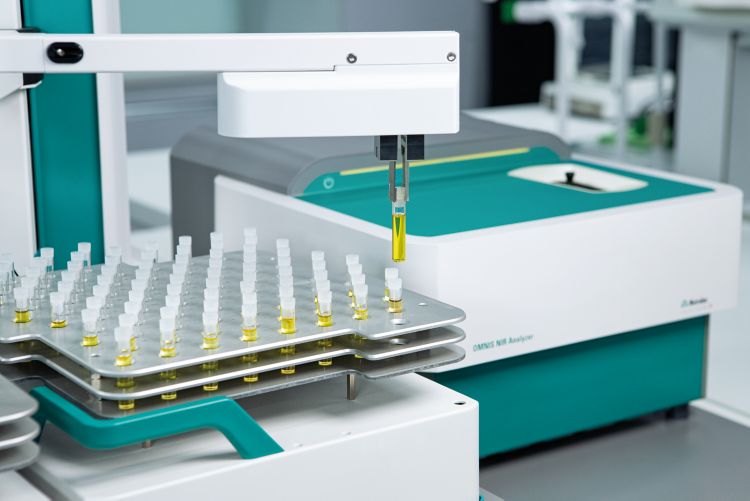
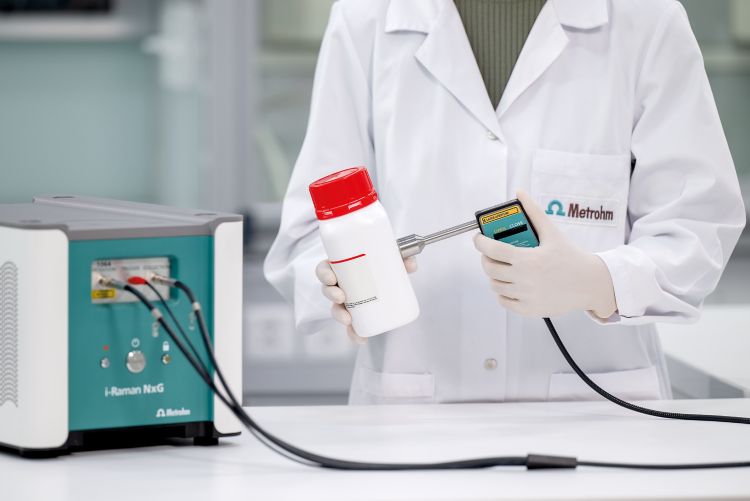

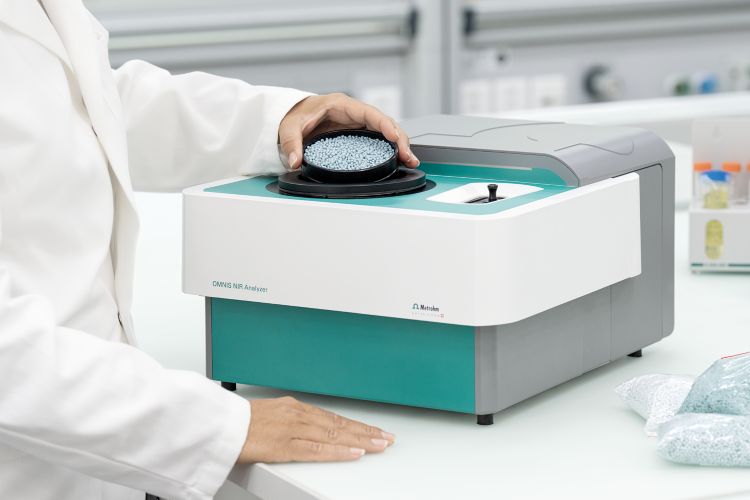
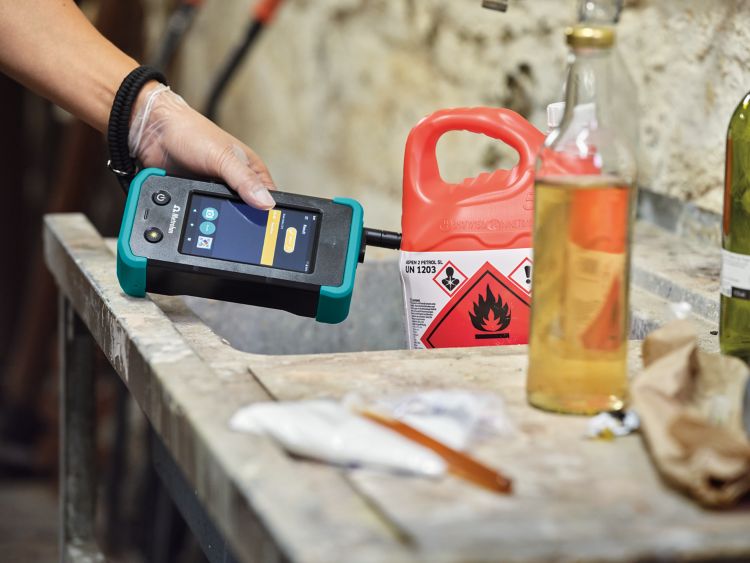
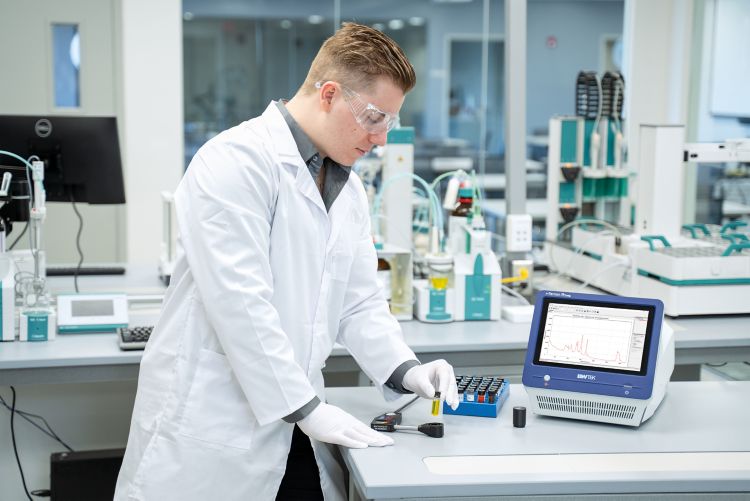
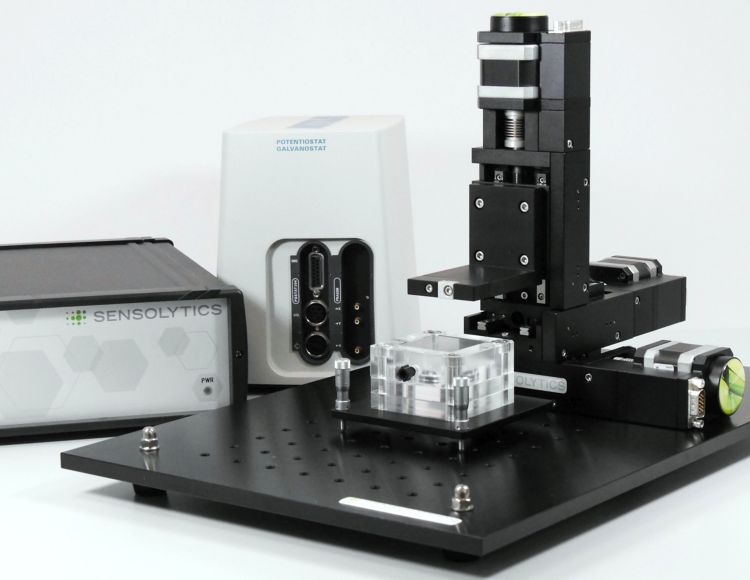

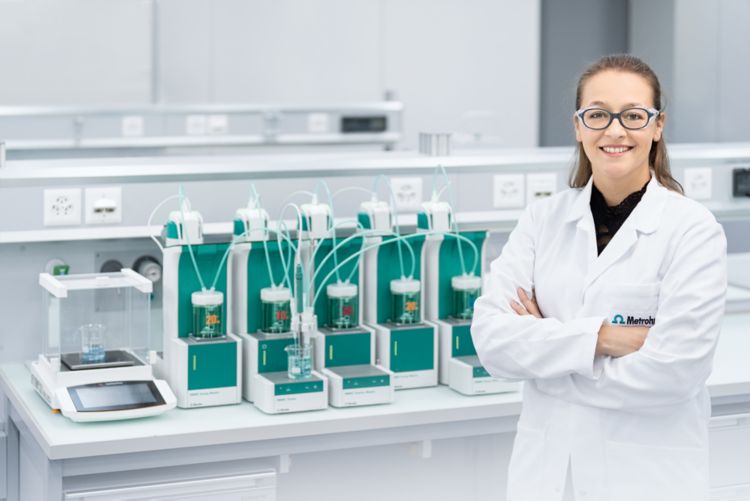

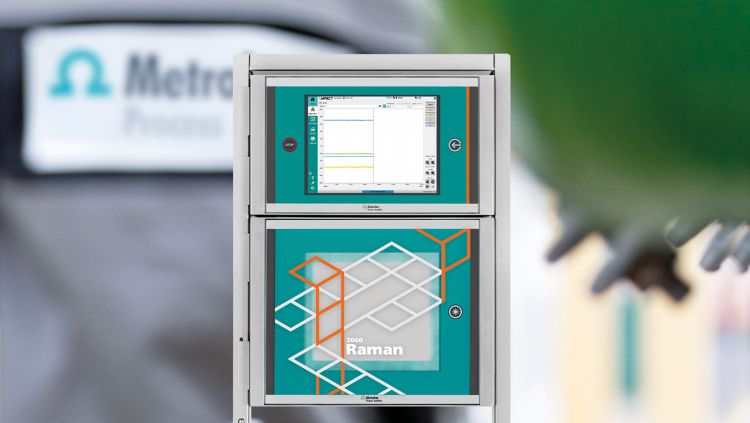

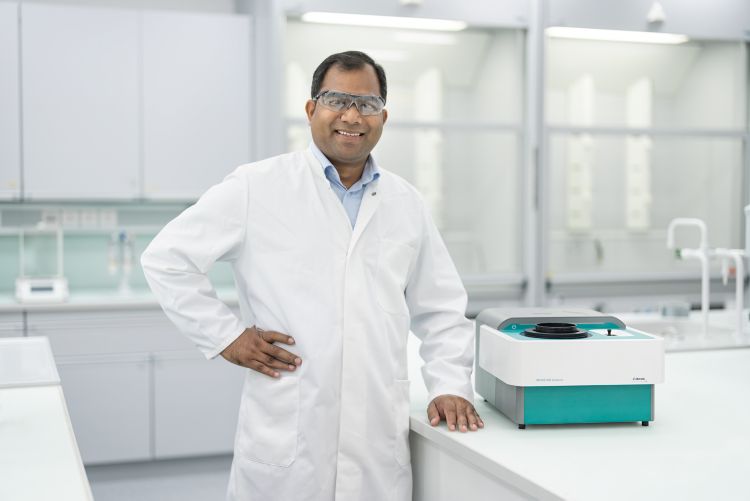
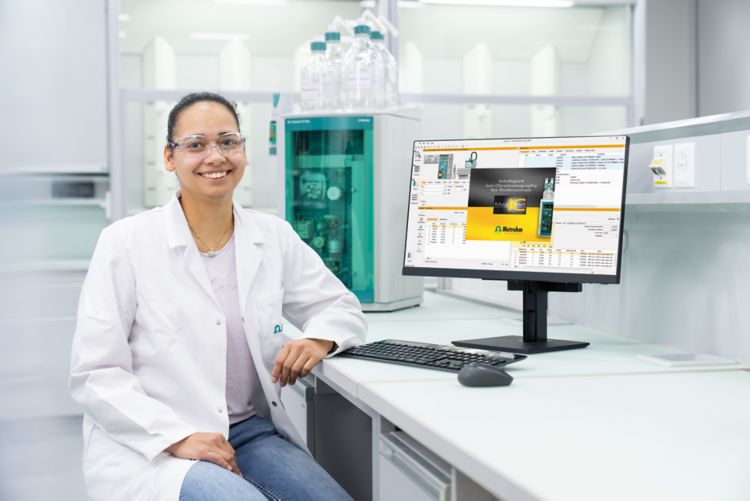
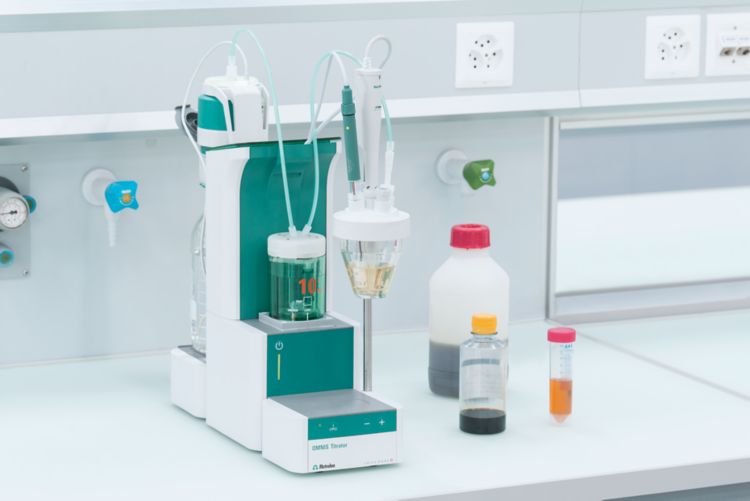
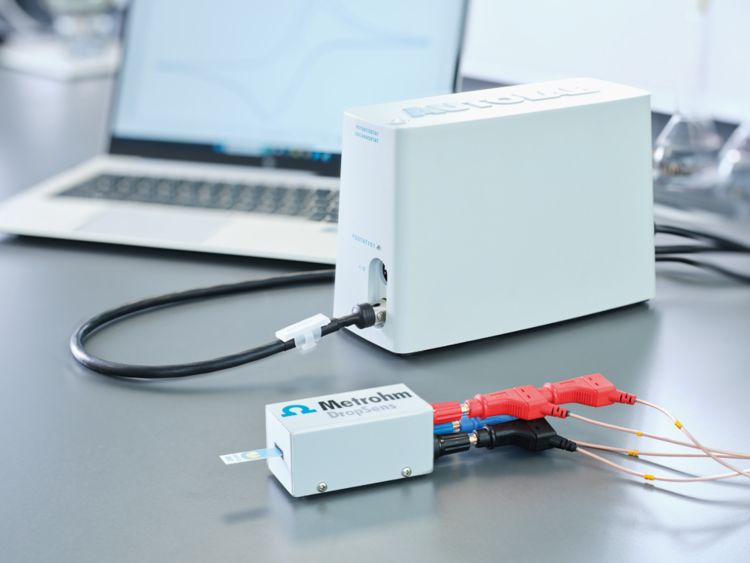
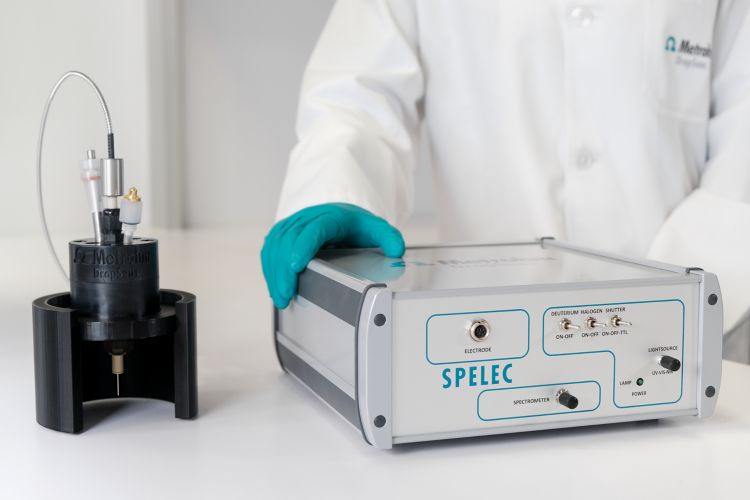

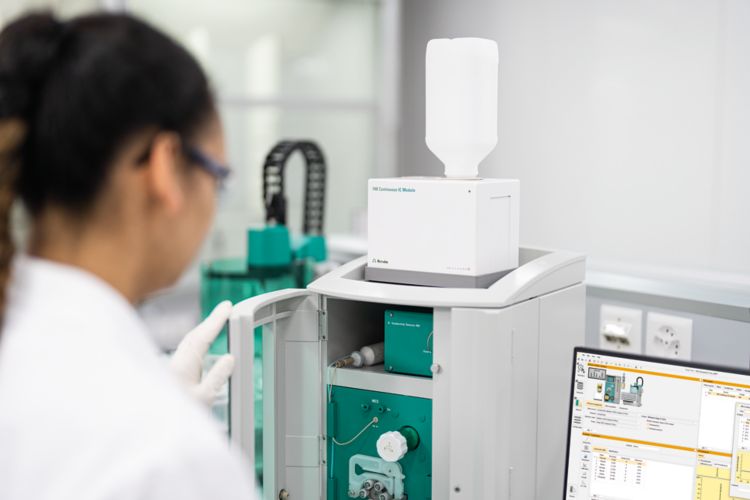
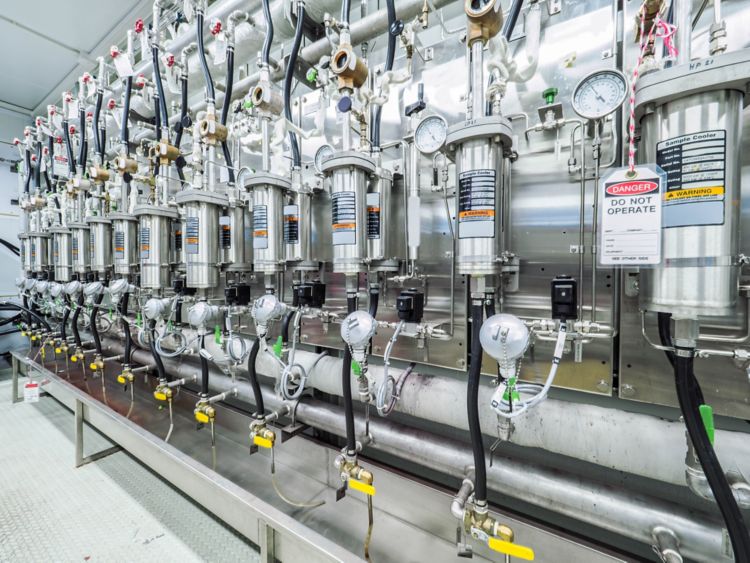
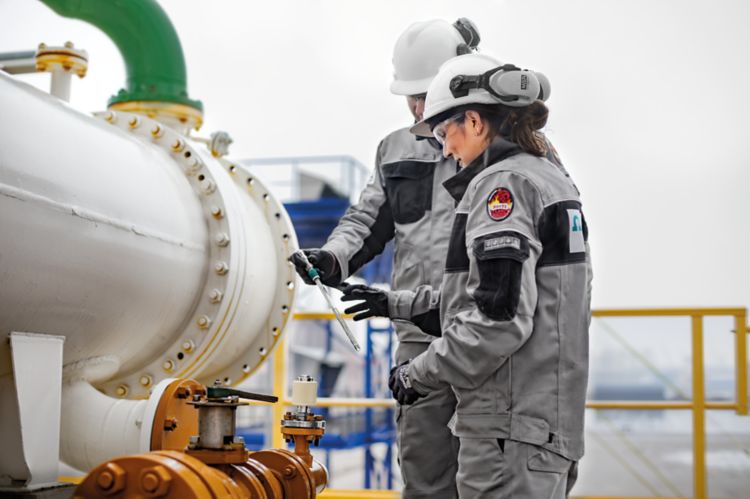
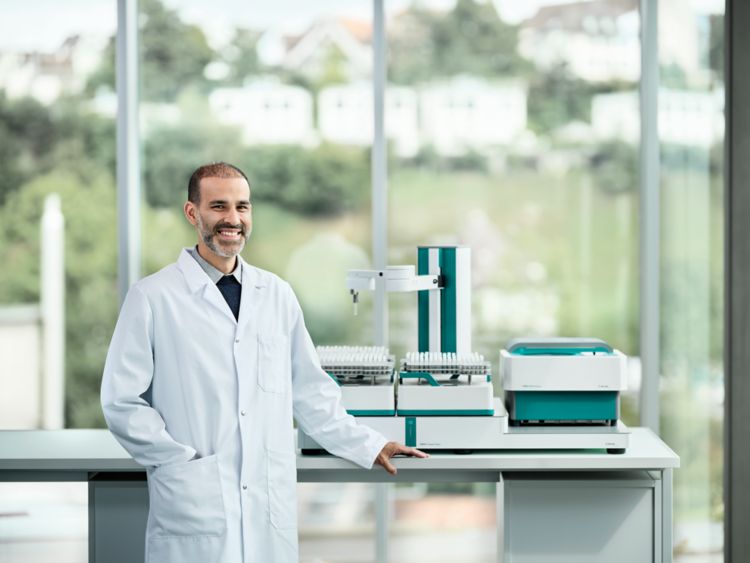
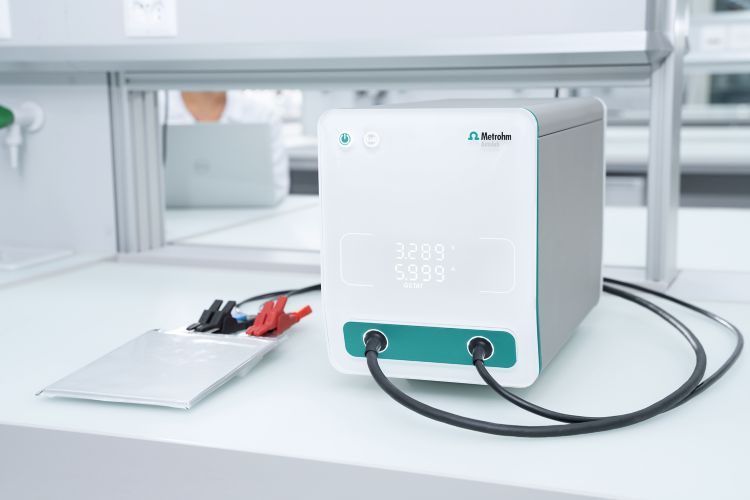



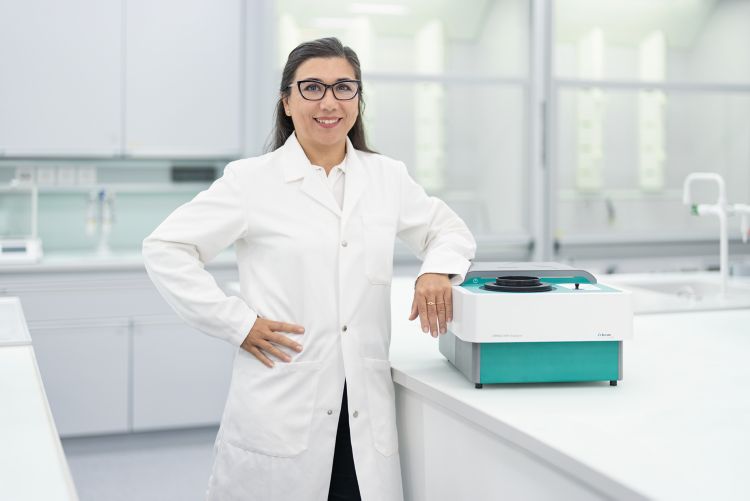
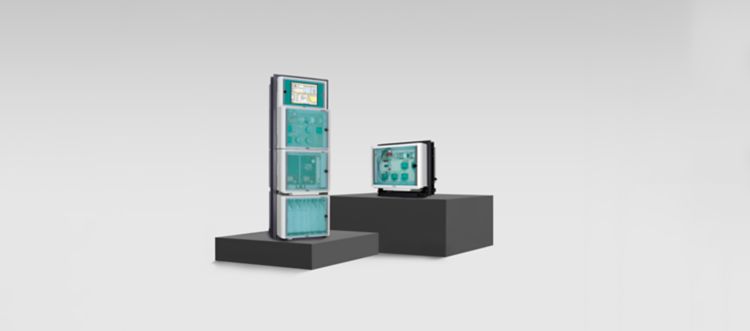
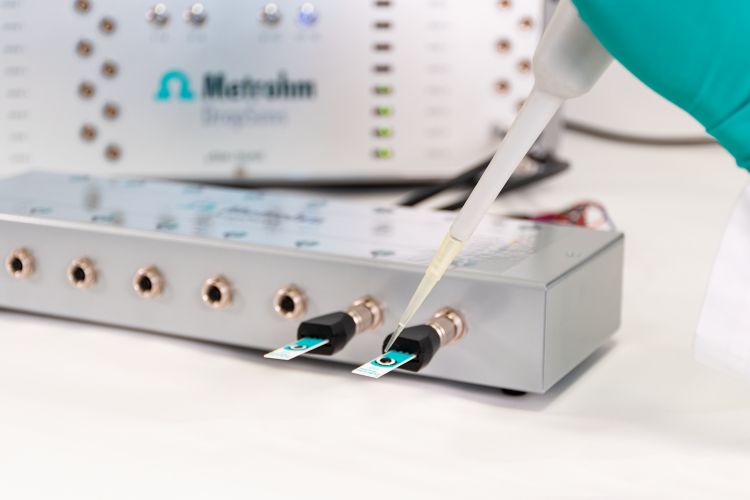
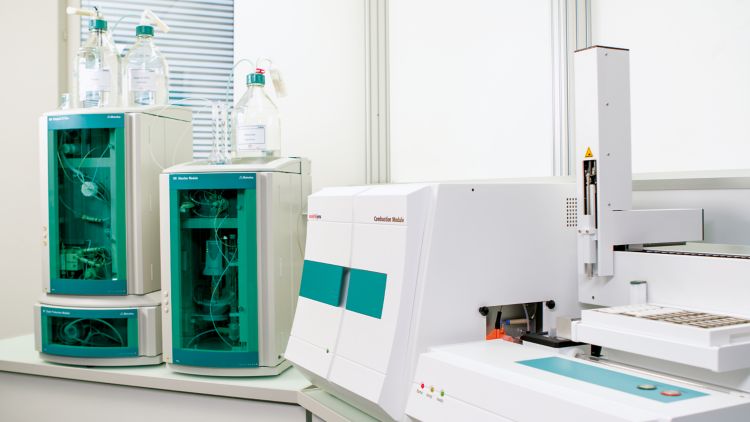

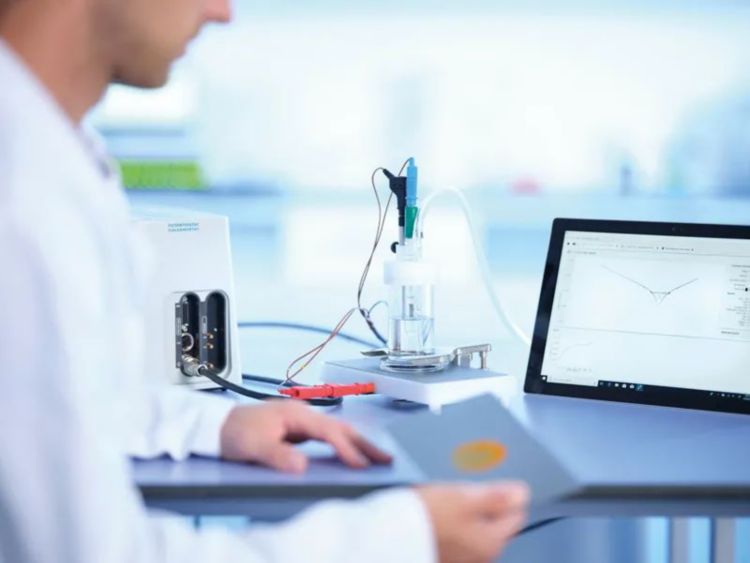




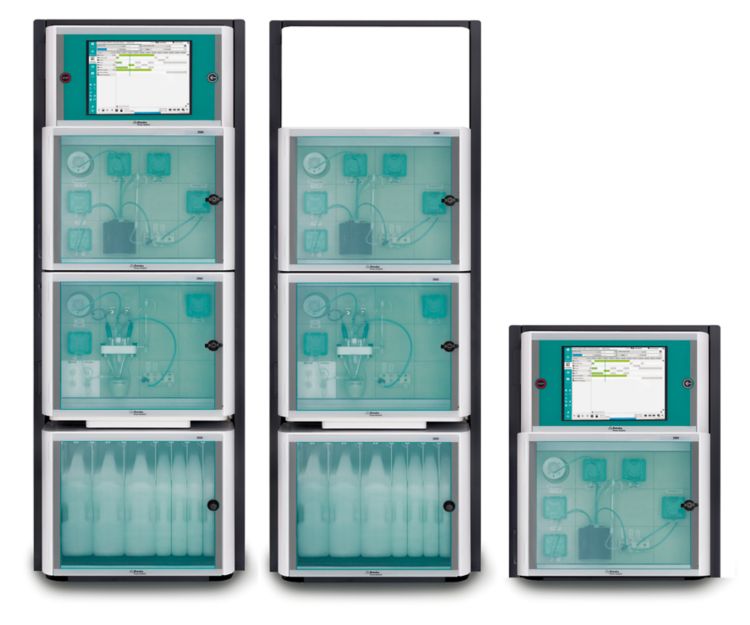

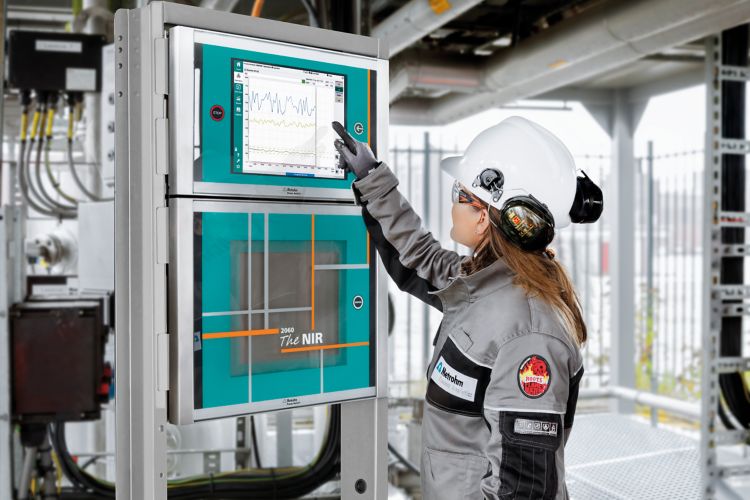
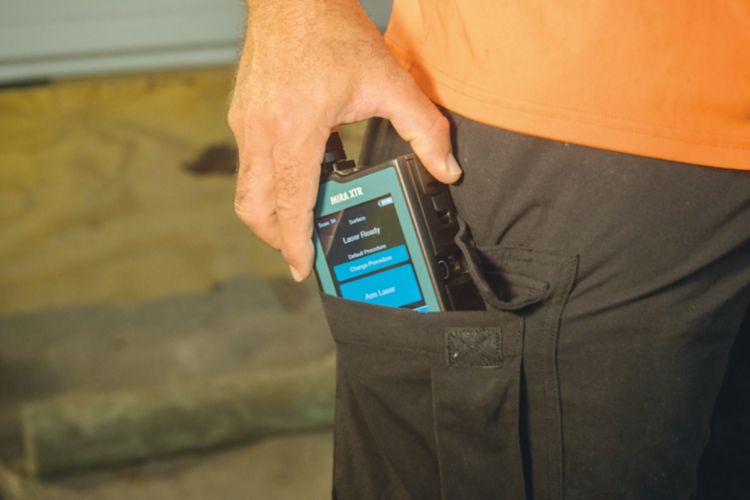




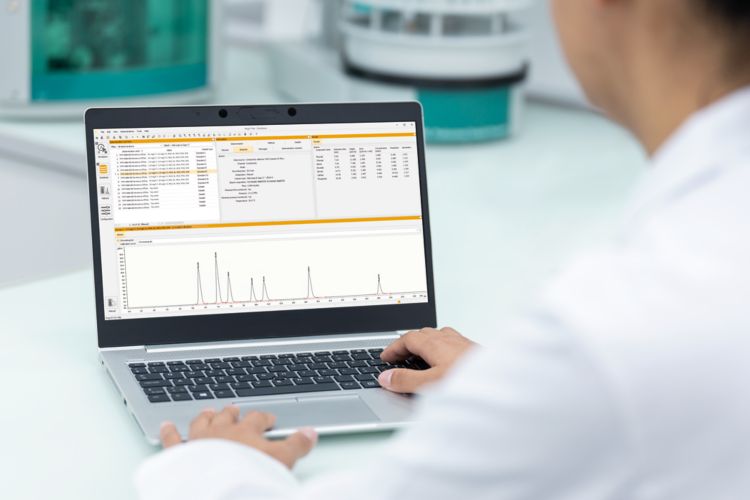
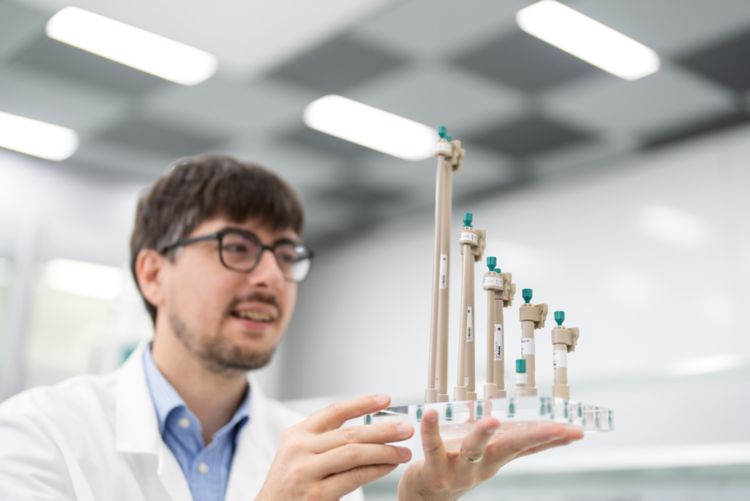


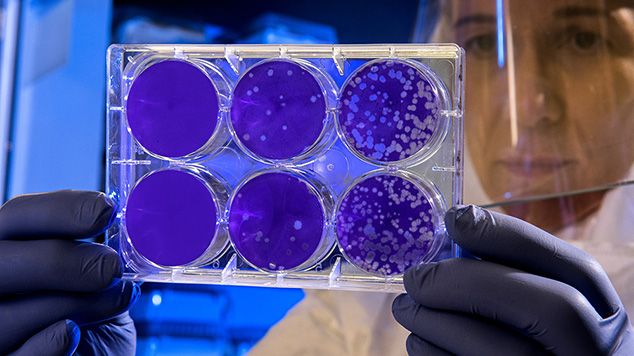
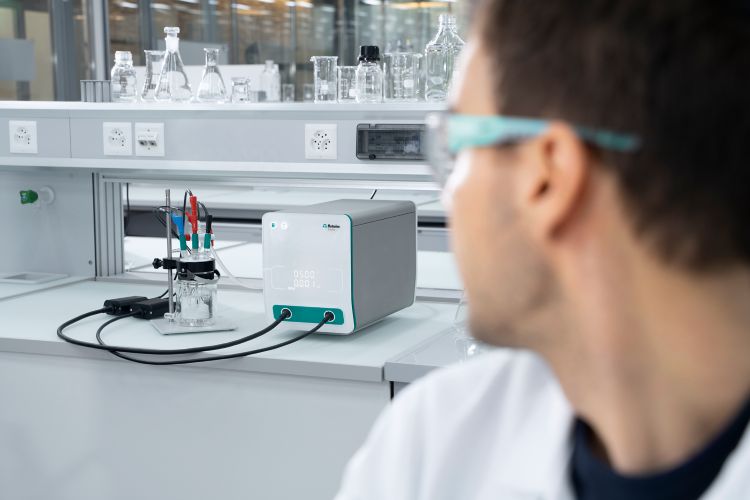

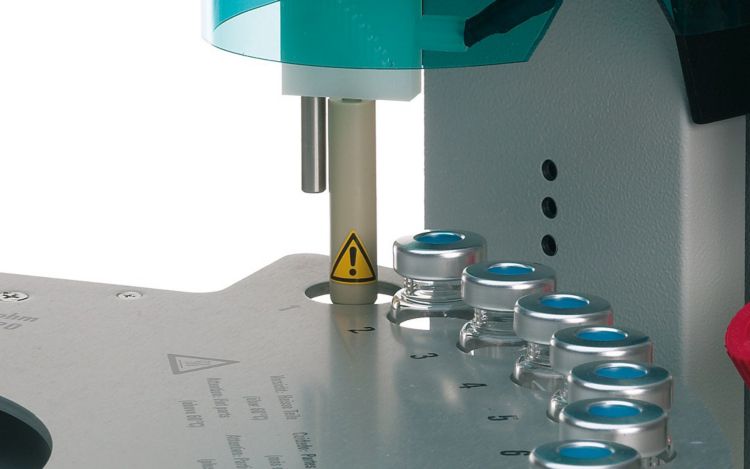
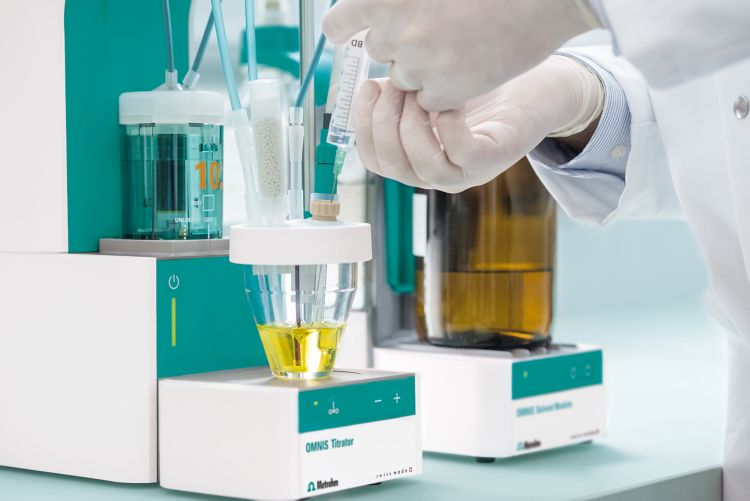
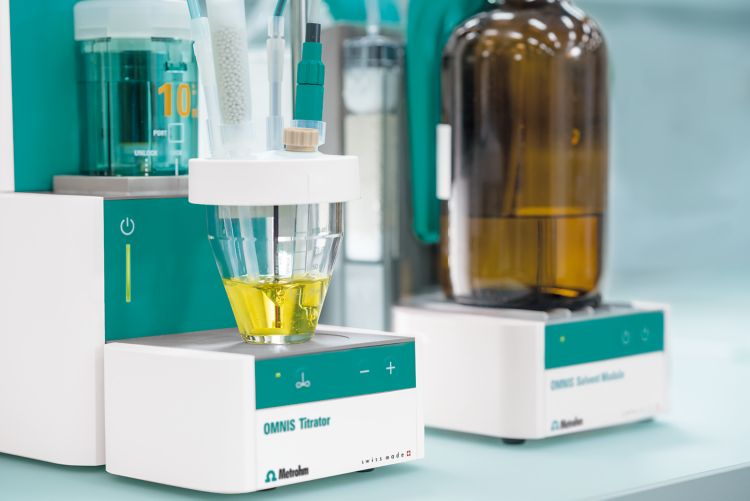
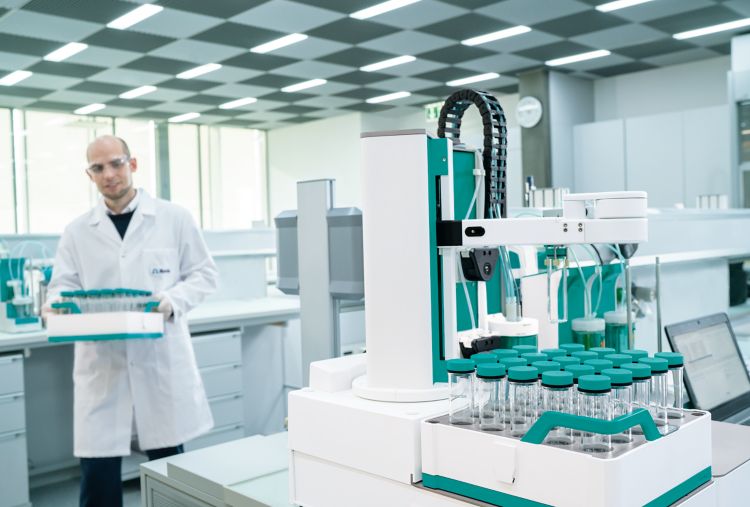
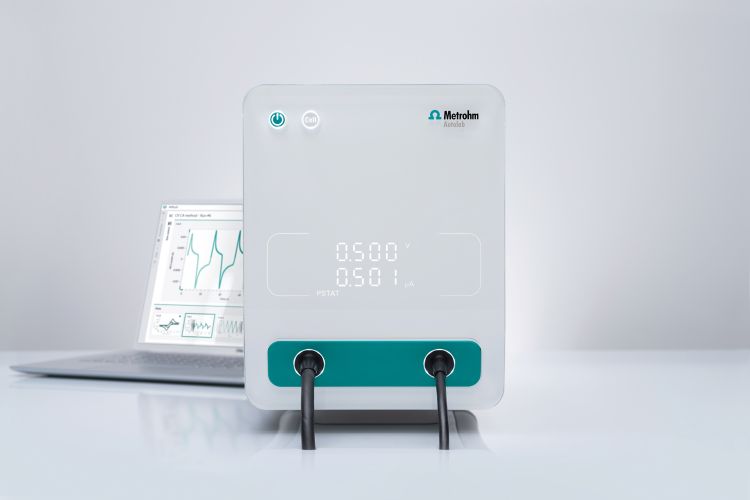

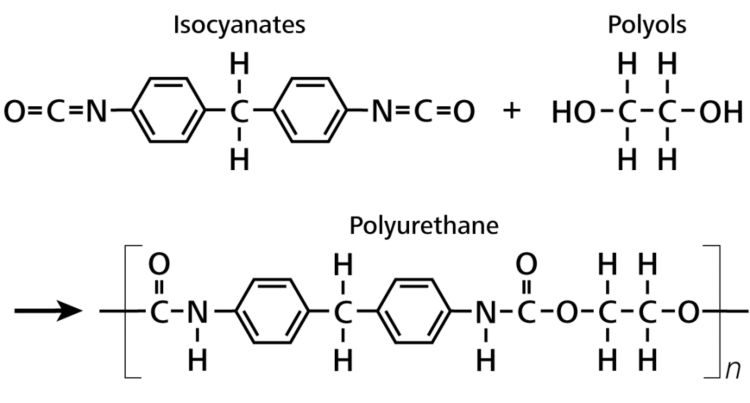



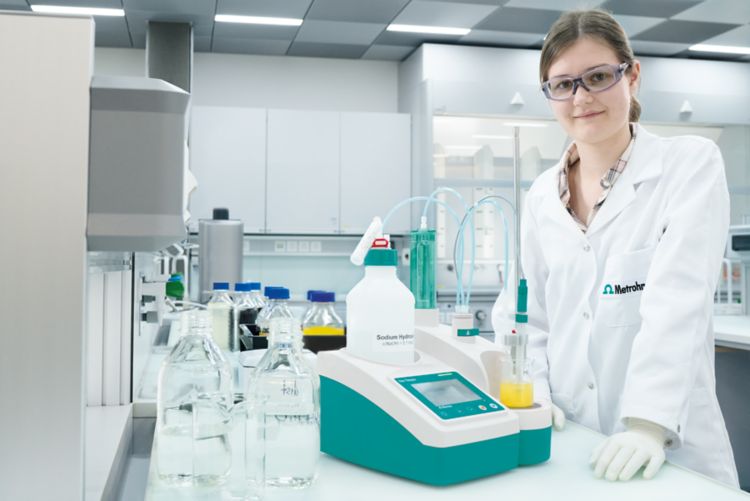

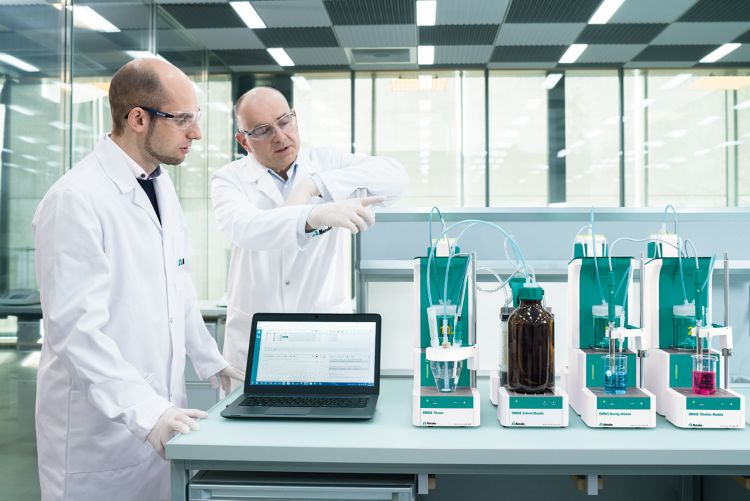
- 19 okt. 2026NIR spectroscopy for biodiesel analysis
This article demonstrates how near-infrared (NIR) spectroscopy provides a rapid, nondestructive, and reagent-free solution for biodiesel analysis across the entire production chain, from feedstock verification and process monitoring to final quality control and blend authentication.
- 28 sep. 2026Detection methods in ion chromatography: a comprehensive overview
This article reviews several detection techniques used in ion chromatography (IC) for the separation and quantification of ionic species, including non-suppressed and suppressed conductivity, UV/VIS, and amperometric detection.
- 13 juli 2026Process analytical technology for biopharmaceuticals
In biopharmaceutical production, Process Analytical Technology (PAT) enhances process understanding by enabling continuous monitoring of critical parameters, thereby improving product quality, regulatory compliance, and operational efficiency.
- 26 maj 2026Thermometric titration – the missing piece of the puzzle
Thermometric titration (TET) is a fast, versatile method based on enthalpy change. Learn more about how it works and its advantages in this blog article. Application examples are also presented.
- 26 maj 2026Multiparameter analysis in fertilizers by thermometric titration
Fertilizer composition must be accurately characterized to quantify key nutrients for optimal crop growth and regulatory compliance requirements. Thermometric titration provides a rapid, cost-effective alternative to conventional gravimetric or ICP‑OES methods, which require extensive sample preparation and/or costly instrumentation. Thermometric titration (TET) enables multiparameter determination in fertilizers without time‑consuming steps or sensor maintenance.
- 26 maj 2026Fast determination of acid and base number by thermometric titration
Acid number (AN) and base number (BN) determinations are essential for quality control of petroleum products, with thermometric titration (TET) providing a fast, maintenance-free alternative to conventional methods. TET quantifies endpoints from reaction enthalpy (ΔH), detecting inflection points in the temperature profile as analyte is consumed. This enables rapid, robust analysis of nonaqueous and otherwise challenging samples.
- 11 maj 2026How to transfer manual titration to autotitration
There are many considerations when transferring from manual titration to autotitration. This blog article discusses how to choose a titrator and sensor, the titration setup, and even method optimization.
- 23 mars 2026How the updated GMP regulations and EU Cyber Resilience Act will affect laboratories
Discover how the updated GMP regulations and the EU Cyber Resilience Act (CRA) will impact laboratories. Learn what changes are coming, how to prepare your equipment and software, and how Metrohm supports labs in staying compliant.
- 14 juli 2025Simplified spectroelectrochemistry setups with intuitive, user-friendly cells
Spectroelectrochemistry is now more accessible thanks to SPELEC instruments and user-friendly cells, simplifying setup and data handling for broader adoption.
- 4 juni 2025Understanding the role of eluent in ion chromatography
This article explores the importance of eluent selection and preparation, highlighting key considerations that ensure reliable and robust ion chromatography measurements.
- 12 maj 2025Understanding linear sweep voltammetry and cyclic voltammetry
This blog post explains the principles, key parameters, and applications of two popular electrochemical techniques: linear sweep voltammetry and cyclic voltammetry.
- 28 apr. 2025Basics of spectroelectrochemistry
Spectroelectrochemistry (SEC) combines electrochemistry and spectroscopy to simultaneously record optical and electrochemical signals. This article defines SEC and highlights its advantages.
- 31 mars 2025How does X-ray fluorescence work?
X-ray fluorescence (XRF) is a nondestructive technique for identifying and quantifying elements in solids, liquids, and powders. Learn about XRF and how it works in this blog article.
- 24 feb. 2025Continuous air quality monitoring for harmful particulate matter and aerosols
Continuously monitoring ambient air quality is simple with the Metrohm AeRosol Sampler (MARS) and the 2060 Monitor for AeRosols and Gases in ambient Air (MARGA).
- 20 jan. 2025Understanding potentiometric titration: A vital technique in pharmaceutical analysis
Pharmaceutical quality control heavily relies on titration, a method highlighted in pharmacopeias like USP-NF General Chapter <541> for its accuracy and simplicity.
- 16 dec. 2024Introduction to Cyclic Voltammetric Stripping (CVS)
This article highlights Cyclic Voltammetric Stripping (CVS) for monitoring organic additives in Cu electroplating baths, crucial for achieving optimal deposition.
- 18 nov. 2024Ion chromatography for the pharmaceutical industry
The principles of ion chromatography are introduced, then some applications and benefits of using IC for pharma analysis according to USP General Chapter <1065>.
- 7 okt. 2024Why control temperature for more accurate and reproducible NIRS results
Temperature variations affect NIRS predictions by over 1 % per degree change. Monitoring the sample temperature, especially for liquids, is especially critical.
- 23 sep. 2024Quality control of cathode materials
This article highlights several key parameters crucial for Li-ion battery cathode production quality and efficient recycling and the methods to analyze them.
- 9 sep. 2024Better waste incineration compliance with online process analysis
Waste incineration plants generate energy and reduce landfill volume. Online process analyzers can provide real-time monitoring data about the plant operations.
- 26 aug. 2024Raman spectroscopy: The easy way to analyze polymers
This article describes how versatile Raman spectroscopy can be for the identification, classification, and quality control of various plastics and polymers.
- 12 aug. 2024Optimizing lab efficiency with MiPT for versatile, high-precision sample handling
The Metrohm intelligent Partial-Loop Injection Technique (MiPT) allows variable sample volumes and enhances precision with automated handling via a Dosino.
- 29 juli 2024Edible oil analysis: A guide for beginners
Learn what edible oils are, how they are made, how to test their quality with different analytical techniques, and about the most important analysis parameters.
- 15 juli 2024How to avoid titration errors in your lab
This blog post explores common random and systematic errors in titration, offering guidance to identify and minimize these issues and enhance experimental accuracy.
- 1 juli 2024Increased efficiency of CVS routine analysis with Dosino sample transfer
This article highlights using Dosinos for automated sample handling in cyclic voltammetric stripping (CVS) applications to enhance PCB and semiconductor analysis.
- 17 juni 2024How to calibrate a pH meter
Learn how to calibrate a pH meter and get answers to other frequent questions about pH calibrations.
- 3 juni 2024Conservation of art using electrochemistry
Non-destructive methods like electrochemistry aid in analyzing and preserving artifacts. This blog outlines three examples of electrochemistry in art conservation.
- 20 maj 2024Automated liquid handling – The key to accurate and reproducible results
Accurate liquid handling is critical in labs. Automation reduces errors, ensuring precise results. Learn more advantages of automated liquid handling in this blog.
- 6 maj 2024Advancing precision and efficiency in ion chromatography with automated inline dilution
Fully automated solutions for ion chromatography like the Metrohm Inline Dilution Technique (MIDT) streamline sample preparation and ensure precise results.
- 22 apr. 2024Titration – definition and principles
Titration is one of the oldest and well-established analytical methods. This blog covers the titration principle, its process, and presents different titration types.
- 8 apr. 2024Improved detection of fentanyl using Raman spectroelectrochemistry
Rapid, reliable drug screening methods are crucial for forensic science investigations. This article explores fentanyl detection using Raman spectroelectrochemistry.
- 1 apr. 2024Lab of the future: Automated robotic analysis of petroleum products
Completely automated analysis of the total acid number and total base number in petrochemical products is possible using a robotic titration system using OMNIS software.
- 25 mars 2024Point-of-Care with Raman: Detection of cancer, infection, and more
Raman spectroscopy expands into new medical frontiers: detecting cancer, biomarkers, and pathogens. This blog covers exciting research involving Point-of-Care applications.
- 11 mars 2024High-frequency EIS: a powerful tool for the future of mobility
Electrochemical characterization of solid-state batteries can be difficult. Using electrochemical impedance spectroscopy (EIS) at high frequencies helps capture rapid processes.
- 26 feb. 2024Ensuring and certifying quality and compliance in regulated environments
Metrohm's AOAC Installation & Operational Qualification (Q2)-certified instruments provide peace of mind by simplifying the process of meeting regulatory requirements.
- 12 feb. 2024Conductometric titration works where other methods struggle
Conductometric titration is based on the change of conductivity while adding a titrant. Principles, advantages, and examples of conductivity titration are discussed here.
- 29 jan. 2024Laboratory vs. process analysis: Key factors for informed decision-making
Several factors should be considered when choosing between purchasing a laboratory instrument or a process analyzer. In many situations, one solution is clearly preferable over the other. This article discusses five major topics that need consideration before the decision is made: data traceability and communication, analysis frequency, safety, location, and implementation.
- 15 jan. 2024Pulp and paper QC and product screening with NIR spectroscopy
Paper products are primarily made from treated wood fibers processed through pulp and paper mills. This involves significant chemical use and energy consumption. Ensuring quality control throughout the production chain, from timber to the final paper product, is crucial. This blog article shows how near-infrared spectroscopy (NIRS) effectively monitors multiple key quality control parameters simultaneously during pulp and paper manufacturing.
- 8 jan. 2024How to implement NIR spectroscopy in your laboratory workflow
The steps needed to implement near-infrared spectroscopy in your laboratory: creating a calibration set, creating and validating prediction models, and routine analysis.
- 8 jan. 2024What is NIR spectroscopy?
Near-infrared spectroscopy is an established analysis technique to determine both chemical and physical parameters in solid and liquid samples.
- 8 jan. 2024NIR spectroscopy pre-calibrations: Immediate results
Pre-calibrations are prediction models that can be used immediately for NIR analysis and provide satisfying results right from the beginning. Simply press one button and start the measurement.
- 8 jan. 2024NIR vs IR: What is the difference?
Near-infrared and infrared spectroscopy use different spectral ranges of light, which results in a difference of the required sample size, penetration of the light into the sample, and spectral information. Learn why NIR spectroscopy has many advantages over IR with regards to speed and versatility.
- 11 dec. 2023Karl Fischer titration: When to use volumetry or coulometry
This blog article explains the most important factors to consider in order to choose the optimal Karl Fischer titration technique: coulometry or volumetry. Coulometric Karl Fischer titration (KFC) is generally used for samples with a low moisture content between 0.001% to 1%. Volumetric Karl Fischer titration (KFT) is used for samples with higher levels of moisture between 0.1% to 100%.
- 27 nov. 2023QC and product screening of ink and paint with NIRS
Ink and paint are part of everyday life. Quality control and screening of ink and paint is important along the entire production process as well as for the final products. Manufacturers can save time and money by using near-infrared spectroscopy (NIRS) to check multiple quality parameters in raw materials and finished ink and paint products. NIRS is an environmentally friendly, cost-effective, and easy-to-use analytical technique.
- 13 nov. 2023Solid-state batteries: A promising technology thriving under pressure
Solid-state batteries (SSBs) have the potential to revolutionize energy storage. They are safer than traditional lithium-ion batteries, boast a high energy density, and have extended lifespans and fast-charging capabilities. This article discusses the general differences between SSBs and Li-ion batteries, challenges that remain to be overcome for commercial production of SSBs, and the use of Electrochemical Impedance Spectroscopy (EIS) for testing different battery parameters.
- 30 okt. 2023A thermal rollercoaster: Unraveling temperature dependence in CVS determinations
Precision in PCB manufacturing demands accurate control of organic additives during copper plating. Cyclic Voltammetric Stripping (CVS) is used to quantify these additives, but temperature differences impact accuracy of the results. This article outlines the method for assessing organic additives in copper plating baths and explores temperature's influence on CVS measurements.
- 16 okt. 2023Applying USP validated methods for separation column equivalency
The modernization of USP Monographs now permits a broader selection of separation columns for pharmaceutical analysis using ion chromatography (IC). Column equivalency studies enable the use of alternative analytical columns without needing complicated method validation procedures. This benefits pharma researchers by saving time and effort while maintaining the accuracy and reliability of analytical results in accordance with validated methods.
- 2 okt. 2023Screening and quality control of palm oil with NIR spectroscopy
Near-infrared spectroscopy (NIRS) is an excellent fit for the analysis of several key quality parameters in crude palm oil (CPO), crude palm kernel oil (CPKO), and refined, bleached, and deodorized (RBD) palm oil. Just one NIRS instrument can measure multiple QC parameters including water (moisture) content, free fatty acids (FFA), iodine value (IV), and deterioration of bleachability index (DOBI) in a fraction of the time of other analytical techniques.
- 4 sep. 2023Streamline material inspection in regulated industries with new Raman USP library
Metrohm’s Raman systems and Comprehensive USP Raman Library support regulated industries such as pharmaceutical manufacturing: Streamline inspection of deliveries, reduce inspection resources, get the final product to the market faster.
- 21 aug. 2023How do iridium-based nanomaterials contribute to a greener future?
Mitigating climate change is vital due to the severe impacts of excessive CO2 emissions. The transport sector, largely dependent on fossil fuels, contributed to 37% of total carbon dioxide emissions in 2021. While electric cars have become more popular, other solutions like hydrogen-powered vehicles are gaining attention. Electrochemical water splitting via polymer electrolyte membrane (PEM) water electrolyzers is proposed to produce green hydrogen, with iridium-based catalysts showing promise. This research is focused on iridium oxide materials for enhanced durability and metal-like conductivity in H2 production.
- 7 aug. 2023Is having a service agreement important?
If analytical instrumentation is neglected, it may become unreliable and fall into disrepair. Non-compliance with regulatory requirements is also a concern in such situations. However, regular preventive maintenance as a part of a service agreement can help avoid these situations. Metrohm Service Agreements give you peace of mind with various maintenance plans suitable for any budget.
- 24 juli 2023The world of surfactants from the perspective of titration
Accurately determining surfactant content in samples through potentiometric titration can be challenging, requiring the consideration of multiple factors. However, by selecting the appropriate pH, using a suitable electrode, and implementing helpful tips and tricks, the titration method becomes a reliable and precise means of surfactant content determination.
- 26 juni 2023Frequently Asked Questions (FAQ) about Raman spectroscopy: Applications
Raman spectroscopy is a ubiquitous tool that can be used for many different purposes. This blog article answers some frequently asked questions about the suitability of Raman spectroscopy for various applications.
- 12 juni 2023The future of ammonia production is electrochemistry
Ammonia is the most common and widely used nitrogen-based fertilizer. It is also viable as a safer hydrogen carrier in large quantities. Traditional ammonia manufacturing uses fossil fuel as a hydrogen source needed for the reaction. Commonly termed «green ammonia», electrochemically synthesized ammonia with the use of electricity from renewable sources is an interesting zero-carbon emission alternative.
- 29 maj 2023Converting emitted carbon dioxide into chemical feedstocks by electrochemical routes
Many researchers focus on electrochemical applications like electrocatalysis, energy storage, and energy conversion due to the need for action concerning climate change. The common thread linking these together is the electrochemical instrumentation needed for their work. Metrohm manufactures high-quality equipment for such pioneering research. In particular, the high-end potentiostat VIONIC powered by INTELLO is a versatile instrument for most research topics in this research area due to its outstanding specifications.
- 15 maj 2023Process control of electroless nickel plating baths with Hg-free sensors
Electroless nickel (EN) plating processes use various stabilizers like Pb, Bi, and Sb(III) to control the plating rate and prevent uncontrolled bath decomposition. As the stabilizer concentration must be kept at a constant level, monitoring the stabilizer concentration is therefore essential for an optimal plating process. One of the best ways to do so is by using voltammetric analysis (VA).
- 1 maj 2023Easily measuring ORP values in real-life applications
The ORP kit from Metrohm DropSens is handy, reliable, and easy to use for reproducible measurement of oxidation-reduction potential in various situations. The multitude of requirements from several industries that must measure ORP fit perfectly with the advantages gained when using screen-printed electrodes and miniaturized instruments, including portability, accessibility, disposability, small sample sizes, and reliability.
- 17 apr. 2023Easy quality control of detergents and hand sanitizers with NIRS
This blog article explains the uses of detergents and hand sanitizers as well as how to perform quality control of these products with near-infrared spectroscopy (NIRS).
- 3 apr. 2023History and analysis of vitamin C (ascorbic acid)
This article covers the history of vitamin C (ascorbic acid) and some of the different analytical methods used to determine it in various products (e.g., by titration, polarography, and ion chromatography).
- 20 mars 2023Building a Smart(er) Factory by implementing Process Analytics 4.0 solutions
By implementing Industry 4.0 solutions, manufacturers can increase their efficiency, productivity, and profitability while remaining competitive and improving the customer experience. Process Analytics 4.0 focuses on the evolution of process analytics. This article covers how to successfully implement a Process Analytics 4.0 solution, including choosing the right PAT, ensuring proper sample preconditioning, and acquiring reliable data.
- 6 mars 2023Protecting IC systems with Metrohm Inline Ultrafiltration and Inline Dialysis
An efficient way to prepare samples for IC analysis is by using Metrohm Inline Sample Preparation (MISP) techniques to automate the process. Either Metrohm Inline Ultrafiltration (UF) or Inline Dialysis can be used to safeguard the IC system from harmful matrix components while simultaneously reducing manual labor and increasing sample throughput.
- 20 feb. 2023How temperature influences the pH value
The temperature affects a pH measurement in several ways. This blog article will cover the reasons why and discuss how to handle the different effects from temperature on pH measurements.
- 6 feb. 2023Monitoring antioxidant content of in-service industrial lubricants with voltammetry
Testing of in-service lubricants for their remaining antioxidant content is critical for prolonging the uptime of capital equipment as well as reducing running costs and repair expenses. Voltammetry (VA) is a fast and established method for testing the remaining antioxidant content in industrial lubricants.
- 23 jan. 2023MIRA and IBEX: Out of the lab and into the unknown
Securing dangerous sites is the ultimate goal in any sensitive site exploitation (SSE) directive. Military personnel, first responders, and Hazmat specialists must be prepared to find anything while working, and they require tools that inform and protect them from hazards in the field. Metrohm has the ultimate solution – IBEX, a quadrupedal robot equipped with a standoff Raman spectrometer (MIRA XTR DS) and a suite of environmental sensors.
- 12 dec. 2022Quality control of semiconductor wafer pretreatment processes with online NIRS
Cleanliness is crucial inside of semiconductor fabrication facilities. Manufacturers implement extremely strict production control procedures, especially during wafer surface treatment with etching and cleaning baths. This article highlights the benefits for semicon manufacturers to implement near-infrared spectroscopy (NIRS) in wafer pretreatment processes for real-time analysis.
- 28 nov. 2022Save time and money with Metrohm Inline Sample Preparation solutions
When using ion chromatography (IC) as an analytical technique, samples often cannot be injected directly onto the separation column. Metrohm Inline Sample Preparation (MISP) techniques offer a broad spectrum of straightforward, cost- and time-saving solutions for these kinds of situations. This article gives an overview and some insights about MISP techniques—our solutions for automated inline sample preparation of various matrices for IC analysis.
- 14 nov. 2022How to utilize grounding modes in electrochemical experiments
The ability to ground different electrodes may offer electrochemists some advantages over the typical working electrode setup. For example, the grounded counter electrode can be used in non-conventional systems where the solutions or the working electrodes are not isolated electrically. The selectable floating feature of VIONIC gives users the flexibility to choose the ground state of the cell setup, offering even greater experimental possibilities.
- 31 okt. 2022Raman spectroelectrochemistry from India to Spain: History and applications
One of the most interesting spectroelectrochemical techniques combines the fields of electrochemistry and Raman spectroscopy. Raman spectroelectrochemistry provides users with two different signals from the same experiment, acting as a powerful tool to collect even more knowledge about the analyzed system. Raman spectroelectrochemistry experiments are easily performed using SPELEC RAMAN, the only instrument on the market dedicated to performing such experiments.
- 17 okt. 2022Analyzing halogenated organic compounds with CIC according to DIN 38409-59
This blog article explains how per- and polyfluorinated alkyl substances (PFASs) and other halogenated organic compounds have been used over the past several decades, their effects on our health and the environment, and how to monitor and analyze these substances with combustion ion chromatography (CIC) according to the new DIN 38409-59 standard.
- 3 okt. 2022QC and product screening of hair, skin, and dentalcare products with NIRS
This article shows how utilizing near-infrared spectroscopy (NIRS) for quality control (QC) and product screening is the ideal choice for producers of hair, skin, and dentalcare products. Not only is the technique fast and non-destructive, it is also easy to use and does not require any chemicals.
- 19 sep. 2022Frequently Asked Questions (FAQ) about Raman spectroscopy: Theory and usage
Raman spectroscopy is a non-destructive analytical technique based on the inelastic scattering of photons related to the different vibrational modes of molecules. This article covers some of the most frequently asked questions about Raman spectroscopy regarding the theory behind it and how it can be used in practice.
- 5 sep. 2022QC and product screening of medicinal cannabis with NIR spectroscopy
Near-infrared spectroscopy (NIRS) is a fast analytical technique with low running costs used to perform quality control (QC) and product screening on various cannabis products, including hemp. NIRS can determine the cannabinoid profile or even the potency of dried cannabis flowers, as well as for cannabis oils, waxes, tinctures, and other formulations.
- 22 aug. 2022Electrochemistry in laminar and turbulent flow conditions using rotating electrodes
Electrochemical studies requiring hydrodynamic conditions can be performed with rotating working electrodes to create forced convection in the measurement cell. Both laminar flow and turbulent flow conditions are able to be created in laboratory settings in order for researchers to perform different studies.
- 8 aug. 2022Near-infrared spectroscopy (NIRS): The perfect solution to monitor purity of recovered solvents
Monitoring solvent purity can be done quick and safely without any sample preparation using near-infrared spectroscopy (NIRS). Within one minute NIRS can determine the quality of recovered solvents.
- 25 juli 2022Transform your routine electrochemical research – Go Multi!
A new multichannel instrument for electrochemical analysis makes multitasking possible for laboratories – μStat-i MultiX from Metrohm DropSens. Perform analyses automatically, run multiple experiments simultaneously, and control individual channels independently.
- 11 juli 2022Coping with the daily challenges of routine water analysis
Automation is the key to cope with high sample throughput in water analysis. A setup is presented with which multiple parameters such as pH, alkalinity, and water hardness can be analyzed on a single workstation.
- 27 juni 2022NIR spectroscopy in the personal care and cosmetics industry: The ideal tool for QC and product screening – Part 1
Near-infrared spectroscopy in the personal care and cosmetic industry: basics, benefits, and applications.
- 13 juni 2022Automation beyond the lab – Integrating the most precise lab pH measurements into production processes
Blog about pH sensors for process analysis with highly accurate results and low measurement uncertainty.
- 30 maj 2022Handheld 785 nm Raman applications: Cutting edge material ID capabilities in your pocket
New capabilities for handheld 785 nm Raman spectroscopy, such as SERS for trace detection and XTR for fluorescence-free analyses.
- 23 maj 2022Providing the Next Level of Safety with Hydranal™ NEXTGEN Reagents and OMNIS
Säker och exakt Karl Fischer-titrering med Metrohm OMNIS KF-titrator och Hydranal™ NEXTGEN-reagenser.
- 16 maj 2022History of Metrohm IC – Part 6
Blogginlägg om historien med förbränningsjonkromatografi från Metrohm för bestämning av svavel och halogener.
- 2 maj 2022Ion-selective electrodes: Standard addition and direct measurement – Part 2
Hur man gör standardadditioner och direkta mätningar med jonselektiva elektroder.
- 4 apr. 2022Five myths about online dispersive NIR spectroscopy, FT-NIR, and FT-IR – Part 2
The benefits of near-infrared spectrometers over IR photometers in process analytical technology.
- 21 mars 2022Best practice for separation columns in ion chromatography (IC) – Part 3
Assessment of ion chromatography column performance and troubleshooting tips to fix issues with IC columns.
- 7 mars 2022NIR spectroscopy: a 21 CFR Part 11 compliant tool for QC and product screening
Learn more about near-infrared spectroscopy as a 21 CFR Part 11 compliant tool to assess the quality of pharmaceuticals.
- 21 feb. 2022Ion selective electrodes general tips Part 1
Teori om jonmätning, typer av jonselektiva elektroder, varför man ska använda TISAB- eller ISA-lösning för att mäta joner och mycket mer på vår blogg.
- 7 feb. 2022Five myths about online dispersive NIR spectroscopy, FT-NIR, and FT-IR – Part 1
Fördelarna med nära infraröda spektrometrar jämfört med IR-fotometrar i processanalytisk teknik.
- 24 jan. 2022NIR spectroscopy in the petrochemical and refinery industry: The ASTM compliant tool for QC and product screening – Part 5
Near-infrared spectroscopy and ASTM. Learn more about method development, method validation, and results validation.
- 10 jan. 2022USP <645> – simple automated analysis of ultrapure water
Blogginlägg om automatiserad analys och kvalitetskontroll av ultrarent vatten som används för injektioner och andra medicinska och farmaceutiska tillämpningar.
- 13 dec. 2021NIR spectroscopy in the petrochemical and refinery industry: The ASTM compliant tool for QC and product screening – Part 4
Quality control of lubricants based on mineral oils and synthetic oils according to ASTM standards using near-infrared spectroscopy.
- 6 dec. 2021Side reactions in Karl Fischer titration
Hur man känner igen och undviker sidoreaktioner vid Karl Fischer-titrering som kan förvanska resultaten.
- 29 nov. 2021Ph. Eur. 2.2.48 Raman Spectroscopy: How Raman instruments from Metrohm comply with the 2022 update
Överensstämmelse mellan handhållna och bärbara Raman-spektrometrar och Ph. Eur. 2.2.48 för kvalitetskontroll av läkemedel.
- 22 nov. 2021Green hydrogen generation: A cross-disciplinary challenge rooted in electrochemistry
Basics about green hydrogen technology: performance indicators, reference electrodes, reversible hydrogen electrodes, and more.
- 15 nov. 2021NIR spectroscopy in the petrochemical and refinery industry: The ASTM compliant tool for QC and product screening – Part 3
Quality control of pyrolysis gasoline, pygas, and other petrochemical products according to ASTM standards using near-infrared spectroscopy.
- 8 nov. 2021Guide to online and inline surface finishing analysis
Analys av ytbehandling online och inline för bygg-, fordons-, halvledar- och flygindustrin.
- 1 nov. 2021The evolution of handheld 785 nm Raman spectroscopy: Raman extraction from fluorescence interference
Handhållen 785 nm Raman-spektroskopi erbjuder excitering med kortare våglängder, stark Raman-spridning med korta insamlingstider, högt signal-brusförhållande och utmärkt spektral upplösning.
- 25 okt. 2021Cyclic voltammetry (CV) – the essential analytical technique for catalyst research
Katalysatorforskning med cyklisk voltametri för att analysera stabilitetsfönstret för elektrolyten, elektrodytan, elektrokatalysatormaterialets redoxbeteende och elektrokatalysatorns stabilitet.
- 18 okt. 2021Best practice for separation columns in ion chromatography (IC) – Part 2
Blog on IC separation columns: chosing the right column length and diameter and optimizing the analyte separation.
- 11 okt. 2021Best practice for electrodes in Karl Fischer titration
Cleaning, maintenance, storage, and checking indicator and generator electrodes in Karl Fischer titration.
- 4 okt. 2021NIR spectroscopy in the petrochemical and refinery industry: The ASTM compliant tool for QC and product screening – Part 2
NIRS - Nära infraröd spektrometri, tillämpningar och parametrar för den petrokemiska industrin, oljeindustrin och raffinaderier.
- 27 sep. 2021Staircase or linear scans: two options for reliable electrochemical experiments
Learn more about the basics and applications of linear and staircase scans for performing different electrochemical experiments.
- 20 sep. 2021Coffee: serving up chemistry in every cup
The origins of coffee and how to determine the key quality parameters.
- 13 sep. 2021Frequently asked questions for beverage analysis with ion chromatography
Blogginlägg om analys av drycker, t.ex. vatten, mjölk, kaffe, juice, läskedrycker, öl och vin med jonkromatografi.
- 30 aug. 2021NIR spectroscopy in the petrochemical and refinery industry: The ASTM compliant tool for QC and product screening – Part 1
NIRS, Nära infraröd spektroskopi, tillämpningar och parametrar för den petrokemiska industrin, oljeindustrin och raffinaderier.
- 23 aug. 2021Best practice for separation columns in ion chromatography (IC) – Part 1
Bedömning av jonkromatografikolonnens prestanda och felsökningstips för att åtgärda problem med jonkromatografikolonner.
- 16 aug. 2021Does counter electrode (CE) size matter?
Effekten av motelektrodens storlek och cellkonfiguration vid elektrokemiska mätningar.
- 9 aug. 2021From corn to ethanol: improving the fermentation process with NIRS
Förbättrad jäsning vid bioetanolproduktion med analys av nära infraröd spektroskopi.
- 2 aug. 2021Chemical analysis of sourdough: pH and total titratable acidity (TTA)
The history of sourdough and how to achieve the best quality sourdough.
- 26 juli 2021NIR spectroscopy in the polymer industry: The ideal tool for QC and product screening – Part 5
Near-infrared spectroscopy for assessing the quality of polyurethanes: basics, benefits, and applications.
- 19 juli 2021Fast and fundamental: influences on reliable electrochemical measurements
Learn more about the factors that have a direct influence on fast and ultra-fast electrochemical measurements.
- 12 juli 2021Nonaqueous acid-base titrations – Common mistakes and how to avoid them
Basics and tips and tricks for nonaqueous acid-base titrations.
- 5 juli 2021NIR spectroscopy in the polymer industry: The ideal tool for QC and product screening – Part 4
Lär dig mer om detektionsgränser, noggrannhet, instrumentkalibrering och underhåll av närinfraröd spektroskopi och närinfraröda spektrometrar.
- 28 juni 2021Chemistry of Fireworks
Components of fireworks, how colors are formed, and more about safety and quality control.
- 21 juni 2021Green hydrogen, future fuel: Using potentiostats to develop new catalysts for hydrogen production
Producing green hydrogen with electrolysis. New catalysts for hydrogen production using potentiostats.
- 14 juni 2021NIR spectroscopy in the polymer industry: The ideal tool for QC and product screening – Part 3
Kvalitetskontroll av polyamider, PA66 eller Nylon 66 och polymerer med hjälp av nära-infraröd spektroskopi.
- 7 juni 2021Supercharge your battery research – Part 2
Battery research with electrochemistry. Learn more about electrochemical characterization techniques for lithium ion batteries.
- 31 maj 2021Validation of titration methods
Learn more about titration method validation and USP 1225.
- 25 maj 2021NIR spectroscopy in the polymer industry: The ideal tool for QC and product screening – Part 2
Kvalitetskontroll av smörjmedel baserade på mineraloljor och syntetiska oljor enligt ASTM-standarder med hjälp av nära-infraröd spektroskopi.
- 17 maj 2021How much do pipes rust in a year?
Learn more about corrosion and electrochemistry taking pipeline corrosion as an example.
- 3 maj 2021NIR spectroscopy in the polymer industry: The ideal tool for QC and product screening – Part 1
Overview of near-infrared spectroscopy and how polymer manufacturers can benefit from using the NIR technology.
- 26 apr. 2021Developing the electrochemical sensors of your dreams
Customized options and mass production of electrochemical sensors.
- 22 apr. 2021Decarbonizing chemical processes with Thor
Avkolning av den kemiska industrin med en hydreringsreaktor som använder vatten som vätgaskälla.
- 19 apr. 2021Fire and ice: discovering volcanic eruptions with ion chromatography
Learn more about analyzing volcanic erruptions in Antartica with ion chromatography.
- 12 apr. 2021Recognition of endpoints (EP)
Learn more about potentiometric and photometric endpoint recognition in titrations.
- 6 apr. 2021Easy moisture determination in fertilizers by near-infrared spectroscopy
Analyze the moisture content of fertilizers with near-infrared spectroscopy.
- 29 mars 2021Real World Raman: Simplifying Incoming Raw Material Inspection
Reliable and fast raw material identification and verification with handheld Raman spectrometers.
- 22 mars 2021Analysis of prebiotics with IC-PAD: Improving AOAC 2001.02
Blog article about the advantages of determining the total GOS contents in food and supplements using an improvement to AOAX Method 2001.02 using ion chromatography with amperometric detection.
- 8 mars 2021Unmatched flexibility in online ion analysis: The 2060 IC Process Analyzer
Blogginlägg om nya 2060 IC Process Analyzer för industriell övervakning i realtid.
- 1 mars 2021Supercharge your battery research – Part 1
Learn more about key analytical parameters in the production of lithium batteries and in battery research and how to determine them using Metrohm technology.
- 22 feb. 2021Recipes with Raman
Analys av fenolföreningar, fungicider, fruktmognadsprocessen, syntetiska färgämnen, köttets färskhet, ätliga oljors renhet och oljors värmestabilitet med Raman-spektroskopi.
- 13 feb. 2021Chemistry of Chocolate
Components of a chocolate bar and applications for chocolate quality analysis.
- 8 feb. 2021ASTM D6304: Easier determination of moisture in petroleum products
Blog article about ASTM D6304 on moisture determination in petroleum products presenting the three procedures (direct sample injection, oven method, and using water evaporator).
- 1 feb. 2021Raman vs SERS… What’s the Difference?
Learn more about the difference between Raman spectroscopy and Surface-Enhanced Raman Scattering (SERS).
- 11 jan. 2021Introduction to Analytical Instrument Qualification – Part 2
Metrohm IQ/OQ documentation provides you with the required documentation in strict accordance to the major regulations from the USP, FDA, GAMP, and PIC/S.
- 7 dec. 2020Introduction to Analytical Instrument Qualification – Part 1
Learn more about Analytical Instrument Qualification (AIQ) for instruments in regulated environments.
- 30 nov. 2020Electrochemistry in orbit
Screen-printed electrodes by Metrohm DropSens used in space.
- 23 nov. 2020Trace metal analysis with solid-state electrodes – Part 5
The glassy carbon rotating disc electrode for heavy metal analysis.
- 16 nov. 2020Real World Raman: Mira DS in Action – Detecting drugs safely in the field
Detect drugs such as methamphetamine safely in the field with the handheld Raman spectrometer MIRA DS.
- 9 nov. 2020History of Metrohm IC – Part 4
Metrohm IC: combing titration, direct measurement, and IC in one with TitrIC and voltammetry and IC with VoltIC.
- 2 nov. 2020Frequently asked questions in near-infrared spectroscopy analysis – Part 2
Learn about detection limits, accuracy, instrument calibration, and maintenance of near-infrared spectroscopy and near-infrared spectrometers.
- 19 okt. 2020Trace metal analysis with solid-state electrodes – Part 4
Screen-printed electrodes for heavy metal analysis.
- 12 okt. 2020Oven method for sample preparation in Karl Fischer titration
Vatten- och fukthalt i olösliga prover och prover som förorenar titreringscellen eller reagerar med Karl Fischer-reagenset på vår blogg.
- 28 sep. 2020Frequently asked questions in near-infrared spectroscopy analysis – Part 1
Lär dig mer om detektionsgränser, noggrannhet, instrumentkalibrering och underhåll av nära infraröd spektroskopi och nära infraröda spektrometrar.
- 14 sep. 2020History of Metrohm IC – Part 3
Blogginlägg om Metrohm jonkromatografi och införandet av sekventiell suppression för ökad känslighet vid analys av jonkromatografi.
- 7 sep. 2020Trace metal analysis with solid-state electrodes – Part 3
Application examples for heavy metal analysis using stripping voltammetry and scTRACE Gold electrode.
- 31 aug. 2020Forewarned is Forearmed: Error and risk minimization in process analysis – Part 3
Minimize the risks and increase the functional safety of your process analysis system.
- 24 aug. 2020History of Metrohm IC – Part 2
Metrohm IC: Metrohm Suppressor Module, modular IC systems, amperometric detection, UV/VIS detection.
- 17 aug. 2020Frequently asked questions in Karl Fischer titration – Part 2
Hur man kontrollerar om Karl Fischer-elektroden fungerar korrekt, hur man förvarar KF-elektroder, hur man rengör Karl Fischer-utrustningen och mycket mer.
- 10 aug. 2020Trace metal analysis with solid-state electrodes – Part 2
Learn more about heavy metal analysis using stripping voltammetry and the scTRACE Gold electrode.
- 3 aug. 2020Making a better beer with chemistry
Improving the quality of beer with ion chromatography, titration, near-infrared spectroscopy, and other techniques.
- 27 juli 2020History of Metrohm IC – Part 1
Metrohm IC: The development of the conductivity detector and separation columns.
- 20 juli 2020Frequently asked questions in Karl Fischer titration – Part 1
Rengöring, underhåll, förvaring och kontroll av indikator- och generatorelektroder vid Karl Fischer-titrering.
- 13 juli 2020The role of process automation in an interconnected world – Part 2
Process Analytical Technology to minimize the risk of breakdowns and downtimes.
- 6 juli 2020Best practice for electrodes in titration
Rengöring, underhåll, förvaring och kontroll av indikator- och generatorelektroder vid Karl Fischer-titrering.
- 22 juni 2020Trace metal analysis with solid-state electrodes – Part 1
Learn more about heavy metal analysis using stripping voltammetry and the Bi drop electrode.
- 15 juni 2020Comprehensive water analysis: combining titration, IC, and direct measurement in one setup
Drinking water analysis using direct measurement, ion chromatography, titration, and voltammetry.
- 8 juni 2020Virus detection using screen-printed electrodes
Rapid testing for infectious diseases using screen-printed electrodes.
- 2 juni 2020Save money by using automated titration systems
Learn how you can save money by using automated titration systems.
- 27 maj 2020Measuring herbicides in drinking water
How to measure glyphosate in drinking water using ion chromatography.
- 25 maj 2020Photometric complexometric titration
Vad är fotometrisk komplexometrisk titrering och hur fungerar den. Läs på vår kemiblogg.
- 20 maj 2020A History of Chemistry – Part 4
Blog about the industrialization of electrochemistry, the periodic table of elements, the discovery of aspirin, and chemistry in the First World War.
- 18 maj 2020What to consider during back-titration
Blog article about back-titration, also called «residual titration», and when it is used and how to calculate results when using the back-titration principle.
- 13 maj 2020A History of Chemistry – Part 3
Blog about the chemistry of living organisms and discoveries from the 19th century onward.
- 11 maj 2020Titer determination in Karl Fischer titration
Hur man bestämmer titern i Karl Fischer-titrering med vattenstandard, fast vattenstandard eller rent vatten.
- 6 maj 2020A History of Chemistry – Part 2
Blog about the return to atomism and the rise of modern chemistry, covering names such as John Dalton, Amedeo Avogadro, Antoine Laurent de Lavoisier, and more.
- 29 apr. 2020A History of Chemistry – Part 1
Blog article about the beginnings of chemistry, the transition from alchemy to chemistry.
- 27 apr. 2020Why consider automation – even for simple titrations
Blog about the advantages of automated titrations.
- 20 apr. 2020Moisture Analysis – Karl Fischer Titration, NIRS, or both?
Vattenhalt, fuktanalys och fuktkvantifiering med Karl Fischer-titrering och nära-infraröd spektroskopi.
- 16 apr. 2020What to consider when standardizing titrant
Blog about why titrant standardization is important and how to determine the titer.
- 14 apr. 2020Dissolved oxygen measurement – easier than ever
Learn more about the effects oxygen has when dissolved in liquids, which parameters affect the dissolved oxygen (DO) content, as well as how to accurately assess the DO concentration.
- 6 apr. 2020Improving your conductivity measurements
Tips and tricks on improving your conductivity measurements: choosing the right sensor, measuring the cell constant, standards, and more.
- 1 apr. 2020To automate or not to automate? Advantages of PAT – Part 1
Introduction and benefits of process analytical technology (PAT).
- 30 mars 2020Tips and Tricks for IC Columns
Blogginlägg om korrekt underhåll av separationskolonner för jonkromatografi.
- 16 mars 2020Boost your environmental analysis with Metrohm automated ion chromatography
Learn more about environmental analysis using ion chromatography.
- 9 mars 2020How Mira Became Mobile
Learn more about Raman spectroscopy, the Raman spectrum, and handheld spectrometers.
- 2 mars 2020How to determine if your edible oils are rancid
Practical tips and tricks to determine the oxidation stability of natural fats and oils.
- 17 feb. 2020Determining the total sulfite in food and beverages: faster and easier than ever
Fast and easy determination of total sulfite in food and beverages using ion chromatography.
- 10 feb. 2020The man behind Metrohm: Bertold Suhner
Vem var Bertold Suhner? Bertold Suhner grundade Metrohm 1943 i Herisau. Företaget kom att bli världsledande inom bland annat titrering, jonkromatografi, voltametri
- 27 jan. 2020Avoiding the most common mistakes in pH measurement
Blog about tips for pH measurements, such as electrode selection, preparation, calibration, correct storage, and more.
- 13 dec. 2019When do I have to exchange the filtration membrane with Inline Ultrafiltration?
Blog about Inline Ultrafiltration for your Metrohm ion chromatography system.


6.01034.220
Metrosep A Supp 19 - 150/2.0The Metrosep A Supp 19 - 150/2.0 combines the outstanding separation performance of the Metrosep A Supp 19 stationary phase with the efficiency advantages of a 2 mm microbore format. It delivers excellent selectivity, sharp peak shapes, and high capacity, enabling precise quantification of both standard anions and organic acids, even in demanding sample matrices. Owing to its reduced eluent consumption and inherently low flow rates, the 150/2.0 version is particularly well suited for IC–MS coupling, offering enhanced sensitivity and reduced background noise in mass‑spectrometric detection.Built on the proven mechanical, thermal, and chemical stability of the Metrosep A Supp 19 packing material, this column maintains outstanding robustness even at elevated pressures and varying eluent conditions. Its narrow‑bore design ensures highly efficient separations, while still providing the high anion‑exchange capacity required for accurate analyses across a wide concentration range.In addition to its suitability for classical water and environmental analysis, the Metrosep A Supp 19 - 150/2.0 is an excellent choice for air‑monitoring applications, including fully automated systems such as MARGA (Monitor for Aerosols and Gases in Ambient Air) and MARS (Metrohm AeRosol Sampler). The combination of high separation efficiency, low flow requirements, and stable baseline performance makes this column ideal for continuous, high‑precision monitoring of atmospheric anions.
6.01034.230
Metrosep A Supp 19 - 250/2.0The Metrosep A Supp 19 - 250/2.0 is the high‑capacity variant of the Metrosep A Supp 19 microbore family. Building on the excellent selectivity and peak symmetry that characterize the Metrosep A Supp 19 stationary phase, this extended‑length 2 mm column provides substantially increased capacity, enabling reliable separation and quantification in highly complex sample matrices. Its narrow‑bore design ensures efficient separations with low eluent consumption, while the longer format delivers enhanced resolution for challenging analyte combinations.Thanks to its increased capacity, the Metrosep A Supp 19 - 250/2.0 excels in applications where the 150/2.0 version reaches its limits, such as environmental samples with substantial matrix loads, industrial wastewaters, or samples containing both standard anions and organic acids across broad concentration ranges. The extended column length ensures superior separation power and reliable performance, even when confronted with heavy matrix interferences.With inherently low flow rates, the Metrosep A Supp 19 - 250/2.0 is also particularly well suited for IC-MS coupling. The microbore format reduces background noise and enhances sensitivity in mass‑spectrometric detection, making this column a strong choice for laboratories requiring trace‑level quantification, high selectivity, and stable baselines.
6.01034.410
Metrosep A Supp 19 - 100/4.0Outstanding separation properties and high-capacity – these are the things which clearly distinguish the Metrosep A Supp 19 product family from the rest of the column portfolio. It features best peak symmetries and selectivities as well as high thermal, mechanical and chemical stability, which makes it extremely robust and stable in the presence of higher flow rates and pressures.The shortest anion separation column of the Metrosep A Supp 19 product family is the 100 mm version – outstandingly suitable for simple applications that require rapid and robust analytics. With elevated flow, reliable determination of the standard anions is possible in less than 7 minutes. Even at these higher flow rates, the separation between fluoride and the injection peak is guaranteed. Short elution times permit a high sample throughput, which is particularly important for contract laboratories and in routine analysis.A further application area of the Metrosep A Supp 19 - 100/4.0 is the determination of analytes which usually have very late elution, e.g. perchlorate or citrate. Due to high flow rates and strong eluents, even analytes such as these can be determined in a very short time, thus rendering the entire analysis time-saving and efficient.
6.01034.420
Metrosep A Supp 19 - 150/4.0Outstanding separation properties and high-capacity – these are the things which clearly distinguish the Metrosep A Supp 19 product family from the rest of the column portfolio. It features best peak symmetries and selectivities as well as high thermal, mechanical and chemical stability, which makes it extremely robust and stable in the presence of higher flow rates and pressures.The 150 mm version is considered the standard column for anion chromatography, as it reliably solves the lion's share of applications and is very versatile in its use. Thanks to its high capacity, the Metrosep A Supp 19 - 150/4.0 separation column is particularly well suited even for complex applications with sophisticated matrices. The range of applications of the Metrosep A Supp 19 - 150/4.0 is very versatile, thanks to its outstanding separation properties and comprises the following applications, for example:Determination of standard anions (fluoride, chloride, nitrite, bromide, nitrate, phosphate and sulfate) in a wide variety of water samples;; Determination of standard anions and organic acids in complex sample matrices, e.g. environmental or food samples;; Determination of standard anions and organic acids in boiler feed water to ensure the safe operation of power plants;; Determination of standard anions in pharmaceutical samples.;
6.01034.430
Metrosep A Supp 19 - 250/4.0Outstanding separation properties and high-capacity – these are the things which clearly distinguish the Metrosep A Supp 19 product family from the rest of the column portfolio. It features best peak symmetries and selectivities as well as high thermal, mechanical and chemical stability, which makes it extremely robust and stable in the presence of higher flow rates and pressures.With the longest of the columns, i.e. the 250 mm version, the portfolio of the Metrosep A Supp 19 product family is rounded out to include a high-performance separation column. The exceptionally stable packaging ensures that the separation column will enjoy a long service life. With its unsurpassed separating efficiency, it is suitable for even the most complex application challenges. This means that the possible usages of this anion separation column greatly exceed the standard applications.Thanks to the extremely high capacity of this separation column, combined with its outstanding plate counts, even the most demanding sample matrices are easily mastered with the Metrosep A Supp 19 - 250/4.0.The separation column can also be readily used for gradient applications to further optimize the separation, as for example for the determination of organic acids of low molecular weight.
6.01034.450
Metrosep A Supp 19 - 50/4.0Outstanding separation properties and high capacity are the defining characteristics of the Metrosep A Supp 19 product family. The shortest member of the series, the Metrosep A Supp 19 - 50/4.0, takes these strengths to the next level for applications requiring ultra‑fast analysis. With exceptionally short elution times and excellent peak shapes, this separation column is engineered for laboratories that depend on maximum throughput without compromising reliability.Despite the short column length, the Metrosep A Supp 19 - 50/4.0 delivers highly stable performance under elevated flow rates and pressures, ensuring the same mechanical, thermal, and chemical robustness found across the entire Metrosep A Supp 19 line. This makes it the ideal choice for rapid routine analysis where speed, stability, and reproducibility are essential.Thanks to its optimized packing material and high anion‑exchange capacity, the Metrosep A Supp 19 - 50/4.0 enables the reliable determination of standard anions in just 4 minutes. Its exceptionally short run times support very high sample throughput, providing a significant advantage for contract laboratories, screening workflows, and any environment where time‑efficient ion chromatography is key.
6.01034.600
Metrosep A Supp 19 Guard/2.0The Metrosep A Supp 19 Guard/2.0 reliably protects the anion separation columns of the microbore Metrosep A Supp 19 product family against contaminations from the sample or eluent and thus prolongs their service life significantly. The guard columns and separation columns of the Metrosep A Supp 19 product family are made of PEEK and filled with the same material. This ensures that the chromatographic separating efficiency is not restricted in any way.
6.01035.420
Metrosep A Supp 20 - 150/4.0The Metrosep A Supp 20 - 150/4.0 is an advanced anion chromatography column designed to deliver high‑quality separations for regulatory and advanced applications. Its excellent separation efficiency makes it ideally suited for methods requiring precise determination of standard anions and oxyhalides, including US EPA 300.1 Parts A and B and ISO 10304 Parts 1 and 4. With reliable performance across different sample types, it offers laboratories a stable solution for both routine and compliance‑driven anion analysis.Built on a durable polystyrene/divinylbenzene substrate, the selectivity of the Metrosep A Supp 20 - 150/4.0 is optimized for operation with isocratic carbonate eluents, offering a particularly robust and user‑friendly solution for daily anion chromatography workflows. This ensures excellent long‑term stability, and full compatibility with widely established IC methods.Thanks to its high anion exchange capacity, the Metrosep A Supp 20 - 150/4.0 supports the full application range typically handled by high‑capacity anion columns, including the determination of oxyhalides, standard anions and dichloroacetate. The shorter version of the Metrosep A Supp 20 series, the 150/4.0 version, provides a fast and accurate analysis across diverse sample types and is suitable for most determinations.
6.01035.430
Metrosep A Supp 20 - 250/4.0The Metrosep A Supp 20 - 250/4.0 is an advanced anion chromatography column designed for high‑quality separations in regulatory and method‑driven applications. With its extended column length and exceptional separation efficiency, it is ideally suited for the precise determination of standard anions and oxyhalides in accordance with US EPA 300.1 Parts A and B and ISO 10304 Parts 1 and 4. Its performance across a wide range of water and matrix types makes it a reliable choice for laboratories requiring consistent and compliant anion analysis.Built on a durable polystyrene/divinylbenzene substrate, the selectivity of the Metrosep A Supp 20 - 250/4.0 is optimized for operation with isocratic carbonate eluents, offering a particularly robust and user‑friendly solution for long‑term IC operation. The long version of the Metrosep A Supp 20 delivers enhanced resolution, providing improved separation power and enhanced compatibility with complex sample matrices.The Metrosep A Supp 20 - 250/4.0 is well suited for demanding applications involving environmental samples, industrial wastewaters, and other challenging sample matrices. It supports the full application range typically handled by high‑capacity anion columns, thereby focusing on the determination of oxyhalides, standard anions, and dichloroacetate, and offering superior method robustness and analytical flexibility.
6.01035.500
Metrosep A Supp 20 Guard/4.0The Metrosep A Supp 20 Guard/4.0 offers reliable protection for Metrosep A Supp 20 analytical columns by preventing contaminants from the sample or eluent from entering the separation column. Packed with the same stationary phase as the corresponding analytical columns and housed in a chemically stable PEEK body, this guard column safeguards column performance and extends the service life of the main analytical column without compromising chromatographic quality.
6.1006.520
Metrosep A Supp 5 - 150/4.0The 150 mm version of the Metrosep A Supp 5 is distinguished by its very good separation properties. High plate numbers and excellent peak symmetries facilitate working in the lower µg/L range. The particle size of 5 µm makes a decisive contribution to the separating efficiency of this column. The Metrosep A Supp 5 - 150/4.0 offers the optimum combination of selectivity and capacity, with which even complex separation tasks can be solved within a short time. This property makes the Metrosep A Supp 5 - 150/4.0 one of the best universally applicable standard IC columns.
6.01034.500
Metrosep A Supp 19 Guard/4.0The Metrosep A Supp 19 Guard/4.0 reliably protects the anion separation columns of the Metrosep A Supp 19 product family against contaminations from the sample or eluent and thus prolong their service life significantly. The guard columns and separation columns of the Metrosep A Supp 19 product family are made of PEEK and filled with the same material. This ensures that the chromatographic separating efficiency is not restricted in any way. The "On Column Guard System" makes it possible to screw the guard column onto the anion separation column directly and conveniently. The economical price and simple handling make the Metrosep A Supp 19 Guard/4.0 the ideal protection for the separation column.
6.1050.450
Metrosep C 4 - 50/4.0The Metrosep C 4 - 50/4.0 is the shortest separation column in the Metrosep C 4 product range. With a capacity of 5 µmol (K+), it is particularly suitable for very rapid separations. The low capacity makes it possible to quickly analyze the earth alkaline metals with their delayed elution. Thanks to the short retention times, applications that, in terms of analysis duration, were previously possible only with an FIA system (Flow Injection Analysis system) can now be transferred over to ion chromatography.
6.1010.410
Metrosep C 3 - 100/4.0The innovative substrate on a polyvinyl alcohol base increases selectivity for monovalent and divalent cations significantly. The peak forms on this cation column are highly symmetrical.The shortest separation column of the Metrosep-C-3 product range is particularly suitable for rapid separations of standard cations and for separating larger organic amines.
6.1010.420
Metrosep C 3 - 150/4.0The innovative substrate on a polyvinyl alcohol base increases selectivity for monovalent and divalent cations significantly. The peak forms on this cation column are highly symmetrical.The middle separation column of the Metrosep-C-3 product range is particularly suitable for rapid separations of standard cations and certain transition metal cations as well as for separating mid-sized organic amines.
6.01053.410
Metrosep C Supp 2 - 100/4.0The Metrosep C Supp 2 separation material is based on a polystyrene-divinylbenzene copolymer with carboxyl groups. It is suitable for the separation and determination of monovalent and divalent cations. The Metrosep C Supp 2 - 100/4.0 column is the shortest separation column in the Metrosep C Supp 2 product range. It is especially suitable for trace analysis of standard cations. Limits of quantification below the µg/L range are achieved thanks to the extremely low baseline noise following sequential suppression.
6.01053.420
Metrosep C Supp 2 - 150/4.0The Metrosep C Supp 2 - 150/4.0 column is the standard separation column of the Metrosep C Supp 2 product range. It is suitable for the separation and determination of monovalent and divalent cations with an excellent sodium/ammonium separation. The Metrosep C Supp 2 separation material is based on a polystyrene-divinylbenzene copolymer with carboxyl groups. The column is used with sequential suppression. So it is particularly suitable for determining concentrations in the middle µg/L range and lower.
6.01053.430
Metrosep C Supp 2 - 250/4.0The longest separation column in the Metrosep C Supp 2 product range is the Metrosep C Supp 2 - 250/4.0. The Metrosep C Supp 2 separation material is based on a polystyrene-divinylbenzene copolymer with carboxyl groups. Thanks to the optimized sodium/ammonium separation of this separation material, this column is perfectly suitable for determination of the smallest concentrations of ammonium in addition to a large amount of sodium. The column is used with sequential suppression. So it is particularly suitable for determining concentrations in the middle µg/L range and lower.
6.01021.500
Metrosep A Supp 4 Guard/4.0The Metrosep A Supp 4 Guard/4.0 reliably protects the Metrosep A Supp 4 - 250/4.0 anion columns against contamination from the sample or eluent.
6.01021.510
Metrosep A Supp 4 S-Guard/4.0The Metrosep A Supp 4 S-Guard/4.0 reliably protects the Metrosep A Supp 4 IC anion columns against contamination from the sample or eluent.
6.01021.600
Metrosep A Supp 4 Guard/2.0The Metrosep A Supp 4 Guard/2.0 reliably protects the Metrosep A Supp 4 - 250/2.0 anion columns against contamination from the sample or eluent.
6.01032.500
Metrosep A Supp 17 Guard/4.0The Metrosep A Supp 17 Guard/4.0 reliably protects the Metrosep A Supp 17 analytical separation columns against contamination. Thanks to the "On Column Guard System", the guard column is very easy to handle. The guard column screws easily onto the analytical column. No tools are required.
6.01032.510
Metrosep A Supp 17 S-Guard/4.0The Metrosep A Supp 17 S-Guard/4.0 reliably protects the Metrosep A Supp 17 analytical separation columns against contamination. The guard column is simply connected to the separation column using capillary connections. No tools are required.
6.01032.530
Metrosep A Supp 17 S-Guard - 50/4.0The Metrosep A Supp 17 S-Guard 50/4.0 reliably protects the Metrosep A Supp 17 analytical separation columns against contamination. The guard column is simply connected to the separation column using capillary connections. No tools are required.
6.01051.600
Metrosep C 6 Guard/2.0The Metrosep C 6 Guard/2.0 contains the C 6 column material and is used to protect against particles and contamination. This considerably lengthens the service life of the analytical separation column. The Metrosep C 6 Guard/2.0 works according to the "On Column Guard System" and is screwed directly onto the respective separation column with virtually no dead volume.
6.01053.500
Metrosep C Supp 2 Guard/4.0The Metrosep C Supp 2 Guard/4.0 contains the C Supp 2 column material and is used to protect Metrosep C Supp 2 cation columns. Particles and contamination are reliably retained, considerably prolonging the service life of the analytical separation column. The Metrosep C Supp 2 Guard/4.0 also works based on the "On Column Guard System" and is screwed directly onto the separation column with virtually no dead volume.
6.01070.500
MetroSil RP 3 Guard/4.0The MetroSil RP 3 Guard/4.0 is used to protect the MetroSil RP 3 - 150/4.0 against contaminations from particles and bacteria.
6.01090.600
Metrosep Carb 2 Guard/2.0The Metrosep Carb 2 Guard/2.0 microbore guard column effectively removes contaminations, thus protecting the analytical separation column. The design of the guard column has been selected in such a way that its influence on the chromatographic separation can be ignored.
6.1005.020
PRP-X100 guard column cartridge/4.0For protecting Hamilton PRP-X100 columns.The cartridge efficiently removes contamination in the form of particles due, for example, to the growth of bacteria or algae.
6.1005.250
Metrosep Organic Acids Guard/4.6The Metrosep Organic Acids Guard/4.6 effectively removes contamination, thus protecting the analytical separation column.
6.1005.340
Metrosep A Supp 1 Guard/4.6The Metrosep A Supp 1 Guard/4.6 protects the Metrosep A Supp 1 - 250/4.6 separation column securely against contaminations from particles and bacteria.
6.1006.500
Metrosep A Supp 5 Guard/4.0The Metrosep A Supp 5 Guard/4.0 reliably protects the Metrosep A Supp 5 and 7 IC anion columns against contamination from the sample or the eluent.It contains the same separation material as the Metrosep A Supp 5, is also made of PEEK, and is screwed directly onto the respective separation column with virtually no dead volume ("On Column Guard System"). The guard column prolongs the service life of the analytical column, with practically no influence on its chromatographic separating efficiency. The economical price and simple handling make using the A Supp 5 Guard/4.0 highly recommended.
6.1006.540
Metrosep A Supp 5 S-Guard/4.0The Metrosep A Supp 5 S-Guard/4.0 reliably protects the Metrosep A Supp 5 and 7 IC anion columns against contaminations from the sample or eluent.
6.1006.600
Metrosep A Supp 5 Guard/2.0The Metrosep A Supp 5 Guard/2.0 reliably protects the 2 mm versions of the Metrosep A Supp 5 and Metrosep A Supp 7 IC anion columns against contamination from the sample or eluent.It contains the same separation material as the Metrosep A Supp 5, is also made of PEEK, and is screwed directly onto the respective separation column with virtually no dead volume ("On Column Guard System"). The guard column prolongs the service life of the analytical column, with practically no influence on its chromatographic separating efficiency. The economical price and simple handling make using the A Supp 5 Guard/2.0 highly recommended.
6.1006.610
Metrosep A Supp 5 S-Guard/2.0The Metrosep A Supp 5 S-Guard/2.0 reliably protects the 2 mm versions of the Metrosep A Supp 5 and Metrosep A Supp 7 IC anion columns against contamination from the sample or eluent.It contains the same separation material as the Metrosep A Supp 5, is also made of PEEK, and is connected directly onto the respective separation column via capillary connection. The guard column prolongs the service life of the analytical column, with practically no influence on its chromatographic separating efficiency. The economical price and simple handling make using the A Supp 5 S-Guard/2.0 highly recommended.
6.1007.110
Nucleosil 5SA 2 Guard cartridge/4.0For the protection of the Nucleosil 5SA - 125/4.0 analytic separation column. Requires the 6.2821.140 holder for connection to the analytic column.
6.1010.450
Metrosep C 3 Guard/4.0The Metrosep C 3 S-Guard/4.0 contains the C-3 column material and is used to protect Metrosep C-3 cation columns. Particles and contamination are reliably retained, considerably prolonging the service life of the analytical separation column. The Metrosep C 3 Guard/4.0 also works based on the "On Column Guard System" and is screwed directly onto the separation column with virtually no dead volume.
6.1010.460
Metrosep C 3 S-Guard/4.0The Metrosep C 3 S-Guard/4.0 contains the C-3 column material and is used to protect Metrosep C-3 cation columns. Particles and contamination are reliably retained, considerably prolonging the service life of the analytical separation column.
6.1011.030
Metrosep RP 2 Guard/3.5The Metrosep RP 2 Guard/3.5 is a guard column for universal use. It reliably protects the analytical separation column against contaminations. It reliably protects the analytical separation column against contamination, removing the smallest particles, traces of iron oxide and bacteria. The Metrosep RP 2 Guard/3.5 helps to reduce costs; its filter disk can be replaced very easily.
6.1011.040
Metrosep RP 3 Guard HC/4,0The Metrosep RP 3 Guard HC/4.0 is a guard column for universal use. It reliably protects the analytical separation column against contamination, securely removing lipophilic organic contamination, the smallest particles, traces of iron oxide and bacteria. The guard column is based on a polymer material and thanks to its larger pack volume, has a significantly higher capacity that the Metrosep RP 2Guard/3.5. It can be used throughout the entire pH range.
6.1016.500
Metrosep Dual 4 Guard Column Kit/4.6Even if the Dual-4 columns based on monolithic silica gel are very durable, the use of the Dual 4 guard column is advised in order to further increase the safety of the analytical separation column. The Dual 4 guard column is a PEEK cartridge which is also filled with monolithic silica gel. This cartridge is easy to replace and is screwed directly onto the analytical column in an aluminum holder. The proven "On Column Guard System" is simple to use and also offers the advantage of minimal dead volume.
6.1016.510
Metrosep Dual 4 Guard Column Cartridge/4.6Set with three guard column cartridges
6.1020.500
Metrosep A Supp 10 Guard/4.0The Metrosep A Supp 10 Guard/4.0 reliably protects the Metrosep A Supp 10 analytical separation columns against contamination. Thanks to the "On Column Guard System", the guard column is very easy to handle. The guard column screws easily and directly onto the analytical column. No tools are required.
6.1020.510
Metrosep A Supp 10 S-Guard/4.0The Metrosep A Supp 10 S-Guard/4.0 reliably protects the Metrosep A Supp 10 analytical separation columns against contamination. The guard column is simply connected to the separation column using capillary connections. No tools are required.
6.1020.520
Metrosep A Supp 10 Guard HC/4.0The Metrosep A Supp 10 Guard HC/4.0 is the high-capacity version of the Metrosep A Supp 10 Guard/4.0.
6.1020.600
Metrosep A Supp 10 Guard/2.0The Metrosep A Supp 10 Guard/2.0 column reliably protects the A Supp 10 analytical microbore separation columns against contamination. Thanks to the "On Column Guard System", the guard column is very easy to handle. The guard column screws easily and directly onto the analytical column without tools
6.1031.500
Metrosep A Supp 16 Guard/4.0The Metrosep A Supp 16 Guard/4.0 reliably protects the Metrosep A Supp 16 analytical separation columns against contamination. Thanks to the "On Column Guard System", the guard column is very easy to handle. The guard column screws easily onto the analytical column. No tools are required.
6.1031.510
Metrosep A Supp 16 S-Guard/4.0The Metrosep A Supp 16 S-Guard/4.0 reliably protects the Metrosep A Supp 16 analytical separation columns against contamination. The guard column is connected to the separation column simply using capillary connections. No tools are required.
6.1031.600
Metrosep A Supp 16 Guard/2.0The Metrosep A Supp 16 Guard/2.0 reliably protects the Metrosep A Supp 16 analytical separation columns with 2 mm inner diameter against contamination. Thanks to the "On Column Guard System", the guard column is very easy to handle. The guard column screws easily onto the analytical column. No tools are required.
6.1031.610
Metrosep A Supp 16 S-Guard/2.0The Metrosep A Supp 16 S-Guard/2.0 reliably protects the Metrosep A Supp 16 analytical separation columns with 2 mm inner diameter against contamination. The guard column is connected to the separation column simply using capillary connections. No tools are required.
6.1050.500
Metrosep C 4 Guard/4.0The Metrosep C 4 Guard/4.0 contains the C-4 column material and is used to protect all Metrosep cation columns that have a substrate based on silica gel. Particles and contamination are reliably retained, considerably prolonging the service life of the analytical separation column. The economical price is an additional plus. The Metrosep C 4 Guard/4.0 also works based on the "On Column Guard System" and is screwed directly onto the separation column with virtually no dead volume.
6.1050.510
Metrosep C 4 S-Guard/4.0The Metrosep C 4 S-Guard/4.0 contains the C-4 column material and is used to protect all Metrosep cation columns that have a substrate based on silica gel. Particles and contamination are reliably retained, considerably prolonging the service life of the analytical separation column. The economical price is an additional plus.
6.1050.530
Metrosep C 4 S-Guard - 50/4.0The Metrosep C 4 S-Guard - 50/4.0 contains the C 4 column material and is used to protect all Metrosep cation columns that have a substrate based on silica gel. Particles and contamination are reliably retained, considerably prolonging the service life of the analytical separation column. In comparison with Standard C 4 guard columns, the Metrosep C 4 S-Guard - 50/4.0 has a greater capacity and therefore an even longer service life.
6.1050.600
Metrosep C 4 Guard/2.0The Metrosep C 4 Guard/2.0 contains the C-4 column material and is used to protect all Metrosep cation columns with 2 mm inner diameters which have a substrate based on silica gel. Particles and contamination are reliably retained, considerably prolonging the service life of the analytical separation column. The economical price is an additional plus. The Metrosep C 4 Guard/2.0 also works based on the "On Column Guard System" and is screwed directly onto the separation column with virtually no dead volume.
6.1050.610
Metrosep C 4 S-Guard/2.0The Metrosep C 4 Guard/2.0 contains the C-4 column material and is used to protect all Metrosep cation columns with 2 mm inner diameters which have a substrate based on silica gel. Particles and contamination are reliably retained, considerably prolonging the service life of the analytical separation column. The economical price is an additional plus.
6.1051.500
Metrosep C 6 Guard/4.0The Metrosep C 6 Guard/4.0 contains the C 6 column material and is used to protect against particles and contamination. This considerably lengthens the service life of the analytical separation column. The Metrosep C 6 Guard/4.0 works according to the "On Column Guard System" and is screwed directly onto the respective separation column with virtually no dead volume.
6.1051.510
Metrosep C 6 S-Guard/4.0The Metrosep C 6 S-Guard/4.0 contains the C 6 column material and is used to protect it against particles and contamination. This considerably lengthens the service life of the analytical separation column.
6.1052.500
Metrosep C Supp 1 Guard/4.0The Metrosep C Supp 1 Guard/4.0 contains the C-Supp-1 column material and is used to protect Metrosep C-Supp-1 cation columns. Particles and contamination are reliably retained, considerably prolonging the service life of the analytical separation column. The Metrosep C Supp 1 Guard/4.0 also works based on the "On Column Guard System" and is screwed directly onto the separation column with virtually no dead volume.
6.1090.500
Metrosep Carb 2 Guard/4.0The Metrosep Carb 2 Guard/4.0 effectively removes contamination, thus protecting the analytical separation column. The design of the guard column has been selected in such a way that its influence on the chromatographic separation can be ignored.
6.1090.510
Metrosep Carb 2 S-Guard/4.0The Metrosep Carb 2 S-Guard/4.0 effectively removes contaminations, thus protecting the analytical separation column. The design of the guard column has been selected in such a way that its influence on the chromatographic separation can be ignored.
6.01010.350
Metrosep Chel PCC 1 VHC/4.0Preconcentration column for polyvalent cations. Monovalent cations are removed by matrix elimination prior to injection.
6.1006.330
Metrosep A PCC 2/4.0For anion preconcentration. For the preconcentration of anions in smaller sample volumes. This anion preconcentration column has a low capacity and is made of PEEK.
6.1006.340
Metrosep A PCC 2 HC/4.0For anion preconcentration and matrix elimination. The enlargement of the packing bed increases the capacity of the two preconcentration columns completely made of PEEK. The high capacity is required primarily when matrix effects might cause an overloading of the preconcentration column or when samples with high ionic strength are to be analyzed.
6.1006.350
Metrosep A PCC 2 VHC/4.0For anion preconcentration and matrix elimination. The very high capacity is required primarily when matrix effects might cause an overloading of the preconcentration column or when samples with high ionic strength are to be analyzed.
6.1010.300
Metrosep C PCC 1/4.0For cation preconcentration
6.1010.310
Metrosep C PCC 1 HC/4.0For cation preconcentration and matrix elimination
6.1010.320
Metrosep C PCC 1 VHC/4.0Cation preconcentration column with very high capacity
6.1014.000
Metrosep A Trap 1 - 100/4.0High-capacity anion column, which is used to purify the eluent flow. Even chemicals of the highest quality level, e.g. "Ultrapur" or "puriss", can still contain minimal anion contaminations. These are reliably held back by the Metrosep A Trap 1 - 100/4.0.This column is primarily used with gradient applications.
6.1014.100
Metrosep RP Trap 1 - 50/4.0The Metrosep RP Trap 1 - 50/4.0 column is used to eliminate organic contaminants from the eluent. The Metrosep RP Trap 1 - 50/4.0 column helps avoid eluent-related interference at the baseline, especially with gradient systems. Its use is also recommended for the purification of the p-cyanophenol eluent of the Metrosep Dual 4 separation columns.
6.1014.150
Metrosep RP Trap 2 - 100/4.0The Metrosep RP Trap 2 - 100/4.0 column is used to eliminate organic contaminants from the eluent. The Metrosep RP Trap 2 - 100/4.0 column helps avoid eluent-related interference at the baseline, especially with gradient systems. It is based on a polymer material. This means the Metrosep RP Trap 2 - 100/4.0 can be used in both the acidic and alkali pH range.
6.1014.200
Metrosep I Trap 1 - 100/4.0The Metrosep I Trap 1 - 100/4.0 column is used to eliminate ionic, i.e. cationic and anionic, contaminants from aqueous solutions. Its use is especially recommended for the purification of the transfer water in combination with "MISP" or "Metrohm Inline Sample Preparation". Using the Metrosep I Trap 1 - 100/4.0 column can significantly reduce the influence of the transfer water on the system blank.
6.1015.000
Metrosep C Trap 1 - 100/4.0High-capacity cation column, which is used to purify the eluent flow. Even reagents of the highest quality level, e.g. "Ultrapur" or "puriss", can still contain minimal amounts of cation contamination. These are reliably held back by the Metrosep C Trap 1 - 100/4.0.
6.1015.100
Metrosep BP 1 Guard/2.0The Metrosep BP 1 Guard/2.0 is used to generate a sufficiently high working pressure in the flow path of post-column reagents. They are used in combination with a high-pressure pump for conveying the post-column reagent in the Professional Reactor.
6.1015.200
Metrosep BO3 Trap 1 - 100/4.0Trap column for the removal of borate contaminants from the eluent. The Metrosep BO3 Trap 1 - 100/4.0 is used mainly in carbohydrate analysis with hydroxide eluents.
6.1015.300
Metrosep CO3 Trap 1 - 100/4.0Trap column for the removal of carbonate traces in hydroxide eluents.
6.1011.120
Spare filters for RP Guard, 10 pcs.Do not use for 6.1011.030.
6.1011.130
Spare filter for RP 2 Guard/3.5, 10 pieces6.1012.000
IC-RP sample preparation cartridge, 50 piecesFor manual sample preparation in ion chromatography: removal of lipophilic components.
6.1012.010
IC-H sample preparation cartridge, 50 piecesFor manual sample preparation in ion chromatography: removal of sample cations
6.1012.020
IC-Ag sample preparation cartridge, 50 piecesFor manual sample preparation in ion chromatography: removal of halides.
6.1012.030
IC-OH sample preparation cartridge, 50 piecesFor manual sample preparation in ion chromatography: removal of anions
6.1012.040
IC-Na sample preparation cartridge, 0.5 mL, 50 piecesFor manual sample preparation in ion chromatography: replacement of sample cations with sodium.
6.1012.050
IC-C18 sample preparation cartridge, 0.5 mL, 50 piecesFor manual sample preparation in ion chromatography: removal of lipophilic components
6.1012.100
IC-RP sample preparation cartridge, 10 piecesFor manual sample preparation in ion chromatography: removal of lipophilic components
6.1012.110
IC-H sample preparation cartridge, 10 piecesFor manual sample preparation in ion chromatography: removal of cations
6.1012.120
IC-Ag sample preparation cartridge, 10 piecesFor manual sample preparation in ion chromatography: removal of halides.
6.1012.130
IC-OH sample preparation cartridge, 10 piecesFor manual sample preparation in ion chromatography: removal of anions
6.1012.210
IC-H sample preparation cartridge, 1.5 mL, 25 piecesFor manual sample preparation in ion chromatography: removal of cations
6.1012.220
IC-Ag sample preparation cartridge, 1.5 mL, 25 piecesFor manual sample preparation in ion chromatography: removal of halides.
6.1006.550
Metrosep A Supp 5 - 50/4.0The Metrosep A Supp 5 - 50/4.0 separates the seven standard anions in less than 6 minutes. Even fluoride is still separated from the injection peak and can be integrated perfectly. Like all columns in the A Supp 5 product range, the column based on a polyvinyl alcohol polymer is characterized by high plate numbers and therefore by outstanding separating efficiency. The Metrosep A Supp 5 - 50/4.0 is the column of choice when simple separation tasks need to be solved in a short time – and that without having to sacrifice very low limits of detection.
6.1006.510
Metrosep A Supp 5 - 100/4.0The Metrosep A Supp 5 - 100/4.0 allows highly efficient, rapid separations. This property makes the Metrosep A Supp 5 - 100/4.0 the standard column for short analysis times and the determination of anions which elute late (e.g., perchlorate).
6.1006.530
Metrosep A Supp 5 - 250/4.0The high-performance separation column from Metrohm with an extremely high number of plates for the most demanding separation tasks. Even complex separation problems can be solved easily and reproducibly with the Metrosep A Supp 5 - 250/4.0. The high capacity of the column allows, for example, the detection of 1 µg/L bromate along with 150 mg/L chloride without sample preparation. The range of applications possible with this column far exceeds the detection of standard anions. The Metrosep A Supp 5 - 250/4.0 is the column of choice when it comes to reliable monitoring of the high purity standards in the semiconductor industry or of the boiler feed water of power plants.
6.1006.220
Metrosep A Supp 5 - 150/2.0The Metrosep A Supp 5 - 150 in the Microbore version is distinguished for its excellent separation properties. The particle size of 5 µm makes a decisive contribution to the separating efficiency of this column. The Metrosep A Supp 5 - 150/2.0 offers the optimum combination of selectivity and capacity, with which even complex separation tasks can be solved within a short time. The 2 mm Metrosep A Supp 5 separation columns are packed with the same material as the corresponding 4 mm separation columns. The 150 mm version of this column type is used for universal applications at low eluent consumption.With its low eluent flow, this column is particularly suitable for IC-MS coupling.
6.1006.230
Metrosep A Supp 5 - 250/2.0The Metrosep A Supp 5 - 250/2.0 is the microbore high-performance separation column with which even complex separation problems can be solved easily and reproducibly. The range of applications possible with this column far exceeds the detection of standard anions. The Metrosep A Supp 5 - 250/2.0 is used wherever maximum separating efficiency must be combined with both the lowest of detection limits and low eluent consumption.With its low eluent flow, this column is particularly suitable for IC-MS coupling.
6.1006.620
Metrosep A Supp 7 - 150/4.0The Metrosep A Supp 7 - 150/4.0 is the shorter A Supp 7 column. It allows similarly complex separation tasks to be solved the same way as with the 250 mm version, with no significant loss in separating efficiency. Chlorite and bromate can thus be easily separated from standard anions with this separation column. With the Metrosep A Supp 7 - 150/4.0, these ions are determined with certainty and precision down to the lower µg/L range. The high detection sensitivity is achieved through the use of the 5 µm polyvinyl alcohol polymer, with which extremely high plate numbers and thus outstanding separation and detection properties are achieved. In addition, the separation can be adapted to the specific requirements of the application by modifying the temperature.
6.1006.630
Metrosep A Supp 7 - 250/4.0Disinfection byproducts from water treatment are suspected not only of being health hazards but even of being carcinogenic. Oxyhalides have therefore become the subject of many investigations and standards (e.g., EPA 300.1 Part B, EPA 317.0, EPA 326.0). Of primary concern is bromate, which forms from bromide during the ozonization of drinking water. The Metrosep A Supp 7 - 250/4.0 is a high-performance separation column for the parallel determination of standard anions, oxohalides and dichloroacetic acid. With this column, these ions are determined with certainty and precision down to the lower µg/L range. The high detection sensitivity is achieved through the use of the 5 µm polyvinyl alcohol polymer, with which extremely high plate numbers and thus outstanding separation and detection properties are achieved. In addition, the separation can be adapted to the specific requirements of the application by modifying the temperature.
6.1006.640
Metrosep A Supp 7 - 150/2.0The Metrosep A Supp 7 - 150/2.0 is the shorter of the two A Supp 7 columns in the microbore version. With the Metrosep A Supp 7 - 150/2.0, these ions are determined with certainty and precision down to the lower µg/L range. The high detection sensitivity is achieved through the use of the 5 µm polyvinyl alcohol polymer, with which extremely high plate numbers and thus outstanding separation and detection properties are achieved. In addition, the separation can be adapted to the specific requirements of the application by modifying the temperature. This microbore column is particularly suitable for use with an MS detector.
6.1006.650
Metrosep A Supp 7 - 250/2.0Disinfection byproducts from water treatment are suspected not only of being health hazards but even of being carcinogenic. Oxyhalides have therefore become the subject of many investigations and standards (e.g., EPA 300.1 Part B, EPA 317.0, EPA 326.0). Of primary concern is bromate, which forms from bromide during the ozonization of drinking water.The microbore version of the Metrosep A Supp 7 - 250/4.0 is a high-performance separation column for the parallel determination of standard anions, oxyhalides and dichloroacetic acid. With this column, these ions are determined with certainty and precision down to the lower µg/L range. The high detection sensitivity is achieved through the use of the 5 µm polyvinyl alcohol polymer, with which extremely high plate numbers and thus outstanding separation and detection properties are achieved. In addition, the separation can be adapted to the specific requirements of the application by modifying the temperature.This microbore column is particularly suitable for use with an MS detector.
6.1006.430
Metrosep A Supp 4 - 250/4.0The Metrosep A Supp 4 - 250/4.0 is an extremely robust column with very good separation properties. The separation phase is comprised of polyvinyl alcohol particles with quaternary ammonium groups and a diameter of 9 µm. This structure guarantees great stability and a greater tolerance to very small particles that could pass through the integrated filter pad. The Metrosep A Supp 4 - 250/4.0 has a medium ion exchange capacity; sulfate elutes after 12.5 minutes. The plate numbers that can be achieved with this separation column is higher than those for the Metrosep Anion Dual 2 - 75/4.6. The A Supp 4 - 250/4.0 is particularly suitable for all routine tasks in water analysis.
6.01021.230
Metrosep A Supp 4 - 250/2.0The Metrosep A Supp 4 - 250/2.0 microbore column is an extremely robust column with very good separation properties. The separation phase is comprised of polyvinyl alcohol particles with quaternary ammonium groups and a diameter of 9 µm. This structure guarantees great stability and a greater tolerance to very small particles that could pass through the integrated filter pad. The Metrosep A Supp 4 - 250/2.0 has a medium ion exchange capacity and is particularly suitable for all routine tasks in water analysis.
6.1020.050
Metrosep A Supp 10 - 50/4.0The Metrosep A Supp 10 - 50/4.0 separation column is based on a high-capacity polystyrene-divinylbenzene copolymer with a particle size of only 4.6 µm. This proven column concept optimized by Metrohm is characterized by its robust construction, high selectivity and outstanding separating efficiencies. High plate numbers and the favorable position of the system peak between fluoride and chloride supplement its properties. Temperature, flow and eluent composition can be used to modify the properties of the column to accommodate current applications directly.The short length in conjunction with the relatively low overall capacity of this 50 mm column enable rapid separations of standard anions. They can be determined in less than 9 minutes at a flow of 1.0 mL/min. The Metrosep A Supp 10 - 50/4.0 is well-suited to simple separation problems and uncomplicated matrices.
6.1020.010
Metrosep A Supp 10 - 100/4.0The Metrosep A Supp 10 - 100/4.0 separation column is based on a high-capacity polystyrene-divinylbenzene copolymer with a particle size of only 4.6 µm. This column is characterized by high plate numbers and high selectivity. Sulfite and sulfate thus can be reliably separated in the eluent without the addition of organic modifiers. These characteristics are supplemented by great flexibility with respect to column temperature, flow and the composition of the eluent.Its robust construction, excellent price-performance ratio and very good separating efficiencies, in conjunction with moderate chromatography times, make the Metrosep A Supp 10 - 100/4.0 a universally applicable anion separation column.
6.1020.030
Metrosep A Supp 10 - 250/4.0The Metrosep A Supp 10 - 250/4.0 separation column is based on a high-capacity polystyrene-divinylbenzene copolymer with a particle size of only 4.6 µm. The longest column of the A Supp 10 product range offers the greatest selectivity and flexibility. Utilization of the MSM-HC is particularly recommended with longer chromatogram duration. Changes in temperature, flow and composition of the eluent also enable a wide variety of separations of anions on this separation column.The Metrosep A Supp 10 - 250/4.0 has a very high capacity. It is suitable for samples with high ionic strength, for complex separation tasks and for analyzing samples in which great differences in concentration between the individual components are present.
6.1020.070
Metrosep A Supp 10 - 75/4.0The Metrosep A Supp 10 - 75/4.0 separation column is based on a high-capacity polystyrene-divinylbenzene copolymer with a particle size of only 4.6 µm. Under standard conditions, phosphate elutes between nitrite and bromide. Currently, applications can be optimized by modifying temperature, composition of the eluent and flow.The capacity of the A Supp 10 - 75/4.0 has been optimized with respect to two aspects: matrix and speed. Baseline separation is achieved in samples with high ionic strength, e.g., for phosphate in cola beverages. Even in the presence of large quantities of nitrate and sulfate, the analysis time remains less than 7.5 minutes. High sample throughput is also of great importance in air analytics.
6.1020.250
Metrosep A Supp 10 - 50/2.0The Metrosep A Supp 10 - 50/2.0 separation column is based on a high-capacity polystyrene-divinylbenzene copolymer with a particle size of only 4.6 µm. Temperature, flow and eluent composition can be used to modify the properties of the column to accommodate the current application directly. The 2 mm Metrosep A Supp 10 separation columns are packed with the same material as the corresponding 4 mm separation columns. The short length and associated relatively low overall capacity of this 50 mm column enable very rapid separations of standard anions.The Metrosep A Supp 10 - 50/2.0 is well-suited to simple separation problems and uncomplicated matrices. Thanks to its low flow, this microbore separation column is ideally suitable for IC-MS applications.
6.1020.270
Metrosep A Supp 10 - 75/2.0The Metrosep A Supp 10 - 75/2.0 separation column is based on a high-capacity polystyrene-divinylbenzene copolymer with a particle size of only 4.6 µm. This proven column concept optimized by Metrohm is characterized by its robust construction, great selectivity and outstanding separating efficiencies. The 2 mm Metrosep A Supp 10 separation columns are packed with the same material as the corresponding 4 mm separation columns. Temperature, flow and eluent composition can be used to modify the properties of the column to accommodate the current application directly.The capacity of the Metrosep A Supp 10 - 75/2.0 has been optimized with respect to two aspects: matrix and speed. A rapid baseline separation of the standard anions can also be achieved in samples of high ionic strength. Particularly suitable for IC-MS applications.
6.1020.210
Metrosep A Supp 10 - 100/2.0The Metrosep A Supp 10 - 100/2.0 separation column is based on a high-capacity polystyrene-divinylbenzene copolymer with a particle size of only 4.6 µm. The 2 mm Metrosep A Supp 10 separation columns are packed with the same material as the corresponding 4 mm separation columns. Temperature, flow and eluent composition can be used to modify the properties of the column to accommodate the current application directly.The A Supp 10 - 100/2.0 is the microbore column of choice for routine applications. Thanks to the high flow and pressure stability of this separation column, very rapid chromatograms with good separation of the ions can be achieved. The standard anions can thus be separated within less than three minutes. Particularly suitable for IC-MS applications.
6.1020.220
Metrosep A Supp 10 - 150/2.0The Metrosep A Supp 10 - 150/2.0 separation column is based on a high-capacity polystyrene-divinylbenzene copolymer with a particle size of only 4.6 µm. This proven column concept optimized by Metrohm is characterized by its robust construction, great selectivity and outstanding separating efficiencies. The 2 mm Metrosep A Supp 10 separation columns are packed with the same material as the corresponding 4 mm separation columns. Temperature, flow and eluent composition can be used to modify the properties of the column to accommodate the current application directly.The Metrosep A Supp 10 - 150/2.0 separation column is suitable for complex separation tasks with wide differences in concentrations. The Microbore version exhibits low eluent consumption and is therefore particularly suitable for IC-MS applications.
6.1020.230
Metrosep A Supp 10 - 250/2.0The Metrosep A Supp 10 - 250/2.0 separation column is based on a high-capacity polystyrene-divinylbenzene copolymer with a particle size of only 4.6 µm. This proven column concept optimized by Metrohm is characterized by its robust construction, great selectivity and outstanding separating efficiencies. The 2 mm Metrosep A Supp 10 separation columns are packed with the same material as the corresponding 4 mm separation columns. Temperature, flow and eluent composition can be used to modify the properties of the column to accommodate the current application directly.The Metrosep A Supp 10 - 250/2.0, as a microbore column, has a very high capacity. It is suitable for samples with high ionic strength, for complex separation tasks and for analyses in which great differences in concentration between the individual components are present. Thanks to its low flow, this microbore separation column is ideally suitable for IC-MS applications.
6.01032.410
Metrosep A Supp 17 - 100/4.0The Metrosep A Supp 17 columns are anion separation columns for use at room temperature with a very good price-performance ratio. The Metrosep A Supp 17 - 100/4.0 enables rapid separation of the standard anions. Thanks to its great flexibility with respect to flow rates (up to 1.8 mL/min), very short analysis times can be achieved, depending on the separation problem.
6.01032.420
Metrosep A Supp 17 - 150/4.0The Metrosep A Supp 17 - 150/4.0 separation column is the column of choice for anion determinations that require good separating efficiency and short separation times at room temperature. The maximum flow rate of 1.4 mL/min then also makes it possible to optimize the determination. The Metrosep A-Supp-17 columns convince with their good price-performance ratio.
6.01032.430
Metrosep A Supp 17 - 250/4.0The Metrosep A Supp 17 - 250/4.0 combines high separating efficiency with a good price-performance ratio without requiring the use of a column oven. The polystyrene-divinylbenzene basic material used guarantees a long service life for the column. Complex separation tasks can be solved on this column.
6.1031.410
Metrosep A Supp 16 - 100/4.0The Metrosep A Supp 16 is a high capacity separation column based on a surface-functionalized polystyrene-divinylbenzene copolymer. The functional groups are bonded covalently. The morphology of the anion exchanger results in unique selectivity. In addition, this column type is noteworthy for its high mechanical and chemical resilience.The column is well-suited to applications with a high ionic load but which require only relatively low resolution. Using the Metrosep A Supp 16 - 100/4.0 to determine bromate in water by means of the triiodide method (EPA 326, DIN EN ISO 11206) is another of its numerous applications.
6.1031.420
Metrosep A Supp 16 - 150/4.0The Metrosep A Supp 16 is ideal for high-capacity separation problems and distinguishes itself with its outstanding resolution. The Metrosep A Supp 16 - 150/4.0 is based on a surface-functionalized polystyrene-divinylbenzene copolymer. The functional groups are bonded covalently.The Metrosep A Supp 16 - 150/4.0 is characterized by outstanding resolution and solves the most difficult separation problems. The column is very well-suited to applications that have a high ionic load but that do not require the highest resolution. It is one of the standard columns in anion chromatography.
6.1031.430
Metrosep A Supp 16 - 250/4.0The Metrosep A Supp 16 is ideal for high-capacity separation problems and distinguishes itself with its outstanding resolution, even with complex separation problems. The Metrosep A Supp 16 separation column is based on a surface-functionalized polystyrene-divinylbenzene copolymer. The functional groups are bonded covalently. This and the surface structure of the anion exchanger results in unique selectivity. The high-capacity Metrosep A Supp 16 is used for solving complex problems.The Metrosep A Supp 16 - 250/4.0 is characterized by outstanding resolution and solves the most difficult separation problems. The column is very well-suited for monitoring electroplating baths. Traces of anions can be determined in concentrated acids. Utilization in food analysis for the determination of maltose derivatives is just one more of the numerous applications of the high-capacity Metrosep A Supp 16 - 250/4.0.
6.1031.210
Metrosep A Supp 16 - 100/2.0In the case of the Microbore version of the Metrosep A Supp 16 - 100, lower flows are applied through the smaller inner diameter. Eluent consumption is reduced drastically as a result. The dwell time of the ions in the detector becomes longer and the sensitivity or the peak area (with the same sample quantity) is increased accordingly. The Microbore separation columns are used together with the MSM-LC. The 2 mm Metrosep A Supp 16 separation columns are packed with the same material as the corresponding 4 mm separation columns. The short version of this column type enables extremely rapid separations.The column is well-suited to applications with a high ionic load but which require only relatively low resolution. With its low eluent flow, this column is particularly suitable for IC-MS coupling.
6.1031.220
Metrosep A Supp 16 - 150/2.0The Microbore version of the Metrosep A Supp 16 - 150 is well-suited to medium-capacity separation problems. Eluent consumption is drastically reduced as a result of the smaller inner diameter of this column type and the correspondingly lower flows. As a result of the lower flows, the dwell time of the anions in the detector, and thus also the peak areas with identical sample quantities, are increased. The Microbore separation columns are used together with the MSM-LC. The 2 mm Metrosep A Supp 16 separation columns are packed with the same material as the corresponding 4 mm separation columns. The medium version of this column type is used for universal applications.The column is very well-suited to applications that have a high ionic load but that do not require the highest resolution. With its low eluent flow, this column is particularly suitable for IC-MS coupling.
6.1031.230
Metrosep A Supp 16 - 250/2.0The Microbore version of the Metrosep A Supp 16 - 250/2.0 is well-suited to high-capacity separation problems. Lower flows are applied due to the smaller inner diameter of this column type. Eluent consumption is reduced drastically as a result. The dwell time of the ions in the detector becomes longer and the sensitivity or the peak area (with the same sample quantity) is increased accordingly. The Microbore separation columns are used together with the MSM-LC. The 2 mm Metrosep A Supp 16 separation columns are packed with the same material as the corresponding 4 mm separation columns. It is based on a surface-functionalized polystyrene-divinylbenzene copolymer. The functional groups are bonded covalently. The morphology of the anion exchanger results in unique selectivity. The high-capacity Metrosep A Supp 16 - 250/2.0 is used for solving complex problems.The Metrosep A Supp 16 - 250/2.0 is characterized by outstanding resolution and solves the most difficult separation problems. With its low eluent flow, this column is particularly suitable for IC-MS coupling.
6.1005.000
Hamilton PRP-X100 - 125/4.0The Hamilton PRP-X100 - 125/4.0 IC anion column is a robust separation column based on a polystyrene-divinylbenzene copolymer. It is especially suited for separation of chloride, nitrate, and sulfate without chemical suppression. Fluoride can also be determined if the cations are removed first with an H+ cartridge. The Hamilton PRP-X100 - 125/4.0 is also the separation column of choice for the determination of silicate. The column excels with a very good price-performance ratio.
6.1005.010
Hamilton PRP-X100 - 250/4.0The Hamilton PRP-X100 - 250/4.0 IC anion column is a robust separation column based on a polystyrene-divinylbenzene copolymer. It is mainly used with difficult matrices, e.g., dyes.
6.1009.000
Super-Sep - 100/4.6In addition to the analysis of standard anions without chemical suppression, this column can be used for a variety of special applications. The Super-Sep - 100/4.6 IC anion column can be used for successful phosphate detection with alkaline eluent. Formate, acetate and fluoride can be separated with suitable eluents. Overall, it is a column with very good separating efficiency.
6.1016.030
Metrosep Dual 4 - 100/4.6The Metrosep Dual 4 separation columns are based on a functionalized Monolith based on silica gel. The Monolith permits an eluent flow of up to 5 mL/min. Despite the high flow, the column is characterized by low backpressure. In contrast to traditional materials, the Monolith has a much larger surface due to its structure of macropores and mesopores. This contributes to the high column capacity with simultaneously very low dead volume.The Metrosep Dual 4 - 100/4.6 is suitable for a great number of applications. All standard anions can thus be separated in less than nine minutes. The high column capacity makes it largely insensitive to matrix influences. Even in a matrix of 3 g/L chloride, carbonate and sulfate, 0.5 µg/L perchlorate can be detected. The column is therefore used in perchlorate analysis in accordance with EPA standard 314.
6.1005.300
Metrosep A Supp 1 - 250/4.6The Metrosep A Supp 1 - 250/4.6 is a universal anion column that is characterized by medium capacity and special selectivity. With this column it is possible to process samples with great differences in concentrations. For example, 4 µg/L of sulfate can be determined in a solution containing 150 g/L sodium chloride. An additional advantage is that bromide does not elute until after the nitrate. Particularly in the area of oxohalide analysis, the A Supp 1 - 250/4.6 impresses with its outstanding separation properties. Pressure fluctuations, constantly changing eluents and large sample throughput do not influence the separating efficiency of this column, even after very long periods. It is the "workhorse" for development and routine laboratories.
6.1005.320
Metrosep A Supp 3 - 250/4.6The Metrosep A Supp 3 - 250/4.6 solves separation problems in aqueous and organic media. It can be used reliably with a wide range of eluents – even those with high proportions of organic solvents. With the Metrosep A Supp 3 - 250/4.6, samples which present a great analytical challenge can be analyzed in routine operation, for example the measurement of biological samples or the determination of inorganic anions in organic matrices. With the help of a sodium hydroxide gradient, polyphosphates can be reliably separated on the Metrosep A Supp 3 - 250/4.6. In isocratic operation, the column is also suitable for separating sulfite, sulfate and thiosulfate in less than 20 minutes.
6.1005.350
Metrosep A Supp 1 HS - 50/4.6The Metrosep A Supp 1 HS - 50/4.6 permits the separation of standard anions in a very short time. The Metrosep A Supp 1 HS - 50/4.6 is the column of choice for the determination of a few ions in an uncomplicated sample matrix. For example, the analysis of phosphate as well as chloride and sulfate in cola beverages can be carried out in less than three minutes.
6.1090.410
Metrosep Carb 2 - 100/4.0The Metrosep Carb 2 - 100/4.0 IC column is particularly suitable for the determination of carbohydrates using alkaline eluents and pulsed amperometric detection. The high-capacity anion exchanger column is based on a styrene-divinylbenzene copolymer. It is stable in the range of pH = 0 - 14 and provides separation of glucose, fructose, and sucrose. It is also suitable for the analysis of some sugar alcohols and oligosaccharides. Short analysis times can be achieved on the 100 mm version of the Metrosep Carb 2 separation column.
6.1090.420
Metrosep Carb 2 - 150/4.0The Metrosep Carb 2 - 150/4.0 IC column is particularly suitable for the determination of carbohydrates using alkaline eluents and pulsed amperometric detection. The anion exchanger column is based on a styrene-divinylbenzene copolymer. It is stable in the range of pH = 0 to pH = 14 and separates monosaccharides and disaccharides. It is also suitable for the analysis of sugar alcohols, anhydrous sugars, oligosaccharides, etc. The column capacity has been optimized to enable the combination of rapid separations and excellent separation properties.
6.1090.430
Metrosep Carb 2 - 250/4.0The Metrosep Carb 2 - 250/4.0 IC column is particularly suitable for the determination of carbohydrates using alkaline eluents and pulsed amperometric detection. The high-capacity anion exchanger column is based on a styrene-divinylbenzene copolymer. It is stable in the range of pH = 0 - 14 and separates monosaccharides and disaccharides. It is also suitable for the analysis of sugar alcohols, anhydrous sugars, amino sugars, etc. The 250 mm version of the Metrosep Carb 2 separation column is optimized for complex separations.
6.01090.210
Metrosep Carb 2 - 100/2.0The Metrosep Carb 2 - 100/2.0 IC column is the short Microbore version of the Metrosep Carb 2 columns and is particularly suitable for the determination of carbohydrates using alkaline eluents and pulsed amperometric detection. The high-capacity anion exchanger column is based on a styrene-divinylbenzene copolymer. It is stable in the range of pH = 0 - 14 and provides separation of glucose, fructose, and sucrose. It is also suitable for the analysis of some sugar alcohols and oligosaccharides. Short analysis times can be achieved on the 100 mm version of the Metrosep Carb 2 separation column.With its low eluent flow, this column is particularly suitable for IC-MS coupling.
6.01090.220
Metrosep Carb 2 - 150/2.0The Microbore version of the Metrosep Carb 2 - 150/2.0 IC column is particularly suitable for the determination of carbohydrates using alkaline eluents and pulsed amperometric detection. The anion exchanger column is based on a styrene-divinylbenzene copolymer. It is stable in the range of pH = 0 to pH = 14 and separates monosaccharides and disaccharides. It is also suitable for the analysis of sugar alcohols, anhydrous sugars, oligosaccharides, etc. The column capacity has been optimized to enable the combination of rapid separations and excellent separation properties.Thanks to its low eluent consumption, it is particularly suitable for IC-MS coupling.
6.01090.230
Metrosep Carb 2 - 250/2.0The Metrosep Carb 2 - 250/2.0 IC column is particularly suitable for the determination of carbohydrates using alkaline eluents and pulsed amperometric detection. The high-capacity anion exchanger column is based on a styrene-divinylbenzene copolymer. It is stable in the range of pH = 0 - 14 and separates monosaccharides and disaccharides. It is also suitable for the analysis of sugar alcohols, anhydrous sugars, amino sugars, etc. The 250 mm Microbore version of the Metrosep Carb 2 separation column is optimized for complex separations.Thanks to its low eluent consumption, it is particularly suitable for IC-MS coupling.
6.1018.000
Hamilton RCX-30 - 250/4.6The Hamilton RCX-30 - 250/4.6 is a column for separating monosaccharides, disaccharides and sugar alcohols. It is an anion exchange column based on polystyrene-divinylbenzene resin. The RCX-30 - 250/4.6 can be used for universal applications.The Hamilton RCX-30 - 250/4.6 separation column exhibits an outstanding separation of fructose and lactose. The column also offers the advantage that flows of up to 2 mL/min can be used in order to accelerate the chromatography. The long version of the column (250 mm) is preferred for the determination of small carbohydrates (monosaccharides, disaccharides and sugar alcohols).
6.1005.210
Metrosep Organic Acids - 100/7.8The exclusion separation column for the determination of organic acids and weak mineral acids. The low capacity in comparison with the Metrosep Organic Acids - 250/7.8 (6.1005.200) allows the rapid separation of organic acids. This column is suitable primarily for small and medium concentrations in uncomplicated sample matrices.
6.1005.200
Metrosep Organic Acids - 250/7.8The Metrosep Organic Acids - 250/7.8 is a polymer-based cation exchanger column. It is the high-performance column for the determination of organic acids and for the solution of difficult and complex separation problems. In addition, carbonate (with inverse suppression), fluoride (hydrofluoric acid) and phosphate (phosphoric acid) can be determined along with organic acids. In comparison with the Hamilton PRP-X300 - 250/4.0, the Metrosep Organic Acids - 250/7.8 has greater capacity and enhanced selectivity.
6.1005.030
Hamilton PRP-X300 - 250/4.0The Hamilton-PRP-X300 ion exclusion column is a cation exchanger column with low capacity. The combination of a polystyrene-divinylbenzene copolymer with sulfonic acid groups as ion exchanger is ideal for the solution of simple separation problems. This column features the possibility of determining the salts of organic acids, in particular the very sensitive determination of formate.
6.1050.410
Metrosep C 4 - 100/4.0The 100 mm version of the Metrosep C 4 column is intended for rapid determinations of standard cations. Very short retention times are achieved; however the elution times of sodium and ammonium still differ by 25 s. When a special eluent is used, the six cations lithium, ammonium, sodium, calcium, magnesium and potassium can be determined in less than 5 minutes with the Metrosep C 4 - 100/4.0.
6.1050.420
Metrosep C 4 - 150/4.0The Metrosep C 4 - 150/4.0 is the universal standard column in cation analysis for accomplishing high separating efficiency in a short time. The Metrosep C 4 - 150/4.0 is the ideal separation column for the analysis of alkaline and earth alkaline metals in aqueous media.
6.1050.430
Metrosep C 4 - 250/4.0The Metrosep C 4 - 250/4.0 is the cation column with the greatest capacity in the C 4 series. It is predestined for applications which require the highest separating efficiency. Samples with extreme differences in concentrations can be analyzed reliably with this column. The performance capability of the column is demonstrated, for example, when analyzing feed water for which the requirement is the perfect quantification of 7 µg/L sodium in addition to 7 mg/L monoethanolamine (MEA). With the C 4 - 250/4.0, not only amines and transition metals, but also alkaline and alkaline earth metals can be determined in a single run.
6.1050.210
Metrosep C 4 - 100/2.0The short version of the Metrosep C 4 "Microbore" cation separation column with a 2 mm inner diameter is intended for rapid determinations of the standard cations. Very short retention times are achieved; however the elution times of sodium and ammonium still differ by 25 s. When a special eluent is used, the six cations lithium, ammonium, sodium, calcium, magnesium and potassium can be determined in less than 5 minutes with the Metrosep C 4 - 100/2.0. With its low eluent flow, this column is particularly suitable for IC-MS coupling.
6.1050.220
Metrosep C 4 - 150/2.0The Metrosep C 4 - 150/2.0 "Microbore" cation separation column is the universal standard column in cation analysis of "Microbore" separating columns. High separating efficiency in a short time. The Metrosep C 4 - 150/2.0 is the ideal separation column for the analysis of alkaline and earth alkaline metals in aqueous media. With its low eluent flow, this column is particularly suitable for IC-MS coupling.
6.1050.230
Metrosep C 4 - 250/2.0The Metrosep C 4 - 250/2.0 "Microbore" cation separation column is the cation column with the greatest capacity in the C 4 series with a 2 mm inner diameter. It is predestined for applications which require high separating efficiency. Samples with extreme differences in concentrations can be analyzed reliably with this column. The performance capability of the column is demonstrated, for example, when analyzing sodium traces in addition to monoethanolamine (MEA). With the C 4 - 250/2.0, not only amines and transition metals but also alkaline and alkaline earth metals can be determined in a single run. With its low eluent flow, this column is particularly suitable for IC-MS coupling.
6.1051.410
Metrosep C 6 - 100/4.0The 100 mm version of the Metrosep C 6 column is designed to determine standard cations, e.g. in drinking water. Excellent separation of sodium and ammonium is still achieved, despite the very short retention times. The higher capacity of the C 6 material permits larger sample volumes.
6.1051.420
Metrosep C 6 - 150/4.0The high-capacity C 6 material makes the Metrosep C 6 - 150/4.0 separation column the optimum solution for separating standard cations with high differences in concentration in conjunction with reasonable retention times. Drinking water with low ammonium contents can be determined with this column.
6.1051.430
Metrosep C 6 - 250/4.0The Metrosep C 6 - 250/4.0 is the cation column with the greatest capacity in the C 6 series. It is predestined for applications which require the highest separating efficiency. Samples with extreme differences in concentrations can be analyzed reliably with this column. The separation of sodium and ammonium is particularly outstanding here.
6.01051.210
Metrosep C 6 - 100/2.0The 100 mm version of the microbore Metrosep C 6 column is designed to determine standard cations, for example in drinking water. Short retention times are attained with a relatively good sodium/ammonium separation. The high capacity of the C 6 material permits larger sample volumes.The column is suitable for use in IC-MS coupling.
6.01051.220
Metrosep C 6 - 150/2.0The high-capacity C 6 material makes the microbore version of the Metrosep C 6 - 150/4.0 column the optimum solution for separating standard cations with high differences in concentration with reasonable retention times. Drinking water with low ammonium contents can be determined with this column.The column is suitable for use in IC-MS coupling.
6.01051.230
Metrosep C 6 - 250/2.0The Metrosep C 6 - 250/2.0 is the microbore cation column with the greatest capacity in the C 6 series. It is predestined for applications which require the highest separating efficiency. Samples with extreme differences in concentrations can be analyzed reliably with this column. The separation of sodium and ammonium is particularly outstanding here.The column is suitable for use in IC-MS coupling.
6.1010.430
Metrosep C 3 - 250/4.0The innovative substrate on a polyvinyl alcohol base increases selectivity for monovalent and divalent cations significantly. A characteristic of this is the number of "theoretical plates per meter". On the Metrosep C 3 - 250/4.0, for example, 42,000 plates are achieved for sodium, 51,000 for ammonium, and 31,000 for barium with its delayed elution. The peak forms on this cation column are highly symmetrical.The selectivity of the Metrosep C 3 - 250/4.0 also permits the separation of transition metals. Because Metrohm ion chromatographs generally determine the cations without chemical suppression, the transition metals can be analyzed on the Metrosep C 3 - 250/4.0 together with the alkaline and earth alkaline metals.
6.1007.000
Nucleosil 5SA - 125/4.0The Nucleosil 5SA - 125/4.0 IC cation column uses sulfonic acid groups for separating cations. With eluents containing organic acids and ethylenediamine, this column separates divalent cations such as magnesium and calcium as well as several transition metal elements (e.g., nickel, zinc, cobalt, manganese). The Nucleosil 5SA - 125/4.0 is therefore the inexpensive and robust separation column for the determination of transition metals by direct conductivity measurement without post-column reaction. In addition to high concentrations of alkaline metals, calcium and magnesium can be determined reliably. The column is suitable only for divalent cations. Monovalent cations elute practically simultaneously with the injection peak.
6.1052.410
Metrosep C Supp 1 - 100/4.0The short version of the Metrosep C Supp 1 is used for the rapid determination of cations in the µg/L range with conductivity detection following sequential suppression.The baseline noise in cation analysis is improved by the suppression. This results in lower detection limits for the cations to be determined.
6.1052.420
Metrosep C Supp 1 - 150/4.0The Metrosep C Supp 1 - 150/4.0 separation column is the column of choice for the determination of low concentrations of standard cations. Detection limits below a µg/L range are achieved due to low baseline noise after sequential suppression.
6.1052.430
Metrosep C Supp 1 - 250/4.0The Metrosep C Supp 1 - 250/4.0 separation column is used for difficult separations of standard cations, some transition cations and amines in the low concentration range. Conductivity detection after sequential suppression allows low detection limits thanks to low baseline noise.
6.01070.420
MetroSil RP 3 - 150/4.0The MetroSil RP 3 - 150/4.0 is a medium-capacity "Reversed Phase" column for universal applications that can be used not only with aqueous eluents, but also with aqueous samples. This property is especially important for applications in ion chromatography. The MetroSil RP 3 - 150/4.0 can be used to solve application problems that lie in the transition area between high-performance liquid chromatography and ion chromatography. The MetroSil RP 3 material is an "endcapped" C18 silica gel with a pore width of 120 angstroms.
6.4001.410
Metrosep Amino Acids 1 - 100/4.0Separation column for the determination of amino acids by means of UV/VIS detection following PCR with ninhydrin at 120 °C. The Metrosep Amino Acids 1 - 100/4.0 is the standard separation column for amino acids. The column is based on a sulfonated polystyrene-divinylbenzene material. The determination of amino acids is accomplished by means of photometric detection following a post-column reaction with ninhydrin.The Metrosep Amino Acids 1 - 100/4.0 permits the separation of up to 44 amino acids in research and practice, including all naturally occurring amino acids.
6.01015.030
Metrosep C Trap 1 - 30/4.0Short, high-capacity cation column, which is used to purify the eluent flow. Even reagents of the highest quality level, e.g. "Ultrapur" or "puriss", can still contain minimum amounts of cation contamination. These are reliably held back by the Metrosep C Trap 1 - 30/4.0.
6.01033.420
Metrosep A Supp 18 - 150/4.0The selectivity of the Metrosep A Supp 18 column is designed specifically for work with hydroxide eluents. The Metrosep A Supp 18 - 150/4.0 is the shorter column version of the A Supp 18. High separating efficiencies are achieved with the small particle size of 3.5 µm. The symmetrical peaks enable simple determination of anions, including in low µg/L concentration ranges. The Metrosep A Supp 18 - 150/4.0 is particularly suitable for the separation of standard anions under isocratic conditions at room temperature.
6.01033.430
Metrosep A Supp 18 - 250/4.0The selectivity of the Metrosep A Supp 18 columns is designed specifically for work with hydroxide eluents. The Metrosep A Supp 18 - 250/4.0 is the longer column version of the A Supp 18. High separating efficiencies are achieved with the small particle size of 3.5 µm. The symmetrical peaks enable simple determination of anions, including in low µg/L concentration ranges. In addition to the standard anions, the Metrosep A Supp 18 - 250/4.0 is particularly suitable for the separation of the halides chlorite, bro mate and chlorate at room temperature.
6.01033.500
Metrosep A Supp 18 Guard/4.0The Metrosep A Supp 18 Guard/4.0 reliably protects the Metrosep A Supp 18 analytical separation column against contamination from sample or eluent. It contains the same separation material as the Metrosep A Supp 18 IC Columns, is also made of PEEK, and is screwed directly onto the respective separating column with virtually no dead volume ("On Column Guard System"). The guard column prolongs the service life of the analytical column, without influencing chromatographic separating efficiency.
6.01036.420
Metrosep A Supp 21 - 150/4.0The Metrosep A Supp 21 columns are designed for operation with hydroxide-based eluents and provide excellent separating efficiency, coupled with a very high capacity. The small particles (4.6 μm) based on hydrophilized polystyrene/divinylbenzene guarantee sharp peaks. The stationary phase exhibits high stability with respect to temperature, pressure, and pH value, and is therefore suitable for extreme working conditions.The shorter version, Metrosep A Supp 21 - 150/4.0, is suitable for the determination of standard anions (fluoride, chloride, nitrite, bromide, nitrate, sulfate and phosphate) in all types of water samples at room temperature. With its separating efficiency, it exceeds the requirements of the US EPA method 300.1 A and of the DIN EN ISO 10304-1 standard. The high capacity of the column enables the quantification of anions in low μg/L concentrations with excellent reproducibility, even in the most challenging sample matrices.
6.01036.430
Metrosep A Supp 21 - 250/4.0The Metrosep A Supp 21 columns are designed for operation with hydroxide-based eluents and provide excellent separating efficiency, coupled with a very high capacity. The small particles (4.6 μm) based on hydrophilized polystyrene/divinylbenzene guarantee sharp peaks. The stationary phase exhibits high stability with respect to temperature, pressure, and pH value, and is therefore suitable for extreme working conditions.The longer Metrosep A Supp 21 - 250/4.0 column version was specially developed for the determination of oxohalides (chlorite, bromate, chlorate), standard anions (fluoride, chloride, nitrite, bromide, nitrate, sulfate, and phosphate), und DCAA (dichloracetate). With its separating efficiency, it exceeds the requirements of the US EPA method 300.1 A+B and of the DIN EN ISO 10304-1&4 standard. The high column capacity enables the quantification of anions and oxohalides in low μg/L concentrations with excellent reproducibility, even in the most challenging sample matrices. With the wide range of elution conditions available, it is also possible to determine other anionic components, e.g. low-molecular-weight organic acids.
6.01036.500
Metrosep A Supp 21 Guard/4.0The Metrosep A Supp 21 Guard/4.0 reliably protects the analytic Metrosep A Supp 21 IC Columns against contamination from the sample or eluent. It contains the same stationary phase as the Metrosep A Supp 21 IC Columns, which is packed in a PEEK guard column housing. As it is screwed directly onto the respective separation column, practically no dead volume is created ("On Column Guard System"). The guard column prolongs the service life of the analytical column, without influencing chromatographic separating efficiency.
6.1009.010
Super-Sep Guard/4.6For the protection of the Super-Sep - 100/4.6 analytic separation column


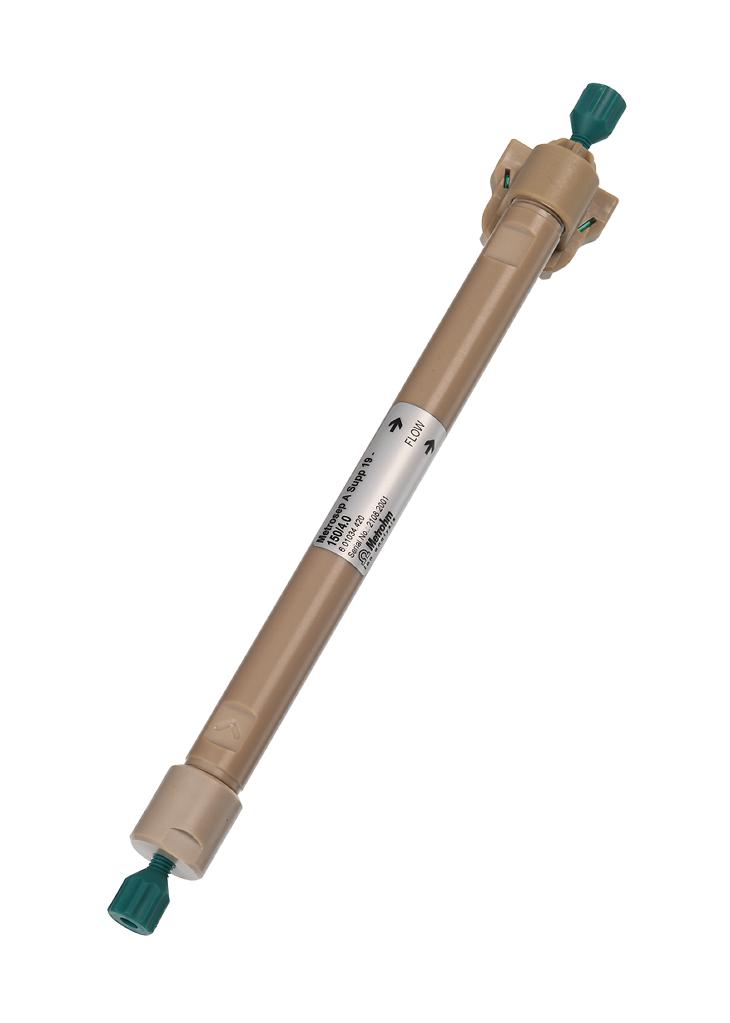


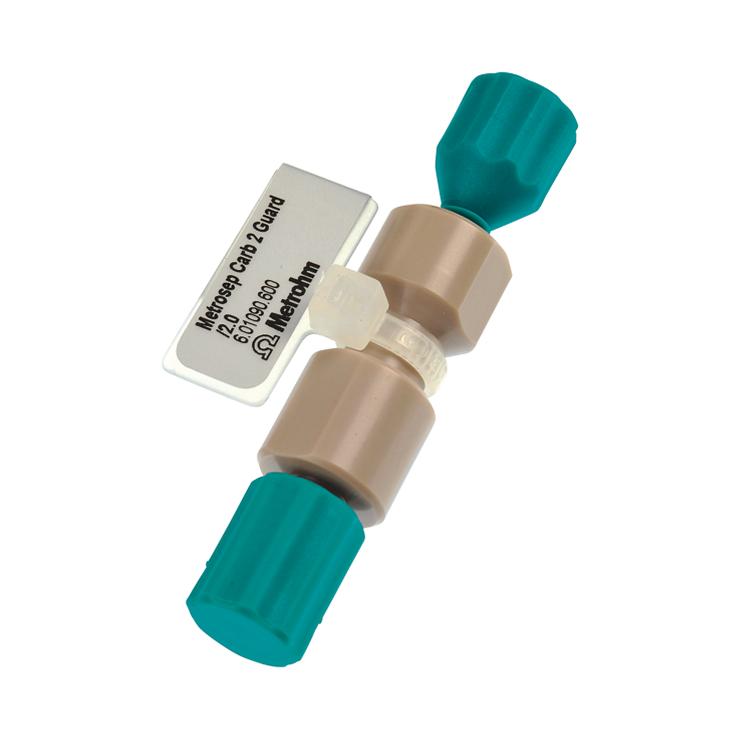


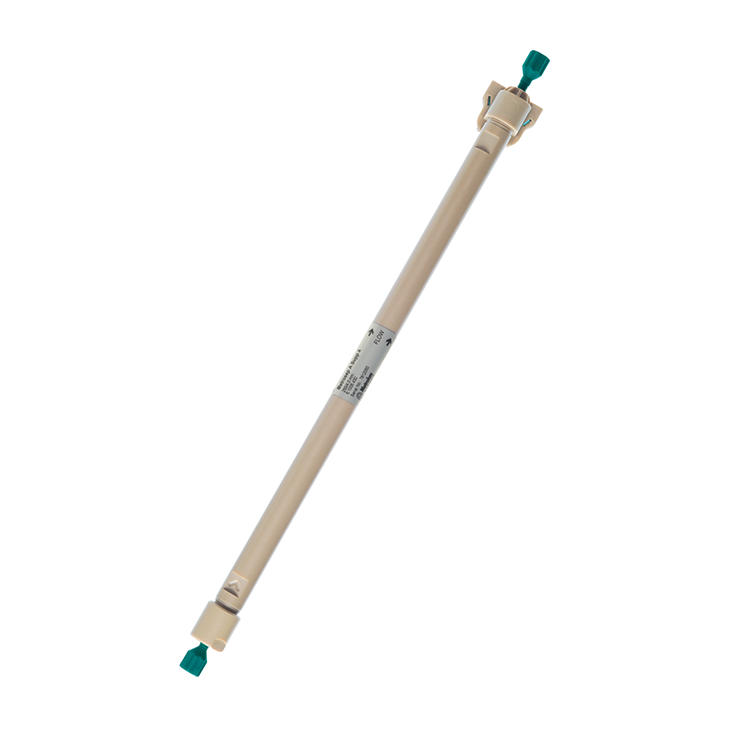

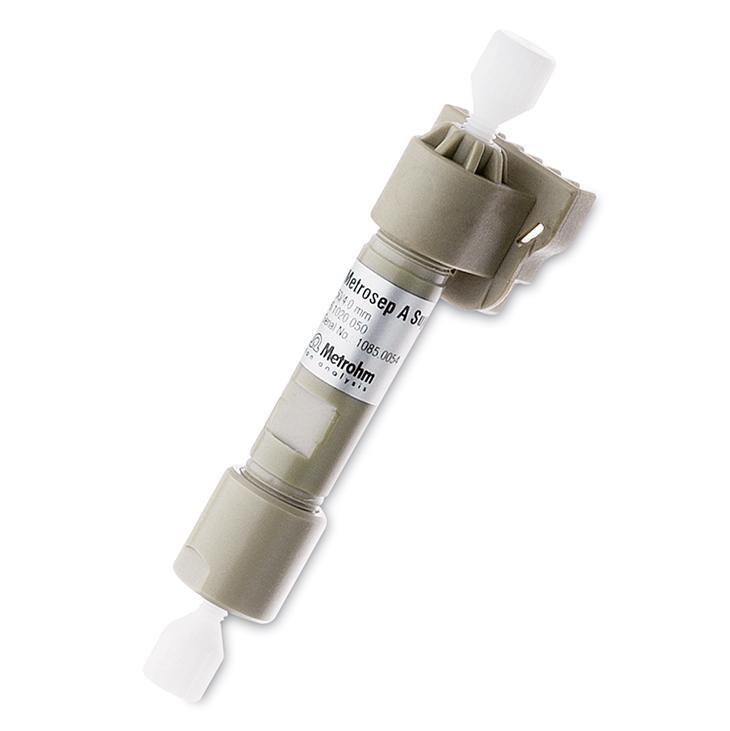


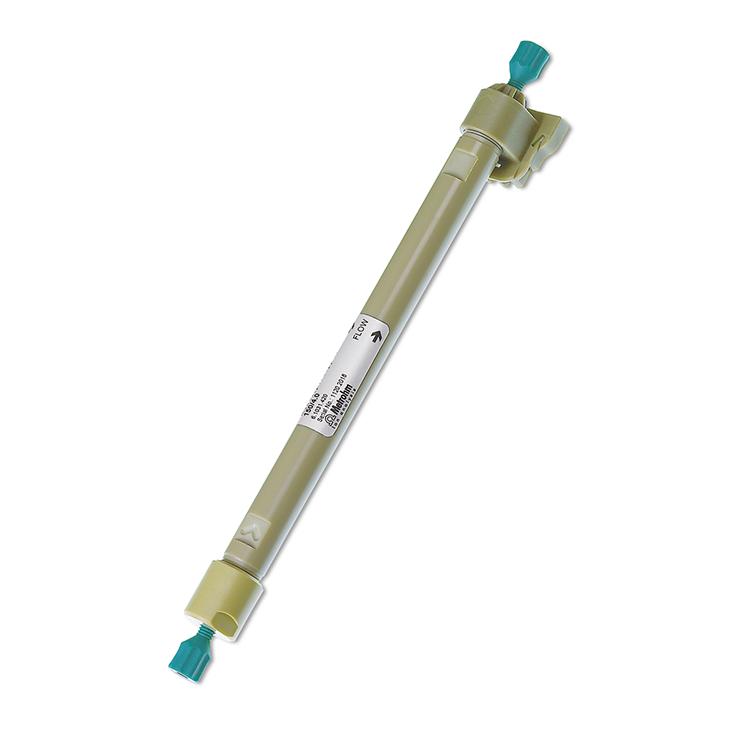


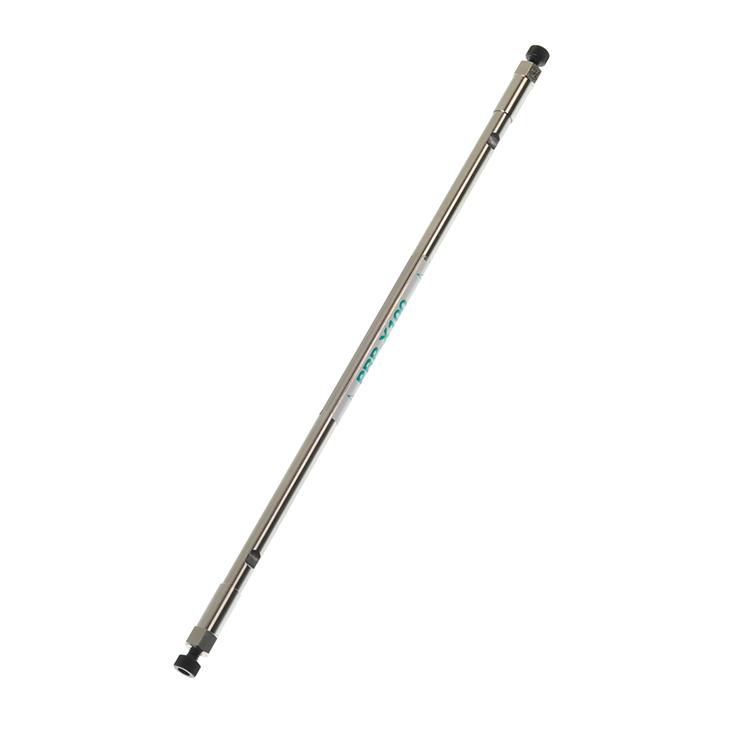

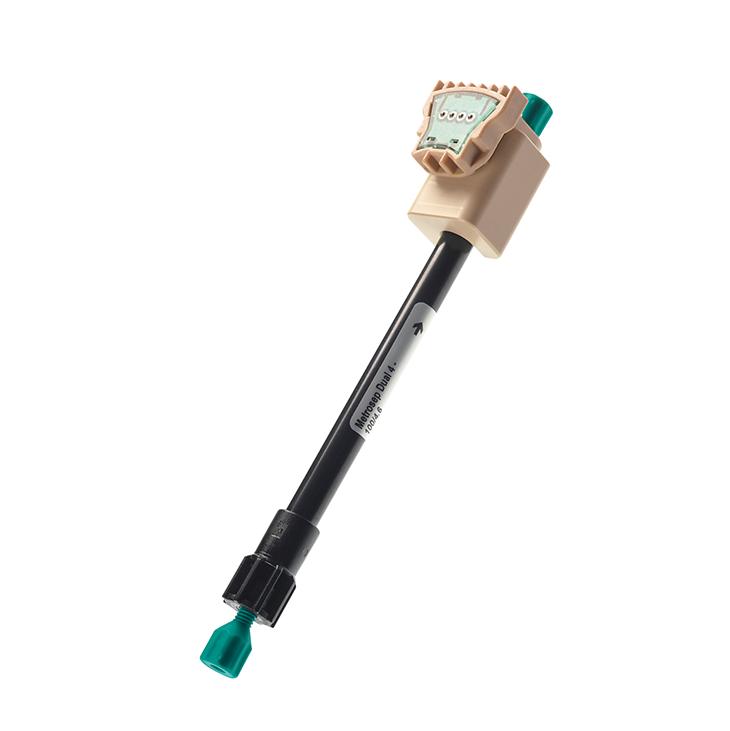


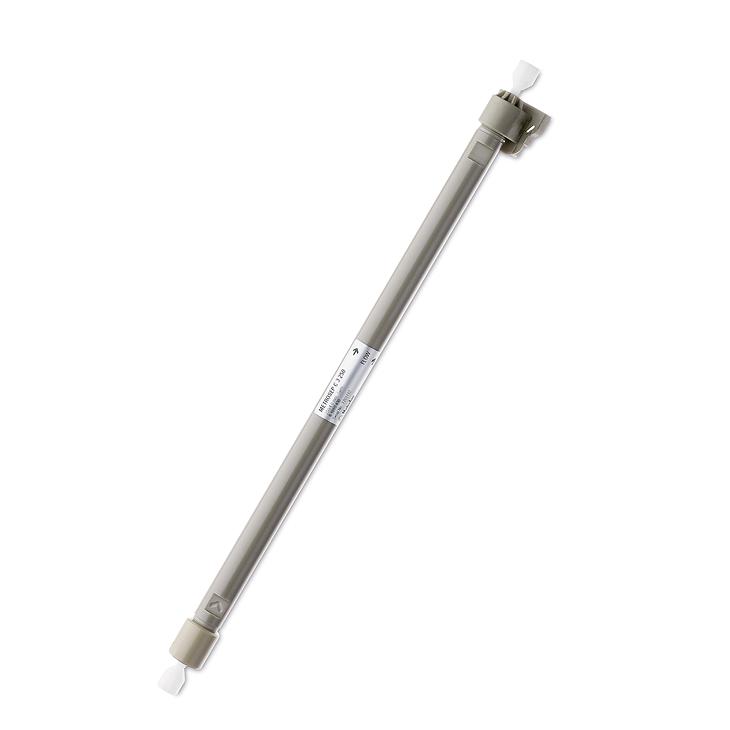


2.1056.0930
OMNIS Waste Collector UnitThe OMNIS Waste Collector Unit is used to collect the liquid streams entering the waste. The collector's transparent housing allows for visual flow verification of up to 4 liquid streams. If more than 4 channels are fed into the drainage system, then an additional waste collector can be installed on the reagent organizer.Specifications:- Number of channels: 4- Transparent design for visual flow verification
6.01532.110
Transfer tubing 10 mL, FEP, M6Transfer tubing 10 mL, FEP, M6 for installation in the MISP unit for the transfer or short-term storage of liquids. Prevents contamination of the dosing unit.FEP tubing is chemically inert and flexible. It has a larger inner diameter than capillaries, which means that larger liquid volumes can be conveyed faster.Typical application:Preconcentration technique (MiPCT)Dilution technique (MIDT)
6.01532.120
Transfer tubing 10 mL, PEEK, OD 1/8"Transfer tubing 10 mL, PEEK, OD ⅛" for installation in the MISP unit for the transfer or short-term storage of liquids. Prevents contamination of the dosing unit.PEEK tubing is chemically inert and serves as an alternative to PTFE (FEP/PFA) tubing in order to prevent possible fluoride contamination. It has a larger inner diameter than capillaries, which means that larger liquid volumes can be conveyed faster.Typical application:Preconcentration technique (MiPCT)
6.01532.130
Transfer tubing 5 mL, FEP, OD 1/8"Transfer tubing 5 mL, OD 1/8" for installation in the MISP unit for the transfer or short-term storage of liquids. Prevents contamination of the dosing unit.FEP tubing is chemically inert and flexible. It has a larger inner diameter than capillaries, which means that larger liquid volumes can be conveyed faster.Typical application:Preconcentration technique (MiPCT and MiPCT-ME)Dilution technique (MIDT)
6.01532.140
Transfer tubing LQH, FEP, OD 1/8"Transfer tubing LQH, FEP, OD 1/8" for installation in the MISP unit for the transfer or short-term storage of liquids. Prevents contamination of the dosing unit.FEP tubing is chemically inert and flexible. It has a larger inner diameter than capillaries, which means that larger liquid volumes can be conveyed faster.Typical application:Dilution technique (MIDT)
6.01562.100
Transfer capillary 2 mL, PEEKTransfer capillary, 2 ml, PEEK for installation in the MISP unit for the transfer or short-term storage of liquids. Prevents contamination of the dosing unit.PEEK tubing is chemically inert and serves as an alternative to PTFE (FEP/PFA) tubing in order to prevent possible fluoride contamination. It has a larger inner diameter than capillaries, which means that larger liquid volumes can be conveyed faster.Typical application:Partial Loop injection Technique (MiPT)Preconcentration technique (MiPCT)
6.01602.100
Bottle cap GL 45, 2 x M6, UNF 10/32Bottle cap GL 45 for eluent, regenerant, reagent, and rinsing bottles, with connectors for the adsorber tube and the aspiration tubing.
6.01602.110
Bottle cap S 40, 2x M6, UNF 10/32Cap S 40 for 10 L containers.
6.01608.000
Bottle PP, 2 L, GL 45Bottle 2 L (PP) designed for OMNIS Reagent Organizer, with volume indication for eluent, regenerant, reagent, and rinsing solutions.
6.01803.110
PTFE capillary RO – PP, 900/0.5 mmPre-cut PTFE capillary with identification label for OMNIS IC
6.01803.120
PEEK capillary INJ – MFM/WC, 950/0.75 mmPre-cut PEEK capillary with identification label for OMNIS IC
6.01805.400
FEP tubing M6, 1/8" x 1.59 mm, 3 m6.01805.500
FEP tubing 1/8" RO – DEG, 1,́200 mmPre-cut FEP tubing with identification label for OMNIS IC
6.01808.000
Drain tubing connector, PP, 2 x 7-8 mmConnector for drain tubing.
6.01808.010
Y tubing connector, PP, 3 x 7-8 mmConnector for drain tubing.
6.01808.020
L tubing connector, PP, 2 x 7-8 mmConnector for drain tubing.
6.01808.030
T tubing connector, PP, 3 x 7–8 mmConnector for drain tubing.
6.01808.100
Drain tubing fixation, 7-8 mmPractical tubing fixation for the reagent organizer, providing secure guidance of the drain tubing through the IC instrument.
6.01810.000
Knurled nut M3, PC/PBTMounting fixture for the installation of the preheating cartridge and PCR cartridge on the OMNIS IC column tray. Provides secure and organized integration of the cartridges within the system setup.
6.01815.000
Spiral-band, 3-15 mm, 0.5 mSpiral band for holding together different tubings or cables.
6.01816.000
Drain tube, 7/9 mm, 1 mSilicone drain tube
6.01826.010
Pump tubing, ID 0.5 mm, orange - yellowPump tubing with an inner diameter of 0.5 mm for use with the Peristaltic Pump Unit in the OMNIS IC system. The tubing enables controlled and reliable transport of liquids for examples for dialysis, suppressor regeneration, or PCR solutions. It is designed for consistent flow performance during operation. Its material properties support stable functioning under routine analytical conditions.
6.01826.020
Pump tubing, ID 1.0 mm, white - whitePump tubing with an inner diameter of 1.0 mm for use with the Peristaltic Pump Unit in the OMNIS IC system. The tubing enables controlled and reliable transport of liquids for examples for sample solutions. It is designed for consistent flow performance during operation. Its material properties support stable functioning under routine analytical conditions.
6.01831.100
PEEK capillary DEG – HPP, 250/0.75 mmPre-cut PEEK capillary with identification label for OMNIS IC
6.01831.110
PEEK capillary HPP – INJ, 160/0.5 mmPre-cut PEEK capillary with identification label for OMNIS IC
6.01831.140
PEEK capillary INJ – COL, 180/0.18 mmPre-cut PEEK capillary with identification label for OMNIS IC
6.01831.150
PEEK capillary MCS – COND, 120/0.18 mmPre-cut PEEK capillary with identification label for OMNIS IC
6.01831.160
PEEK capillary PA – INJ, 180/0.5 mmPre-cut PEEK capillary with identification label for OMNIS IC
6.01831.170
PEEK capillary INJ – COL, 540/0.18 mmPre-cut PEEK capillary with identification label for OMNIS IC
6.01831.180
PEEK capillary INJ – COL, 280/0.18 mmPre-cut PEEK capillary with identification label for OMNIS IC
6.01831.190
PEEK capillary COND – MFM/WC, 400/0.18 mmPre-cut PEEK capillary with identification label for OMNIS IC
6.01831.200
PEEK capillary COL - COND, 350/0.18 mmPre-cut PEEK capillary with identification label for OMNIS IC
6.01831.210
PEEK capillary PP – SAMPLE IN, 400/0.5 mmPre-cut PEEK capillary with identification label for OMNIS IC
6.01831.220
PEEK capillary FILTRATE OUT – INJ, 400/0.5 mmPre-cut PEEK capillary with identification label for OMNIS IC
6.01831.230
PEEK capillary, 1000/0.75 mmPre-cut PEEK capillary for OMNIS IC
6.01831.240
PEEK capillary, 1400/0.75 mmPre-cut PEEK capillary for OMNIS IC
6.01831.250
PEEK capillary INJ – INJ, 250/0.18 mmPre-cut PEEK capillary with identification label for OMNIS IC
6.01831.260
PEEK capillary INJ – INJ, 250/0.5 mmPre-cut PEEK capillary with identification label for OMNIS IC
6.01831.270
PEEK capillary PP – SAMPLE IN, 600/0.5 mmPre-cut PEEK capillary with identification label for OMNIS IC
6.01831.280
PEEK capillary SAMPLE OUT – PP, 600/0.5 mmPre-cut PEEK capillary with identification label for OMNIS IC
6.01831.290
PEEK capillary DD/PP – DIAL. IN, 750/0.5 mmPre-cut PEEK capillary with identification label for OMNIS IC
6.01831.300
PEEK capillary DIALYSATE OUT – INJ, 400/0.25 mmPre-cut PEEK capillary with identification label for OMNIS IC
6.01831.310
PEEK capillary PLVL – HPP, 140/0.75 mmPre-cut PEEK capillary with identification label for OMNIS IC
6.01831.320
PEEK capillary DEG – PLVL, 140/0.75 mmPre-cut PEEK capillary with identification label for OMNIS IC
6.01834.010
FEP tubing M6 with filter, 0.27 mFEP aspiration tubing with pre-installed particle filter (pore size 27 µm) for the 6.01608.000 bottle PP, 2 L, GL 45.
6.01903.100
Stirring bar, elliptical, 32 mmMagnetic stirrer in tablet form to reduce possible abrasion on the supply bottle (6.01608.000 bottle PP, 2 L, GL 45).
6.02006.100
MISP base plateBase plate for fastening T connectors in the OMNIS MISP Unit.
6.02006.110
MISP holder, trap columnHolder for fastening trap columns in the OMNIS MISP Unit.
6.02006.120
Holder, fixation barHolder for fastening T connectors on the fixation bar in the OMNIS IC.
6.02009.000
Volume sensor holder, container 10 LHolder for 10 L container with integrated volume sensor.
6.02027.000
Clip cover, side panel, 2 pcsClip for vertical fastening of capillaries and tubing in the OMNIS IC.Quantity: 2 pieces
6.02027.010
Clip COL, 3 x OD 1/16"Clip for fastening PEEK capillaries in the OMNIS Column Thermostat Unit.
6.02027.020
Clip COL, OD 1/16"Clip for fastening PEEK capillaries in the OMNIS Column Thermostat Unit.
6.02027.030
Clip fixation bar, 2 x OD 1/16"Clip for fastening the inlet capillary to the column when using the OMNIS Column Holder Unit.
6.02027.040
Clip cover, fixation bar, 2 pcsClip for horizontal fastening of capillaries and tubing in the OMNIS IC.Quantity: 2 pieces
6.02027.050
Clip 10 mm, fixation bar, 2 pcsClip for horizontal fastening of accessories in the OMNIS IC.Quantity: 2 pieces
6.02040.000
OMNIS IC AS TrayTray for accommodating sample racks in the OMNIS IC Autosampler. The tray provides a stable base for secure placement and precise positioning of sample racks during automated sampling. Its geometry is designed to ensure stable handling and reliable operation within routine analytical workflows. The tray can be seamlessly integrated into the autosampler system and easily removed to allow convenient loading and preparation of sample racks directly on the laboratory bench before placement in the autosampler.
6.02040.010
OMNIS IC AS COOL TrayCooled tray for accommodating sample racks in the OMNIS IC Autosampler. The tray maintains samples at a controlled low temperature, supporting the analysis of temperature-sensitive compounds. Rack positioning and handling correspond to the standard AS Tray, ensuring reliable and precise operation during automated sampling. The tray can be seamlessly integrated into the autosampler system and can be easily removed to allow convenient loading and preparation of sample racks directly on the laboratory bench before placing in the autosampler.
6.02041.500
OMNIS sample rack 24 x 10 mLSample rack for holding 24 x 10 mL vials in the OMNIS IC Autosampler. Rack geometry is matched to vial dimensions to ensure precise positioning and stable handling during automated sampling. The racks can be seamlessly mounted on the AS/ASCOOL Tray.
6.02041.510
OMNIS sample rack 40 x 5 mLSample rack for holding 40 x 5 mL vials in the OMNIS IC Autosampler. Rack geometry is matched to vial dimensions to ensure precise positioning and stable handling during automated sampling. The racks can be seamlessly mounted on the AS/ASCOOL Tray.
6.02041.520
OMNIS sample rack 48 x 11 mmSample rack for holding 48 x 11 mm OD vials in the OMNIS IC Autosampler. Rack geometry is matched to vial dimensions to ensure precise positioning and stable handling during automated sampling. The racks can be seamlessly mounted on the AS/ASCOOL Tray.
6.02041.530
OMNIS sample rack 6 x 50 mLSample rack for holding 6 x 50 mL bottles in the OMNIS IC Autosampler. Rack geometry is matched to vial dimensions to ensure precise positioning and stable handling during automated sampling. The racks can be seamlessly mounted on the AS/ASCOOL Tray.
6.02041.540
OMNIS sample rack 12 x 22 mmSample rack for holding 12 x 22mm OD vials in the OMNIS IC Autosampler. Rack geometry is matched to vial dimensions to ensure precise positioning and stable handling during automated sampling. The racks can be seamlessly mounted on the AS/ASCOOL Tray.
6.02041.550
OMNIS sample rack, 2 x 200 mLSample rack for holding 2 x 200 mL bottles in the OMNIS IC Autosampler. Rack geometry is matched to vial dimensions to ensure precise positioning and stable handling during automated sampling. The racks can be seamlessly mounted on the AS/ASCOOL Tray
6.02050.000
Bottle holder, ROBottle holder for Eluent bottle PP 2 L on OMNIS IC Reagent Organizer.
6.02050.010
Bottle fixation ROBottle fixation for Eluent bottle PP 2 L on OMNIS IC Reagent Organizer.
6.02050.100
Bottle holder RO, universalBottle holder for glass bottles 1 L or 2 L on OMNIS Reagent Organizer.
6.02050.200
Bottle retainer, ROLCBottle retainer for Eluent bottle PP 2 L on OMNIS IC Reagent Organizer Liquid Control.
6.02050.210
Container 10 L fixationContainer Fixation onto Volume Sensor Holder, Container 10 L.
6.02061.000
Reagent OrganizerOrganizer for reagent and eluent bottles for OMNIS IC instruments.
6.02061.100
Base plateBase plate for OMNIS IC modules and preconfigured instruments (OMNIS IC S, M, L).
6.02061.110
Drip collector, Base plateIntelligent drip collector for Base plate.
6.02061.120
Drip collector, ExtensionIntelligent drip collector for Extension.
6.02061.130
Drip collector, UnitDrip collector for Unit, mounted on fixation bar, Extension.
6.02061.200
End plate, Extension/ASEndplate between Extension or Autosampler and Reagent Organizer or Reagent Organiser Liquid Control.
6.02102.100
Remote cable, PL/open, 2mRemote cable to connect the OMNIS with third party instruments, e.g., mass spectrometers.
6.02104.100
Sensor cable plug/plug, 3 mSensor cable to connect the Volume Sensor Holder, Container 10 L to the OMNIS IC.
6.02107.000
Network cable, 1 mNetwork cable (1 m) for connecting one OMNIS instrument to an Ethernet Router, Ethernet Switch or local network
6.02107.010
Network cable, 2 mNetwork cable (2 m) for connecting one OMNIS instrument to an Ethernet Router, Ethernet Switch or local network
6.02107.040
Network cable, 0.3 mNetwork cable (0.3 m) for connecting one OMNIS instrument to an Ethernet Router, Ethernet Switch or local network
6.02122.120
Power cord, C13/14, 0.35 mPower cord (0.35 m) for connecting OMNIS Extension Modules
6.02122.130
Power cord, C13/14, 1 mPower cord (1 m) for connecting OMNIS Extension Modules
6.02601.060
Fixation bar, ExtensionFixation bar for OMNIS IC Extention Module.
6.02603.000
Fall prevention fixture, base plateFall prevention fixture for fastening the OMNIS IC on the table. Useful for the installation, e.g., on an oil platform, on a ship, in an airplane, in a bus or in earthquake-prone areas.
6.02621.010
Multitool, HPPMulti-function tool for performing maintenance on the OMNIS High-Pressure Pump Unit.
6.02624.100
Sample needle, MF, ID 0.5 mmSample needle for OMNIS IC Autosampler and OMNIS IC Autosampler COOL, metal-free.
6.02705.100
Guide clip, CMClip for guiding capillaries and tubing in the 948 Continuous IC Module, CEP.
6.02741.000
Piston seal, PE, orangePiston seal for OMNIS IC High-Pressure Pump Unit.
6.02741.030
Maintenance set, piston wash seal, 2 pcsMaintenance set for piston seal wash of the OMNIS IC High-Pressure Pump Unit.
6.02743.017
Vial PS, 10 mL, 200 piecesDisposable sample vials with volume indication produced from high-quality polystyrene (PS), specifically designed for use with the OMNIS IC Autosamplers. With a volume of 10 mL and an optimized geometry (flat-bottom), these vials ensure seamless integration, secure handling, and reliable automation.Produced and packed under cleanroom conditions (cleanroom class 7 according to DIN ISO 14644), Metrohm sample vials are engineered for high-purity applications. They are validated to meet minimal contamination levels, making them ideal for trace analysis in ion chromatography, where even small impurities can affect results.Quantity: 200 pieces
6.02743.020
Vial PS, 5 mL, 2000 piecesDisposable sample vials with volume indication produced from high-quality polystyrene (PS), specifically designed for use with the OMNIS IC Autosamplers. With a volume of 5 mL and an optimized geometry (flat-bottom), these vials ensure seamless integration, secure handling, and reliable automation.Produced and packed under cleanroom conditions (cleanroom class 7 according to DIN ISO 14644), Metrohm sample vials are engineered for high-purity applications. They are validated to meet minimal contamination levels, making them ideal for trace analysis in ion chromatography, where even small impurities can affect results.Quantity: 2000 pieces
6.02743.027
Vial PS, 5 mL, 200 piecesDisposable sample vials with volume indication produced from high-quality polystyrene (PS), specifically designed for use with the OMNIS IC Autosamplers. With a volume of 5 mL and an optimized geometry (flat-bottom), these vials ensure seamless integration, secure handling, and reliable automation.Produced and packed under cleanroom conditions (cleanroom class 7 according to DIN ISO 14644), Metrohm sample vials are engineered for high-purity applications. They are validated to meet minimal contamination levels, making them ideal for trace analysis in ion chromatography, where even small impurities can affect results.Quantity: 200 pieces
6.02743.040
Bottle PP, 200 mLHigh-quality polystyrene (PS) sample vial designed for seamless use with the OMNIS IC Autosampler and for the safe handling and analysis of samples, reagents, and standards. Manufactured and packaged under controlled cleanroom conditions (ISO Class 7 according to DIN EN ISO 14644-1), the vial ensures low contamination levels and dependable performance in routine laboratory workflows.Quantity: 1 piece
6.02743.070
Cap PP, OD 16.6 mm, 2000 piecesCaps for polystyrene sample vials 10 mL made from polypropylene. The caps are produced and packed under cleanroom conditions (cleanroom class 7 according to DIN ISO 14644) and are suitable for high-purity IC applications.Quantity: 2000 pieces
6.02743.077
Cap PP, OD 16.6 mm, 200 piecesCaps for polystyrene sample vials 10 mL made from polypropylene. The caps are produced and packed under cleanroom conditions (cleanroom class 7 according to DIN ISO 14644) and ensure high-purity IC applications.Quantity: 200 pieces
6.02743.080
Cap PP, OD 11.5 mm, 2000 piecesCaps for polystyrene sample vials 5 mL made from polypropylene. The caps are produced and packed under cleanroom conditions (cleanroom class 7 according to DIN ISO 14644) and ensure high-purity IC applications.Quantity: 2000 pieces
6.02743.087
Cap PP, OD 11.5 mm, 200 piecesCaps for polystyrene sample vials 5 mL made from polypropylene. The caps are produced and packed under cleanroom conditions (cleanroom class 7 according to DIN ISO 14644) and ensure high-purity IC applications.Quantity: 200 pieces
6.02743.097
Screw cap with septum, 12 piecesScrew cap with integrated septum designed for the secure storage and handling of samples, standards, and reagents. The septum enables automated sample access while minimizing contamination and evaporation, making it ideal for automated laboratory workflows. Its robust design ensures reliable sealing and dependable performance during sample preparation and analysis.Quantity: 12 pieces
6.02744.000
Needle fixation connectorFixation for sample needle onto the needle drive of the OMNIS IC Autosampler and OMNIS IC Autosampler COOL.
6.02744.010
Flangeless fitting M6, 1/8", 2 pcsFlangeless fitting for 1/8'' tubing.Quantity: 2 pcs
6.02744.020
T connector, M6T connector for 3 M6 tubings.
6.02744.030
T connector, 2 x UNF 10/32, M6T connector for 2 capillaries and 1 M6 tubing.
6.02744.060
Adapter M6 inner / Luer inner, PEEKAdapter for purging the aspiration tube with solution
6.02744.110
Flangeless ferrule for 1/8", PVDF, 4 pcsFlangeless ferrule for 1/8'' tubing.Quantity: 4 pieces
6.02762.100
Dilution vesselMixing vessel for inline dilution for the OMNIS IC Autosampler and OMNIS IC Autosampler COOL.
6.02762.110
Dilution vessel lidLid for the dilution vessel of the OMNIS IC Autosampler or OMNIS IC Autosampler COOL.
6.02765.000
Waste collector, 4 x UNF 10/32Waste collector for up to four waste capillaries.
6.02800.000
Blind Cover UnitBlind cover for an empty unit spot.
6.02816.000
Syringe 20 mL, Luer20 mL syringe made of PP, with luer connector.
6.02824.000
Pump piston, ZrO2, 3.8 mmPump piston for OMNIS IC High Pressure Pump.
6.02824.010
Check valve inlet, PEEKMetal-free check valve for the outlet side of the OMNIS IC High Pressure Pump Unit.
6.02824.020
Check valve outlet, PEEKMetal-free check valve for the outlet side of the OMNIS High-Pressure Pump Unit.
6.02837.030
CO2 Absorber (Tube)CO2 Absorber (Tube) with a Luer adapter; protects reagents and eluents from particles and ensures consistent retention times for CO2-sensitive eluents.
6.02837.040
Filter tubeFilter tube with Luer adapter, protects eluents and reagents from particles.
6.02837.110
CO2 Absorber (Cartridge)Absorber cartridge for removing CO₂ from the air drawn in by the OMNIS MCS unit ensures that the baseline remains stable and consistent.
6.02841.120
Rinse stationRinse station for needle rinsing for the OMNIS IC Autosampler and OMNIS IC Autosampler COOL.
6.02842.010
Coupling nut, Actuator UnitCoupling nut for OMNIS Actuator Unit.
6.02842.020
Connecting piece, OMNIS MSM/SPMConnecting piece with inlets and outlets for OMNIS MSM and SPM.
6.02842.030
Coupling nut, connecting pieceCoupling nut for OMNIS MSM Unit.
6.02842.040
Rotor housingRotor housing to upgrade an OMNIS Actuator Unit into an OMNIS MSM Unit.
6.02845.000
Preheating cartridge ID 0.18 mmCartridge containing the eluent preheating capillary to be mounted in the OMNIS Column Thermostat Unit.
6.02845.100
PCR cartridge, PTFE, ID 0.5 mmCartridge containing the PCR capillary to be mounted in the OMNIS IC Thermostate Unit.
6.02860.000
MFM sensor barSensor bar for OMNIS IC MFM Unit.
6.05000.000
Accessory kit: OMNIS ICOMNIS IC accessory set required for installation, daily work, and maintenance.The set contains the most necessary tools and accessories for simple tasks related to the OMNIS IC device.
6.05000.030
Accessory kit: OMNIS IC M ModuleAccessory set to complete the installation of the OMNIS IC M module.
6.05000.120
Installation kit: OMNIS IC M, cable6.05000.130
Installation kit: OMNIS IC L, cable6.05000.140
Installation kit: AS/AS COOL6.05000.150
Installation kit: AS cable6.05000.160
Installation kit: AS COOL cable6.05331.030
OMNIS IC equip.: UF, PP/DDAccessory set for Ultrafiltration in OMNIS IC: Inline ultrafiltration allows the sample to be separated from contained particles. The main component of the Metrohm Inline Ultrafiltration system is the ultrafiltration cell. The ultrafiltration cell is suitable for sample filtration with high demands on filtration efficiency and sample throughput. This equipment is for the setup with a combination of the Peristaltic Pump Unit and the Dosing Drive Unit.Prerequisites:OMNIS IC S/M/L with OMNIS IC AS/ASCOOL, including:available OMNIS Dosing Drive Unit; available OMNIS Peristaltic Pump Unit channel; available OMNIS MISP Unit; AS/ASCOOL equipped with a switching valve 3/2, UNF;
6.05331.040
OMNIS IC equip.: MIDTAccessory set for dilution in OMNIS IC: This technique allows samples with excessively high ion concentrations or highly concentrated sample matrices to be diluted. The required sample volume is precisely aspirated by the OMNIS Dosing Drive Unit.The sample and the dilution solution are mixed in the dilution station, ensuring the sample is diluted and completely homogenized. Additionally, with the Inline Dilution technique, calibration using a single standard solution is possible.Specifications:Maximum dilution factor: 2000; Accuracy: <1.5% up to DF 100, <2.5% up to DF 1000; Reproducibility (n=9): <1% up to DF 1000; Carry over: < 0.003%; Prerequisites:OMNIS IC S/M/L, including:available OMNIS Dosing Drive Unit; available OMNIS MISP Unit; AS/ASCOOL equipped with:dilution station and; switching valve 3/2, M6;
6.05331.050
OMNIS IC equip.: UF, PP/PPAccessory set for Ultrafiltration in OMNIS IC: Inline ultrafiltration allows the sample to be separated from contained particles. The main component of the Metrohm inline ultrafiltration system is the ultrafiltration cell. The ultrafiltration cell is suitable for sample filtration with high demands on filtration efficiency and sample throughput. This equipment is for the setup with a Peristaltic Pump Unit only.Prerequisites:OMNIS IC S/M/L with OMNIS IC AS/ASCOOL, including:2 available OMNIS Peristaltic Pump Unit channels; available OMNIS MISP Unit;
6.05331.060
OMNIS IC equip.: MIDT-UF, PP/DDAccessory set for the combination of dilution with Ultrafiltration in OMNIS IC: This technique allows samples with excessively high ion concentrations or highly concentrated sample matrices to be diluted. The required sample volume is precisely aspirated by the OMNIS Dosing Drive Unit.Additionally, inline ultrafiltration allows the sample to be separated from the particles it contains. This combined technique allows calibration with only one standard solution.Prerequisites:OMNIS IC S/M/L with OMNIS IC AS/ASCOOL, including:available OMNIS Dosing Drive Unit; available OMNIS Peristaltic Pump Unit channel; available OMNIS MISP Unit; AS/ASCOOL equipped with dilution station and switching valve 3/2, M6;
6.05331.070
OMNIS IC equip.: MiPTAccessory set for Partial Loop Injection in OMNIS IC: With this technique, the 250 μL sample loop can be filled with a defined volume. The OMNIS Dosing Drive Unit, with the attached OMNIS cylinder unit, performs precise dosing steps. The intelligent partial-loop injection technique allows calibration using a single standard solution because the injection volume can be freely selected. The same applies to sample injection: a small injection volume can be chosen for a highly concentrated sample, or a larger one for low-concentration samples.Prerequisites:OMNIS IC S/M/L with OMNIS IC AS/ASCOOL, including:available OMNIS Dosing Drive Unit; available OMNIS MISP Unit;
6.05331.080
OMNIS IC equip.: UF-MiPT, PP/DDAccessory set for the combination of Partial Loop Injection Technique with Ultrafiltration in OMNIS IC: The inline ultrafiltration allows the sample to be separated from contained particles. Additionally, with the partial loop injection, the 250 μL sample loop can be filled with a defined volume of the filtered sample. The OMNIS Dosing Drive Unit, with the attached OMNIS cylinder unit, performs precise dosing steps. This combined technique allows calibration using a single standard solution.Prerequisites:OMNIS IC S/M/L with OMNIS IC AS/ASCOOL, including:available OMNIS Dosing Drive Unit; available OMNIS Peristaltic Pump Unit channel; available OMNIS MISP Unit; AS/ASCOOL equipped with a switching valve 3/2, UNF;
6.05331.090
OMNIS IC equip.: D-INJ, manuallyAccessory set for manual Full Loop Injection in OMNIS IC: With this technique, the sample loop can be filled manually.Prerequisites:OMNIS IC S/M/L
6.05331.120
OMNIS IC equip.: MiPCTAccessory set for Preconcentration Injection in OMNIS IC: With this technique, samples at the ng/L level can be analyzed on the OMNIS IC. Inline Preconcentration uses a preconcentration column instead of a sample loop. When a precise sample volume is transferred to the preconcentration column, the respective ions will be retained. With the injection, the bound ions flow with the eluent onto the separation column. The OMNIS Dosing Drive Unit allows calibration with only one standard solution, as the injection volume can be freely selected. The same applies to sample injection. Prerequisites: OMNIS IC S/M/L with OMNIS IC AS/ASCOOL, including: available OMNIS Dosing Drive Unit ; available OMNIS MISP Unit;
6.05331.130
OMNIS IC equip.: MiPCT-MEAccessory set for Preconcentration Injection with Matrix Elimination in OMNIS IC: With this technique, samples at the ng/L level can be analyzed on the OMNIS IC. Inline Preconcentration uses a preconcentration column instead of a sample loop. When a precise sample volume is transferred to the preconcentration column, the respective ions will be retained. After enrichment of the analytes, the non-ionic components of the sample can be rinsed off the enrichment column with ultrapure water. The non-ionic sample components do not interfere with the detection of the analytes. The OMNIS Dosing Drive Unit allows calibration with only one standard solution, as the injection volume can be freely selected. The same applies to sample injection. Prerequisites: OMNIS IC S/M/L with OMNIS IC AS/ASCOOL, including: available OMNIS Dosing Drive Unit ; available OMNIS MISP Unit;
6.05332.000
OMNIS IC equip.: Container 10 L, LCAccessory set for automatic monitoring of 10 L container.Prerequisites:OMNIS IC with ROLC
6.05332.010
OMNIS IC equip.: Container 10 L, drainAccessory set for connecting drain to 10 L container.Prerequisites:OMNIS IC S/M/L
6.05332.020
OMNIS IC equip.: HPP piston seal wash, DDAccessory set for HPP piston seal wash: The HPP piston seal wash for the OMNIS IC HPP is standard foreseen with a free port on a dosing system on the OMNIS Cylinder Unit. After each sample analysis, the piston is rinsed with a small portion of UPW.When no free Cylinder Unit channel is available, the UPW can alternatively be transferred via a peristaltic pump channel equipped with 601826010 peristaltic pump tubing.Prerequisites:OMNIS IC S/M/L, including:available OMNIS Cylinder Unit port (with UPW as working medium) or; available OMNIS Peristaltic Pump Unit channel;
6.05332.040
OMNIS IC equip.: PP Reg.Accessory set for MSM regeneration with Peristaltic Pump Unit.Prerequisites:OMNIS IC S/M/L, including:available OMNIS Peristaltic Pump Unit channel;
6.05332.050
OMNIS IC equip.: DD Reg.Accessory set for MSM regeneration with Dosing Drive Unit with STREAM setup.Prerequisites:OMNIS IC S/M/L, including:available OMNIS Dosing Drive Unit;
6.05332.060
OMNIS IC equip.: Base plateAccessory set for an OMNIS IC without OMNIS IC AS or ASCOOL: With this equipment, the OMNIS IC (S/M/L) can be provided as a standalone solution without automation below the IC. This equipment is also required when the OMNIS IC is used in combination with an 858 Professional Sample Processor or a 919 IC Autosampler plus.Prerequisites:OMNIS IC S/M/L without AS/ASCOOL automation
6.05332.070
OMNIS IC equip.: PCR, DDAccessory set for PCR in OMNIS IC: PCR-UV/VIS detection is used to photometrically detect analytes through a chemical reaction following chromatographic separation. In the PCR cartridge, the eluent is mixed with a reagent behind the separation column, thereby enabling a specific reaction with the analyte. The eluent-reagent mixture, along with the reacted analytes, is then transported to the UV detector. This set is specific for the PCR application in combination with the dosing drive unit, including an additional bottle for rinsing purposes.Prerequisites:OMNIS IC S/M/L, including:available OMNIS Dosing Drive Unit; available OMNIS Column Thermostat Unit;
6.05332.080
OMNIS IC equip.: EPODAccessory set for automatic eluent production in OMNIS IC.Prerequisites:OMNIS IC S/M/L including:available OMNIS Dosing Drive Unit; OMNIS Reagent Organizer Liquid Control with 2 volume sensors ( 1 for eluent bottle, 1 for concentrate bottle);
6.05332.090
OMNIS IC equip.: Dose-in GradientAccessory set for Dose-in Gradient in OMNIS IC: A gradient is created by mixing different eluents in a mixing ratio that varies over the analysis duration.An OMNIS Cylinder Unit doses a concentrated or diluted eluent into the main eluent stream in a defined ratio. This changes the overall concentration of the mobile phase. The result is optimal separation of all ions within an acceptable analysis time.Prerequisites:OMNIS IC S/M/L, including:available OMNIS Dosing Drive Unit;
6.05332.100
OMNIS IC equip.: DD Reg., RinseAccessory set for MSM regeneration with Dosing Drive Unit without STREAM setup.Prerequisites:OMNIS IC S/M/L, including:available OMNIS Dosing Drive Unit;
6.05332.110
OMNIS IC equip.: PCR, PPAccessory set for PCR in OMNIS IC: PCR-UV/VIS detection is used to photometrically detect analytes through a chemical reaction following chromatographic separation. In the PCR cartridge, the eluent is mixed with a reagent behind the separation column, thereby specifically reacting with the analyte. The eluent-reagent mixture, along with the reacted analytes, is then transported to the UV detector. This set is specific for the PCR application in combination with the peristaltic pump unit.Prerequisites:OMNIS IC S/M/L, including:available OMNIS Peristaltic Pump Unit channel; available OMNIS Column Thermostat Unit;
6.05332.120
OMNIS IC equip.: Two tower setupAccessory set for an OMNIS IC without OMNIS IC AS or ASCOOL: If the OMNIS IC system is to be set up in 2 stacks (two-tower setup), the OMNIS IC must be equipped with a base plate, and the AS/ASCOOL with a reagent organizer.Prerequisites:OMNIS IC S/M/L
6.05332.130
OMNIS IC equip.: AutoSwitchAccessory set for AutoSwitch in OMNIS IC: Many samples require analysis of multiple analytes, such as anions and cations. The OMNIS IC M can be easily upgraded to perform AutoSwitch analysis. This enables automated serial execution, for example, of anion and cation analyses. Automatic switching between different analyses is possible with an additional injector and two 3/2-way valves.Prerequisites:OMNIS IC M, including:available OMNIS Actuator Unit equipped with 6/2 or 7/3 injector (minimum 1 x 7/3 injector is required); available position on the OMNIS Column Thermostat Unit; AS/ASCOOL equipped with 1x switching valve 3/2, M6 and 1x switching valve 3/2, UNF;
6.05801.000
Peristaltic pump channel kitUpgrade kit to extend the OMNIS Peristaltic Pump Unit 1-Channel with an additional pump channel.Prerequisites:2.1056.0010 OMNIS Peristaltic Pump Unit 1-Channel; Info: This upgrade must be installed by an authorized Metrohm service technician.
6.05801.010
Piston wash kitUpgrade kit to extend the OMNIS High-Pressure Pump Unit with piston wash. Piston wash seals are included.Prerequisites:2.1056.0210 OMNIS High-Pressure Pump Unit; 6.02621.010 Multitool, HPP;
6.05801.020
Degasser channel kitUpgrade kit to extend the OMNIS IC Degasser Unit with an additional degasser channel.Prerequisites:OMNIS IC S/M/L, including:2.1056.0010 OMNIS Degasser Unit 1-Channel or; 2.1056.0020 OMNIS Degasser Unit 2-Channel; Info: This upgrade must be installed by an authorized Metrohm service technician.
6.05801.040
Volume sensor, ROLC kitUpgrade kit to extend the OMNIS Reagent Organizer Liquid Control with an additional volume sensor.Prerequisites:2.1056.1200 OMNIS Reagent Organizer Liquid Control; Info: This upgrade must be installed by an authorized Metrohm service technician.
6.05801.050
Door 1 kitSpare part: OMNIS IC Door 1. The necessary hinges are included.
6.05801.060
Door 2 kitSpare part: OMNIS IC Door 2. The necessary hinges are included.
6.05801.070
Door 3 kitSpare part: OMNIS IC Door 3. The necessary hinges are included.
6.05801.080
Door 4 kitSpare part: OMNIS IC Door 4. The necessary hinges are included.
6.05801.090
Magnetic stirrer, ROLC kitUpgrade kit to extend the OMNIS Reagent Organizer Liquid Control with a magnetic stirrer. Prerequisites: 2.1056.1200 OMNIS Reagent Organizer Liquid Control; Info: This upgrade must be installed by an authorized Metrohm service technician.
6.05801.110
Switching valve 3/2, UNF kitThe switching valve 3/2 is a valve with 3 connectors and 2 switching positions. The switching valve 3/2 is available with either a valve attachment with UNF 10/32 connectors or one with M6 connectors.It can be used for the following applications, for example:Anion/cation system: Control as to the channel into which the sample is injected.; Rinsing with 2 different solutions: Control as to which rinsing solution is used.; A maximum of 3 switching valves 3/2 can be installed per sample changer.Note: This upgrade must be installed by an authorized Metrohm service engineer.
6.05801.120
Switching valve 3/2, M6 kitThe switching valve 3/2 is a valve with 3 connectors and 2 switching positions. The switching valve 3/2 is available with either a valve attachment with UNF 10/32 connectors or one with M6 connectors.It can be used for the following applications, for example:Anion/cation system: Control as to the channel into which the sample is injected.; Rinsing with 2 different solutions: Control as to which rinsing solution is used.; A maximum of 3 switching valves 3/2 can be installed per sample changer.Note: This upgrade must be installed by an authorized Metrohm service engineer.
6.05801.130
Barcode scanner kitThe individual sample racks and the AS tray are each identified with a barcode. The barcode reader scans the barcodes. This way, the sample changer detects the number, the position, and the type of the sample racks currently present. In addition, the barcode reader detects empty rack positions.Note: This upgrade must be installed by an authorized Metrohm service engineer.
6.05801.170
Injector 6/2 kitUpgrade kit to extend the OMNIS Actuator Unit with a metal-free 6/2 injector with UNF 10/32 connections. Injector specifications: Bore ID: 0.4 mm; Rotor material: Valcon E; Stator material: PAEK/Carbon Fiber; Maximum pressure: 35 MPa; Prerequisites:210560410 OMNIS Actuator Unit Info: This upgrade must be installed by an authorized Metrohm service technician.
6.05801.180
Injector 7/3 kitUpgrade kit to extend the OMNIS Actuator Unit with a metal-free 7/3 injector with UNF 10/32 connections. Injector specifications: Bore ID: 0.4 mm; Rotor material: Valcon E; Stator material: PAEK/Carbon Fiber; Maximum pressure: 35 Mpa; Prerequisites: 2.10560.410 OMNIS Actuator Unit Info: This upgrade must be installed by an authorized Metrohm service technician.
6.05801.190
Injector 4/2, 0.25 µl kitUpgrade kit to extend the OMNIS Actuator Unit with a metal-free 4/2, 0.25µL internal loop injector with UNF 10/32 connections.Injector specifications:Bore ID: 0.4 mm; Rotor material: Valcon E; Stator material: PAEK/Carbon Fiber; Maximum pressure: 24 MPa; Prerequisites:210560410 OMNIS Actuator UnitInfo: This upgrade must be installed by an authorized Metrohm service technician.
6.05801.200
Injector 4/2, 1.0 µl kitUpgrade kit to extend the OMNIS Actuator Unit with a metal-free 4/2, 1.0 µL internal loop injector with UNF 10/32 connections. Injector specifications: Bore ID: 0.4 mm; Rotor material: Valcon E; Stator material: PAEK/Carbon Fiber; Maximum pressure: 24 MPa; Prerequisites: 210560410 OMNIS Actuator Unit Info: This upgrade must be installed by an authorized Metrohm service technician.
6.05801.210
Injector 8/2 kitUpgrade kit to extend the OMNIS Actuator Unit with a metal-free 8/2 injector with UNF 10/32 connections. Injector specifications: Bore ID: 0.4 mm; Rotor material: Valcon E; Stator material: PAEK/Carbon Fiber; Maximum pressure: 35 Mpa; Prerequisites: 210560410 OMNIS Actuator Unit Info: This upgrade must be installed by an authorized Metrohm service technician.
6.05801.220
Injector 10/2 kitUpgrade kit to extend the OMNIS Actuator Unit with a metal-free 10/2 injector with UNF 10/32 connections.Injector specifications:Bore ID: 0.4 mm; Rotor material: Valcon E; Stator material: PAEK/Carbon Fiber; Maximum pressure: 35 Mpa; Prerequisites:210560410 OMNIS Actuator UnitInfo: This upgrade must be installed by an authorized Metrohm service technician.
6.05801.230
Selector 10/1, LP kitUpgrade kit to extend the OMNIS Actuator Unit with a metal-free 10/1 Selector, low-pressure with UNF 10/32 connections. Injector specifications: Bore ID: 0.75 mm; Rotor material: Valcon E; Stator material: PPS; Maximum pressure: 2 Mpa; Prerequisites: 210560410 OMNIS Actuator Unit Info: This upgrade must be installed by an authorized Metrohm service technician.
6.05801.240
Selector 10/1, HP kitUpgrade kit to extend the OMNIS Actuator Unit with a metal-free 10/1 Selector, low-pressure with UNF 10/32 connections.Injector specifications: Bore ID: 0.4 mm; Rotor material: Valcon E; Stator material: PAEK/Carbon Fiber; Maximum pressure: 35 Mpa; Prerequisites:210560410 OMNIS Actuator UnitInfo: This upgrade must be installed by an authorized Metrohm service technician.
6.05801.250
Dilution station kitThe dilution station is used for automatic dilution of samples. A defined amount of the concentrated sample is precisely measured by an OMNIS Dosing Drive Unit. The concentrated sample is conveyed to the dilution vessel with the required volume of the dilution solution. The built-in magnetic stirrer mixes the concentrated sample and the dilution solution evenly. The diluted sample is then transferred through the sample outlet into the sample path.Metrohm recommends using the following stirring bar:Stirring bar / 8 x 3 mm (6.1903.000); The dilution station is equipped with an overflow. The liquid in the overflow is collected in the drip collector, runs from there to the leak sensor, and is then fed into the drainage tubing system.A maximum of 1 dilution station can be installed per sample changer. If contaminated, the dilution vessel can be cleaned or replaced.Note: This upgrade must be installed by an authorized Metrohm service engineer.
6.05801.260
Drain kit, ASDrain kit to replace the drain tubing and connections in the OMNIS IC Autosampler Module.Prerequisites: 2.1054.0010 OMNIS IC Autosampler Module
6.05801.270
Drain kit, AS COOLDrain kit to replace the drain tubing and connections in the OMNIS IC Autosampler COOL.Prerequisites:2.1054.0020 OMNIS IC Autosampler Module COOL
6.05801.280
Drain kit, SDrain kit to replace the drain tubing and connections in the OMNIS IC S. Prerequisites: 2.1050.00x0 OMNIS IC S
6.05801.290
Drain kit, MDrain kit to replace the drain tubing and connections in the OMNIS IC M.Prerequisites:2105100x0 OMNIS IC M
6.05801.310
Drain kit, LDrain kit to replace the drain tubing and connections in the OMNIS IC L.Prerequisites:2105200x0 OMNIS IC L
6.05801.330
Mobile device holder kitUpgrade kit to extend the OMNIS IC S/M/L with a mobile device holder.Prerequisites:OMNIS IC S/M/LInfo: This upgrade must be installed by an authorized Metrohm service technician.
6.2743.100
Vials PP, 0.7 ml, U-shape, 1000 piecesMaximize sample recovery with this 0.7 mL vial designed for low-volume analytical applications. The vial features a low-dead-volume insert design that enables efficient sample extraction while minimizing waste. Quantity: 1000 pieces
6.2743.107
Vials PP, 0.7 ml, U-shape, 100 piecesMaximize sample recovery with this 0.7 mL vial designed for low-volume analytical applications. The vial features a low-dead-volume insert design that enables efficient sample extraction while minimizing waste. Quantity: 100 pieces
6.2743.110
Vials PP, 0.3 ml, V-shape, 1000 piecesMaximize sample recovery with this 0.3 mL vial designed for low-volume analytical applications. The vial features a low-dead-volume insert design that enables efficient sample extraction while minimizing waste. Quantity: 1000 pieces
6.2743.117
Vials PP, 0.3 ml, V-shape, 100 piecesMaximize sample recovery with this 0.3 mL vial designed for low-volume analytical applications. The vial features a low-dead-volume insert design that enables efficient sample extraction while minimizing waste. Quantity: 100 pieces
6.2743.120
Snap cap with red/white septum, 1000 piecesSnap cap with septum for 11 mm vials. Provides reliable sealing and broad chemical compatibility for routine laboratory analysis Quantity: 1000 pieces
6.2743.127
Snap cap with blue septum, 100 piecesSnap cap with septum for 11 mm vials. Provides reliable sealing and broad chemical compatibility for routine laboratory analysis Quantity: 100 pieces
6.7303.100
Vials glass, 1.8 ml, U-shape, 100 piecesMaximize sample recovery with this universal 1.8 mL snap ring vial designed for low-volume analytical applications. Quantity: 100 pieces
6.7303.110
Snap cap with red septum, 100 piecesSnap cap with septum for 11 mm vials. Provides reliable sealing and broad chemical compatibility for routine laboratory analysis. Quantity: 100 pieces
BWT-840000961
Raman Video Micro-Sampling System (785 nm)Video microscope sampling system for use with B&W Tek's lab and industrial Raman probes. Includes a 20x objective at a working distance of 16 mm. Offers manual rough and fine adjustment on the X, Y, and Z-axes, coaxial LED illuminator for target alignment, video camera for sample observation, and is compatible with standard microscope objectives. Probe not included, available separately. 785 nm configuration.BAC151C-785
DRP-CAST
μStat Cable connector for Screen-Printed ElectrodesConnects any DropSens equipment with DropSens Screen-Printed Electrodes
DRP-CNFSOL-1ML
Installation Instruction for ProfIC Vario 1 AnionCarbon Nanofibres Solution produced via the catalytic carbon vapour deposition process. The manufacturing processes provide a highly graphitized material without amorphous carbon – Available in 1.0 mL and 5.0 mL.
DRP-FLWCL
Flow Cell for Screen-Printed ElectrodesMethacrylate wall-jet Flow-Cell for FIA. Suitable to be used with standard format Screen-Printed Electrodes with the electrochemical cell in the middle of the strip. Closing system with powerful magnets Fittings included.
EC.Raman.Battery
Metrohm Hyphenated EC-Raman Battery SolutionAn Autolab modular PGSTAT302N with an Electrochemical Impedance Spectroscopy (EIS) module installed and a B&W Tek i-Raman Plus 532 H System are the foundation of this system. Depending on your cell size and design you can add either a B&W Tek Raman Video Micro-Sampling System (532 nm), or the B&W Tek Raman Probe Holder.Get ready to track age-induced structural changes, electrolyte decomposition, and solid electrolyte interphase (SEI) formation with your EC-Raman Battery Solution.It is easy to get started, see instant results, all with an instrument you can upgrade as your research progresses.• Two editable hyphenated EC-Raman procedures for the NOVA software as well as the BWSpec software for extended data analysis.• An electrochemical workstation with high accuracy EIS.• Future-proof your research with the ability to add up to 7 additional modules post-installation.Choose, depending on your cell size, either a B&W Tek Raman Video Microsampling System (532 nm), or the B&W Tek Raman Probe Holder.B&W Tek Raman Video Microsampling System (532 nm) can accommodate cells up 30 mm high.B&W Tek Raman Probe Holder can accommodate large battery-dedicated EC-Raman cells.
DRP-BICAST
μStat Cable connector for Dual Screen-Printed ElectrodesConnects any DropSens equipment with DropSens Dual Screen-Printed Electrodes
DRP-CNTSOL-0.5ML
-COOH funcionalized Multi-Walled Carbon Nanotubes SolutionCarbon nanotubes are produced via CVD and purified to remove free amorphous carbon deposits and catalyst metallic particles. They are functionalized with -COOH groups - Available in 1.0 mL and 5.0 mL.
EC.Raman.Corrosion.Explorer
Metrohm Hyphenated EC-Raman Explorer Corrosion SolutionIncludes an Autolab modular PGSTAT302N with an Electrochemical Impedance Spectroscopy (EIS) module installed, a B&W Tek i-Raman Plus 532 H System, a B&W Tek Raman Video Microsampling System (532 nm) and an Autolab Trigger cable.Ready when you are, the EC-Raman Explorer Corrosion Solution is easy to use. Get started quickly with a versatile potentiostat/galvanostat that can be expanded as your research develops.• Two editable hyphenated EC-Raman procedures for the NOVA software as well as the BWSpec software for extended data analysis.• An electrochemical workstation with high accuracy EIS.• Future-proof your research with the ability to add up to 7 additional modules post-installation.• 532 nm laser excitation for higher Raman signal• Visual surface inspection with the microsampling system
DRP-CABSTAT1
μStat 8000(P)/4000(P) one node cable connector for conventional electrodesConnects individual nodes of the μStat 8000(P)/4000(P) to conventional electrodes
DRP-FLWCL-PEEK
Flow Cell in PEEK for Screen-Printed ElectrodesPEEK wall-jet Flow-Cell for FIA. Suitable to be used with standard format Screen-Printed Electrodes with the electrochemical cell in the middle of the strip. Closing system with powerful magnets. Fittings included.
DRP-GPHSOL-1ML
Graphene SolutionGraphene Solution - Available in 1.0 mL and 5.0 mL.
EC.Raman.ECAT.Explorer
Metrohm Hyphenated EC-Raman Explorer Electrocatalysis SolutionIncludes an Autolab modular PGSTAT302N with an Electrochemical Impedance Spectroscopy (EIS) module installed, a B&W Tek i-Raman Plus 532 H System, a B&W Tek Raman Video Microsampling System (532 nm) and an Autolab Trigger cable.Synchronize your electrochemical measurements with in situ Raman spectroscopy providing:• Simultaneous structural and functional information about your catalysts• Operando measurements allow for tracking changes of the catalyst structure, identifying adsorbed products or intermediates• A powerful modular potentiostat/galvanostat with current ranges from 10 nA to 1 A.• An electrochemical workstation with high accuracy EIS.• Two editable hyphenated EC-Raman procedures for the NOVA software as well as the BWSpec software for extended data analysis.• Future-proof your research with the ability to add up to 7 additional modules post-installation.• 532 nm laser excitation for higher Raman signalAll without complicated setups or complex training.
DRP-CAST8X
μStat 8000(P) cable connector for format 8X Screen-Printed ElectrodesConnects μStat 8000(P) equipment to 8X format Screen-Printed Electrodes


- Nära-infraröd spektroskopi
Step-by-step instructions and videos for operating and maintaining near-infrared spectrometers from Metrohm.
- Metrohms kvalitetsservice
Se vårt utbud av tjänster – från konsultation, applikationssupport och utbildning till förebyggande underhåll och reparationsservice.
- Vulnerability reporting
Metrohm’s product vulnerability disclosure program provides a channel to report any security vulnerabilities in Metrohm products.
- Certifikatsökare
Find and download certificates for your instruments.
- Laboratory Raman software
Download the latest software versions of SpecSuite, BWSpec, BWID, MISA Cal, and Vision.
- OMNIS NIR Analyzer: Operation
Videos explaining how to measure liquid and solid samples as well as gels and pastes with the OMNIS NIR Analyzer.
- Titrering
Hitta användbara instruktioner och videohandledning om hur du arbetar med våra potentiometriska titreringar.
- NOVA
Ladda ner NOVA-kontrollprogramvaran för Metrohm Autolabs elektrokemiska instrument.
- Autolab SDK
The Autolab Software Development Kit (Autolab SDK) is designed to control the Autolab instrument from different external applications such as LabVIEW, Visual Basic for Applications (VBA), scripting etc.
- Karl Fischer-titrering
Information om drift, underhåll och felsökning för Metrohm Karl Fischer-titratorer och KF-utrustning.
- CVS – Vanliga frågor...CVS – Vanliga frågor
Vanliga frågor och felsökning för instrument för cyklisk voltametrisk strippning.
- How to maintain the OMNIS Cylinder Unit
Learn how to unblock a valve disk and how to properly clean and grease the OMNIS Cylinder Unit.
- How to maintain the 807 Dosing Unit
Learn how to use automated cleaning, unblock the valve disk, and clean and grease your 807 Dosing Unit with step-by-step videos.
- Voltametri - Vanliga...Voltametri - Vanliga frågor
Find helpful FAQs regarding Multi-Mode Electrodes, Rotating Disk Electrodes, and reference electrodes.
- MISP-tekniker (Metro...MISP-tekniker (Metrohm Inline Sample Preparation)
Vanliga frågor och svar om Metrohm Inline Sample Preparation techniques (MISP).
- KF-titrering – Provb...KF-titrering – Provberedning
Videohandledning om hur man lägger till flytande, viskösa och fasta prover i Karl Fischer-cellen.
- Hur du använder Bi d...Hur du använder Bi drop-elektroden
Video med steg-för-steg-instruktioner förklarar hur man använder Bi-drop-elektroden (blankbestämning, provberedning, långtidsförvaring och mer). På engelska.
- Product Help: pH and conductivity meters
Instructions and video tutorials on how to operate and maintain pH and conductivity meters from Metrohm.
- Operation and mainte...Operation and maintenance of conductivity meters
Learn how to handle and maintain your conductivity meter from Metrohm.
- Operation and mainte...Operation and maintenance of pH meters
Learn how to handle and maintain your pH meter and pH electrode from Metrohm.
- Elektroder
Information om underhåll av elektroder för pH, metaller, Karl Fischer, ytaktiva ämnen, voltametri och cyklisk voltametrisk strippning.
- DS2500 Analyzer: Mai...DS2500 Analyzer: Maintenance
- DS2500 Analyzer: anv...DS2500 Analyzer: användning
- Voltametri
Lär dig hur du använder och underhåller ditt instrument för voltametriska analyser. Mer information finns i avsnittet Vanliga frågor och svar.
- Ag/AgCl reference electrode (6.0728.x20)
Learn everything about the installation and maintenance of your Ag/AgCl reference electrode.
- LL-Ag/AgCl reference electrode (6.0728.x30)
Learn everything about the installation and maintenance of your «Long Life» Ag/AgCl reference electrode.
- Pt rotating disk electrode (6.1204.170, 6.1204.190, 6.1204.610)
Learn how to install and maintain your platinum rotating disk electrode (Pt RDE).
- tiamo
Find information on compatibility and download the tiamo titration software as well as language packs.
- Handheld Raman software
Download the latest software versions of TacticID, MIRA P, MIRA XTR, or NanoRam-1064.
- Multi-Mode Electrode pro (MME pro) for 884 Professional VA
Learn everything about the installation and maintenance of your Multi-Mode Electrode (MME) pro with the 884 Professional VA.
- Webbinarium
Hitta webbseminarier om Karl Fischer-titrering, potentiometrisk titrering, jonkromatografi, nära-infraröd spektroskopi, pH-mätning och mer.
- 884 Professional VA:...884 Professional VA: Stirrer maintenance and installation
Videoinstruktioner om hur du tar bort, rengör och installerar omröraren på din 884 Professional VA.
- Metrohm IC Driver 1.0 for OpenLab CDS
Hitta information om kompatibiliteten hos Metrohm IC Driver for OpenLab CDS med Windows operativsystem och ladda ner den senaste versionen.
- Metrohm IC Driver 2.2 for Empower
The Metrohm IC Driver 2.2 for Empower 3 enables the integration of Metrohm IC instruments in the software Empower 3 from Waters. Learn about the compatibility with Windows OS and find more information in applications notes.
- Vision Air
Hitta viktiga dokument och den senaste versionen av Vision Air lab Vis-NIR-spektroskopiprogrammet.
- Voltametri - kvicksi...Voltametri - kvicksilverhantering
Rules on how to handle mercury to protect yourself and the environment.
- MagIC Net
Find information on compatibility and download the MagIC Net ion chromatography software as well as language packs.
- Add-on Services
Metrohm offers a range of additional services that can be acquired either separatly or as an add-on to our Metrohm Service Agreements.
- Installation
Korrekt installation och driftsättning av ett nytt instrument är avgörande för att säkerställa kvaliteten på analysresultaten. Dra nytta av vår erfarenhet och välj graden av dokumentation från vår Kompatibilitetsservice som passar dina behov.
- Metrohm Qualification Services
We tailor our qualification approach to your environment and requirements, focusing on what is essential based on your risk assessment. This ensures your system gets exactly what it needs for maximum efficiency in the qualification process.
- Programvara till bärbara 946 VA-analysator
Hitta information om kompatibilitet och ladda ner den senaste versionen av programvaran för Portable VA Analyzer.
- viva
Hitta information om kompatibilitet och ladda ner programvaran viva voltametri/CVS på olika språk.
- Audit trail viewer for 900 Touch Control
Programvara från Metrohm för hantering av revisionsspår för 900 Touch Control.
- 946 Portable VA Anal...946 Portable VA Analyzer: Setup and operation
Video instructions on how to set up and run determination with your 946 Portable VA Analyzer.
- Hjälpcenter produkter
Hitta användbar information om instrumentinstallation, drift, underhåll och felsökning.
- Garanti
Den kompromisslösa kvaliteten på våra produkter gör att vi kan erbjuda garantiservice som är utöver de vanliga normerna. Vi erbjuder följande garantitider för Metrohminstrument, reservdelar, suppressorer och mjukvaruprodukter.
- Materialsäkerhetsdatablad
Find and download Material Safety Datasheets (MSDS).
- Document Finder
Find and download the brochure, manual, or technical specifications for your instruments.
- Programvarucenter
Find information, downloads, patches, and language packages for our software products.
- FAQ Sökare
Hitta information om instrumentfelsökning och vanliga frågor
- Vision
Ladda ner Vision-programvaran för utveckling av spektroskopimetoder och hitta information, certifikat och versionsnotiser.
- Ion chromatography: Maintenance intervals
Maintenance intervals for Metrohm ion chromatography instruments based on time, sample used or topic.
- Guide för jonkromato...Guide för jonkromatografi
Information om hur man rengör förbränningsröret i Metrohm jonkromatografisystem med förbränning.
- Eco Titrator Guide: ...Eco Titrator Guide: Montering, kalibrering och titrering
Videohandledning som visar hur du monterar och kalibrerar din Eco Titrator och hur du utför titreringar.
- Eco KF Titrator Guid...Eco KF Titrator Guide: Factor and sample determination
Video tutorials on how to carry out factor determinations and sample determinations with your Eco KF Titrator.
- Underhåll och skötse...Underhåll och skötsel av elektroder
Hur man rengör, förbereder och underhåller. pH-elektroder, metall- och KF-elektroder, ytaktiva elektroder.
- CVS - Cyklisk voltametrisk stripping
Information om drift, underhåll och felsökning för Metrohm Cyclic Voltammetric Stripping-instrument.
- Metrohm IC Driver 1.0 for Agilent ICP-MS MassHunter
The Metrohm IC Driver for ICP-MS MassHunter enables the integration of Metrohm IC instruments in the Agilent software ICP-MS MassHunter. Learn about the compatibility with Windows OP and find more information.
- Jonkromatografi
Information om underhåll och felsökning för jonkromatografiinstrument.
- OMNIS NIR Analyzer: Maintenance
Learn how to maintain your OMNIS NIR Analyzer to ensure reliable results.
- StabNet
Hitta information om kompatibilitet och ladda ner StabNet-programvaran för Rancimat- och Thermomat-instrumenten för stabilitetsmätning samt språkpaket.
- tiBase - Utgått
Ladda ner den senaste versionen av tiBase-programvaran.
- Metrohm Service Agreements
Metrohm offers new standard and prime agreements for preventive maintenance in regulated and non-regulated environments. Rely on the performance of your Metrohm instrument for many years to come!
- Konditionering av de...Konditionering av den volymetriska KF-titrercellen
Video tutorials on how to fill and condition the volumetric titration cell.
- IC – Vanliga frågor...IC – Vanliga frågor
Vanliga frågor och svar om Metrohm jonkromatografi.
- Vanliga frågor – Mag...Vanliga frågor – MagIC Net
Vanliga frågor och svar om MagIC Net programvara för jonkromatografi från Metrohm.
- Underhåll av referen...Underhåll av referenselektrod
Hur man utför underhåll av referenselektroder för cyklisk voltametrisk strippning.
- Installation av hjäl...Installation av hjälpelektroden
Information om installation av hjälpelektroden för cyklisk voltametrisk strippning.
- Hur man underhåller ...Hur man underhåller hjälpelektroden
Underhåll av Pt-stavhjälpelektroder för cyklisk voltametrisk strippning.
- IP-kalkylator för 900 Touch Control ochTi-Touch
Ladda ner IP-kalkylatorn för att kontrollera om dina 900 Touch Control- och Ti-Touch-enheter samt måldatorn finns i samma nätverk.
- IC Net (stöds inte längre)
Hitta information om kompatibilitet och ladda ner IC Net Service Release 6-versionen för din jonkromatograf.
- Titrering - Vanliga ...Titrering - Vanliga frågor
Hitta svaren på vanliga frågor om titrering, t.ex. hur du hittar rätt elektrod för din titreringstillämpning.
- tiamo – Vanliga fråg...tiamo – Vanliga frågor
Hitta svar på vanliga frågor om tiamo programvara och hur du säkerhetskopierar programvaran, mer information om klient/server, konfigurationen eller databasen med mera.
- Stabilitetsmätning -...Stabilitetsmätning - Vanliga frågor
Hitta svar på vanliga frågor om stabilitetsmätning: från allmänna frågor till applikationssrelaterade eller frågor som gäller hårdvaran.
- Regelbundet underhål...Regelbundet underhåll
Information om hur du underhåller ditt instrument för stabilitetsmätning, t.ex. när du ska byta ut dammfilter och molekylsikt.
- Förbereda reaktionsk...Förbereda reaktionskärlet
Information om hur du förbereder reaktionskärlet inför dina stabilitetsmätningar.
- Förbereda mätkärlet...Förbereda mätkärlet
Information om hur du förbereder mätkärlet inför dina stabilitetsmätningar. Vanliga frågor och svar på ytterligare frågor om din konduktivitetsmätcellen..
- Rengöring efter anal...Rengöring efter analys
Steg-för-steg-instruktioner om hur du rengör de enskilda delarna i ditt instrument för stabilitetsmätning efter en bestämning.
- Stabilitetsmätning
Lär dig hur du använder och underhåller ditt instrument för stabilitetsmätning. Mer information finns i avsnittet Vanliga frågor och svar.
- KF-titrering – Titer...KF-titrering – Titerbestämning
Videohandledning förklarar hur man bestämmer titern med standardlösningar, vatten eller dinatriumtartratdihydrat.
- KF Titrering – Kondi...KF Titrering – Konditionering av den coulometriska KF-cellen
Lär dig hur du konditionerar din coulometriska Karl Fischer-cell.
- KF-titrering – Hopsä...KF-titrering – Hopsättning coulometrisk KF-titreringscell
Steg-för-steg-instruktioner om hur du monterar din coulometriska Karl Fischer-cell.
- Vanliga frågor – Kar...Vanliga frågor – Karl Fischer-titrering
Hitta svar på vanliga frågor om volymetrisk och coulometrisk Karl Fischer-titrering.
- Support/Service...Support/Service
Information om Metrohms serviceavtal, kvalitetsservice, rådgivning, installationsservice, applikationsstöd, utbildning, förebyggande underhåll, reparationsservice och garantier.
- Hur du använder viva...Hur du använder viva
Handledning på video som förklarar hur man använder viva, kontroll- och databasprogramvaran för voltametri och cykliska voltametriska strippningsinstrument.


- 1 okt. 2026Metrohm launches IONIC Titrator
New generation of compact, stand‑alone titrators that combines high‑end performance with direct cloud connectivity.
- 1 sep. 2026Metrohm launches OMNIS IC
Metrohm introduces OMNIS IC, the next-generation ion chromatography system designed to combine maximum flexibility, automation, and reliability on a single analytical platform.
- 9 juni 2026New ISO 20999 for the determination of total halogens in textile products using combustion ion chromatography (CIC)
ISO 20999 defines a standardized CIC method to determine total halogens in textiles, supporting PFAS screening and regulatory compliance.
- 15 apr. 2026New ISO 18127 for monitoring of adsorbable organically bound halogens (AOX and AOF) in waters using combustion ion chromatography (CIC)
New ISO 18127 enables reliable AOX and AOF monitoring for PFAS pre‑screening using CIC. Developed with Metrohm expertise for comprehensive water analysis.
- 15 jan. 2026Metrohm receives new SelectScience® Seal of Quality awards
Metrohm has been recognized by SelectScience® with two new Seals of Quality for the OMNIS platform and 930 Compact IC Flex. This honor is based on verified customer reviews from scientists and laboratory professionals worldwide.
- 26 nov. 2025Optrode M2 launched
The Optrode M2 is the latest photometric sensor from Metrohm, designed for fast, reliable titrations in any lab. With eight selectable wavelengths indicated by LEDs on the electrode shaft, it is compatible with a wide range of indicators and applications.
- 19 nov. 2025IT services you can trust
Metrohm IT Services meet the highest standards for information security. This has been officially confirmed by the certification of the Metrohm Enterprise Services Information Security Management System (ISMS) to ISO standard 27001.
- 13 nov. 2025Thermometry enables direct sodium titration in foodstuffs
A free white paper presents how determining the sodium content of food by thermometric titration provides accurate results, involves very little work, and can be fully automated – making it the perfect choice for routine analysis applications.
- 8 okt. 2025Introducing the Metrohm i-Raman NxG
Metrohm is proud to announce the launch of the i-Raman NxG, a next-generation laboratory Raman spectrometer designed to enhance precision and performance in routine quality control measurements, and SpecSuite, a versatile software platform designed to make research and routine analysis more accessible.
- 17 juli 2025New Metrohm distributor in Israel
Metrohm International Headquarters is pleased to announce that with immediate effect, Israel Scientific Instruments Ltd. (ISI) becomes the official distributor of Metrohm products and services in Israel.
- 9 juni 2025OMNIS sets new milestones
Client/server networks for up to 1000 clients, working offline for 96 hours with automatic synchronization of your data to the server, and the possibility to use the services of Amazon and Microsoft to host OMNIS in the cloud are the most important features of the latest version of OMNIS, the analytical data management system from Metrohm.
- 17 mars 2025Digitalize your titration!
The ChemiSphere App from Merck is a secure and convenient way to seamlessly transfer data from reagent bottles to the OMNIS Titrators from Metrohm. This app closes the final gap to ensure complete data integrity in titration.
- 14 feb. 2025New Regional Support Center for West, Central, and East Africa
Metrohm Central Africa Ltd. provides application, technical, and service support for customers in West, Central, and East Africa.
- 22 jan. 2025New subsidiaries: Metrohm Korea and Metrohm Portugal
Metrohm is pleased to welcome two new members to the Metrohm family: Metrohm Korea and Metrohm Portugal. These new subsidiaries allow us to strengthen our presence in these two markets and provide the best possible service and support to our customers.
- 27 jan. 2025Stay up-to-date: Subscribe to our news, events, and blog
More than 900 people read our blog every day. Don't miss out – subscribe now to our blog, news, and events. Receive the latest updates directly in your inbox.
- 6 aug. 2024Updated m-oem website emphasizes Metrohm components and capabilities
m-oem, the OEM division of Metrohm, has completed a significant upgrade to their website. Composed of B&W Tek, DropSens, Innovative Photonic Solutions (IPS) and Metroglas, m-oem offers the components found in Metrohm’s world-class analytical instruments to customers for integration and customization projects.
- 12 juni 2024Potassium analysis with ion chromatography according to USP testing methods
In 2010 the United States Pharmacopeia (USP) began modernizing their monographs. As a part of this effort, test methods for the quantification of potassium now include ion chromatography. Ion chromatography is a viable alternative method for the analysis of potassium. Compared to other potassium analysis methods, ion chromatography has the advantage of analyzing multiple cationic species concurrently.
- 3 juni 2024Launch of 2060 VA/CVS Process Analyzer
Metrohm Process Analytics launches an online VA/CVS analyzer for trace metal and organic additives analysis.
- 15 apr. 2024Launch of 2060 XRF Process Analyzer
Metrohm Process Analytics introduces its first XRF spectrometer, specifically Energy-Dispersive X-ray Fluorescence (EDXRF), the 2060 XRF Process Analyzer. Reliable online x-ray fluorescence analysis for liquid process control.
- 20 mars 2024Metrohm Comprehensive Raman Library update
Metrohm is pleased to introduce the first significant update to the Metrohm Comprehensive Raman Library (MCRL). With over 20,000 compounds, the MCRL is the largest library available on any handheld Raman instrument.
- 9 apr. 2024OMNIS Coulometer and Sample Robot Oven launched
With the launch of the OMNIS Coulometer, users of OMNIS have now the complete scope of titration methods at their disposal: pH measurement, potentiometric, photometric, and thermometric titration, volumetric Karl Fischer titration, and coulometry for water determination in the trace level range.
- 9 apr. 2024OMNIS NIRS launched
With OMNIS NIRS, the universal platform for chemical analysis from Metrohm grows more powerful: In addition to all variants of titration, near-infrared spectroscopy with all its advantages is now also available in OMNIS.
- 18 mars 2024Launch of 2060 Raman Analyzer
Metrohm Process Analytics launches an online Raman analyzer for process monitoring and optimization.
- 15 jan. 2024Introducing the SAVANNAH Raman Module
SAVANNAH is a fully integrated Raman module consisting of a laser source and detection system. This cutting-edge technology empowers our customers to incorporate Raman as an analytical tool in a variety of applications across various industries.
- 14 nov. 2023Nitrite analysis in pharmaceuticals: monitoring a precursor to nitrosamine
Nitrosamines are carcinogenic and the FDA has issued guidance regarding monitoring nitrosamine impurities in drugs for human consumption. Nitrosamines can form when amines and nitrite are present. The free application notes show that ion chromatography (IC) is well suited for the analysis of trace amounts of nitrite.
- 23 okt. 2023Launch of updated 202X Process Analyzer versions
Metrohm Process Analytics launches an updated version of 202X Process Analyzers. In its continuous pursuit of excellence, Metrohm has introduced a heavy-duty (HD) variant, revolutionizing process analysis for diverse industries.
- 25 sep. 2023Launch of Metrohm Comprehensive Raman Library
Metrohm is pleased to introduce the new Metrohm Comprehensive Raman Library. This complete collection of over >16,200 substances simplifies material identification for customers in diverse industries and broadens applications for handheld and laboratory Raman.
- 6 sep. 2023Jun Zhao wins 2024 Williams-Wright Award from the Coblentz Society
Dr. Jun Zhao from Metrohm Spectro has been named the 2024 Williams-Wright Award recipient from the Coblentz Society. The Society presents the Williams-Wright Award annually to a spectroscopist who has made significant contributions to vibrational spectroscopy while working in industry.
- 6 sep. 2023Analysis of impurities in pharmaceuticals using ion chromatography
An upcoming webinar on October 4, 2023, explores why IC can be the analytical tool of choice to meet authorities' requirements and in defining effective strategies to comply with these regulations.
- 28 aug. 2023Best practice: How to convert from manual to automatic titration
In a free webinar, the best practice guidelines how to replace manual titrations by automatic procedures using a photometric or potentiometric sensor in combination with a modern titrator are presented.
- 9 aug. 2023Metrohm comprehensive USP Raman Library
Metrohm Spectro is delighted to announce the Comprehensive Metrohm USP Raman Library in support of our consolidated, compliant Raman product line. For MIRA P, NanoRam-1064, and i-Raman® systems with BWID software, it is the largest in-house USP library available.
- 12 juli 2023SERS products available in m-oem store
m-oem, the OEM business of Metrohm, is pleased to announce that a new product line of surface-enhanced Raman scattering (SERS) materials has been added to the webshop (www.m-oem.com). These SERS materials greatly enhance the Raman signal from weak scatterers or materials that are present in trace amounts for consistent detection and quantification.
- 3 juli 2023Water hardness by photometric titration as per new ASTM D8192
ASTM has published method D8192 describing the determination of water hardness by automatic photometric titration in domestic and industrial water samples. The new standard method uses a photometric sensor to detect the titration endpoint with superior reliability. Along with a digital titrator, this provides for always accurate and reproducible results, even in colored sample matrices. A free Metrohm white paper describes the new method and its application to determine water hardness.
- 16 juni 2023Efficient sample preparation and high-capacity columns for successful food and beverage analysis
Ion chromatography (IC) is a versatile and indispensable tool for the analysis of various regulated components in food and beverage samples simultaneously in a single run. When analyzing such highly loaded matrices with IC, sample preparation and column capacity are two of the most essential factors for success.
- 15 juni 2023Metrohm Spectro included in National Science Foundation Regional Innovation Engines Development Award
Metrohm Spectro is proud to announce it is one of eleven companies and twelve universities receiving a regional Innovation Engines Development Award from National Science Foundation (NSF) as a part of its involvement with the Advancing Photonics Technologies (APT) collaboration of NJ, PA, NY and DE
- 7 juni 2023Metrohm issued first AOAC installation and operational qualification certification
The AOAC Research Institute has awarded AOAC’s first Installation & Operational Qualification (Q2) Certifications for technology provider instrument documentation in support of ISO 17025:2017 laboratory accreditation and customer service. Metrohm was the first technology provider earning AOAC Research’s Q2 certification.
- 8 maj 2023How near-infrared spectroscopy can make QA/QC of polyols faster and save costs
In a free webinar on June 13, Dr. Omar Sallouh, Head of Quality Assurance & Process Engineering at Rampf Polymer Solutions GmbH & Co. KG presents Near-Infrared Spectroscopy (NIRS) as a faster and safer approach for quality testing of polyols, isocyanates, and silicones.
- 1 maj 2023Thermometric titration implemented in OMNIS
Highly aggressive media or heavily contaminated samples can quickly destroy a potentiometric sensor making it impossible to follow the chemical reaction in the sample solution and accurately determine the titration endpoint. Thermometric titration can often be the solution for measuring such samples; and this titration mode has now been implemented in OMNIS, the universal platform for titration by Metrohm.
- 11 apr. 2023Copper content in boiler feed water
Copper corrosion in boiler systems can lead to the loss of megawatts. Voltammetry is a sensitive and inexpensive method for measuring copper in boiler water.
- 3 apr. 2023How near-infrared spectroscopy can make your QC faster and reduce costs
In a free educational webinar, Dave van Staveren and Wim Guns from Metrohm International Headquarters explain how near-infrared spectroscopy works and they present several application examples from the chemical, petrochemical, polymer, pharmaceutical, and the food & beverage industry.
- 29 mars 2023Metrohm helps pharma to bring their USP methods up to date
The United States Pharmacopeia (USP) has modernized a substantial number of existing monographs to include ion chromatography (IC) methods for numerous pharmaceutical assays of APIs as well as analysis of impurities and excipients. Metrohm has cooperated with USP in this project as a partner and several of these monographs have been validated with Metrohm instruments and columns.
- 27 mars 2023Ion chromatography for pharmaceutical applications
In a free webinar on April 18, 2023, Metrohm presents recently validated IC methods for various assays and their associated impurities and challenges associated with some magnesium-based OTC products.
- 20 mars 2023Metrohm improves identification capabilities for fentanyl and other illicit drugs
Metrohm is pleased to announce a substantial upgrade to the illicit library. We now have one of the most comprehensive drug libraries available on any Raman system, including hundreds of fentanyl analogues and novel psychoactive substances (NPS). All spectra were collected by Metrohm experts on Metrohm instruments.
- 3 mars 2023Monitoring PFAS and other organically bound halogens in water and wastewater
In a joint webinar, Analytik Jena and Metrohm present Combustion Elemental Analysis and Combustion Ion Chromatography (CIC) as a viable solution to determine the sum parameters AOX and AOF.
- 28 feb. 2023Faster and easier: Quality control of personal care products by near-infrared spectroscopy
In a free webinar on March 22, Maria Cartes and Andreas Agerer from Metrohm International Headquarters present near-infrared spectroscopy (NIRS) as a solution for manufacturers of personal care and cosmetic products to implement fast and cost-efficient QC testing in their production.
- 21 feb. 2023Tips and tricks for Karl Fischer water determination using the oven method
A free joint webinar with Honeywell on March 15 presents the benefits of the Karl Fischer oven method. The oven method is the solution for matrices that cannot be analyzed by direct Karl Fischer titration because they release the contained moisture only very slowly, only at high temperatures, because they are poorly soluble in KF solvents, or because they undergo side reactions with the KF reagent.
- 30 jan. 2023Highly sensitive analysis of amines, organic acids, and other ionic substances
A series of free white papers investigates the unique benefits of hyphenating ion chromatography (IC) from Metrohm with sensitive mass spectrometers (MS) for the determination of carbohydrates, organic acids, as well as many other ionic substances.
- 26 jan. 2023Metrohm to host 4th Global IC User Meeting in Herisau, Switzerland
From June 19 through 21, 2023, Metrohm will be hosting the 4th Global User Meeting IC in Herisau, Switzerland.
- 16 jan. 2023Metrohm launches new systems for microbore ion chromatography
«Going microbore» means that users of Metrohm IC can now save up to 75% of eluent compared to 4-mm standardbore systems while increasing the sensitivity of their analytics by up to 20%.
- 5 jan. 2023Metrohm wins award from The National Institute on Drug Abuse (NIDA)
Metrohm’s SERS expert and inventor of P-SERS strips, Dr. Wei Yu, has been awarded a grant from the National Institute on Drug Abuse (NIDA) for a portable Raman-based postmortem toxicology screening method.
- 28 nov. 2022Chemical analyses for the production of lithium-ion batteries
Learn how to determine the water content, residual alkali content, ionic impurities, metal composition of cathode materials, and battery electrolyte composition.
- 16 nov. 2022EN plating bath monitoring with ion chromatography
Over time, orthophosphite builds up in the tank during EN plating. This can affect the appearance of the EN deposit and the corrosion protection it delivers. Other contaminants such as nitrate affect the EN deposit already at the trace level. Ion chromatography allows monitoring both trace level inorganic impurities and higher concentrated bath components like hypophosphite and orthophosphite.
- 18 okt. 2022Launch of Metrohm AeRosol Sampler "MARS"
The Metrohm AeRosol Sampler «MARS» is a device used to capture particles in an air flow and dissolve the soluble constituents in a steam jet for further analysis.
- 12 okt. 2022Quality control of medical cannabis in less than 30 seconds
A free webinar explains how near-infrared spectroscopy (NIRS) can be utilized for rapid, non-destructive product screening on various cannabis products, including cannabis oils, waxes, tinctures, and hemp.
- 29 sep. 20222060 The NIR Analyzer
Metrohm Process Analytics presents the new member of the 2060 platform: the 2060 The NIR Analyzer. With its high throughput spectrograph design, this process analyzer is the perfect solution for inline process monitoring of multiple parameters at the same time.
- 29 sep. 2022IMPACT software by Metrohm Process Analytics
The Intelligent Metrohm Process Analytics Control Technology (IMPACT) Software is the cutting-edge software from Metrohm Process Analytics that can help to detect early process events to reduce forced shutdowns and process failures.
- 12 juli 2022Live demo of µStat-i MultiX
Metrohm DropSens presents the μStat-i MultiX, a multichannel bipotentiostat, galvanostat, and impedance analyzer with MultiplEIS® technology. Join the live demo on July 19, 2022 to learn more about the features and benefits of this instrument.
- 21 juni 2022Raman-samkörning: Minskad fluorescens och utökat spektralområde
Raman-samkörning innebär att man sekventiellt samlar in Raman-spektra från två NIR-lasrar med en Raman-spektrometer och en Raman-sond. m-oem, Metrohms OEM-varumärke introducerar denna spännande nya teknik som möjliggör fluorescensfria spektra av fingeravtrycks- och sträckningsområdet med ökad känslighet och diskriminering.
- 21 juni 2022m-oem – en värdeskapande länk mellan våra kunder och originaltillverkare
Metrohm lanserar m-oem – företagets nya oem-märke, på årets Analytica i München. m-oem representerar de fyra företagen Innovative Photonic Solutions (IPS), B&W Tek, DropSens och Metroglas.
- 26 apr. 2022Metrohm DropSens presenterar ett flerkanaligt instrument för att öka användarupplevelsen
Metrohm DropSens presenterar µStat-i MultiX för flexibel, fri och avancerad elektrokemisk analys. Detta instrument är tillägnat fleranvändare och multidisciplinära laboratorieforskarteam som letar efter en lösning som täcker deras nuvarande och framtida behov.
- 20 apr. 2022Mätning av oxidationsstabilitet i fasta ämnen och vattenhaltiga vätskor med låg fetthalt
Metrohm har utvecklat en ny metod för mätningar av oxidationsstabilitet i prover med låg fetthalt med användning av polyetylenglykol (PEG) som indikator och bärarmaterial. Oxidationsstabiliteten för denna indikator ökas som en funktion av den relativa koncentrationen av antioxidanter i ett prov, vilket gör det möjligt att dra slutsatser om provets antioxidantpotential.
- 11 apr. 2022Ökning av kapaciteten hos handhållen 785 nm Raman
Handhållen 785 nm Raman-spektroskopi är en väletablerad identifieringsteknik för okända material. Framförallt inom läkemedels- och försvars- och säkerhetsmarknaderna. I ett kostnadsfritt webbinarium diskuteras de senaste framstegen inom 785 nm spektrometerdesign, fluorescensreducering och provtagningsmöjligheter. Framsteg som förväntas utöka tillämpningarna till kemikalier, färgämnen, mat och dryck, forskning och utbildning.
- 31 mars 2022Enkel analys av tiomersal med hjälp av voltametri eller polarografi
Tiomersal är en organisk molekyl som innehåller kvicksilver. Den har använts i stor utsträckning som konserveringsmedel för vacciner och ögondroppar. För att minimera risken för konsumenterna begränsar myndigheterna kvicksilverhalten. Voltametri eller polarografi erbjuder en enkel och exakt bestämning av spårmängder av kvicksilver utan föregående provberedning.
- 23 mars 2022Fler års kunskap och de senaste nyheterna i ny modern design
Metrohm lanserar en ny uppdaterad hemsida. Webbplatsens uppgift är att effektivt ge besökare nya funktioner och information som speglar den omfattning av de lösningar som vi erbjuder våra kunder.
- 15 mars 2022NIR-spektroskopi – Upptäck en snabbare lösning för kvalitetskontroll och produktscreening av polymerer
Kvalitetskontroll och/eller produktscreening av polymerer kräver vanligtvis flera olika teknologier för att bestämma kritiska parametrar såsom densitet, gränsviskositet, hydroxylvärde, smältflödesindex med mera. I vårt webbseminarium den 6 april 2022 presenterar vi NIR-spektroskopi (NIRS), som är ett mycket effektivare alternativ: bestäm flera fysikaliska och kemiska parametrar med bara en analys på mindre än en minut – utan att någon provförberedelse behövs innan analysen .
- 15 mars 2022Vattenanalys – automatisering som ett hållbart tillvägagångssätt för att öka effektiviteten och reproducerbarheten
I vårt webbinarium den 7 april 2022 visar vi hur automatisering kan hjälpa laboratorier att hålla jämna steg med dagens komplexa kvalitetskontrollkrav inom vattenindustrin.
- 5 jan. 2022Kvalitetskontroll och optimering av beläggningsprocesser med jonkromatografi
Impurities can have detrimental effects for example on the electrical properties of integrated circuits and final products in the semiconductor industry. Ion chromatography (IC) is the ideal method for analyzing ionic impurities, even in the ng/L range.
- 10 jan. 2022Kvalitetskontroll och optimering av beläggningsprocesser vid förkromning
Nya applikationer för analys av huvudkomponenter och katalysatorer i förkromningsbad, t.ex. klorid, sulfat, kromat, sulfonsyror, fluorid, metylsulfonsyra, etyldisulfonsyra och metyldisulfonsyra.
- MIRA XTR DS handheld...15 sep. 2021MIRA XTR DS handheld Raman spectrometer
Det nya MIRA XTR DS Raman-systemet för materialidentifiering av kemikalier under undersökningar av känsliga platser och för improviserade sprängladdningar samt potenta syntetiska opioider som fentanyl.
- Handhållen Raman för...24 sep. 2021Handhållen Raman för RMID inom läkemedel och andra reglerade industrier
4 omfattande handledningar som täcker användningen av MIRA P för råvaruinspektion i lagret och vid godsmottagningen.
- 9 sep. 2020Mira Protective Boot: Extra skydd för extrema förhållanden
Mira Protective Boot: Extra skydd för extrema förhållanden
- 17 nov. 2020Att övervinna svårigheter vid jonmätning
Free white paper gives a comprehensive overview of ion measurement by the use of ion-selective electrodes. Find tips for standard addition and direct measurement.
- 11 feb. 2021tiamo 3.0 släpps
Titreringsprogramvaran tiamo version 3.0 släppt.
- 12 jan. 2021DS2500 Liquid Analyzer från Metrohm nominerad till Scientists Choice Award
DS2500 Liquid Analyzer från Metrohm nominerad till Scientists Choice Award
- 15 mars 2021Batteriforskning och produktion
Metrohm har sammanställt en översikt över analysmetoder och särskilda tillämpningar som används för att analysera viktiga parametrar inom forskning och produktion av batterier.
- 15 mars 2021Kolmaterial
Översikt över metoder och applikationer för att analysera kolmaterial, t.ex. grafen, kolnanorör, grafit, kimrök och hårt kol.
- 6 apr. 2021Jonkromatografi för exempelvis kolhydratanalys
Automatiserad bestämning av GOS, β-galaktooligosackarider och kolhydrater i nya livsmedel och snabbkaffe, viktiga anjoner samtkatjoner i öl och organiska syror i vin.
- 24 aug. 2026Termometri – en bättre metod för bestämning av totalt natrium i livsmedel
Bestämning av natrium och salt i livsmedel med termometrisk titrering från Metrohm.
- 21 apr. 2021Nya alternativ dyker upp för utveckling av elektrokemiska sensorer
Metrohm DropSens offers customizable and high-volume manufacturing solutions for electrochemical sensors.
- 14 juni 2021Öka processförståelsen med det PTRam bärbara Raman-systemet
Nytt självkalibrerande PTRam™ Raman-spektroskopisystem med 785 nm för processutvecklingsapplikationer från B&W Tek.
- 9 juli 2015Sinne för detaljerna: utbildningsmaterial förklarar hur du kan skydda noggrannhet och tillförlitlighet för dina pH-mätningar
Sinne för detaljerna: utbildningsmaterial förklarar hur du kan skydda noggrannhet och tillförlitlighet för dina pH-mätningar
- 12 juni 2014Vad handlar suppression i jonkromatografi om? Teoretiska aspekter och praktiska fördelar förklaras.
Suppression i jonkromatografi minskar bakgrundskonduktiviteten i eluenten, minimerar baslinjebruset, optimerar signal-brusförhållandet och ökar känsligheten hos mätsystemet.
- 12 aug. 2021Real World Raman: Avslöjar fentanylspetsade, förfalskade och illegala droger
The handheld Raman spectrometer MIRA DS identifies illegal medications in Mexico and LA.
- 9 mars 2020Metrohm receives "Reviewers' Choice – Analytical Science Company of the Year" Award
Metrohm receives "Reviewers' Choice – Analytical Science Company of the Year" Award
- 23 mars 2020OMNIS möter Cubis® II
The laboratory balance Cubis® II from Sartorius has become a fully integrated module of the OMNIS platform from Metrohm.
- 1 maj 2020Undersökning av industriell korrosion med elektrokemi
Vitbok om elektrokemiska experiment för att studera korrosion i rörledningar och rör med hjälp av roterande cylinderelektroder.
- 23 aug. 2021Järn i järnsackarosinjektion
Analyzing ferrous iron in iron sucrose injections for iron deficiency anemia treatment.
- 8 maj 2020Kostnadsfri vitbok: Säkrare produktionsmetoder för propenoxid med hjälp av online- och inline processanalyssteknik
Metrohm has published a white paper focusing on the improvement of various propylene oxide (PO) production methods through automated online and inline measurements of critical parameters directly at the process.
- 2 sep. 2021Ny elektrod för selektiv mätning av fluorid
The new Fluoride ISE from Metrohm combines the measuring electrode, the reference electrode, and a temperature sensor in a space saving design. The fluoride electrode is ideal for measurements in small sample volumes.
- 27 maj 2020Snabb test av virus med hjälp av screentryckta elektroder från Metrohm DropSens
Ny vitbok från Metrohm om genomförbarheten av elektrokemisk testning och studier om snabb point-of-care-virustestning.
- 29 juni 2020NIRS DS2500 Liquid Analyzer
NIRS DS2500 Liquid Analyzer
- 3 aug. 2020Launch of NIRS DS2500 Polyol Analyzer
Launch of NIRS DS2500 Polyol Analyzer


?$xh-730$&bfc=on)


- 8.874.50028.874.5002Brochure: 874 USB Oven Sample Processor
Automatic thermal sample preparation for Karl Fischer titration. User benefits of the 874 USB Oven Sample Processor:The 874 USB Oven Sample Processor is simply connected to the USB port of a computer and is automatically recognized.; Use your own sample vessels. The oven and the rack can be adjusted to different sample vials.; An 800 Dosino can be connected directly to the MSB port of the 874 USB Oven Sample Processorand used with a Dosing Unit for automatic replacement of the reagent.; The optimum oven temperature for every sample can be determined with the temperature gradient.; A heated transfer tube ensures that the moisture is completely transferred to the titration cell.;
English
- 8.105.80448.105.8044Release Notes – Vision 4.1
English
- 8.000.52568.000.5256Poster: Overview – OMNIS platform
OMNIS – The titration platform for more performance in your laboratory. OMNIS is the answer to the increasing requirements in everyday laboratory operations. This brochure provides an overview of the OMNIS analyzers.
English
- 8.922.50058.922.5005Brochure: DS2500 Solid Analyzer – Near-infrared spectroscopy system for solid samples
Near-infrared spectroscopy system for solid samples
English
Andra språk
- 8.929.50008.929.5000Brochure: DS2500 Liquid Analyzer – Near-infrared spectroscopy system for liquid samples
Near-infrared spectroscopy system for liquid samples
English
Andra språk
- 8.929.50058.929.5005Brochure: DS2500 Analyzer – Boosting efficiency in the QC laboratory with Near-Infrared Spectroscopy (NIRS)
English
Andra språk
- 8.922.50038.922.5003Brochure: NIRS DS2500 Polymer Analyzer
The NIRS DS2500 Polymer Analyzer allows you to measure key quality parameters of polymers such as Melt Flow Index (MFI), viscosity, density, or moisture in less than a minute, with no sample preparation at all. Due to its robust and compact design, the DS2500 can be used in the laboratory or right on the production floor.
English
Andra språk
- 8.929.50028.929.5002Brochure: NIRS DS2500 Polyol Analyzer
They easy way to measure key quality parameters in polyols
English
- 8.929.50048.929.5004Brochure: Quality control of polyols – Fast results with NIR pre-calibrations
Metrohm offers a turnkey solution for the determination of the hydroxyl value in polyols according to ASTM D6342-12 and ISO 15603:2011.The measurement device consists of a DS2500 Near-infrared Analyzer with a pre-calibration model based on a large collection of real product spectra. This solution enables polyol producers and polyol processors, such as polyurethane manufacturers, to save time and reduce the cost of their analyses while improving the quality of their product.
English
- 8.929.50018.929.5001Brochure: NIRS DS2500 Petro Analyzer
They easy way to measure key quality parameters in fuels
English
- 8.0929.80018.0929.8001Manual DS2500 Liquid Analyzer
English
Andra språk
- 8.922.80018.922.8001Manual for DS2500 Solid Analyzer
English
Andra språk
- 8.0929.80028.0929.8002EU declaration of conformity DS2500 Liquid Analyzer
English
- 8.922.30038.922.3003EU declaration of Conformity for DS2500 Solid Analyzer
English
- 400000068-M400000068-MBrochure: B&W Tek's Portable Raman Product Line
This brochure introduces B&W Tek's Portable Raman Product Line.
English
- 400000093-B400000093-BProduct Overview: B&W Tek Instrument and Analysis Software
This brochure gives you an overview about B&W Tek Instrument and Analysis Software.
English
- 400000243-B400000243-BDatasheet: Carbon Raman Analyzer
English
- 400000375-A400000375-ANanoRam® Series Product Line Chart: Handheld Raman for Raw Material Identification and Verification
English
- 400000398-A400000398-AB&W Tek Portable Raman Product Comptability Chart
This chart gives an overview of the full i-Raman series portable Raman porduct line, and the sampling accssories that can be used with the systems. It includes the many options that can be configured with the systems to work with different samples and in different measurement environments.
English
- 400000425-A400000425-ABrochure: B&W Tek Portable Raman Probes
B&W Tek Raman Probes are designed and tested to work with B&W Tek portable Raman spectrometers systems to get the best signal and result for sample measurements. Probe shafts are designed to meet demanding working environments and specialized interfaces. See the full range of options to select your optimal solution.
English
- 8.000.50198.000.5019Brochure: Temperature probe Pt 1000
The lower part of the new Pt 1000 temperature probe made of stainless steel has a shaft diameter of just 3 mm. It is nevertheless very robust. It has been designed especially for semi-solid foodstuffs, such as cheese or fruit or for all other samples for which the risk of glass breakage has to be excluded.The temperature range extends from -50 °C to +100 °C and the sensor is suitable for non-oxidizing solutions with pH values from 1 to 13.
English
Andra språk
- 8.000.50228.000.5022Brochure: RoHS analysis
Determination of hazardous substances in electrical and electronic equipment
English
Andra språk
- 8.000.50498.000.5049Brochure: Analysis for the development and manufacture of solar cells
The present brochure contains interesting information on the analysis for development and production of solar cells. Metrohm offers different solutions for monitoring electroplating processes by voltammetry, titration, and ion chromatography.
English
Andra språk
- 8.000.50548.000.5054Brochure: Mercury Handling Guidelines
This brochure describes several safety rules that must be observed in the handling of mercury due to its toxicity.
English
Andra språk
- 8.000.50658.000.5065Brochure: Permanganate index - an important parameter in drinking water analysis
The present brochure contains interesting topics on permanganate index. Permanganate index is an important parameter in drinking water analysis. Metrohm offers the fully automated determination of permanganate index according to DIN EN ISO 8467 (DIN 38409-5).
English
Andra språk
- 8.000.50728.000.5072Brochure: The Metrohm Academy - Trainings, seminars, conferences, and more
The present brochure contains interesting information on the Metrohm Academy. The Metrohm Academy is the place tolearn everything there is to know about the Metrohm systems and their applications. We offer training on Metrohm hardware and software, application courses, sepcial trainings, symposia, and conferences.
English
Andra språk
- 8.000.50878.000.5087Brochure: Mineral Extraction
Chemical analysis for the mining industry
English
- 8.000.50988.000.5098Brochure: Metrohm Remote Support
The advantages of Metrohm Remote Support are obvious: With Metrohm Remote Support, you will get help directly and precisely when you need it. You can use your valuable time more efficiently and reduce downtime on your analysis system to a minimum. Problems are solved quickly and inexpensively with Metrohm Remote Support.
English
Andra språk
- 8.000.51008.000.5100Brochure: Metrohm Software Care – Security and productivity through regular maintenance
The present brochure describes the advantages of Metrohm Software Care. Metrohm Software Care is the perfect supplement to your Metrohm Care Contract. The fact that the hardware of your Metrohm analysis system requires regular maintenance is obvious: Signs of wear appear in the mechanics following continuous operation for years at a time, an electronic contact may become corroded or a motor may age. With Metrohm Software Care, you are on the safe side from the start – and remain there. You profit from the maximum performance of your analysis system, minimum downtimes and are optimally secured against the risk of data loss.
English
Andra språk
- 8.000.51018.000.5101Brochure: ADI 2045TI Ex proof process analyzer – Safe online process analysis in explosion hazard environments
In explosion-hazard environments in which concentrations of flammable gases, vapors or dusts occur, it is imperative that measuring instruments be safe to operate and that they trigger no explosions. Metrohm Applikon has developed the third generation of wet-chemistry process analyzers specially for these environments. This brochure introduces the ADI 2045TI Ex proof process analyzer.
English
Andra språk
- 8.000.51078.000.5107Brochure: Environmental analysis – quality monitoring of water, soil and air
The effects of human activity on the environment are complex and require sensitive analysis procedures and powerful analytic instruments. As a leading manufacturer of instruments for chemical analysis, we are quite aware of these challenges. We offer you the most up-to-date of instruments and systems with which you can monitor the composition of your water, soil and air samples.
English
Andra språk
- 8.000.51118.000.5111Brochure: Metrohm NIRSystems
Near-infrared spectroscopy is a versatile analysis procedure that has been applied successfully in the pharmaceutical and chemical industries for more than 25 years. This simple, rapid and non-destructive physical measurement method offers, for practically every sample matrix, an accurate and precise analysis of chemical and physical parameters comparable to reference methods.
English
Andra språk
- 8.000.51148.000.5114Brochure: Dosing Package, pH Meter Package, Conductivity Package
The present brochure describes complete packages for professional Liquid Handling and pH and conductivity measurement for the pharmaceuticals industry.
English
Andra språk
- 8.000.51198.000.5119Brochure: Metrohm Image Brochure
Metrohm AG is a worldwide leading manufacturer of precision instruments for chemical analysis. We have held the unchallenged Number 1 position for years in the area of electrochemical ion analysis, but we offer considerably more than just instruments. In our laboratories we develop tailored applications to help our customers ensure the quality of their products, comply with regulations and optimize processes.
English
Andra språk
- 8.000.51228.000.5122Brochure: Metrohm Quality Service – Experts by your side
Under the name Metrohm Quality Service we provide you with services that make your everyday laboratory work simpler. Safer. And above all more predictable. Get in touch and let us know what we can do for you.
English
Andra språk
- 8.000.51318.000.5131Brochure: Gradients in ion chromatography – Optimum separation with shorter duration of the analyses
The present brochure describes the advantages of gradients. The goal of ion chromatography reads: optimum separation of the analytes within an acceptable total duration of the analysis. It is not always possible to have both of these at once. Gradients provide an elegant solution to this problem: depending on the elution behavior of the individual ions, gradients alter the strength of the eluent, thus shortening retention times.
English
Andra språk
- 8.000.51348.000.5134Brochure: Suppression in anion chromatography – More sensitive analysis of anions and organic acids
Suppression plays a key role in the analysis of anions and organic acids using ion-exchange chromatography and conductivity detection. The patented Metrohm Suppressor Module (MSM) is a suppression solution that is just as reliable as it is sophisticated. Suppression with the MSM is optimized and simplified even further thanks to STREAM (Suppressor Treatment Reusing Eluent After Measurement).
English
Andra språk
- 8.000.51358.000.5135Brochure: Short instructions for the maintenance of your Metrohm ion chromatograph
This flyer describes the basic conditions for a perfect operation of your Metrohm ion chromatograph. The most important maintenance steps are listed in the form of a guideline that answers the following questions:Which components require maintenance?; Which maintenance steps are required for this?; How often should maintenance be performed?;
English
Andra språk
- 8.000.51398.000.5139Brochure: Pharmaceutical analysis – Quality control of pharmaceuticals
Authorities around the globe hold the pharmaceutical industry to very high standards of drug quality and safety. The standards are documented in official collections of recognized pharmaceutical rules in pharmacopoeias. They provide a legal consumer protection framework for ensuring that drugs are used safely. Measurement and testing procedures used in the context of drug testing identify drugs and determine whether they can be released. Reliable instruments and methods are required in order to guarantee these strict quality and safety standards. As a leading manufacturer of instruments for chemical analysis, we are well aware of these challenges. On the following pages, discover the solutions Metrohm offers the pharmaceuticals industry in general, and you in particular, to ensure the quality and safety of your products.
English
Andra språk
- 8.000.51418.000.5141Brochure: Water analysis – Quality assurance of water
Water is the source and basis for all life. In the context of quality control and risk evaluation, effective and inexpensive instruments and methods are in demand in the water laboratory that are suited to the ever more complex array of contaminants, the increasing sample throughput and the decreasing detection limits. On the following pages, discover the analytic solutions Metrohm offers for water analysis in general, and you in particular, for ensuring the quality and safety of your work.
English
Andra språk
- 8.000.51428.000.5142Brochure: Wastewater analysis in treatment plants
Metrohm offers you professional support for wastewater analysis in treatment plants. Our systems save you time and money.Chemical oxygen demand (COD) by titration:automatic addition of all necessary reagents; up to 40 samples can be analyzed fully automatically; Anions and cations by ion chromatography:simultaneous determination of anions and cations; flexible sample changer; Inline Ultrafiltration or Inline Dialysis;
English
Andra språk
- 8.000.51568.000.5156Brochure: Metrohm Process Analytics
The brand "Metrohm Process Analytics" offers several analytical instruments for online, inline, or atline intregration of titration, spectroscopy, electrochemistry, ion chromatography, photometry, and ion-selective measurements.
English
- 8.000.51588.000.5158Brochure: 2035 Process Analyzer – Multi-purpose analyzer for the online monitoring of industrial processes and waste waters
Metrohm Process Analytics presents the 2035 Process Analyzer, a complete system for the monitoring ofindustrial processes, water and waste water. With the 2035 Process Analyzer, you keep critical chemical parameters for your process in view, around the clock, 365 days a year. It makes no difference here whether it is just one or more than one sample flows that need to be monitored, the 2035 Process Analyzer enables both.
English
Andra språk
- 8.000.51608.000.5160Brochure: Water determination according to Karl Fischer with MATi 10 – Complete system for fully automated,volumetric Karl Fischer titration
The present brochure contains interesting information on MATi 10. MATi 10 (MATi = Metrohm Automated Titration) is a fully automated complete system for water content determination using volumetric Karl Fischer titration. The advantages of the MATi 10 can be found in this brochure.
English
Andra språk
- 8.000.51618.000.5161Water determination according to Karl Fischer with MATi 4 – Complete system for fully automated, coulometric Karl Fischer titration
The present brochure contains interesting information on MATi 4. MATi 4 (MATi = Metrohm Automated Titration) is a fully automated titration system for water content determination using coulometric Karl Fischer titration. This brochure describes the advantages of MATi 4.
English
Andra språk
- 8.000.51628.000.5162Water determination according to Karl Fischer with MATi 11 – Complete system for fully automated, volumetric Karl Fischer titration, including sample preparation
The present brochure contains information on MATi 11. MATi 11 (MATi = Metrohm Automated Titration) is a fully automated titration system for water content determination using volumetric Karl Fischer titration.This brochure describes the advantages of MATi 11.
English
Andra språk
- 8.000.51638.000.5163Brochure: Cation suppression in ion chromatography – Cation determination in the trace range
Trace analyses of cations, amines, and transition metals can be run with or withoutsuppression. The version with suppression offers advantages, particularly in the case of applications that require exceptionally high detection sensitivity, because it considerably lowers the detection limits for the analytes in question. The present brochure presents advantages, typical applications and application examples for cation suppression in IC.
English
Andra språk
- 8.000.51658.000.5165Brochure: Metrohm Preventive Maintenance – The key to reliability, durability and accuracy for your Metrohm analyzers
With the purchase of your Metrohm analyzer, you have made the choice for first-class quality. To ensure you will be able to rely fully on this quality and continue to trust your measurement results for years to come, we recommend that regular maintenance be performed. In the present brochure, we explain to you the basic elements of a preventive maintenance.
English
Andra språk
- 8.000.51678.000.5167Brochure: Upgrade from System II Analyzers to Metrohm NIRSystems Analyzers
In the present brochure, we introduce you to the latest features and advantages of the NIRS XDS and DS2500 Analyzers.
English
- 8.000.52008.000.5200Brochure: Metrohm Certified Installation – Confidence in Quality with Certified Installation
In this brochure, you will find the advantages of the Metrohm Certified Installation Package.
English
- 8.000.52018.000.5201Brochure: Metrohm Installation Services – Confidence in Quality with Metrohm Installation Services
This brochure explains the advantages of Metrohm Installation Services.
English
- 8.000.52038.000.5203Brochure: Metrohm Process IC System – reliable, multi-component analysis for online process controls
The present brochure describes the advantages of the Metrohm Process IC System.
English
Andra språk
- 8.000.52078.000.5207Brochure: VoltIC Professional – The flexible solution for combined trace analysis.
This brochure shows you the advantages of VoltIC Professional. VoltIC Professional integrates voltammetry and ion chromatography in a single, fully automatic system that is controlled via a common software and that provides the user with the strengths of both analysis techniques.
English
Andra språk
- 8.000.52108.000.5210Brochure: Electrochemical systems for corrosion measurements
Electrochemical analyses provide accurate and reproducible, quantitative results. This brochure describes the advantages of electrochemical analysis with Metrohm Autolab instruments.
English
- 8.000.52158.000.5215Brochure: Air Monitoring – Semi-continuous determination of ambient air quality
The combustion of fossil fuels for the production of energy pollutes the environment with large quantities of pollutants in the form of gases or aerosols. The Particle Into Liquid Sampler, or PILS for short, can convert aerosol particles from an air flow into the aqueous phase. This can then be analyzed afterwards using ion chromatographyor voltammetry. The 920 Absorber Module or a MARGA system is recommended for the analysis of the gaseous phase. The present brochure describes the benefits of these kinds of systems.
English
Andra språk
- 8.000.52168.000.5216Brochure: Fast and cost-effective quality control for pulp and paper – Simultaneous multi-parameter analysis by near infrared spectroscopy (NIRS)
Providing consistent product quality is essential for pulp and paper producers. At the same time, in order to stay competitive, cost reduction and improved efficiency is key. Easier and faster quality control is possible with Metrohm NIR solutions. The present brochure describes the application possibilities of Metrohm NIR instruments in the pulp and paper industry.
English
- 8.000.52198.000.5219Brochure: Fishery & Aquaculture – reliable online, inline, and atline analysis systems for optimizing aquaculture plants.
Process analyzers reduce the costs of fish farming operation through precise monitoring of water quality. The processes are optimized to ensure that the fish remain healthy and exhibit good growth. Metrohm Process Analytics provides you with different methods and analyzers for that purpose.
English
- 8.000.52208.000.5220Brochure: Biogas production – reliable online, inline, and atline analyzers for waste recycling
Constant monitoring in biogas production is indispensable for reducing waste while at the same time increasing profits. Metrohm Process Analytics provides you with a variety of analyzers and methods for that purpose.
English
- 8.000.52228.000.5222Brochure: Online measuring instruments for power plant analysis – Monitoring and protection against corrosion
In power plants, corrosion is the primary factor leading to costly and critical outages. The water steam cycles in fossil and nuclear power plants are inherently prone to corrosion, as metal components are constantly in contact with water. Measures to monitor or prevent corrosion are crucial in this context. Metrohm offers a range of instruments and methods for measuring parameters related to corrosion.
English
- 8.000.52238.000.5223Brochure: Electrocatalysis – Complete solutions for electrocatalysis and forced convection measurements.
The present brochure presents products which are used either with electrocatalysis or for forced convection measurements.
English
Andra språk
- 8.000.52248.000.5224Brochure: Vision Air – Universal Vis-NIR spectroscopy software
This brochure gives you an insight into Metrohm's "Vision Air" Vis-NIR spectroscopy software. Vision Air is a modern, intuitive and simple to operate software solution for practically universal application in quality assurance.
English
Andra språk
- 8.000.52258.000.5225Brochure: The kappa number, the density and the strength parameter in wood pulps – Rapid and simple determination with near-infrared spectroscopy
Paper quality is largely dependent on the physical and chemical properties of the wood pulp. The kappa number, the density and other parameters were often determined in the past using time-intensive analyses. The solution described here offers you a number of advantages over the conventional method. The present brochure describes the application possibilities of NIR instruments in the paper and wood pulp industry.
English
- 8.000.52278.000.5227Brochure: Semiconductor industry – Reliable online, inline and atline solutions for your process requirements.
Integrated connections are an essential part of modern electronic devices. The present brochure describes the application possibilities and advantages of Metrohm process analysis instruments in the semiconductor industry.
English
- 8.000.52288.000.5228Datasheet: Mira M-3 portable Raman spectrometer
The Mira M-3 Raman spectrometer is a robust and reliable, portable spectrometer for material identification and verification. The present datasheet shows the different specifications of the Mira M-3 Raman spectrometer.
English
- 8.000.52298.000.5229Brochure: Textile industry – Reliable online, inline, and atline solutions for your process analytics requirements.
An enormous array of clothing and other articles made of textiles are available on the market, manufactured from either natural or synthetic fibers. These fibers are later dyed and, depending on the material, specific dyeing techniques are used. Continuous quality tests and analyses are required for optimum performance of these techniques. This brochure provides you with insights into the different analyses.
English
- 8.000.52318.000.5231Brochure: One-stop-shop for spectroelectrochemistry
This brochure provides further information about the Autolab Spectrophotometer. Autolab supplies the complete spectroscopy setup as well as the electrochemical instruments with total flexibility in choice of potentiostat, all controlled from the NOVA software package.
English
- 8.000.52328.000.5232Brochure: Total solutions for electrocatalysis research
This brochure provides further information about solutions for electrocatalysis research. Two options, ECAT-Compact and ECAT-Complete, are now available.
English
- 8.000.52388.000.5238Brochure: Cetane index, density, aromatics, saturates, and hydrogen in jet fuel – Fast and straightforward determination by near-infrared spectroscopy
Metrohm offers a turnkey solution for quality control of jet fuel by near-infrared spectroscopy (NIRS). Based on a dedicated spectral database and a pre-calibration model, this solution enables manufacturers of jet fuel to reduce the cost of their daily routine analysis while improving the quality of their product.
English
- 8.000.52398.000.5239Brochure: Free fatty acids, moisture and iodine value in palm oil – Fast and straightforward determination by near-infrared spectroscopy
Metrohm offers a turnkey solution the determination of various quality parameters in palm oil by nearinfrared spectroscopy (NIRS). Based on a dedicated spectral database and a pre-calibration model, this solution is enables manufacturers and processors of palm oil to reduce the cost of their daily quality control while improving their product quality.
English
- 8.000.52408.000.5240Brochure: Enlighten Your Quality Control – A sustainable and cost effective approach for the coating, paint, and ink industry
This brochure provides further information on the advantages and benefits of the Metrohm Vis-NIR spectroscopy for the coating, paint, and ink industry.
English
- 8.000.52468.000.5246Brochure: Spectroscopy solutions for the personal care industry – Consolidate your quality control along the completeproduction chain
This brochure provides further information on the advantages and benefits of the Metrohm Vis-NIR Analyzers. With Metrohm Vis-NIR Analyzers, you can obtain accurate results for numerous quality parameters in a single measurement, without any sample preparation required at all!
English
- 8.000.52478.000.5247Brochure: 75 years of Metrohm – People you can trust.
This brochure provides further information on our 75 years anniversary. That’s 75 years of trust in the very specialpeople that are Metrohm. Trust in their loyalty and innovative ideas that have made us a global market leader. And, of course, the trust of our customers in the quality of the products and services we deliver.
English
Andra språk
- 8.000.52508.000.5250Brochure: A strong combination – Coupling of Metrohm ion chromatography and mass spectrometry
What's really in a sample and in what concentration? The coupling of ion chromatography and mass spectrometrygives the answer. The following brochure provides benefits about IC-MS with Metrohm instruments.
English
Andra språk
- 8.000.52518.000.5251Brochure: Chlor-Alkali Industry – Dependable online, inline, and atline solutions for your process needs
This brochure provides further information on chlor-alkali analysis. Metrohm Applikon, with the brand of Metrohm Process Analytics instruments, is able to offer several application solutions for the chlor-alkali industry. Depending on your process needs online, inline, and atline solutions are possible.
English
- 8.000.52528.000.5252Brochure: 75 Years Metrohm – Jubilee Magazine
This year we celebrate 75 years of Metrohm. That’s 75 years of trust in the very special people that are Metrohm. Trust in their loyalty and innovative ideas that have made us a global market leader. And, of course, the trust of our customers in the quality of the products and services we deliver. In this magazine we look back at 75 years of Metrohm. Important people and milestones are the main focus of this brochure.
English
Andra språk
- 8.000.52588.000.5258Brochure: Contact Ball Probe – The simplicity of use allows non-specialists to collect high-quality data
This brochure provides further information on the Contact Ball Probe.
English
- 8.000.52698.000.5269Brochure: 2026 Hydrogen Peroxide Analyzer
The present brochure shows the benefits of the 2026 Hydrogen Peroxide Analyzer.
English
Andra språk
- 8.000.52718.000.5271Brochure: Metrohm Repair Service
In this brochure you can find further information about the Metrohm Repair Service.
English
Andra språk
- 8.000.52768.000.5276Brochure: Eco Dosimat – Your key to higher productivity and better reliability
In this brochure we present you the new Eco Dosimat. Compared to liquid handling and manual titrations with glass pipets and burets, the Eco Dosimat gives you so much more.
English
Andra språk
- 8.000.52798.000.5279Brochure: Protect, steer, control – Precision analytics for defense and security
Maximum reliability of materials and equipment. Dependable performance of sophisticated technology under extreme conditions. Effective defense against immediate threats. These requirements demand precise analytics. Metrohm is a leading supplier of technical solutions and application know-how for chemical analysis. Using our instruments, you can analyze the elemental composition of all kinds of substances in any condition – quickly, reliably and with the highest precision.
English
Andra språk
- 8.000.52828.000.5282Brochure: 2060 MARGA Monitor for AeRosols and Gases in ambient Air – Continuous Measurements of Aerosols and Gases
According to the World Health Organization 91% of the world population lives in places where the WHO air qualityguidelines levels are not met. Ambient air (outdoor air pollution) in both cities and rural areas was estimated to cause 4.2 million premature deaths worldwide in 2016. This brochure describes the monitoring of air quality through the simultaneous quantification of aerosols and gases with our new 2060 MARGA.
English
Andra språk
- 8.000.52868.000.5286Brochure: Corrosion potential of fuel ethanol
How to determine pHe according to ASTM D6423 and EN 15490. The following brochure provides information on the determination of pHe with Metrohm's EtOH Trode according to ASTM D6423 and EN 15490.
English
- 8.000.52988.000.5298Brochure: Pushing the limits together – Customized online monitoring solutions for the process industry
Metrohm Process Analytics is the brand name of the well-known Applikon wet chemistry analyzers for the process industry. This brochure presents customized online monitoring solutions for the process industry.
English
Andra språk
- 8.000.52998.000.5299Brochure: Metrohm Autolab Microcell HC – Integrated system for conductivity measurements
Are you studying the conductivity of liquid, polymer or solid electrolytes? Metrohm Autolab and our partner rhd haveaccessories that allow you to create the right workstation. Whatever your requirement is, we have the accessories to meet your need for efficient and accurate conductivity measurements.
English
- 8.000.53008.000.5300Brochure: TitrIC flex – All you need for comprehensive water analysis
TitrIC flex is the most flexible, reliable and easy to use system for water analysis ever. Combining titration, directmeasurement, and ion chromatography (IC), TitrIC flex allows you to determine the complete range of ions typically present in water. The present brochure gives you an overview about Metrohm's new TitrIC flex system.
English
- 8.000.53128.000.5312Electrode shaft for screen-printed electrodes – Screen-printed electrodes for VA Analysis
With the electrode shaft, you can now use screen-printed electrodes (SPE) in any Metrohm VA Stand. Whether you aredoing voltammetric trace analysis or you want to explore new application fields with your own modified sensor, the electrode shaft allows simple use of SPEs.
English
- 8.000.53138.000.5313Brochure: Wastewater Analysis – Expertise in water and wastewater analysis
If the concentration of organic contaminants is too high, they may interfere with many industrial processes, leadingto problems. As a leading manufacturer of instruments for chemical analysis, Metrohm Process Analytics offers state-of-the art systems and complete solutions that allow easy and cost-saving monitoring of your water samples.
English
Andra språk
- 8.000.53148.000.5314Brochure: Instruments for electrochemical research
Metrohm Autolab sets the standard for electrochemistry instrumentation. The instruments are suitable for most application areas including: corrosion, energy, environmental, sensors, and solar. This brochure presents the Metrohm Autolab product portfolio.
English
- 8.000.53158.000.5315Brochure: Metrohm Process Analytics Quality Service
Metrohm Quality Service encompasses more than just analyzer service. Metrohm Quality Service is primarily about trust. Trust that someone will be there for you when you need advice, service or support. Trust that you can rely on the service and maintenance work performed on your analyzers. Trust in the application support offered by experts who take their time to address your requirements. Metrohm Quality Service stands for service that simplifies your daily work in a 24/7 process environment, makes it safer, and, above all, more predictable.
English
Andra språk
- 8.000.53238.000.5323Brochure: Spectroelectrochemistry within everyone’s reach – When combining two techniques became the perfect solution for your research
Advanced instruments for getting the most of your experiments through a dedicated and easy to use software. A completesolution for obtaining synchronized optical and electrochemical data. Spectra are obtained while electrochemical processes are taken place in the system under study. Find more information about typical applications and key benefits in this brochure.
English
- 8.000.53258.000.5325Brochure: Water Content Analysis
Metrohm is recognized as the global market leader in the field of titration. Karl Fischer titration is one of the most widely used analytical methods for moisture analysis in routine laboratory work, and it provides precise analytical results. To increase sample throughput, productivity, and product quality, water determination can be easily implemented directly inline thanks to near-infrared spectroscopy (NIRS). The results of the laboratory analysis are used to create an accurate prediction model for the NIR spectrometer. Inline moisture analysis with NIRS analytical results are generated in near real-time every second without sampling or using chemicals.
English
Andra språk
- 8.000.53268.000.5326Brochure: Metrohm Autolab Impedance Station for Battery Applications – Versatility and efficiency for your battery research
The Autolab Impedance Station expands your research capability without complicating it. Easy to integrate into your existing lab setup, with the Autolab Impedance Station you can improve your battery characterization with more in-depth and accurate data. This brochure provides insight into benefits, applications, and specifications of the Autolab Impedance Station.
English
- 8.000.53278.000.5327Brochure: Higher methane yield, more profit – Simple, fast, and inexpensive FOS/TAC determination in biogas plants
The FOS/TAC ratio is widely accepted as a key parameter for monitoring and controlling biogas plants. If the value does not lie between 0.3 and 0.4, the methane yield and thus the profitability of your business will decrease. To ensure optimum methane yield and maximum profitability, you can monitor the FOS/TAC ratio very easily with an Eco Titrator from Metrohm.
English
Andra språk
- 8.000.53288.000.5328Brochure: Corrosion Application Products – Compliance and convenience for your corrosion laboratory
No doubt you are concerned about data accuracy and reproducibility. You also want to maximize resources and create efficient, possibly automated workflows while measuring corrosion rates, investigating corrosion mechanisms, analyzing coating properties or screening for the best corrosion inhibitors. Metrohm Autolab’s reliable, high performing electrochemical instruments and accessories with dedicated measurement techniques brings the entire world of corrosion research in to your laboratory. You can recreate real world corrosion processes in the laboratory, save time and expand your research possibilities, improving the reproducibility and accuracy of the results.
English
- 8.000.53298.000.5329Brochure: Water content in petroleum products and additives – Oven method as per ASTM D6304 makes coulometric Karl Fischer titration easier than ever
ASTM has revised method D6304. The standard method now includes the oven method. The benefits of this method are considerable:No contamination of the KF titration cell; No matrix interferences; Less solvents needed; More reliable analysis and better reproducibility of results; Automation possible for serial, completely unattended determination of multiple samples;
English
- 8.000.53308.000.5330Brochure: Pulp and Paper Industry – Optimizing Chemical Recovery in Pulp Mills with online spectroscopy (NIR)
In a pulp mill, chemical recovery is a key process as it does not only allow the reuse of chemicals but also provides utilities (steam, power) throughout the pulping process. Optimizing this process can lead to significant cost reductions and product quality improvements. This can be realized by monitoring in real-time the composition of the white and green liquors. Near-Infrared spectroscopy (NIRS) guarantees process control in real-time and seamless integration to allindustrial environments.
English
Andra språk
- 8.000.53318.000.5331Brochure: Industrial Process Analyzers – Multipurpose online, inline, and atline chemical analysis
The Metrohm Process Analyzers take the famous Metrohm laboratory solutions a step further. Fully automated, online, and customizable analyzers facilitate process monitoring across a wide array of industries. Drawing on our core competencies in titration, spectroscopy, ion chromatography, and electrochemistry, we leverage our applications knowledge to create reliable solutions for process analysis that optimize efficiency, decrease chemical consumption and create a safer work environment.
English
Andra språk
- 8.000.53338.000.5333Multi-parameter analysis of polymers with near-infrared spectroscopy (NIRS) – Faster quality control along the production cycle of bulk material to final product
To this day, manufacturers of plastics and polymers rely for the most part on physical and wet chemical methods to monitor the quality of their product. Due to the time consuming nature of these methods and the infrastructure (laboratory) and costs (chemicals, consumables) involved, these methods can negatively impact the productivity of the polymer process. Metrohm offers NIR solutions for fast and reliable routine quality control of feedstock, intermediates, and final products in the polymer industry. Metrohm NIR solutions require no chemicals for analysis, can be directly applied in the quality control process by anyone. The reliable results of crucial chemical and physical properties are provided in a matter of seconds.
English
- 8.000.53348.000.53342026 Preventive Maintenance
Preventive Maintenance can be part of Metrohm maintenance agreement and puts the focus on what is important toyou – performance. Critical components become worn and contaminated over time which leads to component failureand inconsistent performance. Metrohm Process Analytics recommends having a Preventive Maintenance service at leastonce a year.
English
Andra språk
- 8.000.53358.000.53352029 Preventive Maintenance
Preventive Maintenance can be part of Metrohm maintenance agreement and puts the focus on what is important to you – performance. Critical components become worn and contaminated over time which leads to component failure and inconsistent performance. Metrohm Process Analytics recommends having a Preventive Maintenance service at least once a year.
English
Andra språk
- 8.000.53368.000.5336OMNIS meets CUBIS® – Seamless integration of the laboratory balance from Sartorius
The CUBIS® high-end laboratory balance from Sartorius has now become a fully integrated member of the OMNIS platform. Be it compliance with regulatory requirements, process design, or network integration – the integration of the CUBIS® in OMNIS meets superior standards regarding performance and usability.
English
Andra språk
- 8.000.53378.000.53372029 Aluminum Analyzer – From Metrohm Process Analytics
Aluminum is the most abundant metallic element of the Earth’s crust (8%) and is a very reactive base metal. It has low density, high electrical and thermal conductivities and high corrosion resistance. Because of these remarkable characteristics, the metal is commonly used as a construction material for buildings, aircraft, and automobiles. It is also used in the production of metal alloys for semiconductors and as a coagulant in potable water plants. The 2029 Aluminum process analyzer from Metrohm Process Analytics is the most straightforward and easy-to-use tool to measure Al online. This brochure shows you the benefits of our 2029 Aluminum Analyzer.
English
- 8.000.53398.000.53392035 Hardness Process Analyzer
Different industrial electrolysis processes, such chlorine production and water desalination, require the use of costly electrolysis membranes. Therefore, purification of the brine has become an unavoidable step to preserve the membranes and to use less electricity during electrolysis. The level of impurities such as hardness (calcium and magnesium) is reduced in two treatment steps. After the secondary treatment with an ion exchange resin, impurity concentrations in brine can be reduced by a factor of 1000.The 2035 Hardness Process Analyzer from Metrohm Process Analytics is the ideal solution to measure hardness content online in ultrapure brine.
English
- 8.000.53408.000.5340Metrohm Process Analytics – Solution provider for online, inline, and atline process analysis.
Process analyzers designed and manufactured by Metrohm Process Analytics are the preferred solution for process monitoring in a wide range of industries. Whatever your project requirements and budget, Metrohm Process Analytics has the right solution for you. We offer analytical systems for electrochemistry, ion chromatography, ion selective measurements, photometry, spectroscopy, and titration. The four primary ways to implement analysis techniques in process analysis are outlined in this brochure (online, inline, atline, and offline), and depending on which one you implement, you can receive several benefits in return.
English
Andra språk
- 8.000.53428.000.5342Brochure: Eco KF Titrator
The Eco Titrator is an affordable solution for determination of the water content in matrices ranging from foodstuffs, chemicals, paints, inks and more.
English
Andra språk
- 8.000.53448.000.5344Brochure: Safe Operations
English
Andra språk
- 8.000.53478.000.5347The column program 2025
Metrohm offers the right separation columns for all disciplines in ion chromatography. This catalog provides you with an overview of all of Metrohm's separation columns.
English
- 8.000.53488.000.5348Brochure: VIONIC powered by INTELLO
English
Andra språk
- 8.000.53498.000.53492060 MARGA
English
Andra språk
- 8.000.53508.000.5350Brochure: 2060 IC Process Analyzer
English
Andra språk
- 8.000.53518.000.5351Brochure: Pulp & Paper Industry
English
- 8.000.53528.000.5352Metrohm Low Volume Inline Dialysis
English
Andra språk
- 8.000.53538.000.5353Brochure: 2029 Manganese Analyzer
English
Andra språk
- 8.000.53558.000.5355Brochure: 2026 Alkalinity Analyzer
English
Andra språk
- 8.000.53568.000.53562026 Ammonia Analyzer
English
Andra språk
- 8.000.53578.000.5357Brochure: 2026 Fluoride Analyzer
English
Andra språk
- 8.000.53588.000.5358Environmental Testing Industry I - Online Analyzers for Municipal Wastewater Analysis
English
Andra språk
- 8.000.53598.000.5359Environmental Testing Industry II - Online Analyzers for Potable Water Processing
English
Andra språk
- 8.000.53618.000.5361Online Corrosion Monitoring in Steam Circuits
English
- 8.000.53648.000.5364Sampling solutions for NIRS Process Analyzers
English
Andra språk
- 8.000.53678.000.5367Brochure: Petroleum and Petrochemicals Industry
Crude oil is a highly complex mixture of hydrocarbons and other compounds that through desalting, distillation, desulfurization, and conversion is transformed into higher quality hydrocarbons such as liquefied gas, gasoline, diesel, heating fuel, and lubricants, as well as a large variety of other products. The refinement process is demanding and requires precise and reliable analysis.This brochure gives an overview of the different parameters of interest, which can be analyzed by methods such as titration, ion chromatography, voltammetry and CVS, or NIR and Raman spectroscopy in the lab or integrated in the production process. The overview is structured according to the different production steps and final refined products.
English
- 8.000.53688.000.5368Brochure: 2060 Human Interface
The 2060 Human Interface (HI) is a reliable industrial process controller with a rugged enclosure and high-definition touch screen. It is part of the 2060 process platform, which means that it is highly versatile and flexible in accordance to Metrohm Process Analytics design philosophy.
English
Andra språk
- 8.000.53708.000.5370Brochure: 2045 TAN Analyzer
English
- 8.000.53718.000.5371Brochure: Eco Coulometer
The Eco Coulometer is an affordable solution to determine micro amounts of water in matrixes like oil, pharmaceuticals and plastics. For non-soluble substances an 860 KF Thermoprep or a 885 Compact Oven Sample Changer can be connected which heats the sample up and transfers the water directly into the coulometric KF cell.
English
Andra språk
- 8.000.53738.000.5373Settler with Blow-Back Filter – avoid interference in your analysis
Sampling Conditioning Systems (SCS) from Metrohm Process Analytics
English
- 8.000.53748.000.5374Blow-back filter – self-clean any sample stream
Sampling Conditioning Systems (SCS) from Metrohm Process Analytics
English
- 8.000.53758.000.5375Pressure reduction unit – constant flow rates for your process analyzer
Sampling Conditioning Systems (SCS) from Metrohm Process Analytics
English
- 8.000.53768.000.5376Brochure: Autofocus Standoff-Attachment
English
- 8.000.53798.000.5379Brochure: Compliance Management
This brochure describes the mission of Metrohm, our quality policy, our code of conduct, our corporate social responsibility, and more.
English
Andra språk
- 8.000.53808.000.5380Brochure: Combustion IC TEI
The CIC solution from Metrohm combines a combustion module (oven unit) from Trace Elemental Instruments (TEI) with an absorption module and an IC system from Metrohm.
English
Andra språk
- 8.000.53818.000.5381Brochure: Degassing unit
English
- 8.000.53868.000.5386Brochure: ProTrode pH sensors
By choosing an inline pH sensor from Metrohm Process Analytics, higher efficiency and optimization of your process control is guaranteed, as well as years of application knowledge and reliable expert support. «ProTrode sensors» are the next evolution of inline sensors in Metrohm Process Analytics.
English
Andra språk
- 8.000.53898.000.5389Brochure: Combustion IC, Analytik Jena
The CIC solution from Metrohm combines a combustion module from Analytik Jena (AJ) with an absorption module and an IC system from Metrohm.
English
Andra språk
- 8.000.53918.000.5391Brochure: OMNIS Client/Server
This brochure provides further information on OMNIS Client/Server.OMNIS Client/Server enables companies to collaborate and manage data, instruments, and SOPs globally. With OMNIS Client/Server, any client can access analyses and results generated by any other client. Data can be exchanged between clients of at a single mouse click.
English
Andra språk
- 8.000.53938.000.5393NIRS Explosion Proof Analyzers – Safe operation in hazardous areas: good practice with Metrohm Process Analytics expertise
Where high concentrations of flammable gases, harmful vapors, or dust occur, it is vital that instruments be safe to operate and do not initiate an explosion. Explosion-proof process analyzers are configured to comply with explosion-proof electrical area classifications. (ATEX, ClassI Div2/ ClassI Div1…). For such environments, Metrohm Process Analytics offers fully automated (online or inline) solutions for wet chemistry (e.g. titration) and spectroscopy (e.g. near-infrared spectroscopy, «NIRS»). This brochure presents how Metrohm Process Analytics successfully implements NIRS process projects in hazardous environments.
English
Andra språk
- 8.000.54018.000.5401Brochure: Safety First
This catalogue collects and presents the Metrohm application know-how for the defense & security sector.
English
Andra språk
- 8.000.54068.000.5406Brochure: µStat-i MultiX
This brochure is an informative material about the μStat-i MultiX bipotentiostat, galvanostat and multichannel impedance analyzer (with MultiplEIS® technology) for multiuser and multidisciplinary electrochemical research. It provides information on: main features, key benefits, configuration options, software and technical specifications.
English
Andra språk
- 8.000.54078.000.5407Brochure: OMNIS Software Technical Specifications
This technical specification provides detailed information about the system requirements of OMNIS Software (Client/Server and Stand-Alone) and the associated software licenses.
English
- 8.000.54128.000.5412Brochure: m-oem
English
- 8.000.54138.000.5413Brochure: Raman concatenation
English
- 8.000.54148.000.5414Brochure: VIONIC Hardware Discovery
English
- 8.000.54158.000.5415Brochure: 2060 The NIR Analyzer
2060 The NIR Analyzer – The perfect solution for 24/7 in-plant automation and online monitoring of chemical parameters through advanced spectroscopy.
English
Andra språk
- 8.000.54168.000.5416Metrohm AeRosol Sampler «MARS»
With the intensification of air pollution, the monitoring of the chemical composition of aerosols is becoming more and more important. The Metrohm AeRosol Sampler, or MARS for short, is a simple solution for the determination of ions in aerosols.
English
Andra språk
- 8.000.54178.000.5417Brochure: OMNIS Compliance Package
Data integrity requires data to be complete, consistent, and accurate throughout their complete lifecycle, thus providing full transparency and traceability. Industry guidelines about data integrity, used by the FDA, WHO, PIC/S and GAMP, are described within the acronym ALCOA and ALCOA+, respectively. Our OMNIS software gives you peace of mind, as it ensures all data to have the following qualities stipulated by ALCOA and ALCOA+.
English
- 8.000.54208.000.5420Brochure: IBEX CBRNE Robot
English
- 8.000.54218.000.5421PTRam Analyzer - Monitor and optimize your process with Metrohm Process Raman Analyzers
The PTRam Analyzer by Metrohm Process Analytics is a 19” rack-mountable Raman analyzer designed for product and process development for the chemical, petrochemical, and pharmaceutical industries. It can be used in product and process development processes.
English
Andra språk
- 8.000.54228.000.5422Metrosensor electrodes
Metrohm offers a large selection of sensors for a wide range of applications. This catalog provides you with an overview of all Metrosensor electrodes.The main chapters include:Which electrode for which application?; Metrosensor electrodes - an overview; Accessories; How is a Metrosensor made?; Theoretical fundamentals; Technical specifications;
English
- 8.000.54238.000.5423Brochure: Intelligent Metrohm Process Analytics Control Technology «IMPACT» software
This brochure provides an overview and further information about the IMPACT software by Metrohm Process Analytics
English
- 8.000.54298.000.5429Brochure: Battery research and production
This brochure covers methods ranging from latest electrochemical techniques to well established methods such as titration, Karl Fischer titration, ion chromatography, and voltammetry. The overview is structured according to specific topics defining key fields areas of application:Raw materials (e.g., impurities in lithium salts, water content, eluated anions and cations, etc.); Anode and cathode materials (e.g., water content, residual alkali, etc.); Electrolytes, additives, and solvents (e.g., electrolyte composition, diffusion coefficient, ion transfer number, etc.); Separators (Water content, MacMullin number); Finished batteries (e.g., capacity and power, cyclic performance and coulombic efficiency, etc.);
English
- 8.000.54308.000.5430Brochure: Analysis of carbon materials
The small brochure covers methods ranging from Raman spectroscopy to the latest electrochemical techniques and well-established methods such as titration, Karl Fischer titration, and ion chromatography. The overview is structured according to specific carbon materials defining key analysis parameters including relevant norms and standards:Graphene (e.g., structural properties, oxygen content (Boehm titration), electrochemical evaluation, etc.); Carbon nanotubes (e.g., disorder of crystal structure, characterization in dependence of the applied potential, etc.); Graphite (e.g., characterization, intercalation and de-intercalation of lithium, water content, etc.); Carbon black (e.g., electrochemical characterization, iodine adsorption number, water content, etc.); Hard carbon (Insertion and de-insertion of sodium ions, water content;
English
- 8.000.54318.000.5431Spectroelectrochemistry Application Book
Shedding light, in the literal sense of the phrase, on electrochemical knowledge and procedures. Spectroelectrochemistry offers analysts more information by being able to record both an optical and an electrochemical signal at the same time to obtain new data.
English
- 8.000.54338.000.5433Brochure: OMNIS Software
This brochure provides an overview and further information about the whole OMNIS Software.
English
Andra språk
- 8.000.54388.000.5438Brochure: Microbore ion chromatography
2-millimeter columns, microbore capillaries, and a new detector with reduced cell volume are at the heart of the Metrohm system for microbore ion chromatography. Microbore ion chromatography above all means reduced eluent consumption resulting in cost reductions of up to 75% compared to standard bore systems. Our new microbore detector tolerates even challenging eluents such as methanesulfonic acid (MSA). With its outstanding features the new Metrohm microbore IC systems qualify for new application fields and are ideally suited for hyphenation with high-end mass detectors.
English
- 8.000.54448.000.5444Brochure: Autolab IMP
Autolab IMP. Level up your electrochemistry teaching and research lab with a compact Autolab potentiostat/galvanostat with EIS functionality and NOVA software.
English
- 8.000.54458.000.5445Autolab IMP. Full Specifications
Autolab IMP. Compact Autolab potentiostat/galvanostat with EIS functionality. Full specifications
English
- 8.000.54468.000.5446Brochure: Thermometric Titration with OMNIS
Thermometric titration is especially useful when potentiometric titration cannot be applied, e.g. when no suitable potentiometric sensor is available. The sensors, the dThermoprobe and dThermoprobe HF, are maintenance-free and suitable for many different applications, such as the determination of the total acid number (TAN) in edible oils, sodium determination in foodstuff or analysis of acid mixtures in electroplating baths. The sensors contain a highly sensitive thermistor, which measures the enthalpy changes during the titration.Thermometric titration is integrated in OMNIS, so no additional hardware components are required. It is possible to run several potentiometric and thermometric titration analyses in parallel on your OMNIS system. If a higher throughput is required, the OMNIS Sample Robot can be used.
English
Andra språk
- 8.000.54488.000.5448Brochure: OMNIS Titrator
The OMNIS Titrator is a modular titration platform. Increase comfort & safety of your titration application and expand with the applications whenever you need it. In this brochure you can find more information about the new OMNIS Titrator.
English
Andra språk
- 8.000.54498.000.5449Brochure: Metrohm DropSens Porfolio Highlights
This brochure provides an overview of the most important Metrohm Dropsens products.
English
- 8.000.54508.000.5450Brochure: OMNIS Sample Robot
The OMNIS Sample Robot allows you to increase sample throughput to new levels, expanding a modular platform. Save bench space, enjoy unique flexibility, and benefit from unmatched performance! In this brochure you can find more information about the new OMNIS Sample Robot.
English
Andra språk
- 8.000.54518.000.5451Brochure: Eco Titrator – Don’t take risks in your quality control
The new Eco Titrator makes titration so simple, safe, and reliable that everybody can perform titrations – and get the results right! This brochure gives you an overview about Metrohm's new Eco Titrator.
English
Andra språk
- 8.000.54548.000.5454Brochure: Semiconductor production
The production of semiconductors requires high quality standards, as contaminants can cause defective wafers. There are several steps involved in processing the raw material (monocrystalline silicon) into a finished integrated circuit. Each step requires a significant amount of attention to detail to ensure that the quality of the finished product is high. This brochure gives an overview of the different parameters of interest, which can be analyzed by methods such as titration, ion chromatography, voltammetry and CVS, or NIR and Raman spectroscopy in the lab or integrated in the production process. The overview is structured according to the different production steps.
English
- 8.000.54568.000.5456Brochure: OMNIS Titration
This brochure provides further information about OMNIS - the new analytical system by Metrohm. The system is based on a modular platform that puts the user first – always and on all levels. What does that mean, and what advantages does OMNIS offer? Find out on the following pages!
English
Andra språk
- 8.000.54598.000.5459Brochure: OMNIS NIRS - Quality control faster, easier, and more efficient
OMNIS NIRS is a powerful near-infrared spectroscopy product family on the OMNIS platform. In this brochure, you can find an overview of key functionalities that will help you make your laboratory work faster, easier, and more efficient.
English
Andra språk
- 8.000.54618.000.5461Water hardness by photometric titration as per ASTM D8192
This flyer describes the determination of total and Ca/Mg Hardness by automatic photometric titration according to ASTM D8192-23. This method is an alternative to manual visual endpoint titration.
English
Andra språk
- 8.000.54638.000.5463Brochure: Simple and Effective Trace Analysis
This is a brochure describing all of Metrohm's SERS substrates. It describes the role of substrates in SERS analysis. Metrohm-specific benefits to the customer, and applications that are supported with SERS substrates.
English
- 8.000.54658.000.54652060 TI Process Analyzer – Maximum flexibility for the toughest challenges in process analysis
The 2060 TI Process Analyzer is a versatile wet-chemical analyzer which is capable of performing titration, dynamic standard addition, differential absorbance colorimetry, and direct measurements (e.g., pH, conductivity, and temperature). This combination and analysis flexibility allow you to analyze several parameters simultaneously and meet most online analytical needs.
English
Andra språk
- 8.000.54678.000.5467Brochure: 202X Process Analyzers - Powerful and compact single method online analyzers
The 202X Process Analyzers are designed with a plug-and-play approach, allowing for quick and effortless setup. These versatile process analyzers are capable of measuring different analytes with either titration or photometric measurements in up to 2 sample streams.
English
Andra språk
- 8.000.54728.000.5472Brochure: A new Era of Near-Infrared Spectroscopy
OMNIS NIRS Brochure - After the XDS and DS2500 comes OMNIS NIRS.
English
- 8.000.54748.000.5474Brochure: Quality control of fuels – Fast results with NIR pre-calibrations
Metrohm offers a turnkey solution for the determination of multiple key parameters in gasoline,diesel, kerosene and reformate according to ASTM 6122.The measurement device consists of a DS2500 Liquid Near-infrared Analyzer with pre-calibration models based on a large collection of real product spectra. This solution enables fuel producers and fuel storage facilities, such as refineries, tank farms and testing labs, to save time and reduce the cost of their analysis.
English
- 8.000.54758.000.5475Brochure: OMNIS Coulometer and OMNIS Sample Robot Oven
Brochure for new OMNIS Coulometer and OMNIS Sample Robot Oven
English
Andra språk
- 8.000.54768.000.5476Datasheet: Compatibility of tiamo™ versions with Metrohm devices
In this document you can find which tiamo software version is in minumum required to control the approriate Metrohm device with tiamo titration software.
English
- 8.000.54778.000.5477Brochure: 2060 Raman Analyzer
2060 Raman Analyzer – Unleashing Analytical Precision for Comprehensive Process Monitoring
English
Andra språk
- 8.000.54828.000.5482Brochure: 2060 XRF Process Analyzer
Introducing 2060 XRF Process Analyzer, a reliable online x-ray fluorescence analyzer for liquid process control.
English
Andra språk
- 8.000.54838.000.5483Datasheet: MIRA P Technical Specifications
MIRA P excels at instant, on-site raw materials identification and verification (RMID). When you need lab-quality results in non-traditional testing scenarios, like materials inspection at the loading dock, MIRA P is the solution! This summary of Benefits, Operating Specifications and Sampling Accessories can help you get to know MIRA P better.
English
- 8.000.54848.000.5484Datasheet: MIRA XTR Technical Specifications
SAFER, SIMPLER, SMALLER RAMAN.MIRA XTR is the best solution for fast and easy, non-destructive, fluorescence-free identification of materials at the point of contact. Learn more about the Benefits, Operating Specifications, and Accessories that MIRA XTR offers.
English
- 8.000.54858.000.5485Metrohm's Compliant Raman Product Line
From the laboratory to the loading dock, Metrohm has a range of compliant raw materials inspection solutions! Raman accomplishes fast, accurate, on-site verification of incoming chemicals, active ingredients and excipients to ensure smooth operations and uninterrupted production.
English
- 8.000.54908.000.5490Brochure: 2060 VA Process Analyzer – Reliable trace metal analysis for online process control
Explore the tailored benefits and features of the 2060 VA Process Analyzer for trace metal analysis.
English
- 8.000.54918.000.5491Brochure: 2060 CVS Process Analyzer – Reliable organic additive analysis for online process control
Discover the tailored benefits and features of the 2060 CVS Process Analyzer for the PCB and semiconductor industries
English
Andra språk
- 8.000.54928.000.5492Brochure: Improving human lives
This is mainly a PR-Brochure to provide our social footprint and our impact on the society.
English
- 8.000.54938.000.5493Brochure: Enterprise Services for OMNIS Client / Server
Metrohm is providing IT Services for the whole lifecycle of an OMNIS Client / Server installation. We can support our customers with professional services to closely accompany their global rollout projects. We provide services for all phases of a successful rollout project like IT infrastructure planning, concept work for secure operation and education, implementation of the server installation in the customer environment, global project management and enterprise application integration.If the OMNIS Client / Server system is in production, we can provide Gxp/GMP compliant operational services to ensure high availability of the OMNIS services for the customer.
English
- 8.000.54968.000.5496Brochure: IC Driver for ICP-MS MassHunter Software - Your fully integrated solution for trace elemental speciation analysis
The Metrohm IC Driver for Agilent’s ICP-MS MassHunter Software provides the seamless integration of Metrohm ion chromatography systems with the ICP-MS instruments from Agilent Technologies. It combines superior technologies from two industry-leading brands to provide you with a premium solution for your analysis and speciation of trace elements such as chromium, arsenic, selenium, and mercury.
English
- 8000549880005498Brochure: Metrohm TacticID-1064 ST: Transforming On-Site Chemical Identification with Precision and Speed
Tools that provide answers swiftly and accurately in critical moments provide peace of mind and situational control. The TacticID-1064 ST ensures that users can efficiently and accurately identify materials by leveraging the power of 1064 nm excitation, an ergonomic design, a comprehensive Raman library, onboard guides, and groundbreaking "see through" analysis. Trust in TacticID-1064 ST to deliver precise results when they matter most.
English
Andra språk
- 8.000.55008.000.5500Brochure: OMNIS NIR Automation
Discover how OMNIS NIRS automation solutions can enhance your lab’s efficiency. This brochure showcases the powerful combination of NIR spectroscopy and the OMNIS Sample Robot NIR, offering high-throughput analysis for both liquid and solid samples. Scalable and flexible, these solutions can also be integrated with OMNIS titration to optimize your lab workflows.
English
Andra språk
- 8.000.55018.000.5501Metrohm TacticID-1064 ST Technical Specifications
The TacticID-1064 ST is an invaluable tool for identification of thousands of illicit and hazardous chemicals at the point of contact.
English
Andra språk
- 8.000.55058.000.5505Brochure: OEM pH Sensors for Process Analytics
This brochure provides an overview of the OEM pH sensor portfolio from Metroglas for process analytics.
English
- 8.000.55068.000.5506Brochure: 2060 RISE for Safety – A Raman Sensor to Safeguard Your Assets
This brochure highlights the 2060 RISE as a Raman Intelligent SEnsor designed to enhance safety and efficiency in modern industrial plants. It emphasizes real-time monitoring, proactive detection, and adaptability to minimize risks, reduce costs, and streamline chemical unloading processes.
English
Andra språk
- 8.000.55078.000.5507Brochure: 2060 RISE for real-time monitoring – A Raman Sensor for Constant Monitoring of Your Process and Assets
Discover how the 2060 RISE revolutionizes process analysis with constant monitoring of your process and assets. This brochure highlights the 2060 RISE applications, such as reaction monitoring, raw material identification (RMID), and quality control (QC), while emphasizing its ability to enhance efficiency, ensure compliance, and maintain product integrity.
English
Andra språk
- 8.000.55088.000.5508Brochure: 2060 Raman Intelligent SEnsor «RISE» – Unveiling Insights, Amplifying Precision
Discover how the 2060 RISE revolutionizes process analysis with cutting-edge Raman spectroscopy technology. This intelligent Raman sensor delivers real-time, non-invasive measurements, ensuring precise chemical analysis for liquids, gases, and slurries. Engineered for versatility, the 2060 RISE seamlessly integrates into diverse industries, from biotech manufacturing and fuel quality monitoring to food compliance and chemical handling.
English
Andra språk
- 8.000.55098.000.5509Metrohm Autolab Instruments Specification Sheet
This document presents the specifications of all Autolab instruments in a single table, enabling readers to easily compare the specifications of each instrument in the Autolab portfolio.
English
- 8.000.55138.000.5513Catalog: SPELEC line portfolio
In this catalogue you will find a brief description of all technical specifications of the SPELEC instruments, spectroelectrochemical accessories and main advantages of DropView SPELEC software.
English
- 8.000.55158.000.5515Brochure: OMNIS IC - The new benchmark in ion chromatography
OMNIS IC is a new, powerful ion chromatography product family on the OMNIS platform. In this brochure, you can find an overview of key functionalities that will help you make your laboratory work easier and more reliable. Benefit from the enormous flexibility and the superior performance of the new OMNIS IC.
English
Andra språk
- 8.000.55168.000.5516Brochure: Metrohm Qualification Services
Your benefitsExperts you can trust: Our certified engineers ensure compliance with IQ/OQ procedures and regulatory standards.; Ensured Data Integrity: Traceable, digital documentation from day one.; Audit-ready documentation: Well-organized records for smooth audits and faster reviews.; Minimal Downtime: Automated tests ensure faster and error-free execution.; Remote Validation: Upon request, the automated software validation can be performed remotely.; Tailored Services: Expert consultation before purchase and continuous support throughout the system's lifecycle.;
English
Andra språk
- 8.000.55178.000.5517Brochure: OMNIS NIR Pharma
This brochure shows the benefits of the Swiss-made OMNIS NIR Analyzer for the pharmaceutical market. It covers the topics Applications, Compliance, Automation and Client/Server.
English
Andra språk
- 8.000.55188.000.5518Brochure: Pre-calibrations for OMNIS NIR Analyzer
OMNIS pre-calibrations are turnkey, ready-to-use solutions that enable fast and reliable quality control using near‑infrared (NIR) spectroscopy. This brochure provides an overview of all currently available pre-calibrations for the OMNIS NIR Analyzer covering a wide range of food, feed, and non‑food applications.
English
- 8.000.55198.000.5519Brochure: Biotechnology Industry – Comprehensive analytical instruments for bioprocess monitoring and control
Biopharmaceutical manufacturers depend on precise monitoring of their bioprocesses to ensure consistency, optimize production, and meet regulatory standards. Real-time insights into critical process parameters are essential to achieving these objectives.Metrohm’s advanced analytical solutions, including process Raman spectroscopy, pH sensors, and dissolved oxygen and CO₂ sensors, provide fast, accurate, and non-destructive monitoring for biotechnological processes. These tools enable seamless integration into existing systems, ensuring precise control over key bioprocess variables.This brochure provides an overview of the essential bioprocess parameters that can be monitored using Metrohm's instruments.
English
Andra språk
- 8.000.55208.000.5520Brochure: Metrohm Lab Robotics
This brochure gives you an insight into Metrohm Lab Robotics solutions. In addition to reasons for laboratory automation in general, you will receive an overview of our project approach for your customized robot system, including a brief presentation of projects that have already been implemented.
English
- 8.000.55218.000.5521Brochure: i-Raman NxG- Unlock next-generation quality control
Need to take control of your quality control measurements? Learn how integrating the i-Raman NxG alongside primary methods enables fast and simple routine measurements, enhancing lab capabilities by allowing more samples to be measured in less time.
English
Andra språk
- 8.000.55228.000.5522Brochure: Metrohm Autolab portfolio overview
Metrohm Autolab portfolio brochure: a general, all-in-one brochure covering the entire Metrohm Autolab portfolio, including VIONIC and all NOVA-compatible instruments, with hyphenation for EC-Raman, UV-VIS, and SECM, and accessories.
English
- 8.000.55248.000.5524Brochure: Product-Highlights 2026/27
This brochure gives an overview of the highlight in the Metrohm product portfolio for 2026/27.
English
Andra språk
- 8.000.55328.000.5532Brochure: Smarter Food Analysis with OMNIS NIR
NIR spectroscopy ensures confidence, consistency, and quality at every step of food production. Discover the new generation of NIR Analyzers with the OMNIS NIR Analyzer, delivering superior performance for all your food analysis needs.
English
Drinking water
Metrohm offers reliable analytical solutions for detecting anions, heavy metals, disinfectants, and other critical components, helping you meet regulatory standards and protect public health.
Photovoltaic
Our instruments help manufacturers, researchers, and quality teams ensure consistent performance, meet strict industry standards, and accelerate innovation in solar energy technologies..
Hydrogen
Metrohm delivers high-accuracy solutions for hydrogen production, storage, and fuel cell applications – helping you monitor water purity, catalyst performance, and trace contaminants at every stage.
Batteries
Our instruments enable researchers and manufacturers to optimize performance, ensure safety, and meet strict industry standards across lithium-ion, solid-state, and emerging energy storage technologies.
Power plants
Metrohm delivers advanced analytical solutions for monitoring water chemistry, corrosion, and process-critical parameters in power plants.
Archaeology
Our robust, easy-to-use instruments enable researchers to study cultural heritage objects non-destructively and contribute to conservation efforts with reliable, reproducible data.
Education and basic research
From entry-level titrators and electrochemistry instruments to spectroscopy and chromatography systems, Metrohm solutions support researchers in building fundamental skills while ensuring accurate, reproducible results.
Formulation
Metrohm offers flexible, high-precision solutions for analyzing active ingredients, excipients, pH, moisture, and other critical parameters.
Clinical research
Metrohm provides high-precision instruments capable of handling complex clinical matrices. Our portfolio includes integrated sample preparation systems, ion chromatography, voltammetry, spectroscopy
Biotechnology (life sciences)
We support the innovation in biotechnology with a comprehensive portfolio of analytical instruments designed for process monitoring, quality control, and research.
Environmental testing
Metrohm provides high-quality analytical instruments adept at handling complex matrices and measuring low concentrations in environmental testing.
Defense and security
Verifying explosives, analyzing chemical warfare agents, monitoring fuels, lubricants, and water quality, and providing rapid on-site identification – we offer analytical solutions to complete these tasks and more.
First responders and firefighters
Metrohm supports first responders and firefighters with robust solutions for rapid and reliable chemical identification in emergencies.
Metrohm provides tools that help CBRNE response teams work safely and effectively in high-risk environments.
Military
Metrohm provides robust analytical solutions that support mission readiness and operational safety for armed forces.
Law enforcement
Our portfolio includes handheld Raman instruments for on-site chemical detection, complemented by laboratory techniques such as ion chromatography for detailed analysis of drugs, explosives, and unknown materials.
Biotechnology
Whether you are optimizing fermentation processes, monitoring nutrient levels, or ensuring batch consistency, our instruments deliver accurate, real-time insights.
Recycling
Metrohm supports the recycling industry with analytical solutions that ensure efficient material recovery, quality control, and regulatory compliance.
Polymers
Metrohm provides robust analytical solutions for the polymer industry to ensure material quality, optimize production processes, and support research and development.
Research and development
Metrohm provides high-quality analytical instruments, expertise, and excellent on-site service to support the entire API research and development process.
Raw materials
Metrohm provides precise, validated analytical solutions for rapid incoming goods inspection and compliant raw material testing in line with pharmacopeial standards.
Production
Metrohm supports production environments with reliable technologies for in-process testing, final product analysis, and validation.
Refining and processing
Metrohm provides top-quality analytical instruments, know-how, and first-class, on-site service to enable and support your manufacturing and distribution of products.
Fuels and renewable fuels
From feedstock through distribution of finished products, rely on Metrohm for top-quality analytical instruments, know-how, and first-class, on-site service to support fuel production.
Lubricants
Metrohm provides top-quality analytical instruments, know-how, and first-class, on-site service to support development, manufacturing, in-service monitoring and recycling of lubricants and additives.
Exploration and production
Metrohm provides top-quality analytical instruments, know-how, and first-class, on-site service to enable and support exploration and production.
Personal care
Whether in R&D, manufacturing, or quality control, our instruments help personal care brands deliver trusted products that protect consumers and strengthen brand confidence.
Cosmetics
From R&D to large-scale production, our instruments support regulatory compliance and innovation – helping cosmetic brands create safe, high-quality products.
Textile and leather
Whether you are producing synthetic fibers or processing natural leather, our solutions – ranging from automated titration and ion chromatography to near-infrared spectroscopy – enable fast, accurate, and cost-effective analysis.
Paper and pulp
Whether optimizing fiber composition or monitoring chemical parameters, Metrohm empowers pulp and paper producers to maintain consistent quality, meet regulatory standards, and enhance operational efficiency.
Corrosion
Metrohm provides analytical solutions to help researchers and industries better understand, monitor, and prevent corrosion.
Copper plating
Metrohm helps manufacturers maintain high-quality coatings, extend bath lifetimes, and achieve consistent, reproducible results in copper plating processes with reliable laboratory and process solutions.
Automotive and aerospace
Metrohm supports the automotive and aerospace industries with analytical solutions that ensure material quality, process reliability, and regulatory compliance.
Wine
Metrohm offers reliable, easy-to-use analytical tools for monitoring key parameters such as acidity, sulfur dioxide, alcohol content, and sugar levels. From fermentation to bottling, our solutions help ensure consistency, compliance, and the perfect balance in every bottle.
Food additives
Metrohm provides precise analytical solutions for verifying composition, detecting impurities, and ensuring regulatory compliance across a wide range of additives.
Feed
Metrohm provides reliable solutions for determining key parameters such as moisture, protein content, minerals, additives, and contaminants to support consistent quality and regulatory compliance throughout feed production.
Nonalcoholic beverages
Metrohm provides precise, reliable instruments to analyze key components like sugars, acids, and preservatives, supporting quality control and regulatory compliance.
Edible oils and fats
Metrohm provides accurate, easy-to-use analytical solutions for monitoring key parameters such as oxidation stability, moisture, acidity, and contaminants – helping you ensure product consistency, shelf life, and regulatory compliance.
Dairy
Metrohm offers robust solutions for measuring key parameters such as acidity, salt, moisture, lactose, and trace contaminants to support efficient quality control across the entire dairy supply chain.
Alcoholic beverages
Metrohm provides robust solutions to measure alcohol content, acidity, sugar, sulfites, and more, supporting quality control from fermentation to final product.
Adulteration and food safety
Metrohm offers advanced solutions for identifying contaminants, verifying authenticity, and detecting even trace levels of adulterants. Our technologies help you safeguard quality, meet global regulations, and maintain consumer trust.
Water (surface, sea, etc.)
From high-salinity seawater analysis to nutrient monitoring in surface waters, our instruments provide the precision and reliability needed for informed environmental monitoring.
Wastewater
Our instruments deliver accurate results even in challenging matrices, helping operators, regulators, and industries ensure safe discharge, resource recovery, and sustainable water management.
Soil
Metrohm delivers high-precision analytical solutions for measuring nutrients, heavy metals, and contaminants in soil and sediment samples.
Air
Metrohm provides robust analytical solutions for air and emissions testing, helping regulators, researchers, and industries ensure compliance with stringent environmental standards.
Semiconductors
Metrohm supports every step of the semiconductor process with robust, high-accuracy analytical solutions for trace ion analysis, metallic contamination, etching baths, and more.
High-purity chemicals
Metrohm delivers the high-sensitivity analytical solutions you need to meet the most stringent purity requirements. With techniques like ion chromatography, voltammetry, Karl Fischer titration, and spectroscopy, we help you detect contaminants at the lowest levels – ensuring product integrity, regulatory compliance, and confidence in every batch.
Fine and specialty chemicals
From trace-level impurity detection to precise titrations and material verification, our technologies – including ion chromatography, spectroscopy, and electrochemical methods – ensure consistent quality, regulatory compliance, and process efficiency at every step.
Fertilizers
Metrohm offers robust solutions for determining nitrogen, phosphate, potassium, trace elements, and contaminants in fertilizers.
Bulk and intermediate chemicals
Metrohm supports producers with reliable instruments for monitoring key parameters such as acidity, alkalinity, water content, conductivity, and impurities – whether in raw materials, in-process streams, or final products. Our proven technologies help streamline operations and minimize production risks in large-scale chemical manufacturing.
Dyes, pigments, and inks
Metrohm provides precise analytical solutions to monitor key parameters like pH, conductivity, and purity, supporting efficient production and dependable performance.
Metals and mining
Metrohm provides robust analytical solutions that support the metals and mining industry across exploration, extraction, refining, and environmental monitoring.
Cement
Metrohm provides analytical solutions that help the cement industry monitor raw materials, optimize production, and ensure consistent product quality.
Pharmaceutical
Metrohm offers robust analytical solutions to support quality control, method validation, and compliance with global pharmacopeias such as USP, EP, and JP.
Petroleum and renewable fuels
From exploration and processing to final product quality and distribution of petroleum and renewable fuels, Metrohm analytical instruments are used to ensure quality and performance throughout the global supply chain.
Polymers and plastics
Metrohm offers analytical instruments that help the polymers and plastics industry ensure product quality, process efficiency, and compliance with regulations.
Paper and pulp, textile and leather
From monitoring dye baths to ensuring the quality of finished goods, Metrohm delivers robust solutions tailored to the unique challenges of each production stage. Our portfolio includes advanced titration systems, ion chromatography, and near-infrared spectroscopy, enabling fast, cost-effective, and environmentally friendly analysis.
Personal care and cosmetics
Metrohm offers precise, reliable analytical solutions to support every stage of development and production of personal care and cosmetics products – from raw material verification to finished product quality control.
Metal products, plating, and finishing
Metrohm offers analytical solutions that help manufacturers in the metal products, plating, and finishing industry ensure quality, consistency, and compliance.
Food and beverage
Metrohm supports your workflows with robust technologies for monitoring everything from acidity and salt content to sugars, preservatives, and contaminants.
Chemical
From raw material verification to process control and final product quality, our instruments help ensure compliance, reduce downtime, and optimize workflows across a wide range of chemical processes.
Energy
Metrohm offers robust solutions for monitoring critical parameters in battery research and production, corrosion and water chemistry control in power generation, and quality assurance in renewable energy processes.
Electronics and semiconductors
Metrohm delivers dependable analytical solutions tailored to the electronics and semiconductor industry.
Cement, metals, and mining
Metrohm offers robust analytical solutions that help the cement, metals, and mining industry ensure product quality, optimize processes, and meet environmental regulations.