
検索






- Determination of Brix, fructose, glucose, and sucrose with NIRS
- 【技術資料】光度滴定による制汗剤中のアルミニウム・ジルコニウムの逐次定量【技術資料】光度滴定による制汗剤中のアルミニウム・ジルコニウムの逐次定量
制汗剤の有効成分ZAG錯体の品質管理に不可欠な、アルミニウムとジルコニウムを1つのビーカーで連続定量する手法を解説します。光学センサーとキシレノールオレンジ指示薬を用いた光度滴定により、EDTAでの直接滴定と硝酸ビスマスによる逆滴定を組み合わせる方法をOMNISシステムでの自動化とあわせて紹介します。
- 【技術資料】半導体製造プロセスの工程と品質管理に欠かせない分析【技術資料】半導体製造プロセスの工程と品質管理に欠かせない分析法
この技術資料カタログは、半導体製造に関わる品質管理において、メトロームの分析機器を使用して分析可能なパラメータを一覧にまとめたものです。
- イオンクロマトグラフによる陸上養殖(エビ養殖場)の海水に含まれる亜硝酸塩、硝酸塩、リン酸塩の測定イオンクロマトグラフによるエビ養殖場における 海水中の亜硝酸塩、硝酸塩、リン酸塩の測定
- 410000001-CChoosing the Most Suitable Laser Wavelength For Your Raman Application
Raman instrumentation can use lasers of different laser excitation, giving the same Raman spectrum for a sample. This paper presents the specific strengths and weaknesses that different excitation wavelengths provide, allowing a user to optimize the measurement of different samples by their choice of Raman excitation laser wavelength.
- 410000002-B携帯型ラマンスペクトロメーターを使用したカーボンブラックのアットライン特性評価
この論文では、カーボンブラックのアットライン特性評価に有効なツールとしての携帯型ラマン分光装置を紹介しています。カーボンブラック材料の特性評価の有効なテストになり得ます。
- 410000003-APortable Raman Spectroscopy for the Study of Polymorphs and Monitoring Polymorphic Transitions
Raman spectroscopy is used for material characterization by analyzing molecular or crystal symmetrical vibrations and rotations that are excited by a laser, and exhibit vibrations specific to the molecular bonds and crystal arrangements in the molecules. Raman technology is a valuable tool in distinguishing different polymorphs. Examples of portable Raman spectroscopy for identification of polymorphs and in monitoring the polymorphic transiton of citric acid and its hydrated form are presented.
- 410000004-A考古学分野におけるラマン分光法の応用
ラマン分光計が小さくなるにつれて、考古学の研究におけるラマン分光法の有用性が増してきました。機器の可搬性により、サンプルを持ち運ぶ必要がなくなり、重要な考古学的現場を混乱させる必要がなく、現場での分析が可能になります。i-Ramanシリーズなどのポータブルラマン分光計には光ファイバープローブが実装されているため、手の届かない場所でも、さまざまな環境で簡単にサンプルが測定できるようになっています。
- 410000005-BPortable Raman Instrumentation for SERS Applications
For SERS developers and end users of SERS for specific applications to investigate low concetation levels of compounds, the centerpiece of their technological platform must be a Raman setup that provides reliable lab grade performance and is affordable and portable, allowing them to tackle real world problems. The portable i-Raman Plus system coupled with a BAC151 video microscope sampling accessory provides an ideal setup. With the performance and flexibility of use with different laser spot size and power for SERS research.
- 410000008-A複数のPE袋越しの原材料の識別
NanoRamは、幾重にも重なった透明なプラスチック袋越しの材料を試験することができます。1~9層のPE袋上の材料の確実な識別は、材料識別結果においてPE袋からの干渉を最小限に抑えることにより達成されました。
- 410000009-Aハンドヘルドラマンによる迅速なヘロインの識別
ラマン分光装置は、そのスピード、選択性と使いやすさから、フィールドスクリーニングツールとして、捜査当局によって広く使用されています。分子指紋となる鋭い特有のピークを示すため、ラマン信号によって材料の大部分は識別することができます。しかしながら、多くの路上および現実のサンプルは色が濃く、純粋ではありません。多くの場合、不純物による濃い色は、ラマン測定に干渉する蛍光を増加させます。サンプルの傾向を抑え、ラマン活性/信号を向上させるメソッドの一つは、表面増強ラマン散乱分光法 (SERS) です。
- 410000012-A01Rapid Detection of the Low Dose API in Xanax Using Surface-Enhanced Raman Spectroscopy for Anti-Counterfeiting Purposes
The emergence of counterfeit prescription drugs has become a concern for the pharmaceutical industry. Because of the low concentrations of APIs found in pharmaceutical drugs, normal Raman spectroscopy is typically not sensitive enough to detect the API from the surface of a pill. In this study we develop a surface-enhanced Raman spectroscopy (SERS)-based approach to identify a low-dose of the API alprazolam in a Xanax tablet using a handheld Raman spectrometer. If no SERS peaks consistent with alprazolam are observed from a Xanax tablet, the pill is a suspected fake. The method demonstrates the power of SERS to quickly verify the presence of alprazolam in the tablet for anti-counterfeiting purposes.
- 410000013-Aポータブルラマン分光計を用いたコーヒー品質マーカーであるトリゴネリンの高速かつ選択的な検出
ポータブルラマンは、いくつかの食品の健康効果に寄与するアルカロイドであるトリゴネリンの定量測定に使用される。この技術資料では、表面増強ラマン分光法を用いて、希釈されたトリゴネリンを溶液中で定量する簡単な方法を紹介しています。ポータブルラマンは、コーヒーやキヌアなどの食品の品質管理に活用できるツールである。
- 410000014-Bプロセス分析テクノロジーのためのツールとしてのラマン分光装置
この論文は、原材料の識別、医薬品有効成分 (APIs) の開発における反応の現場モニタリング、リアルタイムのプロセスモニタリングのためのプロセス分析テクノロジー (PAT) の汎用的ツールとしての携帯型ラマン分光装置の有用性を実証しています。原材料の識別は、PIC/SおよびcGMPの規定に従って出発物質の検証のために行われ、ハンドヘルドラマンで速やかに実行することができます。携帯型ラマンシステムはユーザーに、測定、プロセスの理解、パイロットプラントまたは大規模な生産現場におけるラマン測定の実行の概念実証を可能にします。繰り返し行われた既知の反応に、または反応の連続オンラインプロセスモニタリングに対し、ラマンはプロセス理解には便利なソリューションをプロセス制御には基礎を提供します。
- 410000016-Aラマン分光法を用いたエタノール中の尿素の定量
尿素は主に窒素肥料として広く利用され、脂肪酸との複合体形成は分離・精製にも応用されています。本ノートでは、ラマン分光法によるエタノール中の尿素濃度の定量と、ステアリン酸との固体包接化合物に含まれる尿素割合の算出方法を紹介します。
- 410000017-Aシースルー材料の識別のためのラマンApplication Note
不透明な包装材のようなシースルー散漫散乱媒質、並びにラマンスペクトルの測定、および熱不安定性、感光性、または不均一サンプルの識別へのラマンの適用性を拡大する新しいラマンシステム設計を紹介します。
- 410000019-Bラマン分光計による汚染された蒸留酒に含まれるメタノールの定量
このアプリケーションノートでは、ラマン分光計によるメタノールを含む偽造蒸留酒の実例を示します。
- 410000021-A法医学における携帯型ラマン分光装置: 爆発性残留物と引火性液体
法医学におけるラマンの適性と可能性は、爆発物、薬剤、塗料、織物繊維、インクを含む幅広い化合物をラボで識別するのに使用している法医学専門家の間では広く認知されています。しかしながら、犯罪現場での分析のような、ラボの外におけるラボグレードのラマンの使用は、法医学においてのみ可能だと思われていました。ほんの数年前まではフィクションだったのです。幸い、最新の携帯型ラマン分光装置は市販されており、その装置の機能はラマンのラボスペクトロメーターに相当します。これを証明するため、現場におけるサンプルのスタンドオフ識別が推奨される、非常に要求が厳しい、困難ないくつかのアプリケーションをテストしました。
- 410000024-B法医学アプリケーションのためのラマンソリューションスイート
捜査当局職員、ラボの技術者、犯罪現場の捜査官、およびその他の人々は、科学捜査における材料の識別に対する重大な課題に直面しています。従来、技術者は、法医学サンプルの多様な形状から結果を収集するために、複数の形態の識別を使用してきました。特定の技術は正確なラボの識別に理想的ですが、ラマン分光装置のような多くの技術により、複数の法医学サンプルのタイプの識別を現場で直接、またはラボでも行うことができます。ラマン分光装置は、押収医薬品分析のための科学ワーキンググループ (SWGDRUG; バージョン7.1、2016) により分析法カテゴリーAに分類されています。
- 410000025-AIdentification of Forensic Fabrics Using a Portable Raman Spectrometer
At a crime scene, a police officer collects a fiber sample that may prove to be invaluable evidence in identifying a criminal or exonerating an innocent person. In recent years, Raman spectroscopy has been studied extensively for forensic fiber analysis because of the high selectivity of Raman signatures, non-destruction nature of the test, and the ability to conduct the analysis without any sample preparation. The Raman spectrum can be measured directly on fabrics or fibers mounted on glass slide with very little interference from the mounting resin or the glass.
- 410000026-Aポータブルラマン分光計による食用油の高速成分分析
食用油は主要な栄養源であるだけでなく、食品産業における重要な基礎原料でもあります。植物油は、動物性脂肪に比べて一価不飽和脂肪酸や多価不飽和脂肪酸を多く含むため、その重要性が増しています。このアプリケーションノートでは、オリーブオイル、ツバキオイル、アラキオイル、ヒマワリ種子オイル、コルザオイルの主成分を、ポータブルラマン分光計とB&W Tek社のケモメトリクスとソフトウェアを組組み合わせて分析しています。
- 410000028-ANanoRamハンドヘルドラマンスペクトロメーターを使用した、医薬品産業および食品産業で用いられている添加剤の識別
今日のラマン計測装置は、以前の計測装置よりも迅速で頑丈かつ安価です。高性能で携帯型のハンドヘルドデバイスの設計は、古くて扱いにくい装置では以前なら不可能だった、新しいアプリケーション領域への技術を導入しました。B&W Tek社のNanoRam®のようなハンドヘルドラマン装置は、技術の極めて高い分子選択性により、原材料のテスト、最終製品の検証、偽造品の識別などのような医薬品アプリケーションに最適です。
- 410000029See-through ID with Raman technology
Metrohm’s ST Raman technology enables fast, contactless identification of substances through opaque packaging, expanding safe, field-ready use of Raman spectroscopy.
- 410000030-Aフライヤー: 医薬錠剤のアットライン含量均一性テストのための携帯型透過ラマン分光装置
CUテストを行うための分析メソッドは、迅速で非侵襲的であり、かつ限定されたサンプル前処理によって達成されるのが理想的です。最近、透過近赤外 (NIR) 分光法および透過ラマン分光装置のいずれもが、サンプル前処理の不要な、迅速かつ非破壊的オンライン・アットラインCUテストの代替メソッドとして調査されてきました。迅速で非破壊的ですが、透過近赤外分光法は化学的選択性が低く、試験環境の変化に敏感です。ケモメトリックモデリングと組み合わせた透過ラマン分光装置は、特に複数の成分を含む複雑な医薬製剤を扱う場合に有用な、その高い化学的特異性により、CUテストのための貴重な技術として速やかに台頭しつつあります。
- 410000031-ARapid Field Testing of Ecstasy Pills Using a 1064-nm Handheld Raman Device
B&W Tek’s TacticID®-1064 is a field-ready handheld Raman system utilizing 1064-nm wavelength laser excitation. Designed for forensic analysis by safety personnel, first responders, and law enforcement personnel, the TacticID-1064 significantly reduces fluorescence, allowing users to identify tough street samples such as ecstasy tablets in a variety of colors and mixture forms.
- 410000032-Aハンドヘルド分光装置による材料識別のための相関性対多変量アルゴリズムを用いることの長所と短所
分光データの意思決定ツールとしてのハンドヘルドラマン分光装置で最も一般的に用いられる2つの数学的表現: Hit Quality Index (HQI) および有意水準 (p値) があります。
- 410000033-A岩石鉱物学の剥片分析におけるマイクロラマン分光装置
岩石の剥片における鉱物相の正確な識別は、岩石の記述的岩石学的および成因的岩石学的分析に不可欠です。光学顕微鏡に組み合わされた携帯型ラマンは、従来使用されてきた光学顕微鏡法よりも、識別により高い確実性を与える光学画像と共に、化学的な情報を伝えます。
- 410000034-Aラマンおよび蛍光分光法ほための熱電冷却光ファイバースペクトロメーターの長所
より低い検出下限をもたらす、長い積分時間にわたる低システムノイズを実現するため、ラマンシステムにおけるTE冷却スペクトロメーターのメリットについて論じられています。
- 410000035-A麻薬識別のためのB&W Tek TacticID
捜査当局および通関業者が遭遇するサンプルの法医学検査は現在、小型化および簡素化し、フィールド計測装置の方向へと進みつつある分析手法をベースにしています。ラマン分光装置によるフィールドテストによりユーザーは、逮捕地点での信頼性の高い測定を実行し、鑑識の負担を軽減し、起訴手続きを早めることができます。
- 410000036-A製薬サプライチェーンにおける入荷原材料の品質管理検査のためのハンドヘルドラマンのコストとメリット
ハンドヘルドラマンソリューションは、完全な入荷原材料のテストをサンプル前処理不要で迅速に行う能力を向上させました。NanoRamハンドヘルドラマンは、受け取りの時点で使用される費用対効果の高い技術を用いて、増加した品質検査をサポートするので、材料受入へのステップを最小限に抑えられ、高い投資利益率 (ROI) をもたらします。
- 410000037-Aラマン分光装置と重量法蒸気吸着を使用した水分の誘発による多形転移の現場モニタリング
ラマン分光装置と重量法蒸気吸着技術の組み合わせは、構造的特性に関連しているため、医薬品材料の蒸気固体相互作用の包括的な理解を提供します。このペーパーでは、ラマン・蒸気吸着技術の組み合わせを使用した水分の誘発による多形転移 (デルタからベータフォームのD-マンニトール) の現場モニタリングを研究します。
- 410000038-A濃褐色のPV袋越しの材料ID
このテクニカルノートは、濃褐色のビニール袋越しにNanoRam材料識別を行うためのものです。NanoRamが濃褐色ポリ塩化ビニル内における材料識別作業を示します。
- 410000039-A高分離度携帯型ラマンスペクトロメーターを使用した溶液の定量分析
水性糖溶液の三成分混合物を測定し、BWIQソフトウェアを使用して分析物の濃度の多変量モデルを形成します。
- 410000040-Aハンドヘルドラマン測定のためのサンプリングガイドライン – 知っておくべきこと
ハンドヘルドラマンは、様々なタイプおよび形状のサンプルの原材料検査に使用されます。最適化されたサンプリングの付属品は、データ品質の妥協も複雑な検査もすることなく、ハンドヘルドラマンの有用性を向上させます。
- 410000042-A光ファイバーケーブルの適切なケアおよび取り扱い
光ファイバーケーブルは、現代的な分光装置のための驚くべき革新です。光ファイバーケーブルをベースとしたサンプリングによって得られる利点には、様々なサンプル採取位置での測定を可能にする高い柔軟性、使いやすさ、ならびに容易な輸送のための柔軟性が含まれます。しかしながらこの自由さと同時に、測定の質と繊維の耐久性を確保するには、関連するファイバー付属遺品のケアとメンテナンスへの責任が増大します。
- 410000043-Aハイスループット ラージスポットアダプター
一般的に従来のラマンは、サンプル上のレーザー焦点が高パワー密度 (PD) の極めて小さなサンプリングエリアを有しており、すなわち限られた部分のサンプルしか測定できず、結果は不均質サンプルに対して再現不可能である傾向があります。高パワー密度は、サンプルの発熱または燃焼の原因ともなり得ます。直径 4.5 mm のより大きなサンプリングエリアを特徴とする、B&W Tek社製ハンドヘルドラマン製品のためのラージスポットアダプター (LSA) は、これらの問題を解決するために設計されました。
- 410000044-ANanoRam®-1064 による材料識別のための低減変数多変量 (RVM) 解析
RVM メソッドは、モデル作成に少数のスペクトルしか必要とせず、NanoRam-1064 にて迅速に開発させることができます。ハンドヘルドラマン装置におけるラマンスペクトルの多変量解析はサンプルの同定に、より堅固な方法論を提供します。
- 410000046-AQTRam® for Content Uniformity Analysis of Low-Dose Pharmaceutical Tablets
In this note, we use a model drug, acetaminophen, to demonstrate the capability of QTRam® to quantify low concentrations of API in compressed tablets.QTRam® is a compact transmission Raman analyzer designed specifically for content uniformity analysis of pharmaceuticals in solid dosage forms.
- 410000047-ANanoRam-1064 Fast Fact(短い説明): セルロースとその誘導体の原料の検証
セルロースは、大半の医薬品に見られる一般的な自然由来の賦形剤です。消費者に良質のセルロースとその誘導体を提供することを保証するため、原料の検査が求められます。NanoRam®-1064 は、785 nm レーザーを用いた典型的なハンドヘルドラマンシステムによって生成された蛍光を最低限に抑える、医薬品の識別テストのために有用なものです。同様に、ここでは NanoRam®-1064 は、785 nm レーザーによって通常蛍光を発するセルロース誘導体を識別するのに用いられます。
- 410000048-AAモード: TacticID®-GP Plus ハンドヘルドラマンシステムによる上級ユーザーのためのカスタマイズ可能なライブラリ機能
TacticID®-GP Plus は、ユーザーの安全性と安心感をサポートする多様な測定モードを有しています。Aモードにより、ユーザーは、スペクトル探索範囲とヒットクオリティインデックス (HQI) の閾値をカスタマイズできるラマンもしくは SERS スペクトルのライブラリを作成することができます。Aモードは、地域特有のデザイナードラッグの SERS 検知の拡大に活用したい法医学研究所、あるいは未来志向の市場における食品の安全性に役立ちます。この例では、Aモードは、シングルインジケータピークを用いて調製粉乳中のメラミンの存在を容易に検出するためのメラミンのSERSライブラリを作成するのに用いられます。
- 410000049-ANanoRam®-1064 Fast Facts: Botanical Verification
Botanicals are derived from plant materials and used for their medicinal and therapeutic properties in the nutraceuticals market. They are not as heavily regulated by the U.S. Food and Drug Administration (FDA) like the pharmaceuticals drug market, but they are required to follow Good Manufacturing Practice (GMP Requirements).The NanoRam®-1064 is an asset for pharmaceutical identity testing, minimizing fluorescence generated by typical handheld Raman systems with 785 nm lasers. As such, the NanoRam®-1064 is used here to identify botanicals that would normally fluoresce with a 785 nm laser.
- 410000050-Aラマン分光計による歴史上の切手のインクの迅速な測定
歴史的インクの偽造は増加しているので、不正な切手を識別できるようにし、市場から取り除くことは絶対に必要です。インクの蛍光を最小化することから、1064 nmレーザーの携帯型ラマンi-Raman EX®が用いられます。またi-Raman EX®は、サンプルの燃焼を防ぐための1%までの低レーザー出力低減機能を有しており、ラマンビデオマイクロスコープシステムはごく詳細まで分析することができるため、1885年の歴史上重要な封筒の文化遺産の分析のために不可欠です。
- 410000051-B顕微ラマン分光計によるマイクロプラスチックの測定
分光技術はポリマーの識別に適しており、実験室の顕微ラマン分光計は、共焦点ラマン顕微鏡やフーリエ変換赤外(FTIR)顕微鏡の代替として、ポリマー材料の迅速な識別に使用されます。この技術資料では、非常に小さなマイクロプラスチック粒子の同定にラマン顕微鏡を使用しました。
- 410000052-ASee-Through Measurements of Illicit Substances in Commercial Containers with the TacticID®-1064 ST
The TacticID®-1064 ST is a 1064 nm handheld Raman system designed for law enforcement officials, first responders, and customs and border protection officers for rapid field identification of illicit substances such as narcotics, explosives, and other suspicious materials.The TacticID-1064 ST is specially designed with see-through Raman functionality to measure materials through both transparent and opaque containers. These through-barrier measurements remove the need for active sampling of potentially dangerous compounds such as fentanyl, leading to safer operations and reduced wait time for clear results.
- 410000053-AQuantitative Analysis of a Water-soluble Polymer Using the i-Raman EX Spectrometer
Quantitation of the functionalization of a water-soluble polymer was achieved using a portable Raman spectrometer. The Raman spectrum provides strong, unique bands for both the initial and fully reacted polymer. This enables development of a simple, robust quantitative analysis of the percent polymer functionalization. This method is now routinely used in a manufacturing plant's quality control laboratory.
- 410000054-Aテクニカルノート: NanoRam®-1064 を用いたメソッド開発
メソッドを構築し、検証し、そして使用するプロセスはソフトウェアによって明確に定義されているものの、メソッドの堅牢さはサンプル採取、検証、ならびにメソッドメンテナンスに依存します。この文書では、NanoRam-1064 を伴う多変量メソッドの使用に推奨される方法の詳細が記されています。これらの実践法は製薬環境の末端消費者に推奨され、他の産業にも拡張することが可能です。この文書の目的は、メソッド開発、検証、および実行のためのSOPを構築したいNanoRam-1064ユーザーのための一般的な基準として役立つことです。
- 410000055-Aラマンデータの相対強度補正の重要性、ならびにBWSpecソフトウェアにおいてiラマンシリーズのポータブルラマン装置のためにそれを活用する方法
各ラマンスペクトロメーターの相対感度は固有であるため、装置間で相互に比較できるようにするためにラマンデータを収集するという点において重要な観点は、スペクトロメーターの相対強度のための補正です。標準物質 (SRMs) は、特定の波長のラマンレーザーで照射されるとブロードバンドルミネセンススペクトルを生じさせる光学ガラスです。このスペクトルは、装置のアーチファクトを取り除くため、特定の装置のためのスペクトル強度レスポンスの補正として適用されます。iラマンシリーズのポータブル装置のための標準ソフトウェアであるBWSpecには、この装置特有の補正を適用する機能が備わっています。この技術資料では、相対強度補正、ならびにBWSpecソフトウェアを用いて相対強度補正を適用する方法が説明されています。
- 410000056-ACounterfeit Adderall Pills Identification with TacticID Mobile
In this case study, a suspected counterfeit Adderall pill was measured directly with a TacticID Mobile using a point-and-shoot adapter. The spectra of the suspected couterfeit pill was found to contain cellulose and caffeine, but not the active ingredient. The TacticiD Mobile with 1064-nm laser excitation provides fluorescence suppression, giving those on the front lines a tool in the fight against dangerous counterfeit drugs.
- 410000057-Aテクニカルノート: ラマン定量分析のためのスペクトル前処理
製薬業および化学工業におけるプロセス分析のためのラマン分光法の使用は、その非破壊測定、迅速な分析時間、ならびに品質分析と定量分析の両方を行える能力により、増え続けています。スペクトル前処理のアルゴリズムは、当該の検体に無関係の変動性を最小化しつつ、スペクトルの特徴を向上させるべく、定量分光分析データに日常的に適用されます。このテクニカルノートでは、実際の適用例によるラマン分光法に関連する主な前処理オプションについて論じられており、読者がラマン定量モデルの構築にそれらを快適に適用できるよう、B&W Tekおよびメトロームソフトウェアにて使用可能なアルゴリズムについて考察されています。
- 410000059-Bラマン分光法による炭素材料のキャラクタリゼーション
ラマン分光法は、選択性、分析速度に優れ、また非破壊で分析できる能力のために、カーボンナノ材料のキャラクタリゼーションのための重要なツールです。炭素材料のラマンスペクトルは、一般的に単純なように見えますが、ピーク位置、形状、相対強度によって内部結晶構造を追求することができます。
- 410000061-AIdentification of Starting Materials in Pharmaceutical industry using STRam®-1064
100% starting materials identification testing is one of the FDA’s directives as per 211.84 for FDA regulated industries such as Pharmaceutical, Vaccines, Cosmetics, Tobacco, Animal veterinary products, Food, etc. STRam®-1064 is a Raman analyzer uniquely suited for this purpose. It measures samples through thick packaging materials such as plastics, multilayer kraft paper sacks, and HDPE containers. A long wavelength laser is used to suppress fluorescence. The ID algorithm isolates the sample signature by subtracting that of the packaging material and compares that with library spectra to achieve identification.
- 8.000.6005Hyphenated techniques as modern detection systems in ion chromatography
The coupling of highly efficient ion chromatography (IC) to multi-dimensional detectors such as a mass spectrometer (MS) or an inductively coupled plasma mass spectrometer (ICP/MS) significantly increases sensitivity while simultaneously reducing possible matrix interference to the absolute minimum. By means of IC/MS several oxyhalides such as bromate and perchlorate can be detected in the sub-ppb range. Additionally, organic acids can be precisely quantified through mass-based determination even in the presence of high salt matrices. By means of IC-ICP/MS different valence states of the potentially hazardous chromium, arsenic and selenium in the form of inorganic and organic species can be sensitively and unambiguously identified in one single run.
- 8.000.6007Determination of sulfate in denatured ethyl alcohol according to ASTM D7319
In this poster a convenient direct injection suppressed ion chromatographic method for determining chloride and sulfate in denatured ethanol samples according to ASTM D7319 is presented.
- 8.000.6009Determination of lanthanides by ion chromatography using non-suppressed conductivity and UV/VIS detection
The simultaneous ion chromatographic determination of trace-levels of lanthanides (or lanthanoides) was achieved by using either direct non-suppressed conductivity detection or UV/VIS detection after post-column reaction (PCR) with arsenazo III at 655 nm. Conductivity detection under isocratic conditions resulted in an overall analysis time of approx. 70 minutes. In contrast, the determination of the lanthanides via gradient elution and subsequent spectrophotometric detection of the arsenazo III-lanthanide(III) complexes was performed within 22 minutes. Besides the outstanding analysis time, UV/VIS detection excelled by its enhanced selectivity and sensitivity and did not suffer from interferences by ubiquitous non-lanthanide impurities such as iron(III) or other transition metals. For both conductivity and spectrophotometric detection, the inclusion of sample preconcentration steps lowered the limit of detection (LOD) to the sub-ppb range.
- 8.000.6010Inline sample preparation – An effective tool for ion analysis in pharmaceutical products
By means of azide analysis in Irbesartan a simple, fast, precise and accurate ion chromatographic method for the determination of traces of inorganic contaminants in pharmaceuticals is described. Traces of toxic azides in pharmaceutical products can accurately be determined in the sub-ppb range after Metrohm Inline Matrix Elimination using isocratic ion chromatography (IC) with suppressed conductivity detection. While the azide anions are retained on the preconcentration column, the interfering pharmaceutical matrix is washed away by a transfer solution, ideally consisting of 70% methanol and 30% ultrapure water. The analytical setup provides a well-resolved azide peak and thus alleviates the common drawback of excipient interferences, especially from the nitrate anion. Calibration with azide standards is linear over the range of 5…80 ppb, providing a coefficient of determination of 0.9995. The limit of detection (LOD) and the limit of quantification (LOQ) of azide in Irbesartan are 5 and 30 µg/L respectively; the relative standard deviations (RSD) for the peak area, peak height and retention time being smaller than 3.9%. Robustness testing involved variation of column oven temperature and composition of the transfer solution and, in terms of peak area, provided RSDs smaller than 2.8% and 3.1% respectively.
- 8.000.6011Ion chromatographic determination of anions, cations and organic acids in biofuels
Quality and process control of biofuels require straightforward, fast and accurate analysis methods. Ion chromatography (IC) is at the leading edge of this effort. Traces of anions in a gasoline/ethanol blend can accurately be determined in the sub-ppb range after Metrohm Inline Matrix Elimination using anion chromatography with conductivity detection after sequential suppression. While the analyte anions are retained on the preconcentration column, the interfering organic gasoline/bioethanol matrix is washed away.Detrimental alkali metals and water-extractable alkaline earth metals in biodiesel are determined in the sub-ppm range using cation chromatography with direct conductivity detection applying automated extraction with nitric acid and subsequent Metrohm Inline Dialysis. Unlike high-molecular substances, ions in the high-ionic strength matrix diffuse through a membrane into the low-ionic water acceptor solution. In biogas reactor samples, low-molecular-weight organic acids stem from the biodegradation of organic matter. Their profile allows important conclusions concerning conversion in the anaerobic digestion reaction. Volatile fatty acids and lactate can be accurately determined by using ion-exclusion chromatography with suppressed conductivity detection after inline dialysis or filtration.
- 8.000.6012Automated logical dilution for ion chromatographic determinations
The combination of 850 Professional IC, 858 Professional Sample Processor, Dosino and MagIC NetTM software offers a variety of sophisticated ion chromatographic sample preparation techniques. One of these is the automated inline dilution of samples.After the first sample injection, MagIC NetTM verifies if the area of the sample peak lies within the calibration range. If the measured peak area is outside these limits, the software calculates the appropriate dilution factor, dilutes and automatically re-injects the sample. For all investigated ions (Li+, Na+, K+, Ca2+, Mg2+, F-, Cl- , NO2-, Br-, NO3-, SO42- ), automated logical dilution yielded coefficients of determination (R2) better than 0.9999. Direct-injection recoveries for cations and anions were within 98.6…99.5% and 93.4…100.4% respectively. In contrast, after logical dilution, recoveries for cations and anions were within 100.1…102.9% and 98.2…102.6% respectively. The relative standard deviations for all determinations involving diluted sample solutions were smaller than 0.91%.
- 8.000.6013Analysis of produced water contaminants by ion chromatography
The analytical challenge treated by the present work consists in detecting sub-ppm quantities of bromide, sulfate, aliphatic monocarboxylic acids and several alkaline earth metals in the presence of very high concentrations of sodium and chloride. Bromide, sulfate, acetate and butyrate can be reliably determined by suppressed conductivity detection. Due to matrix effects, propionate can only be detected qualitatively. This drawback can be overcome by coupling the ion chromatograph (IC) to a mass spectrometric (MS) detector. This results in reduced matrix interferences and significantly enhanced sensitivities. The cations magnesium, barium and strontium are determined by non-suppressed conductivity detection.
- 8.000.6014Determination of anions and cations in aerosols by ion chromatography
The study of adverse effects of air pollution requires semi-continuous, rapid and accurate measurements of inorganic species in aerosols and their gas phase components in ambient air. The most promising instruments, often referred to as steam collecting devices, are the Particle-Into-Liquid-Sampler (PILS) coupled to wet-chemical analyzers such as a cation and/or anion chromatograph (IC) and the Monitoring instrument for AeRosols and GAses (MARGA) with two integrated ICs. Both instruments comprise gas denuders, a condensation particle growth sampler as well as pump and control devices. While PILS uses two consecutive fixed denuders and a downstream growth chamber, the MARGA system is composed of a Wet Rotating Denuder (WRD) and a Steam-Jet Aerosol Collector (SJAC). Although the aerosol samplers of PILS and MARGA use different assemblies, both apply the technique of growing aerosol particles into droplets in a supersaturated water vapor environment. Previously mixed with carrier water, the collected droplets are continuously fed into sample loops or preconcentration columns for on-line IC analysis. While PILS has been designed to sample aerosols only, MARGA additionally determines water-soluble gases. Compared to the classical denuders, which remove gases from the air sample upstream of the growth chamber, MARGA collects the gaseous species in a WRD for on-line analysis. In contrast to the gases, aerosols have low diffusion speeds and thus neither dissolve in the PILS denuders nor in the WRD. Proper selection of the ion chromatographic conditions of PILS-IC allows a precise determination, within 4 to 5 minutes, of seven major inorganic species (Na+, K+, Ca2+, Mg2+, Cl-, NO3- and SO4 2-) in fine aerosol particles. With longer analysis times (10-15 minutes) even airborne low-molecular-weight organic acids, such as acetate, formate and oxalate can be analyzed. MARGA additionally facilitates the simultaneous determination of HCl, HNO3, HNO2, SO2 and NH3.PILS and MARGA provide semi-continuous, long-term stand-alone measurements (1 week) and can measure particulate pollutants in the ng/m3 range.
- 8.000.6015Effect of eluent composition and column temperature on IC column retention times
This work was carried out with a Metrosep C 2 - 150 separation column, the following eluent parameters being investigated: nitric, tartaric, citric and oxalic acid concentration and concentration of the complexing anion of dipicolinic acid (DPA). The aim was to determine the effect of these parameters plus that of the column temperature on the retention times of alkali metals, alkaline earth metals, ammonium and amines using ion exchange chromatography with non-suppressed conductivity detection. Due to similar affinities for the ion exchange column, transition metals are difficult to separate with the classical nitric, tartaric, citric and oxalic acid eluents. Partial complexation with the dipicolinate ligand significantly shortens the retention times and improves the separation efficiency. However, too strong complexation results in a rapid passage through the column and thus in a complete loss of separation. Apart from a change in the elution order of magnesium and calcium at high DPA concentrations, other non-amine cations are only slightly affected by the eluent composition. Irrespective of the tartaric acid and nitric acid concentration in the eluent, an increase in column temperature shortens the retention times and slightly improves the peak symmetries of organic amine cations, particularly in the case of the trimethylamine cation. In contrast, an increase in column temperature in the presence of DPA concentrations exceeding 0.02 mmol/L increases the retention time of the transition metals. Depending on the separation problem, variation of the pH value, the use of a complexing agent and/or an increase in column temperature are powerful tools for broadening the scope of cation chromatography.
- 8.000.6016Advantages of multidimensional ion chromatography for trace analysis
The analytical challenge treated in the present work consists in detecting trace concentrations (ppb) of bromide in the presence of a strong chloride matrix. This problem was overcome by separating the bromide ions from the main fraction of the early eluting chloride matrix (several g/L) by applying two sequential chromatographic separations on the same column. After the first separation, the main fraction of the interfering chloride matrix is flushed to waste, while the later eluting anions are diverted to an anion-retaining preconcentration column. After elution in counter flow, the bromide ions are efficiently separated from the marginal chloride residues. The four-point calibration curves for bromide and sulfate are linear in the range of 10…100 µg/L and 200…800 µg/L and yield correlation coefficients of 0.99988 and 0.99953 respectively. For the method shown here, a second injection valve and a preconcentration column are the only additional devices needed to master this demanding separation problem.
- 8.000.6017Determination of sulfide in mining leachates
Metal precipitation and cyanide recovery in the SART process (sulfidization, acidification, recycling, thickening) depend to a great extent on the sulfide concentration. Among the flow injection analysis methods coupled to wet-chemical analyzers, the combination of a gas diffusion cell with an ion chromatograph (IC) plus subsequent direct spectrophotometric detection has proven to be one of the most convenient methods of sulfide analysis.This paper deals with the determination of sulfide anions via the coupling of a gas diffusion cell to an IC with subsequent spectrophotometric detection.
- 8.000.6020Titrimetric analyses of biofuels
Several testing methods such as the determination of the acid and the iodine numbers in biodiesel as well as the quantification of sulfate and chloride in bioethanol are described.
- 8.000.6021Water analysis
A complete tap water analysis includes the determination of the pH value, the alkalinity and the total water hardness. Both the pH measurement and the pH titration by means of a standard pH electrode suffer from several drawbacks. First, the response time of several minutes is too long and, above all, the stirring rate significantly influences the measured pH value. Unlike these standard pH electrodes, the Aquatrode Plus with its special glass membrane guarantees rapid, correct and very precise pH measurements and pH titrations in solutions that have a low ionic strength or are weakly buffered. Total water hardness is ideally determined by a calcium ion-selective electrode (Ca ISE). In a complexometric titration, calcium and magnesium can be simultaneously determined up to a calcium/magnesium ratio of 10:1. Detection limits for both ions are in the range of 0.01 mmol/L.
- 8.000.6022Automated preparation of surrogate mixtures for the determination of octane and cetane numbers
Commercially available fuels are complex mixtures of hundreds of different hydrocarbons. For the calibration of the test engines or advanced experimental and computational research they are modeled by means of multicomponent surrogate mixtures that adequately represent the desired physical and chemical characteristics. By definition, every octane and cetane number corresponds to a specific mixing ratio of primary reference fuels (PRFs). Based on this information, the tiamoTM controlled automatic dosing device prepares the surrogate mixtures. The setup drastically minimizes time-consuming and error-prone manual preparation steps and the contact with hazardous solvents. Additionally, precise and accurate results are displayed on customizable reports that fully comply with all current GLP and GMP requirements.
- 8.000.6023Determination of anionic and cationic surfactants by potentiometric two-phase titration
Compared to the classical Epton titration, potentiometrically indicated two-phase titrations using organic-solvent-resistant Surfactrodes can be easily automated and require no toxic and environmentally hazardous chloroform. Even challenging matrices such as fats and oils in bath oils and hair conditioners or strong oxidizing agents in washing powder and industrial cleaners do not interfere with the titration of the ionic surfactants. Results obtained show excellent agreement to those of the Epton titration. Irrespective of the matrix, relative standard deviations of threefold determinations are all below 2.1%. While the Surfactrode Resistant is mainly used for oil-containing formulations, the Surfactrode Refill is ideal for washing powders and soaps. Both electrodes excel by their ruggedness and allow the rapid and precise determination of anionic and cationic surfactants.
- 8.000.6024Fully automated sample preparation for the content determination of tablets
Benzbromaron is one of the main uricosuric drugs currently used. In addition to sophisticated and expensive LC-MS and GC-MS methods, benzbromaron can be effectively determined by titration with sodium hydroxide solution using a straightforward, fully automated sample preparation method. A high-frequency homogenizer comminutes one or three tablets within 90 or 120 s respectively. The overall analysis time is 8 minutes. Ten-fold determinations with one and three tablets resulted in a benzbromaron content of 99.2 and 98.7 mg per tablet respectively. Increasing the number of tablets from one to three lowers the RSD from 1.36 to 0.88%. These results show an excellent agreement with the benzbromaron content indicated by the manufacturer (approx. 100 mg/tablet).Besides the presented Titrando/homogenizer combination, the other two members of the 815 Robotic Soliprep Sample Processor family offer comprehensive sample preparation possibilities within the fields of IC, HPLC, ICP or voltammetry.
- 8.000.6026Determination of the water content in tablets by automated Karl Fischer titration
The water content of tablets determines the release of their active ingredients as well as their chemical, physical, microbial and shelf-life properties. Accordingly, the water content is of crucial importance and has to be accurately determined. This paper describes the straightforward determination of the water content using automated volumetric Karl Fischer titration (KFT). Tedious sample preparation steps are eliminated by using a high-frequency homogenizer that additionally serves as a stirrer. Prior to titration, the homogenizer comminutes the tablets directly in the KF solution. As the comminution process takes place directly in the hermetically sealed titration vessels, interference from atmospheric humidity does not occur. Even after 24 h in the vessels, the moisture content of four different tablet type samples was within 93…108% of the initially determined values. With a coefficient of determination of 0.99993 the KF method is highly linear for water amounts between 4 and 215 mg. For all investigated tablet types, KFT provides results that lie within the range expected by the manufacturer.
- 8.000.6028Ultratrace determination of uranium(VI) in drinking water by adsorptive stripping voltammetry according to DIN 38406-17
A convenient adsorptive cathodic stripping voltammetric (AdCSV) method has been developed for trace determination of uranium(VI) in drinking water samples using chloranilic acid (CAA). The presence of various matrix components (KNO3, Cl-, Cu2+, organics) can impair the determination of the uranium-CAA complex. The interferences can be mitigated, however, by appropriate selection of the voltammetric parameters. While problematic water samples still allow uranium determination in the lower µg/L range, in slightly polluted tap water samples uranium can be determined down to the ng/L range, comparable to the determination by current ICP-MS methods.
- 8.000.6029Determination of copper in fuel ethanol for car engines by anodic stripping voltammetry
The presence of copper in fuel ethanol blends has gained considerable attention, since Cu2+ catalyzes oxidative reactions in gasoline leading to a deterioration of olefins and the formation of gum. Anodic stripping voltammetry (ASV), one of the most sensitive and accurate techniques for trace-metal analysis, has been demonstrated for the determination of Cu(II) in ethanol/gasoline blends without any sample pretreatment. Copper ions are first electrodeposited onto the surface of a hanging mercury drop electrode (HMDE) before the amalgamated copper is quantitatively stripped (anodically dissolved), a current-voltage curve being recorded.Experimental conditions such as deposition time and potential as well as the suitable electrolyte and reference electrode were determined in preliminary experiments. For synthetic samples spiked with Cu2+ (5…100 µg/L), recovery rates between 96 and 112% were obtained. The copper-spiked E85 sample provided a recovery of 100%. The relative standard deviations for Cu2+ concentrations of 5 µg/L and above were 8.0 and 5.5% respectively. Using a preconcentration time of 60 s at -0.7 V versus Ag/AgCl, a linear range of 0…500 µg/L with a detection limit of 2 µg/L was obtained.
- 8.000.6030Automated water determination in chocolate
For a variety of reasons, the water content of chocolate is of crucial importance and has to be accurately determined. This poster compares an automated version of the Karl Fischer titration (KFT) using the sequential addition of various solvents with the widespread manual titration at elevated temperatures using a chloroform/methanol mixture. The water contents determined by the two procedures show excellent agreement. However, manual titration requires laborintensive sample preparation, the side reactions are difficult to quantify and hazardous halogenated solvents have to be used. In contrast, automated KFT is straightforward, uses non-hazardous solvents, allows to quantify the side reactions and is easily applicable to water determinations in sugar- and fat-containing matrices.
- 8.000.6033Analysis of energetic materials in various water and soil samples using HPLC and LC-MS
In modern days, a new breed of energetic (explosive) materials is emerging. Traditional aromatic nitrates are still in use, but there is dire need of analytical techniques for energetic materials in the chemical class of peroxides, azo etc. This presentation will demonstrate the use of a modern HPLC system with traditional detector (DAD) and also coupled with mass spectrometry for the analysis of abovementioned various classes of energetic materials.
- 8.000.6034Determination of the sodium contribution of solvent-extractable organic compounds in Bayer process liquor
This poster presents a highly reproducible procedure for the determination of the sodium contribution of acid-extractable organic species in Bayer process liquor. The precision of the method is estimated to be 0.2% RSD.
- 8.000.6035New column generation with built-in intelligence
Metrohm's iColumns are the first IC columns that are equipped with a data chip that stores freely definable data, fixed column data as well as data entered by the MagIC NetTM software. Any relevant information such as column type, standard parameters, maximum pressure, etc. can be called up at any time. Analysis data continuously entered by the MagIC NetTM software guarantees a complete column and GLP-compliant surveillance irrespective of the IC system in which the column is operated. The MagIC NetTM software surveys the critical column data and indicates any infringement of limits.
- 8.000.6037Fully automated inline eluent preparation on demand
By using the 800 Dosino and the 849 Level Control as the only additional devices, Metrohm`s intelligent ion chromatography (IC) systems - the 850 Professional IC and the Compact IC family - can be easily extended to perform any unattended inline eluent preparation. Fully controlled by MagIC NetTM, the 849 Level Control monitors the eluent level while the Dosino performs all dosing and liquid handling tasks. Consecutive injections of a 250-µg/L standard over approximately 20 days revealed an excellent retention-time stability. After more than 800 consecutive injections, relative standard deviations for anions (F-, Cl-, NO2-, Br-, NO3-, PO43-, SO42-) and cations (Li+ , Na+, NH4+, K+, Ca2+, Mg2+) were smaller than 0.55 and 0.41%, respectively. In the case of a 24-hour sequence, retention-time precision for anions and cations was better than 0.09 and 0.08%, respectively. The presented inline eluent preparation system increases the retention-time reproducibility and allows the determination of anions and cations over a one-month period without manual eluent preparation.
- 8.000.6040Improved cation separation thanks to a new column material
Comparative measurements show that the new Metrosep C 4 cation column has even better separation characteristics than the previous Metrosep C 2 and Metrosep Cation 1-2 column types. The Metrosep C 4 column has a clearly improved peak shape which leads to a better separation of the individual peaks. Using Metrosep C 4 the number of theoretical plates per meter was noticeably higher than that obtained on the Metrosep C 2 or C 1-2 column. Additionally for standard cations transition metals and amines, the Metrosep C 4 column shows better results with respect to peak shape, peak height, resolution and asymmetry factor. The clearly improved resolution of the C 4 column with its narrow and high peaks achieves baseline separation for six standard and six transition metal cations. Analysis times and peak areas obtained with the C 4 column are in the same range as those obtained with its predecessors.As a result of the latest production methods and materials, the promising Metrosep C 4 column excels by an outstanding separation performance for complex mixtures comprising standard cations, transition metal cations and amines.
- 8.000.6041Simultaneous determination of fluoride species plus acid anions in etching baths by ion chromatography with dual detection
This poster presents a straightforward ion chromatographic determination of HF, HNO3, short-chain organic acids and H2SiF6 in etching bath samples. Standard ions such as fluoride, nitrate, acetate and sulfate are determined via suppressed conductivity detection while dissolved silicate is spectrophotometrically detected in the same run after downstream post-column reaction (PCR) as molybdosilicic acid. Analytical results of several commercial HF-HNO3-H2SiF6 mixtures obtained by ion chromatography (IC) and titration showed good agreement, which confirms the applicability of the presented «dual» detection IC method for controlling the composition of acidic texturing baths.
- 8.000.6042Straightforward multipoint calibration using a single standard
The combination of 850 Professional IC, 858 Professional Sample Processor, Dosino and MagIC NetTM software offers a variety of automated ion chromatographic sample preparation and calibration techniques available as an anion, cation or dual channel system. Calibration is straightforward and requires only one multi-ion standard.Inline calibration allows the calibration of any standard concentration in the ppt range by using one single stable standard solution at the ppb level. By using a preconcentration column and switching the valves one, two or more times different calibration concentrations at the ultra-trace level can be created with unprecedented reproducibility. The inline preconcentration technique uses a pre-concentration column and is ideally suited for trace analysis in complex matrices, especially when combined with matrix elimination. Besides facilitating the preparation of g/L to ng/L calibration graphs Metrohm`s intelligent techniques are capable of logical decision making. While Metrohm`s intelligent Partial Loop technique (MiPT) allows samples with a wide concentration range to be injected without previous manual dilution, the intelligent inline dilution technique, after the first sample injection, compares peak areas, calculates, if necessary, the dilution factor, dilutes and automatically re-injects the sample. The presented inline techniques allow the rationalization of the time-consuming, error-prone and cost-intensive manual preparation of standard solutions. They guarantee that the determined sample concentrations always lie within the calibration range. Higher sample throughputs as well as lower analysis costs and improved data reliability are achieved.
- 8.000.6043Automated dialysis as a sample preparation tool in ion chromatography
The analytical challenge treated in the present work consists in the determination of chloride, phosphate and sulfate in the presence of difficult sample matrices that interact with the stationary column phase or even render it unusable. Metrohm`s patented stopped-flow dialysis coupled to the new 881 Compact IC pro ion chromatograph overcomes these drawbacks. Two standard solutions covering the concentration ranges 1.0…3.6 mg/L and 10…36 mg/L as well as two samples, an ultra-high temperature (UHT) processed milk and a baby milk powder, were characterized in terms of analyte concentration, relative standard deviation, calibration quality, carryover and recovery rates. While the five-point calibration curves yielded correlation coefficients (R) better than 0.9999, carryover (between two subsequent injections of a concentrated sample and a blank) was less than 0.49%. Recoveries for the low (10…36 mg/L) and high standard concentrations (1.0…3.6 mg/L) were within 91…99% and 94…100%, respectively. Automated compact stopped-flow dialysis is a leading-edge sample preparation technique that ensures optimum separation performance by effectively protecting the column from detrimental matrix compounds.
- 8.000.6044Fully automated sample preparation for liquid chromatographic content determinations
Inline coupling of the 815 Robotic Soliprep with an ion chromatograph (IC) allows the straightforward determination of anions and cations in tablets. After automatic solvent addition and subsequent comminution, the homogenized tablet samples (Singulair and Bezafibrat) are filtered and subsequently transferred to the injector. The completely automated sample preparation saves both time and money, guarantees traceability of each sample preparation step and yields correct and precise results. In the range of 0.2…50 mg/L, six-point calibration curves for anions and cations yield correlation coefficients better than 0.99990 and 0.99991, respectively. While relative standard deviations (RSDs) for sub-ppm levels of nitrate, sulfate, calcium and magnesium in Singulair and Bezafibrat are smaller than 3.64%, RSD of ppm levels of chloride is better than 0.83%. The application of further inline sample preparation steps such as pulverizing, extracting, filtering or diluting facilitates numerous custom-tailored setups for ion determinations in exacting matrices such as animal feed, sediments or food.
- 8.000.6045Trace-level aliphatic amines in cationic pharmaceutical ingredients
The analytical challenge treated by the present work consists in detecting sub-ppb concentrations of low-molecular-weight amines in the presence of strongly retained cationic drugs by using ion chromatography (IC) with upstream inline coupled-column matrix elimination (CCME). In contrast to direct-injection IC, where the late elution of strongly retained drugs requires eluents with added acetonitrile, the CCME technique uses two preconcentration columns in series. In an «inverse matrix elimination step, cationic drug and target amines are trapped on a high-capacity and a very-high-capacity preconcentration column, respectively. During amine determination, a rinsing solution flushes the drug to waste. This significantly shortens the analysis time and improves sensitivity as well as selectivity. Besides the determination of monomethylamine in Nebivolol hydrochloride discussed here, the CCME technique is a promising tool for detecting further low-molecular-weight amines in a wide range of drugs.
- 8.000.6047Fully automated potentiometric determination of the hydroxyl number (HN) according to ASTM E1899-08 and DIN 53240-2
Hydroxyl is an important functional group and knowledge of its content is required in many intermediate and end-use products such as polyols, resins, lacquer raw materials and fats (petroleum industry). The test method to be described determines primary and secondary hydroxyl groups. The hydroxyl number is defined as the mg of KOH equivalent to the hydroxyl content of 1 g of sample.The most frequently described method for determining the hydroxyl number is the conversion with acetic anhydride in pyridine with subsequent titration of the acetic acid released: H3C-CO-O-CO-CH3 + R-OH -> R-O-CO-CH3 + CH3COOH. However, this method suffers from the following drawbacks: - The sample must be boiled under reflux for 1 h (long reaction time and laborious, expensive sample handling) - The method cannot be automated - Small hydroxyl numbers cannot be determined exactly - Pyridine has to be used, which is both toxic and foul-smellingBoth standards, ASTM E1899-08 and DIN 53240-2, offer alternative methods that do not require manual sample preparation and therefore can be fully automated: The method suggested in ASTM E1899-08 is based on the reaction of the hydroxyl groups attached to primary and secondary carbon atoms with excess toluene-4-sulfonyl-isocyanate (TSI) to form an acidic carbamate. The latter can then be titrated in a non-aqueous medium with the strong base tetrabutyl- ammonium hydroxide (TBAOH). The method suggested in DIN 53240-2 is based on the catalyzed acetylation of the hydroxyl group. After hydrolysis of the intermediate, the remaining acetic acid is titrated in a non-aqueous medium with alcoholic KOH solution. The present work demonstrates and discusses an easy way to determine the hydroxyl number according to ASTM E1899-08 or DIN 53240-2 with a fully automated titrimetric system for a great variety of industrial oil samples.
- 8.000.6048Fully automated determination of fluoride in blood samples
Sodium fluoride is used as a preservative in biological samples for alcohol analysis. All submitted blood samples, including those taken from vehicle drivers suspected of driving under the influence of liquor, have to be tested for adequate preservation prior to alcohol determination by gas chromatography. This is critical to ensure adequate sample preservation. Inadequate sample preservation may allow glycolysis and/or microorganism growth to produce ethanol.In the past this has been done by direct potentiometric measurement using a fluoride-selective electrode (F ISE), an ion meter and certified NaF standards. The sodium fluoride level was determined manually by dipping the electrode directly into the blood sample. Results were recorded manually. This poster describes two independent automated methods of analysis that allow the minimization of this tedious and time-consuming procedure.In the first one, the fluoride content in a blood aliquot is measured by direct potentiometric measurement after the addition of TISAB and deionized water. The second method employs the titration of the sample aliquot with La(NO3)3 after adding a buffer solution.
- 8.000.6051PC-controlled dosing and liquid handling
The 800 Dosino controlled by tiamo™ or Touch Control can be used universally for dosing and liquid handling tasks in both the analytical laboratory or directly in the synthesis laboratory. This poster looks at three typical liquid handling applications, the synthesis of metal-organic compounds, the preparation of standards, and the determination of pharmaceutical ingredients.
- 8.000.6052Quality assurance of biofuels
This poster provides an overview of ion chromatographic methods combined with inline sample preparation for the determination of anions and water-extractable cations in biofuels. In addition, the determination of the oxidation stability is described.
- 8.000.6053Trace-level determination of perfluorinated compounds in water by suppressed ion chromatography with inline matrix elimination
This poster describes a simple and sensitive method for the determination of perfluorooctanoate (PFOA) and perfluorooctane sulfonate (PFOS) in water samples by suppressed conductivity detection. Separation was achieved by isocratic elution on a reversed-phase column thermostated at 35 °C using an aqueous mobile phase containing boric acid and acetonitrile. The PFOA and PFOS content in the water matrix was quantified by direct injection applying a 1000 μL loop. For the concentration range of 2 to 50 μg/mL and 10 to 250 μg/mL, the linear calibration curve for PFOA and PFOS yielded correlation coefficients (R) of 0.99990 and 0.9991, respectively. The relative standard deviations were smaller than 5.8%.The presence of high concentrations of mono and divalent anions such as chloride and sulfate has no significant influence on the determination of the perfluorinated alkyl substances (PFAS). In contrast, the presence of divalent cations, such as calcium and magnesium, which are normally present in water matrices, impairs PFOS recovery. This drawback was overcome by applying Metrohm`s Inline Cation Removal. While the interfering divalent cations are exchanged for non-interfering sodium cations, PFOA and PFOS are directly transferred to the sample loop. After inline cation removal, PFAS recovery in water samples containing 350 mg/mL of Ca2+ and Mg2+ improved from 90…115% to 93…107%.While PFAS determination of low salt-containing water samples is best performed by straightforward direct-injection IC, water rich in alkaline-earth metals are best analyzed using Metrohm`s Inline Cation Removal.
- 8.000.6055Liquid handling applied to automated sample preparation in liquid chromatography
In routine chemical analysis, the predominant challenge involves a higher sample throughput, improved reproducibility, liquid handling flexibility and reduced personnel costs. In response to these requirements, the 872 Extension Module Liquid Handling in combination with the MagIC NetTM software and the well-proven Dosino technology expands the possibilities of inline sample preparation and opens up new fields of application. Among others, the module can be used, together with an optional mixing vessel, for pH adjustments, pre-column derivatizations, or the mixing of solutions.As a representative of an inline sample preparation technique, this poster describes the performance of precise dilutions. By using only one single stable standard solution, multi-point calibration curves can be automatically recorded by diluting a concentrated standard in an external vessel.
- 8.000.6057Simultaneous determination of gamma-hydroxybutyric acid (GHB) and gamma-butyrolactone (GBL) in beverages
Psychoactive gamma-hydroxybutyrate (GHB) and its prodrug gamma-butyrolactone (GBL) are substances that are increasingly abused as date-rape and recreational (party) drugs. Since the non-controlled GBL converts into the illicit GHB both in-vivo and in-vitro, their legal distinction is of crucial importance.For the forensic determination of illegally added GHB and GBL in commonly consumed beverages, this work presents a simple and sensitive method that employs direct-injection ion chromatography combined with spectrophotometric detection. The method allows to trace GHB-GLB interconversion, whether in vivo or in vitro lactone cleavage or intramolecular GHB esterification, and thus complies with pertinent requirements of law enforcement agencies.
- 8.000.6058PILS-ICによる浮遊粒子状物質の分析
この研究では、オフラインの手動フィルター抽出とそれに続くイオンクロマトグラフ分析を含むフィルターベースの方法で得られた空気サンプリングデータを、イオンクロマトグラフ(PILS-IC)に接続された自動Particle-Into-Liquid-Samplerで得られたデータと比較します。 -ICは、エアロゾルサンプリング用の簡単な機器であり、長期間の無人操作をほぼリアルタイムで測定できるため、エアロゾル粒子のイオン組成の急激な変化を監視するために不可欠なツールです。
- 8.000.6059Determination of hazardous substances in electrical and electronic equipment
The Restriction of Hazardous Substances (RoHS) Directive 2002/95/EC stipulates maximum limits for the hazardous metals cadmium, lead and mercury as well as the hexavalent chromium and the brominated flame retardants in electrical and electronic products. To ensure compliance, reliable analysis methods are required.This poster deals with the wet-chemical determination of trace concentrations of the six RoHS-restricted substances in a wide variety of materials including metals, electrotechnical components, plastics and wires. After sample preparation according to IEC 62321, the metals lead, cadmium and mercury are best determined by anodic stripping voltammetry (ASV) and the flame retardants PBB and PBDE are quantified by direct-injection ion chromatography (IC) using spectrophotometric detection. Chromium(VI) can be determined either by adsorptive stripping voltammetry (AdSV) or IC. Both methods are very sensitive and meet prescribed RoHS limits.
- 8.000.6062Water determination in various plastics
The presence of excessive water in plastics adversely affects the performance of polymeric goods which is why water determination is of crucial importance. This article describes the accurate and straightforward determination of the water content using the Karl Fischer Oven Method in ten different plastic types that are not amenable to direct Karl Fischer titration. The experiments revealed that besides the determination of the oven temperature, sample preparation is one of the most important steps of the analysis, especially in case of hygroscopic plastic samples.
- 8.000.6063Post-column chemistry for improved optical absorption detection
UV/VIS detection is one of the most sensitive detection techniques in trace-level chromatography. Sometimes, however, spectrophotometric detection lacks sensitivity, selectivity or reproducibility and chemical derivatizations are required. By using Metrohm`s rugged and versatile flow-through reactor, single- or multi-step derivatizations can be done fully automatically, in either pre- or post-column mode at any temperature between 25…120 °C. The variable reactor geometry allows to adjust the reactor residence time of the reactants according to derivatization kinetics. The flexibility of the reactor is demonstrated by optimizing four widespread post-column techniques: the relatively slow ninhydrin reaction with amino acids and the fast derivatizations of silicate, bromate and chromate(VI).
- 8.000.6064Microbore columns: a contribution to green chemistry
Available sample size, mass sensitivity, efficiency and the detector type are important criteria in the selection of separation column dimensions. Compared to conventional 4 mm i.d. columns, microbore columns excel, above all, by their low eluent consumption. Once an eluent is prepared, it can be used for a long time. Additionally, the lower flow rates of microbore columns facilitate the hyphenation to mass spectrometers due to the improved ionization efficiency in the ion source.With the same injected sample amount, a halved column diameter involves a lower eluent flow and results in an approximate four-fold sensitivity increase. In a converse conclusion, this means that with less sample amount, microbore columns achieve the same chromatographic sensitivity and resolution than normal bore columns. This makes them ideally suited for samples of limited availability.
- 8.000.6065Automated ion chromatographic determinations over six orders of magnitude
Metrohm`s intelligent Preconcentration Technique with Matrix Elimination (MiPCT-ME) excels in its capacity to perform automatic ion chromatographic determinations over 6 orders of magnitude. Crucial requirements for this are the system`s intelligence and the exact measurement of the sample volume. While the intelligence allows to compare results and take decisions, the dosing device takes over the high-precision liquid handling of even single-digit microliter volumes to the preconcentration column. By using only one analytical setup and without additional rinsing, samples containing both ultratraces and high concentrations can be analyzed.As the other Metrohm Inline Techniques, the MiPCT-ME technique presented reduces the workload, ensures complete traceability, is free of carryover effects and significantly improves accuracy and reproducibility of the results.
- 8.000.6066Determination of the total acid number (TAN) using thermometric titration
The thermometric titration method presented here permits a simple and direct determination of the total acid number (TAN) in petroleum products. It is an invaluable alternative to current manual and potentiometric methods. Thermometric titration uses a maintenance-free temperature sensor that does not require rehydration and is free of fouling and matrix effects. The procedure requires minimal sample preparation. Results agree closely with those from the potentiometric titrimetric procedure according to ASTM D664, but the thermometric titration method is far superior in terms of reproducibility and speed of analysis, with determinations being complete in approximately one minute.
- 8.000.6069Determination of the oxidation stability of fat-containing solid foodstuffs
The Rancimat method is a widely accepted method for the determination of the oxidation stability of natural fats and oils. Its main application is quality control in oil mills and the oil processing industry. At elevated temperatures and under the exposure of air, fatty acids are oxidized. The reaction products are absorbed in ultrapure water that is continually monitored for conductivity. After an induction period with slow reaction, the formation of volatile carboxylic acids is accelerated. At that time the conductivity begins to increase rapidly. Instead of investing weeks or months, the sample can be oxidized within a few hours.The method can also be used to determine the oxidation stability of solid foodstuffs that contain natural fats or oils. Frequently, a direct determination without extraction of the fat is possible, if the fat content exceeds a minimum level. In these cases, a simple and reliable assessment of the quality of the produced foodstuff is possible.A number of fat-containing solid foodstuffs such as almonds, peanuts, peanut-flavored puffs, potato chips, muffins, butter cookies, French fries, and instant noodles were successfully tested with the Rancimat method. The experiments revealed that the comminution of the sample is one of the most important steps. The grinding procedure of the tested samples was kept as simple as possible to avoid the use of expensive milling instrumentation.
- 8.000.6071Trace-level determination of anions in the primary circuit of a PWR-type nuclear power plant using ion chromatography after inline sample preparation
The poster presents the ion chromatographic determination of organic degradation products such as glycolate, formate and acetate besides the standard anions fluoride, chloride, nitrate and sulfate.
- 8.000.6072Trace-level determination of cations in the secondary circuit of a PWR-type nuclear power plant using ion chromatography after inline sample preparation
The presented IC system with inline sample preparation allows the determination of traces of lithium and sodium (ppt) in the presence of ppm quantities of ammonium and ethanolamine.
- 8.000.6073Determination of anions in concentrated nitric acid by ion chromatography: the influence of temperature on column selectivity
Determination of chloride and sulfate in the presence of high nitrate concentrations. Optimization of the chromatographic separation by variation of the temperature and eluent composition.
- 8.000.6074Influence of pH, temperature, and molybdate concentration on the performance of the triiodide method for the trace-level determination of bromate (EPA 326)
This poster discusses results showing the influence of pH, temperature of the post-column reactor, eluent composition, and iodide concentration on the sensitivity of the triiodide method.
- 8.000.6075Determination of pyrophosphate, trimetaphosphate, tripolyphosphate, and standard ions in detergents or fertilizers using IC with a high-capacity suppressor
Three different suppressor systems are compared in terms of sensitivity. Additionally, binary gradient elution was applied to analyze phosphates in the presence of mono- and divalent ions.
- 8.000.6076Sequential suppression for conductivity detection in ion chromatography
The poster describes how different suppressors (MSM and MCS) work and mentions possible applications.
- 8.000.6077EN ISO 12937 準拠によるバイオディーゼルに含まれる水分の測定
電量法カールフィッシャー水分計と自動ピペッティングサンプル採取機能の付いた水分気化装置(オートサンプラ―)を組み合わせてバイオディーゼルの水分をISO準拠で測定したアプリケーションです。
- 8.000.6078水分気化装置を使用したカールフィシャー水分測定法による薬の多検体自動測定
製薬における品質管理測定でオートサンプラ付きカールフィッシャー水分計を使用して水分を多検体自動測定する方法を紹介しています。
- 8.000.6079Automated Karl Fischer titration for liquid samples using edible oils as an example
The poster describes the development of an automated Karl Fischer method for determining the water content in different edible oils.
- 8.000.6080Thermometric titration – the missing piece of the titration puzzle
Thermometric titration can solve application problems that potentiometry cannot solve at all, or at least not satisfactorily.
- 8.000.6084Spectroelectrochemical analysis of a N-aryl-D2-pyrazoline derivative
By combining the information from electrochemical and spectroscopic techniques, UV/VIS spectroelectrochemistry (UV/VIS-SEC) allows a comprehensive analysis of electron-transfer processes and complex redox reactions. The anodic oxidation of a N-aryl-D2-pyrazoline derivative was investigated by combining cyclic voltammetry and UV/VIS spectroscopy. In-situ measured UV/VIS absorbance depicted the absorption changes that accompanied the anodic oxidation and could therewith prove the stability of the electrogenerated radical cation. UV/VIS-SEC provides a powerful tool for the in situ study of shorter-lived species, reaction mechanims, and kinetics in a wide variety of electrochemical active organic, inorganic, and biological molecules.
- 8.000.6086Semi-continuous determination of anions, cations, and heavy metals in aerosols using PILS-IC-VA
This poster presents an approach that couples a Particle-Into-Liquid-Sampler (PILS) to a dual-channel ion chromatograph (IC) for measurement of aerosol anions and cations and a voltammetric measuring stand (VA) to determine the heavy metals. Feasibility of the PILS-IC-VA online system was demonstrated by collecting aerosol samples in Herisau Switzerland, at defined time intervals; air pollution events were simulated by burning lead- and cadmium-coated sparklers.
- 8.000.6087Determination of hexavalent chromium in drinking water according to a U.S. EPA Method
This poster looks at the possibility to modify the existing EPA Method to meet California's rigorous public health goal (PHG) of 0.02 µg/L. After optimizing instrument settings and method parameters, a method detection limit (MDL) of 0.01 µg/L is obtained.
- 8.000.6089Automated sample measurement in Karl Fischer titration
This poster describes a method for automated and precise dosing of liquid samples into the Karl Fischer titration cell using Metrohm Dosino liquid handling technology. First, the titer was automatically determined with ultrapure water. The same dosing procedure proved valuable for the automated water determination in highly viscous water-glycol fluids and low-boiling organic solvents such as n-pentane. Lastly, the method copes with the labor-intensive and human error-prone suitability test stipulated in chapter 2.5.12 in the European Pharmacopoeia.
- 8.000.6091Ion chromatographic determination of halogens and sulfur in solids using combustion as inline sample preparation
The Combustion IC system presented allows the automated determination of organic halogen and sulfur compounds in all flammable samples. Both combustion digestion, which is automatically controlled with a flame sensor, and the professional Liquid Handling guarantee highest precision and trueness. This poster describes the determination of the halogen and sulfur content in a certified polymer standard, a coal reference material as well as in latex and vinyl gloves.
- 8.000.6093金電極(scTRACE Gold)を用いた水に含まれるヒ素の測定
ヒ素には毒性があるため、世界保健機関は飲料水の含有量の上限として10 μg/Lを推奨しています。分光測定に代わる廉価で容易な方法として、scTRACE Goldを用いたアノード・ストリッピング・ボルタンメトリーが挙げられます。
- 8.000.6097プリントスクリーン電極を使用してエタノールを電気化学測定
このアプリケーションでは、使い捨てのスクリーン印刷された炭素電極 (SPCE) を使用して、エタノールの電極触媒検出のためのシンプルで迅速な電気化学測定について解説しています。 白金ナノ粒子 (PtNPs) で炭素電極を変更することにより、ビールやワインに含まれるエタノールを簡単・確実に測定できます。さらにフリーアルコール飲料の測定も可能です。
- 8.000.6098Vis-NIR 分光法を用いた塗料乾燥剤におけるコバルト含有量、固形分含有量、相対密度と粘度の測定密度と粘度の測定
このポスターは、従来の湿式化学ラボメソッドに対する卓越した代替法としての、塗料乾燥剤におけるコバルト含有量、固形分含有量、相対密度および粘度を同時に定量化するためのVis-NIR 分光法の用途について示しています。可視領域に拡張された波長域の長所は、このアプリケーションにおいて明確なものとなります: 可視領域(400 nm~780 nm)はコバルト含有量と直接的に相関され、NIR領域(780 nm~2500 nm)は化学的、物理学的パラメータの測定に用いられます。
- 8.000.6101イオンクロマトグラフィー質量分析 (IC-MS) を用いた陰イオンおよびオキソ陰イオンの分析
イオンクロマトグラフィーは様々なイオン種の困難な分離課題に取り組んでおり、一般的に電気伝導度検出器とともに使用します。独立した二次検出としての質量検出は検出限界を著しく下げるので、たとえ共溶出しても検体の識別を確認することができます。このポスターでは、IC-MS および自動サンプル前処理技術の組み合わせにより、土壌または爆発残渣のような困難なサンプルマトリックスにおける陰イオンおよびオキソ陰イオンの分析がいかに処理されるかについて説明しています。
- 8.000.6102イオンクロマトグラフィー - 医薬品分析のオールラウンダー
医薬品分析は、分析化学を用いて医薬品の特性、内容、質、純度、および安定性を提供することで、薬品の安全性を保証するものです。イオンクロマトグラフィー (IC) は、品質管理、モニタリング、および薬剤製造の向上のためにUSP(米国薬局方)に準拠した幅広い用途を提供します。非常に正確かつ汎用性ある技術として、ICは多くの医薬アプリケーションにおける要求を満たします。ICは、有効活性成分 (APIs)、賦形剤、不純物、水剤や、製薬出発物質から最終製剤 (FPPs)、体液までも測定するためのUSP認可の標準メソッドです。このポスターでは、いくつかの典型的な例が示されています。
- 8.000.6103IC-ICP-MSおよびEmpower 3によるCr(III)およびCr(VI)の種分化
このポスターでは、Empower 3ソフトウェアの操作のもとにおけるMetrohm ICシステムとPerkinElmer NexION ICP-MSのカップリングの実現可能性について論証しています。Metrosep Carb 2カラムを用いた、両種のクロマトグラフィーによる分離は高い分離度で成功を収めました。低バックグラウンドおよび高感度により、低いng/L域での測定が可能となります。Cr(III)の最適な分離および完全な錯体化は、EDTA濃度40 μmol/Lからの低いマトリックス溶液にてもすでに可能であり、サンプルマトリックスによっては増量の必要がある場合があります。システムの取扱いは簡単でユーザーフレンドリーです。Cr(III)およびCr(VI)の種分化は、取得、処理、および報告のためのプロフェッショナルデータシステムを利用することでこのシステムにても実行できることが示されました。
- 8.000.6105USP <591>に従った様々なOTC組成における亜鉛の選択性および高感度測定
AAPS会議にてUSPと共同で発表されたこのポスターは、高選択的で高感度なイオンクロマトグラフィーを用いた、<591>に従った亜鉛のための新しいUSPメソッドを紹介するものです。選択性は分離によって獲得され、PCR反応によってさらに改善されます。高感度および幅広く線的な定量化限界により、新しいUSPメソッドはQA/QCに理想的です。自動化されたPCRデリバリーにより、他項目総合評定法の性能の検証が容易になります。
- 8.000.6106イオンクロマトグラフィーによるOTC医薬品中のカリウムのアッセイ
AAPS会議にてUSPと共同で発表されたこのポスターは、発泡性経口懸濁液のための炭酸水素カリウムならびに塩化カリウム中のカリウムのアッセイおよび識別のため、単一のICプロセスの開発および検証に弊社が成功したことを紹介するものです。最適化されたクロマトグラフィー条件は、発泡性経口懸濁液のための炭酸水素カリウムおよび塩化カリウム中のマグネシウム、カルシウム、ナトリウム、およびアンモニウムなどといった、その他の陽イオン性の不純物にも用いることができます。アッセイおよび識別のための単一のクロマトグラフィーメソッドは、QA/QCワークフロー全体を簡易化します。
- 8.000.6107USP 近代化イニシアチブ: イオンクロマトグラフィーによる原薬中のイオン性不純物
AAPS会議にてUSPと共同で発表されたこのポスターは、原薬、炭酸水素カリウムならびに炭酸カリウム中の塩化物および硫酸塩の測定のためのICメソッドの検証に弊社が成功したことを紹介するものです。ここで提案されているICメソッドは、比濁法/目視比較メソッドの限界を克服するものです。
- 8.000.6108大麻の水分分析技術の比較研究
大麻に含まれる水分はその効能に大きな影響を与えるので、正確に測定することが求められます。乾燥減量 (Loss on drying, LOD) は大麻の水分を測定するための最も一般的なメソッドです。残念ながら、この技術は水分に特化したものではなく、テルペンなどといった揮発性成分の損失が間違って水分として分類されることがあります。カールフィッシャー (KF) 滴定は、水分に化学的に特化した唯一の検査法です。このポスターでは、カールフィッシャー滴定によって水分量を測定するのに用いられる装置について説明されており、このデータの結果が乾燥減量と比較されています。
- 8.000.6109USP近代化イニシアチブ: イオンクロマトグラフィーによるヨウ素のアッセイ
ヨウ化カリウム (KI) は、甲状腺機能亢進症を治療するため、および吸入または飲み込んだヨウ素による放射線の影響から甲状腺を保護するために用いられます。現在、ヨウ素カリウムの USPモノグラフでは、ヨウ素の識別は湿式化学、および、精度と正確度の低い歴史を有するMAT (手動滴定) によって行われています。USPの世界的モノグラフ近代化のイニシアチブの一環として開発され、検証された代替的選択的高感度メソッド – それがイオンクロマトグラフィー (IC) です。提案されているICメソッドは湿式化学に替わる識別検査としても使用することができます。
- 8.000.6110イオンクロマトグラフィーによるOTC医薬品中のフッ化物
フッ化物は、虫歯予防のために歯科用製品に一般的に用いられています。フッ化物の濃度が高い場合、それらの医薬品は21 CFR 355によって規制されています。オーバー ザ カウンター (OTC) 虫歯予防歯科用製品に用いられている三種のフッ化物は、フッ化ナトリウム、フッ化第一スズ、モノフルオロリン酸ナトリウム (MFP) です。これらの有効成分と最終製剤に含まれるフッ化物のアッセイは、MAT (手動滴定) またはイオン選択性電極によって測定されます。USPの世界的モノグラフ近代化のイニシアチブの一環として開発され、検証された代替選択的高感度メソッド – それがイオンクロマトグラフィー (IC) です。提案されているICメソッドは湿式化学メソッドに替わる識別検査としても使用することができます。
- 8.000.6111フローセルテクノロジーを使用したpHの完全自動測定
外部フローセル搭載pHモジュールを使用した培養基のpHを測定するためのハイスループット自動システムが開発されました。カスタマーサンプルバイアルの形状とサイズを調整するため、カスタムのセプタム穿孔、通気針が開発されました。このアプリケーションには、精密かつ正確なpH測定が必要とされていました。この文書に記載されているデータは、顧客によってその検証プロセスの一部として収集され、その同意を得て使用するために提供されました。
- 8.000.6112Technical Poster: Haloacetic acids in water
LC-MS/MS quantification methods are commonly used to determine trace levels of organic compounds. However, highly polar reversed phases (RPs) lack sufficient retention for very polar compounds, or they fail for charged organics. Separation using ion chromatography (IC) and subsequent MS/MS detection is an innovative alternative approach that combines the fast elution and flexibility of the IC system with the excellent resolution and high sensitivity of the MS/MS detector. This poster presents a fast, robust and reliable IC-MS/MS method for the detection of HAAs and other ionic analytes using the high-end MS/MS system QTRAP 6500+ from SCIEX coupled to a the 940 Professional IC Vario One SeS/PP/HPG instrument. This analytical setup is able to identify and quantify the presence of HAAs at trace levels with LLODs between 0.02 μg/mL and 0.2 μg/L on a single HAA. This capability easily fulfills the sensitivity requirements specified in EU Drinking Water Directive, which specifies a maximum residue level (MRL) of 60 mg/mL for the sum of monochloroacetic acid, dichloroacetic acid, trichloroacetic acid, monobromoacetic acid and dibromoacetic acid present in the representative sample.
- AB-004鉛に含まれるアンチモンの定量(バイアンペロメトリック滴定法)
アンチモン合金鉛ケーブル リード (約 1% Sb) に含まれるのアンチモンを測定するため、バイアンペロメトリック滴定で終点設定をおこなった自動滴定装置を使用して測定したアプリケーションです。0.01 mol/L KBrO3を滴定試薬として使用します。
- AB-011Determination of zinc by bi-amperometric titration with potassium hexacyanoferrate(II)
Zinc, such as that occurring as a constituent of light alloys, can be determined by precipitation titration with potentiometric endpoint indication. The determination of zinc in the presence of cadmium is also possible.2 K4[Fe(CN)6] + 3 ZnCl2 → K2Zn3[Fe(CN)6]2 + 6 KCl
- AB-014Determination of nickel by potentiometric titration
A potentiometric method for the determination of nickel in gold and silver electroplating baths is described. The titration is carried out with KCN. Gold and silver are removed before titration by a reduction process. It is also possible to determine nickel in steel alloys, etc. (see the literature reference).Ni2+ + 4 KCN + 2NH4+ → (NH4)2[Ni(CN)4] + 4 K+
- AB-016自動滴定装置による黄銅、青銅、洋白および電気めっき浴中の銅の定量 分析手順
銅の定量分析方法について説明します。試料を溶解し、KI/KCNS溶液を加えた後遊離したヨウ素をチオ硫酸で逆滴定します。終点検出は電位差滴定装置で行い ます。
- AB-017Potentiometric titration of calcium carbonate in raw meal from the cement industry
A method for the potentiometric determination of CaCO3 in cement raw meal is described, in which the accurately weighed-out sample is treated with HCl, heated to boiling and the excess HCl is then back-titrated with NaOH.
- AB-018自動滴定装置による電気めっき浴の品質管理や合金中の金と銅の同時測定
この技術資料では、Fe(II) 溶液を滴定液として使用し、電位差自動滴定装置で金と銅を同時に測定する方法について紹介しています。Fe(II) は Au(III) を直接還元して遊離金属にしますが、Cu(II) は反応しません。フッ化物イオンを加えると、Fe(III) は錯体を形成し、酸化還元電位がシフトします。その後、ヨウ化カリウムを加えて Cu(II) を Cu(I) に還元し、遊離ヨウ素を Pt ティトロード電極を使用して、Fe(II) 溶液で再度滴定します。
- AB-025銀電極のコーティング
Ag電極は、銀とハロゲン化物イオンまたは硫化物イオン間の沈殿滴定における電位差終点の指標として用いられます。銀リングのコーティングは電極の感度を向上させ、これにより検出限界を下げることができます。そのため、様々な種類のAg被覆電極が市販されています。この文書では、いかにAg電極の銀リングを電気分解にてAgCl、AgBr、AgIまたはAg2Sでコーティングできるかについて説明しています。
- AB-027Potentiometric titration of chloride and bromide in the presence of each other
If chloride and bromide are present in approximately equal molar concentrations they can be titrated directly with silver nitrate solution after addition of barium acetate. If, however, the molar ratio n(Br-) : n(Cl-) changes from 1 : 1 to 1 : 5, 1 : 10, 5 : 1 or 10 : 1 then greater relative errors must be expected with this method. The Bulletin describes an additional titration method that allows bromide to be determined in the presence of a large excess of chloride. The determination of small chloride concentrations in the presence of a large excess of bromide is not possible by titration.
- AB-036ポーラログラフィーによる測定のための金属イオンの半波電位
次の表では、90の金属イオンの半波電位またはピーク電位が列記されています。半波電位 (ボルト/ V に列記) は、特別に明記されていない限り、25°Cで滴下水銀電極 (DME) で測定されます。
- AB-037Determination of chromium in iron and steel
Two methods are described for the determination of chromium: a biamperometric titration and a polarographic analysis.
- AB-039Potentiometric determination of nitrating acid
A potentiometric, nonaqueous method is described for analyzing nitrating acid using cyclohexylamine as titrant. Both sulfuric and nitric acid can be determined quantitatively.
- AB-040Determining the pH value of paper
Two electrometric methods for determining the pH value of papers with homogeneous and heterogeneous pH cross-sections are described.
- AB-042電位差滴定によるカルボニル化合物の測定
カルボニル化合物 (CC) は、バイオオイル、燃料、環式および非環式溶媒、香料、鉱油などの多くの製品に存在しています。カルボニル化合物は、これらの製品の保管および加工中に不安定性の原因となることがあります。特に熱分解バイオオイルは、保管、ハンドリング、アップグレードの間、問題を起こすことで知られています。この Bulletin では、電位差滴定によるカルボニル化合物の測定のための水性および非水性分析滴定メソッドについて説明されています。
- AB-046シアン化物の電位差測定
シアン化物の測定は、電気めっき槽や廃水の浄化だけでなく、その高い毒性のため、一般的な水サンプルにおいても非常に重要です。0.05 mg/LのCN-濃度でも、魚類にとって致死的となる可能性があります。 この技術資料では、電位差滴定法を用いて、様々な濃度のサンプル中のシアン化物を測定する方法について紹介しています。
- AB-048銀、白金、および金電極のチェック
サンプル分析の開始前に、電極が良い状態にあるかどうかを確かめることは不可欠です。正しく機能する電極は結果の質を高め、同様に正確性と精密性も向上することでしょう。その上、煩わしいエラートラッキングを省略でき、故障または電極の劣化が原因でサンプルを無駄にすることもありません。メタル電極のチェックには、酸化還元電位の測定、電位差滴定、またはバイボルタンメトリー滴定など、いくつかの方法があります。この文書では、メトローム社が提供する様々なメタル電極のための最適なメソッドが説明されています。
- AB-050Determination of lead in petroleum products by stripping voltammetry
The determination of the lead content in engine fuels has gained considerable importance since the introduction of the catalytic converter technique. Even small contents of lead interfere with the effectiveness of the catalysts or may destroy them. On the other hand, there are still many vehicles on the roads which run on leaded fuel (addition of tetraalkyl lead). Here also the knowledge of the lead content is of interest.With reference to DIN 51769 and ASTM 0-1269 a simplified procedure for the determination of lead in petrochemical products is described. The products are digested with HCl and the lead compounds are converted to lead(II) chloride. After extraction with water, the inverse voltammetric Pb determination is carried out.
- AB-053アンモニウムまたはケルダール窒素の測定
ケルダール窒素の電位差滴定は、最もよく用いられる分析法の1つです。この方法は、食品や飼料産業から下水や廃棄物の分析、また肥料産業にまで至る数多くの規格の実質となっています。原則的に、サンプルは濃縮硫酸に触媒を加えることで分解されます。発生した硫酸アンモニウムは、アルカリ溶液内でアンモニアとして蒸留し、吸収液に吸収して、そこで滴定します。本文書では、電量滴定 (蒸留なし) の可能性について議論する前に、消化溶液の蒸留後の電位差滴定における窒素の測定について詳しく説明しています。
- AB-057Polarographic determination of nicotine
The quantitative determination of the alkaloid nicotine, which is an essential constituent of the tobacco plant, can be carried out by polarography. The quantification limit is less than 0.1 mg/L in the polarographic vessel.
- AB-060Polarographic determination of fructose
Fructose (fruit sugar) is the only ketose that occurs naturally. It is found free in a mixture with dextrose (honey, sweet fruits, tomatoes) or bound as a component of cane sugar and various starch-like carbohydrates. As fructose tastes sweeter than dextrose, it finds great use as a sweetening agent.In 1932, the polarographic reducibility of sugar was described for the first time by Heyrovsky and Smoler. The following method can be used to determine the fructose content of fruit, fruit juice and honey quantitatively.
- AB-061銀の電位差測定 - EN ISO および GB/T 規格に従った正確な測定
銀は宝飾品と食器だけではなく、電気伝導体および電気接点においても重要な金属です。純銀、銀合金中の正確な銀含有量を知ることにより、宝飾品および銀食器の品質基準を満たしていることを保証することができます。めっき工業では、銀めっき浴槽中の銀の総量を知ることが、めっき浴を効率的に実施するために役立ちます。蛍光X線 (XRF) は、純銀と銀合金中の銀含有量を迅速に測定するための方法のひとつですが、これは金属の最も外側の部分の銀含有量しか測定できません。対照的に滴定は、サンプル全体について考慮すれば、厚めっきによる不正を防止する、より包括的なソリューションを提供します。このApplication Bulletinでは、EN ISO 11427、ISO 13756、GB/T 17823 および GB/T 18996に従った純銀、銀合金中の銀の、および銀めっき浴に含まれる銀の、それぞれ臭化カリウムまたは塩化カリウムでの滴定による電位差測定について説明しています
- AB-063分解および光度滴定後のセメント中のケイ素、カルシウム、マグネシウム、鉄、アルミニウム
多くの品種のセメントがどれほど異なった特性を持とうとも、全てを同様に特徴づけているのが、カルシウム、マグネシウム、鉄、アルミニウム、ケイ素といった要素の成分です。カルシウム、マグネシウム、鉄、アルミニウムは、セメントサンプルを分解した後、610 nm の Oprode を使用した光度滴定によって、様々な指標により測定することができます。一方、ケイ素は重量滴定によって測定されます。
- AB-064Platinization of platinum electrodes and conductivity measuring cells
It is a comparatively easy matter to coat platinum electrodes with platinum black by electrolytic deposition of the metal from a platinizing solution.
- AB-066電位差滴定装置および温度滴定装置によるホウ酸の測定
核発電所の一次冷却系、ニッケルめっき浴、光学ガラス製造、洗剤、肥料などで使用されるホウ酸およびホウ素化合物の電位差滴定装置・温度滴定装置による定量法を紹介します。酸分解を行うことで他のホウ素化合物にも適用できます。
- AB-068Potentiometric determination of carboxyl and amino terminal groups in polyamide fibers
Indication of the titration endpoint of the weakly alkaline or weakly acidic terminal groups in non-aqueous solution is frequently not easy. An improvement is possible by using a suitable titrant (TBAH = tetrabutylammonium hydroxide for terminal carboxyl groups; perchloric acid for terminal amino groups).An improvement in the evaluation can also be achieved by choosing benzyl alcohol as the solvent.The choice of electrode combination and the measuring setup is also important. Differential potentiometry using the three-electrode technique results in a great improvement in titrations in poorly conducting solutions. Noisy signals are eliminated.
- AB-069Titrimetric methods for the chemical analysis of pasta
The quality of egg-based pasta is primarily determined by its egg content. Also of importance, however, is the water content, which influences the storage life of the product, as well as the degree of acidity which, in the case of high values, indicates undesirable acidification during processing or drying. A check of the chloride content shows whether salt has been added to the pasta.
- AB-070Polarographic determination of nitrate in water samples, soil and plant extracts, vegetable juices, meat and sausages, fertilizers, liquid manure, etc.
The photometric determination of nitrate is limited by the fact that the respective methods (salicylic acid, brucine, 2,6-dimethyl phenol, Nesslers reagent after reduction of nitrate to ammonium) are subject to interferences. The direct potentiometric determination using an ion-selective nitrate electrode causes problems in the presence of fairly large amounts of chloride or organic compounds with carboxyl groups. The polarographic method, on the other hand, is not only more rapid, but also practically insensitive to chemical interference, thus ensuring more accurate results. The limit of quantification depends on the matrix of the sample and is approximately 1 mg/L.
- AB-071土壌サンプル中の pH 値および酸化還元電位 - EN 15933、ISO 10390 および ASTM D4972 に準じた測定
土壌の pH 値および酸化還元電位 (ORP) から、ミネラルの可溶性およびイオン移動度といった、土壌の特性に関する重要な情報を知ることができます。これらの特性を知ることにより、植物の生長、微生物の活性度、必要とされる栄養素、建造物に与え得る腐蝕の影響などに関する予測を立てることが可能となります。ここでは、ISO 10390、EN 15933 および ASTM D4972 に則した pH 値の測定について説明しています。酸化還元電位の測定は懸濁液にて行われます。
- AB-072Potentiometric determination of mercury or silver in the presence of halides
Halides interfere with most determinations of mercury or silver. However, if mercury or silver is titrated with sulfide ions, extremely insoluble sulfides are formed.A simple method is described that allows the direct titration of mercury(II) or silver(I) compounds in the presence of halides. The potentiometric titration takes place under alkaline conditions using thioacetamide as the titrant after formation of the EDTA complex.Organic compounds that are insoluble in alkaline EDTA can also be titrated after a Schoeniger digestion.
- AB-073Polarographic analysis – half-wave potentials of organic substances
This Bulletin is a supplement to Application Bulletin no. 36 (Half-wave potentials of inorganic substances) in the sense that the half-wave potentials of 100 different organic substances are listed. At the same time the supporting electrolytes used and the limits of determination are given.The various substances are listed in alphabetical order. The most important polarographically active functional groups are taken into consideration. This means that substances for related structures can also be determined polarographically in the same or similar supporting electrolytes, although they may not appear in the list.Unless otherwise stated, the half-wave potentials refer to a temperature of 20 °C, and the potentials are given in volts, measured with a sat. KCI-Ag/AgCl electrode assembly.The determination limits give the smallest concentrations which can be measured without risking serious errors in the results. In all cases, the limit of detection lies below the limit of determination.
- AB-074アノードストリッピングボルタンメトリーによるアンチモン、ビスマス、および銅の測定
このApplication Bulletinでは、アンチモン、ビスマス、および銅の成分のボルタンメトリー測定について書かれています。この3つの成分の検出限界は、0.5~1 µg/Lです。
- AB-076Polarographic determination of nitrilotriacetic acid (NTA) and ethylenediaminetetraacetic acid (EDTA) according to DIN 38413 part 5
According to the described method, NTA and EDTA can be determined in mass concentrations of 0.05 mg/L up to 25 mg/L in polluted water and wastewater.At first NTA and EDTA are converted to the corresponding Bi complexes by addition of Bi3+ ions at a pH value of 2.0. As these Bi complexes have significantly different peak potentials, they can be determined simultaneously by DP polarography. The interfering anions nitrite, sulfite, and sulfide are removed from the sample by acidification and purging. Interfering cations are removed by cation exchange; any NTA or EDTA heavy metal complexes present in the sample are disintegrated during this procedure. To remove surfactants and other organic components interfering with the analysis, the sample solution is run through a column filled with non-polar adsorber resin.
- AB-077カール・フィッシャーによる容量水分測定 - カール フィッシャー容量滴定のヒントとコツ
このApplication Bulletinでは、カール・フィッシャーによる容量水分測定の概要をご覧いただけます。その他に、電極、サンプル、および水標準液の取り扱いについて説明しています。ここで説明される手順およびパラメータはASTM E203に準ずるものです。
- AB-082イオン選択性電極を用いたフッ化物の測定
本文では、フッ素イオン選択性電極 (F-ISE) を用いた、様々なマトリックス内のフッ化物の測定について説明します。F-ISE はフッ化ランタン単結晶で作られており、幅広いフッ素濃度範囲においてネルンスト効果を示します。本文の第一部には、電極の操作法や手入れに関して、および実際のフッ素測定における注記が記載されています。第二部では、食塩、歯磨き粉、洗口液における、標準添加技術によるフッ化物の直接的な測定について説明しています。
- AB-083Sodium analysis by ion-selective electrode
This document explains how to measure Na ion concentration in diverse matrices with a sodium ion-selective electrode (Na-ISE) using direct measurement and standard addition.
- AB-084Titrimetric analysis of vinegar
The quality of a vinegar depends on various factors. Since the contents of the individual components vary widely even from bottle to bottle, it is impossible to give average values. This Bulletin describes the determination of the following parameters in vinegar: pH value, total titratable acid, volatile, and non-volatile acid, free mineral acid as well as free and total sulfurous acid.
- AB-085Analysis of jams, fruit and vegetable juices, and their concentrates
This Bulletin describes analysis methods for determining the following parameters: pH value, total titratable acid, ash alkalinity, formol number, total sulfurous acid, chloride, sulfate, calcium, and magnesium. These methods are suitable for the analysis of jams, fruit and vegetable juices, and their concentrates.
- AB-086Measuring the pH value of dairy products
This Bulletin describes methods for measuring the pH value of dairy products. Particular attention has been paid to the handling, maintenance, and storage of the pH electrodes.
- AB-087自動滴定装置による乳製品の分析
この技術資料では電位差自動滴定装置を使用した、DIN 10316、ISO/TS 11869、IDF/RM 150、ISO 6091、IDF 86準拠による牛乳とヨーグルトに含まれる酸の測定。EN ISO 5943、IDF 88、ISO 15648、IDF 179、ISO 21422、IDF 242準拠による牛乳、バター、チーズに含まれる塩化物含有量の測定について紹介しています。さらに、TETを用いた牛乳に含まれるナトリウム含有量の測定について紹介しています。AOCS Cd 12b-92、ISO 6886、GB/T 21121準拠によるバターの酸化安定性の測定、イオンクロマトグラフィによるラクトースフリーの牛乳中のラクトースの測定についても説明しています。
- AB-089自動滴定装置による陽極酸化浴の測定(めっき浴の分析)
この技術資料では、自動滴定装置を使用した硫酸およびクロム酸陽極酸化浴の検査法について解説します。主成分であるアルミニウム、硫酸、クロム酸に加え、塩化物、シュウ酸、硫酸塩も測定します。
- AB-090自動滴定装置による錫めっき浴の分析
このアプリケーションでは、酸性およびアルカリ性スズめっき浴の分析のための電位差滴定法を紹介します。 スズ(II) / スズ(IV) / 総スズ、遊離フッ化ホウ酸または遊離硫酸、酸性スズ浴中の塩化物、アルカリ性スズ浴中の遊離水酸化物および炭酸塩を測定しています。
- AB-091自動滴定装置による真鍮および⻘銅めっき浴の分析
Methods are described for the potentiometric analysis of the following bath components:Brass plating bath: copper, zinc, free cyanide, ammonium, carbonate, and sulfite.Bronze plating bath: copper, tin, and free cyanide.
- AB-092自動滴定装置による酸性鉛および鉛、スズめっき浴の分析
This Bulletin describes the potentiometric determination of lead, tin(II), and free fluoroboric acid.
- AB-093自動滴定装置によるカドミウムめっき浴の測定
このアプリケーションでは、カドミウムめっき浴に含まれる、カドミウム、遊離水酸化ナトリウム、炭酸ナトリウム、および総シアン化物の滴定法について解説します。 遊離シアン化物は、総シアン化物とカドミウム含有量から算出できます。
- AB-096Determination of mercury at the rotating gold electrode by anodic stripping voltammetry
This Application Bulletin describes the determination of mercury by anodic stripping voltammetry (ASV) at the rotating gold electrode. With a deposition time of 90 s, the calibration curve is linear from 0.4 to 15 μg/L; the limit of quantification is 0.4 μg/L.The method has primarily been drawn up for investigating water samples. After appropriate digestion, the determination of mercury is possible even in samples with a high load of organic substances (wastewater, food and semi-luxuries, biological fluids, pharmaceuticals).
- AB-097GC RDEでのアノードストリッピングボルタンメトリーによる食用油脂中のトコフェロール (ビタミンE) の測定
食用油脂には天然トコフェロールが含まれており、場合によっては抗酸化剤として合成トコフェロールが添加されています。以下に記載されたメソッドにより、電圧電流法によるトコフェロール含有量の簡易かつ迅速な測定が可能となります。トコフェロールはGC電極 (GCE) で電気化学的に酸化します。トコフェロールの定量下限は約5 ppm (mg/kg) です。
- AB-098Determination of ascorbic acid (Vitamin C) and its compounds
In addition to its natural occurrence in fruit and vegetables, ascorbic acid (Vitamin C) is used as an antioxidant in foods and drinks. Ascorbic acid is furthermore also to be found in numerous drugs.Ascorbic acid and its salts and esters can be determined with titration or by using polarography, for which ascorbic acid is oxidized to form dehydroascorbic acid.Bi-voltammetric or photometric equivalence point indication can be used for titrimetric determination. It must be taken into account here that only bi-voltammetric indication is independent of the inherent color of the sample. Polarography is the most selective of the methods described, as other reducing or oxidizing substances are not recorded.
- AB-100Biamperometric determination of potassium and/or ammonium
The potassium (or ammonium) ion is precipitated with sodium tetraphenyl borate, and the excess of this reagent back-titrated against the thallous(I) ion, using biamperometric endpoint detection. Ammonium can either be titrated together in an acid solution, or driven off by previous boiling in an alkaline solution. Methods are given for determining potassium in the presence of large excesses of sodium, ammonium, calcium, and magnesium.
- AB-101銅イオン選択性電極による錯滴定(自動滴定装置)
このアプリケーションでは、銅イオン選択性電極(Cu-ISE)を用いたEDTA滴定による金属イオンの電位差滴定を紹介します。水の硬度、希土類元素(REE)、鉱石、電気めっき浴などに含まれる各種金属イオンの高精度な定量が可能です。
- AB-102Conductometry
This bulletin contains two parts. The first part gives a short theoretical overview while more details are offered in the Metrohm Monograph Conductometry. The second, practice-oriented part deals with the following subjects:Conductivity measurements in general; Determination of the cell constant; Determination of the temperature coefficient; Conductivity measurement in water samples; TDS – Total Dissolved Solids; Conductometric titrations;
- AB-110ポーラログラフィーによる遊離シアンの測定
このApplication Bulletinでは、遊離シアンの測定を迅速かつ正確に行うことを可能とする、シアン測定のためのポーラログラフィーによるメソッドについて説明しています。測定は、他のメソッドでは失敗するような硫化物を含む溶液においても実施することができます。b(CN–) = 0.01~10 mg/Lの範囲のシアン濃度では問題は生じません。陰イオンおよびシアン錯塩による干渉については既に研究が行われています。
- AB-112Quantitative determination of metals that can be precipitated by potassium hexacyanoferrate(II) in wine («décassage» of wine)
Wine sometimes contains heavy metals which can be precipitated out by the addition of potassium ferrocyanide. Generally, these are quantities of iron ranging between 1 and 5 mg, and exceptionally up to 9 mg Fe/L. Zinc, copper, and lead – in descending order of content – may also be present. To estimate the quantity of potassium ferrocyanide necessary for the «décassage of the wine», only very complicated and relatively inaccurate methods have been described until now.This Bulletin permits accurate results to be obtained easily with a simple instrumentation. The results are available in a short time.
- AB-113分解後のアノードストリッピングボルタンメトリーによる食料品、廃水、下水汚泥に含まれるカドミウム、鉛、および銅の測定
硫酸および過酸化水素による分解後、アノードストリッピングボルタンメトリー (ASV) によりシュウ酸緩衝液にてカドミウム、鉛、および銅を同時に測定することができます。サンプル中に錫が存在しても、鉛の測定に支障はありません。錫の電圧電流法による測定に関しては、Application Bulletinの176番をご参照ください。
- AB-114ポーラログラフィーによる1回の作業における銅、ニッケル、コバルト、亜鉛、および鉄の測定
Cu2+、Co2+、Ni2+、Zn2+、およびFe2+/Fe3+は同時に測定することができます。他の金属の存在による干渉については言及されており、それを除去するメソッドが提示されています。測定閾値は、CoおよびNiでは ρ = 20 µg/L、Cu、Zn、およびFeのそれぞれにおいては ρ = 50 µg/Lです。
- AB-116分解後の、ポーラログラフィーおよび吸着ストリッピングボルタンメトリーによる少量のクロムの測定
このApplication Bulletinでは、水、流出水、生体サンプルに含まれる少量のクロムのポーラログラフィーおよびボルタンメトリーによる測定のメソッドについて書かれています。様々なマトリックスのサンプル前処理のメソッドについても提示されています。
- AB-117カソードストリッピングボルタンメトリーによるセレンの測定
これまでセレンの測定は常に信頼度の低いものか、または複雑なメソッドを要するものでした。しかしながら、セレンは必須微量元素である一方 (植物性および動物性組織における含有量は約10 μg/kg)、有毒性の高い物質でもあるため (閾値0.1 mg/m3)、ミクロ範囲における測定を網羅することは大変重要です。カソードストリッピングボルタンメトリー (CSV) により、ρ(Se(IV)) = 0.3 μg/L までに至る質量濃度を測定することが可能となります。
- AB-119Potentiometric determination of trace bromide and iodide in chlorides
Bromide is removed from the sample as BrCN by distillation. The BrCN is absorbed in sodium hydroxide solution and decomposed with concentrated sulfuric acid, then the released bromide ions are determined by potentiometric titration with silver nitrate solution. Iodide does not interfere with the determination.Iodide is oxidized to iodate by hypobromite. After destruction of the excess hypobromite, the potentiometric titration (of the iodine released from iodate) is carried out with sodium thiosulfate solution. Bromide does not interfere, even in great excess.The described methods allow the determination of bromide and iodide in the presence of a large excess of chloride (e.g., in brine, seawater, sodium chloride, etc.).
- AB-121イオン選択性電極を用いた野菜・飲料・肥料中の硝酸塩測定
食品から硝酸塩を過剰に摂取すると、特に小さな子供や感受性の高い大人にチアノーゼが起こることが以前から知られています。WHO の規格では、人が c(NO3-) ≥ 50 mg/L の硝酸塩を摂取すると危険とされています。しかし、最近の研究では、人体内の硝酸塩濃度が高すぎると、(亜硝酸塩を介して)発がん性が指摘され、さらに危険なニトロソアミンが生成される可能性があることが明らかになりました。硝酸アニオンを測定するための既知の測光メソッドは、時間がかかり、広範囲にわたる干渉を受けやすくなります。硝酸塩分析の重要性がますます高まる中、選択的かつ迅速で、比較的正確な分析法の要求も高まっています。この技術資料では、水サンプル、土壌抽出物、肥料、野菜、飲料の硝酸塩濃度を迅速測定した応用例を紹介しています。
- AB-123アノードストリッピングボルタンメトリーによる水サンプルに含まれるマンガンの測定
「マンガンを測定するための高感度のメソッドについて説明しています。これは、そこに含まれているマンガン濃度が重要とされる地下水、飲料水、および地表水の調査に主に適しています。メソッドは、もちろん他のマトリックスでの微量分析にも用いることができます。マンガンはアノードストリッピングボルタンメトリー (ASV) によってアルカリ性ホウ酸緩衝液で測定されます。亜鉛イオンをサンプルに添加することにより、金属間化合物による干渉を防ぐことができます。測定限界は b(Mn) = 2 µg/L です。」
- AB-125Simultaneous determination of calcium, magnesium, and alkalinity by complexometric titration with potentiometric or photometric indication in water and beverage samples
This bulletin describes the determination of calcium, magnesium, and alkalinity in water by complexometric titration with EDTA as titrant. It is grouped into two parts, the potentiometric determination and the photometric determination.There are multiple definitions of the different types of water hardness. In this Application Bulletin, the following definitions are used: alkalinity, calcium hardness, magnesium hardness, total hardness, and permanent hardness. Explanations of these definitions and other expressions are provided in the Appendix.Determination of alkalinity during the photometric part is carried out in a separate acid-base titration before the complexometric titration of calcium and magnesium in water. Permanent hardness can be calculated from these values. The determination of calcium and magnesium in beverages (fruit and vegetable juices, wine) is also described.The photometric part includes the determinations of total and calcium hardness and thereby indirectly magnesium hardness using Eriochrome Black T and calconcarboxylic acid as indicators (in accordance with DIN 38406-3).
- AB-126Polarographic determination of quinine
This Bulletin describes a simple polarographic method for the determination of quinine in drinks and tablets. Whereas in drinks quinine can be determined directly, in the case of tablets it must first be extracted. The limit of quantification is 0.2 mg/L or 4 μg/tablet.
- AB-127Polarographic determination of nitrite in waters, meat and sausage products
Nitrite can be determined polarographically after its conversion to diphenylnitrosamine (C6H5)2NNO. Potassium thiocyanate is used as a catalyst in order for the conversion to proceed rapidly and quantitatively. The reaction takes place in acid solution at a pH value of approx. 1.5. The limit of quantification is 5 μg/L NO2-.
- AB-128Electrochemical detection in HPLC
In our Instructions for Use for the 656 Electrochemical Detector the user will find all the basic information about how it works and how to use it as well as how to handle the electrodes. They also contain information about the demands placed on the separating system together with the causes of and remedies for detection problems.Application Bulletin no. 128 is intended to provide an overview of the most important substance classes and mention some compounds that can easily be determined oxidatively, i.e., with detection limits in the pg range; it also mentions possible working conditions for separation and electrochemical detection and illustrates them with examples.
- AB-129Potentiometric determination of orthophosphates, metaphosphates, and polyphosphates
After acid digestion, the sample solution is neutralized with sodium hydroxide to form sodium dihydrogen phosphate. An excess of lanthanum nitrate is added and the released nitric acid is then titrated with sodium hydroxide solution.NaH2PO4 + La(NO3)3 → LaPO4 + 2 HNO3 + NaNO3This determination method is suitable for higher phosphate concentrations.
- AB-130電位差滴定法による塩化物の測定
塩化物の滴定は、酸塩基滴定と共に、最も頻繁に用いられる滴定分析法の一つです。この技術資料では、自動滴定装置を用いて幅広い濃度の塩化物を測定する方法について解説しています。
- AB-131吸着ストリッピングボルタンメトリーによるアルミニウムの測定
このApplication Bulletinでは、水サンプル、透析液、塩化ナトリウム溶液、消化液 (例えば凍結乾燥物などの) に含まれるアルミニウムの測定のための電圧電流法について説明しています。このメソッドは、カルコン (エリオクロムブルーブラックR) によるAl3+イオンの錯体生成を用いています。形成された錯体は、60°Cで簡単に電気化学的還元が可能です。定量下限は、用いる試薬の純度によって異なりますが、およそ5 µg/Lです。
- AB-132Polarographic determination of molybdenum in strongly ferruginous materials
A method is described in this Bulletin that allows molybdenum to be determined in steel and other materials containing a high iron concentration. Mo(VI) is determined at the dropping mercury electrode by catalytic polarography. The determination limit is approx. 10 μg/L Mo(VI).
- AB-133イオン選択性電極を用いたアンモニアの測定 - 共通基準に準じた信頼のおける測定のためのヒントとコツ
アンモニア/アンモニウムの測定のためのよく知られた測光法は正確ではあるものの、かなりの時間を要します (ネスラー法では30分、インドフェノール法では90分の反応時間)。これらのメソッドの更なる短所は、透明な溶液しか測定できないという点です。不透明な溶液は、まず時間のかかる手順を踏んで透明にしなければなりません。イオン選択性アンモニア電極ではこういった問題がありません。廃水、液肥、尿、ならびに土壌浸出液においても容易に測定を実施することができます。特に真水および廃水サンプルに対して、ISO 6778、EPA 350.2、EPA 305.3 ならびに ASTM D1426 など、いくつかの規格においてイオン測定によるアンモニウムの分析が説明されています。この Application Bulletin では、これらの規格に準じた測定について、他のサンプルの測定や、アンモニアイオン選択性電極の扱い方についての一般的なヒントやコツとともに説明されています。イオン選択性アンモニア電極によるアンモニウム塩中のアンモニア、硝酸塩中の硝酸含有量、ならびに有機化合物中の窒素含有量の測定は、苛性ソーダが過剰に添加される状況下でアンモニウムイオンがアンモニアガスとして放出される原理に基づいています:NH4+ + OH- = NH3 + H2O電極皮膜により、アンモニアは通過拡散することができます。内部溶液のpH値の変化は、ガラス複合電極にてモニタリングされます。測定される物質がアンモニウム塩の形で存在しない場合、まずその形に変換されなければなりません。有機窒素化合物、特にアミノ化合物は、濃縮硫酸で加熱することでケルダール法に準じて分解されます。炭素は、有機窒素が定量的に硫酸アンモニウムに変換される過程で、二酸化炭素に酸化されます。
- AB-134イオン選択性電極を用いたカリウムの測定
カリウムは最も一般的な要素の1つであり、多くのミネラルやその他のカリウム化合物中に見られます。これは必須無機栄養素であり、細胞代謝や細胞成長といった多くの細胞機能に関わっているため、人間、動物、植物に重要なものです。こういった理由から、カリウムの欠乏、または大量摂取により引き起こされ得る問題を抑えるため、食品や土壌中のカリウム含有量を明示できるようにすることは重要です。この文書では、イオン選択性電極を用いた炎光光度メソッドおよび直接測定、または標準添加技術に対する代替法について説明しています。複合カリウムイオン選択性電極 (ISE) を用いた様々なマトリックスにおけるいくつかのカリウムの測定について、ここで紹介されています。加えて、最良の測定実務のための一般的なヒントや秘訣、コツが挙げられています。
- AB-135Potentiometric determination of hydrogen sulfide, carbonyl sulfide, and mercaptans in petroleum products
This Bulletin describes the potentiometric determination of hydrogen sulfide, carbonyl sulfide, and mercaptans in gaseous and liquid products of the oil industry (natural gas, liquefied petroleum gas, used absorption solutions, distillate fuels, aviation gasoline, gasoline, kerosene, etc.). The samples are titrated with alcoholic silver nitrate solution using the Ag Titrode.
- AB-136Polarographic determination of styrene in polystyrene and copolymers
This Application Bulletin describes a simple polarographic method to determine monomeric styrene in polymers. The limit of determination lies at 5 mg/L. Before the determination, styrene is converted to the electrochemically active pseudonitrosite using sodium nitrite.
- AB-137カール・フィッシャーによる電量法水分測定
このApplication Bulletinでは、カール・フィッシャーによる電量法水分測定の概要をご覧いただけます。その他に、電極、サンプル、および水標準液の取り扱いについて説明しています。ここで説明される手順およびパラメータはASTM E1064に準ずるものです。
- AB-140Titrimetric sulfate determination
This Bulletin describes three potentiometric, one photometric, one thermometric and one conductometric titration method for sulfate determination. The question of which indication method is the most suitable depends primarily on the sample matrix.Method 1: Precipitation as barium sulfate and back titration of the Ba2+ surplus with EGTA. Use of the ion-selective calcium electrode as indicator electrode.Method 2: As with Method 1, although with the electrode combination tungsten/platinum.Method 3: Precipitation titration in semi-aqueous solution with lead nitrate in accordance with the European Pharmacopoeia using the ion-selective lead electrode as indicator electrode.Method 4: Photometric titration with lead nitrate, dithizone indicator and the Optrode 610 nm, particularly suitable for low concentrations (up to 5 mg SO42- in the sample solution).Method 5: Thermometric precipitation titration with Ba2+ in aqueous solution, particularly suitable for fertilizers.Method 6: Conductometric titration with barium acetate in accordance with DIN 53127
- AB-141食用油脂の分析 - 品質管理に最も重要な7つのパラメータ
油脂に含まれる個々のグリセリドの正確な含有量の測定は困難かつ時間を要するものであるため、いくつかの油脂総パラメータまたは油脂指数は、油脂の特性評価と品質管理に用いられます。油脂は料理において重要なだけでなく、軟膏やクリームなどといった医薬品およびパーソナルケア製品のための重要な成分でもあります。したがって、いくつかの規格や基準では、最も重要な品質管理パラメータの測定について説明されています。このApplication Bulletinでは、以下の食用油脂における油脂パラメータのための8つの重要な分析メソッドについて説明されています:カールフィッシャーメソッドに準じた水分の測定; ランシマット法に準じた酸化安定性の測定; ヨウ素価; 過酸化物価; 鹸化価; 酸価、遊離脂肪酸 (FFA); 水酸基価; ポーラログラフィーを用いたニッケルの微量測定; これらのメソッドでは、塩素系溶剤を避けるために特別な措置が取られます。また、述べられたメソッドのうち出来る限り多くのものが自動化されます。
- AB-142Karl Fischer water determination in gases
This Application Bulletin describes the determination of water in non-explosive and non-flammable gaseous samples using the coulometric Karl Fischer method. This method is ideal for very low water contents.
- AB-143自動滴定装置を使用した洗剤に含まれる錯化剤の測定
この Bulletin では、洗剤に含まれる大量の錯化剤の電位差滴定による測定について説明しています。銅イオン選択性電極(Cu-ISE)は、ここでは指示電極として使用されます。錯化剤の測定は、洗剤によく用いられているその他の成分によって妨げられることはありません。


_MIRA_XTR_DS_with_robot?$xh-730$&bfc=on)


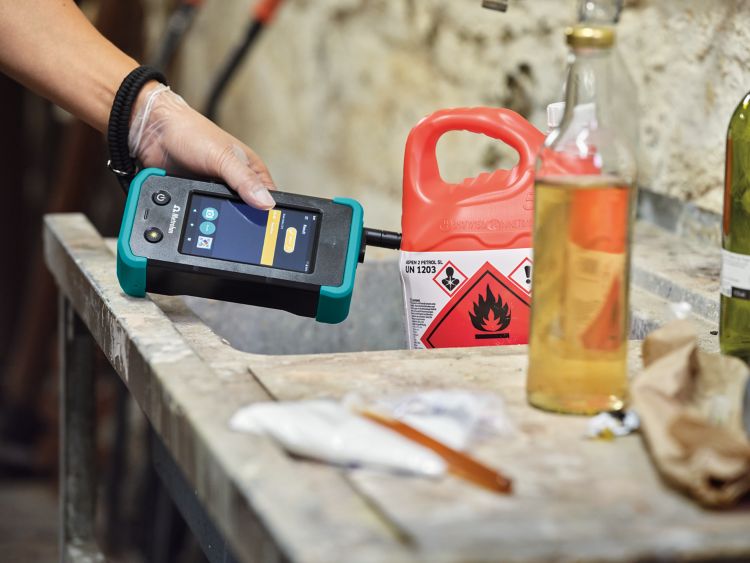


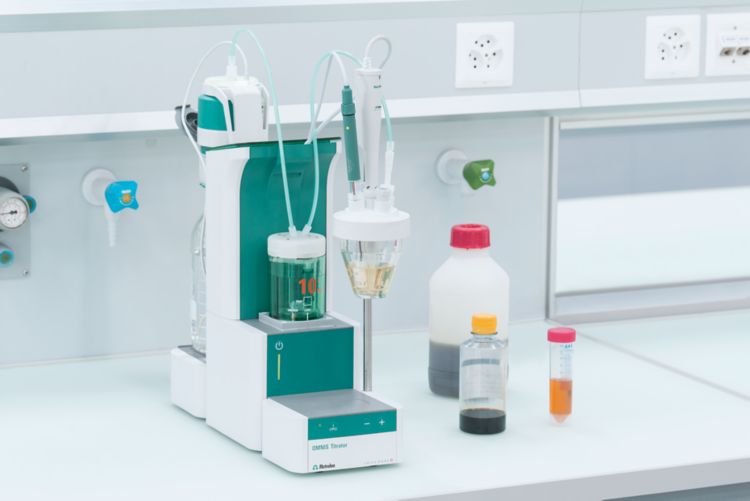
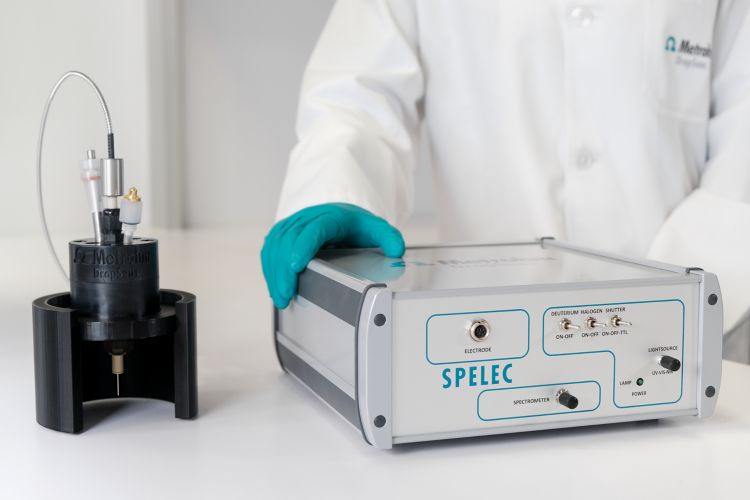
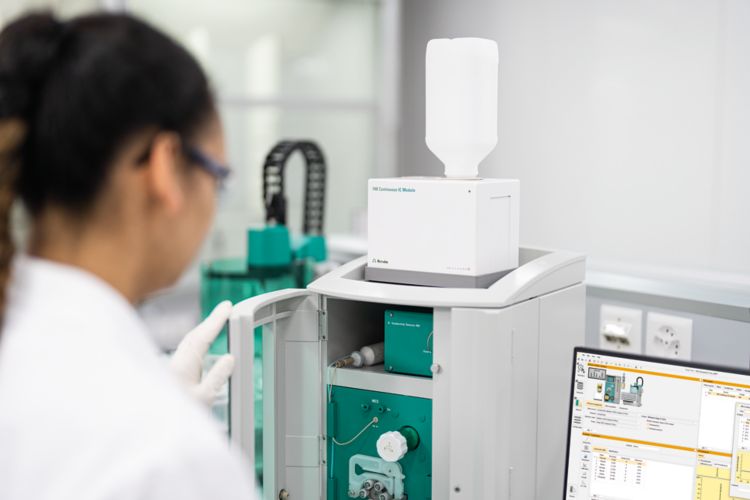

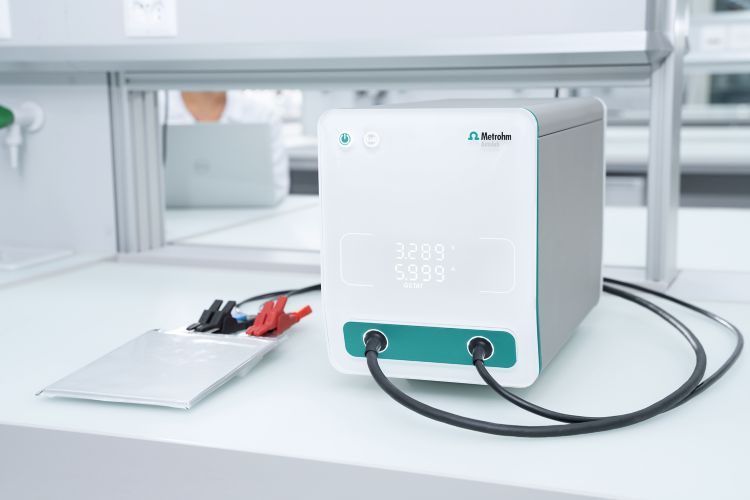


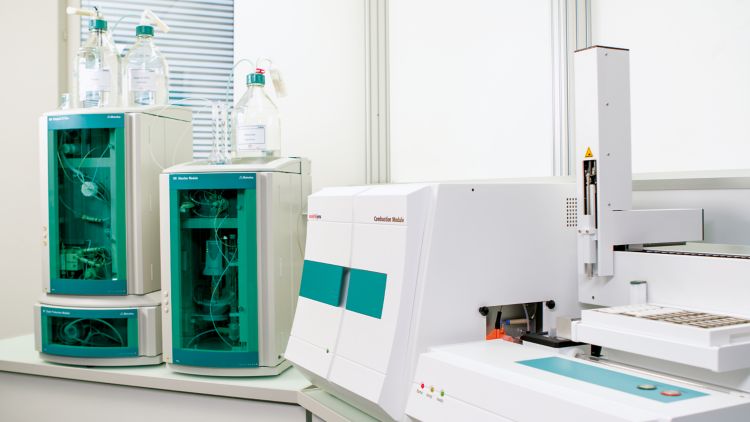
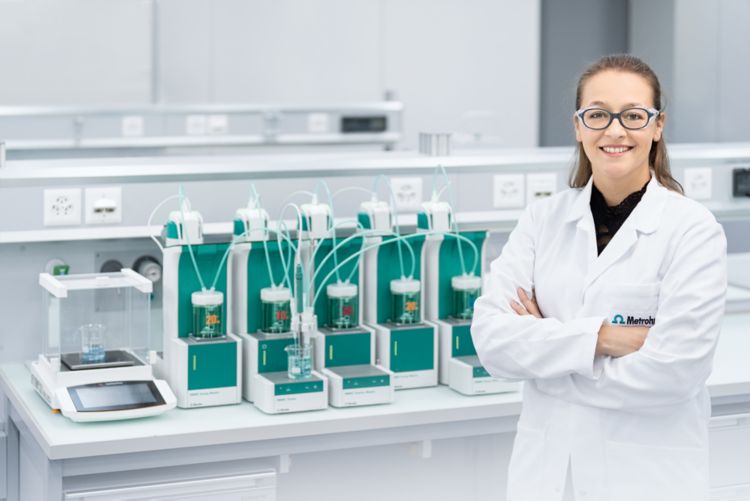

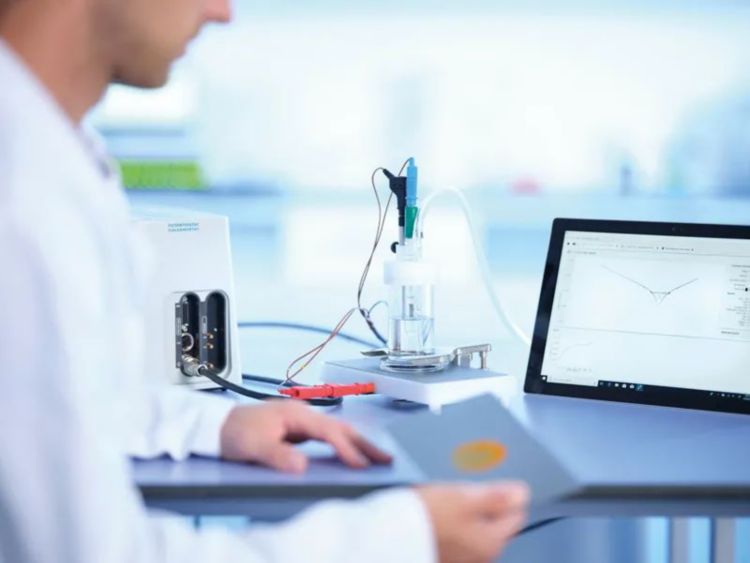




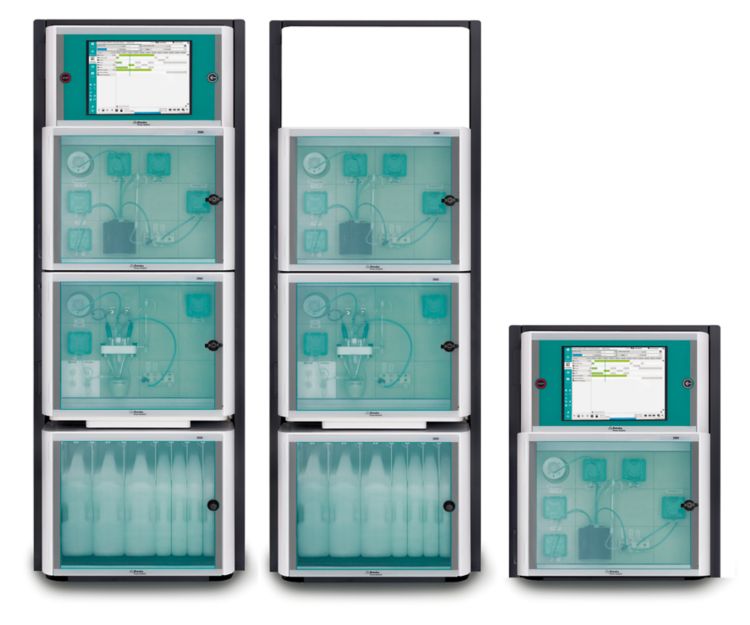



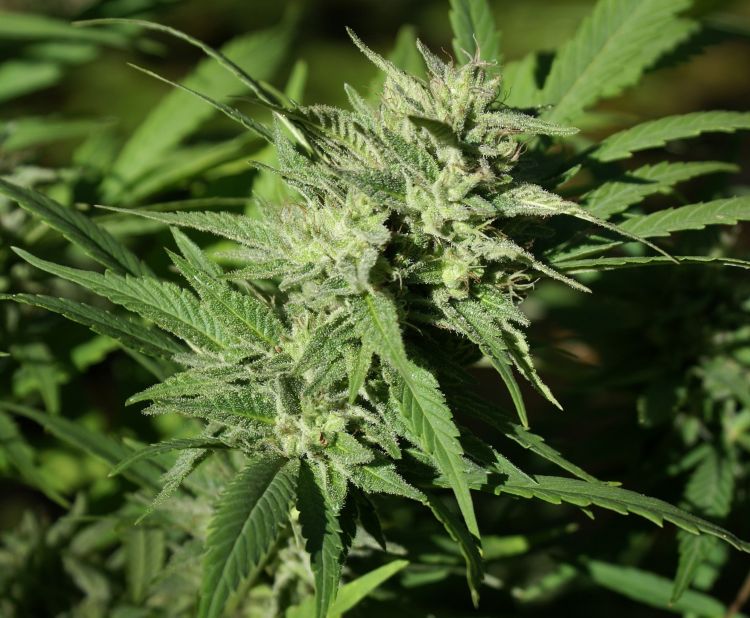

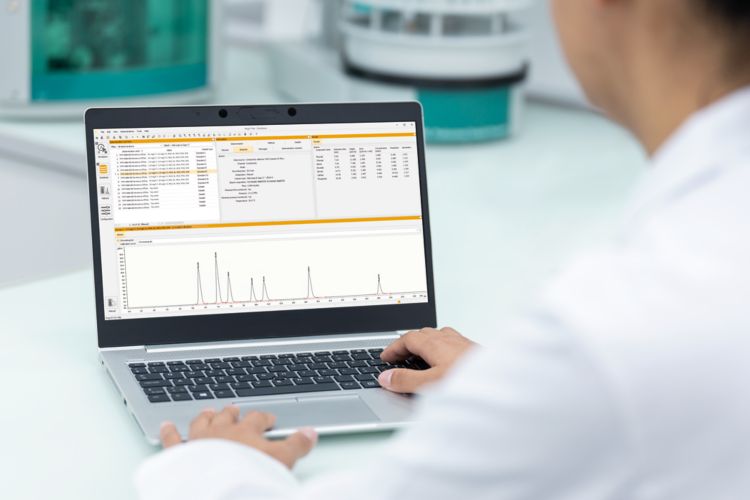
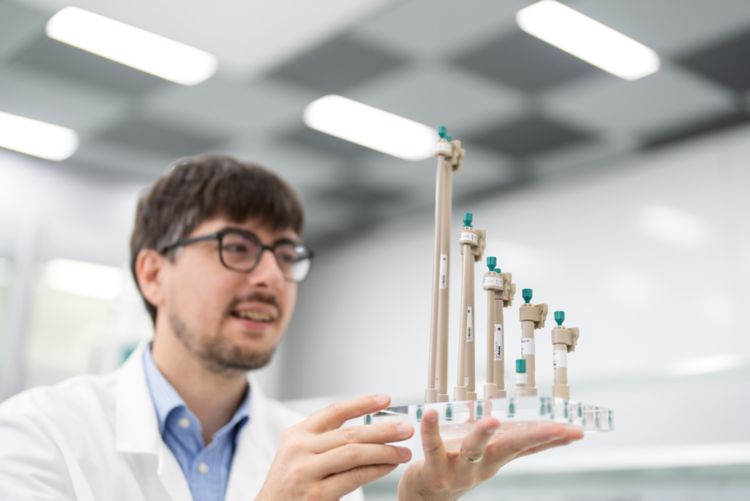
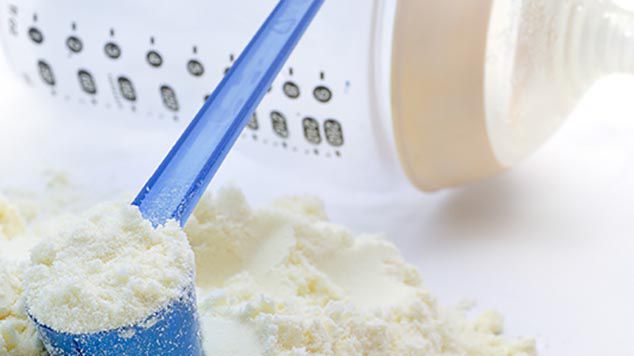



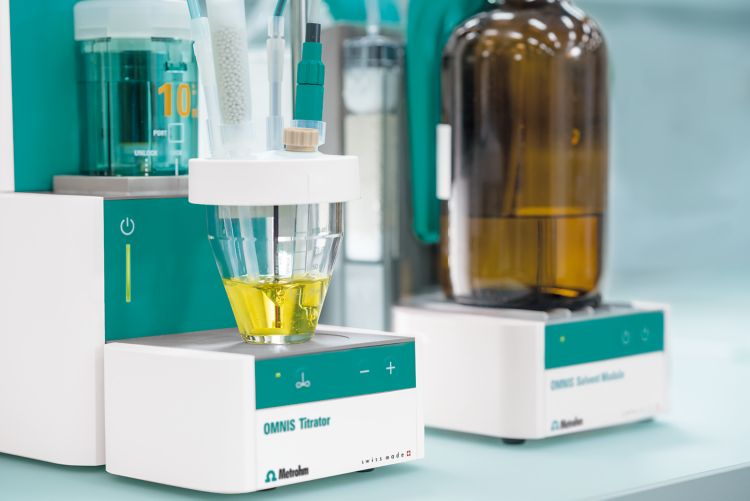

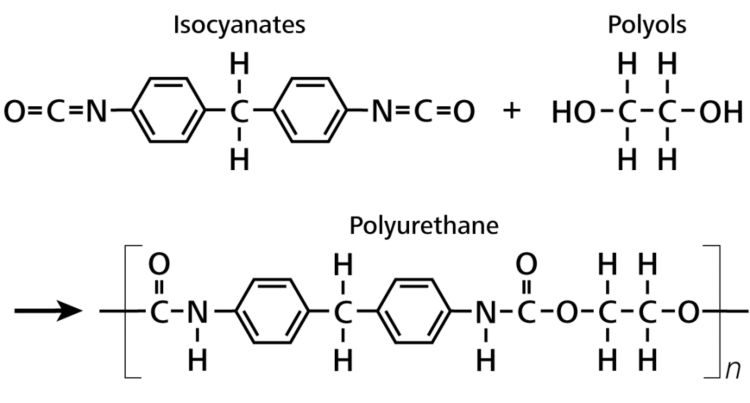






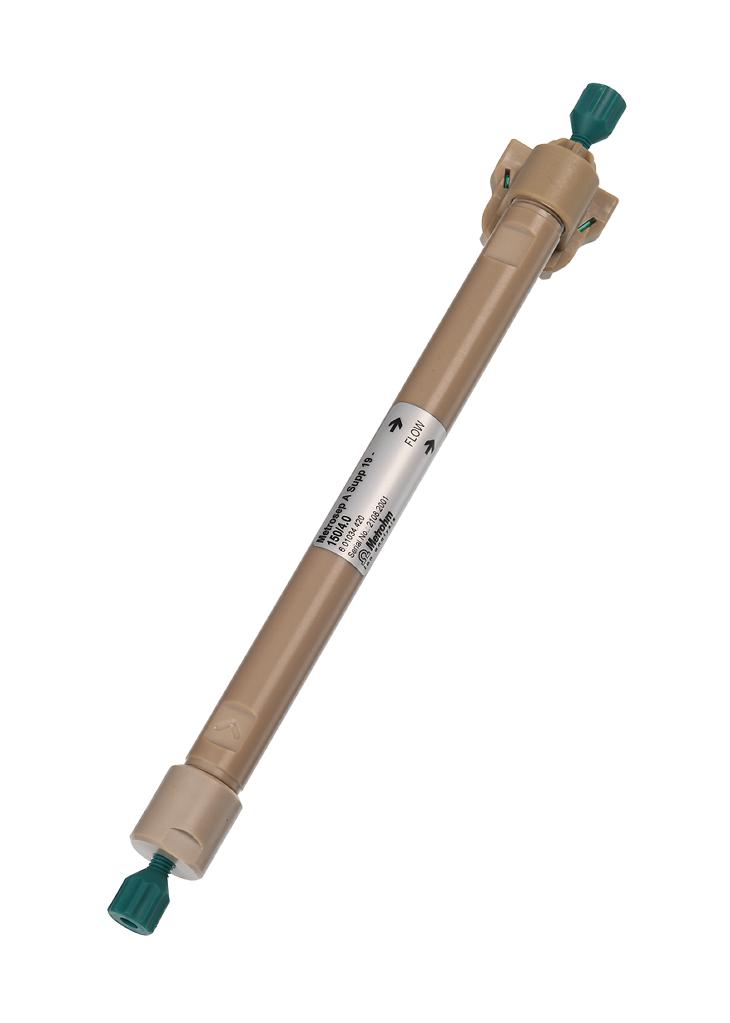


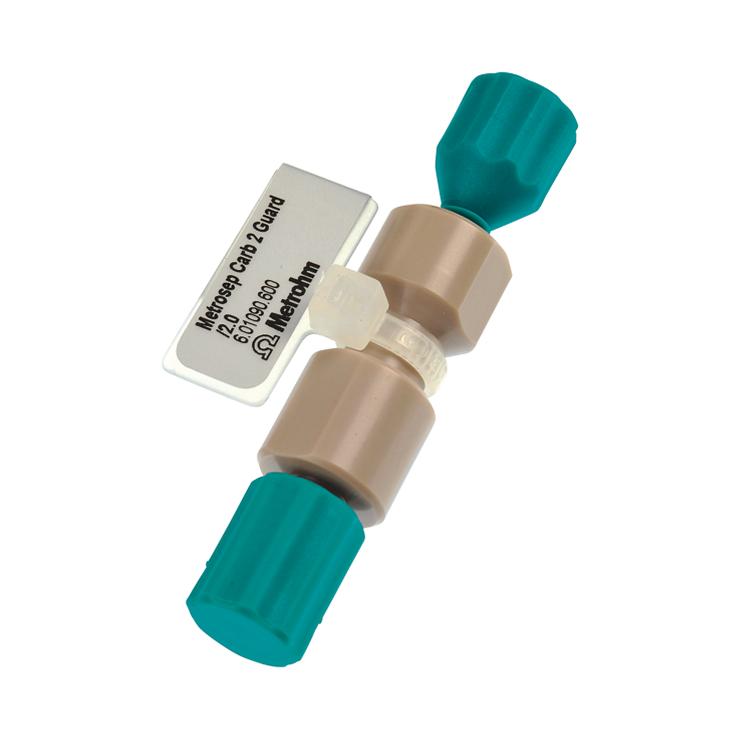



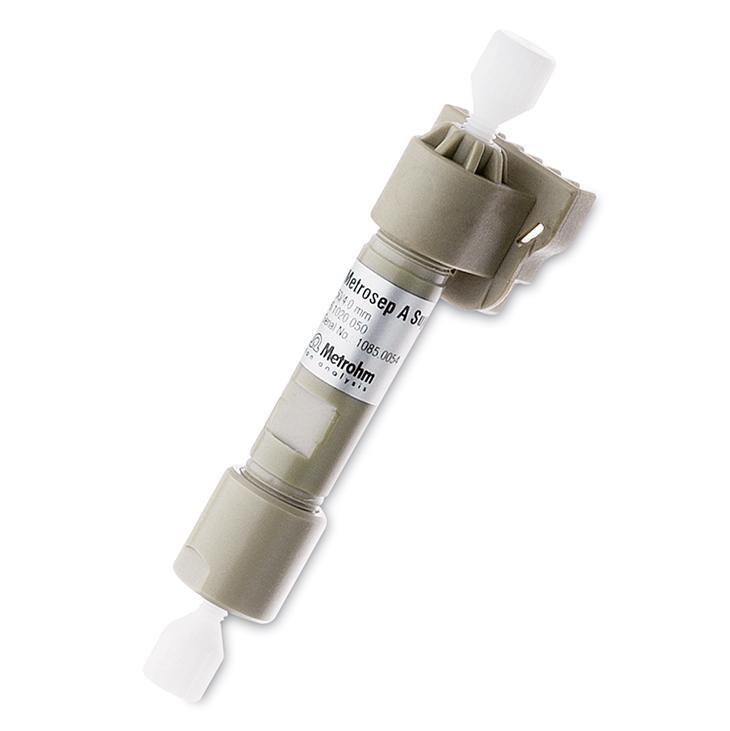









?$xh-730$&bfc=on)


