
Search





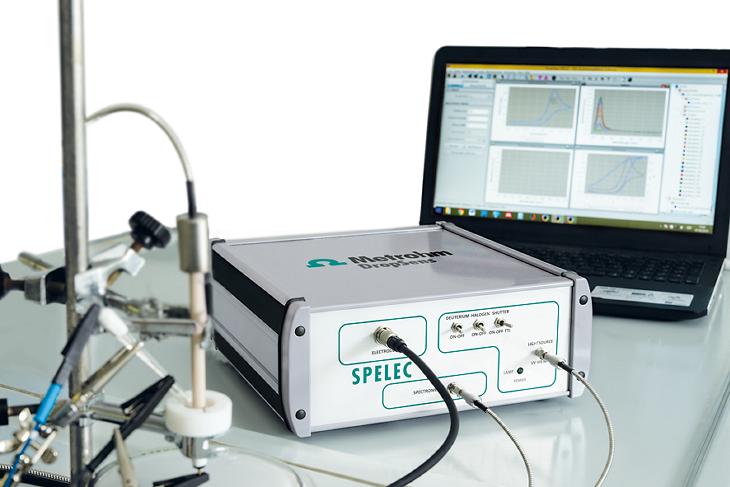


- AN-COR-014Corrosion Inhibitor Efficiency Measurement in Turbulent Flow Conditions with the Autolab Rotating Cylinder Electrode (RCE), According to ASTM G185
The rotating cylinder electrode (RCE) is a technique used in corrosion research to simulate in a laboratory environment the turbulent flow which usually occurs when liquids are transported through pipelines. The RCE is used to generate a turbulent flow at the surface of a sample, simulating the pipe flow conditions. Experiments that involve an RCE are regulated by the ASTM G185 standard. In this application note, The RCE with a 1018 carbon steel cylinder sample was used with the linear polarization (LP) measurement technique.
- AN-RS-021Trace Detection of Erythrosine B in Sugar
Erythrosine B (EB), also known as Red Dye #3, is a synthetic dye approved for use in candy in the US, and in pharmaceuticals and cosmetics in the EU and elsewhere. However, rodent studies suggest that ingestion of EB can promote thyroid tumor formation. EB may also be implicated as a dietary factor contributing to hyperkinesis in children. WHO recommends a daily intake of EB less than 0.1 mg/kg of body weight.The ability to obtain fast results with a portable test platform recommends Misa (Metrohm Instant SERS Analyzer) as a competitive and cost-effective alternative to laboratory technologies (e.g., CE, HPLC) currently employed for detecting EB in foodstuffs.
- AN-V-226Zinc in drinking water with a glassy carbon electrode
No health-based guideline value exists for zinc. However, to maintain good quality municipal drinking water, the United States Environmental Protection Agency (US-EPA) set a maximum concentration of 5 mg/L as the limit value. Typical concentrations in surface and ground waters are between 10–40 μg/L Zn, with values up to 1 mg/L in tap water. Anodic stripping voltammetry (ASV) on the ex-situ mercury film modified glassy carbon electrode provides a less complex alternative to atomic absorption spectroscopy (AAS) for zinc determination in drinking water.
- AN-V-223Nickel and cobalt in drinking water with a Bi drop electrode
The main sources of nickel pollution are electroplating, metallurgical operations, or leaching from pipes and fittings. Catalysts for the petroleum and chemical industries are major application fields for cobalt. In both cases, the metal is either released directly, or via the waste water-river pathway into the drinking water system. Therefore in the EU the legislation specifies 20 µg/L as the limit value for the Ni concentration in drinking water.The simultaneous and straightforward determination of nickel and cobalt is based on adsorptive stripping voltammetry (AdSV). The unique properties of the non-toxic Bi drop electrode combined with AdSV results in an excellent performance in terms of sensitivity.
- AN-V-227Chromium(VI) in drinking water with a glassy carbon electrode
The guideline value for chromium in the World Health Organization’s (WHO) «Guidelines for Drinking-water Quality» is 50 µg/L. It should be noted here that chromium concentrations are often expressed as total chromium and not as chromium(III) or (VI). Chromium(VI) is responsible for changes in genetic material, and is found in significantly lower concentrations than Cr(III). Therefore an extremely sensitive method is required to monitor Cr(VI) in drinking water.The powerful adsorptive stripping voltammetry (AdSV) technique on the ex-situ mercury film modified glassy carbon electrode using DTPA as complexing agent can be used to determine such low concentrations.
- AN-V-221Cadmium and lead in drinking water with a Bi drop electrode
To reduce the toxic effects of cadmium on the human body, as well as to limit the neurotoxic effects of lead, the provisional guideline values in the World Health Organization’s «Guidelines for Drinking-water Quality» are set to a maximum concentration of 3 µg/L for cadmium and 10 µg/L for lead. The completely mercury-free Bi drop electrode takes the next step towards converting voltammetric analysis into a non-toxic approach for heavy metal detection. Using this environmentally friendly sensor for anodic stripping voltammetry (ASV) allows the simultaneous determination of Cd and Pb in drinking water. The outstanding sensitivity is more than sufficient to monitor the provisional WHO guideline values.
- AN-V-225Cadmium and lead in drinking water with a glassy carbon electrode
To reduce the toxic effects of cadmium on the kidneys, skeleton, and the respiratory system, as well as the neurotoxic effects of lead, the provisional guideline values in the World Health Organization’s (WHO) «Guidelines for Drinking-water Quality» are set to a maximum concentration of 3 µg/L for cadmium and 10 µg/L for lead.The powerful anodic stripping voltammetry (ASV) technique on the ex-situ mercury film modified glassy carbon electrode is more than sufficient to monitor the proposed WHO guidelines for Cd and Pb in drinking water.
- AN-V-224Nickel and cobalt in drinking water with a glassy carbon electrode
Due to the toxicity and the detrimental effects of nickel and cobalt on human health, their concentrations in drinking water must be controlled. Therefore, EU the legislation specifies 20 µg/L as the limit value for nickel in drinking water. The current provisional guideline value for Ni in the World Health Organization’s «Guidelines for Drinking-water Quality» is set to a maximum concentration of 70 µg/L. To monitor the concentrations of Ni and Co with the 884 Professional VA, a method for simultaneous determination on the glassy carbon electrode (GC-RDE) modified with a Bi film is used.
- 8.000.6110Fluoride in OTC Products by Ion Chromatography
Fluoride is commonly used in dental products to help prevent tooth decay. When fluoride is present in high concentrations, these products are regulated by 21 CFR 355. Three fluoride compounds used in over the counter (OTC) anti‐cavity dental products are sodium fluoride, stannous fluoride and sodium monofluorophosphate (MFP). The assay of fluoride in these active ingredients and finished formulations are determined by manual titration, or by ion‐selective electrodes. As a part of USP’s global monograph modernization initiative, an alternative selective and sensitive method has been developed and validated – ion chromatography (IC). The proposed IC method can also be used for the identification test as an alternative to the wet chemistry method.
- AB-082Determination of fluoride with an ion-selective electrode
This Bulletin describes fluoride determination in various matrices with the help of the ion-selective fluoride electrode (F-ISE). The F-ISE is comprised of a lanthanum fluoride crystal and exhibits a response in accordance with the Nernst equation across a wide range of fluoride concentrations.The first part of this Bulletin contains notes regarding the handling and care of the electrode and the actual fluoride determination itself. The second part demonstrates the direct determination of fluoride with the standard addition technique in table salt, toothpaste and mouthwash.
- AB-083Sodium analysis by ion-selective electrode
This document explains how to measure Na ion concentration in diverse matrices with a sodium ion-selective electrode (Na-ISE) using direct measurement and standard addition.
- AB-135Potentiometric determination of hydrogen sulfide, carbonyl sulfide, and mercaptans in petroleum products
This Bulletin describes the potentiometric determination of hydrogen sulfide, carbonyl sulfide, and mercaptans in gaseous and liquid products of the oil industry (natural gas, liquefied petroleum gas, used absorption solutions, distillate fuels, aviation gasoline, gasoline, kerosene, etc.). The samples are titrated with alcoholic silver nitrate solution using the Ag Titrode.
- AB-233Potentiometric determination of anionic and cationic surfactants with surfactant electrodes
Anionic surfactants can be titrated with cationic surfactants and vice-versa. The Bulletin describes a multitude of substances that can be determined in this fashion and specifies the respective working conditions and parameters. In contrast to the classic two-phase titration in accordance with Epton, the titration with the anionic and cationic surfactants electrodes can be performed without chloroform. Furthermore, the equivalence point of the titration is difficult to determine in some cases with the Epton method and the titration cannot be automated.In many cases, a surfactant ISE is a remedy that is both environmentally friendly and suitable here. It was developed specially for application with potentiometrically indicated surfactant determinations.
- AB-269Potentiometric determination of ionic surfactant through two-phase titration with the Surfactrode
On the basis of a multitude of practical examples, this Bulletin describes the potentiometric two-phase titration of ionic surfactants in raw materials and many other formulations.Two surfactant electrodes – the Surfactrode Resistant and the Surfactrode Refill – make it possible to perform this type of surfactant titration, analogous to the classic "Epton titration", with a high degree of automation. The achieved results correlate very well with those of Epton titration. The toxic, carcinogenic and environmentally hazardous chloroform can be replaced by other solvents such as methyl iosbutyl ketone or n-hexane.
- AB-358Analysis of residual moisture in a lyophilized pharmaceutical product by near-infrared spectroscopy (NIRS)
This Application Bulletin describes the method of near-infrared spectroscopy in diffuse reflection for the purpose of determining residual moisture in a lyophilized pharmaceutical product. Numerous sample vials containing freeze-dried pharmaceuticals were spiked with varying amounts of water for calibration purposes. The resulting differences in the absorption wavelengths of the OH-oscillation were correlated with the water content determined by Karl Fischer titration using the algorithm of multiple linear regression (MLR).
- AB-404Total acid number titration of petroleum products
The determination of the acid number plays a significant role in the analysis of petroleum products. This is manifested in the numerous standard procedures in use over the world (internal specifications of multinational companies, national and international specifications of ASTM, DIN, IP, ISO, etc.). These procedures differ mainly in the composition of the used solvents and titrants.This bulletin describes the determination of the acid number in petroleum products by applying different types of titration.The potentiometric determination is described according to ASTM D664, the photometric according to ASTM D974 and the thermometric titration according to ASTM D8045.
- AN-COR-015Corrosion Rates Measurements in Quiescent and Turbulent Flow conditions by using Rotating Cylinder Electrode (RCE)
The rotating cylinder electrode (RCE) is successfully used in a laboratory environment to generate a turbulent flow at the surface of a sample, simulating realistic pipe flow conditions. In this application note, the corrosion rate is measured and compared between quiescent and turbulent flow conditions, while keeping all the other experimental conditions unchanged. The linear polarization (LP) technique was used together with the RCE (with and without rotation).
- AN-EC-002Reference electrodes and their usage
A reference electrode has a stable and well-defined electrochemical potential (at constant temperature), against which the applied or measured potentials in an electrochemical cell are referred. A good reference electrode is therefore stable and non-polarizable. In other words, the potential of such an electrode will remain stable in the used environment and also upon the passage of a small current. This application note lists the most used reference electrodes, together with their range of use.
- AN-EC-011Investigation of intermediates in the electrodeposition of copper using the Autolab rotating ring disc electrode (RRDE)
Copper is arguably one of the most technologically relevant metals, especially for the semiconductor industry. The deposition process used in this industry is known as the dual-damascene process and it involves the electrodeposition of copper from an acidic cupric compound, in the presence of additives.This Application Note illustrates the use of the Autolab rotating ring disc electrode (RRDE) for the study of electrodeposition of copper and the detection of the Cu+ intermediate.
- AN-H-024Determination of tar acids (phenolics) in tar products
Determination of tar acids in coal tar products. This procedure may also be applied to the determination of a range of weakly acidic organic compounds such as carboxylic acids, hydroxy acids, phenols, phenolic acids, keto-enols, imides, and aromatic nitro compounds.11 Vaughan, G. A. Thermometric and Enthalpimetric Titrimetry. Van Nostrand Reinhold Co. Ltd (1973)
- AN-K-070Water in petroleum products
Moisture in petroleum products causes several issues: corrosion and wear in pipelines and storage tanks, an increase in debris load resulting in diminished lubrication, blocked filters, or even harmful bacterial growth. As a result, increased water content can lead to infrastructure damage, higher maintenance costs, or even unwanted downtimes.Coulometric Karl Fischer titration is the method of choice for low water content in petroleum products. Using a Karl Fischer oven to vaporize the water present in the sample prior to titration not only greatly reduces matrix interferences, it can also be fully automated. This allows a reliable and cost-efficient analysis of the water content according to ASTM D6304 (Procedure B) in products such as diesel, hydraulic oil, lubricant, additive, turbine oil, and base oil.
- AN-M-001Aliphatic monocarboxylic acids in produced water using IC/MS coupling
Determination of acetic, propionic, butyric, valeric, and caproic acid in produced water using anion chromatography with conductivity and MS detection after post-column addition of ammonia for MS detection and inline sample preparation by dialysis.
- AN-M-003Phosphate in produced water using IC/MS coupling after sample preparation by inline dialysis
Determination of phosphate in produced water containing up to 100 g/L chloride as well as crude oil using anion chromatography with conductivity and MS detection after inline dialysis.
- AN-S-308Azide in air from pharmaceutical production
Azide may be formed during the production of certain pharmaceutical products. It can cause explosions during manufacturing. Therefore, its concentration in the air needs to be monitored in order to prevent such accidents. Azide (N3-) is well separated from standard anions on the Metrosep A Supp 5 - 250/4.0 under standard conditions.
- AN-T-028Hydrogen sulfide and mercaptans in petroleum products
Simultaneous determination of hydrogen sulfide and mercaptans in petroleum products by potentiometric titration with silver nitrate using the Ag-Titrode.
- AN-T-065Astemizole in raw products
Determination of the antihistamine astemizole in raw products by nonaqueous potentiometric titration with perchloric acid using separate electrodes.
- AN-T-071Determination of palladium using the «Ionic Surfactant» electrode
Determination of palladium(II) by potentiometric titration with hexadecylpyridinium chloride using the «Ionic Surfactant» electrode.
- AN-T-118Automatic determination of zinc and magnesium mixtures with ion-selective copper electrode (Cu ISE)
Zinc and magnesium ion mixtures are analyzed using back-titration at different pH values. The ion-selective copper electrode is used here as the indicator electrode. First, the zinc is determined in acidic solution and then the magnesium in alkali solution.
- AN-T-152Automatic determination of mercaptans in refinery products
Potentiometric titration with silver nitrate can be used for the determination of mercaptans in refinery products. This Application Note describes their automatic determination in a middle distillate sample (gas oil).
- WP-055Corrosion Best Practice – Creating Pipe-flow Conditions Using a Rotating Cylinder Electrode
Electrochemical measurements utilizing a rotating cylinder electrode (RCE) are widely used in industrial corrosion applications when simulation of realistic pipe conditions are necessary in a lab environment. This white paper allows further insight into the particularities and parameters which govern the electrochemical measurements, in particular measurements performed in turbulent flow conditions, and shows a complete picture of the best practice use of this technique. The annexes provide an overview and short explanation of the parameters and laws specific to the fluid behavior in electrochemical cells with RCE.
- WP-061Moisture in petroleum products according to ASTM D6304
Knowledge of the water content in lubricating oils, additives, and similar products is important in the manufacturing, purchase, sale, or transfer of petroleum products to help estimate their quality and performance characteristics. Monitoring the water content in such products can prevent damage to infrastructure and ensure safe operation by avoiding corrosion processes and subsequent engine wear. This White Paper explains the easy determination of moisture in petroleum samples by coulometric Karl Fischer titration according to the three procedures outlined in ASTM Method D6304. A comparison is given between the procedures to determine which is most suitable for different sample types.
- AN-V-057Thiomersal in eye drops
Thiomersal (also called thimerosal) is a mercury containing organic molecule that has been widely used as preservative for vaccines and eye drops. It is very effective, even in very low concentrations, against a wide range of microorganisms and viruses. To reduce the risk for consumers the maximum concentration of mercury in the products is limited by the authorities. Polarography or voltammetry can be used to accurately determine the concentration of thiomersal in vaccines or other cosmetic and pharmaceutical solutions (such as eye drops). The method is simple to perform, specific, and free of interferences.
- AN-V-195Iodate in electroless nickel baths
Electroless nickel plating is an important and well established process in the surface finishing industry. In the past, the addition of small amounts of lead has widely been used to stabilize the plating bath. With the increasing number of restrictions in recent years on the use of lead in consumber products, particularly electronics, alternative stabilizers were developed and introduced. One of the stabilizers used as lead replacement is iodate. It can be used as a single additive or in combination with bismuth or antimony. This method allows the determination of iodate directly in the plating bath sample by polarography. The method is simple and fast, however, sensitive and robust.
- AN-V-196Antimony and bismuth in electroless nickel baths
Electroless nickel plating is an important and well established process in the surface finishing industry. In the past the addition of small amounts of lead has widely been used to stabilize the plating bath. With the increasing number of restrictions in recent years on the use of lead in consumber products, particularly electronics, alternative stabilizers were developed and introduced. Two of the stabilizers used as lead replacement are antimony and bismuth. They can be used as a single additive or in combination with each other or iodate. This method allows the determination of antimony and bismuth directly in the plating bath sample by anodic stripping voltammetry (ASV). The method is simple and fast, however sensitive and robust
- AN-H-141Acid number in crude oil and gas oil according to ASTM D8045
Thermometric titration can determine the total acid number (TAN) of various crude oil products according to ASTM D8045 without requiring any sensor maintenance.
- AN-V-237Lead stabilizer in an electroless Ni plating bath
Electroless nickel plating ensures low-cost wear and corrosion resistance. Monitoring lead stabilizer levels in Ni plating baths is possible with the Bi drop electrode.
- AN-COR-019Determining the corrosion rate with INTELLO
Tafel analysis is an important electrochemical technique used to understand reaction kinetics. By studying the Tafel slope, it reveals the rate-determining steps in electrode reactions, aiding fields like corrosion and fuel cell research. This method helps industries optimize processes and improve device performance by tailoring materials and conditions for greater efficiency.
- 8.000.6010Inline sample preparation – An effective tool for ion analysis in pharmaceutical products
By means of azide analysis in Irbesartan a simple, fast, precise and accurate ion chromatographic method for the determination of traces of inorganic contaminants in pharmaceuticals is described. Traces of toxic azides in pharmaceutical products can accurately be determined in the sub-ppb range after Metrohm Inline Matrix Elimination using isocratic ion chromatography (IC) with suppressed conductivity detection. While the azide anions are retained on the preconcentration column, the interfering pharmaceutical matrix is washed away by a transfer solution, ideally consisting of 70% methanol and 30% ultrapure water. The analytical setup provides a well-resolved azide peak and thus alleviates the common drawback of excipient interferences, especially from the nitrate anion. Calibration with azide standards is linear over the range of 5…80 ppb, providing a coefficient of determination of 0.9995. The limit of detection (LOD) and the limit of quantification (LOQ) of azide in Irbesartan are 5 and 30 µg/L respectively; the relative standard deviations (RSD) for the peak area, peak height and retention time being smaller than 3.9%. Robustness testing involved variation of column oven temperature and composition of the transfer solution and, in terms of peak area, provided RSDs smaller than 2.8% and 3.1% respectively.
- AB-025Coatings on silver electrodes
Ag electrodes are used for the indication of the potentiometric endpoints in precipitation titrations between silver and halide or sulfide ions. A coating on the silver ring may increase the sensitivity of the electrode and can thus reduce the limit of detection. This is why a variety of coated Ag electrodes are commercially available. This bulletin describes how the silver ring of Ag electrodes can be coated with AgCl, AgBr, AgI or Ag2S by electrolysis.
- AB-048Check of Silver, Platinum and Gold electrodes
It is essential to know before starting the sample analysis if the electrode is in a good state or not. A well workingelectrode will increase the quality of your results, as the accuracy and precision will be increased. Furthermore, tedious error tracking can be omitted and no sample is wasted due to a defect or old electrode. There exist several ways how to check metal electrodes, e.g., measurement of redox potentials, potentiometric titration or bivoltammetric titration. This bulletin describes the best methods for the various by Metrohm available metal electrodes.
- AB-050Determination of lead in petroleum products by stripping voltammetry
The determination of the lead content in engine fuels has gained considerable importance since the introduction of the catalytic converter technique. Even small contents of lead interfere with the effectiveness of the catalysts or may destroy them. On the other hand, there are still many vehicles on the roads which run on leaded fuel (addition of tetraalkyl lead). Here also the knowledge of the lead content is of interest.With reference to DIN 51769 and ASTM 0-1269 a simplified procedure for the determination of lead in petrochemical products is described. The products are digested with HCl and the lead compounds are converted to lead(II) chloride. After extraction with water, the inverse voltammetric Pb determination is carried out.
- AB-064Platinization of platinum electrodes and conductivity measuring cells
It is a comparatively easy matter to coat platinum electrodes with platinum black by electrolytic deposition of the metal from a platinizing solution.
- AB-086Measuring the pH value of dairy products
This Bulletin describes methods for measuring the pH value of dairy products. Particular attention has been paid to the handling, maintenance, and storage of the pH electrodes.
- AB-087Analysis of dairy products
This Bulletin describes potentiometric titration methods for the determination of the acidity in milk and yoghurt according to DIN 10316, ISO/TS 11869, IDF/RM 150, ISO 6091 and IDF 86, the chloride content in milk, butter and cheese according to EN ISO 5943, IDF 88, ISO 15648, IDF 179, ISO 21422, and IDF 242. Additionally the determination of the sodium content in milk using the thermometric titration is described. The determination of the oxidation stability of butter in accordance to AOCS Cd 12b-92, ISO 6886 and GB/T 21121 as well as the determination of lactose in lactose free milk by ion chromatography is also described.For the determination of the pH value in dairy products see Application Bulletin AB-086 and for the determination of calcium and magnesium see Application Bulletin AB-235.
- AB-096Determination of mercury at the rotating gold electrode by anodic stripping voltammetry
This Application Bulletin describes the determination of mercury by anodic stripping voltammetry (ASV) at the rotating gold electrode. With a deposition time of 90 s, the calibration curve is linear from 0.4 to 15 μg/L; the limit of quantification is 0.4 μg/L.The method has primarily been drawn up for investigating water samples. After appropriate digestion, the determination of mercury is possible even in samples with a high load of organic substances (wastewater, food and semi-luxuries, biological fluids, pharmaceuticals).
- AB-133Determination of ammonia with the ion-selective electrode – Tips and tricks for a reliable determination according to common standards
Although the known photometric methods for the determination of ammonia/ammonium are accurate, they require a considerable amount of time (Nessler method 30 min, indophenol method 90 min reaction time). A further disadvantage of these methods is that only clear solutions can be measured. Opaque solutions must first be clarified by time-consuming procedures. These problems do not exist with the ion-selective ammonia electrode. Measurements can be easily performed in waste water, liquid fertilizer, and urine as well as in soil extracts. Especially for fresh water and waste water samples several standards, such as ISO 6778, EPA 350.2, EPA 305.3 and ASTM D1426, describe the analysis of ammonium by ion measurement. In this Application Bulletin, the determination according to these standards is described besides the determination of other samples as well as some general tips and tricks on how to handle the ammonia ion selective electrode. Determination of ammonia in ammonium salts, of the nitric acid content in nitrates, and of the nitrogen content of organic compounds with the ion-selective ammonia electrode is based on the principle that the ammonium ion is released as ammonia gas upon addition of excess caustic soda:NH4+ + OH- = NH3 + H2OThe outer membrane of the electrode allows the ammonia to diffuse through. The change in the pH value of the inner electrolyte solution is monitored by a combined glass electrode. If the substance to be measured is not present in the form of an ammonium salt, it must first be converted into one. Organic nitrogen compounds, especially amino compounds are digested according to Kjeldahl by heating with concentrated sulfuric acid. The carbon is oxidized to carbon dioxide in the process while the organic nitrogen is transformed quantitatively into ammonium sulfate.
- AB-134Determination of potassium with an ion-selective electrode
Potassium is one of the most common elements and can be found in many different minerals and other potassium compounds. It is of importance for humans, animals and plants as it is an essential mineral nutrient and involved in many cellular functions like cell metabolism and cell growth. For these reasons, it is important to be able to declare the potassium content of food or soil to reduce problems that may arise by a potassium deficiency or extensive consumption.This bulletin describes an alternative to flame photometric method using an ion selective electrode and direct measurement or standard addition technique. Several potassium determinations in different matrices using the combined potassium ion-selective electrode (ISE) are presented here. Additionally, general hints, tips and tricks for best measurement practice are given.
- AB-177Automatic determination of the bromine number and the bromine index in petroleum products
The bromine number and bromine index are important quality control parameters for the determination of aliphatic C=Cdouble bonds in petroleum products. Both indices provide information on the content of substances that react withbromine. The difference between the two indices is that the bromine number indicates the consumption of bromine in gfor 100 g sample and the bromine index in mg for 100 g sample.This Application Bulletin describes the determination of the bromine number according to ASTM D1159, ISO 3839, BS2000-130, IP 130, GB/T 11135 and DIN-51774-1. The bromine index determination for aliphatic hydrocarbons is described according to ASTM D2710, IP 299, GB/T 11136 and DIN 51774-2. For aromatic hydrocarbons the determination of the bromine index is described according to ASTM D5776 and SH/T 1767. UOP 304 is not recommended for the determination of the bromine number or bromine index because its titration solvent contains mercuric chloride.
- AB-226Determination of arsenic by stripping voltammetry at the rotating gold electrode
This Bulletin describes the determination of arsenic by anodic stripping voltammetry (ASV) at the rotating gold electrode. A determination limit of 0.5 μg/L can be achieved with 10 mL sample solution. A differentiation between the As(III) concentration and the total arsenic concentration can be made by appropriate selection of the deposition potential. The analyses are performed with a special gold electrode whose active surface is located laterally; c(HCl) = 5 mol/L is used as supporting electrolyte. For the determination of the total arsenic content, As(III) and As(V) are reduced at -1200 mV by nascent hydrogen to As0, which is preconcentrated on the electrode surface. If the deposition is carried out at -200 mV then only As(III) is reduced; this allows the differentiation between total arsenic and As(III). During the subsequent voltammetric determination the preconcentrated As0 is again oxidized to As(III).
- AB-230Potentiometric determination of nonionic surfactants based on polyoxyethylene adducts with the NIO electrode
The titrimetric determination of nonionic surfactants on the basis of polyoxyethylene adducts (POE adducts) is described in the Bulletin. The basis for the determination is the transfer of the nonionic surfactant into a pseudo-cation compound and its precipitation titration with sodium tetraphenylborate (Na-TPB). The NIO electrode is used for the indication of the potentiometric titration. This Bulletin describes determinations in raw products, formulations and wastewater and draws attention to special features, possibilities, limits and disruptions.
- AB-235Potentiometric titration of calcium (magnesium) in dairy products
This Bulletin describes a simple method for the determination of the calcium content in dairy products. The use of CuEGTA and the ion-selective copper electrode (Cu ISE) as indicator electrode allows the determination to be performed without time-consuming sample preparation. If the complexing agent EDTA is used as titrant instead of EGTA, the sum of calcium and magnesium is obtained. The magnesium content can then be calculated from the difference between the results of the two titrations.
- AB-241Determination of cadmium and lead by anodic stripping voltammetry at a mercury film electrode
This Application Bulletin describes the determination of cadmium and lead at a mercury film electrode (MFE) by anodic stripping voltammetry (ASV). The mercury film is plated ex situ on a glassy carbon electrode and can be used for up to one day. With a deposition time of 30 s, the limit of detection is ß(Cd2+) = 0.02 µg/L and ß(Pb2+) = 0.05 µg/L. The linear working range for both elements goes up to approx. 50 μg/L using the same deposition time.
- AB-254Determination of zinc, cadmium and lead by anodic stripping voltammetry at a mercury film electrode
This Application Bulletin describes the determination of zinc at a mercury film electrode (MFE). Zinc can also be determined simultaneously with cadmium and lead. The determination of copper at the MFE is not possible. The mercury film is plated ex-situ on a glassy carbon electrode and can be used for half a day up to one day.Zinc can be determined at the mercury film electrode by anodic stripping voltammetry (ASV). The presence of copper, which is naturally present in many samples, affects the determination of zinc due to the formation of an intermetallic compound. As a result the determined concentrations of zinc are too low. The addition of gallium can eliminate the interference to a certain extent since the intermetallic complex of gallium and copper is more stable than the complex of zinc and copper.With a deposition time of 10 s, the limit of detection is β(Zn2+) = 0.15 μg/L. The linear working range goes up to approx. 300 μg/L.With the deposition time of 10 s the method is suitable for samples between 10 μg/L and 150 μg/L Zn content. For samples with lower concentrations the results are more reliable if the deposition time is increased to e.g. 30 s. Samples with higher concentrations have to be diluted.
- AB-305Check of surfactant electrodes
This Application Bulletin describes methods for checking the condition of electrodes for surfactant titration. For testing electrodes used for ionic surfactant titration (Ionic Surfactant electrodes), sodium dodecyl sulfate (SDS) is determined using TEGO®trant. Conversely, for testing electrodes used for cationic surfactant titration (Cationic Surfactant electrodes), TEGO®trant is titrated with SDS.For non-ionic surfactant electrodes (NIO surfactant electrode), PEG 1000 is titrated with sodium tetraphenylborate (STPB).For testing Surfactrode Resistant and Surfactrode Refill electrodes, titrations of SDS with TEGO®trant are performed. Suitable criteria for the test are the height of the potential jump and the shape of the titration curve.Key word: NaPh4B
- AB-405Total base number titration of petroleum products
This Application Bulletin shows the determination of the total base number in petroleum products by applying different titration types according to various standards.
- AB-427Acid number in petroleum products with thermometric titration
This Application Bulletin describes the determination of the total acid number in various oil samples by catalytic thermometric titration as per ASTM D8045.
- AB-438Determination of cadmium and lead in water samples by anodic stripping voltammetry with a Bi drop electrode
Heavy metals, particularly cadmium and lead, are known to be highly toxic to humans. Therefore, controlling the cadmium and lead content in drinking water is of utmost importance. In many countries, the limit in drinking water for cadmium is between 3–5 µg/L, and for lead it is between 5–15 µg/L. These trace concentrations can reliably be determined with the method described in this Application Bulletin. The determination is carried out by anodic stripping voltammetry (ASV) using the non-toxic Bi drop electrode in a slightly acidic electrolyte.
- AN-C-060Magnesium, strontium, and barium in produced water (11 g/L sodium)
Determination of magnesium, strontium, and barium in produced water using cation chromatography with direct conductivity detection.
- AN-C-085Betaine in an Echinacea product
Determination of betaine in the presence of standard cations in an Echinacea product using cation chromatography with direct conductivity detection.
- AN-C-109Trans-4-methylcyclohexylamine in a pharmaceutical product
Determination of trans-4-methylcyclohexylamine in a pharmaceutical product using cation chromatography with direct conductivity detection.
- AN-CS-001Reproducibility of 10 µg/L injections after cation suppression
Cation chromatography with sequential suppression enables the determination of cations in their hydrogen carbonate form. The eluent – usually nitric acid – is converted into carbonic acid. Following its decomposition into carbon dioxide and water, the former is continuously removed by the CO2 suppressor. The reduction of baseline noise thus achieved permits the lowering of the detection limits and improves reproducibility, even at very low cation concentrations. This Note shows the reproducibilities determined for cation concentrations of 10 µg/L.
- AN-EC-006Displacement Deposition of Platinum on Gold Electrodes
This document describes a very simple procedure that can be used to produce small deposits of platinum on a goldsubstrate. This simple procedure is based on an electrochemical process known as displacement deposition, during which the deposition of a noble metal occurs by the oxidation of a precursor metal adlayer deposited on the substrate, at open circuit potential (OCP).
- AN-EC-014Oxygen Reduction Reaction with the Rotating Ring Disk Electrode
The oxygen reduction reaction (ORR) is important to the functional readiness of a fuel cell. Rotating ring disk electrode (RRDE) experiments allow the reaction to be studied in hydrodynamic conditions to determine kinetic properties via the Levich and Koutecký-Levich equations. Mechanistic information is simultaneously obtained from the reaction of intermediates at the secondary (ring) electrode. This application note describes how the RRDE from Metrohm Autolab can be used to study the ORR.
- AN-EC-025Study of the hydrogen region at platinum electrodes with linear scan cyclic voltammetry
The study of the electrochemical behavior of platinum in acidic media is of crucial importance in fundamental electrochemistry and electrocatalysis. Most electrocatalytic processes occurring at Pt electrodes are highly sensitive to the structure of the platinum surface. Cyclic voltammetry (CV) is a widely used rapid measurement technique that provides both a qualitative and quantitative fingerprint of platinum surfaces. A comparison of results given by linear and staircase CVs is presented in this Application Note.
- AN-EC-027Measuring the potential at the counter electrode with VIONIC powered by INTELLO
Many different configurations are made possible when using two-, three-, or four-electrode cell setups in research. Depending on the experimental requirements, one setup may be preferred over another. Therefore, the proper electrode arrangements for these three situations are defined in this Application Note. As an example, the potential at the counter electrode is measured during the platinum oxidation in acidic media, with the second sense (S2) of VIONIC powered by INTELLO. Since dissolved Pt in solution could bias the results, it is important to be able to monitor the potential of the counter electrode.
- AN-EC-030Electrochemistry of microelectrodes: a comparison with common-size electrodes
In this Application Note, the electrochemical properties of electrodes with a micrometer-size surface area are compared with the electrochemical properties of electrodes with millimeter-size surface area. The comparison is made through cyclic voltammetry in a Fe3+/Fe2+ (ferro/ferri) solution, and the differences in the voltammograms are explained with the different diffusion profiles at the electrode-electrolyte interface.
- AN-H-122Determination of sodium in canned fish products
This Application Note describes the determination of total sodium content in canned fish products using thermometric titration. In addition to this application note, you can find more information on thermometric sodium determination in foods in our application video available on YouTube:https://youtu.be/lnCp9jBxoEs
- AN-I-032Dissolved oxygen, conductivity, and pH value in liquid dairy products
In the food industry, it is essential to determine and monitor certain quality parameters to guarantee consistency. This is especially important for liquid dairy products, which are subject to a strict cold chain. Both the dissolved oxygen (DO) and the pH value have proven to be reliable quality criteria. Oxygen shortens the shelf life and influences the product quality (e.g., nutritional value, color, and flavor). The DO content depends on the salinity in the sample, which is automatically calculated and corrected by the 914 pH/DO/Conductometer during the parallel conductivity measurement. Acidity is another important characteristic to measure that can be checked easily using the pH value. With the 914 pH/DO/Conductometer, all important quality criteria can be monitored with one device.
- AN-I-035Sodium content in food using an ion-selective electrode
Excess sodium intake increases the risk of health issues. Ion-selective electrodes (ISEs) offer a fast, accurate, and cost-effective method for measuring sodium in food.
- AN-NIR-009Determination of hardwood/softwood content in wood products by near-infrared spectroscopy
Near-infrared spectroscopy (NIRS) is ideally suited to monitor the hardwood and softwood content in pulp and paper products.The herein described method bases on the fact that the changes in hardwood and softwood content are reflected in the intensity of the absorption bands of cellulose. A linear least-squares regression on second derivative spectra provide results that correspond very well with those of conventional laboratory determinations. With NIRS, an analytic method is available that provides results in real time.
- AN-NIR-010Process monitoring in a butyl acetate production stream using near-infrared spectroscopy
This Application Note describes an NIR method for monitoring the esterification process in butyl acetate production. The developed NIR method shows excellent analytical performance equivalent to that obtainable with more time-consuming GC methods.
- AN-NIR-079Moisture analysis in fertilizer products
Moisture content is one of the most commonly measured properties of fertilizers. Globally, regulations for different fertilizers vary, but local legal limits ensure that the maximum amount of water must not be exceeded. Next to gravimetric methods, Karl Fischer titration is often used for accurate moisture determination.Compared to these methods, near-infrared spectroscopy (NIRS) offers unique advantages: it generates reliable results within seconds, and at the same time does not create chemical waste. This Application Note explains how NIRS can offer fast, reagent-free analysis of moisture content in various fertilizer products.
- AN-PAN-1036Online determination of alkalinity and hardness in process and make up water for beer production
Beer is a popular beverage consumed by millions of people for enjoyment, despite its humble beginnings as a water purification technique in pre-modern times. Brewing beer requires large amounts of water which must adhere to strict alkalinity, hardness, and pH parameters to ensure uniformity in flavor and appearance between each batch. Alkalinity is introduced by carbonates and hydroxides in water which raise and buffer the pH. Hardness, balanced to a large degree by the alkalinity, comes from Ca and Mg ions, mainly present as hydrogen carbonates. Depending on the concentration ranges, the 2035 Process Analyzer or the 2060 Process Analyzer are ideally suited for the fully automatic execution of these important analyses, as well as additional parameters like pH or conductivity. These process analyzers can signal the plant’s distribution system to correct the water chemistry, ensuring consistent product quality. In addition to alkalinity and water hardness, numerous other parameters can also be determined (pH, conductivity, etc.).
- AN-PAN-1049Online determination of bromate and other disinfection byproducts in drinking & bottled water with IC
Drinking water which has been disinfected via the ozonation process can contain undesirable levels of bromate, a carcinogen, via oxidation of bromide in the raw water. Already several agencies including the World Health Organization have recommended concentration limits for bromate set in place to limit its risks to our health. Ion chromatography is mentioned in several analytical standards for the determination of disinfection byproducts (DBP) including bromate, such as EPA 300.1, 317.0, 321.8, 326.0, ASTM D6581, ISO 11206, and ISO 15061. Monitoring trace levels of bromate online means higher throughput and less time spent performing manual laboratory tests, and ensures quality drinking water is produced.
- AN-PAN-1053Monitoring of DOTP production via esterification with inline analysis
This Process Application Note presents a way to closely monitor multiple parameters simultaneously during the dioctyl terephthalate production process with near-infrared spectroscopy.
- AN-R-021Oxidation stability of cosmetics and personal care products – Fast determination of oxidation stability without sample preparation
The oxidation stability is an important factor for the quality of cosmetics. It also provides information about the long-term and storage stability of the product. Most cosmetic formulations cannot be measured directly with the Rancimat as no evaluable induction time is obtained. There are many reasons for this, for example a high water content, a too low fat content or various matrix effects. However, using polyethylene glycol (PEG) as carrier material, many of these samples can be directly and reproducibly measured without sample preparation. This is due to the antioxidants that are naturally present in the sample matrix, and which stabilize the induction time of the PEG. The induction time can therefore be directly related to the oxidation stability of the sample.In addition, this method eliminates a costly sample preparation. A reproducible and accurate determination of the oxidation stability using the 892 Professional Rancimat can be realized. In this Application Notes the oxidation stability of body care cream, moisturizer, body milk, body lotion, and toothpaste is determined in this way. More information on the Rancimat method can be found on the Metrohm website.
- AN-RA-002The carbon battle characterization of screen-printed carbon electrodes with SPELEC RAMAN
Carbon materials are a remarkable choice as electrode surfaces. They are not only cost-effective and chemically inert, but also have a low background current and a wide potential window. Physical and chemical properties of new carbon nanomaterials depend mainly on their structure, so their characterization is essential to choose the right material for different applications.Raman spectroscopy is a very attractive technique for this purpose, effortlessly distinguishing information about the bond structure of carbon materials, and, therefore, about their possible properties. DropSens screen-printed electrodes (SPEs) are low-cost, disposable devices, available with working electrodes fabricated in several carbon materials. This Application Note describes how their properties can be studied by Raman spectroscopy.
- AN-RA-003In situ, fast and sensitive: Electrochemical SERS with screen-printed electrodes
Substrates for surface-enhanced Raman spectroscopy (SERS) are typically fabricated with complex (micro/nano)structures of noble metals, enabling trace level detection of analytes. Due to the high costs and reactivity of these SERS substrates, they often have a limited shelf life. Development of new substrate materials which minimize these issues yet maintain the same performance standards is a constant concern.Screen-printed electrodes can be easily fabricated using different metallic materials with the well-established screen-printing method, leading to mass production of versatile, cost-effective, and disposable devices. In this Application Note, the feasibility of using readily-available screen-printed metal electrodes as suitable substrates for the fast and sensitive detection of different chemical species by in situ electrochemical SERS (EC-SERS) is shown.
- AN-RS-015Trace Detection of Melamine in Dairy Products
In 2008, a scandal was discovered in China that melamine was being deliberately added to raw milk. Thousands of young children and infants that consumed formula produced from melamine-tainted milk experienced kidney damage and death. As a result, both daily intake limits and increased monitoring of melamine in dairy products were established globally.Misa (Metrohm Instant SERS Analyzer) provides quick, easy, and robust detection of melamine in a complex food matrix. As a direct test with no additional reagents, Misa’s assay format requires minimal user training, in contrast to standard analytical tests for detecting melamine, including capillary electrophoresis, GC-MS, LC-MS, and immune-based assays.
- AN-S-048Traces of chloride in a technical product containing benzotriazole and sulfuric acid
Determination of traces of chloride in a technical product using anion chromatography with conductivity detection after chemical suppression.
- AN-S-055Reproducibility of 18 injections in the ppb range on the Metrohm IC system using the MSM
Reproducibility of fluoride, chloride, nitrite, bromide, nitrate, and sulfate in the ppb range using anion chromatography with conductivity detection after chemical suppression.
- AN-S-119Acetate, chloride, sulfate, and citrate in a pharmaceutical product
Determination of acetate, chloride, sulfate, and citrate in a pharmaceutical product using anion chromatography with conductivity detection after chemical suppression and dialysis for sample preparation.
- AN-S-261Chloride, nitrate, and sulfate in produced water
Determination of chloride, nitrate, and sulfate in produced water using anion chromatography with conductivity detection after chemical suppression.
- AN-S-291Reproducibility of the Metrohm Suppressor Module (MSM)
The state-of-the-art tri-chamber suppressor technology provides a fresh suppressor chamber for each measurement. The complete regeneration of the chamber after each sample ensures highly efficient cation exchange – today, tomorrow, and even after years of continuous operation.The chromatograms as well as the statistical data demonstrate the outstanding reproducibility of the measurements with the Metrohm Suppressor Module.
- AN-S-381Phenylacetate in biogas production process
Food waste is an important raw material for biogas production. However, during the fermentation process, phenylacetate can be produced from phenylalanine. As phenylacetate inhibits bacterial growth and their metabolism, it is an important parameter to monitor in order to guarantee a successful fermentation process. Aside from phenylacetate, chloride, nitrate, sulfite, sulfate, phosphate, and thiosulfate are also determined in the fermentation broth sample.
- AN-SEC-003UV-Vis spectroelectrochemical cell for conventional electrodes
The development of a novel reflection cell for conventional electrodes facilitates the performance of spectroelectrochemical measurements. This device allows researchers to work in aqueous solutions as well as in organic media due to its chemical resistance.
- AN-T-004Chloride in meat products
In order to maintain product quality, the sodium chloride content in meat products must be monitored, as the limit values defined by the respective public health authorities must not be exceeded. The chloride content in food correlates with the salt content, its determination is therefore described in various norms and standards. However, preparation of meat samples is time consuming, as it requires homogenization with a mixer and a chloride extraction with water.In order to reduce workload and working hours, this Application Note describes a fully automatic potentiometric titration of chloride with silver nitrate in meat products based on ISO 1841-2, including fully automated sample preparation using a Polytron homogenizer.
- AN-T-079Determination of calcium in cement by photometric titration of the solubilized product according to EN 196-2
This Application Note covers the photometric determination of calcium in cement using the Optrode (610 nm). After digestion of the cement sample, calcium is titrated with EDTA to the murexide endpoint.
- AN-T-097Base number in petroleum products with potentiometric titration
Basic chemicals are added to petroleum products to prevent corrosion as they neutralize acidic components that form during the use and aging of these products. The base number (BN) gives an indication regarding the amount of these basic additives present, and it can be used as a measure for the degradation of the petroleum product.This Application Note describes the potentiometric determination of the base number according to ISO 3771, ASTM D2896, and IP 276 using the Metrohm Solvotrode easyClean and a fully automated OMNIS system.
- AN-T-116Automatic sulfate determination in aqueous solution using a combined ion-selective calcium electrode (Ca ISE)
This Application Note describes automatic sulfate determination using a combined ion-selective calcium electrode. Sulfate is precipitated with an excess of barium chloride solution. Excess barium is subsequently back-titrated with a standard EGTA solution.
- AN-T-117Automatic determination of aluminum and magnesium mixtures with ion-selective copper electrode (Cu ISE)
Aluminum and magnesium ion mixtures are analyzed using back-titration at different pH values. The ion-selective copper electrode is used here as the indicator electrode. First, the aluminum is determined in acidic solution and then the magnesium in alkali solution.
- AN-T-120Automatic manganese determination in aqueous solution using the ion-selective copper electrode (Cu ISE)
Manganese in aqueous solution can be determined using back titration in alkali solution. The ion-selective copper electrode is used here as the indicator electrode.
- AN-T-121Automatic indium determination in aqueous solution using the ion-selective copper electrode (Cu ISE)
This application note shows the use of an ion-selective copper electrode to measure the indium concentration in an aqueous solution.
- AN-T-122Automatic thallium determination in aqueous solution using the ion-selective copper electrode (Cu ISE)
Thallium in aqueous solution can be determined using back titration in a weak acidic solution. The ion-selective copper electrode is used here as the indicator electrode.
- AN-T-123Automatic zirconium determination in aqueous solution with ion-selective copper electrode (Cu ISE)
Zirconium can be analyzed quickly and easily in slightly acidic solutions with back titration. The ion-selective copper electrode is used in this Application Note to determine zirconium in aqueous solution.
- AN-T-140Automatic photometric determination of lead using the Optrode
Lead is determined at pH 4 to 5 using back titration with zinc sulfate. Xylenol orange is used as an indicator for visualization of the equivalence point. The equivalence point is detected with the Optrode at a wavelength of 574 mm.
- AN-T-141Automatic photometric determination of manganese using the Optrode
Manganese is determined as Mn(II) in aqueous solutions at pH 10 with Eriochrome Black T as indicator. Ascorbic acid is added to ensure that manganese is present in its bivalent form. The precipitation of water-insoluble manganese hydroxide is prevented by adding triethanolamine (TEA). The Optrode is used for detection at a wavelength of 610 nm.
- AN-T-171Redox titration of vitamin C in milk powder using the double Au-ring electrode
Vitamin C is an important antioxidant included in milk powder. The double Auring electrode provides an excellent titration curve when using 2,6-dichlorophenolindophenol (DPIP) as titrant and is easy to clean.With the OMNIS system, a fast and accurate determination of vitamin C in milk powder by a bi-voltametric titration is realized.
- AN-T-182Determination of the bromine number in petroleum products and aliphatic olefins according to ASTM D1159
The bromine number is an important parameter for the determination of aliphatic C=C double bonds in petroleum products. The bromine number is usually determined using electrochemical titration at 5 °C, where the bromine is generated in situ from a bromide/bromate solution. For the titration, a solvent mixture of glacial acetic acid, methanol, and chloroform is used. In this Application Note, the toxic chloroform was replaced with diethyl carbonate.
- AN-U-080Nitrite and nitrate in meat products
Nitrite and nitrate salts are used as preservatives for meat and meat products. Nitrate salts (labeled E 251 or E 252) have a low toxicity but long-term exposure is of concern, as the lower gut reduces them to nitrite, a precursor of nitrosamines (classified as carcinogenic). Nitrite itself is classified as probably carcinogenic to humans. The European Food Safety Authority (EFSA) lists the MPL (maximum permitted levels) after the manufacturing process for nitrite (labeled E 249 or E 250) as between 50–180 mg/kg, and for nitrate between 150–300 mg/kg, depending on the product. The European Commission (Regulation (EC) No 1333/2008) limits nitrate and nitrite salts in processed meat to less than 150 mg/kg. Ion chromatography with UV detection offers a robust and universal method for quality control of nitrite and nitrate in different meat matrices. Additional sample preparation techniques like Inline Ultrafiltration help to save time and costs as well as overcome analysis issues with difficult sample matrices.
- AN-V-054Palladium in pharmaceutical products
The concentration of Pd in pharmaceutical products is determined by polarography after wet digestion.
- AN-V-061Iron speciation in water with the Multi-Mode Electrode pro
Accurate determination of Fe(II) and Fe(III) in water is crucial for many industries. Cathodic sweeping voltammetry (CSV) offers a robust, cost-effective solution.
- AN-V-178Copper in seawater with the Mercury Film Electrode (MFE)
The concentration of Cu in seawater is determined by anodic stripping voltammetry (ASV) in acetate buffer on a mercury film electrode (MFE). Gallium is added to overcome zinc interferences.
- AN-V-185Cadmium and lead in electronic components as part of electrotechnical products
The EU directive on «Restriction of Hazardous Substances» (RoHS) requires the testing of four regulated heavy metals (Pb, Hg, Cd, Cr(VI)) in electrotechnical products. After sample preparation according to IEC 62321 the determination of lead and cadmium in electronic components can be carried out by anodic stripping voltammetry (ASV) using ammonium oxalate buffer pH 2.
- AN-V-186Chromium(VI) in electronic components as part of electrotechnical products
The EU directive on «Restriction of Hazardous Substances» (RoHS) requires the testing of four regulated heavy metals (Pb, Hg, Cd, Cr(VI)) in electrotechnical products. After sample preparation according to IEC 62321 the determination of chromium(VI) in electronic components can be carried out by polarography in ammonia buffer pH 9.6.
- AN-V-187Mercury in electronic components as part of electrotechnical products
The EU directive on «Restriction of Hazardous Substances» (RoHS) requires the testing of four regulated heavy metals (Pb, Hg, Cd, Cr(VI)) in electrotechnical products. After sample preparation according to IEC 62321 the determination of mercury in electronic components can be carried out by anodic stripping voltammetry (ASV) at a gold rotating disk electrode (Au-RDE).
- AN-V-188Cadmium and lead in polymer materials as part of electrotechnical products
The EU directive on «Restriction of Hazardous Substances» (RoHS) requires the testing of four regulated heavy metals (Pb, Hg, Cd, Cr(VI)) in electrotechnical products. After sample preparation according to IEC 62321 the determination of lead and cadmium in polymer materials can be carried out by anodic stripping voltammetry (ASV) using ammonium oxalate buffer pH 2.
- AN-V-189Chromium(VI) in polymer materials as part of electrotechnical products
The EU directive on «Restriction of Hazardous Substances» (RoHS) requires the testing of four regulated heavy metals (Pb, Hg, Cd, Cr(VI)) in electrotechnical products. After sample preparation according to IEC 62321 the determination of chromium(VI) in polymer materials can be carried out by polarography in ammonia buffer pH 9.6.
- AN-V-190Mercury in polymer materials as part of electrotechnical products
The EU directive on «Restriction of Hazardous Substances» (RoHS) requires the testing of four regulatedheavy metals (Pb, Hg, Cd, Cr(VI)) in electrotechnical products. After sample preparation according to IEC62321 the determination of mercury in polymer materials can be carried out by anodic stripping voltammetry (ASV)at a gold rotating disk electrode (Au-RDE).
- AN-V-191Cadmium and lead in metallic materials as part of electrotechnical products
The EU directive on «Restriction of Hazardous Substances» (RoHS) requires the testing of four regulated heavy metals (Pb, Hg, Cd, Cr(VI)) in electrotechnical products. After sample preparation according to IEC 62321 the determination of lead and cadmium in metallic materials can be carried out by anodic stripping voltammetry (ASV) using ammonium oxalate buffer pH 2.
- AN-V-192Chromium(VI) in chromate coating on metallic materials as part of electrotechnical products
The EU directive on «Restriction of Hazardous Substances» (RoHS) requires the testing of four regulated heavy metals (Pb, Hg, Cd, Cr(VI)) in electrotechnical products. After sample preparation according to IEC 62321 the determination of chromium(VI) in chromate coating on metallic materials can be carried out by adsorptive stripping voltammetry (AdSV) using DTPA (diethylenetriamine pentaacetic acid) as complexing agent.
- AN-V-193Mercury in metallic materials as part of electrotechnical products
The EU directive on «Restriction of Hazardous Substances» (RoHS) requires the testing of four regulated heavy metals (Pb, Hg, Cd, Cr(VI)) in electrotechnical products. After sample preparation according to IEC 62321 the determination of mercury in metallic materials can be carried out by anodic stripping voltammetry (ASV) at a gold rotating disk electrode (Au-RDE).
- AN-V-203Determination of copper in electrolyte solutions for production of CIGS solar cells
This Application Note describes the polarograhic determination of copper in electroplating baths used in the production of thin-film copper indium gallium diselenide solar cells (CIGS cells). The CIGS absorber layer is electrodeposited on a molybdenum-coated substrate.Copper analysis is carried out after dilution of the sample with sulfuric acid as supporting electrolyte.
- AN-V-204Determination of indium in electrolyte solutions for production of CIGS solar cells
This Application Note describes the polarographic determination of indium in electroplating baths used in the production of copper indium gallium diselenide thin-film solar cells (CIGS cells). The CIGS absorber layer is electrodeposited on the molybdenum-coated substrate. Indium analysis is carried out after dilution of the bath sample with sulfuric acid as supporting electrolyte.
- AN-V-205Determination of gallium in electrolyte solutions for production of CIGS solar cells
This Application Note describes the determination of gallium in electroplating baths used in the production of copper indium gallium diselenide thin-film solar cells (CIGS cells). The CIGS absorber layer is electrodeposited on a molybdenum-coated substrate. Gallium analysis using anodic stripping voltammetry (ASV) is carried out after dilution of the sample with sulfuric acid as supporting electrolyte.
- AN-V-206Determination of selenite in electrolyte solutions for production of CIGS solar cells
This Application Note describes the polarographic determination of selenite in electroplating baths used in the production of copper indium gallium diselenide thin-film solar cells (CIGS cells). The CIGS absorber layer is electrodeposited on a molybdenum-coated substrate. Selenite analysis is carried out after dilution of the sample with sulfuric acid as supporting electrolyte.
- AN-V-207Determination of cadmium in electrolyte solutions for production of CIS and CIGS solar cells
This Application Note describes the polarographic determination of cadmium in electroplating baths used in the production of copper indium gallium diselenide (CIGS) or copper indium diselenide thin-film solar cells (CIS). Cadmium sulfide (CdS) from the electrolyte solution is deposited as a thin film on the CIS or CIGS absorber layer via chemical bath deposition (CBD).
- AN-V-208Determination of thiourea in electrolytes for production of CIS and CIGS solar cells
This Application Note describes the polarographic determination of thiourea in electroplating baths used in the production of copper indium gallium diselenide (CIGS) or copper indium diselenide thin-film solar cells (CIS). Cadmium sulfide (CdS) from the electrolyte solution is deposited as a thin film on the CIS or CIGS absorber layer via chemical bath deposition (CBD).
- AN-V-231Cadmium and lead in drinking water with screen-printed carbon electrodes
The provisional guideline values in the World Health Organization’s (WHO) «Guidelines for Drinking-water Quality» are set to 3 µg/L for cadmium and 10 µg/L for lead. The anodic stripping voltammetry (ASV) technique performed on the ex-situ mercury film modified Metrohm DropSens screen-printed electrode (SPE) can be used to simultaneously detect concentrations as low as 0.3 µg/L for both elements. This is suitable to monitor the WHO guideline values. The main advantage of this method lies in the innovative and cost-effective screen-printed electrode.
- AN-V-232Nickel and cobalt in drinking water with screen-printed carbon electrodes
EU legislation specifies 20 µg/L as the limit value for nickel in drinking water. The current provisional guideline value for Ni in the World Health Organization’s «Guidelines for Drinking-water Quality» is set to a maximum concentration of 70 µg/L. The adsorptive stripping voltammetry (AdSV) technique performed on the ex-situ bismuth film modified Metrohm DropSens 11L screen-printed electrode (SPE) can be used to simultaneously detect concentrations as low as 0.4 µg/L for nickel and 0.2 µg/L for cobalt with a 30 s deposition time.The disposable, maintenance-free sensor can be used conventionally in the laboratory with the 884 Professional VA, or alternatively in the field with the 946 Portable VA Analyzer. This method is best suited for manual systems.
- WP-022In situ SERS effect with screen-printed silver electrodes
In this work, time resolved Raman spectroelectrochemistry measurements with screen printed electrodes are shown. The instrument used combines in a totally integrated box: a 785 nm laser source, a high resolution Raman spectrometer and a bipotentiostat/galvanostat. Experiments are controlled with an excellent spectroelectrochemical software which allows real time data collection and useful data treatment.
- WP-048Utilizing online chemical analysis to optimize propylene oxide production
Propylene oxide (PO) is a major industrial product used in assorted industrial applications, mainly for the production of polyols (the building blocks for polyurethane plastics). Several production methods exist, with and without co-products. This white paper lays out opportunities to optimize PO production for safer and more efficient processes, higher quality products, and substantial time savings by using online process analysis instead of laboratory measurements.
- WP-088Simplified analysis of dairy products with Metrohm Inline Dialysis
This White Paper compares automated Inline Ultrafiltration and Inline Dialysis to the traditional Carrez clarification procedure for the analysis of milk samples by ion chromatography (IC). A continuous test series over approximately six months proved Inline Dialysis to be a reliable and valuable alternative to treat dairy products prior to IC analysis.
- AN-T-208Nicotine in e-liquids
The vaping and electronic cigarette industries have grown impressively in the past decade. The mixtures used in these products are usually called «e-liquid», «e-fluid», or «e-juice». To ensure the quality of these e-liquids, testing the most important quality parameters, such as nicotine content, is required. Nicotine in tobacco is usually determined by gas chromatography or liquid chromatography. Aqueous acid base titration is a much more affordable alternative for this determination. As e-liquids do not contain other components which might interfere with the titration, the aqueous acid base titration presented in this Application Note can be applied for nicotine determination. This method is an affordable and reliable way to determine the nicotine content in e-liquids and their nicotine starting material, ensuring the quality of these products.
- AN-COR-003Measurement of polarization resistance
Polarization resistance (Rp) can quantify the corrosion resistance of metals as an alternative to Tafel analysis. Its methodology and practical use as described in ASTM G59 are discussed.
- AN-V-220Remaining Useful Life of lubricants
Testing of in-service lubricating oils for their remaining antioxidant content is critical for capital equipment uptime as well as reducing running costs and repair expenses. Test methodologies such as RPVOT (rotating pressure vessel oxidation test) are time consuming and expensive to perform. Remaining Useful Life is a proven voltammetric method for testing the remaining active antioxidant content in minutes. Depending on the electrolyte, aromatic amine and phenolic antioxidants or hindered phenolic antioxidants can be determined.For the first time, a fully automated system is demonstrated, showing dramatically improved repeatability of data for confidence in reporting. Operator time is saved during sample preparation and irreproducible manual interpretation is eliminated via completely autonomous software processing. The user adds the sample into the vials, then the determination process of the sample series (including sample preparation and result calculations) is carried out automatically. The system is based on methods ASTM D6810, ASTM D6971, ASTM D7527, and ASTM D7590.
- AN-V-019Lead in a nickel plating bath
Lead is commonly used as stabilizer in electroless nickel plating processes. The regular and precise determination of the electrochemically active Pb(II) concentration is essential to keep the plating process running optimally under stable conditions. Differential pulse anodic stripping voltammetry can be used to determine the active lead content after dilution. The voltammetric determination has been established as a straightforward, sensitive, selective, and interference-free method for this application.
- AN-V-240Determination of total iodine in thyroid tablets with polarography
Accurate iodine determination in thyroid tablets, ensuring treatment efficacy, is achieved using the 884 Professional VA and Multi-Mode Electrode pro per USP guidelines.
- AN-V-222Iron determination in drinking water
The presence of iron in drinking water can lead to an unpleasant taste, stains, or even growth of «iron bacteria» that can clog plumbing and cause an offensive odor. Over a longer period, the formation of insoluble iron deposits is problematic in many industrial and agricultural applications. To avoid these problems, the U.S. Environmental Protection Agency (EPA) defines the Secondary Maximum Contaminant Level (SMCL) for water treatment and processing plants as 0.3 mg/L Fe in drinking water.The voltammetric determination of the iron triethanolamine complex on the non-toxic Bi drop electrode allows both the detection at very low levels (limit of detection of 0.005 mg/L) and measurements in a wide range of concentrations up to 0.5 mg/L.
- AN-H-140Titration of phosphoric, nitric, and acetic acid mixtures
Nitric acid, phosphoric acid, and acetic acid are easily determined in etching baths using thermometric titration (TET). Compared to potentiometric titration, TET is faster and more convenient. Analysis is complete in less than two minutes.
- AN-V-127Fe(II) in iron sucrose injection (USP)
Iron sucrose injection is a dark brown liquid which contains sucrose and iron(III) hydroxide in an aqueous solution, commonly used for the treatment of iron deficiency anemia. As a medical product, iron sucrose is subject to strict controls. Among other tests, the U.S. Pharmacopeia (USP) requires to monitor the limit of Fe(II) in the iron sucrose injection solution by polarography. The benefit of polarography is that Fe(II) and Fe(III) show signals at different potentials, and therefore an easier determination of Fe(II) without a previous separation of the two oxidation states is possible. The 884 Professional VA together with the viva software allows a straightforward determination of the Fe(II) content of iron sucrose injection solution following the requirements of the USP. The Fe(II) content is automatically calculated and stored in a database together with all relevant determination and calculation parameters.
- AN-V-235Cadmium in chocolate
The toxic element cadmium (Cd) can be found in elevated concentrations with high bioavailability in some soils. Under such conditions, cacao trees can accumulate cadmium in the beans, which are then processed into cocoa. Chocolate produced from the affected beans will contain elevated cadmium levels. Typical limit values in the European Union are between 100 µg/kg and 800 µg/kg (EU Commission Regulation 1881/2006) depending on the cocoa content of the chocolate.Anodic stripping voltammetry (ASV) can be used to accurately determine trace quantities of cadmium in chocolate down to approximately 10 µg/kg. The method is simple to perform, specific, and free of interferences. Prior to determination the samples are ashed in a furnace at 450 °C.
- AN-T-188Iron content in iron ore
The total iron content in iron ore plays a central economic role for mining companies. The higher the iron content in the ore, the more profitable the mining operation. Therefore, a fast and accurate analysis is important to determine the most profitable areas to work.The iron ore is dissolved in hydrochloric acid at 80 °C. Afterwards, the iron is quickly and accurately determined by potentiometric titration using the Pt-ring electrode and potassium dichromate as titrant.
- 8.000.6013Analysis of produced water contaminants by ion chromatography
The analytical challenge treated by the present work consists in detecting sub-ppm quantities of bromide, sulfate, aliphatic monocarboxylic acids and several alkaline earth metals in the presence of very high concentrations of sodium and chloride. Bromide, sulfate, acetate and butyrate can be reliably determined by suppressed conductivity detection. Due to matrix effects, propionate can only be detected qualitatively. This drawback can be overcome by coupling the ion chromatograph (IC) to a mass spectrometric (MS) detector. This results in reduced matrix interferences and significantly enhanced sensitivities. The cations magnesium, barium and strontium are determined by non-suppressed conductivity detection.
- AB-121Determination of nitrate with the ion-selective electrode
It has been known for years that consuming too much nitrates from foodstuffs can result in cyanosis, particularly for small children and susceptible adults. According to the WHO standard, the hazard level lies at a mass concentration c(NO3-) ≥ 50 mg/L. However, more recent studies have shown that when nitrate concentrations in the human body are too high, they can (via nitrite) result in the formation of carcinogenic and even more hazardous nitrosamines.Known photometric methods for the determination of the nitrate anion are time-consuming and prone to a wide range of interferences. With nitrate analysis continually increasing in importance, the demand for a selective, rapid, and relatively accurate method has also increased. Such a method is described in this Application Bulletin. The Appendix contains a cselection of application examples where nitrate concentrations have been determined in water samples, soil extracts, fertilizers, vegetables, and beverages.
- AN-U-025Saccharin and its degradation products (benzamide, o-toluenesulfonamide) in a nickel electroplating bath
Determination of saccharin, benzamide, and o-toluenesulfonamide in a nickel electroplating bath using RP chromatography with UV detection.
- WP-084Quality control of analytical parameters in battery production
Lithium-ion batteries (LIBs) are the most common rechargeable options available today. Production of LIBs needs to follow stringent quality standards.
- 410000014-BRaman Spectroscopy as a Tool for Process Analytical Technology
This article demonstrates the utility of portable Raman spectroscopy as a versatile tool for process analytical technology (PAT) for raw material identification, in-situ monitoring of reactions in developing active pharmaceutical ingredients (APIs), and for real-time process monitoring. Raw material identification is done for verification of starting materials as required by PIC/S and cGMP, and can be readily done with handheld Raman. Portable Raman systems allow users to make measurements to bring process understanding and also provide proof of concept for the Raman measurements to be implemented in pilot plants or large-scale production sites. For known reactions which are repetitively performed or for continuous online process monitoring of reactions, Raman provides a convenient solution for process understanding and the basis for process control.
- 410000028-AIdentification of Additives used in the Pharmaceutical and Food Industries with the NanoRam Handheld Raman Spectrometer
Today’s Raman instrumentation is faster, more rugged, and less expensive than previous instrumentation.The design of high performance, portable and handheld devices has introduced the technology to new application areas that were previously not possible with older, more cumbersome instruments. Handheld Raman instruments such as the NanoRam® from B&W Tek are well-suited for pharmaceutical applications such as the testing of raw materials, verification of final products and the identification of counterfeit drugs due to the technique’s extremely high molecular selectivity.
- 410000043-AHigh Throughput Large Spot Adaptor
Conventional Raman typically has a very small sampling area with a high power density (PD) at the laser focal point on the sample, which means that only a limited portion of a sample is measured, and the result tends to be irreproducible for heterogeneous sample. The high power density may also cause samples to heat up or burn. The large spot adaptor (LSA) for B&W Tek’s handheld Raman products, featuring a much larger sampling area of 4.5 mm in diameter, is designed to overcome these issues.
- 410000047-ANanoRam-1064 Fast Fact: Raw Material Verification of Cellulose and its Derivatives
Cellulose is a common naturally-derived raw excipient found in the majority of pharmaceutical products. Raw material testing is required to ensure that consumers are receiving quality cellulose and its derivatives. The NanoRam®-1064 is an asset for pharmaceutical identity testing, minimizing fluorescence generated by typical handheld Raman systems with 785 nm lasers. As such, the NanoRam®-1064 is used here to identify cellulose derivatives that would normally fluoresce with a 785 nm laser.
- 410000061-AIdentification of Starting Materials in Pharmaceutical industry using STRam®-1064
100% starting materials identification testing is one of the FDA’s directives as per 211.84 for FDA regulated industries such as Pharmaceutical, Vaccines, Cosmetics, Tobacco, Animal veterinary products, Food, etc. STRam®-1064 is a Raman analyzer uniquely suited for this purpose. It measures samples through thick packaging materials such as plastics, multilayer kraft paper sacks, and HDPE containers. A long wavelength laser is used to suppress fluorescence. The ID algorithm isolates the sample signature by subtracting that of the packaging material and compares that with library spectra to achieve identification.
- 8.000.6023Determination of anionic and cationic surfactants by potentiometric two-phase titration
Compared to the classical Epton titration, potentiometrically indicated two-phase titrations using organic-solvent-resistant Surfactrodes can be easily automated and require no toxic and environmentally hazardous chloroform. Even challenging matrices such as fats and oils in bath oils and hair conditioners or strong oxidizing agents in washing powder and industrial cleaners do not interfere with the titration of the ionic surfactants. Results obtained show excellent agreement to those of the Epton titration. Irrespective of the matrix, relative standard deviations of threefold determinations are all below 2.1%. While the Surfactrode Resistant is mainly used for oil-containing formulations, the Surfactrode Refill is ideal for washing powders and soaps. Both electrodes excel by their ruggedness and allow the rapid and precise determination of anionic and cationic surfactants.
- 8.000.6066Determination of the total acid number (TAN) using thermometric titration
The thermometric titration method presented here permits a simple and direct determination of the total acid number (TAN) in petroleum products. It is an invaluable alternative to current manual and potentiometric methods. Thermometric titration uses a maintenance-free temperature sensor that does not require rehydration and is free of fouling and matrix effects. The procedure requires minimal sample preparation. Results agree closely with those from the potentiometric titrimetric procedure according to ASTM D664, but the thermometric titration method is far superior in terms of reproducibility and speed of analysis, with determinations being complete in approximately one minute.
- 8.000.6102Ion chromatography – the all-rounder for pharmaceutical analysis
Pharmaceutical analysis guarantees drug safety by providing information on the identity, content, quality, purity, and stability of pharmaceutical products using analytical chemistry. Ion chromatography (IC) offers a broad range of pharmacopeia-compliant applications for quality control, monitoring, and improving drug manufacturing.As a very accurate and versatile technique, IC meets the requirements of many pharmaceutical applications. IC is a USP-accepted standard method for the determination of active pharmaceutical ingredients (APIs), excipients, impurities,pharmaceutical solutions as well as pharmaceutical starting materials, finished pharmaceutical products (FPPs) and even body fluids.This poster describes some typical examples.
- AB-018Simultaneous determination of gold and copper in electroplating baths and/or alloys by potentiometric titration
This Bulletin describes the simultaneous determination of gold and copper by potentiometric titration using an Fe(II) solution as titrant. Fe(II) reduces Au(III) directly to the free metal, whereas Cu(II) does not react. By the addition of fluoride ions the Fe(III) is complexed and a shift of the redox potential is effected. Afterwards, potassium iodide is added, thus reducing the Cu(II) to Cu(I), and the free iodine is again titrated with the Fe(II) solution using a Pt Titrode.Chemical reactions:Au(III) + 3 Fe(II) → Au + 3 Fe(III)2 Cu(II) + 2 I- → 2 Cu(I) + I2I2 + 2 Fe(II) → 2 I- + 2 Fe(III)
- AB-036Half wave potentials of metal ions for the determination by polarography
In the following tables, the half-wave potentials or peak potentials of 90 metal ions are listed. The half-wave potentials (listed in volts) are measured at the dropping mercury electrode (DME) at 25 °C unless indicated otherwise.
- AB-066Potentiometric and thermometric determination of boric acid
Boric acid is used in many primary circuits of nuclear power plants, in nickel plating baths, and in the production of optical glasses. Furthermore, boron compounds are found in washing powders and fertilizers. This bulletin describes the potentiometric and thermometric determination of boric acid. The determination also covers further boron compounds, when acidic digestion is applied.
- AB-077Volumetric water content determination according to Karl Fischer – Tips and tricks for volumetric Karl Fischer titration
This Application Bulletin gives an overview of the volumetric water content determination according to Karl Fischer. Amongst others, it describes the handling of electrodes, samples, and water standards. The described procedures and parameters comply with the ASTM E203.
- AB-101Complexometric titrations with the Cu ISE
This Bulletin describes the complexometric potentiometric titration of metal ions. An ion-selective copper electrode is used to indicate the endpoint of the titration. Since this electrode does not respond directly to complexing agents, the corresponding Cu complex is added to the solution. With the described electrode, it is possible to determine water hardness and to analyze metal concentrations in electroplating baths, metal salts, minerals, and ores. The following metal ions have been determined: Al3+, Ba2+, Bi3+, Ca2+, Co2+, Fe3+, Mg2+, Ni2+, Pb2+, Sr2+, and Zn2+.
- AB-132Polarographic determination of molybdenum in strongly ferruginous materials
A method is described in this Bulletin that allows molybdenum to be determined in steel and other materials containing a high iron concentration. Mo(VI) is determined at the dropping mercury electrode by catalytic polarography. The determination limit is approx. 10 μg/L Mo(VI).
- AB-137Coulometric water content determination according to Karl Fischer
This Application Bulletin gives an overview of the coulometric water content determination according to Karl Fischer.Amongst others, it describes the handling of electrodes, samples, and water standards. The described procedures and parameters comply with the ASTM E1064.
- AB-140Titrimetric sulfate determination
This Bulletin describes three potentiometric, one photometric, one thermometric and one conductometric titration method for sulfate determination. The question of which indication method is the most suitable depends primarily on the sample matrix.Method 1: Precipitation as barium sulfate and back titration of the Ba2+ surplus with EGTA. Use of the ion-selective calcium electrode as indicator electrode.Method 2: As with Method 1, although with the electrode combination tungsten/platinum.Method 3: Precipitation titration in semi-aqueous solution with lead nitrate in accordance with the European Pharmacopoeia using the ion-selective lead electrode as indicator electrode.Method 4: Photometric titration with lead nitrate, dithizone indicator and the Optrode 610 nm, particularly suitable for low concentrations (up to 5 mg SO42- in the sample solution).Method 5: Thermometric precipitation titration with Ba2+ in aqueous solution, particularly suitable for fertilizers.Method 6: Conductometric titration with barium acetate in accordance with DIN 53127
- AB-141Analysis of edible fats and oils – The seven most important parameters for quality control
As the determination of the exact content of individual glycerides in fats and oils is difficult and time-consuming, several fat sum parameters or fat indices are used for the characterization and quality control of fats and oils. Fats and oils are not only essential for cooking, they are also an important ingredient in pharmaceuticals and personal care products, such as ointments and creams. Consequently, several norms and standards describe the determination of the most important quality control parameters. This Application Bulletin describes eight important analytical methods for the following fat parameters in edible oils and fats:Determination of water content in accordance with the Karl Fischer method; Oxidation stability in accordance with the Rancimat method; Iodine value; Peroxide value; Saponification value; Acid value, free fatty acids (FFA); Hydroxyl number; Traces of nickel using polarography; Special care is taken to avoid chlorinated solvents in these methods. Also, as many of the mentioned methods as possible are automated.
- AB-181Automatic potentiometric titration of aluminum and magnesium in the same solution
Mixtures of aluminum and magnesium ions can be analyzed automatically using potentiometric titration. The excess DCTA is back-titrated with copper(II) sulfate solution after the addition of 1,2-diaminocyclohexanetetraacetic acid (DCTA) and complex formation. The ion-selective copper electrode is used here as the indicator electrode. First, the aluminum is determined in acidic solution and then the magnesium in alkali solution.
- AB-268Potentiometric titration of surfactants and pharmaceuticals – an overview
The present Bulletin offers an overview of the multitude of surfactants and pharmaceuticals that can be determined with potentiometric titration. Metrohm provides five different surfactant electrodes for indicating the titration endpoint: the Ionic Surfactant, the High Sense, the Surfactrode Resistant, the Surfactrode Refill and the NIO Surfactant electrode. The manufacture of the respective titrants and their titer determination are described in detail. In addition to this, the Bulletin contains a tabular overview of more than 170 proven applications from the area of surfactant and pharmaceutical analysis. This guideline leads you reliably to your destination: At a glance you can see from the table which surfactant electrode and which titrant are optimally suitable for your product.
- AB-317Determination of iron in the µg/L-range by polarography
This Application Bulletin describes two methods for the determination of iron at the Multi Mode Electrode.Method 1, the polarographic determination at the DME, is recommended for concentrations of β(Fe) > 200 μg/L. For this method the linear range is up to β(Fe) = 800 μg/L.For concentrations < 200 μg/LMethod 2, the voltammetric determination at the HMDE, is to be preferred. The detection limit for this method is β(Fe) = 2 μg/L, the limit of quantification is β(Fe) = 6 μg/L. The sensitivity of the method cannot be increased by deposition.Iron(II) and iron(III) have the same sensitivity for both methods.These methods have been elaborated for the determination of iron in water samples. For water samples with high calcium and magnesium concentrations such as, for example, seawater, a slightly modified electrolyte is used in order to prevent precipitation of the corresponding metal hydroxides. The methods can also be used for samples with organic loading (wastewater, beverages, biological fluids, pharmaceutical or crude oil products) after appropriate digestion.
- AB-420Determination of suppressor with CVS using the calibration technique «smartDT» with dynamic addition volumes
The Application Bulletin describes the determination of suppressor in acid copper baths by smartDT. The determination of suppressor with dilution titration (DT) involves numerous additions with standard solution or sample to reach the evaluation ratio. Usually fixed, equidistant addition volumes are used. With smartDT, variable addition volumes are used that are dynamically calculated by the software. At the beginning, the volumes are bigger. Towards the evaluation ratio, the addition volume becomes smaller to guarantee a good accuracy of the result. The operator defines the first and the smallest addition volume to be used. All volumes in between are calculated by the software considering the progress of the determination. The time saving with smartDT compared to a classic DT with fixed addition volumes can be up to 40%. smartDT is suitable for nonlinear regression and quadratic regression as well as linear interpolation. It can be used for determination of suppressor in acid copper baths as well as in tin and tin-lead baths and works with 1, 2, and 3 mm Pt working electrodes. A 800 Dosino is required for the automatic addition of suppressor standard or sample. The method can also be used in fully automated systems.
- AB-428Automatic conductometry in water samples with low electrical conductivity in accordance with USP<645>
This Bulletin describes the automatic measurement of conductivity in water samples with low electrical conductivity in accordance with USP<645>. Conductivity measurement is demonstrated on the example of ultrapure water, which is used, among other things, to produce injection solutions in the pharmaceutical sector.
- AB-441Assay of pyrithione complexes – Reliable determination by potentiometric titration
Pyrithione complexes, such as zinc pyrithione (ZnPT), copper pyrithione (CuPT), and sodium pyrithione (NaPT), are used as fungicides and bactericides. ZnPT is used in the treatment of skin conditions such as seborrheic dermatitis or dandruff. Furthermore, ZnPT is sometimes used as an antibacterial agent in paints to prevent algae and mildew growth. CuPT is primarily in use as a biocide to prevent biofouling of surfaces submerged in water. Meanwhile, NaPT is used as antifungal agent for treatment of mycosis, such as athlete’s foot. The different pyrithione complexes are determined by iodometric titration using a maintenance-free Pt Titrode for the indication.
- AN-C-110Tributylamine in gabapentine
Determination of tributylamine in a pharmaceutical product (gabapentine) using cation chromatography with direct conductivity detection.
- AN-C-111N-methylpyrrolidone impurity in Cefepime Hydrochloride
Determination of N-methylpyrrolidone (N-MP) in a pharmaceutical product (Cefepime Hydrochloride) using cation chromatography with direct conductivity detection.
- AN-C-146Bethanechol and HPTA (2-hydroxy-propyl-trimethyl ammonium) besides sodium and calcium (Metrosep C 6 - 250/4.0)
Bethanechol is a pharmaceutical compound which is used to treat urinary retention. This API (active pharmaceutical ingredient) can be determined by cation chromatography with direct conductivity detection. A good separation is achieved between bethanechol and its degradation product 2-hydroxy-propyl-trimethyl ammonium (HPTA) and the standard cations. Peak shape and resolution meet the USP requirements for bethanechol.
- AN-C-164Amine analysis in gas scrubber solutions from refineries with direct conductivity detection
In natural gas production, the removal of contaminants, and in particular acidic gases such as H2S and CO2, is exceptionally important. These acidic gases are removed in the amine wash through chemical treatment with amines or alkanol amines. This application shows a convenient and precise analysis with the separation of various amines and standard cations on a column of the Metrosep C 6 - 250/4.0 type with subsequent direct conductivity detection.
- AN-C-175Purity of 2-amino-N-(2,2,2-trifluoroethyl)-acetamide by ion chromatography
2-amino-N-(2,2,2-trifluoroethyl)-acetamide is a organic building block for synthesis of pharmaceutical products. Its purity is crucial for the success of the respective synthesis step. 2,2,2-trifluoroethylamine, glycine, and inorganic cations are of interest. Their total peak area is required to be < 2 % of the peak area of all peaks above the reporting level. Separation and quantification is achieved on a Metrosep C 4 - 250/4.0 cation column.
- AN-C-181Potassium in potassium bitartrate as per USP
Within the scope of the USP monograph modernization, potassium is determined in potassium bitartrate applying cation chromatography with direct conductivity detection. The USP41 monograph for “Potassium bitartrate” does not yet mention an assay for potassium. The separation is performed on a Metrosep C 6 - 150/4.0 column (L76). The assay of potassium is performed with two commercially available products according to USP definitions. All acceptance criteria are fulfilled.
- AN-C-182Potassium in potassium sodium tartrate as per USP
Within the scope of the USP monograph modernization, potassium is determined in potassium sodium tartrate applying cation chromatography with direct conductivity detection. The USP41 monograph for “Potassium sodium tartrate” does not yet mention an assay for potassium. The separation is performed on a Metrosep C 6 - 150/4.0 column (L76). The assay of potassium is performed with two commercially available products according to USP definitions. All acceptance criteria are fulfilled.
- AN-C-186Sodium in potassium sodium tartrate as per USP
Within the scope of the USP monograph modernization, sodium is determined in potassium sodium tartrate applying cation chromatography with direct conductivity detection. The USP41 monograph for «Potassium sodium tartrate» does not yet mention an assay for sodium. The separation is performed on a Metrosep C 6 - 150/4.0 column (L76). The assay of potassium is performed with two commercially available products according to USP definitions. All acceptance criteria are fulfilled. See AN-C-182 for the respective determination of potassium. Apllying this method allows to determine sodium and potassium simultaneously according to USP.
- AN-CIC-023Halogens and sulfur in LPG according to ASTM D7994
ASTM D7994 - 17 describes the determination of fluorine, chlorine, and sulfur in liquefied petroleum gas (LPG) by oxidative pyrohydrolytic combustion followed by ion chromatography. A synthetic butane sample is analyzed. 50 µL of the sample is injected into the combustion system using the LPG Module. The combustion products are analyzed by IC applying intelligent Partial Loop Injection Technique after Inline Matrix Elimination.
- AN-CIC-026Organic bound fluorine in Ezetimibe by Combustion Ion Chromatography
Ezetimibe is a cholesterol-reducing drug. It reduces the cholesterol resorption in the small intestine. The molecule holds two fluorophenyl groups. Applying Combustion IC the amount of fluorine in the drug is determined. To avoid an excessive introduction of fluoride into the system, Ezetimibe is dissolved in ethanol prior to the combustion.
- AN-CIC-029Organic halides in crude oil
Crude oil typically contains no organic halides. These are introduced at production sites, in pipelines, or in storage tanks. These components produce HF, HCl, and other acids in reforming and hydro-treating processes, leading to corrosion and catalyst poisoning. Speciation of the halides is an important parameter to measure in order to trace the contamination source. The current specifications expect to find less than 2 mg/kg organic chlorine in crude oil. Sulfur in crude oil could be quantified on the fly. Due to the specific request in this application, only the halogens are determined.
- AN-COR-001Corrosion part 1 – basic concepts
Corrosion refers to a process that involves deterioration or degradation of metal. The most common example of corrosion is the formation of rust on steel. Most corrosion phenomena are of electrochemical nature and consist of at least two reactions on the surface of the corroding metal.
- AN-COR-002Corrosion Part 2 – Calculation of Corrosion Parameters with NOVA
Electrochemical methods provide an alternative to traditional methods used to determine the rate of corrosion. For example, corrosion rates, the rates at which a specimen corrodes, can be calculated from simple electrochemical measurements like a linear sweep voltammetry (LSV).
- AN-EC-034Ion-selective electrodes based on screen-printed technology
Advances in polymeric membranes and screen-printed technologies have enabled miniaturized, portable potentiometric sensors ideal for point-of-care analysis.
- AN-EIS-002Electrochemical Impedance Spectroscopy (EIS) Part 2 – Experimental Setup
A typical electrochemical impedance spectroscopy (EIS) experimental setup consists of an electrochemical cell, a potentiostat/galvanostat, and a frequency response analyzer (FRA). This Application Note introduces common EIS experimental setups as well as details of the main experimental parameters.
- AN-EIS-003Electrochemical Impedance Spectroscopy (EIS) Part 3 – Data Analysis
Here, the most common circuit elements for EIS are introduced which may be assembled in different configurations to obtain equivalent circuits used for data analysis.
- AN-EIS-007EIS Data fitting – How to obtain good starting values of equivalent circuit elements
Electrochemical impedance spectroscopy (EIS) is a powerful technique which provides information about the processes occurring at the electrode-electrolyte interface. The data collected with EIS are modeled with a suitable electrical equivalent circuit. The fitting procedure will change the values of the parameters until the mathematical function matches the experimental data within a certain margin of error. In this Application Note, some suggestions are given in order to get acceptable initial parameters and to perform an accurate fitting.
- AN-H-143Sulfuric acid and tartaric acid in tartaric sulfuric anodizing bath – Rapid, sequential determination using a thermometric sensor (thermometric titration)
Tartaric Sulfuric Anodizing (TSA) is an established technique for corrosion protection in the aerospace industry. It is an alternative to the environmentally harmful chromic anodizing process. As such, a method to monitor the levels of sulfuric acid and tartaric acid in TSA plating baths is required. Potentiometric titration methods have been developed, and are widely used across the industry. Their disadvantage is that two titrations with different electrodes and solvents are required.In this Application Note, an alternative method is presented, where the concentration of both acids is determined in sequence using a thermometric sensor. Compared to potentiometric titration, thermometric titration is faster and more convenient (no sensor maintenance required). On a fully automated system, the determination of both parameters takes about 7 minutes.
- AN-I-001Fluoride content in toothpaste
Fluoride protects dental enamel and is an important trace element in toothpaste. A rapid and precise determination is made via standard addition with the help of an ion-selective fluoride electrode (F-ISE).
- AN-I-036Sodium content in water using an ion-selective electrode
Groundwater contains many minerals, but can be contaminated by sodium-rich leachate from landfills. Accurate Na determination in water is possible following AOAC 976.25 using the Na-ISE.
- AN-K-074Water content in crude oil determined with Karl Fischer titration
To determine water in crude oil, ASTM D4928 recommends coulometric Karl Fischer titration with the oven method, allowing full automation for high reproducibility.
- AN-NIR-062Determination of sun protection factor in creams using visible near-infrared spectroscopy
This Application Note shows that visible near-infrared spectroscopy (Vis-NIRS) can determine the sun protection factor (SPF) of sunscreen products. Thanks to measurement durations of less than 30 seconds, NIR spectroscopy is ideally suited for rapid and reliable quality control.
- AN-NIR-076Quality control of polyvinyl alcohol
Polyvinyl alcohol (PVA) is a linear polymer, used in a variety of medical products (e.g. eye drops). Here, the degree of alcoholysis is an important index for the water solubility, viscosity, and adhesion of the product. The degree of alcoholysis is defined as the percentage of hydroxyl functional groups compared to the total functional groups accessible in the molecule. Conventional alcoholysis determination can take up to six hours per sample. Compared to the primary method, analysis with near-infrared spectroscopy (NIRS) only takes one minute. The following application note describes the determination of the degree of alcoholysis by NIRS.
- AN-NIR-078Automated moisture analysis in pharmaceutical peptides
The quantification of residual moisture in lyophilized pharmaceutical peptides is an important measure for quality control in the pharmaceutical industry. For development purposes, such measurements are necessary and routinely performed during stability studies and to optimize the freeze-drying process (lyophilization). Currently, Karl Fischer titration is widely used for moisture determination in routine analysis. However, this method is time consuming and destroys the sample during analysis. This Application Note shows that near-infrared spectroscopy (NIRS) is a fast, reagentless, non-destructive method to determine moisture content in lyophilized pharmaceutical products.
- AN-NIR-099Quality Control of fermentation broths
Cell fermentation processes are a reliable production method for small molecules and protein-based active pharmaceutical ingredients (APIs). The fermentation process requires monitoring of many different parameters to ensure optimal production. These quality parameters include pH, bacterial content, potency, glucose, and concentration of reducing sugars. Traditional laboratory analysis takes a significant amount of time and requires different analytical techniques to monitor these different quality parameters. Near-infrared spectroscopy (NIRS) offers a faster and more cost-efficient alternative to traditional methods for the determination of critical parameters in fermentation broths at any stage of the fermentation process.
- AN-P-077Proof of concept for the determination of lactose and its derivatives as well as sialic acid* in fermentation broths
The separation of lactose, lactobionic acid, sialic acid*, 6’-sialyllactose, and 3’-sialyllactose is shown as a proof of concept for the control of these components in fermentation process for a pharmaceutical product. The acceptance criterion of a minimum resolution of the peaks (< 1.3) is reached. The separation is achieved on a Metrosep Carb 2 - 250/4.0 column with subsequent pulsed amperometric detection.
- AN-P-080Content of gentamicin according to USP applying pulsed amperometric detection
Gentamicin is an aminoglycoside antibiotic and is composed of a number of related gentamicins. It is applied for several types of infections. For the determination of the major components, USP asks for chromatographic separation with pulsed amperometric detection using a gold working electrode. A post-column addition of NaOH is performed prior to the detection.
- AN-PAN-1019Online analysis of acids and iron in pickling baths
Pickling baths are used in the galvanic industry to clean steel surfaces and prevent corrosion through passivation. Maintaining specific Fe2+/Fe3+ and free acid/total acid ratios is vital to ensure the baths' optimal performance, which directly impacts the final product quality and reduces production costs by minimizing reagent consumption. This application presents a method to regularly monitor the acid and iron composition in pickling baths online by using a process analyzer from Metrohm Process Analytics.
- AN-PAN-1047Monitoring water content in refined products inline with NIR spectroscopy
A safer way to monitor moisture content in crude distillation unit overhead fractions is with inline near-infrared spectroscopy using the 2060 The NIR-Ex Analyzer.
- AN-PAN-1050Inline moisture analysis in fluid bed dryers by near-infrared spectroscopy
In the pharmaceutical industry, the fluid bed granulator/dryer is an integral point in the manufacture of powdered materials. Residual moisture must be kept within certain specifications to avoid fracturing of particles or caking (stickiness) of the bulk material. Current methods are slow and cumbersome, which can lead to damaged or degraded product. The ability to monitor the residual moisture content inline after drying is possible with near-infrared spectroscopy (NIRS). The 2060 The NIR Analyzer offers fast, reagent-free, nondestructive analysis of residual moisture of powders with a fluid bed probe specifically designed for these applications.
- AN-PAN-1060Inline process monitoring of moisture content in tetrahydrofuran
This Process Application Note presents a method to accurately monitor low levels of moisture in tetrahydrofuran (THF) in «real-time» safely, reliably, and optimally with a 2060 The NIR Analyzer from Metrohm Process Analytics. Due to the hazardous and hygroscopic nature of THF, a single explosion-proof inline process analyzer is the preferred solution for industries to reduce chemical treatment, improve product quality, and increase profits.
- AN-R-015Oxidation stability of suntan oil
Using the Rancimat method, the oxidation stability of suntan oil can be determined reproducibly and reliably.
- AN-R-033Determination of antioxidant content with PEG as carrier material
Higher antioxidant levels mean longer product viability. The 892 Professional Rancimat determines antioxidant content in many products using a linear regression method.
- AN-RA-010SERS detection of pesticides using screen-printed electrodes
EC-SERS enhances Raman sensitivity using electrochemically activated gold SPEs, enabling rapid, simplified pesticide detection without complex prep or instrumentation.
- AN-S-116Borate, chloride, and sulfate in a single run applying a step gradient
Determination of borate and chloride with direct conductivity detection (exhausted MSM). After the introduction of the fresh MSM unit and after the eluent change, sulfate is analyzed with conductivity detection after chemical suppression.
- AN-S-316Determination of brighteners in copper baths with the help of IC and Metrohm Inline Cation Removal in addition to column switching technique
Special brighteners are used in electroplating baths in order to provide the refined surfaces with greater brightness. The concentration of brighteners must be kept constant at all times in order to ensure uniform end product quality. This Application Note describes how brighteners are determined in parallel with IC and CVS. The corresponding CVS application can be found under AN-V-183.
- AN-S-343Heat-stable salts in an MDEA scrubber solution
Hydrogen sulfide (H2S) and carbon dioxide (CO2) are disruptive byproducts of natural gas that must be eliminated during conveyance. This is accomplished with the aid of gas scrubbing, during which the gas flow is cleaned with absorbers such as alkanolamines or akylalkanolamines (e.g., methyldiethanolamine, MDEA). Reliable analysis is imperative, given that heat-stable salts often accumulate in the absorber and thus inhibit the absorption capacity for acid gases.The determination of heat-stable salts (SCN–, S2O32–, SO32–, SO42–, etc.) in MDEA solutions takes place on the Metrosep A Supp 5 - 250/4.0 column with conductivity detection following sequential suppression.Key words: amine gas treating, scrubber
- AN-S-375Fluoride in sodium fluoride for pharmaceutical use
Dental care products often contain sodium fluoride as an active ingredient. Manufacturers use the United States Pharmacopeia and National Formulary (USP-NF) Monograph «Sodium Fluoride» to quantify sodium fluoride and its anionic contaminants chloride and acetate in these products. The validated USP method proposes ion chromatography (IC) with suppressed conductivity detection to carry out the fluoride assay as well as the impurity determination in a single chromatogram.
- AN-S-389Heat-stable salts in monoethanolamine (MEA) for gas sweetening
In the petrochemical industry, natural gas is processed to remove contaminants and meet product specifications. Process contaminants include acidic gases such as hydrogen sulfide and carbon dioxide, which can corrode costly refinery equipment downstream. Typically, the acidic gases are removed via alkanolamine treatment using monoethanolamine (MEA) or methyldiethanolamine (MDEA). The amine solutions absorb the acidic gases, and then the amine compounds are removed from the natural gas. In addition to the acidic gases, heat stable salts (HSS) that remain in the natural gas are also corrosive to the treatment plants. These are also removed via gas sweetening and need to be determined in the used gas sweetening amine solution. Some typical heat stable salts of interest include acetate (1), formate (2), chloride (3), phosphate (4), sulfate (5), oxalate (6), thiosulfate (7), and thiocyanate (8).
- AN-S-399IC assay for fluoride in sodium fluoride and acidulated phosphate topical solution
Anticavity pharmaceuticals like sodium fluoride and acidulated phosphate topical solution products require strict quality control. This Application Note outlines the fluoride IC assay as described in the USP Monograph Sodium Fluoride and Acidulated Phosphate Topical Solution.


.mp4?$xh-730$&bfc=on)





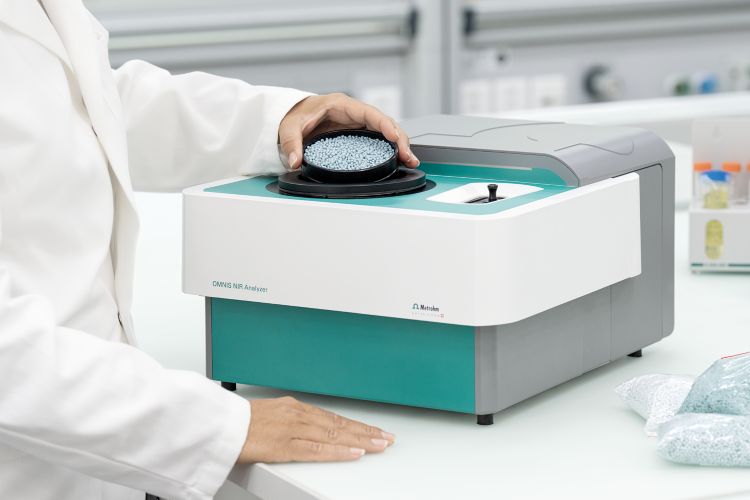
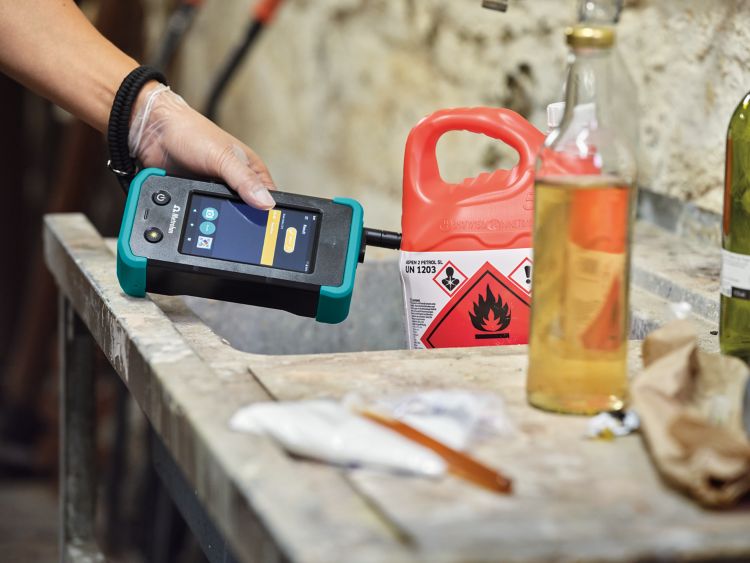

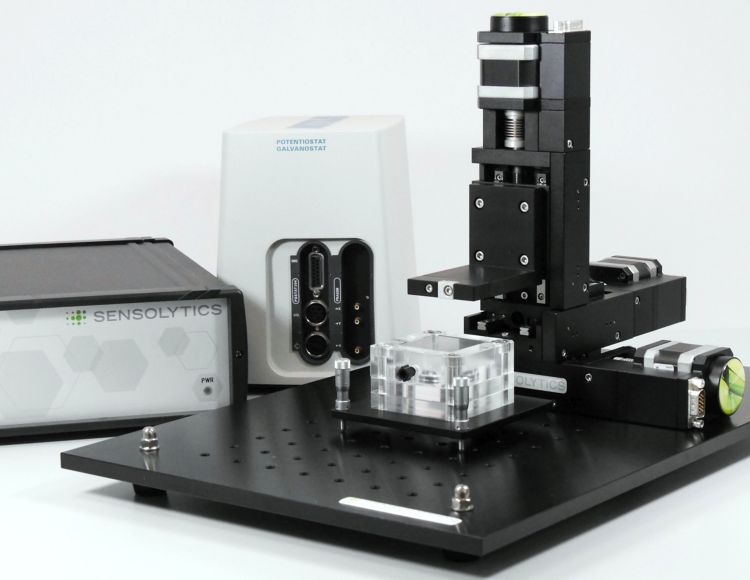









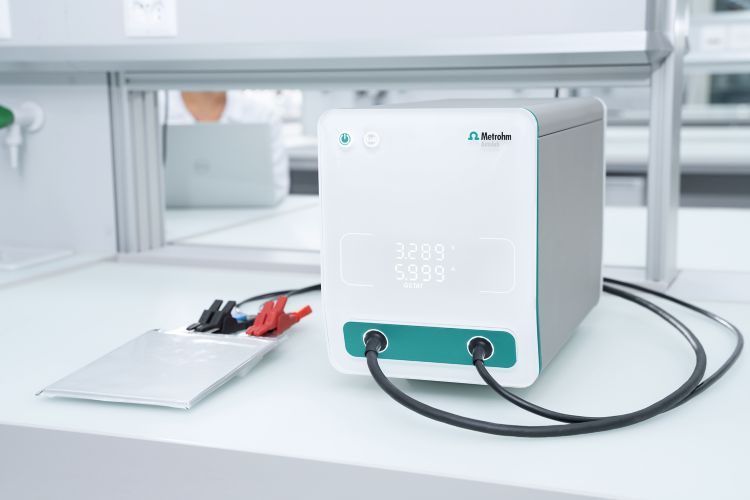


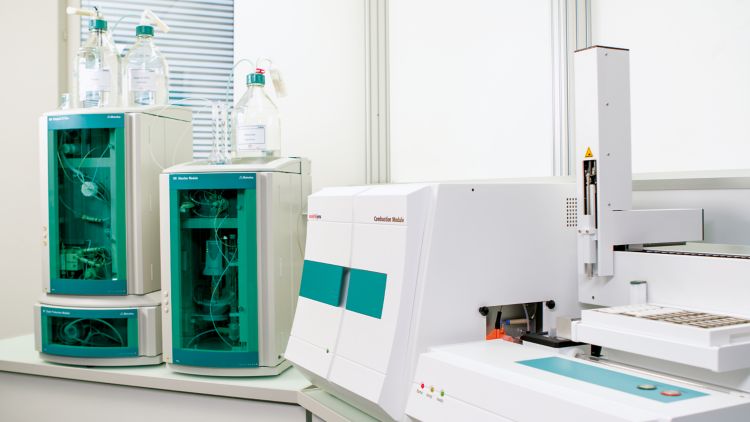



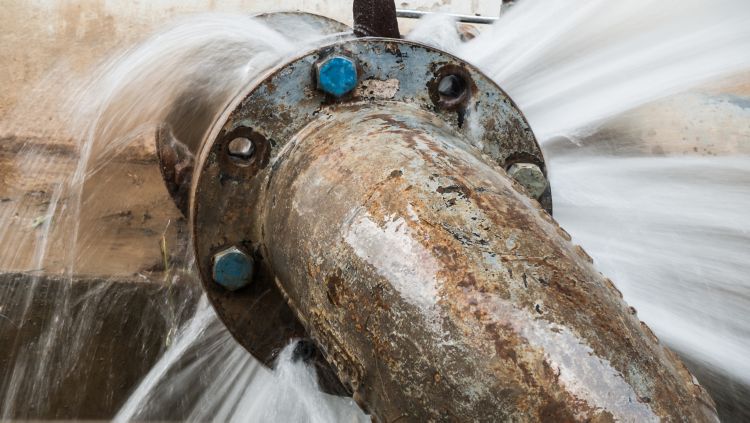


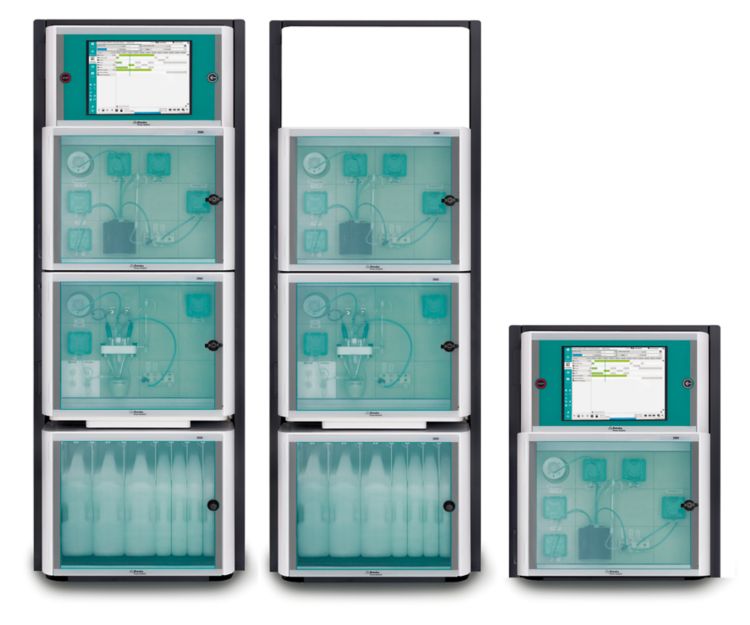











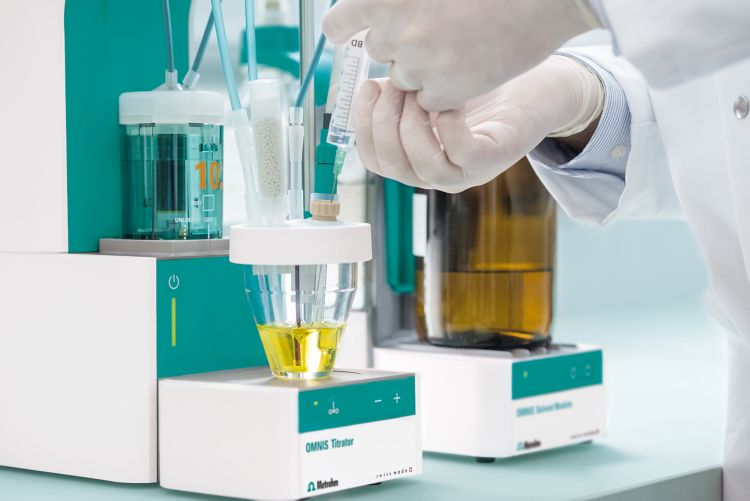

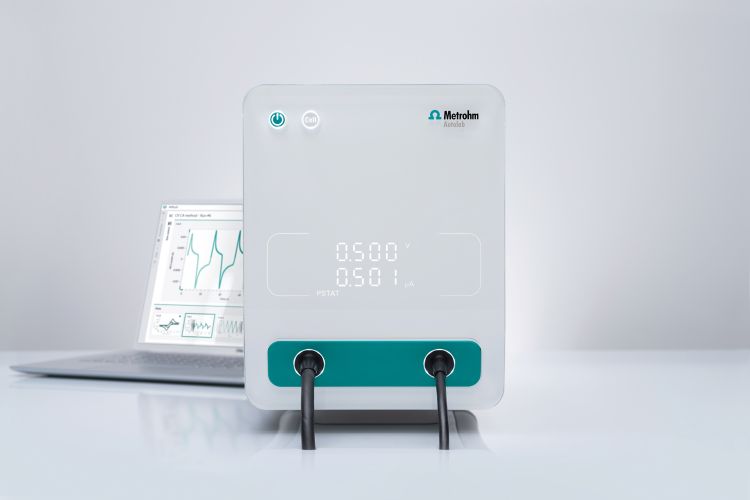

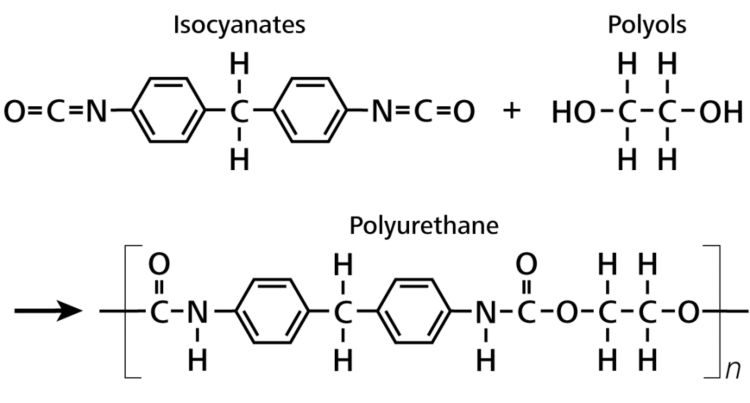




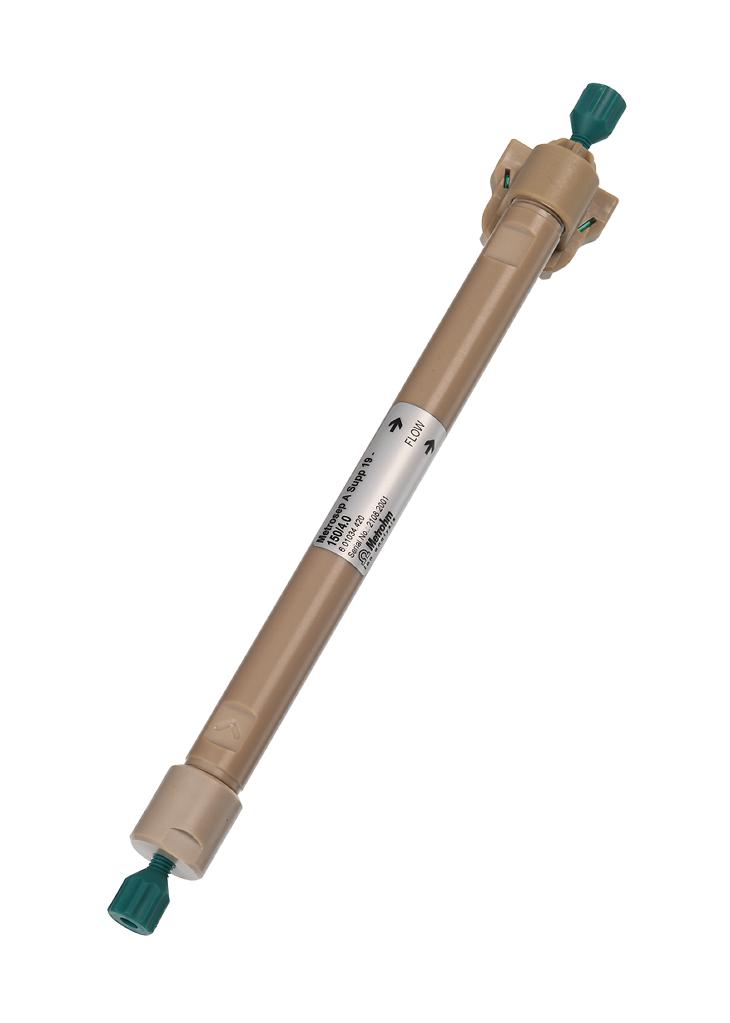


?$xh-730$&bfc=on)


