
- All (9507)
- Rodziny produktów (67)
- Modele produktów (713)
- Aplikacje (2252)
- Elektrody (514)
- Kolumny (162)
- Części zamienne (2302)
- Oprogramowanie (353)
- Dokumenty (2482)
- Inne treści (162)
- Informacje z różnych gałęzi przemysłu (181)
- Aktualności (60)
- Support & service (108)
- Webinary (84)
- Wydarzenia (3)
- Industries (64)
Rodziny produktów
Rodziny produktów (67)Modele produktów
Modele produktów (713)


Aplikacje
Aplikacje (2252)Szkolenia i webinary prowadzone przez ekspertów
Wydarzenia (3)Elektrody
Elektrody (514)Kolumny
Kolumny (162)Accessories
Części zamienne (2302)Oprogramowanie
Oprogramowanie (353)Instrukcje & broszury
Dokumenty (2482)Inne treści
Zawartość (162)Inspirujące spostrzeżenia branżowe
Informacje z różnych gałęzi przemysłu (181)Aktualności
Aktualności (60)Bezkonkurencyjny serwis i wsparcie
Support & service (108)Szkolenia i webinary prowadzone przez ekspertów
Webinary (84)Industries
Industries (64)2060 Platforma
Solidna, niezawodna, modułowa - platforma nowego analizatora zapewniająca najwyższą elastyczność w niestandardowym monitorowaniu procesów.
Analizator NIR OMNIS
Dobre wibracje w laboratorium: Najnowocześniejszy spektrometr bliskiej podczerwieni dla łatwiejszej, szybszej i bardziej wydajnej kontroli jakości i wykonywania rutynowych badań przesiewowych.
Titrator OMNIS
Uniwersalny autotitrator OMNIS: potencjometryczne miareczkowanie, szybsze wyniki, bezpieczna praca z odczynnikami i maksymalna modułowość.
VIONIC powered by INTELLO
The future of electrochemistry is pure. VIONIC: one instrument, pure discovery.
940 Professional IC Vario
Jedno urządzenie – szeroka elstyczność: Chromatografia jonowa z wieloma możliwościami konfiguracji, aby dostosować system do potrzeb klienta.
OMNIS KF
W pełni zintegrowane rozwiązanie do oznaczania zawartości wody za pomocą wolumetrycznego miareczkowania Karla Fischera.
Profesjonalny woltamperometr CVS - kąpiele galwaniczne, oznaczanie dodatków organicznych
Profesjonalny CVS zawiera bogactwo funkcjonalności na małej przestrzeni. Przyrządy umożliwiają oznaczanie dodatków organicznych w kąpielach galwanicznych z cyklicznym woltametrycznym strippingiem
MIRA XTR
Najlepszy podręczny system Ramana do bezpiecznej identyfikacji nieznanych materiałów w terenie: kompaktowy, elastyczny, inteligentny i wytrzymały.
949 pH Meter
Kompaktowy, podstawowy pH-metr stacjonarny do prostych i niezawodnych pomiarów pH, mV i ORP.
MIRA P
Najlepszy ręczny system Ramana do szybkiej weryfikacji surowców na miejscu: łatwy, szybki, elastyczny i przejrzysty.
Spektrometr DS2500 Analyzers
Kompaktowy i wytrzymały: Spektrometry bliskiej podczerwieni do szybkiej i ekonomicznej kontroli jakości oraz rutynowego badania przesiewowych próbek ciekłych lub stałych.
930 Compact IC Flex
930 Compact IC Flex - jednokanałowy, wysokociśnieniowy chromatograf jonowy do rutynowych analiz laboratoryjnych. Pozwala na czułe oznaczanie anionów, kationów i substancji polarnych.
KF Titrando - kulometryczne i wolumetryczne oznaczenie wody
Wolumetryczny i kulometryczny titrator Karla Fischera do dokładnego oznaczania zawartości wody w zakresie 0.001 to 100%.
912/913/914 pH/DO/Konduktometr - przenośny miernik pH
Solidny, przenośny pH metr, przewodności i kombinowane przyrządy do pomiaru stężenia rozpuszczonego tlenu do użytku w terenie lub w laboratorium.
Compact Line
Space-saving potentiostats/galvanostats: lightweight, portable, and economical.
Professinal VA - analizator do analizy śladowej z woltamperometrią i polarografią
Elastyczne analizatory laboratoryjne do analizy śladowej za pomocą woltamperometrii i polarografii.
Titrator Titrando - automatyczny i potencjometryczny instrument
Od samodzielnego titratora do w pełni zautomatyzowanego systemu do miareczkowania w nadrzędnej sieci: titrator potencjometryczny i automatyczny, który z łatwością można dostosować do konkretnych wymagań.
Analizator procesowy 2060 VA/CVS
Precyzyjna analiza śladowych ilości metali za pomocą woltamperometrii lub monitorowanie dodatków organicznych za pomocą CVS (Cyclic Voltammetric Stripping).
KF Ti-Touch
Kompaktowe, uniwersalne zestawy, aparaty do wolumetrycznego i kulometrycznego miareczkowania Karla Fischera, do rutynowego oznaczania zawartości wody.
Eco IC
Kompaktowy, podstawowy chromatograf jonowy, szwajcarskiej jakości w atrakcyjnej cenie.
780/781 pH/jonometr
Urządzenia pomiarowe: 780 pH Meter i 781 pH/Ion Meter: służą do pomiaru reakcji redoks, pH i stężenia jonów.
Modular Line
Build an instrument for electrochemical research that meets your exact requirements with only specifications and features you need.
Przenośny woltamperometr VA Analyzer - analiza metali ciężkich w wodzie
Przenośne analizatory woltamperometryczne do oznaczania śladowych ilości metali ciężkich w wodzie w terenie.
Spektrometr 2060 NIR Analyzer
Rozwiązanie spektroskopowe „pod klucz” dla technologii analizy procesów (PAT).
Aparaty Ti-Touch - np. do oznaczania chlorków
Titrator 916 Ti-Touch został zaprojektowany z myślą o łatwej obsłudze oraz kompaktowej budowie, wyposażony w liczne elementy poprawiające komfort pracy.
i-Raman NxG
Pomiary kontroli jakości nowej generacji to zastosowanie laboratoryjnej spektroskopii Ramana.
Analizator procesowy 2060 XRF
Niezawodna analiza fluorescencji rentgenowskiej online przeznaczona dla kontroli procesów w cieczach.
Eco Titrator
Sprzęt do miareczkowania Eco Titrator to szwajcarska jakość w przystępnej cenie? Ten potencjometryczny titrator oferuje jeszcze więcej.
i-Raman Plus
Przenośne spektrometry Ramana oferujące elastyczne pobieranie próbek i wysokiej jakości wyniki wszędzie tam, gdzie przeprowadzasz analizę.
Analizator procesowy 2060 TI Process Analyzer
Zintegrowane rozwiązanie do całodobowego monitorowania online krytycznych parametrów chemicznych w procesach przemysłowych i strumieniach ścieków za pomocą metod miareczkowania, pH, ISE, przewodnictwa, kulometrii lub fotometrii.
Techniki łączone
Rozszerzenie zakresu chromatografii jonowej: zaawansowane pobieranie próbki, czuła detekcja lub analiza wieloparametrowa.
Eco KF Titrator
Miareczkowanie wolumetryczne Karla Fischera jest standardową analizą w laboratoriach kontroli jakości, jeśli chodzi o oznaczenie wody w próbkach, takich jak produkty petrochemiczne lub farby.
2060 Analizator Ramana
Uwolnij analityczną precyzję dla kompleksowego monitorowania procesów
2060 RISE
Czujnik inline spektroskopii Ramana usprawniający analizę procesu
Miareczkowanie kulometryczne Karla Fischera jest idealną metodą do oznaczania niskiej zawartości wilgoci oraz wody w różnych próbkach. Najłatwiej przeprowadzić je z wykorzystaniem kulometru KF.
Przeciwwybuchowy analizator Explosion-proof Process Analyzers
867/856 pH/konduktometr modułowa budowa
Wysokiej klasy moduły do indywidualnych pomiarów pH, jonów i przewodności.
Portable potentiostats
Combining electrochemical research in the laboratory with in-field testing: Use well-established electrochemical techniques to maintain the highest levels of measurement quality and accuracy.
Analizator procesowy „pod klucz” dla technologii analizy procesów (PAT)
TacticID
Ręczny Raman do identyfikacji w terenie odczynników chemicznych, materiałów wybuchowych, narkotyków i wielu innych nielegalnych, niebezpiecznych i innych niezidentyfikowanych substancji.
Przygotowanie próbek inline (MISP)
Inteligentne techniki nastrzyku i automatyzacja do kompleksowego przygotowania próbek w analizie chromatografii jonowej.
Analizator procesowy 2060 IC Process Analyzer
Kompletny i elastyczny system do monitorowania online związków jonowych w mediach wodnych dla stężeń od ng/L do %.
NanoRam
Najnowocześniejszy ręczny spektrometr Ramana 1064 nm do nieniszczącej identyfikacji i weryfikacji przychodzących surowców, takich jak API, substancji pomocniczych i półproduktów.
Automatyzacja w chromatografii jonowej - analiza anionów i kationów
Niezależnie od liczby próbek i procesu przygotowania próbki, jesteśmy w stanie zapewnić zautomatyzowane rozwiązania do chromatografii jonowej analizy anionów i kationów, aby spełnić Twoje wymagania
Portable Multichannel Line
Obtain more results in less time keeping the reduced size and simplicity
Integrated spectroelectrochemistry
The next-generation tools for spectroelectrochemical research: bipotentiostat/galvanostat, spectrometer, and light source all in one instrument, controlled by a single software. Meet SPELEC!
Detektory do IC
Detektory konduktometryczny do IC - doskonała elastyczność: Systemy chromatograficzne weryfikacja substancji z dowolną metodą detekcji.
Hyphenated spectroelectrochemistry
EC-Raman and EC-UV/VIS spectroelectrochemistry using stand-alone Autolab PGSTATs and spectrometers
Analizator procesowy 2035 Process Analyzers
Analizatory procesowe dostępne w wersjach potencjometrycznych, fotometrycznych i termometrycznych z opcjonalnym dodatkowym pomiarem pH i przewodności.
Kolumny do chromatografów jonowych
Kolumny do chromatografii jonowej firmy Metrohm obejmują kolumny separacyjne, kolumny ochronne, kolumny wstępne, kolumny pułapkowe, akcesoria do kolumn jonowych i wiele innych.
Jednoparametrowe analizatory z serii 202X
Jednoparametrowe analizatory procesowe do monitorowania substancji chemicznych, wody i ścieków za pomocą metod miareczkowania, pH, ISE lub fotometrii.
Electrochemiluminescence
The ultimate electrochemiluminescence instruments with improved simplicity, versatility, and sensitivity.
Elektrody pH ProTrode
Elektrody przeznaczone do stosowania w pomiarach pH, parametru będącego miarą kwasowości i zasadowości roztworów wodnych. Zapewniają pomiary ciągłe bezpośrednio w linii technologicznej.
Analizator PTRam
Rozwój procesu autokalibracji Inline spektrometru Ramana.
Rancimat - stabilność oksydacyjna, ocena czasu indukcji
Metoda Rancimat - to test przyśpieszonego starzenia produktów takich jak naturalnych olejów, tłuszczów, kosmetyków, biodiesla, a także polimerów zawierających chlor np. PVC. Parametrem opisującym to zjawisko jest "czas indukcji", "okres indukcji", "indeks stabilności produktu", określający czas, jaki upływa do momentu pojawienia się wtórnych produktów reakcji. Im dłuższy czas indukcji, tym próbka jest bardziej stabilna. Rancimat stosuje się do oceny czasu indukcji lub wskaźnika stabilności oksydacyjnej (OSI) żywności zawierającej tłuszcz, kosmetyków oraz naturalnych tłuszczów i olejów.
Eco Dosimat
Ekonomiczne, samodzielne urządzenie do obsługi cieczy (LQH), umożliwiające precyzyjne dozowanie w celu przygotowania roztworów i standardów, kontrolę reakcji chemicznych i ręczne miareczkowanie.
846 Dosing Interface
Urządzenie do obsługi cieczy, które steruje maksymalnie czterema napędami dozującymi, oferując elastyczność w przypadku różnych zadań związanych z obsługą cieczy w laboratorium. Urządzenie może być używane jako samodzielne urządzenie lub jako dodatek do istniejących systemów Metrohm w celu zwiększenia stopnia automatyzacji.
Dosimat plus
System dozowania cieczy do stosowania jako niezależny, sterowany ręcznie przyrząd lub jako automatyczne urządzenie dozujące do titratorów Titrino plus.
μStat-i MultiX
Multichannel bipotentiostat, galvanostat, and impedance analyzer (with MultiplEIS® technology) for multi-user and multidisciplinary electrochemical research.
Przygotowanie próbki do woltamperometrii
Pozbądź się zanieczyszczeń organicznych próbki za pomocą mineralizacji UV, zapewniając wiarygodne oznaczenia w analizach woltamperometrycznych.
Extension Modules - dodatkowe moduły
Złożone aplikacje tylko z elastycznym systemem IC – Dostosuj swój 940 Professional IC Vario za pomocą Extension Modules oraz dodatkowych detektorów.
Niezawodne rozwiązania dla próbek, których nie można bezpośrednio zmiareczkować.
Automatyzacja dla KF Ti-Touch
Maksymalna oszczędność czasu na minimalnej przestrzeni: metoda termicznej ekstrakcji próbek do oznaczania zawartości wody.
Przygotowanie próbek KF
Solutions for sample preparation with KF Titrando coulometers when samples cannot be titrated directly.
Automatyzacja dla KF Titrando
Automatyczne przygotowanie próbki w sytuacjach, kiedy nie można miareczkować bezpośrednio.
Automatyzacja Titrando
Elastyczne i szerokie opcje automatyzacji titratora Titrando, począwszy od pracy z roztworami poprzez homogenizację do ważenia, a kończąc na pomiarze bezpośrednim.
Analizatory procesowe Ramana
Poznaj nasze najnowocześniejsze systemy Ramana, w tym analizator PTRam, analizator Raman 2060 i 2060 RISE, które rozszerzają możliwości analizy procesowej.
2.1001.0010
OMNIS Titrator without stirrer, without function licenseInnovative, modular potentiometric OMNIS Titrator. Thanks to 3S Liquid Adapter technology, handling chemicals is safer than ever before. The titrator can be freely configured with measuring modules and cylinder units and can have a stirrer added as needed. Thanks to various software function licenses, various measuring modes and functionalities are possible. Actuation via PC or local network; Connection option for up to four additional titration or dosing modules for additional applications or auxiliary solutions; Can be supplemented with magnetic stirrer and/or rod stirrer; Various cylinder sizes available: 5, 10, 20 or 50 mL; Liquid Adapter with 3S technology: Safe handling of chemicals and automatic transfer of the reagent dataMeasuring modes and software options:; Endpoint titration: "Basic" function license; Endpoint and equivalence point titration (monotonic/dynamic): "Advanced" function license; Endpoint and equivalence point titration (monotonic/dynamic) with parallel titration: "Professional" function license; Optional licenses for additional measuring, titration, and operating modes (e.g. volumetric Karl Fischer titration, conductometric or thermometric titration, coulometry, determination of the bromine index);
2.1008.0010
Eco TitratorThe compact Eco Titrator with integrated magnetic stirrer and touch-sensitive User Interface is ideal for routine analysis. It provides GLP-compliant results with minimum space requirements at all times (approx. DIN A4).Universally compatible with almost all potentiometric titrations, such as, for example, forFood products: Acid content, chloride, Vitamin C, iodine and peroxide number in fats; Water analysis: Carbonate and Ca/Mg hardness, chloride, sulfate, permanganate index; Petrochemistry: Acid/base number, sulfide & mercaptans, chloride, bromine number; Electroplating: Total acid, metal content, chloride; Surfactant analysis: Anionic, cationic and non-ionic surfactants; Photometry with the Optrode: p and m value, metals, water hardness;
2.1010.1120
OMNIS Sample Robot S – WSM (1T/2P)OMNIS Sample Robot S – WSM, equipped with an OMNIS Workstation Module with 2 pumps for cleaning and extraction of the sensors and sample vessels, a workstation, rod stirrers, and extensive accessories for getting started directly with fully automated titration. The system provides space in two sample racks for 32 sample beakers of 120 mL each. This modular system is supplied completely installed and can thus be put into operation in a very short time. The system can also be extended upon request to include 2 additional peristaltic pumps and another workstation, thus doubling the throughput. If additional workstations are required, then the Sample Robot S can be extended to become an L-sized OMNIS Sample Robot, thus enabling samples from 7 racks to be processed in parallel on up to 4 workstations to quadruple the sample throughput.
2.1030.0010
OMNIS Sample Robot OvenMain module for setting up an OMNIS Sample Robot Oven in size S. This module is equipped with the module and rack plate. It is already equipped with the main lift and a gripper. It must be equipped with sample racks and at least 1 oven module in order to use it to set up a functioning Sample Robot Oven.
2.143.0200
TX-900MH impact printerCompact impact printer with USB and RS232 interface for 900 Touch Control (+); 915 KF Ti-Touch (+); 916 Ti-Touch (+); 917 Coulometer (+); 91X Meter (+)Eco Dosimat/Titrator (+); 877/848 Titrino plus (additional 6.2151.100 required); 865/876 Dosimat plus (additional 6.2151.100 required); 862 Compact Titrosampler (additional 6.2151.100 required); 870 KF Titrino plus (additional 6.2151.100 required); 899 Coulometer (additional 6.2151.100 required); (+) Cable included in scope of delivery
2.780.0010
780 pH MeterIn addition to pH, voltage and temperature measurement, the 780 pH Meter also offers an automatic stirrer control, a multi-point calibration with up to nine buffers, a method memory and various monitoring functions. The automatic pH electrode test in conformance with GLP permits objective assessment of the electrode. The large backlit multi-line display provides an overview and makes the individual settings easy. The bi-directional RS-232 interface enables data transfer to a printer or PC.
2.781.0010
781 pH/Ion MeterIn addition to pH, ion, voltage and temperature measurement, the combined 781 pH/Ion Meter also offers an automatic stirrer control, a multi-point calibration with up to nine buffers (pH mode), a method memory and various monitoring functions. The automatic pH electrode test in conformance with GLP permits objective assessment of the electrode. The large backlit multi-line display provides an overview and makes the individual settings easy. The bi-directional RS-232 interface enables data transfer to a printer or PC.Three different modes are available for ion measurement: direct measurement, standard or sample addition. In the case of fully automated standard addition with an optional Dosimat, only the concentration of the standard and the desired quantity of addition steps need to be entered, the pH/ion meter takes care of the rest. Up to 19 standards can be used for the calibration for direct measurement.
2.856.0010
856 Conductivity ModuleConductivity measuring module as supplement to an existing Titrando system or "stand-alone" in combination with a 900 Touch Control. With the 856 Conductivity Module, not only conductivity and temperature can be determined, but also TDS and salinity. It supports state-of-the-art conductivity measuring cells, i.e. 5-ring measuring cells. The Conductivity Module is equipped with two USB interfaces for connecting printers, barcode readers, or sample changers and four MSB interfaces for stirrers or Dosinos.For use with OMNIS Software, tiamo software, or Touch Control unit. Compliance with GMP/GLP and FDA regulations such as 21 CFR Part 11, if required.
2.856.0110
856 Conductivity Module with Touch Control, including 5-ring conductivity measuring cellHigh-end conductometer, based on the 856 Conductivity Module, including 900 Touch Control, 5-ring conductivity measuring cell and calibration standards. With the 856 Conductivity Module, not only conductivity and temperature can be determined, but also TDS and salinity. It supports state-of-the-art conductivity measuring cells, i.e. 5-ring measuring cells.The Conductivity Module has two USB interfaces for connecting printers, barcode readers or sample changers and four MSB interfaces for stirrers or Dosinos. In combination with the 900 Touch Control, the 856 Conductivity Module is in compliance with GLP and FDA 21 CFR part 11 requirements.
2.867.0010
867 pH ModuleModule for pH/ion measurement as supplement to a Titrando or "stand-alone" in combination with a 900 Touch Control.In addition to measurements of pH, temperature, mV, Ipol, Upol and concentration, the pH Module can perform standard additions (manual, dos, autodos) and Liquid Handling (add, prep, empty). It enables the use of both conventional and intelligent sensors for measuring. Also integrated in the software is an automatic GLP-compliant pH electrode test.The pH Module has two USB interfaces for connecting printers, barcode readers or sample changers and four MSB interfaces for stirrers or Dosinos (for the addition of auxiliary solutions or for standard addition).For use with OMNIS Software, tiamo software, or Touch Control unit. Compliance with GMP/GLP and FDA regulations such as 21 CFR Part 11, if required.
2.867.0110
867 pH Module with Touch ControlHigh-end pH/ion meter based on the 867 pH Module, including 900 Touch Control, 854 iConnect and intelligent "iUnitrode" pH glass electrode.In addition to measurements of pH, temperature, mV, Ipol, Upol and concentration, the pH Module can perform standard additions (manual, dos, autodos) and Liquid Handling (add, prep, empty). It enables the use of both conventional and intelligent sensors for measuring. Also integrated in the software is an automatic GLP-compliant pH electrode test.The pH Module has two USB interfaces for connecting printers, barcode readers or sample changers and four MSB interfaces for stirrers or Dosinos (for the addition of auxiliary solutions or for standard addition).In combination with the Touch Control, it is in compliance with GLP and FDA 21 CFR part 11 requirements.
2.892.0010
892 Professional RancimatThe 892 Professional Rancimat is an analysis system for the simple and safe determination of the oxidation stability of natural fats and oils with the well-established Rancimat method. With eight measuring positions in two heating blocks. The built-in display shows the status of the instrument and each individual measuring position. Start buttons for every measuring position enable the measurement start on the instrument. Cleaning effort can be reduced to a minimum through the use of practical disposable reaction vessels and dishwasher-safe accessories. This saves time and costs and significantly improves accuracy and reproducibility.All accessories necessary for carrying out determinations are included in the scope of delivery. The StabNet software is required for instrument control, data recording and evaluation and for data storage.
2.893.0010
893 Professional Biodiesel RancimatThe 893 Professional Biodiesel Rancimat is an analysis system for easy and safe determination of the oxidation stability of biodiesel (fatty acid methyl ester, FAME) and biodiesel blends in accordance with EN 14112, EN 15751 and EN 16568 standards. With eight measuring positions in two heating blocks. The built-in display shows the status of the instrument and each individual measuring position. Start buttons for every measuring position enable the measurement start on the instrument. Cleaning effort can be reduced to a minimum through the use of practical disposable reaction vessels and dishwasher-safe accessories. This saves time and costs and significantly improves accuracy and reproducibility.All accessories necessary for carrying out determinations are included in the scope of delivery. The StabNet software is required for instrument control, data recording and evaluation and for data storage.
2.895.0010
895 Professional PVC ThermomatThe 895 Professional PVC Thermomat is an analysis system for the automatic determination of the thermostability of polyvinyl chloride (PVC) and related copolymers. With eight measuring positions in two heating blocks. The built-in display shows the status of the instrument and each individual measuring position. Start buttons for every measuring position enable the measurement start on the instrument. Cleaning effort can be reduced to a minimum through the use of practical disposable reaction vessels and dishwasher-safe accessories. This saves time and costs and significantly improves accuracy and reproducibility.All accessories necessary for carrying out determinations are included in the scope of delivery. The StabNet software is required for instrument control, data recording and evaluation and for data storage.
2.912.0010
912 ConductometerPortable single-channel conductivity measuring instrument for measuring conductivity/TDS/salinity and temperature. You will be optimally equipped for measurements in the field with this battery-operated measuring instrument. Portable conductivity measuring instrument with built-in battery pack; Analog conductivity measuring input for the 4-wire conductivity measuring cells from Metrohm; Robust, water-tight and dust-tight housing (IP67) for hard outdoor and laboratory use; LCD color display with background illumination for simple legibility of the results; USB interface for simple data export to PC or printer; Large internal memory (10,000 data sets); Pin-protected User and Expert modes, prevents unwanted parameter changes; GLP-compliant printout and data export with User ID and timestamp;
2.912.0110
912 Conductometer with accessories casePortable single-channel conductivity measuring instrument for measuring conductivity/TDS/salinity and temperature. You will be optimally equipped for measurements outdoors with this battery-operated measuring instrument. Portable conductivity measuring instrument with built-in battery pack; Analog conductivity measuring input for the 4-conductor conductivity measuring cells from Metrohm; Robust, water-tight, and dust-tight housing (IP67) for tough outdoor and laboratory use; LCD color display with background illumination making results easy to read; USB interface for simple data export to PC or printer; Large internal memory (10,000 data sets); Pin-protected User mode and Expert mode, prevents unwanted parameter changes; GLP-compliant printout and data export with User ID and timestamp; Robust transport case for routine measurements in the field;
2.912.0210
912 Conductometer, laboratory versionPortable single-channel conductivity measuring instrument for measuring conductivity/TDS/salinity and temperature. You will be optimally equipped for measurements in the field and in the laboratory with this battery-operated measuring instrument with a stand plate. Portable conductivity measuring instrument with built-in battery pack; Analog conductivity measuring input for the 4-conductor conductivity measuring cells from Metrohm; Robust, water-tight, and dust-tight housing (IP67) for tough outdoor and laboratory use; LCD color display with background illumination making results easy to read; USB interface for simple data export to PC or printer; Large internal memory (10,000 data sets); Pin-protected User mode and Expert mode, prevents unwanted parameter changes; GLP-compliant printout and data export with User ID and timestamp;
2.913.0010
913 pH MeterPortable two-channel pH measuring instrument for measuring pH/mV and temperature. You will be optimally equipped for measurements in the field with this battery-operated measuring instrument. Portable pH meter with built-in battery pack and two galvanically isolated pH measuring inputs; Analog pH measuring input for Metrohm standard pH electrodes; Digital pH measuring input for the intelligent pH electrodes from Metrohm; Robust, water-tight and dust-tight housing (IP67) for hard outdoor and laboratory use; LCD color display with background illumination for simple legibility of the results; USB interface for simple data export to PC or printer; Large internal memory (10,000 data sets); Pin-protected User and Expert modes, prevents unwanted parameter changes; GLP-compliant printout and data export with User ID and timestamp;
2.913.0020
913 pH/DO MeterThe 913 pH/DO Meter offers two measuring inputs for determining the pH value and dissolved oxygen in water.Portable meter with built-in battery pack and two galvanically isolated measuring inputs.; Analog pH measuring input for standard pH electrodes; Digital measuring input for O2 measurement using O2 Lumitrode or intelligent pH electrodes; Robust, water-tight, and dust-tight housing (IP67) for tough outdoor and laboratory use; LCD color display with background illumination making results easy to read; USB interface for simple data export to PC or printer; Large internal memory (10,000 data sets); Pin-protected User and Expert modes, prevents unwanted parameter changes; GLP-compliant printout and data export with User ID and timestamp;
2.913.0110
913 pH Meter with accessories casePortable two-channel pH measuring instrument for measuring pH/mV and temperature. You will be optimally equipped for measurements outdoors with this battery-operated measuring instrument. Portable pH meter with built-in battery pack and two galvanically isolated pH measuring inputs.; Analog pH measuring input for Metrohm standard pH electrodes; Digital pH measuring input for the intelligent pH electrodes from Metrohm; Robust, water-tight, and dust-tight housing (IP67) for tough outdoor and laboratory use; LCD color display with background illumination making results easy to read; USB interface for simple data export to PC or printer; Large internal memory (10,000 data sets); Pin-protected User mode and Expert mode, prevents unwanted parameter changes; GLP-compliant printout and data export with User ID and timestamp; Robust transport case for routine measurements in the field;
2.913.0120
913 pH/DO Meter with accessories casePortable two-channel measuring instrument for measuring pH/mV and dissolved oxygen. This package includes everything needed to get started at once: measuring instrument, sensors, calibration solutions – and all packaged in a robust transport case.Portable pH meter with built-in battery pack and two galvanically isolated pH measuring inputs.; Analog pH measuring input for standard pH electrodes; Digital measuring input for the intelligent pH electrodes or the O2 Lumitrode; Robust, water-tight, and dust-tight housing (IP67) for tough outdoor and laboratory use; LCD color display with background illumination making results easy to read; USB interface for simple data export to PC or printer; Large internal memory (10,000 data sets); Pin-protected User mode and Expert mode, prevents unwanted parameter changes; GLP-compliant printout and data export with User ID and timestamp; Robust transport case for routine measurements in the field;
2.913.0210
913 pH Meter, laboratory versionPortable two-channel pH measuring instrument for measuring pH/mV and temperature. You will be optimally equipped for measurements in the field and in the laboratory with this battery-operated measuring instrument with a stand plate. Portable pH meter with built-in battery pack and two galvanically isolated pH measuring inputs.; Analog pH measuring input for Metrohm standard pH electrodes; Digital pH measuring input for the intelligent pH electrodes from Metrohm; Robust, water-tight, and dust-tight housing (IP67) for tough outdoor and laboratory use; LCD color display with background illumination making results easy to read; USB interface for simple data export to PC or printer; Large internal memory (10,000 data sets); Pin-protected User mode and Expert mode, prevents unwanted parameter changes; GLP-compliant printout and data export with User ID and timestamp;
2.913.0220
913 pH/DO Meter, laboratory versionPortable two-channel measuring instrument for measuring pH/mV and for measuring the amount of dissolved oxygen in water. You will be optimally equipped for measurements in the field and in the laboratory with this battery-operated measuring instrument with a stand plate.Measuring instrument with built-in battery pack and two galvanically isolated measuring inputs.; Analog pH measuring input for standard pH electrodes; Digital pH measuring input for the intelligent pH electrodes or O2 Lumitrode; Robust, water-tight, and dust-tight housing (IP67) for tough outdoor and laboratory use; LCD color display with background illumination making results easy to read; USB interface for simple data export to PC or printer; Large internal memory (10,000 data sets); Pin-protected User mode and Expert mode, prevents unwanted parameter changes; GLP-compliant printout and data export with User ID and timestamp; With stand plate and electrode holder;
2.914.0020
914 pH/ConductometerTwo-channel pH/conductivity measuring instrument for measuring pH/mV/conductivity/TDS/salinity and temperature. You will be optimally equipped for measurements in the field with this battery-operated measuring instrument. Portable pH/conductivity measuring instrument with built-in battery pack; Parallel measurement of pH value and conductivity; Analog pH measuring input for Metrohm standard pH electrodes; Analog conductivity measuring input for the 4-conductor conductivity measuring cells from Metrohm; Robust, water-tight, and dust-tight housing (IP67) for tough outdoor and laboratory use; LCD color display with background illumination making results easy to read; USB interface for simple data export to PC or printer; Large internal memory (10,000 data sets); Pin-protected User mode and Expert mode, prevents unwanted parameter changes; GLP-compliant printout and data export with User ID and timestamp;
2.914.0030
914 pH/DO/ConductometerPortable two-channel pH/DO/conductivity measuring instrument with intelligent measuring input for the parallel measurement of pH/mV and conductivity or dissolved oxygen and conductivity in water.Parallel measurement of pH value and conductivity or of dissolved oxygen and conductivity; Analog conductivity measuring input for the 4-conductor conductivity measuring cells; Digital measuring input for the intelligent pH electrodes or the intelligent O2 Lumitrode; Robust, water-tight, and dust-tight housing (IP67) for tough outdoor and laboratory use; LCD color display with background illumination for simple legibility of the results; USB interface for simple data export to the PC or the printer; Large internal memory (10,000 data sets); Pin-protected User mode and Expert mode, prevents unwanted parameter changes; GLP-compatible printout and data export with User ID and timestamp;
2.914.0120
914 pH/Conductometer with accessories casePortable two-channel pH/conductivity measuring instrument for parallel measurement of pH/mV/conductivity/TDS/salinity and temperature. You will be optimally equipped for measurements outdoors with this battery-operated measuring instrument. Parallel measurement of pH value and conductivity; Analog pH measuring input for Metrohm standard pH electrodes; Analog conductivity measuring input for the 4-conductor conductivity measuring cells from Metrohm; Robust, water-tight, and dust-tight housing (IP67) for tough outdoor and laboratory use; LCD color display with background illumination making results easy to read; USB interface for simple data export to PC or printer; Large internal memory (10,000 data sets); Pin-protected User mode and Expert mode, prevents unwanted parameter changes; GLP-compliant printout and data export with User ID and timestamp; Robust transport case for routine measurements in the field;
2.914.0130
914 pH/DO/Conductometer with accessories casePortable 2-channel pH/DO/conductivity measuring instrument with analog and digital measuring input for parallel measurements of pH/mV/conductivity or dissolved oxygen and conductivity. You will be optimally equipped for measurements outdoors with this battery-operated measuring instrument in a transport case.Parallel measurement of pH value and conductivity; Parallel measurement of dissolved oxygen and conductivity; Analog conductivity measuring input for the 4-conductor conductivity measuring cells from Metrohm; Digital measuring input for the intelligent pH electrodes and O2 Lumitrode; Robust, water-tight, and dust-tight housing (IP67) for hard outdoor and laboratory use; LCD color display with background illumination making results easy to read; USB interface for simple data export to PC or printer; Large internal memory (10,000 data sets); Pin-protected User mode and Expert mode, prevents unwanted parameter changes; GLP-compliant printout and data export with User ID and timestamp; Robust transport case for routine measurements in the field;
2.914.0220
914 pH/Conductometer, laboratory versionPortable two-channel pH/conductivity measuring instrument for measuring pH/mV/conductivity/TDS/salinity and temperature. You will be optimally equipped for measurements in the field and in the laboratory with this battery-operated measuring instrument with a stand plate. Analog pH measuring input for Metrohm standard pH electrodes; Analog conductivity measuring input for the 4-conductor conductivity measuring cells from Metrohm; Laboratory pH and conductivity measuring instrument with built-in battery pack; Parallel measurement of pH value and conductivity; Robust, water-tight, and dust-tight housing (IP67) for tough outdoor and laboratory use; LCD color display with background illumination making results easy to read; USB interface for simple data export to PC or printer; Large internal memory (10,000 data sets); Pin-protected User mode and Expert mode, prevents unwanted parameter changes; GLP-compliant printout and data export with User ID and timestamp;
2.914.0230
914 pH/DO/Conductometer, laboratory versionPortable two-channel pH/DO/conductivity measuring instrument with intelligent measuring input for measuring dissolved oxygen/pH/mV and analog measuring input for conductivity/TDS/salinity and temperature. You will be optimally equipped for measurements in the field and in the laboratory with this battery-operated measuring instrument with a stand plate.Digital measuring input for the O2 Lumitrode or the intelligent pH electrodes; Analog conductivity measuring input for the 4-conductor conductivity measuring cells; Laboratory pH/DO and conductivity measuring instrument with built-in battery pack; Parallel measurement of pH value and conductivity; Parallel measurement of oxygen and conductivity; Robust, water-tight, and dust-tight housing (IP67) for tough outdoor and laboratory use; LCD color display with background illumination making results easy to read; USB interface for simple data export to PC or printer; Large internal memory (10,000 data sets); Pin-protected User mode and Expert mode, prevents unwanted parameter changes; GLP-compliant printout and data export with User ID and timestamp;
2.919.0020
919 IC Autosampler plusThe 919 IC Autosampler plus fulfills the requirements of laboratories with medium sample numbers. It enables automation of the full range of Metrohm IC instruments.
2.947.0010
947 Professional UV/VIS Detector Vario SWAs an intelligent, single-wavelength detector, the 947 Professional UV/VIS Detector Vario SW permits a secure and reliable quantification of substances active in the ultraviolet or visible range. One wavelength can be selected.
2.949.0210
949 pH Meter without electrodeDiscover the 949 pH Tabletop Meter – Your compact pH measuring instrument for quick and reliable laboratory measurements.Complete pH measuring instrument with color display; Precise pH, mV and ORP measurements with integrated temperature display; Simple calibration with Metrohm, USA, and NIST buffers up to 3 points or by 2-point calibration with in-house buffers; Clearly structured display of the calibrated values using symbols for simple read-off; 3 stability criteria for measured value recognition for reliable results; GLP conformity of the measured values with embedded date and time; Overview of calibration data with monitoring function; RS232 port enables connection of a printer.; Included in the package are the 949 pH Meter, the electrode holder, and the power supply unit for immediate use in the laboratory.
2.949.0220
949 pH Meter with SolitrodeThe 949 pH Meter is the perfect tabletop pH meter for quick and precise pH measurements. Ideal for laboratories, research institutes and industrial environments where pH analyses are performed regularly.Complete tabletop pH measuring instrument with color display; Measures pH, mV, and ORP with temperature display for comprehensive analyses; Simple pH calibration with Metrohm, USA, and NIST buffers up to 3 points or by user-defined 2-point calibration; Display of the calibrated values with symbols for clear readability; Signals measurement stability and offers the option of selecting between 3 stability criteria for reliable results; In conformance with GLP with embedded date and time; Display of calibration data and setting of the calibration deadline; Solitrode with stable plastic shaft for long-lasting use; Included in the package are the 949 pH Meter, the electrode holder, the power supply unit, and the Solitrode with Pt1000 with fixed cable for simple and immediate use.
A062026010C
2026 TitrolyzerThe 2026 Titrolyzer performs potentiometric titrations by means of a high precision burette system and high performance electrodes. Different titration types include acid/base, redox and precipitation titrations. A self-finding inflection point technique can be applied for most applications. It is also possible to use the analyzer to measure pH in situations where inline sensors would otherwise fail.Additionally, the 2026 Titrolyzer can perform the dynamic standard addition method by means of the high precision burette and high performance Ion Selective Electrodes (ISE). This method adapts the standard addition volume to the actual sample concentration by means of a dynamic differential approach. Moreover it takes into account ISE slope values over several ranges. This means that ISEs can be used to their ultimate low or high measuring ranges. An accompanying temperature measurement eliminates possible temperature effects on the analysis results.Several markets are a perfect fit for the 2026 Titrolyzer such as chemical, petrochemical, semiconductor, environmental, mining, steel/metal, and potable water.Selected applications include:Acidic or alkaline solutions; Chloride; Hydrogen peroxide; Hardness; Cyanide; Copper; Hydrogen fluoride; pH; and more;
AUT302N.S
Autolab PGSTAT302NThis high end, high current potentiostat/galvanostat, with a compliance voltage of 30 V and a bandwidth of 1 MHz, combined with our FRA32M module, is specially designed for electrochemical impedance spectroscopy.The PGSTAT302N is the successor of the popular PGSTAT30. The maximum current is 2 A, the current range can be extended to 20 A with the BOOSTER20A, the current resolution is 30 fA at a current range of 10 nA.
BWT-840000340
i-Raman Plus 785S Portable Raman SpectrometerThe i-Raman® Plus 785S is part of our award-winning series of i-Raman portable Raman spectrometers powered by our innovative intelligent spectrometer technology. Using a high-quantum-efficiency CCD array detector with TE cooling and high dynamic range, this portable Raman spectrometer delivers excellent performance with low noise, even at integration times of up to 30 minutes, making it possible to measure weak Raman signals. The i-Raman Plus 785S features the unique combination of wide spectral range and high resolution with configurations which allow measurements from 65 cm-1 to 3,350 cm-1. The system’s small footprint, lightweight design, and low power consumption ensure research-grade Raman analysis capabilities at any location. The i-Raman Plus is equipped with a fiber probe for easy sampling, and can be used with a cuvette holder, a video microscope, an XYZ positioning stage with a probe holder, as well as our proprietary BWIQ® multivariate analysis software and BWID® identification software. With the i-Raman Plus, you always have a high precision Raman solution for qualitative and quantitative analysis.
BWT-840000953
NanoRam-1064 Handheld Raman SpectrometerThe NanoRam-1064 is a high-performance handheld Raman Spectrometer for nondestructive identification and verification of incoming raw materials, such as APIs, excipients, and intermediates, regardless of their color. Compact and agile, the NanoRam-1064 can be used by non-technical users to rapidly identify samples in the warehouse, on the loading ramp, in the field or in the laboratory, minimizing quarantine areas and expediting materials through the manufacturing lifecycle. Utilizing Raman technology, the NanoRam-1064 minimizes fluorescence and can identify a large range of samples by distinguishing between different grades of cellulose, polysorbate and Opadry®. Rapid incoming material testing with the NanoRam-1064 can be performed through transparent containers, all the while maintaining sample volume and integrity. The unit also offers full onboard library and method validation, making a compliant workflow for methods and library development.The NanoRam is fully compliant with the US FDA 21 CFR Part 11 and Part 1040.10, and can play an integral role in cGMP-compliant facilities. The NanoRam-1064 meets the requirements of Raman spectroscopy methods, including the US Pharmacopeia 858>, European Pharmacopeia 2.2.48, Japanese Pharmacopeia 2.26, as well as the People’s Republic of China Pharmacopeia Directives on Raman Spectroscopy. Raman is a recognized method for complying with the PIC/S & GMP directives regarding 100% identity assurance for starting materials. A complete range of training courses and support services is available, including IQ/OQ/PQ/DQ implementation services, as well as method and/or new library development support.
DRP-STATECL
µStat ECL Electrochemiluminescence InstrumentμStat ECL is a portable BiPotentiostat/Galvanostat combined with a specific ElectroChemiLuminescence (ECL) Cell that performs Electrochemiluminescence studies with DropSens Screen-Printed Electrodes (SPEs). Electrochemical and Chemiluminescence responses are perfectly synchronized and shown in real time. The equipment can also be used independently as a Bipotentiostat/Galvanostat.
2.1001.0020
OMNIS Titrator with magnetic stirrer, without function licenseInnovative, modular potentiometric OMNIS Titrator for stand-alone operation or as the core of an OMNIS titration system. Thanks to 3S Liquid Adapter technology, handling chemicals is more secure than ever before. The titrator can be freely configured with measuring modules and cylinder units and can have a stirrer added as needed. Thanks to various software function licenses, various measuring modes and functionalities are possible. Control via PC or local network; Connection option for up to four additional titration or dosing modules for additional applications or auxiliary solutions; Connection option for one rod stirrer; Various cylinder sizes available: 5, 10, 20 or 50 mL; Liquid Adapter with 3S technology: Secure handling of chemicals, automatic transfer of the original reagent data of the manufacturerMeasuring modes and software options:; Endpoint titration: "Basic" function license; Endpoint and equivalence point titration (monotonic/dynamic): "Advanced" function license; Endpoint and equivalence point titration (monotonic/dynamic) with parallel titration: "Professional" function license;
2.1008.1010
Eco Titrator Acid/BaseThe compact Eco Titrator with integrated magnetic stirrer and touch-sensitive user interface is ideal for routine analysis. It provides GLP-compliant results with minimum space requirements at all times (approx. DIN A4).The Eco Titrator Acid/Base offers you the complete package for acid-base titration in aqueous solutions. Included in the package are titrators, a 20 mL cylinder unit, and a combined Ecotrode plus pH electrode.
2.858.0010
858 Professional Sample ProcessorThe 858 Professional Sample Processor processes samples from 500 µL to 500 mL. The sample transfer takes place either by means of a peristaltic pump on the 850 Professional IC system or with an 800 Dosino.
2.930.9010
930 Combustion IC PP (AJ)The 930 Combustion IC PP (AJ) enables the analysis of halogens and sulfur in flammable samples of all types using inline combustion digestion (pyrohydrolysis) with subsequent ion chromatography determination (Combustion IC). It comprises all required components, e.g., the Combustion Module from Analytik Jena (2.136.0700), the 920 Absorber Module, the 930 Compact IC Flex Oven/SeS/PP/Deg, and the MagIC Net software. If necessary, the 930 Metrohm Combustion IC package can be supplemented with an Autosampler for solid or liquid samples (MMS 5000 Autosampler). The entire analysis, including sample input and sample digestion, is completely automated and is completely controlled by MagIC Net.
2.930.9020
930 Combustion IC DR (AJ)The 930 Metrohm Combustion IC enables the analysis of halogens and sulfur in flammable samples of all types using inline combustion digestion (pyrohydrolysis) with subsequent ion chromatography determination (Combustion IC). It comprises all required components, e.g., the Combustion Module from Analytik Jena (2.136.0700), the 920 Absorber Module, the 930 Compact IC Flex Oven/SeS/Deg, the 800 Dosino for suppressor regeneration and the MagIC Net software.If necessary, the 930 Metrohm Combustion IC package can be supplemented with an Autosampler for solid or liquid samples (MMS 5000 Autosampler). The entire analysis, including sample input and sample digestion, is completely automated and is completely controlled by MagIC Net.
2.947.0020
947 Professional UV/VIS Detector Vario MWAs an intelligent. multi-wavelength detector, the 947 Professional UV/VIS Detector Vario MW permits a secure and reliable quantification of substances active in the ultraviolet or visible range. Up to eight wavelengths can be freely selected. A diode array is used for detection.
A062026020C
2026 pH AnalyzerThe 2026 Titrolyzer configured for pH measurements is the perfect instrument for situations where inline pH measurements fail.Temperature, pressure changes, streaming potential effects and more have no influence on the measurement. The electrode condition is continuously monitored, and calibration and cleaning is done automatically. This results in less maintenance, longer lifetime of the pH electrode, and more reliable measurements.Potential hazards and safety concerns regarding critical pipeline sample points are removed as the electrode does not need to be retracted for tasks like cleaning. You never have to worry about the membrane drying out since the electrode is always immersed in liquid.Several markets are a perfect fit for the 2026 Titrolyzer such as chemical, petrochemical, semiconductor, environmental, mining, steel/metal, and potable water.
BWT-840000920
TacticID 1064 Handheld Raman SpectrometerThe TacticID®-1064 is a field-ready, handheld Raman Spectrometer designed for fast and accurate non-contact screening by security staff and emergency services (e.g. law enforcement personnel, customs and border guards, as well as bomb disposal squads). The TacticID-1064 utilizes proven Raman spectroscopy, allowing users to obtain real-time identification of a wide variety of unknown chemicals, narcotics, pharmaceutical drugs, explosives, and other substances in less than one minute. Accordingly, operational uncertainty and response time are significantly reduced. By utilizing the 1064 nm wavelength, the TacticID-1064 avoids fluorescence, allowing users to even work with difficult street samples.
DRP-SPELEC
SPELEC UV-VIS Instrument (200-900 nm)SPELEC is an instrument for performing spectroelectrochemical measurements. It combines in only one box a Lightsource, a Bipotentiostat/Galvanostat and a Spectrometer (UV-VIS wavelength range: 200-900 nm) and includes a dedicated spectroelectrochemical software that allows optical and electrochemical experiments synchronization.
DRP-SPELEC1050
SPELEC VIS-NIR Instrument (350-1050 nm)SPELEC1050 is an instrument for performing spectroelectrochemical measurements. It combines in only one box a Lightsource, a Bipotentiostat/Galvanostat and a Spectrometer (VIS-NIR wavelength range: 350-1050 nm) and includes a dedicated spectroelectrochemical software that allows optical and electrochemical experiments synchronization.
DRP-STAT8000
µStat 8000 Multi Potentiostat/GalvanostatμStat 8000 is a portable Multi Potentiostat/Galvanostat that can be applied for Voltammetric, Amperometric or Potentiometric measurements, being able to perform up to 8 different independent measurements at the same time, including also a multichannel mode that allows you to work with up to 8 working electrodes sharing auxiliary and reference electrode. Li-ion Battery powered, it can be easily connected to a PC via USB or wireless.
2.1001.0110
OMNIS Basic Titrator without stirrerInnovative, modular potentiometric OMNIS Titrator for endpoint titration. Thanks to 3S Liquid Adapter technology, handling chemicals is safer than ever before. The titrator can be freely configured with measuring modules and cylinder units and can have a stirrer added as needed. If required, the range of functions of the OMNIS Basic Titrator can be extended with a corresponding software function license. Control via PC or local network; Can be supplemented with magnetic stirrer and/or rod stirrer; Various cylinder sizes available: 5, 10, 20 or 50 mL; Connection option for up to four additional titration or dosing modules for additional applications or auxiliary solutions; Liquid Adapter with 3S technology: Safe handling of chemicals, automatic transfer of the original reagent data from the manufacturerMeasuring modes and software options:; Endpoint titration: "Basic" function license; Endpoint and equivalence point titration (monotonic/dynamic): "Advanced" function license; Endpoint and equivalence point titration (monotonic/dynamic) with parallel titration: "Professional" function license;
2.1008.2010
Eco Titrator SaltThe compact Eco Titrator with integrated magnetic stirrer and touch-sensitive User Interface is ideal for routine analysis. It provides GLP-compliant results with minimum space requirements at all times (approx. DIN A4).The Eco Titrator Salt plus offers you the complete package for the analysis of chloride in a wide variety of samples. The package contains a titrator, a 10 mL cylinder unit and an Ag Titrode, a maintenance-free electrode for precipitation titration with silver nitrate.
2.858.0020
858 Professional Sample Processor – PumpThe 858 Professional Sample Processor – Pump processes samples from 500 µL to 500 mL. The sample transfer takes place either with the installed bidirectional two-channel peristaltic pump or with an 800 Dosino.
2.945.0010
945 Professional Detector Vario – ConductivityIntelligent stand-alone detector equipped with a high-performance IC Conductivity Detector. For use with intelligent IC instruments or as independent conductivity detector.
A062029010C
2029 Process PhotometerThe 2029 Process Photometer performs sensitive photometric absorption measurements in the visible light range. Detection limits in the low ppb range make this an attractive instrument for a variety of applications.At the heart of the analyzer is a high performance compact photometer module ready for 24/7 online measurement. It comprises a thermostated cuvette with 3 cm light path and LED technology, ensuring stable, accurate measurements no matter the environment. The color development stabilization is automatically detected by making use of differential absorbance measurements. Photometric laboratory methods can be easily transferred to the 2029 Process Photometer, eliminating any bias in results for improved process validation.Several markets are a perfect fit for the 2029 Process Photometer such as chemical, environmental, semiconductor, petrochemical, food and beverage, potable water, and energy/power.Selected applications include:Phosphate; Silica; Chlorine; Nickel; Zinc; Copper; Chromium; Ammonia; Nitrate; Nitrite; Hardness; and more;
BWT-840000341
NanoRam Handheld Raman SpectrometerThe NanoRam is a state-of-the-art, handheld Raman instrument for nondestructive identification and verification of incoming raw materials such as APIs, excipients, and intermediates. Compact and flexible, the NanoRam can be used by non-technical users to rapidly identify samples in the warehouse, on the loading dock, or in the lab, minimizing quarantine areas and expediting materials through the manufacturing lifecycle. Utilizing Raman technology, nondestructive analysis can be performed through transparent containers, maintaining the volume and integrity of the sample.The NanoRam meets the general requirements of Raman spectroscopy methods, including all the requirements of the US Pharmacopeia General Chapter 858>, European Pharmacopeia 2.2.48, Japanese Pharmacopeia 2.26, as well as the People’s Republic of China Pharmacopeia Guidelines on Raman Spectroscopy. Handheld Raman spectrometers support companies in compliance with the PIC/S & GMP guidelines regarding 100% identity assurance for starting materials. The NanoRam is fully compliant with the US FDA 21 CFR Part 11 and Part 1040.10, and can play an integral role in cGMP-compliant facilities. Full training and support services are available, including IQ/OQ/PQ/DQ implementation services as well as method and/or new library development support.
DRP-SPELEC-NIR
SPELEC NIR Instrument (900-2200 nm)SPELEC NIR is an instrument for performing spectroelectrochemical measurements. It combines in only one box a Lightsource, a Bipotentiostat/Galvanostat and a Spectrometer (NIR wavelength range: 900-2200 nm) and includes a dedicated spectroelectrochemical software that allows optical and electrochemical experiments synchronization.
DRP-STAT8000P
µStat 8000P Multi PotentiostatμStat 8000P is a portable Multi Potentiostat that can be applied for Voltammetric or Amperometric measurements, being able to perform up to 8 different independent measurements at the same time, including also a multichannel mode that allows you to work with up to 8 working electrodes sharing auxiliary and reference electrode. Li-ion Battery powered, it can be easily connected to a PC via USB or wireless.
PGSTAT100N
Autolab PGSTAT100NThis product is no longer available to purchase, but it is under warranty. Should you have a service requirement please contact your Metrohm distributor. The PGSTAT100N is a high voltage potentiostat/galvanostat with a compliance voltage of 100 V and a maximum current of 250 mA (and a maximum of 10 A / 20 V when combined with BOOSTER10A). This instrument is designed to address the needs of scientists doing electrochemical measurements in extreme conditions such as organic electrolytes, soil, concrete etc.
2.1001.0210
OMNIS Advanced Titrator without stirrerInnovative, modular potentiometric OMNIS Titrator for endpoint titration and equivalence point titration (monotonic/dynamic). Thanks to 3S Liquid Adapter technology, handling chemicals is safer than ever before. The titrator can be freely configured with measuring modules and cylinder units and can have a stirrer added as needed. If required, the OMNIS Advanced Titrator can be additionally equipped for parallel titration with a corresponding software function license. Control via PC or local network; Connection option for up to four additional titration or dosing modules for additional applications or auxiliary solutions; Can be supplemented with magnetic stirrer and/or rod stirrer; Various cylinder sizes available: 5, 10, 20 or 50 mL; Liquid Adapter with 3S technology: Safe handling of chemicals, automatic transfer of the original reagent data from the manufacturerMeasuring modes and software options:; Endpoint titration: "Basic" function license; Endpoint and equivalence point titration (monotonic/dynamic): "Advanced" function license; Endpoint and equivalence point titration (monotonic/dynamic) with parallel titration: "Professional" function license;
2.1008.3010
Eco Titrator OilThe compact Eco Titrator with integrated magnetic stirrer and touch-sensitive User Interface is ideal for routine analysis. It provides GLP-compliant results with minimum space requirements at all times.The Eco Titrator Oil offers you the complete package for the determination of the acid or base number in petrochemical products. Included in the package are titrators and a 20 mL cylinder unit as well as a Solvotrode EasyClean, a robust, combined pH electrode specially developed for nonaqueous acid-base titration.
2.858.0030
858 Professional Sample Processor – Pump – InjectorThe 858 Professional Sample Processor – Pump – Injector processes samples from 500 µL to 500 mL. The sample transfer takes place either with the installed bidirectional two-channel peristaltic pump or by means of an 800 Dosino. In addition, a six-way injection valve is available for the sample preparation.
2.945.0020
945 Professional Detector Vario – AmperometryIntelligent stand-alone detector equipped with the IC Amperometric Detector. Outstanding selectivity due to the four measuring modes: DC, PAD, flexIPAD, CV. The excellent signal/noise ratio and the very fast start-up guarantee the highest in measurement precision. For use with intelligent IC instruments or as independent detector.
BWT-840000675
i-Raman Prime 785S Portable Raman SpectrometerThe i-Raman® Prime 785S is a low-noise, high-throughput, and fully integrated Raman system with an embedded tablet computer and a fiber-optic sampling probe. Using a high-quantum-efficiency CCD array detector with TE deep cooling (-25 °C) and high dynamic range, this portable Raman spectrometer delivers research-grade Raman analysis capabilities, including real-time quantitation and identification. The high throughput gives Raman spectra with excellent signal-to-noise ratio, making it possible to measure rapid processes and to measure even the slightest Raman signals, detecting subtle sample differences.In addition to its portable construction, the i-Raman Prime 785S features the unique combination of wide spectral coverage and high resolution, thus enabling measurements from 150 cm-1 to 3,350 cm-1. The i-Raman Prime can be battery-operated for easy portability, providing research-grade Raman analysis capabilities for high-precision qualitative and quantitative work wherever needed. The system is optimized for use with our STRaman® technology for analyses through non-transparent packaging.
BWT-840000972
TacticID GP Plus Handheld Raman SpectrometerThe TacticID-GP Plus is a field-ready, handheld spectral analyzer designed for rapid, nondestructive chemical identification. This allows the reduction of operational uncertainty and response time. Featuring an intuitive workflow and touch screen, samples can be nondestructively analyzed through opaque and transparent packaging. The sample threat level is displayed prominently to the users, e.g. security staff, emergency services (such as law enforcement authorities), customs and border guards as well as bomb disposal squads, and hazmat teams, allowing them to act quickly with minimal sample contact. The TacticID-GP Plus utilizes proven Raman spectroscopy, allowing users to obtain real-time identification of samples with threat level and GHS and NFPA704 safety information clearly displayed.
DRP-STAT4000
µStat 4000 Multi Potentiostat/GalvanostatμStat 4000 is a portable Multi Potentiostat/Galvanostat that can be applied for Voltammetric, Amperometric or Potentiometric measurements, being able to perform up to 4 different independent measurements at the same time and including also a multichannel mode that allows you to work with up to 4 working electrodes sharing auxiliary and reference electrode. Li-ion Battery powered, it can be easily connected to a PC via USB or wireless.
2.1001.0310
OMNIS Professional Titrator without stirrerInnovative, modular potentiometric OMNIS Titrator for endpoint titration and equivalence point titration (monotonic/dynamic). Thanks to 3S Liquid Adapter technology, handling chemicals is safer than ever before. The titrator can be freely configured with measuring modules and cylinder units and can have a stirrer added as needed. Including "Professional" function license for parallel titration with additional titration or dosing modules. Actuation via PC or local network; Connection option for up to four additional titration or dosing modules for additional applications or auxiliary solutions; Can be supplemented with magnetic stirrer and/or rod stirrer; Various cylinder sizes available: 5, 10, 20 or 50 mL; Liquid Adapter with 3S technology: Safe handling of chemicals, automatic transfer of the original reagent data from the manufacturerMeasuring modes and software options:; Endpoint titration: "Basic" function license; Endpoint and equivalence point titration (monotonic/dynamic): "Advanced" function license; Endpoint and equivalence point titration (monotonic/dynamic) with 5-way parallel titration: "Professional" function license;
2.1008.4010
Eco Titrator RedoxThe compact Eco Titrator with integrated magnetic stirrer and touch-sensitive User Interface is ideal for routine analysis. It provides GLP-compliant results with minimum space requirements at all times (DIN A4).The Eco Titrator Redox plus offers you the complete package for redox titrations (e.g. iodometry, cerimetry, bromatometry, manganometry) in a wide variety of samples. The package contains a titrator, a 20 mL cylinder unit and a Pt Titrode, a maintenance-free electrode specially for redox titrations.
2.889.0010
889 IC Sample CenterThe 889 IC Sample Center is a robust Autosampler for high sample throughput, optimized for the challenges of the modern analytic laboratory. It works in accordance with the x-y-z principle and a syringe control with high resolution for precise sample injection. A double needle system enables the penetration of vessel caps and septa. A PEEK injection valve completes the automation system of the 889 IC Sample Center. It is the appropriate automation solution when you have only a very small amount of sample.
2.945.0030
945 Professional Detector Vario – Conductivity & AmperometryIntelligent stand-alone detector equipped with the high performance IC Conductivity Detector and the IC Amperometric Detector, with the four measuring modes DC, PAD, flexIPAD and CV. For use with intelligent IC instruments or as independent detector for conductivity and amperometric detection.
BWT-840000994
TacticID-N Plus Handheld Raman SpectrometerThe TacticID®-N Plus is a field-ready handheld Raman Spectrometer specifically designed for non-contact forensic analysis of narcotics, pharmaceutical drugs, cutting agents, and their precursors by law enforcement personnel.Featuring an intuitive workflow and touch screen, samples can be nondestructively analyzed through opaque and transparent packaging. The sample threat level is displayed prominently to the users, e.g. security staff, emergency services (such as law enforcement authorities), customs and border guards as well as bomb disposal squads, and hazmat teams, allowing them to act quickly with minimal sample contact. The TacticID-N Plus utilizes laboratory-proven Raman spectroscopy, which allows users to obtain identification of illicit substances in real time without ever compromising the integrity of the sample or the chain of evidence.TacticID-N Plus users have access to regular library updates in order to continuously maintain up-to-date identification capabilities and stay ahead of emerging narcotics.
DRP-STAT4000P
µStat 4000P Multi PotentiostatμStat 4000P is a portable Multi Potentiostat that can be applied for Voltammetric or Amperometric measurements, being able to perform up to 4 different independent measurements at the same time and including also a multichannel mode that allows you to work with up to 4 working electrodes sharing auxiliary and reference electrode. Li-ion Battery powered, it can be easily connected to a PC via USB or wireless.
2.1001.0120
OMNIS Basic Titrator with magnetic stirrerInnovative, modular potentiometric OMNIS Titrator for stand-alone operation or as the core of an OMNIS titration system for endpoint titration. Thanks to 3S Liquid Adapter technology, handling chemicals is more secure than ever before. The titrator can be freely configured with measuring modules and cylinder units and can have a rod stirrer added as needed. If required, the range of functions of the OMNIS Basic Titrator can be supplemented with a corresponding software function license. Control via PC or local network; Connection option for up to four additional titration or dosing modules for additional applications or auxiliary solutions; Connection option for one rod stirrer; Various cylinder sizes available: 5, 10, 20 or 50 mL; Liquid Adapter with 3S technology: Secure handling of chemicals, automatic transfer of the original reagent data of the manufacturerMeasuring modes and software options:; Endpoint titration: "Basic" function license; Endpoint and equivalence point titration (monotonic/dynamic): "Advanced" function license; Endpoint and equivalence point titration (monotonic/dynamic) with parallel titration: "Professional" function license;
2.1008.5010
Eco Titrator BiogasThe compact Eco Titrator with integrated magnetic stirrer and touch-sensitive user interface is ideal for routine analysis. It provides GLP-compliant results with minimum space requirements at all times (approx. DIN A4). The Eco Titrator Biogas offers you the complete package for determining the FOS/TAC value for monitoring your biogas reactor. The package contains the titrator, a 20 mL cylinder unit, a maintenance-free pH electrode with temperature sensor, and all buffer solutions and electrolytes for calibration and storage of the electrodes.
2.889.0020
889 IC Sample Center – coolThe 889 IC Sample Center – cool is the appropriate automation solution when you have only a very small amount of sample. In comparison with the 889 IC Sample Center, it possesses in addition a cooling function and is thus the ideal sample changer for biochemically relevant or thermally unstable samples.
AUT.UVVIS.KIT.S
Autolab spectrophotometer kit UV/VISThe Autolab spectrophotometer kit UV/VIS consist of: UB spectrophotometer, light source, fiber cables and two type of DIO trigger cables.
DRP-STAT400
µStat 400 Bipotentiostat/GalvanostatμStat 400 is a portable BiPotentiostat/Galvanostat that can be applied for Voltammetric, Amperometric or Potentiometric measurements and can be used with one- or two-working electrodes configuration. Li-ion Battery powered, it can be easily connected to a PC via USB and wireless.
2.1001.0220
OMNIS Advanced Titrator with magnetic stirrerInnovative, modular potentiometric OMNIS Titrator for stand-alone operation or as the core of an OMNIS titration system for endpoint titration and equivalence point titration (monotonic/dynamic). Thanks to 3S Liquid Adapter technology, handling chemicals is more secure than ever before. The titrator can be freely configured with measuring modules and cylinder units and can have a rod stirrer added as needed. If required, the OMNIS Advanced Titrator can be equipped for parallel titration via a corresponding software function license. Control via PC or local network; Connection option for up to four additional titration or dosing modules for additional applications or auxiliary solutions; Connection option for one rod stirrer; Various cylinder sizes available: 5, 10, 20 or 50 mL; Liquid Adapter with 3S technology: Secure handling of chemicals, automatic transfer of the original reagent data from the manufacturerMeasuring modes and software options:; Endpoint titration: "Basic" function license; Endpoint and equivalence point titration (monotonic/dynamic): "Advanced" function license; Endpoint and equivalence point titration (monotonic/dynamic) with parallel titration: "Professional" function license;
2.1014.0010
Pick&Place moduleModule for installation in the module plate of the Pick&Place of the OMNIS Sample Robot. This workstation takes up the sample beaker for the analysis. Used sensors are cleaned or parked in the storage beaker of the Pick&Place module between analyses. If stirring is required during the analysis, then a separate rod stirrer must be used for this workstation.
2.850.9010
IC Conductivity DetectorCompact and intelligent high performance conductivity detector for intelligent IC instruments. Outstanding temperature stability, the complete signal processing within the protected detector block and the latest generation of DSP – Digital Signal Processing – guarantee the highest precision of the measurement. No change of measuring ranges (not even automatic ones) is required, due to the dynamic working range.
2.863.0010
863 Compact IC AutosamplerThe 863 Compact IC Autosampler is the ideal help for routine analysis. It enables automation of the full range of Metrohm IC instruments.
AUT.UVIR.KIT.S
Autolab spectrophotometer kit UV/VIS/NIRThe Autolab spectrophotometer kit UV/VIS/NIR consist of: UA spectrophotometer, light source, fiber cables and two type of DIO trigger cables
BWT-840000358
i-Raman Plus 785H Portable Raman SpectrometerThe i-Raman® Plus 785H is part of our award-winning series of i-Raman portable Raman spectrometers powered by our innovative intelligent spectrometer technology. Using a high-quantum-efficiency CCD array detector with TE cooling and high dynamic range, this portable Raman spectrometer delivers excellent performance with low noise, even at integration times of up to 30 minutes, making it possible to measure weak Raman signals. The i-Raman Plus 785H features the unique combination of wide spectral range and high resolution with configurations which allow measurements from 65 cm-1 to 2,800 cm-1. The system’s small footprint, lightweight design, and low power consumption ensure research-grade Raman analysis capabilities at any location. The i-Raman Plus is equipped with a fiber probe for easy sampling, and can be used with a cuvette holder, a video microscope, an XYZ positioning stage with a probe holder, as well as our proprietary BWIQ® multivariate analysis software and BWID® identification software. With the i-Raman Plus, you always have a high precision Raman solution for qualitative and quantitative analysis.
DRP-STAT300
µStat 300 BipotentiostatμStat 300 is a portable BiPotentiostat that can be applied for Voltammetric or Amperometric measurements and can be used with one- or two-working electrodes configuration. Li-ion Battery powered, it can be easily connected to a PC via USB and wireless.
2.1001.0320
OMNIS Professional Titrator with magnetic stirrerInnovative, modular potentiometric OMNIS Titrator for stand-alone operation or as the core of an OMNIS titration system for endpoint titration and equivalence point titration (monotonic/dynamic). Thanks to 3S Liquid Adapter technology, handling chemicals is more secure than ever before. The titrator can be freely configured with measuring modules and cylinder units and can have a rod stirrer added as needed. Including "Professional" function license for parallel titration with additional titration or dosing modules. Actuation via PC or local network; Connection option for up to four additional titration or dosing modules for additional applications or auxiliary solutions; Connection option for one rod stirrer; Various cylinder sizes available: 5, 10, 20 or 50 mL; Liquid Adapter with 3S technology: Safe handling of chemicals, automatic transfer of the original reagent data from the manufacturerMeasuring modes and software options:; Endpoint titration: "Basic" function license; Endpoint and equivalence point titration (monotonic/dynamic): "Advanced" function license; Endpoint and equivalence point titration (monotonic/dynamic) with 5-way parallel titration: "Professional" function license;
2.1014.0110
Pick&Place module with stirrerModule for installation in the module plate of the Pick&Place of the OMNIS Sample Robot. This workstation takes up the sample beaker for the analysis. The built-in magnetic stirrer makes it possible to analyze samples that were prepared externally on a magnetic agitator directly in the Sample Robot without having to remove the magnetic stirring bar beforehand. Used sensors are cleaned or parked in the storage beaker of the Pick&Place module between analyses.
2.850.9110
IC Amperometric DetectorCompact and intelligent amperometric detector for intelligent IC instruments. Outstanding selectivity due to the four measuring modes: DC, PAD, flexIPAD and CV, as well as the excellent signal/noise ratio and the very fast stabilization of the measuring signal guarantee the highest in measurement precision.
AUT.SPECT.UA.S
Autolab Spectrophotometer UAThe Autolab Spectrophotometer UA is a compact device for applications in the UV/VIS/NIR wavelenght range (from 200 nm to 1100 nm). This instrument is designed to work in combination with all Autolab potentiostat/galvanostat instruments and is supported by the NOVA software.The spectrophotometer can be manually controlled or can be synchronized with electrochemical measurements. This ensures accurate timing during the measurements and allows a direct correlation between the electrochemical and spectroscopic data.
2.1002.0010
OMNIS Titration Module without stirrerTitration module for connection to an OMNIS Titrator for extending the system to include an additional buret for titration/dosing and up to two measuring modules (analog or digital). Can be supplemented with one magnetic stirrer or rod stirrer for use as separate titration stand. Freely selectable cylinder unit with 5, 10, 20 or 50 mL.
2.1016.0010
Peristaltic (2-channel) pump moduleModule for installation in the module plate of the Pick&Place of the OMNIS Sample Robot. This workstation is equipped with both a rinsing pump and an aspiration pump. They are used to clean the sensors in a Pick&Place module and to empty the sample beaker after the analysis before it is returned to the rack once again.
AUT.SPECT.UB.S
Autolab Spectrophotometer UBThe Autolab Spectrophotometer UB is a compact device for applications in the UV/VIS wavelenght range (from 200 nm to 850 nm). This instrument is designed to work in combination with all Autolab potentiostat/galvanostat instruments and is supported by the NOVA software. The spectrophotometer can be manually controlled or can be synchronized with electrochemical measurements. This ensures accurate timing during the measurements and allows a direct correlation between the electrochemical and spectroscopic data.
BWT-840000360
i-Raman Plus 532H Portable Raman SpectrometerThe i-Raman® Plus 532H is part of our award-winning series of i-Raman portable Raman spectrometers powered by our innovative intelligent spectrometer technology. Using a high-quantum-efficiency CCD array detector with TE cooling and high dynamic range, this portable Raman spectrometer delivers excellent performance with low noise, even at integration times of up to 30 minutes, making it possible to measure weak Raman signals.The i-Raman Plus 532H features the unique combination of wide spectral range and high resolution with configurations which allow measurements from 65 cm-1 to 3,400 cm-1. The system’s small footprint, lightweight design, and low power consumption ensure research-grade Raman analysis capabilities at any location. The i-Raman Plus is equipped with a fiber probe for easy sampling, and can be used with a cuvette holder, a video microscope, an XYZ positioning stage with a probe holder, as well as our proprietary BWIQ® multivariate analysis software and BWID® identification software. With the i-Raman Plus, you always have a high precision Raman solution for qualitative and quantitative analysis.
DRP-DROPSTAT
DropStat Portable Electrochemical ReaderDropStat is a hand-held, single-technique, potentiostat-based custom Electrochemical Reader that is configured attending to customer’s needs, allowing the researcher to have a unique instrument able to show in a LCD screen the concentration of the analyte for which an electrochemical sensor has been developed.
2.1002.0110
OMNIS Titration Module with magnetic stirrerTitration module with magnetic stirrer for connection to an OMNIS Titrator for extending the system to include an additional titration stand, a buret for titration/dosing and up to two measuring modules (analog or digital). Freely selectable cylinder unit with 5, 10, 20 or 50 mL.
2.1016.0110
Peristaltic (4-channel) pump moduleModule for installation in the module plate of the Pick&Place of the OMNIS Sample Robot. This workstation is equipped with two rinsing pumps and two aspiration pumps each. They are used to clean the sensors in two Pick&Place modules and to empty the sample beaker after the analysis before it is placed back in the rack once again.
AUT.LIGHT.DHC.S
Autolab D/HAL Light SourceThe Autolab D/HAL Light Source is a compact deuterium/halogen light source. It provides a good light output between 200 and 2500 nm for nearly all absorbance chemistry applications. The light source is equipped with a software-controlled shutter enable or disable light output.
BWT-840000674
i-Raman Prime 785H Portable Raman SpectrometerThe i-Raman® Prime 785H is a low-noise, high-throughput, and fully integrated Raman system with an embedded tablet computer and a fiber-optic sampling probe. Using a high-quantum-efficiency CCD array detector with TE deep cooling (-25 °C) and high dynamic range, this portable Raman spectrometer delivers research-grade Raman analysis capabilities, including real-time quantitation and identification. The high throughput gives Raman spectra with excellent signal-to-noise ratio, making it possible to measure rapid processes and to measure even the slightest Raman signals, detecting subtle sample differences.In addition to its portable construction, the i-Raman Prime 785H features the unique combination of wide spectral coverage and high resolution, thus enabling measurements from 150 cm-1 to 2,800 cm-1. The i-Raman Prime can be battery-operated for easy portability, providing research-grade Raman analysis capabilities for high-precision qualitative and quantitative work wherever needed. The system is optimized for use with our STRaman® technology for analyses through non-transparent packaging.
DRP-SPECTROECL
SpectroElectrochemiluminescence instrument for Screen-Printed ElectrodesSpectroECL combines in one equipment a biopotentiostat/galvanostat and a microspectrometer integrated in an innovative cell for Screen-Printed Electrodes. This miniaturized and portable alternative is perfect for performing Electrogenerated ChemiLuminescence (ECL) measurements
2.1003.0010
OMNIS Dosing Module without stirrerDosing module for connection to an OMNIS Titrator for extending the system to include an additional buret for titration/dosing. Can be supplemented with one magnetic stirrer or rod stirrer for use as separate titration stand. Freely selectable cylinder unit with 5, 10, 20 or 50 mL.
2.1006.0010
OMNIS Rod Stirrer Sample RobotRod stirrer with permanently mounted cable (2.5 m) for direct connection to the OMNIS Sample Robot.
BWT-840000673
i-Raman Prime 532H Portable Raman SpectrometerThe i-Raman® Prime 532H is a low-noise, high-throughput, and fully integrated Raman system with an embedded tablet computer and a fiber-optic sampling probe. Using a high-quantum-efficiency CCD array detector with TE deep cooling (-25 °C) and high dynamic range, this portable Raman spectrometer delivers research-grade Raman analysis capabilities, including real-time quantitation and identification. The high throughput gives Raman spectra with excellent signal-to-noise ratio, making it possible to measure rapid processes and to measure even the slightest Raman signals, detecting subtle sample differences.In addition to its portable construction, the i-Raman Prime 532H features the unique combination of wide spectral coverage and high resolution, thus enabling measurements from 150 cm-1 to 3400 cm-1. The i-Raman Prime can be battery-operated for easy portability, providing research-grade Raman analysis capabilities for high-precision qualitative and quantitative work wherever needed. The system is optimized for use with our STRaman® technology for analyses through non-transparent packaging.BWS475-532H-HT
2.1003.0110
OMNIS Dosing Module with magnetic stirrerDosing module with magnetic stirrer for connection to an OMNIS Titrator for extending the system to include an additional titration stand and a buret for titration/dosing. Freely selectable cylinder unit with 5, 10, 20 or 50 mL.
2.1006.0020
OMNIS Rod Stirrer TitrationRod stirrer for connection to one OMNIS Titrator (cable length 1.1 m).
2.925.0020
Eco ICIon chromatography for everyone! The Eco IC is the entry into ion chromatography at a very affordable price. The instrument is particularly suitable for water analysis in routine operations and for training purposes at schools and universities. Included in the scope of delivery are the conductivity detector, the Metrohm Suppressor Module ("MSM") and the software. Later automation for up to 36 samples and the use of Inline Ultrafiltration are possible at any time.
2.925.1020
Eco IC PackageThe automated introductory model for water analysis and teaching. The IC Eco Package can be retrofitted with Inline Ultrafiltration at any time. The scope of delivery includes the Eco IC, the 863 Compact IC Autosampler, the conductivity detector, the Metrohm Suppressor Module ("MSM") and the MagIC Net Basic software.
2.0136.0600
Combustion Oven (TEI)The Combustion Oven (TEI) is the central unit for pyrohydrolytic combustion of samples as preparation for subsequent analysis with ion chromatography.
2.0136.0610
Liquid Autosampler CIC (TEI), 30 positionsThe Liquid Autosampler CIC (TEI) is used for automated analysis of liquid samples using Combustion IC. It can be used in combination with the Boat Introduction Modules (6.07311.010 or 6.07311.020) and the Liquid Introduction Module (6.07311.040).
2.0136.0620
Solid Autosampler CIC (TEI)The Solid Autosampler CIC (TEI) is used for automated analysis of solid samples using Combustion IC. It can be used in combination with the Boat Introduction Modules (6.07311.010 or 6.07311.020). The sample rack for solids no. 1 (6.07312.010) and a cover for the sample rack are already included.
2.0136.0630
GLS Sampler CIC (TEI)The GLS Sampler CIC (TEI) is used to analyze liquid gas or gases under increased pressure using Combustion IC. It can be used in combination with either the manual or the automated Liquid Introduction Module for the Combustion Oven (TEI).
2.1001.1220
OMNIS Titrator SaltThe OMNIS Titrator Salt offers you the complete package for argentometric titration. The package contains the OMNIS Advanced Titrator with magnetic stirrer, a 10 mL cylinder unit, a d-AgTitrode for titration with silver nitrate and one stand-alone OMNIS Software license.
2.1001.2220
OMNIS Titrator FoodThe OMNIS Titrator Food offers you the complete package for aqueous acid-base titration. The package contains the OMNIS Advanced Titrator with magnetic stirrer, a 20 mL cylinder unit, a d-Ecotrode plus for aqueous acid-base titration and one stand-alone OMNIS Software license.
2.1001.3220
OMNIS Titrator OilThe OMNIS Titrator Oil offers you the complete package for all conventional analyses of petrochemical products. The package contains the OMNIS Advanced Titrator with magnetic and rod stirrer, a 20 mL cylinder unit, a d-Solvotrode for nonaqueous acid-base titration and one stand-alone OMNIS Software license.
2.1001.4220
OMNIS Titrator KFThe OMNIS Titrator KF offers you the complete package for volumetric Karl Fischer titration. Included in the package is the OMNIS Basic Titrator with magnetic stirrer for potentiometric end point titration, the function license for KFT with conditioning, the OMNIS Solvent Module and the complete accessories for volumetric Karl Fischer titration.Benefit from the unique user-friendliness of an automatic start of titration after sample addition and maximum safety thanks to contact-free reagent handling with the 3S-Liquid Adapter and OMNIS Solvent Module.
2.1007.0010
Eco DosimatThe Eco Dosimat is a dispensing unit with built-in magnetic stirrer and touch display for universal use.Increase your efficiency and precision for classic laboratory tasks such as the precise dosing of any volume.; manual titrations.; the preparation of ion standards.; controlled dosing with specified dosing rate.; A report in accordance with GLP can be stored as a PDF or printed out for all of the activities listed.Including push-button cable for manual titration and dispensing control.Freely selectable cylinder unit with 5, 10, 20, and 50 mL.
2.1009.0010
OMNIS Solvent ModuleOMNIS Solvent Module for reliable addition of solvent and aspirating off titration vessel content without contact with the reagents. New, improved version resistant against chloroform, chlorobenzene, xylene, and glacial acetic acid (requires OMNIS 4.4.1 or higher). Manual control or actuation via OMNIS Software for maximum user-friendliness. Including accessories, solvent, and waste bottle.
2.1010.0010
Main module Pick&Place SMain module for setting up an OMNIS Sample Robot Pick&Place in size S. This module is comprised of module and rack plates. It is already equipped with the main lift and one gripper. In addition to sample racks and gripper fingers, workstations such as Pick&Place module or a pump module are required for using it to set up a functioning Sample Robot. The selection of these components proceeds in accordance with the application.
2.1010.0120
OMNIS Main Module S – WSMMain module for setting up an OMNIS Sample Robot WSM in size S. This module is equipped with the module and rack plate for up to 2 racks and an OMNIS Workstation Module. It is already equipped with the main lift and a gripper. It must be equipped with sample racks, gripper fingers, and an OMNIS Workstation Module for sample processing in order to use it to set up a functioning Sample Robot. The selection of these components proceeds in accordance with the application.
2.1010.1010
OMNIS Sample Robot S Pick&PlaceOMNIS Sample Robot S with a "Peristaltic" (2-channel) pump module and a Pick&Place module in addition to extensive accessories for the direct transition to fully automatic titration. The system provides space in two sample racks for 32 sample beakers of 120 mL each. This modular system is supplied completely installed and can thus be put into operation in a very short time.The system can also be extended upon request to include two additional peristaltic pumps and another Pick&Place module, thus doubling the throughput. If additional workstations are required, then this Sample Robot is already able to be expanded to become an L-sized OMNIS Sample Robot, thus enabling samples from seven racks to be processed in parallel on up to four Pick&Place modules and quadrupling the sample throughput.
2.1011.0010
Main module Pick&Place MMain module for setting up an OMNIS Sample Robot Pick&Place in size M. This module is equipped with the main lift and one gripper. One M/L module base and one rack base are each required to complete the setup. It must be equipped with sample racks, gripper fingers and workstations, e.g., Pick&Place module or a pump module in order to use it to set up a functioning Sample Robot. The selection of these components proceeds in accordance with the application.
2.1011.0120
OMNIS Main Module M – WSMMain module for setting up an OMNIS Sample Robot WSM in size M. This module is equipped with the module and rack plate for up to 5 racks and 4 workstations. It is already equipped with the main lift and a gripper. Sample racks, gripper fingers, and up to 2 OMNIS Workstation Modules for sample processing can also be attached in order to use it to set up a functioning Sample Robot. The selection of these components proceeds in accordance with the application.
2.1011.1010
OMNIS Sample Robot M Pick&PlaceOMNIS Sample Robot M with a "Peristaltic" (4-channel) pump module and a Pick&Place module in addition to extensive accessories for the direct transition to fully automatic titration. The system provides space in five sample racks for 80 sample beakers of 120 mL each.The system can be extended upon request to include up to four peristaltic pumps and three additional Pick&Place modules, thus quadrupling the throughput. If even more samples are to be placed on the Sample Robot, then this Sample Robot can be expanded to become an L-sized OMNIS Sample Robot, thus enabling 112 samples to be processed in parallel on up to four Pick&Place modules and thus guaranteeing long and interruption-free operation.
2.1012.0010
Main module Pick&Place LMain module for setting up an OMNIS Sample Robot Pick&Place in size L. This module is equipped with the main lift and one gripper. One module base and two rack bases are required to complete the setup. It must be equipped with sample racks, gripper fingers and clients, e.g., Pick&Place module or a pump module in order to use it to set up a functioning Sample Robot. The selection of these components proceeds in accordance with the application.
2.1012.0120
OMNIS Main Module L – WSMMain module for setting up an OMNIS Sample Robot WSM in size L. This module is equipped with the module and rack plate for up to 7 racks and 4 workstations. It is already equipped with the main lift and a gripper. Sample racks, gripper fingers, and up to 2 OMNIS Workstation Modules for sample processing can also be attached in order to use it to set up a functioning Sample Robot. The selection of these components proceeds in accordance with the application.
2.1012.1010
OMNIS Sample Robot L Pick&PlaceOMNIS Sample Robot L with a "Peristaltic" (4-channel) pump module and a Pick&Place module in addition to extensive accessories for the direct transition to fully automatic titration. The system provides space in seven sample racks for 112 sample beakers of 120 mL each.The system can be extended upon request to include up to four peristaltic pumps and three additional Pick&Place modules, thus quadrupling the throughput while at the same time also guaranteeing long and interruption-free operation.
2.1017.0010
OMNIS Oven Module 2RModule for installation in the module plate of the OMNIS Sample Robot Oven. This workstation picks up the 2R sample vial and transports it from the handover position into the oven and then back again after the analysis is completed.
2.1017.1000
OMNIS Oven Module 6 mLModule for installation in the module plate of the OMNIS Sample Robot Oven. This workstation picks up the 6 mL sample vial and transports it from the handover position into the oven and then back again after the analysis is completed.
2.1017.1010
OMNIS Oven Module 8 mLModule for installation in the module plate of the OMNIS Sample Robot Oven. This workstation picks up the 8 mL sample vial and transports it from the handover position into the oven and then back again after the analysis is completed.
2.1018.0010
OMNIS Coulometer without stirrerOMNIS Coulometer without magnetic stirrer for stand-alone operation or as the heart of an OMNIS titration system. The coulometer can be enhanced with additional titration, dosing or coulometer modules.Coulometry is the ideal method for water content determination in the trace range (10 μg to 10 mg absolute water content) in liquids, solids and gases. In addition, coulometric Karl Fischer titration is an absolute method making titer determination unnecessary.
2.1018.0020
OMNIS Coulometer with stirrerOMNIS Coulometer with magnetic stirrer for stand-alone operation or as the heart of an OMNIS titration system. The coulometer can be enhanced with additional titration, dosing or coulometer modules.Coulometry is the ideal method for water content determination in the trace range (10 μg to 10 mg absolute water content) in liquids, solids and gases. In addition, coulometric Karl Fischer titration is an absolute method making titer determination unnecessary.
2.1019.0010
OMNIS Coulometer Module without stirrerCoulometer module without magnetic stirrer for connection to an OMNIS Titrator or to an OMNIS Coulometer as enhancement to include a measuring interface.
2.1019.0110
OMNIS Coulometer Module with stirrerCoulometer module with magnetic stirrer for connection to an OMNIS Titrator or to an OMNIS Coulometer as enhancement to include a measuring interface.
2.1024.0010
OMNIS Workstation Module (1T/0P)Module for installation in the OMNIS Sample Robot WSM. This module contains a workstation for the automatic processing of sample vessels without pumps. The workstation takes up the sample beaker for the analysis. Used sensors can be cleaned or parked in the storage beaker of the workstation between analyses. If stirring is required during the analysis, then a separate rod stirrer or a magnetic stirrer can be attached for this workstation.
2.1024.0020
OMNIS Workstation Module (1T/2P)Module for installation in the OMNIS Sample Robot WSM. This module contains a workstation for the automatic processing of sample vessels and two pumps for the automatic cleaning (rinsing and extraction) of sample vessels and sensors. The workstation takes up the sample beaker for the analysis. Used sensors can be cleaned or parked in the storage beaker of the workstation between analyses. If stirring is required during the analysis, then a separate rod stirrer or a magnetic stirrer can be installed for this workstation.
2.1024.0030
OMNIS Workstation Module (2T/4P)Module for installation in the OMNIS Sample Robot WSM. This module contains 2 workstations for the automatic processing of sample vessels and 4 pumps for the automatic cleaning of sample vessels and sensors (rinsing and extraction) at both workstations. The workstations take up the sample beaker for the analysis. Used sensors can be cleaned or parked in the storage beakers of the workstations between analyses. If stirring is required during the analysis, then a separate rod stirrer or a magnetic stirrer can be installed for each workstation.
2.1027.0010
Eco KF TitratorThe new Eco KF Titrator with integrated magnetic stirrer und touch-sensitive display is ideal for routine water content determination. Predefined methods enable a smooth and easy instrument start-up. In addition to GLP-compliant printouts on paper or as PDFs, the Eco KF Titrator also offers the option of connecting balances or of sending the determination data to a PC via PC / LIMS reports.
2.1027.0100
Eco KF Titrator assemblyThe new Eco KF Titrator with integrated magnetic stirrer and touch-sensitive display is ideal for routine water content determination. Predefined methods enable a smooth and easy instrument start-up. In addition to GLP-compliant printouts on paper or as PDFs, the Eco KF Titrator also offers the option of connecting balances or of sending the determination data to a PC via PC / LIMS reports.Complete package including Solvent Pump for rapid reagent replacement without chemical contact.
2.1028.0010
Eco Coulometer with generator electrode with diaphragmThe Eco Coulometer with integrated magnetic stirrer and touch-sensitive display is ideal for water content determination in the 10 µg to 200 mg absolute water range. Predefined methods enable a smooth and easy instrument start-up. In addition to GLP-compliant printouts on paper or as PDFs, the Eco Coulometer also offers the option of being able to connect balances or send determination data to a PC via PC / LIMS reports. Indicator electrode and generator electrode with diaphragm are included in the scope of delivery.Coulometry is the ideal method for water content determination in the trace range in liquids, solids and gases. In addition, coulometry is an absolute method making titer determination unnecessary.
2.1028.0110
Eco Coulometer with generator electrode without diaphragmThe Eco Coulometer with integrated magnetic stirrer and touch-sensitive display is ideal for water content determination in the 10 µg to 200 mg absolute water range. Predefined methods enable a smooth and easy instrument start-up. In addition to GLP-compliant printouts on paper or as PDFs, the Eco Coulometer also offers the option of being able to connect balances or send determination data to a PC via PC / LIMS reports. Indicator electrode and generator electrode without diaphragm are included in the scope of delivery.Coulometry is the ideal method for water content determination in the trace range in liquids, solids and gases. In addition, coulometry is an absolute method making titer determination unnecessary.
2.1029.0010
Solvent PumpSolvent Pump is used with an Eco Titrator / Eco KF Titrator / Eco Coulometer for reliably adding solvent and aspirating off titration vessel content without contact with the reagents.Device-independent use is also possible with optional 6.2164.010 power supply unit.
2.1030.1010
OMNIS Sample Robot Oven 1 x 6 mLOMNIS Sample Robot Oven with 1 oven module 6 mL and extensive accessories for the direct transition to fully automated thermal sample preparation with subsequent water determination in accordance with Karl Fischer. The system provides space in 2 sample racks for 100 sample beakers of 6 mL each. This modular system is supplied completely installed and can thus be put into operation in a very short time. The system can also be extended upon request to include an additional oven module, thus doubling the throughput.
2.1030.1020
OMNIS Sample Robot Oven 2 x 6 mLOMNIS Sample Robot Oven with 2 oven modules 6 mL and extensive accessories for the direct transition to fully automated thermal sample preparation with subsequent water determination in accordance with Karl Fischer. The system provides space in 2 sample racks for 100 sample beakers of 6 mL each. This modular system is supplied completely installed and can thus be put into operation in a very short time.
2.1030.1030
OMNIS Sample Robot Oven 1 x 8 mLOMNIS Sample Robot Oven with 1 oven module 8 mL and extensive accessories for the direct transition to fully automated thermal sample preparation with subsequent water determination in accordance with Karl Fischer. The system provides space in 2 sample racks for 100 sample beakers of 8 mL each. This modular system is supplied completely installed and can thus be put into operation in a very short time. The system can also be extended upon request to include an additional oven module, thus doubling the throughput.
2.1070.0010
OMNIS NIR Analyzer LiquidNear-infrared spectrometer for liquid samples. Developed and produced in accordance with Swiss quality standards, the OMNIS NIR Analyzer is the near-infrared spectroscopy (NIRS) solution for routine analysis along the entire production chain. Its application of the latest technologies and its integration in the modern OMNIS Software are reflected in its speed, operability, and flexible utilization of this NIR spectrometer.Overview of the advantages of the OMNIS NIR Analyzer Liquid:Measurements of liquid samples in less than 10 seconds; Temperature control on the sample from 25–80 °C; Automatic detection of the insertion and removal of the sample vessel; Simple integration in an automation system or link with additional analysis technologies (titration); Supports numerous sample vessels with different path lengths;
2.1071.0010
OMNIS NIR Analyzer SolidNear-infrared spectrometer for solid and viscous samples. Developed and produced in accordance with Swiss quality standards, the OMNIS NIR Analyzer is the near-infrared spectroscopy (NIRS) solution for routine analysis along the entire production chain. Its application of the latest technologies and its integration in the modern OMNIS Software are reflected in its speed, operability and flexible utilization of this NIR spectrometer.Overview of the advantages of the OMNIS NIR Analyzer Solid:Measurements of solids and viscous samples in less than 10 seconds; Automated multi-position measurements for reproducible results, even with nonhomogeneous samples; Simple integration in an automation system or link with additional analysis technologies (titration); Supports numerous sample vessels;
2.1072.0010
OMNIS NIR Analyzer Liquid/SolidNear-infrared spectrometer for liquid, solid, and viscous samples. Developed and produced in accordance with Swiss quality standards, the OMNIS NIR Analyzer is the near-infrared spectroscopy (NIRS) solution for routine analysis along the entire production chain. Its application of the latest technologies and its integration in the modern OMNIS Software are reflected in its speed, operability and flexible utilization of this NIR spectrometer.Overview of the advantages of the OMNIS NIR Analyzer Liquid/Solid:Measurements of fluid, solid, and viscous samples in less than 10 seconds; Fast sequential measurement of liquid and solid samples without conversion of the system; Simple integration in an automation system or link with additional analysis technologies (titration); Supports numerous sample vessels; Highlights of measurements of liquids:Temperature control on the sample from 25–80 °C; Automatic detection of the sample; Highlights of measurements of solids:Automated multi-position measurements for reproducible results, even with nonhomogeneous samples;
2.1073.0010
OMNIS Sample Robot S – NIROMNIS Sample Robot S – NIR for the direct transition to fully automated spectroscopy. The system provides space for 1 sample rack for up to 77 vials with diameters of 8–28 mm.The OMNIS Sample Robot S – NIR supports the analyses of both liquid and solid samples.
2.1074.0010
OMNIS Sample Robot M – NIROMNIS Sample Robot M – NIR for the direct transition to fully automated spectroscopy. The system provides space for 3 sample racks for up to 231 vials with diameters of 8–28 mm.The OMNIS Sample Robot M – NIR supports the analyses of both liquid and solid samples.
2.135.0205
Balance for 864 Robotic Balance Sample Processor, 115VThe balance (Precisa) has a special construction for usage below the sample rack 6.2068.010 of the 864 Robotic Balance Sample Processor. The power supply is for 115V.
2.135.0206
Balance for 864 Robotic Balance Sample Processor, 230VThe balance (Precisa) has a special construction for usage below the sample rack 6.2068.010 of the 864 Robotic Balance Sample Processor. The power supply is for 230V.
2.136.0100
Polytron PT 1300 DPolytron PT 1300 D - Metrohm versionHomogenizer that can be controlled directly by OMNIS Software, tiamo™ or Touch Control.The Polytron PT 1300 D is comprised of a control unit and a drive. The coupling system on the drive permits simple and rapid replacement of the aggregates without additional tools.Solid samples can be pulverized without difficulty. However the instrument is also highly suitable for ensuring thorough mixing in viscous samples.
2.136.0305
Ionizer for 864 Robotic Balance Sample Processor, 115VIonizer (HAUG) for 864 Robotic Balance Sample Processor with power supply for 115V.
2.136.0306
Ionizer for 864 Robotic Balance Sample Processor, 230VIonizer (HAUG) for 864 Robotic Balance Sample Processor with power supply for 230V.
2.136.0700
Combustion Module (Oven + ABD, AJ)The Combustion Module (Oven + ABD, AJ) enables sample digestion during pyrolysis and oxidation of all types of flammable samples. The Combustion Module consists of the combustion oven and the Auto Boat Driver (automatic sample introduction). Both are products made by Analytik Jena which have been optimized specially for coupling with ion chromatographs.
2.136.0710
Auto Boat Drive (AJ)The Auto Boat Drive (ABD) automatically guides the sample boats into the combustion oven. The sample can be put into the boat manually or using an appropriate sampler. This product made by Analytik Jena has been specially optimized for coupling with ion chromatographs.
2.136.0720
LPG/GSS Module (AJ)The LPG/GSS Module (AJ) is a sample injection system for either liquefied gases or gases under enhanced pressure. The module is controlled automatically and moves the respective amounts of gas to the combustion oven for combustion. The Analytik Jena product has been optimized specially for coupling with ion chromatographs.
2.136.0730
Combustion Module (Oven + LPG/GSS, AJ)The Combustion Module (Oven + LPG/GSS, AJ) enables sample digestion during the pyrolysis of liquefied gases and gases under pressure. The Combustion Module (Oven + LPG/GSS, AJ) is comprised of the combustion oven and the LPG/GSS module. Both are products of Analytik Jena which have been optimized specially for coupling with ion chromatographs.
2.136.0740
LPG Module (AJ)The LPG Module (AJ) is a sample injection system for liquefied gases. The module is controlled automatically and moves the respective quantities of gas to the combustion oven for combustion. This product from Analytik Jena has been specially optimized for coupling with ion chromatographs.
2.136.0750
Combustion Oven (AJ)The Combustion Oven (AJ) is part of the Metrohm Combustion IC system. It is part of the two Combustion Modules 2.136.0700 and 2.136.0730.
2.136.0800
MMS 5000 Autosampler (AJ)Autosampler MMS 5000 (AJ) made by Analytik Jena for use with the Metrohm Combustion IC for fully automatic analysis of liquid and solid samples. To adapt the modular Multi-Matrix sampler to the correct sample type, either the liquids kit (6.7303.000) of the solids kit (6.7302.000) must be used.
2.140.0200
Impact printer CUSTOM DP40-S4NNormal paper printer, paper width 58 mm (40 columns), serial interface RS 232C (DB9). U = 100...240 V, 50/60 Hz.
2.141.0100
USB thermal printer Neo'sCompact printer with USB interface for the Ti-Touch, the Titrino plus and Dosimat plus and the 91X Meter instruments.Paper width 60 mm (40 characters). Including 6.2151.120 USB cable.
2.142.0100
Custom Q3X thermal printerCompact printer with USB interface for 900 Touch Control; 915 KF Ti-Touch; 916 Ti-Touch; 917 Coulometer; 877 / 848 Titrino plus; 865 / 876 Dosimat plus; 91X Meter (cable 6.2151.140); Eco Dosimat / Titrator; 862 Compact Titrosampler; 870 KF Titrino plus; 899 Coulometer; Paper width 60 mm (40 characters). Including 6.2151.120 USB cable.
2.143.0100
EPSON TM U220B impact printerImpact printer with USB interface for the 912/913/914 hand meter.Power supply units: 100 - 240 VPaper width: 76 mm
2.663.0020
663 VA Stand for Metrohm Autolab potentiostatsThe 663 VA Stand is a voltammetric measuring stand for Metrohm Autolab potentiostats. The 663 VA Stand can be used to perform polarographic and voltammetric measurements on the following electrodes: Multi-Mode electrode pro (MME), rotating disk electrodes or scTRACE Gold. Delivery with complete accessories and all electrodes for a complete measurement system: Multi-Mode electrode pro (MME), Ag/AgCl reference electrode and glassy carbon auxiliary electrode. Without cable and power supply unit. An IME663 interface is required as connector to the Metrohm Autolab potentiostats.
2.700.0010
700 DosinoDrive for dosing unit, with permanently installed cable and 9-pin plug (DB9).This product is no longer available!
2.700.0020
700 DosinoThe 700 Dosino is a drive for dosing units. With a permanently installed cable and Mini DIN plug.This product is no longer available!
2.703.0010
703 Ti Stand with stirrer and pumpCompact titration stand with magnetic stirrer and built-in pump for addition of solvents and for aspirating off titration vessel contents.
2.705.0016
705 UV Digester (220 V, 60 Hz)Digestion instrument for UV photolysis of water samples with low to medium organic load. For sample preparation in voltammetry, ion chromatography and spectroscopy (AAS, ICP). Comprised of a control unit with built-in timer and a separate wet end with UV lamp, cooling device and a holder for 12 sample digestion vials, each for a max. of 12 mL sample volume. Device for 220 V and 60 Hz.
2.705.0017
705 UV Digester (220 V, 50 Hz)Digestion instrument for UV photolysis of water samples with low to medium organic load. For sample preparation in voltammetry, ion chromatography and spectroscopy (AAS, ICP). Comprised of a control unit with built-in timer and a separate wet end with UV lamp, cooling device and a holder for 12 sample digestion tubes, each for max. 12 mL sample. Device for 220 V and 50 Hz.
2.728.0010
728 Magnetic Stirrer without standFor mounting on a stand rod 10 mm dia.; without base plate (or holder) and without stand rod; without power adapter, with fixed connecting cable.
2.728.0021
728 Magnetic Swing-out Stirrer without stand, 110 V USFor mounting on a stand rod 10 mm dia.; without base plate (or holder) and without stand rod; incl. 6.2119.020 power adapter. U = 100...120 V, US plug.
2.728.0024
728 Magnetic Stirrer without stand, 220 V EUFor mounting on a stand rod 10 mm dia.; without base plate (or holder) and without stand rod; incl. 6.2117.020 power adapter. U = 220...240 V, EU plug.
2.728.0031
728 Magnetic Stirrer with stand, 110 V USIncl. 6.2026.010 Base plate and stand rod; incl. 6.2119.020 Power adapter. U = 100...120 V, US plug.
2.728.0034
728 Magnetic Swing-out Stirrer with stand, 220 V EUIncl. 6.2026.010 Base plate and stand rod; incl. 6.2117.020 Power adapter. U = 220...240 V, EU plug.
2.728.0040
728 Magnetic Stirrer with standFor the extension of 645, 685, 665/765, 715/775, 725/776 Dosimats to Titration Stands, or supplement for Titrinos and KF Coulometers; incl. 6.2001.010 base plate with support rod and electrode holder; without power adapter, with fixed connecting cable.
2.733.0010
733 IC Separation Center733 IC Separation Center with one injector
2.733.0020
733 IC Separation Center733 IC Separation Center with two injectors
2.733.0120
733 IC Separation Center733 IC Separation Center with two injectors
2.733.0130
733 IC Separation Center733 IC Separation Center with MSM
2.741.0010
741 Magnetic StirrerMagnetic stirrer for sample changers.The magnetic stirrer is located beneath the sample rack.
2.756.0010
756 KF Coulometer with generator electrode with diaphragmKF coulometer with built-in printer and titration cell with generator electrode with diaphragm for water content determination down to trace levels.This coulometer has become indispensable in many laboratories thanks to its reliability, its backlit graphical display, the multi-language dialog and the simplicity of its operation. The clear display provides information regarding the relevant titration parameters and unambiguous indication of the progress of the titration in the form of a curve showing µg water over time.Recommended measuring range: 10 µg - 200 mg absolute water
2.756.0110
756 KF Coulometer with generator electrode without diaphragmKF coulometer with built-in printer and titration cell with generator electrode without diaphragm for water content determination down to trace levels.This coulometer has become indispensable in many laboratories thanks to its reliability, its backlit graphical display, the multi-language dialog and the simplicity of its operation. The clear display provides information regarding the relevant titration parameters and unambiguous indication of the progress of the titration in the form of a curve showing µg water over time.Recommended measuring range: 10 µg - 200 mg absolute water
2.757.0110
757 VA ComputraceVA Computrace with USB connection and complete accessory. Integrated PC-controlled voltammetric system for analysis and teaching. Complete accessory with all electrodes for a complete measurement system: Multi Mode Electrode (MME), Ag/AgCl reference electrode, and platinum (Pt) auxiliary electrode. Option: Rotating Disk Elektrode (RDE). Includes application binder, USB interface 6.5326.000, and PC program 6.6032.100 for Windows 2000 or XP Professional.
2.757.0120
757 VA Computrace with reduced accessoriesVA Computrace with USB connection and reduced accessories. Integrated PC-controlled voltammetric system for analysis and teaching. Reduced accessories without electrodes for replacement of older VA instruments (663 VA Stand or 647 VA Stand). Includes USB interface 6.5326.000 and PC program 6.6032.100 for Windows 2000 or XP Professional.
2.760.0010
Sample changer 760The sample changer for simple automation tasks that can be solved with standard programs. Sample vessels and sample racks are identical to those with the Sample changer 730. Pumps can be actuated externally if required.
2.760.0020
Sample changer KFT 760Complete system for automatic volumetric Karl Fischer titration.
2.771.0010
771 IC Compact InterfaceThe universally applicable analog-digital converter with two channels and 24 Bit resolution. The data is passed along to the PC through the RS-232C interface and can be processed further there with IC Net or with MagIC Net.
2.771.0110
771 IC Compact Interface; MagIC Net ProfessionalIC Compact Interface with the MagIC Net Professional software. The 771 Compact Interface combines the analog signal of the existing IC instruments (Compact, Modular, Advanced) with the improved possibilities of the modern MagIC Net software.
2.771.0210
771 IC Compact Interface; MagIC Net CompactIC Compact Interface with the MagIC Net Compact software. The 771 Compact Interface combines the analog signal of the existing IC instruments (Compact, Modular, Advanced) with the improved possibilities of the modern MagIC Net software.
2.772.0020
Pump Unit 772 "Aspiration"Peristaltic pump for the aspiration of titrated solution and suspensions. The "Aspiration" version contains extensive accessories for aspiration. The pump can be actuated through a Relay Box 731. It is suitable for the conveyance of solvents.
2.772.0030
Pump Unit 772 "Rinse"Peristaltic pump for rinsing sample beakers and electrodes. The "Rinse" version contains extensive accessories for rinsing. The pump can be actuated through a Relay Box 731. It is suitable for the conveyance of solvents.
2.772.0110
772 Pump UnitPeristaltic pump for direct connection to Sample Processors.
2.772.0120
772 Pump Unit – aspiratePeristaltic pump for direct connection to Sample Processors. The "Aspiration" version contains extensive accessories for the aspiration of titered-out solutions.
2.772.0130
772 Pump Unit – rinsePeristaltic pump for direct connection to Sample Processors. The "Rinse" version contains extensive accessories for rinsing.
2.778.0020
778 Sample Processor (2 pumps)Sample Processor with one workstation and 2 pumps for the automatic processing of small to medium numbers of routine samples in combination with Titrinos or pH/ion meters. Compact system thanks to built-in pump for rinsing the titration vessel. A peristaltic or membrane pump can be connected to the Sample Processor for aspirating off the titrated solution (optional). Direct connection and control of stirrers and Dosinos via MSB. Control takes place via a Controller or the tiamo PC software.
2.778.0030
778 Sample ProcessorSample Processor with one work station and two pump connections for the automatic processing of small to medium numbers of routine samples in combination with Titrinos or pH/ion meters. Compact system thanks to built-in pump for rinsing the titration vessel. A peristaltic or membrane pump can be connected to the Sample Processor for aspirating off the titrated solution (optional). Direct connection and control of stirrers and Dosinos via MSB. Control takes place via a Controller or the tiamo PC software.
2.786.0010
786 Swing Head with transfer head leftAdditional equipment for Robotic Sample Processors XL for transferring / pipetting from small sample vessels into larger titration vessels on the rack or into an external titration cell; this can be located to the left of the work station.
2.786.0020
786 Swing Head with transfer head rightAdditional equipment for Robotic Sample Processors XL for transferring / pipetting from small sample vessels into larger titration vessels on the rack or into an external titration cell; this can be located to the right of the work station.
2.786.0030
786 Swing Head with titration swing arm, left- or right-swingingAdditional equipment for Robotic Sample Processors XL for direct titration in sample vessels of 75 mL and more.
2.786.0040
786 Swing HeadAdditional equipment for Robotic Sample Processors XL without titration or transfer heads.
2.786.0240
786 Swing Head, right-swinging, reinforcedStrengthened Swing Head for usage with Sample Processors.


- 410000001-C410000001-CChoosing the Most Suitable Laser Wavelength For Your Raman Application
Raman instrumentation can use lasers of different laser excitation, giving the same Raman spectrum for a sample. This paper presents the specific strengths and weaknesses that different excitation wavelengths provide, allowing a user to optimize the measurement of different samples by their choice of Raman excitation laser wavelength.
- 410000002-B410000002-BCarbon Black At-line Characterization Using a Portable Raman Spectrometer
In this article portable Raman spectroscopy as an effective tool for at-line characterization of carbon black is presented. Raman spectroscopic analysis can be an effective test to characterize carbon black material, including the structural order.
- 410000003-A410000003-APortable Raman Spectroscopy for the Study of Polymorphs and Monitoring Polymorphic Transitions
Raman spectroscopy is used for material characterization by analyzing molecular or crystal symmetrical vibrations and rotations that are excited by a laser, and exhibit vibrations specific to the molecular bonds and crystal arrangements in the molecules. Raman technology is a valuable tool in distinguishing different polymorphs. Examples of portable Raman spectroscopy for identification of polymorphs and in monitoring the polymorphic transiton of citric acid and its hydrated form are presented.
- 410000004-A410000004-ARaman Spectroscopy in Archaeological Studies
Portable Raman spectroscopy is an invaluable tool in the study of archaeological sites, allowing for in situ analysis which minimizes the impact of such studies on important cultural sites. The flexibility of the use of a fiber optic probe and tripod-mounted video microscope with a light weight instrument reduces the need for sampling, and increases the ability to make representative measurements over what can be very large sample areas. The information content of Raman spectroscopy aids in the understanding of the materials used in the construction and restoration of important archaeological sites, and in understanding the degradation that is occurring which should aid in preservation and restoration work.
- 410000005-B410000005-BPortable Raman Instrumentation for SERS Applications
For SERS developers and end users of SERS for specific applications to investigate low concetation levels of compounds, the centerpiece of their technological platform must be a Raman setup that provides reliable lab grade performance and is affordable and portable, allowing them to tackle real world problems. The portable i-Raman Plus system coupled with a BAC151 video microscope sampling accessory provides an ideal setup. With the performance and flexibility of use with different laser spot size and power for SERS research.
- 410000008-A410000008-ARaw Materials Identification through Multiple Polyethylene Bags
The NanoRam is able to test material through multiple layers of transparent plastic bags. Postive identification of material on PE bags from 1 to 9 layers were obtained, demonstrating minimum interference from the PE bags on the material identification result.
- 410000009-A410000009-ARapid Identification of Heroin with Handheld Raman
Raman spectroscopy is used widely by law enforcement as a field screening tool due to its speed, selectivity and ease of use. The majority of materials can be identified by the Raman signature, as they exhibit sharp distinctive peaks serving as a molecular fingerprint. However, many street and real-world samples are dark in color and not pure. The dark color, often due to impurities, gives rise to fluorescence that interferes with the Raman measurement. One method to suppress the fluorescence of a sample and enhance the Raman activity / signal is by the use of Surface-Enhanced Raman Spectroscopy (SERS).
- 410000012-A01410000012-A01Rapid Detection of the Low Dose API in Xanax Using Surface-Enhanced Raman Spectroscopy for Anti-Counterfeiting Purposes
The emergence of counterfeit prescription drugs has become a concern for the pharmaceutical industry. Because of the low concentrations of APIs found in pharmaceutical drugs, normal Raman spectroscopy is typically not sensitive enough to detect the API from the surface of a pill. In this study we develop a surface-enhanced Raman spectroscopy (SERS)-based approach to identify a low-dose of the API alprazolam in a Xanax tablet using a handheld Raman spectrometer. If no SERS peaks consistent with alprazolam are observed from a Xanax tablet, the pill is a suspected fake. The method demonstrates the power of SERS to quickly verify the presence of alprazolam in the tablet for anti-counterfeiting purposes.
- 410000013-A410000013-AFast and Selective Detection of Trigonelline, a Coffee Quality Marker, Using a Portable Raman Spectrometer
Portable Raman is used to quantify trigonelline, an alkaloid that contributes to the health benefits of some foods. A simple method to quantify the presence of diluted trigonelline in solutions using surface enhanced Raman spectroscopy is described. Portable Raman is a tool that could be used in quality control of food items such as coffee and quinoa.
- 410000014-B410000014-BRaman Spectroscopy as a Tool for Process Analytical Technology
This article demonstrates the utility of portable Raman spectroscopy as a versatile tool for process analytical technology (PAT) for raw material identification, in-situ monitoring of reactions in developing active pharmaceutical ingredients (APIs), and for real-time process monitoring. Raw material identification is done for verification of starting materials as required by PIC/S and cGMP, and can be readily done with handheld Raman. Portable Raman systems allow users to make measurements to bring process understanding and also provide proof of concept for the Raman measurements to be implemented in pilot plants or large-scale production sites. For known reactions which are repetitively performed or for continuous online process monitoring of reactions, Raman provides a convenient solution for process understanding and the basis for process control.
- 410000016-A410000016-AQuantification of Urea in Ethanol by Raman Spectroscopy
Urea in widely employed as a nitrogen-release fertilizer with more than 90 % of urea production destined for agricultural applications. Urea is also known to form complexes with fatty acids, which have been employed for separation of complex mixtures and purification processes. In this application note, we present the quantification of the concentration of urea in ethanol by Raman Spectroscopy and show how this method can be employed for determining the percentage of urea in a solid inclusion compound with stearic acid.
- 410000017-A410000017-ARaman for See Through Material Identification Application Note
A new Raman system design is presented that expands the applicability of Raman to See Through diffusely scattering media such as opaque packaging materials, as well as to measure the Raman spectrum and identify thermolabile, photolabile, or heterogeneous samples.
- 410000019-BQuantification of methanol in contaminated spirits with Raman
Methanol, often present in spirits prepared with industrial solvents like wood alcohol, can lead to blindness and even death when ingested. After an incident involving methanol-laced alcohol in the Czech Republic, they adopted Raman spectroscopy as the preferred method for identifying and quantifying methanol in contaminated spirits, following an exhaustive study using various screening tools. This Application Note discusses the reasons why Raman spectroscopy is the ideal choice for this application and shows a real-world example of Raman analysis of methanol-laced rum.
- 410000021-A410000021-APortable Raman Spectroscopy in Forensics: Explosive Residues and Inflammable Liquids
The suitability and potential of Raman spectroscopy in forensics is widely known by forensic specialists who use it in the laboratory to identify a wide variety of compounds including explosives, drugs, paints, textile fibers and inks. However, the use of laboratory-grade Raman outside the laboratory, such as for in‐situ analysis at a crime scene, was something thought possible only in forensic‐fiction until just a few years ago. Fortunately, modern portable Raman spectrometers are commercially available, and their instrumental features are comparable to Raman lab‐ spectrometers.To prove this, some extraordinarily demanding and challenging applications, in which an in‐situ standoff identification of samples might be advisable, were tested.
- 410000024-B410000024-BRaman solution suite for forensics applications
Law enforcement personnel, laboratory technicians, crime scene investigators and many others face a significant challenge for identification of materials in a forensic investigation.Traditionally, technicians used multiple forms of identification in order to collect results from various forms of forensic samples. Although certain technologies are ideal for precise laboratory identification, many technologies, such as Raman spectroscopy, can be successfully used for identification of multiple forensic sample types either directly in the field or in the lab. Raman spectroscopy is classified as a Category A analytical method by the Scientific Working Group for the Analysis of Seized Drugs (SWGDRUG; Version 7.1, 2016).
- 410000025-A410000025-AIdentification of Forensic Fabrics Using a Portable Raman Spectrometer
At a crime scene, a police officer collects a fiber sample that may prove to be invaluable evidence in identifying a criminal or exonerating an innocent person. In recent years, Raman spectroscopy has been studied extensively for forensic fiber analysis because of the high selectivity of Raman signatures, non-destruction nature of the test, and the ability to conduct the analysis without any sample preparation. The Raman spectrum can be measured directly on fabrics or fibers mounted on glass slide with very little interference from the mounting resin or the glass.
- 410000026-A410000026-AFast Ingredient Analysis of Edible Oils Using a Portable Raman Spectrometer
Edible oils are not only a major source of nutrition but also a key basic material in the food industry. Vegetable oils are increasingly important because of their high content in mono- and polyunsaturated fatty acids in comparison with animal fats. In this application note, the main ingredients of olive oil, camellia oil, arachis oil, sunflower seed oil, and colza oil are analyzed using a portable Raman spectrometer combined with chemometrics software.
- 410000028-A410000028-AIdentification of Additives used in the Pharmaceutical and Food Industries with the NanoRam Handheld Raman Spectrometer
Today’s Raman instrumentation is faster, more rugged, and less expensive than previous instrumentation.The design of high performance, portable and handheld devices has introduced the technology to new application areas that were previously not possible with older, more cumbersome instruments. Handheld Raman instruments such as the NanoRam® from B&W Tek are well-suited for pharmaceutical applications such as the testing of raw materials, verification of final products and the identification of counterfeit drugs due to the technique’s extremely high molecular selectivity.
- 410000029See-through ID with Raman technology
Metrohm’s ST Raman technology enables fast, contactless identification of substances through opaque packaging, expanding safe, field-ready use of Raman spectroscopy.
- 410000030-A410000030-APortable Transmission Raman Spectroscopy for At-Line Content Uniformity Testing of Pharmaceutical Tablets
Analytical methods to perform CU testing should ideally be fast, noninvasive and achieved with limited sample preparation. Recently, transmission near-infrared (NIR) spectroscopy and transmission Raman spectroscopy have both been explored as alternative methods for rapid and non-destructive on- and at-line CU testing with no sample preparation. Although quick and nondestructive, transmission NIR spectroscopy suffers from poor chemical selectivity and is sensitive to changes in the testing environment. Transmission Raman spectroscopy combined with chemometric modeling is quickly emerging as a valued technique for CU testing due to its high chemical specificity, which is particularly useful when dealing with complex pharmaceutical formulations that contain multiple components.
- 410000031-A410000031-ARapid Field Testing of Ecstasy Pills Using a 1064-nm Handheld Raman Device
B&W Tek’s TacticID®-1064 is a field-ready handheld Raman system utilizing 1064-nm wavelength laser excitation. Designed for forensic analysis by safety personnel, first responders, and law enforcement personnel, the TacticID-1064 significantly reduces fluorescence, allowing users to identify tough street samples such as ecstasy tablets in a variety of colors and mixture forms.
- 410000032-A410000032-APros and Cons of Using Correlation Versus Multivariate Algorithms for Material Identification via Handheld Spectroscopy
The two most common mathematical representations used with handheld Raman spectroscopy as decision-making tools for spectroscopic data: Hit Quality Index (HQI) and significance level (p-value) are presented.
- 410000033-A410000033-AMicro-Raman Spectroscopy in Thin Section Analysis of Rock Mineralogy
Correct identification of mineral phases in rock thin sections is essential to petrographic and petrologic analysis of rocks. Portable Raman coupled to an optical microscope gives chemical information along with the optical images to give a higher certainty of identification than traditionally used optical micropcopy alone.
- 410000034-A410000034-AThe Advantages of a Compact, Thermoelectrically-Cooled Fiber Optic Spectrometer for Raman and Fluorescence Spectroscopy
The benefits of a TE-cooled spectrometer in Raman systems are discussed to deliver lower system noise over longer integration times, resulting in lower limits of detection.
- 410000035-A410000035-AB&W Tek TacticID for Narcotics Identification
Forensics testing of samples encountered by law enforcement and customs agents is based on analytical techniques that are now being miniaturized and simplified and are making their way into field instrumentation. Field testing with Raman spectroscopy allows users to conduct reliable measurements at the point of arrest, reducing the burden on crime labs and accelerating the prosecution process.
- 410000036-A410000036-ACost & Benefits of Handheld Raman for Quality Control Testing of Incoming Raw Materials in the Pharmaceutical Supply Chain
Handheld Raman solutions have improved the ability to do complete incoming raw material testing quickly without the need for sample preparation. The NanoRam handheld Raman contributes to increased quality testing with a cost-effective technology used at point of receipt, thus minimizing steps to material acceptance, giving a high return on investment (ROI).
- 410000037-A410000037-AIn-situ Monitoring of a Moisture-Induced Polymorphic Transition using Raman Spectroscopy and Gravimetric Vapor Sorption
The combination of Raman spectroscopy and vapor sorption techniques provides a comprehensive understanding of vapor-solid interactions of pharmaceutical materials as it relates to the structural properties.This paper investigates the in-situ monitoring of a moisture-induced polymorphic transformation (D-mannitol from delta to beta form) using a combined Raman-vapor sorption technique.
- 410000038-A410000038-AMaterial ID through Dark Brown PVBag
This technical note is to demonstrate the NanoRam material identification through dark brown plastic bags. NanoRam is shown to work for material identification inside dark brown polyvinyl bag.
- 410000039-A410000039-AQuantitative Analysis of Solutions Using a High Resolution Portable Raman Spectrometer
Ternary mixtures of aqueous sugar solutions are measured and multivariate models of the concentration of analytes developed using BWIQ software.
- 410000040-A410000040-ASampling Guidelines for Handheld Raman Measurements – What You Need To Know
Handheld Raman is used for raw material testing of different sample types and forms. The use of optimized sampling accessories enhances the utility of handheld Raman without compromising data quality or complicating testing.
- 410000042-A410000042-AProper care and handling of fiber-optic cables
Fiber-optic cables are marvels of innovation for modern spectroscopic instrumentation. The advantages offered by fiber optical cable-based sampling include great flexibility for enabling measurements at various sample sites, ease of use, and flexibility for easy transportation. With this freedom however comes increased responsibility for care and maintenance of the associated fiber accessories to ensure the measurement quality and fiber durability.
- 410000043-A410000043-AHigh Throughput Large Spot Adaptor
Conventional Raman typically has a very small sampling area with a high power density (PD) at the laser focal point on the sample, which means that only a limited portion of a sample is measured, and the result tends to be irreproducible for heterogeneous sample. The high power density may also cause samples to heat up or burn. The large spot adaptor (LSA) for B&W Tek’s handheld Raman products, featuring a much larger sampling area of 4.5 mm in diameter, is designed to overcome these issues.
- 410000044-A410000044-AReduced Variable Multivariate Analysis for Material Identification with the NanoRam®-1064
The RVM method requires only a few spectra to make a model and can be quickly developed on the NanoRam-1064. Multivariate analysis of the Raman spectra on handheld Raman instruments provides more robust methodologies for identifying samples.
- 410000046-A410000046-AQTRam® for Content Uniformity Analysis of Low-Dose Pharmaceutical Tablets
In this note, we use a model drug, acetaminophen, to demonstrate the capability of QTRam® to quantify low concentrations of API in compressed tablets.QTRam® is a compact transmission Raman analyzer designed specifically for content uniformity analysis of pharmaceuticals in solid dosage forms.
- 410000047-A410000047-ANanoRam-1064 Fast Fact: Raw Material Verification of Cellulose and its Derivatives
Cellulose is a common naturally-derived raw excipient found in the majority of pharmaceutical products. Raw material testing is required to ensure that consumers are receiving quality cellulose and its derivatives. The NanoRam®-1064 is an asset for pharmaceutical identity testing, minimizing fluorescence generated by typical handheld Raman systems with 785 nm lasers. As such, the NanoRam®-1064 is used here to identify cellulose derivatives that would normally fluoresce with a 785 nm laser.
- 410000048-A410000048-AA-Mode: Customizable Library Capabilities for Advanced Users with the TacticID®-GP Plus Handheld Raman System
The TacticID®-GP Plus has multiple measurement modes to support safety and security users. A-Mode allows the user to create library Raman or SERS spectra customizable for spectral search range and hit quality index (HQI) threshold. A-mode is of beneficial use to forensics laboratories that would like to utilize expansion of SERS detection of designer drugs specific to their geographical regions or for food safety in perspective markets. In this example, A-Mode is used to create a SERS library of melamine to easily detect the presence of melamine in infant formula using a single indicator peak.
- 410000049-A410000049-ANanoRam®-1064 Fast Facts: Botanical Verification
Botanicals are derived from plant materials and used for their medicinal and therapeutic properties in the nutraceuticals market. They are not as heavily regulated by the U.S. Food and Drug Administration (FDA) like the pharmaceuticals drug market, but they are required to follow Good Manufacturing Practice (GMP Requirements).The NanoRam®-1064 is an asset for pharmaceutical identity testing, minimizing fluorescence generated by typical handheld Raman systems with 785 nm lasers. As such, the NanoRam®-1064 is used here to identify botanicals that would normally fluoresce with a 785 nm laser.
- 410000050-A410000050-AApplication Fast Fact Historic Stamp Inks
Stamps are cultural heritage objects that provide an invaluable amount of historical information. There is an increase of counterfeit historical inks and it is imperative that fraudulent stamps can be identified and removed from the market. The portable Raman i-Raman EX® with a 1064 nm laser is used because it minimizes the fluorescence of the ink. The i-Raman EX® also has the functionality of low laser power reduction down to 1% to prevent sample burning and the Raman video microscope system analyzes the smallest of details, which is imperative for cultural heritage analysis of an 1885 historical envelope.
- 410000051-BIdentification of microplastics with Raman microscopy
Research laboratories must expand their capabilities to routinely analyze candidate microplastics from environmental samples to determine their origin and help predict biological impacts. Spectroscopic techniques are well suited to polymer identification. Laboratory Raman spectroscopy is an alternative to confocal Raman microscopes and Fourier transform infrared (FTIR) microscopes for quick identification of polymer materials. Raman microscopy was used to identify very small microplastic particles in this Application Note.
- 410000052-A410000052-ASee-Through Measurements of Illicit Substances in Commercial Containers with the TacticID®-1064 ST
The TacticID®-1064 ST is a 1064 nm handheld Raman system designed for law enforcement officials, first responders, and customs and border protection officers for rapid field identification of illicit substances such as narcotics, explosives, and other suspicious materials.The TacticID-1064 ST is specially designed with see-through Raman functionality to measure materials through both transparent and opaque containers. These through-barrier measurements remove the need for active sampling of potentially dangerous compounds such as fentanyl, leading to safer operations and reduced wait time for clear results.
- 410000053-A410000053-AQuantitative Analysis of a Water-soluble Polymer Using the i-Raman EX Spectrometer
Quantitation of the functionalization of a water-soluble polymer was achieved using a portable Raman spectrometer. The Raman spectrum provides strong, unique bands for both the initial and fully reacted polymer. This enables development of a simple, robust quantitative analysis of the percent polymer functionalization. This method is now routinely used in a manufacturing plant's quality control laboratory.
- 410000054-A410000054-ATechnical Note: Method Development with NanoRam®-1064
Although the process of building, validating and using a method is well-defined through software, the robustness of the method is dependent on proper practice of sampling, validation, and method maintenance. In this document, we will detail the recommended practices for using the multivariate method with NanoRam-1064. These practices are recommended for end users who are in the pharmaceutical environment, and can expand to other industries as well. This document aims to serve as a general reference for NanoRam-1064 users who would like to build an SOP for method development, validation and implementation.
- 410000055-A410000055-AThe Importance of Relative Intensity Correction of Raman Data and How to Utilize it for i-Raman Series Portable Raman Instruments in BWSpec Software
An important aspect of collecting Raman data to make it comparable across instruments is correcting for the spectrometer’s relative intensity, since the relative response for each Raman spectrometer is unique. Standard reference materials (SRMs) are optical glasses that emit a broadband luminescence spectrum when illuminated with a Raman laser at a specific wavelength. This spectrum is applied as the spectral-intensity response correction for a specific instrument, to remove instrumental artefacts. The standard software for i-Raman series portable instruments, BWSpec, has functions for applying this instrument-specific correction. This technical note explains the relative intensity correction, and how to apply it using BWSpec software.
- 410000056-A410000056-ACounterfeit Adderall Pills Identification with TacticID Mobile
In this case study, a suspected counterfeit Adderall pill was measured directly with a TacticID Mobile using a point-and-shoot adapter. The spectra of the suspected couterfeit pill was found to contain cellulose and caffeine, but not the active ingredient. The TacticiD Mobile with 1064-nm laser excitation provides fluorescence suppression, giving those on the front lines a tool in the fight against dangerous counterfeit drugs.
- 410000057-A410000057-ATechnical Note: Spectral Preprocessing for Raman Quantitative Analysis
Raman spectroscopy’s use for process analytics in the pharmaceutical and chemical industries continues to grow due to its nondestructive measurements, fast analysis times, and ability to do both qualitative and quantitative analysis. Spectral preprocessing algorithms are routinely applied to quantitative spectroscopic data in order to enhance spectral features while minimizing variability unrelated to the analyte in question. In this technical note we discuss the main preprocessing options pertinent to Raman spectroscopy with real applications examples, and to review the algorithms available in B&W Tek and Metrohm software so that the reader becomes comfortable applying them to build Raman quantitative models.
- 410000059-BCharacterization of carbon materials with Raman spectroscopy
Raman spectroscopy is a valuable tool for the characterization of carbon nanomaterials due to its selectivity, speed, and ability to measure samples nondestructively. Carbon materials typically have simple Raman spectra, but they contain a wealth of information about internal microcrystalline structures in peak position, shape, and relative intensity.
- 410000061-A410000061-AIdentification of Starting Materials in Pharmaceutical industry using STRam®-1064
100% starting materials identification testing is one of the FDA’s directives as per 211.84 for FDA regulated industries such as Pharmaceutical, Vaccines, Cosmetics, Tobacco, Animal veterinary products, Food, etc. STRam®-1064 is a Raman analyzer uniquely suited for this purpose. It measures samples through thick packaging materials such as plastics, multilayer kraft paper sacks, and HDPE containers. A long wavelength laser is used to suppress fluorescence. The ID algorithm isolates the sample signature by subtracting that of the packaging material and compares that with library spectra to achieve identification.
- 8.000.60058.000.6005Hyphenated techniques as modern detection systems in ion chromatography
The coupling of highly efficient ion chromatography (IC) to multi-dimensional detectors such as a mass spectrometer (MS) or an inductively coupled plasma mass spectrometer (ICP/MS) significantly increases sensitivity while simultaneously reducing possible matrix interference to the absolute minimum. By means of IC/MS several oxyhalides such as bromate and perchlorate can be detected in the sub-ppb range. Additionally, organic acids can be precisely quantified through mass-based determination even in the presence of high salt matrices. By means of IC-ICP/MS different valence states of the potentially hazardous chromium, arsenic and selenium in the form of inorganic and organic species can be sensitively and unambiguously identified in one single run.
- 8.000.60078.000.6007Determination of sulfate in denatured ethyl alcohol according to ASTM D7319
In this poster a convenient direct injection suppressed ion chromatographic method for determining chloride and sulfate in denatured ethanol samples according to ASTM D7319 is presented.
- 8.000.60098.000.6009Determination of lanthanides by ion chromatography using non-suppressed conductivity and UV/VIS detection
The simultaneous ion chromatographic determination of trace-levels of lanthanides (or lanthanoides) was achieved by using either direct non-suppressed conductivity detection or UV/VIS detection after post-column reaction (PCR) with arsenazo III at 655 nm. Conductivity detection under isocratic conditions resulted in an overall analysis time of approx. 70 minutes. In contrast, the determination of the lanthanides via gradient elution and subsequent spectrophotometric detection of the arsenazo III-lanthanide(III) complexes was performed within 22 minutes. Besides the outstanding analysis time, UV/VIS detection excelled by its enhanced selectivity and sensitivity and did not suffer from interferences by ubiquitous non-lanthanide impurities such as iron(III) or other transition metals. For both conductivity and spectrophotometric detection, the inclusion of sample preconcentration steps lowered the limit of detection (LOD) to the sub-ppb range.
- 8.000.60108.000.6010Inline sample preparation – An effective tool for ion analysis in pharmaceutical products
By means of azide analysis in Irbesartan a simple, fast, precise and accurate ion chromatographic method for the determination of traces of inorganic contaminants in pharmaceuticals is described. Traces of toxic azides in pharmaceutical products can accurately be determined in the sub-ppb range after Metrohm Inline Matrix Elimination using isocratic ion chromatography (IC) with suppressed conductivity detection. While the azide anions are retained on the preconcentration column, the interfering pharmaceutical matrix is washed away by a transfer solution, ideally consisting of 70% methanol and 30% ultrapure water. The analytical setup provides a well-resolved azide peak and thus alleviates the common drawback of excipient interferences, especially from the nitrate anion. Calibration with azide standards is linear over the range of 5…80 ppb, providing a coefficient of determination of 0.9995. The limit of detection (LOD) and the limit of quantification (LOQ) of azide in Irbesartan are 5 and 30 µg/L respectively; the relative standard deviations (RSD) for the peak area, peak height and retention time being smaller than 3.9%. Robustness testing involved variation of column oven temperature and composition of the transfer solution and, in terms of peak area, provided RSDs smaller than 2.8% and 3.1% respectively.
- 8.000.60118.000.6011Ion chromatographic determination of anions, cations and organic acids in biofuels
Quality and process control of biofuels require straightforward, fast and accurate analysis methods. Ion chromatography (IC) is at the leading edge of this effort. Traces of anions in a gasoline/ethanol blend can accurately be determined in the sub-ppb range after Metrohm Inline Matrix Elimination using anion chromatography with conductivity detection after sequential suppression. While the analyte anions are retained on the preconcentration column, the interfering organic gasoline/bioethanol matrix is washed away.Detrimental alkali metals and water-extractable alkaline earth metals in biodiesel are determined in the sub-ppm range using cation chromatography with direct conductivity detection applying automated extraction with nitric acid and subsequent Metrohm Inline Dialysis. Unlike high-molecular substances, ions in the high-ionic strength matrix diffuse through a membrane into the low-ionic water acceptor solution. In biogas reactor samples, low-molecular-weight organic acids stem from the biodegradation of organic matter. Their profile allows important conclusions concerning conversion in the anaerobic digestion reaction. Volatile fatty acids and lactate can be accurately determined by using ion-exclusion chromatography with suppressed conductivity detection after inline dialysis or filtration.
- 8.000.60128.000.6012Automated logical dilution for ion chromatographic determinations
The combination of 850 Professional IC, 858 Professional Sample Processor, Dosino and MagIC NetTM software offers a variety of sophisticated ion chromatographic sample preparation techniques. One of these is the automated inline dilution of samples.After the first sample injection, MagIC NetTM verifies if the area of the sample peak lies within the calibration range. If the measured peak area is outside these limits, the software calculates the appropriate dilution factor, dilutes and automatically re-injects the sample. For all investigated ions (Li+, Na+, K+, Ca2+, Mg2+, F-, Cl- , NO2-, Br-, NO3-, SO42- ), automated logical dilution yielded coefficients of determination (R2) better than 0.9999. Direct-injection recoveries for cations and anions were within 98.6…99.5% and 93.4…100.4% respectively. In contrast, after logical dilution, recoveries for cations and anions were within 100.1…102.9% and 98.2…102.6% respectively. The relative standard deviations for all determinations involving diluted sample solutions were smaller than 0.91%.
- 8.000.60138.000.6013Analysis of produced water contaminants by ion chromatography
The analytical challenge treated by the present work consists in detecting sub-ppm quantities of bromide, sulfate, aliphatic monocarboxylic acids and several alkaline earth metals in the presence of very high concentrations of sodium and chloride. Bromide, sulfate, acetate and butyrate can be reliably determined by suppressed conductivity detection. Due to matrix effects, propionate can only be detected qualitatively. This drawback can be overcome by coupling the ion chromatograph (IC) to a mass spectrometric (MS) detector. This results in reduced matrix interferences and significantly enhanced sensitivities. The cations magnesium, barium and strontium are determined by non-suppressed conductivity detection.
- 8.000.60148.000.6014Determination of anions and cations in aerosols by ion chromatography
The study of adverse effects of air pollution requires semi-continuous, rapid and accurate measurements of inorganic species in aerosols and their gas phase components in ambient air. The most promising instruments, often referred to as steam collecting devices, are the Particle-Into-Liquid-Sampler (PILS) coupled to wet-chemical analyzers such as a cation and/or anion chromatograph (IC) and the Monitoring instrument for AeRosols and GAses (MARGA) with two integrated ICs. Both instruments comprise gas denuders, a condensation particle growth sampler as well as pump and control devices. While PILS uses two consecutive fixed denuders and a downstream growth chamber, the MARGA system is composed of a Wet Rotating Denuder (WRD) and a Steam-Jet Aerosol Collector (SJAC). Although the aerosol samplers of PILS and MARGA use different assemblies, both apply the technique of growing aerosol particles into droplets in a supersaturated water vapor environment. Previously mixed with carrier water, the collected droplets are continuously fed into sample loops or preconcentration columns for on-line IC analysis. While PILS has been designed to sample aerosols only, MARGA additionally determines water-soluble gases. Compared to the classical denuders, which remove gases from the air sample upstream of the growth chamber, MARGA collects the gaseous species in a WRD for on-line analysis. In contrast to the gases, aerosols have low diffusion speeds and thus neither dissolve in the PILS denuders nor in the WRD. Proper selection of the ion chromatographic conditions of PILS-IC allows a precise determination, within 4 to 5 minutes, of seven major inorganic species (Na+, K+, Ca2+, Mg2+, Cl-, NO3- and SO4 2-) in fine aerosol particles. With longer analysis times (10-15 minutes) even airborne low-molecular-weight organic acids, such as acetate, formate and oxalate can be analyzed. MARGA additionally facilitates the simultaneous determination of HCl, HNO3, HNO2, SO2 and NH3.PILS and MARGA provide semi-continuous, long-term stand-alone measurements (1 week) and can measure particulate pollutants in the ng/m3 range.
- 8.000.60158.000.6015Effect of eluent composition and column temperature on IC column retention times
This work was carried out with a Metrosep C 2 - 150 separation column, the following eluent parameters being investigated: nitric, tartaric, citric and oxalic acid concentration and concentration of the complexing anion of dipicolinic acid (DPA). The aim was to determine the effect of these parameters plus that of the column temperature on the retention times of alkali metals, alkaline earth metals, ammonium and amines using ion exchange chromatography with non-suppressed conductivity detection. Due to similar affinities for the ion exchange column, transition metals are difficult to separate with the classical nitric, tartaric, citric and oxalic acid eluents. Partial complexation with the dipicolinate ligand significantly shortens the retention times and improves the separation efficiency. However, too strong complexation results in a rapid passage through the column and thus in a complete loss of separation. Apart from a change in the elution order of magnesium and calcium at high DPA concentrations, other non-amine cations are only slightly affected by the eluent composition. Irrespective of the tartaric acid and nitric acid concentration in the eluent, an increase in column temperature shortens the retention times and slightly improves the peak symmetries of organic amine cations, particularly in the case of the trimethylamine cation. In contrast, an increase in column temperature in the presence of DPA concentrations exceeding 0.02 mmol/L increases the retention time of the transition metals. Depending on the separation problem, variation of the pH value, the use of a complexing agent and/or an increase in column temperature are powerful tools for broadening the scope of cation chromatography.
- 8.000.60168.000.6016Advantages of multidimensional ion chromatography for trace analysis
The analytical challenge treated in the present work consists in detecting trace concentrations (ppb) of bromide in the presence of a strong chloride matrix. This problem was overcome by separating the bromide ions from the main fraction of the early eluting chloride matrix (several g/L) by applying two sequential chromatographic separations on the same column. After the first separation, the main fraction of the interfering chloride matrix is flushed to waste, while the later eluting anions are diverted to an anion-retaining preconcentration column. After elution in counter flow, the bromide ions are efficiently separated from the marginal chloride residues. The four-point calibration curves for bromide and sulfate are linear in the range of 10…100 µg/L and 200…800 µg/L and yield correlation coefficients of 0.99988 and 0.99953 respectively. For the method shown here, a second injection valve and a preconcentration column are the only additional devices needed to master this demanding separation problem.
- 8.000.60178.000.6017Determination of sulfide in mining leachates
Metal precipitation and cyanide recovery in the SART process (sulfidization, acidification, recycling, thickening) depend to a great extent on the sulfide concentration. Among the flow injection analysis methods coupled to wet-chemical analyzers, the combination of a gas diffusion cell with an ion chromatograph (IC) plus subsequent direct spectrophotometric detection has proven to be one of the most convenient methods of sulfide analysis.This paper deals with the determination of sulfide anions via the coupling of a gas diffusion cell to an IC with subsequent spectrophotometric detection.
- 8.000.60208.000.6020Titrimetric analyses of biofuels
Several testing methods such as the determination of the acid and the iodine numbers in biodiesel as well as the quantification of sulfate and chloride in bioethanol are described.
- 8.000.60218.000.6021Water analysis
A complete tap water analysis includes the determination of the pH value, the alkalinity and the total water hardness. Both the pH measurement and the pH titration by means of a standard pH electrode suffer from several drawbacks. First, the response time of several minutes is too long and, above all, the stirring rate significantly influences the measured pH value. Unlike these standard pH electrodes, the Aquatrode Plus with its special glass membrane guarantees rapid, correct and very precise pH measurements and pH titrations in solutions that have a low ionic strength or are weakly buffered. Total water hardness is ideally determined by a calcium ion-selective electrode (Ca ISE). In a complexometric titration, calcium and magnesium can be simultaneously determined up to a calcium/magnesium ratio of 10:1. Detection limits for both ions are in the range of 0.01 mmol/L.
- 8.000.60228.000.6022Automated preparation of surrogate mixtures for the determination of octane and cetane numbers
Commercially available fuels are complex mixtures of hundreds of different hydrocarbons. For the calibration of the test engines or advanced experimental and computational research they are modeled by means of multicomponent surrogate mixtures that adequately represent the desired physical and chemical characteristics. By definition, every octane and cetane number corresponds to a specific mixing ratio of primary reference fuels (PRFs). Based on this information, the tiamoTM controlled automatic dosing device prepares the surrogate mixtures. The setup drastically minimizes time-consuming and error-prone manual preparation steps and the contact with hazardous solvents. Additionally, precise and accurate results are displayed on customizable reports that fully comply with all current GLP and GMP requirements.
- 8.000.60238.000.6023Determination of anionic and cationic surfactants by potentiometric two-phase titration
Compared to the classical Epton titration, potentiometrically indicated two-phase titrations using organic-solvent-resistant Surfactrodes can be easily automated and require no toxic and environmentally hazardous chloroform. Even challenging matrices such as fats and oils in bath oils and hair conditioners or strong oxidizing agents in washing powder and industrial cleaners do not interfere with the titration of the ionic surfactants. Results obtained show excellent agreement to those of the Epton titration. Irrespective of the matrix, relative standard deviations of threefold determinations are all below 2.1%. While the Surfactrode Resistant is mainly used for oil-containing formulations, the Surfactrode Refill is ideal for washing powders and soaps. Both electrodes excel by their ruggedness and allow the rapid and precise determination of anionic and cationic surfactants.
- 8.000.60248.000.6024Fully automated sample preparation for the content determination of tablets
Benzbromaron is one of the main uricosuric drugs currently used. In addition to sophisticated and expensive LC-MS and GC-MS methods, benzbromaron can be effectively determined by titration with sodium hydroxide solution using a straightforward, fully automated sample preparation method. A high-frequency homogenizer comminutes one or three tablets within 90 or 120 s respectively. The overall analysis time is 8 minutes. Ten-fold determinations with one and three tablets resulted in a benzbromaron content of 99.2 and 98.7 mg per tablet respectively. Increasing the number of tablets from one to three lowers the RSD from 1.36 to 0.88%. These results show an excellent agreement with the benzbromaron content indicated by the manufacturer (approx. 100 mg/tablet).Besides the presented Titrando/homogenizer combination, the other two members of the 815 Robotic Soliprep Sample Processor family offer comprehensive sample preparation possibilities within the fields of IC, HPLC, ICP or voltammetry.
- 8.000.60268.000.6026Determination of the water content in tablets by automated Karl Fischer titration
The water content of tablets determines the release of their active ingredients as well as their chemical, physical, microbial and shelf-life properties. Accordingly, the water content is of crucial importance and has to be accurately determined. This paper describes the straightforward determination of the water content using automated volumetric Karl Fischer titration (KFT). Tedious sample preparation steps are eliminated by using a high-frequency homogenizer that additionally serves as a stirrer. Prior to titration, the homogenizer comminutes the tablets directly in the KF solution. As the comminution process takes place directly in the hermetically sealed titration vessels, interference from atmospheric humidity does not occur. Even after 24 h in the vessels, the moisture content of four different tablet type samples was within 93…108% of the initially determined values. With a coefficient of determination of 0.99993 the KF method is highly linear for water amounts between 4 and 215 mg. For all investigated tablet types, KFT provides results that lie within the range expected by the manufacturer.
- 8.000.60288.000.6028Ultratrace determination of uranium(VI) in drinking water by adsorptive stripping voltammetry according to DIN 38406-17
A convenient adsorptive cathodic stripping voltammetric (AdCSV) method has been developed for trace determination of uranium(VI) in drinking water samples using chloranilic acid (CAA). The presence of various matrix components (KNO3, Cl-, Cu2+, organics) can impair the determination of the uranium-CAA complex. The interferences can be mitigated, however, by appropriate selection of the voltammetric parameters. While problematic water samples still allow uranium determination in the lower µg/L range, in slightly polluted tap water samples uranium can be determined down to the ng/L range, comparable to the determination by current ICP-MS methods.
- 8.000.60298.000.6029Determination of copper in fuel ethanol for car engines by anodic stripping voltammetry
The presence of copper in fuel ethanol blends has gained considerable attention, since Cu2+ catalyzes oxidative reactions in gasoline leading to a deterioration of olefins and the formation of gum. Anodic stripping voltammetry (ASV), one of the most sensitive and accurate techniques for trace-metal analysis, has been demonstrated for the determination of Cu(II) in ethanol/gasoline blends without any sample pretreatment. Copper ions are first electrodeposited onto the surface of a hanging mercury drop electrode (HMDE) before the amalgamated copper is quantitatively stripped (anodically dissolved), a current-voltage curve being recorded.Experimental conditions such as deposition time and potential as well as the suitable electrolyte and reference electrode were determined in preliminary experiments. For synthetic samples spiked with Cu2+ (5…100 µg/L), recovery rates between 96 and 112% were obtained. The copper-spiked E85 sample provided a recovery of 100%. The relative standard deviations for Cu2+ concentrations of 5 µg/L and above were 8.0 and 5.5% respectively. Using a preconcentration time of 60 s at -0.7 V versus Ag/AgCl, a linear range of 0…500 µg/L with a detection limit of 2 µg/L was obtained.
- 8.000.60308.000.6030Automated water determination in chocolate
For a variety of reasons, the water content of chocolate is of crucial importance and has to be accurately determined. This poster compares an automated version of the Karl Fischer titration (KFT) using the sequential addition of various solvents with the widespread manual titration at elevated temperatures using a chloroform/methanol mixture. The water contents determined by the two procedures show excellent agreement. However, manual titration requires laborintensive sample preparation, the side reactions are difficult to quantify and hazardous halogenated solvents have to be used. In contrast, automated KFT is straightforward, uses non-hazardous solvents, allows to quantify the side reactions and is easily applicable to water determinations in sugar- and fat-containing matrices.
- 8.000.60338.000.6033Analysis of energetic materials in various water and soil samples using HPLC and LC-MS
In modern days, a new breed of energetic (explosive) materials is emerging. Traditional aromatic nitrates are still in use, but there is dire need of analytical techniques for energetic materials in the chemical class of peroxides, azo etc. This presentation will demonstrate the use of a modern HPLC system with traditional detector (DAD) and also coupled with mass spectrometry for the analysis of abovementioned various classes of energetic materials.
- 8.000.60348.000.6034Determination of the sodium contribution of solvent-extractable organic compounds in Bayer process liquor
This poster presents a highly reproducible procedure for the determination of the sodium contribution of acid-extractable organic species in Bayer process liquor. The precision of the method is estimated to be 0.2% RSD.
- 8.000.60358.000.6035New column generation with built-in intelligence
Metrohm's iColumns are the first IC columns that are equipped with a data chip that stores freely definable data, fixed column data as well as data entered by the MagIC NetTM software. Any relevant information such as column type, standard parameters, maximum pressure, etc. can be called up at any time. Analysis data continuously entered by the MagIC NetTM software guarantees a complete column and GLP-compliant surveillance irrespective of the IC system in which the column is operated. The MagIC NetTM software surveys the critical column data and indicates any infringement of limits.
- 8.000.60378.000.6037Fully automated inline eluent preparation on demand
By using the 800 Dosino and the 849 Level Control as the only additional devices, Metrohm`s intelligent ion chromatography (IC) systems - the 850 Professional IC and the Compact IC family - can be easily extended to perform any unattended inline eluent preparation. Fully controlled by MagIC NetTM, the 849 Level Control monitors the eluent level while the Dosino performs all dosing and liquid handling tasks. Consecutive injections of a 250-µg/L standard over approximately 20 days revealed an excellent retention-time stability. After more than 800 consecutive injections, relative standard deviations for anions (F-, Cl-, NO2-, Br-, NO3-, PO43-, SO42-) and cations (Li+ , Na+, NH4+, K+, Ca2+, Mg2+) were smaller than 0.55 and 0.41%, respectively. In the case of a 24-hour sequence, retention-time precision for anions and cations was better than 0.09 and 0.08%, respectively. The presented inline eluent preparation system increases the retention-time reproducibility and allows the determination of anions and cations over a one-month period without manual eluent preparation.
- 8.000.60408.000.6040Improved cation separation thanks to a new column material
Comparative measurements show that the new Metrosep C 4 cation column has even better separation characteristics than the previous Metrosep C 2 and Metrosep Cation 1-2 column types. The Metrosep C 4 column has a clearly improved peak shape which leads to a better separation of the individual peaks. Using Metrosep C 4 the number of theoretical plates per meter was noticeably higher than that obtained on the Metrosep C 2 or C 1-2 column. Additionally for standard cations transition metals and amines, the Metrosep C 4 column shows better results with respect to peak shape, peak height, resolution and asymmetry factor. The clearly improved resolution of the C 4 column with its narrow and high peaks achieves baseline separation for six standard and six transition metal cations. Analysis times and peak areas obtained with the C 4 column are in the same range as those obtained with its predecessors.As a result of the latest production methods and materials, the promising Metrosep C 4 column excels by an outstanding separation performance for complex mixtures comprising standard cations, transition metal cations and amines.
- 8.000.60418.000.6041Simultaneous determination of fluoride species plus acid anions in etching baths by ion chromatography with dual detection
This poster presents a straightforward ion chromatographic determination of HF, HNO3, short-chain organic acids and H2SiF6 in etching bath samples. Standard ions such as fluoride, nitrate, acetate and sulfate are determined via suppressed conductivity detection while dissolved silicate is spectrophotometrically detected in the same run after downstream post-column reaction (PCR) as molybdosilicic acid. Analytical results of several commercial HF-HNO3-H2SiF6 mixtures obtained by ion chromatography (IC) and titration showed good agreement, which confirms the applicability of the presented «dual» detection IC method for controlling the composition of acidic texturing baths.
- 8.000.60428.000.6042Straightforward multipoint calibration using a single standard
The combination of 850 Professional IC, 858 Professional Sample Processor, Dosino and MagIC NetTM software offers a variety of automated ion chromatographic sample preparation and calibration techniques available as an anion, cation or dual channel system. Calibration is straightforward and requires only one multi-ion standard.Inline calibration allows the calibration of any standard concentration in the ppt range by using one single stable standard solution at the ppb level. By using a preconcentration column and switching the valves one, two or more times different calibration concentrations at the ultra-trace level can be created with unprecedented reproducibility. The inline preconcentration technique uses a pre-concentration column and is ideally suited for trace analysis in complex matrices, especially when combined with matrix elimination. Besides facilitating the preparation of g/L to ng/L calibration graphs Metrohm`s intelligent techniques are capable of logical decision making. While Metrohm`s intelligent Partial Loop technique (MiPT) allows samples with a wide concentration range to be injected without previous manual dilution, the intelligent inline dilution technique, after the first sample injection, compares peak areas, calculates, if necessary, the dilution factor, dilutes and automatically re-injects the sample. The presented inline techniques allow the rationalization of the time-consuming, error-prone and cost-intensive manual preparation of standard solutions. They guarantee that the determined sample concentrations always lie within the calibration range. Higher sample throughputs as well as lower analysis costs and improved data reliability are achieved.
- 8.000.60438.000.6043Automated dialysis as a sample preparation tool in ion chromatography
The analytical challenge treated in the present work consists in the determination of chloride, phosphate and sulfate in the presence of difficult sample matrices that interact with the stationary column phase or even render it unusable. Metrohm`s patented stopped-flow dialysis coupled to the new 881 Compact IC pro ion chromatograph overcomes these drawbacks. Two standard solutions covering the concentration ranges 1.0…3.6 mg/L and 10…36 mg/L as well as two samples, an ultra-high temperature (UHT) processed milk and a baby milk powder, were characterized in terms of analyte concentration, relative standard deviation, calibration quality, carryover and recovery rates. While the five-point calibration curves yielded correlation coefficients (R) better than 0.9999, carryover (between two subsequent injections of a concentrated sample and a blank) was less than 0.49%. Recoveries for the low (10…36 mg/L) and high standard concentrations (1.0…3.6 mg/L) were within 91…99% and 94…100%, respectively. Automated compact stopped-flow dialysis is a leading-edge sample preparation technique that ensures optimum separation performance by effectively protecting the column from detrimental matrix compounds.
- 8.000.60448.000.6044Fully automated sample preparation for liquid chromatographic content determinations
Inline coupling of the 815 Robotic Soliprep with an ion chromatograph (IC) allows the straightforward determination of anions and cations in tablets. After automatic solvent addition and subsequent comminution, the homogenized tablet samples (Singulair and Bezafibrat) are filtered and subsequently transferred to the injector. The completely automated sample preparation saves both time and money, guarantees traceability of each sample preparation step and yields correct and precise results. In the range of 0.2…50 mg/L, six-point calibration curves for anions and cations yield correlation coefficients better than 0.99990 and 0.99991, respectively. While relative standard deviations (RSDs) for sub-ppm levels of nitrate, sulfate, calcium and magnesium in Singulair and Bezafibrat are smaller than 3.64%, RSD of ppm levels of chloride is better than 0.83%. The application of further inline sample preparation steps such as pulverizing, extracting, filtering or diluting facilitates numerous custom-tailored setups for ion determinations in exacting matrices such as animal feed, sediments or food.
- 8.000.60458.000.6045Trace-level aliphatic amines in cationic pharmaceutical ingredients
The analytical challenge treated by the present work consists in detecting sub-ppb concentrations of low-molecular-weight amines in the presence of strongly retained cationic drugs by using ion chromatography (IC) with upstream inline coupled-column matrix elimination (CCME). In contrast to direct-injection IC, where the late elution of strongly retained drugs requires eluents with added acetonitrile, the CCME technique uses two preconcentration columns in series. In an «inverse matrix elimination step, cationic drug and target amines are trapped on a high-capacity and a very-high-capacity preconcentration column, respectively. During amine determination, a rinsing solution flushes the drug to waste. This significantly shortens the analysis time and improves sensitivity as well as selectivity. Besides the determination of monomethylamine in Nebivolol hydrochloride discussed here, the CCME technique is a promising tool for detecting further low-molecular-weight amines in a wide range of drugs.
- 8.000.60478.000.6047Fully automated potentiometric determination of the hydroxyl number (HN) according to ASTM E1899-08 and DIN 53240-2
Hydroxyl is an important functional group and knowledge of its content is required in many intermediate and end-use products such as polyols, resins, lacquer raw materials and fats (petroleum industry). The test method to be described determines primary and secondary hydroxyl groups. The hydroxyl number is defined as the mg of KOH equivalent to the hydroxyl content of 1 g of sample.The most frequently described method for determining the hydroxyl number is the conversion with acetic anhydride in pyridine with subsequent titration of the acetic acid released: H3C-CO-O-CO-CH3 + R-OH -> R-O-CO-CH3 + CH3COOH. However, this method suffers from the following drawbacks: - The sample must be boiled under reflux for 1 h (long reaction time and laborious, expensive sample handling) - The method cannot be automated - Small hydroxyl numbers cannot be determined exactly - Pyridine has to be used, which is both toxic and foul-smellingBoth standards, ASTM E1899-08 and DIN 53240-2, offer alternative methods that do not require manual sample preparation and therefore can be fully automated: The method suggested in ASTM E1899-08 is based on the reaction of the hydroxyl groups attached to primary and secondary carbon atoms with excess toluene-4-sulfonyl-isocyanate (TSI) to form an acidic carbamate. The latter can then be titrated in a non-aqueous medium with the strong base tetrabutyl- ammonium hydroxide (TBAOH). The method suggested in DIN 53240-2 is based on the catalyzed acetylation of the hydroxyl group. After hydrolysis of the intermediate, the remaining acetic acid is titrated in a non-aqueous medium with alcoholic KOH solution. The present work demonstrates and discusses an easy way to determine the hydroxyl number according to ASTM E1899-08 or DIN 53240-2 with a fully automated titrimetric system for a great variety of industrial oil samples.
- 8.000.60488.000.6048Fully automated determination of fluoride in blood samples
Sodium fluoride is used as a preservative in biological samples for alcohol analysis. All submitted blood samples, including those taken from vehicle drivers suspected of driving under the influence of liquor, have to be tested for adequate preservation prior to alcohol determination by gas chromatography. This is critical to ensure adequate sample preservation. Inadequate sample preservation may allow glycolysis and/or microorganism growth to produce ethanol.In the past this has been done by direct potentiometric measurement using a fluoride-selective electrode (F ISE), an ion meter and certified NaF standards. The sodium fluoride level was determined manually by dipping the electrode directly into the blood sample. Results were recorded manually. This poster describes two independent automated methods of analysis that allow the minimization of this tedious and time-consuming procedure.In the first one, the fluoride content in a blood aliquot is measured by direct potentiometric measurement after the addition of TISAB and deionized water. The second method employs the titration of the sample aliquot with La(NO3)3 after adding a buffer solution.
- 8.000.60518.000.6051PC-controlled dosing and liquid handling
The 800 Dosino controlled by tiamo™ or Touch Control can be used universally for dosing and liquid handling tasks in both the analytical laboratory or directly in the synthesis laboratory. This poster looks at three typical liquid handling applications, the synthesis of metal-organic compounds, the preparation of standards, and the determination of pharmaceutical ingredients.
- 8.000.60528.000.6052Quality assurance of biofuels
This poster provides an overview of ion chromatographic methods combined with inline sample preparation for the determination of anions and water-extractable cations in biofuels. In addition, the determination of the oxidation stability is described.
- 8.000.60538.000.6053Trace-level determination of perfluorinated compounds in water by suppressed ion chromatography with inline matrix elimination
This poster describes a simple and sensitive method for the determination of perfluorooctanoate (PFOA) and perfluorooctane sulfonate (PFOS) in water samples by suppressed conductivity detection. Separation was achieved by isocratic elution on a reversed-phase column thermostated at 35 °C using an aqueous mobile phase containing boric acid and acetonitrile. The PFOA and PFOS content in the water matrix was quantified by direct injection applying a 1000 μL loop. For the concentration range of 2 to 50 μg/mL and 10 to 250 μg/mL, the linear calibration curve for PFOA and PFOS yielded correlation coefficients (R) of 0.99990 and 0.9991, respectively. The relative standard deviations were smaller than 5.8%.The presence of high concentrations of mono and divalent anions such as chloride and sulfate has no significant influence on the determination of the perfluorinated alkyl substances (PFAS). In contrast, the presence of divalent cations, such as calcium and magnesium, which are normally present in water matrices, impairs PFOS recovery. This drawback was overcome by applying Metrohm`s Inline Cation Removal. While the interfering divalent cations are exchanged for non-interfering sodium cations, PFOA and PFOS are directly transferred to the sample loop. After inline cation removal, PFAS recovery in water samples containing 350 mg/mL of Ca2+ and Mg2+ improved from 90…115% to 93…107%.While PFAS determination of low salt-containing water samples is best performed by straightforward direct-injection IC, water rich in alkaline-earth metals are best analyzed using Metrohm`s Inline Cation Removal.
- 8.000.60558.000.6055Liquid handling applied to automated sample preparation in liquid chromatography
In routine chemical analysis, the predominant challenge involves a higher sample throughput, improved reproducibility, liquid handling flexibility and reduced personnel costs. In response to these requirements, the 872 Extension Module Liquid Handling in combination with the MagIC NetTM software and the well-proven Dosino technology expands the possibilities of inline sample preparation and opens up new fields of application. Among others, the module can be used, together with an optional mixing vessel, for pH adjustments, pre-column derivatizations, or the mixing of solutions.As a representative of an inline sample preparation technique, this poster describes the performance of precise dilutions. By using only one single stable standard solution, multi-point calibration curves can be automatically recorded by diluting a concentrated standard in an external vessel.
- 8.000.60578.000.6057Simultaneous determination of gamma-hydroxybutyric acid (GHB) and gamma-butyrolactone (GBL) in beverages
Psychoactive gamma-hydroxybutyrate (GHB) and its prodrug gamma-butyrolactone (GBL) are substances that are increasingly abused as date-rape and recreational (party) drugs. Since the non-controlled GBL converts into the illicit GHB both in-vivo and in-vitro, their legal distinction is of crucial importance.For the forensic determination of illegally added GHB and GBL in commonly consumed beverages, this work presents a simple and sensitive method that employs direct-injection ion chromatography combined with spectrophotometric detection. The method allows to trace GHB-GLB interconversion, whether in vivo or in vitro lactone cleavage or intramolecular GHB esterification, and thus complies with pertinent requirements of law enforcement agencies.
- 8.000.60588.000.6058Analysis of airborne particulate matter by PILS-IC
This study compares air sampling data obtained by a filter-based method including off-line manual filter extraction followed by ion chromatographic analysis with those gained by an automated Particle-Into-Liquid-Sampler coupled to an ion chromatograph (PILS-IC).PILS-IC is a straightforward instrument for aerosol sampling that provides near real-time measurements for long-term unattended operation and is thus an indispensable tool to monitor rapid changes in aerosol particle ionic composition.
- 8.000.60598.000.6059Determination of hazardous substances in electrical and electronic equipment
The Restriction of Hazardous Substances (RoHS) Directive 2002/95/EC stipulates maximum limits for the hazardous metals cadmium, lead and mercury as well as the hexavalent chromium and the brominated flame retardants in electrical and electronic products. To ensure compliance, reliable analysis methods are required.This poster deals with the wet-chemical determination of trace concentrations of the six RoHS-restricted substances in a wide variety of materials including metals, electrotechnical components, plastics and wires. After sample preparation according to IEC 62321, the metals lead, cadmium and mercury are best determined by anodic stripping voltammetry (ASV) and the flame retardants PBB and PBDE are quantified by direct-injection ion chromatography (IC) using spectrophotometric detection. Chromium(VI) can be determined either by adsorptive stripping voltammetry (AdSV) or IC. Both methods are very sensitive and meet prescribed RoHS limits.
- 8.000.60628.000.6062Water determination in various plastics
The presence of excessive water in plastics adversely affects the performance of polymeric goods which is why water determination is of crucial importance. This article describes the accurate and straightforward determination of the water content using the Karl Fischer Oven Method in ten different plastic types that are not amenable to direct Karl Fischer titration. The experiments revealed that besides the determination of the oven temperature, sample preparation is one of the most important steps of the analysis, especially in case of hygroscopic plastic samples.
- 8.000.60638.000.6063Post-column chemistry for improved optical absorption detection
UV/VIS detection is one of the most sensitive detection techniques in trace-level chromatography. Sometimes, however, spectrophotometric detection lacks sensitivity, selectivity or reproducibility and chemical derivatizations are required. By using Metrohm`s rugged and versatile flow-through reactor, single- or multi-step derivatizations can be done fully automatically, in either pre- or post-column mode at any temperature between 25…120 °C. The variable reactor geometry allows to adjust the reactor residence time of the reactants according to derivatization kinetics. The flexibility of the reactor is demonstrated by optimizing four widespread post-column techniques: the relatively slow ninhydrin reaction with amino acids and the fast derivatizations of silicate, bromate and chromate(VI).
- 8.000.60648.000.6064Microbore columns: a contribution to green chemistry
Available sample size, mass sensitivity, efficiency and the detector type are important criteria in the selection of separation column dimensions. Compared to conventional 4 mm i.d. columns, microbore columns excel, above all, by their low eluent consumption. Once an eluent is prepared, it can be used for a long time. Additionally, the lower flow rates of microbore columns facilitate the hyphenation to mass spectrometers due to the improved ionization efficiency in the ion source.With the same injected sample amount, a halved column diameter involves a lower eluent flow and results in an approximate four-fold sensitivity increase. In a converse conclusion, this means that with less sample amount, microbore columns achieve the same chromatographic sensitivity and resolution than normal bore columns. This makes them ideally suited for samples of limited availability.
- 8.000.60658.000.6065Automated ion chromatographic determinations over six orders of magnitude
Metrohm`s intelligent Preconcentration Technique with Matrix Elimination (MiPCT-ME) excels in its capacity to perform automatic ion chromatographic determinations over 6 orders of magnitude. Crucial requirements for this are the system`s intelligence and the exact measurement of the sample volume. While the intelligence allows to compare results and take decisions, the dosing device takes over the high-precision liquid handling of even single-digit microliter volumes to the preconcentration column. By using only one analytical setup and without additional rinsing, samples containing both ultratraces and high concentrations can be analyzed.As the other Metrohm Inline Techniques, the MiPCT-ME technique presented reduces the workload, ensures complete traceability, is free of carryover effects and significantly improves accuracy and reproducibility of the results.
- 8.000.60668.000.6066Determination of the total acid number (TAN) using thermometric titration
The thermometric titration method presented here permits a simple and direct determination of the total acid number (TAN) in petroleum products. It is an invaluable alternative to current manual and potentiometric methods. Thermometric titration uses a maintenance-free temperature sensor that does not require rehydration and is free of fouling and matrix effects. The procedure requires minimal sample preparation. Results agree closely with those from the potentiometric titrimetric procedure according to ASTM D664, but the thermometric titration method is far superior in terms of reproducibility and speed of analysis, with determinations being complete in approximately one minute.
- 8.000.60698.000.6069Determination of the oxidation stability of fat-containing solid foodstuffs
The Rancimat method is a widely accepted method for the determination of the oxidation stability of natural fats and oils. Its main application is quality control in oil mills and the oil processing industry. At elevated temperatures and under the exposure of air, fatty acids are oxidized. The reaction products are absorbed in ultrapure water that is continually monitored for conductivity. After an induction period with slow reaction, the formation of volatile carboxylic acids is accelerated. At that time the conductivity begins to increase rapidly. Instead of investing weeks or months, the sample can be oxidized within a few hours.The method can also be used to determine the oxidation stability of solid foodstuffs that contain natural fats or oils. Frequently, a direct determination without extraction of the fat is possible, if the fat content exceeds a minimum level. In these cases, a simple and reliable assessment of the quality of the produced foodstuff is possible.A number of fat-containing solid foodstuffs such as almonds, peanuts, peanut-flavored puffs, potato chips, muffins, butter cookies, French fries, and instant noodles were successfully tested with the Rancimat method. The experiments revealed that the comminution of the sample is one of the most important steps. The grinding procedure of the tested samples was kept as simple as possible to avoid the use of expensive milling instrumentation.
- 8.000.60718.000.6071Trace-level determination of anions in the primary circuit of a PWR-type nuclear power plant using ion chromatography after inline sample preparation
The poster presents the ion chromatographic determination of organic degradation products such as glycolate, formate and acetate besides the standard anions fluoride, chloride, nitrate and sulfate.
- 8.000.60728.000.6072Trace-level determination of cations in the secondary circuit of a PWR-type nuclear power plant using ion chromatography after inline sample preparation
The presented IC system with inline sample preparation allows the determination of traces of lithium and sodium (ppt) in the presence of ppm quantities of ammonium and ethanolamine.
- 8.000.60738.000.6073Determination of anions in concentrated nitric acid by ion chromatography: the influence of temperature on column selectivity
Determination of chloride and sulfate in the presence of high nitrate concentrations. Optimization of the chromatographic separation by variation of the temperature and eluent composition.
- 8.000.60748.000.6074Influence of pH, temperature, and molybdate concentration on the performance of the triiodide method for the trace-level determination of bromate (EPA 326)
This poster discusses results showing the influence of pH, temperature of the post-column reactor, eluent composition, and iodide concentration on the sensitivity of the triiodide method.
- 8.000.60758.000.6075Determination of pyrophosphate, trimetaphosphate, tripolyphosphate, and standard ions in detergents or fertilizers using IC with a high-capacity suppressor
Three different suppressor systems are compared in terms of sensitivity. Additionally, binary gradient elution was applied to analyze phosphates in the presence of mono- and divalent ions.
- 8.000.60768.000.6076Sequential suppression for conductivity detection in ion chromatography
The poster describes how different suppressors (MSM and MCS) work and mentions possible applications.
- 8.000.60778.000.6077Determining the water content in biodiesel by Karl Fischer titration as per EN ISO 12937
This poster describes the water determination in different biodiesel samples via direct coulometric titration, the Karl Fischer oven method and an automated KF pipetting system.
- 8.000.60788.000.6078Water determination in pharmaceuticals using an automated Karl Fischer Oven Technique
The poster describes the water determination in pharmaceuticals using the Karl Fischer oven technique.
- 8.000.60798.000.6079Automated Karl Fischer titration for liquid samples using edible oils as an example
The poster describes the development of an automated Karl Fischer method for determining the water content in different edible oils.
- 8.000.60808.000.6080Thermometric titration – the missing piece of the titration puzzle
Thermometric titration can solve application problems that potentiometry cannot solve at all, or at least not satisfactorily.
- 8.000.60848.000.6084Spectroelectrochemical analysis of a N-aryl-D2-pyrazoline derivative
By combining the information from electrochemical and spectroscopic techniques, UV/VIS spectroelectrochemistry (UV/VIS-SEC) allows a comprehensive analysis of electron-transfer processes and complex redox reactions. The anodic oxidation of a N-aryl-D2-pyrazoline derivative was investigated by combining cyclic voltammetry and UV/VIS spectroscopy. In-situ measured UV/VIS absorbance depicted the absorption changes that accompanied the anodic oxidation and could therewith prove the stability of the electrogenerated radical cation. UV/VIS-SEC provides a powerful tool for the in situ study of shorter-lived species, reaction mechanims, and kinetics in a wide variety of electrochemical active organic, inorganic, and biological molecules.
- 8.000.60868.000.6086Semi-continuous determination of anions, cations, and heavy metals in aerosols using PILS-IC-VA
This poster presents an approach that couples a Particle-Into-Liquid-Sampler (PILS) to a dual-channel ion chromatograph (IC) for measurement of aerosol anions and cations and a voltammetric measuring stand (VA) to determine the heavy metals. Feasibility of the PILS-IC-VA online system was demonstrated by collecting aerosol samples in Herisau Switzerland, at defined time intervals; air pollution events were simulated by burning lead- and cadmium-coated sparklers.
- 8.000.60878.000.6087Determination of hexavalent chromium in drinking water according to a U.S. EPA Method
This poster looks at the possibility to modify the existing EPA Method to meet California's rigorous public health goal (PHG) of 0.02 µg/L. After optimizing instrument settings and method parameters, a method detection limit (MDL) of 0.01 µg/L is obtained.
- 8.000.60898.000.6089Automated sample measurement in Karl Fischer titration
This poster describes a method for automated and precise dosing of liquid samples into the Karl Fischer titration cell using Metrohm Dosino liquid handling technology. First, the titer was automatically determined with ultrapure water. The same dosing procedure proved valuable for the automated water determination in highly viscous water-glycol fluids and low-boiling organic solvents such as n-pentane. Lastly, the method copes with the labor-intensive and human error-prone suitability test stipulated in chapter 2.5.12 in the European Pharmacopoeia.
- 8.000.60918.000.6091Ion chromatographic determination of halogens and sulfur in solids using combustion as inline sample preparation
The Combustion IC system presented allows the automated determination of organic halogen and sulfur compounds in all flammable samples. Both combustion digestion, which is automatically controlled with a flame sensor, and the professional Liquid Handling guarantee highest precision and trueness. This poster describes the determination of the halogen and sulfur content in a certified polymer standard, a coal reference material as well as in latex and vinyl gloves.
- 8.000.60938.000.6093Determination of arsenic in water with the gold electrode (scTRACE Gold)
Because of its toxicity, the World Health Organization recommends a maximum arsenic content in drinking water of 10 μg/L. Anodic stripping voltammetry with the scTRACE Gold offers a straightforward, highly affordable alternative to spectroscopic determination.
- 8.000.60978.000.6097TP screen printed ethanol sensor (EN)
Non-enzymatic ethanol sensor based on a nanostructured disposable screen-printed electrode.
- 8.000.60988.000.6098Determination of cobalt content, solids content, relative density and viscosity in paint driers using Vis-NIR spectroscopy.
The poster shows the use of Vis-NIR spectroscopy for the simultaneous quantification of cobalt content, solids content, relative density and viscosity in paint driers as an outstanding alternative to conventional wet chemical laboratory methods. The advantages of the expanded wavelength range over the visible range become clear in this application: the visible range (400 – 780 nm) correlates directly with the cobalt content; the NIR range (780 – 2500 nm) is used for determining the chemical and physical parameters.
- 8.000.61018.000.6101Analysis of Anions and Oxoanions using Ion Chromatography Mass Spectrometry (IC-MS)
Ion chromatography tackles difficult separation problems of various ionic species and typically works with conductivity detection. Mass detection as a secondary independent detector significantly lowers the detection limits and confirms the identity of analytes even when coeluting. This poster describes how the combination of IC-MS and automated sample preparation techniques cope with the analysis of anions and oxoanions in challenging matrices such as soil or explosion residues.
- 8.000.61028.000.6102Ion chromatography – the all-rounder for pharmaceutical analysis
Pharmaceutical analysis guarantees drug safety by providing information on the identity, content, quality, purity, and stability of pharmaceutical products using analytical chemistry. Ion chromatography (IC) offers a broad range of pharmacopeia-compliant applications for quality control, monitoring, and improving drug manufacturing.As a very accurate and versatile technique, IC meets the requirements of many pharmaceutical applications. IC is a USP-accepted standard method for the determination of active pharmaceutical ingredients (APIs), excipients, impurities,pharmaceutical solutions as well as pharmaceutical starting materials, finished pharmaceutical products (FPPs) and even body fluids.This poster describes some typical examples.
- 8.000.61038.000.6103Speciation of Cr(III) and Cr(VI) by IC-ICP-MS and Empower 3
This poster demonstrates the feasibility of coupling a Metrohm IC system to a PerkinElmer NexION ICP-MS, operated under Empower 3 Software.Using a Metrosep Carb 2 column, the chromatographic separation of both species was achieved with a high resolution. Low background and high sensitivity allow determination in the low ng/L range.Optimal separation and full complexation of Cr(III) is already possible with EDTA concentrations from 40 μmol/L in low matrix solutions and may need to be increased depending on the sample matrix.Handling of the system was easy and user friendly. It was shown that speciation of Cr(III) and Cr(VI) can be carried out on this system utilizing a professional data system for acquisition, processing, and reporting.
- 8.000.61058.000.6105Selective and Sensitive determination of Zinc in Various OTC formulations as per USP <591>
This poster presented jointly with USP at AAPS meeting shows the new USP method for zinc as per <591> using Ion Chromatography which is highly selective and sensitive. Selectivity is achieved by separation and further improved with PCR reaction. Sensitivity and wide linear quantification limit make the new USP method ideal for QA/QC. Automated PCR delivery makes the overall method performance easy to validate.
- 8.000.61068.000.6106Potassium Assay in OTC Drug Products by Ion Chromatography
This poster presented jointly with USP at AAPS meeting shows, that we successfully developed and validated a single IC procedure for potassium assay and identification in potassium bicarbonate and potassium chloride for effervescent oral suspension. The optimized chromatographic conditions could be used for other cationic impurities, such as magnesium, calcium, sodium, and ammonium in potassium bicarbonate and potassium chloride for effervescent oral suspension. Single chromatographic method for assay and identification simplifies the overall QA/QC workflow.
- 8.000.61078.000.6107USP Modernization Initiative: Ionic Impurities in Drug Substances by Ion Chromatography
This poster presented jointly with USP at AAPS meeting shows, that we successfully validated an IC method to determine chloride and sulfate in drug substances, potassium bicarbonate and potassium carbonate. The proposed IC method overcomes limitations of the turbidimetry/visual comparison methods.
- 8.000.61088.000.6108Comparative Study of Moisture Analysis Techniques on Cannabis
Moisture in cannabis impacts potency and must be accurately determined. Loss on drying (LOD) is the most popular method for determining moisture in cannabis. Unfortunately, this technique is not specific to moisture and the loss of any volatile components, such as terpenes, will be incorrectly classified as moisture. Karl Fischer (KF) titration is the only chemically specific test for moisture. This poster describes the instrument used to determine moisture content by Karl Fischer titration and compares the results of this data to loss on drying.
- 8.000.61098.000.6109USP Modernization Initiative: Iodide Assay by Ion Chromatography
Potassium iodide (KI) is used to treat overactive thyroid and to protect the thyroid gland from the effects of radiation from inhaled or swallowed radioactive iodine. Currently, in the USP Potassium Iodide Monograph, iodide identification is performed by wet chemistry and assay by manual titration, which has a history of reduced precision and accuracy. As part of USP’s global monograph modernization initiative, an alternative selective and sensitive method was developed and validated – ion chromatography (IC). The proposed IC method can also be used for the identification test as an alternative to wet chemistry.
- 8.000.61108.000.6110Fluoride in OTC Products by Ion Chromatography
Fluoride is commonly used in dental products to help prevent tooth decay. When fluoride is present in high concentrations, these products are regulated by 21 CFR 355. Three fluoride compounds used in over the counter (OTC) anti‐cavity dental products are sodium fluoride, stannous fluoride and sodium monofluorophosphate (MFP). The assay of fluoride in these active ingredients and finished formulations are determined by manual titration, or by ion‐selective electrodes. As a part of USP’s global monograph modernization initiative, an alternative selective and sensitive method has been developed and validated – ion chromatography (IC). The proposed IC method can also be used for the identification test as an alternative to the wet chemistry method.
- 8.000.61118.000.6111Fully Automated Determination of pH Using Flow Cell Technology
A high throughput automated system was developed to determine pH of culture media using a pH module equipped with an external flow cell. A custom septum-piercing, vented needle was developed to accommodate the shape and size of the customer sample vials. For this application, both accurate and precise pH measurements were required. The data presented in this document was collected by a customer as a part of their validation process and was provided for use with their consent.
- 8.000.61128.000.6112Technical Poster: Haloacetic acids in water
LC-MS/MS quantification methods are commonly used to determine trace levels of organic compounds. However, highly polar reversed phases (RPs) lack sufficient retention for very polar compounds, or they fail for charged organics. Separation using ion chromatography (IC) and subsequent MS/MS detection is an innovative alternative approach that combines the fast elution and flexibility of the IC system with the excellent resolution and high sensitivity of the MS/MS detector. This poster presents a fast, robust and reliable IC-MS/MS method for the detection of HAAs and other ionic analytes using the high-end MS/MS system QTRAP 6500+ from SCIEX coupled to a the 940 Professional IC Vario One SeS/PP/HPG instrument. This analytical setup is able to identify and quantify the presence of HAAs at trace levels with LLODs between 0.02 μg/mL and 0.2 μg/L on a single HAA. This capability easily fulfills the sensitivity requirements specified in EU Drinking Water Directive, which specifies a maximum residue level (MRL) of 60 mg/mL for the sum of monochloroacetic acid, dichloroacetic acid, trichloroacetic acid, monobromoacetic acid and dibromoacetic acid present in the representative sample.
- 8.000.61138.000.6113Determination of Trace Level Lead (Pb) in Drinking Water Using a Mercury-Free Electrode and a Portable InstrumentAccording to the Requirements of USEPA Lead and Copper Rule
Lead is known to be highly toxic, and lead salts are easily resorbed by humans. Cases of chronic lead poisoning caused by lead metal used in the water piping system are well known. Therefore, the control of drinking water for lead content is of utmost importance. The Lead and Copper Rule (LCR) published by the USEPA (United States Environmental Protection Agency) states an action limit of 15 μg/L lead for drinking water. Using a portable voltammetric instrument, lead can be determined in these concentrations directly at the point of sampling.
- AB-004AB-004Biamperometric titration method for the determination of antimony in lead
An automatic titration method is described using biamperometric endpoint indication for the determination of antimony in antimony-alloyed cable lead (approx. 1% Sb). A 0.01 mol/L KBrO3 solution is used as the titrant.
- AB-011AB-011Determination of zinc by bi-amperometric titration with potassium hexacyanoferrate(II)
Zinc, such as that occurring as a constituent of light alloys, can be determined by precipitation titration with potentiometric endpoint indication. The determination of zinc in the presence of cadmium is also possible.2 K4[Fe(CN)6] + 3 ZnCl2 → K2Zn3[Fe(CN)6]2 + 6 KCl
- AB-014AB-014Determination of nickel by potentiometric titration
A potentiometric method for the determination of nickel in gold and silver electroplating baths is described. The titration is carried out with KCN. Gold and silver are removed before titration by a reduction process. It is also possible to determine nickel in steel alloys, etc. (see the literature reference).Ni2+ + 4 KCN + 2NH4+ → (NH4)2[Ni(CN)4] + 4 K+
- AB-016AB-016Routine determination of copper in brass, bronze, German silver and in electroplating baths
A routine method for the determination of copper is described. After dissolving the sample and adding a KI/KCNS solution, the released iodine is back-titrated with thiosulfate. The endpoint indication is potentiometric.
- AB-017AB-017Potentiometric titration of calcium carbonate in raw meal from the cement industry
A method for the potentiometric determination of CaCO3 in cement raw meal is described, in which the accurately weighed-out sample is treated with HCl, heated to boiling and the excess HCl is then back-titrated with NaOH.
- AB-018AB-018Simultaneous determination of gold and copper in electroplating baths and/or alloys by potentiometric titration
This Bulletin describes the simultaneous determination of gold and copper by potentiometric titration using an Fe(II) solution as titrant. Fe(II) reduces Au(III) directly to the free metal, whereas Cu(II) does not react. By the addition of fluoride ions the Fe(III) is complexed and a shift of the redox potential is effected. Afterwards, potassium iodide is added, thus reducing the Cu(II) to Cu(I), and the free iodine is again titrated with the Fe(II) solution using a Pt Titrode.Chemical reactions:Au(III) + 3 Fe(II) → Au + 3 Fe(III)2 Cu(II) + 2 I- → 2 Cu(I) + I2I2 + 2 Fe(II) → 2 I- + 2 Fe(III)
- AB-025AB-025Coatings on silver electrodes
Ag electrodes are used for the indication of the potentiometric endpoints in precipitation titrations between silver and halide or sulfide ions. A coating on the silver ring may increase the sensitivity of the electrode and can thus reduce the limit of detection. This is why a variety of coated Ag electrodes are commercially available. This bulletin describes how the silver ring of Ag electrodes can be coated with AgCl, AgBr, AgI or Ag2S by electrolysis.
- AB-027AB-027Potentiometric titration of chloride and bromide in the presence of each other
If chloride and bromide are present in approximately equal molar concentrations they can be titrated directly with silver nitrate solution after addition of barium acetate. If, however, the molar ratio n(Br-) : n(Cl-) changes from 1 : 1 to 1 : 5, 1 : 10, 5 : 1 or 10 : 1 then greater relative errors must be expected with this method. The Bulletin describes an additional titration method that allows bromide to be determined in the presence of a large excess of chloride. The determination of small chloride concentrations in the presence of a large excess of bromide is not possible by titration.
- AB-036AB-036Half wave potentials of metal ions for the determination by polarography
In the following tables, the half-wave potentials or peak potentials of 90 metal ions are listed. The half-wave potentials (listed in volts) are measured at the dropping mercury electrode (DME) at 25 °C unless indicated otherwise.
- AB-037AB-037Determination of chromium in iron and steel
Two methods are described for the determination of chromium: a biamperometric titration and a polarographic analysis.
- AB-039AB-039Potentiometric determination of nitrating acid
A potentiometric, nonaqueous method is described for analyzing nitrating acid using cyclohexylamine as titrant. Both sulfuric and nitric acid can be determined quantitatively.
- AB-040AB-040Determining the pH value of paper
Two electrometric methods for determining the pH value of papers with homogeneous and heterogeneous pH cross-sections are described.
- AB-042AB-042Determination of carbonyl compounds by potentiometric titration
Carbonyl compounds (CC) occur in many products, such as bio-oils and fuels, cyclic and acyclic solvents, flavors and mineral oils. Carbonyl compounds can be responsible for the instability of these products during storage or processing. Especially pyrolysis bio-oils are known to cause issues during storage, handling and upgrading. This bulletin describes an aqueous and a non-aqueous analytical titration method for the determination of carbonyl compounds by potentiometric titration.
- AB-046AB-046Potentiometric determination of cyanide
The determination of cyanide is very important not only in electroplating baths and when decontaminating wastewater but, due to its high toxicity, also in water samples in general. Concentrations of 0.05 mg/L CN- can already be lethal for fish.This Bulletin describes the determination of cyanide in samples of different concentrations by potentiometric titration.Chemical reactions:2 CN- + Ag+ → [Ag(CN)2]-[Ag(CN)2]- + Ag+ → 2 AgCN
- AB-048AB-048Check of Silver, Platinum and Gold electrodes
It is essential to know before starting the sample analysis if the electrode is in a good state or not. A well workingelectrode will increase the quality of your results, as the accuracy and precision will be increased. Furthermore, tedious error tracking can be omitted and no sample is wasted due to a defect or old electrode. There exist several ways how to check metal electrodes, e.g., measurement of redox potentials, potentiometric titration or bivoltammetric titration. This bulletin describes the best methods for the various by Metrohm available metal electrodes.
- AB-050AB-050Determination of lead in petroleum products by stripping voltammetry
The determination of the lead content in engine fuels has gained considerable importance since the introduction of the catalytic converter technique. Even small contents of lead interfere with the effectiveness of the catalysts or may destroy them. On the other hand, there are still many vehicles on the roads which run on leaded fuel (addition of tetraalkyl lead). Here also the knowledge of the lead content is of interest.With reference to DIN 51769 and ASTM 0-1269 a simplified procedure for the determination of lead in petrochemical products is described. The products are digested with HCl and the lead compounds are converted to lead(II) chloride. After extraction with water, the inverse voltammetric Pb determination is carried out.
- AB-053AB-053Determination of ammonium or Kjeldahl nitrogen
The potentiometric titration of Kjeldahl nitrogen is one of the most common analytic procedures. It is referenced in numerous standards, ranging from the food and animal feed industries through sewage and waste analysis and all the way to the fertilizer industry. As a rule, the samples are digested with concentrated sulfuric acid with the addition of a catalyst. The ammonium sulfate that is formed is distilled as ammonia in alkali solution, collected in an absorption solution and titrated there.This Bulletin provides a detailed description of potentiometric nitrogen determination following distillation of the digestion solution, followed by a discussion of the possibilities of coulometric titration (without distillation).
- AB-057AB-057Polarographic determination of nicotine
The quantitative determination of the alkaloid nicotine, which is an essential constituent of the tobacco plant, can be carried out by polarography. The quantification limit is less than 0.1 mg/L in the polarographic vessel.
- AB-060AB-060Polarographic determination of fructose
Fructose (fruit sugar) is the only ketose that occurs naturally. It is found free in a mixture with dextrose (honey, sweet fruits, tomatoes) or bound as a component of cane sugar and various starch-like carbohydrates. As fructose tastes sweeter than dextrose, it finds great use as a sweetening agent.In 1932, the polarographic reducibility of sugar was described for the first time by Heyrovsky and Smoler. The following method can be used to determine the fructose content of fruit, fruit juice and honey quantitatively.
- AB-061AB-061Potentiometric determination of silver – Accurate determination according to EN ISO and GB/T standards
Silver is an important metal not only in jewelry and silverware but also in electrical conductors and contacts. The knowledge of the exact silver content in fine silver and silver alloys ensures that quality standards for jewelry and silverware are met. As for the plating industry, the knowledge of the amount of silver in silver plating baths helps to run the bath efficiently.While X-ray fluorescence (XRF) is a fast alternative to determine the silver content in fine silver and silver alloys, it can only determine the silver content of the outermost sections of the metal. In contrast, titration offers a more comprehensive solution considering the whole sample, thus preventing fraud by thick plating.This application bulletin describes the potentiometric determination of silver in fine silver and silver alloys accordingto EN ISO 11427, ISO 13756, GB/T 17823, and GB/T 18996 as well as in silver plating baths by a titration with potassium bromide or potassium chloride, respectively
- AB-063AB-063Silicon, calcium, magnesium, iron and aluminum in cement after digestion and photometric titration
As much as the many types of cement may differ from one another, the characteristic that all of them have in common is the presence of the elements calcium, magnesium, iron, aluminum and silicon.Calcium, magnesium, iron and aluminum can be determined using various indicators following digestion of the cement sample using photometric titration with the Optrode at 610 nm. The determination of silicon, on the other hand, is gravimetric.
- AB-064AB-064Platinization of platinum electrodes and conductivity measuring cells
It is a comparatively easy matter to coat platinum electrodes with platinum black by electrolytic deposition of the metal from a platinizing solution.
- AB-066AB-066Potentiometric and thermometric determination of boric acid
Boric acid is used in many primary circuits of nuclear power plants, in nickel plating baths, and in the production of optical glasses. Furthermore, boron compounds are found in washing powders and fertilizers. This bulletin describes the potentiometric and thermometric determination of boric acid. The determination also covers further boron compounds, when acidic digestion is applied.
- AB-068AB-068Potentiometric determination of carboxyl and amino terminal groups in polyamide fibers
Indication of the titration endpoint of the weakly alkaline or weakly acidic terminal groups in non-aqueous solution is frequently not easy. An improvement is possible by using a suitable titrant (TBAH = tetrabutylammonium hydroxide for terminal carboxyl groups; perchloric acid for terminal amino groups).An improvement in the evaluation can also be achieved by choosing benzyl alcohol as the solvent.The choice of electrode combination and the measuring setup is also important. Differential potentiometry using the three-electrode technique results in a great improvement in titrations in poorly conducting solutions. Noisy signals are eliminated.
- AB-069AB-069Titrimetric methods for the chemical analysis of pasta
The quality of egg-based pasta is primarily determined by its egg content. Also of importance, however, is the water content, which influences the storage life of the product, as well as the degree of acidity which, in the case of high values, indicates undesirable acidification during processing or drying. A check of the chloride content shows whether salt has been added to the pasta.
- AB-070AB-070Polarographic determination of nitrate in water samples, soil and plant extracts, vegetable juices, meat and sausages, fertilizers, liquid manure, etc.
The photometric determination of nitrate is limited by the fact that the respective methods (salicylic acid, brucine, 2,6-dimethyl phenol, Nesslers reagent after reduction of nitrate to ammonium) are subject to interferences. The direct potentiometric determination using an ion-selective nitrate electrode causes problems in the presence of fairly large amounts of chloride or organic compounds with carboxyl groups. The polarographic method, on the other hand, is not only more rapid, but also practically insensitive to chemical interference, thus ensuring more accurate results. The limit of quantification depends on the matrix of the sample and is approximately 1 mg/L.
- AB-071AB-071pH value and oxidation reduction potential in soil samples – Determination according to EN 15933, ISO 10390, and ASTM D4972
The pH value and oxidation reduction potential (ORP) of soil provide important information about soil properties, such as solubility of minerals and ion mobility. Knowledge of these properties allows making predictions concerning plant growth, bacterial activity, nutrients that may be needed, possible corrosive effects on buildings, etc.Here, the determination of the pH value is described according to ISO 10390, EN 15933 and ASTM D4972. Th oxidation reduction potential determination is carried out in a suspension.
- AB-072AB-072Potentiometric determination of mercury or silver in the presence of halides
Halides interfere with most determinations of mercury or silver. However, if mercury or silver is titrated with sulfide ions, extremely insoluble sulfides are formed.A simple method is described that allows the direct titration of mercury(II) or silver(I) compounds in the presence of halides. The potentiometric titration takes place under alkaline conditions using thioacetamide as the titrant after formation of the EDTA complex.Organic compounds that are insoluble in alkaline EDTA can also be titrated after a Schoeniger digestion.
- AB-073AB-073Polarographic analysis – half-wave potentials of organic substances
This Bulletin is a supplement to Application Bulletin no. 36 (Half-wave potentials of inorganic substances) in the sense that the half-wave potentials of 100 different organic substances are listed. At the same time the supporting electrolytes used and the limits of determination are given.The various substances are listed in alphabetical order. The most important polarographically active functional groups are taken into consideration. This means that substances for related structures can also be determined polarographically in the same or similar supporting electrolytes, although they may not appear in the list.Unless otherwise stated, the half-wave potentials refer to a temperature of 20 °C, and the potentials are given in volts, measured with a sat. KCI-Ag/AgCl electrode assembly.The determination limits give the smallest concentrations which can be measured without risking serious errors in the results. In all cases, the limit of detection lies below the limit of determination.
- AB-074AB-074Determination of antimony, bismuth, and copper by anodic stripping voltammetry
This Application Bulletin describes the voltammetric determination of the elements antimony, bismuth, and copper. The limit of detection for the three elements is 0.5 ... 1 µg/L.
- AB-076AB-076Polarographic determination of nitrilotriacetic acid (NTA) and ethylenediaminetetraacetic acid (EDTA) according to DIN 38413 part 5
According to the described method, NTA and EDTA can be determined in mass concentrations of 0.05 mg/L up to 25 mg/L in polluted water and wastewater.At first NTA and EDTA are converted to the corresponding Bi complexes by addition of Bi3+ ions at a pH value of 2.0. As these Bi complexes have significantly different peak potentials, they can be determined simultaneously by DP polarography. The interfering anions nitrite, sulfite, and sulfide are removed from the sample by acidification and purging. Interfering cations are removed by cation exchange; any NTA or EDTA heavy metal complexes present in the sample are disintegrated during this procedure. To remove surfactants and other organic components interfering with the analysis, the sample solution is run through a column filled with non-polar adsorber resin.
- AB-077AB-077Volumetric water content determination according to Karl Fischer – Tips and tricks for volumetric Karl Fischer titration
This Application Bulletin gives an overview of the volumetric water content determination according to Karl Fischer. Amongst others, it describes the handling of electrodes, samples, and water standards. The described procedures and parameters comply with the ASTM E203.
- AB-082AB-082Determination of fluoride with an ion-selective electrode
This Bulletin describes fluoride determination in various matrices with the help of the ion-selective fluoride electrode (F-ISE). The F-ISE is comprised of a lanthanum fluoride crystal and exhibits a response in accordance with the Nernst equation across a wide range of fluoride concentrations.The first part of this Bulletin contains notes regarding the handling and care of the electrode and the actual fluoride determination itself. The second part demonstrates the direct determination of fluoride with the standard addition technique in table salt, toothpaste and mouthwash.
- AB-083AB-083Sodium analysis by ion-selective electrode
This document explains how to measure Na ion concentration in diverse matrices with a sodium ion-selective electrode (Na-ISE) using direct measurement and standard addition.
- AB-084AB-084Titrimetric analysis of vinegar
The quality of a vinegar depends on various factors. Since the contents of the individual components vary widely even from bottle to bottle, it is impossible to give average values. This Bulletin describes the determination of the following parameters in vinegar: pH value, total titratable acid, volatile, and non-volatile acid, free mineral acid as well as free and total sulfurous acid.
- AB-085AB-085Analysis of jams, fruit and vegetable juices, and their concentrates
This Bulletin describes analysis methods for determining the following parameters: pH value, total titratable acid, ash alkalinity, formol number, total sulfurous acid, chloride, sulfate, calcium, and magnesium. These methods are suitable for the analysis of jams, fruit and vegetable juices, and their concentrates.
- AB-086AB-086Measuring the pH value of dairy products
This Bulletin describes methods for measuring the pH value of dairy products. Particular attention has been paid to the handling, maintenance, and storage of the pH electrodes.
- AB-087AB-087Analysis of dairy products
This Bulletin describes potentiometric titration methods for the determination of the acidity in milk and yoghurt according to DIN 10316, ISO/TS 11869, IDF/RM 150, ISO 6091 and IDF 86, the chloride content in milk, butter and cheese according to EN ISO 5943, IDF 88, ISO 15648, IDF 179, ISO 21422, and IDF 242. Additionally the determination of the sodium content in milk using the thermometric titration is described. The determination of the oxidation stability of butter in accordance to AOCS Cd 12b-92, ISO 6886 and GB/T 21121 as well as the determination of lactose in lactose free milk by ion chromatography is also described.For the determination of the pH value in dairy products see Application Bulletin AB-086 and for the determination of calcium and magnesium see Application Bulletin AB-235.
- AB-089AB-089Potentiometric analysis of anodizing baths
This Bulletin describes potentiometric titration methods for checking sulfuric acid and chromic acid anodizing baths. In addition to the main components aluminum, sulfuric acid, and chromic acid, chloride, oxalic acid, and sulfate are determined.
- AB-090AB-090Potentiometric analysis of tin plating baths
Potentiometric titration methods for the analysis of acid and alkaline tin plating baths are presented. The following methods are described: tin(II) / tin(IV) / total tin, free fluoroboric acid, or free sulfuric acid, chloride in acidic tin baths, free hydroxide, and carbonate in alkaline tin baths.
- AB-091AB-091Potentiometric analysis of brass and bronze plating baths
Methods are described for the potentiometric analysis of the following bath components:Brass plating bath: copper, zinc, free cyanide, ammonium, carbonate, and sulfite.Bronze plating bath: copper, tin, and free cyanide.
- AB-092AB-092Potentiometric analysis of lead plating baths
This Bulletin describes the potentiometric determination of lead, tin(II), and free fluoroboric acid.
- AB-093AB-093Potentiometric analysis of cadmium plating baths
This Bulletin describes titrimetric methods for the determination of cadmium, free sodium hydroxide, sodium carbonate, and total cyanide. The free cyanide can be calculated from the total cyanide and the Cd content.
- AB-096AB-096Determination of mercury at the rotating gold electrode by anodic stripping voltammetry
This Application Bulletin describes the determination of mercury by anodic stripping voltammetry (ASV) at the rotating gold electrode. With a deposition time of 90 s, the calibration curve is linear from 0.4 to 15 μg/L; the limit of quantification is 0.4 μg/L.The method has primarily been drawn up for investigating water samples. After appropriate digestion, the determination of mercury is possible even in samples with a high load of organic substances (wastewater, food and semi-luxuries, biological fluids, pharmaceuticals).
- AB-097AB-097Determination of tocopherols (vitamin E) in edible oils and fats by anodic stripping voltammetry at a glassy carbon RDE
Edible oils and fats contain natural tocopherols and, in some cases, also synthetic tocopherols added as antioxidants. The method described below allows the simple and rapid determination of the tocopherol content by voltammetry. The tocopherols are oxidized electrochemically at the glassy carbon electrode (GCE). The limit of quantitation is approximately 5 ppm (mg/kg) tocopherol.
- AB-098AB-098Determination of ascorbic acid (Vitamin C) and its compounds
In addition to its natural occurrence in fruit and vegetables, ascorbic acid (Vitamin C) is used as an antioxidant in foods and drinks. Ascorbic acid is furthermore also to be found in numerous drugs.Ascorbic acid and its salts and esters can be determined with titration or by using polarography, for which ascorbic acid is oxidized to form dehydroascorbic acid.Bi-voltammetric or photometric equivalence point indication can be used for titrimetric determination. It must be taken into account here that only bi-voltammetric indication is independent of the inherent color of the sample. Polarography is the most selective of the methods described, as other reducing or oxidizing substances are not recorded.
- AB-100AB-100Biamperometric determination of potassium and/or ammonium
The potassium (or ammonium) ion is precipitated with sodium tetraphenyl borate, and the excess of this reagent back-titrated against the thallous(I) ion, using biamperometric endpoint detection. Ammonium can either be titrated together in an acid solution, or driven off by previous boiling in an alkaline solution. Methods are given for determining potassium in the presence of large excesses of sodium, ammonium, calcium, and magnesium.
- AB-101AB-101Complexometric titrations with the copper-selective electrode
This document outlines complexometric and potentiometric determination of metal ions via EDTA titration using a copper-selective electrode (Cu-ISE) with a durable epoxy shaft and crystal membrane. Because the electrode is insensitive to complexing agents, a preformed Cu–metal complex must be introduced into the sample prior to analysis. The method, applicable to direct or back-titration, exploits EDTA–metal formation constants to define equivalence points and enables quantification in several different matrices.
- AB-102AB-102Conductometry
This bulletin contains two parts. The first part gives a short theoretical overview while more details are offered in the Metrohm Monograph Conductometry. The second, practice-oriented part deals with the following subjects:Conductivity measurements in general; Determination of the cell constant; Determination of the temperature coefficient; Conductivity measurement in water samples; TDS – Total Dissolved Solids; Conductometric titrations;
- AB-110AB-110Determination of free cyanide by polarography
This Application Bulletin describes a polarographic method for the determination of cyanide that allows to determine free cyanide fast and accurately. The determination also succeeds in solutions containing sulfides, where other methods fail. Cyanide concentrations in the range b(CN–) = 0.01...10 mg/L cause no problems. Interference caused by anions and complexed cyanides has been investigated.
- AB-112AB-112Quantitative determination of metals that can be precipitated by potassium hexacyanoferrate(II) in wine («décassage» of wine)
Wine sometimes contains heavy metals which can be precipitated out by the addition of potassium ferrocyanide. Generally, these are quantities of iron ranging between 1 and 5 mg, and exceptionally up to 9 mg Fe/L. Zinc, copper, and lead – in descending order of content – may also be present. To estimate the quantity of potassium ferrocyanide necessary for the «décassage of the wine», only very complicated and relatively inaccurate methods have been described until now.This Bulletin permits accurate results to be obtained easily with a simple instrumentation. The results are available in a short time.
- AB-113AB-113Determination of cadmium, lead and copper in foodstuffs, waste water and sewage sludge by anodic stripping voltammetry after digestion
Cadmium, lead, and copper can be determined simultaneously in oxalate buffer by anodic stripping voltammetry (ASV) after digestion with sulfuric acid and hydrogen peroxide. Tin present in the sample does not interfere with the determination of lead.For the voltammetric determination of tin please refer to Application Bulletin no. 176.
- AB-114AB-114Determination of copper, nickel, cobalt, zinc, and iron in a single operation by polarography
Cu2+, Co2+, Ni2+, Zn2+, and Fe2+/Fe3+ are determined simultaneously. Interference due to the presence of other metals is mentioned, and methods given to eliminate it. The threshold of determination is ρ = 20 µg/L for Co and Ni, and ρ = 50 µg/L each for Cu, Zn, and Fe.
- AB-116AB-116Determination of chromium in small quantities by polarography and adsorptive stripping voltammetry after digestion
This Application Bulletin describes methods for the polarographic and voltammetric determination of small quantities of chromium in water, effluent water and biological samples. Methods for the sample preparation for various matrices are given.
- AB-117AB-117Determination of selenium by cathodic stripping voltammetry
In the past, selenium determinations have always been either unreliable or have required complicated methods. However, as selenium is on the one hand an essential trace element (vegetable and animal tissues contain about 10 μg/kg), while on the other hand it is very toxic (threshold value 0.1 mg/m3), it is very important to cover determinations in the micro range. Cathodic stripping voltammetry (CSV) enables selenium to be determined in mass concentrations down to ρ(Se(IV)) = 0.3 μg/L.
- AB-119AB-119Potentiometric determination of trace bromide and iodide in chlorides
Bromide is removed from the sample as BrCN by distillation. The BrCN is absorbed in sodium hydroxide solution and decomposed with concentrated sulfuric acid, then the released bromide ions are determined by potentiometric titration with silver nitrate solution. Iodide does not interfere with the determination.Iodide is oxidized to iodate by hypobromite. After destruction of the excess hypobromite, the potentiometric titration (of the iodine released from iodate) is carried out with sodium thiosulfate solution. Bromide does not interfere, even in great excess.The described methods allow the determination of bromide and iodide in the presence of a large excess of chloride (e.g., in brine, seawater, sodium chloride, etc.).
- AB-121AB-121Determination of nitrate with the ion-selective electrode
It has been known for years that consuming too much nitrates from foodstuffs can result in cyanosis, particularly for small children and susceptible adults. According to the WHO standard, the hazard level lies at a mass concentration c(NO3-) ≥ 50 mg/L. However, more recent studies have shown that when nitrate concentrations in the human body are too high, they can (via nitrite) result in the formation of carcinogenic and even more hazardous nitrosamines.Known photometric methods for the determination of the nitrate anion are time-consuming and prone to a wide range of interferences. With nitrate analysis continually increasing in importance, the demand for a selective, rapid, and relatively accurate method has also increased. Such a method is described in this Application Bulletin. The Appendix contains a cselection of application examples where nitrate concentrations have been determined in water samples, soil extracts, fertilizers, vegetables, and beverages.
- AB-123AB-123Determination of manganese in water samples by anodic stripping voltammetry
"A sensitive methods to determine manganese is described. It is primarily suitable for the investigation of ground, drinking and surface waters, in which the concentration of manganese is important. The method can naturally also be used for trace analysis in other matrices.Manganese is determined in an alkaline borate buffer by the anodic stripping voltammetry (ASV). Interference by intermetallic compounds is prevented by the addition of zinc ions in the sample. The limit of determination lies at b(Mn) = 2 µg/L."
- AB-125AB-125Simultaneous determination of calcium, magnesium, and alkalinity by complexometric titration with potentiometric or photometric indication in water and beverage samples
This bulletin describes the determination of calcium, magnesium, and alkalinity in water by complexometric titration with EDTA as titrant. It is grouped into two parts, the potentiometric determination and the photometric determination.There are multiple definitions of the different types of water hardness. In this Application Bulletin, the following definitions are used: alkalinity, calcium hardness, magnesium hardness, total hardness, and permanent hardness. Explanations of these definitions and other expressions are provided in the Appendix.Determination of alkalinity during the photometric part is carried out in a separate acid-base titration before the complexometric titration of calcium and magnesium in water. Permanent hardness can be calculated from these values. The determination of calcium and magnesium in beverages (fruit and vegetable juices, wine) is also described.The photometric part includes the determinations of total and calcium hardness and thereby indirectly magnesium hardness using Eriochrome Black T and calconcarboxylic acid as indicators (in accordance with DIN 38406-3).
- AB-126AB-126Polarographic determination of quinine
This Bulletin describes a simple polarographic method for the determination of quinine in drinks and tablets. Whereas in drinks quinine can be determined directly, in the case of tablets it must first be extracted. The limit of quantification is 0.2 mg/L or 4 μg/tablet.
- AB-127AB-127Polarographic determination of nitrite in waters, meat and sausage products
Nitrite can be determined polarographically after its conversion to diphenylnitrosamine (C6H5)2NNO. Potassium thiocyanate is used as a catalyst in order for the conversion to proceed rapidly and quantitatively. The reaction takes place in acid solution at a pH value of approx. 1.5. The limit of quantification is 5 μg/L NO2-.
- AB-128AB-128Electrochemical detection in HPLC
In our Instructions for Use for the 656 Electrochemical Detector the user will find all the basic information about how it works and how to use it as well as how to handle the electrodes. They also contain information about the demands placed on the separating system together with the causes of and remedies for detection problems.Application Bulletin no. 128 is intended to provide an overview of the most important substance classes and mention some compounds that can easily be determined oxidatively, i.e., with detection limits in the pg range; it also mentions possible working conditions for separation and electrochemical detection and illustrates them with examples.
- AB-129AB-129Potentiometric determination of orthophosphates, metaphosphates, and polyphosphates
After acid digestion, the sample solution is neutralized with sodium hydroxide to form sodium dihydrogen phosphate. An excess of lanthanum nitrate is added and the released nitric acid is then titrated with sodium hydroxide solution.NaH2PO4 + La(NO3)3 → LaPO4 + 2 HNO3 + NaNO3This determination method is suitable for higher phosphate concentrations.
- AB-130AB-130Chloride titrations with potentiometric indication
Potentiometric titration is an accurate method for determining chloride content. For detailed instructions and troubleshooting tips, download our Application Bulletin.
- AB-131AB-131Determination of aluminum by adsorptive stripping voltammetry
This Application Bulletin describes a voltammetric method for the determination of aluminum in water samples, dialysis solutions, sodium chloride solutions and digestion solutions (e.g. of lyophilisates). The method utilizes the complexation of the Al3+ ion by Calcon (Eriochrome blue black R). The formed complex can easily be reduced electrochemically at 60 °C. The limit of quantitation depends on the purity of the reagents used and is approx. 5 µg/L.
- AB-132AB-132Polarographic determination of molybdenum in strongly ferruginous materials
A method is described in this Bulletin that allows molybdenum to be determined in steel and other materials containing a high iron concentration. Mo(VI) is determined at the dropping mercury electrode by catalytic polarography. The determination limit is approx. 10 μg/L Mo(VI).
- AB-133AB-133Determination of ammonia with the ion-selective electrode – Tips and tricks for a reliable determination according to common standards
Although the known photometric methods for the determination of ammonia/ammonium are accurate, they require a considerable amount of time (Nessler method 30 min, indophenol method 90 min reaction time). A further disadvantage of these methods is that only clear solutions can be measured. Opaque solutions must first be clarified by time-consuming procedures. These problems do not exist with the ion-selective ammonia electrode. Measurements can be easily performed in waste water, liquid fertilizer, and urine as well as in soil extracts. Especially for fresh water and waste water samples several standards, such as ISO 6778, EPA 350.2, EPA 305.3 and ASTM D1426, describe the analysis of ammonium by ion measurement. In this Application Bulletin, the determination according to these standards is described besides the determination of other samples as well as some general tips and tricks on how to handle the ammonia ion selective electrode. Determination of ammonia in ammonium salts, of the nitric acid content in nitrates, and of the nitrogen content of organic compounds with the ion-selective ammonia electrode is based on the principle that the ammonium ion is released as ammonia gas upon addition of excess caustic soda:NH4+ + OH- = NH3 + H2OThe outer membrane of the electrode allows the ammonia to diffuse through. The change in the pH value of the inner electrolyte solution is monitored by a combined glass electrode. If the substance to be measured is not present in the form of an ammonium salt, it must first be converted into one. Organic nitrogen compounds, especially amino compounds are digested according to Kjeldahl by heating with concentrated sulfuric acid. The carbon is oxidized to carbon dioxide in the process while the organic nitrogen is transformed quantitatively into ammonium sulfate.
- AB-134AB-134Determination of potassium with an ion-selective electrode
Potassium is one of the most common elements and can be found in many different minerals and other potassium compounds. It is of importance for humans, animals and plants as it is an essential mineral nutrient and involved in many cellular functions like cell metabolism and cell growth. For these reasons, it is important to be able to declare the potassium content of food or soil to reduce problems that may arise by a potassium deficiency or extensive consumption.This bulletin describes an alternative to flame photometric method using an ion selective electrode and direct measurement or standard addition technique. Several potassium determinations in different matrices using the combined potassium ion-selective electrode (ISE) are presented here. Additionally, general hints, tips and tricks for best measurement practice are given.
- AB-135AB-135Potentiometric determination of hydrogen sulfide, carbonyl sulfide, and mercaptans in petroleum products
This Bulletin describes the potentiometric determination of hydrogen sulfide, carbonyl sulfide, and mercaptans in gaseous and liquid products of the oil industry (natural gas, liquefied petroleum gas, used absorption solutions, distillate fuels, aviation gasoline, gasoline, kerosene, etc.). The samples are titrated with alcoholic silver nitrate solution using the Ag Titrode.
- AB-136AB-136Polarographic determination of styrene in polystyrene and copolymers
This Application Bulletin describes a simple polarographic method to determine monomeric styrene in polymers. The limit of determination lies at 5 mg/L. Before the determination, styrene is converted to the electrochemically active pseudonitrosite using sodium nitrite.
- AB-137AB-137Coulometric water content determination according to Karl Fischer
This Application Bulletin gives an overview of the coulometric water content determination according to Karl Fischer.Amongst others, it describes the handling of electrodes, samples, and water standards. The described procedures and parameters comply with the ASTM E1064.
- AB-140AB-140Titrimetric sulfate determination
This Bulletin describes three potentiometric, one photometric, one thermometric and one conductometric titration method for sulfate determination. The question of which indication method is the most suitable depends primarily on the sample matrix.Method 1: Precipitation as barium sulfate and back titration of the Ba2+ surplus with EGTA. Use of the ion-selective calcium electrode as indicator electrode.Method 2: As with Method 1, although with the electrode combination tungsten/platinum.Method 3: Precipitation titration in semi-aqueous solution with lead nitrate in accordance with the European Pharmacopoeia using the ion-selective lead electrode as indicator electrode.Method 4: Photometric titration with lead nitrate, dithizone indicator and the Optrode 610 nm, particularly suitable for low concentrations (up to 5 mg SO42- in the sample solution).Method 5: Thermometric precipitation titration with Ba2+ in aqueous solution, particularly suitable for fertilizers.Method 6: Conductometric titration with barium acetate in accordance with DIN 53127
- AB-141AB-141Analysis of edible fats and oils – The seven most important parameters for quality control
As the determination of the exact content of individual glycerides in fats and oils is difficult and time-consuming, several fat sum parameters or fat indices are used for the characterization and quality control of fats and oils. Fats and oils are not only essential for cooking, they are also an important ingredient in pharmaceuticals and personal care products, such as ointments and creams. Consequently, several norms and standards describe the determination of the most important quality control parameters. This Application Bulletin describes eight important analytical methods for the following fat parameters in edible oils and fats:Determination of water content in accordance with the Karl Fischer method; Oxidation stability in accordance with the Rancimat method; Iodine value; Peroxide value; Saponification value; Acid value, free fatty acids (FFA); Hydroxyl number; Traces of nickel using polarography; Special care is taken to avoid chlorinated solvents in these methods. Also, as many of the mentioned methods as possible are automated.
- AB-142AB-142Karl Fischer water determination in gases
This Application Bulletin describes the determination of water in non-explosive and non-flammable gaseous samples using the coulometric Karl Fischer method. This method is ideal for very low water contents.
- AB-143AB-143Determination of complexing agents in detergents
Application Bulletin AB-076 contains a description of the polarographic determination of low concentrations (1–100 mg/L) of NTA and EDTA in bodies of water. NTA, EDTA and citrate have gained in importance as complexing agents and builders due to the fact that the laws of some countries have made it necessary to find a substitute for phosphates in detergents.This Bulletin describes the determination of larger quantities of complexing agents in detergents using potentiometric titration. The ion-selective copper electrode (Cu-ISE) is used here as the indicator electrode. The determination of complexing agents is not disturbed by the other constituents often present in detergents.
- AB-146AB-146Determination of trace amounts of molybdenum (or tungsten) in water by polarography
"Molybdenum is an essential trace element for plant growth. Since it occurs in natural waters only in trace amount, a very sensitive method of determination is needed. Using the following polarographic method, it is possible to determine 5·10-10 mol/L resp. 50 ng/L.The principle of the method is based on the reaction between the molybdate ion MoO42- and the complexing agent 8-hydroxy-7-iodo-quinoline-5-sulfonic acid (H2L) to form a MoO2L22- complex, which is adsorbed on the mercury electrode. The adsorbed Mo(VI) is reduced electrochemically to the Mo(V) complex. The hydrogen ions present in the solution oxidize Mo(V) again spontaneously to form the Mo(VI) complex, which is thus newly available for electrochemical reduction. This catalytic reaction is the reason for the high sensitivity of the method.Tungsten W(VI) exhibits practically the same electrochemical behavior as molybdenum, but is not described in detail in this Application Bulletin."
- AB-147AB-147Simultaneous trace determination of seven metals in «electronic grade» materials using stripping voltammetry
The metals Cd, Co, Cu, Fe, Ni, Pb, and Zn are determined in the sub-ppb range (limit of detection 0.05 µg/L) by means of stripping voltammetry. The DP-ASV method is used for Cd, Cu, Pb, and Zn whereas Co, Ni, and Fe are determined by means of the DP-CSV method (dimethylglyoxime or catechol complexes).Use of the VA Processor and the sample changer allows automatic determination of the above metal ions in one solution. The method has been specially developed for trace analysis in the manufacture of semiconductor chips based on silicon. It can naturally also be employed successfully in environmental analysis.
- AB-176AB-176Determination of lead and tin by anodic stripping voltammetry
In most electrolytes the peak potentials of lead and tin are so close together, that a voltammetric determination is impossible. Difficulties occur especially if one of the metals is present in excess.Method 1 describes the determination of Pb and Sn. Anodic stripping voltammetry (ASV) is used under addition of cetyltrimethylammonium bromide. This method is used when:• one is mainly interested in Pb• Pb is in excess• Sn/Pb ratio is not higher than 200:1According to method 1, Sn and Pb can be determined simultaneously if the difference in the concentrations is not too high and Cd is absent.Method 2 is applied when traces of Sn and Pb are found or interfering TI and/or Cd ions are present. This method also uses DPASV in an oxalate buffer with methylene blue addition.


O nas
Szwajcarska firma Metrohm zapewnia rozwiązania w zakresie miareczkowania, chromatografii jonowej, spektroskopii Ramana i NIR, elektrochemii i analizy procesowej klientom na całym świecie.
Analizatory procesowe Metrohm Process Analytics
Zaawansowane analizatory procesowe do różnych analiz chemicznych: inline, online, atline, które można spotkać w różnych gałęziach przemysłu dla przykładu w petrochemii, energetyce, półprzewodnikach, aż po przemysł metalowy, papierowy, górnictwo, stacje uzdatniania wody.
Titratory Karla Fischera - oznaczanie wody KF
Kompletne rozwiązania do wolumetrycznego i kulometrycznego oznaczania zawartości wody za pomocą miareczkowania Karla Fischera: titratory, akcesoria i "know-how" wiodącego, szwajcarskiego dostawcy.
Titratory - sprzęt do miareczkowania
Titratory Metrohm to zaawansowane instrumenty laboratoryjne przeznaczone do dokładnego i powtarzalnego miareczkowania w analizach rutynowych oraz specjalistycznych. Dzięki automatyzacji procesów, intuicyjnej obsłudze i modułowej konstrukcji, titratory Metrohm wspierają laboratoria kontroli jakości, badawcze i przemysłowe, zapewniając wysoką wydajność, bezpieczeństwo pracy oraz pełną zgodność z wymaganiami regulacyjnymi i systemami zarządzania danymi.
Chromatografy jonowe - chromatografia jonowymienna
Instrumenty do chromatografii jonowej do rutynowego użytku i zastosowań badawczych: elastyczne, niezawodne i łatwe w obsłudze.
Rancimat/Thermomat
Przy użyciu przyrządów do pomiaru stabilności firmy Metrohm można ocenić procesy starzeniowe olejów i tłuszczów, biodiesla wraz z jego mieszankami oraz PVC zgodnie z międzynarodowymi normami.
OMNIS w firmie Aquanet Laboratorium
OMNIS to najnowocześniejsza platforma do miareczkowania i wieloparametrowych analiz.
Biblioteki Ramana
Dokładna identyfikacja materiałów z bibliotekami spektralnymi widm ramanowskich utworzonych przy użyciu instrumentów firmy Metrohm. Kompleksowe pokrycie narkotyków i substancji pokrewnych.
Tajemnica mechanizmu z Antykithiry
Potencjostat Metrohm jest używany w podwodnych dronach do wykrywania metali w dnie morskim w projekcie badawczym szwajcarskiego zegarmistrza Hublot.
Aktualności
Najnowocześniejsza wiedza chemiczna, ciekawostki branżowe, wydarzenia dla Klientów.
Spektrometry bliskiej podczerwieni
Spektrometry bliskiej podczerwieni (NIRS) jako instrument analityczny uzupełniający analizy szerokiej gamy próbek w laboratorium i analizie procesowej, od cieczy, ciał stałych i past po zawiesiny, tabletki i kapsułki.
Automatyzacja OMNIS
Zautomatyzuj system OMNIS, aby zwiększyć wydajność laboratorium. Opcje automatyzacji systemu OMNIS są proste i można je dostosować do własnych potrzeb.
Poznaj nasze najnowocześniejsze systemy Ramana, w tym analizator PTRam, analizator Raman 2060 i 2060 RISE, które rozszerzają możliwości analizy procesowej.
Metrohm oferuje precyzyjne urządzenia analityczne dla różnych gałęzi przemysłu.
Dziękujemy za zgłoszenie
Twoje zgłoszenie zostało wysłane
Dziękujemy za zgłoszenie
Czas na OMNIS - oprogramowanie do zarządzania danymi laboratoryjnymi
OMNIS Software to nowoczesne i intuicyjne oprogramowanie do zarządzania danymi laboratoryjnymi firmy Metrohm. Zwiększ efektywność i produktywność swojego laboratorium dzięki oprogramowaniu OMNIS.
Platforma OMNIS
OMNIS umożliwia zintegrowanie wszystkich analiz na uniwersalnej platformie, korzystając z jednego oprogramowania do zarządzania wszystkim. Miareczkowanie, spektroskopia w bliskiej podczerwieni oraz automatyzacja są dostępne na jednej platformie.
Robotyka laboratoryjna
W pełni dostosowane rozwiązania robotyki laboratoryjnej dla złożonych projektów wymagających dużej przepustowości próbek, licznych zadań związanych z przygotowaniem próbek i nie tylko.
Detektor przewodności, detektor UV/VIS, detektor amperometryczny i spektrometry mas z łącznikiem do przyrządu do chromatografii jonowej.
Spektrometry Ramana
Ręczny i przenośny spektrometr Ramana, SERS i LIBS do weryfikacji i pobrania materiałów. Powierzchniowo-wzmocnione rozpraszanie Ramana - technika spektroskopowa polegająca na pomiarze optycznym
Automatyzacja & robotyka laboratoryjna
Osiągnij wydajną, niezawodną i powtarzalną analizę dzięki naszej elastycznej automatyzacji laboratorium - od robotów laboratoryjnych dla próbek po w pełni spersonalizowane, zaawansowane systemy robotyczne.
Liquid Handling (obsługa cieczy)
Urządzenia do pracy z roztworami do zaawansowanych zadań związanych z obsługą cieczy w laboratoriach: dozowanie, pipetowanie, rozcieńczanie.
pH/DO/jonometry i konduktometry
Tutaj znajdziesz mierniki pH, jonometry, przyrządy do pomiaru stężenia rozpuszczonego tlenu (DO) oraz konduktometry do Twoich aplikacji. Nasze portfilio zawiera wszystko, tzn. od podstawowych aparatów po wysokiej klasy moduły pomiarowe do niestandardowych systemów.
Potentiostats & galvanostats
Electrochemical workstations, modular extensions, software, and accessories for research
Woltamperometry/CVS
Metrohm oferuje systemy do woltamperometrycznej analizy śladowej np. metali ciężkich i wielu związków organicznych. Łączy to wysoką czułość i opłacalność z małymi wymaganiami przestrzennymi.
Metrohm to jeden z najbardziej zaufanych na świecie producentów precyzyjnych przyrządów do analizy chemicznej. Dowiedz się więcej o firmie, jak nas znaleźć, wydarzeniach i szkoleniach.
Metrohm Enterprise Services
Eksperci IT z Metrohm Enterprise Services zadbają o każdy aspekt wdrażania systemów OMNIS Client/Server i udzielą Państwu wsparcia przez cały cykl życia projektu.
Produkty
Metrohm oferuje szeroką gamę aparatów analitycznych, sprzętu laboratoryjnego i akcesoriów.
Cyfryzacja płynie w żyłach Metrohm
Metrohm zawsze angażował się w cyfryzację i włączał do swoich instrumentów najnowszą technologię cyfrową. Dowiedz się więcej o Laboratorium 4.0, automatyzacji i robotyce laboratoriów, analityce procesów 4.0 i usługach Metrohm Enterprise Services.
Company info
Company information about Metrohm AG based in Herisau, Switzerland.
Kalibracje wstępne do spektroskopii NIR
NIR spectroscopy pre-calibrations for OMNIS NIR Analyzer and DS2500 Analyzer tailored for different industries: polymer and plastics, palm oil, diesel, gasoline, and more.
Biała księga: Szybka, bezpieczna i dokładna identyfikacja fentanylu za pomocą spektrometru MIRA DS
Bezpłatna biała księga omawia wyzwania związane z identyfikacją fentanylu oraz sposób, w jaki podręczna spektroskopia Ramana zapewnia szybkie i dokładne wyniki.
Biała księga: ID Kit: Szybka i niezawodna identyfikacja heroiny i innych opioidów
ID Kit umożliwia przeprowadzanie testów narkotykowych na obecność heroiny i opiatów w ciągu zaledwie kilku minut dzięki wzmocnionemu powierzchniowo rozpraszaniu Ramana stosowanemu w ręcznym spektrometrze Ramana.
Biała księga: Wykrywanie na miejscu sześciowartościowego chromu w ochronnych podkładach do farb
Ta bezpłatna biała księga pokazuje zdolność spektrometru MIRA XTR DS do ekstrakcji widm o wysokiej rozdzielczości dla jasnych, heterogenicznych i złożonych matryc.
Robot IBEX
IBEX Site Assessment Robot i MIRA XTR DS zapewniają bezpieczeństwo Twoim zespołom Hazmat i CBRNE.
Spektrometr MIRA XTR DS i biblioteka widm KnowItAll Ramana Spectral Library (przenośna) firmy Wiley
W połączeniu z biblioteką widm ramanowskich KnowItAll® (ręczną) firmy Wiley, MIRA XTR DS łączy w sobie czułą identyfikację materiałów z największymi bibliotekami dostępnymi w każdym podręcznym systemie Ramana.
Biała księga: Identyfikacja materiałów z laserem 785 nm bez fluorescencji za pomocą MIRA XTR DS
Bezpłatna biała księga przedstawia zalety MIRA XTR DS i funkcji XTR (Raman eXTRAction), podając przykłady zastosowań bezfluorescencyjnej identyfikacji materiałów za pomocą ręcznych spektrometrów Ramana.
Identyfikacja fentanylu
Podręczne urządzenia do szybkiej, bezpiecznej i niezawodnej identyfikacji fentanylu. Rozpocznijmy walkę z fentanylem.
Idealne, przenośne urządzenia Ramana
Przenośne spektrometry Ramana firmy Metrohm oferują łatwość obsługi, kompaktową wytrzymałość, szybkość i dokładność zarówno w przypadku zgodnej, jak i niezgodnej identyfikacji i weryfikacji materiałów.
Biała księga: Ręczny Raman dla RMID w przemyśle farmaceutycznym i innych regulowanych branżach
Pobierz nasze bezpłatne samouczki, aby dowiedzieć się, jak prosta może być identyfikacja i weryfikacja surowców (RMID) z MIRA P, nawet dla nietechnicznych pracowników.
Detekcja śladowych ilości substancji - metodą SERS
Odkryj nasze materiały dotyczące powierzchniowo wzmocnionego rozpraszania Ramana (SERS). Metoda ta pozwala na wykrywanie analitów na śladowych poziomach, eliminuje fluorescencję, umożliwia wykrywanie wielu analitów w złożonych próbkach oraz umożliwia kwantyfikację przy użyciu chemometrii
Posłuchaj, co nasi klienci mają do powiedzenia na temat swoich doświadczeń z instrumentami Metrohm.
ESy-Labs korzysta z potencjostatu Metrohm Autolab, aby dokładnie porównać potencjalne materiały elektrod i zebrać więcej informacji na temat reakcji.
Spektroelektrochemia za pomocą jednego instrumentu
Uniwersytet w Burgos nawiązał współpracę z firmą Metrohm w celu stworzenia pierwszego na rynku zintegrowanego instrumentu spektroelektrochemicznego.
Automatyczna analiza wody
Laboratorium szwajcarskiego kantonu Zurych wykorzystuje OMNIS i TitrIC firmy Metrohm do szybkich, niezawodnych i powtarzalnych analiz wody pitnej.
Kontrola jakości i RMID z użyciem przenośnych urządzeń
Iris Biotech ma zastosowanie w badaniach kontroli jakości na jednym, podręcznym spektrometrze Ramana – MIRA P. Ten spektrometr pozwala firmie zidentyfikować i zweryfikować jakość materiałów w ciągu kilku sekund.
Zespół Hublot wykorzystuje woltamperometrię Metrohm do podwodnego wykrywania metali.
A guide to flawless electrochemical measurements
This poster is designed as a step-by-step troubleshooting guide, helping potentiostat or galvanostat users identify and correct issues in their electrochemical systems.
Easy hyphenation
Metrohm Autolab and B&W Tek have created specific application packages that combine electrochemistry with Raman, giving you simultaneous structural and functional information about your materials.
White paper: Faster corrosion research results using electrochemical instrumentation
Free white paper describes the effective use of electrochemical techniques to measure corrosion and the effectiveness of inhibitors.
White paper: Creating pipe-flow conditions using a rotating cylinder electrode
Download this White Paper to learn more about simulating pipe-flow conditions using a Rotating Cylinder Electrode.
White paper: Virus detection: Fast, sensitive, and cost-effective with electrochemical testing
Learn more about the possibilities for rapid, widespread testing during pandemic outbreaks using electrochemical techniques for virus detection.
White paper: A guide to Li-ion battery research and development
Free white paper discussing the role of electrochemistry in battery research and development.
Custom-made electrochemical sensors
Metrohm DropSens develops customized electrochemical sensors with a scalable and cost-effective manufacturing process.
Nanomaterials and reagents
Metrohm offers a variety of nanomaterials and reagents for leading-edge electrochemical research: carbon nanomaterials, metal nanowires and nanoparticles, quantum dots, electroactive enzymatic compounds.
Electrochemical cells
We offer a wide range of cells for flow-injection analysis, batch-injection analysis, spectroelectrochemistry, and HPLC.
Accessories for electrochemistry
White paper: Experimental versatility and no limits on your cell choice with VIONIC powered by INTELLO
This free white paper demonstrates the multiple setups that are possible with VIONIC powered by INTELLO's Selectable Floating feature.
Porozumienie dotyczące współpracy z WAT
Akcesoria laboratoryjne
Czujniki, elektrody, kolumny IC, szkło laboratoryjne, wężyki i inne akcesoria do instrumentów analitycznych Metrohm
Kolumny do chromatografii jonowej firmy Metrohm obejmują kolumny separacyjne, ochronne, prekolumny, kolumny pułapki, akcesoria do kolumn i wiele innych.
referencje-ziololek-titrator-917
Ziołolek- firma, która jest zadowolona z użytkowania instrumenty 917 Coulometer od 2019 roku. Doceniają szkolenie instalacyjne i wsparcie aplikacyjne.
Generatory eluentu
Zautomatyzowana produkcja eluentów wodorotlenkowych oraz eluentów na bazie węglanów i kwasu azotowego w celu szybszych, bezpieczniejszych i bardziej niezawodnych pomiarów.
Weryfikacja polimeru w niecałe dwie minuty
Hauff-Technik polega na ręcznym spektrometrze Ramana MIRA XTR firmy Metrohm w celu szybkiej i niezawodnej weryfikacji tożsamości przychodzących granulek polimeru.
Metrohm AeRosol Sampler «MARS»
The MARS is a sample preparation device that transfers aerosol particles from an air stream to the aqueous phase.
ASTM D8192: Automatyczne oznaczanie twardości wody
Norma ASTM D8192 przedstawia zautomatyzowane miareczkowanie fotometryczne do oznaczania twardości wody. Opracowanie techniczne wykazało oznaczenie pochodzenia, wapnia i wskazówki za pomoc w domyśleniu optycznego Optrode firmy Metrohm w celu uzyskania dodatkowego obliczenia, dochodzenia i uwzględnienia pomiaru w przewodzie z miareczkowaniem ręcznym.
Dziękujemy za kontakt
Zalecenia USP: Zastąpienie ręcznego miareczkowania miareczkowaniem automatycznym
Farmakopea Amerykańska (USP) opublikowała nowe rekomendacje dotyczące zamiany ręcznych metod miareczkowania na automatyczne do analiz farmaceutycznych. Pobierz naszą bezpłatną białą księgę i dowiedz się, jak zrobić transfer ręcznych metod miareczkowania i unowocześnić analizy zawartości aktywnych substancji farmaceutycznych (API).
Wyszukiwarka oprogramowania
Find Metrohm software for titration, IC, VA/CVS, stability measurement, electrochemistry, spectroscopy, and more.
Wyszukiwarka elektrod
Find electrodes for pH/conductivity measurement, titration, electrochemistry, and voltammetry/CVS.
Wyszukiwarka kolumn
Find analytical, trap, and guard columns for the determination of anions and cations.
Wyszukiwarka akcesoriów
Find dosing units, tubes, glassware, beakers, and other accessories and spare parts.
Triumf technologii: wpływ Metrohm na przemysł metalurgiczny
ArcelorMittal wykorzystuje analizator procesów firmy Metrohm Process Analytics do monitorowania jakości oczyszczania fosforanów i ogólnej poprawy wydajności procesu.
Chromatografia jonowa ze spektrometrią mas
Połączenie chromatografii jonowej ze spektrometrią mas poprawia czułość i selektywność jonowych analizy chromatograficznych.
Analiza kału w mniej niż minutę
Laboratorium uniwersyteckie we Francji wykorzystuje spektrometr bliskiej podczerwieni DS2500 Solid Analyzer do szybkiej, łatwej i higienicznej analizy kału.
Tlen rozpuszczony - pomiar tlenu z wykorzystaniem czujnika optycznego O2 Lumitrode
Optyczny czujnik O2-Lumitrode można używać z naszym przenośnym miernikiem do określania zawartości tlenu w wodzie (tlen rozpuszczony).
Kontrola jakości piwa
Feldschloesschen AG wykorzystuje połączony system urządzeń do miareczkowania i chromatografii jonowej firmy Metrohm do wykonywania analiz kontroli jakości piw.
Referencje od Instytutu Chemii Przemysłowej
Firma Metrohm otrzymała referencje od Instytutu Chemii Przemysłowej - Sieci Badawczej Łukasiewicza. Na wyposażeniu laboratorium jest chromatograf jonowy 930 Compact IC Flex .
Ekonomiczny, kulometryczny titrator Karla Fischera do analizy niskiej zawartości wilgoci. Zapytaj nas o ofertę!
Dodatkowe referencje
Opinie, wrażenia i referencje naszych Klientów na temat współpracy z firmą oraz instrumentów analitycznych Metrohm.
Referencje od firmy Pestila
Referencje od firmy Luvena
Referencje od Instytutu Ochrony Roślin
Firma Metrohm otrzymała referencje od Instytutu Ochrony Roślin - Państwowego Instytutu Badawczego. Na wyposażeniu laboratorium jest 870 KF Titrino plus, 899 Coulometer oraz 780 pH Meter.
referencje-917Coulometer-Silesia-Oil
Silesia Oil, to Klient zadowolony z jednego z naszych titratorów 917 Coulometer, do oznaczania zawartości wody metodą Karla Fischer'a
referencje-serpol-888Titrando-915KFTi-Touch
Firma Serpol- Cosmetics Patrycja Serwatka Sp. k jest wiodącym producentem i dostawcą produktów kontraktowych i marek własnych dla kategorii kosmetyków myjących i pielęgnacyjnych oraz wyrobów chemii gospodarczej oraz opakowań PET/PE/HDPE/PP. Na wyposażeniu swojego laboratorium posiadają 2 zestawy 888 Titrando oraz od 2018 roku aparat 916 Ti-touch
referencje-purinova-915-kf-ti-touch
Firma Purinova posiada na wyposażeniu laboratorium titrator 915 KF Ti-Touch, który jest wykorzystywany do analizy próbek polioli poliestrowych, sytemów poliuretanowych i surowców.
referencje-multichem-916Titouch-917Coulometer
Firma Multichem Sp. z o.o. w 2020 roku zakupiła aparat 916 Oil Ti-Touch do badania żywic oraz w 2022 roku kulometr 917 Coulometer do oznaczania zawartości wody.
Referencje od Wratislavia - Biodiesel
Firma Wratislavia Biodiesel od 2015 roku jest w posiadaniu kolumetru 899 Coulometer oraz Rancimatu 743 firmy Metrohm.
Referencje od firmy Silekol
Rejestracja
Rejestracja
Rejestracja
Rejestracja
2060 Human Interface
Wytrzymały, przemysłowy sterownik do niezawodnej kontroli procesów przez całą dobę, 7 dni w tygodniu.
Monografie farmakopealne, analiza zawartości i czystości leków za pomocą chromatografii jonowej
Metrohm IC oferuje solidne rozwiązania do analiz farmaceutycznych znormalizowanych przez USP. Zgodność z rozdziałami ogólnymi USP, jakimi jak: <1225> dotyczący walidacji procedur, <621> dotyczący chromatografia, <1065> dotyczący chromatografii jonowej, <191> identyfikacji - ogólnie.
Biała księga: Pokonywanie trudności podczas pomiaru jonów: wskazówki dotyczące dodatku wzorca i bezpośredniego pomiaru.
Ta bezpłatna biała księga zawiera ogólne wskazówki dotyczące wykonywania pomiarów jonów za pomocą elektrod jonoselektywnych (ISE) oraz szczegółowe informacje na temat dwóch trybów pomiarowych: dodatku wzorca i pomiaru bezpośredniego.
White paper: Determination of polyribosylribitol phosphate (PRP) in Haemophilus influenzae vaccine
Download this free white paper to learn more about ion chromatography with pulsed amperometric detection for determining polyribosylribitol phosphate (PRP) in Haemophilus influenzae vaccine.
Biała księga: Podczas gdy HPLC zawodzi: poznaj i uwolnij potencjał chromatografii jonowej.
Chromatografia jonowa jest techniką dedykowaną oznaczaniu anionów, kationów oraz substancji i związków o charakterze polarnym, zalecaną w przypadkach, kiedy nie można zastosować wysokosprawnej chromatografii cieczowej (HPLC).
Chromatografia jonowa o zmniejszonej średnicy kolumn
Microbore IC firmy Metrohm zawiera 2-milimetrowe kolumny, kapilary z mikrootworami i nowy detektor konduktometryczny. Ta konfiguracja zmniejsza zużycie eluentu i zwiększa czułość sygnału, co prowadzi do obniżenia kosztów, oszczędności czasu i lepszej wydajności systemów chromatografii jonowej.
Biała księga: Szybsza kontrola jakości przy niższych kosztach operacyjnych dzięki spektroskopii w bliskiej podczerwieni
Procedury kontroli jakości i zapewnienia jakości przy użyciu spektrometrów bliskiej podczerwieni mogą być szybsze i bardziej opłacalne.
Biała księga: Kontrola jakości polimerów w szybki i oszczędny sposób
Rozwiązania zapewniające jakość w produkcji polimerów i tworzyw sztucznych z wykorzystaniem spektroskopii w bliskiej podczerwieni (NIRS).
Biała księga: Kontrola jakości polioli i izocyjanianów w szybki i ekonomiczny sposób
Rozwiązanie do zapewniania jakości polioli i izocyjanianów za pomocą spektroskopii w bliskiej podczerwieni (NIRS).
Biała księga: Kontrola jakości produktów naftowych w szybki i oszczędny sposób
Zapewnienie jakości i kontrola benzyny, nafty i oleju napędowego za pomocą spektroskopii w bliskiej podczerwieni (NIRS).
IMPACT software
The IMPACT software has been specifically designed for 24/7 inline, online, and atline analysis of multiple parameters across the plant, from quality control to manufacturing.
2060 MARGA - analizator powietrza
Analizator powietrza 2060 MARGA, to w pełni autonomiczny system pobierania próbek i pomiarów do kontroli jakości powietrza atmosferycznego (monitorowanie aerozoli i gazów).
Metrohm Process Analyzers
Metrohm Process Analytics posiada wieloletnie doświadczenie w dostarczaniu rozwiązań do analizy procesowej sterowaniu procesami i monitorowaniu procesów dla dowolnych wymagań i we wszystkich branżach.
Usługi serwisowe Metrohm Process Analytics
Quality services for your Metrohm process analyzers.
Sampling conditioning systems
White paper: Utilizing online chemical analysis to optimize propylene oxide production
Learn how to optimize PO (propylene oxide) production using process analysis instead of laboratory measurements.
White paper: Process analyzers as proactive solutions for online corrosion monitoring
Download this free white paper to learn more about corrosion monitoring and the advantages of online or inline chemical analysis compared to manual sampling and offline laboratory methods.
White paper: Optimizing chlor-alkali production through online chemical analysis
This free White Paper discusses the principal methods to produce chlorine and caustic soda (or potash), key variables involved in the electrolysis of brine to overcome membrane fouling, as well as the advantages of online monitoring using an industrial process analyzer.
Polityka prywatności Metrohm zawiera szczegółowe informacje na temat ochrony danych i daje przegląd tego, co dzieje się z Twoimi danymi osobowymi podczas odwiedzania naszych stron internetowych.
Poznaj firmę Metrohm Polska oraz Metrohm i znajdź aktualne oferty pracy w Metrohm Polska i na całym świecie.
Determination of adsorbable organically bound halogens by combustion ion chromatography (DIN 38409-59)
Combustion ion chromatography is a fast and robust method to assess the AOCl, AOBr, AOI, and AOF content in water samples according to DIN 38409.59.
Bezpłatna biała księga: Oznaczenie współczynnika FOS/TAC podczas produkcji metanu z biomasy
Dowiedz się jak monitorować process fermentacji podczas produkcji metanu z biomasy jako odnawialnego źródła energii.
Pobierz naszą białą księgę, aby dowiedzieć się więcej o zaletach automatycznych titratorów w porównaniu z ręcznymi metodami miareczkowania.
6.00350.100
Separate Ag ring electrodeThis silver electrode must be used in combination with a reference electrode (c(KNO3) = 1 mol/L as reference electrolyte) and is suitable for precipitation titrations (titrant silver nitrate), e.g. of: chloride, bromide, iodide; sulfides; hydrogen sulfide; mercaptans; cyanides; The permanently fused-in silver ring is resistant to highly concentrated acids and saline solutions.
6.00430.100
Ag TitrodeCombined silver ring electrode with a pH glass membrane as reference electrode.This maintenance-free electrode is suitable for precipitation titrations when the pH value remains constant (titrant silver nitrate), for example of: chloride, bromide, iodide; sulfides; hydrogen sulfide; mercaptans; cyanides ; This electrode is stored in distilled water.Depending on the application, we recommend using an Ag Titrode with a coating (AgBr, AgCl or Ag2S coating), which can be ordered accordingly.
6.00450.100
Combined Ag ring electrodeCombined silver ring electrode with fixed ground-joint diaphragm.This electrode is suitable for precipitation titrations when the pH value varies (titrant silver nitrate) of, e.g.: Chloride, bromide, iodide; Sulfides; Hydrogen sulfide; Mercaptans; Cyanides; The fixed ground-joint diaphragm is insensitive to contamination and the permanently fused-in silver ring is resistant to more highly concentrated acids and saline solutions.c(KNO3) = 1 mol/L is used as reference electrolyte and storage solution. Depending on the application, we recommend using an Ag ring electrode with a coating (AgBr, AgCl or Ag2S coating), which can be ordered accordingly.
6.00450.300
Combined iAg-ring electrodeIntelligent, combined silver ring electrode with integrated memory chip for storing sensor data.This electrode is suitable for precipitation titrations when the pH value varies (titrant silver nitrate) of, e.g.: chloride, bromide, iodide; sulfides; hydrogen sulfide; mercaptans; cyanides; The fixed ground-joint diaphragm is insensitive to contamination and the permanently fused-in silver ring is resistant to more highly concentrated acids and saline solutions.c(KNO3) = 1 mol/L is used as reference electrolyte and storage solution.
DRP-110-U75
Screen-Printed Carbon ElectrodeScreen-Printed Carbon Electrode (Aux.:C; Ref.:Ag). Suitable for working with microvolumes, for decentralized assays or to develop specific sensors.
DRP-C110-U75
Screen-Printed Carbon Electrode / Work in SolutionScreen-Printed Carbon Electrode (Aux.:C; Ref.:Ag) / Work in Solution. Recommended for working in batch analysis.
DRP-150-U75
Screen-Printed Carbon Electrode (Aux.:Pt; Ref.:Ag)Screen-Printed Carbon Electrode (Aux.:Pt; Ref.:Ag). Suitable for working with microvolumes, for decentralized assays or to develop specific sensors.
DRP-220AT-U75
Screen-Printed Gold Electrode (Aux.:Au; Ref.:Ag) / Ink ATScreen-Printed Gold Electrode (Aux.:Au; Ref.:Ag) / Ink AT. Suitable for working with microvolumes, for decentralized assays or to develop specific sensors.
DRP-220BT-U75
Screen-Printed Gold Electrode (Aux.:Au; Ref.:Ag) / Ink BTScreen-Printed Gold Electrode (Aux.:Au; Ref.:Ag) / Ink BT. Suitable for working with microvolumes, for decentralized assays or to develop specific sensors.
DRP-C220AT-U75
Screen-Printed Gold Electrode (Aux.:Au; Ref.:Ag) / Ink AT / Work in SolutionScreen-Printed Gold Electrode (Aux.:Au; Ref.:Ag) / Ink AT / Work in Solution. Recommended for working in batch analysis.
DRP-C220BT-U75
Screen-Printed Gold Electrode (Aux.:Au; Ref.:Ag) / Ink BT / Work in SolutionScreen-Printed Gold Electrode (Aux.:Au; Ref.:Ag) / Ink BT / Work in Solution. Recommended for working in batch analysis.
DRP-C223AT-U75
Screen-Printed Gold Electrode (Aux.:Au; Ref.:Ag) d. 1.6 / Ink ATScreen-Printed Gold Electrode (Aux.:Au; Ref.:Ag) / Ink AT. Working Electrode of 1.6 mm diameter.
DRP-C223BT-U75
Screen-Printed Gold Electrode (Aux.:Au; Ref.:Ag) d. 1.6 / Ink BTScreen-Printed Gold Electrode (Aux.:Au; Ref.:Ag) / Ink BT. Working Electrode of 1.6 mm diameter.
DRP-250AT-U75
Screen-Printed Gold Electrode (Aux.:Pt; Ref.:Ag) / Ink ATScreen-Printed Gold Electrode (Aux.:Pt; Ref.:Ag) / Ink AT. Suitable for working with microvolumes, for decentralized assays or to develop specific sensors.
DRP-250BT-U75
Screen-Printed Gold Electrode (Aux.:Pt; Ref.:Ag) / Ink BTScreen-Printed Gold Electrode (Aux.:Pt; Ref.:Ag) / Ink BT. Suitable for working with microvolumes, for decentralized assays or to develop specific sensors.
DRP-410-U75
Screen-Printed Co-phthalocyanine/Carbon ElectrodeScreen-Printed Co-phthalocyanine/Carbon Electrode. Ideal for the determination of hydrogen peroxide at a low detection potential. These electrodes are recommended for the development of enzymatic biosensors based on oxidases.
DRP-550-U75
Screen-Printed Platinum Electrode (Aux.:Pt; Ref.:Ag)Screen-Printed Platinum Electrode (Aux.:Pt; Ref.:Ag). Suitable for working with microvolumes, for decentralized assays or to develop specific sensors.
DRP-610-U75
Screen-Printed Meldola's Blue/Carbon ElectrodeScreen-Printed Meldola's Blue / Carbon Electrode. Ideal for the determination of NADH at a low detection potential. These electrodes are recommended for the development of enzymatic biosensors based on dehydrogenases.
DRP-710-U75
Screen-Printed Prussian Blue/Carbon ElectrodeScreen-Printed Prussian Blue/Carbon Electrode. Ideal for the determination of hydrogen peroxide at a low detection potential.
DRP-F10-U75
Screen-Printed Ferrocyanide/Carbon ElectrodeScreen-Printed Ferrocyanide/Carbon Electrode. Ideal for the determination of hydrogen peroxide at a low detection potential.
DRP-810-U50
Screen-Printed Ruthenium Oxide ElectrodeScreen-Printed Ruthenium Oxide Electrode. Suitable for working with microvolumes, for decentralized assays or to develop specific sensors.
DRP-C013-U75
Screen-Printed Silver Electrode (Aux.:C; Ref.:Ag)Screen-Printed Silver Electrode (Aux.:C; Ref.:Ag). Working Electrode of 1.6 mm diameter.
DRP-110AGNP-U50
Silver Nanoparticles modified Screen-Printed Carbon ElectrodeSilver Nanoparticles modified Screen-Printed Carbon Electrode. Designed for the development of (bio) sensors with an enhanced electrochemical active area.
DRP-110BI-U50
Bismuth Oxide modified Screen-Printed Carbon ElectrodeBismuth Oxide modified Screen-Printed Carbon Electrode. Ideal for the environmental friendly determination of heavy metals at ppb levels.
DRP-110CNF-U50
Carbon Nanofibres modified Screen-Printed Carbon ElectrodeCarbon Nanofibres modified Screen-Printed Carbon Electrode designed for the development of (bio) sensors with an enhanced electrochemical active area.
DRP-110CNF-GNP-U50
Carbon Nanofibres-Gold Nanoparticles modified Screen-Printed Carbon ElectrodeCarbon Nanofibres-Gold Nanoparticles modified Screen-Printed Carbon Electrode designed for the development of (bio) sensors with an enhanced electrochemical active area.
DRP-110CNT-U50
Multi-Walled Carbon Nanotubes modified Screen-Printed Carbon ElectrodeMulti-Walled Carbon Nanotubes modified Screen-Printed Carbon Electrode designed for the development of (bio) sensors with an enhanced electrochemical active area.
DRP-110CNT-GNP-U50
Multi-Walled Carbon Nanotubes-Gold Nanoparticles modified Screen-Printed Carbon ElectrodeMulti-Walled Carbon Nanotubes-Gold Nanoparticles modified Screen-Printed Carbon Electrode designed for the development of (bio) sensors with an enhanced electrochemical active area.
DRP-110CSQD-U50
Core-shell Quantum Dots ZnS/CdSe modified Screen-Printed Carbon ElectrodeCore-shell Quantum Dots ZnS/CdSe modified Screen-Printed Carbon Electrode designed for the development of sensors with a different electrochemical active area. Also suitable to perform electrochemiluminescence experiments.
DRP-110GNP-U50
Gold Nanoparticles modified Screen-Printed Carbon ElectrodeGold Nanoparticles modified Screen-Printed Carbon Electrode designed for the development of (bio) sensors with an enhanced electrochemical active area.
DRP-110GNP-STR-U50
Streptavidin modified Gold Nanostructured Screen-Printed Carbon ElectrodeStreptavidin modified Gold Nanostructured Screen-Printed Carbon Electrode
DRP-110GPH-U50
Graphene modified Screen-Printed Carbon ElectrodeGraphene modified Screen-Printed Carbon Electrode designed for the development of (bio) sensors with an enhanced electrochemical active area.
DRP-110GPH-GNP-U50
Graphene-Gold Nanoparticles modified Screen-Printed Carbon ElectrodeGraphene-Gold Nanoparticles modified Screen-Printed Carbon Electrode designed for the development of (bio) sensors with an enhanced electrochemical active area.
DRP-110GPHOX-U50
Graphene Oxide modified Screen-Printed Carbon ElectrodeGraphene Oxide modified Screen-Printed Carbon Electrode designed for the development of (bio) sensors with an enhanced electrochemical active area.
DRP-110MC-U50
Mesoporous Carbon modified Screen-Printed Carbon ElectrodeMesoporous Carbon modified Screen-Printed Carbon Electrode designed for the development of (bio) sensors with an enhanced electrochemical active area.
DRP-110NI-U50
Nickel Oxide modified Screen-Printed Carbon ElectrodeNickel Oxide modified Screen-Printed Carbon Electrode designed for the electrocatalytic oxidation of small organic molecules such as carbohydrates and alcohols.
DRP-110OMC-U50
Ordered Mesoporous Carbon modified Screen-Printed Carbon ElectrodeOrdered Mesoporous Carbon modified Screen-Printed Carbon Electrode designed for the development of (bio) sensors with an enhanced electrochemical active area.
DRP-110PANI-U50
Polyaniline modified Screen-Printed Carbon ElectrodePolyaniline modified Screen-Printed Carbon Electrode designed for the development of (bio) sensors with an enhanced electrochemical active area.
DRP-110QD-U50
Core Quantum Dots CdSe modified Screen-Printed Carbon ElectrodeCore Quantum Dots CdSe modified Screen-Printed Carbon Electrode designed for the development of sensors with a different electrochemical active area. Also suitable to perform electrochemiluminescence experiments.
DRP-110RGPHOX-U50
Reduced Graphene Oxide modified Screen-Printed Carbon ElectrodeReduced Graphene Oxide modified Screen-Printed Carbon Electrode designed for the development of (bio) sensors with an enhanced electrochemical active area.
DRP-110STR-U50
Streptavidin modified Screen-Printed Carbon ElectrodeStreptavidin modified Screen-Printed Carbon Electrodes provide a stable high affinity surface for a large amount of biotinylated molecules.
DRP-110SWCNT-U50
Single-Walled Carbon Nanotubes modified Screen-Printed Carbon ElectrodeSingle-Walled Carbon Nanotubes modified Screen-Printed Carbon Electrode designed for the development of (bio) sensors with an enhanced electrochemical active area.
DRP-110XTR-U50
Extravidin modified Screen-Printed Carbon ElectrodeExtravidin modified Screen-Printed Carbon Electrode. ExtrAvidin combines Avidin high specificity with low non-specific adsorption of Streptavidin. These SPCEs are designed for the development of (bio) sensors with an enhanced electrochemical active area.
DRP-4W110-U20
4 WEs Screen-Printed Carbon Electrode4 WEs Screen-Printed Carbon Electrode (1 Aux.: C; 1 Ref.:Ag). Aimed at detecting four signals simultaneously, allowing (differential) measurement of up to four analytes in the solution.
DRP-8W110-U20
8 WEs Screen-Printed Carbon Electrode8 WEs Screen-Printed Carbon Electrode (1 Aux.: C; 1 Ref.:Ag) Aimed at detecting eight signals simultaneously, allowing (differential) measurement of up to eight analytes in the solution.
DRP-8X110-U20
8X Screen-Printed Carbon Electrode8X Screen-Printed Carbon Electrode (Aux.: Carbon; Ref.:Ag) Screen-printed electrochemical array formed by eight 3-electrode electrochemical cells. Specially designed for the development of multiple simultaneous analysis.
DRP-96X110-U4
96X Screen-Printed Carbon Electrode96X Screen-Printed Carbon Electrode. Formed by 96 three-electrode electrochemical cells. Gold plated contact paths are printed in the backside of the plate
DRP-96X110CNT-U2
96X Multi-Walled Carbon Nanotubes modified Screen-Printed Carbon Electrode96X Multi-Walled Carbon Nanotubes modified Screen-Printed Carbon Electrode. Formed by 96 three-electrode electrochemical cells. Gold plated contact paths are printed in the backside of the plate
DRP-96X110CNT-GNP-U2
96X Multi-Walled Carbon Nanotubes-Gold Nanoparticles modified Screen-Printed Carbon Electrode96X Multi-Walled Carbon Nanotubes-Gold Nanoparticles modified Screen-Printed Carbon Electrode. Formed by 96 three-electrode electrochemical cells. Gold plated contact paths are printed in the backside of the plate
DRP-96X110GNP-U2
96X Gold Nanoparticles modified Screen-Printed Carbon Electrode96X Gold Nanoparticles modified Screen-Printed Carbon Electrode. Formed by 96 three-electrode electrochemical cells. Gold plated contact paths are printed in the backside of the plate
DRP-96X110GNP-STR-U2
96X Streptavidin modified Gold Nanostructured modified Screen-Printed Carbon Electrode96X Streptavidin modified Gold Nanostructured modified Screen-Printed Carbon Electrode. Formed by 96 three-electrode electrochemical cells. Gold plated contact paths are printed in the backside of the plate. The Streptavidin modification provides a stable high affinity surface for a large amount of biotinylated molecules.
DRP-96X110STR-U2
96X Streptavidin modified Screen-Printed Carbon Electrode96X Streptavidin modified Screen-Printed Carbon Electrode. Formed by 96 three-electrode electrochemical cells. Gold plated contact paths are printed in the backside of the plate. Streptavidin provides a stable high affinity surface for a large amount of biotinylated molecules
DRP-96X110SWCNT-U2
96X Single-Walled Carbon Nanotubes modified Screen-Printed Carbon Electrode96X Single-Walled Carbon Nanotubes modified Screen-Printed Carbon Electrode. Formed by 96 three-electrode electrochemical cells. Gold plated contact paths are printed in the backside of the plate
DRP-96X110XTR-U2
96X Extravidin modified Screen-Printed Carbon Electrode96X Extravidin modified Screen-Printed Carbon Electrode. Formed by 96 three-electrode electrochemical cells. Gold plated contact paths are printed in the backside of the plate
DRP-96X220-U4
96X Screen-Printed Gold Electrode96X Screen-Printed Gold Electrode. Formed by 96 three-electrode electrochemical cells. Gold plated contact paths are printed in the backside of the plate
DRP-96X550-U4
96X Screen-Printed Platinum Electrode96X Screen-Printed Platinum Electrode. Formed by 96 three-electrode electrochemical cells. Gold plated contact paths are printed in the backside of the plate
DRP-X1110-U75
Dual Screen-Printed Carbon ElectrodeDual Screen-Printed Carbon Electrode (1 Aux.: C; 1 Ref.:Ag). Aimed at detecting two signals simultaneously, allowing (differential) measurement of up to two analytes in the solution.
DRP-X1110AGNP-U50
Silver Nanoparticles modified Dual Screen-Printed Carbon ElectrodeSilver Nanoparticles modified Dual Screen-Printed Carbon Electrode
DRP-X1110BI-U50
Bismuth Oxide modified Dual Screen-Printed Carbon ElectrodeBismuth Oxide modified Dual Screen-Printed Carbon Electrode. Ideal for the environmental friendly determination of heavy metals at ppb levels.
DRP-X1110CNF-U50
Carbon Nanofibres modified Dual Screen-Printed Carbon ElectrodeCarbon Nanofibres modified Dual Screen-Printed Carbon Electrode.Designed for the development of (bio) sensors with an enhanced electrochemical active area.
DRP-X1110CNF-GNP-U50
Carbon Nanofibres-Gold Nanoparticles modified Dual Screen-Printed Carbon ElectrodeCarbon Nanofibres-Gold Nanoparticles modified Dual Screen-Printed Carbon Electrode. Designed for the development of (bio) sensors with an enhanced electrochemical active area.
DRP-X1110CNT-U50
Carbon Nanotubes modified Dual Screen-Printed Carbon ElectrodeCarbon Nanotubes modified Dual Screen-Printed Carbon Electrode. Designed for the development of (bio) sensors with an enhanced electrochemical active area.
DRP-X1110CNT-GNP-U50
Multi-Walled Carbon Nanotubes-Gold Nanoparticles modified Dual Screen-Printed Carbon ElectrodeMulti-Walled Carbon Nanotubes-Gold Nanoparticles modified Dual Screen-Printed Carbon Electrode. Designed for the development of (bio) sensors with an enhanced electrochemical active area.
DRP-X1110CSQD-U50
Core-shell Quantum Dots ZnS/CdSe modified Dual Screen-Printed Carbon ElectrodeCore-shell Quantum Dots ZnS/CdSe modified Dual Screen-Printed Carbon Electrode. Designed for the development of sensors with a different electrochemical active area. Also suitable to perform electrochemiluminescence experiments.
DRP-X1110GNP-U50
Gold Nanoparticles modified Dual Screen-Printed Carbon ElectrodeGold Nanoparticles modified Dual Screen-Printed Carbon Electrode.Designed for the development of (bio) sensors with an enhanced electrochemical active area.
DRP-X1110GNP-STR-U50
Streptavidin modified Gold Nanostructured Dual Screen-Printed Carbon ElectrodeStreptavidin modified Gold Nanostructured Dual Screen-Printed Carbon Electrode. Designed for the development of (bio) sensors with an enhanced electrochemical active area.
DRP-X1110GPH-U50
Graphene modified Dual Screen-Printed Carbon ElectrodeGraphene modified Dual Screen-Printed Carbon Electrode. Designed for the development of (bio) sensors with an enhanced electrochemical active area.
DRP-X1110GPH-GNP-U50
Graphene-Gold Nanoparticles modified Dual Screen-Printed Carbon ElectrodeGraphene-Gold Nanoparticles modified Dual Screen-Printed Carbon Electrode. Designed for the development of (bio) sensors with an enhanced electrochemical active area.
DRP-X1110GPHOX-U50
Graphene Oxide modified Dual Screen-Printed Carbon ElectrodeGraphene Oxide modified Dual Screen-Printed Carbon Electrode. Designed for the development of (bio) sensors with an enhanced electrochemical active area.
DRP-X1110MC-U50
Mesoporous Carbon modified Dual Screen-Printed Carbon ElectrodeMesoporous Carbon modified Dual Screen-Printed Carbon Electrode. Designed for the development of (bio) sensors with an enhanced electrochemical active area.
DRP-X1110NI-U50
Nickel Oxide modified Dual Screen-Printed Carbon ElectrodeNickel Oxide modified Dual Screen-Printed Carbon Electrode. Designed for the electrocatalytic oxidation of small organic molecules such as carbohydrates and alcohols.
DRP-X1110OMC-U50
Ordered Mesoporous Carbon modified Dual Screen-Printed Carbon ElectrodeOrdered Mesoporous Carbon modified Dual Screen-Printed Carbon Electrode designed for the development of (bio) sensors with an enhanced electrochemical active area.
DRP-X1110PANI-U50
Polyaniline modified Dual Screen-Printed Carbon ElectrodePolyaniline modified Dual Screen-Printed Carbon Electrode designed for the development of (bio) sensors with an enhanced electrochemical active area.
DRP-X1110QD -U50
Core Quantum Dots CdSe modified Dual Screen-Printed Carbon ElectrodeCore Quantum Dots CdSe modified Dual Screen-Printed Carbon Electrode designed for the development of sensors with a different electrochemical active area. Also suitable to perform electrochemiluminescence experiments.
DRP-X1110RGPHOX-U50
Reduced Graphene Oxide modified Dual Screen-Printed Carbon ElectrodeReduced Graphene Oxide modified Dual Screen-Printed Carbon Electrode. Designed for the development of (bio) sensors with an enhanced electrochemical active area.
DRP-X1110STR-U50
Streptavidin modified Dual Screen-Printed Carbon ElectrodeStreptavidin modified Dual Screen-Printed Carbon Electrode provides a stable high affinity surface for a large amount of biotinylated molecules.
DRP-X1110SWCNT-U50
Single-Walled Carbon Nanotubes modified Dual Screen-Printed Carbon ElectrodeSingle-Walled Carbon Nanotubes modified Dual Screen-Printed Carbon Electrode designed for the development of (bio) sensors with an enhanced electrochemical active area.
DRP-X1110XTR-U50
Extravidin modified Dual Screen-Printed Carbon ElectrodeExtravidin modified Dual Screen-Printed Carbon Electrode. ExtrAvidin combines Avidin high specificity with low non-specific adsorption of Streptavidin. These SPCEs are designed for the development of (bio) sensors with an enhanced electrochemical active area.
DRP-GLU10-U50
Glucose SensorGlucose Sensor. Suitable for the determination of Glucose in liquid samples
DRP-ITO10-U20
Optically Transparent ITO Screen-Printed ElectrodeOptically Transparent ITO Screen-Printed Electrode. Specially designed for Spectroelectrochemical applications.
DRP-P10-U75
Optically Transparent PEDOT Screen-Printed ElectrodeOptically Transparent PEDOT Screen-Printed Electrode. Specially designed for ElectroChemiLuminiscence or Spectroelectrochemical applications.
DRP-AUTR10-U20
Optically Transparent Gold ElectrodeOptically Transparent Gold Electrode. Specially designed for Spectroelectrochemical applications.
DRP-AL10-U20
Thick Film Aluminium Electrode (Aux.:C; Ref.:Ag) / Individually packagedThick Film Aluminium Electrode (Aux.:C; Ref.:Ag) / Individually packaged
DRP-CR10-U20
Thick Film Chromium Electrode (Aux.:C; Ref.:Ag) / Individually packagedThick Film Chromium Electrode (Aux.:C; Ref.:Ag) / Individually packaged
DRP-MO10-U20
Thick Film Molybdenum Electrode (Aux.:C; Ref.:Ag) / Individually packagedThick Film Molybdenum Electrode (Aux.:C; Ref.:Ag) / Individually packaged
DRP-PB10-U20
Thick Film Lead Electrode (Aux.:C; Ref.:Ag) / Individually packagedThick Film Lead Electrode (Aux.:C; Ref.:Ag) / Individually packaged
DRP-SB10-U20
Thick Film Antimony Electrode (Aux.:C; Ref.:Ag) / Individually packagedThick Film Antimony Electrode (Aux.:C; Ref.:Ag) / Individually packaged
DRP-SN10-U20
Thick Film Tin Electrode (Aux.:C; Ref.:Ag) / Individually packagedThick Film Tin Electrode (Aux.:C; Ref.:Ag) / Individually packaged
DRP-TA10-U20
Thick Film Tantalum Electrode (Aux.:C; Ref.:Ag) / Individually packagedThick Film Tantalum Electrode (Aux.:C; Ref.:Ag) / Individually packaged
DRP-W10-U20
Thick Film Tungsten Electrode (Aux.:C; Ref.:Ag) / Individually packagedThick Film Tungsten Electrode (Aux.:C; Ref.:Ag) / Individually packaged
DRP-PW-AU10-U20
Thick Film Gold Electrode (Aux.:C; Ref.:Ag) / Plastic SubstrateThick Film Gold Electrode (Aux.:C; Ref.:Ag) / Plastic Substrate
DRP-TLFCL110-U10
Thin-Layer Flow-Cell Integrated Screen-Printed Carbon ElectrodeThin-Layer Flow-Cell Integrated Screen-Printed Carbon Electrode (Aux.: C; Ref.:Ag)
DRP-TLFCL110-CIR-U10
Thin-Layer Flow-Cell Integrated Screen-Printed Circular Carbon ElectrodeThin-Layer Flow-Cell Integrated Screen-Printed Circular Carbon Electrode (Aux.:C; Ref.:Ag)
DRP-TLFCL110S-U10
Thin-Layer Flow-Cell Integrated Screen-Printed Carbon Electrode 2X1 mmThin-Layer Flow-Cell Integrated Screen-Printed Carbon Electrode 2X1 mm (Aux.:C; Ref.:Ag)
DRP-TLFCL1110-U10
Thin-Layer Flow-Cell Integrated Dual Screen-Printed Carbon ElectrodeThin-Layer Flow-Cell Integrated Dual Screen-Printed Carbon Electrode (Aux.:C; Ref.:Ag)
DRP-TLFCL210ATCIRU10
Thin-Layer Flow-Cell Integrated Screen-Printed Circular Gold ElectrodeThin-Layer Flow-Cell Integrated Screen-Printed Circular Gold Electrode (Aux.:C; Ref.:Ag)
DRP-TLFCL2222AT-U10
Thin-Layer Flow-Cell Integrated Dual Screen-Printed Gold ElectrodeThin-Layer Flow-Cell Integrated Dual Screen-Printed Gold Electrode (Aux.:Au; Ref.:Au)
DRP-TLFCL510-CIR-U10
Thin-Layer Flow-Cell Integrated Screen-Printed Circular Platinum ElectrodeThin-Layer Flow-Cell Integrated Screen-Printed Circular Platinum Electrode
DRP-SPESMIX-U100
Mix of different working electrode material Screen-Printed ElectrodesMix of different working electrode material Screen-Printed Electrodes 110, 220AT, 220BT and 550 (25 units/model). Recommended for testing purposes.
DRP-AUMIX-U100
Mix of Gold working Screen-Printed ElectrodesMix of different gold working electrode material Screen-Printed Electrodes 220AT, 220BT, C223AT and C223BT (25 units/model). Recommended for testing purposes
DRP-G-IDE222-U20
Interdigitated Gold electrode (Aux.:Au; Ref.:Au) / 10 microns lines and gaps/ Glass substrateInterdigitated Gold electrode (Aux.:Au; Ref.:Au) / 10 microns lines and gaps/ Glass substrate
DRP-PL1
Laboratory Practice - Ascorbic Acid in JuiceThese practical kits allow students with or without electrochemical experience to complement their academicprograms by an inquiry-based learning on research experiences. They are also useful for those researchers that are starting in the biosensing field.Most of the methods described for ascorbic acid determination are based on the ascorbic acid oxidation, therefore Cyclic Voltammetry (CV) is used to identify the oxidation process over screen-printed electrodes. CV is a powerful technique also to determine if the process is controlled by adsorption or diffusion and study the effect of pH variation on the ascorbic acid electrochemical behaviour. On a second step, Differential Pulse Voltammetry (DPV) is used for developing an electrochemical method for ascorbic acid detection. Its analytical characteristics are determined and measurement of the analyte in a real sample is carried out in batch and in flow-injection analysis.The kit contains:• The professor outline• The student outline• A box of suitable screen-printed electrodes (50 units)• The needed analyte
DRP-C11L-U75
Screen-Printed Carbon Electrode (Aux.:C;Ref.:Ag/AgCl) / Work in SolutionScreen-Printed Carbon Electrode (Aux.:C; Ref.:Ag/Cl). Suitable for working with microvolumes, for decentralized assays or to develop specific sensors. Recommended for working in batch analysis.
DRP-G-IDE555-U20
Interdigitated Platinum electrode (Aux.:Pt; Ref.:Pt) / 10 microns lines and gaps/ Glass substrateInterdigitated Platinum electrode (Aux.:Pt; Ref.:Pt) / 10 microns lines and gaps/ Glass substrate
DRP-PL2
Laboratory Practice - Uric Acid in UrineThese practical kits allow students with or without electrochemical experience to complement their academicprograms by an inquiry-based learning on research experiences. They are also useful for those researchers that are starting in the biosensing field.Characterization of uric acid oxidation process is done by Cyclic Voltammetry, including if the process is adsorption or diffusion controlled and if the accumulation time could affect the electrochemical signal. Once a calibration curve is defined, the quantification of uric acid in urine can be easily done by direct quantification or bystandard additions methods. Real samples can be analyzed in a simple and easy way.The kit contains:• The professor outline• The student outline• A box of suitable screen-printed electrodes (50 units)• The needed analyte
DRP-G-IDEAU10-U20
Interdigitated Gold Electrode / 10 microns lines and gaps / Glass SubstrateInterdigitated Gold Electrode / 10 microns lines and gaps / Glass Substrate
DRP-PL3
Laboratory Practice - Paracetamol in DrugsThese practical kits allow students with or without electrochemical experience to complement their academicprograms by an inquiry-based learning on research experiences. They are also useful for those researchers that are starting in the biosensing field.The determination method is based in the electrochemical oxidation of acetaminophen to N-acetyl-p-benzoquinone imine. The identification of the reduction-oxidation process is done by CV that also allows to define if the process is controlled by adsorption or by diffusion. After process characterization, Cyclic Voltammetry and Square Wave Voltammetry parameters and analytical characteristics of both methods are studied and defined. Comparison of the results obtained with both electrochemical methods can be done by determination of paracetamol in pharmaceutical preparations by direct quantification or standard aditions. Also, Amperometric Detection (AD) is optimized in a flow-injection analysis system, defining the hydrodynamic curve and allowing the measurement of different samples under flow conditions.The kit contains:• The professor outline• The student outline• A box of suitable screen-printed electrodes (50 units)• The needed analyte
DRP-G-IDEAU5-U20
Interdigitated Gold Electrode / 5 microns lines and gaps / Glass SubstrateInterdigitated Gold Electrode / 5 microns lines and gaps / Glass Substrate
DRP-PL4
Laboratory Practice - Copper in tap waterThese practical kits allow students with or without electrochemical experience to complement their academicprograms by an inquiry-based learning on research experiences. They are also useful for those researchers that are starting in the biosensing field. Stripping analysis is widely used in metal analysis. This technique incorporates an electrolytic pre-concentration step before stripping performed by a voltammetry technique. Cyclic Voltammetry allows to characterize and define the oxidation and reducction processes on screen-printed electrodes, as well as the possibility of applying this electrolytic pre-concentration step. Square Wave Voltammetry is used for an enhancement of the electrochemical signal once frequency, amplitude, potential and time of deposition are optimized. Analytical characteristics are determined and measurement of copper in tap water can be easily carried out.The kit contains:• The professor outline• The student outline• A box of suitable screen-printed electrodes (50 units)• The needed analyte
DRP-G-IDEPT10-U20
Interdigitated Platinum Electrode / 10 microns lines and gaps / Glass SubstrateInterdigitated Platinum Electrode / 10 microns lines and gaps / Glass Substrate
DRP-PL5
Laboratory Practice - Glucose in drinks for babies and in honeyThese practical kits allow students with or without electrochemical experience to complement their academicprograms by an inquiry-based learning on research experiences. They are also useful for those researchers that are starting in the biosensing field.In amperometric biosensors the analytical signal is a faradaic current generated when a fixed potential is applied. This current isrelated to analyte concentration. Glucose sensor is one of the more studied a amperometric enzymatic biosensor.This practice is focused on working with glucose biosensors: Defining the detection potential in Amperometric Detection, the posible re-usuability of sensors through sampling and definition of the analytical characteristics of the biosensor such as generating a calibration plot, concentration range of analysis and interelectrode reproducibility. Finally, glucose determination in sugar water for babies and honey is easily carried out.The kit contains:• The professor outline• The student outline• A box of suitable screen-printed electrodes shipped in an isulated kit (50 units)
DRP-G-IDEPT5-U20
Interdigitated Platinum Electrode / 5 microns lines and gaps / Glass SubstrateInterdigitated Platinum Electrode / 5 microns lines and gaps / Glass Substrate
DRP-G-IDECONAU10-U20
Interdigitated Gold Concentric Electrode / 10 microns lines and gaps / Glass SubstrateInterdigitated Gold Concentric Electrode / 10 microns lines and gaps / Glass Substrate
DRP-G-IDECONPT10-U20
Interdigitated Platinum Concentric Electrode / 10 microns lines and gaps / Glass SubstrateInterdigitated Platinum Concentric Electrode / 10 microns lines and gaps / Glass Substrate
DRP-IDEAU200-U50
Interdigitated Gold Electrode / 200 microns lines and gapsInterdigitated Gold Electrode / 200 microns lines and gaps
DRP-P-IDEAU100-U50
Interdigitated Gold Electrode / 100 microns lines and gaps / Transparent Plastic SubstrateInterdigitated Gold Electrode / 100 microns lines and gaps / Transparent Plastic Substrate
DRP-PW-IDEPD100-U50
Interdigitated Palladium Electrode / 100 microns lines and gaps / Plastic SubstrateInterdigitated Palladium Electrode / 100 microns lines and gaps / Plastic Substrate
DRP-PW-IDEAU100-U50
Interdigitated Gold Electrode / 100 microns lines and gaps / Plastic SubstrateInterdigitated Gold Electrode / 100 microns lines and gaps / Plastic Substrate
010
Screen-printed silver electrode (Aux.: C; Ref.: Ag)Screen-Printed Silver Electrode (Aux.:C; Ref.:Ag). Suitable for working with microvolumes, for decentralized assays or to develop specific sensors
110ALI
Alizarin modified Screen-Printed Carbon ElectrodeScreen-printed electrodes suitable for pH monitoring via the detection of protons since the voltammetric oxidation peak potential can be easily correlated with the pH of the solution. Also,this electrochemical platform is useful for developing other (bio)sensing applications in multiple sectors and fields.
2.854.0010
854 iConnectThe 854 iConnect – Electrode cable and measuring amplifier for intelligent "iTrodes" electrodes (cable length 150 cm).
3500003870
Blank (empty) working electrode 5mmEmpty working electrode for samples with a disk diameter of 5 mm.
3500003880
Copper working electrode 5 mmCopper working electrode with a disk diameter of 5 mm.
3500003900
Glassy Carbon working electrode 5mmGlassy Carbon working electrode with a disk diameter of 5 mm.For the 5 mm glassy carbon PTFE sleeve RDE electrode, please use item number 3500003890.
3500003910
Platinum working electrode 5 mm diskPlatinum working electrode with a disk diameter of 5 mm.
3500003930
Carbon steel working electrode 5 mmCarbon steel working electrode with a disk diameter of 5 mm.
6.00200.300
dUnitrode with Pt1000Digital, combined pH electrode for OMNIS with integrated Pt1000 temperature sensor. This electrode is particularly suitable for :- pH measurements and titrations in difficult, viscous, or alkaline samples- at elevated temperatures- long-term measurementsThe fixed ground-joint diaphragm is insensitive to contamination.Reference electrolyte: c(KCl) = 3 mol/L, storage in storage solution.Alternatively: Reference electrolyte for measurements at T>80°C: Idrolyte, storage in Idrolyte.dTrodes can be used on OMNIS Titrators.
6.00201.300
dEcotrode PlusDigital, combined pH electrode for OMNIS.The electrode is suitable for aqueous acid/base titrations. The fixed ground-joint diaphragm is insensitive to contamination.Reference electrolyte: c(KCl) = 3 mol/L, storage in storage solution.dTrodes can be used on OMNIS Titrators.
6.00202.300
dAquatrode Plus with Pt1000Digital, combined pH electrode for OMNIS, with integrated Pt1000 temperature sensor, for pH measurements/titrations in ion-deficient aqueous media (e.g., drinking water, process water). This electrode shows a very short response time in these samples. The fixed ground-joint diaphragm is insensitive to contamination. When c(KCl) = 3 mol/L is used as bridge electrolyte, storage in storage solution is recommended.The bridge electrolyte can be easily replaced with a chloride-free electrolyte (e.g., potassium nitrate c(KNO3) = 1 mol/L (6.2310.010)). Storage in the bridge electrolyte used.dTrodes can be used on OMNIS Titrators.
6.00203.300
dSolvotrodeDigital, combined pH electrode for OMNIS for all non-aqueous acid/base titrations. The glass membrane is optimized for poorly conducting solutions and thanks to the flexible ground-joint diaphragm, the electrode is suitable for contaminated samples.This electrode can be used with non-aqueous reference electrolytes (lithium chloride or tetraethylammonium bromide).Storage in corresponding reference electrolyte.dTrodes can be used on OMNIS Titrators.
6.00204.300
dProfitrodeDigital, combined pH electrode for OMNIS with double-junction system. This electrode is suitable for pH measurements/titrations of samplesthat contaminate the reference system of the electrode (e.g., galvanic baths, samples containing sulfides); for which potassium chloride c(KCl) = 3 mol/L cannot be used as reference electrolyte (e.g., reaction of potassium or chloride with sample); The electrode is equipped with a flexible ground-joint diaphragm which is insensitive to contamination and which can be exchanged when needed.When c(KCl) = 3 mol/L is used as bridge electrolyte, storage in storage solution is recommended.The bridge electrolyte can be easily replaced with a suitable electrolyte (e.g., potassium nitrate c(KNO3) = 1 mol/L (6.2310.010)). Storage in the bridge electrolyte used.dTrodes can be used on OMNIS Titrators.
6.00221.600
Ecotrode Gel with Pt1000Maintenance-free pH electrode (gel electrolyte) with integrated temperature sensor (Pt1000) for routine pH measurements in identical samples. This electrode is stored in c(KCl) = sat. (6.2308.000) and is not suitable for ion-deficient solutions.Thanks to the lifetime indicator, you always know early on when the electrode needs to be replaced.
6.00226.600
Spearhead electrode with Pt1000Maintenance-free combined pH electrode (gel electrolyte) for piercing measurements of all types (e.g., with cheese, meat, dough) with integrated Pt1000 temperature sensor. The electrode is stored in saturated potassium chloride solution c(KCl) = sat. (6.2308.000) and is not suitable for low-ion solutions. The ageing indicator gives early indication of when the electrode needs to be replaced.
6.00235.600
Porotrode with Pt1000 (connector U)Combined pH electrode with integrated Pt1000 temperature sensor for pH measurements/titrations in:samples containing protein (food, biological samples)extremely contaminated samplesviscous samplesThe specially developed capillary diaphragm and the reference electrolyte porolyte (6.2318.010) enable an optimum performance in samples containing protein. Storage in storage solution.
6.00249.540
Syntrode with plug-in head S (length 58.0 cm)Combined pH electrode, installation length 50.0 cm with plug-in head S. This electrode is well suited: for use in synthesis and bioreactors, e.g. for STAT titrations; at elevated temperatures; for long-term measurements; Thanks to the fixed ground-joint diaphragm, the electrode is insensitive to contamination, and is equipped with a storage vessel for the reference electrolyte.Reference electrolyte: c(KCl) = 3 mol/L, storage in storage solution.Alternatively: reference electrolyte for measurements at T > 80 °C: Idrolyte, storage in Idrolyte.
6.00249.600
Syntrode with Pt1000 (length 51.8 cm)Combined pH electrode with integrated Pt1000 temperature sensor, installation length 43.8 cm.This electrode is well suited:for use in synthesis and bioreactors, e.g., STAT titrations; at elevated temperatures; for long-term measurements; Thanks to the fixed ground-joint diaphragm, the electrode is insensitive to contamination, and it is equipped a storage vessel for the reference electrolyte.Reference electrolyte: c(KCl) = 3 mol/L, storage in storage solution.Alternatively: reference electrolyte for measurements at T>80°C: Idrolyte, storage in Idrolyte.
6.00257.000
Aquatrode Plus with Pt1000 (fixed cable)Combined pH electrode with integrated Pt1000 temperature sensor and fixed cable (2.0 m, banana plug 2 mm) for pH measurement/titration in low-ion aqueous media (e.g., drinking water, process water), and also exhibits an exceptionally rapid response time in these samples. The fixed ground-joint diaphragm is insensitive to contamination. Storage in storage solution is recommended when c(KCl) = 3 mol/L is used as bridge electrolyte.The bridge electrolyte can be replaced with a chloride-free electrolyte (e.g., potassium nitrate c(KNO3) = 1 mol/L (6.2310.010)), storage in used electrolyte.
6.00346.100
Double Pt ring electrode for volumetryIndicator electrode for Karl Fischer titration which, thanks to its two fused platinum rings, is more robust and easier to clean than the conventional platinum pin electrode (6.0338.100).
6.00348.100
Generator electrode with diaphragmGenerator electrode with diaphragm for coulometric Karl Fischer titrations, SGJ 29/22. This electrode has a cable connection angled upwards, which simplifies cable guiding and operation when used with the OMNIS Sample Robot Oven. This generator electrode is well-suited for:Samples with very low absolute water content 50 ppm; Coulometric water content determination in oil samples; Applications where ketone reagents are used; Applications where low-conducting reagents are used (addition of chloroform, xylene >10%);
6.00349.100
Generator electrode without diaphragmGenerator electrode without diaphragm for coulometric Karl Fischer titrations, SGJ 29/22. This generator electrode is well-suited for most applications where the sample is highly soluble in alcohol.This electrode has a cable connection angled upwards.
6.00353.100
Double Au ring electrodeGlass shaft electrode with two gold rings which are polarized for redox titrations (bivoltammetric titration).This electrode is well suited for vitamin C determination and can be easily cleaned even from very sticky samples.
6.00401.300
dPt TitrodeDigital, combined platinum ring electrode for OMNIS with a pH glass membrane as reference electrode.This maintenance-free electrode is suitable for redox titrations when the pH value remains constant, e.g.: Iodometry; Chromatometry; Cerimetry; Permanganometry; This electrode is stored in distilled water.dTrodes can be used on OMNIS Titrators.
6.00402.300
dAg ring electrodeDigital, combined silver ring electrode for OMNIS with fixed ground-joint diaphragm.This electrode is suitable for precipitation titrations where the pH value varies (titrant silver nitrate) of, e.g. Chloride, Bromide, Iodide; Sulfides; Hydrogen sulfide; Mercaptans; Cyanides; The fixed ground-joint diaphragm is insensitive to contamination. c(KNO3) = 1 mol/ L is used as reference electrolyte and for storage.dTrodes can be used on OMNIS Titrators.
6.00402.300S
dAg ring electrode with Ag2S coatingDigital, combined silver ring electrode for OMNIS with fixed ground-joint diaphragm. The permanently fused-in silver ring is coated with sulfide (Ag2S) for higher sensitivity and a better limit of detection. This electrode is suitable for precipitation titrations where the pH value varies (titrant silver nitrate) of, e.g.:Chloride, Bromide, Iodide; Sulfides; Hydrogen sulfide; Mercaptans; Cyanides; The fixed ground-joint diaphragm is insensitive to contamination. c(KNO3) = 1 mol/ L is used as reference electrolyte and for storage.dTrodes can be used on OMNIS Titrators.
6.00403.300
dPt ring electrodeDigital, combined platinum ring electrode for OMNIS with fixed ground-joint diaphragm.This electrode is suitable for redox titrations when the pH value varies, e.g.: Oxygen content according to Winkler; Determination of hydrogen peroxide with KMnO4; Diazotization titrations; The fixed ground-joint diaphragm is insensitive to contamination. c(KCl) = 3 mol/ L is used as reference electrolyte and for storage.dTrodes can be used on OMNIS Titrators.
6.00404.300
dAg TitrodeDigital, combined silver ring electrode for OMNIS with a pH glass membrane as reference electrode.This maintenance-free electrode is suitable for precipitation titrations where the pH value remains constant (titrant silver nitrate), e.g. of Chloride, Bromide, Iodide; Sulfides; Hydrogen sulfide; Mercaptans; Cyanides; This electrode is stored in distilled water.dTrodes can be used on OMNIS Titrators.
6.00404.300S
dAg Titrode with Ag2S-coatingDigital, combined silver ring electrode for OMNIS with a pH glass membrane as reference electrode. The silver ring is coated with sulfide (Ag2S) to increase the sensitivity and result in a better limit of determination.The maintenance-free electrode is suitable for precipitation titration with a constant pH value (titrant: silver nitrate), e.g.Chloride, Bromide, Iodide; Sulfide; Dihydrogen sulfide; Mercaptane; Cyanide; This electrode is stored in deionized water.dTrodes can only be used with OMNIS titrators and titration modules with digital measuring interface.
6.00430.100BR
Ag Titrode with AgBr coatingCombined silver ring electrode with a pH glass membrane as reference electrode.The silver ring is coated with bromide (AgBr) for a higher sensitivity and a better limit of detection.This maintenance-free electrode is suitable for precipitation titrations when the pH value remains constant (titrant silver nitrate), for example of: chloride, bromide, iodide; sulfides; hydrogen sulfide; mercaptans; cyanides; This electrode is stored in distilled water.
6.00430.100CL
Ag Titrode with AgCl coatingCombined silver ring electrode with a pH glass membrane as reference electrode.The silver ring is coated with chloride (AgCl) for a higher sensitivity and a better limit of detection.This maintenance-free electrode is suitable for precipitation titrations when the pH value remains constant (titrant silver nitrate), for example of: chloride, bromide, iodide; sulfides; hydrogen sulfide; mercaptans; cyanides; This electrode is stored in distilled water.
6.00430.100S
Ag Titrode with Ag2S coatingCombined silver ring electrode with a pH glass membrane as reference electrode.The silver ring is coated with sulfide (Ag2S) for higher sensitivity and a better limit of detection.This maintenance-free electrode is suitable for precipitation titrations when the pH value remains constant (titrant silver nitrate), for example of: chloride, bromide, iodide; sulfides; hydrogen sulfide; mercaptans; cyanides; This electrode is stored in distilled water.
6.00435.120
Micro Au Titrode (installation length 30.8 cm)Combined gold ring electrode with a pH glass membrane as reference electrode, installation length = 30.8 cm, narrowed to a diameter of 6.4 mm.This maintenance-free electrode is well suited for redox titrations when the pH value remains constant, e.g.: determination of the chemical oxygen demand (COD, ferrometry); determination of penicillin and ampicillin; for titrations using Hg(NO3)2; for titrations in presence of chromium or iron; This electrode is stored in deion. water.
6.00450.100BR
Combined Ag-ring electrode with AgBr coatingCombined silver ring electrode with fixed ground-joint diaphragm.The permanently fused-in silver ring is resistant to more highly concentrated acids and saline solutions and is coated with bromide (AgBr) for increased sensitivity and a better limit of detection.This electrode is suitable for precipitation titrations when the pH value varies (titrant silver nitrate) of, e.g.: chloride, bromide, iodide; sulfides; hydrogen sulfide; mercaptans; cyanides; The fixed ground-joint diaphragm is insensitive to contamination.c(KNO3) = 1 mol/L is used as reference electrolyte and storage solution.
6.00450.100CL
Combined Ag-ring electrode with AgCl coatingCombined silver ring electrode with fixed ground-joint diaphragm.The permanently fused-in silver ring is resistant to more highly concentrated acids and saline solutions and is coated with chloride (AgCl) for increased sensitivity and a better limit of detection.This electrode is suitable for precipitation titrations when the pH value varies (titrant silver nitrate) of, e.g.: chloride, bromide, iodide; sulfides; hydrogen sulfide; mercaptans; cyanides; The fixed ground-joint diaphragm is insensitive to contamination.c(KNO3) = 1 mol/L is used as reference electrolyte and storage solution.
6.00450.100S
Combined Ag-ring electrode with Ag2S coatingCombined silver ring electrode with fixed ground-joint diaphragm.The permanently fused-in silver ring is resistant to more highly concentrated acids and saline solutions and is coated with sulfide (Ag2S) for increased sensitivity and a better limit of detection.This electrode is suitable for precipitation titrations when the pH value varies (titrant silver nitrate) of, e.g.: chloride, bromide, iodide; sulfides; hydrogen sulfide; mercaptans; cyanides; The fixed ground-joint diaphragm is insensitive to contamination.c(KNO3) = 1 mol/L is used as reference electrolyte and storage solution.
6.00470.300
iAg TitrodeIntelligent, combined silver ring electrode with a pH glass membrane as reference electrode and integrated memory chip for storing sensor data.This maintenance-free electrode is suitable for precipitation titrations when the pH value remains constant (titrant silver nitrate), for example of: Chloride, Bromide, Iodide; Sulfides; Hydrogen sulfide; Mercaptans; Cyanides; This electrode is stored in distilled water.Depending on the application, we recommend using an Ag Titrode with Ag2S coating, which can be ordered accordingly.iTrodes can be used on Titrando, Ti-Touch or 913/914 meters.
6.00470.300BR
iAg Titrode with AgBr coatingIntelligent, combined silver ring electrode with a pH glass membrane as reference electrode and integrated memory chip for storing sensor data.The silver ring is coated with bromide (AgBr) for a higher sensitivity and a better limit of detection.This maintenance-free electrode is suitable for precipitation titrations when the pH value remains constant (titrant silver nitrate), for example of: Chloride, Bromide, Iodide; Sulfides; Hydrogen sulfide; Mercaptans; Cyanides; This electrode is stored in distilled water.iTrodes can be used on Titrando, Ti-Touch oder 913/914 meters.
6.00470.300S
iAg Titrode with Ag2S coatingIntelligent, combined silver ring electrode with a pH glass membrane as reference electrode and integrated memory chip for storing sensor data.The silver ring is coated with sulfide (Ag2S) for higher sensitivity and a better limit of detection.This maintenance-free electrode is suitable for precipitation titrations when the pH value remains constant (titrant silver nitrate), for example of: Chloride, Bromide, Iodide; Sulfides; Hydrogen sulfide; Mercaptans; Cyanides; This electrode is stored in distilled water.iTrodes can be used on Titrando, Ti-Touch oder 913/914 meters.
6.00500.300
Combined dF-ISE with Pt1000Combined digital fluoride-selective electrode with crystal membrane for OMNIS Software with integrated Pt1000 temperature sensor. This ISE is suitable for: Ion measurements of F- (10-6 mol/L to sat.); Automated ion measurements ; Titrations; Reference electrolyte: c(KCl) = 3 mol/LThe electrode is stored in the reference electrolyte. dTrodes can be used on OMNIS Titrators.
6.00500.600
Combined F-ISE with Pt1000Combined fluoride-selective electrode with crystal membrane with integrated Pt1000 temperature sensor.This ISE is suitable for: Ion measurements of F- (10-6 mol/L to sat.); Automated ion measurements; Titrations; Reference electrolyte: c(KCl) = 3 mol/LThe electrode is stored in the reference electrolyte.
6.00502.300
Combined dCa ISEDigital, combined calcium-selective electrode for OMNIS. This ISE is suitable for: Ion measurements of Ca2+ (1*10-7 to 1 mol/L) in aqueous solutions; Complexometric (back) titrations (e.g., determination of water hardness); Thanks to a robust/break-proof plastic shaft made of propylene and an impact protection for the polymer membrane, this sensor is mechanically very resistant.The reference electrolyte used is c(KCl) = 3 mol/L.dTrodes can be used on OMNIS Titrators.
6.00510.120
Combined polymer membrane electrode, NO3Combined nitrate-selective electrode with polymer membrane.This ISE is suitable for: ion measurements of NO3- (7*10-6 to 1 mol/L) in aqueous solutions; titrations in aqueous solutions; Thanks to a robust/break-proof plastic shaft made of propylene and an impact protection for the polymer membrane, this sensor is mechanically very resistant.The reference electrolyte used is c(KCl) = 3 mol/L.
6.00921.040
Conductivity measuring cell c = 0.1 cm-1 with Pt1000 (fixed cable, 0.65 m)Conductivity measuring cell made of stainless steel with cell constant c = 0.1 cm-1 (guide value), with integrated Pt1000 temperature sensor and with fixed cable (0.65 m) for connecting to the OMNIS Measuring Module Conductivity.This sensor is suitable for measurements of low conductivities (0 to 300 µS/cm), e.g. in deion. water or for measurements in accordance with USP 645>.
6.00922.040
Conductivity measuring cell c = 0.1 cm-1 with Pt1000 (fixed cable, 2.0 m)Conductivity measuring cell made of stainless steel with cell constant c = 0.1 cm-1 (guide value), with integrated Pt1000 temperature sensor and with fixed cable (2.0 m) for connecting to the OMNIS Measuring Module Conductivity. This sensor is suitable for automated measurements of low conductivities (0 to 300 µS/cm), e.g. in deion. water or for measurements in accordance with USP 645>.
6.00923.080
Conductivity measuring cell c = 0.5 cm-1 with Pt1000 (fixed cable, 0.65 m)4-conductor conductivity measuring cell with cell constant c = 0.5 cm-1 (guide value), with integrated Pt1000 temperature sensor and with fixed cable (0.65 m) for connecting to the OMNIS Measuring Module Conductivity.Thanks to the robust/break-proof plastic shaft made of PEEK, this sensor is mechanically very resistant and is suitable for measurements of medium conductivities (15 µS/cm to 250 mS/cm), e.g., in:Drinking water; Surface water; Waste water;
6.00924.080
Conductivity measuring cell c = 0.5 cm-1 with Pt1000 (fixed cable, 2.0 m)4-conductor conductivity measuring cell with cell constant c = 0.5 cm-1 (guide value), with integrated Pt1000 temperature sensor and with fixed cable (2.0 m) for connecting to the OMNIS Measuring Module Conductivity.Thanks to the robust/break-proof plastic shaft made of PEEK, this sensor is mechanically very resistant and is suitable for automated measurements of medium conductivities (15 µS/cm to 250 mS/cm), e.g., in:Drinking water; Surface water; Waste water;
6.00925.100
5-ring conductivity measuring cell c = 0.7 cm-1 with Pt1000 (fixed cable 0.65 m)5-ring conductivity measuring cell with cell constant c = 0.7 cm-1 (guide value), with integrated Pt1000 temperature sensor and with fixed cable (0.65 m) for connecting to the OMNIS Measuring Module Conductivity.This sensor is suitable for measurements of medium conductivities (5 µS/cm to 20 mS/cm), e.g., in:Drinking water; Surface water; Waste water;
6.00929.140
Conductivity measuring cell c = 1.6 cm-1 with Pt1000 (fixed cable, 0.65 m)3-conductor conductivity measuring cell with cell constant c = 1.6 cm-1 (guide value), with integrated Pt1000 temperature sensor and with fixed cable (0.65 m) for connecting to the OMNIS Measuring Module Conductivity.This sensor is suitable for measurements of high conductivities (0.1 to 1,000 mS/cm), e.g., in:Sea water; Flush water; Physiological solutions;
6.00930.140
Conductivity measuring cell c = 1.6 cm-1 with Pt1000 (fixed cable, 2.0 m)3-conductor conductivity measuring cell with cell constant c = 1.6 cm-1 (guide value), with integrated Pt1000 temperature sensor and with fixed cable (2.0 m) for connecting to the OMNIS Measuring Module Conductivity.This sensor is suitable for automated measurements of high conductivities (0.1 to 1000 mS/cm), e.g., in:Sea water; Flush water; Physiological solutions;
6.00931.100
Micro-conductivity measuring cell c = 1 cm-1 with Pt1000 (fixed cable, 2.0 m)Micro-conductivity measuring cell with integrated Pt1000 temperature sensor and with fixed cable (2.0 m) for connecting to the OMNIS Measuring Module Conductivity and to the 856 Conductivity Module. Only 4 mm outer diameter for measurement in small sample volumes or small measuring vessels.
6.01117.300
dThermoprobeHigh-sensitivity digital temperature sensor for thermometric titration with OMNIS.The Thermoprobe has a short response time and a high resolution, which enables precise recording of even the smallest temperature changes.This sensor can be used in aqueous and nonaqueous solutions which do not contain any HF, for determinations such as:Acid number (TAN) in accordance with ASTM D8045; Total base number (TBN); Free fatty acids; Ca/Mg determination; Phosphate;
6.01118.300
dThermoprobe HFHigh-sensitivity digital temperature sensor for thermometric titration with OMNIS in HF-containing media.The Thermoprobe has a short response time and a high resolution, which enables precise recording of even the smallest temperature changes.This sensor can be used in acidic, fluoride-containing solutions. It is suitable for:Determination of sodium; Titration of etching baths;
6.0150.100
Separate pH glass electrodepH glass electrode for aqueous pH measurements or differential potentiometry in non-aqueous media. This pH electrode has to be used in combination with a reference electrode.- Optimized length for sample changer applications- Electrically shielded- Blue T-glass for reliable resultsStorage in deion. water.
6.0210.100
Combined pH glass electrodeCombined pH glass electrode for sampler changers, SGJ, Metrohm plug-in head G
6.0220.100
SolitrodeCombined pH electrode for routine titrations in solutions that do not contain precipitates, proteins, or sulfides. This electrode is mechanically resistant thanks to the robust/unbreakable plastic shaft made of polypropylene and impact protection for the glass membrane.Reference electrolyte: c(KCl) = 3 mol/L, storage in storage solution.
6.0221.100
Ecotrode GelMaintenance-free pH electrode (gel electrolyte) for titrations in identical samples. This electrode is stored in c(KCl) = sat. (6.2308.000) and not suitable for ion-deficient solutions.Thanks to the lifetime indicator, you always know early on when the electrode needs to be replaced.
6.0223.100
Solitrode HFCombined pH electrode for titrations/measurements in HF-containing samples. This electrode is mechanically resistant thanks to the robust/unbreakable plastic shaft made of polypropylene and impact protection for the glass membrane.Reference electrolyte: c(KCl) = 3 mol/L, storage in storage solution.
6.0224.100
BiotrodeCombined pH electrode for measurements in very small sample volumes (>50 uL) and biological samples.Idrolyte (6.2308.040) is used as reference electrolyte and storage solution.
6.0226.100
Spearhead electrodeMaintenance-free pH electrode (gel electrolyte) for measurements in semisolid samples such as cheese, meat, or dough. This electrode is stored in c(KCl) = sat. (6.2308.000) and not suitable for ion-deficient solutions.Thanks to the lifetime indicator, you always know early on when the electrode needs to be replaced.
6.0228.000
Solitrode with Pt1000 (fixed cable 1.2 m)Combined pH electrode with integrated Pt1000 temperature sensor and fixed cable (1.2 m). This electrode is suitable for routine pH measurements in solutions that do not contain precipitates, proteins, or sulfides. This electrode is mechanically resistant thanks to the robust/unbreakable plastic shaft made of polypropylene and impact protection for the glass membrane.Reference electrolyte: c(KCl) = 3 mol/L, storage in storage solution.
6.0228.030
Solitrode with Pt1000 (IP67, fixed cable 1.2 m)Combined pH electrode with integrated temperature sensor (Pt1000) and fixed cable conforming to IP67 (1.2 m).This electrode is suitable for an introduction to GLP-compliant pH measurements in solutions that do not contain precipitates, proteins, or sulfides. This electrode is mechanically resistant thanks to the robust/unbreakable plastic shaft made of polypropylene and impact protection for the glass membrane.Additionally, this electrode offers a waterproof plug in accordance with IP67 for mobile use with Metrohm pH meters.Reference electrolyte: c(KCl) = 3 mol/L, storage in storage solution.
6.0229.010
Solvotrode easyClean (fixed cable 1.2 m)Combined pH electrode with flexible easyClean diaphragm and fixed cable (1.2 m) for all non-aqueous acid/base titrations. The glass membrane is optimized for poorly conducting solutions, and thanks to the easy-to-clean easyClean diaphragm, the electrode is also well suited for heavily contaminated samples, such as used oil. This electrode can be used with non-aqueous reference electrolytes (lithium chloride or tetraethylammonium bromide). Storage in the respective reference electrolyte.The Solvotrode easyClean is also available under the article number 6.0229.020 with a fixed cable length of 2.0 m.
6.0229.020
Solvotrode easyClean (fixed cable 2.0 m)Combined pH electrode with flexible easyClean diaphragm and fixed cable (2.0 m) for all automated, non-aqueous acid/base titrations. The glass membrane is optimized for poorly conducting solutions, and thanks to the easy-to-clean easyClean diaphragm, the electrode is well suited for heavily contaminated samples, such as used oil. This electrode can be used with non-aqueous reference electrolytes (lithium chloride or tetraethylammonium bromide). Storage in the respective reference electrolyte.
6.0229.100
SolvotrodeCombined pH electrode for all non-aqueous acid/base titrations. The glass membrane is optimized for poorly conducting solutions, and thanks to the flexible ground-joint diaphragm, the electrode is well suited for contaminated samples. This electrode can be used with non-aqueous reference electrolytes (lithium chloride or tetraethylammonium bromide). Storage in the respective reference electrolyte.
6.0232.100
EcotrodeCombined pH electrode for aqueous acid/base titrations. Reference electrolyte: c(KCl) = 3 mol/L, storage in storage solution.
6.0233.100
Combined pH glass electrodeCombined pH electrode with SGJ 14/15 for aqueous acid/base titrations. Reference electrolyte: c(KCl) = 3 mol/L, storage in storage solution.
6.0234.100
Micro electrode (length 12.5 cm)Slim, combined pH electrode, diameter 6 mm, installation length 11.3 cm, for aqueous acid/base titrations.Reference electrolyte: c(KCl) = 3 mol/L, storage in storage solution. The microelectrode is also available under the article number 6.0234.110 with a length of 17.8 cm.
6.0234.110
Micro electrode (length 17.8 cm)Slim, combined pH electrode, diameter 6 mm, installation length 16.8 cm, for aqueous acid/base titrations.Reference electrolyte: c(KCl) = 3 mol/L, storage in storage solution.
6.0235.200
PorotrodeCombined pH electrode for pH measurement / titration of:protein-containing samples (foodstuffs, biological samples); heavily contaminated samples; viscous samples; The specially developed capillary diaphragm and the reference electrolyte porolyte (6.2318.000) enable an optimum performance in samples containing protein. Storage in storage solution.
6.0239.100
ViscotrodeCombined pH electrode for pH measurement / titration of:viscous samples (e.g., nutrient solutions, emulsions); protein- or sulfide-containing media; The flexible ground-joint diaphragm is insensitive to contamination and easy to clean.Reference electrolyte: c(KCl) = 3 mol/L, storage in storage solution.
6.0248.600
Syntrode with Pt1000 (length 36.8 cm)Combined pH electrode with integrated Pt1000 temperature sensor, installation length 28.8 cm. This electrode is well suited:for use in synthesis and bioreactors, e.g., STAT titrations; at elevated temperatures; for long-term measurements; Thanks to the fixed ground-joint diaphragm, the electrode is insensitive to contamination, and it is equipped with a storage vessel for the reference electrolyte.Reference electrolyte: c(KCl) = 3 mol/L, storage in storage solution.Alternatively: reference electrolyte for measurements at T>80°C: Idrolyte, storage in Idrolyte.
6.0253.100
Aquatrode PlusCombined pH electrode for pH titrations in ion-deficient aqueous media (e.g., drinking water, process water). This electrode shows a very short response time in these samples. The fixed ground-joint diaphragm is insensitive to contamination. When c(KCl) = 3 mol/L is used as bridge electrolyte, storage in storage solution is recommended.The bridge electrolyte can be easily replaced with a chloride-free electrolyte (e.g., potassium nitrate c(KNO3) = 1 mol/L (6.2310.010)). Storage in the used bridge electrolyte.
6.0255.100
Profitrode (length 12.5 cm)Combined pH electrode with double-junction construction, installation length 11.3 cm. This electrode is suitable for pH measurements/titrations of samples:that contaminate the reference system of the electrode (e.g., galvanic baths, samples containing sulfides); for which potassium chloride c(KCl) = 3 mol/L cannot be used as reference electrolyte (e.g., reaction of potassium or chloride with sample); The electrode is equipped with a flexible ground-joint diaphragm which is insensitive to contamination and which can be replaced when needed.When c(KCl) = 3 mol/L is used as bridge electrolyte, storage in storage solution is recommended.The bridge electrolyte can be easily replaced with a suitable electrolyte (e.g., potassium nitrate c(KNO3) = 1 mol/L (6.2310.010)), storage in the used bridge electrolyte.The Profitrode is available in other lengths under the following article numbers: - 6.0255.110: Length 17.8 cm- 6.0255.120: Length 31.0 cm
6.0255.110
Profitrode (length 17.8 cm)Combined pH electrode with double-junction construction, installation length 17.0 cm. This electrode is suitable for pH measurements / titrations of samples:that contaminate the reference system of the electrode (e.g., galvanic baths, samples containing sulfides); for which potassium chloride c(KCl) = 3 mol/L cannot be used as reference electrolyte (e.g., reaction of potassium or chloride with sample); The electrode is equipped with a flexible ground-joint diaphragm which is insensitive to contamination and which can be exchanged when needed.When c(KCl) = 3 mol/L is used as bridge electrolyte, storage in storage solution is recommended.The bridge electrolyte can be easily replaced with a suitable electrolyte (e.g., potassium nitrate c(KNO3) = 1 mol/L (6.2310.010)). Storage in the used bridge electrolyte.
6.0255.120
Profitrode (length 31 cm)Combined pH electrode with double-junction construction, installation length 31.0 cm. This electrode is suitable for pH measurements/titrations of samples:that contaminate the reference system of the electrode (e.g., galvanic baths, samples containing sulfides); for which potassium chloride c(KCl) = 3 mol/L cannot be used as reference electrolyte (e.g., reaction of potassium or chloride with sample); The electrode is equipped with a flexible ground-joint diaphragm which is insensitive to contamination and which can be exchanged when needed.When c(KCl) = 3 mol/L is used as bridge electrolyte, storage in storage solution is recommended.The bridge electrolyte can be easily replaced with a suitable electrolyte (e.g., potassium nitrate c(KNO3) = 1 mol/L (6.2310.010)). Storage in the used bridge electrolyte.
6.0256.100
Flat membrane electrodeThis combined pH electrode is well suited for:pH measurements on surfaces, such as paper, textiles, leather; pH measurement/titration in small sample volumes (min. immersion depth = 1 mm); pH measurement/titration of aqueous suspension; Reference electrolyte: c(KCl) = 3 mol/L, storage in storage solution.
6.0257.600
Aquatrode Plus with Pt1000Combined pH electrode with integrated Pt1000 temperature sensor for pH measurements/titrations in ion-deficient aqueous media (e.g., drinking water, process water). This electrode shows a very short response time in these samples. The fixed ground-joint diaphragm is insensitive to contamination. When c(KCl) = 3 mol/L is used as bridge electrolyte, storage in storage solution is recommended.The bridge electrolyte can be easily replaced with a chloride-free electrolyte (e.g., potassium nitrate c(KNO3) = 1 mol/L (6.2310.010)), storage in the used bridge electrolyte.
6.0258.010
Unitrode with Pt1000 (fixed cable 1.2 m, 2 mm)Combined pH electrode with integrated Pt1000 temperature sensor and fixed cable (1.2 m, diameter banana plug 2 mm). This electrode is particularly suitablefor pH measurements and titrations in difficult, viscous, or alkaline samples; at elevated temperatures; for long-term measurements; The fixed ground-joint diaphragm is insensitive to contamination.Reference electrolyte: c(KCl) = 3 mol/L, storage in storage solution.Alternatively: reference electrolyte for measurements at T>80°C: Idrolyte, storage in Idrolyte.
6.0258.600
Unitrode with Pt1000Combined pH electrode with integrated Pt1000 temperature sensor for pH measurements/titrations. This electrode is particularly suitable:for pH measurements and titrations in difficult, viscous, or alkaline samples; at elevated temperatures; for long-term measurements; The fixed ground-joint diaphragm is insensitive to contamination.Reference electrolyte: c(KCl) = 3 mol/L, storage in storage solution.Alternatively: reference electrolyte for measurements at T>80°C: Idrolyte, storage in Idrolyte.
6.0259.100
UnitrodeCombined pH electrode for pH titrations. This electrode is particularly suitable:for pH titrations in difficult, viscous, or alkaline samples; at elevated temperatures; The fixed ground-joint diaphragm is insensitive to contamination.Reference electrolyte: c(KCl) = 3 mol/L, storage in storage solution.Alternatively: reference electrolyte for measurements at T>80°C: Idrolyte, storage in Idrolyte.
6.0260.010
Unitrode easyClean mit Pt1000 (fixed cable 1.2 m)Combined pH electrode with easyClean diaphragm, integrated Pt1000 temperature sensor, and fixed cable (1.2 m). It is particularly suitable:for pH measurements and titrations in difficult, viscous, or alkaline samples; at elevated temperatures; for long-term measurements; The easyClean diaphragm can be easily cleaned even in the case of heavily contaminating samples.Reference electrolyte: c(KCl) = 3 mol/L, storage in storage solution.Alternatively: reference electrolyte for measurements at T>80 °C: Idrolyte, storage in Idrolyte.The Unitrode easyClean with Pt1000 is also available under the article number 6.0260.020 with a fixed cable length of 2.0 m.


- Na życzenie60 minWody środowiskowe: nowa generacja wysokowydajnych kolumn IC zwiększa efektywność analizyObejrzyj
- Na życzenie60 minElektrochemiluminescencja: Technika, która powinna być twoim przedmiotem zainteresowania w kontekście rozwoju czujnikówObejrzyj
- Na życzenie60 minZaawansowane rozwiązania analityczne do opracowywania i monitorowania kąpieli do osadzania miedziObejrzyj
- Na życzenie
- Na życzenie60 minSpektrometry Ramana przez do analizy odczynników i surowców przez opakowania oraz do zastosowań terenowychObejrzyj
- Na życzenie
- Na życzenie
- Na życzenie
- Na życzenie
- Na życzenie
- Na życzenie
- Na życzenie60 minviva 4.0: Nowe kluczowe funkcje i korzyści dla analiz śladowch CVS i woltamperometrycznychObejrzyj
- Na życzenie
- Na życzenie
- Na życzenie
- Na życzenie
- Na życzenie
- Na życzenie
- Na życzenie
- Na życzenie
- Na życzenie60 minAutomatyczne przygotowanie eluentu wodorotlenkowego: Pokonywanie nieefektywności w analizie anionówObejrzyj
- Na życzenie
- Na życzenie
- Na życzenie
- Na życzenie
- Na życzenie
- Na życzenie
- Na życzenie60 minUprość swoją analizę specjacyjną: chromatografia jonowa Metrohm spotyka się z Agilent ICP-MSObejrzyj
- Na życzenie60 minSpektroskopia NIR: Najnowsze innowacje i jak mogą one zmienić zasady gry w rutynowej analizieObejrzyj
- Na życzenie
- Na życzenie
- Na życzenie
- Na życzenie
- Na życzenie
- Na życzenie
- Na życzenie54 minOd API po zanieczyszczenia i substancje pomocnicze – chromatografia jonowa do analiz farmaceutycznychObejrzyj
- Na życzenie
- Na życzenie
- Na życzenie
- Na życzenie
- Na życzenie
- Na życzenie
- Na życzenie
- Na życzenie30 minOd laboratorium do procesu: wydajne procesy dzięki nowoczesnej technologii analizy procesów inline/onlineObejrzyj
- Na życzenie
- Na życzenie
- Na życzenie
- Na życzenie
- Na życzenie36 minSpektroskopia NIR – zwiększenie wydajności Twojego laboratorium kontroli jakości i kontroli jakościObejrzyj
- Na życzenie33 minSpektroskopia NIR: idealne narzędzie do kontroli jakości i kontroli produktów do higieny osobistejObejrzyj
- Na życzenie28 minKontrola jakości marihuany medycznej w mniej niż minutę – kwantyfikacja kannabinoidów metodą NIRSObejrzyj
- Na życzenie34 minWoltametria staje się ekologiczna: nowa generacja czujników do oznaczania metali ciężkich bez rtęciObejrzyj
- Na życzenie
- Na życzenie
- Na życzenie50 minKontrola jakości żywności dla niemowląt: solidna i wydajna analiza składników odżywczych, dodatków i innychObejrzyj
- Na życzenie
- Na życzenie
- Na życzenie56 minZrozumienie i interpretacja danych EIS na potrzeby badań i rozwoju materiałów akumulatorowychObejrzyj
- Na życzenie
- Na życzenie56 minBioczujnik elektrochemiczny przy użyciu elektrod sitodrukowych: rozwiązanie o dużej przepustowościObejrzyj
- Na życzenie
- Na życzenie
- Na życzenie
- Na życzenie
- Na życzenie
- Na życzenie55 minMiareczkowanie wolumetryczne: Przewodnik gwarantujący uzyskiwanie prawidłowych wynikówObejrzyj
- Na życzenie60 minRozwiązywanie problemów z miareczkowaniem: wiedza niezbędna do uzyskania wysokiej jakości wynikówObejrzyj
- Na życzenie
- Na życzenie
- Na życzenie
- Na życzenie
- Na życzenie
- Na życzenie
- Na życzenie
- Na życzenie
- Na życzenie
- Na życzenie
- Na życzenie
- Na życzenie
- Na życzenie
- Na życzenie60 minAnaliza zanieczyszczeń w produktach farmaceutycznych przy użyciu chromatografii jonowejObejrzyj

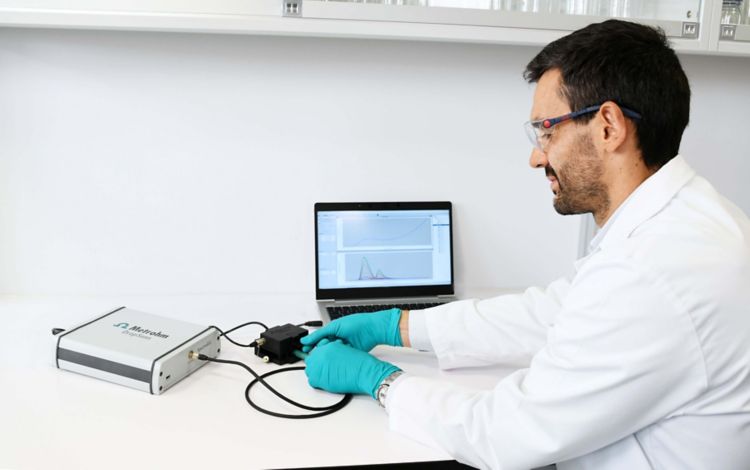
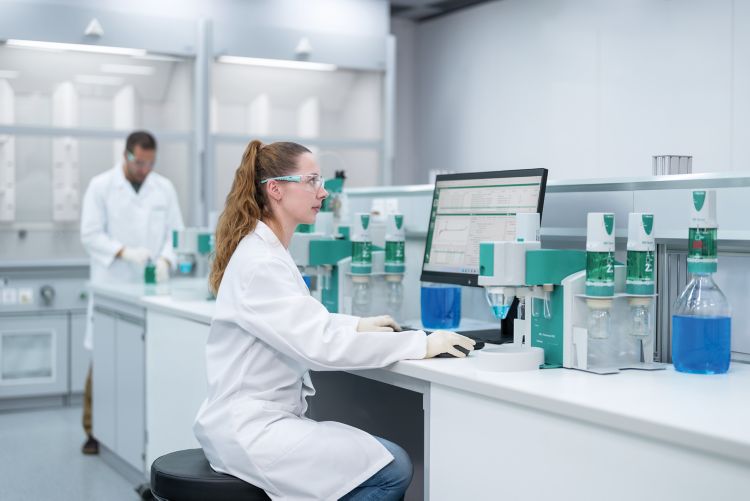
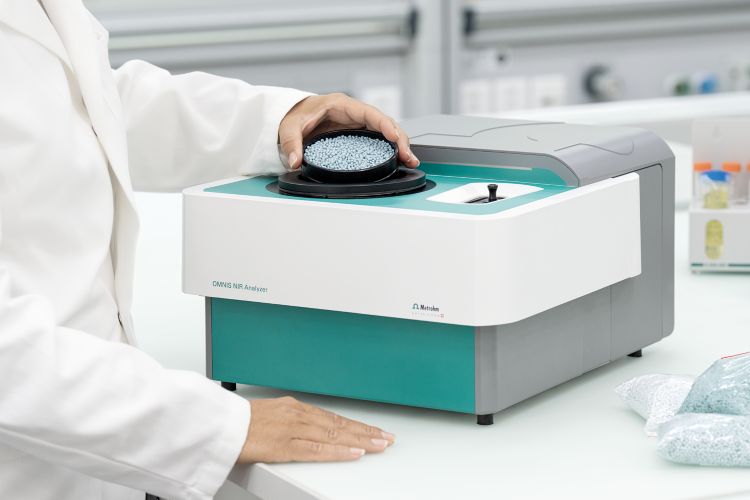
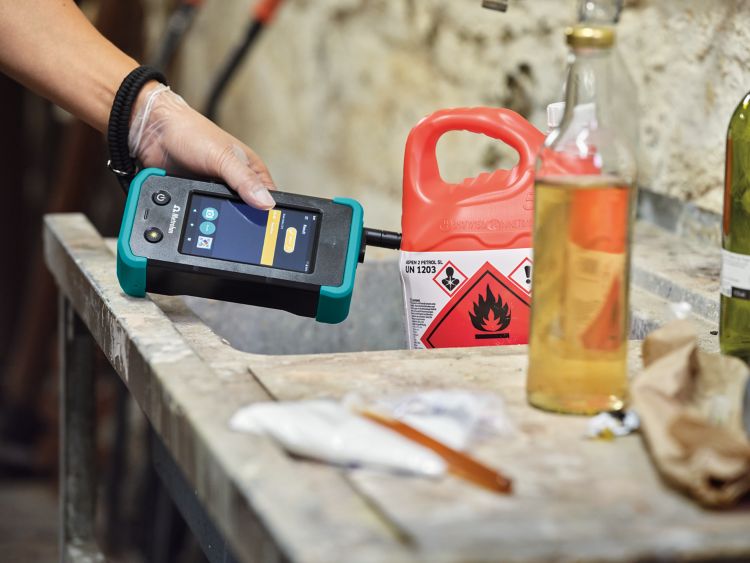
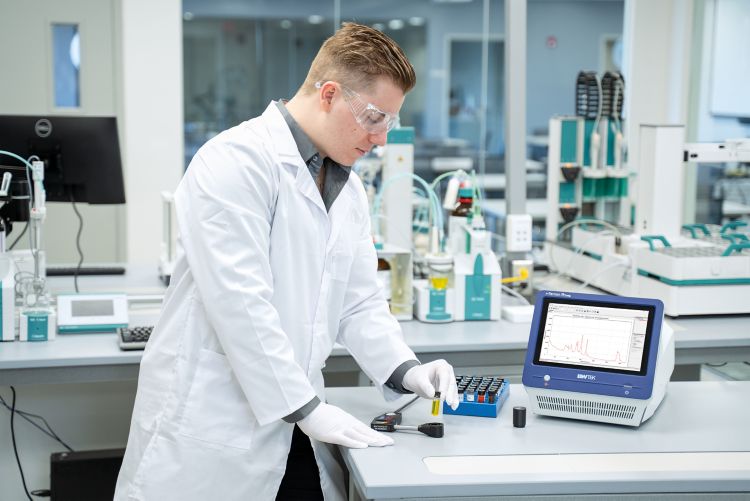
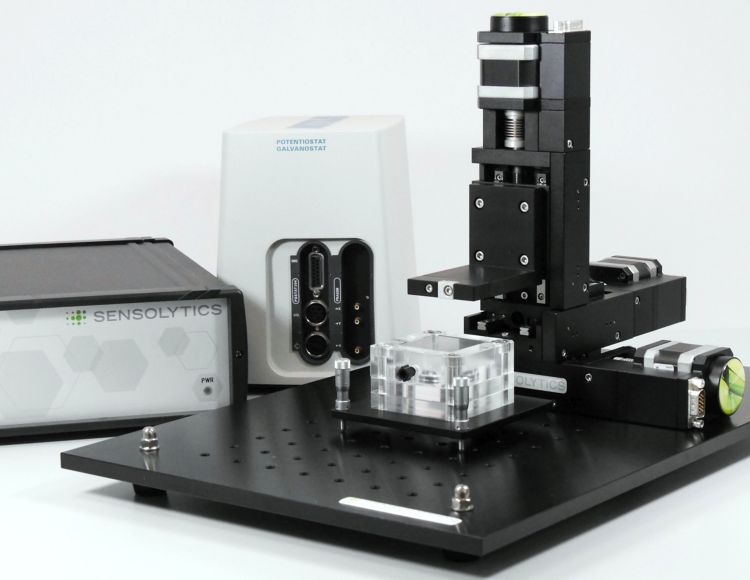

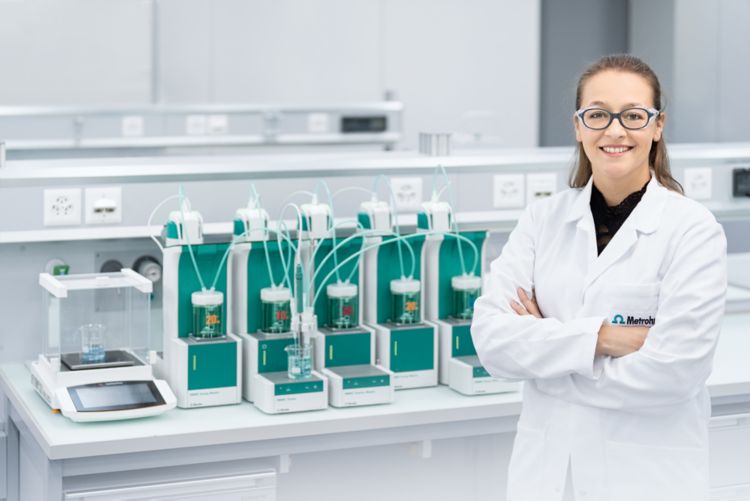

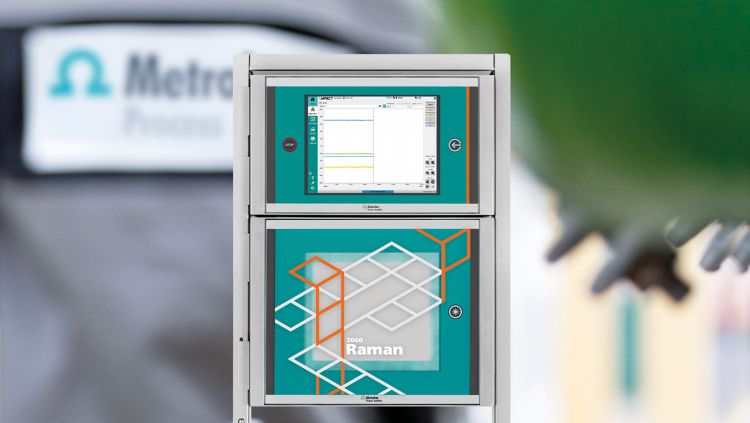

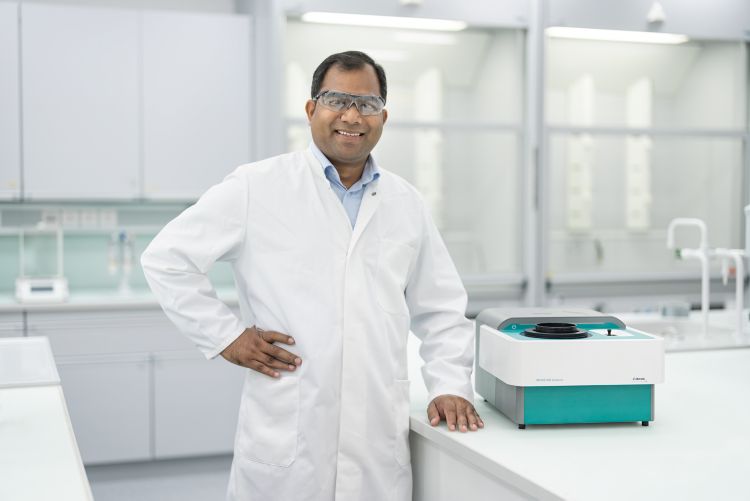
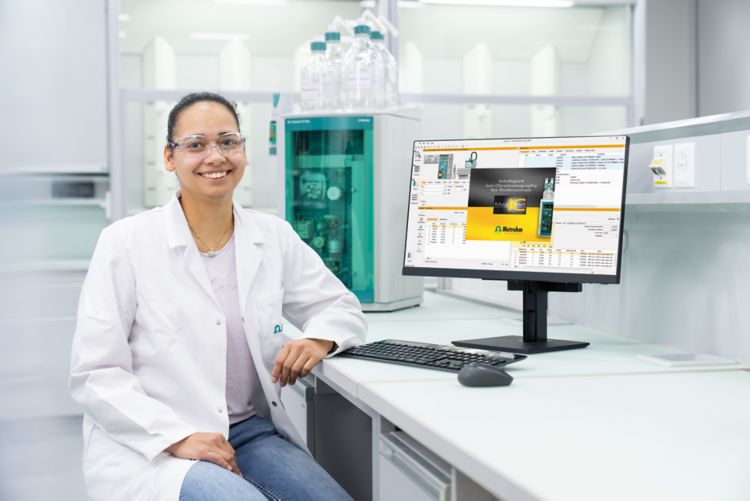
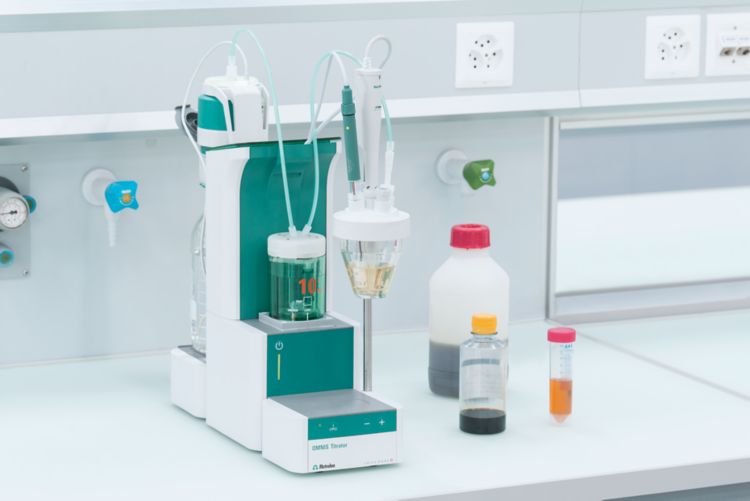
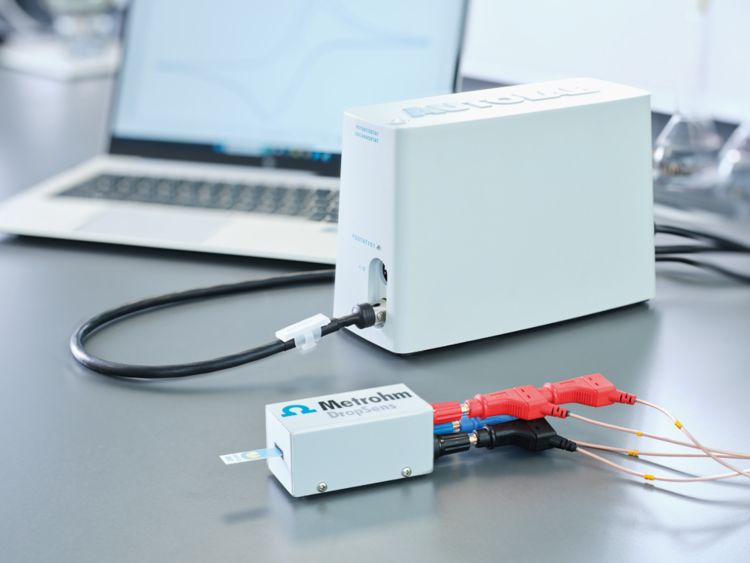
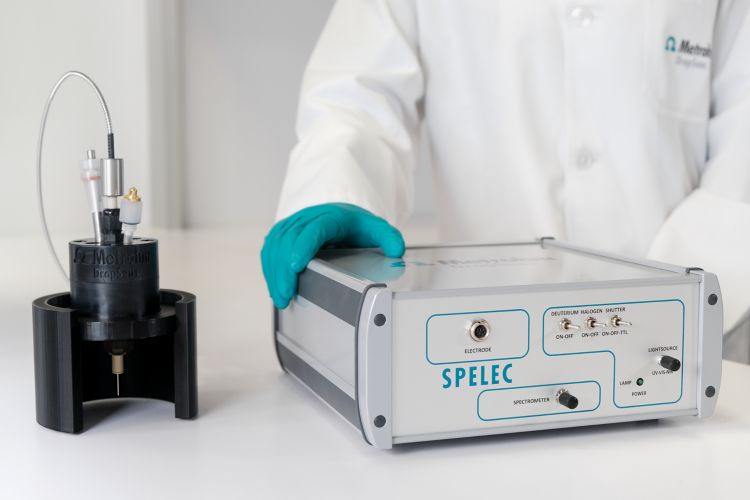
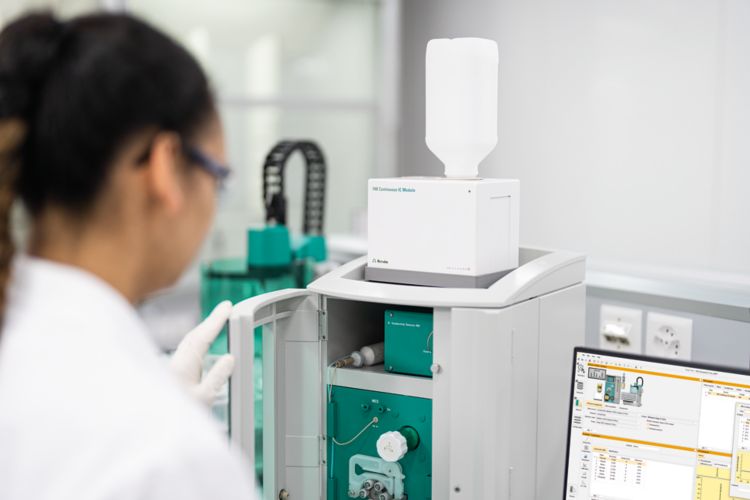
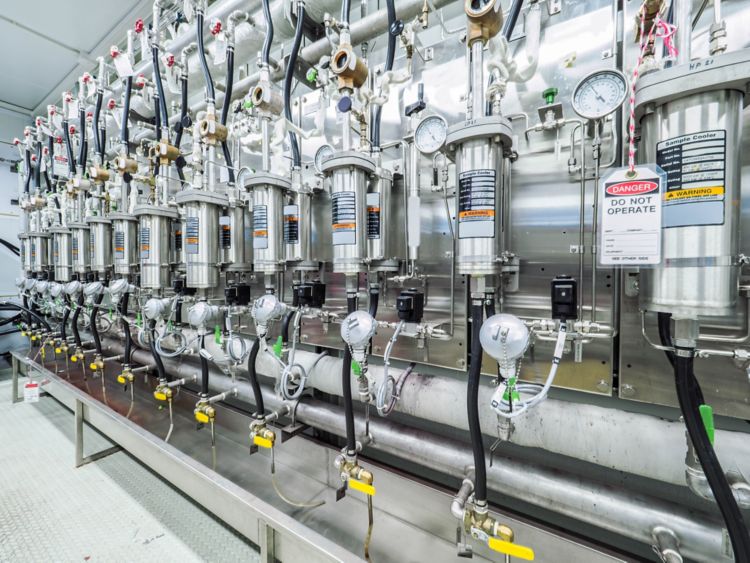
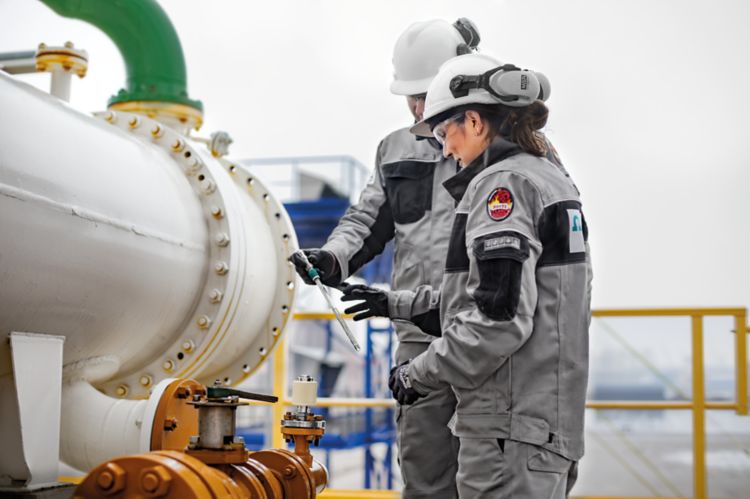
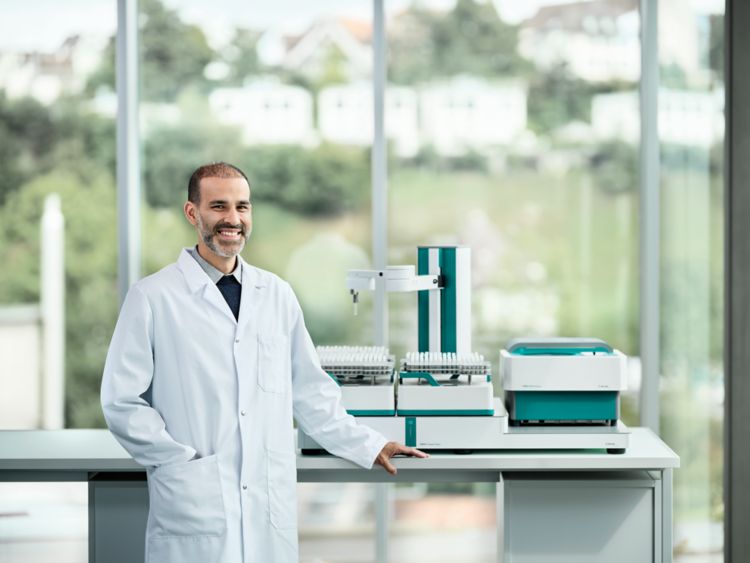
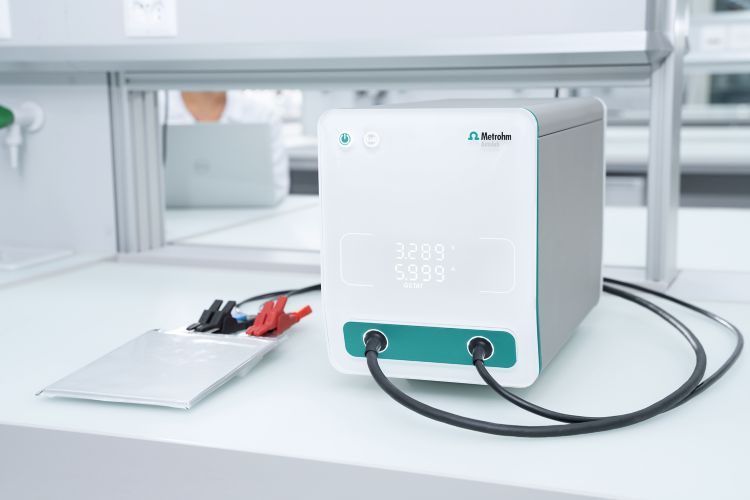


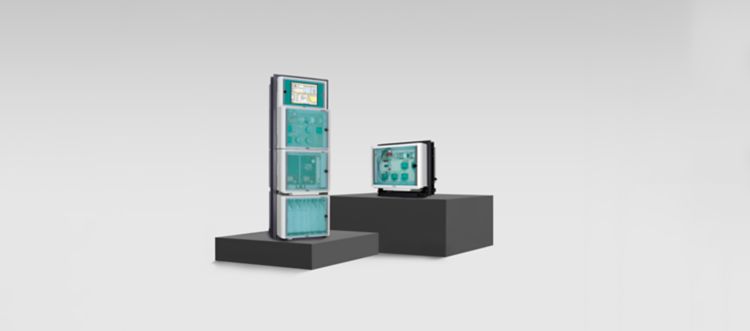
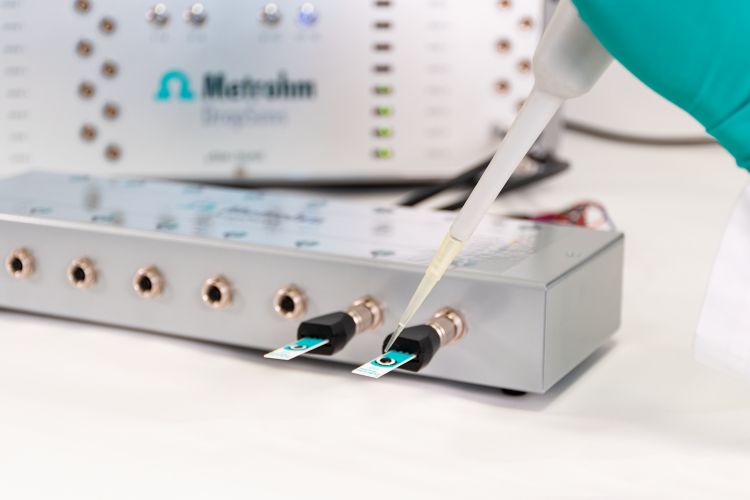
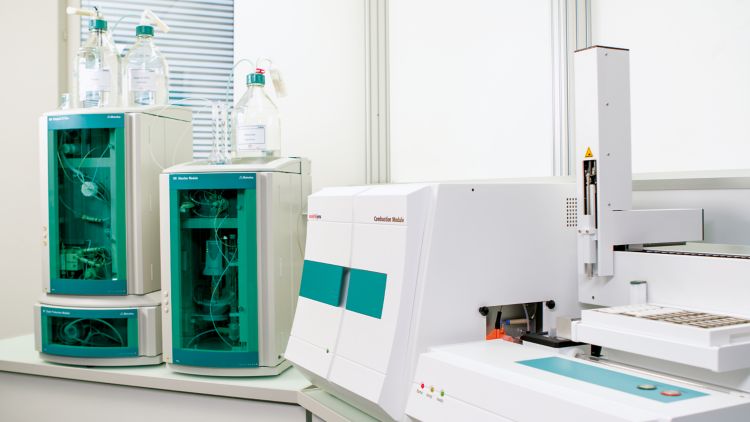

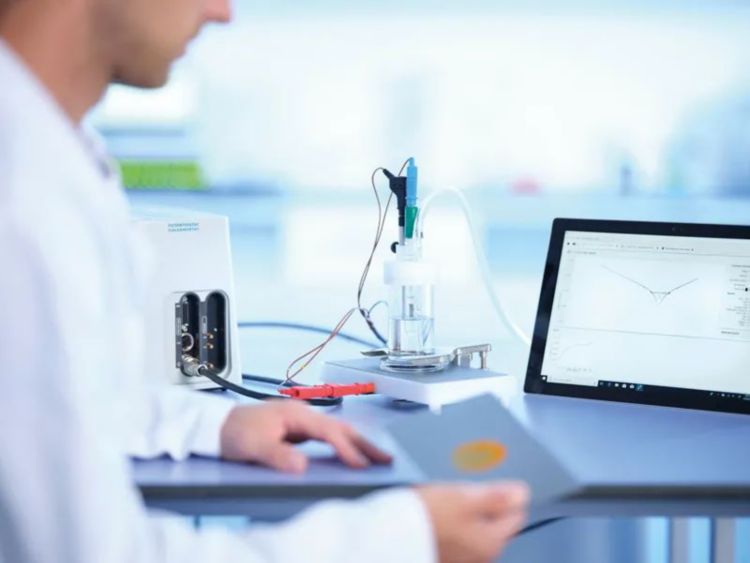


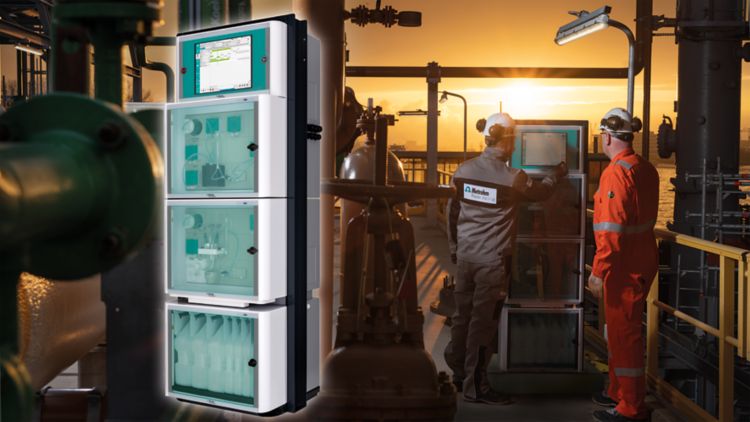

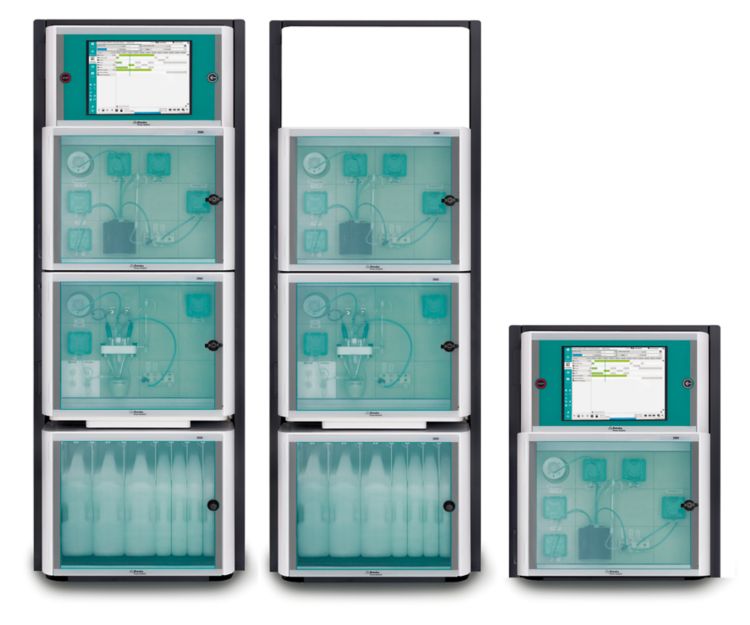

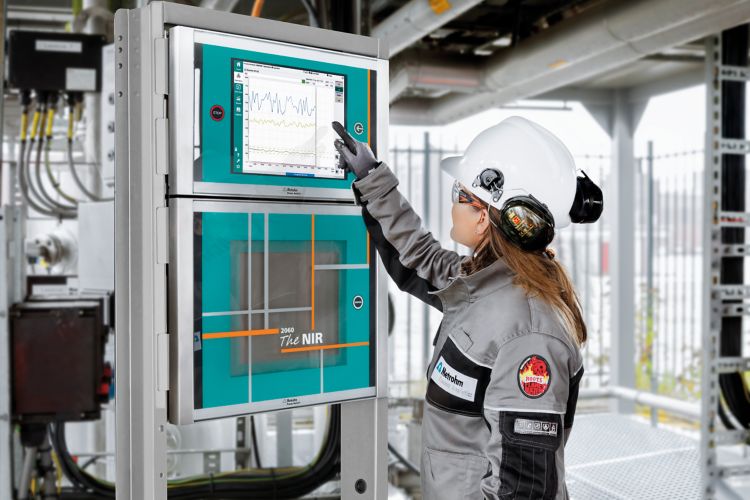
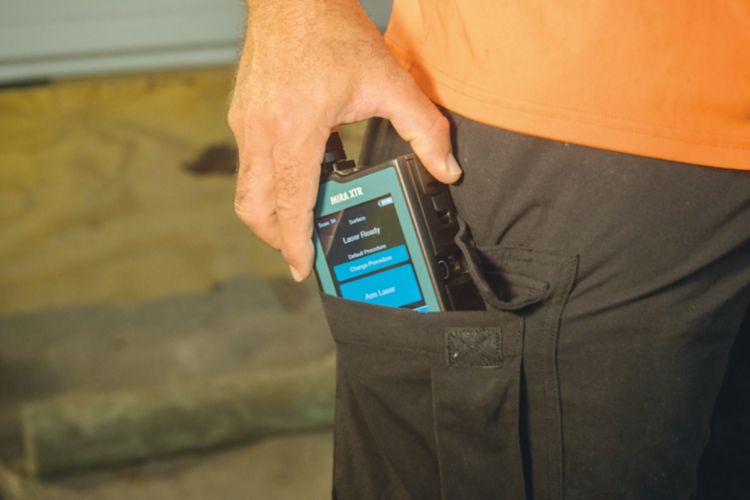


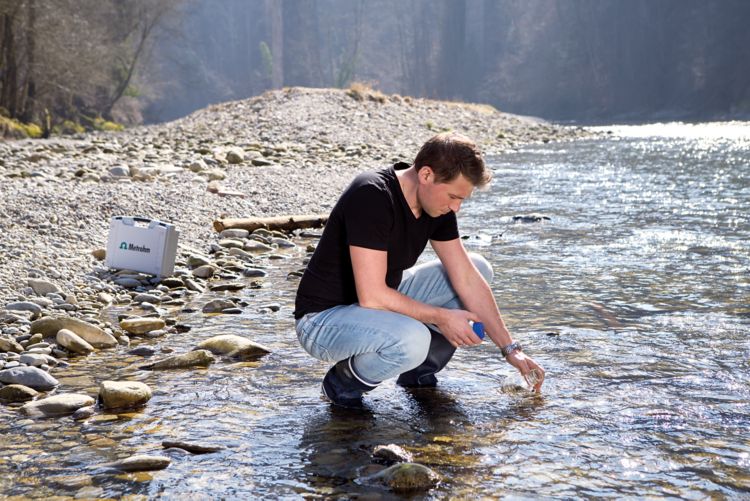
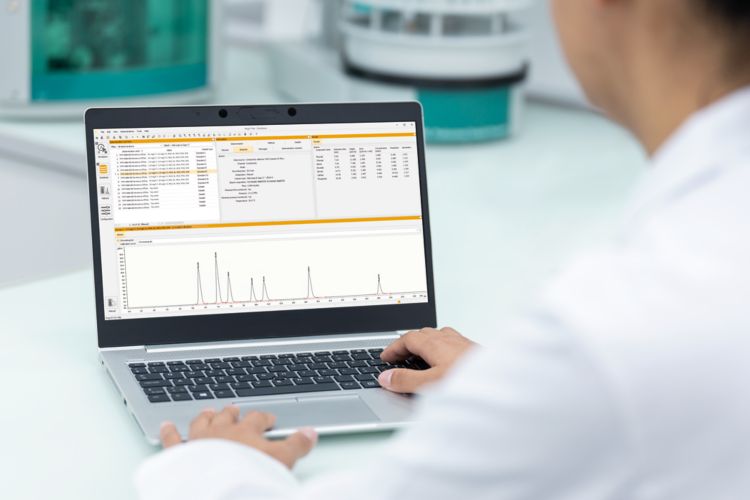
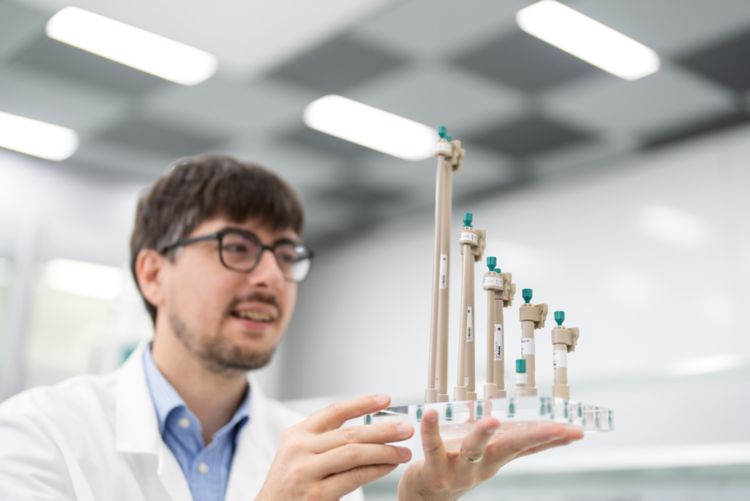


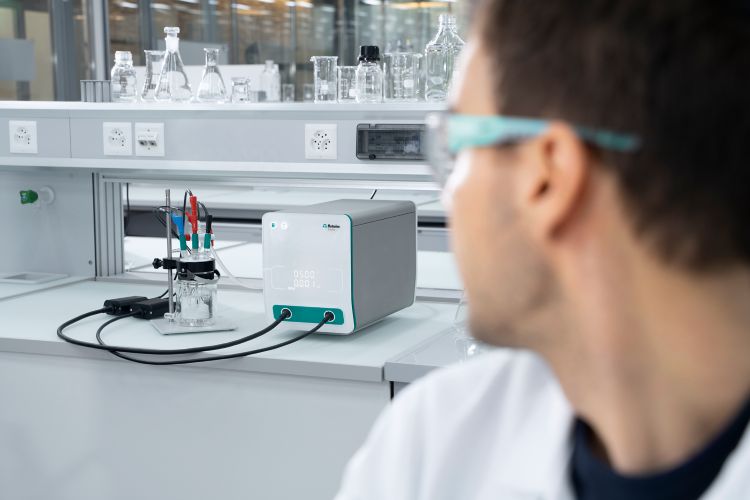

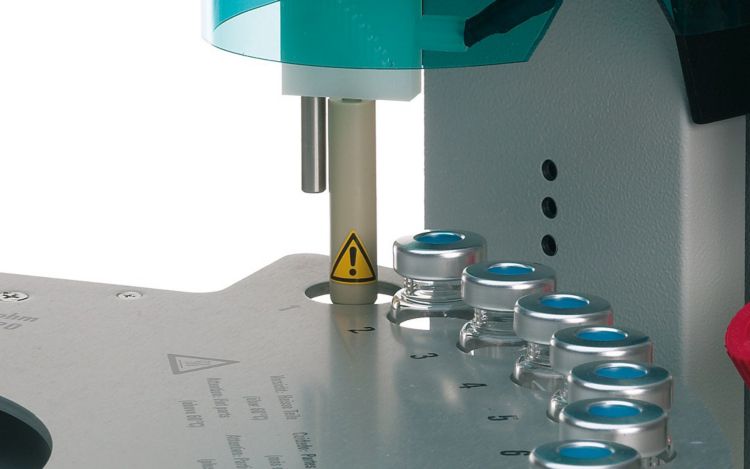
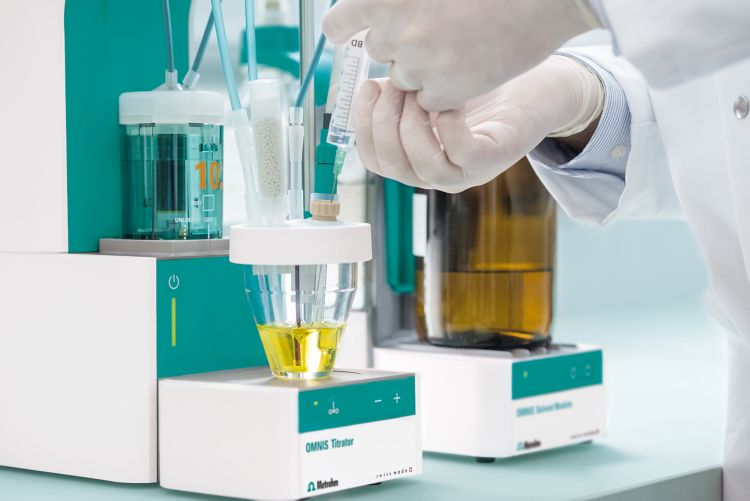
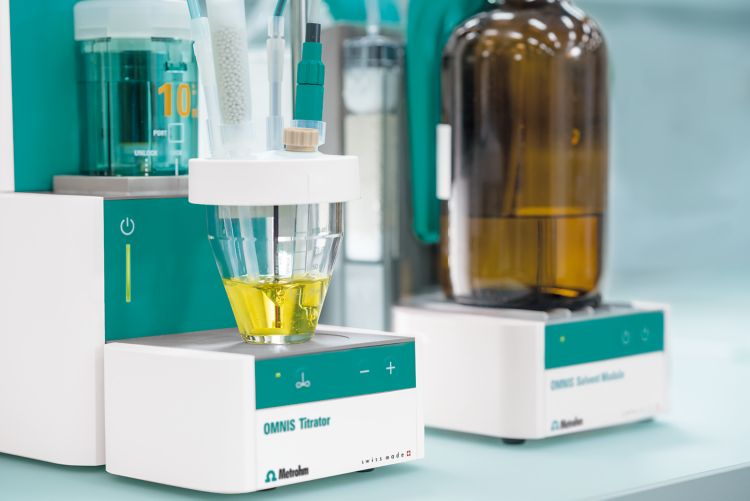
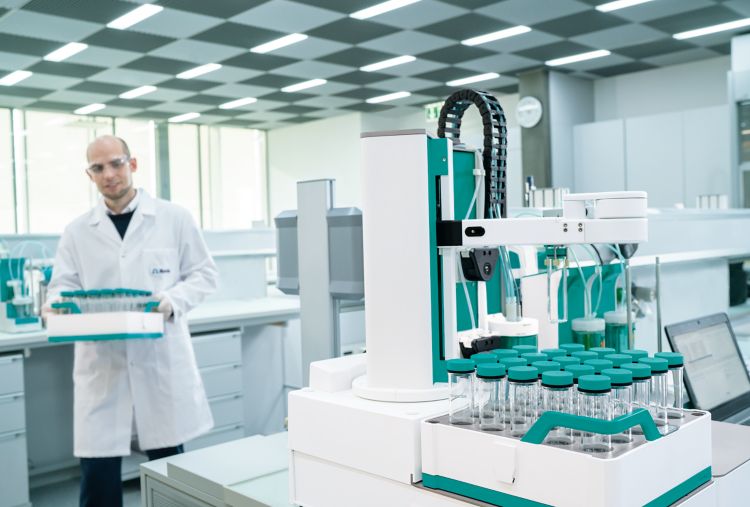
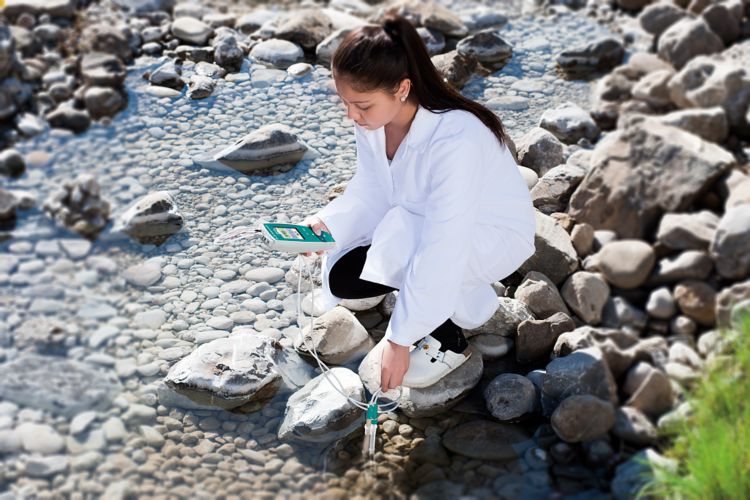
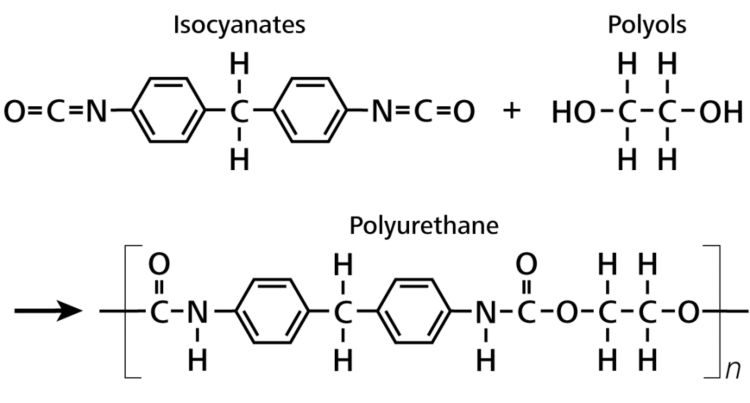




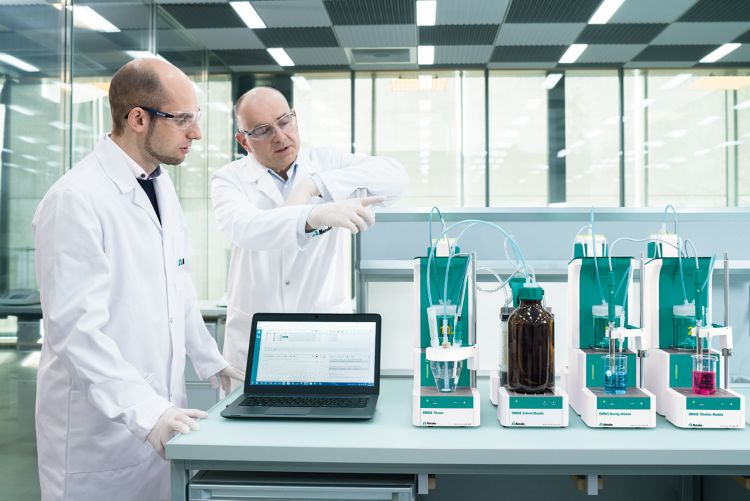
- 26 maj 2026Fast determination of acid and base number by thermometric titration
Acid number (AN) and base number (BN) determinations are essential for quality control of petroleum products, with thermometric titration (TET) providing a fast, maintenance-free alternative to conventional methods. TET quantifies endpoints from reaction enthalpy (ΔH), detecting inflection points in the temperature profile as analyte is consumed. This enables rapid, robust analysis of nonaqueous and otherwise challenging samples.
- 26 maj 2026Thermometric titration – the missing piece of the puzzle
Thermometric titration (TET) is a fast, versatile method based on enthalpy change. Learn more about how it works and its advantages in this blog article. Application examples are also presented.
- 26 maj 2026Multiparameter analysis in fertilizers by thermometric titration
Fertilizer composition must be accurately characterized to quantify key nutrients for optimal crop growth and regulatory compliance requirements. Thermometric titration provides a rapid, cost-effective alternative to conventional gravimetric or ICP‑OES methods, which require extensive sample preparation and/or costly instrumentation. Thermometric titration (TET) enables multiparameter determination in fertilizers without time‑consuming steps or sensor maintenance.
- 11 maj 2026How to transfer manual titration to autotitration
There are many considerations when transferring from manual titration to autotitration. This blog article discusses how to choose a titrator and sensor, the titration setup, and even method optimization.
- 23 mar 2026How the updated GMP regulations and EU Cyber Resilience Act will affect laboratories
Discover how the updated GMP regulations and the EU Cyber Resilience Act (CRA) will impact laboratories. Learn what changes are coming, how to prepare your equipment and software, and how Metrohm supports labs in staying compliant.
- 4 cze 2025Znaczenie roli eluentu w chromatografii jonowej
W artykule tym omówiono znaczenie wyboru i przygotowania eluentu, podkreślając kluczowe kwestie zapewniające wiarygodne i rzetelne pomiary chromatografii jonowej.
- 12 maj 2025Understanding linear sweep voltammetry and cyclic voltammetry
This blog post explains the principles, key parameters, and applications of two popular electrochemical techniques: linear sweep voltammetry and cyclic voltammetry.
- 28 kwi 2025Basics of spectroelectrochemistry
Spectroelectrochemistry (SEC) combines electrochemistry and spectroscopy to simultaneously record optical and electrochemical signals. This article defines SEC and highlights its advantages.
- 31 mar 2025How does X-ray fluorescence work?
X-ray fluorescence (XRF) is a nondestructive technique for identifying and quantifying elements in solids, liquids, and powders. Learn about XRF and how it works in this blog article.
- 24 lut 2025Continuous air quality monitoring for harmful particulate matter and aerosols
Continuously monitoring ambient air quality is simple with the Metrohm AeRosol Sampler (MARS) and the 2060 Monitor for AeRosols and Gases in ambient Air (MARGA).
- 20 sty 2025Miareczkowania potencjometryczne: istotna technika w analizie farmaceutycznej
Miareczkowanie potencjometryczne zostało zaakceptowane jako metoda testowa i opisane w wielu farmakopeach ze względu na łatwość wykonania i dokładność, jak na przykład w Rozdziale ogólnym <541> Farmakopei Stanów Zjednoczonych-Narodowego Formularza (USP-NF). Istotnym czynnikiem jest wybór elektrody do miareczkowania w analizach farmaceutycznych.
- 16 gru 2024Wprowadzenie do cyklicznej woltamperometrii strippingowej (CVS)
W artykule omówiono cykliczną woltamperometrię strippingową (CVS) jako metodę monitorowania dodatków organicznych w kąpielach galwanicznych Cu, mającą kluczowe znaczenie dla uzyskania optymalnego osadzania.
- 18 lis 2024Chromatografia jonowa dla przemysłu farmaceutycznego
Przedstawiono zasady chromatografii jonowej, a następnie niektóre zastosowania i korzyści wynikające ze stosowania chromatografii jonowej w analizie farmaceutycznej zgodnie z rozdziałem ogólnym USP <1065>.
- 7 paź 2024Dlaczego warto kontrolować temperaturę podczas analizy NIRS?
Wahania temperatury wpływają na wyniki NIRS w tempie ponad 1% na każdy stopień zmiany. Monitorowanie temperatury próbki, zwłaszcza cieczy, jest szczególnie istotne.
- 23 wrz 2024Kontrola jakości materiałów katodowych
W artykule tym omówiono kilka kluczowych parametrów mających decydujące znaczenie dla jakości produkcji katod akumulatorów litowo-jonowych i ich efektywnego recyklingu, a także metody ich analizy.
- 9 wrz 2024Analiza procesowa online w spalaniu odpadów
Zakłady spalania odpadów wytwarzają energię i zmniejszają objętość składowisk odpadów. Analizatory procesów online mogą dostarczać danych monitorujących pracę zakładu w czasie rzeczywistym.
- 26 sie 2024Spektroskopia Ramana: łatwy sposób analizy polimerów
W artykule opisano wszechstronność spektroskopii Ramana w identyfikacji, klasyfikacji i kontroli jakości różnych tworzyw sztucznych i polimerów.
- 12 sie 2024Optymalizacja wydajności laboratorium dzięki MiPT do precyzyjnego podawania próbek
Inteligentna technika nastrzyku na pętlę (MiPT - Metrohm intelligent Partial-Loop Injection Technique ) firmy Metrohm umożliwia pracę na zmiennych objętościach próbek i zwiększa precyzję dzięki automatycznej obsłudze za pomocą Dosino.
- 29 lip 2024Analiza oleju spożywczego: przewodnik dla początkujących
Dowiedz się, czym są oleje jadalne, jak powstają, jak badać ich jakość różnymi technikami analitycznymi oraz o najważniejsze parametry analityczne.
- 15 lip 2024Jak uniknąć błędów miareczkowania w laboratorium?
W tym wpisie na blogu omówiono typowe błędy losowe i systematyczne występujące podczas miareczkowania, oferując wskazówki dotyczące identyfikowania i minimalizowania tych problemów oraz zwiększania dokładności eksperymentu.
- 1 lip 2024System Dosino zwiększa wydajność rutynowych analiz CVS
W tym artykule omówiono wykorzystanie Dosino do zautomatyzowanej obsługi próbek w zastosowaniach cyklicznej woltamperometrii strippingowej (CVS) w celu usprawnienia analizy płytek PCB i półprzewodników.
- 17 cze 2024Jak skalibrować miernik pH
Dowiedz się, jak skalibrować pehametr i uzyskaj odpowiedzi na inne częste pytania dotyczące kalibracji pH.
- 3 cze 2024Konserwacja dzieł sztuki z wykorzystaniem elektrochemii
Metody nieniszczące, takie jak elektrochemia, pomagają w analizie i konserwacji artefaktów. Na tym blogu przedstawiono trzy przykłady elektrochemii w konserwacji dzieł sztuki.
- 20 maj 2024Zautomatyzowana obsługa próbek ciekłych: Klucz do dokładnych i powtarzalnych wyników
Precyzyjna analiza cieczy ma kluczowe znaczenie w laboratoriach. Automatyzacja zmniejsza liczbę błędów, zapewniając precyzyjne wyniki. Dowiedz się więcej o zaletach zautomatyzowanej obsługi próbek ciekłych na naszym blogu.
- 6 maj 2024Zwiększenie precyzji i wydajności chromatografii jonowej dzięki zautomatyzowanemu procesowi rozcieńczania
W pełni zautomatyzowane systemy do chromatografii jonowej, takie jak Metrohm Inline Dilution Technique (MIDT), usprawniają przygotowanie próbek i zapewniają precyzyjne wyniki.
- 22 kwi 2024Miareczkowanie - definicja i zasady działania
Titration is one of the oldest and well-established analytical methods. This blog covers the titration principle, its process, and presents different titration types.
- 8 kwi 2024Udoskonalone wykrywanie fentanylu przy użyciu spektroelektrochemii Ramana
Szybkie i niezawodne metody wykrywania narkotyków mają kluczowe znaczenie w badaniach kryminalistycznych. W tym artykule omówiono wykrywanie fentanylu za pomocą spektroelektrochemii Ramana.
- 1 kwi 2024Laboratorium przyszłości: Zautomatyzowana, zrobotyzowana analiza produktów naftowych
Kompletnie zautomatyzowana analiza całkowitej liczby kwasowej i całkowitej liczby zasadowej w produktach petrochemicznych jest możliwa przy użyciu zrobotyzowanego systemu miareczkowania z oprogramowaniem OMNIS.
- 25 mar 2024Point-of-Care z Ramanem: Wykrywanie raka, infekcje i nie tylko
Spektroskopia Ramana poszerza się o nowe obszary medyczne: wykrywanie raka, biomarkerów i patogenów. Ten blog przedstawia ekscytujące badania obejmujące aplikacje Point-of-Care.
- 11 mar 2024EIS wysokiej częstotliwości: potężne narzędzie przyszłej mobilności
Charakterystyka elektrochemiczna akumulatorów półprzewodnikowych może być trudna. Stosowanie elektrochemicznej spektroskopii impedancyjnej (EIS) przy wysokich częstotliwościach pomaga uchwycić szybkie procesy.
- 26 lut 2024Certyfikowanie i gwarancja wysokiej jakości oraz zgodności w środowiskach podlegających przepisom prawnym
Wyposażenie Metrohm, które zostało objęte certyfikatem AOAC dotyczącym kwalifikacji instalacji i operacyjności (Q2), przynosi poczucie pewności, ułatwiając jednocześnie spełnianie wymogów regulacyjnych.
- 12 lut 2024Miareczkowanie konduktometryczne działa tam, gdzie inne metody mają trudności
Miareczkowanie konduktometryczne opiera się na zmianie przewodnictwa podczas dodawania titranta. Omówiono tu zasady, zalety i przykłady miareczkowania konduktometrycznego.
- 29 sty 2024Analiza laboratoryjna a analiza procesowa: kluczowe czynniki podejmowania świadomych decyzji
Podczas wyboru pomiędzy zakupem przyrządu laboratoryjnego a analizatora procesowego należy wziąć pod uwagę kilka czynników. W wielu sytuacjach jedno rozwiązanie jest wyraźnie lepsze od drugiego. W tym artykule omówiono pięć głównych zagadnień, które należy rozważyć przed podjęciem decyzji: identyfikowalność i komunikacja danych, częstotliwość analiz, bezpieczeństwo, lokalizacja i wdrożenie.
- 15 sty 2024Kontrola jakości masy celulozowej i papieru oraz testy przesiewowe za pomocą spektroskopii NIR
Produkty papierowe są wytwarzane głównie z poddanych obróbce włókien drzewnych przetwarzanych w celulozowniach i papierniach. Wiąże się to ze znacznym zużyciem środków chemicznych i energii. Zapewnienie kontroli jakości w całym łańcuchu produkcyjnym, od drewna po końcowy produkt papierowy, ma kluczowe znaczenie. W tym artykule na blogu pokazano, jak spektroskopia w bliskiej podczerwieni (NIRS) skutecznie monitoruje jednocześnie wiele kluczowych parametrów kontroli jakości podczas produkcji masy celulozowej i papieru.
- 8 sty 2024NIR a IR: Jaka jest różnica?
Spektroskopia w bliskiej podczerwieni i w podczerwieni wykorzystuje różne zakresy widma światła, co skutkuje różnicą w wymaganej wielkości próbki, penetracji światła do próbki i informacjach spektralnych. Dowiedz się, dlaczego spektroskopia NIR ma wiele zalet w porównaniu z podczerwienią pod względem szybkości i wszechstronności.
- 8 sty 2024Co to jest spektroskopia NIR?
Spektroskopia w bliskiej podczerwieni to uznana technika analityczna służąca do określania parametrów chemicznych i fizycznych próbek stałych i płynnych.
- 8 sty 2024Jak wdrożyć spektroskopię NIR w pracy laboratoryjnej
Kroki potrzebne do wdrożenia spektroskopii w bliskiej podczerwieni w Twoim laboratorium: utworzenie zestawu kalibracyjnego, utworzenie i weryfikacja modeli predykcyjnych oraz rutynowa analiza.
- 8 sty 2024Wstępna kalibracja spektroskopii NIR: Natychmiastowe wyniki
Kalibracje wstępne to modele predykcyjne, które można natychmiast zastosować do analizy NIR i od samego początku zapewniają zadowalające wyniki. Wystarczy nacisnąć jeden przycisk i rozpocząć pomiar.
- 11 gru 2023Miareczkowanie Karla Fischera: wolumetria czy kulometria?
W tym artykule na blogu wyjaśniono najważniejsze czynniki, które należy wziąć pod uwagę przy wyborze optymalnej techniki miareczkowania Karla Fischera: kulometria lub wolumetria. Miareczkowanie kulometryczne Karla Fischera (KFC) jest powszechnie stosowane w przypadku próbek o niskiej zawartości wilgoci w zakresie od 0,001% do 1%. Wolumetryczne miareczkowanie Karla Fischera (KFT) stosuje się w przypadku próbek o wyższym poziomie wilgoci w zakresie od 0,1% do 100%.
- 27 lis 2023Kontrola jakości i kontrola produktu atramentu i farby za pomocą NIRS
Atrament i farba są częścią codziennego życia. Kontrola jakości i kontrola tuszu i farby są ważne w całym procesie produkcyjnym, a także w przypadku produktów końcowych. Producenci mogą zaoszczędzić czas i pieniądze, korzystając ze spektroskopii w bliskiej podczerwieni (NIRS) do sprawdzania wielu parametrów jakościowych surowców oraz gotowych produktów atramentowych i malarskich. NIRS to przyjazna dla środowiska, opłacalna i łatwa w użyciu technika analityczna.
- 13 lis 2023Baterie półprzewodnikowe: obiecująca, rozwijająca się technologia!
Baterie półprzewodnikowe (SSB) mogą zrewolucjonizować magazynowanie energii. Są bezpieczniejsze niż tradycyjne akumulatory litowo-jonowe, charakteryzują się dużą gęstością energii, dłuższą żywotnością i możliwością szybkiego ładowania. W artykule omówiono ogólne różnice między akumulatorami SSB i akumulatorami litowo-jonowymi, wyzwania, które należy pokonać w przypadku komercyjnej produkcji dysków SSB, a także zastosowanie elektrochemicznej spektroskopii impedancyjnej (EIS) do testowania różnych parametrów akumulatorów.
- 30 paź 2023Termiczna kolejka górska: odkrywanie zależności temperaturowej w oznaczeniach CVS
Precyzja w produkcji płytek PCB wymaga dokładnej kontroli dodatków organicznych podczas powlekania miedzią. Do ilościowego określenia tych dodatków stosuje się cykliczne odpędzanie woltamperometryczne (CVS), ale różnice temperatur wpływają na dokładność wyników. W artykule omówiono metodę oceny dodatków organicznych w kąpielach do miedziowania oraz zbadano wpływ temperatury na pomiary CVS.
- 16 paź 2023Stosowanie metod zatwierdzonych przez USP w celu sprawdzenia równoważności kolumn separacyjnych
Modernizacja Monografii USP pozwala obecnie na szerszy wybór kolumn separacyjnych do analiz farmaceutycznych z wykorzystaniem chromatografii jonowej (IC). Badania równoważności kolumn umożliwiają stosowanie alternatywnych kolumn analitycznych bez konieczności stosowania skomplikowanych procedur walidacji metod. Przynosi to korzyści badaczom branży farmaceutycznej, oszczędzając czas i wysiłek, zachowując jednocześnie dokładność i wiarygodność wyników analitycznych zgodnie z zatwierdzonymi metodami.
- 2 paź 2023Testy przesiewowe i kontrola jakości oleju palmowego metodą spektroskopii NIR
Spektroskopia w bliskiej podczerwieni (NIRS) doskonale nadaje się do analizy kilku kluczowych parametrów jakości surowego oleju palmowego (CPO), surowego oleju z ziaren palmowych (CPKO) oraz rafinowanego, bielonego i dezodoryzowanego (RBD) oleju palmowego. Tylko jeden przyrząd NIRS może mierzyć wiele parametrów kontroli jakości, w tym zawartość wody (wilgotności), wolnych kwasów tłuszczowych (FFA), liczbę jodową (IV) i pogorszenie wskaźnika bielenia (DOBI) w ułamku czasu w porównaniu z innymi technikami analitycznymi.
- 4 wrz 2023Usprawnij kontrolę materiałów w branżach podlegających regulacjom dzięki nowej bibliotece spektralnej Raman USP
Spektrometry Ramana Metrohm i kompleksowa biblioteka Comprehensive USP Raman Library wspierają regulowane branże, takie jak produkcja farmaceutyczna: usprawnij kontrolę dostaw, zmniejsz zasoby kontrolne, szybciej wprowadzaj produkt końcowy na rynek.
- 21 sie 2023W jaki sposób nanomateriały na bazie irydu przyczyniają się do bardziej ekologicznej przyszłości?
Łagodzenie zmian klimatu ma zasadnicze znaczenie ze względu na poważne skutki nadmiernej emisji CO2. Sektor transportu, w dużej mierze zależy od paliw kopalnych, przyczynił się do 37% całkowitej emisji dwutlenku węgla w 2021 r. Podczas gdy samochody elektryczne stały się bardziej popularne, inne rozwiązania, takie jak pojazdy napędzane wodorem, wzbudzają coraz większe zainteresowanie Elektrochemiczne rozszczepianie wody za pomocą elektrolizerów z membraną wykonaną z elektrolitu polimerowego (PEM) jest proponowane do produkcji zielonego wodoru, gdzie wykorzystywane są obiecujące katalizatory na bazie irydu Badania te koncentrują się na materiałach bazujących na tlenku irydu w celu zwiększenia trwałości i przewodności zbliżonej do metalu w produkcji wodoru.
- 7 sie 2023Czy umowa serwisowa jest ważna?
Zaniedbane oprzyrządowanie analityczne może stać się zawodne i popaść w ruinę. Niezgodność z wymogami regulacyjnymi również stanowi problem w takich sytuacjach. Jednak regularna konserwacja zapobiegawcza w ramach umowy serwisowej może pomóc uniknąć takich sytuacji. Umowy serwisowe Metrohm zapewniają spokój dzięki różnym planom konserwacji dostosowanym do każdego budżetu.
- 24 lip 2023Świat surfaktantów z perspektywy miareczkowania
Dokładne określenie zawartości środka powierzchniowo czynnego w próbkach za pomocą miareczkowania potencjometrycznego może być trudne i wymagać rozważenia wielu czynników. Jednak dzięki doborowi odpowiedniego pH, zastosowaniu odpowiedniej elektrody oraz zastosowaniu pomocnych wskazówek i trików metoda miareczkowania staje się niezawodnym i precyzyjnym sposobem oznaczania zawartości surfaktantu.
- 26 cze 2023Często zadawane pytania (FAQ) dotyczące spektroskopii Ramana: Zastosowania
Spektroskopia ramanowska jest wszechobecnym narzędziem, które może być wykorzystywane do wielu różnych celów. Ten artykuł na blogu zawiera odpowiedzi na często zadawane pytania dotyczące zastosowań spektroskopii ramanowskiej do różnych oznaczeń.
- 12 cze 2023Przyszłością produkcji amoniaku jest elektrochemia
Amoniak jest najpopularniejszym i najczęściej stosowanym nawozem azotowym. Jest również stosowany jako bezpieczniejszy nośnik wodoru w dużych ilościach. Tradycyjna produkcja amoniaku wykorzystuje paliwa kopalne jako źródło wodoru potrzebnego do reakcji. Nazywany potocznie „zielonym amoniakiem”, elektrochemicznie syntetyzowany amoniak z wykorzystaniem energii elektrycznej ze źródeł odnawialnych jest interesującą, zeroemisyjną alternatywą.
- 29 maj 2023Przetwarzanie emitowanego układu węgla na źródła chemicznych metodami elektrochemicznymi
Wielu badaczy używa się na zastosowaniach elektrochemicznych, w tym jak elektrokataliza, magazynowanie energii i konwersja energii, ze względu na działania związane ze zmianami parametrów. Wspólnym wątkiem, który łączy, jest oprzyrządowanie elektrochemiczne potrzebne do ich pracy. Metrohm produkt wysokiej jakości sprzęt do takich pionierskich badań. W jednej wysokiej klasy potencjostat VIONIC zasilany przez INTELLO jest dostarczam instrumentem dla badań badawczych w tym obszarze badawczym ze względu na jego wyjątkowe specyfikacje.
- 15 maj 2023Sterowanie procesem kąpieli do niklowania bezprądowego za pomocą czujników bezrtęciowych
Procesy bezprądowego powlekania niklem (EN) wykorzystują różne stabilizatory, takie jak Pb, Bi i Sb(III), aby kontrolować szybkość powlekania i zapobiegać niekontrolowanemu rozkładowi kąpieli. Ponieważ stężenie stabilizatora musi być utrzymywane na stałym poziomie, monitorowanie stężenia stabilizatora jest zatem niezbędne dla optymalnego procesu powlekania. Jednym z najlepszych sposobów na to jest zastosowanie analizy woltamperometrycznej (VA).
- 17 kwi 2023Łatwa kontrola jakości detergentów i środków do dezynfekcji rąk za pomocą NIRS
W tym artykule na blogu wyjaśniono zastosowania detergentów i środków odkażających do rąk, a także sposób przeprowadzania kontroli jakości tych produktów za pomocą spektroskopii w bliskiej podczerwieni (NIRS).
- 3 kwi 2023Historia i analiza witaminy C (kwasu askorbinowego)
Ten artykuł omawia historię witaminy C (kwasu askorbinowego) i niektóre z różnych metod analitycznych stosowanych do oznaczania jej w różnych produktach (np. przez miareczkowanie, polarografię i chromatografię jonową).
- 20 mar 2023Budowa Smart(er) Factory poprzez wdrożenie rozwiązań Process Analytics 4.0
Wdrażając rozwiązania Przemysłu 4.0, producenci mogą zwiększyć swoją wydajność, produktywność i rentowność, zachowując jednocześnie konkurencyjność i poprawiając jakość obsługi klienta. Process Analytics 4.0 koncentruje się na ewolucji analityki procesowej. W tym artykule opisano, jak pomyślnie wdrożyć rozwiązanie Process Analytics 4.0, w tym wybrać odpowiedni PAT, zapewnić odpowiednie wstępne przygotowanie próbki i pozyskać wiarygodne dane.
- 6 mar 2023Ochrona systemów IC za pomocą technologii Metrohm Inline Ultrafiltration i Inline Dialisis
Skutecznym sposobem przygotowania próbek do analizy IC jest zastosowanie technik Metrohm Inline Sample Preparation (MISP) w celu zautomatyzowania procesu. Ultrafiltracja Inline (UF) lub Dializa Inline firmy Metrohm mogą być stosowane do ochrony systemu IC przed szkodliwymi składnikami matrycy, przy jednoczesnym ograniczeniu pracy ręcznej i zwiększeniu przepustowości próbek.
- 20 lut 2023Jak temperatura wpływa na wartość pH
Temperatura wpływa na pomiar pH na kilka sposobów. W tym artykule na blogu omówimy przyczyny i omówimy, jak radzić sobie z różnymi wpływami temperatury na pomiary pH.
- 6 lut 2023Monitorowanie zawartości przeciwutleniaczy w smarach przemysłowych za pomocą woltamperometrii
Testowanie eksploatowanych środków smarnych pod kątem pozostałej zawartości przeciwutleniaczy ma kluczowe znaczenie dla przedłużenia czasu pracy sprzętu kapitałowego, a także zmniejszenia kosztów eksploatacji i wydatków na naprawy. Woltamperometria (VA) to szybka i sprawdzona metoda badania pozostałej zawartości przeciwutleniaczy w przemysłowych smarach.
- 23 sty 2023MIRA i IBEX: Z laboratorium w nieznane
Zabezpieczenie niebezpiecznych witryn jest ostatecznym celem każdej dyrektywy dotyczącej eksploatacji wrażliwych witryn (SSE). Personel wojskowy, osoby udzielające pierwszej pomocy i specjaliści ds. materiałów niebezpiecznych muszą być przygotowani na znalezienie czegokolwiek podczas pracy i potrzebują narzędzi, które informują i chronią ich przed zagrożeniami w terenie. Metrohm ma najlepsze rozwiązanie — IBEX, czworonożny robot wyposażony w odstający spektrometr ramanowski (MIRA XTR DS) i zestaw czujników środowiskowych.
- 28 lis 2022Oszczędzaj czas i pieniądze dzięki rozwiązaniom Metrohm Inline Sample Preparation
Podczas stosowania chromatografii jonowej (IC) jako techniki analitycznej próbki często nie mogą być nastrzykiwane bezpośrednio na kolumnę rozdzielającą. Techniki Metrohm Inline Sample Preparation (MISP) oferują szerokie spektrum prostych, oszczędzających koszty i czas rozwiązań dla tego rodzaju sytuacji. Ten artykuł zawiera przegląd i kilka spostrzeżeń na temat technik MISP — naszych rozwiązań do automatycznego przygotowywania próbek inline z różnych matryc do analizy IC.
- 14 lis 2022How to utilize grounding modes in electrochemical experiments
The ability to ground different electrodes may offer electrochemists some advantages over the typical working electrode setup. For example, the grounded counter electrode can be used in non-conventional systems where the solutions or the working electrodes are not isolated electrically. The selectable floating feature of VIONIC gives users the flexibility to choose the ground state of the cell setup, offering even greater experimental possibilities.
- 31 paź 2022Raman spectroelectrochemistry from India to Spain: History and applications
One of the most interesting spectroelectrochemical techniques combines the fields of electrochemistry and Raman spectroscopy. Raman spectroelectrochemistry provides users with two different signals from the same experiment, acting as a powerful tool to collect even more knowledge about the analyzed system. Raman spectroelectrochemistry experiments are easily performed using SPELEC RAMAN, the only instrument on the market dedicated to performing such experiments.
- 17 paź 2022Analiza chlorowcowanych związków organicznych za pomocą CIC zgodnie z DIN 38409-59
Ten artykuł na blogu wyjaśnia, w jaki sposób per- i polifluorowane substancje alkilowe (PFAS) i inne chlorowcowane związki organiczne były stosowane w ciągu ostatnich kilku dekad, ich wpływ na nasze zdrowie i środowisko oraz jak monitorować i analizować te substancje za pomocą chromatografii jonowej ze spalaniem (CIC) zgodnie z nową normą DIN 38409-59.
- 3 paź 2022KJ i badania przesiewowe produktów do pielęgnacji włosów, skóry i zębów za pomocą NIRS.
W tym artykule pokazano, w jaki sposób wykorzystanie spektroskopii w bliskiej podczerwieni (NIRS) do kontroli jakości (QC) i badań przesiewowych produktów jest idealnym wyborem dla producentów preparatów do pielęgnacji włosów, skóry i zębów. Ta technika jest nie tylko szybka i nieniszcząca próbkę, ale także łatwa w użyciu i nie wymaga użycia dodatkowych odczynników chemciznych.
- 19 wrz 2022Frequently Asked Questions (FAQ) about Raman spectroscopy: Theory and usage
Raman spectroscopy is a non-destructive analytical technique based on the inelastic scattering of photons related to the different vibrational modes of molecules. This article covers some of the most frequently asked questions about Raman spectroscopy regarding the theory behind it and how it can be used in practice.
- 5 wrz 2022KJ i badania przesiewowe leczniczych konopi indyjskich za pomocą spektroskopii NIR
Spektroskopia bliskiej podczerwieni (NIRS) to szybka technika analityczna generująca niskie koszty eksploatacyjne. Stosowana jest do przeprowadzania kontroli jakości (QC) i badań przesiewowych różnych produktów konopnych, w tym konopi indyjskich. Spektroskopia NIR może określać profil kannabinoidowy, a nawet siłę działania suszonych kwiatów konopi indyjskich, a także olejków CBD, wosków, nalewek i innych preparatów konopnych.
- 22 sie 2022Electrochemistry in laminar and turbulent flow conditions using rotating electrodes
Electrochemical studies requiring hydrodynamic conditions can be performed with rotating working electrodes to create forced convection in the measurement cell. Both laminar flow and turbulent flow conditions are able to be created in laboratory settings in order for researchers to perform different studies.
- 8 sie 2022Near-infrared spectroscopy (NIRS): The perfect solution to monitor purity of recovered solvents
Monitoring solvent purity can be done quick and safely without any sample preparation using near-infrared spectroscopy (NIRS). Within one minute NIRS can determine the quality of recovered solvents.
- 25 lip 2022Transform your routine electrochemical research – Go Multi!
A new multichannel instrument for electrochemical analysis makes multitasking possible for laboratories – μStat-i MultiX from Metrohm DropSens. Perform analyses automatically, run multiple experiments simultaneously, and control individual channels independently.
- 11 lip 2022Coping with the daily challenges of routine water analysis
Automatyzacja jest kluczem do poradzenia sobie z dużą ilością analizowanych próbek wody. Przedstawiono konfigurację, za pomocą której można analizować wiele parametrów, takich jak pH, zasadowość i twardość wody, na jednej stacji roboczej.
- 27 cze 2022NIR spectroscopy in the personal care and cosmetics industry: The ideal tool for QC and product screening – Part 1
Near-infrared spectroscopy in the personal care and cosmetic industry: basics, benefits, and applications.
- 13 cze 2022Automatyzacja poza laboratorium – integracja wysoko precyzyjnych laboratoryjnych pomiarów pH z analizą procesową
Jak przenieść badania laboratoryjne do rzeczywistego procesu, aby uzyskać precyzyjne wyniki pomiarów przy minimalnej niepewności? Odpowiedzią jest technologia analizy procesowej (PAT), która wykorzystuje czujniki oraz analizatory procesowe do ciągłego monitorowania i sterowania procesem na miejscu.
- 30 maj 2022Handheld 785 nm Raman applications: Cutting edge material ID capabilities in your pocket
New capabilities for handheld 785 nm Raman spectroscopy, such as SERS for trace detection and XTR for fluorescence-free analyses.
- 23 maj 2022Providing the Next Level of Safety with Hydranal™ NEXTGEN Reagents and OMNIS
Safe and accurate Karl Fischer titration with Metrohm OMNIS KF titrator and Hydranal™ NEXTGEN reagents.
- 16 maj 2022History of Metrohm IC – Part 6
Blog post on the history of combustion ion chromatography from Metrohm for sulfur and halogen determination.
- 2 maj 2022Ion-selective electrodes: Standard addition and direct measurement – Part 2
- 4 kwi 2022Five myths about online dispersive NIR spectroscopy, FT-NIR, and FT-IR – Part 2
The benefits of near-infrared spectrometers over IR photometers in process analytical technology.
- 21 mar 2022Best practice for separation columns in ion chromatography (IC) – Part 3
Assessment of ion chromatography column performance and troubleshooting tips to fix issues with IC columns.
- 7 mar 2022NIR spectroscopy: a 21 CFR Part 11 compliant tool for QC and product screening
Learn more about near-infrared spectroscopy as a 21 CFR Part 11 compliant tool to assess the quality of pharmaceuticals.
- 21 lut 2022Ion selective electrodes general tips Part 1
Theory of ion measurement, types of ion-selective electrodes, why using TISAB or ISA solution for measuring ions, and more on our blog.
- 7 lut 2022Five myths about online dispersive NIR spectroscopy, FT-NIR, and FT-IR – Part 1
Learn more about near-infrared and infrared spectroscopy and the differences.
- 24 sty 2022NIR spectroscopy in the petrochemical and refinery industry: The ASTM compliant tool for QC and product screening – Part 5
Near-infrared spectroscopy and ASTM. Learn more about method development, method validation, and results validation.
- 10 sty 2022USP <645> – simple automated analysis of ultrapure water
Blog post on automated analysis and quality control of ultrapure water used for injections and other medical and pharmaceutical applications.
- 13 gru 2021NIR spectroscopy in the petrochemical and refinery industry: The ASTM compliant tool for QC and product screening – Part 4
Quality control of lubricants based on mineral oils and synthetic oils according to ASTM standards using near-infrared spectroscopy.
- 6 gru 2021Reakcje uboczne w miareczkowaniu Karla Fischera
- 29 lis 2021Ph. Eur. 2.2.48 Raman Spectroscopy: How Raman instruments from Metrohm comply with the 2022 update
Compliance of handheld and portable Raman spectrometers with Ph. Eur. 2.2.48 for pharmaceutical quality control.
- 22 lis 2021Green hydrogen generation: A cross-disciplinary challenge rooted in electrochemistry
- 15 lis 2021NIR spectroscopy in the petrochemical and refinery industry: The ASTM compliant tool for QC and product screening – Part 3
- 8 lis 2021Guide to online and inline surface finishing analysis
Online and inline surface finishing analysis for construction, automotive, semiconductor, and aerospace industries.
- 1 lis 2021Ewolucja w podręcznej spektroskopii Ramana z laserem 785 nm: Raman pozbawiony interferencji związanych z fluorescencją
Handheld 785 nm Raman spectroscopy offers excitation with shorter wavelengths, strong Raman scattering with short acquisition times, and high signal-to-noise ratio and with excellent spectral resolution.
- 25 paź 2021Cyclic voltammetry (CV) – the essential analytical technique for catalyst research
- 18 paź 2021Best practice for separation columns in ion chromatography (IC) – Part 2
- 11 paź 2021Best practice for electrodes in Karl Fischer titration
Czyszczenie, konserwacja, przechowywanie i sprawdzanie elektrod wskaźnikowych i generatorowych w miareczkowaniu Karla Fischera służącym do oznaczania zawartości wody.
- 4 paź 2021NIR spectroscopy in the petrochemical and refinery industry: The ASTM compliant tool for QC and product screening – Part 2
Near-infrared spectroscopy for assessing the quality of gasoline, diesel, and jet fuel. Benefits, pre-calibrations, and application examples.
- 27 wrz 2021Staircase or linear scans: two options for reliable electrochemical experiments
Learn more about the basics and applications of linear and staircase scans for performing different electrochemical experiments.
- 20 wrz 2021Coffee: serving up chemistry in every cup
The origins of coffee and how to determine the key quality parameters.
- 13 wrz 2021Frequently asked questions for beverage analysis with ion chromatography
Blog post on beverage analysis, e.g., water, milk, coffee, juice, soft drinks, beer, and wine, with ion chromatography.
- 30 sie 2021NIR spectroscopy in the petrochemical and refinery industry: The ASTM compliant tool for QC and product screening – Part 1
Nea-infrared spectroscopy NIRS applications and parameters for the petrochemical, oil, and refinery industry.
- 23 sie 2021Best practice for separation columns in ion chromatography (IC) – Part 1
- 16 sie 2021Does counter electrode (CE) size matter?
- 9 sie 2021From corn to ethanol: improving the fermentation process with NIRS
Improved fermentation in bioethanol production with near-infrared spectroscopy analysis.
- 2 sie 2021Chemical analysis of sourdough: pH and total titratable acidity (TTA)
The history of sourdough and how to achieve the best quality sourdough.
- 26 lip 2021NIR spectroscopy in the polymer industry: The ideal tool for QC and product screening – Part 5
Near-infrared spectroscopy for assessing the quality of polyurethanes: basics, benefits, and applications.
- 19 lip 2021Fast and fundamental: influences on reliable electrochemical measurements
- 12 lip 2021Niewodne miareczkowanie kwasowo-zasadowe – typowe błędy wraz ze sposobami ich unikania
Basics and tips and tricks for nonaqueous acid-base titrations.
- 5 lip 2021NIR spectroscopy in the polymer industry: The ideal tool for QC and product screening – Part 4
Quality control of polyamides, PA66, or Nylon 66, and polymers using near-infrared spectroscopy.
- 28 cze 2021Chemistry of Fireworks
Components of fireworks, how colors are formed, and more about safety and quality control.
- 21 cze 2021Green hydrogen, future fuel: Using potentiostats to develop new catalysts for hydrogen production
- 14 cze 2021NIR spectroscopy in the polymer industry: The ideal tool for QC and product screening – Part 3
How to improve polyethylene terephthalate and PET analysis along the production cycle in the polymer industry with NIR spectroscopy.
- 7 cze 2021Supercharge your battery research – Part 2
Battery research with electrochemistry. Learn more about electrochemical characterization techniques for lithium ion batteries.
- 31 maj 2021Walidacja metod miareczkowych
Miareczkowanie automatyczne jest jednym z rozwiązań, które oferuje oszczędność w zakresie czasu oraz kosztów eksploatacji w laboratoriach. Wytwarzanie produktów o najwyższej jakości jest warunkiem koniecznym, zwłaszcza w takich przemysłach jak farmaceutyczny, czy spożywczy
- 25 maj 2021NIR spectroscopy in the polymer industry: The ideal tool for QC and product screening – Part 2
Near-infrared spectroscopy for assessing the quality of polypropylene and polyethylene.
- 17 maj 2021How much do pipes rust in a year?
Learn more about corrosion and electrochemistry taking pipeline corrosion as an example.
- 3 maj 2021NIR spectroscopy in the polymer industry: The ideal tool for QC and product screening – Part 1
Overview of near-infrared spectroscopy and how polymer manufacturers can benefit from using the NIR technology.
- 26 kwi 2021Developing the electrochemical sensors of your dreams
Customized options and mass production of electrochemical sensors.
- 22 kwi 2021Decarbonizing chemical processes with Thor
- 19 kwi 2021Fire and ice: discovering volcanic eruptions with ion chromatography
- 12 kwi 2021Recognition of endpoints (EP)
Learn more about potentiometric and photometric endpoint recognition in titrations.
- 6 kwi 2021Proste oznaczanie wilgoci w nawozach metodą spektroskopii bliskiej podczerwieni
- 29 mar 2021Real World Raman: Simplifying Incoming Raw Material Inspection
Reliable and fast raw material identification and verification with handheld Raman spectrometers.
- 22 mar 2021Analysis of prebiotics with IC-PAD: Improving AOAC 2001.02
- 15 mar 2021Multiparameter analysis in fertilizers by thermometric titration
Why analyze fertilizer composition and determine potassium, phosphorus, sulfur, ammoniacal nitrogen, and urea on our blog.
- 8 mar 2021Unmatched flexibility in online ion analysis: The 2060 IC Process Analyzer
Blog post on the new 2060 IC Process Analyzer for real-time industrial monitoring.
- 1 mar 2021Supercharge your battery research – Part 1
Learn more about key analytical parameters in the production of lithium batteries and in battery research and how to determine them using Metrohm technology.
- 22 lut 2021Recipes with Raman
Analysis of phenolic compounds, fungicides, the fruit ripening process, synthetic dyes, the freshness of meat, the purity of edible oils, and the heat stability of oils with Raman spectroscopy.
- 13 lut 2021Chemistry of Chocolate
Components of a chocolate bar and applications for chocolate quality analysis.
- 8 lut 2021ASTM D6304: Easier determination of moisture in petroleum products
- 1 lut 2021Raman vs SERS… What’s the Difference?
Learn more about the difference between Raman spectroscopy and Surface-Enhanced Raman Scattering (SERS).
- 25 sty 2021Szybkie oznaczanie liczby kwasowej i zasadowej metodą miareczkowania termometrycznego
Szybko i niezawodnie określaj liczbę kwasową i zasadową w produktach ropopochodnych za pomocą miareczkowania termometrycznego.
- 11 sty 2021Introduction to Analytical Instrument Qualification – Part 2
Metrohm IQ/OQ documentation provides you with the required documentation in strict accordance to the major regulations from the USP, FDA, GAMP, and PIC/S.
- 7 gru 2020Introduction to Analytical Instrument Qualification – Part 1
Learn more about Analytical Instrument Qualification (AIQ) for instruments in regulated environments.
- 30 lis 2020Electrochemistry in orbit
Screen-printed electrodes by Metrohm DropSens used in space.
- 23 lis 2020Trace metal analysis with solid-state electrodes – Part 5
The glassy carbon rotating disc electrode for heavy metal analysis.
- 16 lis 2020Real World Raman: Mira DS in Action – Detecting drugs safely in the field
- 9 lis 2020History of Metrohm IC – Part 4
Metrohm IC: combing titration, direct measurement, and IC in one with TitrIC and voltammetry and IC with VoltIC.
- 2 lis 2020Frequently asked questions in near-infrared spectroscopy analysis – Part 2
- 26 paź 2020Miareczkowanie termometryczne – brakujący element układanki
- 19 paź 2020Trace metal analysis with solid-state electrodes – Part 4
Screen-printed electrodes for heavy metal analysis.
- 12 paź 2020Metoda piecowa do przygotowania próbek w miareczkowaniu Karla Fischera
- 28 wrz 2020Frequently asked questions in near-infrared spectroscopy analysis – Part 1
Dowiedz się więcej o różnicach między IR i NIR, modelach prognostycznych, normach wykorzystujących NIRS w środowiskach regulowanych i nieregulowanych, a także więcej w tym poście na blogu z często zadawanymi pytaniami.
- 14 wrz 2020History of Metrohm IC – Part 3
Blog post on Metrohm ion chromatography and the introduction of sequential suppression for increased sensitivity in ion chromatographic analysis.
- 7 wrz 2020Trace metal analysis with solid-state electrodes – Part 3
Application examples for heavy metal analysis using stripping voltammetry and scTRACE Gold electrode.
- 31 sie 2020Forewarned is Forearmed: Error and risk minimization in process analysis – Part 3
Minimize the risks and increase the functional safety of your process analysis system.
- 24 sie 2020History of Metrohm IC – Part 2
Metrohm IC: Metrohm Suppressor Module, modular IC systems, amperometric detection, UV/VIS detection.
- 17 sie 2020Frequently asked questions in Karl Fischer titration – Part 2
- 10 sie 2020Trace metal analysis with solid-state electrodes – Part 2
- 3 sie 2020Making a better beer with chemistry
Improving the quality of beer with ion chromatography, titration, near-infrared spectroscopy, and other techniques.
- 27 lip 2020History of Metrohm IC – Part 1
Metrohm IC: The development of the conductivity detector and separation columns.
- 20 lip 2020Frequently asked questions in Karl Fischer titration – Part 1
- 13 lip 2020The role of process automation in an interconnected world – Part 2
Process Analytical Technology to minimize the risk of breakdowns and downtimes.
- 6 lip 2020Najlepsze praktyki dotyczące elektrod w miareczkowaniu
Jak określić miano w miareczkowaniu Karla Fischera za pomoc wzorca wody, wzorca wody czystej lub czystej wody.
- 29 cze 2020Combat food fraud: Meet Misa
MISA is a fast, smart, and portable spectrometer designed to detect illicit drugs and food additives in complex matrices.
- 22 cze 2020Trace metal analysis with solid-state electrodes – Part 1
- 15 cze 2020Kompleksowa analiza wody: połączenie miareczkowania, chromatografii jonowej i pomiarów bezpośrednich w jednym zestawie
Jeśli regularnie wykonujesz analizy wody, wiesz, że analizowanie różnych parametrów wody pitnej może być dość czasochłonne, kosztowne i wymaga wykonania wielu czynności manualnych . W tym artykule chciałabym pokazać Państwu przykład szerszych możliwości automatycznej analizy próbek, jeśli chodzi o łączenie różnych technik analitycznych, szczególnie w przypadku analizy wody pitnej.
- 8 cze 2020Virus detection using screen-printed electrodes
Rapid testing for infectious diseases using screen-printed electrodes.
- 2 cze 2020Save money by using automated titration systems
Learn how you can save money by using automated titration systems.
- 27 maj 2020Measuring herbicides in drinking water
How to measure glyphosate in drinking water using ion chromatography.
- 25 maj 2020Photometric complexometric titration
What is photometric complexometric titration and how does it work, read our chemistry blog.
- 20 maj 2020A History of Chemistry – Part 4
- 18 maj 2020What to consider during back-titration
- 13 maj 2020A History of Chemistry – Part 3
- 11 maj 2020Miano titranta w miareczkowaniu Karla Fischera
Jak określić miano w miareczkowaniu Karla Fischera za pomoc wzorca wody, wzorca wody czystej lub czystej wody.
- 6 maj 2020A History of Chemistry – Part 2
- 29 kwi 2020A History of Chemistry – Part 1
- 27 kwi 2020Why consider automation – even for simple titrations
Blog about the advantages of automated titrations.
- 20 kwi 2020Moisture Analysis – Karl Fischer Titration, NIRS, or both?
Water content, moisture analysis, and moisture quantification with Karl Fischer titration and near-infrared spectroscopy.
- 16 kwi 2020Co należy wziąć pod uwagę podczas standaryzacji titranta
Blog o tym, dlaczego standaryzacja titranta jest ważna i jak określać miano.
- 14 kwi 2020Dissolved oxygen measurement – easier than ever
Learn more about the effects oxygen has when dissolved in liquids, which parameters affect the dissolved oxygen (DO) content, as well as how to accurately assess the DO concentration.
- 6 kwi 2020Improving your conductivity measurements
Tips and tricks on improving your conductivity measurements: choosing the right sensor, measuring the cell constant, standards, and more.
- 1 kwi 2020To automate or not to automate? Advantages of PAT – Part 1
Introduction and benefits of process analytical technology (PAT).
- 30 mar 2020Porady i wskazówki do kolumn chromatograficznych IC
- 25 mar 2020Jak przejść z miareczkowania ręcznego na miareczkowanie automatyczne
Tips and tricks on how to convert from manual titration to autotitration.
- 16 mar 2020Increase productivity and profitability in environmental analysis with IC
Learn more about environmental analysis using ion chromatography.
- 9 mar 2020How Mira Became Mobile
- 2 mar 2020How to determine if your edible oils are rancid
Practical tips and tricks to determine the oxidation stability of natural fats and oils.
- 17 lut 2020Determining the total sulfite in food and beverages: faster and easier than ever
Fast and easy determination of total sulfite in food and beverages using ion chromatography.
- 10 lut 2020Człowiek doprowadzony do firmy Metrohm: Bertold Suhner
Kim był Bertold Suhner? Bertold Suhner założył firmę Metrohm w 1943 roku w Herisau. Firma stała się światowym liderem w dziedzinie miareczkowania, chromatografii jonowej, woltamperometrii i innych.
- 3 lut 2020Jesteśmy pionierami: Metrohm Process Analytics
- 27 sty 2020Jak unikać najczęstszych błędów podczas pomiarów pH
Dowiedz się, jak poprawnie wykonywać pomiary pH, co wziąć pod uwagę podczas wyboru czujnika pH, jak przygotować sprzęt i próbkę do pomiarów. Znajdziesz też informacje o tym, co to jest, jak i kiedy przeprowadzać kalibrację. Przedstawimy Ci również jak dbać i przechowywać elektrody do pomiaru pH.
- 20 sty 2020Benefits of NIR spectroscopy: Part 1
- 13 gru 2019When do I have to exchange the filtration membrane with Inline Ultrafiltration?


6.01034.220
Metrosep A Supp 19 - 150/2.0The Metrosep A Supp 19 - 150/2.0 combines the outstanding separation performance of the Metrosep A Supp 19 stationary phase with the efficiency advantages of a 2 mm microbore format. It delivers excellent selectivity, sharp peak shapes, and high capacity, enabling precise quantification of both standard anions and organic acids, even in demanding sample matrices. Owing to its reduced eluent consumption and inherently low flow rates, the 150/2.0 version is particularly well suited for IC–MS coupling, offering enhanced sensitivity and reduced background noise in mass‑spectrometric detection.Built on the proven mechanical, thermal, and chemical stability of the Metrosep A Supp 19 packing material, this column maintains outstanding robustness even at elevated pressures and varying eluent conditions. Its narrow‑bore design ensures highly efficient separations, while still providing the high anion‑exchange capacity required for accurate analyses across a wide concentration range.In addition to its suitability for classical water and environmental analysis, the Metrosep A Supp 19 - 150/2.0 is an excellent choice for air‑monitoring applications, including fully automated systems such as MARGA (Monitor for Aerosols and Gases in Ambient Air) and MARS (Metrohm AeRosol Sampler). The combination of high separation efficiency, low flow requirements, and stable baseline performance makes this column ideal for continuous, high‑precision monitoring of atmospheric anions.
6.01034.230
Metrosep A Supp 19 - 250/2.0The Metrosep A Supp 19 - 250/2.0 is the high‑capacity variant of the Metrosep A Supp 19 microbore family. Building on the excellent selectivity and peak symmetry that characterize the Metrosep A Supp 19 stationary phase, this extended‑length 2 mm column provides substantially increased capacity, enabling reliable separation and quantification in highly complex sample matrices. Its narrow‑bore design ensures efficient separations with low eluent consumption, while the longer format delivers enhanced resolution for challenging analyte combinations.Thanks to its increased capacity, the Metrosep A Supp 19 - 250/2.0 excels in applications where the 150/2.0 version reaches its limits, such as environmental samples with substantial matrix loads, industrial wastewaters, or samples containing both standard anions and organic acids across broad concentration ranges. The extended column length ensures superior separation power and reliable performance, even when confronted with heavy matrix interferences.With inherently low flow rates, the Metrosep A Supp 19 - 250/2.0 is also particularly well suited for IC-MS coupling. The microbore format reduces background noise and enhances sensitivity in mass‑spectrometric detection, making this column a strong choice for laboratories requiring trace‑level quantification, high selectivity, and stable baselines.
6.01034.410
Metrosep A Supp 19 - 100/4.0Outstanding separation properties and high-capacity – these are the things which clearly distinguish the Metrosep A Supp 19 product family from the rest of the column portfolio. It features best peak symmetries and selectivities as well as high thermal, mechanical and chemical stability, which makes it extremely robust and stable in the presence of higher flow rates and pressures.The shortest anion separation column of the Metrosep A Supp 19 product family is the 100 mm version – outstandingly suitable for simple applications that require rapid and robust analytics. With elevated flow, reliable determination of the standard anions is possible in less than 7 minutes. Even at these higher flow rates, the separation between fluoride and the injection peak is guaranteed. Short elution times permit a high sample throughput, which is particularly important for contract laboratories and in routine analysis.A further application area of the Metrosep A Supp 19 - 100/4.0 is the determination of analytes which usually have very late elution, e.g. perchlorate or citrate. Due to high flow rates and strong eluents, even analytes such as these can be determined in a very short time, thus rendering the entire analysis time-saving and efficient.
6.01034.420
Metrosep A Supp 19 - 150/4.0Outstanding separation properties and high-capacity – these are the things which clearly distinguish the Metrosep A Supp 19 product family from the rest of the column portfolio. It features best peak symmetries and selectivities as well as high thermal, mechanical and chemical stability, which makes it extremely robust and stable in the presence of higher flow rates and pressures.The 150 mm version is considered the standard column for anion chromatography, as it reliably solves the lion's share of applications and is very versatile in its use. Thanks to its high capacity, the Metrosep A Supp 19 - 150/4.0 separation column is particularly well suited even for complex applications with sophisticated matrices. The range of applications of the Metrosep A Supp 19 - 150/4.0 is very versatile, thanks to its outstanding separation properties and comprises the following applications, for example:Determination of standard anions (fluoride, chloride, nitrite, bromide, nitrate, phosphate and sulfate) in a wide variety of water samples;; Determination of standard anions and organic acids in complex sample matrices, e.g. environmental or food samples;; Determination of standard anions and organic acids in boiler feed water to ensure the safe operation of power plants;; Determination of standard anions in pharmaceutical samples.;
6.01034.430
Metrosep A Supp 19 - 250/4.0Outstanding separation properties and high-capacity – these are the things which clearly distinguish the Metrosep A Supp 19 product family from the rest of the column portfolio. It features best peak symmetries and selectivities as well as high thermal, mechanical and chemical stability, which makes it extremely robust and stable in the presence of higher flow rates and pressures.With the longest of the columns, i.e. the 250 mm version, the portfolio of the Metrosep A Supp 19 product family is rounded out to include a high-performance separation column. The exceptionally stable packaging ensures that the separation column will enjoy a long service life. With its unsurpassed separating efficiency, it is suitable for even the most complex application challenges. This means that the possible usages of this anion separation column greatly exceed the standard applications.Thanks to the extremely high capacity of this separation column, combined with its outstanding plate counts, even the most demanding sample matrices are easily mastered with the Metrosep A Supp 19 - 250/4.0.The separation column can also be readily used for gradient applications to further optimize the separation, as for example for the determination of organic acids of low molecular weight.
6.01034.450
Metrosep A Supp 19 - 50/4.0Outstanding separation properties and high capacity are the defining characteristics of the Metrosep A Supp 19 product family. The shortest member of the series, the Metrosep A Supp 19 - 50/4.0, takes these strengths to the next level for applications requiring ultra‑fast analysis. With exceptionally short elution times and excellent peak shapes, this separation column is engineered for laboratories that depend on maximum throughput without compromising reliability.Despite the short column length, the Metrosep A Supp 19 - 50/4.0 delivers highly stable performance under elevated flow rates and pressures, ensuring the same mechanical, thermal, and chemical robustness found across the entire Metrosep A Supp 19 line. This makes it the ideal choice for rapid routine analysis where speed, stability, and reproducibility are essential.Thanks to its optimized packing material and high anion‑exchange capacity, the Metrosep A Supp 19 - 50/4.0 enables the reliable determination of standard anions in just 4 minutes. Its exceptionally short run times support very high sample throughput, providing a significant advantage for contract laboratories, screening workflows, and any environment where time‑efficient ion chromatography is key.
6.01034.600
Metrosep A Supp 19 Guard/2.0The Metrosep A Supp 19 Guard/2.0 reliably protects the anion separation columns of the microbore Metrosep A Supp 19 product family against contaminations from the sample or eluent and thus prolongs their service life significantly. The guard columns and separation columns of the Metrosep A Supp 19 product family are made of PEEK and filled with the same material. This ensures that the chromatographic separating efficiency is not restricted in any way.
6.01035.420
Metrosep A Supp 20 - 150/4.0The Metrosep A Supp 20 - 150/4.0 is an advanced anion chromatography column designed to deliver high‑quality separations for regulatory and advanced applications. Its excellent separation efficiency makes it ideally suited for methods requiring precise determination of standard anions and oxyhalides, including US EPA 300.1 Parts A and B and ISO 10304 Parts 1 and 4. With reliable performance across different sample types, it offers laboratories a stable solution for both routine and compliance‑driven anion analysis.Built on a durable polystyrene/divinylbenzene substrate, the selectivity of the Metrosep A Supp 20 - 150/4.0 is optimized for operation with isocratic carbonate eluents, offering a particularly robust and user‑friendly solution for daily anion chromatography workflows. This ensures excellent long‑term stability, and full compatibility with widely established IC methods.Thanks to its high anion exchange capacity, the Metrosep A Supp 20 - 150/4.0 supports the full application range typically handled by high‑capacity anion columns, including the determination of oxyhalides, standard anions and dichloroacetate. The shorter version of the Metrosep A Supp 20 series, the 150/4.0 version, provides a fast and accurate analysis across diverse sample types and is suitable for most determinations.
6.01035.430
Metrosep A Supp 20 - 250/4.0The Metrosep A Supp 20 - 250/4.0 is an advanced anion chromatography column designed for high‑quality separations in regulatory and method‑driven applications. With its extended column length and exceptional separation efficiency, it is ideally suited for the precise determination of standard anions and oxyhalides in accordance with US EPA 300.1 Parts A and B and ISO 10304 Parts 1 and 4. Its performance across a wide range of water and matrix types makes it a reliable choice for laboratories requiring consistent and compliant anion analysis.Built on a durable polystyrene/divinylbenzene substrate, the selectivity of the Metrosep A Supp 20 - 250/4.0 is optimized for operation with isocratic carbonate eluents, offering a particularly robust and user‑friendly solution for long‑term IC operation. The long version of the Metrosep A Supp 20 delivers enhanced resolution, providing improved separation power and enhanced compatibility with complex sample matrices.The Metrosep A Supp 20 - 250/4.0 is well suited for demanding applications involving environmental samples, industrial wastewaters, and other challenging sample matrices. It supports the full application range typically handled by high‑capacity anion columns, thereby focusing on the determination of oxyhalides, standard anions, and dichloroacetate, and offering superior method robustness and analytical flexibility.
6.01035.500
Metrosep A Supp 20 Guard/4.0The Metrosep A Supp 20 Guard/4.0 offers reliable protection for Metrosep A Supp 20 analytical columns by preventing contaminants from the sample or eluent from entering the separation column. Packed with the same stationary phase as the corresponding analytical columns and housed in a chemically stable PEEK body, this guard column safeguards column performance and extends the service life of the main analytical column without compromising chromatographic quality.
6.1006.520
Metrosep A Supp 5 - 150/4.0The 150 mm version of the Metrosep A Supp 5 is distinguished by its very good separation properties. High plate numbers and excellent peak symmetries facilitate working in the lower µg/L range. The particle size of 5 µm makes a decisive contribution to the separating efficiency of this column. The Metrosep A Supp 5 - 150/4.0 offers the optimum combination of selectivity and capacity, with which even complex separation tasks can be solved within a short time. This property makes the Metrosep A Supp 5 - 150/4.0 one of the best universally applicable standard IC columns.
6.01034.500
Metrosep A Supp 19 Guard/4.0The Metrosep A Supp 19 Guard/4.0 reliably protects the anion separation columns of the Metrosep A Supp 19 product family against contaminations from the sample or eluent and thus prolong their service life significantly. The guard columns and separation columns of the Metrosep A Supp 19 product family are made of PEEK and filled with the same material. This ensures that the chromatographic separating efficiency is not restricted in any way. The "On Column Guard System" makes it possible to screw the guard column onto the anion separation column directly and conveniently. The economical price and simple handling make the Metrosep A Supp 19 Guard/4.0 the ideal protection for the separation column.
6.1050.450
Metrosep C 4 - 50/4.0The Metrosep C 4 - 50/4.0 is the shortest separation column in the Metrosep C 4 product range. With a capacity of 5 µmol (K+), it is particularly suitable for very rapid separations. The low capacity makes it possible to quickly analyze the earth alkaline metals with their delayed elution. Thanks to the short retention times, applications that, in terms of analysis duration, were previously possible only with an FIA system (Flow Injection Analysis system) can now be transferred over to ion chromatography.
6.1010.410
Metrosep C 3 - 100/4.0The innovative substrate on a polyvinyl alcohol base increases selectivity for monovalent and divalent cations significantly. The peak forms on this cation column are highly symmetrical.The shortest separation column of the Metrosep-C-3 product range is particularly suitable for rapid separations of standard cations and for separating larger organic amines.
6.1010.420
Metrosep C 3 - 150/4.0The innovative substrate on a polyvinyl alcohol base increases selectivity for monovalent and divalent cations significantly. The peak forms on this cation column are highly symmetrical.The middle separation column of the Metrosep-C-3 product range is particularly suitable for rapid separations of standard cations and certain transition metal cations as well as for separating mid-sized organic amines.
6.01053.410
Metrosep C Supp 2 - 100/4.0The Metrosep C Supp 2 separation material is based on a polystyrene-divinylbenzene copolymer with carboxyl groups. It is suitable for the separation and determination of monovalent and divalent cations. The Metrosep C Supp 2 - 100/4.0 column is the shortest separation column in the Metrosep C Supp 2 product range. It is especially suitable for trace analysis of standard cations. Limits of quantification below the µg/L range are achieved thanks to the extremely low baseline noise following sequential suppression.
6.01053.420
Metrosep C Supp 2 - 150/4.0The Metrosep C Supp 2 - 150/4.0 column is the standard separation column of the Metrosep C Supp 2 product range. It is suitable for the separation and determination of monovalent and divalent cations with an excellent sodium/ammonium separation. The Metrosep C Supp 2 separation material is based on a polystyrene-divinylbenzene copolymer with carboxyl groups. The column is used with sequential suppression. So it is particularly suitable for determining concentrations in the middle µg/L range and lower.
6.01053.430
Metrosep C Supp 2 - 250/4.0The longest separation column in the Metrosep C Supp 2 product range is the Metrosep C Supp 2 - 250/4.0. The Metrosep C Supp 2 separation material is based on a polystyrene-divinylbenzene copolymer with carboxyl groups. Thanks to the optimized sodium/ammonium separation of this separation material, this column is perfectly suitable for determination of the smallest concentrations of ammonium in addition to a large amount of sodium. The column is used with sequential suppression. So it is particularly suitable for determining concentrations in the middle µg/L range and lower.
6.01021.500
Metrosep A Supp 4 Guard/4.0The Metrosep A Supp 4 Guard/4.0 reliably protects the Metrosep A Supp 4 - 250/4.0 anion columns against contamination from the sample or eluent.
6.01021.510
Metrosep A Supp 4 S-Guard/4.0The Metrosep A Supp 4 S-Guard/4.0 reliably protects the Metrosep A Supp 4 IC anion columns against contamination from the sample or eluent.
6.01021.600
Metrosep A Supp 4 Guard/2.0The Metrosep A Supp 4 Guard/2.0 reliably protects the Metrosep A Supp 4 - 250/2.0 anion columns against contamination from the sample or eluent.
6.01032.500
Metrosep A Supp 17 Guard/4.0The Metrosep A Supp 17 Guard/4.0 reliably protects the Metrosep A Supp 17 analytical separation columns against contamination. Thanks to the "On Column Guard System", the guard column is very easy to handle. The guard column screws easily onto the analytical column. No tools are required.
6.01032.510
Metrosep A Supp 17 S-Guard/4.0The Metrosep A Supp 17 S-Guard/4.0 reliably protects the Metrosep A Supp 17 analytical separation columns against contamination. The guard column is simply connected to the separation column using capillary connections. No tools are required.
6.01032.530
Metrosep A Supp 17 S-Guard - 50/4.0The Metrosep A Supp 17 S-Guard 50/4.0 reliably protects the Metrosep A Supp 17 analytical separation columns against contamination. The guard column is simply connected to the separation column using capillary connections. No tools are required.
6.01051.600
Metrosep C 6 Guard/2.0The Metrosep C 6 Guard/2.0 contains the C 6 column material and is used to protect against particles and contamination. This considerably lengthens the service life of the analytical separation column. The Metrosep C 6 Guard/2.0 works according to the "On Column Guard System" and is screwed directly onto the respective separation column with virtually no dead volume.
6.01053.500
Metrosep C Supp 2 Guard/4.0The Metrosep C Supp 2 Guard/4.0 contains the C Supp 2 column material and is used to protect Metrosep C Supp 2 cation columns. Particles and contamination are reliably retained, considerably prolonging the service life of the analytical separation column. The Metrosep C Supp 2 Guard/4.0 also works based on the "On Column Guard System" and is screwed directly onto the separation column with virtually no dead volume.
6.01070.500
MetroSil RP 3 Guard/4.0The MetroSil RP 3 Guard/4.0 is used to protect the MetroSil RP 3 - 150/4.0 against contaminations from particles and bacteria.
6.01090.600
Metrosep Carb 2 Guard/2.0The Metrosep Carb 2 Guard/2.0 microbore guard column effectively removes contaminations, thus protecting the analytical separation column. The design of the guard column has been selected in such a way that its influence on the chromatographic separation can be ignored.
6.1005.020
PRP-X100 guard column cartridge/4.0For protecting Hamilton PRP-X100 columns.The cartridge efficiently removes contamination in the form of particles due, for example, to the growth of bacteria or algae.
6.1005.250
Metrosep Organic Acids Guard/4.6The Metrosep Organic Acids Guard/4.6 effectively removes contamination, thus protecting the analytical separation column.
6.1005.340
Metrosep A Supp 1 Guard/4.6The Metrosep A Supp 1 Guard/4.6 protects the Metrosep A Supp 1 - 250/4.6 separation column securely against contaminations from particles and bacteria.
6.1006.500
Metrosep A Supp 5 Guard/4.0The Metrosep A Supp 5 Guard/4.0 reliably protects the Metrosep A Supp 5 and 7 IC anion columns against contamination from the sample or the eluent.It contains the same separation material as the Metrosep A Supp 5, is also made of PEEK, and is screwed directly onto the respective separation column with virtually no dead volume ("On Column Guard System"). The guard column prolongs the service life of the analytical column, with practically no influence on its chromatographic separating efficiency. The economical price and simple handling make using the A Supp 5 Guard/4.0 highly recommended.
6.1006.540
Metrosep A Supp 5 S-Guard/4.0The Metrosep A Supp 5 S-Guard/4.0 reliably protects the Metrosep A Supp 5 and 7 IC anion columns against contaminations from the sample or eluent.
6.1006.600
Metrosep A Supp 5 Guard/2.0The Metrosep A Supp 5 Guard/2.0 reliably protects the 2 mm versions of the Metrosep A Supp 5 and Metrosep A Supp 7 IC anion columns against contamination from the sample or eluent.It contains the same separation material as the Metrosep A Supp 5, is also made of PEEK, and is screwed directly onto the respective separation column with virtually no dead volume ("On Column Guard System"). The guard column prolongs the service life of the analytical column, with practically no influence on its chromatographic separating efficiency. The economical price and simple handling make using the A Supp 5 Guard/2.0 highly recommended.
6.1006.610
Metrosep A Supp 5 S-Guard/2.0The Metrosep A Supp 5 S-Guard/2.0 reliably protects the 2 mm versions of the Metrosep A Supp 5 and Metrosep A Supp 7 IC anion columns against contamination from the sample or eluent.It contains the same separation material as the Metrosep A Supp 5, is also made of PEEK, and is connected directly onto the respective separation column via capillary connection. The guard column prolongs the service life of the analytical column, with practically no influence on its chromatographic separating efficiency. The economical price and simple handling make using the A Supp 5 S-Guard/2.0 highly recommended.
6.1007.110
Nucleosil 5SA 2 Guard cartridge/4.0For the protection of the Nucleosil 5SA - 125/4.0 analytic separation column. Requires the 6.2821.140 holder for connection to the analytic column.
6.1010.450
Metrosep C 3 Guard/4.0The Metrosep C 3 S-Guard/4.0 contains the C-3 column material and is used to protect Metrosep C-3 cation columns. Particles and contamination are reliably retained, considerably prolonging the service life of the analytical separation column. The Metrosep C 3 Guard/4.0 also works based on the "On Column Guard System" and is screwed directly onto the separation column with virtually no dead volume.
6.1010.460
Metrosep C 3 S-Guard/4.0The Metrosep C 3 S-Guard/4.0 contains the C-3 column material and is used to protect Metrosep C-3 cation columns. Particles and contamination are reliably retained, considerably prolonging the service life of the analytical separation column.
6.1011.030
Metrosep RP 2 Guard/3.5The Metrosep RP 2 Guard/3.5 is a guard column for universal use. It reliably protects the analytical separation column against contaminations. It reliably protects the analytical separation column against contamination, removing the smallest particles, traces of iron oxide and bacteria. The Metrosep RP 2 Guard/3.5 helps to reduce costs; its filter disk can be replaced very easily.
6.1011.040
Metrosep RP 3 Guard HC/4,0The Metrosep RP 3 Guard HC/4.0 is a guard column for universal use. It reliably protects the analytical separation column against contamination, securely removing lipophilic organic contamination, the smallest particles, traces of iron oxide and bacteria. The guard column is based on a polymer material and thanks to its larger pack volume, has a significantly higher capacity that the Metrosep RP 2Guard/3.5. It can be used throughout the entire pH range.
6.1016.500
Metrosep Dual 4 Guard Column Kit/4.6Even if the Dual-4 columns based on monolithic silica gel are very durable, the use of the Dual 4 guard column is advised in order to further increase the safety of the analytical separation column. The Dual 4 guard column is a PEEK cartridge which is also filled with monolithic silica gel. This cartridge is easy to replace and is screwed directly onto the analytical column in an aluminum holder. The proven "On Column Guard System" is simple to use and also offers the advantage of minimal dead volume.
6.1016.510
Metrosep Dual 4 Guard Column Cartridge/4.6Set with three guard column cartridges
6.1020.500
Metrosep A Supp 10 Guard/4.0The Metrosep A Supp 10 Guard/4.0 reliably protects the Metrosep A Supp 10 analytical separation columns against contamination. Thanks to the "On Column Guard System", the guard column is very easy to handle. The guard column screws easily and directly onto the analytical column. No tools are required.
6.1020.510
Metrosep A Supp 10 S-Guard/4.0The Metrosep A Supp 10 S-Guard/4.0 reliably protects the Metrosep A Supp 10 analytical separation columns against contamination. The guard column is simply connected to the separation column using capillary connections. No tools are required.
6.1020.520
Metrosep A Supp 10 Guard HC/4.0The Metrosep A Supp 10 Guard HC/4.0 is the high-capacity version of the Metrosep A Supp 10 Guard/4.0.
6.1020.600
Metrosep A Supp 10 Guard/2.0The Metrosep A Supp 10 Guard/2.0 column reliably protects the A Supp 10 analytical microbore separation columns against contamination. Thanks to the "On Column Guard System", the guard column is very easy to handle. The guard column screws easily and directly onto the analytical column without tools
6.1031.500
Metrosep A Supp 16 Guard/4.0The Metrosep A Supp 16 Guard/4.0 reliably protects the Metrosep A Supp 16 analytical separation columns against contamination. Thanks to the "On Column Guard System", the guard column is very easy to handle. The guard column screws easily onto the analytical column. No tools are required.
6.1031.510
Metrosep A Supp 16 S-Guard/4.0The Metrosep A Supp 16 S-Guard/4.0 reliably protects the Metrosep A Supp 16 analytical separation columns against contamination. The guard column is connected to the separation column simply using capillary connections. No tools are required.
6.1031.600
Metrosep A Supp 16 Guard/2.0The Metrosep A Supp 16 Guard/2.0 reliably protects the Metrosep A Supp 16 analytical separation columns with 2 mm inner diameter against contamination. Thanks to the "On Column Guard System", the guard column is very easy to handle. The guard column screws easily onto the analytical column. No tools are required.
6.1031.610
Metrosep A Supp 16 S-Guard/2.0The Metrosep A Supp 16 S-Guard/2.0 reliably protects the Metrosep A Supp 16 analytical separation columns with 2 mm inner diameter against contamination. The guard column is connected to the separation column simply using capillary connections. No tools are required.
6.1050.500
Metrosep C 4 Guard/4.0The Metrosep C 4 Guard/4.0 contains the C-4 column material and is used to protect all Metrosep cation columns that have a substrate based on silica gel. Particles and contamination are reliably retained, considerably prolonging the service life of the analytical separation column. The economical price is an additional plus. The Metrosep C 4 Guard/4.0 also works based on the "On Column Guard System" and is screwed directly onto the separation column with virtually no dead volume.
6.1050.510
Metrosep C 4 S-Guard/4.0The Metrosep C 4 S-Guard/4.0 contains the C-4 column material and is used to protect all Metrosep cation columns that have a substrate based on silica gel. Particles and contamination are reliably retained, considerably prolonging the service life of the analytical separation column. The economical price is an additional plus.
6.1050.530
Metrosep C 4 S-Guard - 50/4.0The Metrosep C 4 S-Guard - 50/4.0 contains the C 4 column material and is used to protect all Metrosep cation columns that have a substrate based on silica gel. Particles and contamination are reliably retained, considerably prolonging the service life of the analytical separation column. In comparison with Standard C 4 guard columns, the Metrosep C 4 S-Guard - 50/4.0 has a greater capacity and therefore an even longer service life.
6.1050.600
Metrosep C 4 Guard/2.0The Metrosep C 4 Guard/2.0 contains the C-4 column material and is used to protect all Metrosep cation columns with 2 mm inner diameters which have a substrate based on silica gel. Particles and contamination are reliably retained, considerably prolonging the service life of the analytical separation column. The economical price is an additional plus. The Metrosep C 4 Guard/2.0 also works based on the "On Column Guard System" and is screwed directly onto the separation column with virtually no dead volume.
6.1050.610
Metrosep C 4 S-Guard/2.0The Metrosep C 4 Guard/2.0 contains the C-4 column material and is used to protect all Metrosep cation columns with 2 mm inner diameters which have a substrate based on silica gel. Particles and contamination are reliably retained, considerably prolonging the service life of the analytical separation column. The economical price is an additional plus.
6.1051.500
Metrosep C 6 Guard/4.0The Metrosep C 6 Guard/4.0 contains the C 6 column material and is used to protect against particles and contamination. This considerably lengthens the service life of the analytical separation column. The Metrosep C 6 Guard/4.0 works according to the "On Column Guard System" and is screwed directly onto the respective separation column with virtually no dead volume.
6.1051.510
Metrosep C 6 S-Guard/4.0The Metrosep C 6 S-Guard/4.0 contains the C 6 column material and is used to protect it against particles and contamination. This considerably lengthens the service life of the analytical separation column.
6.1052.500
Metrosep C Supp 1 Guard/4.0The Metrosep C Supp 1 Guard/4.0 contains the C-Supp-1 column material and is used to protect Metrosep C-Supp-1 cation columns. Particles and contamination are reliably retained, considerably prolonging the service life of the analytical separation column. The Metrosep C Supp 1 Guard/4.0 also works based on the "On Column Guard System" and is screwed directly onto the separation column with virtually no dead volume.
6.1090.500
Metrosep Carb 2 Guard/4.0The Metrosep Carb 2 Guard/4.0 effectively removes contamination, thus protecting the analytical separation column. The design of the guard column has been selected in such a way that its influence on the chromatographic separation can be ignored.
6.1090.510
Metrosep Carb 2 S-Guard/4.0The Metrosep Carb 2 S-Guard/4.0 effectively removes contaminations, thus protecting the analytical separation column. The design of the guard column has been selected in such a way that its influence on the chromatographic separation can be ignored.
6.01010.350
Metrosep Chel PCC 1 VHC/4.0Preconcentration column for polyvalent cations. Monovalent cations are removed by matrix elimination prior to injection.
6.1006.330
Metrosep A PCC 2/4.0For anion preconcentration. For the preconcentration of anions in smaller sample volumes. This anion preconcentration column has a low capacity and is made of PEEK.
6.1006.340
Metrosep A PCC 2 HC/4.0For anion preconcentration and matrix elimination. The enlargement of the packing bed increases the capacity of the two preconcentration columns completely made of PEEK. The high capacity is required primarily when matrix effects might cause an overloading of the preconcentration column or when samples with high ionic strength are to be analyzed.
6.1006.350
Metrosep A PCC 2 VHC/4.0For anion preconcentration and matrix elimination. The very high capacity is required primarily when matrix effects might cause an overloading of the preconcentration column or when samples with high ionic strength are to be analyzed.
6.1010.300
Metrosep C PCC 1/4.0For cation preconcentration
6.1010.310
Metrosep C PCC 1 HC/4.0For cation preconcentration and matrix elimination
6.1010.320
Metrosep C PCC 1 VHC/4.0Cation preconcentration column with very high capacity
6.1014.000
Metrosep A Trap 1 - 100/4.0High-capacity anion column, which is used to purify the eluent flow. Even chemicals of the highest quality level, e.g. "Ultrapur" or "puriss", can still contain minimal anion contaminations. These are reliably held back by the Metrosep A Trap 1 - 100/4.0.This column is primarily used with gradient applications.
6.1014.100
Metrosep RP Trap 1 - 50/4.0The Metrosep RP Trap 1 - 50/4.0 column is used to eliminate organic contaminants from the eluent. The Metrosep RP Trap 1 - 50/4.0 column helps avoid eluent-related interference at the baseline, especially with gradient systems. Its use is also recommended for the purification of the p-cyanophenol eluent of the Metrosep Dual 4 separation columns.
6.1014.150
Metrosep RP Trap 2 - 100/4.0The Metrosep RP Trap 2 - 100/4.0 column is used to eliminate organic contaminants from the eluent. The Metrosep RP Trap 2 - 100/4.0 column helps avoid eluent-related interference at the baseline, especially with gradient systems. It is based on a polymer material. This means the Metrosep RP Trap 2 - 100/4.0 can be used in both the acidic and alkali pH range.
6.1014.200
Metrosep I Trap 1 - 100/4.0The Metrosep I Trap 1 - 100/4.0 column is used to eliminate ionic, i.e. cationic and anionic, contaminants from aqueous solutions. Its use is especially recommended for the purification of the transfer water in combination with "MISP" or "Metrohm Inline Sample Preparation". Using the Metrosep I Trap 1 - 100/4.0 column can significantly reduce the influence of the transfer water on the system blank.
6.1015.000
Metrosep C Trap 1 - 100/4.0High-capacity cation column, which is used to purify the eluent flow. Even reagents of the highest quality level, e.g. "Ultrapur" or "puriss", can still contain minimal amounts of cation contamination. These are reliably held back by the Metrosep C Trap 1 - 100/4.0.
6.1015.100
Metrosep BP 1 Guard/2.0The Metrosep BP 1 Guard/2.0 is used to generate a sufficiently high working pressure in the flow path of post-column reagents. They are used in combination with a high-pressure pump for conveying the post-column reagent in the Professional Reactor.
6.1015.200
Metrosep BO3 Trap 1 - 100/4.0Trap column for the removal of borate contaminants from the eluent. The Metrosep BO3 Trap 1 - 100/4.0 is used mainly in carbohydrate analysis with hydroxide eluents.
6.1015.300
Metrosep CO3 Trap 1 - 100/4.0Trap column for the removal of carbonate traces in hydroxide eluents.
6.1011.120
Spare filters for RP Guard, 10 pcs.Do not use for 6.1011.030.
6.1011.130
Spare filter for RP 2 Guard/3.5, 10 pieces6.1012.000
IC-RP sample preparation cartridge, 50 piecesFor manual sample preparation in ion chromatography: removal of lipophilic components.
6.1012.010
IC-H sample preparation cartridge, 50 piecesFor manual sample preparation in ion chromatography: removal of sample cations
6.1012.020
IC-Ag sample preparation cartridge, 50 piecesFor manual sample preparation in ion chromatography: removal of halides.
6.1012.030
IC-OH sample preparation cartridge, 50 piecesFor manual sample preparation in ion chromatography: removal of anions
6.1012.040
IC-Na sample preparation cartridge, 0.5 mL, 50 piecesFor manual sample preparation in ion chromatography: replacement of sample cations with sodium.
6.1012.050
IC-C18 sample preparation cartridge, 0.5 mL, 50 piecesFor manual sample preparation in ion chromatography: removal of lipophilic components
6.1012.100
IC-RP sample preparation cartridge, 10 piecesFor manual sample preparation in ion chromatography: removal of lipophilic components
6.1012.110
IC-H sample preparation cartridge, 10 piecesFor manual sample preparation in ion chromatography: removal of cations
6.1012.120
IC-Ag sample preparation cartridge, 10 piecesFor manual sample preparation in ion chromatography: removal of halides.
6.1012.130
IC-OH sample preparation cartridge, 10 piecesFor manual sample preparation in ion chromatography: removal of anions
6.1012.210
IC-H sample preparation cartridge, 1.5 mL, 25 piecesFor manual sample preparation in ion chromatography: removal of cations
6.1012.220
IC-Ag sample preparation cartridge, 1.5 mL, 25 piecesFor manual sample preparation in ion chromatography: removal of halides.
6.1006.550
Metrosep A Supp 5 - 50/4.0The Metrosep A Supp 5 - 50/4.0 separates the seven standard anions in less than 6 minutes. Even fluoride is still separated from the injection peak and can be integrated perfectly. Like all columns in the A Supp 5 product range, the column based on a polyvinyl alcohol polymer is characterized by high plate numbers and therefore by outstanding separating efficiency. The Metrosep A Supp 5 - 50/4.0 is the column of choice when simple separation tasks need to be solved in a short time – and that without having to sacrifice very low limits of detection.
6.1006.510
Metrosep A Supp 5 - 100/4.0The Metrosep A Supp 5 - 100/4.0 allows highly efficient, rapid separations. This property makes the Metrosep A Supp 5 - 100/4.0 the standard column for short analysis times and the determination of anions which elute late (e.g., perchlorate).
6.1006.530
Metrosep A Supp 5 - 250/4.0The high-performance separation column from Metrohm with an extremely high number of plates for the most demanding separation tasks. Even complex separation problems can be solved easily and reproducibly with the Metrosep A Supp 5 - 250/4.0. The high capacity of the column allows, for example, the detection of 1 µg/L bromate along with 150 mg/L chloride without sample preparation. The range of applications possible with this column far exceeds the detection of standard anions. The Metrosep A Supp 5 - 250/4.0 is the column of choice when it comes to reliable monitoring of the high purity standards in the semiconductor industry or of the boiler feed water of power plants.
6.1006.220
Metrosep A Supp 5 - 150/2.0The Metrosep A Supp 5 - 150 in the Microbore version is distinguished for its excellent separation properties. The particle size of 5 µm makes a decisive contribution to the separating efficiency of this column. The Metrosep A Supp 5 - 150/2.0 offers the optimum combination of selectivity and capacity, with which even complex separation tasks can be solved within a short time. The 2 mm Metrosep A Supp 5 separation columns are packed with the same material as the corresponding 4 mm separation columns. The 150 mm version of this column type is used for universal applications at low eluent consumption.With its low eluent flow, this column is particularly suitable for IC-MS coupling.
6.1006.230
Metrosep A Supp 5 - 250/2.0The Metrosep A Supp 5 - 250/2.0 is the microbore high-performance separation column with which even complex separation problems can be solved easily and reproducibly. The range of applications possible with this column far exceeds the detection of standard anions. The Metrosep A Supp 5 - 250/2.0 is used wherever maximum separating efficiency must be combined with both the lowest of detection limits and low eluent consumption.With its low eluent flow, this column is particularly suitable for IC-MS coupling.
6.1006.620
Metrosep A Supp 7 - 150/4.0The Metrosep A Supp 7 - 150/4.0 is the shorter A Supp 7 column. It allows similarly complex separation tasks to be solved the same way as with the 250 mm version, with no significant loss in separating efficiency. Chlorite and bromate can thus be easily separated from standard anions with this separation column. With the Metrosep A Supp 7 - 150/4.0, these ions are determined with certainty and precision down to the lower µg/L range. The high detection sensitivity is achieved through the use of the 5 µm polyvinyl alcohol polymer, with which extremely high plate numbers and thus outstanding separation and detection properties are achieved. In addition, the separation can be adapted to the specific requirements of the application by modifying the temperature.
6.1006.630
Metrosep A Supp 7 - 250/4.0Disinfection byproducts from water treatment are suspected not only of being health hazards but even of being carcinogenic. Oxyhalides have therefore become the subject of many investigations and standards (e.g., EPA 300.1 Part B, EPA 317.0, EPA 326.0). Of primary concern is bromate, which forms from bromide during the ozonization of drinking water. The Metrosep A Supp 7 - 250/4.0 is a high-performance separation column for the parallel determination of standard anions, oxohalides and dichloroacetic acid. With this column, these ions are determined with certainty and precision down to the lower µg/L range. The high detection sensitivity is achieved through the use of the 5 µm polyvinyl alcohol polymer, with which extremely high plate numbers and thus outstanding separation and detection properties are achieved. In addition, the separation can be adapted to the specific requirements of the application by modifying the temperature.
6.1006.640
Metrosep A Supp 7 - 150/2.0The Metrosep A Supp 7 - 150/2.0 is the shorter of the two A Supp 7 columns in the microbore version. With the Metrosep A Supp 7 - 150/2.0, these ions are determined with certainty and precision down to the lower µg/L range. The high detection sensitivity is achieved through the use of the 5 µm polyvinyl alcohol polymer, with which extremely high plate numbers and thus outstanding separation and detection properties are achieved. In addition, the separation can be adapted to the specific requirements of the application by modifying the temperature. This microbore column is particularly suitable for use with an MS detector.
6.1006.650
Metrosep A Supp 7 - 250/2.0Disinfection byproducts from water treatment are suspected not only of being health hazards but even of being carcinogenic. Oxyhalides have therefore become the subject of many investigations and standards (e.g., EPA 300.1 Part B, EPA 317.0, EPA 326.0). Of primary concern is bromate, which forms from bromide during the ozonization of drinking water.The microbore version of the Metrosep A Supp 7 - 250/4.0 is a high-performance separation column for the parallel determination of standard anions, oxyhalides and dichloroacetic acid. With this column, these ions are determined with certainty and precision down to the lower µg/L range. The high detection sensitivity is achieved through the use of the 5 µm polyvinyl alcohol polymer, with which extremely high plate numbers and thus outstanding separation and detection properties are achieved. In addition, the separation can be adapted to the specific requirements of the application by modifying the temperature.This microbore column is particularly suitable for use with an MS detector.
6.1006.430
Metrosep A Supp 4 - 250/4.0The Metrosep A Supp 4 - 250/4.0 is an extremely robust column with very good separation properties. The separation phase is comprised of polyvinyl alcohol particles with quaternary ammonium groups and a diameter of 9 µm. This structure guarantees great stability and a greater tolerance to very small particles that could pass through the integrated filter pad. The Metrosep A Supp 4 - 250/4.0 has a medium ion exchange capacity; sulfate elutes after 12.5 minutes. The plate numbers that can be achieved with this separation column is higher than those for the Metrosep Anion Dual 2 - 75/4.6. The A Supp 4 - 250/4.0 is particularly suitable for all routine tasks in water analysis.
6.01021.230
Metrosep A Supp 4 - 250/2.0The Metrosep A Supp 4 - 250/2.0 microbore column is an extremely robust column with very good separation properties. The separation phase is comprised of polyvinyl alcohol particles with quaternary ammonium groups and a diameter of 9 µm. This structure guarantees great stability and a greater tolerance to very small particles that could pass through the integrated filter pad. The Metrosep A Supp 4 - 250/2.0 has a medium ion exchange capacity and is particularly suitable for all routine tasks in water analysis.
6.1020.050
Metrosep A Supp 10 - 50/4.0The Metrosep A Supp 10 - 50/4.0 separation column is based on a high-capacity polystyrene-divinylbenzene copolymer with a particle size of only 4.6 µm. This proven column concept optimized by Metrohm is characterized by its robust construction, high selectivity and outstanding separating efficiencies. High plate numbers and the favorable position of the system peak between fluoride and chloride supplement its properties. Temperature, flow and eluent composition can be used to modify the properties of the column to accommodate current applications directly.The short length in conjunction with the relatively low overall capacity of this 50 mm column enable rapid separations of standard anions. They can be determined in less than 9 minutes at a flow of 1.0 mL/min. The Metrosep A Supp 10 - 50/4.0 is well-suited to simple separation problems and uncomplicated matrices.
6.1020.010
Metrosep A Supp 10 - 100/4.0The Metrosep A Supp 10 - 100/4.0 separation column is based on a high-capacity polystyrene-divinylbenzene copolymer with a particle size of only 4.6 µm. This column is characterized by high plate numbers and high selectivity. Sulfite and sulfate thus can be reliably separated in the eluent without the addition of organic modifiers. These characteristics are supplemented by great flexibility with respect to column temperature, flow and the composition of the eluent.Its robust construction, excellent price-performance ratio and very good separating efficiencies, in conjunction with moderate chromatography times, make the Metrosep A Supp 10 - 100/4.0 a universally applicable anion separation column.
6.1020.030
Metrosep A Supp 10 - 250/4.0The Metrosep A Supp 10 - 250/4.0 separation column is based on a high-capacity polystyrene-divinylbenzene copolymer with a particle size of only 4.6 µm. The longest column of the A Supp 10 product range offers the greatest selectivity and flexibility. Utilization of the MSM-HC is particularly recommended with longer chromatogram duration. Changes in temperature, flow and composition of the eluent also enable a wide variety of separations of anions on this separation column.The Metrosep A Supp 10 - 250/4.0 has a very high capacity. It is suitable for samples with high ionic strength, for complex separation tasks and for analyzing samples in which great differences in concentration between the individual components are present.
6.1020.070
Metrosep A Supp 10 - 75/4.0The Metrosep A Supp 10 - 75/4.0 separation column is based on a high-capacity polystyrene-divinylbenzene copolymer with a particle size of only 4.6 µm. Under standard conditions, phosphate elutes between nitrite and bromide. Currently, applications can be optimized by modifying temperature, composition of the eluent and flow.The capacity of the A Supp 10 - 75/4.0 has been optimized with respect to two aspects: matrix and speed. Baseline separation is achieved in samples with high ionic strength, e.g., for phosphate in cola beverages. Even in the presence of large quantities of nitrate and sulfate, the analysis time remains less than 7.5 minutes. High sample throughput is also of great importance in air analytics.
6.1020.250
Metrosep A Supp 10 - 50/2.0The Metrosep A Supp 10 - 50/2.0 separation column is based on a high-capacity polystyrene-divinylbenzene copolymer with a particle size of only 4.6 µm. Temperature, flow and eluent composition can be used to modify the properties of the column to accommodate the current application directly. The 2 mm Metrosep A Supp 10 separation columns are packed with the same material as the corresponding 4 mm separation columns. The short length and associated relatively low overall capacity of this 50 mm column enable very rapid separations of standard anions.The Metrosep A Supp 10 - 50/2.0 is well-suited to simple separation problems and uncomplicated matrices. Thanks to its low flow, this microbore separation column is ideally suitable for IC-MS applications.
6.1020.270
Metrosep A Supp 10 - 75/2.0The Metrosep A Supp 10 - 75/2.0 separation column is based on a high-capacity polystyrene-divinylbenzene copolymer with a particle size of only 4.6 µm. This proven column concept optimized by Metrohm is characterized by its robust construction, great selectivity and outstanding separating efficiencies. The 2 mm Metrosep A Supp 10 separation columns are packed with the same material as the corresponding 4 mm separation columns. Temperature, flow and eluent composition can be used to modify the properties of the column to accommodate the current application directly.The capacity of the Metrosep A Supp 10 - 75/2.0 has been optimized with respect to two aspects: matrix and speed. A rapid baseline separation of the standard anions can also be achieved in samples of high ionic strength. Particularly suitable for IC-MS applications.
6.1020.210
Metrosep A Supp 10 - 100/2.0The Metrosep A Supp 10 - 100/2.0 separation column is based on a high-capacity polystyrene-divinylbenzene copolymer with a particle size of only 4.6 µm. The 2 mm Metrosep A Supp 10 separation columns are packed with the same material as the corresponding 4 mm separation columns. Temperature, flow and eluent composition can be used to modify the properties of the column to accommodate the current application directly.The A Supp 10 - 100/2.0 is the microbore column of choice for routine applications. Thanks to the high flow and pressure stability of this separation column, very rapid chromatograms with good separation of the ions can be achieved. The standard anions can thus be separated within less than three minutes. Particularly suitable for IC-MS applications.
6.1020.220
Metrosep A Supp 10 - 150/2.0The Metrosep A Supp 10 - 150/2.0 separation column is based on a high-capacity polystyrene-divinylbenzene copolymer with a particle size of only 4.6 µm. This proven column concept optimized by Metrohm is characterized by its robust construction, great selectivity and outstanding separating efficiencies. The 2 mm Metrosep A Supp 10 separation columns are packed with the same material as the corresponding 4 mm separation columns. Temperature, flow and eluent composition can be used to modify the properties of the column to accommodate the current application directly.The Metrosep A Supp 10 - 150/2.0 separation column is suitable for complex separation tasks with wide differences in concentrations. The Microbore version exhibits low eluent consumption and is therefore particularly suitable for IC-MS applications.
6.1020.230
Metrosep A Supp 10 - 250/2.0The Metrosep A Supp 10 - 250/2.0 separation column is based on a high-capacity polystyrene-divinylbenzene copolymer with a particle size of only 4.6 µm. This proven column concept optimized by Metrohm is characterized by its robust construction, great selectivity and outstanding separating efficiencies. The 2 mm Metrosep A Supp 10 separation columns are packed with the same material as the corresponding 4 mm separation columns. Temperature, flow and eluent composition can be used to modify the properties of the column to accommodate the current application directly.The Metrosep A Supp 10 - 250/2.0, as a microbore column, has a very high capacity. It is suitable for samples with high ionic strength, for complex separation tasks and for analyses in which great differences in concentration between the individual components are present. Thanks to its low flow, this microbore separation column is ideally suitable for IC-MS applications.
6.01032.410
Metrosep A Supp 17 - 100/4.0The Metrosep A Supp 17 columns are anion separation columns for use at room temperature with a very good price-performance ratio. The Metrosep A Supp 17 - 100/4.0 enables rapid separation of the standard anions. Thanks to its great flexibility with respect to flow rates (up to 1.8 mL/min), very short analysis times can be achieved, depending on the separation problem.
6.01032.420
Metrosep A Supp 17 - 150/4.0The Metrosep A Supp 17 - 150/4.0 separation column is the column of choice for anion determinations that require good separating efficiency and short separation times at room temperature. The maximum flow rate of 1.4 mL/min then also makes it possible to optimize the determination. The Metrosep A-Supp-17 columns convince with their good price-performance ratio.
6.01032.430
Metrosep A Supp 17 - 250/4.0The Metrosep A Supp 17 - 250/4.0 combines high separating efficiency with a good price-performance ratio without requiring the use of a column oven. The polystyrene-divinylbenzene basic material used guarantees a long service life for the column. Complex separation tasks can be solved on this column.
6.1031.410
Metrosep A Supp 16 - 100/4.0The Metrosep A Supp 16 is a high capacity separation column based on a surface-functionalized polystyrene-divinylbenzene copolymer. The functional groups are bonded covalently. The morphology of the anion exchanger results in unique selectivity. In addition, this column type is noteworthy for its high mechanical and chemical resilience.The column is well-suited to applications with a high ionic load but which require only relatively low resolution. Using the Metrosep A Supp 16 - 100/4.0 to determine bromate in water by means of the triiodide method (EPA 326, DIN EN ISO 11206) is another of its numerous applications.
6.1031.420
Metrosep A Supp 16 - 150/4.0The Metrosep A Supp 16 is ideal for high-capacity separation problems and distinguishes itself with its outstanding resolution. The Metrosep A Supp 16 - 150/4.0 is based on a surface-functionalized polystyrene-divinylbenzene copolymer. The functional groups are bonded covalently.The Metrosep A Supp 16 - 150/4.0 is characterized by outstanding resolution and solves the most difficult separation problems. The column is very well-suited to applications that have a high ionic load but that do not require the highest resolution. It is one of the standard columns in anion chromatography.
6.1031.430
Metrosep A Supp 16 - 250/4.0The Metrosep A Supp 16 is ideal for high-capacity separation problems and distinguishes itself with its outstanding resolution, even with complex separation problems. The Metrosep A Supp 16 separation column is based on a surface-functionalized polystyrene-divinylbenzene copolymer. The functional groups are bonded covalently. This and the surface structure of the anion exchanger results in unique selectivity. The high-capacity Metrosep A Supp 16 is used for solving complex problems.The Metrosep A Supp 16 - 250/4.0 is characterized by outstanding resolution and solves the most difficult separation problems. The column is very well-suited for monitoring electroplating baths. Traces of anions can be determined in concentrated acids. Utilization in food analysis for the determination of maltose derivatives is just one more of the numerous applications of the high-capacity Metrosep A Supp 16 - 250/4.0.
6.1031.210
Metrosep A Supp 16 - 100/2.0In the case of the Microbore version of the Metrosep A Supp 16 - 100, lower flows are applied through the smaller inner diameter. Eluent consumption is reduced drastically as a result. The dwell time of the ions in the detector becomes longer and the sensitivity or the peak area (with the same sample quantity) is increased accordingly. The Microbore separation columns are used together with the MSM-LC. The 2 mm Metrosep A Supp 16 separation columns are packed with the same material as the corresponding 4 mm separation columns. The short version of this column type enables extremely rapid separations.The column is well-suited to applications with a high ionic load but which require only relatively low resolution. With its low eluent flow, this column is particularly suitable for IC-MS coupling.
6.1031.220
Metrosep A Supp 16 - 150/2.0The Microbore version of the Metrosep A Supp 16 - 150 is well-suited to medium-capacity separation problems. Eluent consumption is drastically reduced as a result of the smaller inner diameter of this column type and the correspondingly lower flows. As a result of the lower flows, the dwell time of the anions in the detector, and thus also the peak areas with identical sample quantities, are increased. The Microbore separation columns are used together with the MSM-LC. The 2 mm Metrosep A Supp 16 separation columns are packed with the same material as the corresponding 4 mm separation columns. The medium version of this column type is used for universal applications.The column is very well-suited to applications that have a high ionic load but that do not require the highest resolution. With its low eluent flow, this column is particularly suitable for IC-MS coupling.
6.1031.230
Metrosep A Supp 16 - 250/2.0The Microbore version of the Metrosep A Supp 16 - 250/2.0 is well-suited to high-capacity separation problems. Lower flows are applied due to the smaller inner diameter of this column type. Eluent consumption is reduced drastically as a result. The dwell time of the ions in the detector becomes longer and the sensitivity or the peak area (with the same sample quantity) is increased accordingly. The Microbore separation columns are used together with the MSM-LC. The 2 mm Metrosep A Supp 16 separation columns are packed with the same material as the corresponding 4 mm separation columns. It is based on a surface-functionalized polystyrene-divinylbenzene copolymer. The functional groups are bonded covalently. The morphology of the anion exchanger results in unique selectivity. The high-capacity Metrosep A Supp 16 - 250/2.0 is used for solving complex problems.The Metrosep A Supp 16 - 250/2.0 is characterized by outstanding resolution and solves the most difficult separation problems. With its low eluent flow, this column is particularly suitable for IC-MS coupling.
6.1005.000
Hamilton PRP-X100 - 125/4.0The Hamilton PRP-X100 - 125/4.0 IC anion column is a robust separation column based on a polystyrene-divinylbenzene copolymer. It is especially suited for separation of chloride, nitrate, and sulfate without chemical suppression. Fluoride can also be determined if the cations are removed first with an H+ cartridge. The Hamilton PRP-X100 - 125/4.0 is also the separation column of choice for the determination of silicate. The column excels with a very good price-performance ratio.
6.1005.010
Hamilton PRP-X100 - 250/4.0The Hamilton PRP-X100 - 250/4.0 IC anion column is a robust separation column based on a polystyrene-divinylbenzene copolymer. It is mainly used with difficult matrices, e.g., dyes.
6.1009.000
Super-Sep - 100/4.6In addition to the analysis of standard anions without chemical suppression, this column can be used for a variety of special applications. The Super-Sep - 100/4.6 IC anion column can be used for successful phosphate detection with alkaline eluent. Formate, acetate and fluoride can be separated with suitable eluents. Overall, it is a column with very good separating efficiency.
6.1016.030
Metrosep Dual 4 - 100/4.6The Metrosep Dual 4 separation columns are based on a functionalized Monolith based on silica gel. The Monolith permits an eluent flow of up to 5 mL/min. Despite the high flow, the column is characterized by low backpressure. In contrast to traditional materials, the Monolith has a much larger surface due to its structure of macropores and mesopores. This contributes to the high column capacity with simultaneously very low dead volume.The Metrosep Dual 4 - 100/4.6 is suitable for a great number of applications. All standard anions can thus be separated in less than nine minutes. The high column capacity makes it largely insensitive to matrix influences. Even in a matrix of 3 g/L chloride, carbonate and sulfate, 0.5 µg/L perchlorate can be detected. The column is therefore used in perchlorate analysis in accordance with EPA standard 314.
6.1005.300
Metrosep A Supp 1 - 250/4.6The Metrosep A Supp 1 - 250/4.6 is a universal anion column that is characterized by medium capacity and special selectivity. With this column it is possible to process samples with great differences in concentrations. For example, 4 µg/L of sulfate can be determined in a solution containing 150 g/L sodium chloride. An additional advantage is that bromide does not elute until after the nitrate. Particularly in the area of oxohalide analysis, the A Supp 1 - 250/4.6 impresses with its outstanding separation properties. Pressure fluctuations, constantly changing eluents and large sample throughput do not influence the separating efficiency of this column, even after very long periods. It is the "workhorse" for development and routine laboratories.
6.1005.320
Metrosep A Supp 3 - 250/4.6The Metrosep A Supp 3 - 250/4.6 solves separation problems in aqueous and organic media. It can be used reliably with a wide range of eluents – even those with high proportions of organic solvents. With the Metrosep A Supp 3 - 250/4.6, samples which present a great analytical challenge can be analyzed in routine operation, for example the measurement of biological samples or the determination of inorganic anions in organic matrices. With the help of a sodium hydroxide gradient, polyphosphates can be reliably separated on the Metrosep A Supp 3 - 250/4.6. In isocratic operation, the column is also suitable for separating sulfite, sulfate and thiosulfate in less than 20 minutes.
6.1005.350
Metrosep A Supp 1 HS - 50/4.6The Metrosep A Supp 1 HS - 50/4.6 permits the separation of standard anions in a very short time. The Metrosep A Supp 1 HS - 50/4.6 is the column of choice for the determination of a few ions in an uncomplicated sample matrix. For example, the analysis of phosphate as well as chloride and sulfate in cola beverages can be carried out in less than three minutes.
6.1090.410
Metrosep Carb 2 - 100/4.0The Metrosep Carb 2 - 100/4.0 IC column is particularly suitable for the determination of carbohydrates using alkaline eluents and pulsed amperometric detection. The high-capacity anion exchanger column is based on a styrene-divinylbenzene copolymer. It is stable in the range of pH = 0 - 14 and provides separation of glucose, fructose, and sucrose. It is also suitable for the analysis of some sugar alcohols and oligosaccharides. Short analysis times can be achieved on the 100 mm version of the Metrosep Carb 2 separation column.
6.1090.420
Metrosep Carb 2 - 150/4.0The Metrosep Carb 2 - 150/4.0 IC column is particularly suitable for the determination of carbohydrates using alkaline eluents and pulsed amperometric detection. The anion exchanger column is based on a styrene-divinylbenzene copolymer. It is stable in the range of pH = 0 to pH = 14 and separates monosaccharides and disaccharides. It is also suitable for the analysis of sugar alcohols, anhydrous sugars, oligosaccharides, etc. The column capacity has been optimized to enable the combination of rapid separations and excellent separation properties.
6.1090.430
Metrosep Carb 2 - 250/4.0The Metrosep Carb 2 - 250/4.0 IC column is particularly suitable for the determination of carbohydrates using alkaline eluents and pulsed amperometric detection. The high-capacity anion exchanger column is based on a styrene-divinylbenzene copolymer. It is stable in the range of pH = 0 - 14 and separates monosaccharides and disaccharides. It is also suitable for the analysis of sugar alcohols, anhydrous sugars, amino sugars, etc. The 250 mm version of the Metrosep Carb 2 separation column is optimized for complex separations.
6.01090.210
Metrosep Carb 2 - 100/2.0The Metrosep Carb 2 - 100/2.0 IC column is the short Microbore version of the Metrosep Carb 2 columns and is particularly suitable for the determination of carbohydrates using alkaline eluents and pulsed amperometric detection. The high-capacity anion exchanger column is based on a styrene-divinylbenzene copolymer. It is stable in the range of pH = 0 - 14 and provides separation of glucose, fructose, and sucrose. It is also suitable for the analysis of some sugar alcohols and oligosaccharides. Short analysis times can be achieved on the 100 mm version of the Metrosep Carb 2 separation column.With its low eluent flow, this column is particularly suitable for IC-MS coupling.
6.01090.220
Metrosep Carb 2 - 150/2.0The Microbore version of the Metrosep Carb 2 - 150/2.0 IC column is particularly suitable for the determination of carbohydrates using alkaline eluents and pulsed amperometric detection. The anion exchanger column is based on a styrene-divinylbenzene copolymer. It is stable in the range of pH = 0 to pH = 14 and separates monosaccharides and disaccharides. It is also suitable for the analysis of sugar alcohols, anhydrous sugars, oligosaccharides, etc. The column capacity has been optimized to enable the combination of rapid separations and excellent separation properties.Thanks to its low eluent consumption, it is particularly suitable for IC-MS coupling.
6.01090.230
Metrosep Carb 2 - 250/2.0The Metrosep Carb 2 - 250/2.0 IC column is particularly suitable for the determination of carbohydrates using alkaline eluents and pulsed amperometric detection. The high-capacity anion exchanger column is based on a styrene-divinylbenzene copolymer. It is stable in the range of pH = 0 - 14 and separates monosaccharides and disaccharides. It is also suitable for the analysis of sugar alcohols, anhydrous sugars, amino sugars, etc. The 250 mm Microbore version of the Metrosep Carb 2 separation column is optimized for complex separations.Thanks to its low eluent consumption, it is particularly suitable for IC-MS coupling.
6.1018.000
Hamilton RCX-30 - 250/4.6The Hamilton RCX-30 - 250/4.6 is a column for separating monosaccharides, disaccharides and sugar alcohols. It is an anion exchange column based on polystyrene-divinylbenzene resin. The RCX-30 - 250/4.6 can be used for universal applications.The Hamilton RCX-30 - 250/4.6 separation column exhibits an outstanding separation of fructose and lactose. The column also offers the advantage that flows of up to 2 mL/min can be used in order to accelerate the chromatography. The long version of the column (250 mm) is preferred for the determination of small carbohydrates (monosaccharides, disaccharides and sugar alcohols).
6.1005.210
Metrosep Organic Acids - 100/7.8The exclusion separation column for the determination of organic acids and weak mineral acids. The low capacity in comparison with the Metrosep Organic Acids - 250/7.8 (6.1005.200) allows the rapid separation of organic acids. This column is suitable primarily for small and medium concentrations in uncomplicated sample matrices.
6.1005.200
Metrosep Organic Acids - 250/7.8The Metrosep Organic Acids - 250/7.8 is a polymer-based cation exchanger column. It is the high-performance column for the determination of organic acids and for the solution of difficult and complex separation problems. In addition, carbonate (with inverse suppression), fluoride (hydrofluoric acid) and phosphate (phosphoric acid) can be determined along with organic acids. In comparison with the Hamilton PRP-X300 - 250/4.0, the Metrosep Organic Acids - 250/7.8 has greater capacity and enhanced selectivity.
6.1005.030
Hamilton PRP-X300 - 250/4.0The Hamilton-PRP-X300 ion exclusion column is a cation exchanger column with low capacity. The combination of a polystyrene-divinylbenzene copolymer with sulfonic acid groups as ion exchanger is ideal for the solution of simple separation problems. This column features the possibility of determining the salts of organic acids, in particular the very sensitive determination of formate.
6.1050.410
Metrosep C 4 - 100/4.0The 100 mm version of the Metrosep C 4 column is intended for rapid determinations of standard cations. Very short retention times are achieved; however the elution times of sodium and ammonium still differ by 25 s. When a special eluent is used, the six cations lithium, ammonium, sodium, calcium, magnesium and potassium can be determined in less than 5 minutes with the Metrosep C 4 - 100/4.0.
6.1050.420
Metrosep C 4 - 150/4.0The Metrosep C 4 - 150/4.0 is the universal standard column in cation analysis for accomplishing high separating efficiency in a short time. The Metrosep C 4 - 150/4.0 is the ideal separation column for the analysis of alkaline and earth alkaline metals in aqueous media.
6.1050.430
Metrosep C 4 - 250/4.0The Metrosep C 4 - 250/4.0 is the cation column with the greatest capacity in the C 4 series. It is predestined for applications which require the highest separating efficiency. Samples with extreme differences in concentrations can be analyzed reliably with this column. The performance capability of the column is demonstrated, for example, when analyzing feed water for which the requirement is the perfect quantification of 7 µg/L sodium in addition to 7 mg/L monoethanolamine (MEA). With the C 4 - 250/4.0, not only amines and transition metals, but also alkaline and alkaline earth metals can be determined in a single run.
6.1050.210
Metrosep C 4 - 100/2.0The short version of the Metrosep C 4 "Microbore" cation separation column with a 2 mm inner diameter is intended for rapid determinations of the standard cations. Very short retention times are achieved; however the elution times of sodium and ammonium still differ by 25 s. When a special eluent is used, the six cations lithium, ammonium, sodium, calcium, magnesium and potassium can be determined in less than 5 minutes with the Metrosep C 4 - 100/2.0. With its low eluent flow, this column is particularly suitable for IC-MS coupling.
6.1050.220
Metrosep C 4 - 150/2.0The Metrosep C 4 - 150/2.0 "Microbore" cation separation column is the universal standard column in cation analysis of "Microbore" separating columns. High separating efficiency in a short time. The Metrosep C 4 - 150/2.0 is the ideal separation column for the analysis of alkaline and earth alkaline metals in aqueous media. With its low eluent flow, this column is particularly suitable for IC-MS coupling.
6.1050.230
Metrosep C 4 - 250/2.0The Metrosep C 4 - 250/2.0 "Microbore" cation separation column is the cation column with the greatest capacity in the C 4 series with a 2 mm inner diameter. It is predestined for applications which require high separating efficiency. Samples with extreme differences in concentrations can be analyzed reliably with this column. The performance capability of the column is demonstrated, for example, when analyzing sodium traces in addition to monoethanolamine (MEA). With the C 4 - 250/2.0, not only amines and transition metals but also alkaline and alkaline earth metals can be determined in a single run. With its low eluent flow, this column is particularly suitable for IC-MS coupling.
6.1051.410
Metrosep C 6 - 100/4.0The 100 mm version of the Metrosep C 6 column is designed to determine standard cations, e.g. in drinking water. Excellent separation of sodium and ammonium is still achieved, despite the very short retention times. The higher capacity of the C 6 material permits larger sample volumes.
6.1051.420
Metrosep C 6 - 150/4.0The high-capacity C 6 material makes the Metrosep C 6 - 150/4.0 separation column the optimum solution for separating standard cations with high differences in concentration in conjunction with reasonable retention times. Drinking water with low ammonium contents can be determined with this column.
6.1051.430
Metrosep C 6 - 250/4.0The Metrosep C 6 - 250/4.0 is the cation column with the greatest capacity in the C 6 series. It is predestined for applications which require the highest separating efficiency. Samples with extreme differences in concentrations can be analyzed reliably with this column. The separation of sodium and ammonium is particularly outstanding here.
6.01051.210
Metrosep C 6 - 100/2.0The 100 mm version of the microbore Metrosep C 6 column is designed to determine standard cations, for example in drinking water. Short retention times are attained with a relatively good sodium/ammonium separation. The high capacity of the C 6 material permits larger sample volumes.The column is suitable for use in IC-MS coupling.
6.01051.220
Metrosep C 6 - 150/2.0The high-capacity C 6 material makes the microbore version of the Metrosep C 6 - 150/4.0 column the optimum solution for separating standard cations with high differences in concentration with reasonable retention times. Drinking water with low ammonium contents can be determined with this column.The column is suitable for use in IC-MS coupling.
6.01051.230
Metrosep C 6 - 250/2.0The Metrosep C 6 - 250/2.0 is the microbore cation column with the greatest capacity in the C 6 series. It is predestined for applications which require the highest separating efficiency. Samples with extreme differences in concentrations can be analyzed reliably with this column. The separation of sodium and ammonium is particularly outstanding here.The column is suitable for use in IC-MS coupling.
6.1010.430
Metrosep C 3 - 250/4.0The innovative substrate on a polyvinyl alcohol base increases selectivity for monovalent and divalent cations significantly. A characteristic of this is the number of "theoretical plates per meter". On the Metrosep C 3 - 250/4.0, for example, 42,000 plates are achieved for sodium, 51,000 for ammonium, and 31,000 for barium with its delayed elution. The peak forms on this cation column are highly symmetrical.The selectivity of the Metrosep C 3 - 250/4.0 also permits the separation of transition metals. Because Metrohm ion chromatographs generally determine the cations without chemical suppression, the transition metals can be analyzed on the Metrosep C 3 - 250/4.0 together with the alkaline and earth alkaline metals.
6.1007.000
Nucleosil 5SA - 125/4.0The Nucleosil 5SA - 125/4.0 IC cation column uses sulfonic acid groups for separating cations. With eluents containing organic acids and ethylenediamine, this column separates divalent cations such as magnesium and calcium as well as several transition metal elements (e.g., nickel, zinc, cobalt, manganese). The Nucleosil 5SA - 125/4.0 is therefore the inexpensive and robust separation column for the determination of transition metals by direct conductivity measurement without post-column reaction. In addition to high concentrations of alkaline metals, calcium and magnesium can be determined reliably. The column is suitable only for divalent cations. Monovalent cations elute practically simultaneously with the injection peak.
6.1052.410
Metrosep C Supp 1 - 100/4.0The short version of the Metrosep C Supp 1 is used for the rapid determination of cations in the µg/L range with conductivity detection following sequential suppression.The baseline noise in cation analysis is improved by the suppression. This results in lower detection limits for the cations to be determined.
6.1052.420
Metrosep C Supp 1 - 150/4.0The Metrosep C Supp 1 - 150/4.0 separation column is the column of choice for the determination of low concentrations of standard cations. Detection limits below a µg/L range are achieved due to low baseline noise after sequential suppression.
6.1052.430
Metrosep C Supp 1 - 250/4.0The Metrosep C Supp 1 - 250/4.0 separation column is used for difficult separations of standard cations, some transition cations and amines in the low concentration range. Conductivity detection after sequential suppression allows low detection limits thanks to low baseline noise.
6.01070.420
MetroSil RP 3 - 150/4.0The MetroSil RP 3 - 150/4.0 is a medium-capacity "Reversed Phase" column for universal applications that can be used not only with aqueous eluents, but also with aqueous samples. This property is especially important for applications in ion chromatography. The MetroSil RP 3 - 150/4.0 can be used to solve application problems that lie in the transition area between high-performance liquid chromatography and ion chromatography. The MetroSil RP 3 material is an "endcapped" C18 silica gel with a pore width of 120 angstroms.
6.4001.410
Metrosep Amino Acids 1 - 100/4.0Separation column for the determination of amino acids by means of UV/VIS detection following PCR with ninhydrin at 120 °C. The Metrosep Amino Acids 1 - 100/4.0 is the standard separation column for amino acids. The column is based on a sulfonated polystyrene-divinylbenzene material. The determination of amino acids is accomplished by means of photometric detection following a post-column reaction with ninhydrin.The Metrosep Amino Acids 1 - 100/4.0 permits the separation of up to 44 amino acids in research and practice, including all naturally occurring amino acids.
6.01015.030
Metrosep C Trap 1 - 30/4.0Short, high-capacity cation column, which is used to purify the eluent flow. Even reagents of the highest quality level, e.g. "Ultrapur" or "puriss", can still contain minimum amounts of cation contamination. These are reliably held back by the Metrosep C Trap 1 - 30/4.0.
6.01033.420
Metrosep A Supp 18 - 150/4.0The selectivity of the Metrosep A Supp 18 column is designed specifically for work with hydroxide eluents. The Metrosep A Supp 18 - 150/4.0 is the shorter column version of the A Supp 18. High separating efficiencies are achieved with the small particle size of 3.5 µm. The symmetrical peaks enable simple determination of anions, including in low µg/L concentration ranges. The Metrosep A Supp 18 - 150/4.0 is particularly suitable for the separation of standard anions under isocratic conditions at room temperature.
6.01033.430
Metrosep A Supp 18 - 250/4.0The selectivity of the Metrosep A Supp 18 columns is designed specifically for work with hydroxide eluents. The Metrosep A Supp 18 - 250/4.0 is the longer column version of the A Supp 18. High separating efficiencies are achieved with the small particle size of 3.5 µm. The symmetrical peaks enable simple determination of anions, including in low µg/L concentration ranges. In addition to the standard anions, the Metrosep A Supp 18 - 250/4.0 is particularly suitable for the separation of the halides chlorite, bro mate and chlorate at room temperature.
6.01033.500
Metrosep A Supp 18 Guard/4.0The Metrosep A Supp 18 Guard/4.0 reliably protects the Metrosep A Supp 18 analytical separation column against contamination from sample or eluent. It contains the same separation material as the Metrosep A Supp 18 IC Columns, is also made of PEEK, and is screwed directly onto the respective separating column with virtually no dead volume ("On Column Guard System"). The guard column prolongs the service life of the analytical column, without influencing chromatographic separating efficiency.
6.01036.420
Metrosep A Supp 21 - 150/4.0The Metrosep A Supp 21 columns are designed for operation with hydroxide-based eluents and provide excellent separating efficiency, coupled with a very high capacity. The small particles (4.6 μm) based on hydrophilized polystyrene/divinylbenzene guarantee sharp peaks. The stationary phase exhibits high stability with respect to temperature, pressure, and pH value, and is therefore suitable for extreme working conditions.The shorter version, Metrosep A Supp 21 - 150/4.0, is suitable for the determination of standard anions (fluoride, chloride, nitrite, bromide, nitrate, sulfate and phosphate) in all types of water samples at room temperature. With its separating efficiency, it exceeds the requirements of the US EPA method 300.1 A and of the DIN EN ISO 10304-1 standard. The high capacity of the column enables the quantification of anions in low μg/L concentrations with excellent reproducibility, even in the most challenging sample matrices.
6.01036.430
Metrosep A Supp 21 - 250/4.0The Metrosep A Supp 21 columns are designed for operation with hydroxide-based eluents and provide excellent separating efficiency, coupled with a very high capacity. The small particles (4.6 μm) based on hydrophilized polystyrene/divinylbenzene guarantee sharp peaks. The stationary phase exhibits high stability with respect to temperature, pressure, and pH value, and is therefore suitable for extreme working conditions.The longer Metrosep A Supp 21 - 250/4.0 column version was specially developed for the determination of oxohalides (chlorite, bromate, chlorate), standard anions (fluoride, chloride, nitrite, bromide, nitrate, sulfate, and phosphate), und DCAA (dichloracetate). With its separating efficiency, it exceeds the requirements of the US EPA method 300.1 A+B and of the DIN EN ISO 10304-1&4 standard. The high column capacity enables the quantification of anions and oxohalides in low μg/L concentrations with excellent reproducibility, even in the most challenging sample matrices. With the wide range of elution conditions available, it is also possible to determine other anionic components, e.g. low-molecular-weight organic acids.
6.01036.500
Metrosep A Supp 21 Guard/4.0The Metrosep A Supp 21 Guard/4.0 reliably protects the analytic Metrosep A Supp 21 IC Columns against contamination from the sample or eluent. It contains the same stationary phase as the Metrosep A Supp 21 IC Columns, which is packed in a PEEK guard column housing. As it is screwed directly onto the respective separation column, practically no dead volume is created ("On Column Guard System"). The guard column prolongs the service life of the analytical column, without influencing chromatographic separating efficiency.
6.1009.010
Super-Sep Guard/4.6For the protection of the Super-Sep - 100/4.6 analytic separation column


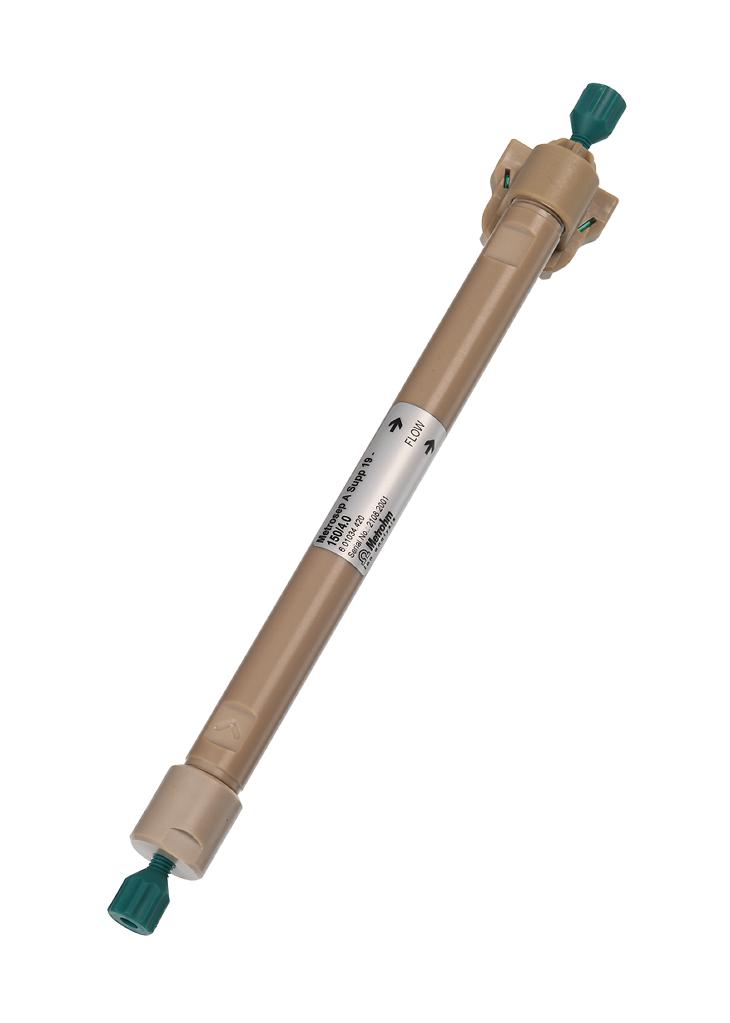


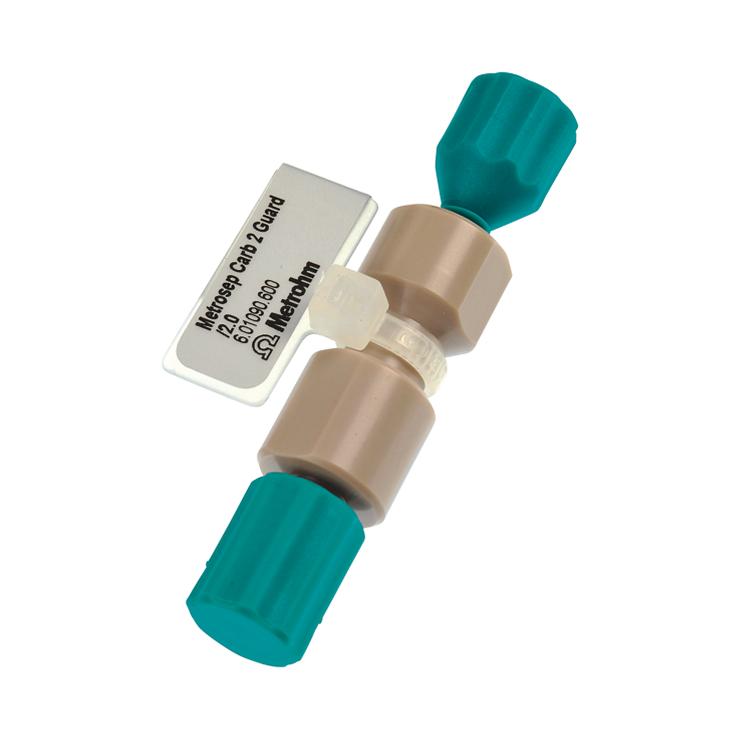


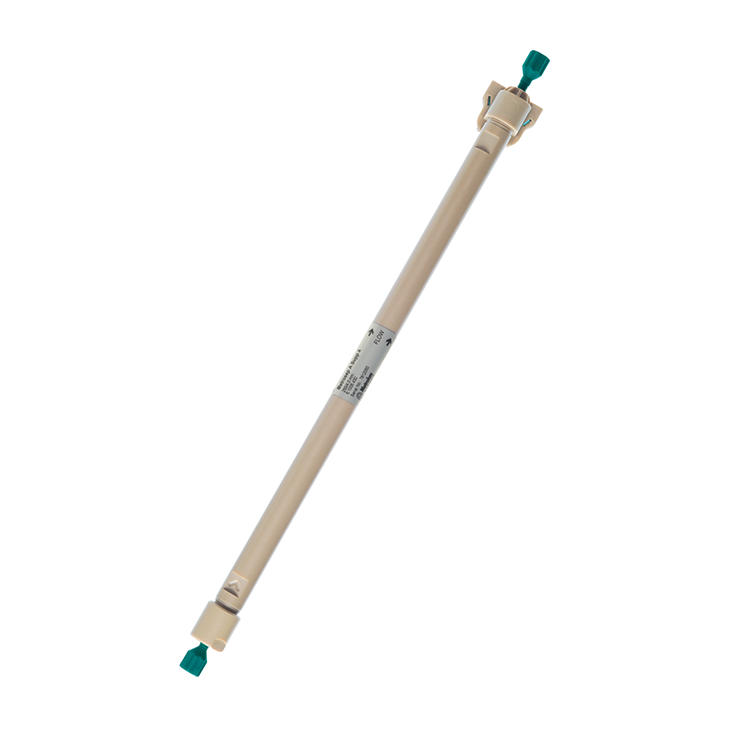

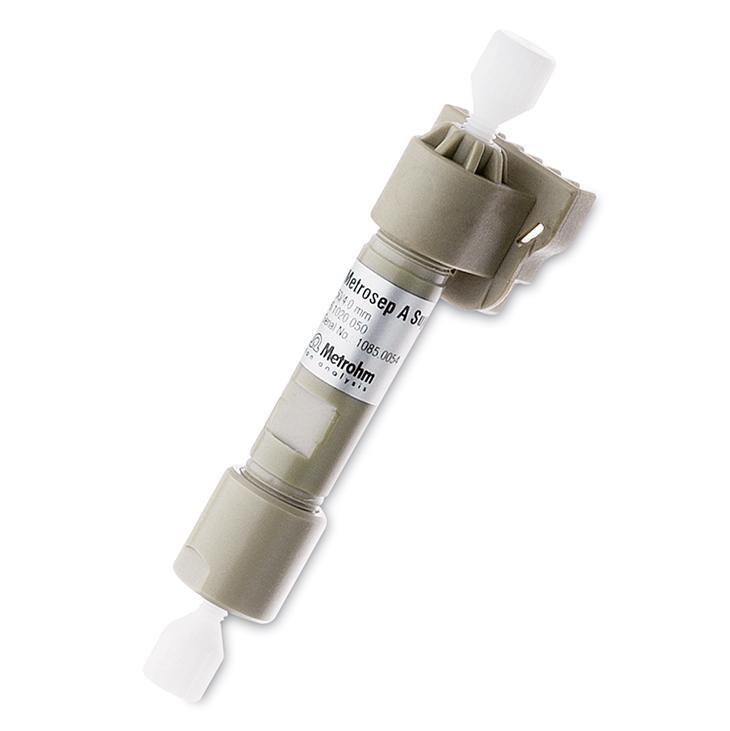


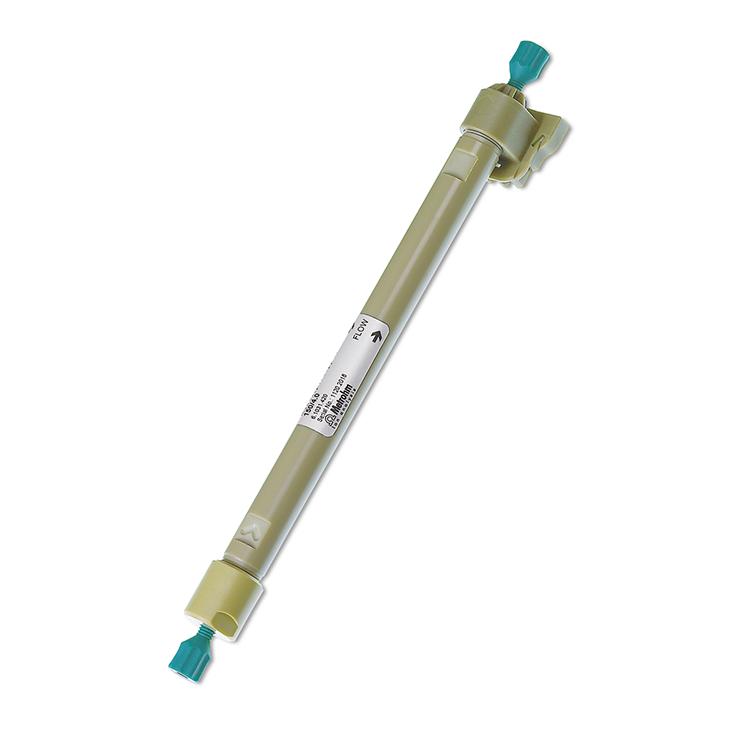


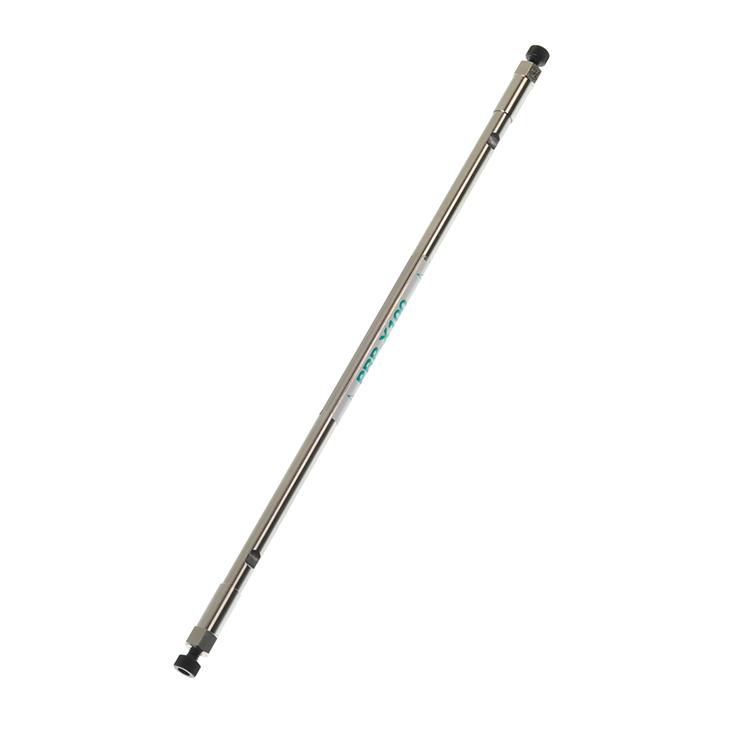

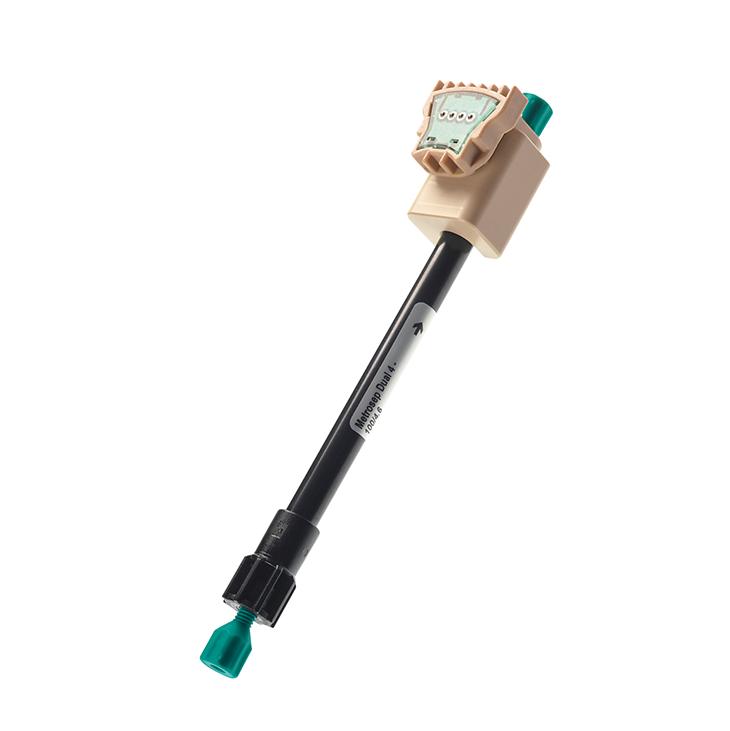


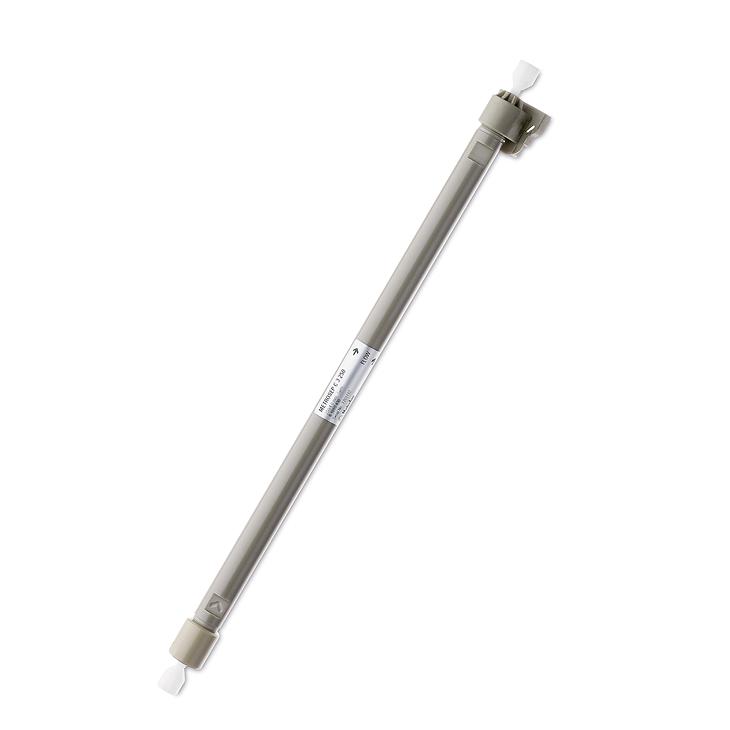


BWT-840000961
Raman Video Micro-Sampling System (785 nm)Video microscope sampling system for use with B&W Tek's lab and industrial Raman probes. Includes a 20x objective at a working distance of 16 mm. Offers manual rough and fine adjustment on the X, Y, and Z-axes, coaxial LED illuminator for target alignment, video camera for sample observation, and is compatible with standard microscope objectives. Probe not included, available separately. 785 nm configuration.BAC151C-785
DRP-CAST
μStat Cable connector for Screen-Printed ElectrodesConnects any DropSens equipment with DropSens Screen-Printed Electrodes
DRP-CNFSOL-1ML
Installation Instruction for ProfIC Vario 1 AnionCarbon Nanofibres Solution produced via the catalytic carbon vapour deposition process. The manufacturing processes provide a highly graphitized material without amorphous carbon – Available in 1.0 mL and 5.0 mL.
DRP-FLWCL
Flow Cell for Screen-Printed ElectrodesMethacrylate wall-jet Flow-Cell for FIA. Suitable to be used with standard format Screen-Printed Electrodes with the electrochemical cell in the middle of the strip. Closing system with powerful magnets Fittings included.
EC.Raman.Battery
Metrohm Hyphenated EC-Raman Battery SolutionAn Autolab modular PGSTAT302N with an Electrochemical Impedance Spectroscopy (EIS) module installed and a B&W Tek i-Raman Plus 532 H System are the foundation of this system. Depending on your cell size and design you can add either a B&W Tek Raman Video Micro-Sampling System (532 nm), or the B&W Tek Raman Probe Holder.Get ready to track age-induced structural changes, electrolyte decomposition, and solid electrolyte interphase (SEI) formation with your EC-Raman Battery Solution.It is easy to get started, see instant results, all with an instrument you can upgrade as your research progresses.• Two editable hyphenated EC-Raman procedures for the NOVA software as well as the BWSpec software for extended data analysis.• An electrochemical workstation with high accuracy EIS.• Future-proof your research with the ability to add up to 7 additional modules post-installation.Choose, depending on your cell size, either a B&W Tek Raman Video Microsampling System (532 nm), or the B&W Tek Raman Probe Holder.B&W Tek Raman Video Microsampling System (532 nm) can accommodate cells up 30 mm high.B&W Tek Raman Probe Holder can accommodate large battery-dedicated EC-Raman cells.
DRP-BICAST
μStat Cable connector for Dual Screen-Printed ElectrodesConnects any DropSens equipment with DropSens Dual Screen-Printed Electrodes
DRP-CNTSOL-0.5ML
-COOH funcionalized Multi-Walled Carbon Nanotubes SolutionCarbon nanotubes are produced via CVD and purified to remove free amorphous carbon deposits and catalyst metallic particles. They are functionalized with -COOH groups - Available in 1.0 mL and 5.0 mL.
EC.Raman.Corrosion.Explorer
Metrohm Hyphenated EC-Raman Explorer Corrosion SolutionIncludes an Autolab modular PGSTAT302N with an Electrochemical Impedance Spectroscopy (EIS) module installed, a B&W Tek i-Raman Plus 532 H System, a B&W Tek Raman Video Microsampling System (532 nm) and an Autolab Trigger cable.Ready when you are, the EC-Raman Explorer Corrosion Solution is easy to use. Get started quickly with a versatile potentiostat/galvanostat that can be expanded as your research develops.• Two editable hyphenated EC-Raman procedures for the NOVA software as well as the BWSpec software for extended data analysis.• An electrochemical workstation with high accuracy EIS.• Future-proof your research with the ability to add up to 7 additional modules post-installation.• 532 nm laser excitation for higher Raman signal• Visual surface inspection with the microsampling system
DRP-CABSTAT1
μStat 8000(P)/4000(P) one node cable connector for conventional electrodesConnects individual nodes of the μStat 8000(P)/4000(P) to conventional electrodes
DRP-FLWCL-PEEK
Flow Cell in PEEK for Screen-Printed ElectrodesPEEK wall-jet Flow-Cell for FIA. Suitable to be used with standard format Screen-Printed Electrodes with the electrochemical cell in the middle of the strip. Closing system with powerful magnets. Fittings included.
DRP-GPHSOL-1ML
Graphene SolutionGraphene Solution - Available in 1.0 mL and 5.0 mL.
EC.Raman.ECAT.Explorer
Metrohm Hyphenated EC-Raman Explorer Electrocatalysis SolutionIncludes an Autolab modular PGSTAT302N with an Electrochemical Impedance Spectroscopy (EIS) module installed, a B&W Tek i-Raman Plus 532 H System, a B&W Tek Raman Video Microsampling System (532 nm) and an Autolab Trigger cable.Synchronize your electrochemical measurements with in situ Raman spectroscopy providing:• Simultaneous structural and functional information about your catalysts• Operando measurements allow for tracking changes of the catalyst structure, identifying adsorbed products or intermediates• A powerful modular potentiostat/galvanostat with current ranges from 10 nA to 1 A.• An electrochemical workstation with high accuracy EIS.• Two editable hyphenated EC-Raman procedures for the NOVA software as well as the BWSpec software for extended data analysis.• Future-proof your research with the ability to add up to 7 additional modules post-installation.• 532 nm laser excitation for higher Raman signalAll without complicated setups or complex training.
DRP-CAST8X
μStat 8000(P) cable connector for format 8X Screen-Printed ElectrodesConnects μStat 8000(P) equipment to 8X format Screen-Printed Electrodes
DRP-FLWCL-P
Flow Cell in Polypropylene for Screen-Printed ElectrodesPolypropylene wall-jet Flow-Cell for FIA. Suitable to be used with standard format Screen-Printed Electrodes with the electrochemical cell in the middle of the strip. Closing system with powerful magnets. Fittings included.
EC.Raman.Corrosion.Starter
Metrohm Hyphenated EC-Raman Starter Corrosion SolutionIncludes a compact Autolab PGSTAT204 with an Electrochemical Impedance Spectroscopy (EIS) module installed, a B&W Tek i-Raman Plus 532 H System, a B&W Tek Raman Video Micro-Sampling System (532 nm) and an Autolab Trigger cable.Get started quickly and have a dual perspective on corrosion phenomena. The EC-Raman Starter Corrosion Solution provides you with the instrumentation you need to get started.• Two editable hyphenated EC-Raman procedures for the NOVA software as well as the BWSpec software for extended data analysis.• An electrochemical workstation with high accuracy EIS.• Ready-to-go and simple to use.• 532 nm laser excitation for higher Raman signal• Visual surface inspection with the microsampling system
BWT-810000682
External rechargeable battery pack for portable Raman instrumentsExternal Lithium-Ion battery that provides constant 12 VDC. (Compatible with the i-Raman-Plus, i-Raman Pro and i-Raman EX models).EBP106
DRP-CAST1X8
μStat 8000(P) cable connector for individual Screen-Printed ElectrodesConnects μStat 8000(P) equipment with individual Screen-Printed Electrodes
DRP-FLWCL-SC
Flow Cell with screws for Screen-Printed ElectrodesMethacrylate (top part) wall-jet Flow-Cell for FIA. Suitable to be used with standard format Screen-Printed Electrodes with the electrochemical cell in the middle of the strip. Closing system with screws. Fittings included.
EC.Raman.ECAT.Starter
Metrohm Hyphenated EC-Raman Starter Electrocatalysis SolutionIncludes a compact Autolab PGSTAT204 with an Electrochemical Impedance Spectroscopy (EIS) module installed, a B&W Tek i-Raman Plus 532 H System, a B&W Tek Raman Video Microsampling System (532 nm) and an Autolab Trigger cable.Discover simultaneous structural and functional information about your catalysts quickly without complicated setups or worries about synchronizing measurements. This is all possible with the EC-Raman Starter Solution.• An electrochemical workstation with high accuracy EIS.• Two editable hyphenated EC-Raman procedures for the NOVA software as well as the BWSpec software for extended data analysis.• Measurements are automatically synchronized.• 532 nm laser excitation for higher Raman signal.
BWT-840000962
Raman Video Micro-Sampling System (532 nm)Video microscope sampling system for use with B&W Tek's lab and industrial Raman probes. Includes a 20x objective with a working distance of 16 mm. Offers manual rough and fine adjustment on the X, Y, and Z-axes, coaxial LED illuminator for target alignment, video camera for sample observation, and is compatible with standard microscope objectives. Probe not included, available separately. 532 nm configuration.BAC151C-532
DRP-CABSTATMULTI
μStat 8000(P)/4000(P) multichannel cable connector for conventional electrodesConnects the multichannel option of the μStat 8000(P)/4000(P) to up to 8/4 conventional WE sharing one conventional AUX and one conventional REF
DRP-CAC
Cable connector for Screen-Printed ElectrodesConnects DropSens Screen-Printed Electrodes to any kind of potentiostat. Recommended when working in batch or flow analysis.
DRP-FLWCL-IDE
Flow Cell for Interdigitated ElectrodesMethacrylate wall-jet Flow-Cell for FIA. Suitable to be used with IDE electrodes ref. G-IDEAU10, G-IDEAU5, G-IDEPT10, G-IDEPT5, G-IDECONAU10 and G-IDECONPT10. Closing system with powerful magnets. Fittings included.
DRP-MCSOL-1ML
Mesoporous Carbon SolutionMesoporous Carbon Solution is a homogeneous, black solution with a high purity of mesoporous carbon nanopowder.- Available in 1.0 mL and 5.0 mL
BWT-840000963
Raman Video Micro-Sampling System (532/785 nm dual)Video microscope sampling system for use with B&W Tek's lab and industrial Raman probes. Includes a 20x objective at a working distance of 16 mm. Offers manual rough and fine adjustment on the X, Y and Z-axes, coaxial LED illuminator for target alignment, video camera for sample observation, and is compatible with standard microscope objectives. Probe not included, available separately. Dual 532/785 nm configuration.BAC151C-532/785
DRP-BICAC
Cable connector for Dual Screen-Printed ElectrodesConnects DropSens Dual Screen-Printed Electrodes to any kind of potentiostat. Recommended when working in batch or flow analysis.
DRP-FLWCL-IDE-TEF
Flow Cell in Teflon for Interdigitated ElectrodesTeflon wall-jet Flow-Cell for FIA. Suitable to be used with IDE electrodes ref. G-IDEAU10, G-IDEAU5, G-IDEPT10, G-IDEPT5, G-IDECONAU10 and G-IDECONPT10. Closing system with powerful magnets. Fittings included.
BWT-840000985
Raman Video Micro-Sampling System (1064 nm)Video microscope sampling system for use with B&W Tek's lab and industrial Raman probes. Includes a 20x objective at a working distance of 16 mm. Offers manual rough and fine adjustment on the X, Y, and Z-axes, coaxial LED illuminator for target alignment, video camera for sample observation, and is compatible with standard microscope objectives. Probe not included, available separately. 1,064 nm configuration.BAC151C-1064
DRP-CAC-P
Cable connector for Screen-Printed Electrodes/Plastic SubstrateConnects DropSens Screen-Printed Electrodes over Plastic Substrate with any kind of potentiostat
DRP-FLWCL-WS
Flow Cell for Work in Solution Screen-Printed ElectrodesMethacrylate wall-jet Flow-Cell for FIA. Suitable to be used with work in solution format Screen-Printed Electrodes with the electrochemical cell at the end of the strip. Closing system with powerful magnets. Fittings included.
DRP-MWCNT
Multi-Walled Carbon NanotubesMulti-Walled Carbon Nanotubes grown by CVD process purified to more than 95%.
DRP-CACIDE
Cable connector for Interdigitated Electrodes/Glass SubstrateConnects DropSens Interdigitated Electrodes over Glass Substrate with any kind of potentiostat
DRP-CFLWCL-WE
Flow Cell - Only Working ElectrodeMethacrylate wall-jet Flow-Cell for FIA.Its o-ring entraps only the working electrode. Suitable to be used with standard Screen-Printed Electrodes with the electrochemical cell in the center of the strip. Closing system with powerful magnets. Fittings included.
DRP-MWCNTCOOH
-COOH functionalized Multi-Walled Carbon Nanotubes-COOH functionalized Multi-Walled Carbon Nanotubes (approx. 5% functionalisation) grown by CVD process purified to more than 95%.
DRP-CACIDE-P
Cable connector for Interdigitated Electrodes/Plastic SubstrateConnects DropSens Interdigitated Electrodes over Plastic Substrate with any kind of potentiostat
DRP-CFLWCL-WE-TEF
Flow Cell in Teflon - Only Working ElectrodeTeflon wall-jet Flow-Cell for FIA.Its o-ring entraps only the working electrode. Suitable to be used with standard Screen-Printed Electrodes with the electrochemical cell in the center of the strip. Closing system with powerful magnets. Fittings included.
DRP-CAC8X
Cable connector for format 8X Screen-Printed ElectrodesConnects DropSens 8X format Screen-Printed Electrodes with any kind of (multi) potentiostat
DRP-CFLWCL-MAGN
Flow Cell for magnetic assays with Screen-Printed ElectrodesMethacrylate wall-jet Flow-Cell associated with a powered magnet designed to do FIA with magnetic beads. Suitable to be used with standard format Screen-Printed Electrodes with the electrochemical cell in the middle of the strip. Fittings included.
DRP-AUNP-COL
Colloidal Gold Nanoparticles SolutionColloidal Gold Nanoparticles Solution produced through colloidal synthesis methods, reducing a metal salt precursor in a solution and with the present of a stabilizer agent. Colloidal nanospheres Nanoparticles can be later purified and concentrated removing any stabilizing agent. Available in 25 mL.
DRP-DSC
Connector for Screen-Printed ElectrodesConnector suitable to connect DropSens SPEs to any kind of potentiostat. Recommended when working by placing a drop over the electrode
DRP-FLWCL8X
Flow Cell for 8X format Screen-Printed ElectrodesMethacrylate wall-jet Flow-Cell for performing simultaneus measuements in FIA. Suitable to be used with 8X format Screen-Printed Electrodes. Closing system with screws. Fittings included.
DRP-AUNP-PUR
Purified Gold Nanoparticles SolutionColloidal Gold Nanoparticles Solution produced through colloidal synthesis methods, reducing a metal salt precursor in a solution and with the present of a stabilizer agent. Colloidal nanospheres Nanoparticles can be later purified and concentrated removing any stabilizing agent - Available in 1.0 mL.
DRP-BIDSC
Connector for Dual Screen-Printed ElectrodesConnector suitable to connect DropSens Dual SPEs to any kind of potentiostat. Recommended when working by placing a drop over the electrode
DRP-FLWCL8X1C
Flow Cell for 8X format Screen-Printed Electrodes 1 ChannelMethacrylate thin-layer Flow-Cell for performing simultaneus measuements in FIA. Suitable to be used with 8X format Screen-Printed Electrodes. Closing system with screws. Fittings included.
DRP-CFLWCL-CONIC
Cell for Screen-Printed Electrodes - Conical WellMethacrylate conic cell suitable to be used with standard format Screen-Printed Electrodes with the electrochemical cell in the middle of the strip. Closing system with powerful magnets.
DRP-DSC-P
Connector for plastic substrate Screen-Printed ElectrodesConnector suitable to connect DropSens plastic substrate SPEs to any kind of potentiostat. Recommended when working by placing a drop over the electrode
DRP-PDNP-COL
Colloidal Palladium Nanoparticles SolutionPalladium Nanoparticles are produced through colloidal synthesis methods, reducing a metal salt precursor in a solution and with the present of a stabilizer agent. Colloidal nanospheres Nanoparticles can be later purified and concentrated removing any stabilizing agent - Available in 25 mL.
DRP-CFLWCL-CONIC-TEF
Cell in Teflon for Screen-Printed Electrodes - Conical WellTeflon conic cell suitable to be used with standard format Screen-Printed Electrodes with the electrochemical cell in the middle of the strip. Closing system with powerful magnets.
DRP-CONNECT4W
Connector for 4W format Screen-Printed ElectrodesSuitable to connect 4W format Screen-Printed Electrodes to any kind of potentiostat
DRP-PDNP-PUR
Purified Palladium Nanoparticles SolutionPalladium Nanoparticles are produced through colloidal synthesis methods, reducing a metal salt precursor in a solution and with the present of a stabilizer agent. Colloidal nanospheres Nanoparticles can be later purified and concentrated removing any stabilizing agent - Available in 1.0 mL.
DRP-CONNECT8W
Connector for 8W format Screen-Printed ElectrodeSuitable to connect 8W format Screen-Printed Electrodes to any kind of potentiostat
DRP-HPLCELL
HPLC Cell for Screen-Printed ElectrodesCell in PEEK designed for working in High-Performance Liquid Chromatography systems. Suitable to be used with standard format Screen-Printed Electrodes with the electrochemical cell in the middle of the strip.
DRP-PTNP-COL
Colloidal Platinum Nanoparticles SolutionPlatinum Nanoparticles are produced through colloidal synthesis methods, reducing a metal salt precursor in a solution and with the present of a stabilizer agent. Colloidal nanospheres Nanoparticles can be later purified and concentrated removing any stabilizing agent - Available in 25 mL.
DRP-CELL
Cell for Screen-Printed ElectrodesCell in methacrylatel for batch analysis which allows optional stirring and it's recommended for deaerated samples and for standard additions mode. Suitable for working with all catalogue Screen-Printed Electrodes but recommended to be used with work in solution format SPEs.
DRP-CONNECTOR96X
Connects 96X format Screen-Printed Electrodes with any kind of (multi) potentiostat.Connects 96X format Screen-Printed Electrodes with any kind of (multi) potentiostat. Two manual rotating selectors allow to select the row letter (from A to H) and the column number (from 1 to 12) identifiers of the wells to be analysed.
DRP-PTNP-PUR
Purified Platinum Nanoparticles SolutionPlatinum Nanoparticles are produced through colloidal synthesis methods, reducing a metal salt precursor in a solution and with the present of a stabilizer agent. Colloidal nanospheres Nanoparticles can be later purified and concentrated removing any stabilizing agent - Available in 1.0 mL.
DRP-CAC-TLFCL
Cable connector for Thin-Layer Flow-Cell integrated Screen-Printed ElectrodesConnects DropSens Thin-Layer Flow-Cell integrated Screen-Printed Electrodes with any kind of potentiostat
DRP-TCELL
Thermostatic Cell for Screen-Printed ElectrodesMethacrylate Cell designed to perform batch analysis allowing temperature control through a thermostatic jacket. Suitable for working with all catalogue Screen-Printed Electrodes but recommended to be used with work in solution format SPEs.
DRP-AGNW-1.5ML
Silver NanowiresSilver Nanowires produced via the electrochemical deposition in an alumina template. Our Silver Nanowires have an average diameter of 150-250 nm and an average length varying in two ranges: 6-9 µm or 12-18 µm. - Available 1.5 mL and 4.5 mL.
DRP-FIAEC
Complete FIA System for Electrochemical detection with Screen-Printed ElectrodesComplete FIA System for Electrochemical detection with Screen-Printed Electrodes. Includes: VALVE, PPUMP, FLWCL, PVCTUBE, FLOWFITTINGS, Tubes and Containers
DRP-TLFCL-HOLDER
Holder for Thin-Layer Flow-Cell integrated Screen-Printed ElectrodesHolder for Thin-Layer Flow-Cell integrated Screen-Printed Electrodes
DRP-TRANSCELL
Transmission Cell for Transparent Screen-Printed ElectrodesCell in Teflon suitable to perform transmission experiments with transparent Screen-Printed Electrodes in combination with a collimator lens (ref. CLENS).
DRP-AUNW-1.5ML
Gold NanowiresGold Nanowires produced via the electrochemical deposition in an alumina template. Our Gold Nanowires have an average diameter of 150-250 nm and an average length varying in two ranges: 2- 6 µ m or 12-18 µm. - Available in 1.5 mL and 4.5 mL.
DRP-PPUMP
Peristaltic Pump4 Channel Peristaltic Pump to be used in FIA Systems
DRP-REFLECELL
Reflection Cell for Screen-Printed ElectrodesCell in Teflon suitable to perform reflection experiments with standard format Screen-Printed Electrodes with the electrochemical cell in the middle of the strip. Closing system with powerful magnets.
DRP-TLFCL-INLINEPORT
In-line LUER injection port for TLFCL SPEsIn-line LUER injection port for TLFCL format SPEs. Suitable to proceed with sample injections in flow analysis
DRP-BIASPE02
Batch Injection Analysis Cell for Screen-Printed Electrodes (Micropipette P200M)Batch Injection Analysis (BIA) cell made in ABS designed to obtain reproducible flow rate and electronically control the injection volume with a programmable electronic micropipette of 20-200 µL. Suitable to be used with standard format Screen-Printed Electrodes with the electrochemical cell in the middle of the strip. Closing system with powerful magnets.
DRP-NINW-1.5ML
Nickel NanowiresNickel Nanowires produced via the electrochemical deposition in an alumina template. This magnetic Nickel Nanowires have an average diameter of 150-250 nm and an average length that can be tuned from 6 to 8 µm. - Available in 1.5 mL and 4.5 mL.
DRP-TLFCL-FLOWFITTIN
Flow-Fitting pack for TLFCL SPEsFlow-Fitting pack for TLFCL SPEs to connect them to a FIA System. Includes: 2 male luers, 1 fitting and 30 cm of tubing
DRP-VALVE
Manual Sample Injection ValveManual Sample Injection Valve. Includes 0.5, 1.0 and 2.5 mL sample loops
DRP-BIASPE10
Batch Injection Analysis Cell for Screen-Printed Electrodes (Micropipette P1000M) in ABSBatch Injection Analysis (BIA) cell made in ABS designed to obtain reproducible flow rate and electronically control the injection volume with a programmable electronic micropipette of 100-1000 µL. Suitable to be used with standard format Screen-Printed Electrodes with the electrochemical cell in the middle of the strip. Closing system with powerful magnets.
DRP-FLOWFITTINGS
Flow-Fittings PackFlow-Fittings Pack. Includes: 2 nuts for grippers, 2 grippers and 80 cm of tubbing 1/16. Suitable to be used with our variety of Flow-Cells
DRP-MAGNETOEC
MagnetoElectroChemistry supportMagnetoElectroChemistry support with variable magnet pole gaps that allows performing magnetoelectrochemical experiments with Screen-Printed Electrodes and also with conventional electrochemical cells.
DRP-PDNW-1.5ML
Palladium NanowiresPalladium Nanowires produced via the electrochemical deposition on an alumina template. Our Palladium Nanowires have an average diameter of 150-250 nm and an average length of 10-16 µm.- Available in 1.5 mL and 4.5 mL.
DRP-MAGNET
Magnetic support for Screen-Printed ElectrodesMagnetic support for Screen-Printed Electrodes. Recommended to perform analysis with magnetic beads
DRP-PTNW-1.5ML
Platinum NanowiresPlatinum Nanowires produced via the electrochemical deposition on an alumina template. Our Platinum Nanowires have an average diameter of 150-250 nm and an average length of 10-16 µm. - Available 1.5 and 4.5 mL.
DRP-PVCTUBE-U12
PVC Tube for Peristaltic Pump - Several DiametersPVC Tube for Peristaltic Pump - Several Diameters. Includes: 3 tubes of 0.899 inner diameter, 1.143 mm inner diameter, 1.422 mm inner diameter and 1.651 mm inner diameter
DRP-RAMANCELL
Raman Cell for Screen-Printed ElectrodesBlack teflon reflection cell for performing Raman Spectroelectrochemistry with screen-printed electrodes in combination with ref. RAMANPROBE.
DRP-MAGNET8X
Magnetic support for format 8X Screen-Printed ElectrodesMagnetic support for format 8X Screen-Printed Electrodes. Recommended to perform analysis with magnetic beads
DRP-TFIBER-VIS-UV
Transmission fiber VIS-UVTransmission fiber VIS-UV designed to perform transmission experiments suitable to work with our Transmission Cell for transparent Screen-printed electrodes or with any conventional cell
DRP-TLFCL-REFLECELL
Spectroelectrochemical Reflection Cell for Thin-Layer Flow-Cell Screen-Printed ElectrodesCell for performing spectroelectrochemical measurements in flow conditions in combination with the TLFCL-CIR format Screen-Printed Electrodes, the suitable fittings and ref. RPROBE-VIS-UV.
DRP-CELL-PEEK
Cell for Screen-Printed Electrodes in PEEKCell in PEEK for batch analysis which allows optional stirring and it's recommended for deaerated samples and for standard additions mode. Suitable for working with all catalogue Screen-Printed Electrodes but recommended to be used with work in solution format SPEs.
DRP-MAGNET96X
Magnetic support for format 96X Screen-Printed ElectrodesMagnetic support for format 96X Screen-Printed Electrodes. Recommended to perform analysis with magnetic beads
DRP-NINW-STR
Streptavidin modified Nickel NanowiresStreptavidin-modified nickel nanowires are an excellent option for the immobilization of a large amount of biotinylated molecules being the perfect candidate to be use in magnet-based (bio)assays - Available in 200 μL.
DRP-RPROBE-VIS-UV
Reflection probe VIS-UVReflection probe VIS-UV designed to perform reflection experiments suitable to work with our Reflection Cell for our Screen-printed electrodes or with any conventional cell.
DRP-CLENS
Collimator LensCollimator lens suitable to work with our Transmission Cell for transparent Screen-printed electrodes or with any conventional cell.
DRP-MEMB-U100
Membrane for Screen-Printed ElectrodesMembrane for Screen-Printed Electrodes. Useful to perform analysis with small volumes of solution or sample (7,5-15 µL), allowing a good covering of the 3 electrodes system
DRP-QDCORE550
CdSe Core Quantum Dots 550 nmCore CdSe are produced via chemical synthesis at high temperature in organic solvent (chloroform).QDCORE-550: em = 550 nm; concentration= 21 ± 2μM; diameter Ø= 2.52 ± 0.03 nm - Available in 10 mL.
DRP-QDCORE570
CdSe Core Quantum Dots 570 nmCore CdSe are produced via chemical synthesis at high temperature in organic solvent (chloroform) - QDCORE-570: em = 570 nm; concentration= 23 ± 2μM; diameter Ø= 3.02 ± 0.01 nm - Available in 10 mL.
DRP-TRANSPACK
Pack for transmission experiments with SPEsTransmission pack to perfrom reflection experiments with SPEs:Includes: 1 x TRANSCELL, 1 x CLENS, 1 x TFIBER, 1 x RPROBE and 1 x CAST
DRP-QDCORE585
CdSe Core Quantum Dots 585 nmCore CdSe are produced via chemical synthesis at high temperature in organic solvent (chloroform). QDCORE-585: em = 585 nm; concentration= 24 ± 2μM; diameter Ø= 3.18 ± 0.05 nm - Available in 10 mL.
DRP-REFLEPACK
Pack for reflection experiments with SPEsReflection pack to perfrom reflection experiments with SPEs: Includes: 1 x REFLECEL, 1 x RPROBE and 1 x CAST
DRP-QDCORESHELL595
CdSe/ZnS Core/Shell Quantum Dots 595 nmCore/shell CdSe/ZnS are produced via chemical synthesis at high temperature in organic solvent. QDCORESHELL-595: em = 595 nm; concentration= 24 ± 2μM; diameter Ø= 3.21 ± 0.05 nm - Available in 10 mL.
DRP-RAMANPROBE
Raman ProbeReflection probe designed to be used with a single excitation 785 nm wavelength (up to 500 mW). Suitable to work with DropSens Raman Cell for Screen-Printed Electrodes or with any conventional Raman set-up.
DRP-CUV
Cuvette HolderThree-way cuvette holder for cuvettes up to one centimeter in length. It is designed for absorbance and fluorescence measurements with liquid samples. Includes three collimating lenses for straight-through (absorbance) or 90° (fluorescence) measurements and fiberoptic connections at each of three collimating lenses. This collimating lenses couple to optical fibers to illuminate,excite or read the sample such as ref. TFIBER-VIS-UVAdditional information:· Pathlength 1 cm· Z-dimension 15mm· Filter slot Accepts filters up to 6.35 mm (1/4”) thickness· Collimating lenses 3 x 74-UV fused silica lenses (200-2000 nm)· Fiber optic termination SMA 905
DRP-CELLHOLDER
Cell HolderAccessory to be used in combination with CELL and CELL-PEEK when working in batch analysis for set up improvement.
DRP-QDCORESHELL620
CdSe/ZnS Core/Shell Quantum Dots 620 nmCore/shell CdSe/ZnS are produced via chemical synthesis at high temperature in organic solvent. QDCORESHELL-620: em = 620 nm; concentration= 20 ± 2μM; diameter Ø= 4.21 ± 0.02 nm - Available in 10 mL.
DRP-QDCORESHELL585AQ
CdSe/ZnS Core/Shell Quantum Dots 585 nm-AqueousCdSe/ZnS aqueous soluble Quantum Dots (QDs). These aqueous soluble fluorescent nanocrystals present carboxyl groups in the free end which makes them very interesting nanoparticles for conjugation procedures. QDCORESHELL-585-AQU: em= 585 nm ; concentration= 3.5 ± 0.1 μM; diameter Ø= 3.0 ± 0.15 nm - Available in 1 mL.
DRP-QDCORESHELL615AQ
CdSe/ZnS Core/Shell Quantum Dots 615 nm-AqueousCdSe/ZnS aqueous soluble Quantum Dots (QDs). These aqueous soluble fluorescent nanocrystals present carboxyl groups in the free end which makes them very interesting nanoparticles for conjugation procedures. QDCORESHELL-615-AQU: em= 615 nm ; concentration= 4.0 ± 0.2 μM; diameter Ø= 4.5 ± 0.2 nm - Available in 1 mL
DRP-PAPP-0.25G
p-AminoPhenyl Phosphatep-AminoPhenyl Phosphate is a substrate of Alkaline Phosphatase that generates electrochemically active p-aminophenol as the product after its hydrolysis. Available in 250 mg, 500 mg, 750 mg, and 1000 mg.
DRP-HQDP-0.5G
Hydroquinone DiphosphateHydroquinone Diphosphate is a substrate of Alkaline Phosphatase that generates electrochemically active hydroquinone as the product after its hydrolysis - Available in 500 mg and 1 gr
DRP-PPAR-0.5G
Phosphorilated ParacetamolPhosphorilated Paracetamol is a substrate of Alkaline Phosphatase that generates electrochemically active Paracetamol as the product after its hydrolysis - Available in 500 mg and 1 gr.
6.1011.137
Spare filters for RP 2 Guard/3.5, 5 pcs.6.7301.000
Combustion tube (AJ)Quartz combustion tube for the Combustion Module.
6.7301.100
Guide tubing for ABD (old)Guide tubing for Automatic Boat Driver of the Combustion Module (up to ABD serial number 1709 590).
6.7301.110
Hook for ABDQuartz glass hook for quartz glass boat in the Automatic Boat Driver of the Combustion Module.
6.7302.100
Quartz boat 40 x 9 mm (AJ)Quartz glass boat for sample injection in Combustion Module, 10 pcs.
6.7302.130
Ceramic boat 40 x 9 mm (AJ)Ceramic boat for sample injection in Combustion Module, 10 pcs.
6.7303.100
Vials glass, 1.8 ml, U-shape, 100 pieces100 pieces
6.7303.110
Snap cap with red septum, 100 pieces100 pieces
6.7302.110
Quartz vial, 6 x 18 mm, for CIC, 50 pcs.Sample vials made of quartz for Combustion IC. The sample vials are used when the sample contains alkali and/or alkaline earth cations which could affect the quartz combustion tube. These cations reaction with the quartz in the sample vial and are thus kept away from the combustion tube. Quartz wool (6.7302.120) is used to fix the samples in place in the sample vials.
6.7302.120
Quartz wool for 6.7302.110, 10 gQuartz wool for fixing the sample in place in the sample vial made of quartz (6.7302.110).
6.7301.150
Substrate made of quartz for liquid samplesSubstrate for liquid sample injections, 3 pcs.
6.7305.040
0.5 µm filter for LPG filter unit0.5 µm particle filter on the LPG connector.
6.7305.060
40 µm filter for GSS filter unit40 µm particle filter for the GSS Module
6.7301.140
Septum 12.5 mmSeptum for liquid sample port, 5 pcs.
6.7303.240
Septum for rinsing vesselSeptum for rinsing vessel in the liquids kit for MMS 5000
6.7303.250
Septum to waste vesselSeptum to waste vessel in the MMS 5000 (2.136.0800).
6.7301.260
O-rings for CIC rinsing vesselReplacement O-rings for the Combustion IC rinsing vessel, 3 pcs.
6.7301.210
T connector CICT connector after on the outlet of the oven for supplying absorption solution.
6.7301.220
Spring wire clamp 7.3 - 7.8 mmSpring wire clamp for Fast connector
6.7304.000
FAST connector, angledFor connections with the quartz glass tubing
6.7304.010
FAST connector, straightFor connections with the quartz glass tubing
6.7301.160
Manual dosing syringe 100 µLManual dosing syringe for manual liquid sample injection
6.7303.200
50 µL syringe with replaceable needleReplacement syringe for MMS 5000 liquid setup
6.7303.210
100 µL syringe with replaceable needleReplacement syringe for MMS 5000 liquid setup
6.7303.220
Needles for 50 µL/100 µL syringes, 3 pcs.Replacement needle for syringe for MMS 5000 liquid setup
6.7301.230
Non-return tubing Combustion ICNon-return tubing for the protection of the gas box
6.7305.020
Septum perforated for PEEK gas inlet tubeSeptum perforated for transfer of the measuring gas via ABD lock.
6.7305.030
PEEK gas inlet tube for GSS/LPGFlexible tube made of PEEK guided through 6.730.5020 perforated septum.
6.7301.170
O-ring 14 × 4 mm for ABDSealing ring for connection between ABD and quartz glass tubing
6.7301.190
Sluice seal for ABDSeal for the sluice on the Automatic Boat Driver.
6.7301.240
Threader 1/16 in. Tubing Combustion ICThreader for capillaries in the FAST connector
6.7301.250
Flame sensorFlame sensor for fully automatic sample combustion
001RDX
Optical fiber spectro-electrochemical flow cell setupThis is a horizontally mounted, multi-purpose spectroelectrochemical cell designed to be coupled with light sources and spectrometers (UV-Vis, NIR, IR) via optical fibers. It enables obtaining electrochemical and spectroscopic information from liquid sample or thin films in systems where variations in applied potential induce changes in observed spectra.Applied collimating lenses are curved optical lenses that enables parallel irradiation of the sample. Each lens is 5 mm in diameter, has focal length of 10 mm and wavelength range of 200-2000 nm. The cell consists of a polyether ether ketone (PEEK) flow chamber equipped with magnetic mount sample holder (a screw version is available on request), screw mount quartz window holder and two different mini tripods.The cell is meant to be used with standard reference electrode having 6 mm in diameter and counter electrode either in the form of a rod or helix with 6 mm in diameter and 15 mm active length.Please note: this product is not available from Metrohm Germany.
002RDX
Gas Diffusion Electrode X-Ray diffraction electrochemical flow cell setupThis is a horizontally mounted, multi-purpose electrochemical cell for Gas Diffusion Electrode (GDE), designed to be used with X-Ray Diffractometry.The cell consists of two individual compartments: the liquid flow chamber and the gas chamber, which are placed on opposing faces of a GDE. Both compartments are held in place by magnetic/screw mount, providing a leakage-free O-Ring seal.The liquid chamber can be filled with an electrolyte using a syringe or an electrolyte can continuously flow through it using an external reservoir and peristaltic pump (reservoir and pump not included).The dry chamber is gas-tight enabling continuous flow of a gas carrier and evacuation of the gas products for sampling using standard analytical instruments such as a residual gas analyzer. Both compartments are made of a polyether ether ketone (PEEK) material. The cell is meant to be used with standard reference electrode having 6 mm in diameter and counter electrode in the form of a rod/helix with 6 mm in diameter and 15 mm active.Please note: this product is not available from Metrohm Germany.
003RDX
Spectro-electrochemical flow cell setup with reduced optical pathThis is a horizontally mounted, multi-purpose spectroelectrochemical cell with 4 mm long optical path (i.e. electrolyte thickness) designed to be used with standard UV-Vis or IR spectrometers. It enables obtaining electrochemical and spectroscopic information from liquid sample or thin film in systems where variations in applied potential induce changes in observed spectra.It consists of a polyether ether ketone (PEEK) flow chamber equipped with magnetic mount sample holder (a screw version is available on request), screw mount quartz window holder and two different mini tripods. It well fits aqueous (EPDM O-Rings) and organic solvent (FFKM O-Rings) electrolyte requirements.Unlike Spectro-EFC 1.75 mL, this cell is meant to be used with pseudo-reference electrode (50 mm long) and counter electrode in the form of a metal wire (90 mm long), both with plug of 6 mm in diameter. Thanks to the application of pseudo-reference electrode, the thickness of an electrolyte is reduced from 12 mm down to 4 mm. Please note: this product is not available from Metrohm Germany.
004RDX
Photo-electrochemical single-sided cell setupThis is a horizontally mounted, single compartment photo-electrochemical cell. This cell allows several approaches to perform measurements in 2- or 3-electrode setups. It is designed to investigate performance of a thin film photo-anode (e.g.nanocrystalline material or conducting polymer) deposited on a rigid or flexible transparent substrate (typically fused quartz glass).The cathode (counter electrode) and reference electrode are mounted in a top casing. The cell elements are made of PEEK. It well fits aqueous (EPDM O-Rings) and organic solvent (FFKM O-Rings) electrolyte requirements. The construction is gas-tight having gas inlet and outlet, which can be used to bubble the solution and evacuate gases from the chamber.Please note: this product is not available from Metrohm Germany.
005RDX
Small etch cell setupOne of the most common application of an electrochemical etching cell is a preparation of Nanocrystalline Porous Silicon Layer on a single crystal Si wafer. It well fits aqueous (EPDM O-Rings) and organic solvent (FFKM O-Rings) electrolyte requirements.Please note: this product is not available from Metrohm Germany.
006RDX
Photo-electrochemical H-cell setupThis is a horizontally mounted, double compartment photo-electrochemical H-Cell used to simultaneously investigate thin film photo-anodes and cathodes. The cell elements are made of PEEK. It well fits aqueous (EPDM O-Rings) and organic solvent (FFKM O-Rings) electrolyte requirements.The construction is gas-tight having two separate chambers, each equipped with gas inlet and outlet. This allows bubbling the solution and evacuating gases. Chambers are separated with an ion-exchange membrane (e.g. DuPont’s Nafion® membrane), so the electrochemial products appearing at photo-anode and cathode do not affect the opposite electrode.Please note: this product is not available from Metrohm Germany.
007RDX
Bulk electrolysis basic cell set upThis is a standard bulk electrolysis cell with basic configuration (known also as potentiostatic coulometry cell or controlled potential coulometry cell). The cell consists of three electrodes: working electrode (reticulated glassy carbon electrode), counter electrodes (Platinum wire) and reference electrode (aqueous Ag/AgCl or non-aqueous Ag/AgCl). The working and counter electrode are installed in the same compartment, while the reference electrode is separated by a ceramic frit.Reticulated glassy (vitreous) carbon electrode provides a large surface area to solution volume ratio. Electrode arrangement and possibility to use magnetic stirring ensure very efficient mass transport conditions. The cell elements are constructed with materials that are inert to the sample (glass and PEEK). It well fits aqueous (EPDM O-Rings) and organic solvent (FFKM O-Rings) electrolyte requirements. The construction is gas-tight.Please note: this product is not available from Metrohm Germany.
008RDX
Basic electrochemical cell set upThis is a stationary solution basic electrochemical cell for measurements of electrodes in a form of:rod/disc (6 mm dia.); thin film deposited on flat substrate (using a wireclip) ; membrane (using a wire clip); The working, counter and reference electrodes are mounted in a top casing either in 2-, or 3-electrode setup. The cell elements are constructed with materials that are inert to the sample (glass and PEEK). It well fits aqueous(EPDM O-Rings) and organic solvent (FFKM O-Rings) electrolyte requirements.The construction is gas-tight and can be used when the removal and exclusion of contaminants such as oxygen and water is required by bubbling of an inert gas through the electrolyte.Please note: this product is not available from Metrohm Germany.
009RDX
Bottom mount electrochemical cell set upThis is a stationary solution voltammetry cell for measurements of a thin film deposited on flat substrate. The sample is loaded from the bottom via magnetic (or screw) mount, while counter or/and reference electrodes are mounted in a top casing (either 2-, or 3-electrode setup).The cell elements are constructed with materials that are inert to the sample (glass and PEEK). It well fits aqueous (EPDM O-Rings) and organic solvent (FFKM O-Rings) electrolyte requirements. The construction is gas-tight and can be used when the removal and exclusion of contaminants such as oxygen and water is required by bubbling of an inert gas through the electrolyte. Please note: this product is not available from Metrohm Germany.
010RDX
Electrolyte-gated transistor bottom mounted electrochemical cell setupThis is a stationary solution electrochemical cell designed to measure characteristics of electrolyte-gated (or solution-gated) transistors using liquid or gel electrolyte. Measured transistor sample can be fabricated on a rigid or flexible flat substrate (not included in the setup) with conducting thin film source and drain, and a layer of conducting or semiconducting channel material.The sample is loaded from the bottom via magnetic (or screw) mount, while gate is mounted in a top casing. A reference electrode can also be mounted in the top casing in case it is needed to control the channel/electrolyte interfacial potential or perform an electrochemical pre-treatment on the channel material. Source and drain electrodes can be accessed through cut-outs in a cell bottom casing, using needle probes or toothless crocodile clips.The cell elements are constructed with materials that are inert to the sample (glass and PEEK). It well fits aqueous (EPDM O-Rings) and organic solvent (FFKM O-Rings) electrolyte requirements. The construction is gas-tight and can be used when the removal and exclusion of contaminants such as oxygen and water is required by bubbling of an inert gas through the electrolyte.Please note: this product is not available from Metrohm Germany.
011RDX
Corrosion cellThis is a stationary solution corrosion cell for EIS and conventional electrochemical measurements on: (a) thin metal film deposited on flat substrate(b) metal plate(c) metal mesh(d) metal wire(e) metal ribbonThe sample is installed from the bottom via magnetic (or screw) mount in between two chambers filled with electrolyte. In cases (a) and (b) bottom chamber is unused and stays dry.The counter or/and reference electrodes are mounted in a top casing (either 2-, or 3-electrode setup). The cell elements are constructed with materials that are inert to the sample (glass and PEEK). It well fits aqueous (EPDM O-Rings) and organic solvent (FFKM O-Rings) electrolyte requirements. The construction is gas-tight and can be used when the removal and exclusion of contaminants such as oxygen and water is required by bubbling of an inert gas through the electrolyte.Please note: this product is not available from Metrohm Germany.
012RDX
Multiport photo-electrochemical single-sided cell setupThis is a horizontally mounted, single compartment multiport photo-electrochemical cell. This cell allows several approaches to perform measurements in 2- or 3-electrode setups. It is designed to investigate performance of a thin film photo-anode (e.g. nanocrystalline material or conducting polymer) deposited on a rigid or flexible transparent substrate (typically fused quartz glass).The cathode (counter electrode) and reference electrode are typically mounted in a top lid, while both side lids can be used to mount up to 4 additional electrodes (e.g. pH meter, thermometer, Clark electrode, etc.). The tubing installed in side lids enables aliquot sample collection (liquid) and supply of gaseous and liquid reagents.The gas inlet and outlet in the top lid can be used to bubble the solution and evacuate gases from the chamber. It well fits aqueous (EPDM O-Rings) and )organic solvent (FFKM O-Rings) electrolyte requirements. The construction is gas-tight.Please note: this product is not available from Metrohm Germany.
014RDX
Double-tank etch cell setupThis is a horizontally mounted, double-tank cell typically used for anodization of Si-wafers with electrolyte backside contact. It consists of two polyether ether ketone (PEEK)gas-tight chambers each equipped with sapphire wafer serving as window for illumination allowing light-assisted porous Si formation.It well fits aqueous (EPDM O-Rings) and organic solvent (FFKM O-Rings) electrolyte requirements. The Si substrate is mounted in between these chambers and sealed with O-rings under magnetic/screw mount. The preparation of a whole porous Si substrate with this cell is possible at one simple etching step, assuring high reproducibility.Please note: this product is not available from Metrohm Germany.
015RDX
Photo-electrochemical double-sided cell setupThis is a horizontally mounted, single compartment photo-electrochemical cell used to simultaneously investigate thin film photo-anodes and (photo-) cathodes. This cell allows several approaches to perform measurements in 2- or 3-electrode setups.It is designed to investigate performance of a thin film photo-anode (e.g. nanocrystalline material or conducting polymer) deposited on a rigid or flexible transparent substrate (typically fused quartz glass). The cathode (counter electrode) is either mounted in a top casing or attached on the other side of the cell as a thin film deposited on rigid or flexible substrate. The reference electrode is mounted in a top casing.The cell elements are made of PEEK. It well fits aqueous (EPDM O-Rings) and organic solvent (FFKM O-Rings) electrolyte requirements. The construction is gas-tight having gas inlet and outlet, which can be used to bubble the solution and evacuate gases from the chamber.Please note: this product is not available from Metrohm Germany.
3500001940
Ethernet cable (3m)Standard network Cable (Ethernet, LAN) used to connect the VIONIC instrument to the network
3500002000
Earth Ground CableThe Earth Ground Cable (EARTH) is a single cable, 0.5 m in length, with two 4 mm banana connectors, one on each end. The Earth Ground Cable is delivered with VIONIC and is also available to purchase separately. This cable can be used to provide an Earth ground connection to any point or accessories used in the experimental setup.
3500002010
Analog Ground CableThe Analog ground cable (AGND), is a single cable, 0.5 m in length, with one 2 mm and one 4 mm banana connectors, one on each end of the cable.This cable must be used only for ZRA (or ECN) measurements with VIONIC when operating with Floating ON.The Analog Ground Cable is an optional accessory and can be purchased separately.
3500002470
Autolab Test CellThe Autolab Test Cell provides a range of electrical circuits which can simulate typical electrochemical interfaces. It is equipped with color coded, 4 mm banana sockets (female connectors) which assure a direct connection to the 4 mm Banana Adaptive cables.The Autolab Test Cell can be used for testing the performance of the VIONIC instrument, testing and trobleshooting measurement procedures.
3500002500
4mm Banana Adaptive Cable SetEach 4mm Banana Adaptive Cable Set comes with 5 cables (Working/WE, Reference/RE, Counter/CE, Sense/S and Second Sense/S2) of 0.5 m in length.Each 0.5 m cable ends with a 4 mm banana cell connector.The 4 mm Banana Adaptive Cable Set is delivered with VIONIC and is also available to purchase separately.
3500002510
2mm Banana Adaptive Cable Set: 5 cables of 0.5 m ending with 2 mm banana connectorsEach 2 mm Banana Adaptive Cable Set comes with 5 cables (Working/WE, Reference/RE, Counter/CE, Sense/S and Second Sense/S2) of 0.5 m in length. Each 0.5 m cable ends with a 2 mm banana cell connector. The 2 mm Banana Adaptive Cable Set is an optional accessory for VIONIC.
3500002530
Alligator clip Adaptive Cable Set: 5 cables of 0.5 m ending with Alligator Clip connectorsEach Isolated BNC Adaptive Cable Set comes with 5 cables (Working/WE, Reference/RE, Counter/ CE, Sense/S and Second Sense/S2) of 0.5 m in length. Each 0.5 m cable ends with an Isolated BNC connector. The Isolated BNC Adaptive Cable Set is an optional accessory for VIONIC. The Isolated BNC Adaptive Cable Set is an optional accessory and can be purchased separately.
3500002540
Isolated BNC Adaptive Cable Set: 5 cables of 0.5 m ending with Isolated BNC connectorsEach Isolated BNC Adaptive Cable Set comes with 5 cables (Working/WE, Reference/RE, Counter/ CE, Sense/S and Second Sense/S2) of 0.5 m in length.Each 0.5 m cable ends with an Isolated BNC connector.The Isolated BNC Adaptive Cable Set is an optional accessory and can be purchased separately.
3500002750
4mm Banana Adaptive Cable Set for High Frequency EISEach 4mm Banana Adaptive Cable Set for High Frequency EIS comes with 3 cables (Working/WE, Reference/RE, and a Ground bridge cable) each 0.25 m in length. Each 0.25 m cable ends with a 4 mm banana cell connector. The 4 mm Banana Adaptive Cable Set for High Frequency EIS is delivered with VIONIC and is also available to purchase separately. These cables must be used ONLY for EIS measurements at frequencies higher than 1 MHz.
3500002880
GSTAT Floating Stabilization boxThe GSTAT Floating Stabilization box is for measurements conducted with VIONIC operated simultaneously in Galvanostatic and FLOATING mode.The GSTAT Floating Stabilization box is an optional accessory and can be purchased separately.
3500003120
Trigger cable for PGSTAT302N Hyphenated EC-Raman SolutionsThis trigger cable connects the Autolab PGSTAT302N to the i-raman plus 532H and synchronizes and controls spectra acquistion through the NOVA software.
3500003130
Trigger cable for PGSTAT204 Hyphenated EC-Raman SolutionsThis trigger cable connects the Autolab PGSTAT204 to the i-raman plus 532H and synchronizes and controls spectra acquistion through the NOVA software.
3500003600
20 A current boosterThe Booster20A module increases the maximum current of the PGSTAT302N to 20 Ampere. The compliance voltage of the system is 20 V in combination with the Booster20A.With its fast response time, the Autolab Booster20A has been optimized to perform electrochemical impedance measurements, in combination with the FRA32M module, on fuel cells, batteries and super-capacitors. The booster is able to handle active as well as passive cells. The Booster20A can be used to measure the charge and discharge characteristics of super-capacitors, perform measurements on fuel cells or perform DC or AC measurements on large area electrodes.WE/CE cell cables are included in the scope of delivery.
6.01201.000
Rod stirrer SGJ sleeve for 6.01403.050Rod stirrer SGJ sleeve for when using a rod stirrer instead of an homogenizer in the 6.01403.050 titration head
6.01204.000
Stirrer tipStirrer tip for 946 Portable VA Analyzer.
6.01256.000
Measuring head (scTRACE Gold) for the 946 Portable VA Analyzer measuring stand (for older instrument versions)Measuring head with built-in stirrer for measurements with the scTRACE Gold.
6.01256.010
Measuring head (scTRACE Gold) for the 946 Portable VA Analyzer measuring standMeasuring head with built-in stirrer for measurements with the scTRACE Gold.
6.01256.020
Measuring head (SPE) for the 946 Portable VA Analyzer measuring standMeasuring head with integrated stirrer for measurements with screen-printed electrodes (SPE).
6.01400.000
Sample beakers, clear glass, 250 mL, 10 piecesSample beakers, clear glass, 250 mL, suitable for 602041010 OMNIS sample rack, 10 pieces.
6.01400.003
Sample beakers, amber glass, 250 mL, 10 piecesSample beakers, amber glass, 250 mL, suitable for 602041010 OMNIS sample rack, 10 pieces.
6.01400.100
Sample beakers, plastic (PP), 250 mL, 10 piecesSample beakers, plastic (polypropylene, PP), 250 mL, suitable for 602041010 OMNIS sample rack, 10 pieces.
6.01400.200
Sample beakers, plastic (PP), 120 mL, 20 piecesSample beakers, plastic (polypropylene, PP), 120 mL, suitable for 602041030 OMNIS sample rack, 20 pieces.
6.01400.300
Sample beakers, clear glass, 120 mL, 20 piecesSample beakers, clear glass, 120 mL, suitable for 602041030 OMNIS sample rack, 20 pieces.
6.01400.303
Sample beakers, amber glass, 120 mL, 20 piecesSample beakers, amber glass, 120 mL, suitable for 602041030 OMNIS sample rack, 20 pieces
6.01402.000
Sample beakers, clear glass, 75 mL, 30 piecesSample beakers, clear glass, 75 mL, suitable for 602041040 OMNIS sample rack, 30 pieces
6.01402.003
Sample beakers, amber glass, 75 mL, 30 piecesSample beakers, amber glass, 75 mL, suitable for 602041040 OMNIS sample rack, 30 pieces
6.01403.000
Titration head 6xNS14 / 3xNS9 (P&P)Titration head with 6 NS14 and 3 NS 9 openings for use in Pick&Place modules of the OMNIS Sample Robot Pick&Place
6.01403.010
Titration head 4xM10 (P&P)Titration head with 4 M10 openings for use in Pick&Place modules of the OMNIS Sample Robot Pick&Place
6.01403.020
Titration head 4xM10 for KFT (P&P)Titration head with 4 M10 openings for Karl Fischer titration in Pick&Place modules of the OMNIS Sample Robot Pick&Place with 4 M10 screw nipples and stoppers.
6.01403.030
Titration head 3xNS14 / 4x6.4 mm (P&P)Titration head with 3 NS14 and 4x 6.4 mm openings for using 120 mL beakers in Pick&Place modules of the OMNIS Sample Robot Pick&Place with two retracted dosing tips. Prepared for being equipped with rinsing and aspiration tubing.
6.01403.040
Titration head 2xNS14 (P&P)Titration head with 2 NS14 openings for use in Pick&Place modules of the OMNIS Sample Robot Pick&Place with 3 retracted dosing tips. Prepared for being equipped with rinsing nozzles. One aspiration tube is already retracted into the titration head.
6.01403.050
Titration head for KFT with reinforced tips (P&P)Titration head for Karl Fischer titration in Pick&Place modules of the OMNIS Sample Robot Pick&Place. In addition to 2 reinforced antidiffusion tips, the titration head offers an opening for using an homogenizer (Polytron 1300D) or rod stirrer.
6.01403.060
Titration head 3xNS14 / 4x6.4 mm for 200 mL disposable beaker (P&P)Titration head with 3 NS14 and 4x 6.4 mm openings for using 200 mL PP disposable beakers (6.1459.310) or 150 mL beaker glasses (high shape, without spout) in Pick&Place modules of the OMNIS Sample Robot Pick&Place with two retracted dosing tips. Prepared for being equipped with rinsing and aspiration tubing.
6.01403.070
Titration head 3 x NS14 / 4 x 6.4 mm; 4 x dosing tipTitration head with 3 NS14 and 4 x 6.4 mm openings for using 200 mL PP disposable beakers (6.1459.310) or 150 mL beaker glasses (tall shape, without spout) in Pick&Place modules of the OMNIS Sample Robot Pick&Place with four retracted dosing tips. Prepared for being equipped with rinsing and aspiration tubing.
6.01404.020
Beaker adapter for 200 mL sample beakerBeaker adapter for centering the 200 mL sample beaker in the slide of the Pick&Place modules.
6.01404.030
Beaker adapter for OMNIS 120 mL sample beakerBeaker adapter for centering the 120 mL sample beaker in the slide of the Pick&Place modules
6.01404.040
Beaker adapter for OMNIS 75 mL sample beakerBeaker adapter for centering the 75 mL sample beaker in the slide of the Pick&Place modules
6.01404.050
Beaker adapter for 150 mL sample beakerBeaker adapter for centering the 150 mL sample beaker in the slide of the Pick&Place modules.
6.01405.000
5 x SGJ 14 titration vessel lid OMNISTitration vessel lid with five SGJ 14 openings for 601406XX0 titration vessels with screw cap.
6.01405.010
OMNIS titration vessel lid for volumetric Karl Fischer titrationTitration vessel lid for volumetric Karl Fischer titration with an OMNIS titrator.
6.01405.040
OMNIS titration vessel lid for 601406XXX titration vessels for PolytronTitration vessel lid for volumetric Karl Fischer titration with an OMNIS titrator with Polytron.
6.01405.050
Eco titration vessel lid for volumetric Karl Fischer titrationTitration vessel lid for volumetric Karl Fischer titration with an Eco KF titrator
6.01405.060
Eco titration vessel lid for 601406XXX titration vessels for PolytronTitration vessel lid for volumetric Karl Fischer titration with an Eco KF titrator with Polytron
6.01405.070
5 x SGJ 14 titration vessel lid EcoTitration vessel lid with 5 NS14 openings for the Eco Titrator / Eco Dosimat for the titration vessels 6.01406.220 und 6.01406.250.
6.01406.010
Adsorber tube with lidAdsorber tube with lid for OMNIS Karl Fischer titrator, volumetric
6.01406.220
20 – 90 mL titration vessel20 – 90 mL titration vessel with screw top for use with 6014050X0 titration vessel lids.
6.01406.250
50 – 150 mL titration vessel50 – 150 mL titration vessel with screw top for use with 6014050X0 titration vessel lids.
6.01408.000
O-ring 46 x 2.5 mmFor the 946 Portable VA Analyzer measuring stand. Set of 2 pieces.
6.01408.010
Set of seals for Karl Fischer titration cellComplete set of seals, suitable for 6.05609.000 and 6.05609.010.
6.01412.000
Sample beakers, plastic, 5 piecesSample beakers, plastic (polypropylene, PP), 5 – 30 mL, graduated, suitable for 946 Portable VA Analyzer, 5 pieces
6.01450.210
PFA titration vessel 10–90 mL with screw topPFA titration vessel 10–90 mL with screw top for applications in solutions containing fluoride. Compatible with 6014050X0 titration vessel lids.
6.01462.010
Titration head adapterThis adapter enables the utilization of titration heads of the Sample Processor generation (814/815/855) on sample changers with screw-on titration heads.


- Pomiary stabilności - rancimat
Szczegółowe informacje na temat użytkowania oraz serwisowania instrumentu do pomiaru stabilności. Dodatkowe informacje są dostępne w sekcji FAQ.
- Cykliczna Woltamperomatria Strippingowa
Informacje dotyczące obsługi, procedur konserwacji oraz rozwiązywania problemów podczas pracy z instrumentami Metrohm do cyklicznej woltamperometrii strippingowej.
- Spektroskopia NIR
Instrukcje krok po kroku oraz filmy dotyczące obsługi i konserwacji spektrometrów bliskiej podczerwieni firmy Metrohm.
- Elektrody
Najlepsze praktyki podczas używania elektrod.
- Miareczkowanie Karla Fischera
Wskazówki i porady z zakresu miareczkowanie Karla Fischer'a.
- Centrum pomocy...Centrum pomocy
Znajdziesz tu mnóstwo wskazówek i porad jak najlepiej wykorzystywać nasze urządzenia i cieszyć się z rzetelnych wyników.
- Miareczkowanie
Wskazówki i porady dotyczące miareczkowania.
- Jak konserwować jednostkę dozującą 807 Dosing Unit?
Dowiedz się, jak korzystać z automatycznego czyszczenia, odblokować zawór dyskowy oraz jak krok po kroku czyścić i smarować jednostkę dozującą 807 Dosing Unit – wszystko dzięki instruktażowym filmom.
- Jednostka dozująca OMNIS Cylinder Unit
Dowiedz się jak odblokować zawór dyskowy i jak poprawnie wyczyścić i nasmarować jednostkę dozującą OMNIS Cylinder Unit.
- Spektrometr OMNIS NIR Analyzer: obsługa
Filmy instruktażowe wyjaśniające, jak wykonywać pomiary próbek ciekłych i stałych, a także żeli oraz past, z wykorzystaniem analizatora OMNIS NIR.
- Spektrometr DS2500 A...Spektrometr DS2500 Analyzer: konserwacja
- Spektrometr DS2500 A...Spektrometr DS2500 Analyzer: obsługa
- Centrum Pomocy: mierniki pH i konduktometry
Instrukcje oraz materiały wideo prezentujące sposób obsługi i konserwacji mierników pH oraz mierników przewodności (konduktometrów) firmy Metrohm.
- Obsługa i konserwacj...Obsługa i konserwacja mierników przewodności
Dowiedz się, jak prawidłowo obsługiwać oraz konserwować mierniki przewodności (konduktometry) firmy Metrohm.
- Obsługa i konserwacj...Obsługa i konserwacja mierników pH
Dowiedz się, jak prawidłowo obsługiwać oraz konserwować mierniki pH i elektrody pH firmy Metrohm.
- CVS – Często zadawan...CVS – Często zadawane pytania (FAQs)
- Konserwacja elektrod...Konserwacja elektrod
- Eco Titrator: konfig...Eco Titrator: konfiguracja, kalibracja, miareczkowanie
Video tutorials show hot to assemble and calibrate your Eco Titrator and how to perform titrations.
- Chromatografia jonowa
Tutaj znajdziesz ciekawostki dotyczące pracy z chromatografami jonowymi.
- Woltamperometria - analiza woltamperometryczna
Ten rozdział poświęcony jest wsparciu technicznemu niezbędnemu podczas pracy z aparatami do pomiarów i analiz woltammetrycznych.
- Przewodnik po chroma...Przewodnik po chromatografii jonowej
Dowiedz się z tego, co po chromatografii jonowej i przekonaj się, jak intuicyjne może być analiza jonów i kationów.
- Woltamperometria – F...Woltamperometria – FAQ
- Praca z rtęcią - kap...Praca z rtęcią - kapiąca elektroda rtęciowa
Rtęć jest trującym metalem ciężkim. W związku z tym należy przestrzegać kilku reguł, aby zapewnić ochronę użytkownikowi oraz bezpośredniemu otoczeniu
- Konserwacja elektrod...Konserwacja elektrody Bi drop
Step-by-step video instructions on how to maintain your Bi drop electrode (cleaning of the electrode, regeneration of the electrode, and more).
- Jak obsługiwać elekt...Jak obsługiwać elektrodę kroplową Bi
Instrukcje wideo krok po kroku wyjaśniają, jak obsługiwać elektrodę kroplową Bi (oznaczanie ślepej próby, przygotowanie próbki, długotrwałe przechowywanie i inne).
- Ag/AgCl reference electrode (6.0728.x20)
Learn everything about the installation and maintenance of your Ag/AgCl reference electrode.
- 946 Portable VA Anal...946 Portable VA Analyzer: Konfiguracja i obsługa
- 884 Professional VA:...884 Professional VA: Instalacja mieszadła
- 884 Professional VA:...884 Professional VA: Konserwacja mieszadła
Video instructions on how to remove, clean, and install the stirrer of your 884 Professional VA.
- Zgłoszenia serwisowe i aplikacyjne
W przypadku wystąpienia problemów związanych z działaniem naszych urządzeń, aplikacji lub oprogramowania, prosimy o ich zgłoszenie w celu umożliwienia podjęcia odpowiednich działań. Formularz ten stanowi rozwiązanie, które ułatwia sprawny i możliwie najszybszy kontakt z naszym zespołem serwisowym. Podczas wypełniania formularza prosimy o podanie możliwie jak największej liczby szczegółów.
- Dziękujemy za wysłanie zgłoszenia
- Pt rotating disk electrode (6.1204.170, 6.1204.190, 6.1204.610)
Learn how to install and maintain your platinum rotating disk electrode (Pt RDE).
- LL-Ag/AgCl reference electrode (6.0728.x30)
Learn everything about the installation and maintenance of your «Long Life» Ag/AgCl reference electrode.
- Wsparcie i Serwis...Wsparcie i Serwis
Propozycje długookresowych zleceń serwisowych Metrohm, usługi jakościowych, doradztwo, usług instalacyjnych, pomocy technicznej, konserwacji zapobiegawczej i napraw oraz gwarancji i szkoleń.
- Wyszukiwarka certyfikatów
Znajdź i pobierz certyfikaty dla swoich instrumentów.
- Centrum bezpłatnych webinarów
Tutaj znajdziesz seminaria internetowe na temat miareczkowania Karla Fischera, miareczkowania potencjometrycznego, chromatografii jonowej, spektroskopii w bliskiej podczerwieni, spektroskopii Ramana, pomiaru pH, jonów i przewodnictwa i nie tylko.
- Oprogramowanie do laboratoryjnego spektrometru Ramana
Pobierz najnowsze wersje oprogramowania SpecSuite, BWSpec, BWID, MISA Cal i Vision.
- Tiamo
Tiamo to oprogramowanie sterujące z wbudowaną bazą danych przeznaczone do titratorów, urządzeń dosujących, podajników i procesorów próbek pozwalającą na pełną automatyzację w laboratorium. Znajdziesz tu informacje na temat zgodności i możliwości pobrania oprogramowania do miareczkowania tiamo wraz z pakietami językowymi.
- Oprogramowanie do podręcznych spektrometrów Ramana
Pobierz najnowsze wersje oprogramowania do spektrometrów TacticID, MIRA P, MIRA XTR, lub NanoRam-1064.
- Metrohm IC Driver 1.0 dla OpenLab CDS
Sterownik Metrohm IC Driver 1.0 dla OpenLab CDS umożliwia integrację instrumentów Metrohm IC z oprogramowaniem OpenLab CDS firmy Agilent. Dowiedz się o kompatybilności z systemem operacyjnym Windows i pobierz najnowszą wersję
- Metrohm IC Driver 2.2 dla Empower
Sterownik Metrohm IC Driver 2.2 dla Empower 3 umożliwia integrację instrumentów Metrohm IC z oprogramowaniem Empower 3 firmy Waters. Dowiedz się o kompatybilności z systemem operacyjnym Windows i więcej informacji znajdziesz w uwagach do aplikacji
- Chromatografia jonowa
Częstotliwość urządzenia do chromatografii jonowej Metrohm na podstawie czasu, wykorzystania efektu lub systemu chromatograficznego.
- Jak obsługiwać viva...Jak obsługiwać viva
Video tutorials explain how to operate viva, the control and database software for voltammetry and cyclic voltammetric stripping instruments.
- Multi-Mode Electrode pro (MME pro) for 884 Professional VA
Learn everything about the installation and maintenance of your Multi-Mode Electrode (MME) pro with the 884 Professional VA.
- Serwis Metrohm...Serwis Metrohm
Nasz zakres usług: od doradztwa, wsparcie aplikacyjne i szkolenia, po konserwację, serwis naprawczy i nie tylko.
- Kwalifikacje serwisowe Metrohm
Dostosowujemy nasze podejście serwisowe do Twojego środowiska i wymagań, koncentrując się na tym, co jest istotne w oparciu o Twoją ocenę ryzyka. Dzięki temu Twój system analityczny otrzymuje dokładnie to, czego potrzebuje, aby osiągnąć maksymalną wydajność.
- Instalacje
Właściwie przeprowadzona instalacja i uruchomienie nowego aparatu to konieczność w zapewnieniu wysokiej jakości wyników pomiarów. W oparciu o nasze doświadczenie wybierz najlepszy dla siebie rodzaj usługi instalacyjnej zawierający odpowiednią dokumentację.
- Portable VA Analyzer
Znajdź informacje na temat kompatybilności i pobierz najnowszą wersję oprogramowania Portable VA Analyzer.
- Viva
Find information on compatibility and download the viva voltammetry/CVS software as well as language packs.
- IC – najczęściej zad...IC – najczęściej zadawane pytania
Tutaj znajdziesz kolekcję pytań i odpowiedzi z zakresu chromatografii jonowej
- Przeglądarka zapisów Audit Trail dla 900 Touch Control
Oprogramowanie do przeglądania ścieżek audytu firmy Metrohm do zarządzania plikami ścieżek audytu dla urządzeń 900 Touch Control i Ti-Touch.
- Miareczkowanie - metody, sprzęt i zestawy do miareczkowania
Nowoczesne aparaty, zestawy i sprzęt do miareczkowania usprawni żmudną pracę w każdym laboratorium analitycznym. Sprawdź najlepszą ofertę na www.metrohm.pl
- Chromatografia jonowa
Dowiedz się, w jaki sposób automatyczna kalibracja w chromatografii jonowej może pomóc zaoszczędzić czas i zagwarantować niezawodność wyników.
- Woltamperometria / CVS
Bezpłatne filmy szkoleniowe z zakresu woltamperometrii.
- Spektroskopia bliskiej podczerwieni
- pomiar pH
- Spektroskopia Ramana
Tutaj najdziesz nagrania webinarów przedstawiające wykorzystanie spektrometrów Ramana firmy Metrohm w analizie chemicznej.
- Elektrochemia
- Oprogramowanie
Webinary dotyczące oprogramowania do urządzeń Metrohm
- Analiza Procesowa
- Miareczkowanie Karla Fischera
Obejrzyj nagrane seminaria internetowe na temat miareczkowania Karla Fischera , od podstaw po rozwiązywanie problemów, odczynniki KF i automatyzację. Technika służy do oznaczania zawartości wody.
- Wyszukiwarka MSDS (Material Safety Datasheets)
Find and download Material Safety Datasheets (MSDS).
- Wyszukiwarka dokumentów
Znajdź i pobierz broszurę, instrukcję lub specyfikacje techniczne swoich instrumentów.
- Centrum Oprogramowania
Find information, downloads, patches, and language packages for our software products.
- FAQ Finder
Find information on instrument troubleshooting in our FAQs.
- Przewodnik dla Eco K...Przewodnik dla Eco KF Titratora: wyznaczanie miana titranta i oznaczanie zawartości wody
Za pomocą titratora Eco KF Titrator możesz wyznaczyć miano titranta i oznaczyć zawartości wody w próbce.
- Vision
Pobierz oprogramowanie Vision do opracowywania metod spektroskopowych i znajdź informacje, certyfikaty i informacje o wydaniu.
- MIRA Cal
Pobierz oprogramowanie MIRA Cal oraz informacje o wydaniu, certyfikaty i raporty dotyczące ręcznych analizatorów ramanowskich.
- Gwarancja
Bezkompromisowa jakość naszych produktów pozwala nam oferować nadzwyczajne warunki gwarancyjne. Proponujemy następujące okresy gwarancji na aparaty Metrohm, części zamienne, supresory i oprogramowanie.
- Metrohm IC Driver 1.0 dla Agilent ICP-MS MassHunter
Sterownik Metrohm IC dla ICP-MS MassHunter umożliwia integrację instrumentów Metrohm IC z oprogramowaniem Agilent ICP-MS MassHunter. Dowiedz się o kompatybilności z Windows OP i znajdź więcej informacji.
- Konserwacja elektrod...Konserwacja elektrod
Dowiedz się jak poprawnie przeprowadzić konserwację elektrod.
- Spektrometr OMNIS NIR Analyzer: konserwacja
Dowiedz się, jak konserwować analizator OMNIS NIR, aby zapewnić wiarygodne wyniki.
- Pomiary stabilności ...Pomiary stabilności – FAQs
- Rozpoczęcie pomiaru ...Rozpoczęcie pomiaru stabilności oksydacyjnej
Film instruktażowy objaśnia, jak zainicjować proces pomiaru stabilności oksydacyjnej, korzystając z zaawansowanego sprzętu Rancimat.
- Wyznaczanie stałej c...Wyznaczanie stałej celi
Samouczek wideo dotyczący sposobu określenia stałej celi dla pomiaru termostabilności PVC.
- Regularna konserwacj...Regularna konserwacja
- Czyszczenie po oznac...Czyszczenie po oznaczeniu
- Przygotowanie naczyn...Przygotowanie naczynia pomiarowego
- Przygotowanie naczyn...Przygotowanie naczynia reakcyjnego
- StabNet
Znajdź informacje na temat kompatybilności i pobierz oprogramowanie StabNet dla przyrządów do pomiaru stabilności Rancimat i Thermomat, a także pakiety językowe.
- Metrohm Service Agre...Metrohm Service Agreements
Metrohm offers standard and prime agreements for preventive maintenance in regulated and non-regulated environments. Rely on the performance of your Metrohm instrument for many years to come!
- Naprawy
Naprawy – szybka pomoc kiedykolwiek i gdziekolwiek nas potrzebujesz
- Wsparcie zdalne
Wszystkie aparaty Metrohm, które są kontrolowane przez oprogramowanie komputerowe mają możliwość Zdalnego Wsparcia. Wystarczy podłączyć komputer do internetu aby skorzystać z tej usługi.
- Serwisowe Zlecenia Długoterminowe
Metrohm oferuje nowe, standardowe i premium zlecenia długookresowe, dotyczące konserwacji zapobiegawczej w środowiskach podlegających i niepodlegających regulacjom. Polegaj na wydajności swojego instrumentu Metrohm przez wiele lat!
- Konserwacja urządzeń
Konserwacja zapobiegawcza jest kluczem do długiego życia aparatu z maksymalną wydajnością. Wybierz poziom serwisu, który najlepiej pasuje do Twoich potrzeb.
- Szkolenia
Oferujemy szkolenia w zakresie podstawowej i zaawansowanej obsługi aparatów, zarówno w naszym laboratorium aplikacyjnym w Warszawie jak i w Metrohm Academy w Herisau a nawet możemy wykonać szkolenie w Twoim laboratorium.
- Wsparcie aplikacyjne
Aplikacyjny know-how jest kluczem do wykorzystania aparatu w pełnym potencjale. W Metrohm z radością dzielimy się wiedzą i oferujemy szeroki zakres aplikacji, literatury i usług.
- Konsultacje
Specjaliści Metrohm są dostępni aby pomóc w każdej sprawie, która może powstać w trakcie użytkowania aparatu, na każdym etapie jego życia, od momentu zakupu po wymianę na nowszy model.
- Serwis Metrohm– eksperci u Twego boku
Serwis Metrohm usprawni Twoją codzienną pracę w laboratorium, czyniąc ją bezpieczniejszą i co najważniejsze bardziej przewidywalną.
- MagIC Net
Znajdziesz tu informacje na temat zgodności i możliwości pobrania oprogramowania do chromatografii jonowej MagIC Net wraz z pakietami językowymi.
- Vision Air
- tiBase - usługa wsparcia nieaktualna
- MISP - metody poszuk...MISP - metody poszukiwania (Metrohm Inline Sample Preparation)
Z Metrohm wykorzystuje możliwości metody wstępnej do analizy chromatograficznej.
- IC Net (usługa wsparcia nieaktualna)
- IP Calculator dla panelu sterującego 900 Touch Control oraz aparatów z rodziny Ti-Touch
- Misa i Misa Cal M
- Miareczkowanie KF – ...Miareczkowanie KF – montaż naczynia kulometrycznego
Miareczkowanie KF – Montaż naczynia kulometrycznego
- Miareczkowanie - Naj...Miareczkowanie - Najczęściej zadawane pytania
- tiamo – Najczęściej ...tiamo – Najczęściej zadawane pytania
- Napełnianie oraz kon...Napełnianie oraz kondycjonowanie wolumetrycznego naczynka miareczkowego
Sprawdź jak napełnić oraz kondycjonować wolumetryczne naczynko do miareczkowania.
- Napełnienie i kondyc...Napełnienie i kondycjonowanie kulometrycznego naczynka miareczkowego
Sprawdź jak napełnić i kondycjonować kulometryczne naczynko do miareczkowania.
- Miareczowanie KF - T...Miareczowanie KF - Techniki podawania próbki
Zapoznaj się z różnymi technikami podawania próbki podczas oznaczeń wody metodą Karla Fischer'a.
- Miareczkowanie KF - ...Miareczkowanie KF - FAQ
Zapoznaj się z najczęściej zadawanymi pytaniami i odpowiedziami dotyczącymi miareczkowanie Karla Fischer'a.
- Pytanie i odpowiedzi...Pytanie i odpowiedzi – Oprogramowanie MagIC Net
Cenne informacje i dodatkowe możliwości maksymalnego wykorzystania oprogramowania MagIC Net.
- Instalowanie elektro...Instalowanie elektrody pomocniczej
- Jak konserwować elek...Jak konserwować elektrodę pomocniczą
- Konserwacja elektrod...Konserwacja elektrody odniesienia
- Miareczkowanie KF – ...Miareczkowanie KF – Wykonywanie oznaczenia miana titranta
Zobacz jak można wyznaczyć miano titranta w miareczkowaniu Karla Fischer'a.


?$xh-730$&bfc=on)


- 15 - 16 wrzMetrom PolskaWarsztaty "Praktyczne aspekty chromatografii jonowej" - edycja jesienna
- 13 - 14 paźOpacz-Kolonia, PolskaMiareczkowanie Karla Fischera - oznaczanie zawartości wody
Praktyczne szkolenie z oznaczania zawartości wody metodą Karla Fischera, prowadzone przez praktyków.
- 20 - 21 paźOpacz-Kolonia, PolskaTeoria i praktyka w pomiarach pH, przewodnictwa oraz miareczkowaniu automatycznym
Szkolenie prowadzone przez specjalistów, dotyczące poprawnie wykonywanych pomiarów pH, przewodnictwa oraz miareczkowania automatycznego. Szkolenie składa się zarówno z części teoretycznej jak i praktycznej.
- 27 maj 2026Metrohm Polska Partnerem PREMIUM 29. Sympozjum Analitycznego
- 15 sty 2026Firma Metrohm otrzymała nagrodę SelectScience® Seal of Quality
Firma Metrohm została wyróżniona przez SelectScience® dwoma nowymi nagrodami Seal of Quality dla platformy OMNIS oraz systemu 930 Compact IC Flex. To wyróżnienie przyznawane jest na podstawie zweryfikowanych opinii klientów — naukowców i specjalistów laboratoryjnych z całego świata.
- 7 sty 2026Firma Metrohm zaprasza swoich Klientów do dzielenia się opiniami na temat spektroskopii Ramana w SelectScience
Metrohm zachęca użytkowników swoich rozwiązań Ramana do dzielenia się swoimi spostrzeżeniami poprzez przesłanie recenzji produktu w serwisie SelectScience. Klienci, którzy prześlą recenzję produktu w serwisie SelectScience, wezmą udział w losowaniu specjalnego zestawu klocków LEGO® TacticID-1064 ST.
- 26 lis 2025Premiera czujnika optycznego Optrode M2
Optrode M2 to najnowszy czujnik fotometryczny firmy Metrohm, zaprojektowany do szybkich i niezawodnych miareczkowań w każdym laboratorium. Dzięki ośmiu wybieralnym długościom fali wskazywanym przez diody LED na trzonku elektrody, jest kompatybilny z szerokim zakresem wskaźników i zastosowań.
- 13 lis 2025Termometria umożliwia bezpośrednie miareczkowanie sodu w produktach spożywczych
Bezpłatna biała księga, zawiera informacje dotyczące określania zawartości sodu w żywności metodą miareczkowania termometrycznego. Zastosowanie tej metody zapewnia dokładne wyniki, wymaga niskiego nakładu pracy i może być w pełni zautomatyzowane, co czyni tę metodę doskonałą do rutynowych analiz.
- 8 paź 2025Przedstawiamy Metrohm i-Raman NxG
Metrohm z dumą ogłasza wprowadzenie na rynek i-Raman NxG – laboratoryjnego spektrometru Ramana nowej generacji, zaprojektowanego w celu zwiększenia precyzji i wydajności rutynowych pomiarów kontroli jakości, oraz SpecSuite – wszechstronnej platformy programowej, stworzonej, aby ułatwić prowadzenie badań i analiz rutynowych.
- 17 lip 2025Nowy dystrybutor Metrohm w Izraelu
Metrohm International Headquarters z przyjemnością informuje, że Israel Scientific Instruments Ltd. (ISI) został oficjalnym dystrybutorem produktów i usług Metrohm w Izraelu.
- 14 maj 2025Porozumienie dotyczące współpracy z WAT
Metrohm Polska zawarła porozumienie z Wojskową Akademią Techniczną im. Jarosława Dąbrowskiego. Porozumienie, podpisane 14 maja 2025 r. przez Rektora-Komendanta WAT gen. bryg. prof. dr. hab. inż. Przemysława Wachulaka oraz Dyrektora Generalnego Metrohm Polska Wojciecha Stokarskiego, zakłada wspólne działania w obszarze rozwoju sprzętu analitycznego, dydaktyki, projektów badawczych, szkoleń, wykładów, a także praktyk i staży studenckich.
- 9 cze 2025OMNIS wyznacza nowe kamienie milowe
Sieci klient/serwer obsługujące do 1000 klientów, działające w trybie offline przez 96 godzin z automatyczną synchronizacją danych z serwerem oraz możliwość wykorzystania usług Amazon i Microsoft do hostowania OMNIS w chmurze to najważniejsze cechy najnowszej wersji OMNIS, analitycznego systemu zarządzania danymi od Metrohm.
- 17 mar 2025Zdigitalizuj swoje miareczkowanie!
- 14 lut 2025Nowe Regional Support Center dla Zachodniej, Środkowej i Wschodniej Afryki
Metrohm Central Africa Ltd. będzie zapewniać wsparcie aplikacyjne, techniczne i serwisowe klientom w Afryce Zachodniej, Środkowej i Wschodniej.
- 22 sty 2025Nowe oddziały: Metrohm Korea i Metrohm Portugal
Metrohm z przyjemnością wita dwóch nowych członków rodziny Metrohm: Metrohm Korea i Metrohm Portugal. Te oddziały pozwolą nam wzmocnić naszą obecność na tych dwóch rynkach i zapewnić naszym Klientom najlepszą możliwą obsługę i wsparcie.
- 27 sty 2025Bądź na bieżąco: Subskrybuj nasze nowości, wydarzenia i artykuły na blogu
Ponad 900 osób czyta naszego bloga każdego dnia. Nie przeocz – zapisz się teraz na naszego bloga, wiadomości i wydarzenia. Otrzymuj najnowsze aktualizacje bezpośrednio do swojej skrzynki odbiorczej.
- 12 cze 2024Analiza potasu metodą chromatografii jonowej według metod badawczych USP
W 2010 roku Farmakopea Stanów Zjednoczonych (USP) rozpoczęła modernizację swoich monografii. W ramach tych wysiłków metody badawcze służące do ilościowego oznaczania potasu obejmują obecnie chromatografię jonową. Chromatografia jonowa jest realną alternatywną metodą analizy potasu. W porównaniu z innymi metodami analizy potasu, chromatografia jonowa ma tę zaletę, że umożliwia jednoczesną analizę wielu form kationowych.
- 3 cze 2024Wprowadzenie na rynek analizatora procesowego 2060 VA/CVS
Metrohm Process Analytics wprowadza na rynek analizator online VA/CVS do analizy metali śladowych i dodatków organicznych.
- 15 kwi 2024Wprowadzenie na rynek analizatora procesowego 2060 XRF
Metrohm Process Analytics wprowadza na rynek swój pierwszy spektrometr XRF, w szczególności spektrometr fluorescencji rentgenowskiej z dyspersją energii (EDXRF), 2060 XRF Process Analyzer. Niezawodna analiza fluorescencji rentgenowskiej online do kontroli procesów ciekłych.
- 20 mar 2024Aktualizacja kompleksowej biblioteki Ramana Metrohm
Metrohm ma przyjemność przedstawić pierwszą znaczącą aktualizację kompleksowej biblioteki ramanowskiej Metrohm (MCRL). Z ponad 20.000 związków, MCRL jest największą biblioteką dostępną na jakimkolwiek ręcznym instrumencie Raman.
- 9 kwi 2024OMNIS Coulometer i piec do robotów próbkujących zostały wprowadzone na rynek!
Wraz z wprowadzeniem na rynek kulometru OMNIS, użytkownicy OMNIS mają teraz do dyspozycji pełen zakres metod miareczkowania: pomiar pH, miareczkowanie potencjometryczne, fotometryczne i termometryczne, wolumetryczne miareczkowanie Karla Fischera oraz kulometrię do oznaczania wody w zakresie poziomów śladowych.
- 9 kwi 2024OMNIS NIRS już dostępny
Dzięki OMNIS NIRS uniwersalna platforma do analizy chemicznej Metrohm staje się jeszcze bardziej wydajna: oprócz wszystkich wariantów miareczkowania, spektroskopia w bliskiej podczerwieni ze wszystkimi jej zaletami jest teraz również dostępna w OMNIS.
- 18 mar 2024Prezentacja analizatora Raman 2060
Metrohm Process Analytics prezentuje analizator Ramana online służący do monitorowania i optymalizacji procesów.
- 15 sty 2024Przedstawiamy moduł Ramana SAVANNAH
SAVANNAH to w pełni zintegrowany moduł Ramana składający się ze źródła laseru i systemu detekcji. Ta najnowocześniejsza technologia umożliwia naszym klientom wykorzystanie spektoskropii Ramana jako techniki analitycznej w różnorodnych zastosowaniach w wielu branżach przemysłu.
- 14 lis 2023Analiza azotynów w farmaceutykach: monitorowanie prekursora nitrozoaminy
Nitrozoaminy są rakotwórcze i FDA wydała wytyczne dotyczące monitorowania zanieczyszczeń nitrozoaminami w lekach przeznaczonych do spożycia przez ludzi. Nitrozoaminy mogą tworzyć się, gdy obecne są aminy i azotyny. Bezpłatne notatki aplikacyjne pokazują, że chromatografia jonowa (IC) dobrze nadaje się do analizy śladowych ilości azotynów.
- 23 paź 2023Wprowadzenie zaktualizowanych wersji 202X Process Analyzer
Metrohm Process Analytics wprowadza na rynek zaktualizowaną wersję analizatorów procesów 202X. W swoim ciągłym dążeniu do doskonałości Metrohm wprowadził wariant do dużych obciążeń (HD), rewolucjonizując analizę procesów w różnych gałęziach przemysłu.
- 25 wrz 2023Uruchomienie kompleksowej biblioteki Ramana Metrohm
Metrohm ma przyjemność przedstawić nową kompleksową bibliotekę Ramana Metrohm. Ten kompletny zbiór ponad 16 200 substancji upraszcza identyfikację materiałów klientom z różnych branż i poszerza zastosowanie ręcznych i laboratoryjnych metod Ramana.
- 6 wrz 2023Jun Zhao zdobył nagrodę Williamsa-Wrighta 2024 przyznawaną przez Towarzystwo Coblentz
Doktor Jun Zhao z Metrohm Spectro został laureatem nagrody Williamsa-Wrighta 2024 przyznanej przez Coblentz Society. Towarzystwo corocznie przyznaje nagrodę Williamsa-Wrighta spektroskopiście, który podczas pracy w przemyśle wniósł znaczący wkład w spektroskopię oscylacyjną.
- 9 sie 2023Kompleksowa biblioteka widm spektralnych USP Raman firmy Metrohm
Metrohm Spectro ma przyjemność ogłosić, że obszerna biblioteka widm sepktralnych Metrohm USP Raman wspiera naszą, zgodną z normami linię ręcznych spektrometrów Ramana. Systemy ramanowskie takie jak MIRA P, NanoRam-1064 i i-Raman® z oprogramowaniem BWID jest to największa dostępna wewnętrzna biblioteka widm USP.
- 12 lip 2023Produkty SERS dostępne w sklepie m-oem
m-oem, firma OEM firmy Metrohm, ma przyjemność ogłosić, że do sklepu internetowego (www.m-oem.com) została dodana nowa linia produktów materiałów SERS (surface-enhanced Raman scattering). Te materiały SERS znacznie wzmacniają sygnał Ramana ze słabych rozpraszaczy lub materiałów, które są obecne w śladowych ilościach w celu spójnego wykrywania i oznaczania ilościowego.
- 22 cze 2023Oznaczanie zawartości wody w ketonach odczynnikami bezalkoholowymi
Bezalkoholowe odczynniki KF umożliwiają oznaczanie zawartości wody w ketonach inną drogą i stosunkiem stechiometrycznym z reakcją Bunsena. Odczynniki Hydranal™ NEXTGEN FA firmy Honeywell nie zawierają alkoholu i zawierają stabilizator hamujący reakcję Bunsena. Efektem końcowym jest szybka i niezawodna reakcja 1:1 wody i jodu z mniejszą liczbą reakcji ubocznych niż inne odczynniki KF do ketonów dostępne na rynku.
- 16 cze 2023Wydajne przygotowywanie próbek i kolumny o dużej pojemności do skutecznej analizy żywności i napojów
Chromatografia jonowa (IC) to wszechstronne i niezastąpione narzędzie do analizy różnych regulowanych składników w próbkach żywności i napojów jednocześnie w jednym cyklu. Podczas analizy tak silnie obciążonych matryc za pomocą IC przygotowanie próbki i pojemność kolumny to dwa najważniejsze czynniki sukcesu.
- 15 cze 2023Metrohm Spectro zostało uhonorowane nagrodą National Science Foundation Regional Innovation Engines Development Award
Metrohm Spectro z dumą ogłasza, że jest jedną z jedenastu firm i dwunastu uniwersytetów, które otrzymały regionalną nagrodę Innovation Engines Development Award od National Science Foundation (NSF) w ramach swojego zaangażowania we współpracę Advancing Photonics Technologies (APT) w NJ, PA, NY i DE
- 3 lip 2023Oznaczanie twardości wody metodą miareczkowania fotometrycznego zgodnie z nową normą ASTM D8192
ASTM opublikował metodę D8192 opisującą oznaczanie twardości wody za pomocą automatycznego miareczkowania fotometrycznego w próbkach wody do użytku domowego i przemysłowego. Nowa standardowa metoda wykorzystuje czujnik fotometryczny do wykrywania punktu końcowego miareczkowania z najwyższą niezawodnością. Wraz z cyfrowym titratorem zapewnia to zawsze dokładne i powtarzalne wyniki, nawet w kolorowych matrycach próbek. Bezpłatna biała księga Metrohm opisuje nową metodę i jej zastosowanie do określania twardości wody.
- 7 cze 2023Metrohm wydał pierwszy certyfikat kwalifikacji instalacyjnej i operacyjnej AOAC
Instytut Badawczy AOAC przyznał pierwsze certyfikaty AOAC dotyczące instalacji i kwalifikacji operacyjnych (Q2) dla dokumentacji przyrządów dostawców technologii w celu wsparcia akredytacji laboratoriów ISO 17025:2017 i obsługi klienta. Metrohm był pierwszym dostawcą technologii, który uzyskał certyfikat Q2 AOAC Research.
- 25 maj 2023Automatyczne wyznaczanie miana odczynnika Karla Fischer'a
Zapoznaj się z naszym unikatowym rozwiązaniem, dzięki któremu oznaczenia miana odczynnika Karla Fischer'a przeprowadzisz w całkowicie automatycznie!
- 1 maj 2023Możliwość miareczkowania termometrycznego została zaimplementowana w titratorze OMNIS
Bardzo agresywne media lub silnie zanieczyszczone próbki mogą szybko zniszczyć czujnik potencjometryczny, uniemożliwiając śledzenie reakcji chemicznej w roztworze próbki i dokładne określenie punktu końcowego miareczkowania. Miareczkowanie termometryczne często może być rozwiązaniem w pomiarach takich próbek. Tryb miareczkowania termometrycznego został teraz zaimplementowany w titratorze OMNIS, uniwersalnej platformie do miareczkowania firmy Metrohm.
- 11 kwi 2023Zawartość miedzi w wodzie zasilającej kotły
Korozja miedzi w systemach kotłowych może prowadzić do utraty megawatów. Woltamperometria to czuła i niedroga metoda pomiaru zawartości miedzi w wodzie kotłowej.
- 30 sty 2023Wysoce czuła analiza amin, kwasów organicznych i innych substancji jonowych
Seria bezpłatnych biuletynów poświęconych jest unikalnym zaletom chromatografii jonowej z łączeniem wyrazów (IC) firmy Metrohm za pomocą czułych spektrometrów mas (MS) do oznaczania węglowodanów, kwasów organicznych, a także wielu innych substancji jonowych.
- 5 sty 2023Metrohm zdobył nagrodę Narodowego Instytutu ds. Narkomanii (NIDA)
Ekspert firmy Metrohm SERS i wynalazca pasków P-SERS, dr Wei Yu, otrzymał grant od Narodowego Instytutu ds. Narkomanii (NIDA) na mobilną, opartą na spektrospokii Ramana metodę przesiewową toksykologii pośmiertnej.
- 28 lis 2022Analizy chemiczne do produkcji akumulatorów litowo-jonowych
Dowiedz się, jak określić zawartość wody, resztkową zawartość alkaliów, zanieczyszczenia jonowe, skład metali katody i skład elektrolitu w akumulatorze.
- 16 lis 2022Monitorowanie kąpieli galwanicznej EN za pomocą chromatografii jonowej
Z biegiem czasu ortofosforyny gromadzą się w zbiorniku podczas galwanizacji EN. Może to wpłynąć na wygląd osadu EN i zapewnianą przez niego ochronę przed korozją. Inne zanieczyszczenia, takie jak azotany, wpływają na osad EN już w stopniu śladowym. Chromatografia jonowa umożliwia monitorowanie zarówno śladowych ilości zanieczyszczeń nieorganicznych, jak i składników kąpieli o wyższym stężeniu, takich jak podfosforyny i ortofosforyny.
- 18 paź 2022Launch of Metrohm AeRosol Sampler "MARS"
The Metrohm AeRosol Sampler «MARS» is a device used to capture particles in an air flow and dissolve the soluble constituents in a steam jet for further analysis.
- 26 kwi 2022Metrohm DropSens presents a multi-channel instrument to boost user experience
Metrohm DropSens presents µStat-i MultiX for flexible, free, and advanced electrochemical analysis. This instrument is dedicated to multi-user and multi-disciplinary laboratory research teams who look for a solution that covers their current and future needs.
- 15 mar 2022Techniki przygotowania próbek do chromatografii jonowej.
Metrohm przygotował drugą edycję monografii "Sample Preparation Techniques for Ion Chromatography".
- 5 sty 2022Kontrola jakości i optymalizacja procesów powlekania techniką chromatografii jonowej (IC).
Impurities can have detrimental effects for example on the electrical properties of integrated circuits and final products in the semiconductor industry. Ion chromatography (IC) is the ideal method for analyzing ionic impurities, even in the ng/L range.
- 10 sty 2022Quality control and optimization of coating processes in chrome plating
- Ręczny spektrometr r...15 wrz 2021Ręczny spektrometr ramanowski MIRA XTR DS
- Analiza wodnych prób...18 paź 2021Analiza wodnych próbek i oznaczanie związków chemicznych zawartych w wodzie
- 11 lut 2021Nowa wersja oprogramowania Tiamo: 3.0
- 12 sty 2021Spektrometr DS2500 Liquid Analyzer firmy Metrohm został nominowany do nagrody Scientists’ Choice Award
Analizator cieczy, - DS2500 to najnowszy stacjonarny spektrometr bliskiej podczerwieni firmy Metrohm, który został nominowany w kategorii „Najlepszy nowy produkt spektroskopii roku 2020”.
- 15 mar 2021Nowa ulotka: analizy na etapie produkcji baterii
- 6 kwi 2021Chromatografia jonowa do analizy węglowodanów i nie tylko
Chromatografia jonowa to technika do oznaczania standardowych anionów i kationów w wodzie. Supresor anionowy i kationowy przygotowanie próbek
- 6 kwi 2021Uproszczona analiza całkowitych siarczynów w produktach spożywczych
- 19 lis 2024New options emerge for the development of electrochemical sensors
- 7 cze 2021Automatyzacja analiz farmaceutycznych
- 19 lis 2024What's suppression in ion chromatography all about? Theoretical aspects and practical benefits explained.
- 12 sie 2021Real World Raman: Identyfikacja narkotyków i nielegalnych substancji z fenantylem
- 23 mar 2020Integracja OMNIS z Cubis® II
- 23 sie 2021Wykrywanie żelaza żelazawego we wstrzyknięciu sacharozy żelaza za pomocą polarografii
Analiza żelaza w zastrzykach sacharozy żelaza w leczeniu niedokrwistości z niedoboru żelaza.
- 8 maj 2020Biała księga: Bezpieczniejsze praktyki produkcyjne dla tlenku propylenu z wykorzystaniem technologii analizy procesów online i inline
Firma Metrohm opublikowała białą księgę skupiającą się na udoskonalaniu różnych metod produkcji tlenku propylenu (PO) poprzez zautomatyzowane pomiary parametrów krytycznych online i inline bezpośrednio w procesie.
- 19 lis 2024Nowa elektroda fluorkowa Fluoride ISE (Fluoride Ion Selective Electrode)
Metrohm z przyjemnością wprowadza na rynek elektrodę Fluoride ISE, dedykowany czujnik do selektywnych pomiarów fluoru. Nowy czujnik łączy elektrodę pomiarową, elektrodę odniesienia i czujnik temperatury w jednej konstrukcji oszczędzając miejsce, dzięki czemu idealnie nadaje się do pomiarów małych objętości próbek.
- 4 maj 2023Rapid point-of-care testing using screen-printed electrodes from Metrohm DropSens


?$xh-730$&bfc=on)


- 8.874.50028.874.5002Brochure: 874 USB Oven Sample Processor
Automatic thermal sample preparation for Karl Fischer titration. User benefits of the 874 USB Oven Sample Processor:The 874 USB Oven Sample Processor is simply connected to the USB port of a computer and is automatically recognized.; Use your own sample vessels. The oven and the rack can be adjusted to different sample vials.; An 800 Dosino can be connected directly to the MSB port of the 874 USB Oven Sample Processorand used with a Dosing Unit for automatic replacement of the reagent.; The optimum oven temperature for every sample can be determined with the temperature gradient.; A heated transfer tube ensures that the moisture is completely transferred to the titration cell.;
English
- 8.105.80448.105.8044Release Notes – Vision 4.1
English
- 8.000.52568.000.5256Poster: Overview – OMNIS platform
OMNIS – The titration platform for more performance in your laboratory. OMNIS is the answer to the increasing requirements in everyday laboratory operations. This brochure provides an overview of the OMNIS analyzers.
English
- 8.922.50058.922.5005Brochure: DS2500 Solid Analyzer – Near-infrared spectroscopy system for solid samples
Near-infrared spectroscopy system for solid samples
English
Inne języki
- 8.929.50008.929.5000Brochure: DS2500 Liquid Analyzer – Near-infrared spectroscopy system for liquid samples
Near-infrared spectroscopy system for liquid samples
English
Inne języki
- 8.929.50058.929.5005Brochure: DS2500 Analyzer – Boosting efficiency in the QC laboratory with Near-Infrared Spectroscopy (NIRS)
English
Inne języki
- 8.922.50038.922.5003Brochure: NIRS DS2500 Polymer Analyzer
The NIRS DS2500 Polymer Analyzer allows you to measure key quality parameters of polymers such as Melt Flow Index (MFI), viscosity, density, or moisture in less than a minute, with no sample preparation at all. Due to its robust and compact design, the DS2500 can be used in the laboratory or right on the production floor.
English
Inne języki
- 8.929.50028.929.5002Brochure: NIRS DS2500 Polyol Analyzer
They easy way to measure key quality parameters in polyols
English
- 8.929.50048.929.5004Brochure: Quality control of polyols – Fast results with NIR pre-calibrations
Metrohm offers a turnkey solution for the determination of the hydroxyl value in polyols according to ASTM D6342-12 and ISO 15603:2011.The measurement device consists of a DS2500 Near-infrared Analyzer with a pre-calibration model based on a large collection of real product spectra. This solution enables polyol producers and polyol processors, such as polyurethane manufacturers, to save time and reduce the cost of their analyses while improving the quality of their product.
English
- 8.929.50018.929.5001Brochure: NIRS DS2500 Petro Analyzer
They easy way to measure key quality parameters in fuels
English
- 8.0929.80018.0929.8001Manual DS2500 Liquid Analyzer
English
Inne języki
- 8.922.80018.922.8001Manual for DS2500 Solid Analyzer
English
Inne języki
- 8.0929.80028.0929.8002EU declaration of conformity DS2500 Liquid Analyzer
English
- 8.922.30038.922.3003EU declaration of Conformity for DS2500 Solid Analyzer
English
- 400000068-M400000068-MBrochure: B&W Tek's Portable Raman Product Line
This brochure introduces B&W Tek's Portable Raman Product Line.
English
- 400000093-B400000093-BProduct Overview: B&W Tek Instrument and Analysis Software
This brochure gives you an overview about B&W Tek Instrument and Analysis Software.
English
- 400000243-B400000243-BDatasheet: Carbon Raman Analyzer
English
- 400000375-A400000375-ANanoRam® Series Product Line Chart: Handheld Raman for Raw Material Identification and Verification
English
- 400000398-A400000398-AB&W Tek Portable Raman Product Comptability Chart
This chart gives an overview of the full i-Raman series portable Raman porduct line, and the sampling accssories that can be used with the systems. It includes the many options that can be configured with the systems to work with different samples and in different measurement environments.
English
- 400000425-A400000425-ABrochure: B&W Tek Portable Raman Probes
B&W Tek Raman Probes are designed and tested to work with B&W Tek portable Raman spectrometers systems to get the best signal and result for sample measurements. Probe shafts are designed to meet demanding working environments and specialized interfaces. See the full range of options to select your optimal solution.
English
- 8.000.50198.000.5019Brochure: Temperature probe Pt 1000
The lower part of the new Pt 1000 temperature probe made of stainless steel has a shaft diameter of just 3 mm. It is nevertheless very robust. It has been designed especially for semi-solid foodstuffs, such as cheese or fruit or for all other samples for which the risk of glass breakage has to be excluded.The temperature range extends from -50 °C to +100 °C and the sensor is suitable for non-oxidizing solutions with pH values from 1 to 13.
English
Inne języki
- 8.000.50228.000.5022Brochure: RoHS analysis
Determination of hazardous substances in electrical and electronic equipment
English
Inne języki
- 8.000.50498.000.5049Brochure: Analysis for the development and manufacture of solar cells
The present brochure contains interesting information on the analysis for development and production of solar cells. Metrohm offers different solutions for monitoring electroplating processes by voltammetry, titration, and ion chromatography.
English
Inne języki
- 8.000.50548.000.5054Brochure: Mercury Handling Guidelines
This brochure describes several safety rules that must be observed in the handling of mercury due to its toxicity.
English
Inne języki
- 8.000.50658.000.5065Brochure: Permanganate index - an important parameter in drinking water analysis
The present brochure contains interesting topics on permanganate index. Permanganate index is an important parameter in drinking water analysis. Metrohm offers the fully automated determination of permanganate index according to DIN EN ISO 8467 (DIN 38409-5).
English
Inne języki
- 8.000.50728.000.5072Brochure: The Metrohm Academy - Trainings, seminars, conferences, and more
The present brochure contains interesting information on the Metrohm Academy. The Metrohm Academy is the place tolearn everything there is to know about the Metrohm systems and their applications. We offer training on Metrohm hardware and software, application courses, sepcial trainings, symposia, and conferences.
English
Inne języki
- 8.000.50878.000.5087Brochure: Mineral Extraction
Chemical analysis for the mining industry
English
- 8.000.50988.000.5098Brochure: Metrohm Remote Support
The advantages of Metrohm Remote Support are obvious: With Metrohm Remote Support, you will get help directly and precisely when you need it. You can use your valuable time more efficiently and reduce downtime on your analysis system to a minimum. Problems are solved quickly and inexpensively with Metrohm Remote Support.
English
Inne języki
- 8.000.51008.000.5100Brochure: Metrohm Software Care – Security and productivity through regular maintenance
The present brochure describes the advantages of Metrohm Software Care. Metrohm Software Care is the perfect supplement to your Metrohm Care Contract. The fact that the hardware of your Metrohm analysis system requires regular maintenance is obvious: Signs of wear appear in the mechanics following continuous operation for years at a time, an electronic contact may become corroded or a motor may age. With Metrohm Software Care, you are on the safe side from the start – and remain there. You profit from the maximum performance of your analysis system, minimum downtimes and are optimally secured against the risk of data loss.
English
Inne języki
- 8.000.51018.000.5101Brochure: ADI 2045TI Ex proof process analyzer – Safe online process analysis in explosion hazard environments
In explosion-hazard environments in which concentrations of flammable gases, vapors or dusts occur, it is imperative that measuring instruments be safe to operate and that they trigger no explosions. Metrohm Applikon has developed the third generation of wet-chemistry process analyzers specially for these environments. This brochure introduces the ADI 2045TI Ex proof process analyzer.
English
Inne języki
- 8.000.51078.000.5107Brochure: Environmental analysis – quality monitoring of water, soil and air
The effects of human activity on the environment are complex and require sensitive analysis procedures and powerful analytic instruments. As a leading manufacturer of instruments for chemical analysis, we are quite aware of these challenges. We offer you the most up-to-date of instruments and systems with which you can monitor the composition of your water, soil and air samples.
English
Inne języki
- 8.000.51118.000.5111Brochure: Metrohm NIRSystems
Near-infrared spectroscopy is a versatile analysis procedure that has been applied successfully in the pharmaceutical and chemical industries for more than 25 years. This simple, rapid and non-destructive physical measurement method offers, for practically every sample matrix, an accurate and precise analysis of chemical and physical parameters comparable to reference methods.
English
Inne języki
- 8.000.51148.000.5114Brochure: Dosing Package, pH Meter Package, Conductivity Package
The present brochure describes complete packages for professional Liquid Handling and pH and conductivity measurement for the pharmaceuticals industry.
English
Inne języki
- 8.000.51198.000.5119Brochure: Metrohm Image Brochure
Metrohm AG is a worldwide leading manufacturer of precision instruments for chemical analysis. We have held the unchallenged Number 1 position for years in the area of electrochemical ion analysis, but we offer considerably more than just instruments. In our laboratories we develop tailored applications to help our customers ensure the quality of their products, comply with regulations and optimize processes.
English
Inne języki
- 8.000.51228.000.5122Brochure: Metrohm Quality Service – Experts by your side
Under the name Metrohm Quality Service we provide you with services that make your everyday laboratory work simpler. Safer. And above all more predictable. Get in touch and let us know what we can do for you.
English
Inne języki
- 8.000.51318.000.5131Brochure: Gradients in ion chromatography – Optimum separation with shorter duration of the analyses
The present brochure describes the advantages of gradients. The goal of ion chromatography reads: optimum separation of the analytes within an acceptable total duration of the analysis. It is not always possible to have both of these at once. Gradients provide an elegant solution to this problem: depending on the elution behavior of the individual ions, gradients alter the strength of the eluent, thus shortening retention times.
English
Inne języki
- 8.000.51348.000.5134Brochure: Suppression in anion chromatography – More sensitive analysis of anions and organic acids
Suppression plays a key role in the analysis of anions and organic acids using ion-exchange chromatography and conductivity detection. The patented Metrohm Suppressor Module (MSM) is a suppression solution that is just as reliable as it is sophisticated. Suppression with the MSM is optimized and simplified even further thanks to STREAM (Suppressor Treatment Reusing Eluent After Measurement).
English
Inne języki
- 8.000.51358.000.5135Brochure: Short instructions for the maintenance of your Metrohm ion chromatograph
This flyer describes the basic conditions for a perfect operation of your Metrohm ion chromatograph. The most important maintenance steps are listed in the form of a guideline that answers the following questions:Which components require maintenance?; Which maintenance steps are required for this?; How often should maintenance be performed?;
English
Inne języki
- 8.000.51398.000.5139Brochure: Pharmaceutical analysis – Quality control of pharmaceuticals
Authorities around the globe hold the pharmaceutical industry to very high standards of drug quality and safety. The standards are documented in official collections of recognized pharmaceutical rules in pharmacopoeias. They provide a legal consumer protection framework for ensuring that drugs are used safely. Measurement and testing procedures used in the context of drug testing identify drugs and determine whether they can be released. Reliable instruments and methods are required in order to guarantee these strict quality and safety standards. As a leading manufacturer of instruments for chemical analysis, we are well aware of these challenges. On the following pages, discover the solutions Metrohm offers the pharmaceuticals industry in general, and you in particular, to ensure the quality and safety of your products.
English
Inne języki
- 8.000.51418.000.5141Brochure: Water analysis – Quality assurance of water
Water is the source and basis for all life. In the context of quality control and risk evaluation, effective and inexpensive instruments and methods are in demand in the water laboratory that are suited to the ever more complex array of contaminants, the increasing sample throughput and the decreasing detection limits. On the following pages, discover the analytic solutions Metrohm offers for water analysis in general, and you in particular, for ensuring the quality and safety of your work.
English
Inne języki
- 8.000.51428.000.5142Brochure: Wastewater analysis in treatment plants
Metrohm offers you professional support for wastewater analysis in treatment plants. Our systems save you time and money.Chemical oxygen demand (COD) by titration:automatic addition of all necessary reagents; up to 40 samples can be analyzed fully automatically; Anions and cations by ion chromatography:simultaneous determination of anions and cations; flexible sample changer; Inline Ultrafiltration or Inline Dialysis;
English
Inne języki
- 8.000.51568.000.5156Brochure: Metrohm Process Analytics
The brand "Metrohm Process Analytics" offers several analytical instruments for online, inline, or atline intregration of titration, spectroscopy, electrochemistry, ion chromatography, photometry, and ion-selective measurements.
English
- 8.000.51588.000.5158Brochure: 2035 Process Analyzer – Multi-purpose analyzer for the online monitoring of industrial processes and waste waters
Metrohm Process Analytics presents the 2035 Process Analyzer, a complete system for the monitoring ofindustrial processes, water and waste water. With the 2035 Process Analyzer, you keep critical chemical parameters for your process in view, around the clock, 365 days a year. It makes no difference here whether it is just one or more than one sample flows that need to be monitored, the 2035 Process Analyzer enables both.
English
Inne języki
- 8.000.51608.000.5160Brochure: Water determination according to Karl Fischer with MATi 10 – Complete system for fully automated,volumetric Karl Fischer titration
The present brochure contains interesting information on MATi 10. MATi 10 (MATi = Metrohm Automated Titration) is a fully automated complete system for water content determination using volumetric Karl Fischer titration. The advantages of the MATi 10 can be found in this brochure.
English
Inne języki
- 8.000.51618.000.5161Water determination according to Karl Fischer with MATi 4 – Complete system for fully automated, coulometric Karl Fischer titration
The present brochure contains interesting information on MATi 4. MATi 4 (MATi = Metrohm Automated Titration) is a fully automated titration system for water content determination using coulometric Karl Fischer titration. This brochure describes the advantages of MATi 4.
English
Inne języki
- 8.000.51628.000.5162Water determination according to Karl Fischer with MATi 11 – Complete system for fully automated, volumetric Karl Fischer titration, including sample preparation
The present brochure contains information on MATi 11. MATi 11 (MATi = Metrohm Automated Titration) is a fully automated titration system for water content determination using volumetric Karl Fischer titration.This brochure describes the advantages of MATi 11.
English
Inne języki
- 8.000.51638.000.5163Brochure: Cation suppression in ion chromatography – Cation determination in the trace range
Trace analyses of cations, amines, and transition metals can be run with or withoutsuppression. The version with suppression offers advantages, particularly in the case of applications that require exceptionally high detection sensitivity, because it considerably lowers the detection limits for the analytes in question. The present brochure presents advantages, typical applications and application examples for cation suppression in IC.
English
Inne języki
- 8.000.51658.000.5165Brochure: Metrohm Preventive Maintenance – The key to reliability, durability and accuracy for your Metrohm analyzers
With the purchase of your Metrohm analyzer, you have made the choice for first-class quality. To ensure you will be able to rely fully on this quality and continue to trust your measurement results for years to come, we recommend that regular maintenance be performed. In the present brochure, we explain to you the basic elements of a preventive maintenance.
English
Inne języki
- 8.000.51678.000.5167Brochure: Upgrade from System II Analyzers to Metrohm NIRSystems Analyzers
In the present brochure, we introduce you to the latest features and advantages of the NIRS XDS and DS2500 Analyzers.
English
- 8.000.52008.000.5200Brochure: Metrohm Certified Installation – Confidence in Quality with Certified Installation
In this brochure, you will find the advantages of the Metrohm Certified Installation Package.
English
- 8.000.52018.000.5201Brochure: Metrohm Installation Services – Confidence in Quality with Metrohm Installation Services
This brochure explains the advantages of Metrohm Installation Services.
English
- 8.000.52038.000.5203Brochure: Metrohm Process IC System – reliable, multi-component analysis for online process controls
The present brochure describes the advantages of the Metrohm Process IC System.
English
Inne języki
- 8.000.52078.000.5207Brochure: VoltIC Professional – The flexible solution for combined trace analysis.
This brochure shows you the advantages of VoltIC Professional. VoltIC Professional integrates voltammetry and ion chromatography in a single, fully automatic system that is controlled via a common software and that provides the user with the strengths of both analysis techniques.
English
Inne języki
- 8.000.52108.000.5210Brochure: Electrochemical systems for corrosion measurements
Electrochemical analyses provide accurate and reproducible, quantitative results. This brochure describes the advantages of electrochemical analysis with Metrohm Autolab instruments.
English
- 8.000.52158.000.5215Brochure: Air Monitoring – Semi-continuous determination of ambient air quality
The combustion of fossil fuels for the production of energy pollutes the environment with large quantities of pollutants in the form of gases or aerosols. The Particle Into Liquid Sampler, or PILS for short, can convert aerosol particles from an air flow into the aqueous phase. This can then be analyzed afterwards using ion chromatographyor voltammetry. The 920 Absorber Module or a MARGA system is recommended for the analysis of the gaseous phase. The present brochure describes the benefits of these kinds of systems.
English
Inne języki
- 8.000.52168.000.5216Brochure: Fast and cost-effective quality control for pulp and paper – Simultaneous multi-parameter analysis by near infrared spectroscopy (NIRS)
Providing consistent product quality is essential for pulp and paper producers. At the same time, in order to stay competitive, cost reduction and improved efficiency is key. Easier and faster quality control is possible with Metrohm NIR solutions. The present brochure describes the application possibilities of Metrohm NIR instruments in the pulp and paper industry.
English
- 8.000.52198.000.5219Brochure: Fishery & Aquaculture – reliable online, inline, and atline analysis systems for optimizing aquaculture plants.
Process analyzers reduce the costs of fish farming operation through precise monitoring of water quality. The processes are optimized to ensure that the fish remain healthy and exhibit good growth. Metrohm Process Analytics provides you with different methods and analyzers for that purpose.
English
- 8.000.52208.000.5220Brochure: Biogas production – reliable online, inline, and atline analyzers for waste recycling
Constant monitoring in biogas production is indispensable for reducing waste while at the same time increasing profits. Metrohm Process Analytics provides you with a variety of analyzers and methods for that purpose.
English
- 8.000.52228.000.5222Brochure: Online measuring instruments for power plant analysis – Monitoring and protection against corrosion
In power plants, corrosion is the primary factor leading to costly and critical outages. The water steam cycles in fossil and nuclear power plants are inherently prone to corrosion, as metal components are constantly in contact with water. Measures to monitor or prevent corrosion are crucial in this context. Metrohm offers a range of instruments and methods for measuring parameters related to corrosion.
English
- 8.000.52238.000.5223Brochure: Electrocatalysis – Complete solutions for electrocatalysis and forced convection measurements.
The present brochure presents products which are used either with electrocatalysis or for forced convection measurements.
English
Inne języki
- 8.000.52248.000.5224Brochure: Vision Air – Universal Vis-NIR spectroscopy software
This brochure gives you an insight into Metrohm's "Vision Air" Vis-NIR spectroscopy software. Vision Air is a modern, intuitive and simple to operate software solution for practically universal application in quality assurance.
English
Inne języki
- 8.000.52258.000.5225Brochure: The kappa number, the density and the strength parameter in wood pulps – Rapid and simple determination with near-infrared spectroscopy
Paper quality is largely dependent on the physical and chemical properties of the wood pulp. The kappa number, the density and other parameters were often determined in the past using time-intensive analyses. The solution described here offers you a number of advantages over the conventional method. The present brochure describes the application possibilities of NIR instruments in the paper and wood pulp industry.
English
- 8.000.52278.000.5227Brochure: Semiconductor industry – Reliable online, inline and atline solutions for your process requirements.
Integrated connections are an essential part of modern electronic devices. The present brochure describes the application possibilities and advantages of Metrohm process analysis instruments in the semiconductor industry.
English
- 8.000.52288.000.5228Datasheet: Mira M-3 portable Raman spectrometer
The Mira M-3 Raman spectrometer is a robust and reliable, portable spectrometer for material identification and verification. The present datasheet shows the different specifications of the Mira M-3 Raman spectrometer.
English
- 8.000.52298.000.5229Brochure: Textile industry – Reliable online, inline, and atline solutions for your process analytics requirements.
An enormous array of clothing and other articles made of textiles are available on the market, manufactured from either natural or synthetic fibers. These fibers are later dyed and, depending on the material, specific dyeing techniques are used. Continuous quality tests and analyses are required for optimum performance of these techniques. This brochure provides you with insights into the different analyses.
English
- 8.000.52318.000.5231Brochure: One-stop-shop for spectroelectrochemistry
This brochure provides further information about the Autolab Spectrophotometer. Autolab supplies the complete spectroscopy setup as well as the electrochemical instruments with total flexibility in choice of potentiostat, all controlled from the NOVA software package.
English
- 8.000.52328.000.5232Brochure: Total solutions for electrocatalysis research
This brochure provides further information about solutions for electrocatalysis research. Two options, ECAT-Compact and ECAT-Complete, are now available.
English
- 8.000.52388.000.5238Brochure: Cetane index, density, aromatics, saturates, and hydrogen in jet fuel – Fast and straightforward determination by near-infrared spectroscopy
Metrohm offers a turnkey solution for quality control of jet fuel by near-infrared spectroscopy (NIRS). Based on a dedicated spectral database and a pre-calibration model, this solution enables manufacturers of jet fuel to reduce the cost of their daily routine analysis while improving the quality of their product.
English
- 8.000.52398.000.5239Brochure: Free fatty acids, moisture and iodine value in palm oil – Fast and straightforward determination by near-infrared spectroscopy
Metrohm offers a turnkey solution the determination of various quality parameters in palm oil by nearinfrared spectroscopy (NIRS). Based on a dedicated spectral database and a pre-calibration model, this solution is enables manufacturers and processors of palm oil to reduce the cost of their daily quality control while improving their product quality.
English
- 8.000.52408.000.5240Brochure: Enlighten Your Quality Control – A sustainable and cost effective approach for the coating, paint, and ink industry
This brochure provides further information on the advantages and benefits of the Metrohm Vis-NIR spectroscopy for the coating, paint, and ink industry.
English
- 8.000.52468.000.5246Brochure: Spectroscopy solutions for the personal care industry – Consolidate your quality control along the completeproduction chain
This brochure provides further information on the advantages and benefits of the Metrohm Vis-NIR Analyzers. With Metrohm Vis-NIR Analyzers, you can obtain accurate results for numerous quality parameters in a single measurement, without any sample preparation required at all!
English
- 8.000.52478.000.5247Brochure: 75 years of Metrohm – People you can trust.
This brochure provides further information on our 75 years anniversary. That’s 75 years of trust in the very specialpeople that are Metrohm. Trust in their loyalty and innovative ideas that have made us a global market leader. And, of course, the trust of our customers in the quality of the products and services we deliver.
English
Inne języki
- 8.000.52508.000.5250Brochure: A strong combination – Coupling of Metrohm ion chromatography and mass spectrometry
What's really in a sample and in what concentration? The coupling of ion chromatography and mass spectrometrygives the answer. The following brochure provides benefits about IC-MS with Metrohm instruments.
English
Inne języki
- 8.000.52518.000.5251Brochure: Chlor-Alkali Industry – Dependable online, inline, and atline solutions for your process needs
This brochure provides further information on chlor-alkali analysis. Metrohm Applikon, with the brand of Metrohm Process Analytics instruments, is able to offer several application solutions for the chlor-alkali industry. Depending on your process needs online, inline, and atline solutions are possible.
English
- 8.000.52528.000.5252Brochure: 75 Years Metrohm – Jubilee Magazine
This year we celebrate 75 years of Metrohm. That’s 75 years of trust in the very special people that are Metrohm. Trust in their loyalty and innovative ideas that have made us a global market leader. And, of course, the trust of our customers in the quality of the products and services we deliver. In this magazine we look back at 75 years of Metrohm. Important people and milestones are the main focus of this brochure.
English
Inne języki
- 8.000.52588.000.5258Brochure: Contact Ball Probe – The simplicity of use allows non-specialists to collect high-quality data
This brochure provides further information on the Contact Ball Probe.
English
- 8.000.52698.000.5269Brochure: 2026 Hydrogen Peroxide Analyzer
The present brochure shows the benefits of the 2026 Hydrogen Peroxide Analyzer.
English
Inne języki
- 8.000.52718.000.5271Brochure: Metrohm Repair Service
In this brochure you can find further information about the Metrohm Repair Service.
English
Inne języki
- 8.000.52768.000.5276Brochure: Eco Dosimat – Your key to higher productivity and better reliability
In this brochure we present you the new Eco Dosimat. Compared to liquid handling and manual titrations with glass pipets and burets, the Eco Dosimat gives you so much more.
English
Inne języki
- 8.000.52798.000.5279Brochure: Protect, steer, control – Precision analytics for defense and security
Maximum reliability of materials and equipment. Dependable performance of sophisticated technology under extreme conditions. Effective defense against immediate threats. These requirements demand precise analytics. Metrohm is a leading supplier of technical solutions and application know-how for chemical analysis. Using our instruments, you can analyze the elemental composition of all kinds of substances in any condition – quickly, reliably and with the highest precision.
English
Inne języki
- 8.000.52828.000.5282Brochure: 2060 MARGA Monitor for AeRosols and Gases in ambient Air – Continuous Measurements of Aerosols and Gases
According to the World Health Organization 91% of the world population lives in places where the WHO air qualityguidelines levels are not met. Ambient air (outdoor air pollution) in both cities and rural areas was estimated to cause 4.2 million premature deaths worldwide in 2016. This brochure describes the monitoring of air quality through the simultaneous quantification of aerosols and gases with our new 2060 MARGA.
English
Inne języki
- 8.000.52868.000.5286Brochure: Corrosion potential of fuel ethanol
How to determine pHe according to ASTM D6423 and EN 15490. The following brochure provides information on the determination of pHe with Metrohm's EtOH Trode according to ASTM D6423 and EN 15490.
English
- 8.000.52988.000.5298Brochure: Pushing the limits together – Customized online monitoring solutions for the process industry
Metrohm Process Analytics is the brand name of the well-known Applikon wet chemistry analyzers for the process industry. This brochure presents customized online monitoring solutions for the process industry.
English
Inne języki
- 8.000.52998.000.5299Brochure: Metrohm Autolab Microcell HC – Integrated system for conductivity measurements
Are you studying the conductivity of liquid, polymer or solid electrolytes? Metrohm Autolab and our partner rhd haveaccessories that allow you to create the right workstation. Whatever your requirement is, we have the accessories to meet your need for efficient and accurate conductivity measurements.
English
- 8.000.53008.000.5300Brochure: TitrIC flex – All you need for comprehensive water analysis
TitrIC flex is the most flexible, reliable and easy to use system for water analysis ever. Combining titration, directmeasurement, and ion chromatography (IC), TitrIC flex allows you to determine the complete range of ions typically present in water. The present brochure gives you an overview about Metrohm's new TitrIC flex system.
English
- 8.000.53128.000.5312Electrode shaft for screen-printed electrodes – Screen-printed electrodes for VA Analysis
With the electrode shaft, you can now use screen-printed electrodes (SPE) in any Metrohm VA Stand. Whether you aredoing voltammetric trace analysis or you want to explore new application fields with your own modified sensor, the electrode shaft allows simple use of SPEs.
English
- 8.000.53138.000.5313Brochure: Wastewater Analysis – Expertise in water and wastewater analysis
If the concentration of organic contaminants is too high, they may interfere with many industrial processes, leadingto problems. As a leading manufacturer of instruments for chemical analysis, Metrohm Process Analytics offers state-of-the art systems and complete solutions that allow easy and cost-saving monitoring of your water samples.
English
Inne języki
- 8.000.53148.000.5314Brochure: Instruments for electrochemical research
Metrohm Autolab sets the standard for electrochemistry instrumentation. The instruments are suitable for most application areas including: corrosion, energy, environmental, sensors, and solar. This brochure presents the Metrohm Autolab product portfolio.
English
- 8.000.53158.000.5315Brochure: Metrohm Process Analytics Quality Service
Metrohm Quality Service encompasses more than just analyzer service. Metrohm Quality Service is primarily about trust. Trust that someone will be there for you when you need advice, service or support. Trust that you can rely on the service and maintenance work performed on your analyzers. Trust in the application support offered by experts who take their time to address your requirements. Metrohm Quality Service stands for service that simplifies your daily work in a 24/7 process environment, makes it safer, and, above all, more predictable.
English
Inne języki
- 8.000.53238.000.5323Brochure: Spectroelectrochemistry within everyone’s reach – When combining two techniques became the perfect solution for your research
Advanced instruments for getting the most of your experiments through a dedicated and easy to use software. A completesolution for obtaining synchronized optical and electrochemical data. Spectra are obtained while electrochemical processes are taken place in the system under study. Find more information about typical applications and key benefits in this brochure.
English
- 8.000.53258.000.5325Brochure: Water Content Analysis
Metrohm is recognized as the global market leader in the field of titration. Karl Fischer titration is one of the most widely used analytical methods for moisture analysis in routine laboratory work, and it provides precise analytical results. To increase sample throughput, productivity, and product quality, water determination can be easily implemented directly inline thanks to near-infrared spectroscopy (NIRS). The results of the laboratory analysis are used to create an accurate prediction model for the NIR spectrometer. Inline moisture analysis with NIRS analytical results are generated in near real-time every second without sampling or using chemicals.
English
Inne języki
- 8.000.53268.000.5326Brochure: Metrohm Autolab Impedance Station for Battery Applications – Versatility and efficiency for your battery research
The Autolab Impedance Station expands your research capability without complicating it. Easy to integrate into your existing lab setup, with the Autolab Impedance Station you can improve your battery characterization with more in-depth and accurate data. This brochure provides insight into benefits, applications, and specifications of the Autolab Impedance Station.
English
- 8.000.53278.000.5327Brochure: Higher methane yield, more profit – Simple, fast, and inexpensive FOS/TAC determination in biogas plants
The FOS/TAC ratio is widely accepted as a key parameter for monitoring and controlling biogas plants. If the value does not lie between 0.3 and 0.4, the methane yield and thus the profitability of your business will decrease. To ensure optimum methane yield and maximum profitability, you can monitor the FOS/TAC ratio very easily with an Eco Titrator from Metrohm.
English
Inne języki
- 8.000.53288.000.5328Brochure: Corrosion Application Products – Compliance and convenience for your corrosion laboratory
No doubt you are concerned about data accuracy and reproducibility. You also want to maximize resources and create efficient, possibly automated workflows while measuring corrosion rates, investigating corrosion mechanisms, analyzing coating properties or screening for the best corrosion inhibitors. Metrohm Autolab’s reliable, high performing electrochemical instruments and accessories with dedicated measurement techniques brings the entire world of corrosion research in to your laboratory. You can recreate real world corrosion processes in the laboratory, save time and expand your research possibilities, improving the reproducibility and accuracy of the results.
English
- 8.000.53298.000.5329Brochure: Water content in petroleum products and additives – Oven method as per ASTM D6304 makes coulometric Karl Fischer titration easier than ever
ASTM has revised method D6304. The standard method now includes the oven method. The benefits of this method are considerable:No contamination of the KF titration cell; No matrix interferences; Less solvents needed; More reliable analysis and better reproducibility of results; Automation possible for serial, completely unattended determination of multiple samples;
English
- 8.000.53308.000.5330Brochure: Pulp and Paper Industry – Optimizing Chemical Recovery in Pulp Mills with online spectroscopy (NIR)
In a pulp mill, chemical recovery is a key process as it does not only allow the reuse of chemicals but also provides utilities (steam, power) throughout the pulping process. Optimizing this process can lead to significant cost reductions and product quality improvements. This can be realized by monitoring in real-time the composition of the white and green liquors. Near-Infrared spectroscopy (NIRS) guarantees process control in real-time and seamless integration to allindustrial environments.
English
Inne języki
- 8.000.53318.000.5331Brochure: Industrial Process Analyzers – Multipurpose online, inline, and atline chemical analysis
The Metrohm Process Analyzers take the famous Metrohm laboratory solutions a step further. Fully automated, online, and customizable analyzers facilitate process monitoring across a wide array of industries. Drawing on our core competencies in titration, spectroscopy, ion chromatography, and electrochemistry, we leverage our applications knowledge to create reliable solutions for process analysis that optimize efficiency, decrease chemical consumption and create a safer work environment.
English
Inne języki
- 8.000.53338.000.5333Multi-parameter analysis of polymers with near-infrared spectroscopy (NIRS) – Faster quality control along the production cycle of bulk material to final product
To this day, manufacturers of plastics and polymers rely for the most part on physical and wet chemical methods to monitor the quality of their product. Due to the time consuming nature of these methods and the infrastructure (laboratory) and costs (chemicals, consumables) involved, these methods can negatively impact the productivity of the polymer process. Metrohm offers NIR solutions for fast and reliable routine quality control of feedstock, intermediates, and final products in the polymer industry. Metrohm NIR solutions require no chemicals for analysis, can be directly applied in the quality control process by anyone. The reliable results of crucial chemical and physical properties are provided in a matter of seconds.
English
- 8.000.53348.000.53342026 Preventive Maintenance
Preventive Maintenance can be part of Metrohm maintenance agreement and puts the focus on what is important toyou – performance. Critical components become worn and contaminated over time which leads to component failureand inconsistent performance. Metrohm Process Analytics recommends having a Preventive Maintenance service at leastonce a year.
English
Inne języki
- 8.000.53358.000.53352029 Preventive Maintenance
Preventive Maintenance can be part of Metrohm maintenance agreement and puts the focus on what is important to you – performance. Critical components become worn and contaminated over time which leads to component failure and inconsistent performance. Metrohm Process Analytics recommends having a Preventive Maintenance service at least once a year.
English
Inne języki
- 8.000.53368.000.5336OMNIS meets CUBIS® – Seamless integration of the laboratory balance from Sartorius
The CUBIS® high-end laboratory balance from Sartorius has now become a fully integrated member of the OMNIS platform. Be it compliance with regulatory requirements, process design, or network integration – the integration of the CUBIS® in OMNIS meets superior standards regarding performance and usability.
English
Inne języki
- 8.000.53378.000.53372029 Aluminum Analyzer – From Metrohm Process Analytics
Aluminum is the most abundant metallic element of the Earth’s crust (8%) and is a very reactive base metal. It has low density, high electrical and thermal conductivities and high corrosion resistance. Because of these remarkable characteristics, the metal is commonly used as a construction material for buildings, aircraft, and automobiles. It is also used in the production of metal alloys for semiconductors and as a coagulant in potable water plants. The 2029 Aluminum process analyzer from Metrohm Process Analytics is the most straightforward and easy-to-use tool to measure Al online. This brochure shows you the benefits of our 2029 Aluminum Analyzer.
English
- 8.000.53398.000.53392035 Hardness Process Analyzer
Different industrial electrolysis processes, such chlorine production and water desalination, require the use of costly electrolysis membranes. Therefore, purification of the brine has become an unavoidable step to preserve the membranes and to use less electricity during electrolysis. The level of impurities such as hardness (calcium and magnesium) is reduced in two treatment steps. After the secondary treatment with an ion exchange resin, impurity concentrations in brine can be reduced by a factor of 1000.The 2035 Hardness Process Analyzer from Metrohm Process Analytics is the ideal solution to measure hardness content online in ultrapure brine.
English
- 8.000.53408.000.5340Metrohm Process Analytics – Solution provider for online, inline, and atline process analysis.
Process analyzers designed and manufactured by Metrohm Process Analytics are the preferred solution for process monitoring in a wide range of industries. Whatever your project requirements and budget, Metrohm Process Analytics has the right solution for you. We offer analytical systems for electrochemistry, ion chromatography, ion selective measurements, photometry, spectroscopy, and titration. The four primary ways to implement analysis techniques in process analysis are outlined in this brochure (online, inline, atline, and offline), and depending on which one you implement, you can receive several benefits in return.
English
Inne języki
- 8.000.53428.000.5342Brochure: Eco KF Titrator
The Eco Titrator is an affordable solution for determination of the water content in matrices ranging from foodstuffs, chemicals, paints, inks and more.
English
Inne języki
- 8.000.53448.000.5344Brochure: Safe Operations
English
Inne języki
- 8.000.53478.000.5347The column program 2025
Metrohm offers the right separation columns for all disciplines in ion chromatography. This catalog provides you with an overview of all of Metrohm's separation columns.
English
- 8.000.53488.000.5348Brochure: VIONIC powered by INTELLO
English
Inne języki
- 8.000.53498.000.53492060 MARGA
English
Inne języki
- 8.000.53508.000.5350Brochure: 2060 IC Process Analyzer
English
Inne języki
- 8.000.53518.000.5351Brochure: Pulp & Paper Industry
English
- 8.000.53528.000.5352Metrohm Low Volume Inline Dialysis
English
Inne języki
- 8.000.53538.000.5353Brochure: 2029 Manganese Analyzer
English
Inne języki
- 8.000.53558.000.5355Brochure: 2026 Alkalinity Analyzer
English
Inne języki
- 8.000.53568.000.53562026 Ammonia Analyzer
English
Inne języki
- 8.000.53578.000.5357Brochure: 2026 Fluoride Analyzer
English
Inne języki
- 8.000.53588.000.5358Environmental Testing Industry I - Online Analyzers for Municipal Wastewater Analysis
English
Inne języki
- 8.000.53598.000.5359Environmental Testing Industry II - Online Analyzers for Potable Water Processing
English
Inne języki
- 8.000.53618.000.5361Online Corrosion Monitoring in Steam Circuits
English
- 8.000.53648.000.5364Sampling solutions for NIRS Process Analyzers
English
Inne języki
- 8.000.53678.000.5367Brochure: Petroleum and Petrochemicals Industry
Crude oil is a highly complex mixture of hydrocarbons and other compounds that through desalting, distillation, desulfurization, and conversion is transformed into higher quality hydrocarbons such as liquefied gas, gasoline, diesel, heating fuel, and lubricants, as well as a large variety of other products. The refinement process is demanding and requires precise and reliable analysis.This brochure gives an overview of the different parameters of interest, which can be analyzed by methods such as titration, ion chromatography, voltammetry and CVS, or NIR and Raman spectroscopy in the lab or integrated in the production process. The overview is structured according to the different production steps and final refined products.
English
- 8.000.53688.000.5368Brochure: 2060 Human Interface
The 2060 Human Interface (HI) is a reliable industrial process controller with a rugged enclosure and high-definition touch screen. It is part of the 2060 process platform, which means that it is highly versatile and flexible in accordance to Metrohm Process Analytics design philosophy.
English
Inne języki
- 8.000.53708.000.5370Brochure: 2045 TAN Analyzer
English
- 8.000.53718.000.5371Brochure: Eco Coulometer
The Eco Coulometer is an affordable solution to determine micro amounts of water in matrixes like oil, pharmaceuticals and plastics. For non-soluble substances an 860 KF Thermoprep or a 885 Compact Oven Sample Changer can be connected which heats the sample up and transfers the water directly into the coulometric KF cell.
English
Inne języki
- 8.000.53738.000.5373Settler with Blow-Back Filter – avoid interference in your analysis
Sampling Conditioning Systems (SCS) from Metrohm Process Analytics
English
- 8.000.53748.000.5374Blow-back filter – self-clean any sample stream
Sampling Conditioning Systems (SCS) from Metrohm Process Analytics
English
- 8.000.53758.000.5375Pressure reduction unit – constant flow rates for your process analyzer
Sampling Conditioning Systems (SCS) from Metrohm Process Analytics
English
- 8.000.53768.000.5376Brochure: Autofocus Standoff-Attachment
English
- 8.000.53798.000.5379Brochure: Compliance Management
This brochure describes the mission of Metrohm, our quality policy, our code of conduct, our corporate social responsibility, and more.
English
Inne języki
- 8.000.53808.000.5380Brochure: Combustion IC TEI
The CIC solution from Metrohm combines a combustion module (oven unit) from Trace Elemental Instruments (TEI) with an absorption module and an IC system from Metrohm.
English
Inne języki
- 8.000.53818.000.5381Brochure: Degassing unit
English
- 8.000.53868.000.5386Brochure: ProTrode pH sensors
By choosing an inline pH sensor from Metrohm Process Analytics, higher efficiency and optimization of your process control is guaranteed, as well as years of application knowledge and reliable expert support. «ProTrode sensors» are the next evolution of inline sensors in Metrohm Process Analytics.
English
Inne języki
- 8.000.53898.000.5389Brochure: Combustion IC, Analytik Jena
The CIC solution from Metrohm combines a combustion module from Analytik Jena (AJ) with an absorption module and an IC system from Metrohm.
English
Inne języki
- 8.000.53918.000.5391Brochure: OMNIS Client/Server
This brochure provides further information on OMNIS Client/Server.OMNIS Client/Server enables companies to collaborate and manage data, instruments, and SOPs globally. With OMNIS Client/Server, any client can access analyses and results generated by any other client. Data can be exchanged between clients of at a single mouse click.
English
Inne języki
- 8.000.53928.000.5392Fast screening for adsorbable organically bound halogens
Organohalogen compounds are widespread, persistent, and potentially toxic for humans and the environment. The new DIN 38409-59 provides a standarized and validated method for fast a determination of adsorbable organically bound halogens (AOX) using combustion ion chromatography (CIC). Contrary to existing standards, the new DIN enables the selective determination of adsorbable organically bound halogens (AOF, AOCl, AOBr, and AOI) besides the sum parameter AOX. In particular AOF determination provides a fast and economical solution for non-targeted PFASs screening. Metrohm supplies a cost effective solution for your comprehensive AOX analytics.
English
- 8.000.53938.000.5393NIRS Explosion Proof Analyzers – Safe operation in hazardous areas: good practice with Metrohm Process Analytics expertise
Where high concentrations of flammable gases, harmful vapors, or dust occur, it is vital that instruments be safe to operate and do not initiate an explosion. Explosion-proof process analyzers are configured to comply with explosion-proof electrical area classifications. (ATEX, ClassI Div2/ ClassI Div1…). For such environments, Metrohm Process Analytics offers fully automated (online or inline) solutions for wet chemistry (e.g. titration) and spectroscopy (e.g. near-infrared spectroscopy, «NIRS»). This brochure presents how Metrohm Process Analytics successfully implements NIRS process projects in hazardous environments.
English
Inne języki
- 8.000.54018.000.5401Brochure: Safety First
This catalogue collects and presents the Metrohm application know-how for the defense & security sector.
English
Inne języki
- 8.000.54068.000.5406Brochure: µStat-i MultiX
This brochure is an informative material about the μStat-i MultiX bipotentiostat, galvanostat and multichannel impedance analyzer (with MultiplEIS® technology) for multiuser and multidisciplinary electrochemical research. It provides information on: main features, key benefits, configuration options, software and technical specifications.
English
Inne języki
- 8.000.54078.000.5407Brochure: OMNIS Software Technical Specifications
This technical specification provides detailed information about the system requirements of OMNIS Software (Client/Server and Stand-Alone) and the associated software licenses.
English
- 8.000.54128.000.5412Brochure: m-oem
English
- 8.000.54138.000.5413Brochure: Raman concatenation
English
- 8.000.54148.000.5414Brochure: VIONIC Hardware Discovery
English
- 8.000.54158.000.5415Brochure: 2060 The NIR Analyzer
2060 The NIR Analyzer – The perfect solution for 24/7 in-plant automation and online monitoring of chemical parameters through advanced spectroscopy.
English
Inne języki
- 8.000.54168.000.5416Metrohm AeRosol Sampler «MARS»
With the intensification of air pollution, the monitoring of the chemical composition of aerosols is becoming more and more important. The Metrohm AeRosol Sampler, or MARS for short, is a simple solution for the determination of ions in aerosols.
English
Inne języki
- 8.000.54178.000.5417Brochure: OMNIS Compliance Package
Data integrity requires data to be complete, consistent, and accurate throughout their complete lifecycle, thus providing full transparency and traceability. Industry guidelines about data integrity, used by the FDA, WHO, PIC/S and GAMP, are described within the acronym ALCOA and ALCOA+, respectively. Our OMNIS software gives you peace of mind, as it ensures all data to have the following qualities stipulated by ALCOA and ALCOA+.
English
- 8.000.54208.000.5420Brochure: IBEX CBRNE Robot
English
- 8.000.54218.000.5421PTRam Analyzer - Monitor and optimize your process with Metrohm Process Raman Analyzers
The PTRam Analyzer by Metrohm Process Analytics is a 19” rack-mountable Raman analyzer designed for product and process development for the chemical, petrochemical, and pharmaceutical industries. It can be used in product and process development processes.
English
Inne języki
- 8.000.54228.000.5422Metrosensor electrodes
Metrohm offers a large selection of sensors for a wide range of applications. This catalog provides you with an overview of all Metrosensor electrodes.The main chapters include:Which electrode for which application?; Metrosensor electrodes - an overview; Accessories; How is a Metrosensor made?; Theoretical fundamentals; Technical specifications;
English
- 8.000.54238.000.5423Brochure: Intelligent Metrohm Process Analytics Control Technology «IMPACT» software
This brochure provides an overview and further information about the IMPACT software by Metrohm Process Analytics
English
- 8.000.54298.000.5429Brochure: Battery research and production
This brochure covers methods ranging from latest electrochemical techniques to well established methods such as titration, Karl Fischer titration, ion chromatography, and voltammetry. The overview is structured according to specific topics defining key fields areas of application:Raw materials (e.g., impurities in lithium salts, water content, eluated anions and cations, etc.); Anode and cathode materials (e.g., water content, residual alkali, etc.); Electrolytes, additives, and solvents (e.g., electrolyte composition, diffusion coefficient, ion transfer number, etc.); Separators (Water content, MacMullin number); Finished batteries (e.g., capacity and power, cyclic performance and coulombic efficiency, etc.);
English
- 8.000.54308.000.5430Brochure: Analysis of carbon materials
The small brochure covers methods ranging from Raman spectroscopy to the latest electrochemical techniques and well-established methods such as titration, Karl Fischer titration, and ion chromatography. The overview is structured according to specific carbon materials defining key analysis parameters including relevant norms and standards:Graphene (e.g., structural properties, oxygen content (Boehm titration), electrochemical evaluation, etc.); Carbon nanotubes (e.g., disorder of crystal structure, characterization in dependence of the applied potential, etc.); Graphite (e.g., characterization, intercalation and de-intercalation of lithium, water content, etc.); Carbon black (e.g., electrochemical characterization, iodine adsorption number, water content, etc.); Hard carbon (Insertion and de-insertion of sodium ions, water content;
English
- 8.000.54318.000.5431Spectroelectrochemistry Application Book
Shedding light, in the literal sense of the phrase, on electrochemical knowledge and procedures. Spectroelectrochemistry offers analysts more information by being able to record both an optical and an electrochemical signal at the same time to obtain new data.
English
- 8.000.54338.000.5433Brochure: OMNIS Software
This brochure provides an overview and further information about the whole OMNIS Software.
English
Inne języki
- 8.000.54388.000.5438Brochure: Microbore ion chromatography
2-millimeter columns, microbore capillaries, and a new detector with reduced cell volume are at the heart of the Metrohm system for microbore ion chromatography. Microbore ion chromatography above all means reduced eluent consumption resulting in cost reductions of up to 75% compared to standard bore systems. Our new microbore detector tolerates even challenging eluents such as methanesulfonic acid (MSA). With its outstanding features the new Metrohm microbore IC systems qualify for new application fields and are ideally suited for hyphenation with high-end mass detectors.
English
- 8.000.54448.000.5444Brochure: Autolab IMP
Autolab IMP. Level up your electrochemistry teaching and research lab with a compact Autolab potentiostat/galvanostat with EIS functionality and NOVA software.
English
- 8.000.54458.000.5445Autolab IMP. Full Specifications
Autolab IMP. Compact Autolab potentiostat/galvanostat with EIS functionality. Full specifications
English
- 8.000.54468.000.5446Brochure: Thermometric Titration with OMNIS
Thermometric titration is especially useful when potentiometric titration cannot be applied, e.g. when no suitable potentiometric sensor is available. The sensors, the dThermoprobe and dThermoprobe HF, are maintenance-free and suitable for many different applications, such as the determination of the total acid number (TAN) in edible oils, sodium determination in foodstuff or analysis of acid mixtures in electroplating baths. The sensors contain a highly sensitive thermistor, which measures the enthalpy changes during the titration.Thermometric titration is integrated in OMNIS, so no additional hardware components are required. It is possible to run several potentiometric and thermometric titration analyses in parallel on your OMNIS system. If a higher throughput is required, the OMNIS Sample Robot can be used.
English
Inne języki
- 8.000.54488.000.5448Brochure: OMNIS Titrator
The OMNIS Titrator is a modular titration platform. Increase comfort & safety of your titration application and expand with the applications whenever you need it. In this brochure you can find more information about the new OMNIS Titrator.
English
Inne języki
- 8.000.54498.000.5449Brochure: Metrohm DropSens Porfolio Highlights
This brochure provides an overview of the most important Metrohm Dropsens products.
English
- 8.000.54508.000.5450Brochure: OMNIS Sample Robot
The OMNIS Sample Robot allows you to increase sample throughput to new levels, expanding a modular platform. Save bench space, enjoy unique flexibility, and benefit from unmatched performance! In this brochure you can find more information about the new OMNIS Sample Robot.
English
Inne języki
- 8.000.54518.000.5451Brochure: Eco Titrator – Don’t take risks in your quality control
The new Eco Titrator makes titration so simple, safe, and reliable that everybody can perform titrations – and get the results right! This brochure gives you an overview about Metrohm's new Eco Titrator.
English
Inne języki
- 8.000.54548.000.5454Brochure: Semiconductor production
The production of semiconductors requires high quality standards, as contaminants can cause defective wafers. There are several steps involved in processing the raw material (monocrystalline silicon) into a finished integrated circuit. Each step requires a significant amount of attention to detail to ensure that the quality of the finished product is high. This brochure gives an overview of the different parameters of interest, which can be analyzed by methods such as titration, ion chromatography, voltammetry and CVS, or NIR and Raman spectroscopy in the lab or integrated in the production process. The overview is structured according to the different production steps.
English
- 8.000.54568.000.5456Brochure: OMNIS Titration
This brochure provides further information about OMNIS - the new analytical system by Metrohm. The system is based on a modular platform that puts the user first – always and on all levels. What does that mean, and what advantages does OMNIS offer? Find out on the following pages!
English
Inne języki
- 8.000.54598.000.5459Brochure: OMNIS NIRS - Quality control faster, easier, and more efficient
OMNIS NIRS is a powerful near-infrared spectroscopy product family on the OMNIS platform. In this brochure, you can find an overview of key functionalities that will help you make your laboratory work faster, easier, and more efficient.
English
Inne języki
- 8.000.54618.000.5461Water hardness by photometric titration as per ASTM D8192
This flyer describes the determination of total and Ca/Mg Hardness by automatic photometric titration according to ASTM D8192-23. This method is an alternative to manual visual endpoint titration.
English
Inne języki
- 8.000.54638.000.5463Brochure: Simple and Effective Trace Analysis
This is a brochure describing all of Metrohm's SERS substrates. It describes the role of substrates in SERS analysis. Metrohm-specific benefits to the customer, and applications that are supported with SERS substrates.
English
- 8.000.54658.000.54652060 TI Process Analyzer – Maximum flexibility for the toughest challenges in process analysis
The 2060 TI Process Analyzer is a versatile wet-chemical analyzer which is capable of performing titration, dynamic standard addition, differential absorbance colorimetry, and direct measurements (e.g., pH, conductivity, and temperature). This combination and analysis flexibility allow you to analyze several parameters simultaneously and meet most online analytical needs.
English
Inne języki
- 8.000.54678.000.5467Brochure: 202X Process Analyzers - Powerful and compact single method online analyzers
The 202X Process Analyzers are designed with a plug-and-play approach, allowing for quick and effortless setup. These versatile process analyzers are capable of measuring different analytes with either titration or photometric measurements in up to 2 sample streams.
English
Inne języki
- 8.000.54728.000.5472Brochure: A new Era of Near-Infrared Spectroscopy
OMNIS NIRS Brochure - After the XDS and DS2500 comes OMNIS NIRS.
English
- 8.000.54748.000.5474Brochure: Quality control of fuels – Fast results with NIR pre-calibrations
Metrohm offers a turnkey solution for the determination of multiple key parameters in gasoline,diesel, kerosene and reformate according to ASTM 6122.The measurement device consists of a DS2500 Liquid Near-infrared Analyzer with pre-calibration models based on a large collection of real product spectra. This solution enables fuel producers and fuel storage facilities, such as refineries, tank farms and testing labs, to save time and reduce the cost of their analysis.
English
- 8.000.54758.000.5475Brochure: OMNIS Coulometer and OMNIS Sample Robot Oven
Brochure for new OMNIS Coulometer and OMNIS Sample Robot Oven
English
Inne języki
- 8.000.54768.000.5476Datasheet: Compatibility of tiamo™ versions with Metrohm devices
In this document you can find which tiamo software version is in minumum required to control the approriate Metrohm device with tiamo titration software.
English
- 8.000.54778.000.5477Brochure: 2060 Raman Analyzer
2060 Raman Analyzer – Unleashing Analytical Precision for Comprehensive Process Monitoring
English
Inne języki
- 8.000.54828.000.5482Brochure: 2060 XRF Process Analyzer
Introducing 2060 XRF Process Analyzer, a reliable online x-ray fluorescence analyzer for liquid process control.
English
Inne języki
- 8.000.54838.000.5483Datasheet: MIRA P Technical Specifications
MIRA P excels at instant, on-site raw materials identification and verification (RMID). When you need lab-quality results in non-traditional testing scenarios, like materials inspection at the loading dock, MIRA P is the solution! This summary of Benefits, Operating Specifications and Sampling Accessories can help you get to know MIRA P better.
English
- 8.000.54848.000.5484Datasheet: MIRA XTR Technical Specifications
SAFER, SIMPLER, SMALLER RAMAN.MIRA XTR is the best solution for fast and easy, non-destructive, fluorescence-free identification of materials at the point of contact. Learn more about the Benefits, Operating Specifications, and Accessories that MIRA XTR offers.
English
- 8.000.54858.000.5485Metrohm's Compliant Raman Product Line
From the laboratory to the loading dock, Metrohm has a range of compliant raw materials inspection solutions! Raman accomplishes fast, accurate, on-site verification of incoming chemicals, active ingredients and excipients to ensure smooth operations and uninterrupted production.
English
- 8.000.54908.000.5490Brochure: 2060 VA Process Analyzer – Reliable trace metal analysis for online process control
Explore the tailored benefits and features of the 2060 VA Process Analyzer for trace metal analysis.
English
- 8.000.54918.000.5491Brochure: 2060 CVS Process Analyzer – Reliable organic additive analysis for online process control
Discover the tailored benefits and features of the 2060 CVS Process Analyzer for the PCB and semiconductor industries
English
Inne języki
- 8.000.54928.000.5492Brochure: Improving human lives
This is mainly a PR-Brochure to provide our social footprint and our impact on the society.
English
- 8.000.54938.000.5493Brochure: Enterprise Services for OMNIS Client / Server
Metrohm is providing IT Services for the whole lifecycle of an OMNIS Client / Server installation. We can support our customers with professional services to closely accompany their global rollout projects. We provide services for all phases of a successful rollout project like IT infrastructure planning, concept work for secure operation and education, implementation of the server installation in the customer environment, global project management and enterprise application integration.If the OMNIS Client / Server system is in production, we can provide Gxp/GMP compliant operational services to ensure high availability of the OMNIS services for the customer.
English
- 8.000.54968.000.5496Brochure: IC Driver for ICP-MS MassHunter Software - Your fully integrated solution for trace elemental speciation analysis
The Metrohm IC Driver for Agilent’s ICP-MS MassHunter Software provides the seamless integration of Metrohm ion chromatography systems with the ICP-MS instruments from Agilent Technologies. It combines superior technologies from two industry-leading brands to provide you with a premium solution for your analysis and speciation of trace elements such as chromium, arsenic, selenium, and mercury.
English
- 8.000.54988.000.5498Brochure: Metrohm TacticID-1064 ST: Transforming On-Site Chemical Identification with Precision and Speed
Tools that provide answers swiftly and accurately in critical moments provide peace of mind and situational control. The TacticID-1064 ST ensures that users can efficiently and accurately identify materials by leveraging the power of 1064 nm excitation, an ergonomic design, a comprehensive Raman library, onboard guides, and groundbreaking "see through" analysis. Trust in TacticID-1064 ST to deliver precise results when they matter most.
English
Inne języki
- 8.000.55008.000.5500Brochure: OMNIS NIR Automation
Discover how OMNIS NIRS automation solutions can enhance your lab’s efficiency. This brochure showcases the powerful combination of NIR spectroscopy and the OMNIS Sample Robot NIR, offering high-throughput analysis for both liquid and solid samples. Scalable and flexible, these solutions can also be integrated with OMNIS titration to optimize your lab workflows.
English
Inne języki
- 8.000.55018.000.5501Metrohm TacticID-1064 ST Technical Specifications
The TacticID-1064 ST is an invaluable tool for identification of thousands of illicit and hazardous chemicals at the point of contact.
English
Inne języki
- 8.000.55058.000.5505Brochure: OEM pH Sensors for Process Analytics
This brochure provides an overview of the OEM pH sensor portfolio from Metroglas for process analytics.
English
- 8.000.55068.000.5506Brochure: 2060 RISE for Safety – A Raman Sensor to Safeguard Your Assets
This brochure highlights the 2060 RISE as a Raman Intelligent SEnsor designed to enhance safety and efficiency in modern industrial plants. It emphasizes real-time monitoring, proactive detection, and adaptability to minimize risks, reduce costs, and streamline chemical unloading processes.
English
Inne języki
- 8.000.55078.000.5507Brochure: 2060 RISE for real-time monitoring – A Raman Sensor for Constant Monitoring of Your Process and Assets
Discover how the 2060 RISE revolutionizes process analysis with constant monitoring of your process and assets. This brochure highlights the 2060 RISE applications, such as reaction monitoring, raw material identification (RMID), and quality control (QC), while emphasizing its ability to enhance efficiency, ensure compliance, and maintain product integrity.
English
Inne języki
- 8.000.55088.000.5508Brochure: 2060 Raman Intelligent SEnsor «RISE» – Unveiling Insights, Amplifying Precision
Discover how the 2060 RISE revolutionizes process analysis with cutting-edge Raman spectroscopy technology. This intelligent Raman sensor delivers real-time, non-invasive measurements, ensuring precise chemical analysis for liquids, gases, and slurries. Engineered for versatility, the 2060 RISE seamlessly integrates into diverse industries, from biotech manufacturing and fuel quality monitoring to food compliance and chemical handling.
English
Inne języki
- 8.000.55098.000.5509Metrohm Autolab Instruments Specification Sheet
This document presents the specifications of all Autolab instruments in a single table, enabling readers to easily compare the specifications of each instrument in the Autolab portfolio.
English
- 8.000.55138.000.5513Catalog: SPELEC line portfolio
In this catalogue you will find a brief description of all technical specifications of the SPELEC instruments, spectroelectrochemical accessories and main advantages of DropView SPELEC software.
English
- 8.000.55168.000.5516Brochure: Metrohm Qualification Services
Your benefitsExperts you can trust: Our certified engineers ensure compliance with IQ/OQ procedures and regulatory standards.; Ensured Data Integrity: Traceable, digital documentation from day one.; Audit-ready documentation: Well-organized records for smooth audits and faster reviews.; Minimal Downtime: Automated tests ensure faster and error-free execution.; Remote Validation: Upon request, the automated software validation can be performed remotely.; Tailored Services: Expert consultation before purchase and continuous support throughout the system's lifecycle.;
English
Inne języki
- 8.000.55178.000.5517Brochure: OMNIS NIR Pharma
This brochure shows the benefits of the Swiss-made OMNIS NIR Analyzer for the pharmaceutical market. It covers the topics Applications, Compliance, Automation and Client/Server.
English
Inne języki
- 8.000.55188.000.5518Brochure: Pre-calibrations for OMNIS NIR Analyzer
OMNIS pre-calibrations are turnkey, ready-to-use solutions that enable fast and reliable quality control using near‑infrared (NIR) spectroscopy. This brochure provides an overview of all currently available pre-calibrations for the OMNIS NIR Analyzer covering a wide range of food, feed, and non‑food applications.
English
- 8.000.55198.000.5519Brochure: Biotechnology Industry – Comprehensive analytical instruments for bioprocess monitoring and control
Biopharmaceutical manufacturers depend on precise monitoring of their bioprocesses to ensure consistency, optimize production, and meet regulatory standards. Real-time insights into critical process parameters are essential to achieving these objectives.Metrohm’s advanced analytical solutions, including process Raman spectroscopy, pH sensors, and dissolved oxygen and CO₂ sensors, provide fast, accurate, and non-destructive monitoring for biotechnological processes. These tools enable seamless integration into existing systems, ensuring precise control over key bioprocess variables.This brochure provides an overview of the essential bioprocess parameters that can be monitored using Metrohm's instruments.
English
Inne języki
- 8.000.55208.000.5520Brochure: Metrohm Lab Robotics
This brochure gives you an insight into Metrohm Lab Robotics solutions. In addition to reasons for laboratory automation in general, you will receive an overview of our project approach for your customized robot system, including a brief presentation of projects that have already been implemented.
English
- 8.000.55218.000.5521Brochure: i-Raman NxG- Unlock next-generation quality control
Need to take control of your quality control measurements? Learn how integrating the i-Raman NxG alongside primary methods enables fast and simple routine measurements, enhancing lab capabilities by allowing more samples to be measured in less time.
English
- 8.000.55228.000.5522Brochure: Metrohm Autolab portfolio overview
Metrohm Autolab portfolio brochure: a general, all-in-one brochure covering the entire Metrohm Autolab portfolio, including VIONIC and all NOVA-compatible instruments, with hyphenation for EC-Raman, UV-VIS, and SECM, and accessories.
English
- 8.000.55248.000.5524Brochure: Product-Highlights 2026
This brochure gives an overview of the highlight in the Metrohm product portfolio for 2026.
English
Inne języki
- 8.000.55328.000.5532Brochure: Smarter Food Analysis with OMNIS NIR
NIR spectroscopy ensures confidence, consistency, and quality at every step of food production. Discover the new generation of NIR Analyzers with the OMNIS NIR Analyzer, delivering superior performance for all your food analysis needs.
English
Obronność i bezpieczeństwo
Oferujemy rozwiązania analityczne, które umożliwiają weryfikację materiałów wybuchowych, analizę środków bojowych, monitorowanie jakości paliw, smarów i wody oraz szybką identyfikację bezpośrednio w terenie – i to tylko część zadań, które można dzięki nim zrealizować.
Produkty pielęgnacyjne i kosmetyki
Metrohm oferuje precyzyjne i niezawodne rozwiązania analityczne wspierające każdy etap rozwoju i produkcji produktów do pielęgnacji osobistej i kosmetyków – od weryfikacji surowców po kontrolę jakości wyrobów gotowych.
Wyroby metalowe, galwanizacja i obróbka powierzchni
Metrohm oferuje rozwiązania analityczne, które pomagają producentom z branży wyrobów metalowych, powlekania i obróbki wykończeniowej zapewnić wysoką jakość, powtarzalność i zgodność z przepisami.
Polimery i tworzywa sztuczne
Metrohm dostarcza przyrządy analityczne, które wspierają przemysł polimerowy i tworzyw sztucznych w utrzymaniu wysokiej jakości produktów, optymalizacji procesów oraz spełnianiu wymogów regulacyjnych.
Polimery
Metrohm provides robust analytical solutions for the polymer industry to ensure material quality, optimize production processes, and support research and development.
Recycling
Metrohm supports the recycling industry with analytical solutions that ensure efficient material recovery, quality control, and regulatory compliance.
Służby ratownicze i straż pożarna
Metrohm wspiera służby ratownicze i straż pożarną, oferując solidne rozwiązania do szybkiej i niezawodnej identyfikacji chemicznej w sytuacjach kryzysowych.
Metrohm dostarcza narzędzia, które pomagają jednostkom reagowania CBRNE działać bezpiecznie i skutecznie w środowiskach wysokiego ryzyka.
Wojsko
Metrohm dostarcza solidne rozwiązania analityczne, które wspierają gotowość bojową i bezpieczeństwo operacyjne sił zbrojnych.
Służby porządkowe
W naszym portfolio znajdują się przenośne urządzenia Ramana do wykrywania substancji chemicznych w terenie, uzupełnione instrumentami analitycznymi opartymi na technikach laboratoryjnych, takimi jak chromatografia jonowa, służącymi do szczegółowej analizy narkotyków, materiałów wybuchowych i nieznanych substancji.
Produkty pielęgnacyjne
Niezależnie od tego, czy w badaniach i rozwoju, produkcji czy kontroli jakości – nasze instrumenty pomagają markom produktów do pielęgnacji osobistej dostarczać zaufane produkty, które chronią konsumentów i wzmacniają zaufanie do marki.
Kosmetyki
Od badań i rozwój po produkcję na dużą skalę – nasze instrumenty wspierają zgodność z przepisami i innowacje, pomagając markom kosmetycznym tworzyć bezpieczne, wysokiej jakości produkty.
Przemysł papierniczy, włókienniczy i skórzany
Od monitorowania kąpieli barwiących po zapewnienie jakości wyrobów gotowych, Metrohm oferuje solidne rozwiązania dopasowane do unikalnych wyzwań każdego etapu produkcji. Nasze portfolio obejmuje zaawansowane systemy miareczkowania, chromatografię jonową oraz spektroskopię w bliskiej podczerwieni, umożliwiające szybkie, opłacalne i przyjazne dla środowiska analizy.
Tekstylia i skóra
Niezależnie od tego, czy produkujesz włókna syntetyczne, czy przetwarzasz naturalną skórę, nasze rozwiązania – obejmujące automatyczne miareczkowanie, chromatografię jonową oraz spektroskopię w bliskiej podczerwieni – umożliwiają szybkie, dokładne i opłacalne analizy.
Papier i masa papiernicza
Niezależnie od tego, czy chodzi o optymalizację składu włókien, czy monitorowanie parametrów chemicznych, Metrohm umożliwia producentom masy papierniczej i papieru utrzymanie stałej jakości, spełnienie wymogów regulacyjnych oraz zwiększenie efektywności operacyjnej.
Powlekanie miedzią
Metrohm wspiera producentów w utrzymaniu wysokiej jakości powłok galwanicznych, przedłużaniu trwałości kąpieli i uzyskiwaniu jednolitych, powtarzalnych rezultatów w procesach powlekania miedzią, oferując niezawodne rozwiązania laboratoryjne i procesowe.
Motoryzacja i lotnictwo
Metrohm dostarcza przemysłowi motoryzacyjnemu i lotniczemu rozwiązania analityczne, które gwarantują wysoką jakość materiałów, pewność procesów i zgodność z wymogami regulacyjnymi.
Metrohm dostarcza rozwiązania analityczne, które pomagają badaczom i przemysłowi lepiej rozumieć, monitorować oraz zapobiegać korozji.
Badania środowiskowe
Metrohm dostarcza wysokiej jakości aparaturę analityczną, doskonale przystosowaną do pracy ze złożonymi matrycami oraz do oznaczania bardzo niskich stężeń w badaniach środowiskowych.
Ścieki
Nasze urządzenia dostarczają dokładne wyniki nawet w trudnych matrycach, wspierając oczyszczalnie ścieków, organy regulacyjne oraz przemysł w zapewnieniu bezpiecznego odprowadzania ścieków, odzysku zasobów i zrównoważonego zarządzania wodą.
Powietrze
Metrohm dostarcza solidne rozwiązania analityczne do badań powietrza i emisji, wspierając organy regulacyjne, naukowców oraz przemysł w zapewnieniu zgodności z rygorystycznymi standardami ochrony środowiska.
Gleba
Metrohm dostarcza wysokoprecyzyjne rozwiązania analityczne do oznaczania składników odżywczych, metali ciężkich oraz zanieczyszczeń w próbkach gleby i osadów.
Woda (powierzchniowa, morska itp.)
Od analizy wód morskich o wysokim zasoleniu po monitorowanie składników odżywczych w wodach powierzchniowych – nasze urządzenia zapewniają precyzję i niezawodność niezbędną do rzetelnego monitoringu środowiska.
Edukacja i podstawowe badania
Od podstawowych titratorów i przyrządów elektrochemicznych po systemy spektroskopowe i chromatograficzne— rozwiązania Metrohm wspierają naukowców w zdobywaniu podstawowych umiejętności, zapewniając jednocześnie dokładne i powtarzalne wyniki.
Archeologia
Our robust, easy-to-use instruments enable researchers to study cultural heritage objects non-destructively and contribute to conservation efforts with reliable, reproducible data.
Cement, metale i górnictwo
Firma Metrohm oferuje solidne rozwiązania analityczne, które pomagają branży cementowej, metalowej i górniczej zapewnić jakość produktów, optymalizować procesy i spełniać wymagania dotyczące ochrony środowiska.
Metale i górnictwo
Firma Metrohm oferuje solidne rozwiązania analityczne, które wspierają przemysł metalurgiczny i górniczy na wszystkich etapach – od poszukiwań i wydobycie, przez rafinację, aż po monitoring środowiskowy.
Cement
Firma Metrohm dostarcza rozwiązania analityczne, które pomagają branży cementowej monitorować surowce, optymalizować produkcję i zapewniać stałą jakość produktów.
Energia
Metrohm oferuje solidne rozwiązania do monitorowania kluczowych parametrów w badaniach i produkcji akumulatorów, monitorowania procesu korozji i składu chemicznego wody w procesach wytwarzania energii oraz zapewnienia jakości w procesach energii odnawialnej.
Biotechnologia (nauki o życiu)
Wspieramy innowacje w biotechnologii dzięki kompleksowemu portfolio instrumentów analitycznych przeznaczonych do monitorowania procesów, kontroli jakości oraz badań naukowych.
Elektrownie
Metrohm dostarcza zaawansowane rozwiązania analityczne do monitorowania chemii wody, korozji oraz parametrów krytycznych dla procesów w elektrowniach.
Baterie
Nasze instrumenty umożliwiają naukowcom i producentom optymalizację wydajności, zapewnienie bezpieczeństwa oraz spełnienie rygorystycznych norm branżowych w technologii baterii litowo-jonowych i nowych technologii magazynowania energii.
Wodór
Metrohm dostarcza rozwiązania o wysokiej dokładności dla produkcji, magazynowania i zastosowań ogniw paliwowych wodorowych — pomagając monitorować czystość wody, wydajność katalizatorów oraz śladowe zanieczyszczenia na każdym etapie.
Fotowoltaika
Nasze instrumenty pomagają producentom, badaczom i zespołom kontroli jakości zapewnić spójność wydajności, spełnić rygorystyczne standardy branżowe i przyspieszyć innowacje w technologii energii słonecznej.
Biotechnologia
Niezależnie od tego, czy optymalizujesz procesy fermentacji, monitorujesz poziomy składników odżywczych, czy zapewniasz spójność partii produkcyjnych, nasze instrumenty dostarczają dokładnych danych w czasie rzeczywistym.
Badania kliniczne
Metrohm dostarcza wysokoprecyzyjne instrumenty zdolne do pracy ze złożonymi matrycami klinicznymi. Nasze portfolio obejmuje zintegrowane systemy przygotowania próbek, chromatografię jonową, woltamperometrię oraz spektroskopię.
Przemysł spożywczy
Metrohm wspiera Twoje procesy pracy dzięki solidnym technologiom do monitorowania wszystkiego – od kwasowości i zawartości soli po cukry, konserwanty i zanieczyszczenia.
Pasze
Metrohm dostarcza niezawodne rozwiązania do oznaczania kluczowych parametrów, takich jak wilgotność, zawartość białka, minerałów, dodatków i zanieczyszczeń, wspierając stałą jakość i zgodność z przepisami w całym procesie produkcji pasz.
Zafałszowania i bezpieczeństwo żywności
Metrohm oferuje zaawansowane rozwiązania do identyfikacji zanieczyszczeń, weryfikacji autentyczności i wykrywania nawet śladowych ilości substancji zafałszowujących. Nasze technologie pomagają chronić jakość, spełniać globalne przepisy i utrzymywać zaufanie konsumentów.
Dodatki do żywności
Metrohm oferuje precyzyjne rozwiązania analityczne umożliwiające weryfikację składu, wykrywanie zanieczyszczeń i zapewnienie zgodności z przepisami w przypadku szerokiej gamy dodatków.
Napoje alkoholowe
Metrohm dostarcza solidne rozwiązania do pomiaru zawartości alkoholu, kwasowości, zawartości cukru, siarczynów i innych parametrów, wspierając kontrolę jakości od etapu fermentacji po produkt końcowy
Wino
Metrohm oferuje niezawodne, łatwe w obsłudze narzędzia analityczne do monitorowania kluczowych parametrów, takich jak kwasowość, zawartość dwutlenku siarki, alkoholu i poziom cukru. Od fermentacji po butelkowanie nasze rozwiązania pomagają zapewnić jednorodność produktu, zgodność z normami i idealną równowagę w każdej butelce.
Napoje bezalkoholowe
Metrohm dostarcza precyzyjne i niezawodne instrumenty do analizy kluczowych składników, takich jak cukry, kwasy i konserwanty, wspierając kontrolę jakości oraz zgodność z przepisami.
Woda pitna
Metrohm oferuje niezawodne rozwiązania analityczne do wykrywania anionów, metali ciężkich, środków dezynfekcyjnych i innych kluczowych składników, pomagając sprostać wymaganiom określonym w normach i tym samym chronić zdrowie publiczne.
Jadalne oleje i tłuszcze
Metrohm dostarcza dokładne, łatwe w użyciu rozwiązania analityczne do monitorowania kluczowych parametrów, takich jak stabilność oksydacyjna, pomiar wilgotności, kwasowości i zanieczyszczeń – pomagając zapewnić jednorodność produktu, jego trwałość oraz zgodność z normami.
Przemysł mleczarski
Produkcja wyrobów mleczarskich wymaga precyzyjnych i niezawodnych analizatorów, które zapewniają jakość produktu końcowego.
Elektronika i półprzewodniki
Metrohm dostarcza niezawodne rozwiązania analityczne dostosowane do branży elektroniki i półprzewodników.
Półprzewodniki
Metrohm wspiera każdy etap procesu półprzewodnikowego dzięki solidnym, bardzo dokładnym rozwiązaniom analitycznym do analizy śladowych jonów, zanieczyszczeń metalicznych, kąpieli trawiących i wielu innych.
Ropa naftowa i paliwa odnawialne
Instrumenty analityczne firmy Metrohm wspierają kontrolę jakości i podnoszą efektywność na każdym etapie globalnego łańcucha dostaw ropy naftowej i paliw odnawialnych — od poszukiwań i przetwarzania po produkt końcowy i jego dystrybucję. Dzięki nim możliwe jest utrzymanie wysokich standardów jakości i optymalizacja procesów w całym sektorze energetycznym.
Paliwa i paliwa odnawialne
Od surowców aż po dystrybucję gotowego paliwa możesz polegać na firmie Metrohm – dostarczamy najwyższej klasy urządzenia analityczne, specjalistyczną wiedzę oraz profesjonalne wsparcie techniczne na miejscu u Klienta, aby wspomagać każdy etap procesu produkcji paliw.
Wydobywanie i produkcja
Metrohm dostarcza najwyższej jakości urządzenia analityczne, wiedzę specjalistyczną oraz autoryzowany serwis z dojazdem do Klienta, aby umożliwić i wesprzeć prace poszukiwawcze i wydobywcze.
Smary
Metrohm dostarcza wysokiej klasy instrumenty analityczne, specjalistyczną wiedzę oraz autoryzowany serwis z dojazdem do Klienta, wspierając rozwój, produkcję, monitoring eksploatacyjny oraz recykling środków smarnych i dodatków.
Rafinacja i przetwarzanie
Metrohm dostarcza wysokiej klasy urządzenia analityczne, specjalistyczną wiedzę oraz autoryzowany serwis z dojazdem do Klienta, wspierając produkcję i dystrybucję produktów petrochemicznych.
Badania i rozwój
Metrohm zapewnia najwyższej jakości urządzenia analityczne, fachową wiedzę i doskonałą obsługę na miejscu, aby wesprzeć cały proces badań i rozwoju substancji aktywnie czynnych ( API).
Surowce
Metrohm oferuje precyzyjne, sprawdzone rozwiązania analityczne umożliwiające szybką kontrolę przychodzących materiałów i badanie surowców zgodne z normami farmakopealnymi.
Produkcja
Metrohm wspiera procesy produkcyjne, dostarczając niezawodne technologie do badań w trakcie procesu, analizy produktu końcowego oraz walidacji
Formulacje
Metrohm oferuje elastyczne i wysoce precyzyjne rozwiązania do analizy składników aktywnych, substancji pomocniczych, pH, wilgotności i innych krytycznych parametrów.
Barwniki, pigmenty i tusze
Metrohm oferuje precyzyjne rozwiązania analityczne umożliwiające monitorowanie kluczowych parametrów, takich jak pH, przewodność i czystość, co przekłada się na wydajną produkcję i niezawodną pracę.
Finalne produkty chemiczne oraz odczynniki specjalistyczne
Nasze technologie – obejmujące takie techniki analityczne jak chromatografia jonowa, spektroskopia i metody elektrochemiczne – wspierają każdy etap procesu, od wykrywania śladowych zanieczyszczeń, przez precyzyjne miareczkowania, aż po weryfikację materiałów. Dzięki temu zapewniamy stałą jakość, zgodność z przepisami oraz wysoką wydajność produkcji.
Nawozy
Metrohm oferuje solidne rozwiązania do oznaczania azotu, fosforanów, potasu, pierwiastków śladowych i zanieczyszczeń w nawozach
Odczynniki chemiczne i produkty pośrednie
Metrohm wspiera producentów, dostarczając niezawodne urządzenia analityczne do monitorowania kluczowych parametrów, takich jak kwasowość, zasadowość, zawartość wody, przewodność i zanieczyszczenia – zarówno w surowcach, procesach produkcyjnych, jak i produktach końcowych. Nasze sprawdzone technologie pomagają usprawnić procesy i zminimalizować ryzyko produkcyjne w produkcji chemicznej na dużą skalę.
Odczynniki wysokiej czystości
Metrohm dostarcza rozwiązania analityczne o wysokiej czułości, niezbędne do spełnienia najbardziej rygorystycznych wymagań dotyczących czystości. Dzięki technikom takim jak chromatografia jonowa, woltamperometria, miareczkowanie Karla Fischera i spektroskopia, pomagamy wykrywać zanieczyszczenia na najniższych poziomach – gwarantując integralność produktu, zgodność z przepisami i pewność każdej partii.
Przemysł chemiczny
Od weryfikacji surowców po kontrolę procesu i jakość produktu końcowego, nasze instrumenty analityczne pomagają zapewnić zgodność, skrócić przestoje i zoptymalizować przepływy pracy w szerokim zakresie procesów chemicznych.
Przemysł farmaceutyczny
Metrohm oferuje solidne rozwiązania analityczne wspomagające kontrolę jakości, walidację metod i zgodność z globalnymi farmakopeami, takimi jak USP, EP i JP.