You have been redirected to your local version of the requested page
How to transfer a titration method to a new instrument

How to transfer a titration method to a new instrument

July 6, 2026

Article

Titration methods often outlive the instruments they were originally developed on. As laboratories upgrade equipment, standardize platforms across sites, or replace aging titrators, analysts are often asked to move established methods to a new system.

At first glance, this process can appear straightforward. If the chemistry stays the same, it may seem logical that copying the original parameters into the new instrument should produce the same results. In practice, titration method migration usually requires a more structured approach. Differences in dosing control, sensor response, and endpoint evaluation can influence how the titration behaves on the new instrument.

Fortunately, most titration methods can be transferred reliably when the migration process is approached systematically. 

Quick answer: How do you transfer a titration method?

  1. Transferring a titration method involves confirming that the new instrument measures and interprets the same chemical reaction in a way that produces equivalent analytical results.
  2. Successful method migration typically includes documenting the existing method, verifying the chemistry and reagents, configuring dosing and endpoint parameters on the new instrument, and comparing titration curves to confirm consistent endpoint behavior.

The 5-Step framework for method migration

The following framework outlines a practical approach laboratories can use when considering what’s involved in transferring titration methods between instruments. 

Before making any changes, capture how the method currently performs on the original system.

Key information should include:

  • titrant concentration and standardization procedure
  •  sample size and preparation method
  • electrode type and conditioning steps
  • endpoint detection method
  • dosing parameters used during the titration

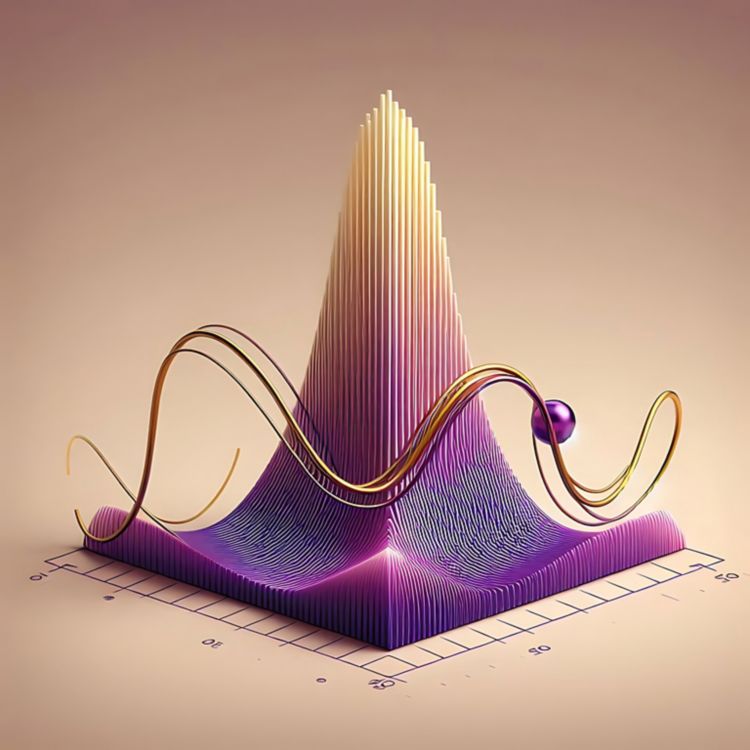
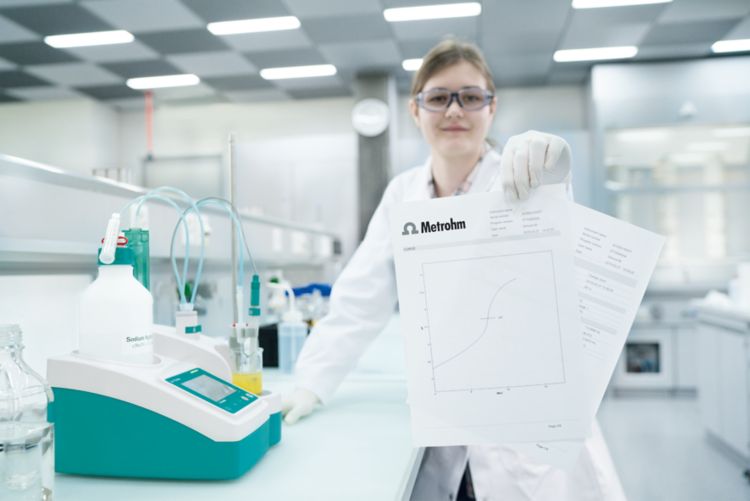
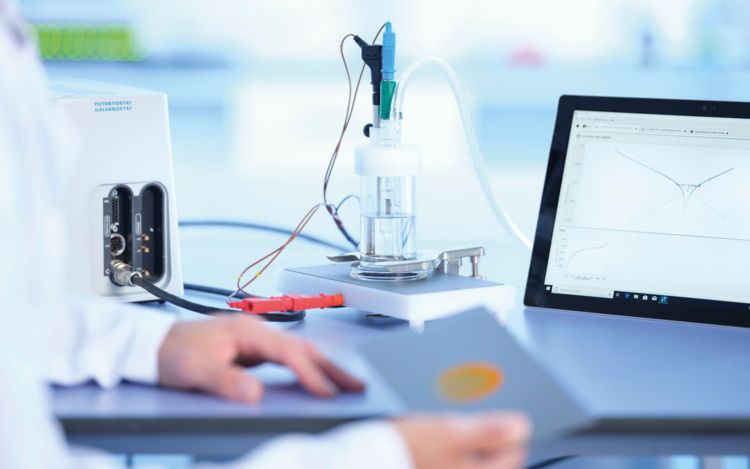
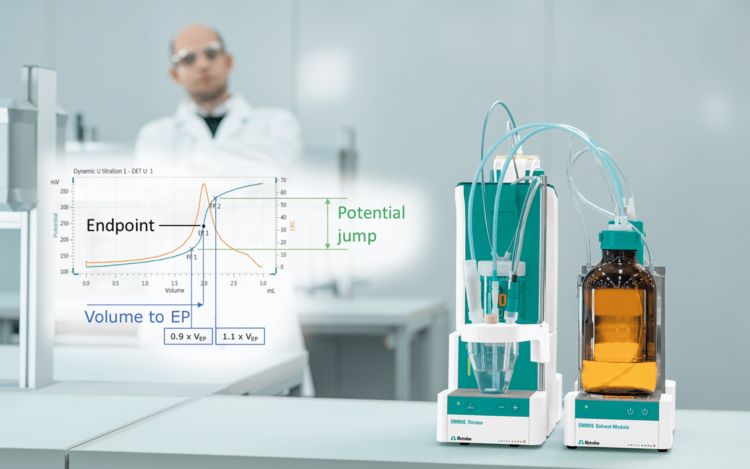
Just as important, save several representative titration curves. These curves provide a visual reference for how the reaction behaves when the method is working correctly.
Understanding how the instrument interacts with the chemistry is essential when laboratories need to transfer a titration method between instruments. The simplest migration means the chemistry stays consistent between systems.

This means confirming that:

  • the same titrant concentration is used
  • the same solvent or reaction reagent is used
  • sample preparation procedures are unchanged
  • the new electrode type is compatible with the method

If these factors differ, the titration behavior may change regardless of the instrument.

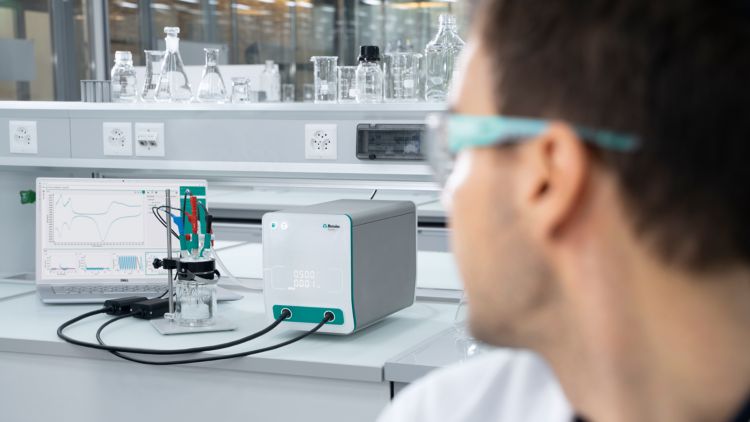
Once the chemistry has been verified, the method can be recreated on the new autotitration system.

This typically involves entering:

  • titrant concentration
  • sample size or sample weight
  • endpoint detection settings
  • calculation parameters

At this stage, the goal is not perfect optimization but simply reproducing the basic structure of the method.

After the method is configured, run several titrations and compare the curves produced by the new instrument with those from the original system.

Look for similarities in:

  • the overall shape of the curve
  • the position of the equivalence point
  • how rapidly the signal changes near the endpoint

Small differences are normal, but the overall shape of the titration curve and the position of the equivalence point should remain consistent.

If differences appear in the titration curves, adjustments may be needed to align the method with the behavior of the new instrument.

Common adjustments include:

  • dosing increments near the equivalence point
  • sensor stabilization time
  • stirring speed or mixing conditions
  • endpoint detection settings

These adjustments help ensure the instrument measures the reaction in a way that reflects the chemistry of the method.

When method migration improves performance

Method migration is often approached cautiously because laboratories want to preserve continuity with historical data. However, transferring a method to a modern autotitration system can also provide opportunities for improvement.

Newer instruments may offer:

  • more precise titrant delivery
  • improved sensor diagnostics
  • improved endpoint evaluation algorithms

When properly implemented, these capabilities can produce faster titrations and more stable endpoint detection without changing the underlying chemistry of the method.


A practical way to think about method migration

The most reliable way to approach method transfer is to view the titration as a system rather than a list of parameters.

The chemistry defines the reaction, the sensor translates the reaction into a signal, and the instrument interprets that signal to determine the endpoint. When these elements are aligned, titration methods can be transferred between instruments with confidence.

For this reason, examining the titration curve and understanding how the instrument interacts with the chemistry are often the most valuable tools during method migration.

Learn more about titration

Download monograph

For more comprehensive and practical knowledge of modern titrimetric analysis, download the monograph.

Contact
Blake

Dr. Kerri-Ann Blake

Product Manager, Titration
Metrohm USA

Contact