
You have been redirected to your local version of the requested page
เครื่องไทเทรต

เครื่องไทเทรต

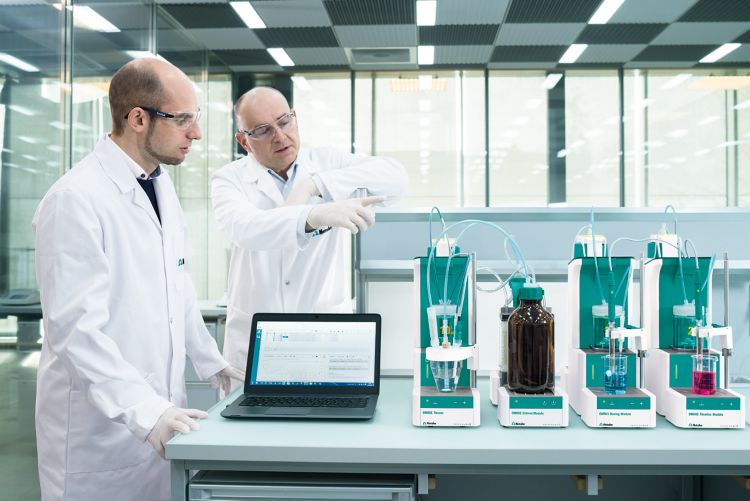
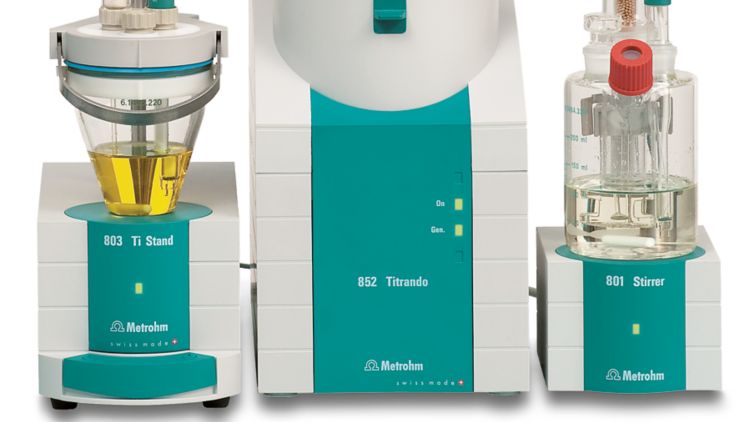
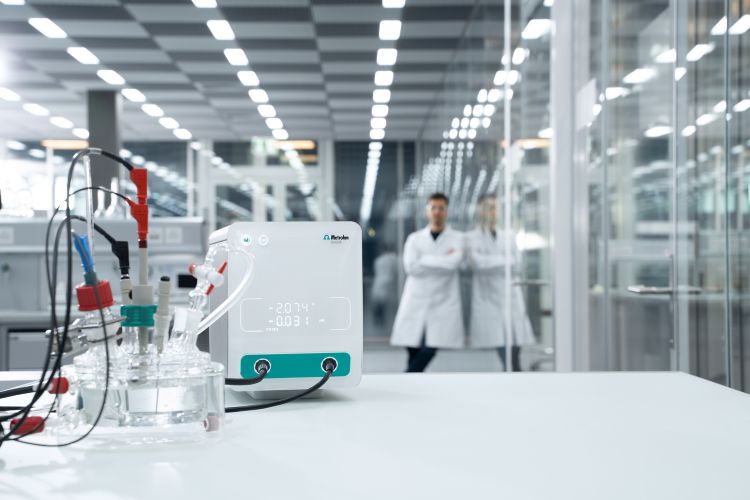
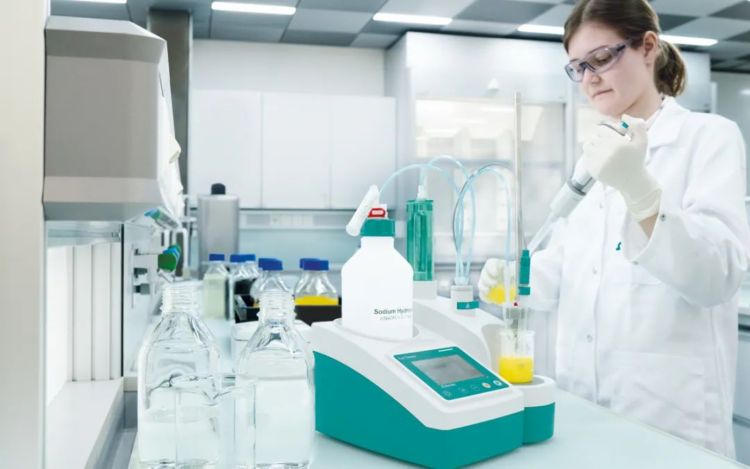
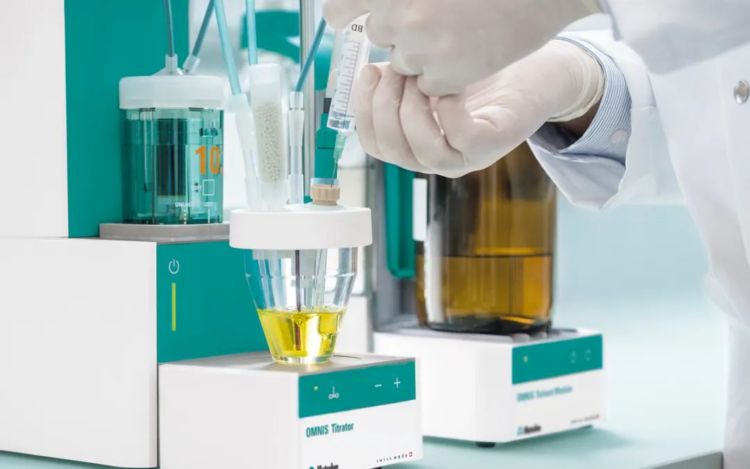
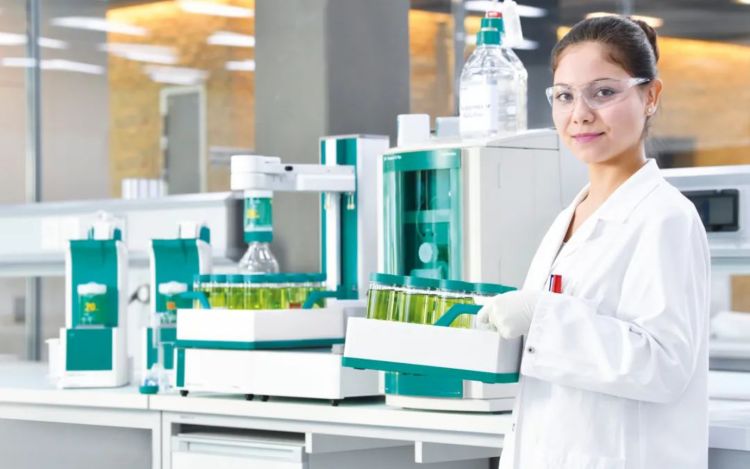
นวัตกรรมใหม่ของเครื่องไทเทรตอัตโนมัติ มีระบบการไทเทรตที่ทันสมัย มีอุปกรณ์ต่างๆ และมีทีมผู้เชี่ยวชาญในการให้บริการ

ไม่ว่าความต้องการคืออะไร - เรามีเครื่องไทเทรตที่เหมาะสมสำหรับคุณ

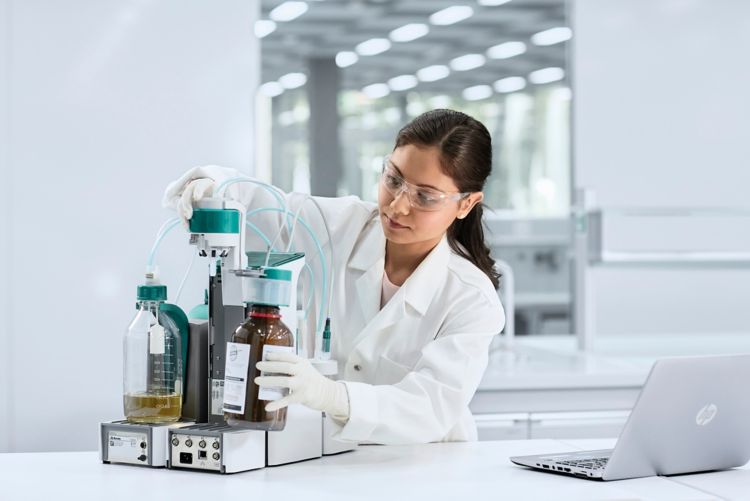
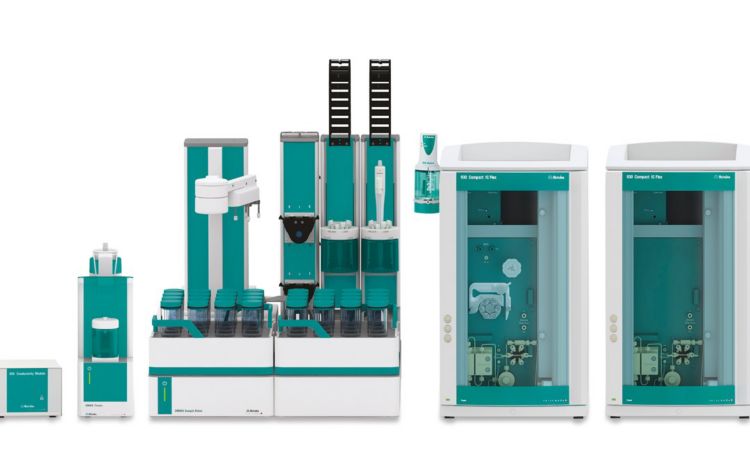
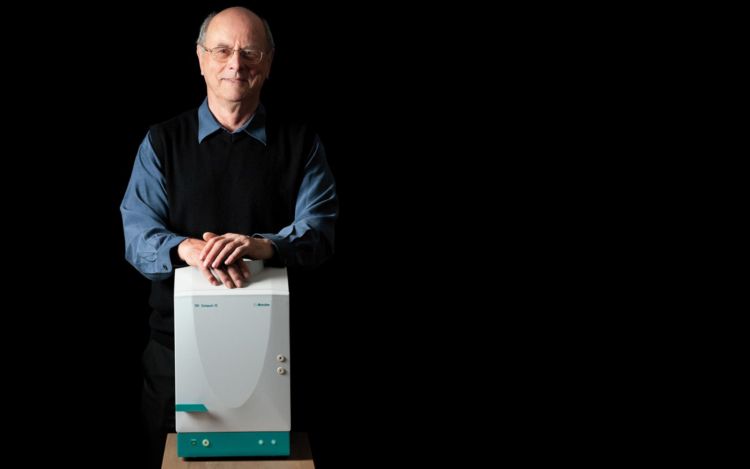
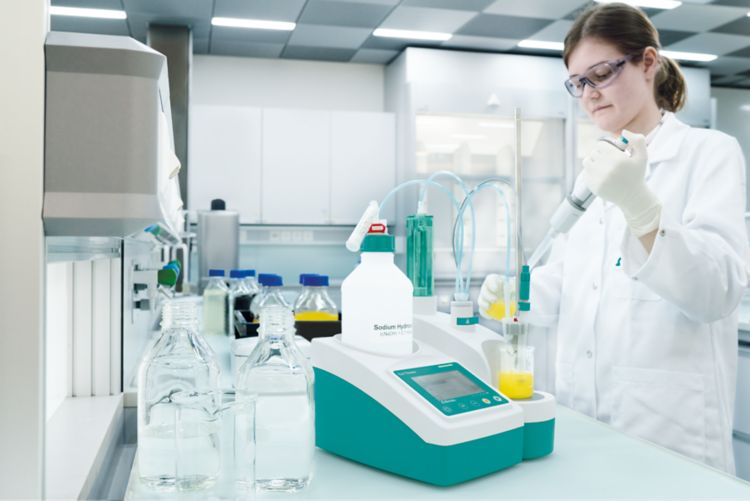
เครื่องไทเทรตอัตโนมัติจาก Metrohm มีตัวเลือกที่หลากหลายเหมาะสำหรับทุกการทดลอง ราคาจับต้องได้ ประหยัดพื้นที่ และเป็นเครื่องตั้งโต๊ะที่สามารถทำงานร่วมกับระบบอัตโนมัติได้แบบเต็มรูปแบบ

ใช้ ตัวเลือก เพื่อค้นหาเครื่องไทเทรตที่เหมาะสมสำหรับคุณ

ค้นหาวิธีการวิเคราะห์สำหรับการ ไทเทรต

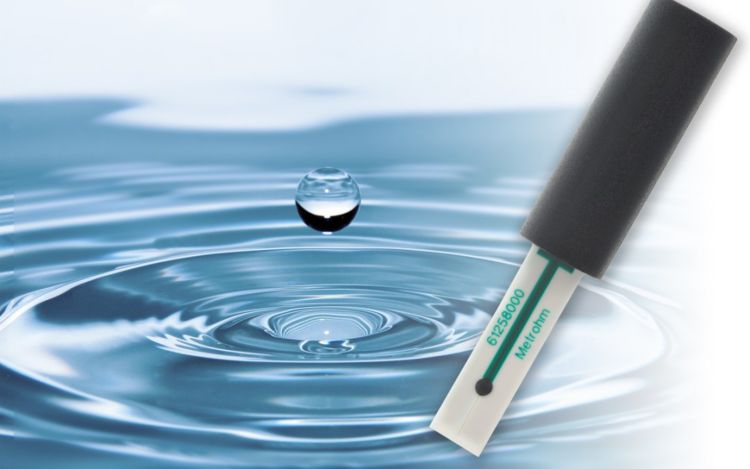
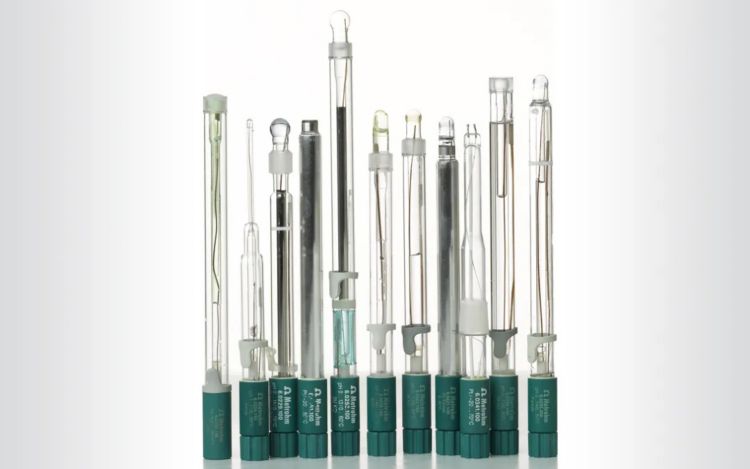
การวัดค่าที่เชื่อถือได้และแม่นยำ  ส่วนประกอบเครื่องไทเทรตของคุณ

ทำไมต้องใช้เครื่องไทเทรต จาก Metrohm? – เราคือผู้นำในตลาดโลก

Metrohm ก่อตั้งขึ้นในปี 1943, เราพัฒนาโซลูชั่นสำหรับการไทเทรตจากอดีต สู่ผู้ให้บริการเครื่องมือชั้นนำของโลกในปัจจุบัน

  • เครื่องไทเทรตที่ครบครัน ด้วยโซลูชั่นแบบตั้งโต๊ะขนาดกะทัดรัด ไปจนถึงระบบไทเทรตอัตโนมัติแบบโมดูลาร์ รวมถึงอุปกรณ์เสริม และซอฟต์แวร์สำหรับการไทเทรตแบบโพเทนชิโอเมตริก การไทเทรตแบบ karl fischer ทั้ง วอลุมเมตริกและคูลอมเมตริก
  • ไว้วางใจในคุณภาพระดับ Swiss-made quality.
  • ได้รับประโยชน์จากสาขาของเรามากกว่า 80 ประเทศทั่วโลก สำหรับการดูแลโดยผู้เชี่ยวชาญด้านการบริการและแอปพลิเคชัน

แบบบันทึกแอปพลิเคชั่นเกี่ยวกับการไทเทรต มากกว่า 450 รายการ ที่เขียนโดยผู้เชี่ยวชาญด้านการใช้งาน:

ไปที่ Application Finder

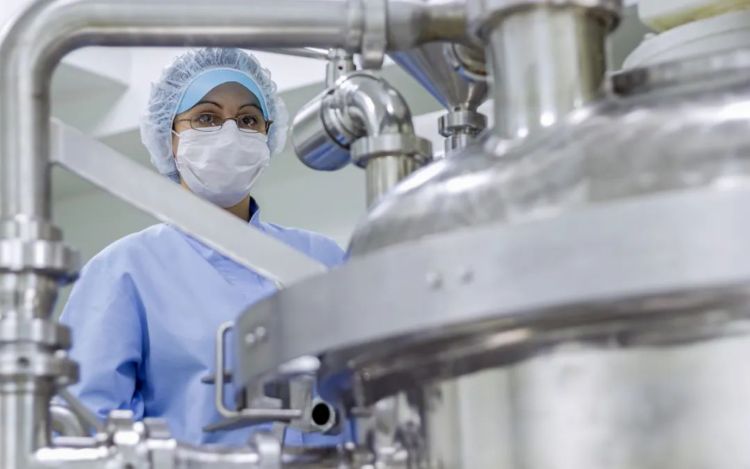
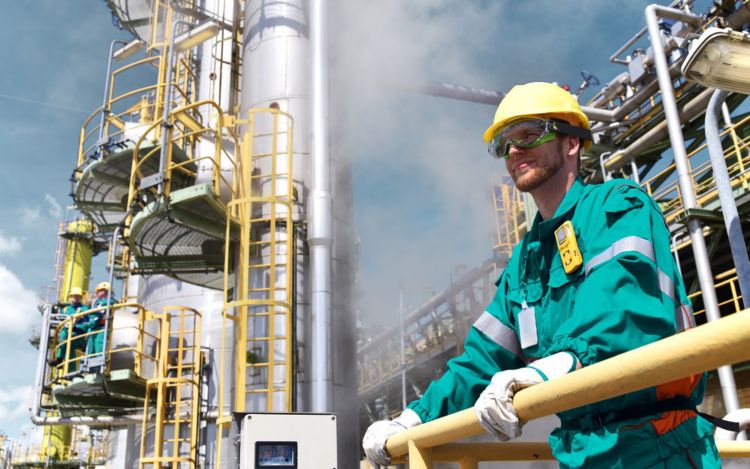
ไปที่โซลูชั่นของเราสำหรับการไทเทรตแบบ Karl fischer และ การวิเคราะห์ในกระบวนการผลิต:

Karl Fischer titrators from Metrohm

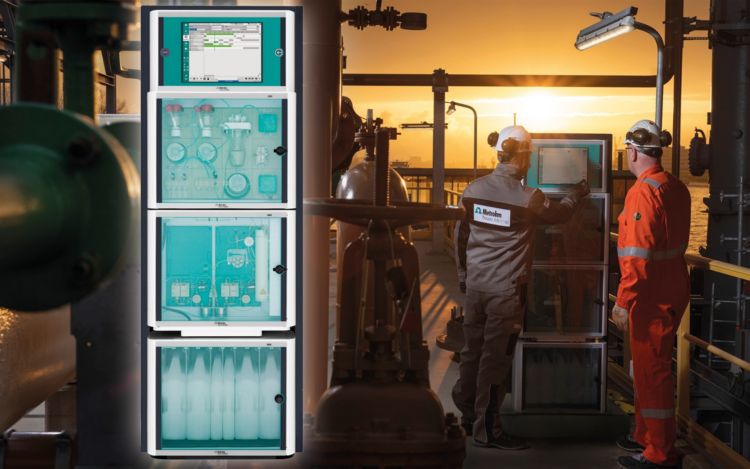
Titration process analyzer from Metrohm

Titrator – คำถามที่พบบ่อย(FAQs)

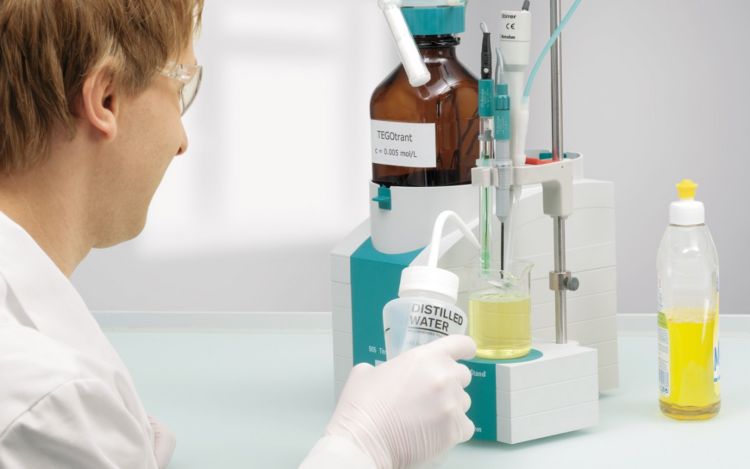
Titrators are used to determine the concentration of a substance (analyte), which is dissolved in a sample. A reagent (titrant) is added gradually in a known volume to the sample until a chemical reaction reaches its endpoint, which is detected by a sensor.

How titrators work step-by-step:

  1. Sample addition: The sample is added to a vessel, often with a stirrer to ensure homogeneity.
  2. Titrant addition: The titrant is added manually or automatically in controlled volumes.
  3. Measurement & monitoring: Sensors continuously monitor the reaction. The titrator tracks changes in solution properties (e.g., voltage, color, conductivity) to detect the equivalence point.
  4. Endpoint detection: The endpoint is the moment when the reaction is complete.
  5. Result calculation & reporting: The titrator calculates the concentration of the analyte based on the volume of titrant used and generates a digital report.


Various sensors are available to monitor the reaction depending on the type of titration you are performing. Metrohm offers sensors for photometric, thermometric, redox, precipitation, complexometric, surfactant, aqueous or non-aqueous acid-base titration.

Check out our Webinar Center and our blog to learn more about titration:

Webinar: Basics of titration

Blog: Titration – definition and principles

Blog: Best practices for electrodes in titration

An automatic titrator is a laboratory instrument that performs titration procedures automatically, including sample and titrant addition, endpoint detection, and results calculation. Auto titrators have many advantages over manual titrators, such as faster analysis, reproducible measurements, and more.

Learn more about the fully automatic titrator from Metrohm:

Go to OMNIS titrators

Learn more about automatic titration and the advantages over manual titration in our blog:

Blog: Save money by using automated titration systems

Blog: Why consider automation – even for simple titrations

Titration is one of the oldest analytical techniques and is usually performed manually. However, manual titration presents many challenges. An autotitrator automates the titration process, delivering faster, more accurate, and safer results compared to manual titration. The video summarizes the 5 top reasons to switch from manual to automated titration.

  1. Easier preparation of the buret: An autotitrator fills the buret automatically.
  2. Step-by-step guidance: An autotitrator automatically transfers the sample size from the balance to the software or instrument, adjusts the stirring speed, and more.
  3. More reliable and reproducible endpoint evaluation: Automatic titrators ensure objective endpoint detection.
  4. Complete documentation according to GxP: Autotitrators ensure compliance with FDA CFR Part 11 and EudraLex Vol. 4, Annex 11.
  5. Safer handling of chemicals: Autotitrators reduce the exposure to hazardous chemicals.

In summary, the main benefits of an autotitrator are:

  • Speed and throughput: Faster analysis and higher sample throughput
  • Accuracy and reproducibility: Automated dosing and endpoint detection minimize human error
  • Efficiency: Frees lab personnel from repetitive tasks
  • Safety: Minimizes chemical exposure
  • Data management: Digital reports and integration with LIMS/ERP systems
  • Scalability: Modular accessories and automation options adapt to changing workloads

Choosing the right titrator depends on your sample type, analytical goals, and lab environment. Here are the key factors to consider:

Factors Tips
Type of titration
  • Potentiometric titration: Ideal for acid-base, redox, complexometric, and precipitation reactions.
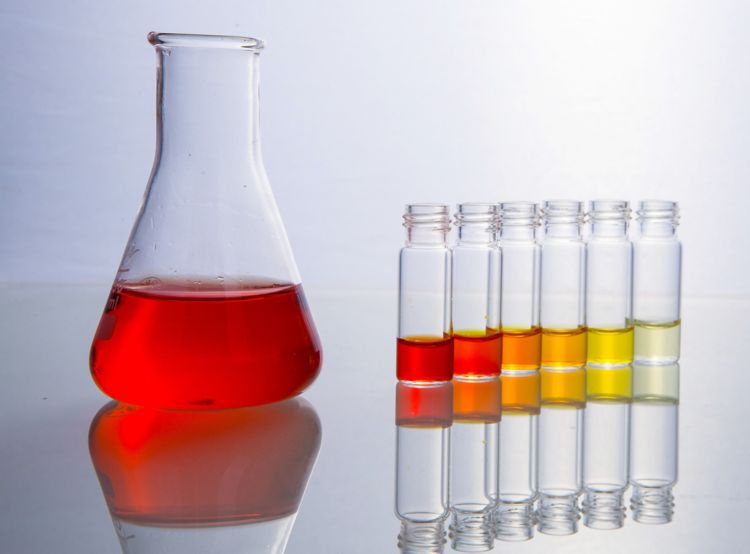
  • Photometric: Suitable for colored, opaque, or non-aqueous samples.
  • Thermometric titration: Best for samples where traditional sensors may not work.

  • Conductometric titration: Useful for reactions involving ionic changes.
Sample characteristics
  • Consider whether your samples are liquids, solids, slurries, or gases.
  • Some titrators offer accessories like homogenizers or sample preparation modules to handle complex matrices.
Throughput & automation
  • For high sample volumes, look for titrators with autosamplers or robotic automation (e.g., Metrohm’s OMNIS Sample Robot).
  • Parallel titration capabilities can significantly boost lab efficiency.
Accuracy & reliability
  • Choose systems with precise dosing, sensitive sensors, and robust endpoint detection.
  • Look for instruments that support method validation and reproducibility.
Compliance & data management
  • Ensure compatibility with GLP/GMP, 21 CFR Part 11, and other regulatory standards.
  • Check for integration with LIMS, ERP, or ELN systems for traceability and audit readiness.
Modularity & scalability
  • Opt for a platform that grows with your lab. Metrohm’s OMNIS titrators allow expansion with additional modules and titration modes.
Support & service
  • Consider availability of training, application support, and service contracts.
  • Ask about software updates, warranty coverage, and repair turnaround times.

Our titration experts are happy to assist you with your questions:

Contact us

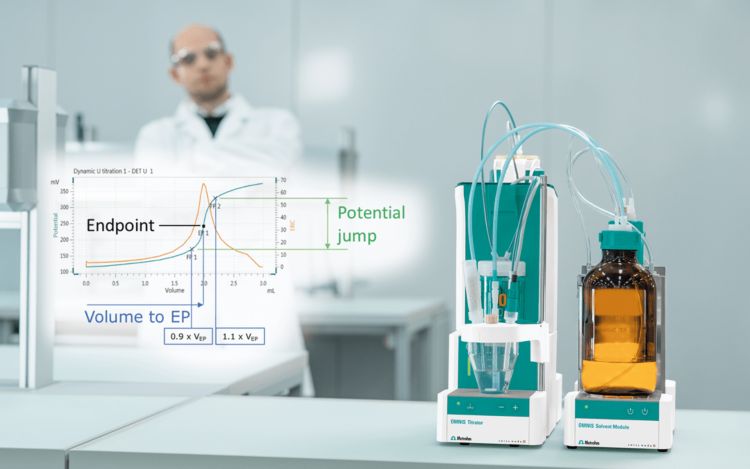
The most common indication methods for automated titrations are potentiometric and photometric endpoint (EP) determination.

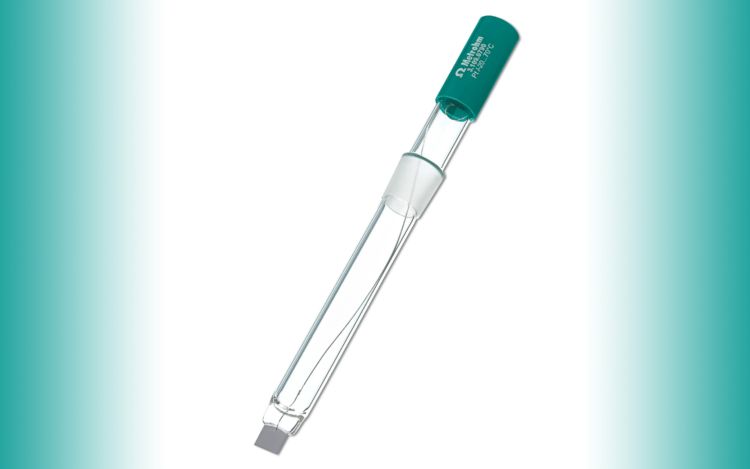
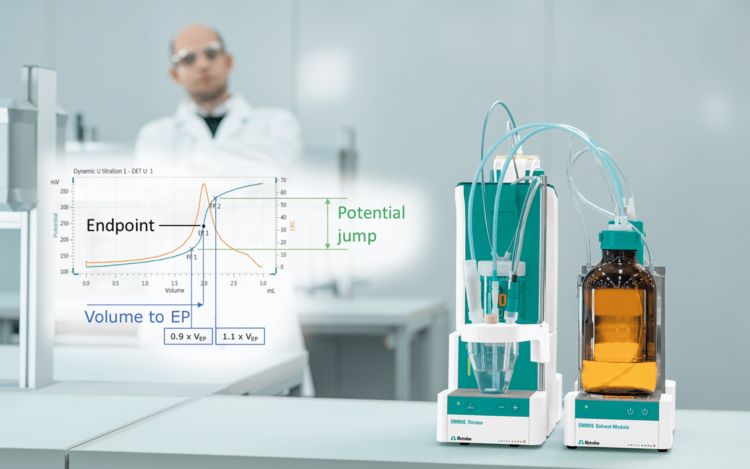
In potentiometric EP determination, the difference in potential is measured: The concentration-dependent potential of a solution is measured using an indicator electrode against a reference potential, which is measured using a reference electrode. Combined sensors including both indicator and reference electrode are also available.

In photometric EP determination, a photometric sensor, such as the Optrode from Metrohm, is used to determine the change in intensity at a particular wavelength of a light beam passing through a solution.

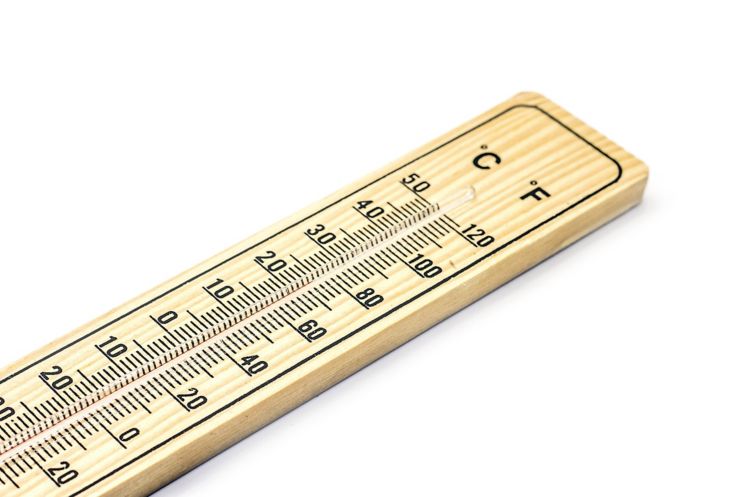
Another kind of titration that is less well known is thermometric titration. Thermometric EP determination relies on detecting temperature changes during the titration reaction. A highly sensitive temperature sensor monitors the solution, and the endpoint is identified by a sudden change in temperature, which occurs due to the exothermic or endothermic nature of the reaction. This method is especially useful for titrations where no suitable electrode or photometric indicator is available.

Learn more about potentiometric, photometric, and thermometric endpoint determination in our blog:

Blog: Recognition of endpoints (EP)

Blog: Thermometric titration – the missing piece of the puzzle

Webinar: Thermometric titration

Fully automated titration systems increase efficiency, accuracy, safety, and reliability of your titrations. Automated systems are ideal for high-throughput labs, routine analysis, and when minimizing manual labor is critical.

The OMNIS Sample Robot from Metrohm, for instance, allows you to fully automate the analysis of up to 175 samples.

Learn more about automated titration:
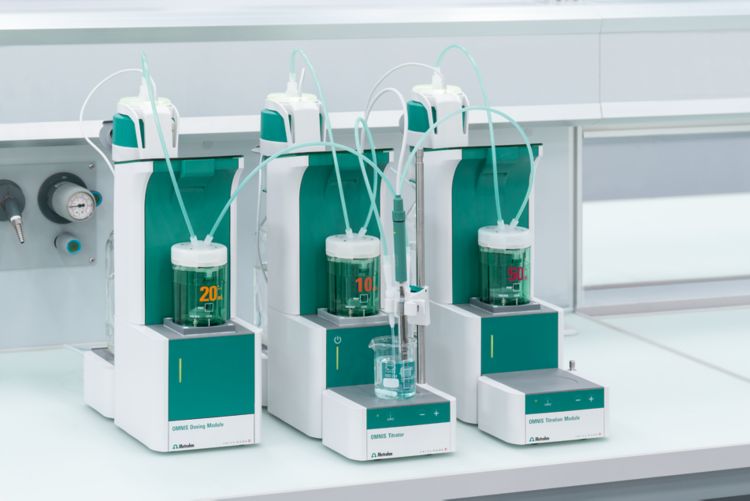
Webinar: The benefits of automating your titration applications

High-throughput labs not only need instruments with a large sample capacity, they also look for a system which offers flexibility and modularity to adapt to changing applications or peaks in workload.

OMNIS titrators and the OMNIS Sample Robot form the perfect titration system for high-throughput laboratories. OMNIS offers parallel titration, modular expansion, and automated sample handling. Watch the video to learn more.

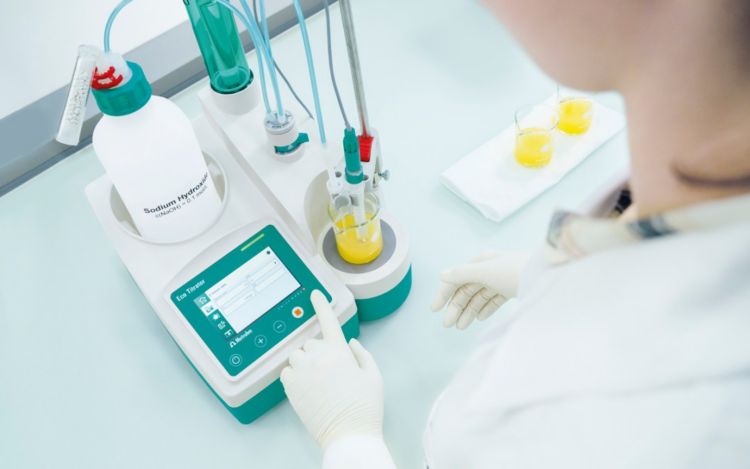
Yes, entry-level Metrohm titrators (i.e., Eco Titrators) deliver reliable accuracy when paired with proper electrodes and validated methods.

The accuracy of titrations does not only depend on the instrument, it is the sum of several factors that contribute to it:

  • Choice of a suitable electrode or indication method
  • Choice of a suitable cylinder volume
  • Choice of a suitable titration mode
  • Accuracy of sample size (weighing/pipetting)
  • Homogenization of the sample
  • Electrode cleaning and maintenance
  • Burette maintenance
  • Other factors, depending on the specific titration method


An overview on how to get correct and accurate titration results can be found here:

Blog: How to avoid titration errors in your lab

Blog: Validation of  titration methods

Webinar: Avoid titration mistakes through best practice sensor handling

Webinar: Troubleshooting titration: essential know-how for quality results

Metrohm’s Ti-Touch and OMNIS titrators offer audit trails, user management, and secure data handling for full regulatory compliance to 21 CFR Part 11.

Stand-alone titrators (without PC software): Ti-Touch

Software-controlled titrators: OMNIS

Validating a titration method ensures that the procedure delivers accurate, reproducible, and reliable results – especially when transitioning from manual to automated titration. Metrohm recommends following the validation framework outlined in USP General Chapter <1225> Validation of Compendial Procedures and ICH Guidance Q2(R1) Validation of Analytical Procedures: Text and Methodology, which includes the following key steps:

  • Perform standardization of the titrant using a primary standard or a pre-standardized solution
  • Assess the accuracy and precision of the titration results by performing reference measurements
  • Verify the linearity of your results, i.e., that the titration results are proportional to the analyte concentration across the expected range
  • Demonstrate specificity, i.e., that the method can accurately measure the analyte without interference from impurities, excipients, or degradation products.

Find more information:
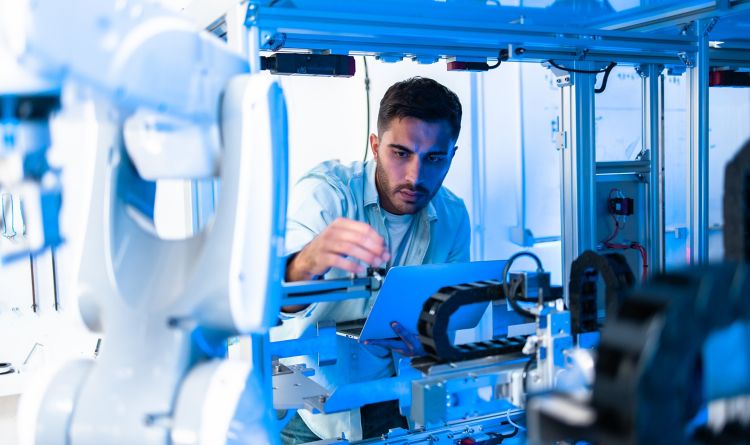
Blog: Validation of titration methods
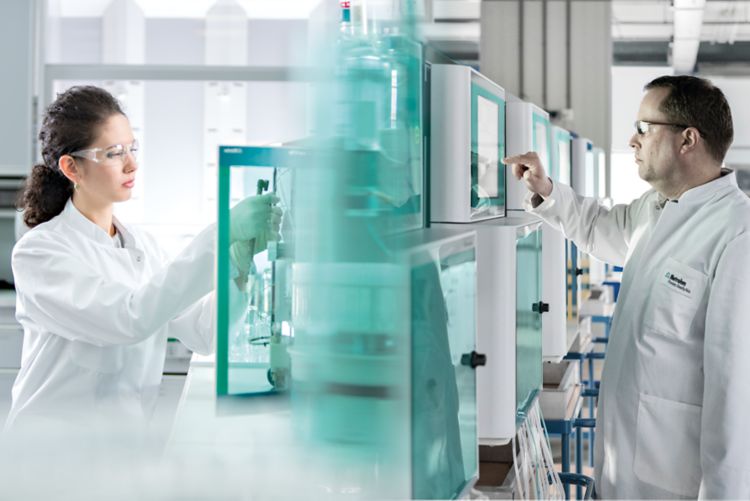
White paper: Recommendations for titration methods validation
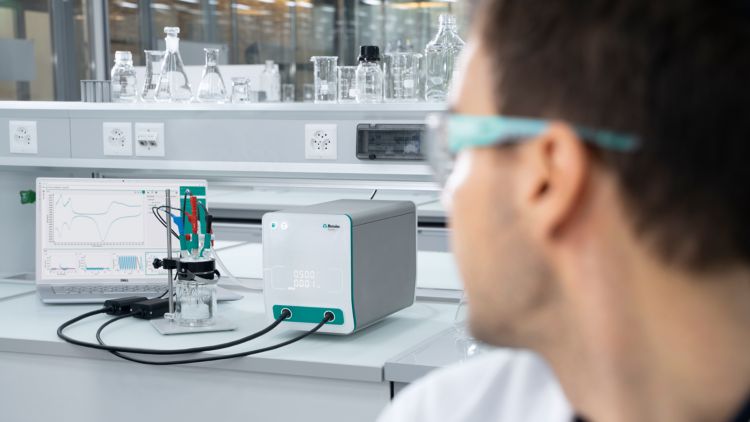
 

Modern titration systems offer various data formats for transferring titration data to an external software (LIMS / ERP / ELN). The most common formats are:

  • PC/LIMS report
  • XML report
  • PDF
  • CSV

Any Metrohm titrator offers at least one of these options, either by transferring the corresponding data in a corresponding file to a USB memory stick or directly to a computer/network directory.

The OMNIS Software offers a convenient and secure data exchange between OMNIS and any 3rd party software (e.g., LIMS, ERP, ELN) by direct transfer based on the REST software architecture.

เครื่องไทเทรตทำงานอย่างไร?

เครื่องไทเทรตใช้ในการหาความเข้มข้นของสาร (เช่น สารที่ต้องการวิเคราะห์) ที่ละลายอยู่ในตัวอย่าง สารไทแทรนต์ จะถูกเติมด้วยระบบแมนนวลหรืออัตโนมัติที่ทราบปริมามตรในการเติม และปฎิกิริยาเคมีจะถูกวัดด้วยหัววัดชนิดต่างๆโดยการเลือกใช้ขึ้นอยู่กับประเภทของการไทเทรต. Metrohm มีหัววัดสำหรับการไทเทรตกรดเบสในตัวอย่างละลายน้ำ และการไทเทรตกดเบสในตัวอย่างที่ไม่ละลายน้ำ ปฏิกิริยารีดอกซ์ การไทเทรตแบบตกตะกอน เชิงซ้อน และการไทเทรตสารลดแรงตึงผิว

เข้าชม Webinar Center และ blog ของเราเพื่อเรียนรู้เพิ่มเติมเกี่ยวกับการไทเทรต:

ไปที่ Webinar Center

Blog: แนวทางการปฏิบัติที่ดีสำหรับอิเล็ดโทรดในการไทเทรต

เครื่องไทเทรตอัตโนมัติ คืออะไร?

ระบบไทเทรตอัตโนมัติ ดำเนินการไทเทรตโดยอัตโนมัติ รวมถึงการคำนวนผลลัพธ์ การเตรียมตัวอย่าง และการวิเคราะห์ตัวอย่างเป็นชุด

เรียนรู้เพิ่มเติมเกี่ยวกับเครื่องไทเทรตอัตโนมัติเต็มรูปแบบจาก Metrohm:

ไปที่เครื่องไทเทรต OMNIS

เรียนรู้เพิ่มเติมเกี่ยวกับเครื่องไทเทรตอัตโนมัติและ ข้อได้เปรียบที่ดีกว่าการไทเทรตแบบ manual ใน blog ของเรา:

Blog: Save money by using automated titration systems

Blog: Why consider automation – even for simple titrations

วิธีการประเภทใดที่สามารถบ่งชี้ได้บ้าง? Which types of indication methods exist?

วิธีการบ่งชี้ที่พบบ่อยที่สุดสำหรับการไทเทรตแบบอัตโนมัติคือ การกำหนดจุดสิ้นสุดแบบโพเทนชิโอเมตริกและโฟโตเมตริก (EP)

ในการกำหนดในการกำหนด EP ของโพเทนชิโอเมตริก จะมีการวัดความแตกต่างศักย์: ศักย์ไฟฟ้าที่เกิดขึ้นกับความเข้มข้นของสารละลายจะวัดโดยอิเล็กโทรดเทียบกับศักย์อ้างอิง ซึ่งวัดโดยใช้อิเล็กโทรดอ้างอิง เซ็นเซอร์แบบรวมรวมทั้งตัวบ่งชี้และอิเล็กโทรดอ้างอิงก็มีจำหน่ายเช่นกัน

ในการวัดค่า EP ของโฟโตเมตริก เซนเซอร์โฟโตเมตริก เช่น Optrode จาก Metrohm จะถูกนำมาใช้เพื่อระบุการเปลี่ยนแปลงของความเข้มที่ความยาวคลื่นเฉพาะของลำแสงที่ผ่านสารละลาย

เรียนรู้เพิ่มเติมเกี่ยวกับการกำหนดจุดสิ้นสุดแบบโพเทนชิโอเมตริกและโฟโตเมตริกใน blogของเรา:

Blog: Recognition of endpoints (EP)

ต้องการเรียนรู้เพิ่มเติมเกี่ยวกับการไทเทรตไหม?

Download your free copy here

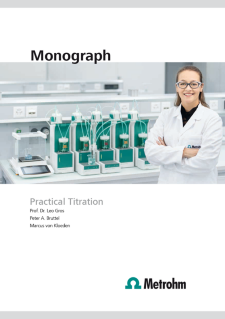
monograph ฟรี "Practical titration" ครอบคลุมทฤษฎีการไทเทรตซึ่งอธิบายปฏิกิริยาการไทเทรต วิธีการบ่งชี้ อิเล็กโทรด และไทแทรนต์ ในภาคปฏิบัติ มีการพูดคุยถึงการไทเทรตกรด-เบส การตกตะกอน รีดอกซ์ เชิงซ้อน และคีโลเมตริก