



-1?$xh-544$&bfc=on)
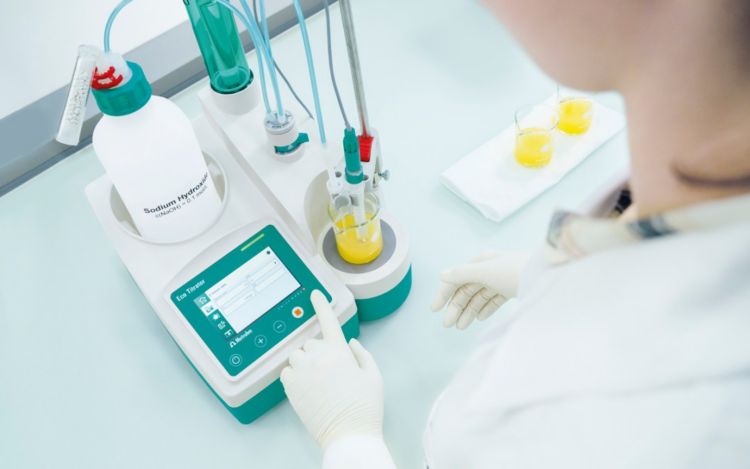
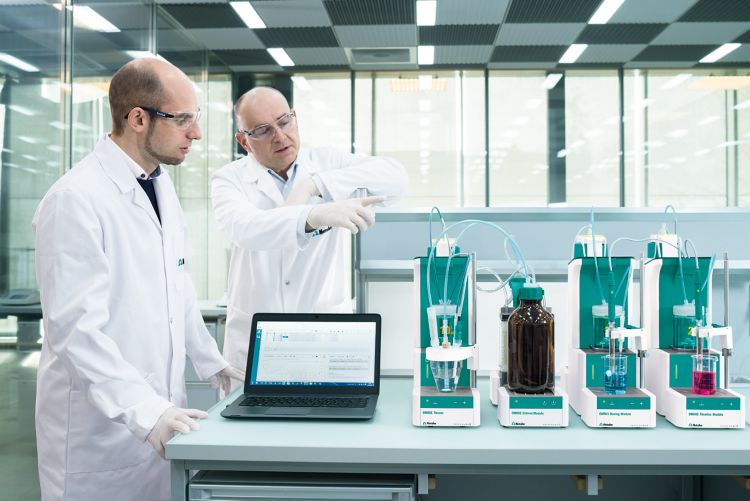
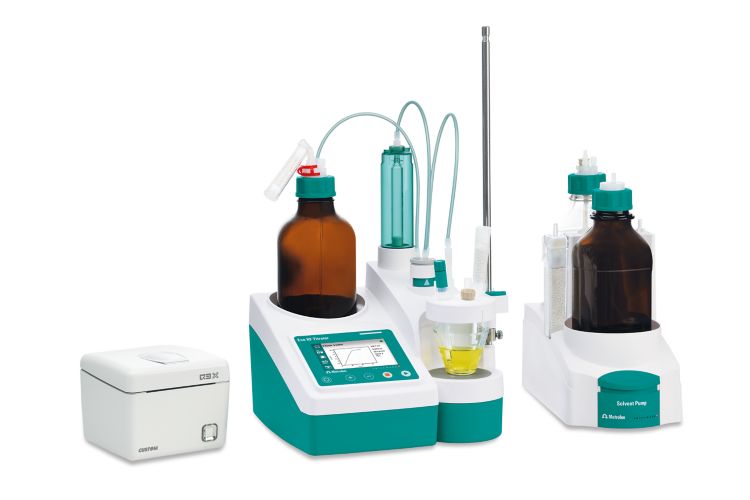
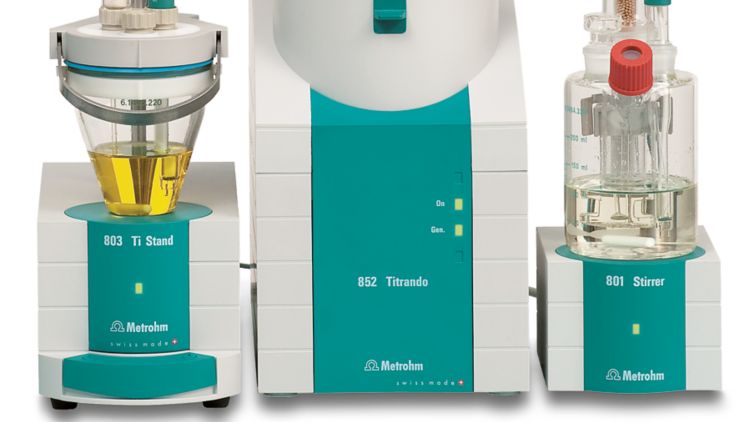
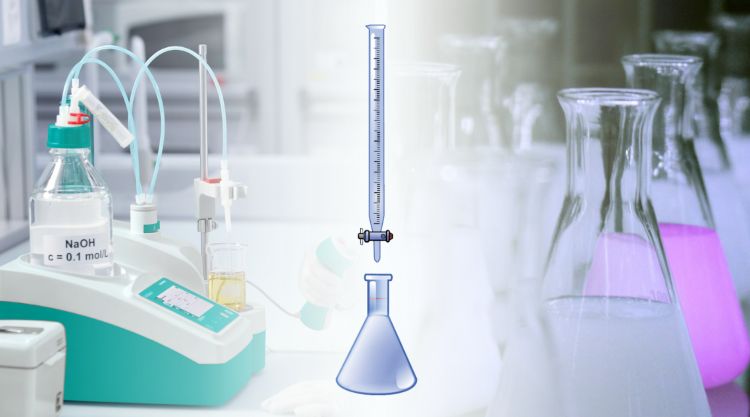
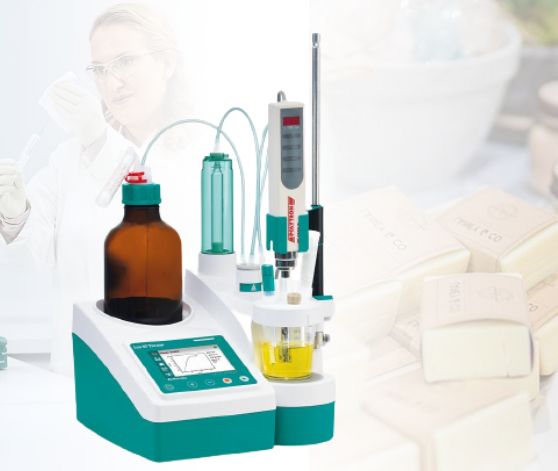
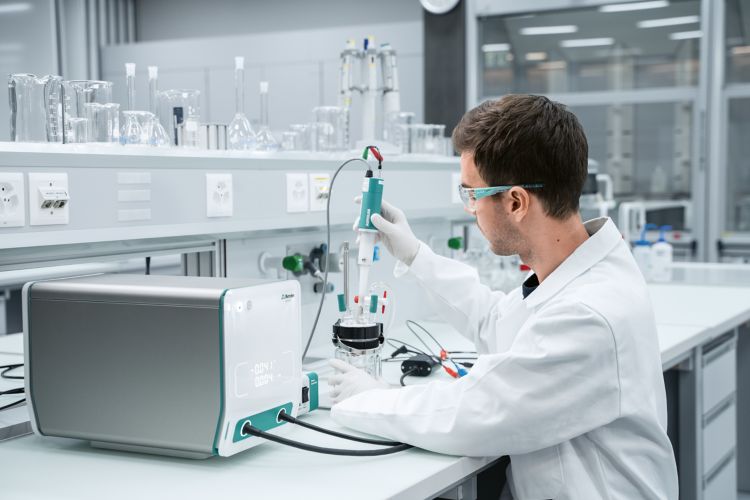
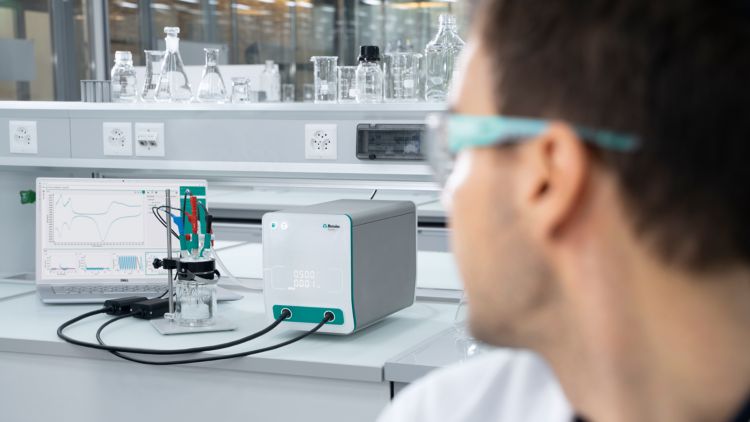
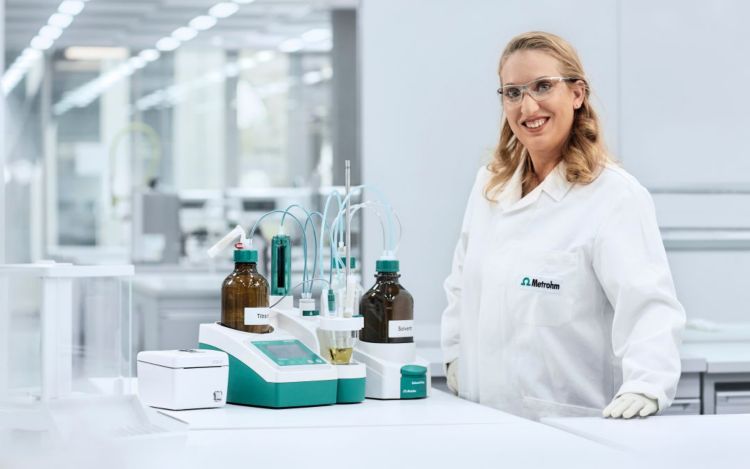
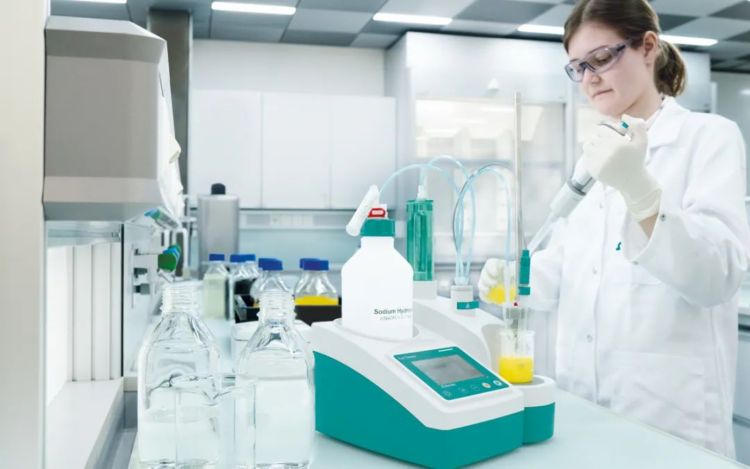
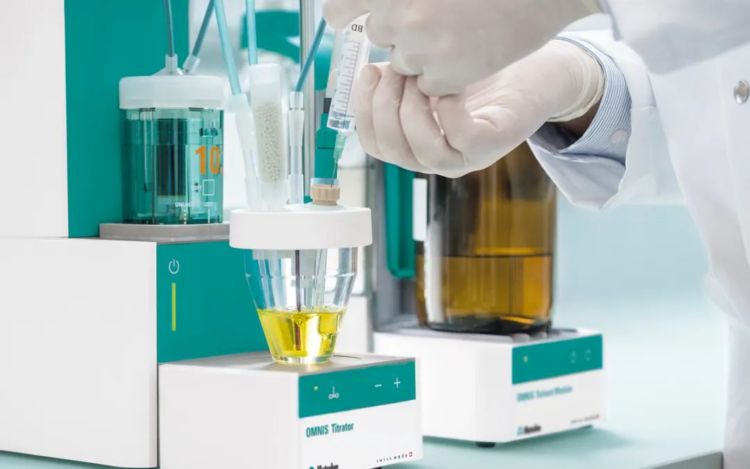
Titrators are used to determine the concentration of a substance (analyte), which is dissolved in a sample. A reagent (titrant) is added gradually in a known volume to the sample until a chemical reaction reaches its endpoint, which is detected by a sensor.
How titrators work step-by-step:
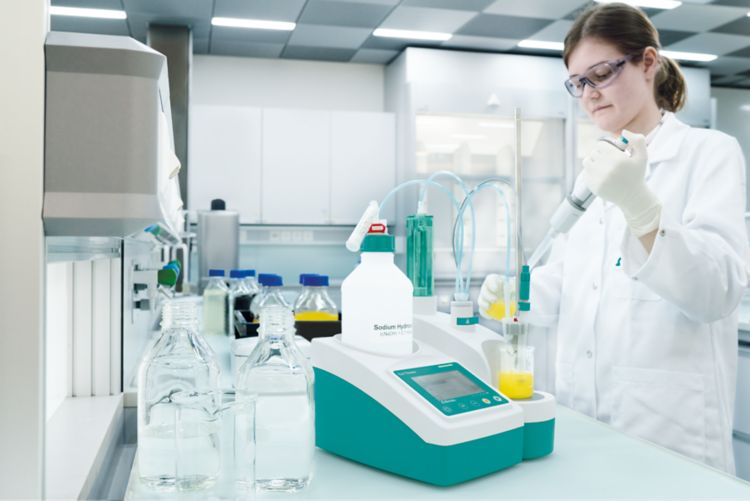
- Sample addition: The sample is added to a vessel, often with a stirrer to ensure homogeneity.
- Titrant addition: The titrant is added manually or automatically in controlled volumes.
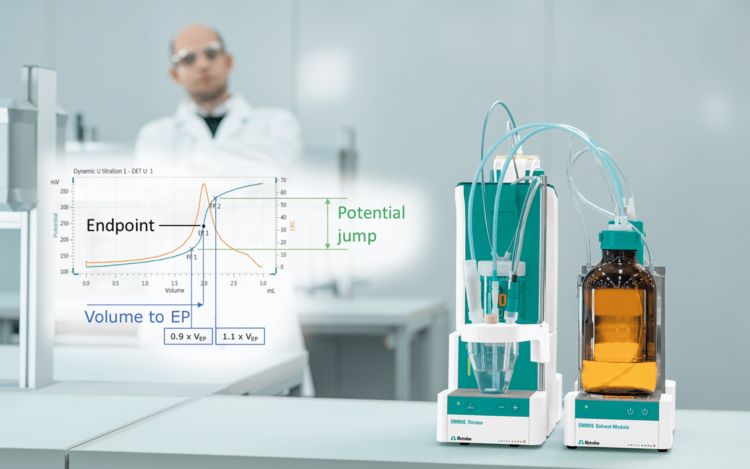
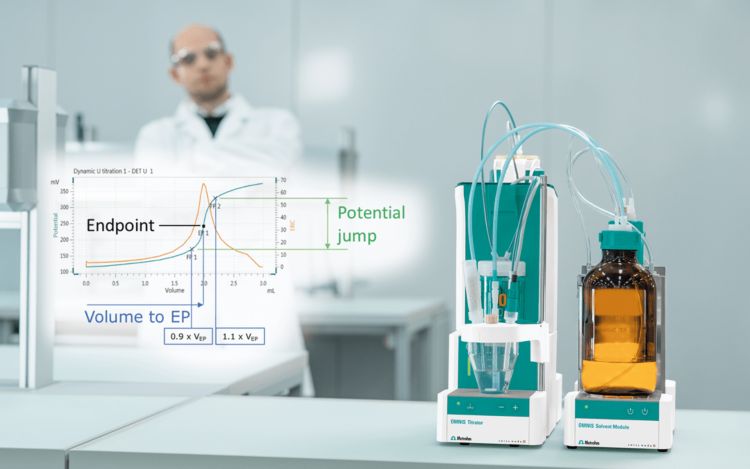
- Measurement & monitoring: Sensors continuously monitor the reaction. The titrator tracks changes in solution properties (e.g., voltage, color, conductivity) to detect the equivalence point.
- Endpoint detection: The endpoint is the moment when the reaction is complete.
- Result calculation & reporting: The titrator calculates the concentration of the analyte based on the volume of titrant used and generates a digital report.
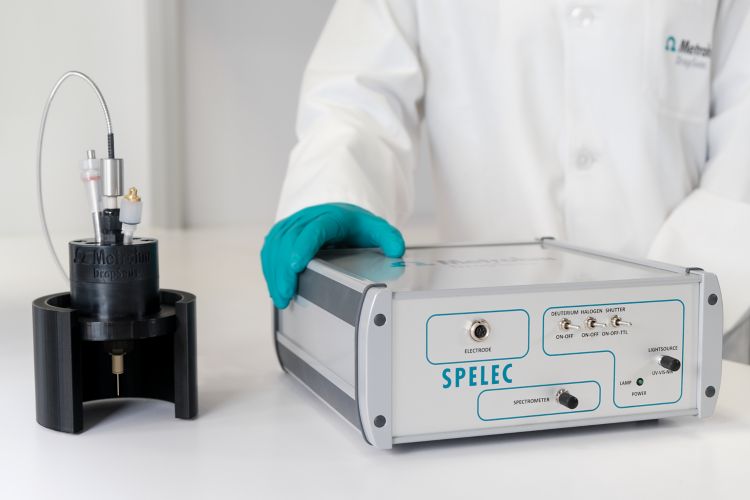
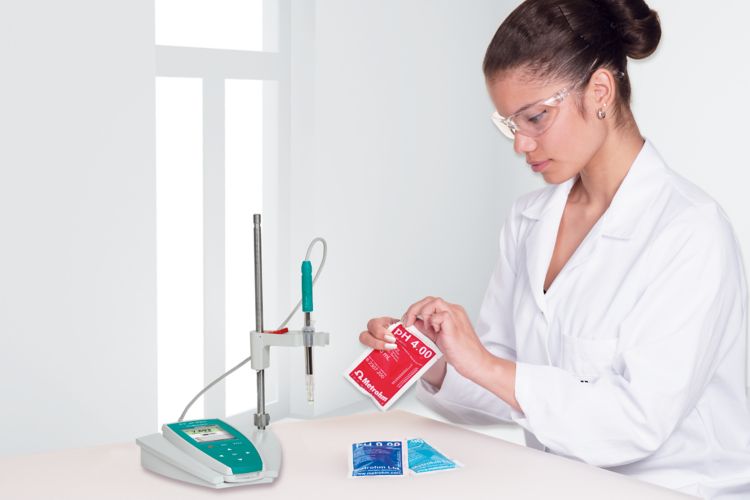
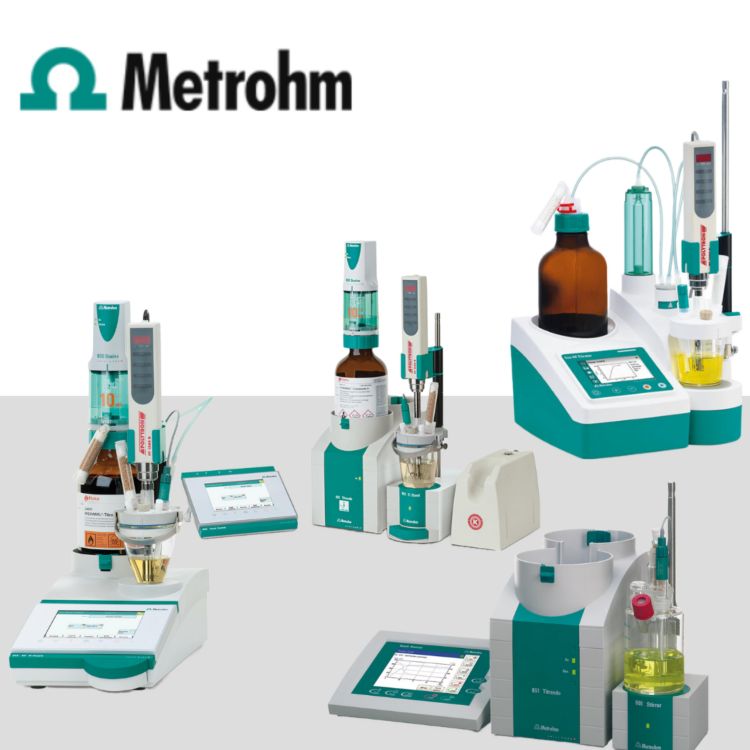
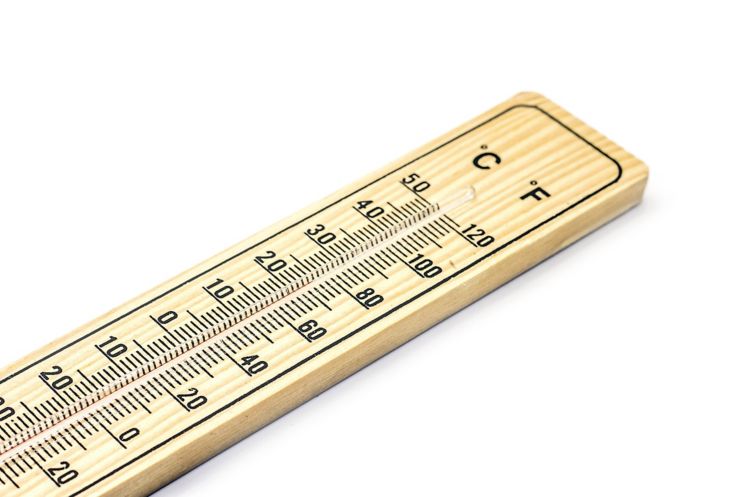
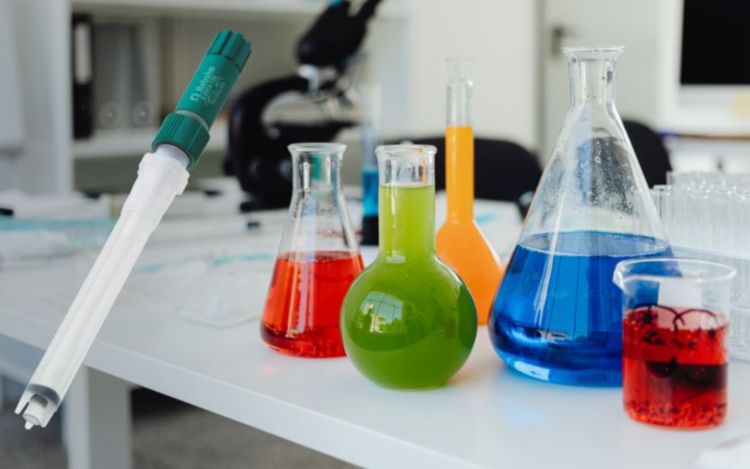
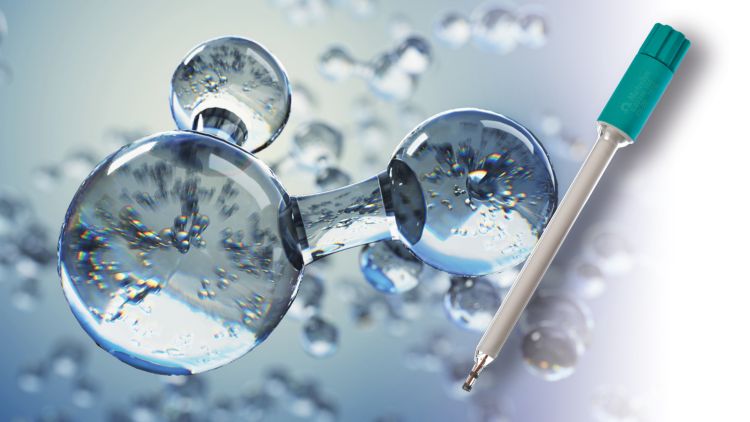
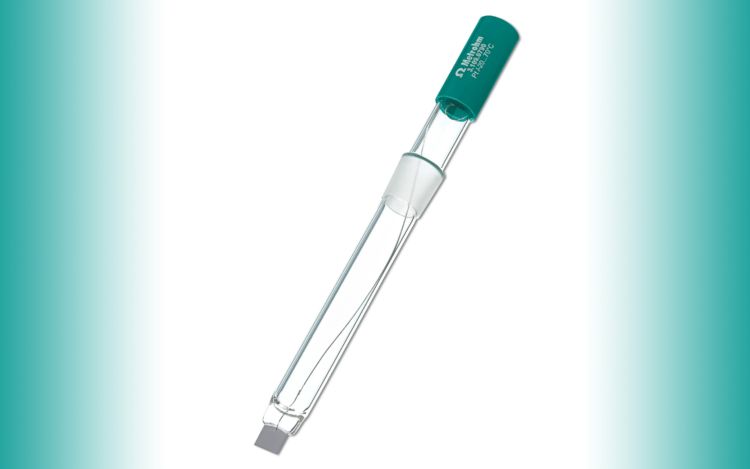
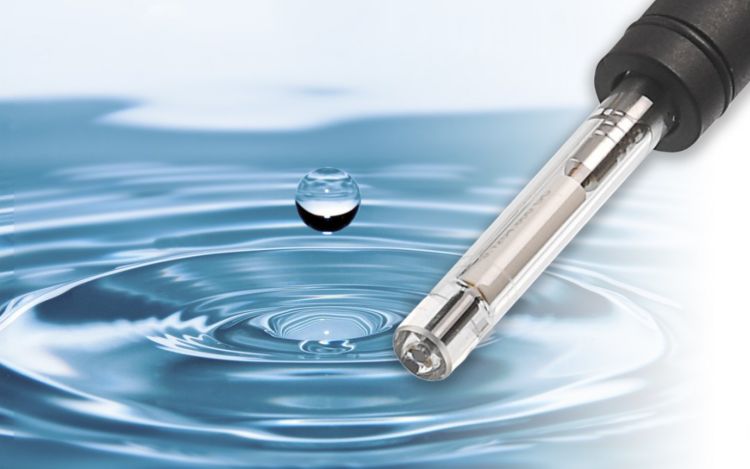
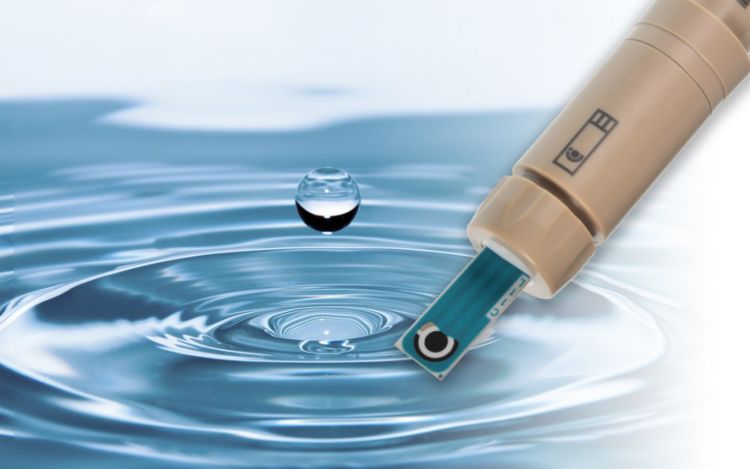
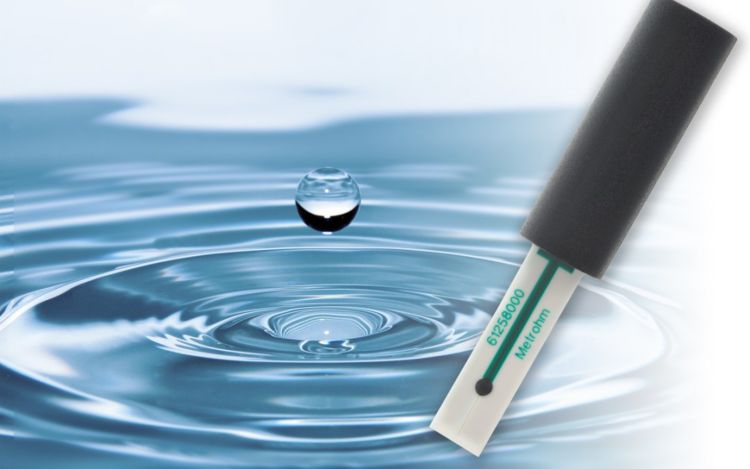
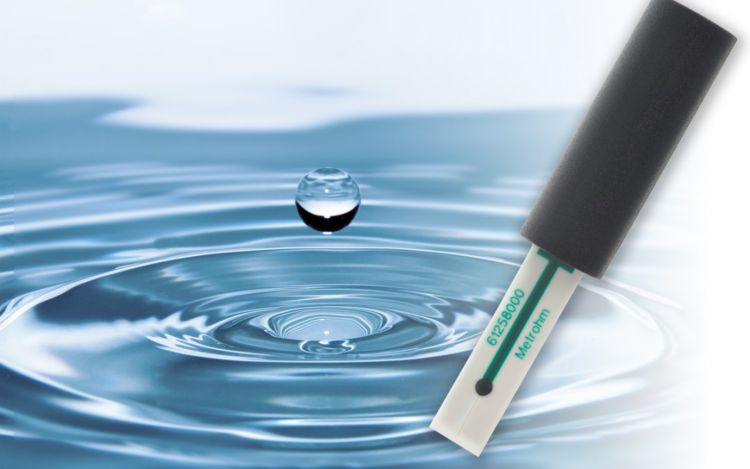
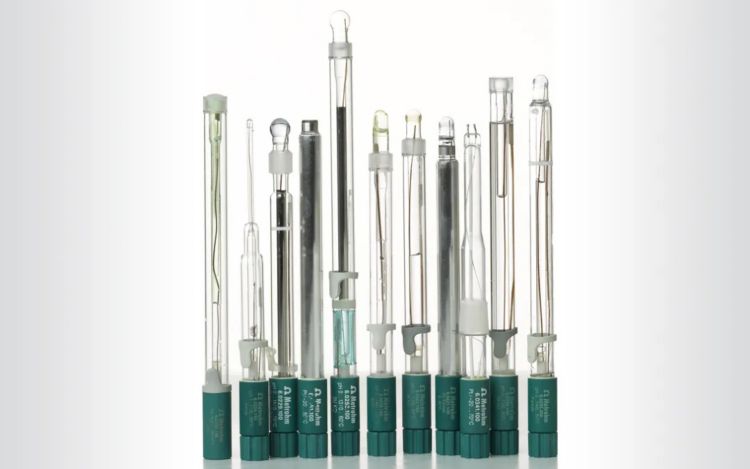
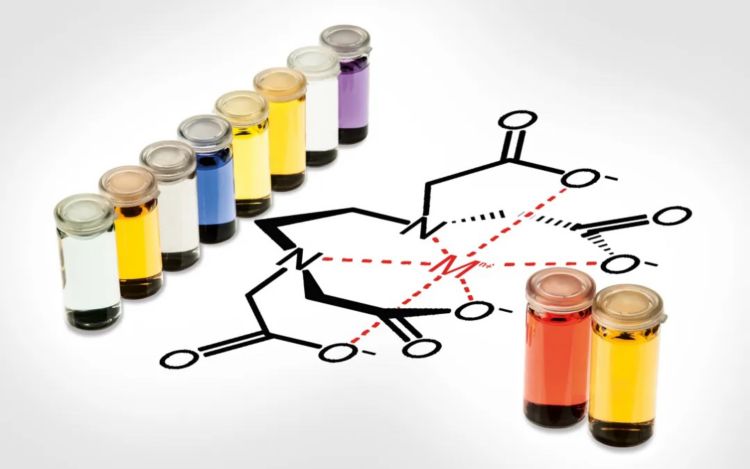
Various sensors are available to monitor the reaction depending on the type of titration you are performing. Metrohm offers sensors for photometric, thermometric, redox, precipitation, complexometric, surfactant, aqueous or non-aqueous acid-base titration.
Check out our Webinar Center and our blog to learn more about titration: