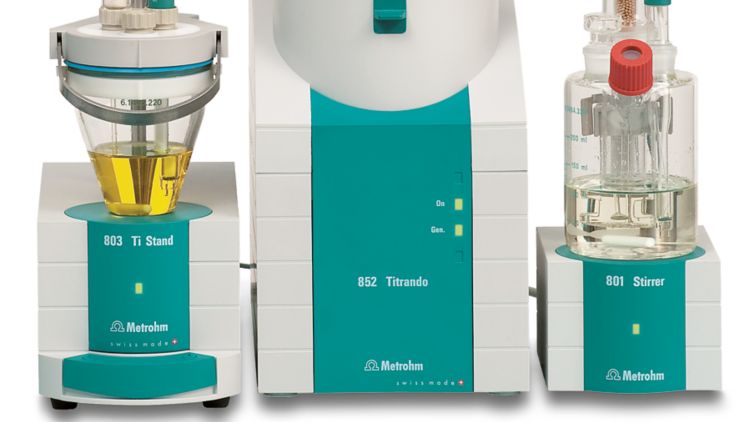
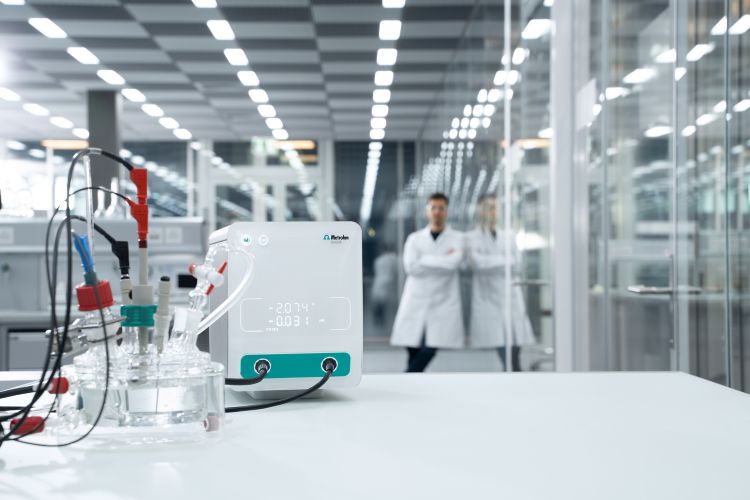
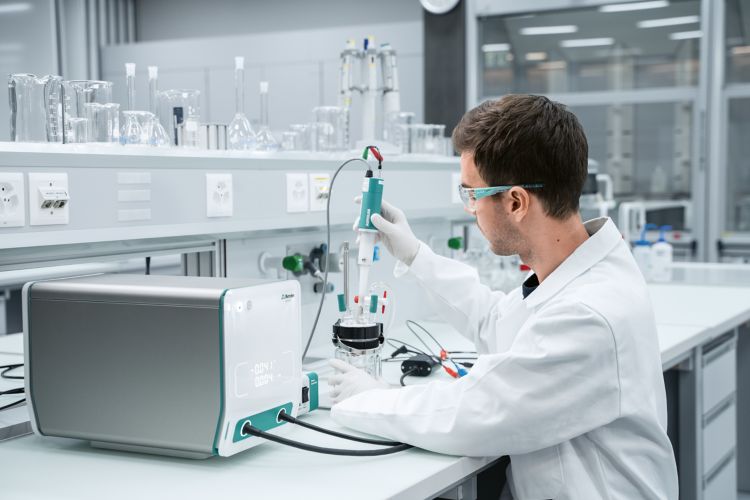
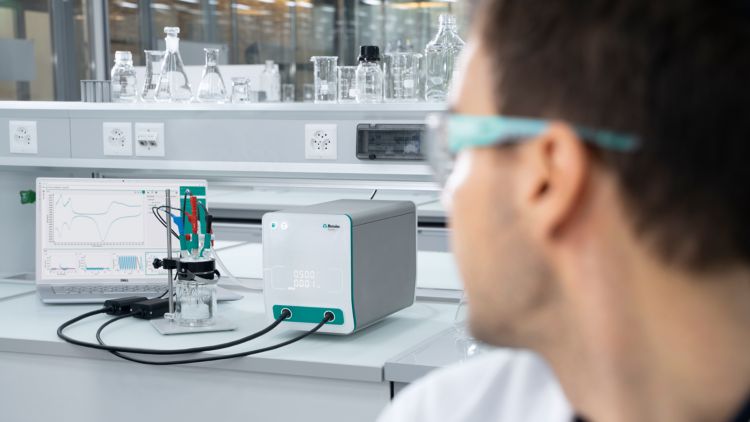
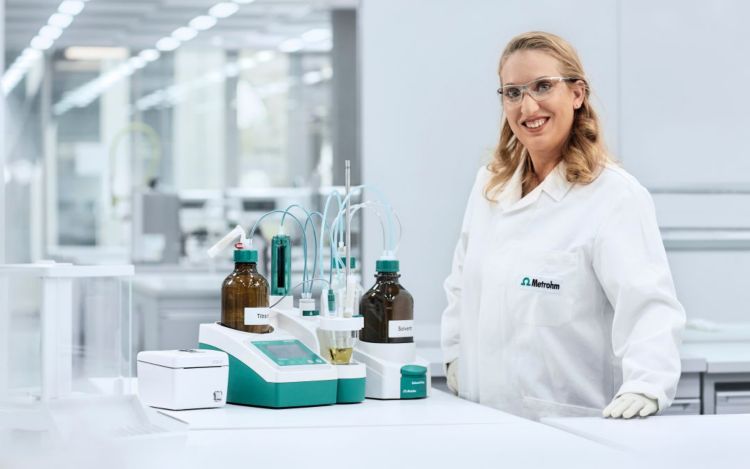
851 Titrando with Touch Control and generator electrode without diaphragm
2.851.0120
26 Reviews på SelectScience
- Overblik over funktioner
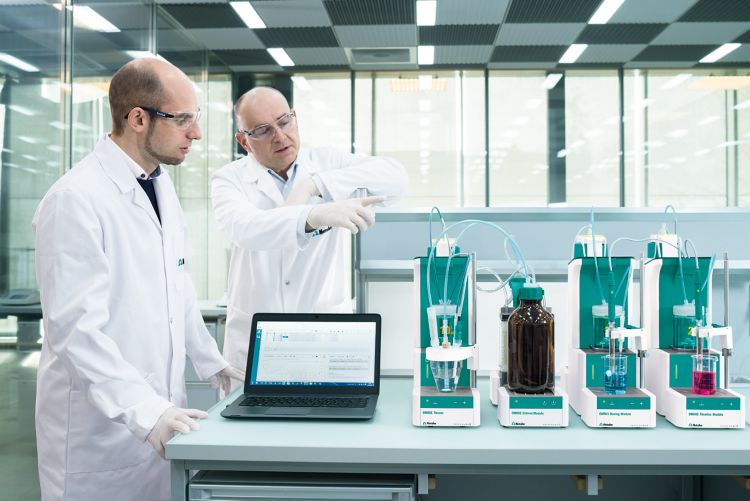
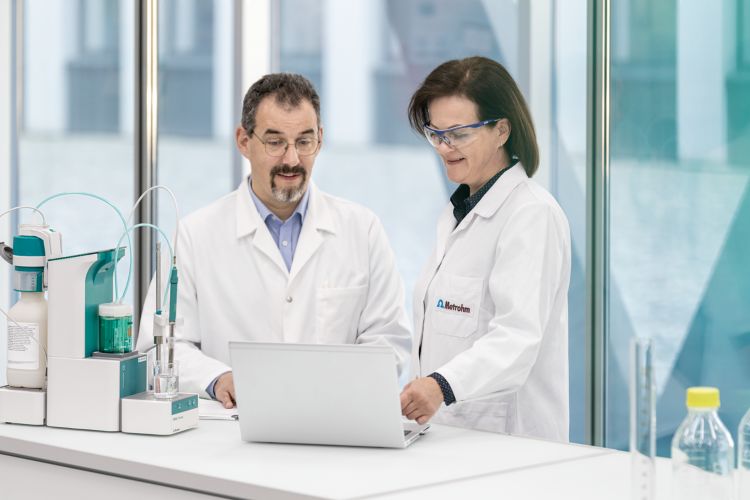
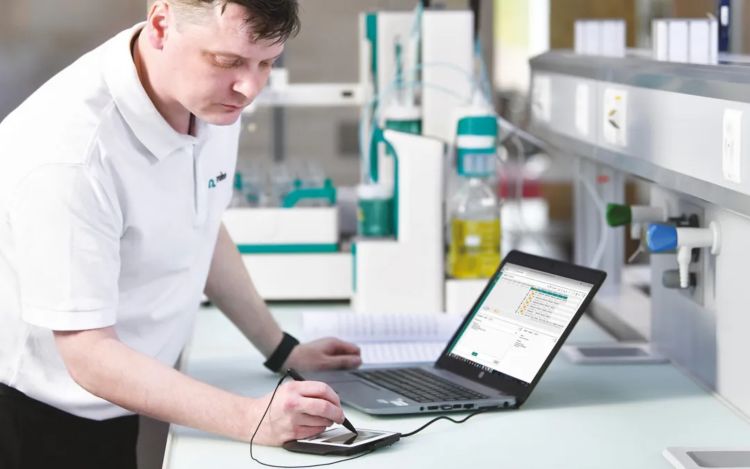
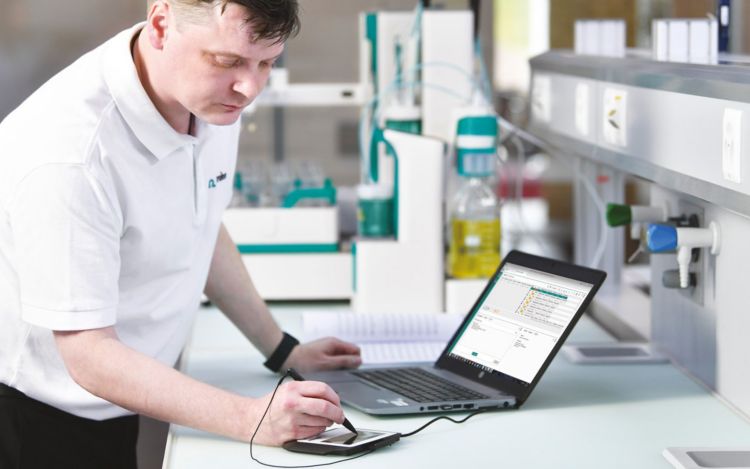
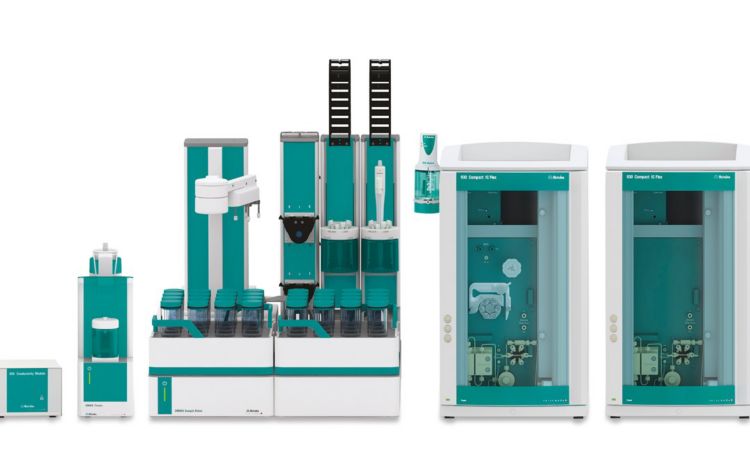
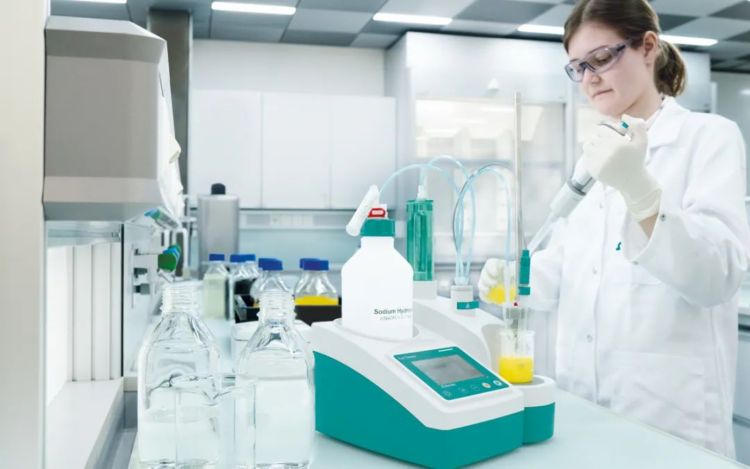
Coulometer including generator electrode without diaphragm and Touch Control.
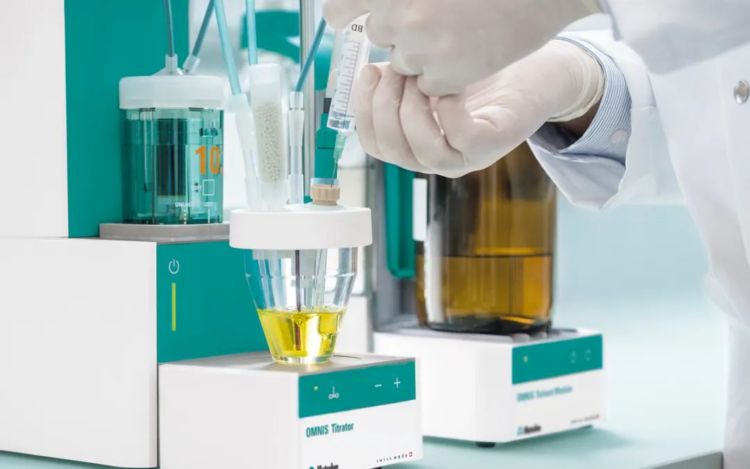
Coulometry is the ideal method for water content determination in liquids, solids, and gases when it comes to water content determination in the trace range (10 µg to 10 mg absolute water). In addition, coulometry is an absolute method and thus no titer determination is necessary.
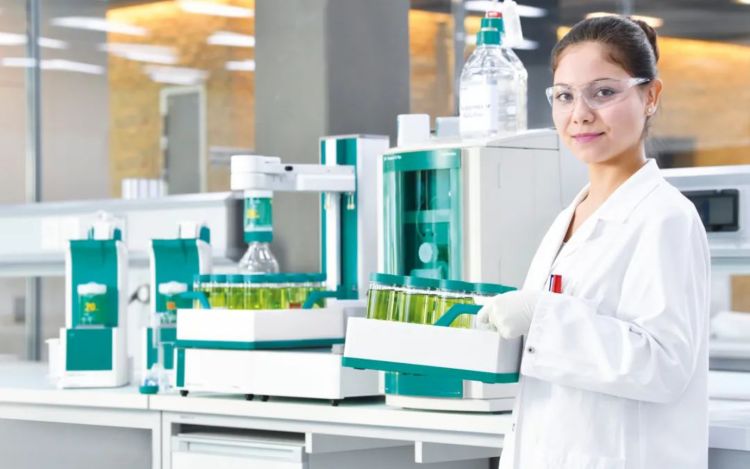
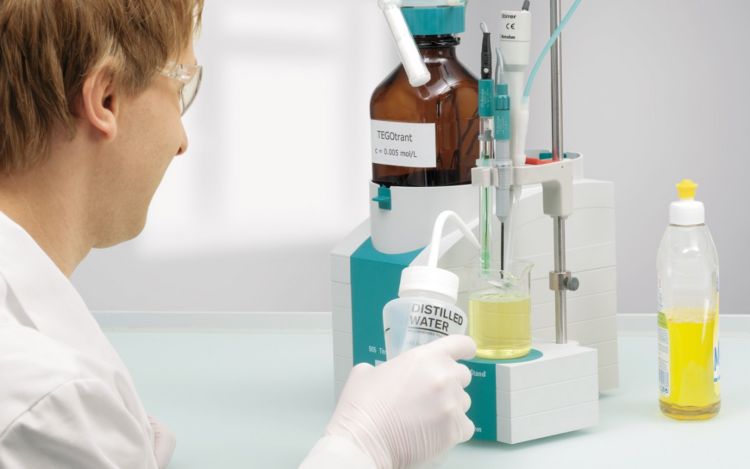
Coulometric titrations are carried out easily and quickly with the 851 Titrando.
Recommended measuring range: 10 µg - 200 mg absolute water.
For use with OMNIS Software, tiamo software, or Touch Control unit. Compliance with GMP/GLP and FDA regulations such as 21 CFR Part 11, if required


Udstyr Din 851 Titrando with Touch Control and generator electrode without diaphragm Download PDF med tilbehør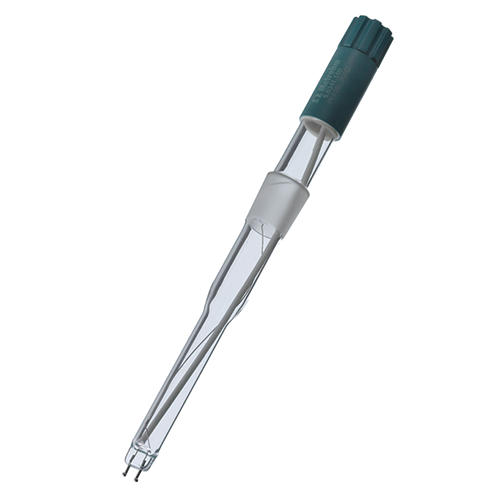
Download PDF med tilbehør- Inkluderede dele
- Valgfrie dele
Double Pt-wire electrode for coulometry
6.0341.100
Indicator electrode used for coulometric Karl Fischer titration.
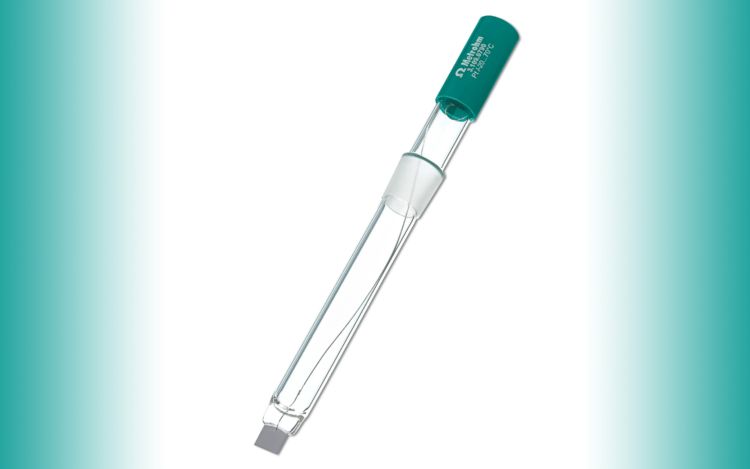
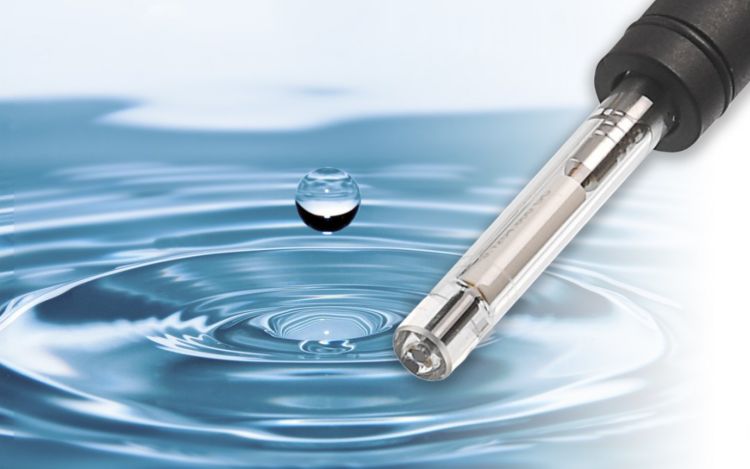
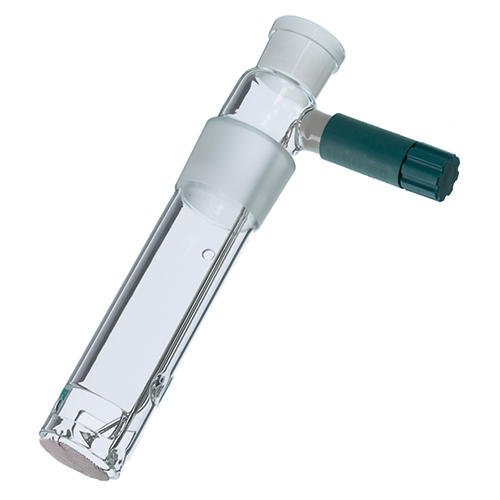
Generator electrode without diaphragm
6.0345.100
Generator electrode without diaphragm for coulometric Karl Fischer titrations, SGJ 29/22.
This generator electrode is well suited for most applications where the sample is highly soluble in alcohol.
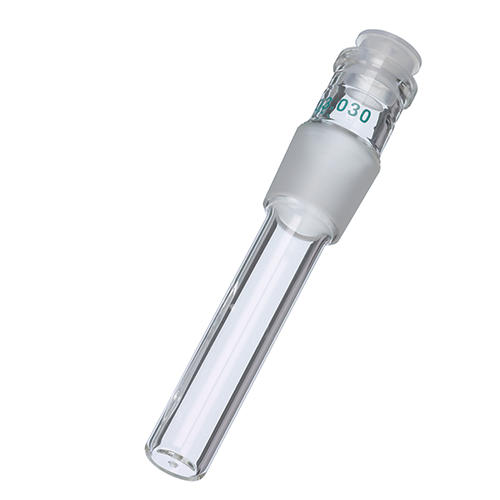
KF adsorber tube for coulometer cell
6.1403.030
For KF coulometers.
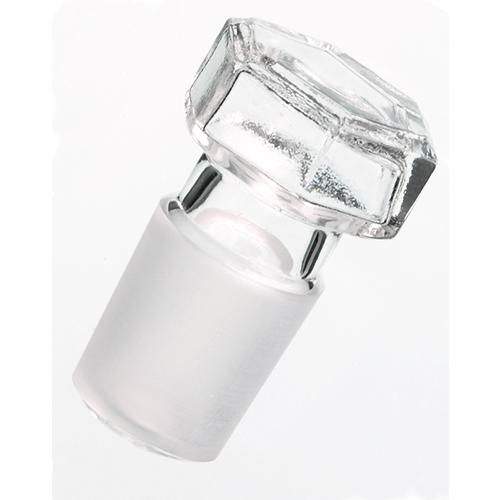
SGJ stopper SGJ 14
6.1437.000
Vis mere