906 Titrando
2.906.0010
4 Opiniões em SelectScience
- Visão geral
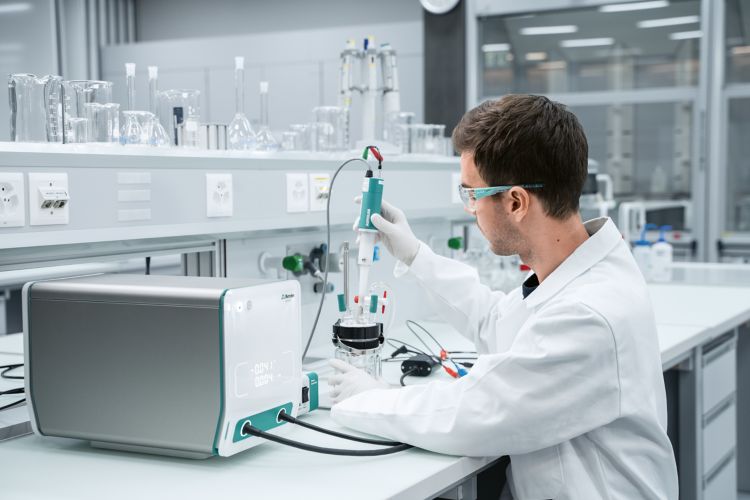
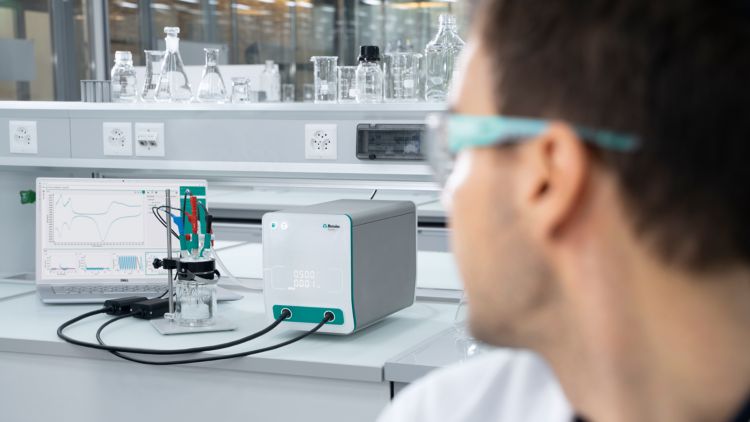
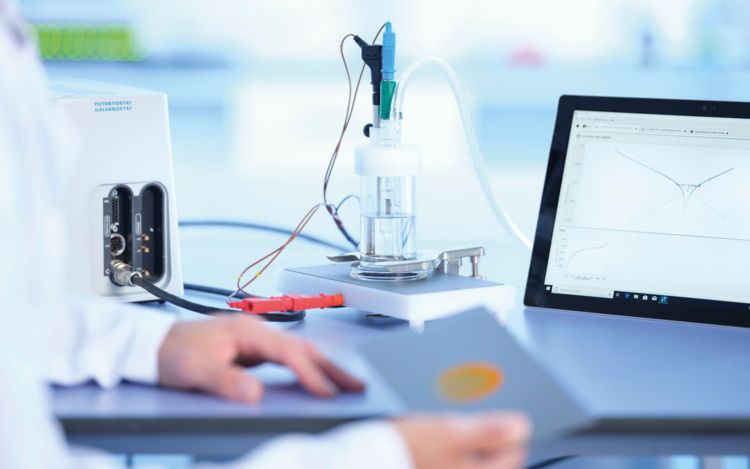
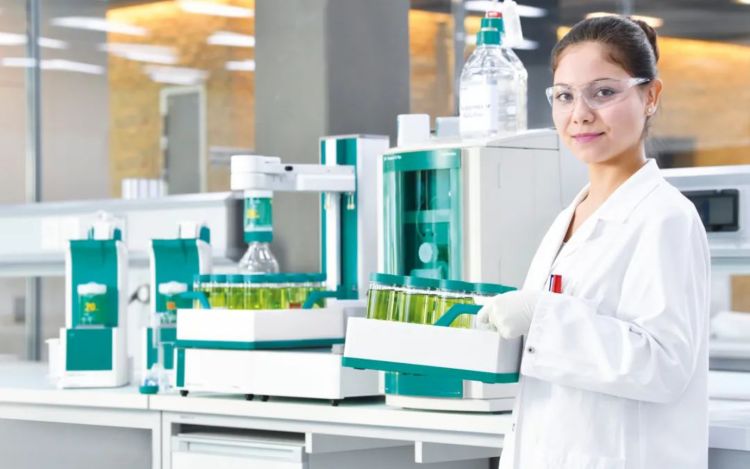
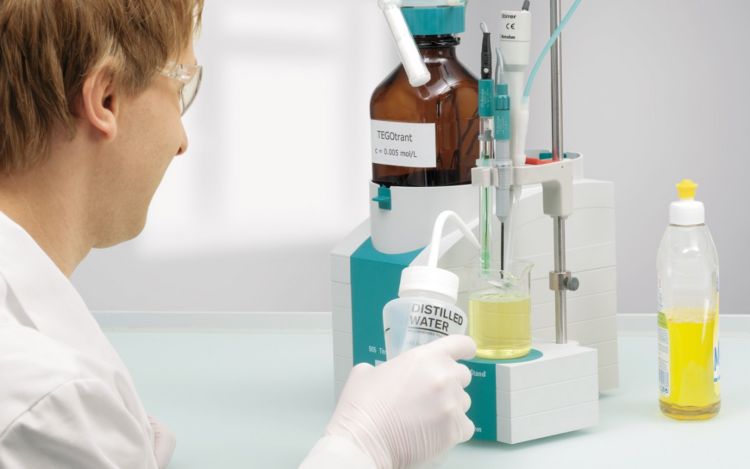
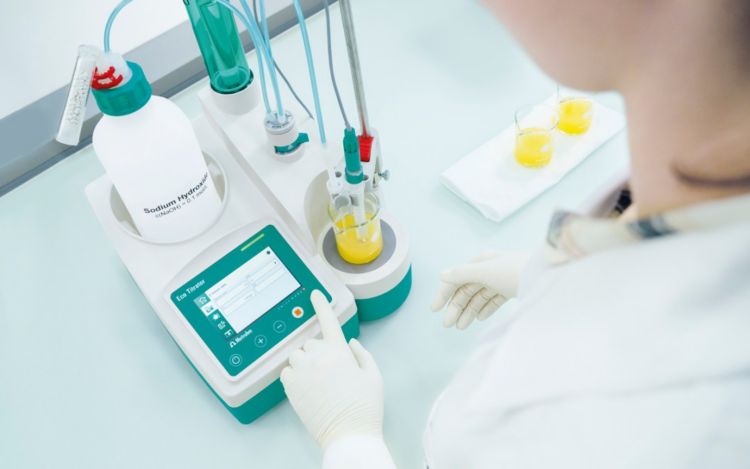
High-end titrator for potentiometric and volumetric Karl Fischer titration with one measuring interface and internal buret drive.
- built-in buret drive
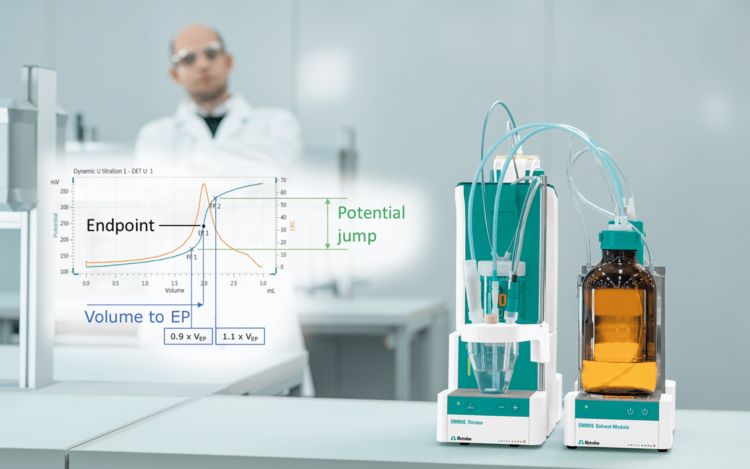
- dynamic (DET), monotonic (MET) and endpoint titration (SET), enzymatic and pH-STAT titrations (STAT), Karl Fischer titration (KFT)
- Measurement with ion-selective electrodes (MEAS CONC)
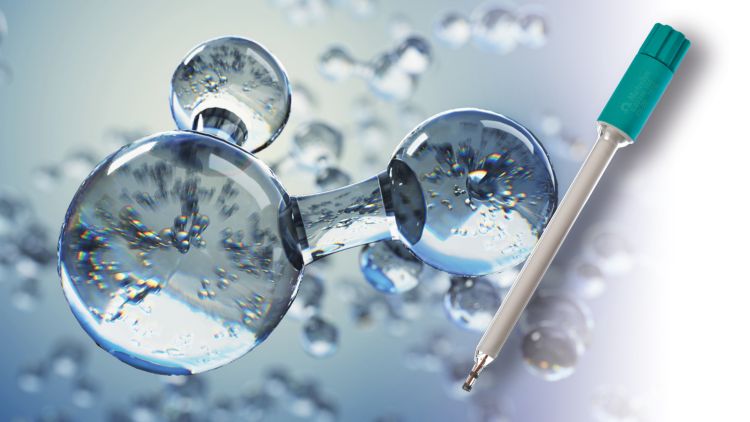
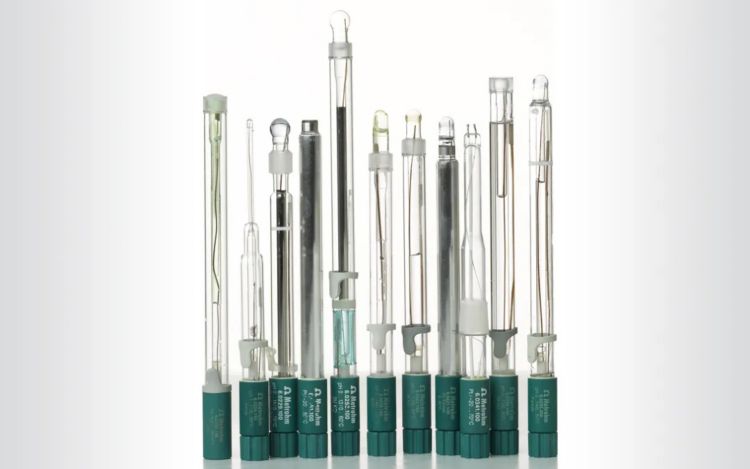
- "iTrode" intelligent electrodes
- Dosing functions with monitoring, liquid handling
- four MSB connectors for additional stirrers or dosing device systems
- USB connector
- For use with OMNIS Software, tiamo software, or Touch Control
- Complies with GMP/GLP and FDA regulations such as 21 CFR Part 11, if required
Conheça 906 Titrando


Titrando
Desde Tituladores automáticos a uma solução totalmente automatizada em uma rede diversificada: um titulador Potenciométrico que pode ser adaptado às suas necessidades.Porquê escolher Titrando?
 Descarregar acessórios PDF

Artigos relacionados



20 de jan. de 2025
Entendendo a titulação potenciométrica: Uma técnica vital na análise farmacêutica
7 de out. de 2024
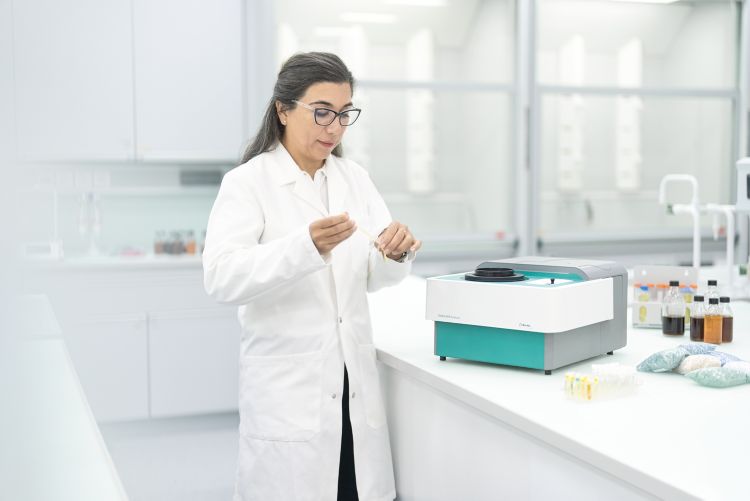
Por que controlar a temperatura para resultados NIRS mais precisos e reprodutíveis


















16 de out. de 2023