- AN-NIR-028Data and method transfer from System II analyzer to Metrohm NIRS XDS or DS2500 analyzer
This Application Note shows the transfer of near-infrared spectroscopy analysis methods from the FOSS NIRSystems System II (5000/6500) Analyzer to the Metrohm NIRS XDS und DS2500 Analyzers. In addition, the advantages of the new NIRS XDS and DS2500 analyzers with extended spectral range and improved resolution are displayed, in particular with respect to the FOSS NIRSystems System II analyzer.
- AN-NIR-011Transferability of a calibration model for caffeine on the NIRS XDS Rapid Content Analyzer
This Application Note demonstrates that a calibration model for caffeine and microcrystalline cellulose developed on the NIRS XDS Rapid Content Analyzer (RCA) is transferable to other NIRS XDS RCA. Due to the improved signal-to-noise ratio, reduced bandwidth and improved wavelength precision of the NIRS XDS, the transferability of the calibration model can be easily and efficiently performed.
- AN-NIR-073Determination of water activity in tablets with the OMNIS NIR Analyzer
Water activity is an important parameter to measure for non-sterile pharmaceutical quality and stability. The OMNIS NIR Analyzer provides this data within seconds.
- AN-NIR-002Nondestructive, single tablet analysis using the NIRS XDS RapidContent Analyzer
This Application Note shows the potential of NIRS as a rapid (< 30 s) and nondestructive screening tool for solid dosage forms (e.g. tablets). NIRS requires neither sample preparation nor solvent use. Interferences that derive from scattering are minimized by converting to second derivative spectra.
- AN-NIR-122Quantification of water in lactose with the OMNIS NIRS Analyzer
This Application Note shows how easy it is to determine water content in the pharmaceutical excipient lactose with reagent-free near-infrared spectroscopy.
- AN-NIR-041Multiparameter Quality Control of Lubricants with NIRS
For lubricant analysis, determination of the Acid Number (ASTM D664), viscosity (ASTM D445), moisture content (ASTM D6304), and color number (ASTM D1500) require the use of multiple analytical technologies and, in part, large volumes of chemicals. This application note demonstrates that the XDS RapidLiquid Analyzer operating in the visible and near-infrared spectral region (Vis-NIR) provides a fast and cost-efficient alternative for the determination of the AN, viscosity, moisture content, and color number of lubricants. With no sample preparation or chemicals needed, Vis-NIR spectroscopy allows for multi parameter analysis of lubricants in less than one minute.
- AN-NIR-025Real-time inline predictions of jet fuel properties by NIRS
This Application Note describes the determination of various indices (mainly with ASTM and ISO conformance) for the characterization of kerosene as aviation turbine fuel using near-infrared spectroscopy. The following parameters were determined with the aid of an NIRS XDS Process Analyzer: degree of density in accordance with the American Petroleum Institute (API), aromatics content, Cetane Index, distillation characteristics pursuant to ASTM D86, flash point, freezing point, viscosity and hydrogen content. All of these parameters are determined quickly and easily with just a single measurement.
- AN-NIR-116Determination of iodine value in frying oils with NIR spectroscopy
Monitoring the iodine value in edible oil blends is crucial to produce vegetable oils with the desired properties. This Application Note displays the benefit of using the Metrohm NIRS DS2500 Liquid Analyzer for quality control in food laboratories.
- AN-NIR-069Determination of sodium dodecyl sulfate in toothpaste using Vis-NIR spectroscopy
Rapid quality control for toothpaste is achieved by Metrohm`s Vis-NIR analyzers. Vis-NIR technology offers significant advantages compared to standard reference analysis. It is a cost effective and safe method because no hazardous chemicals are used.
- AN-NIR-112Intrinsic viscosity (IV) determination of recycled PET by NIR spectroscopy
Near-infrared (NIR) spectroscopy is able to determine the intrinsic viscosity of rPET in less than one minute without any sample preparation. This Application Note demonstrates that the Metrohm DS2500 Solid Analyzer operating in the visible and near-infrared spectral region (Vis-NIR) offers users an easier way to perform this analysis without the use of toxic chemicals.
- AN-NIR-044Multiparameter Quality Control of Palm Oil with NIR Spectroscopy
Determination of key quality parameters of palm oil, namely free fatty acids (FFA), iodine value (IV), moisture content, deterioration of bleachability index (DOBI), and carotene require the use of several different analytical methods, which are laborious and can lack in accuracy. This application note demonstrates that the XDS RapidLiquid Analyzer operating in the visible and near infrared spectral region (Vis-NIR) provides a cost-efficient and fast solution for the determination of these quality control parameters in palm oil. With no sample preparation or chemicals needed, Vis-NIR spectroscopy allows for the analysis of palm oil in less than a minute and can be used by anyone.
- AN-NIR-117Analysis of moisture, ash, carbon, and volatile content in coal by NIRS
Conventional methods used to analyze moisture, ash, fixed carbon, and volatile content in coal samples, are time consuming and costly. Near-infrared (NIR) spectroscopy is excellently suited to determine all parameters simultaneously in less than one minute without any sample preparation.
- AN-NIR-033Cobalt content, solids content, specific weight and viscosity in cobalt octoate
This Application Note describes the simultaneous determination of the four most important analysis parameters of paint dryers – cobalt and solids contents, specific weight and viscosity – using a VIS-NIR analyzer. The visible range correlates with the metal content, while the NIR region provides the specific weight, viscosity and solids content.
- AN-NIR-083Quality Control of HDPE, LDPE, and PP
Identification of individual polymers with FT-IR spectroscopy can be a challenge due to sample inhomogeneity especially when larger sample sizes need to be analyzed. This application note demonstrates that the DS2500 Solid Analyzer operating in the visible and near infrared spectral region (Vis-NIR) provides a reliable and fast solution for the identification of high-density polyethylene (HDPE), low-density polyethylene (LDPE), and polypropylene (PP). With no sample preparation or chemicals needed, Vis-NIR spectroscopy allows the identification of larger inhomogeneous sample amounts in less than a minute.
- AN-NIR-081Quality Control of Polyethylene
Determination of the density of polyethylene (PE) (ASTM D792) is normally a challenging procedure due to reproducibility difficulties. Measurement via FT-IR can be problematic when larger sample sizes must be analyzed due to sample inhomogeneity. This application note demonstrates that the DS2500 Solid Analyzer operating in the visible and near-infrared spectral region (Vis-NIR) provides a reliable and fast solution for determination of the density of PE. With no sample preparation or chemicals needed, Vis-NIR spectroscopy allows the analysis of larger, inhomogeneous sample sizes of PE in less than a minute.
- AN-NIR-118Quantification of cotton content in textiles by near-infrared spectroscopy
This Application Note demonstrates how the OMNIS NIR Analyzer Solid quickly determines the cotton content in various textile products within just 30 seconds.
- AN-NIR-058Quantification of color intensity of diluted textile dye by visible near-infrared spectroscopy
This Application Note shows that the visible range of the Metrohm Vis-NIR analyzer can be used to quantify the color intensity of dyes, providing comparable results to the reference analysis UV-Vis. The NIR region can be used in addition to distinguish between different dye types or different suppliers and can identify impurities in the undiluted dyes during raw material control. The combination of the visible and near-infrared wavelength ranges offer the benefit that only one analyzer is required to receive results on multiple parameters in a 30-seconds-scan results on both cost and time saving.
- AN-NIR-068Isocyanates quality control with NIRS
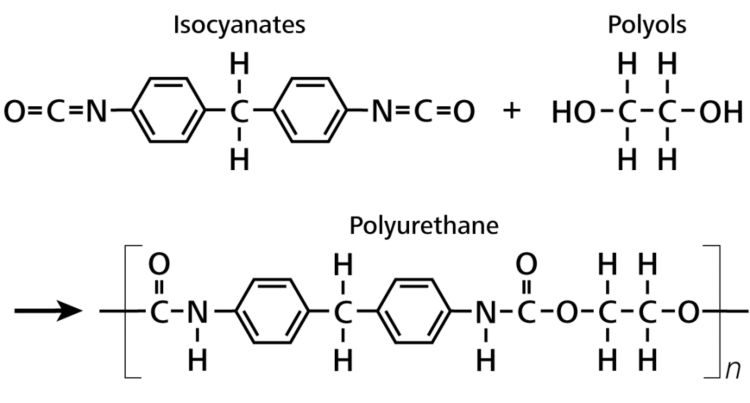
Control of NCO content in isocyanates is essential for polyurethane production. However, wet chemistry methods are slow, hazardous, and preparation intensive. Near-infrared spectroscopy (NIRS) offers a rapid, reagent-free alternative, determining NCO content in seconds without sample preparation. This makes NIRS a practical and environmentally compliant solution for routine quality control of isocyanate raw materials.
- AN-NIR-016Near-infrared spectroscopy for monitoring a single-pot granulator
This Application Note describes the utilization possibilities of a new sensor design that permits, in combination with an NIRS XDS Process Analyzer, the determination of solvent residues in a High-Shear Granulator during the drying phase. This system configuration reduces the scattering of the density distribution of the powder samples so that it is possible, directly in the process, to model the water and solvent content precisely.
- AN-NIR-054Quality Control of Shampoo
Determination of sodium laureth sulfate (SLES), cocamidopropyl betaine (CABP), cocamidopropylamine oxide (CAW), cocamide diethanolamine (DEA), and carbopol in shampoo is a cost- and time-intensive process due to the use of large volumes of chemicals per analysis. This application note demonstrates that the DS2500 Solid Analyzer operating in the visible and near-infrared spectral region (Vis-NIR) provides a cost-efficient and fast solution for a simultaneous determination these parameters in shampoo. With no sample preparation or chemicals needed, Vis-NIR spectroscopy allows for the complete analysis in less than a minute.
- AN-NIR-080Quality Control of Diesel
The cetane index (ASTM D613), flash point (ASTM D56), cold filter plug point (CFPP) (ASTM D6371), D95 (ISO 3405), and viscosity at 40°C (ISO 3104) are key parameters to determine for diesel quality. The primary test methods are labor intensive and challenging due to the need to use different analytical methods. This application note demonstrates that the NIRS XDS RapidLiquid Analyzer provides a cost-efficient and fast solution (under 1 minute) for the simultaneous determination of these key parameters in diesel.
- AN-NIR-071Automated acid number determination in lubricants with near-infrared spectroscopy
Acid Number (AN) analysis of lubricants (ASTM D664) can be a lengthy and costly process due to usage of large amounts of chemicals and required cleaning steps of the analytical equipment between each measurement. This application note demonstrates that the XDS RapidLiquid Analyzer operating in the visible and near-infrared spectral region (Vis-NIR) provides a cost-efficient, fast alternative for the determination of the acid number of lubricants. With no sample preparation or chemicals needed, Vis-NIR spectroscopy allows for the analysis of AN in less than a minute.
- AN-NIR-124Polyethylene content determination in polypropylene pellets by NIRS
Polypropylene and polyethylene can pose recycling challenges. With near-infrared spectroscopy (NIRS), users receive polyolefin composition results in seconds.
- AN-NIR-144Whey permeate analysis with NIRS
NIRS simultaneously measures important quality parameters in whey permeate (i.e., ash, phosphate, lactose, protein, pH, and moisture) without any sample preparation.
- AN-NIR-060Quality Control of Polyamides
Functional group and viscosity analysis (ASTM D789) of polyamides can be a lengthy and challenging process due to the sample’s limited solubility. This application note demonstrates that the DS2500 Solid Analyzer operating in the visible and near-infrared spectral region (Vis-NIR) provides a cost-efficient and fast solution for a simultaneous determination of the intrinsic viscosity as well as the amine, carboxylic, and moisture content in polyamides. With no sample preparation or chemicals needed, Vis-NIR spectroscopy allows for the analysis of polyamides in less than a minute.
- AN-NIR-130Multiparameter hops analysis by near-infrared spectroscopy (NIRS)
NIRS can simultaneously measure several quality parameters in hops like cohumulone, hop oils, and moisture content, the hop storage index (HSI), and alpha and beta acids.
- AN-NIR-129Dried pet food analysis by near-infrared spectroscopy (NIRS)
This study shows how a pre-calibrated NIRS instrument is used for multiparameter analysis of several pet food quality indicators like protein, moisture, fat, and ash.
- AN-NIR-113Research octane number (RON) determination in isomerate
The standard method to determine RON in isomerate is with expensive and maintenance-intensive engines. In contrast to this, the research octane number can also be analyzed by near-infrared spectroscopy (NIRS). NIRS provides accurate results within one minute without the need for any sample preparation or chemicals.
- AN-NIR-110Quality control of sugarcane juice
Brix, Pol, juice purity, reducing sugars, and total recoverable sugars are some of the many quality control (QC) parameters that must be analyzed in sugarcane juice. An alternative to other analytical methods is near-infrared spectroscopy (NIRS). NIRS allows the fast, simultaneous determination of several QC constituents without chemicals or sample preparation.
- AN-NIR-109Determination of Brix, fructose, glucose, and sucrose with NIRS
Key quality parameters in the food industry include sucrose, glucose, and fructose, and Brix (dissolved sugar content). Near-infrared spectroscopy (NIRS) allows fast simultaneous determination of multiple sugars without chemicals or any sample preparation.
- AN-NIR-023Quality Control of PET
Determination of the diethylene glycol content, isophthalic acid content, intrinsic viscosity (ASTM D4603), and the acid number (AN) of polyethylene terephthalate (PET) is a lengthy and challenging process due to the sample’s limited solubility and the need to use different analytical methods. This application note demonstrates that the DS2500 Solid Analyzer operating in the visible and near-infrared spectral region (Vis-NIR) provides a cost-efficient and fast solution for a simultaneous determination of these parameters in PET. Vis-NIR spectroscopy allows for the analysis of PET in less than one minute without sample preparation or using any chemical reagents.
- AN-NIR-035Quality control of polyols with NIRS
Polyols are widely used as polyurethane feedstocks, where tight quality control of parameters such as hydroxyl value, acid number, moisture, and viscosity is essential. Conventional titration methods are standardized but slow and costly due to hazardous chemicals and waste handling. Near-infrared spectroscopy (NIRS), recognized by ASTM for hydroxyl value determination, enables rapid, reagent-free, multiparameter analysis of polyols with significantly lower operating costs.
- AN-NIR-131NIRS analysis of forages
NIR spectroscopy enables fast, reliable analysis of key quality parameters in alfalfa forage (e.g., protein, fiber, and moisture) without any sample preparation.
- AN-NIR-123Flour analysis by near-infrared spectroscopy (NIRS)
NIR spectroscopy offers fast, chemical-free analysis of ash, protein, moisture, and rheological properties in flour – ideal for routine lab or atline quality control.
- AN-NIR-127Feed analysis with near-infrared spectroscopy (NIRS)
NIR spectroscopy enables fast, reagent-free analysis of fat, moisture, protein, fiber, ash, and starch in animal feed, streamlining quality control with no sample prep.
- AN-NIR-114Determination of RON, aromatics, benzene, olefins, and density in reformate by NIRS
The determination of key quality parameters of reformate—namely research octane number (RON, ASTM D2699-19), aromatic content (ASTM D5769-15), benzene content, olefin content, and density—requires time-consuming and laborious conventional methods. In contrast, the Metrohm DS2500 Liquid Analyzer can measure all of these parameters, providing results within one minute without any sample preparation.
- AN-NIR-137Fat content analysis in olive pomace with NIR spectroscopy
NIR spectroscopy is an alternative method for olive pomace fat analysis. Unlike other conventional methods, NIRS requires no sample preparation nor chemical solvents.
- AN-NIR-084Quality Control of Silicone rubber
Determination of the vinyl content of silicone rubber is a lengthy and challenging process. First, the vinyl groups must be converted to ethylene by reacting with an acid, followed by the determination of the produced ethylene with gas chromatography (GC).This application note demonstrates that Vis-NIR (visible near-infrared) spectroscopy provides a cost-efficient and fast solution for the determination of vinyl content in silicone rubbers. With the DS2500 Solid Analyzer it is possible to obtain results in less than a minute without sample preparation or any chemical reagents.
- AN-NIR-133Soil analysis with NIR spectroscopy
The content of organic matter, limestone, silt, clay, and sand, along with pH value and exchangeable calcium and magnesium in soil can be determined in seconds with NIRS.
- AN-NIR-106Quality control of non-nutritive sweeteners with NIR spectroscopy
Near-infrared spectroscopy (NIRS) allows the simultaneous determination of sweeteners such as Stevia and sucralose in blends in less than one minute without any chemicals or sample preparation.
- AN-NIR-074Quality control of liquid laundry detergents by NIR spectroscopy
This Application Note shows how NIRS is used for the multiparameter analysis of dry matter, pH value, viscosity, and surfactant content in liquid laundry detergent.
- AN-NIR-115Multiparameter quality control of palm oil with NIR spectroscopy
Near-infrared spectroscopy (NIRS) quickly assesses key quality parameters in palm oil such as iodine value and fatty acid profile without sample preparation.
- AN-NIR-108Measuring Brix and individual sugars in fruit juices with NIR spectroscopy
NIRS enables rapid, chemical-free analysis of glucose, fructose, sucrose, and Brix in fruit juices without sample prep, offering a fast alternative to traditional methods.
- AN-NIR-086Quality Control of Diesel Exhaust Fluid
The quality control of diesel exhaust fluids (DEF) is key to ensure the optimal catalytic performance and prevent damage to the exhaust system in diesel vehicles. The standard method to determine urea content is measuring the refractive index (ISO 22241-2:2019). The issue is that although this method is fast, it is not as accurate as other methods (e.g., HPLC). This application note demonstrates that the DS2500 Liquid Analyzer provides a fast solution with high accuracy for the determination of urea in DEF. With no sample preparation or chemicals needed, visible near infrared (Vis-NIR) spectroscopy allows for the analysis of diesel exhaust fluids in less than a minute.
- AN-NIR-022Quality Control of Gasoline
In recent years, there has been a significant push to reduce the environmental impacts of fuels through improvements to fuel quality. The determination of key quality parameters of gasoline, namely research octane number (RON, ASTM D2699-19), motor octane number (MON, ASTM D2700-19), anti knock index (AKI), aromatic content (ASTM D5769-15), and density, conventionally requires several different analytical methods, which are laborious and need trained personnel. This application note demonstrates that the XDS RapidLiquid Analyzer, operating in the visible and near-infrared spectral region (Vis-NIR), provides a cost-efficient and fast solution for the multiparameter analysis of gasoline.
- AN-NIR-063Content uniformity test of pharmaceutical solid dosage forms using NIR spectroscopy
Uniformity of dosage units must be tested for QC purposes in the pharma industry. NIRS gives results in seconds along with the quantification of APIs and excipients.
- AN-NIR-151Moisture and protein content in corn starch with NIR spectroscopy
Corn starch serves as a gelling and thickening agent in the confectionary industry. It is also an ideal reusable molding and drying medium for starch-molded candies, where its moisture content is critical to monitor. Near-infrared spectroscopy (NIRS) provides a rapid, reagent-free method to determine moisture and protein content in corn starch. The technique is straightforward to operate and suitable for atline monitoring or routine quality control laboratories.
- AN-NIR-132Almond analysis with near-infrared (NIR) spectroscopy
This Application Note shows how NIR spectroscopy is used to determine the water content (moisture content), protein content, and fat content in whole and ground almonds.
- AN-NIR-135Quality control of honey with NIR spectroscopy
NIR spectroscopy can measure several honey quality parameters simultaneously in just a few seconds without any sample preparation as shown in this Application Note.
- AN-NIR-125Determination of olive oil quality parameters and adulteration with NIR spectroscopy
Near-infrared spectroscopy (NIRS) offers a fast, solvent-free alternative to traditional methods for assessing olive oil quality and detecting potential food fraud.
- AN-NIR-134Paprika powder analysis with NIR spectroscopy
This study shows how NIR spectroscopy simultaneously measures capsaicin content, Scoville Heat Units, water activity, ASTA color, and ash content in paprika powder samples.
- AN-NIR-003Analysis of copolymer levels in polymer pellets by near-infrared spectroscopy
This Application Note describes the determination of copolymer levels in polyethylene (PE) and polyvinylacetate (PVA) pellets using NIRS. The determination of the composition of the polymer blends takes less than 30 seconds and requires no sample preparation. The second derivative spectra are analyzed by means of the linear least-squares regression method.
- AN-NIR-077Moisture analysis in caprolactam
Caprolactam is an important polymer used for the production of Nylon 6, which is the base material for industrial fibers. Due to its commercial significance, many different synthesis methods have been developed over the years. Caprolactam is hygroscopic and water soluble, therefore it is important to have a reliable analysis technique for water determination. Analyzing the water content by conventional methods requires each sample to be weighed, dissolved, heated, and titrated. Compared to the primary method, near-infrared spectroscopy (NIRS) offers unique advantages: it generates reliable results within seconds, but it does not need any sample preparation nor does it create chemical waste.
- AN-NIR-064Quality control of ammonium nitrate
Specialty chemicals have to fulfill multiple quality requirements. One of these quality parameters, which can be found in almost all certificates of analysis and specifications, is the moisture content. The standard method for the determination of moisture content is Karl Fischer titration.This method requires reproducible sample preparation, chemicals, and waste disposal. Alternatively, near-infrared spectroscopy (NIR) can be used for the determination of moisture content. With this technique, samples can be analyzed without any preparation and without using any chemicals.
- AN-NIR-082Quality Control of Polypropylene
Polypropylene (PP) is a general purpose resin widely used in industries such as electronic manufacturing and construction, as well as in packaging materials. PP resins must be melted first in order to be formed into the intended shape, and therefore flow properties are important characteristics which affect the production process. The standard procedure to analyze melt flow rate (MFR) requires a significant amount of work with packing the sample, preheating, and cleaning. With no sample preparation or chemicals needed, Vis-NIR spectroscopy allows the analysis of MFR in less than a minute.
- AN-NIR-014Following the progress of pharmaceutical mixing studies using near-infrared spectroscopy
Well-mixed active substances for medications are indispensable in the pharmaceutical industry. This applies not only to the pharmaceutical active ingredient but also for lubricants, binding agents, explosives, oxidants and dyes. Analysis of these active ingredients is expensive; they are also only rarely analyzed as a rule. The progress of the mixing procedures can be followed conveniently with NIR spectroscopy, on the one hand using visual comparisons and on the other by means of spectral algorithms. The progress of mixing processes can be predicted in real time with the help of the spectrum when the latter is used.
- AN-NIR-096Water in diesel with NIRS
This Application Note highlights near-infrared spectroscopy as a faster, cost-effective alternative to KF titration for predicting water content in diesel fuel.
- AN-NIR-119Moisture content and rheology determination of fluorinated polyolefins using NIRS
Near-infrared spectroscopy streamlines ethylene tetrafluoroethylene production by offering rapid, chemical-free analysis of melt flow rate and moisture content.
- AN-NIR-136Analysis of fabric softeners and laundry perfumes with NIR spectroscopy
This Application Note shows how near-infrared spectroscopy is used for fast, chemical-free multiparameter quality control of fabric softeners and laundry perfumes.
- AN-NIR-103Quality control of chocolate bars by near-infrared spectroscopy
Near-infrared spectroscopy (NIRS) is a fast, chemical-free analysis method for various quality parameters of chocolate bars without sample preparation. The NIRS solution is easy to use and can be used atline or in a quality control lab.
- AN-NIR-153Monitoring quality of intact olives with near-infrared spectroscopy
Near-infrared spectroscopy (NIRS) enables rapid, nondestructive quality control of intact olives, supporting optimal harvest timing and improved oil yield estimation. NIRS provides fast, reagent-free determination of oil content, moisture, and maturity index without sample preparation. Its analytical performance is comparable to established methods such as NMR and Soxhlet extraction, while being significantly faster and easier to implement in mills or quality control laboratories.
- AN-NIR-102Density of polyolefins measured by near-infrared spectroscopy
This Application Note shows the feasibility of NIR spectroscopy for the analysis of density in polyethylene granulates. Compared to the standard method, NIRS analysis shows a lower prediction error when air bubbles are present in PE pellets.
- AN-NIR-079Moisture analysis in fertilizer products
Moisture content is one of the most commonly measured properties of fertilizers. Globally, regulations for different fertilizers vary, but local legal limits ensure that the maximum amount of water must not be exceeded. Next to gravimetric methods, Karl Fischer titration is often used for accurate moisture determination.Compared to these methods, near-infrared spectroscopy (NIRS) offers unique advantages: it generates reliable results within seconds, and at the same time does not create chemical waste. This Application Note explains how NIRS can offer fast, reagent-free analysis of moisture content in various fertilizer products.
- AN-NIR-121Water content in propylene glycol monomethyl ether (PGME)
Near-infrared spectroscopy (NIRS) can determine water content in PGME (propylene glycol monomethyl ether) within seconds as shown in this Application Note.
- AN-NIR-089Quality Control of Laminates
In the semiconductor industry, thermoset resins combined with fabric or paper are used as an intermediate layer between substrates of printed circuit boards (PCB). These polymer-based sheets (laminates) are chosen depending on thickness and their thermomechanical and electrical characteristics. Near infrared spectroscopy (NIRS) is a fast, non-destructive and easy-to-use analytical method which allows the measurement of multiple key quality parameters in less than a minute. The following Application Note describes the determination of the transition time of PCB laminates by NIRS, a parameter correlating with the thickness, glass transition temperature, and tensile strength of the material.
- AN-NIR-105Roasted coffee analysis by near-infrared spectroscopy
Near-infrared spectroscopy (NIRS) is a fast, chemical-free alternative analytical technology for caffeine and moisture analysis in roasted coffee beans and grounds.
- AN-NIR-098Quality Control of PVC granulate
To monitor the quality of PVC (polyvinyl chloride), it is important to measure the molecular weight during the production process, as this parameter has a significant influence on chemical and mechanical stability as well as fire retardant properties. The standard method to determine PVC molecular weight, defined here as the average weight of the molecules that make up the polymer, is by size exclusion chromatography (SEC). This analytical method is time-intensive and requires trained personnel to perform. Determining the molecular weight of PVC is easier with near-infrared spectroscopy (NIRS). NIRS provides results in just a few seconds and can quickly indicate when adjustments to the production process are necessary.are necessary.
- AN-NIR-094Bromine number in pyrolysis gasoline
This application note presents near-infrared spectroscopy (NIRS) as an alternative for bromine number determination in pyrolysis gasoline.
- AN-NIR-146Quality control of deodorant by near-infrared spectroscopy
Near-infrared spectroscopy (NIRS) can simultaneously determine different quality parameters in deodorants like viscosity, pH, density, and aluminum content.
- AN-NIR-087Ethanol content in hand sanitizers
Safe and fast ethanol determination in hand sanitizers is possible with reagent-free near-infrared spectroscopy (NIRS). NIRS provides reliable results in a few seconds, quickly indicating when adjustments in formulation are necessary.
- AN-NIR-104Analysis of green coffee beans by near-infrared spectroscopy
Near-infrared spectroscopy (NIRS) is a fast, chemical-free analytical method for the simultaneous analysis of density, water activity, and moisture of green coffee beans.
- AN-NIR-076Quality control of polyvinyl alcohol
Polyvinyl alcohol (PVA) is a linear polymer, used in a variety of medical products (e.g. eye drops). Here, the degree of alcoholysis is an important index for the water solubility, viscosity, and adhesion of the product. The degree of alcoholysis is defined as the percentage of hydroxyl functional groups compared to the total functional groups accessible in the molecule. Conventional alcoholysis determination can take up to six hours per sample. Compared to the primary method, analysis with near-infrared spectroscopy (NIRS) only takes one minute. The following application note describes the determination of the degree of alcoholysis by NIRS.
- AN-NIR-101Quality control of dried cannabis
Typically, cannabis potency testing is performed by HPLC, but the drawback is that it requires chemicals and it is time-consuming. Near-infrared spectroscopy (NIRS) is a preferred method for quantification of THC, CBD and CBG in dried cannabis because it provides results in less than a minute and does not require any chemicals.
- AN-NIR-132Almond analysis with near-infrared (NIR) spectroscopy
- AN-NIR-095Quality Control of Hand Sanitizers
This application note presents near-infrared spectroscopy (NIRS) for the rapid and reliable simultaneous quantification of ethanol, glycerol, hydrogen peroxide, and water content in hand sanitizer formulations.
- AN-NIR-100Ash determination in polyethylene
The standard test method for ash content analysis is thermogravimetric analysis (TGA). Although TGA is easy to perform, it is time-intensive and requires the use of nitrogen gas. In contrast to the primary method, near-infrared spectroscopy (NIRS) is a fast analytical technique which can measure multiple parameters including ash content in polymers within one minute.
- AN-NIR-107Quality control of Bromobutyl rubber
The synthetic rubber known as Bromobutyl (BIIR) has many of the attributes of butyl rubber, but has better adhesion to other rubbers and metals, resulting in substantially faster cure rates. The simultaneous quantification of the bromine content, Mooney viscosity, volatile content, calcium stearate content, and functional bromide in BIIR can be easily performed with near-infrared spectroscopy (NIRS) without the use of chemicals.
- AN-NIR-024Quality control of pyrolysis gasoline
Pyrolysis gasoline (Pygas) is a by-product of ethylene production, which contains unwanted conjugated diolefins making it unsuitable as a motor fuel. To overcome this limitation, the olefin content needs to be reduced below 2 mg/g pygas in a selective hydrogenation unit (SHU). The diene value, or maleic anhydride value (MAV), is usually determined by the lengthy Diels-Alder wet chemical method (UOP326-17), requiring highly trained analysts. In contrast to the primary method, near-infrared spectroscopy (NIRS) is a cost-efficient and fast analytic solution for the determination of diene value in pyrolysis gasoline.
- AN-NIR-078Automated moisture analysis in pharmaceutical peptides
The quantification of residual moisture in lyophilized pharmaceutical peptides is an important measure for quality control in the pharmaceutical industry. For development purposes, such measurements are necessary and routinely performed during stability studies and to optimize the freeze-drying process (lyophilization). Currently, Karl Fischer titration is widely used for moisture determination in routine analysis. However, this method is time consuming and destroys the sample during analysis. This Application Note shows that near-infrared spectroscopy (NIRS) is a fast, reagentless, non-destructive method to determine moisture content in lyophilized pharmaceutical products.
- AN-NIR-126Biodiesel content in diesel with near-infrared spectroscopy
Determination of the biodiesel content in diesel with NIR spectroscopy is fast and requires no sample preparation nor chemicals, reducing workload and costs.
- AN-NIR-091Quality Control of Mixed Acetic, Hydrofluoric, and Nitric Acids
This application note discusses an alternative near-infrared (NIR) spectroscopy method that can reliably determine all parameters within a minute, even in complex acid mixtures.
- AN-NIR-097Total base number in lubricants with near-infrared spectroscopy
Alkaline additives in engine lubricants are used to prevent the build-up of acids and as a result, they inhibit corrosion. The total base number (TBN) indicates the amount of basic additives present in samples and thus can be used as a measure for the degradation of the lubricant. The standard test method for TBN in lubricants is potentiometric titration according to ASTM D2896. This method requires the use of toxic reagents involves a labor-intensive cleaning procedure. In contrast to the primary method, near-infrared spectroscopy (NIRS) is a fast analytical technique which does not produce any chemical waste and completes the TBN analysis in less than one minute.
- AN-NIR-099Quality Control of fermentation broths
Cell fermentation processes are a reliable production method for small molecules and protein-based active pharmaceutical ingredients (APIs). The fermentation process requires monitoring of many different parameters to ensure optimal production. These quality parameters include pH, bacterial content, potency, glucose, and concentration of reducing sugars. Traditional laboratory analysis takes a significant amount of time and requires different analytical techniques to monitor these different quality parameters. Near-infrared spectroscopy (NIRS) offers a faster and more cost-efficient alternative to traditional methods for the determination of critical parameters in fermentation broths at any stage of the fermentation process.
- AN-NIR-139Quality control of ice cream mix with near-infrared spectroscopy
NIR spectroscopy measures ice cream quality parameters like total solids, fat content, lactose, protein percentage, sucrose content, and calories in seconds.
- AN-PAN-1048Inline moisture analysis in a pilot scale granulation process by NIRS
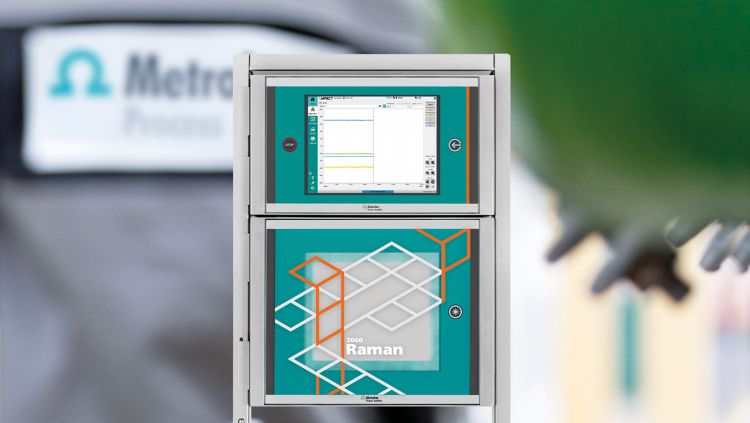
This Process Application Note provides a detailed account of the inline assessment of moisture during a pilot scale granulation process using a 2060 The NIR Analyzer.
- AN-NIR-093Quality Control of fermentation processes
The production of biofuels from renewable feedstock has grown immensely in the past several years. Bioethanol is one of the most interesting alternatives for fossil fuels, since it can be produced from raw materials rich in sugars and starch. Ethanol fermentation is one of the oldest and most important fermentation processes used in the biotechnology industry. Although the process is well-known, there is a great potential for its improvement and a proportional reduction in production costs. Due to the seasonal variation of feedstock quality, ethanol producers to need to monitor the fermentation process to ensure the same quality product is achieved. Near-infrared spectroscopy (NIRS) offers rapid and reliable prediction of ethanol content, sugars, Brix, lactic acid, pH, and total solids at any stage of the fermentation process.
- AN-NIR-088Quality Control of CBD oils
Cannabidiol (CBD) is a popular natural remedy from the cannabis plant used in many pharmaceutical, food, and cosmetic products. Unlike tetrahydrocannabinol (THC), CBD is not psychoactive, making it an appealing option for those who are looking for relief from pain and other symptoms without mind-altering effects. CBD oil is made by extracting the cannabinoid from the plant, then diluting it with a carrier oil (e.g., coconut or hemp seed oil). The standard HPLC method requires 45 minutes to perform by highly trained analysts. In contrast to the primary method, Vis-NIR spectroscopy is a cost-efficient and fast analytical solution for the determination of cannabinoid content in edible oils.
- AN-PAN-1047Monitoring water content in refined products inline with NIR spectroscopy
A safer way to monitor moisture content in crude distillation unit overhead fractions is with inline near-infrared spectroscopy using the 2060 The NIR-Ex Analyzer.
- AN-PAN-1061Inline detection of wheat flour adulteration by NIR spectroscopy
Adulteration in the food industry is a significant concern due to potential health risks and changes in product quality and nutrition. Detecting such adulteration is challenging, however, to ensure high-quality products, precise measurements during the manufacturing process are essential for identifying any contamination in raw materials and final products. This Process Application Note details the inline analysis of potato starch in the wheat flour manufacturing process with a 2060 The NIR Analyzer from Metrohm Process Analytics.
- AN-NIR-147Ethanol content in wine by near-infrared spectroscopy
Ethanol content can be quickly and easily determined in different wines during fermentation and afterwards for quality control using near-infrared spectroscopy.
- AN-NIR-092Quality Control of PVC foils
PVC (polyvinyl chloride) foils with a PVDC (polyvinylidene chloride) coating are often used for high performance packaging films like pharmaceutical blister packs or in food packaging. In multi-layer blister films, the PVC serves as the thermoformable backbone structure, whereas the PVDC coating acts as a barrier against moisture and oxygen. The Water Vapor Transmission Rate (WVTR) and Oxygen Transmission Rate (OTR) are influenced by the composition and the thickness of the coating. A fast way to monitor PVDC coating thickness is with near-infrared spectroscopy. Results are provided in a few seconds, indicating when adjustments in the polymer production process are necessary.
- AN-NIR-090Quality Control of Mixed Phosphoric, Sulfuric, Nitric, and Hydrofluoric Acids
Fast and reliable detection of phosphoric, sulfuric, nitric, and hydrofluoric acids with near-infrared spectroscopy in under one minute.
- AN-NIR-128Milk powder analysis by near-infrared spectroscopy
Near-infrared spectroscopy saves time and resources by simultaneously measuring key quality parameters like lactose, moisture, fat, and protein content in milk powder.
- AN-NIR-019Human stool analysis by near-infrared spectroscopy
This Application describes the determination of moisture, nitrogen, and fat in stool samples using near-infrared spectroscopy. These parameters are of great importance in medical diagnostics.
- AN-NIR-111Iodine value, FFA, refractive index, and fatty acid composition in edible oils
Near-infrared spectroscopy can quickly determine multiple edible oil quality parameters simultaneously without sample preparation as shown in this Application Note.
- WP-040Benefits of Client-Server Systems for Quality Control with Vis-NIR Spectroscopy
Analyzer systems monitoring product quality can offer substantial advantages when organized in a client-server network compared to the more traditional local installation. This white paper presents different client-server setups and their benefits. Security aspects that need to be considered are discussed based on the example of the client-server Vis-NIR (visible near-infrared) spectroscopy software Vision Air, widely used for quality control in the chemical, polymer, pharmaceutical, and petrochemical industry.
- WP-053Determination of Acid Number (AN) with Titration and NIR Spectroscopy
The acid number (AN) is a measure for the quality of oils and their potential to enhance corrosion. When analyzing fresh, unused oils, the AN is used to ensure the specified quality from the manufacturer, whereas for used oils the AN is determined to observe its increase until a critical level is reached. Although it is generally assumed that the AN correlates to the corrosive potential of the oil, this is not exactly correct, as it is the change of the AN value which indicates this issue. Therefore it is necessary to determine the AN on a regular basis.Several standards already exist to determine AN via titration methods, however it is also possible to measure this parameter via spectroscopic (NIRS) methodology. No matter which technique you choose, Metrohm has you covered with high-performance instruments suitable for these published norms.
- WP-030Analytical method transfer
Near-infrared spectroscopy (NIRS) is a widely used analytical technique for qualitative and quantitative analysis of various products in research and industrial applications. Because of different reasons it might be necessary to transfer analytical methods from one NIR analyzer to another one. This white paper summarizes the workflow of such method transfer.
- AN-PAN-1050Inline moisture analysis in fluid bed dryers by near-infrared spectroscopy
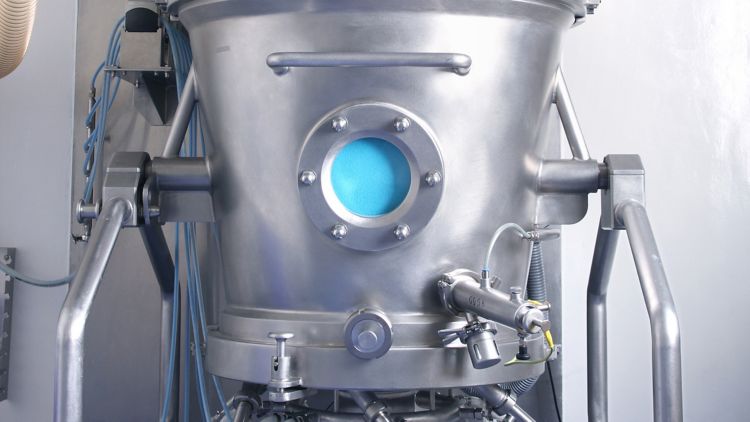
In the pharmaceutical industry, the fluid bed granulator/dryer is an integral point in the manufacture of powdered materials. Residual moisture must be kept within certain specifications to avoid fracturing of particles or caking (stickiness) of the bulk material. Current methods are slow and cumbersome, which can lead to damaged or degraded product. The ability to monitor the residual moisture content inline after drying is possible with near-infrared spectroscopy (NIRS). The 2060 The NIR Analyzer offers fast, reagent-free, nondestructive analysis of residual moisture of powders with a fluid bed probe specifically designed for these applications.
- AN-PAN-1055Monitoring quality parameters in standard cleaning baths
Rapid inline monitoring of the major SC1/SC2 bath constituents is possible with reagent-free near-infrared spectroscopy, e.g., the 2060 The NIR-R Analyzer.
- AN-PAN-1057Inline monitoring of fermentation processes
Many fermentation quality parameters can be monitored simultaneously directly in the tank with inline near-infrared spectroscopy, such as the 2060 The NIR Analyzer.
- AN-PAN-1060Inline process monitoring of moisture content in tetrahydrofuran
This Process Application Note presents a method to accurately monitor low levels of moisture in tetrahydrofuran (THF) in «real-time» safely, reliably, and optimally with a 2060 The NIR Analyzer from Metrohm Process Analytics. Due to the hazardous and hygroscopic nature of THF, a single explosion-proof inline process analyzer is the preferred solution for industries to reduce chemical treatment, improve product quality, and increase profits.
- AN-PAN-1052Online process monitoring of octane number during catalytic reforming
In refineries, high octane products are desired since they are used to produce premium gasoline. Catalytic reforming converts heavy naphtha into a high octane liquid product called reformate (a mixture of aromatics and iso-paraffins C7 to C10). The reformate must be constantly monitored to ensure high throughput along the refining process. Traditionally, the octane numbers can be measured by two different methodologies: Inferred Octane Models (IOM) and laboratory octane engine analysis. However, these do not provide «real-time» results and require constant maintenance and human intervention to adapt to current operation conditions. «Real-time» analysis of the octane number in fuels can be performed online via near-infrared spectroscopy (NIRS) technology, which fits well within the international standards (ASTM). Utilization of a Metrohm Process Analytics NIRS XDS Process Analyzer (ATEX version) in conjunction with a sample preconditioning system makes analysis of the octane number simple, fast, and reliable, allowing quick adjustments to the process for a better quality product and higher profitability.
- WP-043Instrument Calibration, System Verification, and Performance Validation for Metrohm Instant Raman Analyzers (Mira)
Analytical Instrument Qualification (AIQ) according to the United States Pharmacopeia (USP) ensures that instruments perform as intended and users may have confidence in data quality. As the Pharma industry adopts handheld Raman instruments for incoming materials identification and verification, producers of such systems must provide suitable calibration and validation routines. Upon completion of these tests, end users are assured that all measurements are in accordance with agreed standards at Metrohm Raman, we have sophisticated AIQ routines in place to confirm the quality of your results.
- AN-T-246Standardization of cationic surfactants by argentometric titration
The standardization of the cationic surfactant TEGOtrant is performed using potentiometric titration as well as near-infrared spectroscopy (NIRS) in this application.
- AN-PAN-1051Inline process monitoring of the moisture content in propylene oxide
This Process Application Note presents a method to closely monitor low levels of moisture in propylene oxide safely and reliably by using a single explosion-proof inline process analyzer.
- AN-PAN-1062Online monitoring of sulfuric acid and hydrogen peroxide using Raman spectroscopy
Etching is a vital process in semiconductor fabrication, involving the chemical removal of layers from the wafer substrate. Strict quality control measures are necessary to determine acid etchant concentrations in mixed acid solutions (e.g., SPM, DSP, or DSP+), critical for optimizing etch rate, selectivity, and uniformity during multiple wafer etching steps. This application presents a method to measure sulfuric acid and hydrogen peroxide in etching baths simultaneously using Raman spectroscopy with the PTRam Analyzer from Metrohm Process Analytics.
- 410000046-AQTRam® for Content Uniformity Analysis of Low-Dose Pharmaceutical Tablets
In this note, we use a model drug, acetaminophen, to demonstrate the capability of QTRam® to quantify low concentrations of API in compressed tablets.QTRam® is a compact transmission Raman analyzer designed specifically for content uniformity analysis of pharmaceuticals in solid dosage forms.
- AN-PAN-1041Inline monitoring of free isocyanate (%NCO) content in polyurethane
Polyurethanes are a class of synthetic polymers formed by reacting liquid di/polyisocyanates and polyols with a catalyst and various additives in a reactor. Polymer properties are modified with stepwise additions of these chemicals at different points in time depending on whether the process has reached an equilibrium. NCO functional groups from unreacted isocyanates must be quenched at the end for a finished product, and this parameter must be known to determine the proper chemical mixing ratio. A fast, non-destructive real-time measurement of %NCO can be obtained by using NIR spectroscopy with a probe seated directly in the reactor.
- AN-PAN-1065Inline monitoring of cell cultures with Raman spectroscopy
This Process Application Note presents a method to accurately monitor lactic acid and glucose inside a bioreactor in «real-time» with the 2060 Raman Analyzer from Metrohm Process Analytics.
- AN-RS-037A Deeper Look at 785 nm Raman
Signal-to-noise ratio, spectrograph design, resolution of MIRA handheld Raman analyzers.
- AN-RS-036Trace Detection of Toxic Dye in Saffron
SERS (Surface-Enhanced Raman Scattering) detection of a toxic dye (Sudan 1) used to adulterate saffron demonstrates the power of MISA (Metrohm Instant SERS Analyzer) for simple, portable food authentication in this Application Note.
- AN-PAN-1064Monitoring complexing agents in galvanic baths inline with Raman spectroscopy
Accurate analysis of complexing agents in galvanic baths is possible with inline Raman spectroscopy. This Application Note shows an example using a 2060 Raman Analyzer.
- AN-RS-039Trace Detection of Acetamiprid on Raisins
In this Application Note, MISA (Metrohm Instant SERS Analyzer) from Metrohm Raman excels in the detection of the pesticide acetamiprid on commercially sold raisins. MISA is a viable alternative to analytical laboratory testing in the quest to prevent contaminated foods from reaching and harming consumers.
- AN-PAN-1063Inline analysis of borate and sulfate solutions with Raman spectroscopy
Boric acid is growing in demand for various industrial applications, but requires a more cost-efficient and environmentally friendly production process. This Application Note describes the performance of a Raman process analyzer (PTRam) when measuring low-concentration boric acid and sodium sulfate solutions (<100 mg/L) during boric acid production.
- WP-034Determination of Heroin in Street Drug Samples
Printable Surface Enhanced Raman Scattering (P-SERS) silver substrates were used with Metrohm Raman’s Mira DS handheld Raman analyzer to successfully detect heroin in 18 crude street heroin samples. Detection of heroin with P-SERS was accomplished easily and very quickly, with minimal sample clean-up. Solvent studies were also implemented to determine the optimal solvent for crude sample extraction, with results included here.
- AN-PAN-1026Mercaptans and hydrogen sulfide in raw oil in accordance with ASTM D3227 and UOP163
Online mercaptan and H₂S monitoring with the 2060 TI Ex Proof Analyzer certified for Zone-1 and Zone-2 areas.
- AN-RS-024Trace Detection of Pyrimethanil in Wine
Pyrimethanil is a broad-spectrum fungicide. As grapevines are susceptible to fungal pathogens, large-scale viticulture operations apply pyrimethanil as part of a mixed treatment. Although chemical analysis of wines post-fermentation finds low to undetectable amounts of residue, pyrimethanil is a suspected human carcinogen. The US FDA and EU have therefore established a maximum permissible level of 5 μg/mL pyrimethanil in finished wine products.In this application, trace detection of pyrimethanil in wine with Misa (Metrohm Instant SERS Analyzer) requires few laboratory supplies and minimal sample processing, yet returns rapid results.
- AN-RS-015Trace Detection of Melamine in Dairy Products
In 2008, a scandal was discovered in China that melamine was being deliberately added to raw milk. Thousands of young children and infants that consumed formula produced from melamine-tainted milk experienced kidney damage and death. As a result, both daily intake limits and increased monitoring of melamine in dairy products were established globally.Misa (Metrohm Instant SERS Analyzer) provides quick, easy, and robust detection of melamine in a complex food matrix. As a direct test with no additional reagents, Misa’s assay format requires minimal user training, in contrast to standard analytical tests for detecting melamine, including capillary electrophoresis, GC-MS, LC-MS, and immune-based assays.
- AN-RS-022Trace Detection of Carbendazim on Strawberries
Carbendazim (MBC) is a common fungicide approved for regulated use in agriculture globally, outside of the EU. Most MBC is found on fruits as surface contamination, the result of sprays applied prior to harvest. The US EPA has determined that a concentrations below 80 μg/mL in orange juice are not a health risk, while the EU restricts MBC levels to 10 ng/g (from imported produce) in foods intended for baby food production.This Application Note describes a very simple test for surface MBC and provides library spectra demonstrating the sensitive detection of MBC with Misa (Metrohm Instant SERS Analyzer).
- AN-RS-027Trace Detection of Thiram on Apples
Thiram is used extensively as a fungicide and parasiticide to prevent disease in crops and as an animal repellent to protect trees and ornamental plants. However, extensive toxicological studies conclude that chronic, high-level exposure can cause considerable organ damage to land and aquatic species. The US defines maximum residue limits that vary for different food crops. In contrast, the EU recently banned thiram and is moving to use pesticides that carry reduced health risks.Using Misa (Metrohm Instant SERS Analyzer), low level detection of thiram on apples is achieved with guided workflows adapted for use by diverse testers.
- AN-RS-013Determination of Container Contents
Identification of unknown materials in the field can be a complicated affair, especially in critical situations, where speed, safety, and ease-of-operation are essential. Mira DS, Metrohm Raman’s handheld Raman analyzer, and the intelligent Universal Attachment (iUA) give the user automated Content ID capabilities. Content ID achieves through container identification of unknown materials quickly, easily, and safely.
- AN-RS-020Trace Detection of Auramine O in Curry Powder
Auramine O (AO) is an industrial dye used for a broad range of manufactured products and as a fluorescent stain for detecting acid-fast bacteria in clinical specimens. Due to its intense yellow coloration, AO is also prized as an additive for enhancing the visual appeal of illicitly processed food products. Despite bans on AO as a food additive, surveillance testing indicates its persistent use as an adulterant in foods and spices.Misa (Metrohm Instant SERS Analyzer) achieves the rapid and sensitive detection of AO in curry powder in a simple assay format.
- AN-RS-023Trace Detection of Aspartame in Beverages
Some studies suggest that consumption of the artificial sweetener, aspartame, is correlated with increased risk for brain and hematopoietic cancers, however, others find it to be a safe food additive. Consequently, the US and EU approve aspartame as a multi-purpose sweetener with an acceptable daily intake of 40 mg/kg body weight/day. However, the clear health hazard to individuals suffering from phenlyketonuria and ongoing criticism by health food advocates continues to fuel the challenge against aspartame’s widespread use in the food industry.Using Misa (Metrohm Instant SERS Analyzer), beverage products are screened for aspartame levels with no sample preparation beyond simple dilution of a consumer product.
- AN-RS-016Trace Detection of Potassium Ferrocyanide in Table Salt
Potassium ferrocyanide (KFC) is an anti-caking compound added to table salt. Although this is a common non-toxic food additive, its spectroscopic response is representative of analogous cyanide compounds. Trace detection of other cyanides in food products is essential to the safety of consumers, as they can be toxic at oral consumption levels as low as 20 μg/g.This application demonstrates rapid trace analysis of potassium ferrocyanide in table salt with Misa (Metrohm Instant SERS Analyzer), in a simple assay format with minimal use of laboratory reagents.
- AN-RS-017Trace Detection of Thiabendazole on Bananas
Thiabendazole (TBZ) is a broad-spectrum pesticide used both as a fungicide in fruits and vegetables and for controlling parasites in animal feed. To ensure consumer safety, regulatory agencies establish maximum residue levels (MRL) for pesticide-treated crops based on their review of risk assessment studies. For bananas, which are either aerially sprayed or dipped in protectant solutions of TBZ, the US FDA reports a MRL of 3 μg/g, and the EU stipulates a MRL of 6 μg/g by weight.With Misa (Metrohm Instant SERS Analyzer), the rapid and sensitive detection of TBZ on bananas is demonstrated in formats easily adapted for food safety surveillance testing.
- AN-RS-029Trace Detection of Malathion on Corn
Malathion is an insecticide widely used on a broad spectrum of plant species. Several studies have implicated chronic exposure to malathion in the development of certain cancers. Maximum residue limits for malathion have been enacted by the regulatory agencies of several countries: the US Food and Drug Administration sets maximum residue limits at 8 μg/g in foods, while the EU has a considerably more stringent limit of 20 ng/g.SERS is an accepted method for detection of malathion on fruit and vegetable surfaces. Misa (Metrohm Instant SERS Analyzer), which requires minimal laboratory chemicals and consumables and provides an extremely user-friendly interface, is an excellent SERS solution for trace detection of food adulterants.
- AN-RS-014Trace Detection of Rhodamine B in Cayenne Powder
Rhodamine B is a dye utilized extensively in biotechnology and industrial applications and is one of several colorants banned for use as food additives in Europe and North America. The most common analytical methods for detection of illicit dyes in food products, GC/MS and HPLC, are laboratory-based instrumental methods that require specialized training.With Misa (Metrohm Instant SERS Analyzer), detection of trace amounts of Rhodamine B in ground cayenne pepper is quick and easy after a facile extraction procedure with minimal material consumption. Rhodamine B can be detected in cayenne powder at a concentrations as low as 10 µg/g.
- AN-RS-019SERS Detection of Metanil Yellow in Turmeric
Metanil yellow (MY) is an azo dye used in the manufacture of external-use products such as textiles; however, it is prohibited from use as a food additive in many countries. Toxicology studies demonstrate that ingestion of MY results in significant neurological and multi-organ damage. Despite these hazards, MY is commonly used as an illicit colorant for enhancing the visual appeal of spices and legumes, most notably turmeric. Ideal tests for such food adulterants feature methods that are selective and sensitive, yet portable and convenient.Misa (Metrohm Instant SERS Analyzer) achieves rapid and accurate detection of MY in a facile assay format.
- AN-RS-030Trace Detection of Fenthion in Olive Oil
Fenthion is a multi-purpose insecticide used in many countries for mosquito control. To minimize human exposure and the unintentional poisoning of wildlife, the US EPA has classified fenthion as a restricted-use insecticide. However, the widespread spraying of olive orchards in Mediterranean countries results in olive oils that occasionally exceed the maximum residue limits established for olives.Misa (Metrohm Instant SERS Analyzer) easily achieves sensitive trace detection of fenthion in spiked olive oil after a simple organic solvent extraction. This Application Note presents an excellent example of how the signal from SERS substrates can compete with the target signal at very low levels of detection.
- 410000061-AIdentification of Starting Materials in Pharmaceutical industry using STRam®-1064
100% starting materials identification testing is one of the FDA’s directives as per 211.84 for FDA regulated industries such as Pharmaceutical, Vaccines, Cosmetics, Tobacco, Animal veterinary products, Food, etc. STRam®-1064 is a Raman analyzer uniquely suited for this purpose. It measures samples through thick packaging materials such as plastics, multilayer kraft paper sacks, and HDPE containers. A long wavelength laser is used to suppress fluorescence. The ID algorithm isolates the sample signature by subtracting that of the packaging material and compares that with library spectra to achieve identification.
- AN-RS-021Trace Detection of Erythrosine B in Sugar
Erythrosine B (EB), also known as Red Dye #3, is a synthetic dye approved for use in candy in the US, and in pharmaceuticals and cosmetics in the EU and elsewhere. However, rodent studies suggest that ingestion of EB can promote thyroid tumor formation. EB may also be implicated as a dietary factor contributing to hyperkinesis in children. WHO recommends a daily intake of EB less than 0.1 mg/kg of body weight.The ability to obtain fast results with a portable test platform recommends Misa (Metrohm Instant SERS Analyzer) as a competitive and cost-effective alternative to laboratory technologies (e.g., CE, HPLC) currently employed for detecting EB in foodstuffs.
- AN-RS-026Trace Detection of Diphenylamine in Baby Food
Diphenylamine (DPA) is used as a dye fixative and antioxidant in industrial applications and as a produce preservative in agricultural operations. Food safety advocates are concerned that daily ingestion of DPA, particularly in foods meant for babies, could have negative effects on children’s health. To mitigate potentially toxic effects of DPA, both the US and EU stipulate a maximum residue limit (MRL) of 5 μg/g for whole pears and a stringent MRL of 10 ng/g for all processed baby foods.Misa (Metrohm Instant SERS Analyzer) provides a user-friendly and cost-effective alternative to traditional analytical methods used for detecting DPA in foods, such as GC-MS and GC-NPD.
- AN-RS-009Verification of fatty acids in functional foods and cosmetics
Determination of the identity and purity of ingredients is essential for the product quality of functional foods (neutraceuticals) and cosmetics. It prevents the utilization of inferior substances in the production process and thus avoids expensive delays and out-of-spec products. This Application Note describes the identification and checking of fatty acids in functional foods and cosmetics using the Metrohm Instant Raman Analyzer MIRA P.
- WP-028Safety in Any Situation – Addressing the needs of first responders
Metrohm Raman presents a unique handheld materials identification system designed to meet the needs of defense and security professionals. Meet Mira DS, the most adaptable Raman analyzer available today. Mira DS was developed directly in response to requests from first responders in the field for a small, rugged, automated materialsidentification system that ensures the safety of the user in any situation.
- AN-RS-028SERS Detection of Brilliant Blue
Brilliant Blue (BB) FCF, more commonly known as FD&C Blue #1, is the most commonly used blue dye worldwide for food and beverages. It is generally accepted as safe and non-toxic. Aside from foods labelled as organic or as free from artificial dyes, there is little objection to the use of BB at levels at or exceeding 100 μg/g in foods.This application for Misa (Metrohm Instant SERS Analyzer) is unique. The benefit is twofold — successful detection of a fluorescent dye, and a unique sample cleanup technique that permits detection of a target that does not exhibit a strong SERS signal and is present in a complex matrix. While Misa successfully detects BB in direct sampling, this application describes a simple extraction method that improves detectability of BB with Misa.
- WP-033Identifying Narcotics in Complex Samples
A person suspected of possessing a narcotic can be charged with a crime only after the identity of the illicit substanceis confirmed. This confirmation is typically provided by analytical chemists in forensic laboratories and requires highly technical separation and detection methods. Unfortunately, such labs often have deep caseloads that lead to delays in testing. Handheld Raman analyzers bring the reliability and accuracy of lab analysis to first responders in the field, allowing for rapid and accurate identification of street drugs with a white powder appearance. With such tools, demand for forensic analysis can be reduced and enforcement agencies can enforce drug policies with greater safety, speed, and precision.
- AN-RS-018Trace Detection of Malachite Green in Stream Water
Malachite green (MG) is a textile dye with effective fungicidal properties, however it is acutely toxic and its metabolites persist in the flesh of fish and mammals, making it a threat to the human food chain. The EU has concluded that contaminated foods containing levels higher than 2 μg/g MG constitute a credible health risk, and several countries have banned malachite green as an aquaculture additive. Despite tight regulation, seafood products contaminated with MG continue to find their way to consumers.Using Misa (Metrohm Instant SERS Analyzer) to ensure food safety, the rapid and highly sensitive detection of malachite green is achieved in a facile assay format.
- WP-027Smart Acquire – Automated Raman Material ID for Defense and Security Professionals
An analytic chemist in your back pocket. A forensic laboratory in a suitcase. A HazMat team in the trunk of your car. First responders need all the help they can get when faced with potentially dangerous substances. Mira DS from Metrohm Raman is a sophisticated chemical analyzer that replaces the specialist with automation. The push of a button initiates proprietary Smart Acquire routines to optimize acquisition parameters and collect the highest quality spectra. These spectra are automatically subjected to library search and Mixture Matching routines capable of identifying up to three components of a mixture. When hazardous substances are detected, the user is alerted to immediate action with color-coded warnings.
- AN-PAN-1053Monitoring of DOTP production via esterification with inline analysis
This Process Application Note presents a way to closely monitor multiple parameters simultaneously during the dioctyl terephthalate production process with near-infrared spectroscopy.
- AN-PAN-1014Automated online determination of salt in crude oil according to ASTM D3230
Automated online analysis with the 2060 TI Ex Proof Process Analyzer facilitates constant monitoring of the crude oil desalting process according to ASTM D3230.
- AN-PAN-1031Effectively monitoring hydrogen peroxide online in salmon farms
Salmon farms are becoming ever more popular. Strong population growth increases the demand for salmon which has an effect on their cultivation. Ever more fish live in limited space in open net cages. Parasites such as salmon lice can multiply quickly due to the high density of fish. One possibility of fighting the lice is to use baths with weak concentrations of H2O2. The salmon are treated in these concentrations for up to 20 minutes until the lice fall away and die. While it is true that hydrogen peroxide decomposes relatively quickly, it is nonetheless deadly for salmon in higher concentrations. The concentration must therefore always lie within the specifications during treatment. Our process analyzer requires less than two minutes per titration. This means that it permits more concentration determinations per treatment and always guarantees the correct dosage.
- AN-RS-011Improving verification with Orbital Raster Scan technology
Raman spectrometers use tightly focused beams to produce high resolution spectra, but fail at analyzing heterogeneous substances because they cannot spatially target all components. ORSTM (Orbital Raster Scan) increases the interrogation area on a sample while maintaining high spectral resolution. Effervescent cold medicines, for example, contain many active ingredients in each heterogeneous tablet. Traditional identification and verification techniques require the collection of several spectra at different points on the tablet. Mira spectrometers equipped with ORS capture a large interrogation area in a very short time, analyzing all of the ingredients in a single scan.
- AN-RS-004Raman spectroscopy analyses of road construction materials
Solids used in road construction were analyzed with a hand-held Raman spectrometer. The materials examined are conventional pigments and resins, e.g., CaCO3, TiO2 and DEGALAN®. The measured spectra differ considerably from one another. In order to assess the main differences between the chemical structures, the peaks of the spectra were assigned to the functional groups that generated them.
- 410000001-CChoosing the Most Suitable Laser Wavelength For Your Raman Application
Raman instrumentation can use lasers of different laser excitation, giving the same Raman spectrum for a sample. This paper presents the specific strengths and weaknesses that different excitation wavelengths provide, allowing a user to optimize the measurement of different samples by their choice of Raman excitation laser wavelength.
- AN-RA-009Comparison of SPELEC RAMAN and standard Raman microscopes
This Application Note compares SPELEC RAMAN and a standard Raman instrument by analyzing their performance in measuring single-walled carbon nanotubes (SWCNT).
- 410000051-BIdentification of microplastics with Raman microscopy
Research laboratories must expand their capabilities to routinely analyze candidate microplastics from environmental samples to determine their origin and help predict biological impacts. Spectroscopic techniques are well suited to polymer identification. Laboratory Raman spectroscopy is an alternative to confocal Raman microscopes and Fourier transform infrared (FTIR) microscopes for quick identification of polymer materials. Raman microscopy was used to identify very small microplastic particles in this Application Note.
- 410000026-AFast Ingredient Analysis of Edible Oils Using a Portable Raman Spectrometer
Edible oils are not only a major source of nutrition but also a key basic material in the food industry. Vegetable oils are increasingly important because of their high content in mono- and polyunsaturated fatty acids in comparison with animal fats. In this application note, the main ingredients of olive oil, camellia oil, arachis oil, sunflower seed oil, and colza oil are analyzed using a portable Raman spectrometer combined with chemometrics software.
- AN-RA-008Easy detection of enzymes with the electrochemical-SERS effect
Low sensitivity has limited the use of Raman spectroscopy as a detection method. However, the surface-enhanced Raman scattering (SERS) effect has improved its effectivity for analytical use. Aldehyde dehydrogenase (ALDH) and cytochrome c are analyzed by Raman spectroelectrochemistry as a proof of concept in this Application Note.
- 410000003-APortable Raman Spectroscopy for the Study of Polymorphs and Monitoring Polymorphic Transitions
Raman spectroscopy is used for material characterization by analyzing molecular or crystal symmetrical vibrations and rotations that are excited by a laser, and exhibit vibrations specific to the molecular bonds and crystal arrangements in the molecules. Raman technology is a valuable tool in distinguishing different polymorphs. Examples of portable Raman spectroscopy for identification of polymorphs and in monitoring the polymorphic transiton of citric acid and its hydrated form are presented.
- 410000050-AApplication Fast Fact Historic Stamp Inks
Stamps are cultural heritage objects that provide an invaluable amount of historical information. There is an increase of counterfeit historical inks and it is imperative that fraudulent stamps can be identified and removed from the market. The portable Raman i-Raman EX® with a 1064 nm laser is used because it minimizes the fluorescence of the ink. The i-Raman EX® also has the functionality of low laser power reduction down to 1% to prevent sample burning and the Raman video microscope system analyzes the smallest of details, which is imperative for cultural heritage analysis of an 1885 historical envelope.
- AN-RS-047Rapid phenotypic identification of microorganisms with Raman
Raman spectroscopy offers a fast, nondestructive way to identify microorganisms and analyze metabolites directly from culture media, without complex genetic sequencing.
- AN-PAN-1032Monitoring corrosion in power plants with online process analysis
Corrosion in the water-steam circuit of power plants leads to shorter lifetimes of most metal components and potentially dangerous situations. Flow Accelerated Corrosion (FAC) is a specific case, leading to thinned pipes and elevated Fe concentrations in the circuit. Additionally, metal transport issues such as with Cu from copper heat exchangers can lead to deposition on the high pressure turbine blades, decreasing their efficiency. Current methods can monitor but not prevent these issues, and analysis times are extremely long (up to three weeks). In combination with the power plant’s Distributed Control System (DCS), online monitoring of Fe and Cu with the 2060 Process Analyzer from Metrohm Process Analytics ensures that corrosion can be controlled before it affects the power plant efficiency, ultimately decreasing downtime and lowering maintenance costs. Results are offered within 20 minutes, allowing fast adjustments to the water-steam circuit to protect company assets.
- AN-RS-002Identification of structurally very similar sugars using a portable Raman spectrometer
This Application Note describes the Raman spectroscopy identification of sugars such as D-galactose, D-glucose, D-maltose, D-mannose, D-sorbitol, fructose, sucrose and inositol. Rapid and non-destructive determination takes place after a suitable spectrum database has been created. Measurements with the portable Raman spectrometer Mira M-1 require no sample preparation and provide immediate and unambiguous results.
- AN-RS-012Handheld Raman for Acid Attack Prevention
Acid throwing, a historical method for retribution against women, has become a modern threat of a different nature. Concentrated acids and other corrosive substances have emerged as modern tools of social violence. Aggressors use common plastic containers with openings that create a powerful directional spray, such as lemon juice squeeze bottles. Sulfuric and phosphoric acids were chosen for analysis here due to their highly corrosive nature- acid attacks in London most commonly use sulfuric, phosphoric, and nitric acids.2017 saw a remarkable number of acid attacks in the UK, with reported incidences averaging 2x a day. Detection and regulation of acids may contribute to prevention of this social scourge.
- AN-RS-051Rapid detection of illegal adulterants in dietary supplements with Raman
Undeclared drugs in dietary supplements pose serious health risks. Metrohm’s SERS solutions enable fast, sensitive, on-site detection of adulterants without matrix interference
- AN-RS-005Differentiation of inorganic salts using Raman spectroscopy
This Application Note documents the suitability of hand-held Raman spectrometers, e.g., the Mira M-1, for the identification and differentiation of salts such as carbonates, phosphates, and sulfates. The focus of the work was the rating of the influence of the cationic part and of the crystal water on the Raman spectroscopy identification of the salts.
- AN-RS-010P-test verification of Equate cold tablets and comparison with Alka-Seltzer
Producers of generic brands offer cosmetics, medicines and other goods in competition with name brands, often at a lower price point. This lower cost may reflect a lack of research, development, and advertising costs, but should never imply lower quality, especially in the case of over-the-counter drugs. As an example, Equate (a Walmart brand) effervescent cold tablets promise customers the same active ingredients in the same proportions and with identical effectiveness as Alka-Seltzer, at a much lower price. This Application Note demonstrates that Raman spectroscopy can successfully verify that these competing cold tablets are not identical. The process of ingredient verification involves a p- test, which measures the acceptable variability of a sample spectrum, as compared to a representative training set.
- AN-RS-038Detection of LSD on blotter paper
With MISA and MIRA, easy-to-use test kits and flexible sampling allow rapid and accurate interrogation of suspect materials with minimal time, training, and expense.
- AN-RS-034Orbital Raster Scan (ORS™)
This application note presents the Orbital Raster Scan (ORS) technology from Metrohm Raman to overcome low resolution, poor sensitivity, and sample degradation while still interrogating a large sample area.
- WP-047Optimizing the chlor-alkali process through online chemical analysis
This White Paper explores the critical role of advanced online and inline process analysis in brine chlorine operations, emphasizing their advantages over traditional methods.
- AN-PAN-1011Online analysis of permanganate absorption number (PAN)
Permanganate absorption number (PAN) analysis per ISO 8660 ensures caprolactam purity, a precursor of Nylon 6. This application describes real-time, continuous PAN monitoring.
- 410000016-AQuantification of Urea in Ethanol by Raman Spectroscopy
Urea in widely employed as a nitrogen-release fertilizer with more than 90 % of urea production destined for agricultural applications. Urea is also known to form complexes with fatty acids, which have been employed for separation of complex mixtures and purification processes. In this application note, we present the quantification of the concentration of urea in ethanol by Raman Spectroscopy and show how this method can be employed for determining the percentage of urea in a solid inclusion compound with stearic acid.
- 410000013-AFast and Selective Detection of Trigonelline, a Coffee Quality Marker, Using a Portable Raman Spectrometer
Portable Raman is used to quantify trigonelline, an alkaloid that contributes to the health benefits of some foods. A simple method to quantify the presence of diluted trigonelline in solutions using surface enhanced Raman spectroscopy is described. Portable Raman is a tool that could be used in quality control of food items such as coffee and quinoa.
- AN-RS-008Identification of monomers with Raman spectroscopy
Raman spectroscopy can easily monitor polymerization by tracking monomer consumption and polymer formation, providing a valuable tool for polymer manufacturers.
- WP-083Hyphenated electrochemical-Raman spectroscopy: Another dimension for your research
White paper about Raman spectroscopy and electrochemistry and their combination (electrochemical Raman).
- AN-RS-001Identifying polymers with Raman spectroscopy
This application highlights Metrohm’s XTR® technology to identify colored polymers by extracting the Raman signal from spectra with strong background fluorescence.
- 410000049-ANanoRam®-1064 Fast Facts: Botanical Verification
Botanicals are derived from plant materials and used for their medicinal and therapeutic properties in the nutraceuticals market. They are not as heavily regulated by the U.S. Food and Drug Administration (FDA) like the pharmaceuticals drug market, but they are required to follow Good Manufacturing Practice (GMP Requirements).The NanoRam®-1064 is an asset for pharmaceutical identity testing, minimizing fluorescence generated by typical handheld Raman systems with 785 nm lasers. As such, the NanoRam®-1064 is used here to identify botanicals that would normally fluoresce with a 785 nm laser.
- AN-RS-025Trace Detection of Paraquat in Tea Leaves
Paraquat is a highly effective, yet exceptionally toxic herbicide used to manage weeds in agricultural operations. In recognition of paraquat’s danger, the EU and several other countries have banned its use for any application, though the US EPA permits its limited use by licensed applicators. Despite tight regulation, paraquat continues to be produced and is liberally used as an herbicide in over 100 countries without regulatory oversight.Testing for paraquat typically requires involved sample processing and analysis by trained chemists using expensive laboratory instruments such as HPLC, CE, and LC/MS. Misa achieves trace level detection of paraquat residue in tea leaves in a fully integrated, portable, smart system for easy on-site testing by non-technicians.
- AN-RS-052Assessment of chocolate with Raman spectroscopy
Raman spectroscopy is suitable for rapid, nondestructive measurements of chocolate quality indicators (e.g., cocoa and sugar content) in various chocolate types.
- AN-RS-056Quantification of methanol in contaminated spirits
Raman spectroscopy is ideally suited to rapidly screen for methanol contamination in spirits.
- AN-RS-054Monitoring phosphate reactions in real time with Raman spectroscopy
Raman spectroscopy is a fast alternative method to detect phosphate and sulfate species in solution for optimized phosphorus fertilizer production and improved product quality.
- 410000004-ARaman Spectroscopy in Archaeological Studies
Portable Raman spectroscopy is an invaluable tool in the study of archaeological sites, allowing for in situ analysis which minimizes the impact of such studies on important cultural sites. The flexibility of the use of a fiber optic probe and tripod-mounted video microscope with a light weight instrument reduces the need for sampling, and increases the ability to make representative measurements over what can be very large sample areas. The information content of Raman spectroscopy aids in the understanding of the materials used in the construction and restoration of important archaeological sites, and in understanding the degradation that is occurring which should aid in preservation and restoration work.
- 410000019-BQuantification of methanol in contaminated spirits with Raman
Methanol, often present in spirits prepared with industrial solvents like wood alcohol, can lead to blindness and even death when ingested. After an incident involving methanol-laced alcohol in the Czech Republic, they adopted Raman spectroscopy as the preferred method for identifying and quantifying methanol in contaminated spirits, following an exhaustive study using various screening tools. This Application Note discusses the reasons why Raman spectroscopy is the ideal choice for this application and shows a real-world example of Raman analysis of methanol-laced rum.
- AN-RS-045Transition RMID Operations Between Handheld Raman Devices
This application shows how to seamlessly transition from Metrohm’s NanoRam 785 to the newer MIRA P system, ensuring continuity in raw material identification (RMID).
- AN-RS-046Through-container analysis with Raman spectroscopy
TacticID-1064 ST is a handheld Raman device that can identify materials through paper, plastic, glass, and multilayer packaging, reducing exposure risks and eliminating the need to open containers.
- AN-RS-006Differentiation between isopropyl alcohol from various manufacturers
This Application Note shows the rapid, non-destructive identification of isopropyl alcohol from two manufacturers using Raman spectroscopy following the creation of a suitable library. The measurements with the hand-held Raman spectrometer Mira M-1 require no sample preparation and provide immediate results that identify the samples unambiguously.
- 410000031-ARapid Field Testing of Ecstasy Pills Using a 1064-nm Handheld Raman Device
B&W Tek’s TacticID®-1064 is a field-ready handheld Raman system utilizing 1064-nm wavelength laser excitation. Designed for forensic analysis by safety personnel, first responders, and law enforcement personnel, the TacticID-1064 significantly reduces fluorescence, allowing users to identify tough street samples such as ecstasy tablets in a variety of colors and mixture forms.
- AN-RS-044Optimize raw material identification and verification (RMID) with MIRA P
This Application Note explains how to scale MIRA P usage across an entire manufacturing operation by transferring models between different MIRA P instruments.
- AN-RS-003Identification of conventional organic solvents with handheld Raman spectrometers
This Application Note describes the rapid and non-destructive identification of conventional organic solvents using hand-held Raman spectrometers. Measurements with the handheld Raman spectrometer Mira M-1 require no sample preparation and provide immediate and unambiguous results.
- AN-RS-050Trace detection of mercaptans in fuel
Mercaptans in fuels are corrosive and regulated at trace levels. SERS enhances Raman signals to enable their accurate detection and quantification below standard LODs.
- AN-RA-005Characterization of single-walled carbon nanotubes by Raman spectroelectrochemistry
Spectroelectrochemistry is a multi-response technique that provides electrochemical and spectroscopic information about a chemical system in a single experiment, i.e., it offers information from two different points of view. Raman spectroelectrochemistry could be considered as one of the best techniques for both the characterization and behavioral understanding of carbon nanotube films, as it has traditionally been used to obtain information about their oxidation-reduction processes as well as the vibrational structure. This application note describes how the SPELEC RAMAN is used to characterize single-walled carbon nanotubes by studying their electrochemical doping in aqueous solution as well as to evaluate their defect density.
- AN-RS-049Determining phosphate concentration with Raman spectroscopy
Raman spectroscopy with PLS modeling enables rapid, accurate, nondestructive quantification of the total phosphate content in solution with minimal sample preparation.
- AN-RA-007Enhancement of Raman intensity for the detection of fentanyl
Fentanyl, a powerful synthetic opioid, is illegally distributed worldwide. Overdosing can be fatal, causing symptoms like stupor, pupil changes, cyanosis, and respiratory failure. Just 2 mg of fentanyl can be lethal, depending on factors like body size and past usage. Given its severe impact, identifying and detecting fentanyl is crucial, as it has become a major public health crisis. Combining electrochemical surface-enhanced Raman spectroscopy (EC-SERS) with screen-printed electrodes (SPEs) offers a fast, effective, and precise method for detecting fentanyl.
- 410000052-ASee-Through Measurements of Illicit Substances in Commercial Containers with the TacticID®-1064 ST
The TacticID®-1064 ST is a 1064 nm handheld Raman system designed for law enforcement officials, first responders, and customs and border protection officers for rapid field identification of illicit substances such as narcotics, explosives, and other suspicious materials.The TacticID-1064 ST is specially designed with see-through Raman functionality to measure materials through both transparent and opaque containers. These through-barrier measurements remove the need for active sampling of potentially dangerous compounds such as fentanyl, leading to safer operations and reduced wait time for clear results.
- AN-RS-033Raman and SERS identification of YABA, a popular street drug
Yaba, produced in Southeast Asia, is a popular drug of abuse and is actively targeted by police squads. Two strong and highly addictive stimulants make up Yaba: caffeine, which comprises up to 60% of each tablet, and methamphetamine at approximately 20%. Identifying these two active ingredients in different proportions in a colorful tablet with other excipients could be an analytical nightmare. With handheld Raman, bulk material identification is achieved in seconds onsite with simple point-and-shoot analysis. SERS (surface-enhanced Raman spectroscopy) analysis is used to detect the minor component in mixtures without interference from fillers, dyes, and coatings. MIRA DS is uniquely capable of both analyses—Raman testing positively identifies caffeine in Yaba, while methamphetamine can be detected with SERS sampling. This application describes quick, dual analysis of Yaba tablets with MIRA DS.
- 410000012-A01Rapid Detection of the Low Dose API in Xanax Using Surface-Enhanced Raman Spectroscopy for Anti-Counterfeiting Purposes
The emergence of counterfeit prescription drugs has become a concern for the pharmaceutical industry. Because of the low concentrations of APIs found in pharmaceutical drugs, normal Raman spectroscopy is typically not sensitive enough to detect the API from the surface of a pill. In this study we develop a surface-enhanced Raman spectroscopy (SERS)-based approach to identify a low-dose of the API alprazolam in a Xanax tablet using a handheld Raman spectrometer. If no SERS peaks consistent with alprazolam are observed from a Xanax tablet, the pill is a suspected fake. The method demonstrates the power of SERS to quickly verify the presence of alprazolam in the tablet for anti-counterfeiting purposes.
- AN-RA-010SERS detection of pesticides using screen-printed electrodes
EC-SERS enhances Raman sensitivity using electrochemically activated gold SPEs, enabling rapid, simplified pesticide detection without complex prep or instrumentation.
- AN-FLU-002Understanding the mechanism of a bioassay indicator by fluorescence
Alamar Blue is monitored with fluorescence spectroelectrochemistry during its irreversible reduction to resorufin and further reversible reduction to dihydroresorufin.

189 Applications


?$xh-730$&bfc=on)