Bagikan Artikel
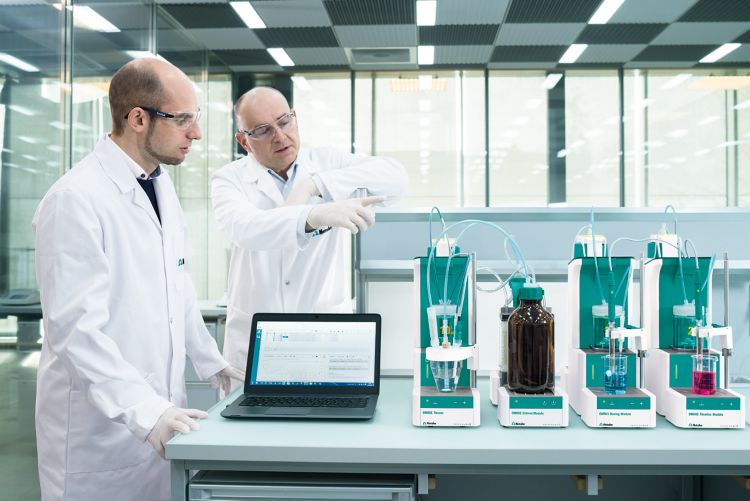
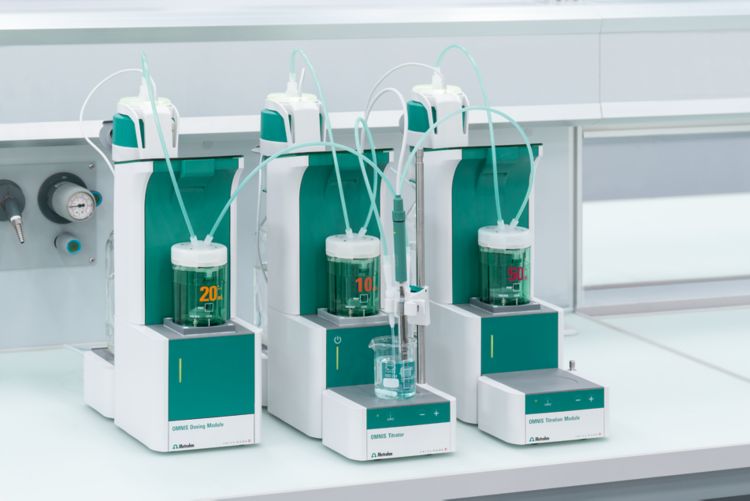
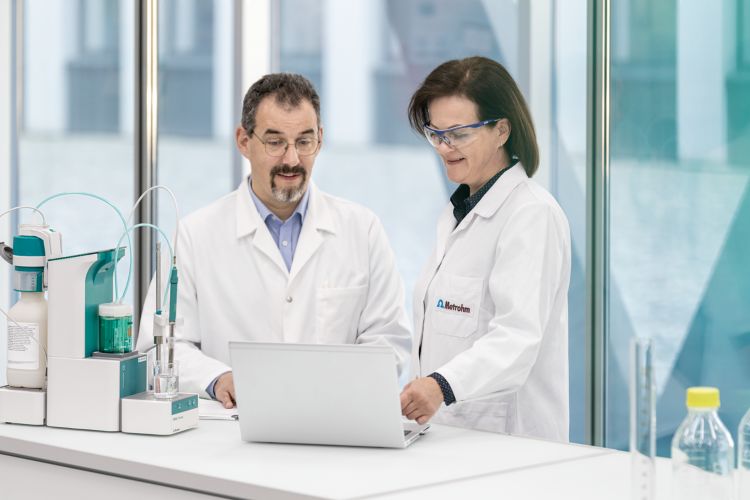
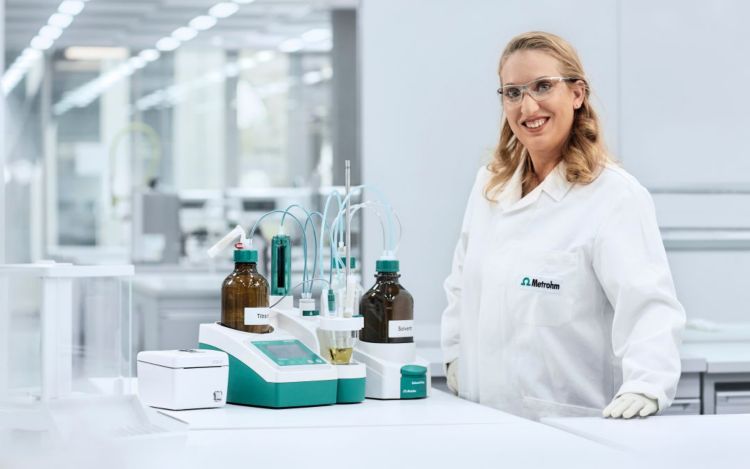
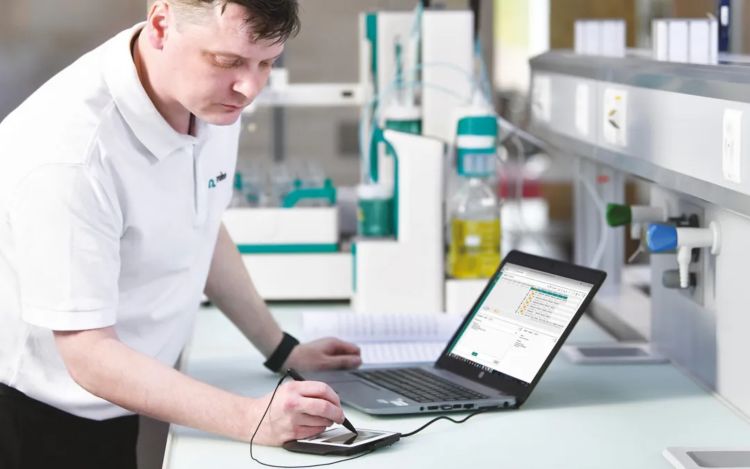
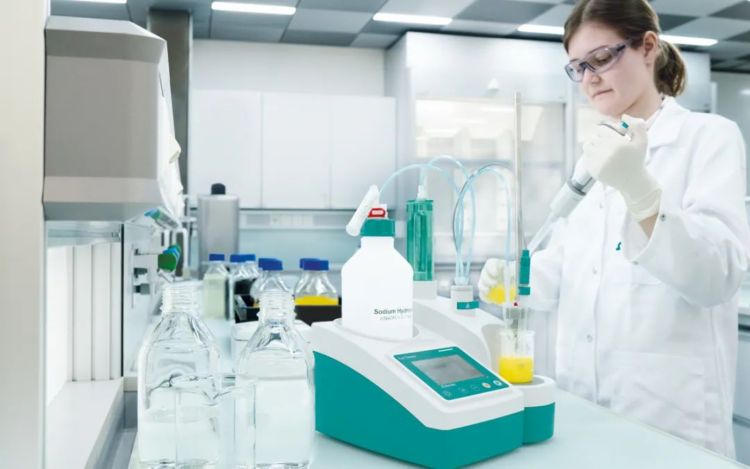
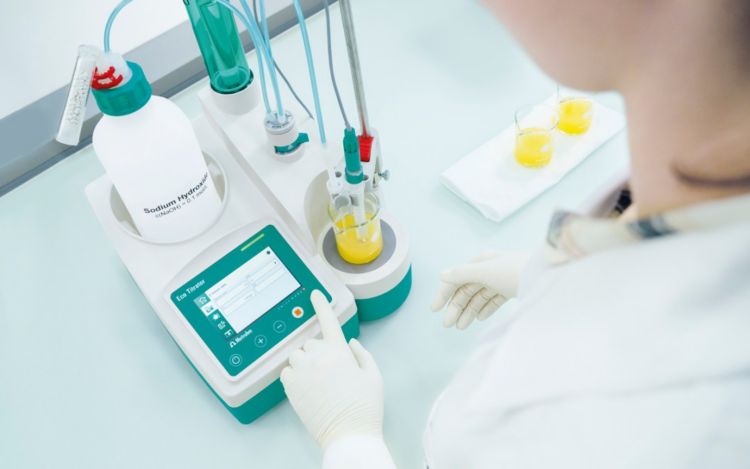
The Eco Titrator is a cost-effective solution suitable for all types of potentiometric titrations. It features a touch display and dedicated keys to control stirrer speed. A USB port allows the instrument to connect to a printer or flash drive to document results, supporting GLP and GMP compliance.

Cara mengalihkan titrasi manual ke autotitrasi
11 Mei 2026
Artikel
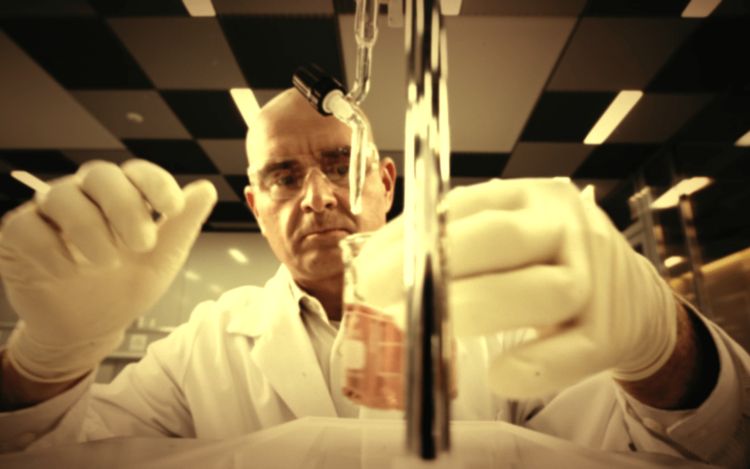
Titrasi manual merupakan metode analisis yang umum digunakan di banyak laboratorium. Namun, metode ini memiliki beberapa kelemahan, seperti penentuan titik akhir yang subjektif, risiko kesalahan manual, serta kurangnya integritas data. Dalam artikel ini, Anda akan mempelajari langkah-langkah paling penting yang perlu dipertimbangkan saat mengubah titrasi manual menjadi titrasi otomatis, mulai dari pemilihan alat titrator hingga optimasi metode itu sendiri.
Untuk langsung menuju ke topik tertentu, klik tautan di bawah ini:
Kelemahan titrasi manual
Titrasi manual melibatkan penambahan titran secara tetes demi tetes dari buret ke dalam larutan sampel. Penentuan titik akhir biasanya dilakukan secara visual (dengan mata) menggunakan indikator warna. Metode analisis ini masih banyak digunakan karena hanya memerlukan buret kaca dan labu. Namun, metode ini memiliki beberapa kelemahan yang cukup signifikan..
Penentuan titik akhir bersifat subjektif: Pengamatan perubahan warna secara visual bergantung pada persepsi individu. Setiap orang dapat menafsirkan intensitas warna secara berbeda, sehingga menghasilkan hasil yang tidak konsisten. Masalah ini semakin jelas ketika bekerja dengan larutan yang berwarna atau keruh.
Ketelitian ukuran tetesan: Ketepatan analisis dipengaruhi oleh ukuran setiap tetesan. Misalnya, jika ukuran tetesan adalah 50 µL dan volume total titran adalah 5 mL, satu tetesan saja dapat menyebabkan variasi sekitar 1%.
Proses yang memakan waktu: Titrasi manual membutuhkan waktu yang cukup lama. Hal ini mencakup tidak hanya proses titrasi itu sendiri, tetapi juga pembersihan dan pengisian ulang buret serta perhitungan hasil secara manual. Langkah-langkah ini membatasi jumlah sampel yang dapat dianalisis dalam satu periode kerja.
Risiko terhadap integritas data: Pada titrasi manual, hasil sering dicatat secara manual, dipindahkan ke spreadsheet, lalu dimasukkan ke dalam sistem LIMS secara manual. Setiap tahap membuka peluang terjadinya kesalahan manusia dan memerlukan pemeriksaan kualitas yang menyeluruh. Proses ini tidak efisien dan cukup melelahkan.
Penggunaan titrator otomatis (autotitrator) membantu operator mengatasi keterbatasan tersebut..
Apa itu autotitrasi??
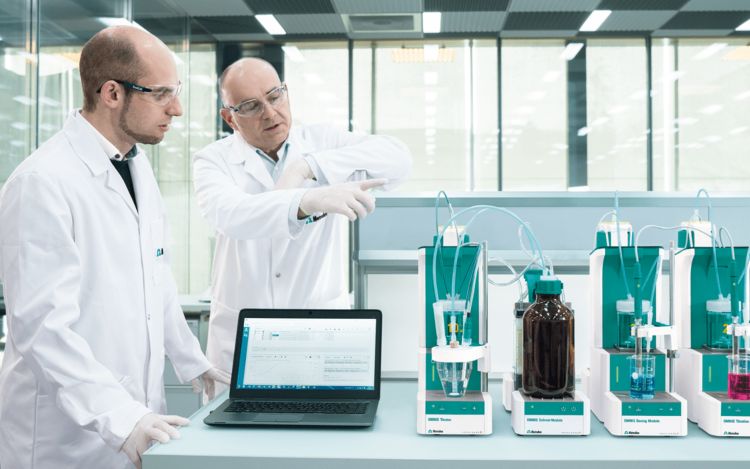
Autotitrasi mengacu pada otomatisasi satu atau lebih tahapan dalam proses titrasi. Terdapat tiga tingkat otomatisasi, tergantung pada konfigurasi sistem.
Otomatisasi parsial: Hanya satu tahap yang diotomatisasi. Misalnya, elektroda digunakan untuk penentuan titik akhir secara objektif, atau titran ditambahkan secara manual menggunakan alat dosis yang lebih presisi. Metrohm juga menawarkan otomatisasi parsial melalui platform OMNIS, yang memungkinkan pelacakan penuh untuk titrasi manual.
Otomatisasi mandiri (stand-alone): Sebuah titrator melakukan seluruh proses titrasi, termasuk penambahan titran, penentuan titik akhir, dan perhitungan hasil. Operator masih bertanggung jawab untuk menyiapkan sampel dan membersihkan peralatan setelahnya. Gambar 1 menunjukkan titrator mandiri.
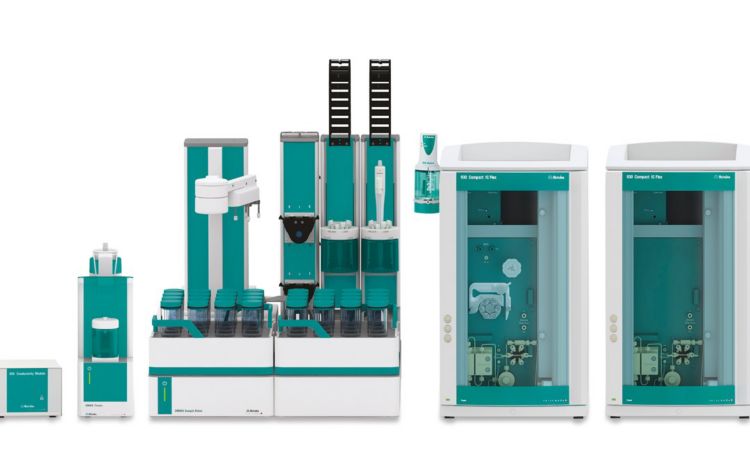
Titrasi sepenuhnya otomatis: Titrator dikombinasikan dengan autosampler, sehingga seluruh proses titrasi dapat diotomatisasi, termasuk persiapan sampel dan pembersihan peralatan. Konfigurasi ini memungkinkan operator untuk fokus pada tugas lain dan secara signifikan mengurangi kesalahan manusia.
Pelajari lebih lanjut tentang bagian-bagian yang dapat diotomatisasi dalam artikel blog «Mengapa mempertimbangkan otomatisasi – bahkan untuk titrasi sederhanan» dan manfaatnya dalam artikel «Hemat biaya dengan menggunakan sistem titrasi otomatis».

Figure 1.
Stand-alone automatic titrator with piston buret (1), titration stand with integrated stirrer (2), electrode (3) for endpoint detection, and display (4) for control and results.
Titrasi otomatis menawarkan beberapa keunggulan. Tabel 1 memberikan perbandingan antara titrasi manual dan titrasi otomatis.
| Parameter | Manual titration | Automatic titration |
|---|---|---|
| Titrant addition | Manually | Automatically with piston buret |
| Dosing accuracy | 50 µL (50 mL buret class AS) 20 µL (10 mL buret class AS) | 25 µL (50 mL buret) 7 µL (10 mL buret) |
| Endpoint detection | Visually by eye | Using a sensor and mathematical algorithm |
| Control | Manually by operator | Integrated touch display or with software |
| Calculation | Manually by operator | Integrated in system or with software |
| Data integrity | No | Yes (optional) |
| Automation possibility | No | Yes |
Pemilihan titrator
Saat memilih titrator, ada beberapa hal penting yang perlu dipertimbangkan:
- Kepatuhan GLP/GMP: Autotitrator harus mampu mendokumentasikan hasil. Hal ini mencakup koneksi ke printer atau penyimpanan digital (misalnya flash drive USB). Semua titrator Metrohm memenuhi persyaratan GLP dan GMP.
- Kepatuhan FDA: Dalam lingkungan yang diatur, titrator harus memenuhi regulasi FDA 21 CFR Bagian 11.
- Opsi kontrol: Titrator dapat dioperasikan melalui perangkat lunak atau layar sentuh terintegrasi.
- Jumlah sampel (throughput): Jika jumlah sampel yang dianalisis per hari tinggi, sistem otomatis dapat secara signifikan meningkatkan efisiensi laboratorium. Pelajari lebih lanjut tentang otomatisasi dalam artikel “Mengapa mempertimbangkan otomatisasi – bahkan untuk titrasi sederhana”.
- Fleksibilitas untuk berbagai jenis titrasi: Peralihan antara jenis titrasi, misalnya dari redoks ke asam-basa, memerlukan penggantian titran dan elektroda. Tidak semua titrator mendukung hal ini. Efisiensi meningkat dengan sistem titrasi yang dapat diperluas dengan buret dan elektroda tambahan.
Metrohm menawarkan berbagai model titrator dengan kemampuan yang berbeda. Tabel 2 menyajikan perbandingan poin-poin utama tersebut untuk setiap keluarga titrator.
| Parameter | Eco Titrator | Ti-Touch | OMNIS Titrator |
|---|---|---|---|
| GLP/GMP compliance | Yes | Yes | Yes |
| FDA compliance | No | Yes | Yes |
| Control option | Touch display | Touch display | Software |
| Automation possibility | Yes (max. 9 samples) | Yes (max. 24 samples) | Yes (max. 175 samples, parallel titrations) |
| Extension for different titrations | No | Limited (two sequential titrations) | Extensive (up to five titrations in parallel) |


Pemilihan sensor

Figure 2.
Optrode M2, optical sensor for photometric titrations.
Langkah paling penting dalam mengalihkan titrasi manual ke titrasi otomatis adalah memilih sensor yang tepat untuk mendeteksi titik ekuivalen.
Salah satu pilihan yang sederhana adalah menggunakan sensor photometric yang secara efektif menggantikan pengamatan oleh mata. Pendekatan ini sangat berguna ketika norma atau standar mensyaratkan penggunaan indikator warna. Gambar 2 menunjukkan sensor optik untuk titrasi fotometrik.
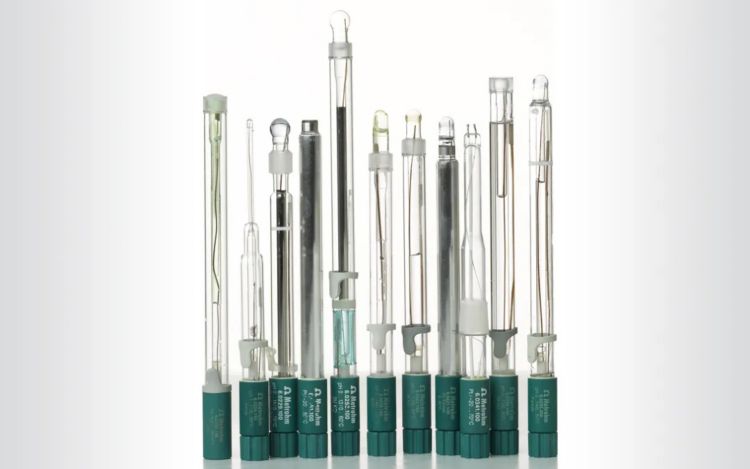
Menggunakan elektroda potensiometri sering kali lebih sederhana, karena tidak memerlukan larutan indikator. Namun, pemilihan elektroda yang tepat bergantung pada beberapa faktor.
- Reaksi kimia: Jenis reaksi kimia menentukan pemilihan elektroda. Misalnya, titrasi asam-basa memerlukan elektroda pH, sedangkan titrasi redoks memerlukan elektroda logam.
- Matriks sampel: Matriks sampel dapat sangat memengaruhi kinerja elektroda. Sebagai contoh, sampel yang mengandung protein (misalnya produk susu) memerlukan elektroda pH dengan diafragma yang tidak sensitif terhadap protein.
- Volume sampel: Untuk volume sampel yang kecil, disarankan menggunakan mikroelektroda khusus.
Informasi lebih lanjut mengenai berbagai jenis elektroda untuk beragam jenis titrasi dapat ditemukan dalam artikel «Best practice for electrodes in titration».
Flyer «Electrodes for titration» memberikan panduan dalam memilih elektroda yang paling sesuai. Sebagai alternatif, fitur Electrode Finder memungkinkan penyaringan berdasarkan jenis reaksi, area aplikasi, atau detail spesifik seperti matriks sampel.
Optimasi ukuran sampel dan volume larutan
Pada titrasi manual, pencapaian titik akhir sering memerlukan 30 mL atau bahkan 40 mL titran. Autotitrator, yang memiliki akurasi penambahan yang lebih tinggi, biasanya dilengkapi dengan buret berkapasitas 10 mL atau 20 mL. Karena pengisian ulang buret selama titrasi dapat menyebabkan kesalahan, ukuran sampel perlu disesuaikan untuk titrasi otomatis.
Pada autotitrator, umumnya disarankan agar titik ekuivalen (atau volume titik akhir yang diharapkan) berada di antara 10% hingga 90% dari total volume buret. Oleh karena itu, langkah penting dalam mengalihkan titrasi manual ke autotitrasi adalah mengoptimalkan ukuran sampel. Penggunaan titran yang lebih sedikit juga dapat menghemat biaya.
Sebagai contoh, pada penetapan kalsium hidroksida, ukuran sampel dapat dikurangi dari 1,5 g menjadi 0,375 g. Penyesuaian ini mengurangi konsumsi titran sebesar 30 mL per titrasi [1]. Dengan perkiraan 10 titrasi per hari, hal ini menghasilkan penghematan tahunan sekitar €4700 hanya dari penggunaan titran. Lihat Tabel 3 untuk perhitungan contoh secara rinci.
| Manual titration | Automatic titration | |
|---|---|---|
| Titrant | 0.05 mol/L EDTA | 0.05 mol/L EDTA |
| Costs of titrant | €43.40 per liter * | €43.40 per liter * |
| Sample size | 1.5 g | 0.375 g |
| Expected endpoint volume | 40 mL | 10 mL |
| Estimated titrations per day | 10 | 10 |
| Costs of titrant per year | €6336.40 | €1584.10 |
| Cost savings | €4752.30 |
* (https://www.sigmaaldrich.com/DE/de/product/mm/160320, April 23, 2026 for Germany)

Figure 3.
For accurate pH measurements, both the glass membrane and diaphragm must be immersed in titration solution.
Selain menyesuaikan ukuran sampel, mungkin juga perlu untuk mengubah jumlah pengencer (air atau pelarut) yang digunakan dalam analisis. Hasil yang akurat bergantung pada perendaman penuh bagian-bagian sensor yang relevan di dalam larutan. Misalnya, pada elektroda pH, baik membran kaca (untuk pengukuran) maupun diafragma (sebagai referensi) harus terendam sepenuhnya, seperti yang ditunjukkan pada Gambar 3.
Memilih mode titrasi yang tepat
Beberapa reaksi titrasi bersifat reversibel, misalnya titrasi asam-basa, sementara yang lain bersifat irreversibel, seperti titrasi redoks. Kecepatan reaksi titrasi juga dapat bervariasi. Oleh karena itu, autotitrator dilengkapi dengan berbagai mode titrasi.
Terdapat tiga mode titrasi yang umum digunakan:
- Titrasi titik akhir (Endpoint titration): Titran ditambahkan hingga mencapai titik akhir yang telah ditentukan sebelumnya. Mode ini biasanya digunakan dengan nilai pH tertentu sebagai titik akhir.
- Titrasi monotonik (Monotonic titration): Volume titran yang sama ditambahkan pada setiap langkah penambahan.
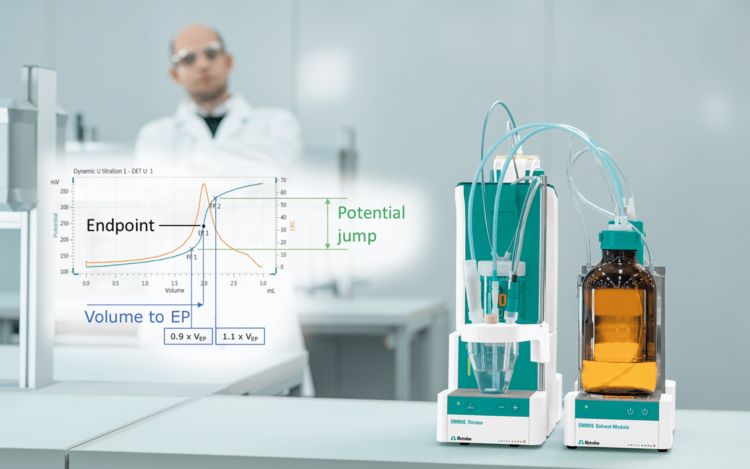
- Titrasi dinamis (Dynamic titration): Volume titran yang ditambahkan bervariasi tergantung pada kedekatan terhadap titik ekuivalen. Volume titran yang lebih kecil ditambahkan secara bertahap di sekitar titik ekuivalen.
Video ini menjelaskan perbedaan antara titrasi monotonik dan titrasi dinamis secara lebih rinci.
Mode dinamis direkomendasikan untuk titrasi yang cepat, seperti titrasi asam-basa. Sementara itu, mode monotonik lebih cocok untuk titrasi yang lebih lambat, di mana titik ekuivalen dicapai secara tiba-tiba, seperti pada penentuan vitamin C, karena mode dinamis dapat melewati (overshoot) titik ekuivalen tersebut.
Optimasi pengaturan dan metode titrasi
Mengoptimalkan pengaturan dan metode titrasi membantu meningkatkan akurasi, mempercepat proses titrasi, serta mengurangi konsumsi titran.

Figure 4.
Electrode placement relative to stirring direction. Left: downstream of the buret tip, resulting in inaccurate readings. Right: upstream of the buret tip, allowing titrant to react with analyte before reaching the electrode.
Pengaturan pengaduk (stirrer) untuk akurasi yang lebih tinggi
Kecepatan pengadukan dan posisi sensor di dalam gelas titrasi secara langsung memengaruhi akurasi hasil. Hal-hal berikut perlu diperhatikan:
- Pilih kecepatan pengadukan yang memastikan pencampuran menyeluruh tanpa menyebabkan percikan. Kecepatan optimal bergantung pada jenis gelas sampel dan pengaduk yang digunakan.
- Hindari terbentuknya pusaran (vortex) karena dapat menyebabkan elektroda tidak terendam dalam larutan dan menurunkan akurasi.
- Posisikan elektroda dekat dinding gelas dan di bagian hulu (upstream) dari ujung buret, seperti yang ditunjukkan pada Gambar 4. Pengaturan ini membantu pencampuran titran dengan sampel secara efektif dan meningkatkan akurasi.
Volume awal untuk mempercepat titrasi
Untuk mempercepat titrasi – terutama titrasi monotonik – dapat digunakan volume awal (start volume). Pendekatan ini mirip dengan penambahan awal titran (pre-dosing) pada titrasi manual. Setelah penambahan volume awal, sebaiknya diberikan jeda agar titran dapat bereaksi dengan analit sebelum proses titrasi dimulai.
Volume henti untuk menghemat titran
Penerapan kriteria penghentian (stop criterion) membantu mengurangi konsumsi titran dan meminimalkan limbah. Pilihan paling sederhana adalah menggunakan volume henti tetap. Cara ini efektif jika titik ekuivalen selalu terjadi pada volume yang relatif sama.
Untuk sampel dengan konsentrasi analit yang bervariasi, diperlukan solusi yang lebih fleksibel. Dalam kasus ini, jumlah maksimum titik ekuivalen digunakan sebagai kriteria penghentian. Selain itu, perlu ditambahkan volume tertentu setelahnya.
Dalam kedua kasus, disarankan menggunakan volume henti sekitar 1 mL setelah titik ekuivalen.
Validasi metode
Langkah terakhir dalam mengalihkan titrasi manual ke titrasi otomatis adalah validasi metode – yang sangat penting terutama dalam lingkungan yang diatur. Validasi metode titrasi mencakup standarisasi titran serta penentuan akurasi dan presisi, linearitas, dan spesifisitas. Untuk informasi lebih lanjut mengenai validasi metode titrasi, silakan baca artikel blogst «Validation of titration methods».
Kesimpulan
Saat beralih dari titrasi manual ke autotitrasi, laboratorium perlu mempertimbangkan beberapa faktor penting. Pada saat yang sama, perubahan ini juga memberikan peluang untuk mengoptimalkan proses titrasi dan mengurangi limbah. Infografik pada Gambar 5 merangkum langkah-langkah utama yang terlibat dalam proses transfer metode:

Figure 5.
Summary of key steps for transferring manual titration to autotitration.
- Pilih titrator berdasarkan kebutuhan terkait kepatuhan, kontrol instrumen, jumlah sampel (throughput), dan jenis reaksi.
- Pilih sensor yang sesuai dengan reaksi titrasi, matriks sampel, dan volume sampel.
- Sesuaikan ukuran sampel agar titik ekuivalen berada di antara 10% hingga 90% dari volume buret. Jika perlu, ubah volume pengencer untuk memastikan sensor terendam sepenuhnya.
- Pilih mode titrasi berdasarkan jenis reaksi. Mode dinamis direkomendasikan untuk titrasi cepat, sedangkan mode monotonik lebih cocok untuk titrasi yang lebih lambat dengan titik ekuivalen yang dicapai secara tiba-tiba.
- Optimalkan proses titrasi dengan menempatkan elektroda di bagian hulu dari ujung buret, memilih kecepatan pengadukan yang tidak menimbulkan pusaran, serta menetapkan volume awal dan volume henti.
- Validasi metode untuk memastikan hasil yang dapat direproduksi dan andal.
Contoh rinci untuk langkah 2 hingga 5 dapat ditemukan dalam White Paper WP-063 «Recommendations for converting a manual titration procedure into an automated titration procedure».
Untuk informasi lebih lanjut, tonton webinar «How to convert from manual to automatic titrations».
Reference
[1] Marques, M. R. C.; Pappa, H.; Chang, M.; Spafford, L.; Klein, M.; Meier, L. Recommendations for Converting a Manual Titration Procedure into an Automated Titration Procedure; White Paper WP-063; Metrohm: Herisau, 2021.
Additional resources
Monograph: Practical aspects of modern titration
Blog post: Recognition of endpoints (EP)
Blog post: How to avoid titration errors in your lab
Blog post: Why consider automation – even for simple titrations
Blog post: Validation of titration methods
Blog post: Lab of the future: Automated robotic analysis of petroleum products
On-demand webinar: How to convert from manual to automatic titrations
Recommendations for converting a manual titration procedure into an automated titration procedure

We have compiled a comprehensive White Paper and several application documents that address typical questions that arise with the change from manual to automated titration. This White Paper is intended to help follow the recommendations by USP.