
Търсене
Водещи на пазара решения
Продуктови семейства (15)Продуктови конфигурации за всяко приложение
Продуктови модели (147)

Изпитани приложения
Приложения (363)Електроди за electrodes
Електроди (457)Accessories за electrodes
Резервни части (266)Софтуер за electrodes
Софтуер (1)Ръководства & брошури за electrodes
Документи (100)Ненадмината поддръжка и обслужване за electrodes
Support & service (11)Вдъхновяваща информация за бранша за electrodes
Информация за бранша (55)On-demand webinars за electrodes
Webinars (7)Новини за electrodes
Новини (5)Друго съдържание
Съдържание (13)949 pH Meter
Compact, entry-level benchtop pH meter for simple and reliable pH, mV, and ORP measurements.
VIONIC powered by INTELLO
The future of electrochemistry is pure. VIONIC: one instrument, pure discovery.
OMNIS титратори
All-in-one potentiometric autotitrator platform: faster results, safer handling of chemicals, and maximum modularity for easier adaptability to your requirements.
Линия Компактни
Space-saving potentiostats/galvanostats: lightweight, portable, and economical.
Titrando
From stand-alone titrator to a fully automated solution in an overarching network: a potentiometric titrator that can be tailored to your specific requirements.
Линия Модулни
Build an instrument for electrochemical research that meets your exact requirements with only specifications and features you need.
2060 VA/CVS Process Analyzer
Precise trace metal analysis with Voltammetry or organic additives monitoring with CVS (Cyclic Voltammetric Stripping).
Линия Многоканални
Multichannel instruments: electrochemistry times twelve.
Portable Multichannel Line
Obtain more results in less time keeping the reduced size and simplicity
Линия Преносими
Combining electrochemical research in the laboratory with in-field testing: Use well-established electrochemical techniques to maintain the highest levels of measurement quality and accuracy.
Portable VA Analyzer
Portable voltammetric analyzers for the determination of trace levels of heavy metals in water in the field.
867/856 Модули
High-end modules for customized pH, ion, and conductivity measurement.
Integrated spectroelectrochemistry
The next-generation tools for spectroelectrochemical research: bipotentiostat/galvanostat, spectrometer, and light source all in one instrument, controlled by a single software. Meet SPELEC!
Electrochemiluminescence
The ultimate electrochemiluminescence instruments with improved simplicity, versatility, and sensitivity.
ProTrode sensors
Enhance your process insights with inline pH, dissolved oxygen, and dissolved carbon dioxide measurements
DRP-SPECTROECL
SpectroElectrochemiluminescence instrument for Screen-Printed ElectrodesSpectroECL combines in one equipment a biopotentiostat/galvanostat and a microspectrometer integrated in an innovative cell for Screen-Printed Electrodes. This miniaturized and portable alternative is perfect for performing Electrogenerated ChemiLuminescence (ECL) measurements
2.851.0110
851 Titrando with generator electrode without diaphragmCoulometer including generator electrode without diaphragm.Coulometry is the ideal method for water content determination in liquids, solids, and gases when it comes to water content determination in the trace range (10 µg to 10 mg absolute water). In addition, coulometry is an absolute method and thus no titer determination is necessary.Coulometric titrations are carried out easily and quickly with the 851 Titrando.Recommended measuring range: 10 µg - 200 mg absolute water.For use with OMNIS Software, tiamo software, or Touch Control unit. Compliance with GMP/GLP and FDA regulations such as 21 CFR Part 11, if required.
2.851.0010
851 Titrando with generator electrode with diaphragmCoulometer including generator electrode with diaphragm and 801 Magnetic Stirrer.Coulometry is the ideal method for water content determination in liquids, solids, and gases when it comes to water content determination in the trace range (10 µg to 10 mg absolute water). In addition, coulometry is an absolute method and thus no titer determination is necessary.Coulometric titrations are carried out easily and quickly with the 851 Titrando.Recommended measuring range: 10 µg - 200 mg absolute waterFor use with OMNIS Software, tiamo software, or Touch Control unit. Compliance with GMP/GLP and FDA regulations such as 21 CFR Part 11, if required
2.852.0150
852 Titrando with generator electrode without diaphragmCoulometer including generator electrode without diaphragm and complete volumetric titration cellCoulometry is the ideal method for water content determination in liquids, solids, and gases when it comes to water content determination in the trace range (10 µg to 10 mg absolute water). In addition, coulometry is an absolute method and thus no titer determination is necessary.Recommended coulometry measuring range: 10 µg - 200 mg absolute water.The 852 Titrando controls not only coulometric, but also volumetric Karl Fischer titration.For use with OMNIS Software, tiamo software, or Touch Control unit. Compliance with GMP/GLP and FDA regulations such as 21 CFR Part 11, if required.
2.852.0050
852 Titrando with generator electrode with diaphragmCoulometer including generator electrode with diaphragm, 801 Magnetic Stirrer, and complete volumetric titration cell.Coulometry is the ideal method for water content determination in liquids, solids, and gases when it comes to water content determination in the trace range (10 µg to 10 mg absolute water). In addition, coulometry is an absolute method and thus no titer determination is necessary.Recommended coulometry measuring range: 10 µg - 200 mg absolute waterThe 852 Titrando controls not only coulometric, but also volumetric Karl Fischer titration.For use with OMNIS Software, tiamo software, or Touch Control unit. Compliance with GMP/GLP and FDA regulations such as 21 CFR Part 11, if required.
2.949.0210
949 pH Meter without electrodeDiscover the 949 pH Tabletop Meter – Your compact pH measuring instrument for quick and reliable laboratory measurements.Complete pH measuring instrument with color display; Precise pH, mV and ORP measurements with integrated temperature display; Simple calibration with Metrohm, USA, and NIST buffers up to 3 points or by 2-point calibration with in-house buffers; Clearly structured display of the calibrated values using symbols for simple read-off; 3 stability criteria for measured value recognition for reliable results; GLP conformity of the measured values with embedded date and time; Overview of calibration data with monitoring function; RS232 port enables connection of a printer.; Included in the package are the 949 pH Meter, the electrode holder, and the power supply unit for immediate use in the laboratory.
2.884.0110
884 Professional VA manual for Multi-Mode Electrode (MME)884 Professional VA manual for Multi-Mode Electrode (MME) is the entry-level instrument for high-end trace analysis with voltammetry and polarography with the Multi-Mode Electrode pro or the scTRACE Gold or the Bismuth drop electrode. The proven Metrohm electrode methods in combination with a high-performance potentiostat/galvanostat and the extremely flexible viva software open up new perspectives for the determination of heavy metals. The potentiostat with a certified calibrator readjusts itself automatically before each measurement, thus guaranteeing maximum precision.Determinations with rotating disc electrodes can also be performed with the instrument, e.g. determinations of organic additives in electroplating baths with "Cyclic Voltammetric Stripping" (CVS), "Cyclic Pulse Voltammetric Stripping" (CPVS), and chronopotentiometry (CP). The replaceable measuring head enables rapid changes between the various applications with different electrodes.The viva software is required for control, data collection, and evaluation.The 884 Professional VA manual for MME is supplied with extensive accessories and a measuring head for the Multi-Mode Electrode pro. Electrode set and viva license need to be ordered separately.
2.884.1110
884 Professional VA semiautomated für Multi-Mode Electrode (MME) with 2 Dosinos884 Professional VA semiautomated for Multi-Mode Electrode (MME) is a convenient high-end routine analyzer for trace determinations with voltammetry and polarography with the Multi-Mode Electrode pro or the scTRACE Gold. The proven Metrohm electrode methods in combination with a high-performance potentiostat/galvanostat and the extremely flexible viva software open up new perspectives for the determination of heavy metals. The potentiostat with a certified calibrator readjusts itself automatically before each measurement, thus guaranteeing maximum precision.Determinations with rotating disc electrodes can also be performed with the instrument, e.g. determinations of organic additives in electroplating baths with "Cyclic Voltammetric Stripping" (CVS), "Cyclic Pulse Voltammetric Stripping" (CPVS), and chronopotentiometry (CP). The replaceable measuring head enables rapid changes between the various applications with different electrodes.2x 800 Dosinos (supplied) permit the automatic addition of auxiliary solutions during the determination, e.g., electrolyte, buffer or standard solutions.The viva software is required for control, data collection, and evaluation.The 884 Professional VA semiautomated for Multi-Mode Electrode (MME) is supplied with extensive accessories and a measuring head for the Multi-Mode Electrode pro. Electrode set and viva license need to be ordered separately.
2.917.0010
917 Coulometer with generator electrode with diaphragmThe 917 Coulometer is a compact titrator for coulometric water determination in accordance with Karl Fischer. ''Reduced to the max'' – operating module, stirrer and pump are integrated in the 917 Coulometer for rapid reagent replacement. This saves a great deal of space on the laboratory table.Recommended measuring range: 10 µg…200 mg absolute waterCoulometry is the ideal method for water content determination in liquids, solids and gases in the trace range. In addition, coulometry is an absolute method and thus no titer determination is necessary.The 917 Coulometer now also fulfills FDA Regulation 21 CFR, Part 11. This means you are always on the safe side when it comes to audits.
2.917.0110
917 Coulometer with generator electrode without diaphragmThe 917 Coulometer is a compact titrator for coulometric water determination in accordance with Karl Fischer. ''Reduced to the max'' – operating module, stirrer and pump are integrated in the 917 Coulometer for rapid reagent replacement. This saves a great deal of space on the laboratory table.Recommended measuring range: 10 µg…200 mg absolute waterCoulometry is the ideal method for water content determination in liquids, solids and gases in the trace range. In addition, coulometry is an absolute method and thus no titer determination is necessary.The 917 Coulometer now also fulfills FDA Regulation 21 CFR, Part 11. This means you are always on the safe side when it comes to audits.
2.899.0010
899 Coulometer with generator electrode with diaphragmThanks to the integrated stirrer, the 899 Coulometer takes up less space on the laboratory table than a sheet of DIN A4 paper. Although small and compact, the coulometer does not compromise on performance. Water contents can be determined with precision down to trace levels. Indicator electrode and generator electrode with diaphragm are included in the scope of delivery.Recommended measuring range: 10 µg - 200 mg absolute waterCoulometry is the ideal method for water content determination in liquids, solids and gases in the trace range. In addition, coulometry is an absolute method and thus no titer determination is necessary.
2.899.0110
899 Coulometer with generator electrode without diaphragmThanks to the integrated stirrer, the 899 Coulometer takes up less space on the laboratory table than a sheet of DIN A4 paper. Although small and compact, the coulometer does not compromise on performance. Water contents can be determined with precision down to trace levels. Indicator electrode and generator electrode without diaphragm are included in the scope of delivery.Recommended measuring range: 10 µg - 200 mg absolute waterCoulometry is the ideal method for water content determination in liquids, solids and gases in the trace range. In addition, coulometry is an absolute method and thus no titer determination is necessary.
2.1028.0010
Eco Coulometer with generator electrode with diaphragmThe Eco Coulometer with integrated magnetic stirrer and touch-sensitive display is ideal for water content determination in the 10 µg to 200 mg absolute water range. Predefined methods enable a smooth and easy instrument start-up. In addition to GLP-compliant printouts on paper or as PDFs, the Eco Coulometer also offers the option of being able to connect balances or send determination data to a PC via PC / LIMS reports. Indicator electrode and generator electrode with diaphragm are included in the scope of delivery.Coulometry is the ideal method for water content determination in the trace range in liquids, solids and gases. In addition, coulometry is an absolute method making titer determination unnecessary.
2.1028.0110
Eco Coulometer with generator electrode without diaphragmThe Eco Coulometer with integrated magnetic stirrer and touch-sensitive display is ideal for water content determination in the 10 µg to 200 mg absolute water range. Predefined methods enable a smooth and easy instrument start-up. In addition to GLP-compliant printouts on paper or as PDFs, the Eco Coulometer also offers the option of being able to connect balances or send determination data to a PC via PC / LIMS reports. Indicator electrode and generator electrode without diaphragm are included in the scope of delivery.Coulometry is the ideal method for water content determination in the trace range in liquids, solids and gases. In addition, coulometry is an absolute method making titer determination unnecessary.
2.899.1010
899 Coulometer with generator electrode with diaphragm and Q3X USB thermal printerThanks to the integrated stirrer, the 899 Coulometer takes up less space on the laboratory table than a sheet of DIN A4 paper. Although small and compact, the coulometer does not compromise on performance. Water contents can be determined with precision down to trace levels. Indicator electrode, generator electrode with diaphragm and a Q3X USB thermal printer are included in the scope of delivery.Recommended measuring range: 10 µg - 200 mg absolute waterCoulometry is the ideal method for water content determination in liquids, solids and gases in the trace range. In addition, coulometry is an absolute method and thus no titer determination is necessary.
2.899.1110
899 Coulometer with generator electrode without diaphragm and Neo's USB thermal printerThanks to the integrated stirrer, the 899 Coulometer takes up less space on the laboratory table than a sheet of DIN A4 paper. Although small and compact, the coulometer does not compromise on performance. Low water contents can be determined with precision down to trace levels. Indicator electrode, generator electrode without diaphragm and a Q3X USB thermal printer are included in the scope of delivery.Recommended measuring range: 10 µg - 200 mg absolute waterCoulometry is the ideal method for water content determination in liquids, solids and gases in the trace range. In addition, coulometry is an absolute method and thus no titer determination is necessary.
2.831.0010
831 KF Coulometer with generator electrode with diaphragmInexpensive coulometer including titration cell and generator electrode with diaphragm for water content determination down to trace levels.This coulometer has become indispensable in many laboratories, thanks to its reliability, its backlit graphical display, the multi-language dialog and the simplicity of its operation. The clear display provides information regarding the relevant titration parameters and unambiguous indication of the progress of the titration in the form of a curve showing µg water over time.Recommended measuring range: 10 µg - 200 mg absolute water
2.831.0110
831 KF Coulometer with generator electrode without diaphragmInexpensive coulometer including titration cell with generator electrode without diaphragm for water content determination down to the trace range.This coulometer has become indispensable in many laboratories, thanks to its reliability, its backlit graphical display, the multi-language dialog and the simplicity of its operation. The clear display provides information regarding the relevant titration parameters and unambiguous indication of the progress of the titration in the form of a curve showing µg water over time.Recommended measuring range: 10 µg - 200 mg absolute water
2.756.0010
756 KF Coulometer with generator electrode with diaphragmKF coulometer with built-in printer and titration cell with generator electrode with diaphragm for water content determination down to trace levels.This coulometer has become indispensable in many laboratories thanks to its reliability, its backlit graphical display, the multi-language dialog and the simplicity of its operation. The clear display provides information regarding the relevant titration parameters and unambiguous indication of the progress of the titration in the form of a curve showing µg water over time.Recommended measuring range: 10 µg - 200 mg absolute water
2.756.0110
756 KF Coulometer with generator electrode without diaphragmKF coulometer with built-in printer and titration cell with generator electrode without diaphragm for water content determination down to trace levels.This coulometer has become indispensable in many laboratories thanks to its reliability, its backlit graphical display, the multi-language dialog and the simplicity of its operation. The clear display provides information regarding the relevant titration parameters and unambiguous indication of the progress of the titration in the form of a curve showing µg water over time.Recommended measuring range: 10 µg - 200 mg absolute water
2.851.0020
851 Titrando with Touch Control and generator electrode with diaphragmCoulometer including generator electrode with diaphragm, Touch Control, and 801 Magnetic Stirrer.Coulometry is the ideal method for water content determination in liquids, solids, and gases when it comes to water content determination in the trace range (10 µg to 10 mg absolute water). In addition, coulometry is an absolute method and thus no titer determination is necessary.Coulometric titrations are carried out easily and quickly with the 851 Titrando.Recommended measuring range: 10 µg - 200 mg absolute waterFor use with OMNIS Software, tiamo software, or Touch Control unit. Compliance with GMP/GLP and FDA regulations such as 21 CFR Part 11, if required
2.851.0120
851 Titrando with Touch Control and generator electrode without diaphragmCoulometer including generator electrode without diaphragm and Touch Control.Coulometry is the ideal method for water content determination in liquids, solids, and gases when it comes to water content determination in the trace range (10 µg to 10 mg absolute water). In addition, coulometry is an absolute method and thus no titer determination is necessary.Coulometric titrations are carried out easily and quickly with the 851 Titrando.Recommended measuring range: 10 µg - 200 mg absolute water.For use with OMNIS Software, tiamo software, or Touch Control unit. Compliance with GMP/GLP and FDA regulations such as 21 CFR Part 11, if required
2.852.0060
852 Titrando with Touch Control and generator electrode with diaphragmCoulometer including generator electrode with diaphragm, Touch Control, 801 Magnetic Stirrer, and complete volumetric titration cell.Coulometry is the ideal method for water content determination in liquids, solids, and gases when it comes to water content determination in the trace range (10 µg to 10 mg absolute water). In addition, coulometry is an absolute method and thus no titer determination is necessary.Recommended coulometry measuring range: 10 µg - 200 mg absolute waterThe 852 Titrando controls not only coulometric, but also volumetric Karl Fischer titration.For use with OMNIS Software, tiamo software, or Touch Control unit. Compliance with GMP/GLP and FDA regulations such as 21 CFR Part 11, if required.
2.852.0160
852 Titrando with Touch Control and generator electrode without diaphragmCoulometer including generator electrode without diaphragm, complete volumetric titration cell, and Touch Control.Coulometry is the ideal method for water content determination in liquids, solids, and gases when it comes to water content determination in the trace range (10 µg to 10 mg absolute water). In addition, coulometry is an absolute method and thus no titer determination is necessary.Recommended coulometry measuring range: 10 µg - 200 mg absolute waterThe 852 Titrando controls not only coulometric, but also volumetric Karl Fischer titration.For use with OMNIS Software, tiamo software, or Touch Control unit. Compliance with GMP/GLP and FDA regulations such as 21 CFR Part 11, if required.
2.913.0220
913 pH/DO Meter, laboratory versionPortable two-channel measuring instrument for measuring pH/mV and for measuring the amount of dissolved oxygen in water. You will be optimally equipped for measurements in the field and in the laboratory with this battery-operated measuring instrument with a stand plate.Measuring instrument with built-in battery pack and two galvanically isolated measuring inputs.; Analog pH measuring input for standard pH electrodes; Digital pH measuring input for the intelligent pH electrodes or O2 Lumitrode; Robust, water-tight, and dust-tight housing (IP67) for tough outdoor and laboratory use; LCD color display with background illumination making results easy to read; USB interface for simple data export to PC or printer; Large internal memory (10,000 data sets); Pin-protected User mode and Expert mode, prevents unwanted parameter changes; GLP-compliant printout and data export with User ID and timestamp; With stand plate and electrode holder;
2.899.2110
899 Coulometer with generator electrode without diaphragm and 860 KF ThermoprepThis titration system is comprised of an 899 Coulometer and an 860 KF Thermoprep.This means that samples unsuitable for direct Karl Fischer titration can be analyzed. With the aid of tightly sealed sample vials, the samples are moved into the oven of the 860 KF Thermoprep. The sample is heated up, the water it contains is vaporized and channeled into the titration cell. The water content of the sample is then determined with the 899 Coulometer.
2.917.1010
917 Coulometer with generator electrode with diaphragm and 860 KF ThermoprepThe 917 Coulometer is a compact titrator for coulometric water determination in accordance with Karl Fischer. ''Reduced to the max'' – operating module, stirrer, and pump are integrated in the 917 Coulometer for rapid reagent replacement. This saves a great deal of space on the laboratory table.The 917 Coulometer now also fulfills FDA Regulation 21 CFR, Part 11. This means you are always on the safe side when it comes to audits.The 860 KF Thermoprep is used for thermal sample preparation. Many substances are not suitable for direct Karl Fischer titration because they are not soluble, react with the KF reagent, or because they only release their water content very slowly or only at high temperatures. Each of the samples is introduced into the oven in tightly sealed sample vessels and their water content is determined with the 917 Coulometer.
2.917.1110
917 Coulometer with generator electrode without diaphragm and 860 KF ThermoprepThe 917 Coulometer is a compact titrator for coulometric water determination in accordance with Karl Fischer. ''Reduced to the max'' – operating module, stirrer and pump are integrated in the 917 Coulometer for rapid reagent replacement. This saves a great deal of space on the laboratory table.The 917 Coulometer now also fulfills FDA Regulation 21 CFR, Part 11. This means you are always on the safe side when it comes to audits.The 860 KF Thermoprep is used for thermal sample preparation. Many substances are not suitable for direct Karl Fischer titration because they are not soluble, react with the KF reagent or because they release their water content only very slowly or only at high temperatures. Each of the samples is introduced into the oven in tightly sealed sample vessels and their water content is determined with the 917 Coulometer.
2.913.0020
913 pH/DO MeterThe 913 pH/DO Meter offers two measuring inputs for determining the pH value and dissolved oxygen in water.Portable meter with built-in battery pack and two galvanically isolated measuring inputs.; Analog pH measuring input for standard pH electrodes; Digital measuring input for O2 measurement using O2 Lumitrode or intelligent pH electrodes; Robust, water-tight, and dust-tight housing (IP67) for tough outdoor and laboratory use; LCD color display with background illumination making results easy to read; USB interface for simple data export to PC or printer; Large internal memory (10,000 data sets); Pin-protected User and Expert modes, prevents unwanted parameter changes; GLP-compliant printout and data export with User ID and timestamp;
2.913.0010
913 pH MeterPortable two-channel pH measuring instrument for measuring pH/mV and temperature. You will be optimally equipped for measurements in the field with this battery-operated measuring instrument. Portable pH meter with built-in battery pack and two galvanically isolated pH measuring inputs; Analog pH measuring input for Metrohm standard pH electrodes; Digital pH measuring input for the intelligent pH electrodes from Metrohm; Robust, water-tight and dust-tight housing (IP67) for hard outdoor and laboratory use; LCD color display with background illumination for simple legibility of the results; USB interface for simple data export to PC or printer; Large internal memory (10,000 data sets); Pin-protected User and Expert modes, prevents unwanted parameter changes; GLP-compliant printout and data export with User ID and timestamp;
2.913.0110
913 pH Meter with accessories casePortable two-channel pH measuring instrument for measuring pH/mV and temperature. You will be optimally equipped for measurements outdoors with this battery-operated measuring instrument. Portable pH meter with built-in battery pack and two galvanically isolated pH measuring inputs.; Analog pH measuring input for Metrohm standard pH electrodes; Digital pH measuring input for the intelligent pH electrodes from Metrohm; Robust, water-tight, and dust-tight housing (IP67) for tough outdoor and laboratory use; LCD color display with background illumination making results easy to read; USB interface for simple data export to PC or printer; Large internal memory (10,000 data sets); Pin-protected User mode and Expert mode, prevents unwanted parameter changes; GLP-compliant printout and data export with User ID and timestamp; Robust transport case for routine measurements in the field;
2.913.0210
913 pH Meter, laboratory versionPortable two-channel pH measuring instrument for measuring pH/mV and temperature. You will be optimally equipped for measurements in the field and in the laboratory with this battery-operated measuring instrument with a stand plate. Portable pH meter with built-in battery pack and two galvanically isolated pH measuring inputs.; Analog pH measuring input for Metrohm standard pH electrodes; Digital pH measuring input for the intelligent pH electrodes from Metrohm; Robust, water-tight, and dust-tight housing (IP67) for tough outdoor and laboratory use; LCD color display with background illumination making results easy to read; USB interface for simple data export to PC or printer; Large internal memory (10,000 data sets); Pin-protected User mode and Expert mode, prevents unwanted parameter changes; GLP-compliant printout and data export with User ID and timestamp;
2.913.0120
913 pH/DO Meter with accessories casePortable two-channel measuring instrument for measuring pH/mV and dissolved oxygen. This package includes everything needed to get started at once: measuring instrument, sensors, calibration solutions – and all packaged in a robust transport case.Portable pH meter with built-in battery pack and two galvanically isolated pH measuring inputs.; Analog pH measuring input for standard pH electrodes; Digital measuring input for the intelligent pH electrodes or the O2 Lumitrode; Robust, water-tight, and dust-tight housing (IP67) for tough outdoor and laboratory use; LCD color display with background illumination making results easy to read; USB interface for simple data export to PC or printer; Large internal memory (10,000 data sets); Pin-protected User mode and Expert mode, prevents unwanted parameter changes; GLP-compliant printout and data export with User ID and timestamp; Robust transport case for routine measurements in the field;
2.899.3110
899 Coulometer with generator electrode without diaphragm and 885 Compact Oven SCThis titration system is comprised of an 899 Coulometer and an 885 Compact Oven Sample Changer. It offers automated thermal sample preparation with subsequent water content determination in the smallest of spaces.This means that samples unsuitable for direct Karl Fischer titration can be analyzed. With the aid of tightly sealed sample vials, the samples are moved into the oven of the 885 Compact Oven Sample Changer. The sample is heated up, the water it contains is vaporized and channeled into the titration cell. The water content of the sample is then determined with the 899 Coulometer.
2.917.2010
917 Coulometer with generator electrode with diaphragm and 885 Compact Oven SCThe 917 Coulometer is a compact titrator for coulometric water determination in accordance with Karl Fischer. ''Reduced to the max'' – operating module, stirrer, and pump are integrated in the 917 Coulometer for rapid reagent replacement. This saves a great deal of space on the laboratory table.The 885 Compact Oven SC is used for automatic thermal sample preparation. The samples are heated in the oven to a temperature of up to 250 °C. This causes the water to vaporize and then be transported with a dry carrier gas into the 917 Coulometer titration cell in which the analysis takes place.
2.917.2110
917 Coulometer with generator electrode without diaphragm and 885 Compact Oven SCThe 917 Coulometer is a compact titrator for coulometric water determination in accordance with Karl Fischer. ''Reduced to the max'' – operating module, stirrer and pump are integrated in the 917 Coulometer for rapid reagent replacement. This saves a great deal of space on the laboratory table.The 885 Compact Oven SC is used for automatic thermal sample preparation. The samples are heated in the oven to a temperature of up to 250 °C. This causes the water to vaporize and then be transported with a dry carrier gas into the 917 Coulometer titration cell in which the analysis takes place.
DRP-STATECL
µStat ECL Electrochemiluminescence InstrumentμStat ECL is a portable BiPotentiostat/Galvanostat combined with a specific ElectroChemiLuminescence (ECL) Cell that performs Electrochemiluminescence studies with DropSens Screen-Printed Electrodes (SPEs). Electrochemical and Chemiluminescence responses are perfectly synchronized and shown in real time. The equipment can also be used independently as a Bipotentiostat/Galvanostat.
A062026010C
2026 TitrolyzerThe 2026 Titrolyzer performs potentiometric titrations by means of a high precision burette system and high performance electrodes. Different titration types include acid/base, redox and precipitation titrations. A self-finding inflection point technique can be applied for most applications. It is also possible to use the analyzer to measure pH in situations where inline sensors would otherwise fail.Additionally, the 2026 Titrolyzer can perform the dynamic standard addition method by means of the high precision burette and high performance Ion Selective Electrodes (ISE). This method adapts the standard addition volume to the actual sample concentration by means of a dynamic differential approach. Moreover it takes into account ISE slope values over several ranges. This means that ISEs can be used to their ultimate low or high measuring ranges. An accompanying temperature measurement eliminates possible temperature effects on the analysis results.Several markets are a perfect fit for the 2026 Titrolyzer such as chemical, petrochemical, semiconductor, environmental, mining, steel/metal, and potable water.Selected applications include:Acidic or alkaline solutions; Chloride; Hydrogen peroxide; Hardness; Cyanide; Copper; Hydrogen fluoride; pH; and more;
2.914.0020
914 pH/ConductometerTwo-channel pH/conductivity measuring instrument for measuring pH/mV/conductivity/TDS/salinity and temperature. You will be optimally equipped for measurements in the field with this battery-operated measuring instrument. Portable pH/conductivity measuring instrument with built-in battery pack; Parallel measurement of pH value and conductivity; Analog pH measuring input for Metrohm standard pH electrodes; Analog conductivity measuring input for the 4-conductor conductivity measuring cells from Metrohm; Robust, water-tight, and dust-tight housing (IP67) for tough outdoor and laboratory use; LCD color display with background illumination making results easy to read; USB interface for simple data export to PC or printer; Large internal memory (10,000 data sets); Pin-protected User mode and Expert mode, prevents unwanted parameter changes; GLP-compliant printout and data export with User ID and timestamp;
2.914.0030
914 pH/DO/ConductometerPortable two-channel pH/DO/conductivity measuring instrument with intelligent measuring input for the parallel measurement of pH/mV and conductivity or dissolved oxygen and conductivity in water.Parallel measurement of pH value and conductivity or of dissolved oxygen and conductivity; Analog conductivity measuring input for the 4-conductor conductivity measuring cells; Digital measuring input for the intelligent pH electrodes or the intelligent O2 Lumitrode; Robust, water-tight, and dust-tight housing (IP67) for tough outdoor and laboratory use; LCD color display with background illumination for simple legibility of the results; USB interface for simple data export to the PC or the printer; Large internal memory (10,000 data sets); Pin-protected User mode and Expert mode, prevents unwanted parameter changes; GLP-compatible printout and data export with User ID and timestamp;
2.914.0120
914 pH/Conductometer with accessories casePortable two-channel pH/conductivity measuring instrument for parallel measurement of pH/mV/conductivity/TDS/salinity and temperature. You will be optimally equipped for measurements outdoors with this battery-operated measuring instrument. Parallel measurement of pH value and conductivity; Analog pH measuring input for Metrohm standard pH electrodes; Analog conductivity measuring input for the 4-conductor conductivity measuring cells from Metrohm; Robust, water-tight, and dust-tight housing (IP67) for tough outdoor and laboratory use; LCD color display with background illumination making results easy to read; USB interface for simple data export to PC or printer; Large internal memory (10,000 data sets); Pin-protected User mode and Expert mode, prevents unwanted parameter changes; GLP-compliant printout and data export with User ID and timestamp; Robust transport case for routine measurements in the field;
2.914.0220
914 pH/Conductometer, laboratory versionPortable two-channel pH/conductivity measuring instrument for measuring pH/mV/conductivity/TDS/salinity and temperature. You will be optimally equipped for measurements in the field and in the laboratory with this battery-operated measuring instrument with a stand plate. Analog pH measuring input for Metrohm standard pH electrodes; Analog conductivity measuring input for the 4-conductor conductivity measuring cells from Metrohm; Laboratory pH and conductivity measuring instrument with built-in battery pack; Parallel measurement of pH value and conductivity; Robust, water-tight, and dust-tight housing (IP67) for tough outdoor and laboratory use; LCD color display with background illumination making results easy to read; USB interface for simple data export to PC or printer; Large internal memory (10,000 data sets); Pin-protected User mode and Expert mode, prevents unwanted parameter changes; GLP-compliant printout and data export with User ID and timestamp;
2.914.0130
914 pH/DO/Conductometer with accessories casePortable 2-channel pH/DO/conductivity measuring instrument with analog and digital measuring input for parallel measurements of pH/mV/conductivity or dissolved oxygen and conductivity. You will be optimally equipped for measurements outdoors with this battery-operated measuring instrument in a transport case.Parallel measurement of pH value and conductivity; Parallel measurement of dissolved oxygen and conductivity; Analog conductivity measuring input for the 4-conductor conductivity measuring cells from Metrohm; Digital measuring input for the intelligent pH electrodes and O2 Lumitrode; Robust, water-tight, and dust-tight housing (IP67) for hard outdoor and laboratory use; LCD color display with background illumination making results easy to read; USB interface for simple data export to PC or printer; Large internal memory (10,000 data sets); Pin-protected User mode and Expert mode, prevents unwanted parameter changes; GLP-compliant printout and data export with User ID and timestamp; Robust transport case for routine measurements in the field;
2.914.0230
914 pH/DO/Conductometer, laboratory versionPortable two-channel pH/DO/conductivity measuring instrument with intelligent measuring input for measuring dissolved oxygen/pH/mV and analog measuring input for conductivity/TDS/salinity and temperature. You will be optimally equipped for measurements in the field and in the laboratory with this battery-operated measuring instrument with a stand plate.Digital measuring input for the O2 Lumitrode or the intelligent pH electrodes; Analog conductivity measuring input for the 4-conductor conductivity measuring cells; Laboratory pH/DO and conductivity measuring instrument with built-in battery pack; Parallel measurement of pH value and conductivity; Parallel measurement of oxygen and conductivity; Robust, water-tight, and dust-tight housing (IP67) for tough outdoor and laboratory use; LCD color display with background illumination making results easy to read; USB interface for simple data export to PC or printer; Large internal memory (10,000 data sets); Pin-protected User mode and Expert mode, prevents unwanted parameter changes; GLP-compliant printout and data export with User ID and timestamp;
2.1056.0810
OMNIS Conductivity Detector UnitThe OMNIS Conductivity Detector Unit functions as a conductivity detector in the OMNIS IC System.The conductivity detector continuously measures the conductivity of the pumped liquid. The sample is separated into its ionic components in the separation column. Afterwards, the separated ions generate a change in the measurement signal in the conductivity detector compared to the baseline. This manifests itself in the form of evaluable peaks in the chromatogram.The conductivity change depends on the type and concentration of the electrolyte and on the sample volume applied. Low baseline noise enables low limits of detection and therefore more precise measurements. The conductivity detector exhibits high thermal stability and thus guarantees reproducible measuring conditions.Specifications:- 0–35000 μS/cm without range switching- Cell volume: 0.3 μL- Ring-shaped electrodes made of stainless steel X2CrNiMo17-12-2 (316 L), compatible with MSA- Maximum operating pressure: 10.0 MPa (100 bar)- Peltier controlled cell temperature: 15–60 °C in increments of 1 °C- Temperature stability: 0.001 °C- Baseline noise: 0.1 nS/cm typical for sequential suppression- Capillaries: ID 0.18 mm
DRP-STAT8000
µStat 8000 Multi Potentiostat/GalvanostatμStat 8000 is a portable Multi Potentiostat/Galvanostat that can be applied for Voltammetric, Amperometric or Potentiometric measurements, being able to perform up to 8 different independent measurements at the same time, including also a multichannel mode that allows you to work with up to 8 working electrodes sharing auxiliary and reference electrode. Li-ion Battery powered, it can be easily connected to a PC via USB or wireless.
DRP-STAT8000P
µStat 8000P Multi PotentiostatμStat 8000P is a portable Multi Potentiostat that can be applied for Voltammetric or Amperometric measurements, being able to perform up to 8 different independent measurements at the same time, including also a multichannel mode that allows you to work with up to 8 working electrodes sharing auxiliary and reference electrode. Li-ion Battery powered, it can be easily connected to a PC via USB or wireless.
2.780.0010
780 pH MeterIn addition to pH, voltage and temperature measurement, the 780 pH Meter also offers an automatic stirrer control, a multi-point calibration with up to nine buffers, a method memory and various monitoring functions. The automatic pH electrode test in conformance with GLP permits objective assessment of the electrode. The large backlit multi-line display provides an overview and makes the individual settings easy. The bi-directional RS-232 interface enables data transfer to a printer or PC.
DRP-STAT4000
µStat 4000 Multi Potentiostat/GalvanostatμStat 4000 is a portable Multi Potentiostat/Galvanostat that can be applied for Voltammetric, Amperometric or Potentiometric measurements, being able to perform up to 4 different independent measurements at the same time and including also a multichannel mode that allows you to work with up to 4 working electrodes sharing auxiliary and reference electrode. Li-ion Battery powered, it can be easily connected to a PC via USB or wireless.
DRP-STAT4000P
µStat 4000P Multi PotentiostatμStat 4000P is a portable Multi Potentiostat that can be applied for Voltammetric or Amperometric measurements, being able to perform up to 4 different independent measurements at the same time and including also a multichannel mode that allows you to work with up to 4 working electrodes sharing auxiliary and reference electrode. Li-ion Battery powered, it can be easily connected to a PC via USB or wireless.
2.781.0010
781 pH/Ion MeterIn addition to pH, ion, voltage and temperature measurement, the combined 781 pH/Ion Meter also offers an automatic stirrer control, a multi-point calibration with up to nine buffers (pH mode), a method memory and various monitoring functions. The automatic pH electrode test in conformance with GLP permits objective assessment of the electrode. The large backlit multi-line display provides an overview and makes the individual settings easy. The bi-directional RS-232 interface enables data transfer to a printer or PC.Three different modes are available for ion measurement: direct measurement, standard or sample addition. In the case of fully automated standard addition with an optional Dosimat, only the concentration of the standard and the desired quantity of addition steps need to be entered, the pH/ion meter takes care of the rest. Up to 19 standards can be used for the calibration for direct measurement.
2.867.0110
867 pH Module with Touch ControlHigh-end pH/ion meter based on the 867 pH Module, including 900 Touch Control, 854 iConnect and intelligent "iUnitrode" pH glass electrode.In addition to measurements of pH, temperature, mV, Ipol, Upol and concentration, the pH Module can perform standard additions (manual, dos, autodos) and Liquid Handling (add, prep, empty). It enables the use of both conventional and intelligent sensors for measuring. Also integrated in the software is an automatic GLP-compliant pH electrode test.The pH Module has two USB interfaces for connecting printers, barcode readers or sample changers and four MSB interfaces for stirrers or Dosinos (for the addition of auxiliary solutions or for standard addition).In combination with the Touch Control, it is in compliance with GLP and FDA 21 CFR part 11 requirements.
2.1008.5010
Eco Titrator BiogasThe compact Eco Titrator with integrated magnetic stirrer and touch-sensitive user interface is ideal for routine analysis. It provides GLP-compliant results with minimum space requirements at all times (approx. DIN A4). The Eco Titrator Biogas offers you the complete package for determining the FOS/TAC value for monitoring your biogas reactor. The package contains the titrator, a 20 mL cylinder unit, a maintenance-free pH electrode with temperature sensor, and all buffer solutions and electrolytes for calibration and storage of the electrodes.
DRP-STAT400
µStat 400 Bipotentiostat/GalvanostatμStat 400 is a portable BiPotentiostat/Galvanostat that can be applied for Voltammetric, Amperometric or Potentiometric measurements and can be used with one- or two-working electrodes configuration. Li-ion Battery powered, it can be easily connected to a PC via USB and wireless.
2.663.0020
663 VA Stand for Metrohm Autolab potentiostatsThe 663 VA Stand is a voltammetric measuring stand for Metrohm Autolab potentiostats. The 663 VA Stand can be used to perform polarographic and voltammetric measurements on the following electrodes: Multi-Mode electrode pro (MME), rotating disk electrodes or scTRACE Gold. Delivery with complete accessories and all electrodes for a complete measurement system: Multi-Mode electrode pro (MME), Ag/AgCl reference electrode and glassy carbon auxiliary electrode. Without cable and power supply unit. An IME663 interface is required as connector to the Metrohm Autolab potentiostats.
DRP-STAT300
µStat 300 BipotentiostatμStat 300 is a portable BiPotentiostat that can be applied for Voltammetric or Amperometric measurements and can be used with one- or two-working electrodes configuration. Li-ion Battery powered, it can be easily connected to a PC via USB and wireless.
2.910.0010
910 PSTAT miniThe ideal instrument to start out in electrochemistry910 PSTAT mini is a small and compact, PC-controlled potentiostat with USB connector for training purposes as well as simple applications in research and development. The PSTAT software supplied is easy and intuitive to use and offers the main electrochemical measuring techniques. Included in the scope of delivery are cost-effective disposable thick-film sensors that can be used directly without any preparation and conditioning. Each sensor contains the 3 electrodes needed: the carbon, gold or platinum working electrode with a diameter of 4 mm, a silver reference electrode and a carbon auxiliary electrode on a ceramic substrate.Main applicationsTraining in electrochemistry (practical courses for students, demonstration experiments); Electrochemical research and development (sensor development, reversibility of electrochemical reactions, reaction kinetics); The most important advantagesSmall and compact; Cost-effective; Maintenance-free disposable sensors; Power supply via USB; Simple, intuitive PSTAT software; The 910 PSTAT mini is supplied with the following accessories in a transport case:6.2163.000 Electrode cable for 910 PSTAT mini; 6.2163.010 Connection cable for dummy cell; 6.1412.000 Measuring vessel; 6.1412.010 Cover for measuring vessel 6.1412.000; 6.2703.020 Stand ring for measuring vessel 6.1412.000; Mini USB cable; Software CD; Dummy Cell; A selection of screen-printed electrodes (SPE): 30 carbon electrodes, 30 gold electrodes and 15 platinum electrodes;
2.884.0010
884 Professional VA884 Professional VA is the universal entry-level instrument in the Professional VA/CVS instrument series. In conjunction with the compatible measuring head and compatible electrode set, you can perform trace analysis determinations with voltammetry and polarography using the Multi-Mode Electrode pro, the scTRACE Gold, the Bismuth drop electrode or determinations of organic additives in electroplating baths, with "Cyclic Voltammetric Stripping" (CVS), "Cyclic Pulse Voltammetric Stripping" (CPVS), and chronopotentiometry (CP). The proven Metrohm electrode methods combined with a high-performance potentiostat/galvanostat and the extremely flexible viva software open up new perspectives. The potentiostat with a certified calibrator readjusts itself automatically before each measurement, thus guaranteeing maximum precision. The replaceable measuring head enables rapid changes between the various applications with different electrodes.The viva software is required for control, data collection, and evaluation.The 884 Professional VA is supplied with reduced accessories, without measuring head and electrodes. Electrode set and viva license need to be ordered separately.
2.757.0110
757 VA ComputraceVA Computrace with USB connection and complete accessory. Integrated PC-controlled voltammetric system for analysis and teaching. Complete accessory with all electrodes for a complete measurement system: Multi Mode Electrode (MME), Ag/AgCl reference electrode, and platinum (Pt) auxiliary electrode. Option: Rotating Disk Elektrode (RDE). Includes application binder, USB interface 6.5326.000, and PC program 6.6032.100 for Windows 2000 or XP Professional.
MVA-02
797 VA Computrace with automatic standard addition for trace analysisMVA-02 is a simple to operate, partially automated analysis system for voltammetric trace analysis and for education. For example, heavy metals can be conveniently determined in single samples without a sample changer. The system is comprised of the 797 VA Computrace with two 800 Dosinos for the automatic addition of standard solution and supporting electrolyte.The system is supplied with extensive accessories for a complete measuring site setup, including VA Computrace software and electrodes: Multi-Mode Electrode pro (MME pro), Ag/AgCl reference electrode and Pt auxiliary electrode.
2.884.0210
884 Professional VA manual for CVS884 Professional VA manual for CVS applications is the entry-level for high-end determinations of organic additives in electroplating baths with "Cyclic Voltammetric Stripping" (CVS), "Cyclic Pulse Voltammetric Stripping" (CPVS), and chronopotentiometry (CP), or voltammetric heavy metal determinations with rotating disk electrodes. The proven Metrohm electrode methods combined with a high-performance potentiostat/galvanostat and the extremely flexible viva software open up new perspectives in CVS. The potentiostat with a certified calibrator readjusts itself automatically before each measurement, thus guaranteeing maximum precision. The integrated temperature measurement input allows you to monitor the solution temperature during the measurement.The instrument can also be used to perform voltammetric determinations. The replaceable measuring head enables rapid changes between the various applications with different electrodes. The viva software is required for control, data collection, and evaluation.The 884 Professional VA manual for CVS applications is supplied with extensive accessories and a measuring head for rotating disk electrodes. Electrode set and viva license need to be ordered separately.
MVA-23
884 Professional VA fully automated for CVS and large sample seriesAutomated analysis system for the high-performance, flexible determination of organic additives in electroplating baths using CVS ("Cyclic Voltammetric Stripping"), CPVS ("Cyclic Pulse Voltammetric Stripping"), and chronopotentiometry (CP), or voltammetric heavy metal determinations with rotating disk electrodes. Comprising 884 Professional VA for CVS, 858 Professional Sample Processor, four 800 Dosinos, 843 Pump Station, measuring head for rotating disk electrodes. and extensive accessories. For sample series of up to 56 samples.The MVA-23 can also be used to perform voltammetric determinations with the Multi-Mode Electrode or the scTRACE Gold.The viva software is required for control, data acquisition, and evaluation. PC, electrode set, and viva license need to be ordered separately.
2.797.0010
797 VA Computrace for trace analysisThe 797 VA Computrace is a modern voltammetric measuring stand that is connected to a PC via a USB port. The computer software provided controls the measurement, records the measured data and evaluates it. Operation is most straightforward due to the well-laid-out structure of the program. The integrated potentiostat with galvanostat guarantees the highest sensitivity with reduced noise.Voltammetry system for trace analysis and education. Complete accessories with VA Computrace software and all electrodes for a complete measurement system: Multi-Mode Electrode pro (MME pro), Ag/AgCl reference electrode and Pt auxiliary electrode.
2.946.0020
946 Portable VA Analyzer (SPE)Portable metal analyzer for the determination of heavy metals. Device version for screen-printed electrodes (SPE). The system is comprised of potentiostat and separate measuring stand with integrated stirrer and replaceable electrode. The instrument is operated with the Portable VA Analyzer software. The power is supplied via the USB connector and via the integrated rechargeable battery. The device is supplied with all required accessories in a carrying case. Screen-printed electrodes are not included in the scope of delivery.
MVA-22
884 Professional VA fully automated for VAAutomated analysis system for high-performance, flexible trace determinations with voltammetry and polarography with the Multi-Mode Electrode pro or the scTRACE Gold. Comprising 884 Professional VA for MME, 919 IC Autosampler plus for VA, two 800 Dosinos, 843 Pump Station, measuring head for rotating disk electrodes, and extensive accessories. For sample series of up to 28 samples.Determinations with rotating disc electrodes can also be performed with the MVA-22, e.g. determinations of organic additives in electroplating baths with "Cyclic Voltammetric Stripping" (CVS), "Cyclic Pulse Voltammetric Stripping" (CPVS), and chronopotentiometry (CP).The viva software is required for control, data acquisition, and evaluation. PC, electrode set, and viva license need to be ordered separately.
2.797.0030
797 VA Computrace for CVSThe 797 VA Computrace is a modern voltammetric measuring stand that is connected to a PC via a USB port. The computer software provided controls the measurement, records the measured data and evaluates it. Operation is most straightforward due to the well-laid-out structure of the program. The integrated potentiostat with galvanostat guarantees the highest sensitivity with reduced noise.Voltammetry system for the determination of organic additives in electroplating baths with "Cyclic Voltammetric Stripping" (CVS). Complete accessories with VA Computrace software and all electrodes for a complete measurement system: Rotating platinum disk electrode (RDE), Ag/AgCl reference electrode and Pt auxiliary electrode.
MVA-03
797 VA Computrace fully automated for trace analysisMVA-03 is a fully automated analysis system for voltammetric trace analysis and education. This system is the optimum solution for the automatic investigation of small sample series that must be analyzed for one or two analytes in a single analysis run. The system is comprised of 797 VA Computrace, 863 Compact VA Autosampler and two 800 Dosinos for the automatic addition of standard solution and supporting electrolyte. Up to 18 samples can be investigated automatically, precisely and reproducibly.The system is supplied with extensive accessories for a complete measuring site setup, including VA Computrace software and electrodes: Multi-Mode Electrode pro (MME pro), Ag/AgCl reference electrode and Pt auxiliary electrode.
MVA-12
797 VA Computrace for CVS with automatic addition of solutionMVA-12 is a partly automated analysis system for the manual determination of organic additives in single samples of electroplating baths in routine laboratory work using the CVS technique ("Cyclic Voltammetric Stripping"). Without a sample changer, it enables the convenient performance of determinations with a minimum of intervention on the part of the operating personnel. Comprised of 797 VA Computrace for CVS with three 800 Dosinos for the automatic addition of auxiliary solutions and sample.The system is supplied with extensive accessories for a complete measuring site setup, including VA Computrace software and electrodes: rotating Pt disk electrode (RDE), Ag/AgCl reference electrode and Pt auxiliary electrode.
2.894.0210
894 Professional CVS manual894 Professional CVS manual is the entry-level instrument for high-end determinations of organic additives in electroplating baths with "Cyclic Voltammetric Stripping" (CVS), "Cyclic Pulse Voltammetric Stripping" (CPVS), and chronopotentiometry (CP). The proven Metrohm electrode methods combined with a high-performance potentiostat/galvanostat and the extremely flexible viva software open up new perspectives in CVS. The replaceable measuring head enables rapid changes between various applications with different electrodes. The potentiostat with a certified calibrator readjusts itself automatically before each measurement, thus guaranteeing maximum precision. The integrated temperature measurement input allows you to monitor the solution temperature during the measurement.The viva software is required for control, data collection, and evaluation.The 894 Professional CVS manual is supplied with extensive accessories and measuring head for rotating disk electrodes. Electrode set and viva license need to be ordered separately.
MVA-13
797 VA Computrace fully automated for CVSMVA-13 is an analysis system for the fully automated determination of organic additives in sample series of electroplating baths in routine laboratory work using the CVS technique ("Cyclic Voltammetric Stripping"). Up to 56 samples can be investigated with respect to suppressor content with the 838 Advanced VA Sample Processor. Up to 28 samples can be analyzed automatically during brightener determination. The possibility of recalibrating methods during a sample series guarantees the highest of accuracy. Comprised of 797 VA Computrace for CVS, 838 Advanced VA Sample Processor, three 800 Dosinos and rinsing equipment. The system is supplied with extensive accessories for a complete measuring site setup, including VA Computrace software and electrodes: rotating Pt disk electrode (RDE), Ag/AgCl reference electrode and Pt auxiliary electrode.
2.884.1210
884 Professional VA semiautomated for CVS with 2 Dosinos884 Professional VA semiautomated for CVS applications is a convenient high-end routine analyzer for determinations of organic additives in electroplating baths with "Cyclic Voltammetric Stripping" (CVS), "Cyclic Pulse Voltammetric Stripping" (CPVS), and chronopotentiometry (CP), or voltammetric heavy metal determinations with rotating disk electrodes. The proven Metrohm electrode methods combined with a high-performance potentiostat/galvanostat and the extremely flexible viva software open up new perspectives in CVS. The potentiostat with a certified calibrator readjusts itself automatically before each measurement, thus guaranteeing maximum precision. The integrated temperature measurement input allows you to monitor the solution temperature during the measurement.The instrument can also be used to perform voltammetric determinations. The replaceable measuring head enables rapid changes between the various applications with different electrodes.2x 800 Dosinos (supplied) permit the automatic addition of auxiliary solutions during the determination, e.g., VMS, standard solutions or samples for the Dilution Titration technique (DT).The viva software is required for control, data collection, and evaluation.The 884 Professional VA semiautomated for CVS applications is supplied with extensive accessories and a measuring head for rotating disk electrodes. Electrode set and viva license need to be ordered separately.
2.884.1310
884 Professional VA semiautomated for CVS with 3 Dosinos884 Professional VA semiautomated for CVS applications is a convenient high-end routine analyzer for determinations of organic additives in electroplating baths with "Cyclic Voltammetric Stripping" (CVS), "Cyclic Pulse Voltammetric Stripping" (CPVS), and chronopotentiometry (CP), or voltammetric heavy metal determinations with rotating disk electrodes. The proven Metrohm electrode methods combined with a high-performance potentiostat/galvanostat and the extremely flexible viva software open up new perspectives in CVS. The potentiostat with a certified calibrator readjusts itself automatically before each measurement, thus guaranteeing maximum precision. The integrated temperature measurement input allows you to monitor the solution temperature during the measurement.The instrument can also be used to perform voltammetric determinations. The replaceable measuring head enables rapid changes between the various applications with different electrodes.3x 800 Dosinos (supplied) permit the automatic addition of auxiliary solutions during the determination, e.g., VMS, standard solutions or samples for the Dilution Titration technique (DT).The viva software is required for control, data collection, and evaluation.The 884 Professional VA semiautomated for CVS applications is supplied with extensive accessories and a measuring head for rotating disk electrodes. Electrode set and viva license need to be ordered separately.
AUT302N.MBA.S
AUT302N.MBA.SThe PGSTAT302N MBA (Multi BA) is a special version of the PGSTAT302N which can be fitted with up to 6 working electrodes. Besides the main working electrode, 5 additional bipotentiostat modules (BA module) can be installed in the instrument, alongside the optional FRA32M module.
2.894.1210
894 Professional CVS semiautomated with 2 Dosinos894 Professional CVS semiautomated is a convenient, high-end routine analyzer for the determination of organic additives in electroplating baths using "Cyclic Voltammetric Stripping" (CVS), "Cyclic Pulse Voltammetric Stripping" (CPVS) and Chronopotentiometry (CP). The proven Metrohm electrode methods combined with a high-performance potentiostat/galvanostat and the extremely flexible viva software open up new perspectives in CVS. The replaceable measuring head enables rapid changes between various applications with different electrodes. The potentiostat with a certified calibrator readjusts itself automatically before each measurement, thus guaranteeing maximum precision. The integrated temperature measurement input allows you to monitor the solution temperature during the measurement.2x 800 Dosinos (supplied) permit the automatic addition of auxiliary solutions during the determination, e.g., VMS, standard solutions or samples for the Dilution Titration technique (DT). The viva software is required for control, data collection, and evaluation.The 894 Professional CVS semiautomated is supplied with extensive accessories and measuring head for rotating disk electrodes. Electrode set and viva license need to be ordered separately.
2.894.1310
894 Professional CVS semiautomated with 3 Dosinos894 Professional CVS semiautomated is a convenient, high-end routine analyzer for the determination of organic additives in electroplating baths using "Cyclic Voltammetric Stripping" (CVS), "Cyclic Pulse Voltammetric Stripping" (CPVS) and Chronopotentiometry (CP). The proven Metrohm electrode methods combined with a high-performance potentiostat/galvanostat and the extremely flexible viva software open up new perspectives in CVS. The replaceable measuring head enables rapid changes between various applications with different electrodes. The potentiostat with a certified calibrator readjusts itself automatically before each measurement, thus guaranteeing maximum precision. The integrated temperature measurement input allows you to monitor the solution temperature during the measurement.3x 800 Dosinos (supplied) permit the automatic addition of auxiliary solutions during the determination, e.g., VMS, standard solutions or samples for the Dilution Titration technique (DT).The viva software is required for control, data collection, and evaluation.The 894 Professional CVS semiautomated is supplied with extensive accessories and measuring head for rotating disk electrodes. Electrode set and viva license need to be ordered separately.
2.888.0110
888 Titrando with Touch ControlHigh-end titrator with built-in buret driveincluding 900 Touch Control, 801 Stirrer magnetic stirrer, exchange unit (20 mL) and combined "Ecotrode plus" pH glass electrode; dynamic (DET), monotonic (MET) and endpoint titration (SET); four MSB connectors; one galvanically isolated measuring interface (also for intelligent "iTrodes" electrodes); USB connector;
2.867.0010
867 pH ModuleModule for pH/ion measurement as supplement to a Titrando or "stand-alone" in combination with a 900 Touch Control.In addition to measurements of pH, temperature, mV, Ipol, Upol and concentration, the pH Module can perform standard additions (manual, dos, autodos) and Liquid Handling (add, prep, empty). It enables the use of both conventional and intelligent sensors for measuring. Also integrated in the software is an automatic GLP-compliant pH electrode test.The pH Module has two USB interfaces for connecting printers, barcode readers or sample changers and four MSB interfaces for stirrers or Dosinos (for the addition of auxiliary solutions or for standard addition).For use with OMNIS Software, tiamo software, or Touch Control unit. Compliance with GMP/GLP and FDA regulations such as 21 CFR Part 11, if required.
2.904.0010
904 TitrandoHigh-end titrator for potentiometric titration with one measuring interface and internal buret drive. internal buret drive; dynamic (DET), monotonic (MET), and endpoint titration (SET); Measurement with ion-selective electrodes (MEAS CONC); Dosing functions with monitoring, Liquid Handling; four MSB connectors for additional stirrers or dosing systems; "iTrode" intelligent electrodes; USB connector; For use with OMNIS Software, tiamo software, or Touch Control unit; Compliance with GMP/GLP and FDA regulations such as 21 CFR Part 11, if required;
2.904.0020
904 TitrandoHigh-end titrator for potentiometric titration with two measuring interfaces and internal buret drive. internal buret drive; dynamic (DET), monotonic (MET), and endpoint titration (SET); Measurement with ion-selective electrodes (MEAS CONC); Dosing functions with monitoring, Liquid Handling; four MSB connectors for additional stirrers or dosing systems; "iTrode" intelligent electrodes; USB connector; For use with OMNIS Software, tiamo software, or Touch Control unit; Compliance with GMP/GLP and FDA regulations such as 21 CFR Part 11, if required;
2.888.0310
888 Titrando with OMNIS SWHigh-end titrator with built-in buret drive• Includes OMNIS standalone license, 801 Stirrer magnetic stirrer, 20 mL exchange unit and combined "Ecotrode plus" pH glass electrode• Dynamic (DET), monotone (MET), end point titration (SET), Karl-Fischer Titration (KFT)• Four MSB connectors• Optional second buret for titration• A galvanically isolated measuring interface (also for intelligent electrodes "iTrodes")• USB connector
ZBADI20030
Alert Ion AnalyzerThe Alert Ion analyzer is used for measuring single parameters. Several common analytes can be measured using our robust ion selective electrodes (ISE). With the Dynamic Standard Addition (DSA) technique, the accuracy and reliability of ion selective electrode measurements are significantly improved.This product has been discontinued, but is still supported. The replacement for this product is the 2026 Titrolyzer.
2.905.0010
905 TitrandoHigh-end titrator for potentiometric titration with one measuring interface for use with Dosino dosing systems. up to four dosing systems of the 800 Dosino type; dynamic (DET), monotonic (MET), and endpoint titration (SET); Measurement with ion-selective electrodes (MEAS CONC); Dosing functions with monitoring, Liquid Handling; four MSB connectors for additional stirrers or dosing systems; "iTrode" intelligent electrodes; USB connector; For use with OMNIS Software, tiamo software, or Touch Control unit; Compliance with GMP/GLP and FDA regulations such as 21 CFR Part 11, if required;
2.905.0020
905 TitrandoHigh-end titrator for potentiometric titration with two measuring interfaces for use with Dosino dosing systems. up to four dosing systems of the 800 Dosino type; dynamic (DET), monotonic (MET), and endpoint titration (SET); Measurement with ion-selective electrodes (MEAS CONC); Dosing functions with monitoring, Liquid Handling; four MSB connectors for additional stirrers or dosing systems; "iTrode" intelligent electrodes; USB connector; For use with OMNIS Software, tiamo software, or Touch Control unit; Compliance with GMP/GLP and FDA regulations such as 21 CFR Part 11, if required;
2.906.0010
906 TitrandoHigh-end titrator for potentiometric and volumetric Karl Fischer titration with one measuring interface and internal buret drive. built-in buret drive; dynamic (DET), monotonic (MET) and endpoint titration (SET), enzymatic and pH-STAT titrations (STAT), Karl Fischer titration (KFT); Measurement with ion-selective electrodes (MEAS CONC); "iTrode" intelligent electrodes; Dosing functions with monitoring, liquid handling; four MSB connectors for additional stirrers or dosing device systems; USB connector; For use with OMNIS Software, tiamo software, or Touch Control; Complies with GMP/GLP and FDA regulations such as 21 CFR Part 11, if required;
2.907.0010
907 TitrandoHigh-end titrator for potentiometric and volumetric Karl Fischer titration with one measuring interface and Dosino dosing units. up to four dosing device systems of the 800 Dosino type; dynamic (DET), monotonic (MET) and endpoint titration (SET), enzymatic and pH-STAT titrations (STAT), Karl Fischer titration (KFT); Measurement with ion-selective electrodes (MEAS CONC); "iTrode" intelligent electrodes; Dosing functions with monitoring, liquid handling; four MSB connectors for additional stirrers or dosing device systems; USB connector; For use with OMNIS Software, tiamo software, or Touch Control; Complies with GMP/GLP and FDA regulations such as 21 CFR Part 11, if required;
2.907.0020
907 TitrandoHigh-end titrator for potentiometric and volumetric Karl Fischer titration with two measuring interfaces and Dosino dosing units. up to four dosing device systems of the 800 Dosino type; dynamic (DET), monotonic (MET) and endpoint titration (SET), enzymatic and pH-STAT titrations (STAT), Karl Fischer titration (KFT); "iTrode" intelligent electrodes; Measurement with ion-selective electrodes (MEAS CONC); Dosing functions with monitoring, liquid handling; four MSB connectors for additional stirrers or dosing device systems; USB connector; For use with OMNIS Software, tiamo software, or Touch Control; Complies with GMP/GLP and FDA regulations such as 21 CFR Part 11, if required;
MVA-25
884 Professional VA fully automated for the determination of antioxidantsAutomated analysis system for the voltammetric determination of antioxidants in lubricants, including automatic sample preparation on the sample changer. Comprising 884 Professional VA, 858 Professional Sample Processor for antioxidants, 2x 800 Dosinos, 843 Pump Station, measuring head for rotating disk electrodes, and extensive accessories. For sample series of up to 24 samples.The viva software is required for control, data collection, and evaluation. PC, electrode set, and viva license need to be ordered separately.
MVA-20
894 Professional CVS fully automated for small sample seriesAutomated analysis system for the determination of organic additives in electroplating baths using CVS ("Cyclic Voltammetric Stripping"), CPVS ("Cyclic Pulse Voltammetric Stripping") and CP ("Chronopotentiometry"). Comprising 894 Professional CVS, 919 IC Autosampler plus, four 800 Dosinos, 843 Pump Station, measuring head for rotating disk electrodes and extensive accessories. For small sample series of up to 14 samples.The viva software is required for control, data recording and evaluation. PC, electrode set and viva license are to be ordered separately.
MVA-21
894 Professional CVS fully and flexibly automated for large sample seriesAutomated analysis system for high-performance, flexible determination of organic additives in electroplating baths using "Cyclic Voltammetric Stripping" (CVS), "Cyclic Pulse Voltammetric Stripping" (CPVS) and chronopotentiometry (CP). Comprising 894 Professional CVS, 858 Professional Sample Processor, four 800 Dosinos, 843 Pump Station, measuring head for rotating disk electrodes and extensive accessories. For sample series of up to 56 samples.The viva software is required for control, data recording and evaluation. PC, electrode set and viva license are to be ordered separately.
2.949.0220
949 pH Meter with SolitrodeThe 949 pH Meter is the perfect tabletop pH meter for quick and precise pH measurements. Ideal for laboratories, research institutes and industrial environments where pH analyses are performed regularly.Complete tabletop pH measuring instrument with color display; Measures pH, mV, and ORP with temperature display for comprehensive analyses; Simple pH calibration with Metrohm, USA, and NIST buffers up to 3 points or by user-defined 2-point calibration; Display of the calibrated values with symbols for clear readability; Signals measurement stability and offers the option of selecting between 3 stability criteria for reliable results; In conformance with GLP with embedded date and time; Display of calibration data and setting of the calibration deadline; Solitrode with stable plastic shaft for long-lasting use; Included in the package are the 949 pH Meter, the electrode holder, the power supply unit, and the Solitrode with Pt1000 with fixed cable for simple and immediate use.
MVA-24
884 Professional VA fully automated for CVS with Dosino for sample transferAutomated analysis system for the high-performance, flexible determination of organic additives in electroplating baths using CVS ("Cyclic Voltammetric Stripping"), CPVS ("Cyclic Pulse Voltammetric Stripping"), and CP ("Chronopotentiometry"). Comprising 884 Professional VA for CVS, 858 Professional Sample Processor with Dosino for sample transfer, 4x additional 800 Dosinos for auxiliary solutions, 843 Pump Station, measuring head for rotating disk electrodes, and extensive accessories. For sample series of up to 112 samples.The viva software is required for control, data collection, and evaluation. PC, electrode set, and viva license need to be ordered separately.
2.772.0030
Pump Unit 772 "Rinse"Peristaltic pump for rinsing sample beakers and electrodes. The "Rinse" version contains extensive accessories for rinsing. The pump can be actuated through a Relay Box 731. It is suitable for the conveyance of solvents.
A252035011C
2035 Process Analyzer - PotentiometricThe 2035 Process Analyzer for Potentiometric Titration and Ion-Selective Measurements performs analyses with dedicated electrodes and titrants. Additionally, this version of the 2035 Process Analyzer is also suitable for Ion-Selective Analysis using Metrohm high performance electrodes. This accurate standard addition technique is ideal for more difficult sample matrices.The potentiometric version of the analyzer offers the most accurate results of all measuring techniques available on the market. With far more than 1000 applications already available, titration is also one of the most used methods for analysis in almost any industry for hundreds of components varying from acid/base analysis to metal concentrations in plating baths.Titration is one of the most widespread absolute chemical methods in use today. The technique is straightforward with no need for calibration.Some titration options available for this configuration:Potentiometric titration; Colorimetric titration with Fiber Optic Technology; Moisture determination based on the Karl Fischer titration method;
2.757.0120
757 VA Computrace with reduced accessoriesVA Computrace with USB connection and reduced accessories. Integrated PC-controlled voltammetric system for analysis and teaching. Reduced accessories without electrodes for replacement of older VA instruments (663 VA Stand or 647 VA Stand). Includes USB interface 6.5326.000 and PC program 6.6032.100 for Windows 2000 or XP Professional.
DRP-STAT-I-400
μStat-i 400 Bipotentiostat/Galvanostat/Impedance Analyzer (EIS)μStat-i 400 is a portable BiPotentiostat/Galvanostat/Impedance Analyzer (EIS) that can be applied for Voltammetric, Amperometric, Potentiometric and EIS measurements and can be used with one- or two-working electrodes configuration. Li-ion Battery powered, it can be easily connected to a PC via USB and wireless.
2.888.0010
888 TitrandoHigh-end titrator with built-in buret driveWithout accessories; Operation with 900 Touch Control or OMNIS Software; Dynamic (DET), monotonic (MET), endpoint titration (SET), and Karl Fischer titration (KFT, only with operation with OMNIS SW); Four MSB connectors; one galvanically isolated measuring interface (also for intelligent "iTrodes" electrodes); USB connector;
ZBADI20160
Titrolyzer ADI2016The ADI 2016 Titrolyzer performs potentiometric titrations by means of a high precision burette system and high performance electrodes. Different titration types include acid/base, redox and precipitation titrations. A self-finding inflection point technique can be applied for most applications. This can be performed either with fixed time interval additions or with drift controlled additions, depending on the application, accuracy and response desired.
2.797.0020
797 VA Computrace with reduced accessoriesThe 797 VA Computrace is a modern voltammetric measuring stand that is connected to a PC via a USB port. The PC software provided controls the measurement, records the measured data and evaluates it. Operation is most straightforward due to the well-laid-out structure of the program. The integrated potentiostat with galvanostat guarantees the highest sensitivity with reduced noise.Voltammetry system for trace analysis, the determination of organic additives in electroplating baths with "Cyclic Voltammetric Stripping" (CVS) and education. Reduced accessories without electrodes.
ZBADI20180
Ion-Analyzer ADI2018The ADI 2018 Ion-Analyzer performs a dynamic standard addition method by means of a high precision burette and high performance Ion Selective Electrodes (ISE). The method adapts the standard addition volume to the actual sample concentration by means of a dynamic differential approach. Moreover it takes into account ISE slope values over several ranges. This means that ISEs can be used to their ultimate low or high measuring ranges. Finally an accompanying temperature measurement eliminates possible temperature effects on the analysis results.
A062026110C
2026 HD TitrolyzerThe 2026 HD Titrolyzer is a robust iteration, classified as heavy-duty (HD), derived from the 2026 Titrolyzer within the 202X Process Analyzers series.This high-performance instrument conducts precise potentiometric titrations, utilizing an advanced burette system and top-tier electrodes. It can perform a variety of titrations, including acid/base, redox, and precipitation titrations. The self-finding inflection point technique can be applied across most applications. Additionally, the analyzer may be used to measure pH in situations when it is also required. Additionally, the 2026 HD Titrolyzer is capable of using the dynamic standard addition method. It is equipped with a precise burette and high-performance Ion Selective Electrodes (ISE).This approach dynamically adjusts the standard addition volume in response to the actual sample concentration through a differential methodology. It can handle ISE slope values in different ranges, allowing the use of ISEs at very high or low measuring ranges. An integrated temperature measurement mitigates potential temperature-induced effects on the analysis results.Featuring an impressive leap in chemical resistance, this upgraded version incorporates FEP (Fluorinated Ethylene-Propylene) tubing into the analyzer, significantly expanding its adaptability for corrosive environments across diverse industries, ultimately enhancing its versatility and overall value.Several markets are a perfect fit for the 2026 HD Titrolyzer such as chemical, petrochemical, semiconductor, environmental, mining, steel/metal, and potable water.Selected applications include:• Acidic or alkaline solutions• Chloride• Hydrogen peroxide• Hardness• Cyanide• Copper• Hydrogen fluoride• pH• and more
2.906.0020
906 TitrandoHigh-end titrator for potentiometric and volumetric Karl Fischer titration with 2 measuring interfaces and internal dosing drive. built-in dosing drive; dynamic (DET), monotonic (MET) and endpoint titration (SET), enzymatic and pH-STAT titrations (STAT), Karl Fischer titration (KFT); Measurement with ion-selective electrodes (MEAS CONC); Dosing functions with monitoring, liquid handling; 4 MSB connectors; 2 galvanically isolated measuring interfaces; USB connector; For use with OMNIS Software, tiamo software, or Touch Control; Complies with GMP/GLP and FDA regulations such as 21 CFR Part 11, if required;
DRP-STAT-I-1020S
μStat-i 1020s high specifications Potentiostat/Galvanostat/Impedance Analyzer (EIS)μStat-i 1020s is the new affordable portable impedance analyzer suitable for a wide range of applications thanks to its high specifications:Potential range: ±10 V; Max. measurable current: ±200 mA; Its wireless connection will allow you to conduct experiments anywhere while its easy to use DropView 8400M Software, with free updates for life, ensures precise and efficient data analysis.Ideal for fields like: fundamental electrochemistry, corrosion, energy, sensing, material science or electrocatalysis.The package includes:μStat-i 1020s; DRP-CABSTAT1 cable for conventional electrodes; Software DropView 8400M; Cable connectors, charger and plug adaptors; Carrying case;
2.791.0020
791 VA DetectorAmperometric Detector for Ion Chromatography.Electrochemical (amperometric) detection with the 791 VA Detector is a very sensitive detection method used successfully in both HPLC and ion chromatography. This method is also characterized by its very high selectivity: Only easily oxidizable or reducible substances are detected - chloride or sulfate are not detected and do not interfere with the electrochemical determination, even in high concentrations.The detector can be used in series or in parallel with other detectors that are frequently used in IC or HPLC (e.g. conductivity or UV/VIS detectors).Numerous electrodes suitable for each amperometric application are available.
A062026020C
2026 pH AnalyzerThe 2026 Titrolyzer configured for pH measurements is the perfect instrument for situations where inline pH measurements fail.Temperature, pressure changes, streaming potential effects and more have no influence on the measurement. The electrode condition is continuously monitored, and calibration and cleaning is done automatically. This results in less maintenance, longer lifetime of the pH electrode, and more reliable measurements.Potential hazards and safety concerns regarding critical pipeline sample points are removed as the electrode does not need to be retracted for tasks like cleaning. You never have to worry about the membrane drying out since the electrode is always immersed in liquid.Several markets are a perfect fit for the 2026 Titrolyzer such as chemical, petrochemical, semiconductor, environmental, mining, steel/metal, and potable water.
2.862.0010
862 Compact TitrosamplerThe 862 Compact Titrosampler – titrator and sample changer in one – is a completely automated titration station with the support surface of a commercially available analytical balance.Compact and economical instrument for the automatic performance of dynamic (DET) and monotonic (MET) titrations with automatic equivalence point finding and endpoint titrations (SET) in a very small space. Various titrations can be performed fully automatically and the electrodes can be cleaned and stored in a total of 12 positions. The titration curve is directly in view thanks to the large, clearly organized Live Display and the current status of the sample series is recognizable at once. Pressing samples can be given priority analysis at any time.
2.862.1010
862 Food/Beverage Compact TitrosamplerThe 862 Food/Beverage Compact Titrosampler is just the right choice for the automatic performance of potentiometric analyses required in the food industry.The combination of titrator and sample changer in a single instrument that offers the automatic performance of dynamic (DET) and monotonic (MET) titrations with automatic equivalence point finding and endpoint titrations (SET) in a very small space. Equipped with extensive accessories, the 862 Food/Beverage Compact Titrosampler is ready for immediate use.Various titrations can be performed fully automatically and the electrodes can be cleaned and stored in a total of 12 positions. The titration curve is directly in view thanks to the large, clearly organized Live Display and the current status of the sample series is recognizable at once. Pressing samples can be given priority analysis at any time.
2.862.2010
862 Salt Compact TitrosamplerThe 862 Salt Compact Titrosampler is just the right choice for the automatic performance of potentiometric chloride analyses in a wide variety of samples.The combination of titrator and sample changer in a single instrument that offers the automatic performance of dynamic (DET) and monotonic (MET) titrations with automatic equivalence point finding and endpoint titrations (SET) in a very small space. Equipped with extensive accessories, the 862 Salt Compact Titrosampler is ready for immediate use.Various titrations can be performed fully automatically and the electrodes can be cleaned and stored in a total of 12 positions. The titration curve is directly in view thanks to the large, clearly organized Live Display and the current status of the sample series is recognizable at once. Pressing samples can be given priority analysis at any time.
2.869.0010
869 Compact Sample ChangerThe 869 Compact Sample Changer offers the rapid and simple automation of Titrino plus applications in a very small space. For low numbers of multiple determinations or small sample series, this sample changer is just the right choice. Various titrations can be performed fully automatically and the electrodes can be cleaned and stored in a total of 12 positions. Thanks to the large and clearly organized live display, the current status of the sample series can be recognized directly and important samples can be given preferential analysis at any time. Various method templates can be used as the basis for creating and storing application-specific methods. Communication between Compact Sample Changer and Titrino plus takes place via remote signals without an additional control box or PC being required.
2.914.0010
914 pH/Conductometer with iConnectPortable two-channel pH / conductivity measuring instrument with intelligent measuring input for measuring pH/mV / conductivity / TDS / salinity and temperature. You will be optimally equipped for measurements in the field with this battery-operated measuring instrument. Portable pH measuring instrument with built-in battery pack; Parallel measurement of pH value and conductivity; Analog conductivity measuring input for the 4-wire conductivity measuring cells from Metrohm; Digital pH measuring input for the intelligent pH electrodes from Metrohm; Robust, water-tight and dust-tight housing (IP67) for hard outdoor and laboratory use; LCD color display with background illumination for simple legibility of the results; USB interface for simple data export to PC or printer; Large internal memory (10,000 data sets); Pin-protected User and Expert modes, prevents unwanted parameter changes; GLP-compliant printout and data export with User ID and timestamp;
2.914.0110
914 pH/Conductometer with iConnect with accessories casePortable two-channel pH / conductivity measuring instrument with intelligent measuring input for parallel measurement of pH/mV / conductivity / TDS / salinity and temperature. You will be optimally equipped for measurements outdoors with this battery-operated measuring instrument. Parallel measurement of pH value and conductivity; Analog conductivity measuring input for the 4-wire conductivity measuring cells from Metrohm; Digital pH measuring input for the intelligent pH electrodes from Metrohm; Robust, water-tight and dust-tight housing (IP67) for hard outdoor and laboratory use; LCD color display with background illumination for simple legibility of the results; USB interface for simple data export to PC or printer; Large internal memory (10,000 data sets); Pin-protected User and Expert modes, prevents unwanted parameter changes; GLP-compliant printout and data export with User ID and timestamp; Robust field case for routine measurements in the field;
2.914.0210
914 pH/Conductometer with iConnect, laboratory versionPortable two-channel pH / conductivity measuring instrument with intelligent measuring input for measuring pH/mV / conductivity / TDS / salinity and temperature. You will be optimally equipped for measurements in the field and in the laboratory with this battery-operated measuring instrument with stand plate. Digital pH measuring input for the intelligent pH electrodes from Metrohm; Analog conductivity measuring input for the 4-wire conductivity measuring cells from Metrohm; Laboratory pH and conductivity measuring instrument with built-in battery pack; Parallel measurement of pH value and conductivity; Robust, water-tight and dust-tight housing (IP67) for hard outdoor and laboratory use; LCD color display with background illumination for simple legibility of the results; USB interface for simple data export to PC or printer; Large internal memory (10,000 data sets); Pin-protected User and Expert modes, prevents unwanted parameter changes; GLP-compliant printout and data export with User ID and timestamp;
2.850.9020
IC Conductivity Detector MBCompact and intelligent high performance conductivity detector for intelligent IC instruments. Optimized for microbore columns. Outstanding temperature stability, the complete signal processing within the protected detector block and the latest generation of DSP – Digital Signal Processing – guarantee the highest precision of the measurement. No change of measuring ranges (not even automatic ones) is required, due to the dynamic working range.Typical areas of application:Anion or cation determinations with chemical suppression, sequential suppression or without suppression and conductivity detection; Optimized for microbore (2 mm) applications, ideally suitable for coupling techniques (IC-MS or IC-ICP/MS); Specification at a glance:0–15000 μS/cm without range switching; Cell volume: 0.3 μL; Ring-shaped electrodes made of stainless steel X2CrNiMo17-12-2 (316 L), compatible with MSA; Maximum operating pressure: 10.0 MPa (100 bar); Cell temperature: 20–50 °C in increments of 5 °C; Temperature stability: 0.001 °C; Baseline noise: 0.2 nS/cm typical for sequential suppression; Capillaries: ID 0.18 mm; Supported with MagIC Net 4.1 and higher
2.901.0010
901 TitrandoThe Karl Fischer Titrando for the modern titration laboratoryIn addition to the Karl Fischer mode (KFT), the high-end titrator is also equipped with the SET mode and can thus perform titrations to a predefined endpoint."iTrode ready": As a result of the high-resolution, galvanic measuring interface – now also for the first time with additional digital measuring input for the intelligent "iTrodes" electrodes – it is additionally possible to perform pH measurements with a maximum of precision.Thanks to the four MSB connectors, up to four Dosinos can be connected to the 901 Titrando. These can be used not only for titration, but also for the automated addition of sample, standard and auxiliary solutions such as solubility promoters. Furthermore, you have all of the Liquid Handling commands at your disposal, which means that the aspiration of exhausted reagent and the addition of fresh solvent can also be automated.For use with OMNIS Software, tiamo software, or Touch Control unit. Compliance with GMP/GLP and FDA regulations such as 21 CFR Part 11, if required
2.1008.1010
Eco Titrator Acid/BaseThe compact Eco Titrator with integrated magnetic stirrer and touch-sensitive user interface is ideal for routine analysis. It provides GLP-compliant results with minimum space requirements at all times (approx. DIN A4).The Eco Titrator Acid/Base offers you the complete package for acid-base titration in aqueous solutions. Included in the package are titrators, a 20 mL cylinder unit, and a combined Ecotrode plus pH electrode.
2.1008.2010
Eco Titrator SaltThe compact Eco Titrator with integrated magnetic stirrer and touch-sensitive User Interface is ideal for routine analysis. It provides GLP-compliant results with minimum space requirements at all times (approx. DIN A4).The Eco Titrator Salt plus offers you the complete package for the analysis of chloride in a wide variety of samples. The package contains a titrator, a 10 mL cylinder unit and an Ag Titrode, a maintenance-free electrode for precipitation titration with silver nitrate.
2.1008.3010
Eco Titrator OilThe compact Eco Titrator with integrated magnetic stirrer and touch-sensitive User Interface is ideal for routine analysis. It provides GLP-compliant results with minimum space requirements at all times.The Eco Titrator Oil offers you the complete package for the determination of the acid or base number in petrochemical products. Included in the package are titrators and a 20 mL cylinder unit as well as a Solvotrode EasyClean, a robust, combined pH electrode specially developed for nonaqueous acid-base titration.
2.1008.4010
Eco Titrator RedoxThe compact Eco Titrator with integrated magnetic stirrer and touch-sensitive User Interface is ideal for routine analysis. It provides GLP-compliant results with minimum space requirements at all times (DIN A4).The Eco Titrator Redox plus offers you the complete package for redox titrations (e.g. iodometry, cerimetry, bromatometry, manganometry) in a wide variety of samples. The package contains a titrator, a 20 mL cylinder unit and a Pt Titrode, a maintenance-free electrode specially for redox titrations.
MATi 07
Automated titration system for up to 28 samplesFully automated system for the performance of potentiometric titrations such as acid/base, Redox and classic halogenide titration in series of up to 28 samples. The system is controlled with the OMNIS software. At the end of the determination, the electrode and buret tips are cleaned automatically using the Pump Station and the beaker is emptied.The electrode must be selected separately, depending on the application.
2.804.0040
804 Ti Stand with standTitration stand and controller for 802 Rod Stirrer. The 804 Ti Stand together with the optional 802 Rod Stirrer provides an alternative to the magnetic stirrer. Ti Stand with base plate, support rod and electrode holder.
2.728.0040
728 Magnetic Stirrer with standFor the extension of 645, 685, 665/765, 715/775, 725/776 Dosimats to Titration Stands, or supplement for Titrinos and KF Coulometers; incl. 6.2001.010 base plate with support rod and electrode holder; without power adapter, with fixed connecting cable.
2.848.1010
Food/Beverage Titrino plusThe Food/Beverage Titrino plus offers you the complete package for all conventional analyses of foods, beverages and wine. You receive an all-inclusive care package comprised of titrator, magnetic stirrer, electrode, electrolyte and storage solution for the Ecotrode Plus, the optimum pH glass electrode for aqueous acid-base titrations. Buffers for calibration are also included.Profit from our more than 60 years of application know-how. Almost 100 tried and tested methods are waiting to be used by you. Programming the titrator can be dispensed with. Simply load the method from the USB Memory Stick supplied in the scope of delivery. The methods were formulated in the light of the following publications:Official Methods of Analysis of the Association of Official Analytical Chemists (AOAC, USA); U.S. Environmental Protection Agency (EPA); Swiss Food Manual; German standard methods for the examination of water, waste water and sludge;
ECAT.COMPLETE.S
ECAT Complete PackageMetrohm Autolab offers an ECAT complete package that offers electrochemical instrumentation and specific accessories with an industry-leading 3-year warranty as standard. With an accurate and reliable PGSTAT302N loaded with additional functional modules including Electrochemical Impedance Spectroscopy (EIS) and true linear voltammetry, pH and temperature sensor, and dual-mode bipotentiostat.The Autolab ECAT complete package comes with free NOVA 2 software that provides built-in Levich and Koutecky – Levich analysis methods for fast and easy data analysis. Included in the package is also a Rotating Ring Disk Electrode (RRDE) that is high precision with an ultra-low noise electrode rotation from 100 to 10,000 RPM. A complete RRDE electrochemical cell is also included in the package.Possible applications include: electrocatalyst material testing, mechanistic information, detection of intermediates via collection and shielding experiments (RRDE), electrochemical kinetics studies, mass-transport properties with forced convection conditions.This package offers versatile electrocatalysis research with superior experimental capabilities.
2.801.0040
801 Stirrer with standMagnetic stirrer including base plate, support rod and electrode holder for supplementing the Titrino plus, Dosimat plus, Titrandos, Sample Processors, 805 Dosimat and 780/781 pH meters as well as the 856 and 867 measuring modules. With permanently attached cable for MSB (Metrohm Serial Bus).
ZB20450010C
ADI2045VA Process AnalyzerThe ADI 2045VA analyzer is based on the principle of Voltammetric Analysis. The analytical heart of the analyzer is the Metrohm 797 Computrace with Multi Mode Electrode (MME) or Rotating Disk Electrode (RDE) sensor options depending on the application. For online control of water and wastewater quality and industrial mining processes the analyzer is used to determine low concentrations of multiple heavy metals e.g. Cu, Zn, Cd, Pb, Ni and Co. The concentration range can vary from ppm down to ppb/ppt trace detection.The 2045VA can be equipped with a UV or thermal digester module to release metals if they are bound in (organic) compounds. In electroplating baths for the production of PCBs and semiconductors the analyzer utilizes CVS/CPVS voltammetric stripping methods.Typical applications are for organic additives such as brighteners, levelers and suppressors. Quantification of these bath additives require different calibration methods and have all been implemented in the analyzer software.
2.890.0010
890 TitrandoHigh-end titrator with built-in buret drive for volumetric Karl Fischer titrations.With four MSB connections, one galvanically isolated measuring interface and USB connector.Operation with 900 Touch Control or OMNIS SoftwareWith KF titration vessel und double Pt ring electrode for KFT, without 803 Ti-Stand and exchange unit.
DRP-H2PERMKIT
Kit for hydrogen permeation experimentsComplete solution to perform hydrogen permeation experiments according to ASTM G148 norm. The kit includes one μStat-i Multi4 (4 channels galvanically isolated), one Devanathan-Stachurski cell and the needed electrode cable connectors. DropView 8400M software allows you to evaluate the permeability of your sample with a very straight forward calculation.
2.848.3010
Oil Titrino plusThe Oil Titrino plus offers you the complete package for the determination of the acid and base numbers of oil products. In addition to the determination methods described in detail, you also receive the complete accessories for your titrations. The package contains titrator, propeller stirrer and a Solvotrode easyClean, a pH glass electrode that is specialized for nonaqueous titrations.
2.867.0210
867 pH Module with tiamo™ lightHigh-end pH/ion meter based on the 867 pH Module, including tiamo™ light, 854 iConnect and intelligent "iUnitrode" pH glass electrode.In addition to measurements of pH, temperature, mV, Ipol, Upol and concentration, the pH Module can perform standard additions (manual, dos, autodos) and Liquid Handling (add, prep, empty). It enables the use of both conventional and intelligent sensors for measuring. Also integrated in the software is an automatic GLP-compliant pH electrode test.The pH Module has two USB interfaces for connecting printers, barcode readers or sample changers and four MSB interfaces for stirrers or Dosinos (for the addition of auxiliary solutions or for standard addition).Integrated in tiamo™ (from 2.0), it is in compliance with GLP and FDA 21 CFR part 11 requirements.
2.848.2010
Salt Titrino plusThe Salt Titrino plus offers you the complete package for the analysis of chloride in a wide variety of samples. In addition to the determination methods described in detail, you also receive the complete accessories for your titrations. The package contains a titrator, a magnetic stirrer and an Ag Titrode, a maintenance-free electrode for precipitation titration with silver nitrate.
MATi 06
Automatic titration of acids and bases for up to 12 samplesFully automatic system for potentiometric titration of acids and bases in series of up to 12 samples. The titration is carried out directly in the beaker on the rack. Afterwards, the electrode is cleaned automatically using the membrane pumps built into the sample changer and the titration beaker is emptied. The control of this system is handled by the user-friendlyOMNIS software.
MATi-12
Automated COD determinationAutomatic system for potentiometric titration of COD samples in series up to 21 samples. The titration is carried out directly in the reaction vessel on the rack. Afterwards, the electrode is cleaned automatically by means of the membrane pumps built into the sample changer and the reaction vessel is emptied. The control of this system is handled by the user-friendly OMNIS software.
2.831.2010
831 KF Coulometer and 860 KF ThermoprepThis titration system is comprised of an 831 Coulometer (with generator electrode with diaphragm) and an 860 KF Thermoprep.This means that samples unsuitable for direct Karl Fischer titration can be analyzed. With the aid of tightly sealed sample vials, the samples are moved into the oven of the 860 KF Thermoprep. The sample is heated up, the water it contains is vaporized and channeled into the titration cell. The water content of the sample is then determined with the 831 Coulometer.
2.870.0010
870 KF Titrino plusThe inexpensive 870 KF Titrino plus is a KF titrator for volumetric water content determination. With it, water contents from a few ppm to 100% can be determined reliably and precisely in solid, liquid and gaseous samples.With its user interface, which is tailored to routine users, the 870 KF Titrino plus is so simple to operate that only brief orientation periods are required. It is the ideal titrator for routine determinations, also because of its robustness.Titration vessel and electrode are included in the scope of delivery.
2.946.0010
946 Portable VA Analyzer (scTRACE Gold)Portable metal analyzer for the determination of heavy metals such as arsenic, mercury, copper, lead, zinc, nickel, cobalt, iron, bismuth or antimony in the trace range. Instrument version for the scTRACE Gold. The system is comprised of potentiostat and separate measuring stand with integrated stirrer and replaceable electrode. The instrument is operated with the Portable VA Analyzer software. The power is supplied via the USB connector and via the integrated rechargeable battery. The instrument is supplied with all required accessories in a carrying case.
2.870.1010
870 KF Titrino plus completeThe inexpensive 870 KF Titrino plus is a KF titrator for volumetric water content determination. With it, water contents from a few ppm to 100% can be determined reliably and precisely in solid, liquid and gaseous samples.With its user interface, which is tailored to routine users, the 870 Titrino plus is so simple to operate that only brief orientation periods are required. It is the ideal titrator for routine determinations, also because of its robustness. Stirrer, titration vessel, 10 mL exchange unit and electrode are included in the scope of delivery.
2.870.1020
870 KF Titrino plus with printerThe inexpensive 870 KF Titrino plus is a KF titrator for volumetric water content determination. With it, water contents from a few ppm to 100% can be determined reliably and precisely in solid, liquid and gaseous samples.With its user interface, which is tailored to routine users, the 870 Titrino plus is so simple to operate that only brief orientation periods are required. It is the ideal titrator for routine determinations, also because of its robustness.Stirrer, titration vessel, 10 mL exchange unit, Q3X USB thermal printer and electrode are included in the scope of delivery
2.855.0040
Robotic Titrosampler "Light" (1T/2P)Entry-level model of the Robotic Titrosampler for medium sample throughput. The space-saving Robotic Sample Processor XL with integrated Titrando, one workstation and two built-in membrane pumps is expanded for application-specific automation in titration through the selection of sample rack and electrode. The programming of the methods is accomplished by means of the handy Touch Control or with the tiamo™ titration software or OMNIS Software.With increasing sample throughputs, the Robotic Titrosampler "Light" can be expanded simply and inexpensively to become the "Basic" model with which many times the original sample quantity can be managed.
2.855.3010
Robotic Analyzer Basic with OMNIS SoftwareThe Robotic Analyzer Basic package contains all the components for a fully automated titration or measurement in the smallest possible space in a minimum of time.In addition to the Robotic Titrosampler Basic with a rack for 59 samples in 120 mL PP beakers, the package also includes a rod stirrer, a peristaltic pump and a Dosino with 20 mL dosing unit and the OMNIS control software.Only electrode cables, sensors and additional dosing devices as needed must be added, so that it will be available for flexible use as Acid-Base, TAN/TBN, Chloride or Fluoride Analyzer.
2.871.0010
871 Advanced BioscanPulsed amperometric detector for the highly sensitive determination of sugars, sugar alcohols and sugar acids, polysaccharides and other oxidizable substances. The 871 Advanced Bioscan extends the IC program from Metrohm by adding carbohydrate analysis to the capabilities of ion chromatography. The heart of the 871 Advanced Bioscan is the pulsed amperometric detector with built-in injector and column heater. The system is controlled by the Metrodata IC Net software.Besides carbohydrates the 871 Advanced Bioscan is used to determine oxidizable inorganic anions. There are different measuring cells with either gold, silver, platinum or glassy carbon as electrode material available.
A352060011C
2060 VA/CVS Process AnalyzerThe 2060 VA Process Analyzer is an online process analyzer that implements voltammetric analyses to deliver accurate process monitoring. Thanks to its customizable wet part modules, dosing units, pumps, and level sensors can be integrated to target any challenge.The 2060 CVS Process Analyzer is an online process analyzer designed for online analysis of organic additives in electroplating baths within PCB and semiconductor industries. By using an electrode reaction that mimics the production process, it makes it possible to quantify additives in authentic conditions. Additionally, the modularity of the analyzer supports titration, photometry, sample preconditioning, and interfacing with multiple sample streams.
2.855.0030
Robotic Titrosampler "Light" (1T/1P)Entry-level model of the Robotic Titrosampler for medium sample throughput. The space-saving Robotic Sample Processor XL with integrated Titrando, one workstation, and one built-in membrane pump is expanded for application-specific automation in titration through the selection of sample rack and electrode. Either an external peristaltic pump or membrane pump can be connected for aspiration of the titrated solution (optional). The programming of the methods is accomplished by means of the handy Touch Control or with the tiamo™ titration software or OMNIS Software. With increasing sample throughputs, the Robotic Titrosampler "Light" can be expanded simply and inexpensively to become the "Basic" model with which many times the original sample quantity can be managed.
2.855.1030
Robotic Analyzer Light with OMNIS SoftwareThe Robotic Analyzer Light package contains all the components for a fully automated titration or measurement in the smallest possible space in a minimum of time.In addition to the Robotic Titrosampler Basic with a rack for 22 samples in 120 mL PP beakers, the package also includes a rod stirrer, a peristaltic pump and a Dosino with 20 mL dosing unit and the OMNIS control software.Only electrode cables, sensors and additional dosing devices as needed must be added, so that it will be available for flexible use as Acid-Base, TAN/TBN, Chloride or Fluoride Analyzer.Should the number of samples increase, then the option also exists of expanding the system to the Robotic Analyzer Basic.
2.864.1130
864 Robotic Balance Sample Processor TAN/TBNThe Robotic Balance Sample Processor TAN/TBN offers the rapid and convenient preparation and analysis of petrochemical products in a single system.An aliquot of the sample is fully automatically weighed into the titration beaker and diluted with solvent, after which titration is used to determine the TAN and/or TBN value. After analysis, the titration beaker is emptied and the electrode is cleaned and conditioned. Traceability is ensured by the direct preparation on the Balance Sample Processor and the danger of mixing up externally prepared samples is eliminated.The entire system is monitored with the proven titration and control software tiamo™, the database of which documents each preparation step (including sample size) and the titration results, clearly and separately for each sample.
2.916.3010
916 Oil Ti-Touch''Reduce to the max'' – this is the 916 Ti-Touch concept. The new compact titrator from Metrohm offers the maximum in the class of stand-alone systems for routine analysis.The 916 Ti-Touch now also fulfills FDA Regulation 21 CFR, Part 11. This means you are always on the safe side when it comes to audits.The 916 Oil Ti-Touch offers you the complete package for the determination of the acid and base numbers of oil products. In addition to the determination methods described in detail, you also receive the complete accessories for your titrations. Included in the package are titrator with rod stirrer, 800 Dosino, 20 mL dosing unit und an iSolvotrode, an intelligent pH glass electrode specialized for nonaqueous titrations.
A302060041C
2060 TI Ex Proof Process AnalyzerThe 2060 TI Ex Proof Process Analyzer is an intrinsically safe wet chemistry process analyzer for process monitoring in gas or dust zoned hazardous environments rated as zone 0, 1 and 2, or 20, 21, and 22. It complies with EU Directives 94/9/EC (ATEX95) and is certified for Zone 1 and Zone 2 areas. Its design combines a purge and pressurization system with intrinsically safe electronic devices. The air purging phase and permanent overpressure prevent potentially explosive atmospheres from entering the analyzer enclosure.The analyzer’s design eliminates the need for purging large analyzer shelters, allowing for direct installation at the production line within hazardous zones. It supports various kinds of techniques, including titration, Karl Fischer titration, photometry, ion-selective electrode measurements, and direct measurements.
A302060041C
2060 TI Ex Proof Process AnalyzerThe 2060 TI Ex Proof Process Analyzer is an intrinsically safe wet chemistry process analyzer for process monitoring in gas or dust zoned hazardous environments rated as zone 0, 1 and 2, or 20, 21, and 22. It complies with EU Directives 94/9/EC (ATEX95) and is certified for Zone 1 and Zone 2 areas. Its design combines a purge and pressurization system with intrinsically safe electronic devices. The air purging phase and permanent overpressure prevent potentially explosive atmospheres from entering the analyzer enclosure.The analyzer’s design eliminates the need for purging large analyzer shelters, allowing for direct installation at the production line within hazardous zones. It supports various kinds of techniques, including titration, Karl Fischer titration, photometry, ion-selective electrode measurements, and direct measurements.
2.916.4010
916 Food Ti-Touch''Reduce to the max'' – this is the 916 Ti-Touch concept. The new compact titrator from Metrohm offers the maximum in the class of stand-alone systems for routine analysis.The 916 Ti-Touch now also fulfills FDA Regulation 21 CFR, Part 11. This means you are always on the safe side when it comes to audits.The 916 Food Ti-Touch offers you the complete package for aqueous acid-base titrations in the food industry. In addition to the determination methods described in detail, you also receive the complete accessories for your titrations. Included in the package are titrator with rod stirrer, 800 Dosino, 20 mL dosing unit und an iEcotrode Plus, an intelligent pH glass electrode specialized for aqueous acid-base titrations.Profit from our more than 60 years of application know-how. Almost 100 tried and tested methods are waiting to be used by you. Programming the titrator can be dispensed with. Simply load the method from the USB Memory Stick supplied in the scope of delivery. The methods were formulated in the light of the following publications:Official Methods of Analysis of the Association of Official Analytical Chemists (AOAC, USA); U.S. Environmental Protection Agency (EPA); Swiss Food Manual; German standard methods for the examination of water, waste water and sludge;


- AB-305AB-305Check of surfactant electrodes
This Application Bulletin describes methods for checking the condition of electrodes for surfactant titration. For testing electrodes used for ionic surfactant titration (Ionic Surfactant electrodes), sodium dodecyl sulfate (SDS) is determined using TEGO®trant. Conversely, for testing electrodes used for cationic surfactant titration (Cationic Surfactant electrodes), TEGO®trant is titrated with SDS.For non-ionic surfactant electrodes (NIO surfactant electrode), PEG 1000 is titrated with sodium tetraphenylborate (STPB).For testing Surfactrode Resistant and Surfactrode Refill electrodes, titrations of SDS with TEGO®trant are performed. Suitable criteria for the test are the height of the potential jump and the shape of the titration curve.Key word: NaPh4B
- AB-025AB-025Coatings on silver electrodes
Ag electrodes are used for the indication of the potentiometric endpoints in precipitation titrations between silver and halide or sulfide ions. A coating on the silver ring may increase the sensitivity of the electrode and can thus reduce the limit of detection. This is why a variety of coated Ag electrodes are commercially available. This bulletin describes how the silver ring of Ag electrodes can be coated with AgCl, AgBr, AgI or Ag2S by electrolysis.
- AN-EC-002AN-EC-002Reference electrodes and their usage
A reference electrode has a stable and well-defined electrochemical potential (at constant temperature), against which the applied or measured potentials in an electrochemical cell are referred. A good reference electrode is therefore stable and non-polarizable. In other words, the potential of such an electrode will remain stable in the used environment and also upon the passage of a small current. This application note lists the most used reference electrodes, together with their range of use.
- AB-048AB-048Check of Silver, Platinum and Gold electrodes
It is essential to know before starting the sample analysis if the electrode is in a good state or not. A well workingelectrode will increase the quality of your results, as the accuracy and precision will be increased. Furthermore, tedious error tracking can be omitted and no sample is wasted due to a defect or old electrode. There exist several ways how to check metal electrodes, e.g., measurement of redox potentials, potentiometric titration or bivoltammetric titration. This bulletin describes the best methods for the various by Metrohm available metal electrodes.
- AN-EC-030Electrochemistry of microelectrodes: a comparison with common-size electrodes
In this Application Note, the electrochemical properties of electrodes with a micrometer-size surface area are compared with the electrochemical properties of electrodes with millimeter-size surface area. The comparison is made through cyclic voltammetry in a Fe3+/Fe2+ (ferro/ferri) solution, and the differences in the voltammograms are explained with the different diffusion profiles at the electrode-electrolyte interface.
- AN-SEC-003UV-Vis spectroelectrochemical cell for conventional electrodes
The development of a novel reflection cell for conventional electrodes facilitates the performance of spectroelectrochemical measurements. This device allows researchers to work in aqueous solutions as well as in organic media due to its chemical resistance.
- AB-064AB-064Platinization of platinum electrodes and conductivity measuring cells
It is a comparatively easy matter to coat platinum electrodes with platinum black by electrolytic deposition of the metal from a platinizing solution.
- AN-RA-002AN-RA-002The carbon battle characterization of screen-printed carbon electrodes with SPELEC RAMAN
Carbon materials are a remarkable choice as electrode surfaces. They are not only cost-effective and chemically inert, but also have a low background current and a wide potential window. Physical and chemical properties of new carbon nanomaterials depend mainly on their structure, so their characterization is essential to choose the right material for different applications.Raman spectroscopy is a very attractive technique for this purpose, effortlessly distinguishing information about the bond structure of carbon materials, and, therefore, about their possible properties. DropSens screen-printed electrodes (SPEs) are low-cost, disposable devices, available with working electrodes fabricated in several carbon materials. This Application Note describes how their properties can be studied by Raman spectroscopy.
- AN-RA-003AN-RA-003In situ, fast and sensitive: Electrochemical SERS with screen-printed electrodes
Substrates for surface-enhanced Raman spectroscopy (SERS) are typically fabricated with complex (micro/nano)structures of noble metals, enabling trace level detection of analytes. Due to the high costs and reactivity of these SERS substrates, they often have a limited shelf life. Development of new substrate materials which minimize these issues yet maintain the same performance standards is a constant concern.Screen-printed electrodes can be easily fabricated using different metallic materials with the well-established screen-printing method, leading to mass production of versatile, cost-effective, and disposable devices. In this Application Note, the feasibility of using readily-available screen-printed metal electrodes as suitable substrates for the fast and sensitive detection of different chemical species by in situ electrochemical SERS (EC-SERS) is shown.
- WP-022WP-022In situ SERS effect with screen-printed silver electrodes
In this work, time resolved Raman spectroelectrochemistry measurements with screen printed electrodes are shown. The instrument used combines in a totally integrated box: a 785 nm laser source, a high resolution Raman spectrometer and a bipotentiostat/galvanostat. Experiments are controlled with an excellent spectroelectrochemical software which allows real time data collection and useful data treatment.
- AN-EC-025Study of the hydrogen region at platinum electrodes with linear scan cyclic voltammetry
The study of the electrochemical behavior of platinum in acidic media is of crucial importance in fundamental electrochemistry and electrocatalysis. Most electrocatalytic processes occurring at Pt electrodes are highly sensitive to the structure of the platinum surface. Cyclic voltammetry (CV) is a widely used rapid measurement technique that provides both a qualitative and quantitative fingerprint of platinum surfaces. A comparison of results given by linear and staircase CVs is presented in this Application Note.
- AB-233AB-233Potentiometric determination of anionic and cationic surfactants with surfactant electrodes
Anionic surfactants can be titrated with cationic surfactants and vice-versa. The Bulletin describes a multitude of substances that can be determined in this fashion and specifies the respective working conditions and parameters. In contrast to the classic two-phase titration in accordance with Epton, the titration with the anionic and cationic surfactants electrodes can be performed without chloroform. Furthermore, the equivalence point of the titration is difficult to determine in some cases with the Epton method and the titration cannot be automated.In many cases, a surfactant ISE is a remedy that is both environmentally friendly and suitable here. It was developed specially for application with potentiometrically indicated surfactant determinations.
- AN-V-231Cadmium and lead in drinking water with screen-printed carbon electrodes
The provisional guideline values in the World Health Organization’s (WHO) «Guidelines for Drinking-water Quality» are set to 3 µg/L for cadmium and 10 µg/L for lead. The anodic stripping voltammetry (ASV) technique performed on the ex-situ mercury film modified Metrohm DropSens screen-printed electrode (SPE) can be used to simultaneously detect concentrations as low as 0.3 µg/L for both elements. This is suitable to monitor the WHO guideline values. The main advantage of this method lies in the innovative and cost-effective screen-printed electrode.
- AN-V-232Nickel and cobalt in drinking water with screen-printed carbon electrodes
EU legislation specifies 20 µg/L as the limit value for nickel in drinking water. The current provisional guideline value for Ni in the World Health Organization’s «Guidelines for Drinking-water Quality» is set to a maximum concentration of 70 µg/L. The adsorptive stripping voltammetry (AdSV) technique performed on the ex-situ bismuth film modified Metrohm DropSens 11L screen-printed electrode (SPE) can be used to simultaneously detect concentrations as low as 0.4 µg/L for nickel and 0.2 µg/L for cobalt with a 30 s deposition time.The disposable, maintenance-free sensor can be used conventionally in the laboratory with the 884 Professional VA, or alternatively in the field with the 946 Portable VA Analyzer. This method is best suited for manual systems.
- AN-I-035Sodium content in food using an ion-selective electrode
Excess sodium intake increases the risk of health issues. Ion-selective electrodes (ISEs) offer a fast, accurate, and cost-effective method for measuring sodium in food.
- AN-EC-034Ion-selective electrodes based on screen-printed technology
Advances in polymeric membranes and screen-printed technologies have enabled miniaturized, portable potentiometric sensors ideal for point-of-care analysis.
- AN-RA-010SERS detection of pesticides using screen-printed electrodes
EC-SERS enhances Raman sensitivity using electrochemically activated gold SPEs, enabling rapid, simplified pesticide detection without complex prep or instrumentation.
- AB-083AB-083Sodium analysis by ion-selective electrode
This document explains how to measure Na ion concentration in diverse matrices with a sodium ion-selective electrode (Na-ISE) using direct measurement and standard addition.
- AN-EC-027Measuring the potential at the counter electrode with VIONIC powered by INTELLO
Many different configurations are made possible when using two-, three-, or four-electrode cell setups in research. Depending on the experimental requirements, one setup may be preferred over another. Therefore, the proper electrode arrangements for these three situations are defined in this Application Note. As an example, the potential at the counter electrode is measured during the platinum oxidation in acidic media, with the second sense (S2) of VIONIC powered by INTELLO. Since dissolved Pt in solution could bias the results, it is important to be able to monitor the potential of the counter electrode.
- AN-EC-014AN-EC-014Oxygen Reduction Reaction with the Rotating Ring Disk Electrode
The oxygen reduction reaction (ORR) is important to the functional readiness of a fuel cell. Rotating ring disk electrode (RRDE) experiments allow the reaction to be studied in hydrodynamic conditions to determine kinetic properties via the Levich and Koutecký-Levich equations. Mechanistic information is simultaneously obtained from the reaction of intermediates at the secondary (ring) electrode. This application note describes how the RRDE from Metrohm Autolab can be used to study the ORR.
- AN-EC-011AN-EC-011Investigation of intermediates in the electrodeposition of copper using the Autolab rotating ring disc electrode (RRDE)
Copper is arguably one of the most technologically relevant metals, especially for the semiconductor industry. The deposition process used in this industry is known as the dual-damascene process and it involves the electrodeposition of copper from an acidic cupric compound, in the presence of additives.This Application Note illustrates the use of the Autolab rotating ring disc electrode (RRDE) for the study of electrodeposition of copper and the detection of the Cu+ intermediate.
- AN-V-226Zinc in drinking water with a glassy carbon electrode
No health-based guideline value exists for zinc. However, to maintain good quality municipal drinking water, the United States Environmental Protection Agency (US-EPA) set a maximum concentration of 5 mg/L as the limit value. Typical concentrations in surface and ground waters are between 10–40 μg/L Zn, with values up to 1 mg/L in tap water. Anodic stripping voltammetry (ASV) on the ex-situ mercury film modified glassy carbon electrode provides a less complex alternative to atomic absorption spectroscopy (AAS) for zinc determination in drinking water.
- AN-V-225Cadmium and lead in drinking water with a glassy carbon electrode
To reduce the toxic effects of cadmium on the kidneys, skeleton, and the respiratory system, as well as the neurotoxic effects of lead, the provisional guideline values in the World Health Organization’s (WHO) «Guidelines for Drinking-water Quality» are set to a maximum concentration of 3 µg/L for cadmium and 10 µg/L for lead.The powerful anodic stripping voltammetry (ASV) technique on the ex-situ mercury film modified glassy carbon electrode is more than sufficient to monitor the proposed WHO guidelines for Cd and Pb in drinking water.
- AN-V-227Chromium(VI) in drinking water with a glassy carbon electrode
The guideline value for chromium in the World Health Organization’s (WHO) «Guidelines for Drinking-water Quality» is 50 µg/L. It should be noted here that chromium concentrations are often expressed as total chromium and not as chromium(III) or (VI). Chromium(VI) is responsible for changes in genetic material, and is found in significantly lower concentrations than Cr(III). Therefore an extremely sensitive method is required to monitor Cr(VI) in drinking water.The powerful adsorptive stripping voltammetry (AdSV) technique on the ex-situ mercury film modified glassy carbon electrode using DTPA as complexing agent can be used to determine such low concentrations.
- AB-101AB-101Complexometric titrations with the copper-selective electrode
This document outlines complexometric and potentiometric determination of metal ions via EDTA titration using a copper-selective electrode (Cu-ISE) with a durable epoxy shaft and crystal membrane. Because the electrode is insensitive to complexing agents, a preformed Cu–metal complex must be introduced into the sample prior to analysis. The method, applicable to direct or back-titration, exploits EDTA–metal formation constants to define equivalence points and enables quantification in several different matrices.
- AN-V-224Nickel and cobalt in drinking water with a glassy carbon electrode
Due to the toxicity and the detrimental effects of nickel and cobalt on human health, their concentrations in drinking water must be controlled. Therefore, EU the legislation specifies 20 µg/L as the limit value for nickel in drinking water. The current provisional guideline value for Ni in the World Health Organization’s «Guidelines for Drinking-water Quality» is set to a maximum concentration of 70 µg/L. To monitor the concentrations of Ni and Co with the 884 Professional VA, a method for simultaneous determination on the glassy carbon electrode (GC-RDE) modified with a Bi film is used.
- AN-V-223Nickel and cobalt in drinking water with a Bi drop electrode
The main sources of nickel pollution are electroplating, metallurgical operations, or leaching from pipes and fittings. Catalysts for the petroleum and chemical industries are major application fields for cobalt. In both cases, the metal is either released directly, or via the waste water-river pathway into the drinking water system. Therefore in the EU the legislation specifies 20 µg/L as the limit value for the Ni concentration in drinking water.The simultaneous and straightforward determination of nickel and cobalt is based on adsorptive stripping voltammetry (AdSV). The unique properties of the non-toxic Bi drop electrode combined with AdSV results in an excellent performance in terms of sensitivity.
- AN-V-221Cadmium and lead in drinking water with a Bi drop electrode
To reduce the toxic effects of cadmium on the human body, as well as to limit the neurotoxic effects of lead, the provisional guideline values in the World Health Organization’s «Guidelines for Drinking-water Quality» are set to a maximum concentration of 3 µg/L for cadmium and 10 µg/L for lead. The completely mercury-free Bi drop electrode takes the next step towards converting voltammetric analysis into a non-toxic approach for heavy metal detection. Using this environmentally friendly sensor for anodic stripping voltammetry (ASV) allows the simultaneous determination of Cd and Pb in drinking water. The outstanding sensitivity is more than sufficient to monitor the provisional WHO guideline values.
- AB-082AB-082Determination of fluoride with an ion-selective electrode
This Bulletin describes fluoride determination in various matrices with the help of the ion-selective fluoride electrode (F-ISE). The F-ISE is comprised of a lanthanum fluoride crystal and exhibits a response in accordance with the Nernst equation across a wide range of fluoride concentrations.The first part of this Bulletin contains notes regarding the handling and care of the electrode and the actual fluoride determination itself. The second part demonstrates the direct determination of fluoride with the standard addition technique in table salt, toothpaste and mouthwash.
- AN-T-071AN-T-071Determination of palladium using the «Ionic Surfactant» electrode
Determination of palladium(II) by potentiometric titration with hexadecylpyridinium chloride using the «Ionic Surfactant» electrode.
- AB-134AB-134Determination of potassium with an ion-selective electrode
Potassium is one of the most common elements and can be found in many different minerals and other potassium compounds. It is of importance for humans, animals and plants as it is an essential mineral nutrient and involved in many cellular functions like cell metabolism and cell growth. For these reasons, it is important to be able to declare the potassium content of food or soil to reduce problems that may arise by a potassium deficiency or extensive consumption.This bulletin describes an alternative to flame photometric method using an ion selective electrode and direct measurement or standard addition technique. Several potassium determinations in different matrices using the combined potassium ion-selective electrode (ISE) are presented here. Additionally, general hints, tips and tricks for best measurement practice are given.
- AB-226AB-226Determination of arsenic by stripping voltammetry at the rotating gold electrode
This Bulletin describes the determination of arsenic by anodic stripping voltammetry (ASV) at the rotating gold electrode. A determination limit of 0.5 μg/L can be achieved with 10 mL sample solution. A differentiation between the As(III) concentration and the total arsenic concentration can be made by appropriate selection of the deposition potential. The analyses are performed with a special gold electrode whose active surface is located laterally; c(HCl) = 5 mol/L is used as supporting electrolyte. For the determination of the total arsenic content, As(III) and As(V) are reduced at -1200 mV by nascent hydrogen to As0, which is preconcentrated on the electrode surface. If the deposition is carried out at -200 mV then only As(III) is reduced; this allows the differentiation between total arsenic and As(III). During the subsequent voltammetric determination the preconcentrated As0 is again oxidized to As(III).
- AN-T-120AN-T-120Automatic manganese determination in aqueous solution using the ion-selective copper electrode (Cu ISE)
Manganese in aqueous solution can be determined using back titration in alkali solution. The ion-selective copper electrode is used here as the indicator electrode.
- AN-T-122AN-T-122Automatic thallium determination in aqueous solution using the ion-selective copper electrode (Cu ISE)
Thallium in aqueous solution can be determined using back titration in a weak acidic solution. The ion-selective copper electrode is used here as the indicator electrode.
- AN-V-178AN-V-178Copper in seawater with the Mercury Film Electrode (MFE)
The concentration of Cu in seawater is determined by anodic stripping voltammetry (ASV) in acetate buffer on a mercury film electrode (MFE). Gallium is added to overcome zinc interferences.
- AN-T-117AN-T-117Automatic determination of aluminum and magnesium mixtures with ion-selective copper electrode (Cu ISE)
Aluminum and magnesium ion mixtures are analyzed using back-titration at different pH values. The ion-selective copper electrode is used here as the indicator electrode. First, the aluminum is determined in acidic solution and then the magnesium in alkali solution.
- AN-T-118AN-T-118Automatic determination of zinc and magnesium mixtures with ion-selective copper electrode (Cu ISE)
Zinc and magnesium ion mixtures are analyzed using back-titration at different pH values. The ion-selective copper electrode is used here as the indicator electrode. First, the zinc is determined in acidic solution and then the magnesium in alkali solution.
- AN-COR-014AN-COR-014Corrosion Inhibitor Efficiency Measurement in Turbulent Flow Conditions with the Autolab Rotating Cylinder Electrode (RCE), According to ASTM G185
The rotating cylinder electrode (RCE) is a technique used in corrosion research to simulate in a laboratory environment the turbulent flow which usually occurs when liquids are transported through pipelines. The RCE is used to generate a turbulent flow at the surface of a sample, simulating the pipe flow conditions. Experiments that involve an RCE are regulated by the ASTM G185 standard. In this application note, The RCE with a 1018 carbon steel cylinder sample was used with the linear polarization (LP) measurement technique.
- AN-EC-006AN-EC-006Displacement Deposition of Platinum on Gold Electrodes
This document describes a very simple procedure that can be used to produce small deposits of platinum on a goldsubstrate. This simple procedure is based on an electrochemical process known as displacement deposition, during which the deposition of a noble metal occurs by the oxidation of a precursor metal adlayer deposited on the substrate, at open circuit potential (OCP).
- AB-241AB-241Determination of cadmium and lead by anodic stripping voltammetry at a mercury film electrode
This Application Bulletin describes the determination of cadmium and lead at a mercury film electrode (MFE) by anodic stripping voltammetry (ASV). The mercury film is plated ex situ on a glassy carbon electrode and can be used for up to one day. With a deposition time of 30 s, the limit of detection is ß(Cd2+) = 0.02 µg/L and ß(Pb2+) = 0.05 µg/L. The linear working range for both elements goes up to approx. 50 μg/L using the same deposition time.
- AN-T-123AN-T-123Automatic zirconium determination in aqueous solution with ion-selective copper electrode (Cu ISE)
Zirconium can be analyzed quickly and easily in slightly acidic solutions with back titration. The ion-selective copper electrode is used in this Application Note to determine zirconium in aqueous solution.
- AN-T-121AN-T-121Automatic indium determination in aqueous solution using the ion-selective copper electrode (Cu ISE)
This application note shows the use of an ion-selective copper electrode to measure the indium concentration in an aqueous solution.
- AB-254AB-254Determination of zinc, cadmium and lead by anodic stripping voltammetry at a mercury film electrode
This Application Bulletin describes the determination of zinc at a mercury film electrode (MFE). Zinc can also be determined simultaneously with cadmium and lead. The determination of copper at the MFE is not possible. The mercury film is plated ex-situ on a glassy carbon electrode and can be used for half a day up to one day.Zinc can be determined at the mercury film electrode by anodic stripping voltammetry (ASV). The presence of copper, which is naturally present in many samples, affects the determination of zinc due to the formation of an intermetallic compound. As a result the determined concentrations of zinc are too low. The addition of gallium can eliminate the interference to a certain extent since the intermetallic complex of gallium and copper is more stable than the complex of zinc and copper.With a deposition time of 10 s, the limit of detection is β(Zn2+) = 0.15 μg/L. The linear working range goes up to approx. 300 μg/L.With the deposition time of 10 s the method is suitable for samples between 10 μg/L and 150 μg/L Zn content. For samples with lower concentrations the results are more reliable if the deposition time is increased to e.g. 30 s. Samples with higher concentrations have to be diluted.
- AB-133AB-133Determination of ammonia with the ion-selective electrode – Tips and tricks for a reliable determination according to common standards
Although the known photometric methods for the determination of ammonia/ammonium are accurate, they require a considerable amount of time (Nessler method 30 min, indophenol method 90 min reaction time). A further disadvantage of these methods is that only clear solutions can be measured. Opaque solutions must first be clarified by time-consuming procedures. These problems do not exist with the ion-selective ammonia electrode. Measurements can be easily performed in waste water, liquid fertilizer, and urine as well as in soil extracts. Especially for fresh water and waste water samples several standards, such as ISO 6778, EPA 350.2, EPA 305.3 and ASTM D1426, describe the analysis of ammonium by ion measurement. In this Application Bulletin, the determination according to these standards is described besides the determination of other samples as well as some general tips and tricks on how to handle the ammonia ion selective electrode. Determination of ammonia in ammonium salts, of the nitric acid content in nitrates, and of the nitrogen content of organic compounds with the ion-selective ammonia electrode is based on the principle that the ammonium ion is released as ammonia gas upon addition of excess caustic soda:NH4+ + OH- = NH3 + H2OThe outer membrane of the electrode allows the ammonia to diffuse through. The change in the pH value of the inner electrolyte solution is monitored by a combined glass electrode. If the substance to be measured is not present in the form of an ammonium salt, it must first be converted into one. Organic nitrogen compounds, especially amino compounds are digested according to Kjeldahl by heating with concentrated sulfuric acid. The carbon is oxidized to carbon dioxide in the process while the organic nitrogen is transformed quantitatively into ammonium sulfate.
- AN-T-116AN-T-116Automatic sulfate determination in aqueous solution using a combined ion-selective calcium electrode (Ca ISE)
This Application Note describes automatic sulfate determination using a combined ion-selective calcium electrode. Sulfate is precipitated with an excess of barium chloride solution. Excess barium is subsequently back-titrated with a standard EGTA solution.
- AN-T-171AN-T-171Redox titration of vitamin C in milk powder using the double Au-ring electrode
Vitamin C is an important antioxidant included in milk powder. The double Auring electrode provides an excellent titration curve when using 2,6-dichlorophenolindophenol (DPIP) as titrant and is easy to clean.With the OMNIS system, a fast and accurate determination of vitamin C in milk powder by a bi-voltametric titration is realized.
- AB-096AB-096Determination of mercury at the rotating gold electrode by anodic stripping voltammetry
This Application Bulletin describes the determination of mercury by anodic stripping voltammetry (ASV) at the rotating gold electrode. With a deposition time of 90 s, the calibration curve is linear from 0.4 to 15 μg/L; the limit of quantification is 0.4 μg/L.The method has primarily been drawn up for investigating water samples. After appropriate digestion, the determination of mercury is possible even in samples with a high load of organic substances (wastewater, food and semi-luxuries, biological fluids, pharmaceuticals).
- WP-055WP-055Corrosion Best Practice – Creating Pipe-flow Conditions Using a Rotating Cylinder Electrode
Electrochemical measurements utilizing a rotating cylinder electrode (RCE) are widely used in industrial corrosion applications when simulation of realistic pipe conditions are necessary in a lab environment. This white paper allows further insight into the particularities and parameters which govern the electrochemical measurements, in particular measurements performed in turbulent flow conditions, and shows a complete picture of the best practice use of this technique. The annexes provide an overview and short explanation of the parameters and laws specific to the fluid behavior in electrochemical cells with RCE.
- AB-230AB-230Potentiometric determination of nonionic surfactants based on polyoxyethylene adducts with the NIO electrode
The titrimetric determination of nonionic surfactants on the basis of polyoxyethylene adducts (POE adducts) is described in the Bulletin. The basis for the determination is the transfer of the nonionic surfactant into a pseudo-cation compound and its precipitation titration with sodium tetraphenylborate (Na-TPB). The NIO electrode is used for the indication of the potentiometric titration. This Bulletin describes determinations in raw products, formulations and wastewater and draws attention to special features, possibilities, limits and disruptions.
- AN-COR-015AN-COR-015Corrosion Rates Measurements in Quiescent and Turbulent Flow conditions by using Rotating Cylinder Electrode (RCE)
The rotating cylinder electrode (RCE) is successfully used in a laboratory environment to generate a turbulent flow at the surface of a sample, simulating realistic pipe flow conditions. In this application note, the corrosion rate is measured and compared between quiescent and turbulent flow conditions, while keeping all the other experimental conditions unchanged. The linear polarization (LP) technique was used together with the RCE (with and without rotation).
- AN-BAT-011AN-BAT-011Determination of the Through-Plane Tortuosity of Battery Electrodes by EIS in a symmetric Lithium-iron-phosphate cell
In this application note, we demonstrate how to determine the through-plane tortuosity τ of a commercial lithium ion battery cathode material with known porosity and coating thickness, based on the electrochemical impedance spectroscopy (EIS) method.
- AB-438AB-438Determination of cadmium and lead in water samples by anodic stripping voltammetry with a Bi drop electrode
Heavy metals, particularly cadmium and lead, are known to be highly toxic to humans. Therefore, controlling the cadmium and lead content in drinking water is of utmost importance. In many countries, the limit in drinking water for cadmium is between 3–5 µg/L, and for lead it is between 5–15 µg/L. These trace concentrations can reliably be determined with the method described in this Application Bulletin. The determination is carried out by anodic stripping voltammetry (ASV) using the non-toxic Bi drop electrode in a slightly acidic electrolyte.
- AN-V-061Iron speciation in water with the Multi-Mode Electrode pro
Accurate determination of Fe(II) and Fe(III) in water is crucial for many industries. Cathodic sweeping voltammetry (CSV) offers a robust, cost-effective solution.
- AN-I-036Sodium content in water using an ion-selective electrode
Groundwater contains many minerals, but can be contaminated by sodium-rich leachate from landfills. Accurate Na determination in water is possible following AOAC 976.25 using the Na-ISE.
- AB-121AB-121Determination of nitrate with the ion-selective electrode
It has been known for years that consuming too much nitrates from foodstuffs can result in cyanosis, particularly for small children and susceptible adults. According to the WHO standard, the hazard level lies at a mass concentration c(NO3-) ≥ 50 mg/L. However, more recent studies have shown that when nitrate concentrations in the human body are too high, they can (via nitrite) result in the formation of carcinogenic and even more hazardous nitrosamines.Known photometric methods for the determination of the nitrate anion are time-consuming and prone to a wide range of interferences. With nitrate analysis continually increasing in importance, the demand for a selective, rapid, and relatively accurate method has also increased. Such a method is described in this Application Bulletin. The Appendix contains a cselection of application examples where nitrate concentrations have been determined in water samples, soil extracts, fertilizers, vegetables, and beverages.
- 8.000.60938.000.6093Determination of arsenic in water with the gold electrode (scTRACE Gold)
Because of its toxicity, the World Health Organization recommends a maximum arsenic content in drinking water of 10 μg/L. Anodic stripping voltammetry with the scTRACE Gold offers a straightforward, highly affordable alternative to spectroscopic determination.
- AB-439AB-439Voltammetric determination of iron in water samples with a Bi drop electrode
Iron is an essential element in the human diet and is found in many natural and treated waters. Therefore, the World Health Organization (WHO) does not issue a health-based guideline value for iron. Higher concentrations of iron in surface waters can indicate the presence of industrial effluents or outflow from other operations and sources of pollution. Because of this, precise, rapid, and accurate iron determination at low concentrations in environmental and industrial samples is of great importance. This can be achieved with the method described in this Application Bulletin.
- AN-BAT-013Simultaneous EIS measurements of a Li-ion battery cathode and anode
In battery research, electrochemical impedance spectroscopy (EIS) is a necessary tool to investigate the processes occurring at the electrodes. With a common three-electrode battery, EIS can be performed sequentially first at one electrode and then at the other electrode.
- AN-I-020AN-I-020Potassium in liquid and solid NPK fertilizers – Fast and inexpensive determination using the ionselective electrode
NPK fertilizers are mainly comprised of three primary nutrients required for a healthy plant growth (nitrogen, phosphorous, potassium). They are available as liquid, or granular form, whereof the last is the most common used one. Knowing the quality and content of a fertilizer allows an optimal utilization for a planned culture and optimizing the amount of used fertilizer. This helps to reduce costs and to improve plant growth and with it, a better harvest follows.To assess potassium, several methods like flame photometry, titration, or ion measurement can be used. In this work, the potassium content is measured by standard addition which is a fast, inexpensive, and easy to use method.
- AN-P-059AN-P-059Sulfide in wastewater with Metrosep A Supp 10 - 100/4.0 and amperometric detection
Ion chromatographic determination of sulfide in wastewater is performed using amperometric detection and an alkali eluent to ensure the stability of the sulfide. Measurements are performed in single-potential or direct current (DC) amperometric mode. It is the best-known and most sensitive amperometric measuring method and also provides, in addition to a high selectivity, a large selection of working electrodes.Sulfide determination is performed on a Metrosep A Supp 10 - 100/4.0 type column; a silver electrode is used as the working electrode.
- AB-440AB-440Determination of nickel and cobalt in water samples by adsorptive stripping voltammetry with a Bi drop electrode
Cobalt is an essential element for humans because it is a component of vitamin B12. While small overdoses of cobalt compounds are only slightly toxic to humans, larger doses from 25–30 mg per day may lead to skin, lung, and stomach diseases, as well as liver, heart, and kidney damage, and even cancerous growths. The same is valid for nickel, which can lead to inflammation at higher concentrations. Drinking a large amount of water containing nickel can cause discomfort and nausea. In the EU the legislation specifies 0.02 mg/L as the limit value for the nickel concentration in drinking water. This concentration can be reliably determined with the method described in this Application Bulletin.
- AB-268AB-268Potentiometric titration of surfactants and pharmaceuticals – an overview
The present Bulletin offers an overview of the multitude of surfactants and pharmaceuticals that can be determined with potentiometric titration. Metrohm provides five different surfactant electrodes for indicating the titration endpoint: the Ionic Surfactant, the High Sense, the Surfactrode Resistant, the Surfactrode Refill and the NIO Surfactant electrode. The manufacture of the respective titrants and their titer determination are described in detail. In addition to this, the Bulletin contains a tabular overview of more than 170 proven applications from the area of surfactant and pharmaceutical analysis. This guideline leads you reliably to your destination: At a glance you can see from the table which surfactant electrode and which titrant are optimally suitable for your product.
- AN-EC-038Measuring ionic conductivity using screen-printing technology
Using disposable 11COND screen printed electrodes and electrochemical impedance spectroscopy, conductivity in drinking water can be measured using only 100 µL samples.
- AN-BAT-006Determination of the MacMullin number
The main components of a battery are the positive and negative electrodes, together with the electrolyte, which provides only the ionic conductivity. The most common electrolytes are in the liquid state. Therefore, a separator is needed to provide a physical separation between the electrodes. The separator is soaked with electrolyte. The MacMullin number is a parameter used to determine the quality of a separator, in terms of ionic conductivity, when soaked with an electrolyte. The MacMullin number can be calculated, using the results of data fitting of two EIS experiments and the geometric factors of the measurement cells. In this application note, a commercial electrolyte is employed, together with a porous filter, used as a separator.
- 8.000.60218.000.6021Water analysis
A complete tap water analysis includes the determination of the pH value, the alkalinity and the total water hardness. Both the pH measurement and the pH titration by means of a standard pH electrode suffer from several drawbacks. First, the response time of several minutes is too long and, above all, the stirring rate significantly influences the measured pH value. Unlike these standard pH electrodes, the Aquatrode Plus with its special glass membrane guarantees rapid, correct and very precise pH measurements and pH titrations in solutions that have a low ionic strength or are weakly buffered. Total water hardness is ideally determined by a calcium ion-selective electrode (Ca ISE). In a complexometric titration, calcium and magnesium can be simultaneously determined up to a calcium/magnesium ratio of 10:1. Detection limits for both ions are in the range of 0.01 mmol/L.
- AN-T-070AN-T-070Determination of calcium pantothenate
Determination of calcium pantothenate by nonaqueous potentiometric titration with perchloric acid using separate electrodes.
- AN-T-008AN-T-008Sulfate in brine
Determination of sulfate in brine by indirect potentiometric titration with EGTA using platinum and tungsten electrodes.
- AN-T-009AN-T-009Sulfate in cement
Determination of sulfate in cement by indirect potentiometric titration with EDTA using platinum and tungsten electrodes.
- AN-T-065AN-T-065Astemizole in raw products
Determination of the antihistamine astemizole in raw products by nonaqueous potentiometric titration with perchloric acid using separate electrodes.
- AB-086AB-086Measuring the pH value of dairy products
This Bulletin describes methods for measuring the pH value of dairy products. Particular attention has been paid to the handling, maintenance, and storage of the pH electrodes.
- AN-RA-006New strategies for obtaining the SERS effect in organic solvents
Many electrochemical methods have been developed but are traditionally limited to aqueous media. Raman spectroelectrochemistry in organic solutions is an interesting alternative, but developing new EC-SERS procedures is still required. This Application Note demonstrates that the electrochemical activation of gold and silver electrodes enables the detection of dyes and pesticides in organic media.
- AB-137AB-137Coulometric water content determination according to Karl Fischer
This Application Bulletin gives an overview of the coulometric water content determination according to Karl Fischer.Amongst others, it describes the handling of electrodes, samples, and water standards. The described procedures and parameters comply with the ASTM E1064.
- AB-077AB-077Volumetric water content determination according to Karl Fischer – Tips and tricks for volumetric Karl Fischer titration
This Application Bulletin gives an overview of the volumetric water content determination according to Karl Fischer. Amongst others, it describes the handling of electrodes, samples, and water standards. The described procedures and parameters comply with the ASTM E203.
- AN-EC-008AN-EC-008Basic overview of the working principle of a potentiostat/galvanostat (PGSTAT) – electrochemical cell setup
A basic overview of the working principle of a potentiostat/galvanostat is presented. Depending on the application, the connections of the instrument to the electrochemical cell can be (or must be) set up in different ways. Below, the three commonly used electrochemical cell setups are discussed together with the role of the electrodes used in electrochemical measurements.
- AN-RA-007Enhancement of Raman intensity for the detection of fentanyl
Fentanyl, a powerful synthetic opioid, is illegally distributed worldwide. Overdosing can be fatal, causing symptoms like stupor, pupil changes, cyanosis, and respiratory failure. Just 2 mg of fentanyl can be lethal, depending on factors like body size and past usage. Given its severe impact, identifying and detecting fentanyl is crucial, as it has become a major public health crisis. Combining electrochemical surface-enhanced Raman spectroscopy (EC-SERS) with screen-printed electrodes (SPEs) offers a fast, effective, and precise method for detecting fentanyl.
- AB-206AB-206Titer determination in potentiometry
This Bulletin provides an overview of the potentiometric titer determination of current titrants. Many publications only describe methods with color indicators. However, the titration conditions chosen for the titer determination should resemble those used for the actual analysis as closely as possible. The tables contain suitable titrimetric standard substances and electrodes for selected titrants as well as additional information. Following this, an example is given to show what an SOP for a titer determination could look like.
- AB-269AB-269Potentiometric determination of ionic surfactant through two-phase titration with the Surfactrode
On the basis of a multitude of practical examples, this Bulletin describes the potentiometric two-phase titration of ionic surfactants in raw materials and many other formulations.Two surfactant electrodes – the Surfactrode Resistant and the Surfactrode Refill – make it possible to perform this type of surfactant titration, analogous to the classic "Epton titration", with a high degree of automation. The achieved results correlate very well with those of Epton titration. The toxic, carcinogenic and environmentally hazardous chloroform can be replaced by other solvents such as methyl iosbutyl ketone or n-hexane.
- AN-BAT-007AN-BAT-007Simple CV and EIS test measurements carried out with electrochemical cells for air or moisture sensitive measurements
The TSC SW closed and TSC battery cells are compact systems designed for measurement of air or moisture sensitive materials, such as those materials used in rechargeable batteries. These cells offer well-controlled environment for the in-temperature measurement of solid and gel like materials in contact with metal electrodes in planar geometry. For example, battery active materials, ionically conductive solid-state electrolytes and battery separators can be tested using these cells. In this experiment, standard resistors of 100 Ω are used in both cells to understand the cell effects, if any, on the measurements.
- AB-128AB-128Electrochemical detection in HPLC
In our Instructions for Use for the 656 Electrochemical Detector the user will find all the basic information about how it works and how to use it as well as how to handle the electrodes. They also contain information about the demands placed on the separating system together with the causes of and remedies for detection problems.Application Bulletin no. 128 is intended to provide an overview of the most important substance classes and mention some compounds that can easily be determined oxidatively, i.e., with detection limits in the pg range; it also mentions possible working conditions for separation and electrochemical detection and illustrates them with examples.
- 8.000.61108.000.6110Fluoride in OTC Products by Ion Chromatography
Fluoride is commonly used in dental products to help prevent tooth decay. When fluoride is present in high concentrations, these products are regulated by 21 CFR 355. Three fluoride compounds used in over the counter (OTC) anti‐cavity dental products are sodium fluoride, stannous fluoride and sodium monofluorophosphate (MFP). The assay of fluoride in these active ingredients and finished formulations are determined by manual titration, or by ion‐selective electrodes. As a part of USP’s global monograph modernization initiative, an alternative selective and sensitive method has been developed and validated – ion chromatography (IC). The proposed IC method can also be used for the identification test as an alternative to the wet chemistry method.
- WP-058WP-058Virus detection: Fast, sensitive, and cost-effective with electrochemical testing
With significant global viral outbreaks becoming the norm rather than generational outliers, it is imperative that fast, sensitive, and cost-effective testing is available to the masses. Screen-printed electrodes (SPEs) allow rapid, widespread testing of populations for infectious disease, without the need of skilled personnel or burdensome equipment in the field. The possibility of point-of-care (POC) testing with SPEs has been exhibited in several recent studies. Metrohm DropSens combines high production capabilites of custom-made SPEs with a valid ISO 13485 certification "Manufacturing of sensors for medical devices", meaning testing procedures developed on these SPEs can be reliably scaled up for larger operations, with easier regulatory approval for commercialization.
- 8.000.60238.000.6023Determination of anionic and cationic surfactants by potentiometric two-phase titration
Compared to the classical Epton titration, potentiometrically indicated two-phase titrations using organic-solvent-resistant Surfactrodes can be easily automated and require no toxic and environmentally hazardous chloroform. Even challenging matrices such as fats and oils in bath oils and hair conditioners or strong oxidizing agents in washing powder and industrial cleaners do not interfere with the titration of the ionic surfactants. Results obtained show excellent agreement to those of the Epton titration. Irrespective of the matrix, relative standard deviations of threefold determinations are all below 2.1%. While the Surfactrode Resistant is mainly used for oil-containing formulations, the Surfactrode Refill is ideal for washing powders and soaps. Both electrodes excel by their ruggedness and allow the rapid and precise determination of anionic and cationic surfactants.
- AN-H-143AN-H-143Sulfuric acid and tartaric acid in tartaric sulfuric anodizing bath – Rapid, sequential determination using a thermometric sensor (thermometric titration)
Tartaric Sulfuric Anodizing (TSA) is an established technique for corrosion protection in the aerospace industry. It is an alternative to the environmentally harmful chromic anodizing process. As such, a method to monitor the levels of sulfuric acid and tartaric acid in TSA plating baths is required. Potentiometric titration methods have been developed, and are widely used across the industry. Their disadvantage is that two titrations with different electrodes and solvents are required.In this Application Note, an alternative method is presented, where the concentration of both acids is determined in sequence using a thermometric sensor. Compared to potentiometric titration, thermometric titration is faster and more convenient (no sensor maintenance required). On a fully automated system, the determination of both parameters takes about 7 minutes.
- 8.000.61138.000.6113Determination of Trace Level Lead (Pb) in Drinking Water Using a Mercury-Free Electrode and a Portable InstrumentAccording to the Requirements of USEPA Lead and Copper Rule
Lead is known to be highly toxic, and lead salts are easily resorbed by humans. Cases of chronic lead poisoning caused by lead metal used in the water piping system are well known. Therefore, the control of drinking water for lead content is of utmost importance. The Lead and Copper Rule (LCR) published by the USEPA (United States Environmental Protection Agency) states an action limit of 15 μg/L lead for drinking water. Using a portable voltammetric instrument, lead can be determined in these concentrations directly at the point of sampling.
- AB-420AB-420Determination of suppressor with CVS using the calibration technique «smartDT» with dynamic addition volumes
The Application Bulletin describes the determination of suppressor in acid copper baths by smartDT. The determination of suppressor with dilution titration (DT) involves numerous additions with standard solution or sample to reach the evaluation ratio. Usually fixed, equidistant addition volumes are used. With smartDT, variable addition volumes are used that are dynamically calculated by the software. At the beginning, the volumes are bigger. Towards the evaluation ratio, the addition volume becomes smaller to guarantee a good accuracy of the result. The operator defines the first and the smallest addition volume to be used. All volumes in between are calculated by the software considering the progress of the determination. The time saving with smartDT compared to a classic DT with fixed addition volumes can be up to 40%. smartDT is suitable for nonlinear regression and quadratic regression as well as linear interpolation. It can be used for determination of suppressor in acid copper baths as well as in tin and tin-lead baths and works with 1, 2, and 3 mm Pt working electrodes. A 800 Dosino is required for the automatic addition of suppressor standard or sample. The method can also be used in fully automated systems.
- AN-EC-041Studying nickel deposition with EQCM-D and EC-Raman
This application note demonstrates EQCM D for simultaneous mass and dissipation analysis of Ni(OH)₂ electrodeposition.
- WP-087WP-087Green alternative methods for voltammetric analysis in different water matrices
This White Paper presents four different «green» sensors: the scTRACE Gold, screen-printed electrodes, the glassy carbon electrode, and the Bi drop electrode from Metrohm that can be used to determine low concentrations of heavy metals in different sample matrices, such as boiler feed water, drinking water, and sea water.
- AN-EC-035Using a portable standalone system for easy fermentation monitoring
By using an enzymatic sensor with a screen-printed electrode, producers can measure lactic acid production, thereby monitoring fermentation processes.
- AN-V-240Determination of total iodine in thyroid tablets with polarography
Accurate iodine determination in thyroid tablets, ensuring treatment efficacy, is achieved using the 884 Professional VA and Multi-Mode Electrode pro per USP guidelines.
- AN-EC-031Monitoring ferrocyanide oxidation using hyphenated EC-Raman
This Application Note highlights the use of Metrohm Hyphenated EC-Raman Solutions to monitor the reversible oxidation of ferrocyanide at a gold electrode.
- 8.000.60978.000.6097TP screen printed ethanol sensor (EN)
Non-enzymatic ethanol sensor based on a nanostructured disposable screen-printed electrode.
- AN-V-237Lead stabilizer in an electroless Ni plating bath
Electroless nickel plating ensures low-cost wear and corrosion resistance. Monitoring lead stabilizer levels in Ni plating baths is possible with the Bi drop electrode.
- AN-V-209Carbonyl test methods for alcohols
This polarographic method uses the Multi-Mode Electrode Pro for simultaneous detection of carbonyl impurities in alcohols, ensuring high product quality and stability.
- AN-V-199Voltammetric determination of gold(I) in gold plating baths
Controlling Au(I) levels in gold plating baths is required for high quality. Voltammetric analysis with the Multi-Mode Electrode Pro is an efficient solution.
- AN-COR-019Determining the corrosion rate with INTELLO
Tafel analysis is an important electrochemical technique used to understand reaction kinetics. By studying the Tafel slope, it reveals the rate-determining steps in electrode reactions, aiding fields like corrosion and fuel cell research. This method helps industries optimize processes and improve device performance by tailoring materials and conditions for greater efficiency.
- AN-BAT-004AN-BAT-004Potentiostatic intermittent titration technique (PITT)
During charge and discharge of a Li-ion battery, lithium ions are transported from one electrode through the electrolyte to the other electrode. Knowing the chemical diffusion coefficient of electrode materials is crucial. The potentiostatic intermittent titration technique (PITT) is one of the most used techniques to retrieve insights on the diffusion coefficient of the electrode active materials.
- AN-V-222Iron determination in drinking water
The presence of iron in drinking water can lead to an unpleasant taste, stains, or even growth of «iron bacteria» that can clog plumbing and cause an offensive odor. Over a longer period, the formation of insoluble iron deposits is problematic in many industrial and agricultural applications. To avoid these problems, the U.S. Environmental Protection Agency (EPA) defines the Secondary Maximum Contaminant Level (SMCL) for water treatment and processing plants as 0.3 mg/L Fe in drinking water.The voltammetric determination of the iron triethanolamine complex on the non-toxic Bi drop electrode allows both the detection at very low levels (limit of detection of 0.005 mg/L) and measurements in a wide range of concentrations up to 0.5 mg/L.
- AN-V-218Bismuth in drinking water
Bismuth is considered as a metal with a very low toxicity. In high concentrations toxic effects have been described, however. There is no guideline value for bismuth in the World Health Organization’s «Guidelines for Drinking-water Quality» because typical levels usually found in drinking water are of no concern. Anodic stripping voltammetry is a viable, less sophisticated alternative to atomic absorption spectroscopy (AAS) for the determination of bismuth in drinking water. While AAS (and competing methods) can only be performed in a laboratory, anodic stripping voltammetry can be used in the laboratory or alternatively in the field with the 946 Portable VA Analyzer. The determination is carried out on the scTRACE Gold electrode.
- AN-V-215Zinc in drinking water with the scTRACE Gold
Zinc is an essential trace element for humans. Excessive intake of zinc in higher concentrations can be harmful, however. There is no guideline value for zinc in the World Health Organization’s «Guidelines for Drinking-water Quality» because typical levels usually found in drinking water are of no concern. Anodic stripping voltammetry is a viable, less sophisticated alternative to atomic absorption spectroscopy (AAS) for the determination of zinc in drinking water. While AAS (and competing methods) can only be performed in a laboratory, anodic stripping voltammetric determinations can be used conventionally in the laboratory or alternatively in the field using with 946 Portable VA Analyzer. The determination is carried out on the scTRACE Gold electrode.
- AN-V-213Copper in drinking water
Higher levels of copper in drinking water are usually caused by corrosive action of water leaching copper from copper pipes. While copper is an essential nutrient for the human organism, ingestion of higher concentrations have an adverse effect on human health. The current World Health Organization’s «Guidelines for Drinking-water Quality» recommend a maximum concentration of 2000 μg/L. With a limit of detection (LOD) of 0.5 μg/L, anodic stripping voltammetry is a viable, less sophisticated alternative to atomic absorption spectroscopy (AAS) for the determination of copper in drinking water. While AAS (and competing methods) can only be performed in a laboratory, anodic stripping voltammetry can be used conventionally in the laboratory or alternatively in the field with the 946 Portable VA Analyzer. The determination is carried out on the scTRACE Gold electrode.
- AN-V-211Arsenic(III) in mineral water
Arsenic is ubiquitous in the earth’s crust in low concentrations. Elevated levels can be found in mineral deposits and ores. Arsenic from such deposits leaches into the groundwater in the form of arsenite (AsO33–) and arsenate (AsO43–), causing its contamination. As(III) is more toxic than As(V) and shows higher mobility in the environment. The selective determination of this species is possible using the method described in this document.With a limit of detection (LOD) of 0.3 μg/L, anodic stripping voltammetry allows speciation, i.e. the specific determination of As(III). While atomic absorption spectroscopy (AAS) (and competing methods) can only determine the total element concentration, anodic stripping voltammetry is selective to the As(III) oxidation state. The determination is carried out on the scTRACE Gold electrode.
- AB-140AB-140Titrimetric sulfate determination
This Bulletin describes three potentiometric, one photometric, one thermometric and one conductometric titration method for sulfate determination. The question of which indication method is the most suitable depends primarily on the sample matrix.Method 1: Precipitation as barium sulfate and back titration of the Ba2+ surplus with EGTA. Use of the ion-selective calcium electrode as indicator electrode.Method 2: As with Method 1, although with the electrode combination tungsten/platinum.Method 3: Precipitation titration in semi-aqueous solution with lead nitrate in accordance with the European Pharmacopoeia using the ion-selective lead electrode as indicator electrode.Method 4: Photometric titration with lead nitrate, dithizone indicator and the Optrode 610 nm, particularly suitable for low concentrations (up to 5 mg SO42- in the sample solution).Method 5: Thermometric precipitation titration with Ba2+ in aqueous solution, particularly suitable for fertilizers.Method 6: Conductometric titration with barium acetate in accordance with DIN 53127
- AN-P-083AN-P-083Cyanide in wastewater with micro-distillation applying amperometric detection
Cyanide in wastewater is an important parameter to measure for health requirements. Free, weakly complexed, and strongly complexed cyanide can be differentiated. Direct measurement in the wastewater is not feasible due to the matrix itself. Therefore, total cyanide is determined after acidification of the sample, which releases all cyanide from complexes, and subsequent distillation and absorption of cyanide in an alkaline solution. Amperometric detection is applied using a gold working electrode. This electrode is advantageous over the silver electrode due to less contamination issues and better long-term stability.
- AN-V-234Tellurium(IV) in drinking water
Tellurium is one of the elements recently identified as technologically critical for photovoltaic conversion, quantum dots, as well as in thermoelectric technology, and has the potential to become a new emergent contaminant. Until now there is no guideline value in the World Health Organization’s «Guidelines for Drinking-water Quality» and in the European Drinking Water Directive for tellurium(IV) concentration in drinking water.To monitor the tellurium(IV) levels in drinking water, anodic stripping voltammetry (ASV) performed on the unmodified scTRACE Gold is recommended. This method allows determination of tellurium(IV) in the concentration range between 1 µg/L and 60 µg/L when using a 90 s deposition time. The scTRACE Gold electrode does not need extensive maintenance such as mechanical polishing. Measurements can be performed in the laboratory with the 884 Professional VA or alternatively in the field with the 946 Portable VA Analyzer.
- AN-V-233Selenium(IV) in drinking water
The difference between the toxic and essential levels of selenium to human health are very slight. Therefore, the current provisional guideline value for selenium(IV) in the World Health Organization’s «Guidelines for Drinking-water Quality» and in the European Drinking Water Directive is set to a maximum concentration of 10 µg/L.The anodic stripping voltammetric (ASV) technique performed on the unmodified scTRACE Gold can be used to determine concentrations as low as 0.5 µg/L selenium with a 30 s deposition time. These limits can be lowered even further by increasing the deposition time. The linear range at 30 s deposition time ends at approximately 100 μg/L. The scTRACE Gold electrode does not need extensive maintenance such as mechanical polishing. Measurements can be performed in the laboratory with the 884 Professional VA or alternatively in the field with the 946 Portable VA Analyzer. This method is suited for manual or automated systems.
- AN-V-210Total arsenic in mineral water
Arsenic is ubiquitous in the earth’s crust in low concentrations. Elevated levels can be found in mineral deposits and ores. Arsenic from such deposits leaches into the groundwater in the form of arsenite (AsO33–) and arsenate (AsO43–), causing its contamination. In addition to the arsenic originating from natural sources, industry and agriculture contribute to the contamination to a lower extent. The guideline value for inorganic total arsenic in the World Health Organization’s «Guidelines for Drinking-water Quality» is set to 10 μg/L. With a limit of detection (LOD) of 0.9 μg/L, anodic stripping voltammetry is a viable, less sophisticated alternative to atomic absorption spectroscopy (AAS) for the determination of arsenic. While AAS (and competing methods) can only be performed in a laboratory, anodic stripping voltammetry can be used conventionally in the laboratory or alternatively in the field using the 946 Portable VA Analyzer. The determination is carried out on the scTRACE Gold electrode.
- AN-V-212Mercury in mineral water
Mercury and its compounds are toxic. The highest risk is posed by chronic poisoning with mercury compounds ingested with food. A significant part of the mercury present in the environment is of anthropogenic origin. Considerable sources are coal-fired power plants, steel, and nonferrous metal production, waste incineration plants, the chemical industry, or artisanal gold mining where the use of elemental mercury for the extraction of gold from the ore is still common. The guideline value for inorganic mercury in the World Health Organization’s «Guidelines for Drinking-water Quality» is set to 6 μg/L.With a limit of detection (LOD) of 0.5 μg/L, anodic stripping voltammetry is a viable, less sophisticated alternative to atomic absorption spectroscopy (AAS).While AAS (and competing methods) can only be performed in a laboratory, anodic stripping voltammetry can be used conventionally in the laboratory or alternatively in the field with the 946 Portable VA Analyzer. The determination is carried out on the scTRACE Gold electrode.
- AN-V-216Iron in drinking water
Iron is an essential element in human nutrition. It can be present in drinking water as a result of water treatment or from corrosion in the water piping system. There is no guideline value for iron in the World Health Organization’s «Guidelines for Drinking-water Quality» because typical levels usually found in drinking water are of no concern. However, there are national limit values in various countries. The European Union has set a guideline indicator value for iron of 200 μg/L. Voltammetry is a viable, less sophisticated alternative to atomic absorption spectroscopy (AAS) for the determination of iron in drinking water. While AAS (and competing methods) can only be performed in a laboratory, anodic stripping voltammetric determinations can be done used conventionally in the laboratory or alternatively in the field using the with 946 Portable VA Analyzer. The determination is carried out with adsorptive stripping voltammetry (AdSV) using 2,3-dihydroxynaphthalene (DHN) on the scTRACE Gold electrode.
- AN-V-217Nickel, cobalt in drinking water
Nickel is widely used in stainless steel production. At high enough concentrations, it is known to cause allergic reactions when in contact with skin. Drinking water may be contaminated by taps which are made from metals containing nickel. The guideline value for nickel in the World Health Organization’s «Guidelines for Drinking-water Quality» is set to 70 μg/L. National limit values of typically lower at e. g. 20 μg/L. Cobalt usually occurs associated with nickel and can be found in smaller concentrations besides nickel. Adsorptive stripping voltammetry is a viable, less sophisticated alternative to atomic absorption spectroscopy (AAS) for the determination of nickel and cobalt in drinking water. While AAS (and competing methods) can only be performed in a laboratory, adsorptive stripping voltammetric determinations can be used in the laboratory or alternatively in the field with the 946 Portable VA Analyzer. The determination is carried out on a bismuth film applied to the scTRACE Gold electrode.
- AB-181AB-181Automatic potentiometric titration of aluminum and magnesium in the same solution
Mixtures of aluminum and magnesium ions can be analyzed automatically using potentiometric titration. The excess DCTA is back-titrated with copper(II) sulfate solution after the addition of 1,2-diaminocyclohexanetetraacetic acid (DCTA) and complex formation. The ion-selective copper electrode is used here as the indicator electrode. First, the aluminum is determined in acidic solution and then the magnesium in alkali solution.
- AN-T-096Acid number in lubricants with potentiometric titration
Fresh as well as used petroleum products may contain acidic components as additives or degradation products. The acid number (AN) is a measure for the relative amount of acids present expressed as mg KOH per g sample. Moreover, AN is used as a quality parameter of lubricating oils both for assessing the quality of new formulations and as an indicator for the degradation of such formulations during service. The use of a pH electrode suitable for non-aqueous titrations ensures the reliable determination of the equivalence point. A flexible sleeve diaphragm facilitates its cleaning especially after use in heavily contaminated samples, such as in used engine oils. Using the correct electrode greatly increases the precision and reliability of the results. This Application Note describes the potentiometric determination of the acid number according to ASTM D664 and IP 177 using the pH electrode Solvotrode easyClean.
- AB-235AB-235Potentiometric titration of calcium (magnesium) in dairy products
This Bulletin describes a simple method for the determination of the calcium content in dairy products. The use of CuEGTA and the ion-selective copper electrode (Cu ISE) as indicator electrode allows the determination to be performed without time-consuming sample preparation. If the complexing agent EDTA is used as titrant instead of EGTA, the sum of calcium and magnesium is obtained. The magnesium content can then be calculated from the difference between the results of the two titrations.
- AN-T-180AN-T-180Determination of the acid number and base number in used motor oil by differential amplification
For titrations in low conducting media (e.g., non-aqueous titrations) the potentiometric indication can be disturbed by interfering signals. When differential amplification is used, these signals are measured by both the measuring electrode and the reference electrode and thus neutralized. It is therefore possible to obtain smoother titration curves and more reproducible results.This Application Note describes the potentiometric determination of the acid number and base number in used motor oil by the differential amplification using a fully automated OMNIS system.
- AB-068AB-068Potentiometric determination of carboxyl and amino terminal groups in polyamide fibers
Indication of the titration endpoint of the weakly alkaline or weakly acidic terminal groups in non-aqueous solution is frequently not easy. An improvement is possible by using a suitable titrant (TBAH = tetrabutylammonium hydroxide for terminal carboxyl groups; perchloric acid for terminal amino groups).An improvement in the evaluation can also be achieved by choosing benzyl alcohol as the solvent.The choice of electrode combination and the measuring setup is also important. Differential potentiometry using the three-electrode technique results in a great improvement in titrations in poorly conducting solutions. Noisy signals are eliminated.
- AN-SENS-001Quantification of paracetamol with square wave voltammetry
This Application Note demonstrates square wave voltammetry for sensitive, reproducible quantification of paracetamol using a screen-printed electrode and INTELLO.
- 8.000.60298.000.6029Determination of copper in fuel ethanol for car engines by anodic stripping voltammetry
The presence of copper in fuel ethanol blends has gained considerable attention, since Cu2+ catalyzes oxidative reactions in gasoline leading to a deterioration of olefins and the formation of gum. Anodic stripping voltammetry (ASV), one of the most sensitive and accurate techniques for trace-metal analysis, has been demonstrated for the determination of Cu(II) in ethanol/gasoline blends without any sample pretreatment. Copper ions are first electrodeposited onto the surface of a hanging mercury drop electrode (HMDE) before the amalgamated copper is quantitatively stripped (anodically dissolved), a current-voltage curve being recorded.Experimental conditions such as deposition time and potential as well as the suitable electrolyte and reference electrode were determined in preliminary experiments. For synthetic samples spiked with Cu2+ (5…100 µg/L), recovery rates between 96 and 112% were obtained. The copper-spiked E85 sample provided a recovery of 100%. The relative standard deviations for Cu2+ concentrations of 5 µg/L and above were 8.0 and 5.5% respectively. Using a preconcentration time of 60 s at -0.7 V versus Ag/AgCl, a linear range of 0…500 µg/L with a detection limit of 2 µg/L was obtained.
- AB-143AB-143Determination of complexing agents in detergents
Application Bulletin AB-076 contains a description of the polarographic determination of low concentrations (1–100 mg/L) of NTA and EDTA in bodies of water. NTA, EDTA and citrate have gained in importance as complexing agents and builders due to the fact that the laws of some countries have made it necessary to find a substitute for phosphates in detergents.This Bulletin describes the determination of larger quantities of complexing agents in detergents using potentiometric titration. The ion-selective copper electrode (Cu-ISE) is used here as the indicator electrode. The determination of complexing agents is not disturbed by the other constituents often present in detergents.
- AN-N-040AN-N-040Cyanide in a standard solution using the Metrosep A Supp 1 - 250/4.6 column
Determination of cyanide using anion chromatography with amperometric detection at the silver electrode.
- AN-I-008AN-I-008Sulfide content of wastewater
Determination of sulfide in wastewater by direct potentiometry with the Ag/S ion-selective electrode.
- AN-T-106AN-T-106Fully automated determination of calcium in milk
In this Application Note, the determination of calcium in milk is shown with the copper ion-selective electrode which is less sensitive to contamination from proteins.
- AN-P-082AN-P-082Sulfite determination in food and beverages applying amperometric detection
Sulfite is found in many drinks, dried fruit, snacks etc. It acts as a preservative and may be added artificially or can be a side product of fermentation. As sulfite can induce a health risk, it is banned in raw foods and must be labeled on processed foods. Analysis of sulfite by IC with DC amperometric detection is nearly impossible due to the food matrix which fouls and deactivates the electrode surface very fast. The new automatic CV activation procedure (CV treatment, patent pending) cleans the electrode surface and recovers its sensitivity. This report shows DC amperometric detection of sulfite in several foodstuffs applying this activation step prior to the sulfite detection.
- AN-S-077AN-S-077Traces of iodide in common salt using amperometric detection
Determination of iodide in common salt using anion chromatography with amperometric detection at the silver electrode.
- AN-T-033AN-T-033Lidocaine in ointments
Determination of lidocaine in ointments by potentiometric titration with sodium tetraphenylborate using the NIO surfactant electrode.
- AN-N-027AN-N-027Traces of bromide and iodide using amperometric detection
Determination of traces of bromide and iodide using anion chromatography with amperometric detection at the silver electrode.
- AN-T-014AN-T-014Chlorhexidine in a wash lotion
Determination of chlorhexidine in wash lotion by potentiometric titration with sodium tetraphenylborate using the NIO surfactant electrode.
- AN-T-031AN-T-031Na2O (free base) and SiO2 (silicate) in water glass
Determination of Na2O and SiO2 in water glass by potentiometric titration with HCl using the Sb electrode.
- AN-N-022AN-N-022Traces of iodide in hydrochloric acid (25%) using amperometric detection
Determination of traces of iodide in HCl (25%) using anion chromatography with amperometric detection at a silver electrode.
- AN-N-028AN-N-028Traces of bromide in hydrochloric acid (32%) using amperometric detection
Determination of traces of bromide in HCl (32%) using anion chromatography with amperometric detection at the silver electrode.
- AN-T-018AN-T-018Determination of total penicillin content
Determination of total penicillin content through potentiometric titration with Hg(II) using the combined Au electrode. Keyword: Antibiotics
- AN-T-035AN-T-035Tranexamic acid in injection solutions
Determination of tranexamic acid in injection solutions by nonaqueous potentiometric titration with perchloric acid using a glass electrode.
- AN-T-037AN-T-037Nitrogen content of nitrocellulose
Determination of the nitrogen content of nitrocellulose by potentiometric titration with Fe(II) using a combined Pt electrode.
- AN-T-039AN-T-039Free alkali in sodium hypochlorite
Determination of free alkali in sodium hypochlorite by potentiometric titration with hydrochloric acid using a combined glass electrode.
- AN-T-040AN-T-040Determination of phenylglycine content
Determination of phenylglycine through nonaqueous potentiometric titration with sodium methylate using a special combined glass electrode. Keyword: Antibiotics
- AN-N-025AN-N-025Traces of nitrite, thiosulfate, and iodide using amperometric detection
Determination of traces of nitrite, thiosulfate, and iodide using anion chromatography with amperometric detection at the carbon paste electrode.
- AN-N-038AN-N-038Traces of iodide in acetic acid using amperometric detection
Determination of traces of iodide in acetic acid using anion chromatography with amperometric detection at the carbon paste electrode.
- AN-N-066AN-N-066Four phenols in tap water using amperometric detection
Determination of phenol, m-cresol, 2,6-dimethylphenol and 2,3,6-trimethylphenol in tap water with amperometric detection using a glassy carbon electrode.
- AN-P-035AN-P-035Four phenols in tap water by amperometric detection
Determination of phenol, m-cresol, 2,6-dimethylphenol, and 2,3,6-trimethylphenol in tap water using amperometric detection and a glassy carbon electrode.
- AN-S-071AN-S-071Traces of chlorite and nitrite using amperometric detection
Determination of chlorite and nitrite using anion chromatography with amperometric detection at the carbon paste electrode after chemical suppression.
- AN-T-012AN-T-012Cationic surfactants in hair conditioner
Determination of cationic surfactants in hair conditioner by potentiometric titration with dioctyl sodium sulfosuccinate using the «Ionic Surfactant electrode.
- AN-T-016AN-T-016Nonionic surfactants in compact washing powders
Determination of nonionic surfactants in compact washing powders by potentiometric titration with sodium tetraphenylborate using the NIO surfactant electrode.
- AN-T-023AN-T-023Hydroxide and carbonate in alkaline plating baths for cadmium, copper, lead, or zinc
Determination of hydroxide and carbonate in alkaline plating baths by potentiometric titration with HCl using the combined glass electrode.
- AN-T-043AN-T-043Bromine index in low-level standards
Determination of the bromine index in low-level standards by bivoltametric titration with bromide/bromate using a double Pt electrode.
- AN-T-046AN-T-046Soap content of soap noodles
Determination of the soap content of soap noodles by potentiometric titration with TEGO®trant A100 using the «Ionic Surfactant» electrode.
- AN-T-104AN-T-104Fully automated determination of barium in aqueous solution
This Application Note describes the fully automated complexometric determination of barium in aqueous solutions with a copper ion-selective electrode.
- AN-T-107AN-T-107Fully automated determination of total iron in cement
This Application Note describes the fully automated complexometric determination of total iron in cement with a copper ion-selective electrode.
- AN-T-114AN-T-114Iodometric determination of ascorbic acid in orange juice
This Application Note describes the iodometric, bivoltametric determination of ascorbic acid in orange juice using the Double Pt-sheet electrode.
- AN-T-050AN-T-050Nonionic surfactant nonylphenol ethoxylate (8 EO)
This application note describes the determination of nonylphenol ethoxylate by potentiometric titration with sodium tetraphenylborate using the NIO surfactant electrode.
- AN-T-010AN-T-010Anionic surfactants in shower lotions and shampoos
Determination of anionic surfactants in shower lotions and shampoos by potentiometric titration with TEGO®trant A100 using the «Ionic Surfactant» electrode.
- AN-T-011AN-T-011Anionic surfactants in a nickel plating bath
Determination of anionic surfactants in a nickel plating bath by potentiometric titration with TEGO®trant A100 using the «Ionic Surfactant» electrode.
- AN-T-017AN-T-017Determination of ampicillin content
Determination of ampicillin in raw and pure products through potentiometric titration with Hg(II) using the combined Au electrode. Keyword: Antibiotics
- AN-T-020AN-T-020Cr(VI) and Cr(III) in chromium baths
Determination of Cr(VI) and Cr(III) in chromium baths by iodometric potentiometric titration with thiosulfate using the combined Pt electrode.
- AN-T-027AN-T-027Alkalinity of amine-containing gas washing solutions
Determination of the alkalinity of gas washing solutions containing alkanolamines by potentiometric titration with sulfuric acid using the combined glass electrode.
- AN-T-048AN-T-048Anionic surfactants in a shower oil by potentiometric two-phase titration
Determination of anionic surfactants in shower oil by potentiometric two-phase titration with TEGO®trant A100 using the «Surfactrode Resistant» electrode.
- AN-T-049AN-T-049Cationic surfactants in a household cleaner by potentiometric two-phase titration
Determination of cationic surfactants in a household cleaner by potentiometric two-phase titration with sodium dodecylsulfate using the «Surfactrode Resistant» electrode.
- AN-T-108AN-T-108Fully automated determination of zinc(II) in aqueous solution
This Application Note describes the fully automated complexometric determination of zinc(II) in aqueous solutions with a copper ion-selective electrode.
- AN-N-039AN-N-039Iodide in wastewater (dye industry) using dialysis for sample preparation
Determination of iodide in wastewater (dye industry) using anion chromatography with amperometric detection at the silver electrode and dialysis for sample preparation.
- AN-T-013AN-T-013Cationic surfactant (cetrimide) in an antiseptic disinfectant
Determination of the cationic surfactant «cetrimide» in an antiseptic disinfectant by potentiometric titration with sodium dodecyl sulfate using the «Ionic Surfactant» electrode.
- AN-S-070AN-S-070Trace anions in wastewater (photographic industry) using amperometric detection
Determination of iodide and thiosulfate in photographic process wastewater using anion chromatography with amperometric detection at the carbon paste electrode after chemical suppression.
- AN-T-047AN-T-047Soaps and anionic surfactants in washing powder by potentiometric two-phase titration
Determination of soaps and anionic surfactants in washing powder by potentiometric two-phase titration with TEGO®trant A100 using the «Surfactrode Resistant» electrode.
- AN-T-036AN-T-036Benzydamine hydrochloride in a disinfectant solution
Determination of benzydamine hydrochloride {1-benzyl-3-[3-(dimethylamino)-propoxy]-1H-indazole hydrochloride} in disinfectant solution by potentiometric titration with sodium tetraphenylborate using the NIO surfactant electrode.
- AN-T-064AN-T-064Titanium and iron in mixtures
Simultaneous determination of titanium and iron by potentiometric titration with potassium dichromate using a platinum electrode. Before determination, Ti4+ and Fe3+ are reduced with Cr2+.
- AN-T-151AN-T-151Titration of ketoconazole in accordance with Ph. Eur.
This Application Note describes the nonaqueous acid-base titration of ketoconazole in accordance with the European Pharmacopoeia. The Solvotrode easyClean was used as the electrode.
- AN-V-068AN-V-068Cadmium and lead in seawater
Cd and Pb can be determined in seawater samples in the ng/L concentration range by anodic stripping voltammetry on a mercury film electrode (MFE).
- AN-T-125AN-T-125Automatic determination of cadmium in aqueous solution with the Cu ISE
This application note describes the analysis of cadmium in aqueous solution using a copper ion-selective electrode with Cu-EDTA complex used as an indicator.
- AN-V-045AN-V-045Uranium in drinking water
Uranium can be determined in drinking water by adsorptive stripping voltammetry (AdSV) at the hanging mercury drop electrode (HMDE). Chloranilic acid is used as complexing agent.
- AN-T-126AN-T-126Automatic determination of cobalt in aqueous solution with the Cu ISE
This application note describes the fast, accurate determination of cobalt with a copper ion-selective electrode (Cu ISE) and Cu-EDTA complex as an indicator.
- AN-V-118AN-V-118Gold in ammonium thiosulfate solution
Gold can be determined by anodic stripping voltammetry (ASV) in the µg/l range at the Ultra Trace Graphite electrode. The solution should not contain halide ions.
- AN-T-115AN-T-115Bivoltametric titration with 2,6-dichlorophenol indophenol for the determination of ascorbic acid in orange juice
This Application Note describes the bivoltametric titration of ascorbic acid in orange juice. 2,6-dichlorophenol indophenol (DPIP) is used as titrant; endpoint determination takes place using the Double Pt-sheet electrode.
- AN-I-001AN-I-001Fluoride content in toothpaste
Fluoride protects dental enamel and is an important trace element in toothpaste. A rapid and precise determination is made via standard addition with the help of an ion-selective fluoride electrode (F-ISE).
- WP-063WP-063Recommendations for converting a manual titration procedure into an automated titration procedure
This white paper summarizes the steps involved in converting an existing manual titration procedure to semi-automated or automated titration procedures. It discusses topics such as selecting the right electrode and titration mode. For a better understanding, the discussion topics are illustrated with three examples.
- AN-T-163AN-T-163Complexometric titration of aluminum chloride with OMNIS
OMNIS is the ideal system for quick and accurate determination of aluminum in aluminum chloride using complexometric back titration with an ion-selective copper electrode (Cu-ISE). Copper sulfate is used as the titrant.
- AN-V-089AN-V-089Mercury in wastewater
Mercury can be determined in wastewater by anodic stripping voltammetry (ASV) on a gold rotating disk electrode (Au RDE). After the addition of hydrochloric acid and hydrogen peroxide, digestion is done by UV irradiation.
- AN-I-011AN-I-011Fluoride content in drinking water
Fluoride content in drinking water can be determined quickly and conveniently with the help of potentiometric titration and the ion-selective fluoride electrode (F-ISE). The F-ISE is calibrated with suitable standard solutions before the measurement.
- AB-036AB-036Half wave potentials of metal ions for the determination by polarography
In the following tables, the half-wave potentials or peak potentials of 90 metal ions are listed. The half-wave potentials (listed in volts) are measured at the dropping mercury electrode (DME) at 25 °C unless indicated otherwise.
- AN-I-015AN-I-015Determination of the chloride content in dye
In the synthesis of certain dyes, sodium chloride is a byproduct. The content of chloride is therefore an important parameter. This Application Note describes the determination of the chloride content in dye by standard addition using a Cl- ion-selective electrode.
- 8.000.60488.000.6048Fully automated determination of fluoride in blood samples
Sodium fluoride is used as a preservative in biological samples for alcohol analysis. All submitted blood samples, including those taken from vehicle drivers suspected of driving under the influence of liquor, have to be tested for adequate preservation prior to alcohol determination by gas chromatography. This is critical to ensure adequate sample preservation. Inadequate sample preservation may allow glycolysis and/or microorganism growth to produce ethanol.In the past this has been done by direct potentiometric measurement using a fluoride-selective electrode (F ISE), an ion meter and certified NaF standards. The sodium fluoride level was determined manually by dipping the electrode directly into the blood sample. Results were recorded manually. This poster describes two independent automated methods of analysis that allow the minimization of this tedious and time-consuming procedure.In the first one, the fluoride content in a blood aliquot is measured by direct potentiometric measurement after the addition of TISAB and deionized water. The second method employs the titration of the sample aliquot with La(NO3)3 after adding a buffer solution.
- AB-132AB-132Polarographic determination of molybdenum in strongly ferruginous materials
A method is described in this Bulletin that allows molybdenum to be determined in steel and other materials containing a high iron concentration. Mo(VI) is determined at the dropping mercury electrode by catalytic polarography. The determination limit is approx. 10 μg/L Mo(VI).
- AN-EC-007AN-EC-007Differences between digital scans, analog scans, and signal integration
In this Application Note, analog and digital staircase potential signals are applied to a platinum working electrode in an acidic solution. The differences in measured currents are highlighted and compared with a similar experiment where the current is being calculated from the measured charge.
- AN-EC-042Studying zinc coatings with EQCM-D and EIS
Zinc coatings are widely applied for medical devices and to protect steel against corrosion. Electrodeposition, modulated by electrochemical parameters and tailored additives such as polyethylene glycol (PEG), enables control over coating morphology, with PEG shown to delay deposition and promote smoother surfaces. This Application Note demonstrates that EQCM-D, integrated with electrochemical methods, provides detailed insight into Zn deposition and additive effects, supporting process optimization for coating performance.
- AN-BAT-010AN-BAT-010Investigation of the Solid Electrolyte Interface Structure and Kinetics.
This application note presents the experimental details and an overview of the most important findings from the EIS and CV experiment to study the structure of a model solid electrolyte interface forming on a planar glassy carbon electrode in contact with a typical organic battery electrolyte.
- AN-EC-024AN-EC-024Study of electrochemical kinetics of a classical redox couple using the Autolab Microcell HC
The kinetic and mass transfer parameters of the electro-oxidation reaction of TEMPO were measured using the TSC Surface measuring cell for the Autolab Microcell HC system. The cell allows the study of electrochemical processes in liquid electrolytes in a three electrode configuration under temperature control.
- AN-T-174AN-T-174Determination of hydrolyzable chloride content in liquid epoxy resin in accordance with ASTM D1726 (Method B)
The quantity of hydrolyzable chloride in epoxy resins has an influence on their reactivity and on the properties of the epoxy coating obtained.Rapid and accurate determination is possible with an OMNIS system using potentiometric titration with the dAg ring electrode and silver nitrate as the titrant.
- AN-SEC-002Gathering information from spectroelectrochemical experiments
In-situ spectroelectrochemistry provides dynamic electrochemical and spectroscopic information concurrently with the redox reaction occurring on the electrode surface. Although different spectroelectrochemical configurations can be used, simple equations explain how to relate electrochemistry and spectroscopy for each experimental setup. This Application Note describes how the quantification of one electrochemical parameter (the diffusion coefficient) is calculated from the spectroscopic data as a proof of this concept.
- AN-T-168AN-T-168EDTA in liquid hand soap in accordance with ASTM D1767
Complexing agents such as EDTA are used in soaps and other detergents in order to remove unwanted metal ions and to lower water hardness. The EDTA content in soaps and detergents can be determined using potentiometric titration with copper sulfate as titrant and the Cu-ISE as electrode.
- AN-EC-019AN-EC-019How to use a convolution method in voltammetric analysis
Convolution voltammetry consists essentially of a voltammetric, chronoamperometric, or chronocoulometric experiment followed by a mathematical transformation - convolution. Using a convolution method, the effect of the decrease of the concentration gradient can be eliminated from the total response of the electrode. This application note explains how the convolution in NOVA works.
- AN-T-034AN-T-034Hydrofluoric and nitric acid in etching baths
Determination of hydrofluoric and nitric acid in etching baths by potentiometric titration.a) Determination of the total acid content using the combined Sb electrode and NaOH as titrant.b) Determination of hydrofluoric acid using the F-ISE and the titrant La(NO3)3.The concentration of nitric acid is then determined by calculation.
- AB-190AB-190Determination of 4-carboxybenzaldehyde in terephthalic acid by polarography
4-Carboxybenzaldehyde, in the following referred to as 4-CBA, can be reduced directly at the dropping mercury electrode (DME) in an ammoniacal solution. After a very simple sample preparation it is now possible to determine the concentration of 4-CBA in terephthalic acid quickly and precisely by polarography down to the lower ppm range.
- AN-T-191AN-T-191Determination of the silver in silver jewelry alloys according to EN ISO 11427 and GB/T 17832
The knowledge of the exact silver content of silver allows used for jewelry is very important to ensure the quality of jewelry. Therefore, the determination procedure is regulated internationally and nationally. A common approach is the titration with potassium bromide after an acidic digestion of the silver using a silver electrode for indication.
- AN-V-203AN-V-203Determination of copper in electrolyte solutions for production of CIGS solar cells
This Application Note describes the polarograhic determination of copper in electroplating baths used in the production of thin-film copper indium gallium diselenide solar cells (CIGS cells). The CIGS absorber layer is electrodeposited on a molybdenum-coated substrate.Copper analysis is carried out after dilution of the sample with sulfuric acid as supporting electrolyte.
- AB-097AB-097Determination of tocopherols (vitamin E) in edible oils and fats by anodic stripping voltammetry at a glassy carbon RDE
Edible oils and fats contain natural tocopherols and, in some cases, also synthetic tocopherols added as antioxidants. The method described below allows the simple and rapid determination of the tocopherol content by voltammetry. The tocopherols are oxidized electrochemically at the glassy carbon electrode (GCE). The limit of quantitation is approximately 5 ppm (mg/kg) tocopherol.
- AN-P-073AN-P-073Glucose and galactose in 2% lactose using amperometric detection applying Empower 3.0
This Application Note shows the determination of glucose and galactose in a 2% solution of lactose. The separation is achieved on a Hamilton RCX-30 - 250/4.6 applying pulsed amperometric detection (PAD) at a gold electrode. Instrument control, data acquisition, and data handling is done by Empower 3.0 using the Metrohm IC Driver 2.0 for Empower.
- AN-P-080AN-P-080Content of gentamicin according to USP applying pulsed amperometric detection
Gentamicin is an aminoglycoside antibiotic and is composed of a number of related gentamicins. It is applied for several types of infections. For the determination of the major components, USP asks for chromatographic separation with pulsed amperometric detection using a gold working electrode. A post-column addition of NaOH is performed prior to the detection.
- AN-V-190AN-V-190Mercury in polymer materials as part of electrotechnical products
The EU directive on «Restriction of Hazardous Substances» (RoHS) requires the testing of four regulatedheavy metals (Pb, Hg, Cd, Cr(VI)) in electrotechnical products. After sample preparation according to IEC62321 the determination of mercury in polymer materials can be carried out by anodic stripping voltammetry (ASV)at a gold rotating disk electrode (Au-RDE).
- AN-V-204AN-V-204Determination of indium in electrolyte solutions for production of CIGS solar cells
This Application Note describes the polarographic determination of indium in electroplating baths used in the production of copper indium gallium diselenide thin-film solar cells (CIGS cells). The CIGS absorber layer is electrodeposited on the molybdenum-coated substrate. Indium analysis is carried out after dilution of the bath sample with sulfuric acid as supporting electrolyte.
- AN-V-206AN-V-206Determination of selenite in electrolyte solutions for production of CIGS solar cells
This Application Note describes the polarographic determination of selenite in electroplating baths used in the production of copper indium gallium diselenide thin-film solar cells (CIGS cells). The CIGS absorber layer is electrodeposited on a molybdenum-coated substrate. Selenite analysis is carried out after dilution of the sample with sulfuric acid as supporting electrolyte.
- AN-V-187AN-V-187Mercury in electronic components as part of electrotechnical products
The EU directive on «Restriction of Hazardous Substances» (RoHS) requires the testing of four regulated heavy metals (Pb, Hg, Cd, Cr(VI)) in electrotechnical products. After sample preparation according to IEC 62321 the determination of mercury in electronic components can be carried out by anodic stripping voltammetry (ASV) at a gold rotating disk electrode (Au-RDE).
- AN-V-193AN-V-193Mercury in metallic materials as part of electrotechnical products
The EU directive on «Restriction of Hazardous Substances» (RoHS) requires the testing of four regulated heavy metals (Pb, Hg, Cd, Cr(VI)) in electrotechnical products. After sample preparation according to IEC 62321 the determination of mercury in metallic materials can be carried out by anodic stripping voltammetry (ASV) at a gold rotating disk electrode (Au-RDE).
- AN-V-205AN-V-205Determination of gallium in electrolyte solutions for production of CIGS solar cells
This Application Note describes the determination of gallium in electroplating baths used in the production of copper indium gallium diselenide thin-film solar cells (CIGS cells). The CIGS absorber layer is electrodeposited on a molybdenum-coated substrate. Gallium analysis using anodic stripping voltammetry (ASV) is carried out after dilution of the sample with sulfuric acid as supporting electrolyte.
- AN-I-023Fluoride in tea
One of the major sources of fluoride intake for humans comes from foodstuff, such as tea. Tea actually has one of the highest potentials to increase the daily fluoride intake. Excessive fluoride intake may lead to dental or skeletal fluorosis. The World Health Organization does not recommend consuming water with a fluoride content higher than 1.5 mg/L. In the presented method according to DIN 10807, the fluoride content can be assessed quickly with an ion selective electrode.
- AN-I-014Bromide in water
Bromide is ubiquitous in sea water, where it is present in concentrations of around 65 mg/L. By contrast, the maximum bromide concentration in drinking and ground water is usually less than 0.5 mg/L. A higher bromide content may indicate a contamination of the water caused by fertilizer, road salt or industrial waste water. This Application Note describes the determination of the bromide content in water via direct measurement with a Br ion-selective electrode in accordance with ASTM D1246.


White paper: Overcoming difficulties in ion measurement: Tips for standard addition and direct measurement
This free White Paper gives general hints for performing ion measurements with ion-selective electrodes (ISE) and in depth information on the two measuring modes: standard addition and direct measurement.
Търсене на Електрод
Find electrodes for pH/conductivity measurement, titration, electrochemistry, and voltammetry/CVS.
pH/йон & проводимост
High-precision instruments for pH, ORP, ion, conductivity, TDS, salinity, dissolved oxygen (DO) and temperature measurement in the lab or in the field.
20 years sensing the future
For two decades, the 110 Carbon Screen-Printed Electrode (SPE) has been at the heart of discovery, innovation, and progress of the scientific community. Let's celebrate together!
Golden Ticket Terms & Conditions
Terms & Conditions for the promotion Golden Ticket by Metrohm DropSens.
Електрохимия
Electrochemical workstations, modular extensions, software, and accessories for research
Волтаметрия
Instruments for trace analysis of metals and other electrochemically active substances with voltammetry, polarography, and CVS.
Принадлежности
Сензори, електроди, IC колони, стъклени изделия, капиляри и всички други принадлежности за инструменти на Metrohm.
Electrochemical cells
We offer a wide range of cells for flow-injection analysis, batch-injection analysis, spectroelectrochemistry, and HPLC.
Flexible and reliable electrochemical recycling
ESy-Labs uses a Metrohm Autolab potentiostat to accurately compare potential electrode materials and gather more information about the reactions.
Accessories for electrochemistry
Титруване
Иновативни титратори, системи за титруване, аксесоари и опит от водещ световен доставчик на решения за титруване.
За Metrohm
Based in Switzerland, Metrohm provides titration, ion chromatography, Raman and NIR spectroscopy, electrochemistry, and process analysis solutions to customers worldwide.
DRP-SPESMIX-U100
Mix of different working electrode material Screen-Printed ElectrodesMix of different working electrode material Screen-Printed Electrodes 110, 220AT, 220BT and 550 (25 units/model). Recommended for testing purposes.
6.1241.090
Electrode shaft for screen-printed electrodes (SPE)Holder for screen-printed electrodes (SPE) with plug contacts for connecting the electrode cables for working, reference, and auxiliary electrodes. When used with screen-printed electrodes, the electrode shaft provides a complete sensor for voltammetry. Whereas the screen-printed electrodes must be replaced at regular intervals, the electrode shaft can continue to be used.
DRP-G-IDEMIX-U20
Mix of interdigitated electrodesMix of interdigitated electrodes of differnt materials and spacing. Suitable to perform tests prior the development of a concrete application
DRP-AUMIX-U100
Mix of Gold working Screen-Printed ElectrodesMix of different gold working electrode material Screen-Printed Electrodes 220AT, 220BT, C223AT and C223BT (25 units/model). Recommended for testing purposes
DRP-MH-110-U20
Screen-printed carbon electrodes with microholesThese disposable screen-printed carbon electrodes consist of a working electrode with 19 spherical microholes distributed hexagonally
DRP-110NAION-U50
Screen-Printed Carbon Electrodes modified with sodium ionophoreThese disposable Screen-Printed Carbon Electrodes (SPCEs) are modified with a sodium ionophore in the working electrode. They are designed to measure sodium ion by open circuit potentiometry (OCP) in a range of concentration from 10-4 to 1 M (from 2.3 to 23000 ppm).
DRP-110KION-U50
Screen-Printed Carbon Electrodes modified with potassium ionophoreThese disposable Screen-Printed Carbon Electrodes (SPCEs) are modified with a potassium ionophore in the working electrode. They are designed to measure potassium ion by open circuit potentiometry (OCP) in a range of concentration from 10-6 to 1 M (from 0.039 to 39000 ppm).These potassium sensors are recommended for working with microvolumes and are ideal for decentralized and ‘in situ’ assays.
DRP-110CUION-U50
Screen-printed carbon electrodes modified with copper ionophoreDisposable Screen-Printed Electrodes are based on a copper (II) ionophore for the selective detection of this ion and are recommended for working with microvolumes. Ideal for decentralized and ‘in situ’assays.
DRP-110PDP-U50
Screen-printed carbon electrodes modified with palladium particlesPalladium particles modified SPEs are ideal for the determination of hydrogen peroxide at a low detection potentials. These electrodes are recommended for the development of enzymatic biosensors based on oxidases.
DRP-GLU10HC-U50
Screen-printed electrodes for wide linear-range glucose detectionScreen-printed electrodes intended for the determination of Glucose in liquid samples allowing measurement of high concentrations of glucose up to 25 mM.
DRP-110MNPH-U75
Screen-printed carbon electrodes modified with manganese(II) phthalocyanineManganese(II) phthalocyanine modified SPEs are ideal for the determination of hydrogen peroxide at a low detection potentials. These electrodes are recommended for the development of enzymatic biosensors based on oxidases.
DRP-110CAION-U50
Screen-printed carbon electrodes modified with calcium ionophoreDisposable Screen-Printed Electrodes are based on a calcium ionophore for the selective detection of this ion. Recommended for working with microvolumes. Ideal for decentralized and ‘in situ’assays.
DRP-110PTP-U50
Screen-printed carbon electrodes modified with platinum particlesPlatinum particles modified SPEs are ideal for the determination of hydrogen peroxide at a low detection potentials. These electrodes are recommended for the development of enzymatic biosensors based on oxidases.
DRP-110NHION-U50
Screen-printed carbon electrodes modified with ammonium ionophoreThese disposable Screen-Printed Electrodes are based on an ammonium ionophore for the selective detection of this ion and are recommended for working with microvolumes and are ideal for decentralized and ‘in situ’assays.
DRP-110HION-U50
Screen-printed carbon electrodes modified with hydrogen ionophoreThese disposable Screen-Printed Carbon Electrodes (SPCEs) are modified with a hydrogen ionophore in the working electrode. They are designed for detecting protons making possible pH monitoring since the potential can be easily correlated with the pH of the solution. Recommended for working with microvolumes and ideal for decentralized and ‘in situ’ assays.
DRP-110NO3ION-U50
Screen-printed carbon electrodes modified with nitrate ionophoreDisposable Screen-Printed Electrodes are based on a nitrate ionophore for the selective detection of this ion. Recommended for working with microvolumes. Ideal for decentralized and ‘in situ’assays.
DRP-110FEION-U50
Screen-Printed Carbon Electrodes modified with iron ionophoreDisposable Screen-Printed Electrodes are based on a iron (II) ionophore for the selective detection of this ion. Recommended for working with microvolumes. Ideal for decentralized and ‘in situ’assays.
DRP-110AUP-U50
Screen-printed carbon electrodes modified with gold particlesGold particles modified SPCEs are designed to improve the electroactive area of the electrode to increase the electronic transfer properties and to make easier the latter immobilization of biomolecules such as oligonucleotides, antibodies, proteins, etc.
DRP-110-U75
Screen-Printed Carbon ElectrodeScreen-Printed Carbon Electrode (Aux.:C; Ref.:Ag). Suitable for working with microvolumes, for decentralized assays or to develop specific sensors.
6.00450.300
Combined iAg-ring electrodeIntelligent, combined silver ring electrode with integrated memory chip for storing sensor data.This electrode is suitable for precipitation titrations when the pH value varies (titrant silver nitrate) of, e.g.: chloride, bromide, iodide; sulfides; hydrogen sulfide; mercaptans; cyanides; The fixed ground-joint diaphragm is insensitive to contamination and the permanently fused-in silver ring is resistant to more highly concentrated acids and saline solutions.c(KNO3) = 1 mol/L is used as reference electrolyte and storage solution.
6.00450.100
Combined Ag ring electrodeCombined silver ring electrode with fixed ground-joint diaphragm.This electrode is suitable for precipitation titrations when the pH value varies (titrant silver nitrate) of, e.g.: Chloride, bromide, iodide; Sulfides; Hydrogen sulfide; Mercaptans; Cyanides; The fixed ground-joint diaphragm is insensitive to contamination and the permanently fused-in silver ring is resistant to more highly concentrated acids and saline solutions.c(KNO3) = 1 mol/L is used as reference electrolyte and storage solution. Depending on the application, we recommend using an Ag ring electrode with a coating (AgBr, AgCl or Ag2S coating), which can be ordered accordingly.
6.00350.100
Separate Ag ring electrodeThis silver electrode must be used in combination with a reference electrode (c(KNO3) = 1 mol/L as reference electrolyte) and is suitable for precipitation titrations (titrant silver nitrate), e.g. of: chloride, bromide, iodide; sulfides; hydrogen sulfide; mercaptans; cyanides; The permanently fused-in silver ring is resistant to highly concentrated acids and saline solutions.
DRP-G-IDECU5-U20
Interdigitated copper electrodeInterdigitated copper electrode suitable for the development of (bio)sensing applications in multiple sectors and fields. The interdigitated configuration makes these electrodes ideal for conductivity and impedance measurements.
DRP-410-U75
Screen-Printed Co-phthalocyanine/Carbon ElectrodeScreen-Printed Co-phthalocyanine/Carbon Electrode. Ideal for the determination of hydrogen peroxide at a low detection potential. These electrodes are recommended for the development of enzymatic biosensors based on oxidases.
DRP-610-U75
Screen-Printed Meldola's Blue/Carbon ElectrodeScreen-Printed Meldola's Blue / Carbon Electrode. Ideal for the determination of NADH at a low detection potential. These electrodes are recommended for the development of enzymatic biosensors based on dehydrogenases.
6.1241.030
Electrode shaftElectrode shaft for separate metal pin electrodes
6.1241.020
Electrode holderElectrode holder for VA auxiliary electrodes with lock bolt. For use with glassy carbon rod (6.1247.000) or platinum pin (6.1247.010).
6.1241.120
Electrode holderElectrode holder for VA auxiliary electrodes with plug contact 5.5. mm. For use with glassy carbon rod (6.1247.000) or platinum pin (6.1247.010).
DRP-110SFT-U50
Surface treated screen-printed carbon electrode110SFT has a carbon working electrode with a surface treatment that allows better aqueous wetting and homogenisa-tion of the working surface. This modification makes these electrodes ideal for use as substrates when a homogeneous surface is required, for example, in catalytic process research or impedance measurements, among other applications.
DRP-110STR-U50
Streptavidin modified Screen-Printed Carbon ElectrodeStreptavidin modified Screen-Printed Carbon Electrodes provide a stable high affinity surface for a large amount of biotinylated molecules.
DRP-P-IDEAU50-U50
Interdigitated gold electrode over plastic substrateGold interdigitated electrodes made on flexible plastic substrate with dimension for bands/gaps of 50 µm. The interdigitated configuration enhances sensibility and detection limits.
DRP-110PLYS-U50
Poly-L-Lysine modified Screen-Printed Carbon ElectrodeThe screen-printed carbon electrodes modified with Poly-L-Lysine have been designed for cell culture and protein anchoring
DRP-110MOS2-U50
Screen-printed electrode modified with molybdenum disulfideDisposable screen-printed carbon electrodes modified with molybdenum disulfide. Suitable for catalytical and photocatalytical applications.Photocurrents are obtained when irradiating with an UV LED light into de working electrode. Energy of beam light is employed in promoting an electron from the valence gap to the conduction band. While the electrode can be involved in reductions reaction, the positive hole left behind can be involved in oxidation reactions making these electrodes suitable to perform switchable redox reactions controlled by a source of UV light
DRP-110TIO2-U50
Screen-printed carbon electrode modified with AnataseDisposable screen-printed carbon electrodes modified with anatase. Suitable for catalytical and photocatalytical applications.Photocurrents are obtained when irradiating with an UV LED light into de working electrode. Energy of beam light is employed in promoting an electron from the valence gap to the conduction band. While the electrode can be involved in reductions reaction, the positive hole left behind can be involved in oxidation reactions making these electrodes suitable to perform switchable redox reactions controlled by a source of UV light
DRP-PW-IDEAU50-U50
Interdigitated gold electrode over white plastic substrateGold interdigitated electrodes made on white flexible plastic substrate with dimension for bands/gaps of 50 µm. The interdigitated configuration enhances sensibility and detection limits.
DRP-P-IDEITO50-U50
Interdigitated ITO electrode over transparent plastic substrateITO interdigitated electrodes made on flexible transparent plastic substrate with dimension for bands/gaps of 50 µm. The interdigitated configuration enhances sensibility and detection limits.
DRP-PW-IDEPD50-U50
Interdigitated palladium electrode over white plastic substratePalladium interdigitated electrodes made on white flexible plastic substrate with dimension for bands/gaps of 50 µm. The interdigitated configuration enhances sensibility and detection limits.
DRP-110ZNO-U50
Screen-printed carbon electrode modified with zinc oxideDisposable screen-printed carbon electrodes modified with zinc oxide. Suitable for catalytical and photocatalytical applications.Photocurrents are obtained when irradiating with an UV LED light into de working electrode. Energy of beam light is employed in promoting an electron from the valence gap to the conduction band. While the electrode can be involved in reductions reaction, the positive hole left behind can be involved in oxidation reactions making these electrodes suitable to perform switchable redox reactions controlled by a source of UV light
DRP-PW-4XIDEAU30-U50
Multi-interdigitated Gold Electrode / 30 microns lines and gaps / Plastic White SubstrateThese multi-electrodes are formed by four interdigitated gold electrodes in one piece. The interdigitated configuration improves the detection limits and sensitivity. The dimensions of the bands/gaps are 30 μm.
DRP-PW-4XIDEAU50-U50
Interdigitated Gold Electrode / 50 microns lines and gaps / Plastic White SubstrateThese multi-electrodes are formed by four interdigitated gold electrodes in one piece. The interdigitated configuration improves the detection limits and sensitivity. The dimensions of the bands/gaps are 50 μm.
DRP-PW-4XIDEAU20-U50
Multi-interdigitated Gold Electrode / 20 microns lines and gaps / Plastic White SubstrateThese multi-electrodes are formed by four interdigitated gold electrodes in one piece. The interdigitated configuration improves the detection limits and sensitivity. The dimensions of the bands/gaps are 20 μm.
DRP-PW-4XIDEAU40-U50
Multi-interdigitated Gold Electrode / 40 microns lines and gaps / Plastic White SubstrateThese multi-electrodes are formed by four interdigitated gold electrodes in one piece. The interdigitated configuration improves the detection limits and sensitivity. The dimensions of the bands/gaps are 40 μm.
DRP-PW-4XIDEAU60-U50
Multi-interdigitated Gold Electrode / 60 microns lines and gaps / plastic white substrateThese multi-electrodes are formed by four interdigitated gold electrodes in one piece. The interdigitated configuration improves the detection limits and sensitivity. The dimensions of the bands/gaps are 60 μm.
110ALI
Alizarin modified Screen-Printed Carbon ElectrodeScreen-printed electrodes suitable for pH monitoring via the detection of protons since the voltammetric oxidation peak potential can be easily correlated with the pH of the solution. Also,this electrochemical platform is useful for developing other (bio)sensing applications in multiple sectors and fields.
DRP-C110-U75
Screen-Printed Carbon Electrode / Work in SolutionScreen-Printed Carbon Electrode (Aux.:C; Ref.:Ag) / Work in Solution. Recommended for working in batch analysis.
DRP-150-U75
Screen-Printed Carbon Electrode (Aux.:Pt; Ref.:Ag)Screen-Printed Carbon Electrode (Aux.:Pt; Ref.:Ag). Suitable for working with microvolumes, for decentralized assays or to develop specific sensors.
PT.SHEET.S
Platinum sheet electrodeThis electrode consists of a thin sheet of platinum embedded into a glass shaft. This electrode can be used as a counter electrode for most electrochemical measurements. The surface area is approximatively 1 cm².
DRP-110RHP-U50
Screen-printed carbon electrodes modified with rhodium particlesRhodium particles modified SPCEs can be used for different electrocatalytical applications such as monitorization of hydrogen peroxide, hydrogen evolution, oxygen reduction reaction, formic acid or methanol oxidation reactions, halogens or reduction of inorganic nitrogen, as nitrate or nitric oxide.
6.09395.024
Platinum electrode tipElectrode tip made of platinum (Pt) for Autolab RDE, 3 mm electrode disc diameter, M4 thread connection. Temperature range: 0 - 40°C.
6.09395.034
Gold electrode tipElectrode tip made of gold (Au) for Autolab RDE, electrode disc diameter 3 mm, M4 thread connection. Temperature range: 0 - 40°C.
6.09395.044
Silver electrode tipElectrode tip made of silver (Ag) for Autolab RDE, 3 mm electrode disc diameter, M4 thread connection. Temperature range: 0 - 40°C.
DRP-110AQ-U50
Screen-printed carbon electrodes modified with anthraquinoneSPCEs modified with anthraquinone-2-carboxylic acid are designed for pH monitoring using differential pulse voltammetry as a detection technique
DRP-110PHEN-U50
Screen-printed carbon electrodes modified with phenanthrolineSPCEs modified with 1,10-phenanthroline-5,6-dione are ideal for detecting NADH evolution in enzymatic dehydrogenase based sensors
6.1241.060
Electrode shaftFor 6.1204.XXX electrode tips and 6.2103.1XX contact pins. Electrode plug-in head B (4 mm).
DRP-110CUPH-U75
Screen-Printed Carbon Electrodes modified with Copper(II) phthalocyanineCopper(II) phthalocyanine modified carbon SPEs were designed for gas detection among other research applications.
6.5340.030
VA electrode shaft accessories with SPE electrode shaft for VA ComputraceAccessory equipment for use with screen-printed electrodes (SPE). Contains electrode shaft for screen-printed electrodes, measuring vessel, stirrer, and additional accessories. Without electrodes.
6.09395.014
Glassy carbon electrode tipElectrode tip made of glassy carbon (GC) for Autolab RDE, electrode disk diameter 3 mm, M4 thread connection. Temperature range: 0 - 40 °C.
6.1204.150
Lateral Gold Electrode TipMetal electrode tip, gold (Au), with lateral electrode surface. Electrode disk diameter 3 mm. M3 thread. Temperature range: 0 ... 40 °C.
6.1204.130
Silver Electrode TipMetal electrode tip, silver (Ag). Electrode disk diameter 2 mm. M3 thread. Temperature range: 0 ... 40 °C.
DRP-96X110-U4
96X Screen-Printed Carbon Electrode96X Screen-Printed Carbon Electrode. Formed by 96 three-electrode electrochemical cells. Gold plated contact paths are printed in the backside of the plate
DRP-96X220-U4
96X Screen-Printed Gold Electrode96X Screen-Printed Gold Electrode. Formed by 96 three-electrode electrochemical cells. Gold plated contact paths are printed in the backside of the plate
DRP-96X550-U4
96X Screen-Printed Platinum Electrode96X Screen-Printed Platinum Electrode. Formed by 96 three-electrode electrochemical cells. Gold plated contact paths are printed in the backside of the plate
6.1204.140
Gold Electrode TipMetal electrode tip, gold (Au). Electrode disk diameter 2 mm. M3 thread. Temperature range: 0 ... 40 °C.
3500003900
Glassy Carbon working electrode 5mmGlassy Carbon working electrode with a disk diameter of 5 mm.For the 5 mm glassy carbon PTFE sleeve RDE electrode, please use item number 3500003890.
6.00349.100
Generator electrode without diaphragmGenerator electrode without diaphragm for coulometric Karl Fischer titrations, SGJ 29/22. This generator electrode is well-suited for most applications where the sample is highly soluble in alcohol.This electrode has a cable connection angled upwards.
6.0421.100
Combined antimony electrodeCombined Sb electrode. This electrode is well suited for pH titrations in: matrices containing hydrofluoric acid; strongly hygroscopic matrices ; Thanks to the robust/break-proof plastic shaft made of polypropylene, this electrode is mechanically resistant.
6.00353.100
Double Au ring electrodeGlass shaft electrode with two gold rings which are polarized for redox titrations (bivoltammetric titration).This electrode is well suited for vitamin C determination and can be easily cleaned even from very sticky samples.
DRP-ORPSEN-U20
Sensors (screen printed electrodes) for ORP measurementsDRP-XFF10-U75
Dual screen-printed Ferrocyanide/Carbon working electrodes6.0750.100
LL ISE reference electrodeSilver / silver chloride reference electrode with double junction system.This reference electrode is well suited for:automated applications; ion measurements; surfactant titrations; The ground-joint diaphragm, which is insensitive to contamination, offers a constant and reproducible electrolyte outflow. Additionally, the reference electrolyte is gelified for even better signal stability. The sensor is delivered with c(KCl) = 3 mol/L as bridge electrolyte, which can be freely selected and exchanged as needed.
6.1204.180
Ultra Trace electrode tipCarbon electrode tip from Ultra Trace graphite. Electrode disk diameter 2 mm. M3 thread connection. Temperature range: 0 - 40 °C.
6.0226.100
Spearhead electrodeMaintenance-free pH electrode (gel electrolyte) for measurements in semisolid samples such as cheese, meat, or dough. This electrode is stored in c(KCl) = sat. (6.2308.000) and not suitable for ion-deficient solutions.Thanks to the lifetime indicator, you always know early on when the electrode needs to be replaced.
6.0309.100
Double Pt sheet electrodeGlass shaft electrode with two platinum sheets (0.15 x 8 x 8 mm) which are polarized for redox titrations (bivoltammetric titration). This electrode is well suited for Vitamin C determination; Coulometric nitrogen determination; Bromine index; Sulfurous acid (SO2) in wine; Oxygen content according to Winkler;
DRP-220AT-U75
Screen-Printed Gold Electrode (Aux.:Au; Ref.:Ag) / Ink ATScreen-Printed Gold Electrode (Aux.:Au; Ref.:Ag) / Ink AT. Suitable for working with microvolumes, for decentralized assays or to develop specific sensors.
DRP-AUTR10-U20
Optically Transparent Gold ElectrodeOptically Transparent Gold Electrode. Specially designed for Spectroelectrochemical applications.
EQCM.CE
EQCM counter electrodeGold coil counter electrode for Autolab EQCM cell.
DRP-C013-U75
Screen-Printed Silver Electrode (Aux.:C; Ref.:Ag)Screen-Printed Silver Electrode (Aux.:C; Ref.:Ag). Working Electrode of 1.6 mm diameter.
6.00348.100
Generator electrode with diaphragmGenerator electrode with diaphragm for coulometric Karl Fischer titrations, SGJ 29/22. This electrode has a cable connection angled upwards, which simplifies cable guiding and operation when used with the OMNIS Sample Robot Oven. This generator electrode is well-suited for:Samples with very low absolute water content 50 ppm; Coulometric water content determination in oil samples; Applications where ketone reagents are used; Applications where low-conducting reagents are used (addition of chloroform, xylene >10%);
6.0345.100
Generator electrode without diaphragmGenerator electrode without diaphragm for coulometric Karl Fischer titrations, SGJ 29/22. This generator electrode is well suited for most applications where the sample is highly soluble in alcohol.
DRP-F10-U75
Screen-Printed Ferrocyanide/Carbon ElectrodeScreen-Printed Ferrocyanide/Carbon Electrode. Ideal for the determination of hydrogen peroxide at a low detection potential.
DRP-110IRP-U50
Screen-printed carbon electrodes modified with iridium particlesIridium particles modified SPCEs can be used for different electrocatalytical applications such as monitorization of hydrogen peroxide, oxygen evolution reaction, triglycerides detection or proton sensing in pH device.
DRP-X4410-U75
Dual screen-printed Co-Phthalocyanine/Carbon working electrodesDRP-X7710-U75
Dual screen-printed Prussian Blue/Carbon working electrodesSuitable for detecting two signals simultaneously allowing differential measurements of two analytes in the solution. Recommended for the development of enzymatic (bio)sensors based on oxidases.
6.1248.000
Platinum Electrode RodPlatinum Electrode Rod for separate metal pin electrode
6.1248.030
Gold Electrode RodGold Electrode Rod for separate metal pin electrode
6.0733.100
Ag/AgCl reference electrodeSilver / silver chloride reference electrode with c(KCl) = 3 mol/L as reference electrolyte.This reference electrode is suitable for aqueous applications and the SGJ 14/15 enables easy assembly.
DRP-810-U50
Screen-Printed Ruthenium Oxide ElectrodeScreen-Printed Ruthenium Oxide Electrode. Suitable for working with microvolumes, for decentralized assays or to develop specific sensors.
DRP-96X110XTR-U2
96X Extravidin modified Screen-Printed Carbon Electrode96X Extravidin modified Screen-Printed Carbon Electrode. Formed by 96 three-electrode electrochemical cells. Gold plated contact paths are printed in the backside of the plate
6.00402.300
dAg ring electrodeDigital, combined silver ring electrode for OMNIS with fixed ground-joint diaphragm.This electrode is suitable for precipitation titrations where the pH value varies (titrant silver nitrate) of, e.g. Chloride, Bromide, Iodide; Sulfides; Hydrogen sulfide; Mercaptans; Cyanides; The fixed ground-joint diaphragm is insensitive to contamination. c(KNO3) = 1 mol/ L is used as reference electrolyte and for storage.dTrodes can be used on OMNIS Titrators.
6.00403.300
dPt ring electrodeDigital, combined platinum ring electrode for OMNIS with fixed ground-joint diaphragm.This electrode is suitable for redox titrations when the pH value varies, e.g.: Oxygen content according to Winkler; Determination of hydrogen peroxide with KMnO4; Diazotization titrations; The fixed ground-joint diaphragm is insensitive to contamination. c(KCl) = 3 mol/ L is used as reference electrolyte and for storage.dTrodes can be used on OMNIS Titrators.
6.0507.120
Ionic Surfactant ElectrodeThis surfactant electrode has to be used in combination with a reference electrode and is suitable, e.g., for: titration of anionic surfactants in aqueous matrices; titration of cationic surfactants in aqueous matrices; This electrode shows an excellent response due to ionophores immobilized in the membrane.
6.0344.100
Generator electrode with diaphragmGenerator electrode with diaphragm for coulometric Karl Fischer titrations, SGJ 29/22.This generator electrode is well suited for: samples with very low absolute water contents 50 ppm; coulometric water content determination in oil samples; applications where ketone reagents are used; applications where low-conducting reagents are used (addition of chloroform, xylene >10%);
3500003880
Copper working electrode 5 mmCopper working electrode with a disk diameter of 5 mm.
RDE.AG50.S
Silver working electrode 5 mmSilver working electrode with a disk diameter of 5 mm.
DRP-710-U75
Screen-Printed Prussian Blue/Carbon ElectrodeScreen-Printed Prussian Blue/Carbon Electrode. Ideal for the determination of hydrogen peroxide at a low detection potential.
6.0507.150
Cationic Surfactant ElectrodeThis surfactant electrode has to be used in combination with a reference electrode and is suitable, e.g., for: titration of anionic surfactants in aqueous matrices; titration of cationic surfactants in aqueous matrices; This electrode shows an excellent response due to ionophores immobilized in the membrane and is optimized for cationic surfactants.
6.1257.270
Cu working electrode, 2 mmWorking electrode made of copper for amperometric detection, 2 mm diameter. Alternative working electrode for the gold electrode in carbohydrate analysis.
DRP-96X110STR-U2
96X Streptavidin modified Screen-Printed Carbon Electrode96X Streptavidin modified Screen-Printed Carbon Electrode. Formed by 96 three-electrode electrochemical cells. Gold plated contact paths are printed in the backside of the plate. Streptavidin provides a stable high affinity surface for a large amount of biotinylated molecules
3500003870
Blank (empty) working electrode 5mmEmpty working electrode for samples with a disk diameter of 5 mm.
6.1248.040
Glassy Carbon Electrode RodGlassy Carbon Electrode Rod for separate metal pin electrode
DRP-220BT-U75
Screen-Printed Gold Electrode (Aux.:Au; Ref.:Ag) / Ink BTScreen-Printed Gold Electrode (Aux.:Au; Ref.:Ag) / Ink BT. Suitable for working with microvolumes, for decentralized assays or to develop specific sensors.
6.0451.300
Combined iPt ring electrodeIntelligent, combined platinum ring electrode with integrated memory chip for storing sensor data.This electrode is suitable for redox titrations where the pH value varies, e.g.: Oxygen content according to Winkler; Determination of hydrogen peroxide with KMnO4; Diazotization titrations; c(KCl) = 3 mol/L is used as reference electrolyte and for storage.iTrodes can be used on Titrando, Ti-Touch or 913/914 meters.
DRP-C550-U75
Screen-printed platinum electrode / Work in solutionScreen-printed platinum electrode with the sensing area closer to the end of the strip. Ideal for immersing the electrode into solution and for electrosynthesis, compounds characterization and development of (bio)sensing applications in multiple sectors and fields.
PD.200
Palladium micro electrode 200 μmPalladium disk micro-electrode tip of 200 μm diameter.
DRP-C223AT-U75
Screen-Printed Gold Electrode (Aux.:Au; Ref.:Ag) d. 1.6 / Ink ATScreen-Printed Gold Electrode (Aux.:Au; Ref.:Ag) / Ink AT. Working Electrode of 1.6 mm diameter.
DRP-96X110GNP-U2
96X Gold Nanoparticles modified Screen-Printed Carbon Electrode96X Gold Nanoparticles modified Screen-Printed Carbon Electrode. Formed by 96 three-electrode electrochemical cells. Gold plated contact paths are printed in the backside of the plate
AG.100
Silver micro electrode 100 µmSilver micro electrode with a disk diameter of 100 µm.
AG.25
Silver micro electrode 25 µmSilver micro electrode with a disk diameter of 25 µm.
AG.30
Silver micro electrode 30 µmSilver micro electrode with a disk diameter of 30 µm.
AG.300
Silver micro electrode 300 µmSilver micro electrode with a disk diameter of 300 µm.
AU.10
Gold micro electrode 10 µmGold micro electrode with a disk diameter of 10 µm.
AU.100
Gold micro electrode 100 µmGold micro electrode with a disk diameter of 100 µm.
AU.200
Gold micro electrode 200 µmGold micro electrode with a disk diameter of 200 µm.
AU.25
Gold micro electrode 25 µmGold micro electrode with a disk diameter of 25 µm.
AU.300
Gold micro electrode 300 µmGold micro electrode with a disk diameter of 300 µm.
AU.40
Gold micro electrode 40 µmGold micro electrode with a disk diameter of 40 µm.
AU.500
Gold micro electrode 500 µmGold micro electrode with a disk diameter of 500 µm.
IR.75
Iridium micro electrode 75 µmIridium micro electrode with a disk diameter of 75 µm.
PD.100
Palladium micro electrode 100 µmPalladium micro electrode with a disk diameter of 100 µm.
PD.25
Palladium micro electrode 25 µmPalladium micro electrode with a disk diameter of 25 µm.
PD.300
Palladium micro electrode 300 µmPalladium micro electrode with a disk diameter of 300 µm.
PD.500
Palladium micro electrode 500 µmPalladium micro electrode with a disk diameter of 500 µm.
PT.100
Platinum micro electrode 100 µmPlatinum micro electrode with a disk diameter of 100 µm.
PT.20
Platinum micro electrode 20 µmPlatinum micro electrode with a disk diameter of 20 µm
PT.200
Platinum micro electrode 200 µmPlatinum micro electrode with a disk diameter of 200 µm.
PT.25
Platinum micro electrode 25 µmPlatinum micro electrode with a disk diameter of 25 µm.
PT.300
Platinum micro electrode 300 µmPlatinum micro electrode with a disk diameter of 300 µm.
PT.50
Platinum micro electrode 50 µmPlatinum micro electrode with a disk diameter of 50 µm.
PT.500
Platinum micro electrode 500 µmPlatinum micro electrode with a disk diameter of 500 µm.
6.0502.100
Ion-selective electrode, BrBromide-selective electrode with crystal membrane. This ISE has to be used in combination with a reference electrode and is suitable for:ion measurements of Br- ; ion measurements in small sample volumes (minimum immersion depth 1 mm); titrations ; Thanks to the robust/break-proof plastic shaft made of EP, this sensor is mechanically very resistant.The polishing set supplied enables easy cleaning and renewing of the electrode surface.
6.0502.120
Ion-selective electrode, ClChloride-selective electrode with crystal membrane.This ISE has to be used in combination with a reference electrode and is suitable for:ion measurements of Cl- ; ion measurements in small sample volumes (minimum immersion depth 1 mm); titrations; Thanks to the robust/break-proof plastic shaft made of EP, this sensor is mechanically very resistant.The polishing set supplied enables easy cleaning and renewing of the electrode surface.
6.0502.130
Ion-selective electrode, CNCyanide-selective electrode with crystal membrane.This ISE has to be used in combination with a reference electrode and is suitable for:ion measurements of CN- ; ion measurements in small sample volumes (minimum immersion depth 1 mm); titrations; Thanks to the robust/break-proof plastic shaft made of EP, this sensor is mechanically very resistant.The polishing set supplied enables easy cleaning and renewing of the electrode surface.
6.0502.160
Ion-selective electrode, IIodide-selective electrode with crystal membrane.This ISE has to be used in combination with a reference electrode and is suitable for:ion measurements of I-; ion measurements in small sample volumes (minimum immersion depth 1 mm); titrations; Thanks to the robust/break-proof plastic shaft made of EP, this sensor is mechanically very resistant.The polishing set supplied enables easy cleaning and renewing of the electrode surface.
6.0346.000
Bismuth drop electrodeBismuth drop electrode for the voltammetric determination of traces of metal ions in water samples. It can be used as a working electrode in the 884 Professional VA.
DRP-C223BT-U75
Screen-Printed Gold Electrode (Aux.:Au; Ref.:Ag) d. 1.6 / Ink BTScreen-Printed Gold Electrode (Aux.:Au; Ref.:Ag) / Ink BT. Working Electrode of 1.6 mm diameter.
6.0502.170
Ion-selective electrode, PbLead-selective electrode with crystal membrane.This ISE has to be used in combination with a reference electrode and is suitable for:ion measurements of Pb2+; ion measurements in small sample volumes (minimum immersion depth 1 mm); titrations (e.g., sulfate determination with lead nitrate); Thanks to the robust/break-proof plastic shaft made of EP, this sensor is mechanically very resistant.The polishing set supplied enables easy cleaning and renewing of the electrode surface.
DRP-ITO10-U20
Optically Transparent ITO Screen-Printed ElectrodeOptically Transparent ITO Screen-Printed Electrode. Specially designed for Spectroelectrochemical applications.
3500003910
Platinum working electrode 5 mm diskPlatinum working electrode with a disk diameter of 5 mm.
DRP-110GPH-U50
Graphene modified Screen-Printed Carbon ElectrodeGraphene modified Screen-Printed Carbon Electrode designed for the development of (bio) sensors with an enhanced electrochemical active area.
DRP-8X110-U20
8X Screen-Printed Carbon Electrode8X Screen-Printed Carbon Electrode (Aux.: Carbon; Ref.:Ag) Screen-printed electrochemical array formed by eight 3-electrode electrochemical cells. Specially designed for the development of multiple simultaneous analysis.
DRP-P10-U75
Optically Transparent PEDOT Screen-Printed ElectrodeOptically Transparent PEDOT Screen-Printed Electrode. Specially designed for ElectroChemiLuminiscence or Spectroelectrochemical applications.
DRP-110PANI-U50
Polyaniline modified Screen-Printed Carbon ElectrodePolyaniline modified Screen-Printed Carbon Electrode designed for the development of (bio) sensors with an enhanced electrochemical active area.
DRP-X1110-U75
Dual Screen-Printed Carbon ElectrodeDual Screen-Printed Carbon Electrode (1 Aux.: C; 1 Ref.:Ag). Aimed at detecting two signals simultaneously, allowing (differential) measurement of up to two analytes in the solution.
DRP-110AGNP-U50
Silver Nanoparticles modified Screen-Printed Carbon ElectrodeSilver Nanoparticles modified Screen-Printed Carbon Electrode. Designed for the development of (bio) sensors with an enhanced electrochemical active area.
6.1204.170
3 mm platinum electrode tip for CVSMetal electrode tip made of platinum (Pt), diameter of electrode disk 3 mm, polished surface, M3 thread connection. Temperature range: 0 - 40 °C.
6.1257.230
Pt working electrodePlatinum working electrode for amperometric detection, 3 mm diameter.
6.1257.240
Ag working electrodeSilver working electrode for amperometric detection, 3 mm diameter.
DRP-110BI-U50
Bismuth Oxide modified Screen-Printed Carbon ElectrodeBismuth Oxide modified Screen-Printed Carbon Electrode. Ideal for the environmental friendly determination of heavy metals at ppb levels.
DRP-110CNF-U50
Carbon Nanofibres modified Screen-Printed Carbon ElectrodeCarbon Nanofibres modified Screen-Printed Carbon Electrode designed for the development of (bio) sensors with an enhanced electrochemical active area.
DRP-550-U75
Screen-Printed Platinum Electrode (Aux.:Pt; Ref.:Ag)Screen-Printed Platinum Electrode (Aux.:Pt; Ref.:Ag). Suitable for working with microvolumes, for decentralized assays or to develop specific sensors.
6.00226.600
Spearhead electrode with Pt1000Maintenance-free combined pH electrode (gel electrolyte) for piercing measurements of all types (e.g., with cheese, meat, dough) with integrated Pt1000 temperature sensor. The electrode is stored in saturated potassium chloride solution c(KCl) = sat. (6.2308.000) and is not suitable for low-ion solutions. The ageing indicator gives early indication of when the electrode needs to be replaced.
6.1257.220
GC working electrodeWorking electrode made of Glassy Carbon for amperometric detection, 3 mm diameter.
DRP-110GNP-U50
Gold Nanoparticles modified Screen-Printed Carbon ElectrodeGold Nanoparticles modified Screen-Printed Carbon Electrode designed for the development of (bio) sensors with an enhanced electrochemical active area.
DRP-110GNP-STR-U50
Streptavidin modified Gold Nanostructured Screen-Printed Carbon ElectrodeStreptavidin modified Gold Nanostructured Screen-Printed Carbon Electrode
DRP-550BT-U75
Screen-printed platinum electrode / Ink BTScreen-printed platinum electrode / Ink BT ideal for electrosynthesis, compounds characterization and development of (bio)sensing applications in multiple sectors and fields.
6.1204.190
1 mm platinum electrode tip for CVSMetal electrode tip made of platinum (Pt), diameter of electrode disk 1 mm ±0.02 mm, polished surface, shaft made of glass, M3 thread connection. Concentricity error: 0.2 mm. Temperature range: 0 - 50 °C.
DRP-110GPHOX-U50
Graphene Oxide modified Screen-Printed Carbon ElectrodeGraphene Oxide modified Screen-Printed Carbon Electrode designed for the development of (bio) sensors with an enhanced electrochemical active area.
6.0502.180
Ion-selective electrode, Ag/SSilver- and sulfide-selective electrode with crystal membrane.This ISE has to be used in combination with a reference electrode and is suitable for:ion measurements of Ag+; ion measurements of S2-; ion measurements in small sample volumes (minimum immersion depth 1 mm); titrations; Thanks to the robust/break-proof plastic shaft made of EP, this sensor is mechanically very resistant.The polishing set supplied enables easy cleaning and renewing of the electrode surface.
DRP-110MC-U50
Mesoporous Carbon modified Screen-Printed Carbon ElectrodeMesoporous Carbon modified Screen-Printed Carbon Electrode designed for the development of (bio) sensors with an enhanced electrochemical active area.
DRP-4W110-U20
4 WEs Screen-Printed Carbon Electrode4 WEs Screen-Printed Carbon Electrode (1 Aux.: C; 1 Ref.:Ag). Aimed at detecting four signals simultaneously, allowing (differential) measurement of up to four analytes in the solution.
DRP-110NI-U50
Nickel Oxide modified Screen-Printed Carbon ElectrodeNickel Oxide modified Screen-Printed Carbon Electrode designed for the electrocatalytic oxidation of small organic molecules such as carbohydrates and alcohols.
6.0343.110
Separate steel electrodeSteel auxiliary electrode for CVS
DRP-110XTR-U50
Extravidin modified Screen-Printed Carbon ElectrodeExtravidin modified Screen-Printed Carbon Electrode. ExtrAvidin combines Avidin high specificity with low non-specific adsorption of Streptavidin. These SPCEs are designed for the development of (bio) sensors with an enhanced electrochemical active area.
DRP-96X110CNT-U2
96X Multi-Walled Carbon Nanotubes modified Screen-Printed Carbon Electrode96X Multi-Walled Carbon Nanotubes modified Screen-Printed Carbon Electrode. Formed by 96 three-electrode electrochemical cells. Gold plated contact paths are printed in the backside of the plate
6.1204.610
2 mm platinum electrode tip for CVSMetal electrode tip made of platinum (Pt), diameter of electrode disk 2 mm ±0.05 mm, polished surface, shaft made of glass, M3 thread connection. Concentricity error: 0.3 mm. Temperature range: 0 - 50 °C.
DRP-96X110SWCNT-U2
96X Single-Walled Carbon Nanotubes modified Screen-Printed Carbon Electrode96X Single-Walled Carbon Nanotubes modified Screen-Printed Carbon Electrode. Formed by 96 three-electrode electrochemical cells. Gold plated contact paths are printed in the backside of the plate
6.0507.010
NIO surfactant electrodeThis surfactant electrode has to be used in combination with a reference electrode and is suitable, e.g., for: titration of non-ionic surfactants in aqueous matrices; titration of surfactants based on polyoxyethylene adducts; titration of pharmaceutical ingredients using sodium tetraphenylborate;
DRP-X1110GPH-U50
Graphene modified Dual Screen-Printed Carbon ElectrodeGraphene modified Dual Screen-Printed Carbon Electrode. Designed for the development of (bio) sensors with an enhanced electrochemical active area.
DRP-X1110AGNP-U50
Silver Nanoparticles modified Dual Screen-Printed Carbon ElectrodeSilver Nanoparticles modified Dual Screen-Printed Carbon Electrode
DRP-X1110PANI-U50
Polyaniline modified Dual Screen-Printed Carbon ElectrodePolyaniline modified Dual Screen-Printed Carbon Electrode designed for the development of (bio) sensors with an enhanced electrochemical active area.
DRP-X1110STR-U50
Streptavidin modified Dual Screen-Printed Carbon ElectrodeStreptavidin modified Dual Screen-Printed Carbon Electrode provides a stable high affinity surface for a large amount of biotinylated molecules.
6.0729.100
Ag/AgCl reference electrode (length 12.5 cm)Silver/silver chloride reference electrode with Double-Junction System and separate shielding, installation length 10 cm.This reference electrode is well-suited for:Nonaqueous samples; Differential potentiometry; The standard ground-joint 14/15 enables easy assembly, and the flexible ground-joint diaphragm, which is insensitive to contamination, can be replaced at any time. The reference electrolyte and the bridge electrolyte can be selected freely according to use, and are easy to replace. The sensor is supplied without electrolyte filling.
6.0726.110
Ag/AgCl reference electrode (length 16.2 cm)Silver / silver chloride reference electrode with double junction system, installation length 13.8 cm. This reference electrode is well suited for automated applications. The SGJ 14/15 enables easy assembly and the flexible ground-joint diaphragm, which is insensitive to contamination, can be easily replaced. The reference and bridge electrolyte can be freely selected according to the application and are easy to exchange. This sensor is delivered without electrolyte filling.
6.0341.100
Double Pt-wire electrode for coulometryIndicator electrode used for coulometric Karl Fischer titration.
6.1204.600
Glassy carbon electrode tip, shaft made of glass.Carbon electrode tip made of Glassy-Carbon (GC). Diameter of electrode disk 2 mm ±0.1 mm, polished surface, shaft made of glass, M3 thread connection, concentricity deviation: 0.25 mm. Temperature range: 0 - 50°C.
DRP-96X110GNP-STR-U2
96X Streptavidin modified Gold Nanostructured modified Screen-Printed Carbon Electrode96X Streptavidin modified Gold Nanostructured modified Screen-Printed Carbon Electrode. Formed by 96 three-electrode electrochemical cells. Gold plated contact paths are printed in the backside of the plate. The Streptavidin modification provides a stable high affinity surface for a large amount of biotinylated molecules.
DRP-110GPH-GNP-U50
Graphene-Gold Nanoparticles modified Screen-Printed Carbon ElectrodeGraphene-Gold Nanoparticles modified Screen-Printed Carbon Electrode designed for the development of (bio) sensors with an enhanced electrochemical active area.
6.00346.100
Double Pt ring electrode for volumetryIndicator electrode for Karl Fischer titration which, thanks to its two fused platinum rings, is more robust and easier to clean than the conventional platinum pin electrode (6.0338.100).
DRP-250AT-U75
Screen-Printed Gold Electrode (Aux.:Pt; Ref.:Ag) / Ink ATScreen-Printed Gold Electrode (Aux.:Pt; Ref.:Ag) / Ink AT. Suitable for working with microvolumes, for decentralized assays or to develop specific sensors.
DRP-110OMC-U50
Ordered Mesoporous Carbon modified Screen-Printed Carbon ElectrodeOrdered Mesoporous Carbon modified Screen-Printed Carbon Electrode designed for the development of (bio) sensors with an enhanced electrochemical active area.
6.0729.110
Ag/AgCl reference electrode (length 16.2 cm)Silver/silver chloride reference electrode with Double-Junction System and separate shielding, installation length 13.8 cm.This reference electrode is well-suited for:Automated applications; Nonaqueous samples; Differential potentiometry; The standard ground-joint 14/15 enables easy assembly, and the flexible ground-joint diaphragm, which is insensitive to contamination, can be replaced at any time. The reference electrolyte and the bridge electrolyte can be selected freely according to use, and are easy to replace. The sensor is supplied without electrolyte filling.
DRP-110RGPHOX-U50
Reduced Graphene Oxide modified Screen-Printed Carbon ElectrodeReduced Graphene Oxide modified Screen-Printed Carbon Electrode designed for the development of (bio) sensors with an enhanced electrochemical active area.
DRP-110PPYR-U50
Polypyrrole modified screen-printed carbon electrodeMesoporous Carbon modified Screen-Printed Carbon Electrode designed for the development of (bio) sensors with an enhanced electrochemical active area. Recommended for ammonia gas, biological molecules, detection of pollutants, anions detection among other applications in multiple sectors and fields.
AU.50
Gold micro electrode 50 µmGold micro electrode with a disk diameter of 50 µm.
RDE.AU50.S
Gold working electrode 5 mmGold working electrode with a disk diameter of 5 mm.
6.0508.100
Separate polymer membrane electrode, NaSodium-selective electrode with polymer membrane.This ISE has to be used in combination with a reference electrode and is suitable for: ion measurements of Na+ in aqueous solutions; ion measurements in small sample volumes (minimum immersion depth 1 mm); titrations in aqueous solutions; Thanks to a robust/break-proof plastic shaft made of PVC, this sensor is mechanically very resistant.
6.1257.740
Pd reference electrode to 6.1257.xxxPalladium reference electrode for amperometric detection.
DRP-8W110-U20
8 WEs Screen-Printed Carbon Electrode8 WEs Screen-Printed Carbon Electrode (1 Aux.: C; 1 Ref.:Ag) Aimed at detecting eight signals simultaneously, allowing (differential) measurement of up to eight analytes in the solution.
6.0451.100
Combined Pt ring electrodeCombined platinum ring electrode with a ceramic pin diaphragm.This electrode is well suited for redox titrations when the pH value varies, e.g.: oxygen content according to Winkler; determination of hydrogen peroxide with KMnO4; diazotization titrations; c(KCl) = 3 mol/L is used as reference electrolyte and storage solution.
DRP-250BT-U75
Screen-Printed Gold Electrode (Aux.:Pt; Ref.:Ag) / Ink BTScreen-Printed Gold Electrode (Aux.:Pt; Ref.:Ag) / Ink BT. Suitable for working with microvolumes, for decentralized assays or to develop specific sensors.
6.1246.120
Multi-Mode Electrode proMercury electrode for voltammetry. Can be operated as DME, SMDE or HMDE.
6.0343.100
Separate Pt Rod ElectrodePlatinum auxiliary electrode for voltammetry and CVS.
DRP-C220AT-U75
Screen-Printed Gold Electrode (Aux.:Au; Ref.:Ag) / Ink AT / Work in SolutionScreen-Printed Gold Electrode (Aux.:Au; Ref.:Ag) / Ink AT / Work in Solution. Recommended for working in batch analysis.
DRP-X1110CNF-U50
Carbon Nanofibres modified Dual Screen-Printed Carbon ElectrodeCarbon Nanofibres modified Dual Screen-Printed Carbon Electrode.Designed for the development of (bio) sensors with an enhanced electrochemical active area.
DRP-X1110GNP-U50
Gold Nanoparticles modified Dual Screen-Printed Carbon ElectrodeGold Nanoparticles modified Dual Screen-Printed Carbon Electrode.Designed for the development of (bio) sensors with an enhanced electrochemical active area.
DRP-X1110BI-U50
Bismuth Oxide modified Dual Screen-Printed Carbon ElectrodeBismuth Oxide modified Dual Screen-Printed Carbon Electrode. Ideal for the environmental friendly determination of heavy metals at ppb levels.
DRP-X1110CNT-U50
Carbon Nanotubes modified Dual Screen-Printed Carbon ElectrodeCarbon Nanotubes modified Dual Screen-Printed Carbon Electrode. Designed for the development of (bio) sensors with an enhanced electrochemical active area.
DRP-X1110GPHOX-U50
Graphene Oxide modified Dual Screen-Printed Carbon ElectrodeGraphene Oxide modified Dual Screen-Printed Carbon Electrode. Designed for the development of (bio) sensors with an enhanced electrochemical active area.
DRP-X1110MC-U50
Mesoporous Carbon modified Dual Screen-Printed Carbon ElectrodeMesoporous Carbon modified Dual Screen-Printed Carbon Electrode. Designed for the development of (bio) sensors with an enhanced electrochemical active area.
DRP-X1110NI-U50
Nickel Oxide modified Dual Screen-Printed Carbon ElectrodeNickel Oxide modified Dual Screen-Printed Carbon Electrode. Designed for the electrocatalytic oxidation of small organic molecules such as carbohydrates and alcohols.



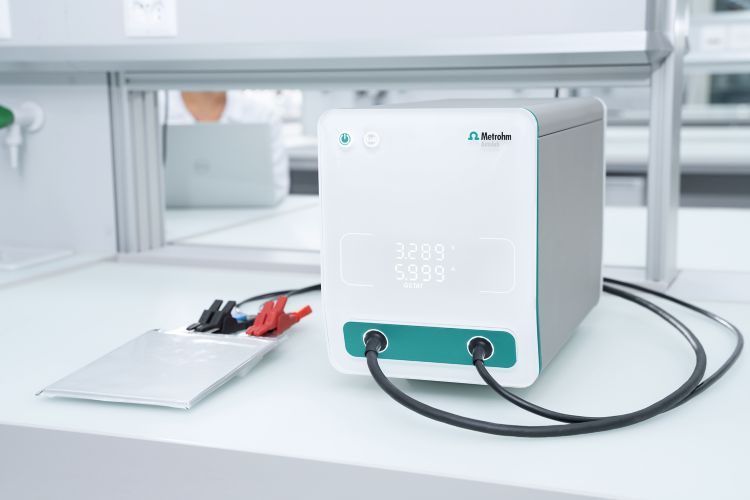
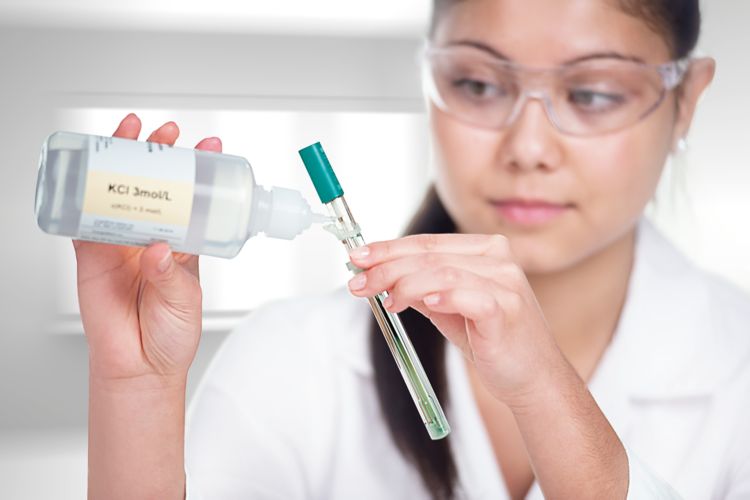
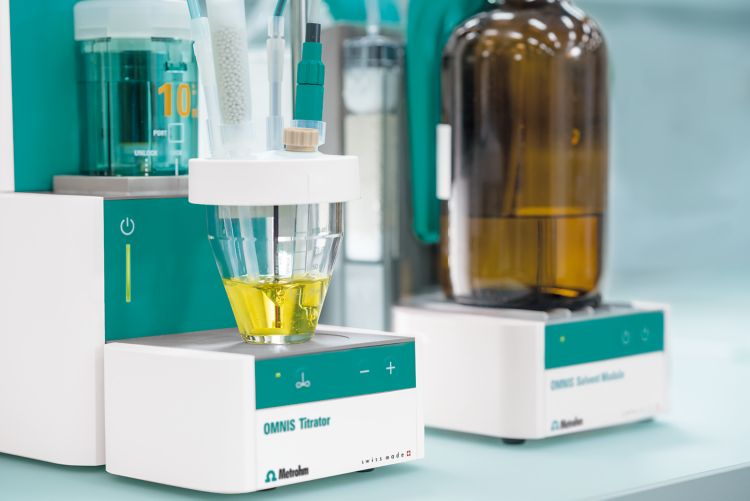
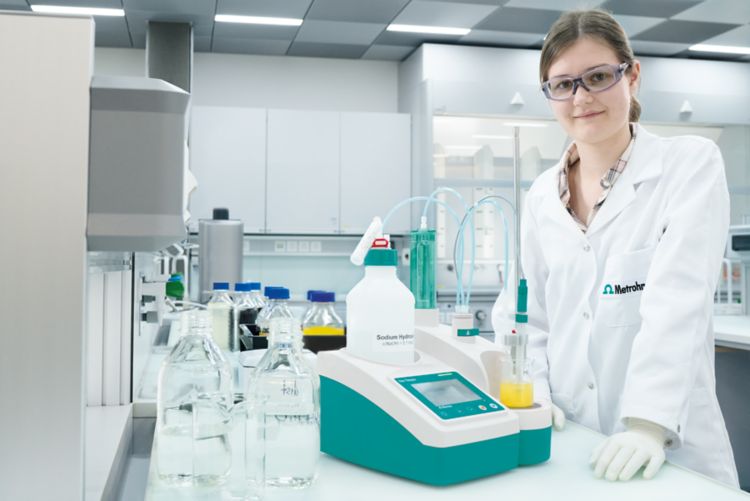
- 8.06.2020 г.Virus detection using screen-printed electrodes
Rapid testing for infectious diseases using screen-printed electrodes.
- 19.10.2020 г.Trace metal analysis with solid-state electrodes – Part 4
Screen-printed electrodes for heavy metal analysis.
- 21.02.2022 г.Ion selective electrodes general tips Part 1
Theory of ion measurement, types of ion-selective electrodes, why using TISAB or ISA solution for measuring ions, and more on our blog.
- 2.05.2022 г.Ion-selective electrodes: Standard addition and direct measurement – Part 2
How to do standard addition and direct measurements with ion-selective electrodes.
- 6.07.2020 г.Best practice for electrodes in titration
Blog on how to select the right electrode, and how to maintain, clean, and store your electrode.
- 11.10.2021 г.Best practice for electrodes in Karl Fischer titration
- 10.08.2020 г.Trace metal analysis with solid-state electrodes – Part 2
- 23.11.2020 г.Trace metal analysis with solid-state electrodes – Part 5
The glassy carbon rotating disc electrode for heavy metal analysis.
- 22.06.2020 г.Trace metal analysis with solid-state electrodes – Part 1
- 7.09.2020 г.Trace metal analysis with solid-state electrodes – Part 3
Application examples for heavy metal analysis using stripping voltammetry and scTRACE Gold electrode.
- 30.11.2020 г.Electrochemistry in orbit
Screen-printed electrodes by Metrohm DropSens used in space.
- 14.11.2022 г.How to utilize grounding modes in electrochemical experiments
The ability to ground different electrodes may offer electrochemists some advantages over the typical working electrode setup. For example, the grounded counter electrode can be used in non-conventional systems where the solutions or the working electrodes are not isolated electrically. The selectable floating feature of VIONIC gives users the flexibility to choose the ground state of the cell setup, offering even greater experimental possibilities.
- 1.05.2023 г.Easily measuring ORP values in real-life applications
The ORP kit from Metrohm DropSens is handy, reliable, and easy to use for reproducible measurement of oxidation-reduction potential in various situations. The multitude of requirements from several industries that must measure ORP fit perfectly with the advantages gained when using screen-printed electrodes and miniaturized instruments, including portability, accessibility, disposability, small sample sizes, and reliability.
- 20.02.2023 г.How temperature influences the pH value
The temperature affects a pH measurement in several ways. This blog article will cover the reasons why and discuss how to handle the different effects from temperature on pH measurements.
- 24.07.2023 г.The world of surfactants from the perspective of titration
Accurately determining surfactant content in samples through potentiometric titration can be challenging, requiring the consideration of multiple factors. However, by selecting the appropriate pH, using a suitable electrode, and implementing helpful tips and tricks, the titration method becomes a reliable and precise means of surfactant content determination.
- 22.04.2024 г.Titration – definition and principles
Titration is one of the oldest and well-established analytical methods. This blog covers the titration principle, its process, and presents different titration types.
- 31.10.2022 г.Raman spectroelectrochemistry from India to Spain: History and applications
One of the most interesting spectroelectrochemical techniques combines the fields of electrochemistry and Raman spectroscopy. Raman spectroelectrochemistry provides users with two different signals from the same experiment, acting as a powerful tool to collect even more knowledge about the analyzed system. Raman spectroelectrochemistry experiments are easily performed using SPELEC RAMAN, the only instrument on the market dedicated to performing such experiments.
- 22.11.2021 г.Green hydrogen generation: A cross-disciplinary challenge rooted in electrochemistry
- 27.01.2020 г.Avoiding the most common mistakes in pH measurement
Blog about tips for pH measurements, such as electrode selection, preparation, calibration, correct storage, and more.
- 20.07.2020 г.Frequently asked questions in Karl Fischer titration – Part 1
- 2.06.2020 г.Save money by using automated titration systems
Learn how you can save money by using automated titration systems.
- 25.10.2021 г.Cyclic voltammetry (CV) – the essential analytical technique for catalyst research
- 13.11.2023 г.Solid-state batteries: A promising technology thriving under pressure
Solid-state batteries (SSBs) have the potential to revolutionize energy storage. They are safer than traditional lithium-ion batteries, boast a high energy density, and have extended lifespans and fast-charging capabilities. This article discusses the general differences between SSBs and Li-ion batteries, challenges that remain to be overcome for commercial production of SSBs, and the use of Electrochemical Impedance Spectroscopy (EIS) for testing different battery parameters.
- 13.07.2020 г.The role of process automation in an interconnected world – Part 2
Process Analytical Technology to minimize the risk of breakdowns and downtimes.
- 11.07.2022 г.Coping with the daily challenges of routine water analysis
Automation is the key to cope with high sample throughput in water analysis. A setup is presented with which multiple parameters such as pH, alkalinity, and water hardness can be analyzed on a single workstation.
- 15.05.2023 г.Process control of electroless nickel plating baths with Hg-free sensors
Electroless nickel (EN) plating processes use various stabilizers like Pb, Bi, and Sb(III) to control the plating rate and prevent uncontrolled bath decomposition. As the stabilizer concentration must be kept at a constant level, monitoring the stabilizer concentration is therefore essential for an optimal plating process. One of the best ways to do so is by using voltammetric analysis (VA).
- 17.02.2020 г.Determining the total sulfite in food and beverages: faster and easier than ever
Fast and easy determination of total sulfite in food and beverages using ion chromatography.
- 16.08.2021 г.Does counter electrode (CE) size matter?
- 26.04.2021 г.Developing the electrochemical sensors of your dreams
Customized options and mass production of electrochemical sensors.
- 12.04.2021 г.Recognition of endpoints (EP)
Learn more about potentiometric and photometric endpoint recognition in titrations.
- 17.06.2024 г.How to calibrate a pH meter
Learn how to calibrate a pH meter and get answers to other frequent questions about pH calibrations.
- 25.03.2024 г.Point-of-Care with Raman: Detection of cancer, infection, and more
Raman spectroscopy expands into new medical frontiers: detecting cancer, biomarkers, and pathogens. This blog covers exciting research involving Point-of-Care applications.
- 4.05.2020 г.FAQ: All about pH calibration
- 6.04.2020 г.Improving your conductivity measurements
Tips and tricks on improving your conductivity measurements: choosing the right sensor, measuring the cell constant, standards, and more.
- 29.05.2023 г.Converting emitted carbon dioxide into chemical feedstocks by electrochemical routes
Many researchers focus on electrochemical applications like electrocatalysis, energy storage, and energy conversion due to the need for action concerning climate change. The common thread linking these together is the electrochemical instrumentation needed for their work. Metrohm manufactures high-quality equipment for such pioneering research. In particular, the high-end potentiostat VIONIC powered by INTELLO is a versatile instrument for most research topics in this research area due to its outstanding specifications.
- 7.06.2021 г.Supercharge your battery research – Part 2
Battery research with electrochemistry. Learn more about electrochemical characterization techniques for lithium ion batteries.
- 2.03.2020 г.How to determine if your edible oils are rancid
Practical tips and tricks to determine the oxidation stability of natural fats and oils.
- 31.08.2020 г.Forewarned is Forearmed: Error and risk minimization in process analysis – Part 3
Minimize the risks and increase the functional safety of your process analysis system.
- 3.04.2023 г.History and analysis of vitamin C (ascorbic acid)
This article covers the history of vitamin C (ascorbic acid) and some of the different analytical methods used to determine it in various products (e.g., by titration, polarography, and ion chromatography).
- 8.04.2024 г.Improved detection of fentanyl using Raman spectroelectrochemistry
Rapid, reliable drug screening methods are crucial for forensic science investigations. This article explores fentanyl detection using Raman spectroelectrochemistry.
- 13.06.2022 г.Automation beyond the lab – Integrating the most precise lab pH measurements into production processes
Blog about pH sensors for process analysis with highly accurate results and low measurement uncertainty.
- 25.07.2022 г.Transform your routine electrochemical research – Go Multi!
A new multichannel instrument for electrochemical analysis makes multitasking possible for laboratories – μStat-i MultiX from Metrohm DropSens. Perform analyses automatically, run multiple experiments simultaneously, and control individual channels independently.
- 1.07.2024 г.Increased efficiency of CVS routine analysis with Dosino sample transfer
This article highlights using Dosinos for automated sample handling in cyclic voltammetric stripping (CVS) applications to enhance PCB and semiconductor analysis.
- 1.03.2021 г.Supercharge your battery research – Part 1
Learn more about key analytical parameters in the production of lithium batteries and in battery research and how to determine them using Metrohm technology.
- 8.02.2021 г.ASTM D6304: Easier determination of moisture in petroleum products
- 11.03.2024 г.High-frequency EIS: a powerful tool for the future of mobility
Electrochemical characterization of solid-state batteries can be difficult. Using electrochemical impedance spectroscopy (EIS) at high frequencies helps capture rapid processes.
- 27.04.2020 г.Why consider automation – even for simple titrations
Blog about the advantages of automated titrations.
- 27.09.2021 г.Staircase or linear scans: two options for reliable electrochemical experiments
Learn more about the basics and applications of linear and staircase scans for performing different electrochemical experiments.
- 19.07.2021 г.Fast and fundamental: influences on reliable electrochemical measurements
- 12.06.2023 г.The future of ammonia production is electrochemistry
Ammonia is the most common and widely used nitrogen-based fertilizer. It is also viable as a safer hydrogen carrier in large quantities. Traditional ammonia manufacturing uses fossil fuel as a hydrogen source needed for the reaction. Commonly termed «green ammonia», electrochemically synthesized ammonia with the use of electricity from renewable sources is an interesting zero-carbon emission alternative.
- 21.06.2021 г.Green hydrogen, future fuel: Using potentiostats to develop new catalysts for hydrogen production
- 27.07.2020 г.History of Metrohm IC – Part 1
Metrohm IC: The development of the conductivity detector and separation columns.
- 16.12.2024 г.Introduction to Cyclic Voltammetric Stripping (CVS)
This article highlights Cyclic Voltammetric Stripping (CVS) for monitoring organic additives in Cu electroplating baths, crucial for achieving optimal deposition.
- 16.05.2022 г.History of Metrohm IC – Part 6
Blog post on the history of combustion ion chromatography from Metrohm for sulfur and halogen determination.
- 18.11.2024 г.Ion chromatography for the pharmaceutical industry
The principles of ion chromatography are introduced, then some applications and benefits of using IC for pharma analysis according to USP General Chapter <1065>.


DRP-FLWCL
Flow Cell for Screen-Printed ElectrodesMethacrylate wall-jet Flow-Cell for FIA. Suitable to be used with standard format Screen-Printed Electrodes with the electrochemical cell in the middle of the strip. Closing system with powerful magnets Fittings included.
DRP-FLWCL-PEEK
Flow Cell in PEEK for Screen-Printed ElectrodesPEEK wall-jet Flow-Cell for FIA. Suitable to be used with standard format Screen-Printed Electrodes with the electrochemical cell in the middle of the strip. Closing system with powerful magnets. Fittings included.
DRP-FLWCL-IDE
Flow Cell for Interdigitated ElectrodesMethacrylate wall-jet Flow-Cell for FIA. Suitable to be used with IDE electrodes ref. G-IDEAU10, G-IDEAU5, G-IDEPT10, G-IDEPT5, G-IDECONAU10 and G-IDECONPT10. Closing system with powerful magnets. Fittings included.
DRP-FLWCL-P
Flow Cell in Polypropylene for Screen-Printed ElectrodesPolypropylene wall-jet Flow-Cell for FIA. Suitable to be used with standard format Screen-Printed Electrodes with the electrochemical cell in the middle of the strip. Closing system with powerful magnets. Fittings included.
DRP-FLWCL-SC
Flow Cell with screws for Screen-Printed ElectrodesMethacrylate (top part) wall-jet Flow-Cell for FIA. Suitable to be used with standard format Screen-Printed Electrodes with the electrochemical cell in the middle of the strip. Closing system with screws. Fittings included.
DRP-FLWCL-IDE-TEF
Flow Cell in Teflon for Interdigitated ElectrodesTeflon wall-jet Flow-Cell for FIA. Suitable to be used with IDE electrodes ref. G-IDEAU10, G-IDEAU5, G-IDEPT10, G-IDEPT5, G-IDECONAU10 and G-IDECONPT10. Closing system with powerful magnets. Fittings included.
DRP-RAMANCELL
Raman Cell for Screen-Printed ElectrodesBlack teflon reflection cell for performing Raman Spectroelectrochemistry with screen-printed electrodes in combination with ref. RAMANPROBE.
DRP-CELL
Cell for Screen-Printed ElectrodesCell in methacrylatel for batch analysis which allows optional stirring and it's recommended for deaerated samples and for standard additions mode. Suitable for working with all catalogue Screen-Printed Electrodes but recommended to be used with work in solution format SPEs.
DRP-REFLECELL
Reflection Cell for Screen-Printed ElectrodesCell in Teflon suitable to perform reflection experiments with standard format Screen-Printed Electrodes with the electrochemical cell in the middle of the strip. Closing system with powerful magnets.
DRP-CFLWCL-CONIC
Cell for Screen-Printed Electrodes - Conical WellMethacrylate conic cell suitable to be used with standard format Screen-Printed Electrodes with the electrochemical cell in the middle of the strip. Closing system with powerful magnets.
DRP-TCELL
Thermostatic Cell for Screen-Printed ElectrodesMethacrylate Cell designed to perform batch analysis allowing temperature control through a thermostatic jacket. Suitable for working with all catalogue Screen-Printed Electrodes but recommended to be used with work in solution format SPEs.
DRP-HPLCELL
HPLC Cell for Screen-Printed ElectrodesCell in PEEK designed for working in High-Performance Liquid Chromatography systems. Suitable to be used with standard format Screen-Printed Electrodes with the electrochemical cell in the middle of the strip.
DRP-TRANSCELL
Transmission Cell for Transparent Screen-Printed ElectrodesCell in Teflon suitable to perform transmission experiments with transparent Screen-Printed Electrodes in combination with a collimator lens (ref. CLENS).
DRP-FLWCL8X
Flow Cell for 8X format Screen-Printed ElectrodesMethacrylate wall-jet Flow-Cell for performing simultaneus measuements in FIA. Suitable to be used with 8X format Screen-Printed Electrodes. Closing system with screws. Fittings included.
DRP-FLWCL-WS
Flow Cell for Work in Solution Screen-Printed ElectrodesMethacrylate wall-jet Flow-Cell for FIA. Suitable to be used with work in solution format Screen-Printed Electrodes with the electrochemical cell at the end of the strip. Closing system with powerful magnets. Fittings included.
DRP-CFLWCL-MAGN
Flow Cell for magnetic assays with Screen-Printed ElectrodesMethacrylate wall-jet Flow-Cell associated with a powered magnet designed to do FIA with magnetic beads. Suitable to be used with standard format Screen-Printed Electrodes with the electrochemical cell in the middle of the strip. Fittings included.
DRP-CELL-PEEK
Cell for Screen-Printed Electrodes in PEEKCell in PEEK for batch analysis which allows optional stirring and it's recommended for deaerated samples and for standard additions mode. Suitable for working with all catalogue Screen-Printed Electrodes but recommended to be used with work in solution format SPEs.
DRP-CFLWCL-CONIC-TEF
Cell in Teflon for Screen-Printed Electrodes - Conical WellTeflon conic cell suitable to be used with standard format Screen-Printed Electrodes with the electrochemical cell in the middle of the strip. Closing system with powerful magnets.
DRP-FLWCL8X1C
Flow Cell for 8X format Screen-Printed Electrodes 1 ChannelMethacrylate thin-layer Flow-Cell for performing simultaneus measuements in FIA. Suitable to be used with 8X format Screen-Printed Electrodes. Closing system with screws. Fittings included.
DRP-TLFCL-REFLECELL
Spectroelectrochemical Reflection Cell for Thin-Layer Flow-Cell Screen-Printed ElectrodesCell for performing spectroelectrochemical measurements in flow conditions in combination with the TLFCL-CIR format Screen-Printed Electrodes, the suitable fittings and ref. RPROBE-VIS-UV.
DRP-BIASPE02
Batch Injection Analysis Cell for Screen-Printed Electrodes (Micropipette P200M)Batch Injection Analysis (BIA) cell made in ABS designed to obtain reproducible flow rate and electronically control the injection volume with a programmable electronic micropipette of 20-200 µL. Suitable to be used with standard format Screen-Printed Electrodes with the electrochemical cell in the middle of the strip. Closing system with powerful magnets.
DRP-BIASPE10
Batch Injection Analysis Cell for Screen-Printed Electrodes (Micropipette P1000M) in ABSBatch Injection Analysis (BIA) cell made in ABS designed to obtain reproducible flow rate and electronically control the injection volume with a programmable electronic micropipette of 100-1000 µL. Suitable to be used with standard format Screen-Printed Electrodes with the electrochemical cell in the middle of the strip. Closing system with powerful magnets.
DRP-CFLWCL-WE
Flow Cell - Only Working ElectrodeMethacrylate wall-jet Flow-Cell for FIA.Its o-ring entraps only the working electrode. Suitable to be used with standard Screen-Printed Electrodes with the electrochemical cell in the center of the strip. Closing system with powerful magnets. Fittings included.
DRP-CFLWCL-WE-TEF
Flow Cell in Teflon - Only Working ElectrodeTeflon wall-jet Flow-Cell for FIA.Its o-ring entraps only the working electrode. Suitable to be used with standard Screen-Printed Electrodes with the electrochemical cell in the center of the strip. Closing system with powerful magnets. Fittings included.
DRP-CAST
μStat Cable connector for Screen-Printed ElectrodesConnects any DropSens equipment with DropSens Screen-Printed Electrodes
DRP-FLWCL-IDE-PEEK
Flow Cell in PEEK for Interdigitated ElectrodesDRP-BICAST
μStat Cable connector for Dual Screen-Printed ElectrodesConnects any DropSens equipment with DropSens Dual Screen-Printed Electrodes
DRP-TLFCLRAMANCELL
Raman flow-cell for Thin-layer flow-cell integrated screen-printed electrodesAUT.RRDE.S
Rotating Ring Disk ElectrodeThe Autolab RRDE is a low-noise rotating ring disk electrode that can be used to perform electrochemical measurements under controlled hydrodynamic conditions. The ring and disk electrode assembly provides the means to detect reaction intermediates in situ through collection experiments.The Autolab RRDE uses 2 identical friction-less mercury contacts for low noise measurements and can be used with any Autolab potentiostat/galvanostat fitted with the BA, dual-mode bipotentiostat module.The rotation speed of the RRDE is controlled manually with the button on the front of the motor control unit. The RRDE can also be controlled remotely with the Autolab software. The rotation speed can be varied continuously between 100 and 10,000 rpm with a resolution of 1 rpm.
DRP-CABSTAT1
μStat 8000(P)/4000(P) one node cable connector for conventional electrodesConnects individual nodes of the μStat 8000(P)/4000(P) to conventional electrodes
DRP-CAC
Cable connector for Screen-Printed ElectrodesConnects DropSens Screen-Printed Electrodes to any kind of potentiostat. Recommended when working in batch or flow analysis.
AUT.RDE.S
Rotating disk electrodeThe Autolab RDE is a high-end rotating disk electrode for measurements on systems where high rotation speed and low noise are required. The unit can go up to 10,000 rpm, a liquid Hg contact guarantees low noise. The PCTFE shaft has been designed to fit in Metrohm cell vessels, but also fits on most other electrochemical cells. The tip diameter is 10 mm, with an active surface diameter of 3 mm or 5 mm.The rotation speed of the RDE is controlled manually with the button on the front of the motor control unit. The RDE can also be controlled remotely with the Autolab software. The rotation speed can be varied continuously between 100 and 10,000 rpm with a resolution of 1 rpm.
DRP-CAST8X
μStat 8000(P) cable connector for format 8X Screen-Printed ElectrodesConnects μStat 8000(P) equipment to 8X format Screen-Printed Electrodes
DRP-MEMB-U100
Membrane for Screen-Printed ElectrodesMembrane for Screen-Printed Electrodes. Useful to perform analysis with small volumes of solution or sample (7,5-15 µL), allowing a good covering of the 3 electrodes system
002RDX
Gas Diffusion Electrode X-Ray diffraction electrochemical flow cell setupThis is a horizontally mounted, multi-purpose electrochemical cell for Gas Diffusion Electrode (GDE), designed to be used with X-Ray Diffractometry.The cell consists of two individual compartments: the liquid flow chamber and the gas chamber, which are placed on opposing faces of a GDE. Both compartments are held in place by magnetic/screw mount, providing a leakage-free O-Ring seal.The liquid chamber can be filled with an electrolyte using a syringe or an electrolyte can continuously flow through it using an external reservoir and peristaltic pump (reservoir and pump not included).The dry chamber is gas-tight enabling continuous flow of a gas carrier and evacuation of the gas products for sampling using standard analytical instruments such as a residual gas analyzer. Both compartments are made of a polyether ether ketone (PEEK) material. The cell is meant to be used with standard reference electrode having 6 mm in diameter and counter electrode in the form of a rod/helix with 6 mm in diameter and 15 mm active.Please note: this product is not available from Metrohm Germany.
DRP-CAST1X8
μStat 8000(P) cable connector for individual Screen-Printed ElectrodesConnects μStat 8000(P) equipment with individual Screen-Printed Electrodes
DRP-BICAC
Cable connector for Dual Screen-Printed ElectrodesConnects DropSens Dual Screen-Printed Electrodes to any kind of potentiostat. Recommended when working in batch or flow analysis.
DRP-CACIDE
Cable connector for Interdigitated Electrodes/Glass SubstrateConnects DropSens Interdigitated Electrodes over Glass Substrate with any kind of potentiostat
DRP-CACIDE-P
Cable connector for Interdigitated Electrodes/Plastic SubstrateConnects DropSens Interdigitated Electrodes over Plastic Substrate with any kind of potentiostat
DRP-CAC-P
Cable connector for Screen-Printed Electrodes/Plastic SubstrateConnects DropSens Screen-Printed Electrodes over Plastic Substrate with any kind of potentiostat
DRP-DSC4MM
Boxed connector for screen-printed electrodesConnector that functions as an interface between DropSens screen-printed electrodes (SPEs) and interdigitated electrodes with any type of potentiostat.
DRP-BIDSC4MM
Boxed connector for dual screen-printed electrodesConnector that functions as an interface between DropSens dual screen-printed electrodes (SPEs) and interdigitated electrodes with any type of potentiostat.
DRP-MAGNET
Magnetic support for Screen-Printed ElectrodesMagnetic support for Screen-Printed Electrodes. Recommended to perform analysis with magnetic beads
DRP-CONNECT4W
Connector for 4W format Screen-Printed ElectrodesSuitable to connect 4W format Screen-Printed Electrodes to any kind of potentiostat
DRP-CAC8X
Cable connector for format 8X Screen-Printed ElectrodesConnects DropSens 8X format Screen-Printed Electrodes with any kind of (multi) potentiostat
AUT.RDE.M3
Rotating disk electrode with M3 threadThe Autolab RDE with an M3 thread is a high-end rotating disk electrode for measurements on systems where high rotation speed and low noise are required. The unit can go up to 10,000 rpm, a liquid Hg contact guarantees low noise. The PCTFE shaft has been designed to fit in Metrohm cell vessels, but also fits on most other electrochemical cells. The tip diameter is 8 mm with a glass shaft and an active surface diameter of 2 mm.The rotation speed of the RDE is controlled manually with the button on the front of the motor control unit. The RDE can also be controlled remotely with the Autolab software. The rotation speed can be varied continuously between 100 and 10,000 rpm with a resolution of 1 rpm.
DRP-CELL-IDE
Cell for interdigitated electrodesCells for batch analysis with interdigitated electrodes (IDE). Suitable for working with volumes up to 3-8 ml and manufactured in different materials that will allow you to work even with organic solvents.
6.2802.200
Maintenance set for 6.1257.2XX working electrodesTool for removing protruding PEEK materials and for subsequent polishing of working electrodes including polishing disks.
DRP-BIDSC-FET
Connector for Field-effect transistor ElectrodesBoxed connector that acts as an interface between ref. AUFET30 electrodes and any kind of potentiostat
DRP-RAMANCELL-C
Raman spectroelectrochemical cell for conventional electrodesCell in PEEK for Raman spectroelectrochemical measurements. Designed be used with ref. RAMANPROBE and conventional Metrohm electrodes.
DRP-MAGNET8X
Magnetic support for format 8X Screen-Printed ElectrodesMagnetic support for format 8X Screen-Printed Electrodes. Recommended to perform analysis with magnetic beads
DRP-MAGNET96X
Magnetic support for format 96X Screen-Printed ElectrodesMagnetic support for format 96X Screen-Printed Electrodes. Recommended to perform analysis with magnetic beads
DRP-CACIDEMEA
Cable connector for interdigitated electrodes with AUX and REFFlexible cable that act as an interface between interdigitated electrodes in glass with CE and RE and any kind of potentiostat.Cable connector for interdigitated electrodes with CE and RE quantity
DRP-TLCELL
Thin-layer cell for screen-printed electrodesThin-layer electrochemical cell for screen-printed electrodes with 2mm banana direct connections
DRP-CABSTAT
mStat Cable connector (2WE) for conventional electrodesFlexible cable connector that acts as an interface between DropSens bipotentiostats and conventional electrodes
DRP-TLFCL-HOLDER
Holder for Thin-Layer Flow-Cell integrated Screen-Printed ElectrodesHolder for Thin-Layer Flow-Cell integrated Screen-Printed Electrodes
DRP-REFLECELL-C
UV-Vis/NIR spectroelectrochemical cell for conventional electrodesCell for UV-Vis/NIR spectroelectrochemical measurements with conventional electrodes.
DRP-I-CAST
i-µStat Cable Connector for Screen-Printed ElectrodesConnector that act as an interface between our Screen-Printed Electrodes and Metrohm DropSens potentiostats.
DRP-FIAEC
Complete FIA System for Electrochemical detection with Screen-Printed ElectrodesComplete FIA System for Electrochemical detection with Screen-Printed Electrodes. Includes: VALVE, PPUMP, FLWCL, PVCTUBE, FLOWFITTINGS, Tubes and Containers
DRP-BICASTDIR
µStat cable connector for dual screen-printed electrodesConnector that acts as an interface between our dual screen-printed electrodes and Metrohm DropSens instruments and some accessories.
DRP-FLKITSPE
Fluorescence Kit for screen-printed electrodesKit designed for those researchers interested in performing fluorescence spectroscopy experiments with screen-printed electrodes (Includes 2 x optical fibers (600 um) ended in SMA 905 connections, 2 x optical filters 230-500 and 300-750 nm 2 x holders, 1 x RPROBE-VIS-UV and 1 x REFLECELL).
DRP-SPECELL-U75
Disposable well cell for screen-printed electrodesElectrochemical cells for easy and fast handling of screen-printed electrodes. Take advantage of their disposable, lightweight and quick-assembly design to handle large droplets and ensure good surface coverage and sample sealing.
DRP-CAC-TLFCL
Cable connector for Thin-Layer Flow-Cell integrated Screen-Printed ElectrodesConnects DropSens Thin-Layer Flow-Cell integrated Screen-Printed Electrodes with any kind of potentiostat
DRP-I-BICAST
i-µStat cable connector for dual screen-printed electrodesConnector that acts as an interface between our dual screen-printed electrodes and Metrohm DropSens potentiostats.
DRP-I-CABSTAT
μStat Cable connector for μStat-i 400 and conventional electrodesμStat Cable connector for μStat-i 400 and conventional electrodes
DRP-I-CABSTAT1
μStat Cable connector for μStat-i 400s and conventional electrodesμStat Cable connector for μStat-i 400s and conventional electrodes
DRP-SPECELL4W-U20
Disposable well cell for 4W format screen-printed electrodesElectrochemical cells for easy and fast handling of 4W format screen-printed electrodes. Take advantage of their disposable, lightweight and quick-assembly design to handle large droplets and ensure good surface coverage and sample sealing.
DRP-SPECELL8W-U20
Disposable well cell for 8W format screen-printed electrodesElectrochemical cells for easy and fast handling of 8W format screen-printed electrodes. Take advantage of their disposable, lightweight and quick-assembly design to handle large droplets and ensure good surface coverage and sample sealing.
DRP-SPECELL8X-U20
Disposable well cell for 8X format screen-printed electrodesElectrochemical cells for easy and fast handling of 8X format screen-printed electrodes. Take advantage of their disposable, lightweight and quick-assembly design to handle large droplets and ensure good surface coverage and sample sealing.
DRP-CONNECTOR96X
Connects 96X format Screen-Printed Electrodes with any kind of (multi) potentiostat.Connects 96X format Screen-Printed Electrodes with any kind of (multi) potentiostat. Two manual rotating selectors allow to select the row letter (from A to H) and the column number (from 1 to 12) identifiers of the wells to be analysed.
DRP-DSC
Connector for Screen-Printed ElectrodesConnector suitable to connect DropSens SPEs to any kind of potentiostat. Recommended when working by placing a drop over the electrode
DRP-BIDSC
Connector for Dual Screen-Printed ElectrodesConnector suitable to connect DropSens Dual SPEs to any kind of potentiostat. Recommended when working by placing a drop over the electrode
DRP-DSC-P
Connector for plastic substrate Screen-Printed ElectrodesConnector suitable to connect DropSens plastic substrate SPEs to any kind of potentiostat. Recommended when working by placing a drop over the electrode
DRP-PTGRID-TRANSCELL
Spectroelectrochemical cell with conventional electrodesThis cell allows mass electrolysis to be easily performed while transmission measurements (1 mm optical path) are acquired in the solution close to the electrode.
6.2021.020
Electrode holderElectrode holder for 4 electrodes and 2 buret tips
6.2615.050
Electrode standElectrode stand for up to 11 electrodes and 3 x 6.1620.000 buffer bottles.
6.2021.030
Electrode holder with rinsing deviceElectrode holder with rinsing device for 4 electrodes and 2 buret tipsConnection for rinsing water, integrated magnetic switch for 722, 802 Stirrer. Used with 727 Ti Stand
6.2104.050
Electrode cable 1 m, EWith E plug. For connecting electrodes with plug-in head G - measuring instrument
6.2104.060
Electrode cable / 2 m / EWith plug E. For connecting electrodes with plug-in head G - measuring instrument
6.2104.070
Electrode cable / 3 m / EWith plug E. For connecting electrodes with plug-in head G - measuring instrument
6.2104.130
Electrode cable / 1 m / RMWith RM plug. For connecting electrodes with plug-in head G - Radiometer instruments
6.2104.020
Electrode cable / 1 m / FFor connecting electrodes with Metrohm plug-in head G to Metrohm instruments (socket F).
6.2104.030
Electrode Cable 2 m / FFor connecting electrodes with Metrohm plug-in head G to Metrohm instruments (socket F).
6.2104.040
Electrode cable / 3 m / FFor connecting electrodes with Metrohm plug-in head G to Metrohm instruments (socket F)
6.2104.090
Electrode cable 1 m, BNCWith BNC plug. For connecting electrodes with Metrohm plug-in head G with a measuring instrument.
DRP-CONNECT8W
Connector for 8W format Screen-Printed ElectrodeSuitable to connect 8W format Screen-Printed Electrodes to any kind of potentiostat
6.2104.080
Electrode cable 1 m, 2xBWith banana plug 4 mm dia. For connecting electrodes with Metrohm plug-in head G to measuring instrument.
6.2104.110
Electrode cable 2 m, 2xBWith banana plug 4 mm dia. For connecting electrodes with Metrohm plug-in head G to measuring instrument.
6.2163.000
Electrode cable for 910 PSTAT miniConnecting cable for disposable screen-printed electrodes (SPE)
6.2104.160
Electrode cable plug M, 1 mFor connecting electrodes with head G to Mettler instruments with LEMO.
6.2104.510
Electrode cable / 1 m / S/FWith plug F. For connecting electrodes with plug-in head S - measuring instrument
6.2120.020
Mini electrode cable / plug F - 2 mm1 mini socket for connection pins diameter 2 mm and 1 mini plug type F. For connection of the electrodes to IC VA Detector
6.2112.100
Electrode cable set for the measuring head of Professional VA/CVS instrumentsCable set comprised of 3 cables for connecting working, reference and auxiliary electrodes.
6.2104.600
Electrode cable for plug in head U/plug F, 2x2 mm B, 1mFor connecting electrodes with Metrohm plug-in head U to Metrohm instruments (socket F).
6.2104.610
Electrode cable for plug in head U/plug F, 2x2 mm B, 2mFor connecting electrodes with Metrohm plug-in head U to Metrohm instruments (socket F).
RHD.CAP.GC3
Cap with exchangeable electrode Electrode Tips (ET)Exchangeable electrode pressed in PEEK made of various materials with diverging diameters and lengths.
DRP-CABSTATMULTI
μStat 8000(P)/4000(P) multichannel cable connector for conventional electrodesConnects the multichannel option of the μStat 8000(P)/4000(P) to up to 8/4 conventional WE sharing one conventional AUX and one conventional REF
6.1244.050
Drive belts for rotating disk electrodesFor Professional VA/CVS instruments (3 pcs.).
6.2802.000
Polishing set for solid-state electrodesPolishing set with 1 polishing cloth and about 2 g aluminum oxide powder (grain size 0.3 µm)
DRP-CELL-IDE-PEEK
Cell for interdigitated electrodes in PEEKDRP-CAC-NTC
Cable connector for C110-NTC screen-printed electrodesFlexible cable that act as an interface between ref.C110-NTC SPEs and any kind of potentiostat
DRP-CASTDIR
µStat cable connector for screen-printed electrodesConnects single (1 WE) SPEs to μStat 200, μStat 300, μStat 400, μStat 4000/P, μStat 8000/P, μStatECL, SpectroECL and the SPELEC line of instruments.
6.02005.010
Electrode Parking StationElectrode Parking Station for electrode storage on an OMNIS titration system.
007RDX
Bulk electrolysis basic cell set upThis is a standard bulk electrolysis cell with basic configuration (known also as potentiostatic coulometry cell or controlled potential coulometry cell). The cell consists of three electrodes: working electrode (reticulated glassy carbon electrode), counter electrodes (Platinum wire) and reference electrode (aqueous Ag/AgCl or non-aqueous Ag/AgCl). The working and counter electrode are installed in the same compartment, while the reference electrode is separated by a ceramic frit.Reticulated glassy (vitreous) carbon electrode provides a large surface area to solution volume ratio. Electrode arrangement and possibility to use magnetic stirring ensure very efficient mass transport conditions. The cell elements are constructed with materials that are inert to the sample (glass and PEEK). It well fits aqueous (EPDM O-Rings) and organic solvent (FFKM O-Rings) electrolyte requirements. The construction is gas-tight.Please note: this product is not available from Metrohm Germany.
6.2615.030
Electrode stand for MMEElectrode stand for filling and storing the Multi-Mode Electrode.
DRP-CAST-P
mStat Cable connector for plastic substrate screen-printed electrodesFlexible cable that act as an interface between plastic substrate SPEs and DropSens potentiostats
DRP-CFLWCL-CONICPEEK
Cell in PEEK for screen-printed electrodes - Conical wellDRP-CAC4MMH
Cable connector with 4mm banana connectors for screen-printed electrodesFlexible cable that act as an interface between ceramic substrate SPEs and any kind of potentiostat
6.2615.130
Electrode stand for MME proElectrode stand for filling and storing the Multi-Mode Electrode pro.
RHD.TSCBATT.ADVANCED
Measuring Cell TSC Battery ExpandedThe TSC Battery Expanded is a closed measuring cell intended for assembling half or full battery or supercap cells with e.g. active materials and separators. It is also suitable for investigating solid or gel-like samples in contact with metal electrodes in a plat/plate geometry. You have flexibility with cell configuration either two or three electrode measurements can be performed by inserting a microreference electrode from the side. The standard variant contains flat metal electrodes. For current collectors designed for using elemental lithium as electrode material please refer to the extended variant.
6.02005.000
OMNIS electrode holderElectrode holder for one OMNIS titration system.
012RDX
Multiport photo-electrochemical single-sided cell setupThis is a horizontally mounted, single compartment multiport photo-electrochemical cell. This cell allows several approaches to perform measurements in 2- or 3-electrode setups. It is designed to investigate performance of a thin film photo-anode (e.g. nanocrystalline material or conducting polymer) deposited on a rigid or flexible transparent substrate (typically fused quartz glass).The cathode (counter electrode) and reference electrode are typically mounted in a top lid, while both side lids can be used to mount up to 4 additional electrodes (e.g. pH meter, thermometer, Clark electrode, etc.). The tubing installed in side lids enables aliquot sample collection (liquid) and supply of gaseous and liquid reagents.The gas inlet and outlet in the top lid can be used to bubble the solution and evacuate gases from the chamber. It well fits aqueous (EPDM O-Rings) and )organic solvent (FFKM O-Rings) electrolyte requirements. The construction is gas-tight.Please note: this product is not available from Metrohm Germany.
AUT.RCE
Rotating Cylinder Electrode (RCE)Autolab Rotating Cylinder Electrode (RCE) with a non-carbon liquid contact provides superior noise-free corrosion measurements. The RCE’s Hg contact produces smooth and accurate data that requires no special handling or tools for use in your lab.With the highest rotation rate among commercially available systems, the Autolab Rotating Cylinder Electrode allows you to simulate the widest variety of pipe flow conditions in your lab. The RCE has double the rotation rate of any other 12 mm rotating cylinder electrode making achievable flow rates are 50% higher than any other commercially available RCE.Maximum simulated turbulent flow rates: 1 inch/2.66 cm pipe with schedule 40 is 365 cm/s24 inch/57.48 cm pipe with schedule 40 is 566 cm/sThe Autolab RCE is very compact, only a tenth of the size of other commercially available RCEs. You can access the full rotation rate of the Autolab RCE (100-5000 rpms) with a 12 mm cylinder. Operating temperature range: max 40 C°Exposed sample surface: 3 cm2Image shows RCE and controller, RRDE cell, PGSTAT204 and NOVA software. Keywords: Rotating Cylinder Electrode, Corrosion, RCE, pipe flow, turbulent flow, corrosion in pipes, pipes, Reynolds number, cylindrical sample.
008RDX
Basic electrochemical cell set upThis is a stationary solution basic electrochemical cell for measurements of electrodes in a form of:rod/disc (6 mm dia.); thin film deposited on flat substrate (using a wireclip) ; membrane (using a wire clip); The working, counter and reference electrodes are mounted in a top casing either in 2-, or 3-electrode setup. The cell elements are constructed with materials that are inert to the sample (glass and PEEK). It well fits aqueous(EPDM O-Rings) and organic solvent (FFKM O-Rings) electrolyte requirements.The construction is gas-tight and can be used when the removal and exclusion of contaminants such as oxygen and water is required by bubbling of an inert gas through the electrolyte.Please note: this product is not available from Metrohm Germany.
6.2001.140
Electrode holder with stand baseElectrode holder for 949 pH Meter
6.2104.120
Electrode cable / 1 m / HWith plug H. For connecting generator electrode - KF Coulometer.
6.2104.620
Electrode cable / 0.65 m / HWith plug H, for the generator electrode - coulometer connection
6.2104.630
Electrode cable / 1.5 m / HWith plug H, for the generator electrode - coulometer connection
6.1241.200
Nut for SPE electrode shaftNut for SPE electrode shaft 6.1241.090 and measuring head (SPE) 6.01256.020.
6.2008.060
Holder for electrode storage vesselPractical holder for fastening the electrode storage vessels to the 912, 913 or 914 pH/Conductometers.
6.2316.030
Inner filling solution to 6.0506.100 electrodeMeasuring electrolyte for NH3-selective electrode (50 mL)
6.1241.210
Supporting ring for SPE electrode shaftSupporting ring made of PTFE for SPE electrode shaft 6.1241.090 and measuring head (SPE) 6.01256.020.
6.2802.020
Polishing set for Ultra Trace Electrode TipPolishing set to renew the surface of the Ultra Trace Electrode tip 6.1204.180
6.2709.110
Stopper for the electrode opening on Professional VA/CVS instrumentsSet with 1 stopper for electrode opening (e.g. for pH electrode or Pt1000 temperature sensor), 6 stoppers for openings (auxiliary solutions and/or automatic sample addition).
CORR.CELL.S
Corrosion cellThe Autolab 400 ml corrosion cell is suitable for corrosion measurements. The cell has a thermostatic jacket for temperature control and a series of openings for counter electrodes, pH sensor, thermometer, Luggin-Haber capillary and gas purging.The 400 ml corrosion cell has been designed to measure the corrosion properties of 14 mm diameter and 1 mm thick flat circular samples immersed in an electrolyte. The exposed surface area is 0.785 cm². The holder is made of Delrin with a Viton seal.
010RDX
Electrolyte-gated transistor bottom mounted electrochemical cell setupThis is a stationary solution electrochemical cell designed to measure characteristics of electrolyte-gated (or solution-gated) transistors using liquid or gel electrolyte. Measured transistor sample can be fabricated on a rigid or flexible flat substrate (not included in the setup) with conducting thin film source and drain, and a layer of conducting or semiconducting channel material.The sample is loaded from the bottom via magnetic (or screw) mount, while gate is mounted in a top casing. A reference electrode can also be mounted in the top casing in case it is needed to control the channel/electrolyte interfacial potential or perform an electrochemical pre-treatment on the channel material. Source and drain electrodes can be accessed through cut-outs in a cell bottom casing, using needle probes or toothless crocodile clips.The cell elements are constructed with materials that are inert to the sample (glass and PEEK). It well fits aqueous (EPDM O-Rings) and organic solvent (FFKM O-Rings) electrolyte requirements. The construction is gas-tight and can be used when the removal and exclusion of contaminants such as oxygen and water is required by bubbling of an inert gas through the electrolyte.Please note: this product is not available from Metrohm Germany.
CORR.1LCELL.S
1 L corrosion cellThe Autolab 1 L corrosion cell is suitable for corrosion measurements according to ASTM standards. The cell has a thermostatic jacket for temperature control and a series of openings for counter electrodes, pH sensor, thermometer, Luggin-Haber capillary and gas purging.The 1 ll corrosion cell has been designed to measure the corrosion properties samples with a diameter ranging from 14.7 mm to 16 mm and a thickness from 0.5 mm up to 4 mm. The exposed surface is 1 cm² and the seals are made out of natural rubber.
6.1244.060
Silicone seal for SPE electrode shaft (10 pieces)Seal made of silicone for SPE electrode shaft 6.1241.090 and measuring head (SPE) 6.01256.020, 10 pieces.
009RDX
Bottom mount electrochemical cell set upThis is a stationary solution voltammetry cell for measurements of a thin film deposited on flat substrate. The sample is loaded from the bottom via magnetic (or screw) mount, while counter or/and reference electrodes are mounted in a top casing (either 2-, or 3-electrode setup).The cell elements are constructed with materials that are inert to the sample (glass and PEEK). It well fits aqueous (EPDM O-Rings) and organic solvent (FFKM O-Rings) electrolyte requirements. The construction is gas-tight and can be used when the removal and exclusion of contaminants such as oxygen and water is required by bubbling of an inert gas through the electrolyte. Please note: this product is not available from Metrohm Germany.
6.2802.030
Polishing tape to Polishing Set for Ultra Trace ElectrodePolishing tape to Polishing Set for Ultra Trace Electrode. 12 µm particle size. used in the polishing cylinder. Set of 50
011RDX
Corrosion cellThis is a stationary solution corrosion cell for EIS and conventional electrochemical measurements on: (a) thin metal film deposited on flat substrate(b) metal plate(c) metal mesh(d) metal wire(e) metal ribbonThe sample is installed from the bottom via magnetic (or screw) mount in between two chambers filled with electrolyte. In cases (a) and (b) bottom chamber is unused and stays dry.The counter or/and reference electrodes are mounted in a top casing (either 2-, or 3-electrode setup). The cell elements are constructed with materials that are inert to the sample (glass and PEEK). It well fits aqueous (EPDM O-Rings) and organic solvent (FFKM O-Rings) electrolyte requirements. The construction is gas-tight and can be used when the removal and exclusion of contaminants such as oxygen and water is required by bubbling of an inert gas through the electrolyte.Please note: this product is not available from Metrohm Germany.
6.02104.000
Electrode cable plug-in head G / plug P, 0.55 mCable for connecting an analog electrode (plug-in head G) to an analog measuring module from OMNIS.
6.02104.010
Electrode cable plug-in head G / plug P, 1.5 mCable for connecting an analog electrode (plug-in head G) to an analog measuring module from OMNIS.
6.02104.600
Electrode cable plug-in head U / plug P, 0.55 mCable for connecting an electrode with plug-in head U to an analog measuring module from OMNIS.
6.02104.610
Electrode cable plug-in head U / plug P, 1.5 mCable for connecting an electrode with plug-in head U to an analog measuring module from OMNIS.
6.02104.040
Electrode cable plug-in head G (pol.) / plug P, 0.55 mCable for connecting an analog polarizable electrode (plug-in head G) to an analog measuring module from OMNIS.
6.02104.050
Electrode cable plug-in head G (pol.) / plug P, 1.5 mCable for connecting an analog polarizable electrode (plug-in head G) to an analog measuring module from OMNIS.
6.05406.060
KFC equipment with generator electrode with diaphragm for OMNIS Oven ModuleComplete accessory set for coulometric Karl Fischer titrations with a generator electrode with diaphragm on an OMNIS Oven Module
6.05406.070
KFC equipment with generator electrode without diaphragm for OMNIS Oven ModuleComplete accessory set for coulometric Karl Fischer titrations with a generator electrode without diaphragm on an OMNIS Oven Module
6.2103.120
Contact pin M4 / 2 mmFor 6.1241.060 Electrode shaft and 6.1204.3XX Electrode tips. With M4 thread. Used with VA equipment sets.
RHD.TSCSPECTRO
Measuring Cell TSC SpectroThe TSC Spectro cell is a closed measuring cell intended for performing spectro-electrochemistry experiments. It comes with a platinum gauze electrode located at the focal point of the sensing light beam entering through adjustable side windows. Both two and three electrode measurements can be performed by inserting a microreference electrode from the side. This cell is airtight and thus shielded against atmosphere and can be used with moisture-sensitive samples.Cell Materials in contact with sample: PEEK, Platinum, Glassy Carbon, EPDM, FFKM
FLAT.CELL.S
Flat cellThe Autolab flat cell is a corrosion cell suitable for measurements on very large flat samples, up to 17 cm² in size. The cell is supplied with a reference electrode, a stainless steel counter electrode and a gas purging tube.
003RDX
Spectro-electrochemical flow cell setup with reduced optical pathThis is a horizontally mounted, multi-purpose spectroelectrochemical cell with 4 mm long optical path (i.e. electrolyte thickness) designed to be used with standard UV-Vis or IR spectrometers. It enables obtaining electrochemical and spectroscopic information from liquid sample or thin film in systems where variations in applied potential induce changes in observed spectra.It consists of a polyether ether ketone (PEEK) flow chamber equipped with magnetic mount sample holder (a screw version is available on request), screw mount quartz window holder and two different mini tripods. It well fits aqueous (EPDM O-Rings) and organic solvent (FFKM O-Rings) electrolyte requirements.Unlike Spectro-EFC 1.75 mL, this cell is meant to be used with pseudo-reference electrode (50 mm long) and counter electrode in the form of a metal wire (90 mm long), both with plug of 6 mm in diameter. Thanks to the application of pseudo-reference electrode, the thickness of an electrolyte is reduced from 12 mm down to 4 mm. Please note: this product is not available from Metrohm Germany.
004RDX
Photo-electrochemical single-sided cell setupThis is a horizontally mounted, single compartment photo-electrochemical cell. This cell allows several approaches to perform measurements in 2- or 3-electrode setups. It is designed to investigate performance of a thin film photo-anode (e.g.nanocrystalline material or conducting polymer) deposited on a rigid or flexible transparent substrate (typically fused quartz glass).The cathode (counter electrode) and reference electrode are mounted in a top casing. The cell elements are made of PEEK. It well fits aqueous (EPDM O-Rings) and organic solvent (FFKM O-Rings) electrolyte requirements. The construction is gas-tight having gas inlet and outlet, which can be used to bubble the solution and evacuate gases from the chamber.Please note: this product is not available from Metrohm Germany.
015RDX
Photo-electrochemical double-sided cell setupThis is a horizontally mounted, single compartment photo-electrochemical cell used to simultaneously investigate thin film photo-anodes and (photo-) cathodes. This cell allows several approaches to perform measurements in 2- or 3-electrode setups.It is designed to investigate performance of a thin film photo-anode (e.g. nanocrystalline material or conducting polymer) deposited on a rigid or flexible transparent substrate (typically fused quartz glass). The cathode (counter electrode) is either mounted in a top casing or attached on the other side of the cell as a thin film deposited on rigid or flexible substrate. The reference electrode is mounted in a top casing.The cell elements are made of PEEK. It well fits aqueous (EPDM O-Rings) and organic solvent (FFKM O-Rings) electrolyte requirements. The construction is gas-tight having gas inlet and outlet, which can be used to bubble the solution and evacuate gases from the chamber.Please note: this product is not available from Metrohm Germany.
001RDX
Optical fiber spectro-electrochemical flow cell setupThis is a horizontally mounted, multi-purpose spectroelectrochemical cell designed to be coupled with light sources and spectrometers (UV-Vis, NIR, IR) via optical fibers. It enables obtaining electrochemical and spectroscopic information from liquid sample or thin films in systems where variations in applied potential induce changes in observed spectra.Applied collimating lenses are curved optical lenses that enables parallel irradiation of the sample. Each lens is 5 mm in diameter, has focal length of 10 mm and wavelength range of 200-2000 nm. The cell consists of a polyether ether ketone (PEEK) flow chamber equipped with magnetic mount sample holder (a screw version is available on request), screw mount quartz window holder and two different mini tripods.The cell is meant to be used with standard reference electrode having 6 mm in diameter and counter electrode either in the form of a rod or helix with 6 mm in diameter and 15 mm active length.Please note: this product is not available from Metrohm Germany.
006RDX
Photo-electrochemical H-cell setupThis is a horizontally mounted, double compartment photo-electrochemical H-Cell used to simultaneously investigate thin film photo-anodes and cathodes. The cell elements are made of PEEK. It well fits aqueous (EPDM O-Rings) and organic solvent (FFKM O-Rings) electrolyte requirements.The construction is gas-tight having two separate chambers, each equipped with gas inlet and outlet. This allows bubbling the solution and evacuating gases. Chambers are separated with an ion-exchange membrane (e.g. DuPont’s Nafion® membrane), so the electrochemial products appearing at photo-anode and cathode do not affect the opposite electrode.Please note: this product is not available from Metrohm Germany.
FLAT.COUNTER
Flat cell steel counter electrode6.2150.000
Electrode cable with identification B / BCable with identification. Identical with 6.2106.020 Cable. Used with 767 Calibrated Reference for mV, pH, Ohm, µS, °C
6.2150.010
Electrode cable with identification 2xB / DINCable with identification. Used with 767 Calibrated Reference for mV, pH, Ohm, µS/cm, °C, 773 pH/mV Simulator
DRP-CFLWCL-WE-PEEK
Flow Cell in PEEK - Only working electrode6.1257.900
Replacement seal for Pd reference electrode, 3 pcs.Dichtungsringe zur Pd-Referenzelektrode.
6.2104.140
Electrode cable / 1 m / 2 x 2 mmFor connecting temperature sensors with Metrohm plug-in head G with 780, 781, 826, 827 pH/Ion meters and all Titrandos
6.2104.150
Electrode cable 2 m, 2 x 2 mmFor connecting temperature sensors with Metrohm plug-in head G with 780, 781, 826, 827 pH/Ion meters and all Titrandos
6.5406.000
Coulometric KF equipment, including generator electrode with diaphragmComplete accessory set for KF coulometer.
6.5406.010
Coulometric KF equipment, including generator electrode without diaphragmComplete accessory set for KF coulometer.
6.02104.300
Electrode cable plug-in head Q / plug P, 0.55 mCable for connecting a dTrode (plug-in head Q) to the digital measuring module from OMNIS.
6.02104.310
Electrode cable plug-in head Q / plug P, 1.5 mCable for connecting a dTrode (plug-in head Q) to the digital measuring module from OMNIS.
6.05406.000
KFC equipment for OMNIS Coulometer with generator electrode with diaphragmComplete accessory set for coulometric Karl Fischer titration.
6.05406.010
KFC equipment for OMNIS Coulometer with generator electrode without diaphragmComplete accessory set for coulometric Karl Fischer titration.
6.02104.020
Electrode cable plug-in head G (temp.) / plug P, 0.55 mCable for connecting a temperature sensor (head G) to an analog measuring module from OMNIS.
6.02104.030
Electrode cable plug-in head G (temp.) / plug P, 1.5 mCable for connecting a temperature sensor (head G) to an analog measuring module from OMNIS.
DRP-TLFCELL
Thin-layer flow electrochemical cellThin film flow cell for use with ceramic SPEs with the detection zone in the center of the strip. It allows the study of different parameters under flow conditions.
DRP-HCELL
H-cell for hydrogen permeation experimentsThis cell consists of two electrochemical compartments in which hydrogen is produced in the load cell and detected in the oxidation cell. It can be used to evaluate hydrogen uptake, permeability and transport in a variety of metal membranes, among other applications.
EQCM.CELL.S
EQCM complete cell including coverEQCM complete cell including cover
005RDX
Small etch cell setupOne of the most common application of an electrochemical etching cell is a preparation of Nanocrystalline Porous Silicon Layer on a single crystal Si wafer. It well fits aqueous (EPDM O-Rings) and organic solvent (FFKM O-Rings) electrolyte requirements.Please note: this product is not available from Metrohm Germany.
014RDX
Double-tank etch cell setupThis is a horizontally mounted, double-tank cell typically used for anodization of Si-wafers with electrolyte backside contact. It consists of two polyether ether ketone (PEEK)gas-tight chambers each equipped with sapphire wafer serving as window for illumination allowing light-assisted porous Si formation.It well fits aqueous (EPDM O-Rings) and organic solvent (FFKM O-Rings) electrolyte requirements. The Si substrate is mounted in between these chambers and sealed with O-rings under magnetic/screw mount. The preparation of a whole porous Si substrate with this cell is possible at one simple etching step, assuring high reproducibility.Please note: this product is not available from Metrohm Germany.
FLAT.PLATFORM.CMPL.S
Flat Sample PlatformComplete Flat sample platform for large, flat samples.Keywords: Corrosion cell, linear polarization, Tafel, corrosion rate, flat samples, salt spray
RHD.TSC1600.CLOSED
Measuring Cell TSC 1600 ClosedThe TSC 1600 Closed is an closed measuring cell intended for investigating liquid electrolytes. This measuring cell has a 1.6 mL platinum crucible as sample container. For smaller sample volume, please use the TSC 70 Closed cell. This cell is airtight and thus shielded against the atmosphere and can be used with moisture-sensitive samples.
CORR250.CELL.S
0.250 L Corrosion CellComplete cell for corrosion measurements, 250 mL.
RRDE.CELL.CPL.S
Autolab Electrocatalysis RRDE cellThe Autolab RRDE cell is a complete electrochemical cell designed for experiments under forced convection with the Autolab RRDE (or Autolab RDE2). The kit consists of a glass vessel with a volume of 300 mL, fitted with a thermostatic jacket for temperature control.All the parts that can come in contact with the solution can be cleaned in aggressive conditions, making the cell suitable for typical electrocatalysis experiments or sensitive interfacial electrochemistry measurements.
6.5337.210
IC equipment: Thin-Layer cell: Carb (Au,Pd)Equipment comprising Thin-Layer cell with additional accessories, with electrodes for carbohydrate analysis with a gold working electrode and a Pd reference electrode.
AUT.RHD.TSCBATT
Measuring Cell TSC Battery StandardThe TSC Battery is a closed measuring cell intended for assembling half or full battery or supercap cells with e.g. active materials and separators. It is also suitable for investigating solid or gel-like samples in contact with metal electrodes in a plate/plate geometry.You have flexibility with cell configuration either two and three electrode measurements can be performed by inserting a microreference electrode from the side.The standard variant contains flat metal electrodes. For current collectors designed for using elemental lithium as electrode material please refer to the extended variant."This cell is airtight and thus shielded against atmosphere and can be used with moisture-sensitive samples.
MUX.MAC.204.S
Multiplexer moduleThe MUX module series allows you to perform electrochemical experiments on multiple cells or multiple working electrodes, sequentially. The cell to perform measurement on can be selected either manually or automatically using the sequencing option of NOVA. Metrohm Autolab offers two types of MUX modules.• MUX.MULTI4 - Used to multiplex all four connections from the Autolab. This allows sequential measurements on complete electrochemical cells, up to 64 cells with increments of 4.• MUX.SCNR16 - Used to multiplex the working electrode connection of the Autolab. This allows sequential measurements on cells that share the same counter, reference and sense electrode but different working electrode, up to 255 different working electrodes with increments of 16.• MUX.SCNR8 - Used to multiplex the reference and sense electrode connections of the Autolab. This allows sequential voltage sensing across different electrochemical cells, up to 128 cells with increments of 8.
MUX.MULTI4.S or MUX.SCNR16.S or MUX.SCNR8.S
Multiplexer moduleThe MUX module series allows you to perform electrochemical experiments on multiple cells or multiple working electrodes, sequentially. The cell to perform measurement on can be selected either manually or automatically using the sequencing option of NOVA. Metrohm Autolab offers two types of MUX modules.MUX.MULTI4 - Used to multiplex all four connections from the Autolab. This allows sequential measurements on complete electrochemical cells, up to 64 cells with increments of 4.; MUX.SCNR16 - Used to multiplex the working electrode connection of the Autolab. This allows sequential measurements on cells that share the same counter, reference and sense electrode but different working electrode, up to 255 different working electrodes with increments of 16.; MUX.SCNR8 - Used to multiplex the reference and sense electrode connections of the Autolab. This allows sequential voltage sensing across different electrochemical cells, up to 128 cells with increments of 8.;
MUX.S
Multiplexer moduleThe MUX module series allows you to perform electrochemical experiments on multiple cells or multiple working electrodes, sequentially. The cell to perform measurement on can be selected either manually or automatically using the sequencing option of NOVA. Metrohm Autolab offers two types of MUX modules.MUX.MULTI4 - Used to multiplex all four connections from the Autolab. This allows sequential measurements on complete electrochemical cells, up to 64 cells with increments of 4.; MUX.SCNR16 - Used to multiplex the working electrode connection of the Autolab. This allows sequential measurements on cells that share the same counter, reference and sense electrode but different working electrode, up to 255 different working electrodes with increments of 16.; MUX.SCNR8 - Used to multiplex the reference and sense electrode connections of the Autolab. This allows sequential voltage sensing across different electrochemical cells, up to 128 cells with increments of 8.;
6.2106.020
Strand / 1 m / 2 x BElectrode cable with 2 x plug B (4 mm) for connecting electrodes with plug-in head B
6.2106.050
Strand / 3 m / 2 x BElectrode cable with 2 x plug B (4 mm) for connecting electrodes with plug-in head B
6.2106.060
Strand / 2 m / 2 x BElectrode cable with 2 x plug B (4 mm) for connecting electrodes with plug-in head B
AUT.RDE.ELCBL
AUT.RDE.ELCBLElectrode cable to connect the Metrohm Autolab potentiostats/galvanostats to the rotating disk and rotating cylinder electrodes.
DRP-RAMANPROBE638
Raman probe 638Reflection probe designed to be used with a single excitation 638 nm wavelength (up to 300 mW). Suitable to work with DropSens Raman cell for screen-printed electrodes (ref. RAMANCELL), Raman cell for conventional electrodes (ref. RAMANCELL-C) or with any conventional Raman set-up.
pX1000.MAC.204.S
Voltage and pH measurement moduleThe pX1000 allows the measurements of pH or pX values during electrochemical experiments. This module also provides an additional Pt1000 input which allows recording of the temperature during the experiments, either through a Pt1000 sensor or through a combined pH/Pt1000 sensor. The temperature measurement allows automatic pH corrections.The pX1000 module can also be used as an additional differential electrometer, with the same specifications as the main Autolab electrometer. The pX1000 module is compatible with the Metrohm pH and temperature sensors. The user can connect any pH, pX or ‘double’ electrode to the pX1000 module. In case an electrode other than a pH electrode is used, the output is given as the voltage difference that is measured between the electrodes making it possible to connect a detection electrode to perform coulometric titration. The pX1000 module also works as an independent pH meter.
pX1000.S
Voltage and pH measurement moduleThe pX1000 allows the measurements of pH or pX values during electrochemical experiments. This module also provides an additional Pt1000 input which allows recording of the temperature during the experiments, either through a Pt1000 sensor or through a combined pH/Pt1000 sensor. The temperature measurement allows automatic pH corrections.The pX1000 module can also be used as an additional differential electrometer, with the same specifications as the main Autolab electrometer. The pX1000 module is compatible with the Metrohm pH and temperature sensors.The user can connect any pH, pX or ‘double’ electrode to the pX1000 module. In case an electrode other than a pH electrode is used, the output is given as the voltage difference that is measured between the electrodes making it possible to connect a detection electrode to perform coulometric titration. The pX1000 module also works as an independent pH meter.
BA.MAC.204
Dual mode bipotentiostat moduleThe BA is a dual-mode bipotentiostat module that converts the Autolab into a double channel potentiostat with which measurements on 2 working electrodes can be performed sharing the same counter and reference electrode.In the Bipotentiostat mode, a fixed potential is applied to the second channel (second Working Electrode) while applying a potential step or a sweep to the first channel (first Working Electrode). In the Scanning Bipotentiostat mode, a potential offset with respect to the first channel is applied to the second channel.
BA.S
Dual mode bipotentiostat moduleThe BA is a dual-mode bipotentiostat module that converts the Autolab into a double channel potentiostat with which measurements on 2 working electrodes can be performed sharing the same counter and reference electrode.In the Bipotentiostat mode, a fixed potential is applied to the second channel (second Working Electrode) while applying a potential step or a sweep to the first channel (first Working Electrode). In the Scanning Bipotentiostat mode, a potential offset with respect to the first channel is applied to the second channel.
DRP-MAGNETOEC
MagnetoElectroChemistry supportMagnetoElectroChemistry support with variable magnet pole gaps that allows performing magnetoelectrochemical experiments with Screen-Printed Electrodes and also with conventional electrochemical cells.
DRP-CLENS
Collimator LensCollimator lens suitable to work with our Transmission Cell for transparent Screen-printed electrodes or with any conventional cell.
6.2112.130
Adapter plug contact 5.5 mm / screw contact, gold-platedFor VA electrodes
DRP-TFIBER-VIS-UV
Transmission fiber VIS-UVTransmission fiber VIS-UV designed to perform transmission experiments suitable to work with our Transmission Cell for transparent Screen-printed electrodes or with any conventional cell
6.1236.040
Sleeve with SGJ 14/12 mmFor electrodes without standard ground joint.
6.1808.310
Tubing olive / 12 mmTubing olive to fit generator electrodes
DRP-RPROBE-VIS-UV
Reflection probe VIS-UVReflection probe VIS-UV designed to perform reflection experiments suitable to work with our Reflection Cell for our Screen-printed electrodes or with any conventional cell.
6.1256.010
RDE measuring head for Professional VA/CVS instrumentsMeasuring head for operation with rotating disk electrodes.
6.1420.100
Flow-through measuring vesselFor 12 mm dia. electrodes (pH, metal, conductivity)
6.1412.010
Measuring vessel lid for SPELid for measurements with disposable screen-printed electrodes (SPE)
6.2802.210
Polishing disks for 6.2802.200 maintenance setReplacement polishing disks for maintenance tool for 6.1257.2XX working electrodes.
AUT.RDE.ROT.S
AUT.RDE.ROT.SAutolab rotator for the rotating disk and rotating cylinder electrodes.
6.1244.020
Driving beltFor Rotating Disk Electrodes and stirrer in VA Stands (3 pieces).
6.2310.010
Electrolyte KNO3-1mol/L 250 mLElectrolyte solution KNO3 1 M (reference electrolyte for combined silver electrodes)
ALL.CLIP.BLACK
Black Alligator ClampBlack alligator clamp for connections to electrodes in the electrochemical cell.


- Maintenance and care...Maintenance and care of electrodes
How to clean, prepare, and maintain Metrohm electrodes, e.g., pH electrodes, metal and KF electrodes, surfactant electrodes.
- Maintenance and care...Maintenance and care of electrodes
- Online Multimedia Gu...Online Multimedia Guide – Electrodes in Voltammetry
- Електроди
Information on the maintenance of Metrohm pH, metal, Karl Fischer, surfactant, and voltammetry and cyclic voltammetric stripping electrodes.
- Maintenance of refer...Maintenance of reference electrode
- Voltammetry – FAQs...Voltammetry – FAQs
- Operation and mainte...Operation and maintenance of pH meters
Learn how to handle and maintain your pH meter and pH electrode from Metrohm.
- LL-Ag/AgCl reference electrode (6.0728.x30)
Learn everything about the installation and maintenance of your «Long Life» Ag/AgCl reference electrode.
- Ag/AgCl reference electrode (6.0728.x20)
Learn everything about the installation and maintenance of your Ag/AgCl reference electrode.
- KF Titration – Assem...KF Titration – Assembling coulometric KF titration cell
- Cleaning after the d...Cleaning after the determination


- 6.08.2024 г.Updated m-oem website emphasizes Metrohm components and capabilities
m-oem, the OEM division of Metrohm, has completed a significant upgrade to their website. Composed of B&W Tek, DropSens, Innovative Photonic Solutions (IPS) and Metroglas, m-oem offers the components found in Metrohm’s world-class analytical instruments to customers for integration and customization projects.
- 21.06.2022 г.m-oem – enabling solutions
Metrohm celebrates the debut of m-oem, the company’s new oem brand, at this year’s Analytica in Munich. m-oem represents the four companies Innovative Photonic Solutions (IPS), B&W Tek, DropSens, and Metroglas.
- 26.04.2022 г.Metrohm DropSens presents a multi-channel instrument to boost user experience
Metrohm DropSens presents µStat-i MultiX for flexible, free, and advanced electrochemical analysis. This instrument is dedicated to multi-user and multi-disciplinary laboratory research teams who look for a solution that covers their current and future needs.
- 21.09.2021 г.Fluoride Ion Selective Electrode (ISE) launched
The new Fluoride ISE from Metrohm combines the measuring electrode, the reference electrode, and a temperature sensor in a space saving design. The fluoride electrode is ideal for measurements in small sample volumes.
- 27.05.2020 г.Rapid point-of-care testing using screen-printed electrodes from Metrohm DropSens


- 8.108.50888.108.5088Monograph: Electrodes in potentiometry
Potentiometry is an analytical method that allows for rapid and simple analyses by measuring the potential difference between an indicator electrode and a reference electrode. This monograph serves as a practical guide about the different electrodes used in potentiometry, such as titrations or ion-selective measurements. The first part explains the theory behind potentiometry. The second part presents different types of electrodes and provides practical tips for electrode handling.Key take-aways:Basics of potentiometry: Learn about the setup of a potentiometric measurement system and the Nernst equation, which provides the theoretical background for potentiometric measurements.; Ion-selective electrodes: Learn about the various ion-sensitive electrodes (ISEs) used in potentiometry, and the different membrane types (glass membranes, crystal membranes, or polymer membranes) used to measure various ions.; The pH-electrode is the most common ion-selective electrode. Learn about the working principle of a pH electrode and practical tips for calibration, troubleshooting, and maintenance.; Metal electrodes are used for redox measurements and precipitation titrations with silver. Get tips on how to store and clean these kinds of electrodes.; Reference electrodes: Learn about the important points to consider when selecting a reference electrode, like the diaphragm or double junction electrodes.; For more comprehensive and practical knowledge of potentiometry, download the monograph.
English
Други езици
- 8.000.53128.000.5312Electrode shaft for screen-printed electrodes – Screen-printed electrodes for VA Analysis
With the electrode shaft, you can now use screen-printed electrodes (SPE) in any Metrohm VA Stand. Whether you aredoing voltammetric trace analysis or you want to explore new application fields with your own modified sensor, the electrode shaft allows simple use of SPEs.
English
- 8.000.54228.000.5422Metrosensor electrodes
Metrohm offers a large selection of sensors for a wide range of applications. This catalog provides you with an overview of all Metrosensor electrodes.The main chapters include:Which electrode for which application?; Metrosensor electrodes - an overview; Accessories; How is a Metrosensor made?; Theoretical fundamentals; Technical specifications;
English
- 8.109.60058.109.6005Flyer: Electrodes for titrations - Which electrode for which application?
This flyer contains not only practical notes but also tips regarding the care and storage of the most important titration electrodes. In addition, it explains which electrode can be used for which application.
English
Други езици
- 8.109.60048.109.6004Flyer: Electrodes for pH measurements - Which electrode for which application?
This flyer contains not only practical notes but also tips regarding the care and storage of the most important pH electrodes. In addition, it explains which electrode can be used for which application.
English
Други езици
- 8.109.50238.109.5023Brochure: pHit kit – give your electrodes a treat!
This brochure provides you information about the pHit kit. The pHit kit allows easy and gentle cleaning of pH electrodes.
English
Други езици
- 8.109.50228.109.5022Brochure: Silver/silver chloride reference electrode – the ecological alternative for calomel reference electrodes
This brochure provides further information on the silver/silver chloride reference electrode. The silver/silver chloride (Ag/AgCl) reference electrode is nowadays the most widely used reference electrode for potentiometric measurement and can be applied for the same applications as the SCE.
English
- 8.109.60068.109.6006Flyer: Electrodes for USP monographs
The selection of the correct electrode when converting manual titration methods to automated titrations can be challenging. The selection depends on the sample, solvent, and titrant. This poster contains information on which electrode to use for the different volumetric solutions encompassed in the US Pharmacopeia (USP) in dependence of the sample and solvent. In addition, it contains practical tips on electrode storage and electrode care.
English
- 8.0109.80148.0109.8014Leaflet 6.1241.090 Electrode shaft for screen-printed electrodes (SPE)
English
- 8.109.50168.109.5016Brochure: Multi-Mode Electrode pro - Electrode for polarography and voltammetry
The present brochure introduces the Multi-Mode Electrode pro. A number of innovations and improvements makethis electrode even easier to use, easier to maintain, and increase its lifetime. Overall, the result is an even more reliable electrode for polarography and voltammetry.
English
Други езици
- 8.109.80318.109.8031Manual NH3-selective electrodes
English
Други езици
- 8.109.80438.109.8043Leaflet for tenside electrodes
English
Други езици
- 8.109.80478.109.8047Leaflet for metal electrodes
English
Други езици
- 8.109.80508.109.8050Leaflet for reference electrodes
English
Други езици
- 8.109.80358.109.8035Leaflet for pH gel electrodes
English
Други езици
- 8.109.80448.109.8044Leaflet for pH glass electrodes
English
Други езици
- 8.109.80488.109.8048Leaflet for Karl Fischer electrodes
English
Други езици
- 8.109.80618.109.8061Leaflet for pH gel electrodes
English
Други езици
- 8.0109.30138.0109.3013Declaration of conformity for generator electrodes
English
Други езици
- 8.0109.30148.0109.3014Declaration of conformity for reference electrodes
English
Други езици
- 8.0109.30228.0109.3022Declaration of conformity for Surfactant electrodes
English
Други езици
- 8.109.80428.109.8042Leaflet: Manual for ion-selective electrodes
English
Други езици
- 8.109.80638.109.8063Leaflet pH glass and gel electrodes
English
Други езици
- 8.0109.30158.0109.3015Declaration of conformity for seperate crystal electrodes
English
Други езици
- 8.0109.30248.0109.3024Declaration of conformity for double metal electrodes
English
Други езици
- 8.0109.30278.0109.3027Declaration of conformity for NH3 selective electrodes
English
Други езици
- 8.0109.30288.0109.3028Declaration of conformity for separate metal electrodes
English
Други езици
- 8.0109.30128.0109.3012Declaration of conformity for combined metal ring electrodes
English
Други езици
- 8.0109.30168.0109.3016Declaration of conformity for combined digital crystal electrodes
English
Други езици
- 8.0109.30178.0109.3017Declaration of conformity for combined polymer membrane electrodes
English
Други езици
- 8.0109.30188.0109.3018Declaration of conformity for digital metal ring electrodes
English
Други езици
- 8.0109.30198.0109.3019Declaration of conformity for digital pH glass electrodes
English
Други езици
- 8.0109.30258.0109.3025Declaration of conformity for intelligent ph glass electrodes
English
Други езици
- 8.0109.30298.0109.3029Declaration of conformity for separate polymer memrane electrodes
English
Други езици
- 8.109.80068.109.8006Leaflet for VA reference electrodes, German, French, English
English
Други езици
- 8.109.50298.109.5029Flyer: Metrohm Electrode Care
Is your electrode still upto its job?Be sure with the Metrohm Electrode CareHighlightsRecognize poor electrode quality before your analysis fails; Omit tedious error tracking; Get a replacement recommendation based on real data; Increase accuracy and the precision of your results; Reduce sample waste and tedious analysis repetition due to incorrect results; Reduce downtime of your system;
English
Други езици
- 8.109.80248.109.8024Leaflet on 6.1257.2x0 working electrodes for 6.1257.xx0, German, English
English
Други езици
- 8.110.80258.110.8025Leaflet on maintenance set for working electrodes 6.1257.2XX, German, English
English
Други езици
- 8.109.50148.109.5014Brochure: Glassy Carbon Electrode Tip
The present brochure introduces the Glassy Carbon Electrode Tip. This electrode is characterized by outstanding chemical resistance due to exclusive use of glass and glassy carbon.
English
Други езици
- 8.0109.30098.0109.3009Declaration of conformity for pH glass electrodes with integrated temperature sensor
English
Други езици
- 8.0109.30428.0109.3042Declaration of conformity for pH glass electrodes without integrated temperature sensor
English
Други езици
- 8.108.80228.108.8022Leaflet for "6.2325.100 Cleaning solution for pH glass electrodes with liquid electrolyte" (German, English)
English
Други езици
- 8.109.50278.109.5027Combined fluoride selective electrode – Compact and easy to clean
The combined fluoride ion selective electrode integrates both the measuring and reference electrode as well as a temperature sensor in a single housing. This design saves space, which makes this sensor ideal for measurements in small sample volumes.
English
- 8.109.50088.109.5008Brochure: Combined Calcium ionselective electrode for direct measurement and titration
The present brochure contains interesting information on the Combined Calcium ion-selective electrode. This electrode is used for direct measurement and titration.
English
Други езици
- 8.109.50038.109.5003Brochure: Platinum electrode tip – in a glass shaft, for CVS applications
The present brochure contains interesting information on the platinum electrode tip.This electrode is characterized by an outstanding chemical resistance through the exclusive use of glass and platinum.
English
Други езици
- 8.109.50128.109.5012Brochure: Ammonia electrode with replaceable modules/membranes
The concentration of ammonium ions is an important parameter to determine the degree of contamination in all kinds of waters. Metrohm’s new ammonia electrode with exchangeable modules or membranes, respectively, is an affordable solution to perform this analysis.
English
Други езици
- 8.109.50288.109.5028Flyer: Double Pt ring electrode for volumetric KF titration
This flyer explains the benefits and advantages of switching to the robust Double Pt ring electrode for Karl Fischer titration.
English
Други езици
- 8.109.50048.109.5004Brochure: 6.0730.000 Glass gel reference electrode for voltammetry
The new gel-filled VA reference electrode is absolutely maintenance-free. It maintains the reference potential over its entire lifetime without regular refilling of electrolytes. For this reason, it is ideal for use in systems which require great stability and reliability in addition to long maintenance intervals, for example at-line and on-line systems or other automated systems, and especially for CVS applications.
English
Други езици
- 8.109.50308.109.5030Bi drop electrode – A novel non-toxic alternative for metal analysis down to the ppt range
The Bi drop electrode from Metrohm is a novel non-toxic alternative for metal analysis down to the ppt range. This electrode provides straightforward determination of heavy metals in drinking water completely mercury-free. Since the Bi drop electrode does not require mechanical treatment, it is especially suitable for online applications.
English
- 8.109.50258.109.5025Brochure: The proven Ag ring electrode now with ground-joint diaphragm – Robust and less prone to clogging
This brochure provides further information on the combined Ag ring electrode. The combined Ag ring electrode is both a measuring and reference electrode in one. It requires less space in the titration vessel, thus the total volume can be reduced, resulting in less waste, but still guaranteeing superior results.
English
Други езици
- 8.109.50248.109.5024Brochure: pH and temperature with one measurement: Spearhead electrode with integrated Pt1000 temperature sensor
This brochure provides further information on the spearhead electrode with integrated Pt1000 temperature sensor.
English
Други езици
- 8.000.55298.000.5529Flyer: ProTrode 400 sensor – Electrode for inline pH measurements for the chemical industry
In this flyer, the ProTrode 400 sensor is presented as a robust, maintenance-free electrode for inline pH measurements in demanding industrial environments. Its open junction diaphragm, wide pH range, and integrated temperature sensor ensure accurate, real-time monitoring even in high-solid media like slurries and wastewater.
English
- 8.109.80648.109.8064Electrode tips for rotating disk electrode (RDE)
English
- 8.108.11768.108.1176Supplement – loosening a stuck electrode
English
Други езици
- 8.109.80628.109.8062Leaflet Bismuth drop electrode (EN)
English
- 8.0109.80088.0109.8008Sensor leaflet for dAg ring electrode
English
Други езици
- 8.0109.80098.0109.8009Sensor leaflet for dPt ring electrode
English
Други езици
- 8.110.80188.110.8018Manual to Multi-Mode Electrode pro
English
Други езици
- 8.109.13568.109.1356Leaflet for 656 Reference electrode, german/english
English
Други езици
- 8.109.80218.109.8021Leaflet: Electrode tips for RDE, German, English
English
Други езици
- 8.109.80368.109.8036Leaflet for Solitrode HF / antimony electrode, German
English
Други езици
- 8.0109.30388.0109.3038Declaration of conformity for 6.0421.100 Combined antimony electrode
English
Други езици
- 8.109.80238.109.8023Leaflet on 6.1257.740 Pd reference electrode, German, English
English
Други езици
- 8.0109.30348.0109.3034Declaration of conformity for 6.0150.100 seperate pH glass electrode
English
Други езици
- 8.0109.30368.0109.3036Declaration of conformity for 6.0309.100 Double Pt sheet electrode
English
Други езици
- 8.0109.30378.0109.3037Declaration of conformity for 6.00353.100 Double Au ring electrode
English
Други езици
- 8.0109.30398.0109.3039Declaration of conformity for 6.0451.300 Combined iPt ring electrode
English
Други езици
- 8.0109.30418.0109.3041Declaration of conformity for 6.0501.100 Sodium-selective glass electrode
English
Други езици
- 8.109.80058.109.8005Leaflet for 6.0728.x40 gel reference electrode, German, English, French
English
Други езици
- 8.109.80228.109.8022Leaflet on 6.1257.720 Ag/AgCl reference electrode, German, English
English
Други езици
- 8.109.80398.109.8039Leaflet 61241080 scTRACE Gold with electrode shaft, German/English
English
Други езици
- 8.628.30038.628.3003Declaration of conformity for 628 Rotating Disk Electrode (English)
English
- 8.109.80168.109.8016Leaflet for Ag/AgCl Gel reference electrode 6.0730.x00 d/e/f
English
Други езици
- 8.109.50198.109.5019Brochure: Unitrode easyClean – High-performance pH sensor with diaphragm cleaning by pressing on the electrode head
NEW: The proven all-rounder with Pt1000 temperature sensor now also with easyClean diaphragm – truly a clean affair! The present brochure provides you with its benefits at a glance.
English
Други езици
- 8.108.50868.108.5086Monograph: Non-aqueous titration of acids and bases with potentiometric endpoint indication
The non-aqueous titration of acids and bases is particularly useful for substances that are insoluble or unstable in water. This monograph is intended to help chemists decide which solvents, electrodes, titrants, and instruments are the most suitable for their particular application.Key points presented are:Solvents: A list of commonly used titration solvents is provided along with their field of use.; Example titration of acids: Comparison of different electrodes, solvents, and titrants for selected acids to see the influence of the different parameters.; Example titration of bases: Comparison of different electrodes, solvents, and titrants for selected bases to see the influence of the different parameters.; Download the monograph gain practical insights into non-aqueous titration of acids and bases.
English
Други езици
- 8.108.50818.108.5081Monograph: pH measurement – Everything from A – Z
This monograph gives readers a complete overview of pH measurement from A – Z and offers useful tips and tricks for the handling of electrodes as well as devices.
English
Други езици
- 8.0010.50248.0010.5024Installation instructions for 884 Professional VA semiautomated MME: 884 Professional VA with the Multi-Mode electrode pro and 800 Dosinos for automatic dosing
This Application Bulletin contains the installation instructions for the 884 Professional VA semiautomated MME. This is a system for the determination of heavy metals and other voltammetrically active substances with automatic addition of auxiliary and standard solutions.Download Method file here
English
- 8.109.50018.109.5001Brochure: 6.0258.600 Unitrode with plug-in head U
The proven Unitrode with Pt 1000 temperature sensor now also comes with a removable electrode cable. The advantages at a glance:Cost advantage: Lower replacement cost than for an electrode with fixed cable.; Simple storage: The electrode is easy to store between measurement series. There is no cable in the way, as it can be stored separately or remains on the instrument.; Faster electrode changing - easy to assemble even in automated systems: The cable remains permanently installed in the titration system; only the sensor on the titration head has to be changed.; Metrohm‘s contribution to environmental protection: Reduction in cable waste.; Reliability: Thanks to gold-plated contacts, the unique multi-pin connector for lab electrodes offers a high level of signal reliability.;
English
Други езици
- 8.000.52898.000.5289Flyer: 2026 pH Process Analyzer
The 2026 Titrolyzer configured for pH measurements is the perfect instrument for situations where inline pH measurements fail. Potential hazards and safety concerns regarding critical pipeline sample points are removed as the electrode does not need to be retracted for tasks like cleaning. Never worry again about a dry membrane, because the electrode is always immersed in liquid. This analyzer is especially suitable for applications which would otherwise require manual operator intervention, or processes in which glass electrodes are too hazardous to use.
English
Други езици
- 8.109.50138.109.5013Brochure: Titration even simpler with Titrodes
Maintenance-free metal electrodes for redox titration / precipitation titration
English
Други езици
- 8.797.50038.797.5003Brochure: 797 VA Computrace – The all-round instrument for voltammetry
The 797 VA Computrace is a modern voltammetric measuring stand that is connected to a PC via a USB port. The PC software provided controls the measurement, records the measured data and evaluates it. Operation is most straightforward due to the well-laid-out structure of the program. All of the methods described in the Metrohm Application Bulletins and Application Notes are already pre-installed.The newly designed integrated potentiostat with galvanostat guarantees the highest sensitivity with reduced noise. And of course the unique Multi-Mode Electrode pro (MME pro) and rotating disk electrode (RDE) made of various materials are available as the working electrodes.
English
Други езици
- DS.1.7732.311DS.1.7732.311Brochure: SpectroECL
This brochure shows you the main features of the SpectroElectrochemiluminescence instrument for Screen-Printed Electrodes (SpectroECL).
English
- DS.3.8210.011DS.3.8210.011Brochure: UA10
This brochure shows you the main features of Screen-Printed Electrodes for Uric Acid Detection (UA10).
English
- DS.3.1107.721DS.3.1107.721Brochure: 110PPYR
This brochure shows you the main features of Screen-Printed Carbon Electrodes modified with Polypyrrole (PPYR) (110PPYR).
English
- DS.2.8537.211DS.2.8537.211Brochure: TLFCL-REFLECELL
This brochure shows you the main features of Spectroelectrochemical Reflection Flow-Cell for Thin-Layer Flow-Cell Screen-Printed Electrodes.
English
- DS.7.3551.031DS.7.3551.031Brochure: LEDUV280, LEDVIS395, LEDRGB, FLKITSPE, FLKIT, CUV
This brochure shows you the main features of the Fluorescence spectroscopy experiments coupled to spectroelectrochemistry now with Screen-Printed Electrodes: real time & in situ (LEDUV280, LEDVIS395, LEDRGB, FLKITSPE, FLKIT, CUV).
English
- 8.108.50208.108.5020Electrochemistry – A workbook for 910 PSTAT mini
The Monograph contains a collection of experiments that illustrate some of the essential principles of electrochemical analysis. Experiments were carried out using the 910 PSTAT mini potentiostat and disposable screen-printed electrodes.
English
- 8.856.50028.856.5002Brochure: 856 Conductivity Module/867 pH Module
The 856 Conductivity Module introduces the five-ring measuring technique for conductivity measurements with a large linearity range. The 867 pH Module can be used with conventional potentiometric sensors for pH and ion measurement or with the «iTrodes» - the new generation of intelligent electrodes.
English
Други езици
- 8.108.50848.108.5084Monograph: Stripping voltammetry
Stripping voltammetry is a sensitive electroanalytical method used for trace metal analysis. The analyte is first preconcentrated on the surface of the working electrode. Next, the analyte is then stripped from the electrode by oxidation or reduction. This step generates the analytical signal, which is proportional to the amount of analyte in the sample.Key take-aways:Basic working principle of stripping voltammetry: Learn about the theoretical background and the different steps involved in the analysis.; Multi-element analysis: Learn which points need to be considered for multi-element analyses.; Influencing factors: Learn how salts, surfactants, organic solvents, and temperature affect stripping voltammetry.; For more comprehensive and practical knowledge of stripping voltammetry, download the monograph.
English
Други езици
- 8.0010.50328.0010.5032Check of Optrode with tiamoTM and OMNIS
Before starting a sample analysis, it is essential to know if the electrode is in a good state or not. A properly working electrode guarantees high quality measurements and ensures accurate and precise results. Furthermore, tedious error tracking can be omitted, and no sample is wasted due to a defect or an old electrode.Several procedures exist to check the health of an electrode. This Application Bulletin outlines the most convenient process by measuring the potential at different wavelengths in degassed deionized water.
English
- 8.108.50878.108.5087Monograph: Introduction to polarography and voltammetry
Textbooks about electrochemistry are indispensable tools for every scientist. However, Prof. Dr. G. Henze does not want to add yet another one to the extensive list. Instead, the basics are reduced to cover topics that are most relevant for polarographic and voltammetric trace analysis.In just 60 pages, the most important current measurement techniques are described in an illustrative matter with self-explanatory figures. The monograph is recommended for everyone who wants to know more about trace analysis using polarography and stripping voltammetry.Key highlights include:Direct current polarography: Learn about the simplest polarographic method, the components of the current flowing through the working electrode, and the Ilkovič equation that describes the relationship between diffusion current and analyte concentration.; Pulse methods like square-wave polarography, normal pulse polarography, and differential pulse polarography enhance sensitivity and reduce interference compared to direct polarography.; Stripping methods are the most efficient electrochemical techniques for trace analysis and species analysis. They can be divided into anodic stripping voltammetry (ASV), cathodic stripping voltammetry (CSV), and adsorptive stripping voltammetry (AdSV).; Chapters about instrumentation and sample preparation conclude the monograph.Download the monograph to learn more about trace analysis using polarography and stripping voltammetry.
English
Други езици
- 8.109.50118.109.5011Flyer: Aquatrode plus U
NEW: The proven Aquatrode plus for water analysis – now also with removable electrode cable incl. temperature sensor Pt1000.The advantages at a glance:Special membrane glass (very short response times); Fixed ground-joint diaphragm (fast, very accurate and reproducible pH measurement / titration); Double-junction design (enables adaptability of the bridge electrolyte to the measurement conditions); Screening of the inner tube (interference prevention); Easy storage, fast electrode replacement and complete flexibility;
English
Други езици
- 8.109.50058.109.5005Brochure: Solvotrode easyClean – cleaning at the touch of a button
The present brochure introduces the Solvotrode easyClean. This electrode enables easy contact-free cleaning of the diaphragm.
English
Други езици
- 8.109.50458.109.5045Flyer: Porotrode
Sensor for pH measurement in protein containing, highly contaminated, or viscous samples.HIGHLIGHTSVirtually insensitive to contamination; Special reference electrolyte Porolyte; Optional temperature sensor; Highly flexible due to detachable electrode cable;
English
Други езици
- 8.797.50028.797.5002Brochure: 797 VA Computrace
The 797 VA Computrace opens up new possibilities:Voltammetric trace analysis and additive determination in electroplating baths with a single instrument; Outstanding sensitivity thanks to a combination of the unique Multi-Mode Electrode with the newly designed potentiostat; Automation with the 863 Compact Autosampler or 838 Advanced Sample Processor; Data archiving in the database program Autodatabase with report generator; More than 220 important analytical methods are supplied; Output of the result in as many formats as required; Unique EXPLORATORY mode specially designed for training students in technical colleges and universities. Ideal in combination with the Metrohm monographs «Introduction to Polarography and Voltammetry and «Practical Voltammetry; Built-in quality assurance with GLP mode, individual rights of access for each user and automatic electrode test; Simple operation thanks to the clearly laid out user interface oriented on Windows operating procedures;
English
Други езици
- 8.000.50208.000.5020Flyer: Driving axle with mercury contact
Practical resistance-free current transfer; Low-noise measurement of smallest currents; Suitable for static and hydrodynamic measurements; Long service life thanks to wear-free contact; Corrosion-resistant axle made of titanium; High reproducibility of measurements; Combination possible with all available electrode tips with M3 thread connection; Suitable for all Metrohm VA stand bases;
English
Други езици
- 8.109.50028.109.5002Brochure: 6.0221.X00 Ecotrode Gel
The proven Ecotrode now available as a maintenancefree gel electrode with aging indicatorIdeal for routine measurements with similar types of samples; Maintenance-free gel electrolytes: Refilling or checking the electrolyte is not necessary; Reliability through aging indicator: The white gel loses its color with use.As long as the decolorized zone is below the marking, accurate results are guaranteed;
English
Други езици
- 8.780.50018.780.5001Brochure: 780 pH-Meter + 781 pH/Ion Meter
This pH meter generation offers numerous possibilities. In addition to the general functions for measuring pH, potential and temperature, the new pH meters boast features such as the optimized GLP-compliant electrode test as well as monitoring and service intervals. With the 781 pH/Ion Meter you can determine ion concentrations at a level of comfort offered only by Metrohm.
English
Други езици
- 8.109.50188.109.5018Brochure: scTRACE Gold – Simple and reliable determination of arsenic in water
Voltammetry using the scTRACE Gold offers a simple, low-cost alternative to the spectroscopic determination of arsenic. The electrode provides an easy and reliable means of monitoring the limit value for arsenic in drinking water of 10 µg/L. In fact, the detection limit with the scTRACE Gold is well below this concentration. The scTRACE Gold can be used with any Metrohm voltammetry measuring stand.
English
Други езици
- 8.901.50028.901.5002Brochure: 901 Titrando - Intelligent Karl Fischer Titrator
Convincing advantages:The Magic Touch - Favorites for quick titration start; iConnect - mobile measuring input with digital data transmission; iTrodes - intelligent sensors for automatic electrode detection; Intelligent dosing elements; Karl Fischer and SET titration; Sample Processor control; Client server database with tiamoTM; Parallel titration with tiamoTM; Liquid Handling with the disposable Dosino; Fully compliant with GMP/GLP and with FDA regulations such as 21 CFR Part 11; USB interfaces for sample changer, printer, PC keyboard, barcode reader…; Wireless communication via Bluetooth for printer and balance;
English
Други езици
Biotechnology (life sciences)
We support the innovation in biotechnology with a comprehensive portfolio of analytical instruments designed for process monitoring, quality control, and research.
Defense and security
Verifying explosives, analyzing chemical warfare agents, monitoring fuels, lubricants, and water quality, and providing rapid on-site identification – we offer analytical solutions to complete these tasks and more.
High-purity chemicals
Metrohm delivers the high-sensitivity analytical solutions you need to meet the most stringent purity requirements. With techniques like ion chromatography, voltammetry, Karl Fischer titration, and spectroscopy, we help you detect contaminants at the lowest levels – ensuring product integrity, regulatory compliance, and confidence in every batch.
Environmental testing
Metrohm provides high-quality analytical instruments adept at handling complex matrices and measuring low concentrations in environmental testing.
Hydrogen
Metrohm delivers high-accuracy solutions for hydrogen production, storage, and fuel cell applications – helping you monitor water purity, catalyst performance, and trace contaminants at every stage.
Chemical
From raw material verification to process control and final product quality, our instruments help ensure compliance, reduce downtime, and optimize workflows across a wide range of chemical processes.
Bulk and intermediate chemicals
Metrohm supports producers with reliable instruments for monitoring key parameters such as acidity, alkalinity, water content, conductivity, and impurities – whether in raw materials, in-process streams, or final products. Our proven technologies help streamline operations and minimize production risks in large-scale chemical manufacturing.
Dyes, pigments, and inks
Metrohm provides precise analytical solutions to monitor key parameters like pH, conductivity, and purity, supporting efficient production and dependable performance.
First responders and firefighters
Metrohm supports first responders and firefighters with robust solutions for rapid and reliable chemical identification in emergencies.