
Search
Market-leading solutions
Product families (2)Product configurations for any application
Product models (4)


Tried-and-tested applications
Applications (83)Columns for A Supp 19
Columns (8)Accessories for A Supp 19
Accessories (2)Manuals & brochures for A Supp 19
Documents (5)On-demand webinars for A Supp 19
Webinars (7)Blog for A Supp 19
Blog (43)News for A Supp 19
News (3)Other content
Items (8)Unmatched support & service for A Supp 19
Support & service (4)OMNIS titrators
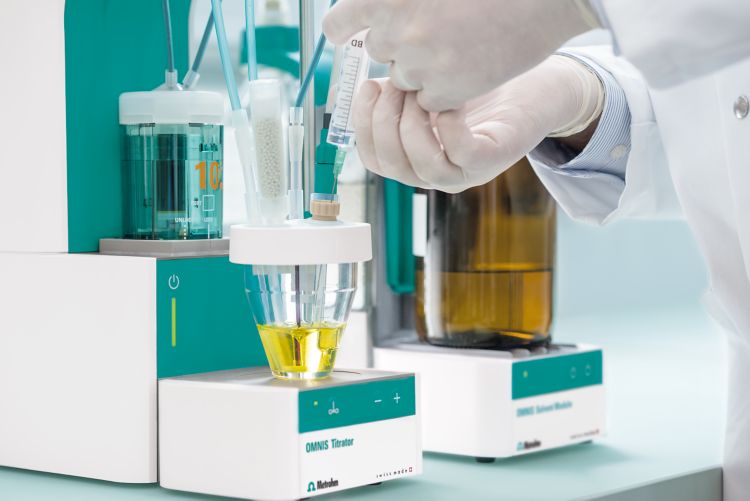
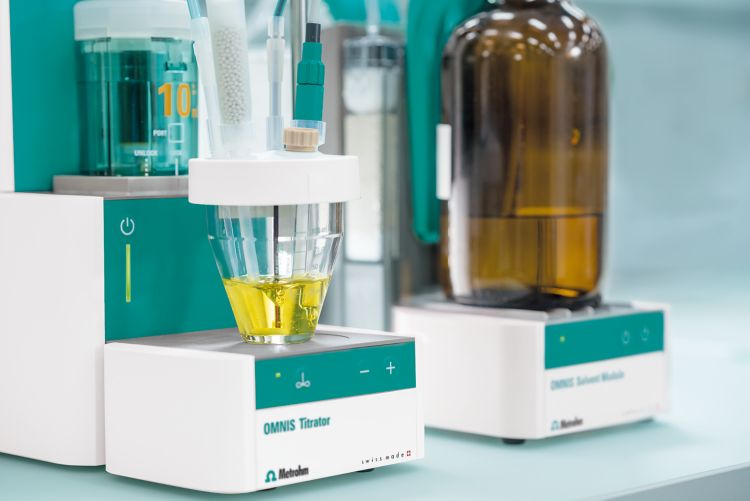
All-in-one potentiometric autotitrator platform: faster results, safer handling of chemicals, and maximum modularity for easier adaptability to your requirements.
TacticID
Handheld Raman for field identification of chemicals, explosives, narcotics, and many other toxic industrial chemicals and materials.
2.919.0120
919 IC Autosampler plus for CVSThe 919 IC Autosampler plus for CVS, in conjunction with Professional VA/CVS instruments and viva, is suitable for small sample series of fully automatic determinations of organic additives in electroplating bath, e.g. "brighteners" and "suppressors" using "Cyclic Voltammetric Stripping" (CVS). The system is controlled directly by the viva software and permits automatic changes of method between different types of determinations. The sample rack supplied holds 14 samples with a maximum size of 50 mL.The 919 IC Autosampler plus for CVS is supplied with accessories, sample rack, and connection cable so you can set up a complete workplace, although it does not come with rinsing equipment.
2.919.0130
919 IC Autosampler plus for VAThe 919 IC Autosampler plus for VA is suitable for small sample series of fully automatic trace determinations of heavy metals using polarography and voltammetry together with Professional VA instruments and viva. The system is controlled directly by the viva software and permits automatic changes of method between different types of determinations. The sample rack supplied holds 28 samples with a maximum size of 10 mL.The 919 IC Autosampler plus for VA is supplied with accessories, sample rack, and connection cable so you can set up a complete workplace, although it does not come with rinsing equipment.
2.819.0110
819 Advanced IC Detector (PEEK)Top-class conductivity detector for measurements with and without chemical suppression. Temperature-stability better than 0.01 °C. Shielded by Faraday cage. Wet part and electronics clearly separated. Electronic suppression. PEEK version.
2.925.1040
Eco IC Package with 919The automated introductory model for water analysis and teaching. The IC Eco Package can be retrofitted with Inline Ultrafiltration at any time. The scope of delivery includes the Eco IC, the 919 IC Autosampler plus, the conductivity detector, the Metrohm Suppressor Module ("MSM") and the MagIC Net Professional software.

- AN-O-019AN-O-019Comparison of suppressed and non-suppressed detection in ion-exclusion chromatography
Determination of glycolic acid, formic acid, glutaric acid, acetic acid, propionic acid, and butyric acid in a standard solution using ion-exclusion chromatography with suppressed and non-suppressed conductivity detection.
- AN-CS-019AN-CS-019Trace ammonium and trimethyl-amine in 30% hydrogen peroxide applying sequential suppression
Determination of trace levels of cations and amines in hydrogen peroxide is important in quality determination of high-grade semiconductor chemicals. In particular, some manufactures look for 1 ppb trimethylamine or less in hydrogen peroxide samples. Ion chromatography after MiPCT-ME* with conductivity detection after sequential cation suppression is applied.
- AN-S-119AN-S-119Acetate, chloride, sulfate, and citrate in a pharmaceutical product
Determination of acetate, chloride, sulfate, and citrate in a pharmaceutical product using anion chromatography with conductivity detection after chemical suppression and dialysis for sample preparation.
- AN-S-191AN-S-191Chloride, nitrite, and sulfate in a used zinc bath containing cooling lubricants
Determination of chloride, nitrite, and sulfate in a used zinc bath using anion chromatography with conductivity detection after chemical suppression.
- AN-S-190AN-S-190Five anions in a strongly alkaline solution containing 70 g/L vanadate
Determination of chloride, nitrite, nitrate, phosphate, and sulfate in a strongly alkaline solution using anion chromatography with conductivity detection after chemical suppression.
- AN-T-196Assay of Vitamin C
Vitamin C, also known as ascorbic acid or L-ascorbic acid, is an essential nutrient involved in the repair of tissues and the enzymatic production of certain neurotransmitters. It is required for the functioning of several enzymes and immune performance, and is also an important antioxidant. This nutrient is found in many foods and is often used as a dietary supplement.USP general chapter <580> describes a titration technique to determine the assay of Vitamin C as ascorbic acid, sodium ascorbate, and calcium ascorbate dehydrate, or their mixture in finished dosage forms as capsules, tablets, and oral suspensions. This Application Note demonstrates the Vitamin C determination in water-soluble vitamin tablets. The methodology can also be applied for oil-soluble vitamin or mineral tablets, as well as oil- and water-soluble vitamin or mineral capsules.
- AN-C-197Potassium assay in potassium citrate and citric acid oral solution
Potassium citrate and citric acid oral solutions act as systemic alkalizers. Potassium assays, validated per USP <621> and <1225>, use IC with L76 cation-exchange columns.
- AN-C-198Calcium acetate assay in calcium acetate capsules
The assay of calcium acetate, often used as a phosphate binder for dialysis patients, can be performed with ion chromatography (IC) as per USP <621> and <1225>.
- AN-V-019Lead in a nickel plating bath
Lead is commonly used as stabilizer in electroless nickel plating processes. The regular and precise determination of the electrochemically active Pb(II) concentration is essential to keep the plating process running optimally under stable conditions. Differential pulse anodic stripping voltammetry can be used to determine the active lead content after dilution. The voltammetric determination has been established as a straightforward, sensitive, selective, and interference-free method for this application.
- AN-S-198AN-S-198Fluoride, acetate, formate, and chloride in brake fluids
Determination of fluoride, acetate, formate, and chloride in a brake fluid using anion chromatography with conductivity detection after chemical suppression.
- AN-S-195AN-S-195Anions and organic acids with high pressure gradient
Determination of 21 anions and organic acids using anion chromatography with conductivity detection after chemical suppression and applying a high pressure gradient.
- AN-S-194AN-S-194Iodide in human urine
Determination of iodide in a human 24 hour urine sample using anion chromatography with amperometric detection after chemical suppression. The result agrees with that of the photometric method. UV detection did not work.
- AN-C-193Alkyl amines in scrubber solutions
Harmful industrial flue gases like H2S and CO2 cause corrosion of pipes and damage the environment. Adding the correct amount of amines in scrubber solutions, e.g. ethanolamines and methylamines, will neutralize these gases («gas sweetening»). Non-suppressed cation analysis with direct conductivity detection is a straightforward and robust technique for the quantification of monoethanolamine (MEA), diethanolamine (DEA), triethanolamine (TEA), monomethylamine (MMA), dimethylamine (DMA), and trimethylamine (TMA) via ion chromatography. Thanks to the high capacity of the Metrosep C 6 column, large volumes can be injected without compromising the peak shapes. The analytical technique can be used at laboratory scale but also for process analysis.
- AN-S-019AN-S-019Determination of chloride, sulfate, oxalate, and fumarate
Determination of chloride, sulfate, oxalate, and fumarate using anion chromatography with conductivity detection after chemical suppression.
- AN-S-197AN-S-197Fluoride, acetate, formate, and chloride in gasoline
Determination of fluoride, acetate, formate, and chloride in gasoline using anion chromatography with conductivity detection after chemical suppression.
- AN-S-193AN-S-193Four anions in beer wort
Determination of fluoride, chloride, phosphate, and sulfate in beer wort using anion chromatography with conductivity detection after chemical suppression.
- AN-S-199AN-S-199Selenite and selenate in the presence of the standard anions
Determination of fluoride, chloride, nitrite, selenite, phosphate, nitrate, sulfate, and selenate using anion chromatography with conductivity detection after chemical suppression.
- AN-S-192AN-S-192Online determination of acids in an etching bath with inline dilution
Determination of fluoride, nitrate, phosphate, sulfite, and sulfate in an etching bath using anion chromatography with conductivity detection after chemical suppression.
- AN-S-219AN-S-219Anions and organic acids in engine coolant
Determination of glycolate, formate, chloride, nitrite, nitrate, phosphate, sulfate, and oxalate in engine coolant using anion chromatography with conductivity detection after chemical suppression.
- AN-S-196AN-S-196Anions in water from an agricultural irrigation systems
Determination of fluoride, chloride, nitrite, bromide, nitrate, phosphate, and sulfate in water from an agricultural irrigation system using anion chromatography with conductivity detection after chemical suppression.
- AN-C-194IC Assays for Calcium and Magnesium according to USP
Calcium carbonate has a wide applicability in the pharmaceutical industry as an excipient and also as an active ingredient, and in the food industry as a major dietary supplement. The U.S. Pharmacopoeia (USP) monographs for calcium and magnesium carbonates tablets as well as calcium carbonate and magnesia chewable tablets currently describe manual titration as the assay procedure for calcium and magnesium. The USP has embarked on a global initiative to modernize many of the existing monographs across all compendia. In response to this initiative, two alternative analytical methods were developed to determine the analytes calcium and magnesium. This Application Note presents ion chromatography (IC) procedures using conductivity detection that provide better accuracy and specificity and are suitable for the intended purpose. These validated IC methods (according to USP General Chapter <1225>) offer a significant improvement to the existing assays because they can simultaneously determine both analytes calcium and magnesium, saving both time and effort.
- AN-V-219Sn(II) in radiopharmaceuticals
Sodium pertechnetate (99mTc) radiopharmaceuticals are widely used in medical imaging diagnostic procedures to help diagnose a large number of diseases affecting the bones and major organs. These radiopharmaceuticals are usually prepared from cold kits consisting of several ingredients, including a reducing agent. Sn(II) is a typical reducing agent which reduces the Tc(VII) that is added to the cold kit to a lower oxidation state which then forms the stable organic complex.For quality control, the tin content has to be determined in the kit vial. Sn(II) can be selectively determined using differential pulse polarography. Polarography is a straightforward, sensitive, selective, and interference-free method for the determination of mg/L levels of Sn(II) in radiopharmaceuticals.
- AN-PAN-1019Online analysis of acids and iron in pickling baths
Pickling baths are used in the galvanic industry to clean steel surfaces and prevent corrosion through passivation. Maintaining specific Fe2+/Fe3+ and free acid/total acid ratios is vital to ensure the baths' optimal performance, which directly impacts the final product quality and reduces production costs by minimizing reagent consumption. This application presents a method to regularly monitor the acid and iron composition in pickling baths online by using a process analyzer from Metrohm Process Analytics.
- AN-RS-019SERS Detection of Metanil Yellow in Turmeric
Metanil yellow (MY) is an azo dye used in the manufacture of external-use products such as textiles; however, it is prohibited from use as a food additive in many countries. Toxicology studies demonstrate that ingestion of MY results in significant neurological and multi-organ damage. Despite these hazards, MY is commonly used as an illicit colorant for enhancing the visual appeal of spices and legumes, most notably turmeric. Ideal tests for such food adulterants feature methods that are selective and sensitive, yet portable and convenient.Misa (Metrohm Instant SERS Analyzer) achieves rapid and accurate detection of MY in a facile assay format.
- AN-V-195Iodate in electroless nickel baths
Electroless nickel plating is an important and well established process in the surface finishing industry. In the past, the addition of small amounts of lead has widely been used to stabilize the plating bath. With the increasing number of restrictions in recent years on the use of lead in consumber products, particularly electronics, alternative stabilizers were developed and introduced. One of the stabilizers used as lead replacement is iodate. It can be used as a single additive or in combination with bismuth or antimony. This method allows the determination of iodate directly in the plating bath sample by polarography. The method is simple and fast, however, sensitive and robust.
- AN-V-196Antimony and bismuth in electroless nickel baths
Electroless nickel plating is an important and well established process in the surface finishing industry. In the past the addition of small amounts of lead has widely been used to stabilize the plating bath. With the increasing number of restrictions in recent years on the use of lead in consumber products, particularly electronics, alternative stabilizers were developed and introduced. Two of the stabilizers used as lead replacement are antimony and bismuth. They can be used as a single additive or in combination with each other or iodate. This method allows the determination of antimony and bismuth directly in the plating bath sample by anodic stripping voltammetry (ASV). The method is simple and fast, however sensitive and robust
- AN-C-195Cation quantification with increased performance using microbore IC
Microbore ion chromatography offers better sensitivity, shorter retention times, and consumes less eluent, increasing sample throughput and reducing running costs.
- AN-C-196Purity quantification of tris(hydroxymethyl)aminomethane (TRIS) with IC
Tris(hydroxymethyl)aminomethane (TRIS) is often used in life science applications and its purity must be monitored. This analysis is possible with ion chromatography.
- AN-CS-001AN-CS-001Reproducibility of 10 µg/L injections after cation suppression
Cation chromatography with sequential suppression enables the determination of cations in their hydrogen carbonate form. The eluent – usually nitric acid – is converted into carbonic acid. Following its decomposition into carbon dioxide and water, the former is continuously removed by the CO2 suppressor. The reduction of baseline noise thus achieved permits the lowering of the detection limits and improves reproducibility, even at very low cation concentrations. This Note shows the reproducibilities determined for cation concentrations of 10 µg/L.
- 8.000.60078.000.6007Determination of sulfate in denatured ethyl alcohol according to ASTM D7319
In this poster a convenient direct injection suppressed ion chromatographic method for determining chloride and sulfate in denatured ethanol samples according to ASTM D7319 is presented.
- AN-S-404Water quality testing with EPA 300.1
The Metrosep A Supp 21 column and 948 Continuous IC Module, CEP enable efficient, automated single-run analysis of major anions and disinfection byproducts in water.
- AN-P-089Lactose intolerance and reliance on accurate food labels
Worldwide, milk and dairy products are vital sources for human nutrition. A major component and energy source in dairy products is lactose. To efficiently metabolize lactose, the enzyme lactase is indispensable. However, globally nearly 70% of the population is lactose intolerant and they have difficulties to digest lactose. Lactose malabsorption leads to numerous gastrointestinal and extra-intestinal symptoms and other complaints with varying extents. Therefore, consumers rely on accurate food labels and for manufacturers appropriate sensitive analytical techniques are a must to comply with these demands. Ion chromatography with pulsed amperometric detection (IC-PAD) enables the determination of very low lactose contents. Validation according to AOAC requirements shows the high sensitivity and reliability of this method as a routine analysis.
- WP-009WP-009Automated determination of major anions and oxyhalides in drinking water using OMNIS IC and single-standard calibration
This white paper demonstrates how OMNIS IC combines high analytical performance with advanced laboratory automation for drinking water analysis.
- AN-U-049Analysis of bromate in drinking water according to ISO 11206 and EPA 317
Ion chromatography with PCR and UV/VIS detection provides a highly specific and sensitive method for bromate analysis, meeting EPA Method 317 and ISO 11206 requirements.
- AN-S-241AN-S-241Chloride and sulfate in ethanol used as biofuel (ASTM D7319-07)
Determination of chloride and sulfate in ethanol using anion chromatography with conductivity detection after chemical suppression.
- AN-S-236Drinking water quality by EPA 300.1
Fast and reliable analysis of drinking water by combining EPA method 300.1 Parts A and B in a single IC run.
- 410000053-A410000053-AQuantitative Analysis of a Water-soluble Polymer Using the i-Raman EX Spectrometer
Quantitation of the functionalization of a water-soluble polymer was achieved using a portable Raman spectrometer. The Raman spectrum provides strong, unique bands for both the initial and fully reacted polymer. This enables development of a simple, robust quantitative analysis of the percent polymer functionalization. This method is now routinely used in a manufacturing plant's quality control laboratory.
- AN-PAN-1049Online determination of bromate and other disinfection byproducts in drinking & bottled water with IC
Drinking water which has been disinfected via the ozonation process can contain undesirable levels of bromate, a carcinogen, via oxidation of bromide in the raw water. Already several agencies including the World Health Organization have recommended concentration limits for bromate set in place to limit its risks to our health. Ion chromatography is mentioned in several analytical standards for the determination of disinfection byproducts (DBP) including bromate, such as EPA 300.1, 317.0, 321.8, 326.0, ASTM D6581, ISO 11206, and ISO 15061. Monitoring trace levels of bromate online means higher throughput and less time spent performing manual laboratory tests, and ensures quality drinking water is produced.
- AN-S-326AN-S-326Oxyhalides in addition to standard anions in swimming pool water
Swimming pool water needs to be thoroughly disinfected and this is often accomplished with ozonization. This process can generate harmful oxyhalides, the concentration of which must be monitored. Here the separation and determination of oxyhalides as well as standard anions are carried out using a column of the Metrosep A Supp 5 - 250/4.0 type. Quantification takes place using conductivity detection in accordance with sequential suppression.
- AN-T-222Sulfur dioxide content in traditional Chinese medicines
Traditional Chinese medicine (TCM) remedies are gaining popularity in other cultures. In some TCM, sulfur dioxide (SO2) is used as a preservative, antioxidant, and disinfectant. The products are treated by sulfurization with SO2 gas. However, sulfur dioxide is a very poisonous gas. Global health authorities have set strict limits for the content of SO2 in products. It is therefore of crucial importance to determine the sulfur dioxide content to comply with these limits. In this well-suited method, the SO2 content in different natural TCM products are analyzed reliably and accurately according to ISO 22590 using the Eco Titrator equipped with an Optrode and sodium hydroxide as titrant.
- AN-P-085Iodine monitoring in natural sources
Iodine is an essential mineral for human health, where it is necessary for e.g., the production of thyroid hormones. The presented method describes the determination of free iodide in milk samples using Metrohm Low Volume Inline Dialysis for automated sample preparation prior to injection into an ion chromatograph (IC) and subsequent amperometric detection in direct current (DC) mode.
- AN-NIR-144Whey permeate analysis with NIRS
NIRS simultaneously measures important quality parameters in whey permeate (i.e., ash, phosphate, lactose, protein, pH, and moisture) without any sample preparation.
- AN-D-001Metrohm IC Driver for OpenLab CDS
This application focuses on the simultaneous analysis of cations and suppressed anions with a dual channel Metrohm IC operated by OpenLab CDS.
- AN-U-076Zinc Oxide Assay as per USP General Chapter <591>
Manufacturers and laboratories must use validated methods to determine the zinc content in skin care products and pharmaceutical supplements to meet strict quality standards set by the United States Pharmacopeia and National Formulary (USP-NF). USP-NF has updated the zinc monograph (General Chapter <591>, Zinc Determination) and replaced the existing identification procedure of titration with ion chromatography (IC). The analysis involves separating Zn using a Metrosep A Supp 10 column followed by post-column reaction using 4-(2-pyridylazo)resorcinol and detection at 530 nm.
- AN-U-069AN-U-069Chromate using post-column reaction and UV/VIS detection in accordance with EPA 218.7
Hexavalent chromium (Cr(VI)) is regarded as being toxic and potentially carcinogenic. Its concentration in drinking water should therefore be kept as low as possible. The determination of Cr(VI) is performed using ion chromatography. The separation takes place on the Metrosep A Supp 10 - 250/2.0 separation column. The presence of Cr(VI) is determined photometrically following post-column reaction (PCR) with diphenylcarbazide.
- AN-CS-021Sodium in sodium bicarbonate and sodium phosphates compounded injections
Compounded injections of sodium bicarbonate are sterile solutions for correcting metabolic acidosis and other conditions requiring systemic alkalinization. Compounded injections of sodium phosphates serve as a phosphate source to either prevent or correct hypophosphatemia in patients with restricted oral intake. Ion chromatography (IC) with suppressed conductivity detection is the standardized way to accurately quantify sodium in these solutions.
- AN-S-375Fluoride in sodium fluoride for pharmaceutical use
Dental care products often contain sodium fluoride as an active ingredient. Manufacturers use the United States Pharmacopeia and National Formulary (USP-NF) Monograph «Sodium Fluoride» to quantify sodium fluoride and its anionic contaminants chloride and acetate in these products. The validated USP method proposes ion chromatography (IC) with suppressed conductivity detection to carry out the fluoride assay as well as the impurity determination in a single chromatogram.
- AN-S-398Phosphate in sodium and potassium phosphates compounded injections
An ion chromatography (IC) assay with suppressed conductivity detection is the standardized way to accurately quantify phosphate in phosphates compounded injections.
- AN-EC-042Studying zinc coatings with EQCM-D and EIS
Zinc coatings are widely applied for medical devices and to protect steel against corrosion. Electrodeposition, modulated by electrochemical parameters and tailored additives such as polyethylene glycol (PEG), enables control over coating morphology, with PEG shown to delay deposition and promote smoother surfaces. This Application Note demonstrates that EQCM-D, integrated with electrochemical methods, provides detailed insight into Zn deposition and additive effects, supporting process optimization for coating performance.
- AN-RS-054Monitoring phosphate reactions in real time with Raman spectroscopy
Raman spectroscopy is a fast alternative method to detect phosphate and sulfate species in solution for optimized phosphorus fertilizer production and improved product quality.
- AN-RS-039Trace Detection of Acetamiprid on Raisins
In this Application Note, MISA (Metrohm Instant SERS Analyzer) from Metrohm Raman excels in the detection of the pesticide acetamiprid on commercially sold raisins. MISA is a viable alternative to analytical laboratory testing in the quest to prevent contaminated foods from reaching and harming consumers.
- AN-D-003Quality control of dialysis concentrates
Ion chromatography (IC) provides an automated, fast, and sensitive solution to accurately quantify cationic and anionic components including acetate simultaneously. This comprehensive approach makes IC an economic alternative to traditional techniques for the quality control of pharmaceutical solutions like haemodialysis concentrates. Ease-of use, accuracy, and the high-throughput of IC increase productivity and comply with the demands of modern routine and research labs.
- AN-M-015Trace haloacetic acids, dalapon, and bromate measurement in drinking water
Chlorinating drinking water can form carcinogenic byproducts. EPA Method 557 enables µg/L-level quantification of haloacetic acids using Metrohm IC-MS/MS technology.
- AN-CIC-035Halogens and sulfur in solid samples according to EN 17813
Organic halides must be monitored in the environment. Combustion ion chromatography (CIC) is used for accurate halogen analysis in solids following EN 17813:2023.
- AN-S-372Analysis of Li-ion battery electrolytes with ion chromatography
Lithium-ion (Li-ion) battery electrolyte quality is essential for performance, stability, and safety reasons. Ion chromatography is an accurate method for electrolyte analysis.
- AN-V-214Lead in drinking water
Lead is known to be highly toxic to humans as it interferes with enzyme reactions. Chronic lead poisoning can be caused by lead leaching into drinking water from piping systems. The current provisional guideline value in the World Health Organization’s «Guidelines for Drinking-water Quality» sets a maximum concentration of 10 μg/L. With a limit of detection (LOD) of 0.2 μg/L, anodic stripping voltammetry is a viable, less sophisticated alternative to atomic absorption spectroscopy (AAS) to determine lead in drinking water. While AAS (and competing methods) can only be performed in a laboratory, anodic stripping voltammetry can be used conventionally in the laboratory or alternatively in the field with the 946 Portable VA Analyzer. The determination is carried out on a silver film applied to the scTRACE Gold electrode.
- AN-V-218Bismuth in drinking water
Bismuth is considered as a metal with a very low toxicity. In high concentrations toxic effects have been described, however. There is no guideline value for bismuth in the World Health Organization’s «Guidelines for Drinking-water Quality» because typical levels usually found in drinking water are of no concern. Anodic stripping voltammetry is a viable, less sophisticated alternative to atomic absorption spectroscopy (AAS) for the determination of bismuth in drinking water. While AAS (and competing methods) can only be performed in a laboratory, anodic stripping voltammetry can be used in the laboratory or alternatively in the field with the 946 Portable VA Analyzer. The determination is carried out on the scTRACE Gold electrode.
- AN-V-216Iron in drinking water
Iron is an essential element in human nutrition. It can be present in drinking water as a result of water treatment or from corrosion in the water piping system. There is no guideline value for iron in the World Health Organization’s «Guidelines for Drinking-water Quality» because typical levels usually found in drinking water are of no concern. However, there are national limit values in various countries. The European Union has set a guideline indicator value for iron of 200 μg/L. Voltammetry is a viable, less sophisticated alternative to atomic absorption spectroscopy (AAS) for the determination of iron in drinking water. While AAS (and competing methods) can only be performed in a laboratory, anodic stripping voltammetric determinations can be done used conventionally in the laboratory or alternatively in the field using the with 946 Portable VA Analyzer. The determination is carried out with adsorptive stripping voltammetry (AdSV) using 2,3-dihydroxynaphthalene (DHN) on the scTRACE Gold electrode.
- AN-PAN-1061Inline detection of wheat flour adulteration by NIR spectroscopy
Adulteration in the food industry is a significant concern due to potential health risks and changes in product quality and nutrition. Detecting such adulteration is challenging, however, to ensure high-quality products, precise measurements during the manufacturing process are essential for identifying any contamination in raw materials and final products. This Process Application Note details the inline analysis of potato starch in the wheat flour manufacturing process with a 2060 The NIR Analyzer from Metrohm Process Analytics.
- AN-RS-053Estimation of amine value in epoxies with Raman spectroscopy
Compared to potentiometric titration, Raman spectroscopy is a rapid, accurate, and reliable secondary method for estimating the amine value (AV) of epoxy hardeners.
- 410000059-BCharacterization of carbon materials with Raman spectroscopy
Raman spectroscopy is a valuable tool for the characterization of carbon nanomaterials due to its selectivity, speed, and ability to measure samples nondestructively. Carbon materials typically have simple Raman spectra, but they contain a wealth of information about internal microcrystalline structures in peak position, shape, and relative intensity.
- AN-V-229Antimony(III) in drinking water
The toxicity of antimony depends on its oxidation state: antimony(III) is more toxic than antimony(V). Due to its carcinogenicity, EU legislation specifies 5 µg/L and the World Health Organization (WHO) sets a maximum concentration of 20 µg/L as the Sb(III) limit value in drinking water.Straightforward determination using anodic stripping voltammetry provides a fast (analysis time under 10 minutes) and an ultra-sensitive tool for monitoring the antimony(III) concentration in drinking water. Measurements can be performed in the laboratory with the 884 Professional VA, or alternatively in the field with the 946 Portable VA Analyzer.
- AN-V-222Iron determination in drinking water
The presence of iron in drinking water can lead to an unpleasant taste, stains, or even growth of «iron bacteria» that can clog plumbing and cause an offensive odor. Over a longer period, the formation of insoluble iron deposits is problematic in many industrial and agricultural applications. To avoid these problems, the U.S. Environmental Protection Agency (EPA) defines the Secondary Maximum Contaminant Level (SMCL) for water treatment and processing plants as 0.3 mg/L Fe in drinking water.The voltammetric determination of the iron triethanolamine complex on the non-toxic Bi drop electrode allows both the detection at very low levels (limit of detection of 0.005 mg/L) and measurements in a wide range of concentrations up to 0.5 mg/L.
- AN-V-220Remaining Useful Life of lubricants
Testing of in-service lubricating oils for their remaining antioxidant content is critical for capital equipment uptime as well as reducing running costs and repair expenses. Test methodologies such as RPVOT (rotating pressure vessel oxidation test) are time consuming and expensive to perform. Remaining Useful Life is a proven voltammetric method for testing the remaining active antioxidant content in minutes. Depending on the electrolyte, aromatic amine and phenolic antioxidants or hindered phenolic antioxidants can be determined.For the first time, a fully automated system is demonstrated, showing dramatically improved repeatability of data for confidence in reporting. Operator time is saved during sample preparation and irreproducible manual interpretation is eliminated via completely autonomous software processing. The user adds the sample into the vials, then the determination process of the sample series (including sample preparation and result calculations) is carried out automatically. The system is based on methods ASTM D6810, ASTM D6971, ASTM D7527, and ASTM D7590.
- AN-M-016Resolving haloacetic acids in water
During drinking water disinfection with chlorine, chloramine, or ozone, potentially toxic halogenated byproducts can be formed. The disinfectants can react with naturally occurring bromide and/or organic matter in the source water and form one of the most common and highly toxic disinfection byproducts (DBPs): haloacetic acids (HAAs). To protect human health, maximum tolerable levels of HAA in drinking waters are regulated (EPA 816-F-09-004). The EPA Method 557 specifies the analysis of HAAs beside bromate and dalapon by ion chromatography coupled to tandem mass spectroscopy (IC-MS/MS) with LODs varying from 0.02–0.11 µg/L. However, even with single MS, a high sensitivity is achieved to determine the current MCLs within an adequate accuracy. This Application Note describes the analysis of bromate, chlorite, monochloroacetic acid (MCAA), monobromoacetic acid (MBAA), bromochloroacetic acid (BCAA), bromodichloroacetic acid (BDCAA), dibromoacetic acid (DBAA), dichloroacetic acid (DCAA), tribromoacetic acid (TBAA), chlorodibromoacetic acid (CDBAA), and trichloroacetic acid (TCAA) with IC/MS. The Metrohm Driver 2.1 for EmpowerTM offers the analysis as a single software solution with EmpowerTM.
- AN-NIR-129Dried pet food analysis by near-infrared spectroscopy (NIRS)
This study shows how a pre-calibrated NIRS instrument is used for multiparameter analysis of several pet food quality indicators like protein, moisture, fat, and ash.
- AN-C-183Potassium in potassium bicarbonate effervescent tablets for oral solution
Within the scope of the USP monograph modernization, potassium is determined in potassium bicarbonate effervescent tablets for oral suspension applying cation chromatography with direct conductivity detection. The separation is performed on a Metrosep C 6 - 150/4.0 column (L76). All acceptance criteria are fulfilled.
- AN-PAN-1064Monitoring complexing agents in galvanic baths inline with Raman spectroscopy
Accurate analysis of complexing agents in galvanic baths is possible with inline Raman spectroscopy. This Application Note shows an example using a 2060 Raman Analyzer.
- AN-BAT-015Differential capacity analysis (DCA) for battery research with INTELLO
This Application Note discusses differential capacity analysis (DCA) and its impact on enhancing battery performance, with a focus on using the INTELLO platform.
- AN-V-228Thallium in drinking water
Presence of thallium in surface water is an indicator of industrial effluents and poses a serious health hazard if imbibed. Monitoring of thallium concentration can easily be done with anodic stripping voltammetry on the silver film modified scTRACE Gold. This non-toxic method allows the determination of thallium concentrations between 10–250 µg/L and can be carried out with the 946 Portable VA Analyzer.
- AN-S-399IC assay for fluoride in sodium fluoride and acidulated phosphate topical solution
Anticavity pharmaceuticals like sodium fluoride and acidulated phosphate topical solution products require strict quality control. This Application Note outlines the fluoride IC assay as described in the USP Monograph Sodium Fluoride and Acidulated Phosphate Topical Solution.
- AN-S-376Fluoride in sodium fluoride gel for pharmaceutical use
Sodium fluoride gel for pharmaceutical use needs to comply with USP requirements. The actual monograph (USP 42) uses two different methods for the identification and the assay. Ion chromatography allows the analysis of these two parameters in one single determination. In the course of the USP monograph modernization, this ion chromatographic approach makes this type of analysis even easier.
- AN-S-403Anions in lithium-ion battery solvents
N-Methylpyrrolidone (NMP) is crucial for lithium-ion battery production. Metrohm’s intelligent Preconcentration Technique with Matrix Elimination enables µg/L-level anion analysis in NMP.
- AN-RS-055Low-frequency Raman spectroscopy
Low frequency Raman spectroscopy extends conventional Raman analysis by capturing vibrational modes down to 65 cm-1, enabling deeper insights into molecular structure, protein characterization, polymorph identification, and phase changes.
- AN-M-017IC-MS/MS analysis of trifluoroacetic acid according to DIN 38407-53
The new DIN draft standard 38407-53 outlines TFA analysis in water using direct injection LC-MS/MS, enabling quantification from 0.1–3.0 μg/L as shown in this Application Note.
- AN-P-088Quality testing for infant formula
This Application Note presents ion chromatography with pulsed amperometric detection as fast and reliable method to determine low level lactose in complex matrices such as infant formula.
- AN-V-236Antimony stabilizer in an electroless Ni bath
Monitoring Sb(III) stabilizer levels during electroless Ni plating is critical for high-quality coatings. Anodic stripping voltammetry offers fast, reliable Sb(III) analysis.
- AN-NIR-133Soil analysis with NIR spectroscopy
The content of organic matter, limestone, silt, clay, and sand, along with pH value and exchangeable calcium and magnesium in soil can be determined in seconds with NIRS.
- AN-PAN-1013Online analysis of boric acid in the cooling water of pressurized water reactors
Boric acid requires precise monitoring in the primary circuit to control nuclear reactor reactivity. The 2060 TI Process Analyzer monitors boric acid online in near-real time.
- AN-NIR-130Multiparameter hops analysis by near-infrared spectroscopy (NIRS)
NIRS can simultaneously measure several quality parameters in hops like cohumulone, hop oils, and moisture content, the hop storage index (HSI), and alpha and beta acids.
- AN-RA-006New strategies for obtaining the SERS effect in organic solvents
Many electrochemical methods have been developed but are traditionally limited to aqueous media. Raman spectroelectrochemistry in organic solutions is an interesting alternative, but developing new EC-SERS procedures is still required. This Application Note demonstrates that the electrochemical activation of gold and silver electrodes enables the detection of dyes and pesticides in organic media.
- AN-PAN-1068Online analysis of copper, tin, and zinc in white bronze baths by XRF
This Application Note explains how the 2060 XRF Process Analyzer enables real-time chemical monitoring of copper, tin, and zinc concentrations in white bronze plating baths.
- AN-BAT-016EIS at different states of charge with INTELLO
This application shows how EIS, combined with INTELLO and NOVA, tracks changes in internal battery resistance across SOC levels to study performance and aging mechanisms.


Metrohm Process Analyzers
Metrohm Process Analytics has a long expertise in providing solutions for process analysis, process control, and process monitoring for any requirements and in all industries.
Drug monographs, assays, and impurity evaluations using Metrohm Ion Chromatography
Metrohm IC offers robust solutions for your USP-standardized pharmaceutical analyses. Compliance with USP General Chapters such as <1225> Validation of Compendial Procedures, <621> Chromatography, <1065> Ion Chromatography, <191> Identification Tests – General.
About Us
Based in Switzerland, Metrohm provides titration, ion chromatography, Raman and NIR spectroscopy, electrochemistry, and process analysis solutions to customers worldwide.
Digitalization runs in the veins of Metrohm
Metrohm has always been committed to digitalization and has incorporated the latest digital technology into its instruments. Learn more about Lab 4.0, laboratory automation and robotics, Process analytics 4.0, and Metrohm Enterprise Services.
Liquid Handling
Liquid handlers for advanced liquid handling tasks in laboratories: dosing, pipetting, diluting, and dispensing.
Columns for IC
Ion chromatography columns from Metrohm include separation columns, guard columns, precolumns, trap columns, accessories for columns, and more.
Products
Metrohm offers a wide range of analytical instrumentation, laboratory equipment, and accessories.
NIR spectrometers
Near-infrared (NIR) spectrometers for non-destructive analysis of a wide variety of samples in the lab and the process, from liquids, solids, and pastes to slurries, tablets, and capsules.


- Sep 28, 2026Detection methods in ion chromatography: a comprehensive overview
This article reviews several detection techniques used in ion chromatography (IC) for the separation and quantification of ionic species, including non-suppressed and suppressed conductivity, UV/VIS, and amperometric detection.
- Mar 7, 2022NIR spectroscopy: a 21 CFR Part 11 compliant tool for QC and product screening
Learn more about near-infrared spectroscopy as a 21 CFR Part 11 compliant tool to assess the quality of pharmaceuticals.
- Apr 29, 2020A History of Chemistry – Part 1
Blog article about the beginnings of chemistry, the transition from alchemy to chemistry.
- May 20, 2020A History of Chemistry – Part 4
Blog about the industrialization of electrochemistry, the periodic table of elements, the discovery of aspirin, and chemistry in the First World War.
- Aug 21, 2023How do iridium-based nanomaterials contribute to a greener future?
Mitigating climate change is vital due to the severe impacts of excessive CO2 emissions. The transport sector, largely dependent on fossil fuels, contributed to 37% of total carbon dioxide emissions in 2021. While electric cars have become more popular, other solutions like hydrogen-powered vehicles are gaining attention. Electrochemical water splitting via polymer electrolyte membrane (PEM) water electrolyzers is proposed to produce green hydrogen, with iridium-based catalysts showing promise. This research is focused on iridium oxide materials for enhanced durability and metal-like conductivity in H2 production.
- Mar 11, 2024High-frequency EIS: a powerful tool for the future of mobility
Electrochemical characterization of solid-state batteries can be difficult. Using electrochemical impedance spectroscopy (EIS) at high frequencies helps capture rapid processes.
- Aug 24, 2020History of Metrohm IC – Part 2
Metrohm IC: Metrohm Suppressor Module, modular IC systems, amperometric detection, UV/VIS detection.
- Oct 16, 2023Applying USP validated methods for separation column equivalency
The modernization of USP Monographs now permits a broader selection of separation columns for pharmaceutical analysis using ion chromatography (IC). Column equivalency studies enable the use of alternative analytical columns without needing complicated method validation procedures. This benefits pharma researchers by saving time and effort while maintaining the accuracy and reliability of analytical results in accordance with validated methods.
- Feb 10, 2020The man behind Metrohm: Bertold Suhner
Who was Bertold Suhner? Bertold Suhner founded Metrohm in 1943 in Herisau. The company went on to become a global leader in titration, ion chromatography, voltammetry, and more.
- Oct 2, 2023Screening and quality control of palm oil with NIR spectroscopy
Near-infrared spectroscopy (NIRS) is an excellent fit for the analysis of several key quality parameters in crude palm oil (CPO), crude palm kernel oil (CPKO), and refined, bleached, and deodorized (RBD) palm oil. Just one NIRS instrument can measure multiple QC parameters including water (moisture) content, free fatty acids (FFA), iodine value (IV), and deterioration of bleachability index (DOBI) in a fraction of the time of other analytical techniques.
- Jun 4, 2025Understanding the role of eluent in ion chromatography
This article explores the importance of eluent selection and preparation, highlighting key considerations that ensure reliable and robust ion chromatography measurements.
- Nov 18, 2024Ion chromatography for the pharmaceutical industry
The principles of ion chromatography are introduced, then some applications and benefits of using IC for pharma analysis according to USP General Chapter <1065>.
- Oct 25, 2021Cyclic voltammetry (CV) – the essential analytical technique for catalyst research
Catalyst research using cyclic voltammetry to analyze the stability window of the electrolyte, the electrode surface, the electrocatalyst material’s redox behavior, and the electrocatalyst’s stability.
- Apr 3, 2023History and analysis of vitamin C (ascorbic acid)
This article covers the history of vitamin C (ascorbic acid) and some of the different analytical methods used to determine it in various products (e.g., by titration, polarography, and ion chromatography).
- Apr 22, 2021Decarbonizing chemical processes with Thor
Decarbonization of the chemical industry with a hydrogenation reactor using water as a hydrogen source.
- May 16, 2022History of Metrohm IC – Part 6
Blog post on the history of combustion ion chromatography from Metrohm for sulfur and halogen determination.
- Oct 4, 2021NIR spectroscopy in the petrochemical and refinery industry: The ASTM compliant tool for QC and product screening – Part 2
Near-infrared spectroscopy for assessing the quality of gasoline, diesel, and jet fuel. Benefits, pre-calibrations, and application examples.
- Sep 23, 2024Quality control of cathode materials
This article highlights several key parameters crucial for Li-ion battery cathode production quality and efficient recycling and the methods to analyze them.
- Jan 8, 2024How to implement NIR spectroscopy in your laboratory workflow
The steps needed to implement near-infrared spectroscopy in your laboratory: creating a calibration set, creating and validating prediction models, and routine analysis.
- Feb 6, 2023Monitoring antioxidant content of in-service industrial lubricants with voltammetry
Testing of in-service lubricants for their remaining antioxidant content is critical for prolonging the uptime of capital equipment as well as reducing running costs and repair expenses. Voltammetry (VA) is a fast and established method for testing the remaining antioxidant content in industrial lubricants.
- May 29, 2023Converting emitted carbon dioxide into chemical feedstocks by electrochemical routes
Many researchers focus on electrochemical applications like electrocatalysis, energy storage, and energy conversion due to the need for action concerning climate change. The common thread linking these together is the electrochemical instrumentation needed for their work. Metrohm manufactures high-quality equipment for such pioneering research. In particular, the high-end potentiostat VIONIC powered by INTELLO is a versatile instrument for most research topics in this research area due to its outstanding specifications.
- Mar 16, 2020Boost your environmental analysis with Metrohm automated ion chromatography
Learn more about environmental analysis using ion chromatography.
- Jul 27, 2020History of Metrohm IC – Part 1
Metrohm IC: The development of the conductivity detector and separation columns.
- May 1, 2023Easily measuring ORP values in real-life applications
The ORP kit from Metrohm DropSens is handy, reliable, and easy to use for reproducible measurement of oxidation-reduction potential in various situations. The multitude of requirements from several industries that must measure ORP fit perfectly with the advantages gained when using screen-printed electrodes and miniaturized instruments, including portability, accessibility, disposability, small sample sizes, and reliability.
- Mar 2, 2020How to determine if your edible oils are rancid
Practical tips and tricks to determine the oxidation stability of natural fats and oils.
- Oct 18, 2021Best practice for separation columns in ion chromatography (IC) – Part 2
Blog on IC separation columns: chosing the right column length and diameter and optimizing the analyte separation.
- Aug 26, 2024Raman spectroscopy: The easy way to analyze polymers
This article describes how versatile Raman spectroscopy can be for the identification, classification, and quality control of various plastics and polymers.
- Apr 26, 2021Developing the electrochemical sensors of your dreams
Customized options and mass production of electrochemical sensors.
- Aug 31, 2020Forewarned is Forearmed: Error and risk minimization in process analysis – Part 3
Minimize the risks and increase the functional safety of your process analysis system.
- Aug 9, 2021From corn to ethanol: improving the fermentation process with NIRS
Improved fermentation in bioethanol production with near-infrared spectroscopy analysis.
- Jul 1, 2024Increased efficiency of CVS routine analysis with Dosino sample transfer
This article highlights using Dosinos for automated sample handling in cyclic voltammetric stripping (CVS) applications to enhance PCB and semiconductor analysis.
- Mar 25, 2024Point-of-Care with Raman: Detection of cancer, infection, and more
Raman spectroscopy expands into new medical frontiers: detecting cancer, biomarkers, and pathogens. This blog covers exciting research involving Point-of-Care applications.
- Mar 9, 2020How MIRA Became Mobile
Learn more about Raman spectroscopy, the Raman spectrum, and handheld spectrometers.
- Feb 24, 2025Continuous air quality monitoring for harmful particulate matter and aerosols
Continuously monitoring ambient air quality is simple with the Metrohm AeRosol Sampler (MARS) and the 2060 Monitor for AeRosols and Gases in ambient Air (MARGA).
- Jan 24, 2022NIR spectroscopy in the petrochemical and refinery industry: The ASTM compliant tool for QC and product screening – Part 5
Near-infrared spectroscopy and ASTM. Learn more about method development, method validation, and results validation.
- Aug 30, 2021NIR spectroscopy in the petrochemical and refinery industry: The ASTM compliant tool for QC and product screening – Part 1
Nea-infrared spectroscopy NIRS applications and parameters for the petrochemical, oil, and refinery industry.
- Apr 19, 2021Fire and ice: discovering volcanic eruptions with ion chromatography
Learn more about analyzing volcanic erruptions in Antartica with ion chromatography.
- Oct 17, 2022Analyzing halogenated organic compounds with CIC according to DIN 38409-59
This blog article explains how per- and polyfluorinated alkyl substances (PFASs) and other halogenated organic compounds have been used over the past several decades, their effects on our health and the environment, and how to monitor and analyze these substances with combustion ion chromatography (CIC) according to the new DIN 38409-59 standard.
- Mar 8, 2021Unmatched flexibility in online ion analysis: The 2060 IC Process Analyzer
Blog post on the new 2060 IC Process Analyzer for real-time industrial monitoring.
- Jun 3, 2024Conservation of art using electrochemistry
Non-destructive methods like electrochemistry aid in analyzing and preserving artifacts. This blog outlines three examples of electrochemistry in art conservation.
- Feb 7, 2022Five myths about online dispersive NIR spectroscopy, FT-NIR, and FT-IR – Part 1
Learn more about near-infrared and infrared spectroscopy and the differences.
- Jun 8, 2020Virus detection using screen-printed electrodes
Rapid testing for infectious diseases using screen-printed electrodes.
- Nov 30, 2020Electrochemistry in orbit
Screen-printed electrodes by Metrohm DropSens used in space.


6.01034.450
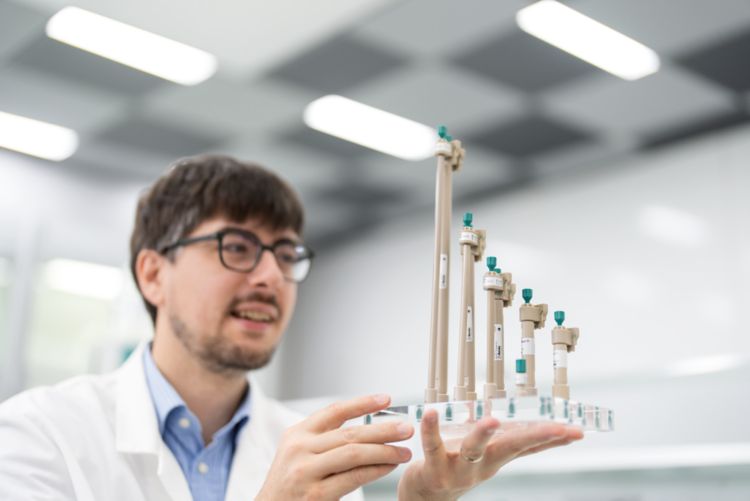
Metrosep A Supp 19 - 50/4.0Outstanding separation properties and high capacity are the defining characteristics of the Metrosep A Supp 19 product family. The shortest member of the series, the Metrosep A Supp 19 - 50/4.0, takes these strengths to the next level for applications requiring ultra‑fast analysis. With exceptionally short elution times and excellent peak shapes, this separation column is engineered for laboratories that depend on maximum throughput without compromising reliability.Despite the short column length, the Metrosep A Supp 19 - 50/4.0 delivers highly stable performance under elevated flow rates and pressures, ensuring the same mechanical, thermal, and chemical robustness found across the entire Metrosep A Supp 19 line. This makes it the ideal choice for rapid routine analysis where speed, stability, and reproducibility are essential.Thanks to its optimized packing material and high anion‑exchange capacity, the Metrosep A Supp 19 - 50/4.0 enables the reliable determination of standard anions in just 4 minutes. Its exceptionally short run times support very high sample throughput, providing a significant advantage for contract laboratories, screening workflows, and any environment where time‑efficient ion chromatography is key.
6.01034.230
Metrosep A Supp 19 - 250/2.0The Metrosep A Supp 19 - 250/2.0 is the high‑capacity variant of the Metrosep A Supp 19 microbore family. Building on the excellent selectivity and peak symmetry that characterize the Metrosep A Supp 19 stationary phase, this extended‑length 2 mm column provides substantially increased capacity, enabling reliable separation and quantification in highly complex sample matrices. Its narrow‑bore design ensures efficient separations with low eluent consumption, while the longer format delivers enhanced resolution for challenging analyte combinations.Thanks to its increased capacity, the Metrosep A Supp 19 - 250/2.0 excels in applications where the 150/2.0 version reaches its limits, such as environmental samples with substantial matrix loads, industrial wastewaters, or samples containing both standard anions and organic acids across broad concentration ranges. The extended column length ensures superior separation power and reliable performance, even when confronted with heavy matrix interferences.With inherently low flow rates, the Metrosep A Supp 19 - 250/2.0 is also particularly well suited for IC-MS coupling. The microbore format reduces background noise and enhances sensitivity in mass‑spectrometric detection, making this column a strong choice for laboratories requiring trace‑level quantification, high selectivity, and stable baselines.
6.01034.220
Metrosep A Supp 19 - 150/2.0The Metrosep A Supp 19 - 150/2.0 combines the outstanding separation performance of the Metrosep A Supp 19 stationary phase with the efficiency advantages of a 2 mm microbore format. It delivers excellent selectivity, sharp peak shapes, and high capacity, enabling precise quantification of both standard anions and organic acids, even in demanding sample matrices. Owing to its reduced eluent consumption and inherently low flow rates, the 150/2.0 version is particularly well suited for IC–MS coupling, offering enhanced sensitivity and reduced background noise in mass‑spectrometric detection.Built on the proven mechanical, thermal, and chemical stability of the Metrosep A Supp 19 packing material, this column maintains outstanding robustness even at elevated pressures and varying eluent conditions. Its narrow‑bore design ensures highly efficient separations, while still providing the high anion‑exchange capacity required for accurate analyses across a wide concentration range.In addition to its suitability for classical water and environmental analysis, the Metrosep A Supp 19 - 150/2.0 is an excellent choice for air‑monitoring applications, including fully automated systems such as MARGA (Monitor for Aerosols and Gases in Ambient Air) and MARS (Metrohm AeRosol Sampler). The combination of high separation efficiency, low flow requirements, and stable baseline performance makes this column ideal for continuous, high‑precision monitoring of atmospheric anions.
6.01034.500
Metrosep A Supp 19 Guard/4.0The Metrosep A Supp 19 Guard/4.0 reliably protects the anion separation columns of the Metrosep A Supp 19 product family against contaminations from the sample or eluent and thus prolong their service life significantly. The guard columns and separation columns of the Metrosep A Supp 19 product family are made of PEEK and filled with the same material. This ensures that the chromatographic separating efficiency is not restricted in any way. The "On Column Guard System" makes it possible to screw the guard column onto the anion separation column directly and conveniently. The economical price and simple handling make the Metrosep A Supp 19 Guard/4.0 the ideal protection for the separation column.
6.01034.410
Metrosep A Supp 19 - 100/4.0Outstanding separation properties and high-capacity – these are the things which clearly distinguish the Metrosep A Supp 19 product family from the rest of the column portfolio. It features best peak symmetries and selectivities as well as high thermal, mechanical and chemical stability, which makes it extremely robust and stable in the presence of higher flow rates and pressures.The shortest anion separation column of the Metrosep A Supp 19 product family is the 100 mm version – outstandingly suitable for simple applications that require rapid and robust analytics. With elevated flow, reliable determination of the standard anions is possible in less than 7 minutes. Even at these higher flow rates, the separation between fluoride and the injection peak is guaranteed. Short elution times permit a high sample throughput, which is particularly important for contract laboratories and in routine analysis.A further application area of the Metrosep A Supp 19 - 100/4.0 is the determination of analytes which usually have very late elution, e.g. perchlorate or citrate. Due to high flow rates and strong eluents, even analytes such as these can be determined in a very short time, thus rendering the entire analysis time-saving and efficient.
6.01034.600
Metrosep A Supp 19 Guard/2.0The Metrosep A Supp 19 Guard/2.0 reliably protects the anion separation columns of the microbore Metrosep A Supp 19 product family against contaminations from the sample or eluent and thus prolongs their service life significantly. The guard columns and separation columns of the Metrosep A Supp 19 product family are made of PEEK and filled with the same material. This ensures that the chromatographic separating efficiency is not restricted in any way.
6.01034.430
Metrosep A Supp 19 - 250/4.0Outstanding separation properties and high-capacity – these are the things which clearly distinguish the Metrosep A Supp 19 product family from the rest of the column portfolio. It features best peak symmetries and selectivities as well as high thermal, mechanical and chemical stability, which makes it extremely robust and stable in the presence of higher flow rates and pressures.With the longest of the columns, i.e. the 250 mm version, the portfolio of the Metrosep A Supp 19 product family is rounded out to include a high-performance separation column. The exceptionally stable packaging ensures that the separation column will enjoy a long service life. With its unsurpassed separating efficiency, it is suitable for even the most complex application challenges. This means that the possible usages of this anion separation column greatly exceed the standard applications.Thanks to the extremely high capacity of this separation column, combined with its outstanding plate counts, even the most demanding sample matrices are easily mastered with the Metrosep A Supp 19 - 250/4.0.The separation column can also be readily used for gradient applications to further optimize the separation, as for example for the determination of organic acids of low molecular weight.
6.01034.420
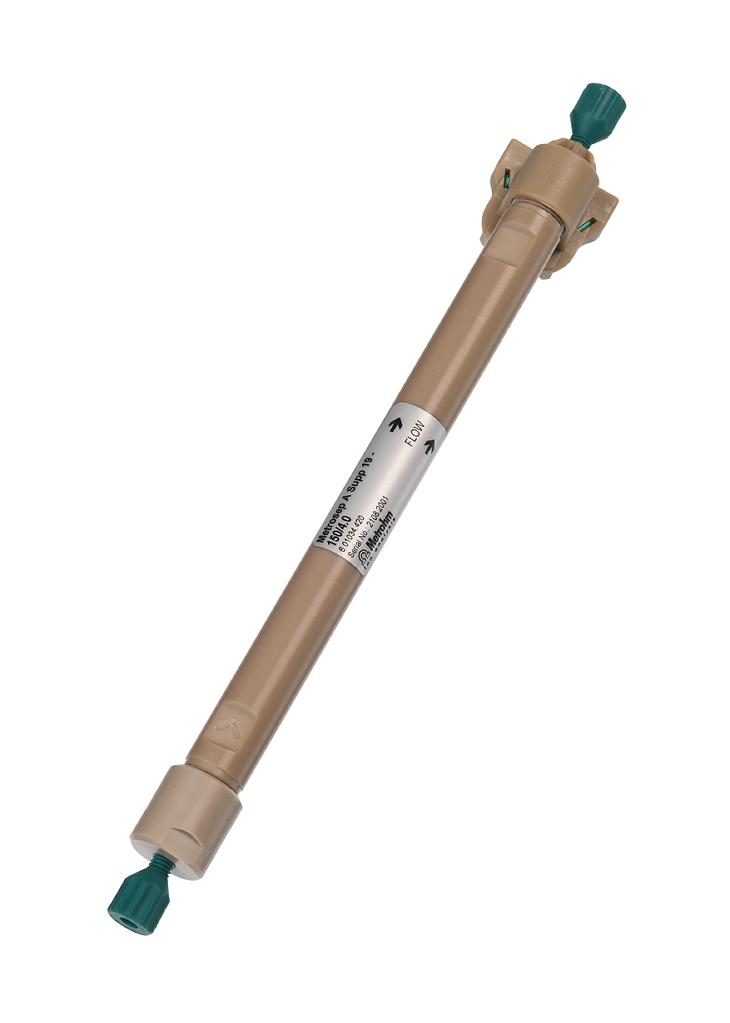
Metrosep A Supp 19 - 150/4.0Outstanding separation properties and high-capacity – these are the things which clearly distinguish the Metrosep A Supp 19 product family from the rest of the column portfolio. It features best peak symmetries and selectivities as well as high thermal, mechanical and chemical stability, which makes it extremely robust and stable in the presence of higher flow rates and pressures.The 150 mm version is considered the standard column for anion chromatography, as it reliably solves the lion's share of applications and is very versatile in its use. Thanks to its high capacity, the Metrosep A Supp 19 - 150/4.0 separation column is particularly well suited even for complex applications with sophisticated matrices. The range of applications of the Metrosep A Supp 19 - 150/4.0 is very versatile, thanks to its outstanding separation properties and comprises the following applications, for example:Determination of standard anions (fluoride, chloride, nitrite, bromide, nitrate, phosphate and sulfate) in a wide variety of water samples;; Determination of standard anions and organic acids in complex sample matrices, e.g. environmental or food samples;; Determination of standard anions and organic acids in boiler feed water to ensure the safe operation of power plants;; Determination of standard anions in pharmaceutical samples.;


6.01903.100
Stirring bar, elliptical, 32 mmMagnetic stirrer in tablet form to reduce possible abrasion on the supply bottle (6.01608.000 bottle PP, 2 L, GL 45).
6.5330.190
IC equipment: Dosino regenerationAccessory set for the assembly of a Dosino for automatic regeneration of the Metrohm Suppressor Module (MSM).


- StabNet
Find information on compatibility and download the StabNet software for Rancimat and Thermomat stability measurement instruments as well as language packs.
- tiamo
Find information on compatibility and download the tiamo titration software as well as language packs.
- MagIC Net
Find information on compatibility and download the MagIC Net ion chromatography software as well as language packs.
- viva
Find information on compatibility and download the viva voltammetry/CVS software as well as language packs.


- Nov 26, 2025Optrode M2 launched
The Optrode M2 is the latest photometric sensor from Metrohm, designed for fast, reliable titrations in any lab. With eight selectable wavelengths indicated by LEDs on the electrode shaft, it is compatible with a wide range of indicators and applications.
- Jul 17, 2025New Metrohm distributor in Israel
Metrohm International Headquarters is pleased to announce that with immediate effect, Israel Scientific Instruments Ltd. (ISI) becomes the official distributor of Metrohm products and services in Israel.
- Nov 14, 2023Nitrite analysis in pharmaceuticals: monitoring a precursor to nitrosamine
Nitrosamines are carcinogenic and the FDA has issued guidance regarding monitoring nitrosamine impurities in drugs for human consumption. Nitrosamines can form when amines and nitrite are present. The free application notes show that ion chromatography (IC) is well suited for the analysis of trace amounts of nitrite.


- 8.107.50118.107.5011Flyer: Metrosep A Supp 19
The Metrosep A Supp 19 column family sets a whole new standard in performance for anion exchange chromatography. This flyer describes the capabilities of the Metrosep A Supp 19 columns and explains how the excellent performance is achieved.
English
Other languages
- 8.0010.50198.0010.5019Installation Instruction for a High-Pressure Gradient System
The High-Pressure Gradient system is a Professional IC system for the fully automated determination of anions or cations with suppression, using gradient elution created by two or more high pressure pumps. Up to four different eluents can be mixed using the high-pressure gradient. However, if more than two eluents are required for the gradient, more pumps can be added with 942 Extension Modules. This system safely masters all routine tasks in ion chromatography, is simple to use, flexible, and extremely reliable.The Application Bulletin describes the recommended equipment and the installation of a 940 Professional IC Vario system with a High-Pressure Gradient as well as the method import and handling in MagIC Net.
English
- 8.0107.80138.0107.8013Column manual for Metrosep A Supp 19
English
Other languages
- 8.0107.80128.0107.8012Leaflet for Metrosep A Supp 19 - XX0/4.0
English
Other languages
- 8.0107.80178.0107.8017Leaflet for Metrosep A Supp 19 - XX0/2.0
English
Other languages