You have been redirected to your local version of the requested page

Voltammetry – FAQs

Multi-Mode Electrode, Multi-Mode Electrode pro

RDE (Rotating Disk Electrodes)

  • FAQ
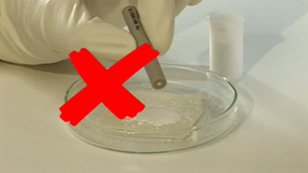
    How can I polish my platinum RDE?
    // RDE (Rotating Disk Electrodes)// Maintenance of Rotating Disk Electrodes
  • FAQ
    How can I polish my gold RDE?
    // RDE (Rotating Disk Electrodes)// Maintenance of Rotating Disk Electrodes
  • FAQ
    How can I polish my Ultra-Trace RDE?
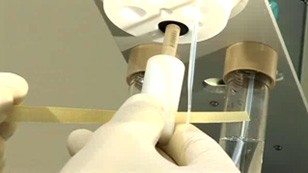
    // RDE (Rotating Disk Electrodes)// Maintenance of Rotating Disk Electrodes
  • FAQ
    How can I polish my glassy carbon RDE?
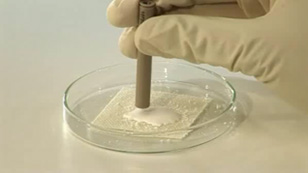
    // RDE (Rotating Disk Electrodes)// Maintenance of Rotating Disk Electrodes
  • Reference electrode

  • FAQ
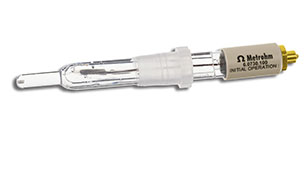
    I would like to take a measurement in a nonaqueous solution. Which electrolyte can I use in my reference electrode?
    // Installation of reference electrode// Reference electrode
  • FAQ
    My reference electrode has dried out. Can I regenerate it again?
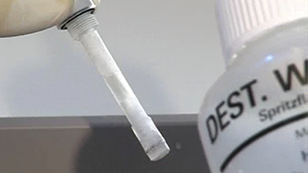
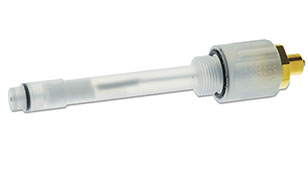
    // Maintenance of reference electrodes// Reference electrode// Reference electrode// Maintenance of the reference electrode
  • FAQ
    A different reference electrode is used in my application description. Can I use the Ag/AgCl reference electrode anyway?
    // Installation of reference electrode// Reference electrode
  • FAQ
    Potassium interferes with my determination. Can I use another electrolyte instead of KCl?
    // Installation of reference electrode// Reference electrode
  • FAQ
    Chloride interferes with my determination. Can I use another electrolyte instead of KCl?
    // Installation of reference electrode// Reference electrode
  • Events
    3 Nov 8 Dec
    Innovation Open House
    Experience Metrohm solutions in action and connect with our experts. Discover the latest in ion chromatography, titration, spectroscopy, electrochemistry, and process analytics, including the new OMNIS IC and IONIC Titrator.
    4 Nov
    From Reaction to Release: Raman and NIR Analysis for Fertilizer Production
    Fertilizer production depends on timely chemical measurements, but reference techniques such as titration and ICP-OES can require sample transport, preparation, reagents, specialized analysts, and significant time before results are available. Raman and near-infrared spectroscopy can provide faster, simpler analysis closer to production while reducing reagent use and cost per measurement. Using examples from phosphate, urea, ammonium nitrate fertilizer production this webinar will explore the development of quantitative spectroscopic methods, from collecting representative production samples and reliable reference data through calibration and independent validation. The session will also examine method transfer and deployment across instruments and production sites. Adam J. Hopkins, Ph.D., Product Manager for Spectroscopy at Metrohm USA, will introduce Raman and NIR fundamentals and the Metrohm products, sampling options, and software used for production measurements. Hannah Schorr, Ph.D., Applications Specialist for Spectroscopy at Metrohm USA, will then present the analytical science behind the fertilizer applications, including how quantitative methods are developed, validated, transferred, and maintained for reliable routine analysis.
    All events