
- All (9382)
- Famílias de produtos (85)
- Modelos (714)
- Aplicações (2247)
- Eletrodos (514)
- Colunas (162)
- Peças de reposição (2301)
- Software (353)
- Documentos (2483)
- Outro conteúdo (140)
- Perspectivas do setor (185)
- Notícias (28)
- Webinars (65)
- Support & service (93)
- Eventos (6)
- Industries (6)
Famílias de produtos
Famílias de produtos (85)


Modelos
Modelos (714)


Aplicações
Aplicações (2247)Treinamentos e webinares por especialistas
Eventos (6)Eletrodos
Eletrodos (514)Colunas
Colunas (162)Accessories
Peças de reposição (2301)Software
Software (353)Manuais & Folhetos
Documentos (2483)Outro conteúdo
Conteúdo (140)Inspirando insights do setor
Perspectivas do setor (185)Notícias
Notícias (28)Treinamentos e webinares por especialistas
Webinars (65)Suporte & Serviço incomparáveis
Support & service (93)Industries
Industries (6)- AN-T-204Permanganate index in water
The permanganate index (PMI) is a sum parameter that indicates the total load of oxidizable organic and inorganic matter in water. The substances concerned are mainly humic materials/acids that are primarily formed when dead organic material present in soil is further broken down and released into water sources. As it is an indicator of the water quality, testing of the PMI for drinking water is obligatory in many countries. For the determination, it is necessary to heat the stabilized water sample to 95 °C and higher for a stipulated time. Afterwards, the amount of permanganate that has remained after the reaction with the sample is determined titrimetrically. This sample preparation step requires considerable manual effort. In this Application Note, a fully automated procedure for the determination of the PMI according to GB/T 11892 is described, including all sample preparation steps. The gains in productivity because of a reduced manual workload are considerable.
- AN-T-205AN-T-205Fully automated water analysis by OMNIS
The determination of the physical and chemical parameters as electrical conductivity, pH value, alkalinity, the calcium and magnesium hardness as well as the total hardness are necessary for evaluating the water quality. A fast and accurate determination in tap water is realized using an automated OMNIS System working in parallel on different workstations. An 856 Conductivity Module with Dosinos extends the system.
- AN-T-206Bromine index of petroleum-based hydrocarbons
The bromine index is an important parameter for the determination of aliphatic C=C double bonds in petroleum hydrocarbons. For the titration, a solvent mixture of glacial acetic acid, methanol, and dichloromethane is usually used. In this Application Note, the chlorinated solvent in the solvent mixture was replaced with toluene, resulting in a more environmentally beneficial method in comparison to ASTM D2710 and IP 299.
- AN-T-207AN-T-207Determination of bromine index of aromatic hydrocarbons according to ASTM D5776 and SH/T 1767
The bromine index is an important quality control parameter for the determination of aliphatic C=C double bonds in aromatic hydrocarbons and is thus a measure for the presence of aliphatic unsaturation in these materials. In situ generated bromine reacts with the aliphatic double bonds. When the titration is finished an excess of free bromine causes a sudden change in the measured potential thus indicating the equivalence point.
- AN-T-208Nicotine in e-liquids
The vaping and electronic cigarette industries have grown impressively in the past decade. The mixtures used in these products are usually called «e-liquid», «e-fluid», or «e-juice». To ensure the quality of these e-liquids, testing the most important quality parameters, such as nicotine content, is required. Nicotine in tobacco is usually determined by gas chromatography or liquid chromatography. Aqueous acid base titration is a much more affordable alternative for this determination. As e-liquids do not contain other components which might interfere with the titration, the aqueous acid base titration presented in this Application Note can be applied for nicotine determination. This method is an affordable and reliable way to determine the nicotine content in e-liquids and their nicotine starting material, ensuring the quality of these products.
- AN-T-209AN-T-209Electrical conductivity in ethanol, bio-ethanol, and biofuel – Fast and easy conductivity measurement according to DIN 15938
Ethanol, bio-ethanol and biofuel (E85) are increasingly used as substitutes for petroleum-based fuels. During storage, they often come into contact with metallic substrates or surfaces, e.g., in barrels, tanks, or other containers. Excessive concentrations of ions in the stored fuel promotes corrosion. Monitoring the total concentration of the ions present in the fuel matrix should be the first step of an effective anti-corrosion strategy. An easy, fast, and cost-effective method to determine the total amount of ions is by measuring the electrical conductivity according to DIN 15938.
- AN-T-210Assay of potassium carbonate and potassium bicarbonate
This Application Note presents a potentiometric titration method for a potassium bicarbonate and potassium carbonate assay meeting all USP General Chapter <1225> requirements.
- AN-T-211AN-T-211Fully automated wine analysis – Determination of free and total sulfurous acid, reductants, total acidity and pH value according to OIV
The analysis of the reductants, free and total sulfurous acid, pH and total acidity of wine can be performed fully automated on an OMNIS system based on the directive OIV-MA-AS323-04B, OIV-MA-AS313-01 and OIV-MA-AS313-15. Added components like SO2 have preserving properties and affect the microbiological environment (anti-microbacterial and enzyme-deactivating), they trap fermentation byproducts such as acetaldehyde and suppress a coloring into brown. The bound and free sulfurous acid are in an equilibrium with each other and can be determined via iodometric titration. Iodometric titration is also the method of choice to quantify other reductants, such as dyes, tanning agents, degradation products of carbohydrates and ascorbic acid. Finally, the acidity of wine is an important quality parameter, which affects the color and taste of wines. The total acidity and the pH of wine can be determined on the same system. Hence, Metrohm offers an all-in-one solution for the analysis of these mentioned key parameters.
- AN-T-212AN-T-212FOS/TAC in fermentation substrate – Reliable determination for the monitoring of biogas plants
The FOS/TAC value, sometimes referred to as VFA/TA, is a meaningful parameter for assessing both the current condition and the development of anaerobic digestion processes in a digester of a biogas plant. Knowledge of this value can help decrease the risk of acidification problems, which can result in a costly crash of the entire digestion process. Therefore, an accurate and reliable determination of the FOS/TAC value is important for both efficient and cost-effective production operations. This value is determined by an acid-base titration. Using the Eco Titrator from Metrohm equipped with an Ecotrode plus electrode, a reproducible and accurate determination of the FOS/TAC value is possible.
- AN-T-213Ozone in water
Water treatment with ozone (O3) is a common procedure for the disinfection of swimming pools. It is important that a sufficient but not excessive amount of O3 is produced to disinfect the water. Otherwise, the remaining ozone could enter the swimming water, which could irritate the respiratory system or the skin of bathers. Ozone is also used in drinking and waste water treatment because it is significantly more effective than chlorine at inactivating or killing viruses and bacteria. This application note describes a method to determine the ozone concentration in water by potentiometric titration according to DIN 38408-3.
- AN-T-214Kjeldahl nitrogen in waste water
Nitrogen-based compounds are widely distributed in the environment and are essential growth nutrients for photosynthetic organisms. Therefore, it is important to monitor and control the amount of nitrogen compounds which are released into the environment. In this Application Note, a method to determine the nitrogen content in water by Kjeldahl digestion and distillation followed by a photometric or potentiometric titration according to ASTM D3590 is presented. The universality, precision, and reproducibility of the Kjeldahl method have made it the internationally recognized method for e.g. estimating the protein content in many matrices and it is the standard method to which all other methods are judged against.
- AN-T-215Assay of lithium hydroxide and lithium carbonate
Lithium salts (e.g., lithium carbonate and lithium hydroxide) are used in myriad applications. Lithium hydroxide is used for the production of lithium stearate, an important engine lubricant. In addition, it is utilized as an air purifier due to its ability to bind carbon dioxide. While the majority of lithium carbonate is used for aluminum production, it is also used for the glass and ceramic industry. It lowers the melting point of these materials, lowering the associated electricity costs and making it cheaper to produce them. For all of these applications, it is important to know the quality of the pure lithium salts used in the various production processes. This Application Note presents an easy method for the assay of lithium hydroxide and lithium carbonate on an automated OMNIS system.
- AN-T-216Assay of lithium nitrate
Lithium nitrate is an oxidizing agent used in the manufacture of red-colored fireworks and flares. In addition, the lithium nitrate trihydrate compound absorbs heat well and can be used for thermal energy storage. Since lithium nitrate is a hygroscopic substance, its purity must first be verified before it is used for synthesis or other applications. The purity assay is done by a fully automated precipitation titration between lithium and fluoride in an ethanolic solution. The benefit of titration is that the lithium nitrate does not need to be diluted after dissolving in ethanol as with other techniques such as ICP-MS.
- AN-T-217Hypochlorite and sodium chloride in disinfectant
Sodium hypochlorite and sodium chloride can be effectively use as disinfectant for water and surfaces. The World Health Organization (WHO) recommends, depending on the application, concentrations in disinfectants of 1000 mg/L to 5000 mg/L NaOCl and up to 200 g/L NaCl.This Application Note demonstrates a reliable method to determine the hypochlorite and sodium chloride content in disinfectants by two subsequent argentometric titrations in the range recommended by the WHO.
- AN-T-218Analysis of Li-ion battery cathode materials made from Co, Ni, and Mn
The lithium-ion battery market is continuously growing due to the tremendous demand for battery powered consumer products. So-called «NCMs», a mixture of nickel, cobalt, and manganese oxides, have been gathering interest as cathode materials, replacing traditional compounds like cobalt oxides. Quality analysis of the post-sintered materials or recycled batteries can be performed by titration, as demonstrated in this Application Note. A fully automated analysis of the corresponding metals can be performed with OMNIS and its pipetting equipment.
- AN-T-219pH value and TTA in flour, dough, and bread
In order to consistently manufacture high quality baked goods, it is critical to measure the pH value and acidity content in the raw materials and during the production steps. These factors have a major influence on the taste and storage lifetime of the final product. Consistent product quality is only possible with precise measurements during the process. This Application Note describes the measurement of pH value and the total titratable acidity in flour, dough, and bread using the Eco Titrator from Metrohm.
- AN-T-220Sodium chloride content in dough and bread
If consumed in excess, sodium may damage the cardiovascular system. It is therefore in the interest of food manufacturers to reduce the salt content and while preserving the flavor of the food. To ensure consistent quality, it is critical to know the exact salt content in the raw materials and the final products. This is only possible by performing precise measurements during the production process. This Application Note explains the determination of sodium chloride in dough and bread quickly according to AOAC 971.27 with the Eco Titrator equipped with an Ag Titrode.
- AN-T-221SET titration of HPLC mobile phases
This Application Note shows the automatic pH adjustment of a mixture of acetonitrile, water and amine using a Metrohm titrator.
- AN-T-222Sulfur dioxide content in traditional Chinese medicines
Traditional Chinese medicine (TCM) remedies are gaining popularity in other cultures. In some TCM, sulfur dioxide (SO2) is used as a preservative, antioxidant, and disinfectant. The products are treated by sulfurization with SO2 gas. However, sulfur dioxide is a very poisonous gas. Global health authorities have set strict limits for the content of SO2 in products. It is therefore of crucial importance to determine the sulfur dioxide content to comply with these limits. In this well-suited method, the SO2 content in different natural TCM products are analyzed reliably and accurately according to ISO 22590 using the Eco Titrator equipped with an Optrode and sodium hydroxide as titrant.
- AN-T-223Analysis of electroplating baths
Electroplating processes are used in several different industry sectors to protect the surface quality of various products against corrosion or abrasion and significantly improve their working life. It is essential to check the bath composition on a regular basis to ensure that the process is operating correctly. Typical examples of electroplating baths include alkaline degreasing baths or acidic or alkaline baths containing metals e.g. copper, nickel, or chromium, or components like chloride and cyanide. It is crucial that the chosen analysis technique fulfills high safety standards for these kinds of analyses and produces reliable results. The OMNIS Sample Robot system automatically pipettes and analyzes aggressive electroplating bath samples on different workstations, increasing the safety in the lab. This provides more reliable results in comparison to manual titration and is more time efficient as different parameters can be analyzed in parallel.
- AN-T-224Aluminum content in coagulants and flocculants for wastewater treatment
Coagulation and flocculation are an essential part of treating both drinking water and wastewater. Aluminum salts such as aluminum sulfate and polyaluminum chloride (PAC) are often used for this purpose. For the precise application and exact dosage of the flocculant, it is important to accurately determine its aluminum content. In this Application Note, the aluminum content is accurately and reliably analyzed based on ABNT NBR 11176 using the 859 Titrotherm equipped with a Thermoprobe HF and sodium fluoride as titrant.
- AN-T-225Analysis of caffeine, pH, and acidity in coffee
Many of the key factors that influence coffee taste correlate with chemical properties that can be measured. These include pH, titratable acidity, refractive index, and caffeine. Historically, many of these analyses have included long, manual sample preparation processes using the time-consuming, liquid chromatography (LC) technique. This Application Note looks at a faster, simpler, alternative method for analysis of key quality parameters in coffee using a single titration platform: OMNIS.
- AN-T-226Determination of functional groups in graphite and graphene oxide
Boehm titration is a quantitative analysis of functional groups on the surface of carbon materials based on their reactions with basic solutions of NaHCO3 (pKa = 6.4), Na2CO3 (pKa = 10.3), and NaOH (pKa = 15.7). This is a cost-efficient method that gives absolute values with high precision of the accessible, mainly oxygen-containing functional groups on the surface. Originally, Boehm titration was developed for carbon materials like conductive carbon black (CCB), activated carbon, porous carbon, and graphite. Modern carbon-based materials like graphene, graphene oxide (GO), or carbon nanotubes can also be analyzed this way.
- AN-T-227Determination of sodium lactate
Sodium lactate is a salt form of lactic acid used in many regulated industries—therefore an accurate determination of the lactate content is required and is already covered in several norms. One such monograph by the US Pharmacopoeia (USP) results in high accuracies and well-defined titration curves but uses titrants and solvents that are more costly than necessary. In comparison, the presented modified method from Metrohm requires a 1:1 mixture of water and acetone and uses aqueous hydrochloric acid as titrant, resulting in an estimated cost reduction of 40% per titration compared to the USP method (USP–NF 2021, Issue 2). Furthermore, the time needed for each analysis is reduced to just 12% of the USP method (excluding blank determination). This Application Note presents both methods to determine lactate content and shows the results obtained on an OMNIS system.
- AN-T-228Determination of aluminum and zirconium in antiperspirants
This Application Note presents a complementary method that allows a consecutive determination after the sample preparation (digestion) of both metal ions in one beaker with an optical sensor and xylenol orange as an indicator.
- AN-T-229Determination of lime salts in sugar beet juices
About 20% of our sugar comes from sugar beet crops, mostly grown in Europe and the U.S. where the climate is temperate, whereas the other 80% is produced from sugar cane in tropical areas. Lime salts and pH are very important factors which are controlled during the sugar manufacturing process. Complexometric titration is often used to determine the concentration of lime salts in such kinds of samples. This Application Note presents a more robust method for determining calcium compounds in sugar beet juice. Subjectivity of color change determination is eliminated by using an ion selective electrode (ISE).
- AN-T-230Quantification of 1,2-diols by iodometric redox titration
Mannitol content determination is an important aspect of quality control in the pharmaceutical and food industries. Selective oxidative cleavage can be used to quantify the amount of 1,2-diol groups in the analyte. Determining the 1,2-diol content by iodometric titration can be fully automated for the most accurate results using an automated titrator and the dPt Titrode from Metrohm.
- AN-T-231Determination of caffeine by direct titration
Direct titration is a simple and precise way to accurately measure the caffeine content in different nonaqueous products. The OMNIS Titrator equipped with a dSolvotrode reliably determines caffeine through flexible analyses combined with high-end software.
- AN-T-232Determination of caffeine by iodometric back titration
The iodometric back titration is a precise method used to accurately measure the caffeine content in various aqueous samples. Reliable determinations are made easy using the OMNIS Titrator equipped with a dPt Titrode.
- AN-T-233Determination of pyrophosphates by titration
Titration is an accurate and precise method that can be used to determine the pyrophosphate content in aqueous products. The OMNIS Titrator equipped with a dUnitrode delivers reliable determinations.
- AN-T-234Direct comparison of OMNIS and Titrando for mixed acids and TMAH
This Application Note compares the OMNIS Titrator and 888 Titrando for determinations of nitric acid, phosphoric acid, and acetic acid in an aluminum etching bath, as well as the determination of tetramethylammonium hydroxide (TMAH). Identical analysis parameters were used, showing that OMNIS delivers results on par or even better than with other established titration systems.
- AN-T-235Determination of pH in carbon black
The pH value in carbon black, an essential additive in modern lithium-ion batteries, is accurately and reliably analyzed in this Application Note by using the 913 pH Meter equipped with a Unitrode easyClean according to ASTM D1512 as well as ISO 787-9 and GB/T 1717-1986.
- AN-T-236Determination of hydrochloric acid with sodium hydroxide
Hydrochloric acid is a strong, inorganic mineral acid with great significance in the chemical industry. The potentiometric titration of hydrochloric acid with sodium hydroxide is one of the most important and also most frequent analyses performed in the laboratory. In this Application Note, an acid-base titration is presented where the concentration of HCl is determined with NaOH using a pH electrode with an integrated Pt1000 temperature senor for the most accurate results
- AN-T-237Determination of phosphoric acid with sodium hydroxide
Phosphoric acid is a triprotic inorganic acid used for many purposes: as a raw material for the production of phosphate fertilizers, detergents, as an electrolyte in phosphoric acid fuel cells, rust removers, and for the passivation of iron and zinc to protect against corrosion. This Application Note presents an acid-base titration where the concentration of phosphoric acid is determined over all three of its dissociable protons by titrating it with sodium hydroxide.
- AN-T-238Determination of the alkalinity (p-value and m-value) in water
Alkalinity defines the acid-binding capacity of natural water. A distinction is made between total alkalinity (m-value) and carbonate alkalinity (p-value). This Application Note presents the determination of pH and alkalinity in water with a titration method conforming to EPA 310.1, Standard Methods 2320 B (Titration Method), ASTM D1067, EN ISO 9963-1, and EN ISO 9963-2.
- AN-T-239Nonaqueous titration of weak bases with perchloric acid
The amine value is an important parameter and quality indicator to determine in chemical processes and pharmaceuticals. This Application Note presents the nonaqueous perchloric acid titration of triethanolamine.
- AN-T-240Total acid number with conductometric titration
The total acid number (TAN) is an important parameter for assessing the acidity of oils and fuels. This Application Note determines TAN using conductometric titration.
- AN-T-242Acidity in aviation turbine fuel according to ASTM D3242
This application presents the fully automated determination of acidity in jet fuel as per ASTM D3242 via photometric titration with an automatic titrator and the Optrode.
- AN-T-243Sulfite determination in beet sugar
This study presents the automatic titration of low sulfite levels in beet crystal sugar using an OMNIS Titrator and a Pt Titrode as the potentiometric sensor.
- AN-T-244Standardization of sodium thiosulfate
The OMNIS Titrator equipped with a Pt Titrode accurately and reliably determines titer concentration even in diluted titrants as shown in this Application Note.
- AN-T-245Photometric determination of ionic surfactants by two-phase titration
Accurate, reliable determination of ionic surfactants with the Epton two-phase titration method can be achieved using an OMNIS system as shown in this study.
- AN-T-246Standardization of cationic surfactants by argentometric titration
The standardization of the cationic surfactant TEGOtrant is performed using potentiometric titration as well as near-infrared spectroscopy (NIRS) in this application.
- AN-T-247Photometric titration of acid value in biodiesel according to EN 14104
The acid value of fatty acid methyl esters (FAME) like biodiesel can be determined according to EN 14104 using photometric titration with OMNIS and the Optrode.
- AN-T-249Analysis of rare earth metals based on ISO 23597
Purity of rare earth elements (REEs) can be determined by absolute complexometric titration with xylenol orange (ISO 23597). This approach achieves around 100% recovery, eliminates the need for calibration, and offers higher accuracy and reproducibility than techniques such as AAS (atomic absorption spectroscopy). Photometric titration with the Optrode M2 offers adjustable wavelength detection, providing a fast, precise, and cost-effective alternative to other conventional methods.
- AN-T-250Potentiometric analysis of rare earth elements (REEs)
Rare earth elements (REEs) are critical materials whose deposit viability and processing streams require accurate mass-fraction determination during ore dissolution and purification. This Application Note describes a rapid potentiometric back-titration using a copper ion-selective electrode (Cu-ISE) that enables selective quantification and partial separation of REEs in complex matrices with near-quantitative recovery. As an absolute, flexible, and cost-effective method with ICP-compatible sample preparation, back-titration is well suited both as a reference technique and for rapid on-site analysis.
- AN-U-001AN-U-001Nickel, zinc, cobalt, iron(II), and manganese in lithium bromide using post-column reaction
Determination of nickel, zinc, iron(II), and manganese in lithium bromide using cation chromatography with UV/VIS detection (520 nm) after post-column reaction.
- AN-U-002AN-U-002Bromide and nitrate in 1% sodium chloride
Determination of bromide and nitrate in 1% sodium chloride solution using anion chromatography with UV/VIS detection (205 nm) after chemical suppression.
- AN-U-003AN-U-003Glycolic and lactic acid in the presence of N-methyl pyrrolidone
Determination of glycolic and lactic acid in the presence of N-methyl pyrrolidone used in drug delivery systems using ion-exclusion chromatography with UV/VIS detection.
- AN-U-008AN-U-008Trace anions in magnesium chloride (MgCl2) using anion chromatography with conductivity detection after chemical suppression and subsequent UV/VIS detection
Determination of traces of fluoride, bromide, nitrate, phosphate, and sulfate using anion chromatography with conductivity detection after chemical suppression and subsequent UV/VIS detection.
- AN-U-009AN-U-009Iodate, chlorite, bromate, and nitrite by suppressed ion chromatography using a post-column reaction (PCR) and UV/VIS detection
Determination of iodate, chlorite, bromate, and nitrite using suppressed anion chromatography with UV/VIS detection after post-column reaction.
- AN-U-010AN-U-010Nitrite, nitrate, and phosphate in seawater from a shrimp farm
Determination of nitrite, nitrate, and phosphate in seawater from a shrimp farm using anion chromatography with conductivity detection after chemical suppression and subsequent UV/VIS detection.
- AN-U-011AN-U-011N-acetylcysteine in a medication against sinusitis according to USP
Determination of N-acetylcysteine and phenylalanine in tablets against sinusitis by anion chromatography with UV/VIS detection according to USP.
- AN-U-012AN-U-012Trace iodide in bottled water using anion chromatography with UV/VIS detection
Determination of traces of iodide in bottled water using anion chromatography with UV/VIS detection.
- AN-U-013AN-U-013HEDPA, PBTC, and NTP
Determination of HEDPA, PBTC, and NTP using anion chromatography with UV/VIS detection after post column reaction (PCR).
- AN-U-014AN-U-014Bromide in calcium chloride using UV detection
Determination of bromide in calcium chloride using anion chromatography with UV/VIS detection.
- AN-U-015AN-U-015Chromium(VI) in a leather extract
Determination of chromium(VI) (chromate) in leather extract using anion chromatography with UV/VIS detection after post-column reaction (PCR) and inline dialysis for sample preparation.
- AN-U-016AN-U-016Caffeine in cola soft drinks
Determination of caffeine in a cola soft drink using RP chromatography with UV/VIS detection.
- AN-U-018AN-U-018Bromate determination using post-column reaction (o-dianisidine method)
Determination of bromate in water using anion chromatography with UV/VIS detection after post-column reaction (PCR) with o-dianisidine reagent (described in EPA 317.0).
- AN-U-022AN-U-022Traces of nitrite in mineral water with UV detection
Determination of nitrite in mineral water using anion chromatography with UV detection.
- AN-U-023AN-U-023Nitrite, bromide, nitrate, and iodide in 10 g/L sodium chloride with UV detection
Determination of nitrite, bromide, nitrate, and iodide in 10 g/L sodium chloride using anion chromatography with UV detection.
- AN-U-024AN-U-024Vanadium speciation using ion chromatography with UV/VIS detection
Determination of vanadium(IV) and vanadium(V) in Benfield solution using anion chromatography with UV detection.
- AN-U-025AN-U-025Saccharin and its degradation products (benzamide, o-toluenesulfonamide) in a nickel electroplating bath
Determination of saccharin, benzamide, and o-toluenesulfonamide in a nickel electroplating bath using RP chromatography with UV detection.
- AN-U-026AN-U-026Phenylalanine, aspartame, caffeine, and benzoate in soft drinks
Determination of phenylalanine, aspartame, caffeine, and benzoate in a soft drink using RP chromatography with UV detection.
- AN-U-027AN-U-027System suitability test for cefazolin in accordance with USP
Determination of cefazolin in accordance with USP 28-NF 23 (Appendix 2) using RP chromatography and subsequent UV detection. Keyword: Antibiotics
- AN-U-028AN-U-028Salicylic acid impurity in aspirin tablets according to the USP method
Determination of salicylic acid and acetylsalicylic acid according to USP 28-NF 23 (second supplement) using RP chromatography with UV detection.
- AN-U-029AN-U-029Analysis of cloxacillin sodium in accordance with USP
Determination of cloxacillin sodium in accordance with USP 28-NF 23 (Appendix 2) using RP chromatography and subsequent UV detection. Keyword: Antibiotics
- AN-U-030AN-U-030System suitability test for amoxicillin in accordance with USP
Determination of amoxicillin in accordance with USP 28-NF 23 (Appendix 2) using RP chromatography and subsequent UV detection. Keyword: Antibiotics
- AN-U-031AN-U-031Sulfur species in process water of the paper industry by simultaneous conductivity and UV detection
Determination of sulfide and thiosulfate in a process water using anion chromatography with UV/VIS detection after chemical suppression and conductivity detection.
- AN-U-032AN-U-032Sulfide in a raw sodium vanadate solution by UV detection
Determination of sulfide in a raw vanadate solution using anion chromatography with UV/VIS detection.
- AN-U-033AN-U-033Assay of theophylline tablets according to the USP method
Determination of theophylline and theobromine according to USP 28-NF 23 (second supplement) using RP chromatography with UV detection.
- AN-U-034AN-U-034Chromatographic purity determination of ibuprofen according to USP
Determination of valerophenone and ibuprofen according to USP 28-NF 23 (second supplement) using RP chromatography with UV detection.
- AN-U-035AN-U-035Chromatographic purity determination of thiamine hydrochloride according to USP
Determination of thiamine hydrochloride according to USP 28-NF 23 (second supplement) using RP chromatography with UV detection.
- AN-U-036AN-U-036Assay determination of ranitidine HCl according to USP
Determination of ranitidine hydrochloride according to USP 28-NF 23 (second supplement) using RP chromatography with UV detection.
- AN-U-037AN-U-037System suitability test for penicillin G potassium in accordance with USP
Determination of penicillin G potassium and 2-phenyl acetamide in accordance with USP 28-NF 23 (Appendix 2) using RP chromatography and subsequent UV detection. Keyword: Antibiotics
- AN-U-038AN-U-038Sulfide in mining wastewater
Determination of sulfide in mining wastewater using anion chromatography with UV detection.
- AN-U-039AN-U-039Polybromated flame retardant in polymers in accordance with the IEC 62321 method for RoHS testing
The determination of PBBE (tetrabromobisphenol A - TBBPA, octabromodiphenyl ether - OCTA and decabromodiphenyl ether - DECA) in a polymer sample was carried out with the Nucleosil EC - 250 mm column; for this purpose a methanol and phosphate buffer was used as an eluent and subjected to UV detection in accordance with the IEC 62321 method for RoHS testing.
- AN-U-040AN-U-040Chromium(VI) in colorless and colored chromate coating on metallic samples as per IEC 62321 method for RoHS testing
The determination of chromium in metal plate samples using anion exchange chromatography with UV/VIS detection after post-column reaction with diphenylcarbazide as per IEC 62321 method for RoHS testing. This method provides procedures for the determination of the presence of chromium(VI) in colorless and colored chromate coatings on metallic samples.
- AN-U-041AN-U-041Chromium(VI) in polymers as per IEC 62321 method for RoHS testing
The determination of chromium(VI) polymers using anion exchange chromatography with UV/VIS detection after post-column reaction with diphenylcarbazide as per IEC 62321 method for RoHS testing.
- AN-U-042AN-U-042Melamine in food using cation chromatography with UV/VIS detection
Determination of melamine in milk, diary products, eggs, and egg-based foodstuffs using cation chromatography.
- AN-U-043AN-U-043Sample determination of cefadroxil in accordance with USP
Determination of cefadroxil in accordance with USP 28-NF 23 (Supplement 2) using RP chromatography with UV detection. Keyword: Antibiotics
- AN-U-044AN-U-044Arsenite and arsenate in process water
Determination of arsenite and arsenate in process water using ion-exclusion chromatography with UV detection.
- AN-U-045AN-U-045Aluminum in phosphoric acid using UV/VIS detection after post-column reaction with catechol violet
Determination of aluminum in phosphoric acid using cation chromatography with UV detection after post-column reaction with catechol violet.
- AN-U-046AN-U-046Aluminum in an acid extract using UV/VIS detection after post-column reaction with Tiron
Determination of aluminum in an acidic extract containing metals (e.g., alkali, alkaline earth, iron, chromium, molybdenum, etc.) using cation chromatography with UV detection after post-column reaction with Tiron.
- AN-U-047AN-U-047Anions in cooling lubricant after inline dialysis
Determination of nitrite and nitrate in a cooling lubricant using anion chromatography with conductivity detection (see AN S-274) and subsequent UV detection after sequential suppression and Metrohm Inline Dialysis.
- AN-U-048AN-U-048Silicate and hexafluorosilicate
Determination of silicate and hexafluorosilicate (calculated) using anion chromatography with conductivity detection after chemical suppression (see AN S-277) and subsequent UV/VIS detection with post-column reaction. Hexafluorosilicate is hydrolyzed into fluoride and silicate. Both anion concentrations may be used for the calculation of the SiF62- concentration.
- AN-U-049Disinfection byproducts in water
Safe drinking water is essential for human life and is also quite often a privilege. Whether the source is surface or groundwater, the presence of pathogenic bacteria, poor taste, and a detectable odor requires disinfection processes to guarantee the appropriate quality for drinking water purposes.
- AN-U-052AN-U-052Transition metal cations applying UV/VIS detection after post-column reaction with PAR (4-(2-pyridylazo)resorcinol)
The Metrosep C 4 columns are mainly used for the separation of alkali and alkaline earth metal cations including ammonium and organic amines. Additionally transition metals may be determined.
- AN-U-053AN-U-053Chromate with 887 Professional UV/VIS Detector and 886 Professional Thermostat / Reactor
Chromate (Cr(VI)) or hexavalent chromium is carcinogenic. Its use is restricted. Chromate has to be analyzed in a large range of products starting with drinking water, wastewater (e.g., from leather production), over toys to RoHS-regulated substances. Besides ion chromatographic determination applying conductivity detection, the method described here is suitable especially for lower concentrations.
- AN-U-054AN-U-054Amino acids applying UV/VIS detection after post-column reaction with ninhydrin at 120 °C
The determination of amino acid is an important task in pharmaceutical and biochemical applications. A binary gradient separates in this example 17 amino acids of a commercially available standard solution. The post-column reaction with ninhydrin requires a temperature of 120 °C, while the samples need to be cooled for stability.
- AN-U-055AN-U-055Amino acids in cell culture growth medium applying UV/VIS detection after post-column reaction with ninhydrin at 120 °C
Cell culture growth media contain all required components to keep cells alive. Here the amino acid composition is analyzed. A binary gradient separates in this example amino acids. The post-column reaction with ninhydrin requires a temperature of 120 °C, while the samples need to be cooled for stability.
- AN-U-056AN-U-056Nitrite, bromide, and nitrate in artificial sea water applying direct UV/VIS detection
Seawater analysis with conductivity detection is difficult due to the high excess of chloride. Especially analyzing for nitrite and bromide, UV/VIS detection is preferred as chloride is not interfering with nitrite at 218 nm. This AN shows the determination of all three UV-absorbing anions in an artificial seawater.
- AN-U-057AN-U-057Chromate in drinking water by ion chromatography with PCR and UV/VIS detection, according to EPA Method 218.7.
Hexavalent chromium (chromate) is known to be carcinogenic if inhaled, and suspected to be carcinogenic if ingested. EPA Method 218.7 allows to determine chromate in drinking water down to the sub-µg/L range (method detection limit, MDL = 15 ng/L). Post-column reaction with 1,5-diphenylcarbazide and subsequent visible detection at 530 nm is applied.
- AN-U-058AN-U-058Chromate in dye samples using post-column reaction and subsequent UV/VIS detection
Dye samples are analyzed for trace chromate. Chromate (Cr(VI)) is considered toxic and potentially carcinogenic for which reason its concentrations should be as low as possible. This sample is prepared with C18 cartridges and injected applying Metrohm intelligent Preconcentration Technique (MiPCT). After each injection, the preconcentration column requires additional rinsing to eliminate matrix effects. For this purpose, no other instrument than an 800 Dosino is required. The system is optimized for sample volumes between 20 and 2000 µL. For most samples additional rinsing of the preconcentration column is not required.
- AN-U-059AN-U-059Transition metals in feedwater using post-column reaction and subsequent UV/VIS detection
Feedwater for steam generation in boiling water reactors (BWR) needs to be analyzed for corrosion products. Presence of transition metals, mainly nickel and iron, indicates corrosion problems. Traces of these ions are determined using Inline Preconcentration (MiPCT). After separation, post-column reaction with 4-(2-pyridylazo)resorcinol (PAR) allows VIS detection at 510 nm.
- AN-U-060AN-U-060Corrosion inhibitors in cooling water
In industrial cooling water systems, copper and its alloys are widely used because of their superior heat transfer properties. These materials are, however, susceptible to corrosion. Azoles are commonly used to protect copper and its alloys from corrosion. These corrosion inhibitors are quantified by ion chromatography with UV/VIS detection.
- AN-U-061AN-U-061Speciation of iron(II) and iron(III) applying post-column reaction and subsequent UV/VIS detection
Speciation analysis is an important tool in analytical chemistry giving information about the quantitative distribution of different oxidation states of one and the same metal ion. The speciation of iron(II) and iron(III) (Fe 2+/Fe 3+) is achieved by ion chromatographic separation of their anionic dipicolinic acid complexes. Afterwards, post-column reaction with 4-(2-)pyridylazo-resorcinol (PAR) allows VIS detection at 510 nm.
- AN-U-063AN-U-063Bromate in flour applying Inline Dialysis and conductivity as well as UV/VIS detection and PCR
Potassium bromate is used as a flour improver. The determination of the carcinogen bromate in flour requires extraction and additional sample preparation. In this application, Inline Dialysis is used after sonication and centrifugation of the extraction mixture. Bromate is detected by conductivity following suppression and UV/VIS detection and post-column reaction.
- AN-U-065AN-U-065Iodate and iodide in an electroplating bath applying direct UV/VIS detection
The determination of iodate and iodide in used electroplating baths is a demanding task due to the high concentration of other ions. Iodate is used as a stabilizer for the bath and needs to be checked for proper electroplating. The use of a sodium chloride eluent, the Metrosep A Supp 5 - 250/4.0 column and direct UV/VIS detection permits the analysis of these samples without matrix interferences.
- AN-U-066AN-U-066Determination of EDTA, HEDTA and DTPA according to EN 13368-1
Complexing agents are used in fertilizers to bind trace nutrients such as cobalt, iron, manganese, etc. EN 13368-1 describes the determination of EDTA, HEDTA, and DTPA. As sample preparation, Fe3+ is added to build complexes with the three agents. The complexes are separated on an anion-exchange column and detected by UV/VIS after addition of perchloric acid.
- AN-U-067AN-U-067Trace determination of transition metals with preconcentration (MiPCT), post-column reaction, and UV/VIS detection
The determination of transition metals by ion chromatography is possible with direct conductivity detection (see AN-C-137) as well as with UV/VIS detection after post-column reaction. Here, the cations are separated as anionic complexes and analyzed after post-column reaction with PAR with subsequent UV/VIS detection. Speciation determination of iron (separation of Fe(II) and Fe(III)) is possible with this procedure. For trace analysis, Metrohm Inline Preconcentration Technique (MiPCT) is applied.
- AN-U-068AN-U-068Determination of the migration of chromate from toys in accordance with EU Directive 2018/725
Chromate (Cr(VI)) is regarded as being carcinogenic, mutagenic and damaging to DNA, which is why Cr(VI) concentrations are to be kept as low as possible. The EU Toy Safety Directive 2018/725 defines migration limit values for the release of chromate from toys. The "HCl migration solutions" are diluted with a buffer before 2,000 µL are injected via Metrohm intelligent Preconcentration Technique with Matrix Elimination (MiPCT-ME). Determination is performed with VIS detection following derivatization with diphenylcarbazide.
- AN-U-069AN-U-069Chromate using post-column reaction and UV/VIS detection in accordance with EPA 218.7
Hexavalent chromium (Cr(VI)) is regarded as being toxic and potentially carcinogenic. Its concentration in drinking water should therefore be kept as low as possible. The determination of Cr(VI) is performed using ion chromatography. The separation takes place on the Metrosep A Supp 10 - 250/2.0 separation column. The presence of Cr(VI) is determined photometrically following post-column reaction (PCR) with diphenylcarbazide.
- AN-U-070AN-U-070Paracetamol in tablets with fully automatic sample preparation using 815 Robotic Soliprep for LC
Paracetamol is an effective antipyretic and analgesic. Its determination in tablets using reverse phase chromatography and UV detection is quick and easy with the sample preparation described in this Note. The 815 Robotic Soli Prep for LC does everything automatically: from dissolving the tablets, homogenizing and filtering, to 250-nL-Loop injection.
- AN-U-071AN-U-071Nitrite, bromide and nitrate in artificial seawater with the aid of UV/VIS detection
Ion chromatography trace analysis of anions in seawater is difficult, due to the high chloride concentrations. In contrast to chloride, nitrite, bromide and nitrate absorb UV radiation in the low wavelength range, thus enabling a UV detection of these three anions. This Application Note describes the separation on a column of the Metrosep Carb 2 - 100/4.0 type with a sodium chloride eluent. This minimizes the influence of the surplus chloride and enables low detection limits.
- AN-U-072AN-U-072Speciation of vanadium(IV) and vanadium(V) as EDTA complexes in Benfield solution applying UV/VIS detection
The Benfield Process is a well known procedure to remove H2S and CO2 from petroleum and industrial gases. Vanadium pentoxide is added as a corrosion inhibitor and is most effective in a certain V(IV)/V(V) ratio. Therefore, speciation and determination of V(IV) and V(V) is important. This speciation is easily achieved on A Metrosep A Supp 5 - 50/4.0 column with EDTA as an eluent and UV/VIS detection at 282 nm.
- AN-U-073AN-U-073Sulfur speciation in mining leachate by ion chromatography appling a perchlorate eluent and UV/VIS detection
In gold mining, there is a tendency to switch from cyanide leaching to the much less toxic thiosulfate leaching process. Thiosulfate leaching is a sensitive process that requires more optimization of the components of the leach reaction to maximize gold recovery and reagent loss. Sulfite, thiosulfate, thiocyanate, and tetrathionate are separated on a Metrosep A Supp 5 - 250/4.0 column. Perchlorate is choosen as an eluent as most of the metal perchlorates are soluble in water. This avoids metal precipitation in the IC System.
- AN-U-074AN-U-074Determination of nitrite and nitrate in tobacco by ion chromatography with UV/VIS detection
Nitrite in tobacco facilitates the release of tobacco-specific nitrosamines. Most of these nitrosamines are carcinogenic. Therefore, the determination of nitrite in tobacco is required. This application describes the determination of nitrite and nitrate in acetic acid extracts of tobacco. The ion chromatographic separation is followed by UV/VIS detection after sequential suppression.
- AN-U-075AN-U-075Determination of aluminum (Al3+) in a vaccine by ion chromatography with UV/VIS detection
Aluminum (as gel or salt) is used in vaccines as an adjuvant. This helps to get a stronger immune response. The amount of aluminum in vaccines is regulated e.g., by USP. According to USP maximum amounts of Al3+ in a vaccine dose lay between 0.85 and 1.25 mg. This work describes the determination of aluminum as the 8-hydroxyquinoline complex by ion chromatography with UV/VIS detection.
- AN-U-076Zinc Oxide Assay as per USP General Chapter <591>
Manufacturers and laboratories must use validated methods to determine the zinc content in skin care products and pharmaceutical supplements to meet strict quality standards set by the United States Pharmacopeia and National Formulary (USP-NF). USP-NF has updated the zinc monograph (General Chapter <591>, Zinc Determination) and replaced the existing identification procedure of titration with ion chromatography (IC). The analysis involves separating Zn using a Metrosep A Supp 10 column followed by post-column reaction using 4-(2-pyridylazo)resorcinol and detection at 530 nm.
- AN-U-077AN-U-077Chromate in strongly akaline digestion solution according to EN ISO 15192 (digested soil) and EN 16318 (fertilizer)
Hexavalent chromium (chromate) in soil needs to be minimized as it acts cancerogenic. Chromate may be introduced to soil by applying fertilizers containing Cr(VI). Most of this chromate is reduced to Cr(III) by oxidizing organic matter. The remaining chromate is determined according to EN ISO 15192 by alkaline digestion followed by ion chromatography with post-column reaction with 1,5-diphenylcarbazide and subsequent visible detection at 538 nm. Procedure B of EN 16318 applies the alkaline digestion and the same analytical procedure to fertilizers.
- AN-U-078AN-U-078Silicate in cooling agents
Scale formation is a critical issue in cooling systems leading to system damage, which generates enormous operational losses. One important component of scale forming is silica. Amorphous silica and metal silicates especially tend to build up scale. Therefore, it is crucial to know the silica concentration in cooling agents. By ion chromatography with UV/VIS detection and PCR, it is possible to determine both free and total silicate content. Sample dilution in ultrapure water and direct injection delivers the free silicate concentration. The total silicate content is determined after hydrolysis of amorphous silica by sample dilution in alkaline eluent, and injection after a reaction time (e.g. 4 hours) prior to the analysis.
- AN-U-079AN-U-079Chromate (Cr(VI)) in water
Chromate and dichromate are the two oxoanions of chromium. In both, chromium is present in its hexavalent form (Cr(VI)). In aqueous solutions, chromate exists under alkaline and dichromate under acidic conditions. Hexavalent chromium is highly toxic and carcinogenic. It is therefore restricted in manufactured goods as well as in the environment and requires thorough monitoring. DIN 38405-52 describes the determination of Cr(VI) in water, wastewater, and sludge by photometric methods. In Appendix C, chapter C.6 the use of ion chromatography is described. This AN shows the application of the method to drinking water samples.
- AN-U-080Nitrite and nitrate in meat products
Nitrite and nitrate salts are used as preservatives for meat and meat products. Nitrate salts (labeled E 251 or E 252) have a low toxicity but long-term exposure is of concern, as the lower gut reduces them to nitrite, a precursor of nitrosamines (classified as carcinogenic). Nitrite itself is classified as probably carcinogenic to humans. The European Food Safety Authority (EFSA) lists the MPL (maximum permitted levels) after the manufacturing process for nitrite (labeled E 249 or E 250) as between 50–180 mg/kg, and for nitrate between 150–300 mg/kg, depending on the product. The European Commission (Regulation (EC) No 1333/2008) limits nitrate and nitrite salts in processed meat to less than 150 mg/kg. Ion chromatography with UV detection offers a robust and universal method for quality control of nitrite and nitrate in different meat matrices. Additional sample preparation techniques like Inline Ultrafiltration help to save time and costs as well as overcome analysis issues with difficult sample matrices.
- AN-V-001AN-V-001Iron, cadmium, lead, and copper in cobalt acetate solution
Determination of Fe, Pb, Cd, and Cu in Co(Ac)2 solution using the MME.
- AN-V-002AN-V-002Chromium, manganese, and titanium in polyterephthalic acid solution
Determination of Cr, Mn, and Ti in a PTA solution containing HCl.
- AN-V-003AN-V-003Nickel, cobalt, and iron in polyterephthalic acid solution
Determination of Ni, Co, and Fe in a PTA solution containing HCl.
- AN-V-004AN-V-004Zinc, cadmium, lead, copper, and chromium in triglyceride
Determination of Zn, Cd, Pb, Cu, and Cr in triglyceride.
- AN-V-006AN-V-006Cadmium, lead, and antimony in acetic acid
Determination of Cd, Pb, and Sb in acetic acid.
- AN-V-009AN-V-009Cadmium, lead, and copper in brine and sodium hydroxide
Determination of Cd, Pb, and Cu in brine and NaOH.
- AN-V-010AN-V-010Zinc, cadmium, lead, copper, iron, nickel, and cobalt in NaOH in one run
Simultaneous determination of Zn, Cd, Pb, Cu, Fe, Ni, and Co in 50% NaOH.
- AN-V-015AN-V-015Nickel, antimony, cadmium, thallium, and copper in a neutral, highly concentrated zinc solution
Determination of Ni, Sb, Cd, Tl, and Cu in a neutral, highly concentrated zinc solution from the plating industry.
- AN-V-016AN-V-016Nickel, iron, and copper in a silver plating bath
Determination of Ni, Fe, and Cu in a silver plating bath.
- AN-V-017AN-V-017Chromium and selenium in a silver plating bath
Determination of Cr and Se in a silver plating bath.
- AN-V-018AN-V-018Tin and lead in an organo plating bath
Determination of Sn and Pb in an organo plating bath.
- AN-V-019Lead in a nickel plating bath
Lead is commonly used as stabilizer in electroless nickel plating processes. The regular and precise determination of the electrochemically active Pb(II) concentration is essential to keep the plating process running optimally under stable conditions. Differential pulse anodic stripping voltammetry can be used to determine the active lead content after dilution. The voltammetric determination has been established as a straightforward, sensitive, selective, and interference-free method for this application.
- AN-V-022AN-V-022Antimony and bismuth in an alkaline zinc oxide solution in one run
Simultaneous determination of Sb and Bi in an alkaline ZnO solution.
- AN-V-023AN-V-023Aluminum in an alkaline zinc oxide solution
Determination of Al in alkaline ZnO solution with Eriochrome Blue Black R at 60 °C.
- AN-V-024AN-V-024Copper and chromium in an etching bath
Determination of Cu and Cr in an etching bath. Due to the high concentrations of Mn and Ni, Cu is determined as the EDTA complex and Mn as DTPA complex.
- AN-V-026AN-V-026Iron and zinc in a nickel sulfate bath containing surfactants
Determination of Fe and Zn in a nickel sulfate bath containing surfactants after UV digestion.
- AN-V-027AN-V-027Copper in a nickel sulfate bath containing surfactants
Determination of Cu in a nickel sulfate bath containing surfactants after UV digestion.
- AN-V-028AN-V-028Zinc, cadmium, lead, nickel, and cobalt in hydrochloric acid
Determination of Zn, Cd, Pb, Ni, and Co in hydrochloric acid (37.8%).
- AN-V-029AN-V-029Zinc, cadmium, lead, nickel, and cobalt in Javelle water
Determination of Zn, Cd, Pb, Ni, and Co in Javelle water.
- AN-V-030AN-V-030Zinc, cadmium, lead, nickel, and cobalt in iron(III) chloride solution (40%)
Determination of Zn, Cd, Pb, Ni, and Co in FeCl3 solution of 40%.
- AN-V-031AN-V-031Coumarin and tartrazine in vodka
Determination of coumarin and tartrazine in vodka.
- AN-V-032AN-V-032Zinc, cadmium, lead, copper, iron, nickel, and cobalt in freeze-dried hops
Determination of Zn, Cd, Pb, Cu, Ni, Co, and Fe in freeze-dried hops after a wet digestion.
- AN-V-033AN-V-033Zinc, lead, copper, and iron in sugar
Determination of Zn, Pb, Cu, and Fe in sugar after wet digestion.
- AN-V-035AN-V-035Zinc, cadmium, lead, and copper in chili sauce after UV digestion
Determination of Zn, Cd, Pb, and Cu in chili sauce after digestion UV.
- AN-V-036AN-V-036Mercury in chili sauce after UV digestion
Determination of Hg in chili sauce after UV digestion.
- AN-V-038AN-V-038Aluminum in albumin lyophilizate after digestion
Determination of aluminum with Eriochrome Blue Black R at 60 °C in albumin lyophilizate after a wet digestion.
- AN-V-039AN-V-039Zinc, cadmium, lead, and copper in whiskey after UV digestion
Determination of Zn, Cd, Pb, and Cu in whiskey after UV digestion.
- AN-V-041AN-V-041Cadmium, lead, copper, nickel, and cobalt in soybean oil after digestion
Determination of Cd, Pb, Cu, Ni, and Co in soybean oil after extraction by boiling with HCl under reflux.
- AN-V-043AN-V-043Zinc in a herbal pharmaceutical drug against prostate cancer
Determination of zinc in a herbal pharmaceutical drug against cancer of the prostate.
- AN-V-044AN-V-044Boron in human plasma using Beryllon III as a ligand
Voltammetric determination of boron in plasma using Beryllon III as a ligand [L. Thunus (1996), Anal. Chim. Acta 318: 303–308].
- AN-V-045AN-V-045Uranium in drinking water
Uranium can be determined in drinking water by adsorptive stripping voltammetry (AdSV) at the hanging mercury drop electrode (HMDE). Chloranilic acid is used as complexing agent.
- AN-V-046AN-V-046Zinc, cadmium, lead, copper, nickel, and cobalt in vitamin tablets
Determination (after digestion) of zinc, cadmium, lead, copper, nickel, and cobalt in fabrication powder of vitamin tablets.
- AN-V-047AN-V-047Manganese, iron, and molybdenum in vitamin tablets
Determination of manganese, iron, and molybdenum (after digestion) in fabrication powder of vitamin tablets.
- AN-V-048AN-V-048Clotiapine in a standard sample
Determination of clothiapine in a pharmaceutical standard.
- AN-V-051AN-V-051Cadmium and lead in a herbicide
Determination of cadmium and lead in herbicide powder containing 37% copper after digestion.
- AN-V-053AN-V-053Artemisinin and artesunate in a standard sample
Determination of artemisinin and artesunate in a standard.
- AN-V-054AN-V-054Palladium in pharmaceutical products
The concentration of Pd in pharmaceutical products is determined by polarography after wet digestion.
- AN-V-055AN-V-055ß-Propiolactone in vaccine
Determination of ß-propiolactone in vaccine.
- AN-V-056AN-V-056Ascorbic acid in vitamin capsules
Determination of ascorbic acid (vitamin C) in vitamin capsules after sample digestion.
- AN-V-057Thiomersal in eye drops
Thiomersal (also called thimerosal) is a mercury containing organic molecule that has been widely used as preservative for vaccines and eye drops. It is very effective, even in very low concentrations, against a wide range of microorganisms and viruses. To reduce the risk for consumers the maximum concentration of mercury in the products is limited by the authorities. Polarography or voltammetry can be used to accurately determine the concentration of thiomersal in vaccines or other cosmetic and pharmaceutical solutions (such as eye drops). The method is simple to perform, specific, and free of interferences.
- AN-V-058AN-V-058Cysteine and cystine in an infusion solution
Determination of cysteine and cystine in an infusion solution.
- AN-V-059AN-V-0591-Methyl-nicotinamide hydrochloride in a standard solution
Determination of 1-methyl-nicotinamide hydrochloride in a standard using Na2CO3 as electrolyte.
- AN-V-060AN-V-060Cysteine and cystine in caseinate
Determination of cysteine and cystine in caseinate after sample preparation with NaOH.
- AN-V-061Iron speciation in water with the Multi-Mode Electrode pro
Accurate determination of Fe(II) and Fe(III) in water is crucial for many industries. Cathodic sweeping voltammetry (CSV) offers a robust, cost-effective solution.
- AN-V-062AN-V-0624-Carboxybenzaldehyde in polyterephthalic acid
4-Carboxybenzaldehyde can be reduced directly on the DME in a solution containing ammonium.
- AN-V-063AN-V-063Cyanide in gases resulting from the incineration of plastic insulating materials
Polarographic determination of cyanide in gases resulting from the incineration of plastic insulation materials after sample preparation.
- AN-V-064AN-V-064Free styrene in polystyrene and mixed polymers
Determination of styrene monomers in polystyrene. Free styrene is converted to a polarographically active pseudonitrosite.
- AN-V-065AN-V-065Tungsten in the organic phase
Determination of W(VI) in the organic phase after digestion
- AN-V-068AN-V-068Cadmium and lead in seawater
Cd and Pb can be determined in seawater samples in the ng/L concentration range by anodic stripping voltammetry on a mercury film electrode (MFE).
- AN-V-069AN-V-069Nickel and cobalt in seawater
Nickel and cobalt can be determined in seawater by adsorptive stripping voltammetry (AdSV) at the HMDE.
- AN-V-070Determination of iodide in glacial acetic acid
Iodide contamination in glacial acetic acid poses risks for downstream processes. Cathodic stripping voltammetry (CSV) at the HMDE offers reliable iodide measurement.
- AN-V-071AN-V-071Rhodium and platinum in drinking water
Rhodium and platinum can be determined in water samples after UV digestion and complexation by adsorptive stripping voltammetry (AdSV) at the HMDE.
- AN-V-072AN-V-072NTA and EDTA in wastewater
NTA and EDTA can be determined as their bismuth complexes at the DME.
- AN-V-073AN-V-073Ascorbic acid in orange juice
Ascorbic acid (vitamin C) can be determined in fruit and vegetable juices at the DME without sample preparation.
- AN-V-074AN-V-074Riboflavin in vitamin tablets
Riboflavin (vitamin B2) can be determined in vitamin preparations at the DME.
- AN-V-075AN-V-075Nicotinamide in vitamin tablets
Nicotinamide (vitamin B3, vitamin PP) can be determined in vitamin preparations at the DME.
- AN-V-076AN-V-076Cobalt in gold plating baths
Cobalt can be determined in the presence of high concentrations of gold at the DME using 5-sulfosalicylic acid as supporting electrolyte and DMG as complexing agent.
- AN-V-077AN-V-077Nickel and cobalt in zinc plant electrolytes (concentrated zinc sulfate solutions)
Nickel can be determined in concentrated zinc solutions by adsorptive stripping voltammetry (AdSV) at the HMDE using ammonia buffer as supporting electrolyte and dimethylglyoxime (DMG) as complexing agent. The determination of cobalt does not work under these conditions as the very high Zn2+ concentration interferes with the Co signal. Therefore, an alternative complexing agent has to be used: α-benzil dioxime in ammonia buffer under addition of sodium nitrite.
- AN-V-078AN-V-078Antimony in zinc solutions
The concentration of total Sb in zinc plant electrolytes is determined by anodic stripping voltammetry (ASV) in 5 mol/L HCl. If 0.6 mol/L HCl is used, only the concentration of antimony(III) is determined selectively. The interference of an excess of Cu is suppressed by the selective oxidation of Cu. Nevertheless, the concentration of Cu in the sample limits the amount of sample that can be used for the determination.
- AN-V-079AN-V-079Germanium in electroplating baths
Germanium can be determined by adsorptive stripping voltammetry (AdSV) at the HMDE using acetate buffer as supporting electrolyte and catechol as complexing agent.
- AN-V-080AN-V-080Germanium in lead
Germanium can be determined by adsorptive stripping voltammetry (AdSV) at the HMDE using acetate buffer as supporting electrolyte and catechol as complexing agent.
- AN-V-081AN-V-081Copper, iron, and vanadium in sodium chloride
Copper, iron, and vanadium can be determined in salt samples in the µg/kg concentration range by adsorptive stripping voltammetry (AdSV) at the HMDE. No sample preparation is necessary.
- AN-V-082AN-V-082Different chromium species in sea water
Cr(III) forms an electrochemically active complex with diethylenetriaminepentaacetic acid (DTPA), so does Cr(VI) after in situ reduction on the surface of the HMDE. Depending on the sample preparation procedure and the waiting time after the addition of the complexing agent, the different chromium species can be differentiated: Total active chromium [total concentration of Cr(VI) and free Cr(III)]:The measurement is carried out immediately after the addition of DTPA. Cr(VI): Between the addition of DTPA and the start of the analysis a minimum waiting time of 30 min is necessary. During this waiting time the Cr(III)-DTPA complex becomes electrochemically inactive. Cr(III): The difference between the total active Cr and Cr(VI). Total chromium: Determination of total active Cr after UV digestion.
- AN-V-083AN-V-083Zinc, cadmium, lead, and copper in wastewater after UV digestion
Zinc, cadmium, lead, and copper can be determined in wastewater samples after UV digestion by anodic stripping voltammetry (ASV) according to DIN 38406 part 16.
- AN-V-084AN-V-084Total chromium in wastewater after UV digestion (DTPA method)
Total chromium can be determined in wastewater samples. UV digestion is necessary to remove interfering organic matter before the analysis. Complete oxidation of Cr(III) to Cr(VI) is guaranteed by an additional UV irradiation step at pH > 4.
- AN-V-085AN-V-085Elemental sulfur in gasoline
The concentration of elemental sulfur in gasoline is determined by polarography in acetate containing toluene/methanol electrolyte. The determination is linear up to 2 mg/L with respect to the concentration of elemental sulfur in the measuring vessel. Organic sulfur compounds are not detected with this method. The method is not suitable for diesel fuel, because diesel is not completely soluble in the electrolyte used. The gas wash bottle (6.2405.030) for inert gas supply has to be filled with supporting electrolyte.
- AN-V-086AN-V-086Cadmium, lead, and copper in drinking water
Cd, Pb, and Cu can be determined in one run in acetate buffer by anodic stripping voltammetry (ASV).
- AN-V-087AN-V-087Nickel and cobalt in drinking water
Nickel and cobalt can be determined in drinking water in one run by adsorptive stripping voltammetry (AdSV). Dimethylglyoxime (DMG) is used as complexing agent at a pH value of 9.3.
- AN-V-089AN-V-089Mercury in wastewater
Mercury can be determined in wastewater by anodic stripping voltammetry (ASV) on a gold rotating disk electrode (Au RDE). After the addition of hydrochloric acid and hydrogen peroxide, digestion is done by UV irradiation.
- AN-V-090AN-V-090Manganese in drinking water
Manganese in drinking water is determined by anodic stripping voltammetry (ASV) at the HMDE. The measurement is performed in an alkaline solution and zinc solution is added to prevent interference from intermetallic compounds.
- AN-V-092AN-V-092Nickel in white wine after UV digestion
For the determination of nickel in white wine, UV digestion is required to mineralize the sample. The determination is done by adsorptive stripping voltammetry (AdSV) at the HMDE in ammonia buffer with dimethylglyoxime (DMG).
- AN-V-093AN-V-093Zinc, cadmium, lead, and copper in red wine after UV digestion
Zinc, cadmium, lead, and copper can be determined in red wine after UV digestion by anodic stripping voltammetry (ASV).
- AN-V-094AN-V-094Platinum and rhodium in red wine after UV digestion
For the determination of heavy metals in wine, UV digestion is required to mineralize the sample. The determination of platinum and rhodium is carried out with adsorptive stripping voltammetry (AdSV) at the HMDE.
- AN-V-095AN-V-095Quinine in bitter lemon
Quinine can be determined by polarography at the DME using Britton-Robinson buffer at pH = 7.0 as supporting electrolyte.
- AN-V-096AN-V-096Platinum in urine after UV digestion
Platinum in urine can be determined by adsorptive stripping voltammetry (AdSV) after UV digestion of the sample.
- AN-V-097AN-V-097Chromium in sulfuric acid
Cr(VI) is determined with the complexant DTPA at pH 6.2 by adsorptive stripping voltammetry (AdSV) at the HMDE.
- AN-V-098AN-V-098Molybdenum in sulfuric acid
Mo is determined by polarography at the SMDE in nitric acid solution.
- AN-V-099AN-V-099Cadmium, lead, and copper in triphosphate
Cadmium, lead, and copper are determined by anodic stripping voltammetry (ASV) at the HMDE using aqueous nitric acid as supporting electrolyte.
- AN-V-100AN-V-100Nickel and cobalt in triphosphate
Ni and Co are determined in triphosphate by adsorptive stripping voltammetry (AdSV) in ammonia buffer at pH 9.5 with addition of dimethylglyoxime (DMG).
- AN-V-102AN-V-102Manganese in triphosphate
Anodic stripping voltammetry (ASV) at the HMDE is used to determine manganese in triphosphate. The sample is first digested and then measured in an alkaline solution.
- AN-V-103AN-V-103Chromium in lime (CaCO3)
Cr(VI) is determined at the HMDE in an electrolyte containing ethylenediamine and acetate. Because Cr(III) is electrochemically inactive, all Cr has to be oxidised prior to analysis.
- AN-V-104AN-V-104Formaldehyde in metalworking lubricants
Formaldehyde is determined polarographically at the DME in alkaline solution.
- AN-V-105AN-V-105Thallium in the presence of an excess of cadmium in zinc plant electrolytes (concentrated ZnSO4 solutions)
Thallium and cadmium can be determined by anodic stripping voltammetry (ASV) at the HMDE (Tl) and polarography at the DME (Cd), respectively using aqueous hydrochloric acid as supporting electrolyte. Since Cd is present in high excess and would therefore interfere with the determination of thallium, a post electrolysis procedure is applied to remove the co-deposited metal from the mercury drop.
- AN-V-106AN-V-106Nickel and cobalt in wastewater after UV digestion
Determination of nickel and cobalt in wastewater samples through adsorptive Stripping Voltammetry (AdSV). The wastewater samples first undergo a UV digestion in accordance with DIN 38406 Part 16.
- AN-V-107AN-V-107Tin in wastewater after UV digestion
Tin can be determined in wastewater by anodic stripping voltammetry (ASV) in oxalate buffer after addition of methylene blue. Samples with organic substances have to undergo UV digestion before analysis. Samples with higher concentrations of metals can be diluted before digestion.
- AN-V-108AN-V-108Thallium in wastewater after UV digestion
Thallium in wastewater is determined in acetate buffer in presence of EDTA by anodic stripping voltammetry (ASV). Samples with organic substances have to undergo UV digestion before analysis.
- AN-V-109AN-V-109Selenium in wastewater after UV digestion
Selenium is determined by cathodic stripping voltammetry (CSV) at the hanging mercury drop electrode (HMDE). Se(IV) is deposited on the surface of the mercury drop in sulfuric acid electrolyte under addition of copper ions as Cu xSe y. Wastewater samples containing organic contaminants have to be digested by UV irradiation before analysis. In addition, the sample has to undergo a second irradiation step at pH 7−9 to reduce Se(VI) to Se(IV), since only Se(IV) is electrochemically active.


?$xh-730$&bfc=on)


6.5618.000
Measuring equipment for checking the temperatureMeasuring equipment for checking the temperature of 774 Oven Sample Processor, 832, 860 Thermoprep.
6.5619.000
Transfer equipment, 0.5 - 2 mL, for 789/815Complete equipment for the transfer of solutions from 0.5 to 2.0 mL on the Robotic Sample Processor.
6.5620.000
Connection set to 807 Dosing Unit: Port 4For the connection of an M6 tubing to Port 4 on an 807 Dosing Unit (transition from luer to M6), including holder safety device
6.5621.000
Rinsing/aspiration equipment for 869 Compact Sample changer or 862 Compact TitrosamplerFor usage of 869 Compact Sample Changer or 862 Compact Titrosampler in combination with a pump for rinsing/aspiration.
6.5622.000
Equipment for second pump for 864 Robotic Balance Sample ProcessorAccessories set for the connection of a second 843 Pump Station with external washing station to 864 Robotic Balance Sample Processor
6.5623.000
O2 Lumitrode replacement setReplacement set for the O2 Lumitrode. The set contains a certified O2 cap as replacement, a calibration vessel, and 5 x 30 mL oxygen standard, 0%.
6.5702.010
Consumable Kit TitrationFEP tubing connection M6 (13, 25 and 40 cm) and antidiffusion tip for 6.3026.xxx exchange units and 6.3032.xxx dosing units.
6.5703.010
Consumable Kit ICAssembly of important expendable items for ion chromatography.
6.5703.020
Consumable Kit CVSAssembly of important expendable items for CVS applications with Professional CVS instruments.
6.5706.010
Consumable Kit Biodiesel RancimatAssembly of important expendable items for the Biodiesel Rancimat.
6.5706.020
Consumable Kit RancimatAssembly of important expendable items for the Rancimat.
6.5865.600
Initial inst. Kit, ceramic combustion tube AJInitial installation kit of the ceramic combustion tube for the Combustion Module (Oven + ABD, AJ). Contains the suitable heat guard for the usage of the ceramic combustion tube CIC AJ.
6.5904.030
Rotor, 6/2 injectorRotor for the 6/2 injector in IC systems.
6.5904.050
Injector with 0.25 µL internal loopFlat plate injector with 0.25 µL internal loop
6.5904.060
Rotor (internal loop, 0.25 µL)Rotor for 4-port flat plate injector (6.5904.050), 0.25 µL internal loop
6.5904.070
Rotor (internal loop, 1.0 µL)Rotor for 4-port flat plate injector (6.9956.001), 1.0 µL internal loop
6.5904.210
Stator, 6/2 injectorStator for the 6/2 injector in IC systems.
6.5904.220
Stator for MF internal loop injectorStator for 4-port valve (internal loop injector, 6.5904.050 and 6.9959.001),
6.7301.180
Finger-Tight-Set 1/8 in.Finger-Tight for gas connection on the Automatic Boat Driver
6.7301.200
Guide tubing for ABD (new)Guide tubing for Automatic Boat Driver of the Combustion Module (ABD serial numbers starting with 1709591)
6.7301.270
Pin wrench, 2 mm, adjustable to ABDThe wrench is used for assembly/disassembly of the combustion tube in the ABD.
6.7301.280
Cover hood for ABD/MMS 5000Cover hood for protecting the samples on the ABD/MMS 5000 against contamination.
6.7301.300
Ceramic combustion tube CIC AJ, completeCeramic combustion tube for the Combustion Module (Oven + ABD, AJ).
6.7301.310
Outer tube, ceramic combustion tube AJOuter tube of the ceramic combustion tube for the Combustion Module (Oven + ABD, AJ).
6.7301.320
Connecting tube, ceramic combustion tube AJConnecting tube of the ceramic combustion tube for the Combustion Module (Oven + ABD, AJ).
6.7301.330
Ceramic inlay, ceramic combustion tube AJCeramic inlay of the ceramic combustion tube for the Combustion Module (Oven + ABD, AJ).
6.7301.340
Frit, ceramic combustion tube AJFrit of the ceramic combustion tube for the Combustion Module (Oven + ABD, AJ).
6.7301.350
Clamping screw, ceramic combustion tube AJClamping screw of the ceramic combustion tube for the Combustion Module (Oven + ABD, AJ).
6.7301.360
Union nut, ceramic combustion tube AJUnion nut of the ceramic combustion tube for the Combustion Module (Oven + ABD, AJ).
6.7302.000
Kit for solid samples for MMS 5000, 35 positionsKit for solid samples for MMS 5000 with rack for sample boats, grippers and 10 quartz glass boats.
6.7302.200
Gripper for boatGripper for solid changer setup MMS 5000
6.7302.300
Boat sensor for ABDBoat sensor for ABD in the Combustion IC system.
6.7302.310
Sample rack 35 positions for solid samplesFor solids.
6.7303.000
Kit for liquid samples for MMS 5000, 112 positionsKit for liquid samples for MMS 5000 with rack for sample vessels, 100 µL syringe with replaceable needle and 100 snap-ring bottles.
6.7303.300
CIC Liquid Sampler solvent reservoirReservoir for rinsing the sample needle on the Autosampler MMS 5000 with liquids kit.
6.7303.310
Sample rack 112 positions for liquid samplesFor liquid samples.
6.7304.020
Oxygen/argon connection tubing, 2 mConnection tubing for gas supply for the Combustion Module
6.7304.030
Oven coupling for LPG/GSS (AJ)Connector for connecting the LPG/GSS module (AJ) to the combustion oven. For Metrohm Combustion IC.
6.7305.000
Blower vesselBlower vessel for LPG/GSS Module.
6.7305.010
Screw connector, complete, for blower vessel.Screw connector for fastening to the blower vessel.
6.7305.050
T-connector to LPG/GSS ModuleT-connector with two 6/4 mm, 10 cm and 70 cm connection tubings
6.7400.000
NIRS XDS accessory kitAccessory kit for NIRS XDS laboratory monochromators
6.7400.010
NIRS Liquid Sample Kit TransflectionThe NIRS Liquid Sample Kit Transflection supplements the following instruments with the function of the transflection measurement of liquids:NIRS DS2500 Analyzer (order number: 2.922.0010); NIRS XDS MasterLab Analyzer (order number: 2.921.1310); NIRS XDS MultiVial Analyzer (order number: 2.921.1120); NIRS XDS RapidContent Analyzer (order number: 2.921.1110); NIRS XDS RapidContent Analyzer - Solids (order number: 2.921.1210);
6.7400.030
NIRS DS2500 accessory kitAccessory kit for NIRS DS2500 Analyzer
6.7401.000
NIRS transflection vessel, optically flatOptically flat transflection vessel for the spectral measurement of liquids. Can be used in combination with the following instruments:NIRS DS2500 Analyzer (order number: 2.922.0010); NIRS XDS MasterLab Analyzer (order number: 2.921.1310); NIRS XDS MultiVial Analyzer (order number: 2.921.1120); NIRS XDS RapidContent Analyzer (order number: 2.921.1110); NIRS XDS RapidContent Analyzer - Solids (order number: 2.921.1210);
6.7401.040
NIRS XDS quartz cuvette, screw top, 20 mm pathlengthQuartz cuvette, screw top, with 20 mm pathlength for the recording of a spectrum of volatile liquids in transmission using an NIRS XDS RLA Analyzer.
6.7401.110
NIRS XDS quartz cuvette with open top, 0.5 mm pathlengthOpen quartz cuvette with 0.5 mm pathlength for the recording of a spectrum of liquids in transmission using an NIRS XDS RLA Analyzer.
6.7401.200
Quartz cuvette, 1 mmQuartz glass cuvette with a window made of quartz glass of maximum purity and homogeneity. The cuvettes have a transmission of more than 80% in the wavelength range of 200–2500 nm.Compatible with:NIRS Spacer for set of 12.5 mm cuvettes (6.7403.180); DS2500 holder for 1 mm cuvette (6.7492.100); Holder OMNIS NIR, cuvette, 1 mm (6.07401.010);
6.7401.210
Quartz cuvette, 2 mmQuartz glass cuvette with a window made of quartz glass of maximum purity and homogeneity. The cuvettes have a transmission of more than 80% in the wavelength range of 200–2,500 nm.Compatible with:NIRS Spacer for set of 12.5 mm cuvettes (6.7403.180); DS2500 holder for 2 mm cuvette (6.7492.110); Holder OMNIS NIR, cuvette, 1 mm (6.07401.010) ;
6.7401.220
Quartz cuvette, 5 mmQuartz glass cuvette with a window made of quartz glass of maximum purity and homogeneity. The cuvettes have a transmission of more than 80% in the wavelength range of 200–2500 nm.Compatible with:NIRS Spacer for set of 12.5 mm cuvettes (6.7403.180); DS2500 holder for 5 mm cuvette (6.7492.120); Holder OMNIS NIR, cuvette, 5 mm (6.07401.030);
6.7401.230
Quarzküvette, 10 mmQuarzglasküvette mit einem Fenster aus Quarzglas in höchster Reinheit und Homogenität. Die Küvetten haben eine Transmission von über 80% im Wellenlängenbereich von 200 nm - 2500 nm.Kompatibel mit:NIRS Spacer für 12.5 mm Küvettenset (6.7403.180); DS2500 Halter für 10 mm Küvette (6.7492.130); Halter OMNIS NIR, Küvette, 10 mm (6.07401.040) ;
6.7401.300
Flow-through cell, 0.5 mmFlow quartz cuvettes with quartz glass window and an optical path length of 0.5 mm suitable for near-infrared spectroscopy (NIRS) analyses.Compatible with:Holder OMNIS NIR, flow-through cell (6.070401.100); DS2500 holder for flow cells (6.7493.000);
6.7401.310
Flow-through cell, 1 mmFlow quartz cuvettes with an optical path length of 1.0 mm suitable for near-infrared spectroscopy (NIRS) analyses.Compatible with:Holder OMNIS NIR, flow-through cell (6.07401.100); DS2500 holder for flow cells (6.7493.000) ;
6.7401.320
NIRS 12.5 mm quartz cuvette flow 2 mmThe flow quartz cuvettes enable continuous monitoring, for example of tablet disintegration processes and reaction kinetics. The high pressure resistance and a special bubble capturing system make all measurements particularly easy.Windows made of quartz glass of maximum purity and homogeneity ensure a transmission of more than 80% in the wavelength range of 200 nm - 2,500 nm.A variety of pathlengths are available:0.5 mm pathlength and a volume = 175 μL (order number: 67401300)1 mm pathlength and a volume = 350 μL (order number: 67401310)2 mm pathlength and a volume = 700 μL (order number: 67401320)5 mm pathlength and a volume = 1,750 μL (order number: 67401330)10 mm pathlength and a volume = 3,500 μL (order number: 67401340)Dimensions h x l x w = 35 mm x 12.5 mm x 12.5 mmWindow height = 8.5 - 15 mmCompatible with the NIRS spacer for the XDS RapidLiquid Analyzer and the DS2500 holder for the DS2500 Liquid Analyzer.
6.7401.330
NIRS 12.5 mm quartz cuvette flow 5 mmThe flow quartz cuvettes enable continuous monitoring, for example of tablet disintegration processes and reaction kinetics. The high pressure resistance and a special bubble capturing system make all measurements particularly easy.Windows made of quartz glass of maximum purity and homogeneity ensure a transmission of more than 80% in the wavelength range of 200 nm - 2,500 nm.A variety of pathlengths are available:0.5 mm pathlength and a volume = 175 μL (order number: 67401300)1 mm pathlength and a volume = 350 μL (order number: 67401310)2 mm pathlength and a volume = 700 μL (order number: 67401320)5 mm pathlength and a volume = 1,750 μL (order number: 67401330)10 mm pathlength and a volume = 3,500 μL (order number: 67401340)Dimensions h x l x w = 35 mm x 12.5 mm x 12.5 mmWindow height = 15 mmCompatible with the NIRS spacer for the XDS RapidLiquid Analyzer
6.7401.340
NIRS 12.5 mm quartz cuvette flow 10 mmThe flow quartz cuvettes enable continuous monitoring, for example of tablet disintegration processes and reaction kinetics. The high pressure resistance and a special bubble capturing system make all measurements particularly easy.Windows made of quartz glass of maximum purity and homogeneity ensure a transmission of more than 80% in the wavelength range of 200 nm - 2,500 nm.A variety of pathlengths are available:0.5 mm pathlength and a volume = 175 μL (order number: 67401300)1 mm pathlength and a volume = 350 μL (order number: 67401310)2 mm pathlength and a volume = 700 μL (order number: 67401320)5 mm pathlength and a volume = 1,750 μL (order number: 67401330)10 mm pathlength and a volume = 3,500 μL (order number: 67401340)Dimensions h x l x w = 35 mm x 12.5 mm x 12.5 mmWindow height = 15 mmCompatible with the NIRS spacer for the XDS RapidLiquid Analyzer
6.7402.020
NIRS disposable backs for 6.7402.030, 100 pcs.The disposable backs are used for the secure sealing of the mini sample cups. The sample cups are used in the following:NIRS DS2500 Analyzer (order number: 2.922.0010); NIRS XDS MasterLab Analyzer (order number: 2.921.1310); NIRS XDS RCA Analyzer (order number: 2.921.1110); NIRS XDS MultiVial Analyzer (order number: 2.921.1210); The package is comprised of 100 disposable backs.
6.7402.030
NIRS mini sample cups, 10 pcs. including 100 disposable backsMini sample cup for the spectral recording of powders and granulates in reflection. The sample cup can be sealed with disposable backs in order to avoid sample loss and for the uniform distribution of the powder or granulate in the sample cup.The sample cups are used with the following instruments:NIRS DS2500 Analyzer (order number: 2.922.0010); NIRS XDS MasterLab Analyzer (order number: 2.921.1310); NIRS XDS MultiVial Analyzer (order number: 2.921.1120); NIRS XDS RapidContent Analyzer (order number: 2.921.1110); NIRS XDS RapidContent Analyzer - Solids (order number: 2.921.1210);
6.7402.040
NIRS XDS coarse granular sample cellNIRS XDS coarse granular sample cell for the reflection measurement of samples with different surface properties.
6.7402.050
DS2500 large sample cupLarge sample cup for the spectral recording of powders and granulates in reflection at various sample positions using the NIRS DS2500 Analyzer.
6.7402.060
NIRS DS2500 large sample cup, 5 pcs.Set of five large sample cups for the spectral measurement of powders and granulates in reflection using the NIRS DS2500 Analyzer.
6.7402.070
Disposable vials, 2 mm diameter, transmission200 lockable disposable glass vials (borosilicate) with a diameter of 2 mm for analyses of liquids in transmission mode.Compatible with:Holder OMNIS NIR, vial, 2 mm (6.07401.050); DS2500 holder for flow cells (6.7492.000);
6.7402.100
Disposable vials, 10 mm diameter, transmission195 lockable disposable glass vials (borosilicate) with a diameter of 10 mm for analyses of liquids in transmission.Compatible with:Holder OMNIS NIR, vial, 10 mm (6.07401.080); DS2500 holder for 4 mm disposable vials (6.7492.030);
6.7402.110
Disposable vials, 15 mm, reflection123 lockable disposable glass vials with a diameter of 15 mm for analyses of solids in reflection. Suitable for NIRS RapidContent (Solid) Analyzers of the XDS, DS2500 and OMNIS product families.
6.7402.120
Disposable vials, 19 mm, reflection225 lockable disposable glass vials with a diameter of 19 mm for analyses of solids in reflection. Suitable for NIRS RapidContent (Solid) Analyzers of the XDS, DS2500 and OMNIS product families.
6.7402.130
Disposable vials, 22 mm, reflection172 lockable disposable glass vials with a diameter of 22 mm for analyses of solids in reflection. Suitable for NIRS RapidContent (Solid) Analyzers of the XDS, DS2500 and OMNIS product families.
6.7402.140
Disposable vials, 28 mm, reflection216 lockable disposable glass vials with a diameter of 28 mm for analyses of solids in reflection. Suitable for the following analyzers:NIRS DS2500 Analyzer; NIRS XDS RapidContent (Solid) Analyzer; NIRS XDS MultiVial Analyzer; NIRS XDS MasterLab Analyzer;
6.7402.150
DS2500 lid for large sample cupLid for the large sample vessel for the DS2500 Analyzer.
6.7402.200
Stopper for 6.7402.110123 stoppers for 15 mm Reflection disposable vials.
6.7402.210
Stopper for 6.7402.120225 stoppers for 19 mm Reflection disposable vials.
6.7402.220
Stopper for 6.7402.130172 stoppers for 22 mm Reflection disposable vials.
6.7402.230
Stopper for 6.7402.140216 stoppers for 28 mm Reflection disposable vials.
6.7402.240
Disposable vial, 8 mm, transmission, qty. 100100 disposable glass vials (borosilicate) with an optical path length of 8 mm for analyses of liquids in transmission. The disposable vials are supplied with the associated stoppers (number of pieces = 100).Compatible with:Holder OMNIS NIR, vial, 8 mm (6.07401.070); DS2500 holder for 8 mm disposable vials (6.7492.020) ;
6.7402.250
Disposable vial, 4 mm, transmission, qty. 200200 disposable glass vials (borosilicate) with an optical path length of 4 mm for analyses of liquids in transmission. Compatible with:Holder OMNIS NIR, vial, 4 mm (6.07401.060); DS2500 holder for 4 mm disposable vials (6.7492.010);
6.7402.260
Stopper for disposable vial, 4 mm, qty. 100100 stoppers for 4 mm transmission disposable vials (6.7402.250).
6.7403.000
NIRS XDS spacer for disposable 8 mm vials (6.7402.000)Spacer for disposable glass vials with 8 mm diameter.
6.7403.010
NIRS XDS spacer for disposable 4 mm vials (6.7402.010)Spacer for disposable glass vials with 4 mm diameter
6.7403.020
XDS spacer for disposable 2 mm vials (6.7402.070)Spacer for the disposable glass vials with 2 mm diameter.
6.7403.030
XDS spacer for disposable 10 mm vials (6.7402.100)Spacer for the disposable glass vials with 10 mm diameter.
6.7403.110
NIRS XDS spacer for 0.5 mm cuvettes (6.7401.110)Spacer for fixing open quartz cuvettes with 0.5 mm total pathlength in an NIRS XDS RLA Analyzer.
6.7403.180
NIRS Spacer for 12.5 mm cuvettesThe NIRS Spacer for 12.5 mm cuvette set ensures spacers for an optimum position of the cuvette in the sample holder.
6.7404.000
Aperture plateAperture plate for reducing the spot size to 4.5 mm, in particular for analyzing tablets with the aid of the XDS MasterLab Analyzer.
6.7410.000
NIRS XDS tray for reflection standardA reflection standard is required for the calibration of the monochromator with the sample module. A holder in which the standard is positioned is used to fasten the calibration standard in place. A reflection standard and its associated holder are required for:NIRS XDS MultiVial Analyzer (order number: 29211210); NIRS XDS MasterLab Analyzer (order number: 2.921.1310);
6.7410.010
NIRS MultiVial tray for 4x5 15 mm vialsNIRS MultiVial tray for 4x5 15 mm vials
6.7410.020
NIRS MultiVial tray for 3x5 19 mm vialsNIRS MultiVial tray for 3x5 19 mm vials
6.7410.030
NIRS MultiVial tray for 3x5 22 mm vialsNIRS MultiVial tray for 3x5 22 mm vials
6.7410.040
NIRS MultiVial tray for 2x3 27 mm vialsNIRS MultiVial tray for 2x3 27 mm vials
6.7410.050
NIRS MultiVial tray for 2x3 29 mm vialsNIRS MultiVial tray for 2x3 29 mm vials
6.7410.090
NIRS tablet tray for different tablet shapesNIRS tablet tray for different tablet shapes
6.7410.110
NIRS FlexiTrayThe NIRS FlexiTray permits maximum flexibility when analyzing tablets and capsules. A variety of forms are reproducibly positioned with the aid of the spring mechanism in order to ensure accurate and precise measurement results at all times.
6.7420.000
NIRS gold diffuse reflector, 1 mm total pathlengthGold diffuse reflector for the transflection measurement of liquids. Can be used in combination with the following instruments:NIRS DS2500 Analyzer (order number: 2.922.0010); NIRS XDS MasterLab Analyzer (order number: 2.921.1310); NIRS XDS MultiVial Analyzer (order number: 2.921.1120); NIRS XDS RapidContent Analyzer (order number: 2.921.1110); NIRS XDS RapidContent Analyzer - Solids (order number: 2.921.1210);
6.7420.010
NIRS gold diffuse reflector, 2 mm total pathlengthGold diffuse reflector for the transflection measurement of liquids. Can be used in combination with the following instruments:NIRS DS2500 Analyzer (order number: 2.922.0010); NIRS XDS MasterLab Analyzer (order number: 2.921.1310); NIRS XDS MultiVial Analyzer (order number: 2.921.1120); NIRS XDS RapidContent Analyzer (order number: 2.921.1110); NIRS XDS RapidContent Analyzer - Solids (order number: 2.921.1210);
6.7420.020
NIRS gold diffuse reflector, 4 mm total pathlengthGold diffuse reflector for the transflection measurement of liquids. Can be used in combination with the following instruments:NIRS DS2500 Analyzer (order number: 2.922.0010) NIRS XDS MasterLab Analyzer (order number: 2.921.1310) NIRS XDS MultiVial Analyzer (order number: 2.921.1120) NIRS XDS RapidContent Analyzer (order number: 2.921.1110) NIRS XDS RapidContent Analyzer - Solids (order number: 2.921.1210)
6.7425.000
NIRS XDS irisIris for focusing mini sample vessels, reflection standard, various vials or a transflection vessel in the NIRS XDS RCA Analyzer, the NIRS XDS MasterLab Analyzer and the NIRS XDS MultiVial Analyzer
6.7425.100
DS2500 IrisThe iris for the DS2500 with a variably adjustable diameter of up to 36 mm enables you to perform flexible reflection measurement investigations of samples in vials.The iris for the DS2500 is used in the holder for small sample vessels. Order number: 6.7430.040
6.7430.000
NIRS XDS lab spare lampSpare lamp with 12 V and 50 W for the monochromator of the NIRS XDS laboratory instruments
6.7430.010
NIRS XDS lab spare parts kitNIRS XDS spare parts kit of the lab instrument is comprised of two spare lamps, two fan filters and four fuses.
6.7430.030
NIRS transmission pair calibration fixtureNIRS transmission pair calibration fixture
6.7430.040
DS2500 HolderHolder for use with:Small sample vessels (6.7402.030); DS2500 Iris (6.7425.100);
6.7430.050
Spare lamp for NIRS DS2500Spare lamp with 12.0 V and 35 W for NIRS DS2500 Analyzer
6.7430.060
Micro Fiber Cleaning ClothCleaning cloth for monitors and optics.
6.7430.080
XDS Interchangeable Probe SetThe interchangeable probe set consists of a reflection probe, a transflection probe and various spacers, including fixing screws for setting variable path lengths (2 cm, 4 cm, 5 cm, and 10 cm). A protective sleeve for the probes, an Allen wrench, and a sealing ring are also included with the set.This set is part of the XDS SmartProbe Analyzer and the XDS Interactance Optiprobe Analyzer.
6.7440.170
NIRS SingleFiber optical fiber, 2 mOne-channel optical fiber in 2 m length for NIRS Process Analyzers
6.7440.480
NIRS Process, I/O Communication boxI/O Communication box for process instruments with 24 analog and 24 digital channels
6.7440.580
Transmission standard for MasterLabTransmission reference for the calibration of the XDS MasterLab for transmission measurements.
6.7450.000
NIRS reflection standard, set of 2Set of wavelength standard and 80% reflection standard for the calibration of an NIRS XDS MasterLab Analyzer, NIRS XDS RCA Analyzer, NIRS XDS MultiVial Analyzer, NIRS XDS SmartProbe Analyzer, NIRS XDS Interactance OptiProbe Analyzer and NIRS DS2500 Analyzer.
6.7450.010
NIRS reflection standard, set of 7Set comprised of six reflection standards and one wavelength standard for the calibration of an NIRS XDS MasterLab Analyzer, NIRS XDS RCA Analyzer, NIRS XDS MultiVial Analyzer, NIRS XDS SmartProbe Analyzer, NIRS XDS Interactance OptiProbe Analyzer and NIRS DS2500 Analyzer in regulated environments.
6.7450.020
NIRS tablet transmission standardNIRS transmission standard for the spectral measurement of tablets in the NIRS XDS MasterLab Analyzer
6.7450.030
Certified NIRS 99% reflection standard for laboratory sensorsCertified 99% reflection standard for calibration of an NIRS XDS SmartProbe Analyzer
6.7450.040
NIRS transmission wavelength calibration standardTransmission wavelength calibration standard for NIRS XDS RLA Analyzer and NIRS XDS Transmission OptiProbe Analyzer
6.7450.060
NIRS transmission wavelength verification standardNIRS transmission wavelength verification standard for NIRS XDS RLA Analyzer and NIRS XDS Transmission OptiProbe Analyzer
6.7450.070
NIRS 99% reflection and wavelength standard process, 1 inch diameterNIRS 99% reflection and wavelength standard for process instrument with 1 inch probe diameter
6.7450.080
NIRS 99% reflection and wavelength standard for process instrument, 0.5 inch probe diameterNIRS 99% reflection and wavelength standard for process instrument, 0.5 inch probe diameter
6.7450.090
NIRS 99% reflection and wavelength standard for process instrument, 1 inch diameter, 45° bevelNIRS 99% reflection and wavelength standard for process instrument with 1 inch diameter and 45° angle
6.7450.130
Certified wavelength and transmission standards (6-pc. set).Certified wavelength and transmission standards (0.25 AU, 0.5 AU, 1 AU, 1.5 AU and 2.0 AU) for NIRS XDS RapidLiquid Analyzer and NIRS XDS Transmission OptiProbe Analyzer in regulated environments.
6.7490.430
DS2500 Slurry CupThe Slurry Cup is the ideal sample cup for analyzing high-viscosity substances with the DS2500. The positioning of pastes and creams in the Slurry Cup is made simple by its open design, which also permits rapid and effective cleaning.In combination with the Liquid Kit (6.7400.010), clear viscous samples can also be investigated.
6.7490.440
DS2500 MultiSample Cup 15 mmDS2500 MultiSample Cup for nine 15 mm vials.
6.7490.450
DS2500 MultiSample Cup 19 mmDS2500 MultiSample Cup for eight 19 mm vials.
6.7490.460
DS2500 MultiSample Cup 22 mmDS2500 MultiSample Cup for seven 22 mm vials.
6.7490.470
DS2500 MultiSample Cup 28 mmDS2500 MultiSample Cup for six 28 mm vials.
6.7490.480
Lid for large sample cup (black)Lid (black) for the large sample cup for the DS2500 Analyzer.
6.7492.000
DS2500 Holder 2 mm vialsIntelligent holder for disposable glass vials with 2 mm diameter
6.7492.010
DS2500 Holder 4 mm vialsIntelligent holder for disposable glass vials with 4 mm diameter
6.7492.020
DS2500 Holder 8 mm vialsIntelligent holder for disposable glass vials with 8 mm diameter
6.7492.030
DS2500 Holder 10 mm vialsIntelligent holder for disposable glass vials with 10 mm diameter
6.7492.100
DS2500 Holder 1 mm cuvettesIntelligent holder for 12.5 mm cuvettes with a path length of 1 mm
6.7492.110
DS2500 Holder 2 mm cuvettesIntelligent holder for 12.5 mm cuvettes with a path length of 2 mm
6.7492.120
DS2500 Holder 5 mm cuvettesIntelligent holder for 12.5 mm cuvettes with a path length of 5 mm
6.7492.130
DS2500 Holder 10 mm cuvettesIntelligent holder for 12.5 mm cuvettes with a path length of 10 mm
6.7493.000
DS2500 Holder Flow CellIntelligent holder for 12.5 mm flow cells
6.7494.000
DS2500 Liquid Wavelength Calibration StandardIntelligent transmission wavelength calibration standard for the DS2500 Liquid Analyzer
6.7494.500
DS2500 Liquid Analyzer Heat ProtectionDS2500 Liquid Analyzer Heat Protection as optional protection for analysis at high temperatures.
6.7502.000
Glass vials for Mira M-1 Basic and Advanced PackageGlass vials suitable for use with Mira M-1 Basic and Advanced Package.
6.7502.010
Glass Vials for MIRA, 144 piecesGlass vials for use with MIRA systems. 15 mm x 26 mm.144 glass vials are included in the scope of delivery.
6.7502.100
Vial Holder for Mira M-1 Advanced PackageVial Holder for use with the Mira M-1 Advanced Package.
6.7503.100
MIRA Protective BootMIRA Protective Boot provides an extra layer of safety to MIRA devices. Made with a chemically resistant TPA material and specially designed to work with all SmartTip Attachments, the protective boot easily installs for a ruggedized feel and extra protection.
6.7503.110
PowerPack Protective BootPowerPack Protective Boot provides an extra layer of safety to PowerPack. Made with a chemically resistant TPA material and specially designed to work with Mira, the protective boot easily installs for a ruggedized feel and extra protection.
6.7503.120
Autofocus Standoff Grip KitAutofocus Standoff Grip Kit includes a picatinny rail, grip and mounting hardware for the AFSO.
6.7503.130
Autofocus Standoff Quick Release MountAutofocus Standoff Quick Release Mount is for standard picatinny rail mounting of the AFSO.
6.7520.000
Point-and-Shoot Adapter (SWD) for the Mira M-1 Advanced PackagePoint-and-Shoot Adapter (SWD) for the Mira M-1 Advanced Package with a focal length of 1.00 mm.
6.7520.010
Point-and-Shoot Adapter (LWD) for the Mira M-1 Advanced PackagePoint-and-Shoot Adapter (LWD) for the Mira M-1 Advanced Package with a focal length of 7.6 mm.
67530070
TacticID-1064 ST Wrist StrapWrist Strap for the Metrohm TacticID-1064 ST.
6.7550.000
ABS/TiO2 calibration standardABS/TiO2 standard for the calibration of the wavenumber scale of the Mira spectrometers.
6.7560.010
Protective Laser Glasses for MIRAProper laser safety precautions should be followed for the use of the MIRA products. Protection pursuant to EN 207 is offered with these protective glasses for the 785 nm laser excitation wavelength (also suitable for those who already wear eyeglasses). Work for long periods without difficulties, thanks to the lightweight construction and comfortable design of the protective laser glasses.
67560050
Laser Safety Goggles, 1064 nm WavelengthLaser Safety Goggles, 1064 nm Wavelength.
6.7560.200
MIRA PowerPack KitMIRA PowerPack Kit contains the MIRA PowerPack rechargeable external battery, a charger with USB-C socket, and a charger cable with USB-C plug. Designed for MIRA systems, the kit increases the period of usable charge to more than 8 hours.
6.7600.010
898 XYZ Sample Changer drip panDrip pan for 898 XYZ Sample Changer.
6.7600.020
898 XYZ Sample Changer rinsing station holderRinsing station holder for 898 XYZ Sample Changer.
6.7600.030
898 XYZ Sample Changer rinsing stationRinsing station for 898 XYZ Sample Changer.
6.7600.040
898 XYZ Sample Changer tubing guide898 XYZ Sample Changer tubing guide
6.7600.050
898 XYZ Sampler Changer titration head holder898 XYZ Sampler Changer titration head holder
6.7600.060
898 XYZ Sample Changer safety shield898 XYZ Sample Changer safety shield
6.7600.070
898 XYZ Sample Changer rinse and extraction kit898 XYZ Sample Changer rinse and extraction kit (FEP/TYGON).
6.7600.080
898 XYZ Sample Changer rinse reduction kit898 XYZ Sample Changer rinse reduction kit.
6.7600.090
898 XYZ Sample Changer 24 volt power supply unit898 XYZ Sample Changer 24 volt power supply unit.
6.9001.040
Paper for Custom DP40-S4N6.9001.050
Thermal paper for Custom Neos-N / Q3XThermal paper 60 mm / 25 m for Custom Neos-N / Q3X. New: 25-year legibility with correct storage.1 roll
6.9001.060
Paper roll for EPSON TM U220BPaper width: 76 mm, Paper length: 60 m
6.9001.070
Paper roll for TX-900MHPaper roll for TX-900MH impact printer
6.9001.080
Continuous adhesive labels for TX-900MHSelf-adhesive paper roll for TX-900MH impact printer
6.9002.050
Ink ribbon for Custom printerInk Ribbon
6.9002.060
Color ribbon for EPSON TM U220BNumber of characters: 3 million
6.9002.070
Color ribbon for TX-900MH impact printer6.9012.000
Dispersing aggregate for Polytron, 125 mmStandard dispersing aggregate for Polytron 1300 D
6.9012.010
Dispersing aggregate for Polytron, 157 mmSpecial dispersing aggregate (Metrohm version) with protruding knives
6.9013.000
Ionisation rod for ionizerThe ionisation rod is mounted with the holder (6.2057.160) to the 864 Robotic Balance Sample Processor.
6.9014.000
Debubbler for PILSTo remove the air bubbles prior to analysis.
6.9015.000
Evaporation chamber for KF Evaporator6.9015.010
Septum for KF-Evaporator 10x6.9015.020
Transfer tubing for KF Evaporator6.9914.137
Titration head for CSBTitration head for use in the CSB System (MATi 12). The titration head offers three retracted tubings with antidiffusion valve and one for aspiration of the titrated solution. The electrode can be fastened in place in an M10 screw connector. As before, three openings are provided for spray nozzles.
6.9914.139
Titration head with reinforced buret tipsTitration head with 3 reinforced buret tips, one M10 screw connection and one opening for an assembly (Polytron PT 1300 D).
6.9914.140
Robotic arm with holder for titration head and Polytron holder, right-swingingRobotic arm with holder for one titration head and one Polytron, for use with a 786 Swing Head.
6.9914.158
Dis-Cover titration headTitration head to 814 USB Sample Processor or for use in robotic arms with holder for titration head.
6.9915.078
Holder for transfer tubing, 25 mLThe 25 mL transfer tubing can be coiled up neatly and mounted on the guide chain of the Sample Processor with the help of the holder.
6.9915.079
Transfer tubing 25 mLThe 25 mL 2x M8 transfer tubing is mounted to the guide chain of the Sample Processor with the help of the 6.9915.078 holder
6.9920.141
Sample rack, 53 x 120 mL, (PP)Sample rack for 815 Robotic USB Sample Processor XL, 855 Robotic Titrosampler "Basic", suitable for 53 sample beakers. The following sample beakers can be used: 6.1459.300, 6.1459.307.Plastic: Polypropylene (PP)
6.9920.191
Sample rack, 35 x 60 mL and 3 x 250 mL (PVC)Sample rack for 858 Professional Sample Processor, 815 Robotic USB Sample Processor XL, suitable for 35 sample vessels and 3 rinsing bottles. The following sample vessels and rinsing bottles can be used: 6.1608.100, 60 mL and 250 mL Nalgene FEP vessels.Plastic: Polyvinyl chloride (PVC)
6.9920.231
Retaining plate for sample rack 159 x 2 mL + 3 x 300 mLPlate for deflecting the vessel cover on the Professional IC Sample Processor. For 2 mL sample vessels.
6.9920.252
Retaining plate for USB Sample Processor (2T), right6.9920.255
Sample rack 25 x 60 mL + 10 x 125 mLMulti-row sample rack for 25 samples in 60 mL Corning® cell culture flasks and 10 samples in 125 mL PE bottles (6.1627.000). Dedicated sample rack for trace analysis, e.g. in power plants.
6.9920.261
Holder for thermostatable titration vesselHolder for mounting a thermostatable titration vessel in the vicinity of the tower
6.9920.287
Sample rack, 109 x 11 mL and 12 x 125 mL (PVC)Sample rack for 858 Professional Sample Processor, 815 Robotic USB Sample Processor XL, suitable for 109 sample vessels and 12 standard bottles. The following sample vessels and standard bottles can be used: 6.2743.050, 6.1627.000, 6.2743.040.
6.9927.028
Safety shield for IC, right and leftSafety shield for 815 Robotic USB Sample Processor XL (2T/0P). Is utilized in IC when sample needles are used.
6.9927.031
Safety shield for USB Sample Processor (2T), for both towers6.9958.007
Overflow buret (100 mL) for Sample ProcessorOverflow buret for rapid and automatic measuring of 100 mL of sample and for sample transfer into an external titration vessel.
6.9958.125
34 mm titration head extension to Robotic Titrosampler "Light"Titration head extension to 855 Robotic Titrosampler "Light" for using the
6.9959.001
Injector with 1.0 µL internal loopFlat plate injector with 1.0 µL internal loop
A649281190
NIRS XDS Process Contact Lamp 50W, 12 Volt- White leadReplacement lamp with contact for NIRS Process instruments. 50W, 12 Volt- White lead.
A660044277
NIRS Analyzer PRO Lamp 12V/20WReplacement lamp for the NIRS Analyzer Pro (12V/20W)
ADC10M.S
Dual-channel ultra-fast sampling moduleThe ADC10M module is an ultra-fast sampling module that increases the sampling rate of the Autolab from 50 kSamples/s to 10 MSamples/s giving you the ability to acquire fast transients with intervals down to 100 ns.When combined with the SCAN250 module, you can perform ultra-fast cyclic voltammetry measurements with scan rates up to a practical limit of 250 kV/s, making it a powerful tool for studying fast kinetic processes.
ALL.CLIP.BLACK
Black Alligator ClampBlack alligator clamp for connections to electrodes in the electrochemical cell.
ALL.CLIP.RED
Red Alligator ClampRed alligator clamp for connections to electrodes in the electrochemical cell.
ALL.CLIP.SET
Set of crocodile clampsBlack or red crocodile clamps (sold individually) for connections to electrodes in the electrochemical cell.
AUT101.CASE
AUT101.CASEThe PGSTAT101 field case is designed to conveniently store or carry the Autolab PGSTAT101 and its components. The field case for PGSTAT101 provides room for the PGSTAT101, power cable, cell cable, monitor cable, NOVA Getting Started Manual and NOVA installation CD.
AUT204.CASE
Field case for PGSTAT204The PGSTAT204 field case is designed to conveniently store or carry the Autolab PGSTAT204 and its components. The field case for PGSTAT204 provides room for the PGSTAT204, power cable, dummy cell, cell cable, monitor cable, NOVA Getting Started Manual and NOVA installation CD.
AUT.COIN2.HLD.S
Autolab DuoCoin Cell HolderThe Autolab DuoCoin Cell Holder has 4-point Kelvin gold-plated contacts to assure the highest precision measurements for your battery research. A versatile accessory that can accommodate all standard cells sizes with capacity for smaller and larger non-standard cells and two cells can be processed at one time.Autolab DuoCoin Cell Holder gold plated contacts and gold plated PCB provide protection from corrosion and damage to the accessory in your busy laboratory.Experimental set up is simplified with the Autolab DuoCoin Cell Holder with visible electrode labels and cable connections that correspond to the Autolab potentionstat/galvanostat cable colors. Autolab’s attention to detail is reflected in the silicon surface grippers on the bottom of the Autolab DuoCoin Cell Holder to provide stability in a complex experiment set up.
AUT.DUMCELL.S
Autolab dummy cellDummy cell for instrument testing.
AUT.FIBER.200.UVIR
Autolab 200 μm optical fiber for UV/VIS/NIR applications.The Autolab spectrophotometer and light source are designed to connect to the electrochemical cell or cuvette holder using optical fibers. The standard dimensions of the optical fibers is 2 m in length and 200 μm in diameter. The fibers are fitted with SMA-905 connectors on both ends.
AUT.LED.BENCH.S
Autolab LED Driver optical benchOptical bench for measurements on photovoltaic devices. The allows for positioning of light source and detector.


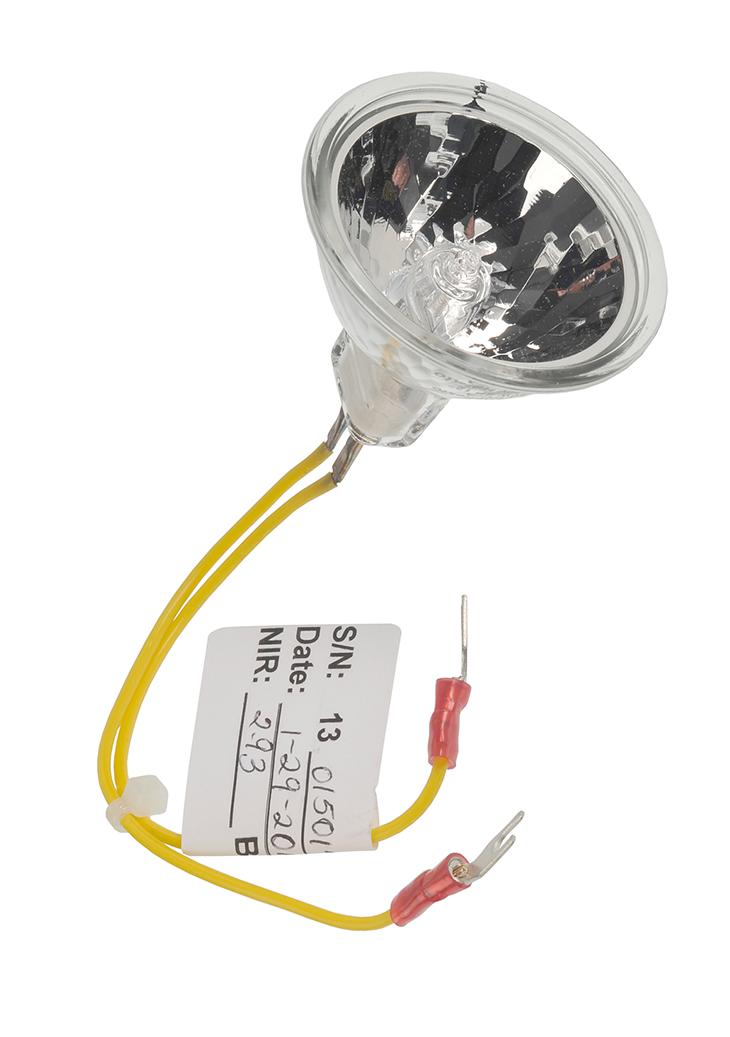


- 8.691.30038.691.3003Declaration of conformity 691 pH Meter, english
English
- 8.692.10028.692.1002Instructions for Use 692 pH/Ion Meter, french
Outros idiomas
- 8.693.10718.693.1071Tutorial "Erste Hilfe für Polarographie und Voltammetrie", german
Outros idiomas
- 8.697.10018.697.1001Instructions for Use 697 IC Pump, german
Outros idiomas
- 8.698.10118.698.1011Manual for 698 Autosampler, German
Outros idiomas
- 8.698.10128.698.1012Instructions for Use 698 Autosampler, French
Outros idiomas
- 8.700.10218.700.1021Instructions for Use 700 Dosino, German
Outros idiomas
- 8.700.10228.700.1022Instructions for Use 700 Dosino, French
Outros idiomas
- 8.700.10258.700.1025Instructions for Use 700 Dosino, Spanish
Outros idiomas
- 8.700.30038.700.3003EU declaration of conformity for 700 Dosino
English
Outros idiomas
- 8.701.10018.701.1001Instructions for Use 701 KF Titrino, german
Outros idiomas
- 8.701.10028.701.1002Instructions for Use 701 KF Titrino, french
Outros idiomas
- 8.701.30038.701.3003Declaration of conformity 701 KF Titrino, english
English
- 8.702.30038.702.3003Declaration of conformity for 702 SM Titrino (English)
English
- 8.703.10018.703.1001Manual for 703 Ti Stand, German
Outros idiomas
- 8.703.30038.703.3003EU declaration of conformity for 703 Ti Stand
English
Outros idiomas
- 8.704.10018.704.1001Instructions for Use 704 pH Meter, german
Outros idiomas
- 8.704.10028.704.1002Instructions for Use 704 pH Meter, french
Outros idiomas
- 8.705.30038.705.3003Declaration of conformity for 705 UV Digester (English)
English
- 8.707.10118.707.1011Instructions for Use 707 KF Oven, german
Outros idiomas
- 8.707.10128.707.1012Instructions for Use 707 KF Oven, french
Outros idiomas
- 8.707.10158.707.1015Instructions for Use 707 KF Oven, spanish
Outros idiomas
- 8.707.30038.707.3003Declaration of conformity 707 KF Oven, english
English
- 8.708.10018.708.1001Instructions for Use 708 Sampling Unit, german
Outros idiomas
- 8.708.10028.708.1002Instructions for Use 708 Sampling Unit, french
Outros idiomas
- 8.708.30038.708.3003Declaration of conformity 708 Sample Unit, English
English
- 8.709.10318.709.1031Instructions for Use 709 IC Pump, german
Outros idiomas
- 8.709.10328.709.1032Instructions for Use 709 IC Pump, french
Outros idiomas
- 8.709.30038.709.3003Declaration of conformity for 709 IC Pump (English)
English
- 8.711.10218.711.1021Instructions for Use 711 Liquino, German
Outros idiomas
- 8.711.30038.711.3003EU declaration of conformity for 711 Liquino
English
Outros idiomas
- 8.712.10018.712.1001Instructions for Use 712 Conductometer, german
Outros idiomas
- 8.712.10518.712.1051Supplement to Instructions for Use 712 Conductometer, german
Outros idiomas
- 8.712.10528.712.1052Supplement to Instructions for Use 712 Conductometer, french
Outros idiomas
- 8.712.10538.712.1053Supplement to Instructions for Use 712 Conductometer, english
English
- 8.712.10558.712.1055Supplement to Instructions for Use 712 Conductometer, spanish
Outros idiomas
- 8.712.30038.712.3003Declaration of conformity for 712 Conductometer (English)
English
- 8.713.10018.713.1001Instructions for Use 713 pH Meter, german
Outros idiomas
- 8.713.10028.713.1002Instructions for Use pH Meter 713, french
Outros idiomas
- 8.713.10218.713.1021Supplement to Instructions for Use 713 pH Meter, german
Outros idiomas
- 8.713.10228.713.1022Supplement to Instructions for Use pH-Meter 713, french
Outros idiomas
- 8.713.10238.713.1023Supplement to Instructions for Use 713 pH Meter, english
English
- 8.713.10258.713.1025Supplement to Instructions for Use 713 pH Meter, spanish
Outros idiomas
- 8.713.30038.713.3003Declaration of conformity 713 pH Meter, english
English
- 8.714.09038.714.0903Declaration of conformity 714 IC Metrodata, english
English
- 8.715.30038.715.3003Declaration of conformity 715 Dosimat, english
English
- 8.716.10118.716.1011Instructions for Use 716 DMS Titrino, german
Outros idiomas
- 8.716.10158.716.1015Instructions for Use 716 DMS Titrino, spanish
Outros idiomas
- 8.716.30038.716.3003Declaration of conformity 716 DMS Titrino, english
English
- 8.717.30038.717.3003Declaration of conformity 717 Sample Changer, english
English
- 8.718.10018.718.1001Instructions for Use 718 STAT Titrino, german
Outros idiomas
- 8.718.30038.718.3003Declaration of conformity for 718 STAT Titrino (English)
English
- 8.719.11018.719.1101Instructions for Use 719 S Titrino, german
Outros idiomas
- 8.719.11028.719.1102Instructions for Use 719 S Titrino, french
Outros idiomas
- 8.719.11058.719.1105Instructions for Use 719 S Titrino, spanish
Outros idiomas
- 8.719.11118.719.1111Quick References 719 S Titrino, german
Outros idiomas
- 8.719.11128.719.1112Quick References 719 S Titrino, french
Outros idiomas
- 8.719.11158.719.1115Quick References 719 S Titrino, spanish
Outros idiomas
- 8.719.30038.719.3003Declaration of conformity for 719 SET Titrino (English)
English
- 8.720.30038.720.3003Declaration of conformity 720 KFS Titrino, english
English
- 8.721.30038.721.3003Declaration of conformity 721 NET Titrino, english
English
- 8.722.10018.722.1001Instructions for Use 722 Rod Stirrer, german
Outros idiomas
- 8.722.30038.722.3003EU declaration of conformity 722 Rod Stirrer
English
Outros idiomas
- 8.725.10118.725.1011Instructions for Use 725 Dosimat, German
Outros idiomas
- 8.725.30038.725.3003Declaration of conformity 725 Dosimat, English
English
- 8.726.30038.726.3003Declaration of conformity 726 Titroprocessor, english
English
- 8.727.30038.727.3003Declaration of conformity for 727 Ti Stand (English)
English
- 8.728.30038.728.3003Eu declaration of conformity for 728 Magnetic Stirrer
English
Outros idiomas
- 8.729.30038.729.3003Declaration of conformity 729 Dosimat Interface, English
English
- 8.730.11018.730.1101Instructions for Use 730 Sample Changer, German
Outros idiomas
- 8.730.11028.730.1102Instructions for Use 730 Sample Changer, French
Outros idiomas
- 8.730.11058.730.1105Instructions for Use 730 Sample Changer, Spanish
Outros idiomas
- 8.730.11118.730.1111Quick References 730 Sample Changer, German
Outros idiomas
- 8.730.11128.730.1112Quick References 730 Sample Changer, French
Outros idiomas
- 8.730.11158.730.1115Quick References 730 Sample Changer, Spanish
Outros idiomas
- 8.730.11218.730.1121Tutorial 730 Sample Changer, German
Outros idiomas
- 8.730.11228.730.1122Tutorial 730 Sample Changer, French
Outros idiomas
- 8.730.11238.730.1123Tutorial 730 Sample Changer, English
English
- 8.730.11258.730.1125Tutorial 730 Sample Changer, Spanish
Outros idiomas
- 8.730.30038.730.3003Declaration of conformity 730 Sample Changer, English
English
- 8.731.10018.731.1001Instructions for Use 731 Relay Box, german
Outros idiomas
- 8.731.30038.731.3003EU declaration of conformity for 731 Relay Box
English
Outros idiomas
- 8.732.10318.732.1031Instructions for Use 732 IC Detector/733 IC Separation Center, german
Outros idiomas
- 8.732.10328.732.1032Instructions for Use 732 IC Detector/733 IC Separation Center, french
Outros idiomas
- 8.732.10358.732.1035Manual 732 IC Detector/733 IC Separation Center, Spanish
Outros idiomas
- 8.732.10458.732.1045Quick reference guide for 732 IC Detector/733 IC Separation Center, Spanish
Outros idiomas
- 8.732.30038.732.3003Declaration of conformity for 732 IC Detector (English)
English
- 8.733.30038.733.3003Declaration of conformity 733 IC Separation Center, english
English
- 8.736.10018.736.1001Instructions for Use 736 GP Titrino, german
Outros idiomas
- 8.736.10118.736.1011Quick References 736 GP Titrino, german
Outros idiomas
- 8.736.10128.736.1012Quick References 736 GP Titrino, french
Outros idiomas
- 8.736.10158.736.1015Quick References 736 GP Titrino, spanish
Outros idiomas
- 8.736.10238.736.1023Short Instructions for Use 736 GP Titrino, English
English
- 8.736.30038.736.3003Declaration of conformity 736 GP Titrino, english
English
- 8.737.30038.737.3003Declaration of conformity 737 KF Coulometer, english
English
- 8.741.30038.741.3003EU declaration of conformity 741 Magnetic Stirrer
English
Outros idiomas
- 8.743.09038.743.0903Declaration of conformity for 743 Rancimat Software 1.0, english
English
- 8.743.30028.743.3002Declaration of conformity 743 Rancimat software 1.1
English
- 8.743.30038.743.3003Declaration of conformity for 743 Rancimat, english
English
- 8.744.10018.744.1001Instructions for Use 744 pH Meter, German
Outros idiomas
- 8.744.30038.744.3003Declaration of conformity 744 pH Meter, english
English
- 8.746.30038.746.3003Declaration of conformity for 746 VA Trace Analyzer (English)
English
- 8.746.80378.746.8037Supplement to VA Database 2.1 Software, german/english
English
Outros idiomas
- 8.746.80478.746.8047Supplement to Instructions for Use VA Database 2.2 Software, german/english
English
Outros idiomas
- 8.747.30038.747.3003Declaration of conformity for 747 VA Stand (English)
English
- 8.748.10018.748.1001Instructions for Use 748 DH Sample Changer, german
Outros idiomas
- 8.751.11018.751.1101Instructions for Use 751 GPD Titrino, german
Outros idiomas
- 8.751.11118.751.1111Quick References 751 GPD Titrino, german
Outros idiomas
- 8.751.11218.751.1121Short Instructions for Use 751 GPD Titrino, german
Outros idiomas
- 8.751.11238.751.1123Short Instructions for Use 751 GPD Titrino, english
Outros idiomas
- 8.751.30038.751.3003Declaration of conformity 751 GPD Titrino, english
English
- 8.752.30038.752.3003Declaration of conformity 752 Pump Unit, english
English
- 8.753.10018.753.1001Instructions for Use753 Suppressor Module, german
Outros idiomas
- 8.753.10218.753.1021Supplement to Instructions for Use 753 Suppressor Module, german
Outros idiomas
- 8.753.10238.753.1023Supplement to Instructions for Use 753 Suppressor Module, english
English
- 8.754.10018.754.1001Instructions for Use 754 Dialysis Unit, german
Outros idiomas
- 8.754.30038.754.3003Declaration of conformity 754 Dialysis Unit, english
English
- 8.756.30038.756.3003EU declaration of conformity for 756 KF Coulometer
English
Outros idiomas
- 8.757.10118.757.1011Instructions for Use 757 VA Computrace Hardware, german
Outros idiomas
- 8.757.30038.757.3003Declaration of conformity for 757 VA Computrace, english
English
- 8.757.80218.757.8021Instructions for Use 757 VA Computrace Software 2.0, german
Outros idiomas
- 8.757.80228.757.8022Instructions for Use 757 VA Computrace Software 2.0, french
Outros idiomas
- 8.757.80378.757.8037Leaflet to Software CD 757 VA Computrace Software, german/english
English
Outros idiomas
- 8.758.12018.758.1201Instructions for Use 758 KFD Titrino, german
Outros idiomas
- 8.758.12028.758.1202Instructions for Use 758 KFD Titrino, french
Outros idiomas
- 8.758.12058.758.1205Instructions for Use 758 KFD Titrino, spanish
Outros idiomas
- 8.758.12118.758.1211Quick References 758 KFD Titrino, german
Outros idiomas
- 8.758.12128.758.1212Quick References 758 KFD Titrino, french
Outros idiomas
- 8.758.12158.758.1215Quick References 758 KFD Titrino, spanish
Outros idiomas
- 8.758.12218.758.1221Short Instructions for Use 758 KFD Titrino, german
Outros idiomas
- 8.758.12228.758.1222Short Instructions for Use 758 KFD Titrino, french
Outros idiomas
- 8.758.12258.758.1225Short Instructions for Use 758 KFD Titrino, spanish
Outros idiomas
- 8.759.30038.759.3003Declaration of conformity 759 Swing Head, english
English
- 8.760.10118.760.1011Instructions for Use 760 Sample Changer, german
Outros idiomas
- 8.760.30038.760.3003Declaration of conformity 760 Sample Changer, english
English
- 8.761.10418.761.1041Instructions for Use 761 SD Compact IC, german
Outros idiomas
- 8.761.10618.761.1061Instructions for Use 761 Compact IC, german
Outros idiomas
- 8.761.10628.761.1062Instructions for Use 761 Compact IC, french
Outros idiomas
- 8.761.10658.761.1065Instructions for Use 761 Compact IC, spanish
Outros idiomas
- 8.761.30038.761.3003Declaration of conformity for 761 Compact IC (English)
English
- 8.761.30138.761.3013Declaration of conformity for 761 SD Compact IC (English)
English
- 8.762.10018.762.1001Instructions for Use 762 IC Interface, german
Outros idiomas
- 8.762.30038.762.3003Declaration of conformity 762 IC Interface, english
English
- 8.763.09038.763.0903Declaration of conformity for 763 PVC Thermomat Software 1.0 (English)
English
- 8.763.10018.763.1001Instructions for Use 763 PVC Thermomat, german
Outros idiomas
- 8.763.10318.763.1031Supplement to Instructions for Use 763 PVC Thermomat, german
Outros idiomas
- 8.763.10338.763.1033Supplement to Instructions for Use 763 PVC Thermomat, english
English
- 8.763.30038.763.3003EU declaration of conformity for 763 PVC Thermomat
English
- 8.765.10218.765.1021Instructions for Use 765 Dosimat, German
Outros idiomas
- 8.765.10228.765.1022Instructions for Use 765 Dosimat, French
Outros idiomas
- 8.765.10258.765.1025Instructions for Use 765 Dosimat, Spanish
Outros idiomas
- 8.765.30038.765.3003Declaration of conformity 765 Dosimat, English
English
- 8.766.10018.766.1001Instructions for Use 766 IC Sample Processor, german
Outros idiomas
- 8.766.10118.766.1011Quick References 766 IC Sample Processor, german
Outros idiomas
- 8.766.10218.766.1021Supplement to Instructions for Use 766 IC Sample Processor, german
Outros idiomas
- 8.766.10238.766.1023Supplement to Instructions for Use 766 IC Sample Processor, english
English
- 8.766.30038.766.3003Declaration of conformity 766 IC Sample Processor, english
English
- 8.767.10218.767.1021Instructions for Use 767 Calibrated Reference, german
Outros idiomas
- 8.767.10228.767.1022Instructions for Use 767 Calibrated Reference, french
Outros idiomas
- 8.767.10258.767.1025Instructions for Use 767 Calibrated Reference, spanish
Outros idiomas
- 8.767.12018.767.1201Quick References 767 Calibrated Reference, german
Outros idiomas
- 8.767.12028.767.1202Quick References 767 Calibrated Reference, french
Outros idiomas
- 8.767.12058.767.1205Quick References 767 Calibrated Reference, spanish
Outros idiomas
- 8.767.30138.767.3013Declaration of conformity 767 Calibrated Reference, english
English
- 8.768.10018.768.1001Instructions for Use 768 KF Oven, german
Outros idiomas
- 8.768.10028.768.1002Instructions for Use 768 KF Oven, french
Outros idiomas
- 8.768.10058.768.1005Instructions for Use 768 KF Oven, spanish
Outros idiomas
- 8.768.10158.768.1015Quick References 768 KF Oven, spanish
Outros idiomas
- 8.768.30038.768.3003Declaration of conformity 768 KF Oven, english
English
- 8.771.10018.771.1001Instructions for Use 771 IC Compact Interface, german
Outros idiomas
- 8.771.30038.771.3003EU declaration of conformity 771 IC Compact Interface
English
Outros idiomas
- 8.772.30018.772.3001Declaration of Conformity for 772 Pump Unit
English
Outros idiomas
- 8.773.30138.773.3013Declaration of conformity 773 pH/mV Simulator, english
English
- 8.774.10028.774.1002Instructions for Use 774 Oven Sample Processor, French
Outros idiomas
- 8.774.10058.774.1005Instructions for Use 774 Oven Sample Processor, Spanish
Outros idiomas
- 8.774.10118.774.1011Quick References 774 Oven Sample Processor, German
Outros idiomas
- 8.774.10128.774.1012Quick Reference 774 Oven Sample Processor, French
Outros idiomas
- 8.774.10158.774.1015Quick Reference 774 Oven Sample Changer, Spanish
Outros idiomas
- 8.774.10218.774.1021Tutorial 774 Oven Sample Processor, German
Outros idiomas
- 8.774.10228.774.1022Tutorial 774 Oven Sample Processor, French
Outros idiomas
- 8.774.10238.774.1023Tutorial 774 Oven Sample Processor, English
English
- 8.774.10258.774.1025Tutorial 774 Oven Sample Processor, Spanish
Outros idiomas
- 8.774.10418.774.1041Instructions for Use 774 Oven Sample Processor, German
Outros idiomas
- 8.774.30038.774.3003Declaration of conformity 774 Oven Sample Processor, English
English
- 8.775.10118.775.1011Instructions for Use 775 Dosimat, German
Outros idiomas
- 8.775.10128.775.1012Instructions for Use 775 Dosimat, French
Outros idiomas
- 8.775.10158.775.1015Instructions for Use 775 Dosimat, Spanish
Outros idiomas
- 8.775.30038.775.3003Declaration of conformity 775 Dosimat, English
English
- 8.776.10118.776.1011Quick References 776 Dosimat, German
Outros idiomas
- 8.776.10128.776.1012Quick References 776 Dosimat, French
Outros idiomas
- 8.776.10158.776.1015Quick References 776 Dosimat, Spanish
Outros idiomas
- 8.776.10218.776.1021Instructions for Use 776 Dosimat, German
Outros idiomas
- 8.776.10228.776.1022Instructions for Use 776 Dosimat, French
Outros idiomas
- 8.776.10258.776.1025Instructions for use 776 Dosimat, Spanish
Outros idiomas
- 8.776.30038.776.3003Declaration of conformity 776 Dosimat, English
English
- 8.778.30038.778.3003EU declaration of conformity 778 Sample Processor
English
- 8.780.30018.780.3001EU Declaration of conformity for 780 pH-meter
English
Outros idiomas
- 8.781.30018.781.3001Declaration of conformity for 781 pH/ion meter
English
Outros idiomas
- 8.781.30038.781.3003EU declaration of conformity 781 pH/Ion Meter
English
- 8.782.10018.782.1001Instructions for Use 782 IC Column Thermostat, german
Outros idiomas