ECAT Complete Package
ECAT.COMPLETE.S
-
- Rotating Ring Disk Electrode
- AUT.RRDE.S
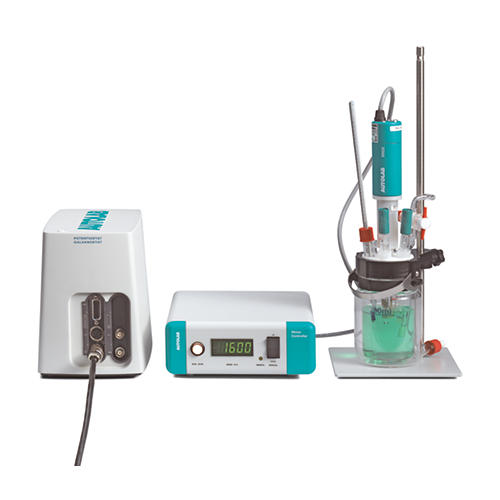
- The Autolab RRDE is a low-noise rotating ring disk electrode that can be used to perform electrochemical measurements under controlled hydrodynamic conditions. The ring and disk electrode assembly provides the means to detect reaction intermediates in situ through collection experiments.The Autolab RRDE uses 2 identical friction-less mercury contacts for low noise measurements and can be used with any Autolab potentiostat/galvanostat fitted with the BA, dual-mode bipotentiostat module.The rotation speed of the RRDE is controlled manually with the button on the front of the motor control unit. The RRDE can also be controlled remotely with the Autolab software. The rotation speed can be varied continuously between 100 and 10,000 rpm with a resolution of 1 rpm.
- <p>The Autolab RRDE is a low-noise rotating ring disk electrode that can be used to perform electrochemical measurements under controlled hydrodynamic conditions. The ring and disk electrode assembly provides the means to detect reaction intermediates in situ through collection experiments.</p><p><br />The Autolab RRDE uses 2 identical friction-less mercury contacts for low noise measurements and can be used with any Autolab potentiostat/galvanostat fitted with the BA, dual-mode bipotentiostat module.</p><p><br />The rotation speed of the RRDE is controlled manually with the button on the front of the motor control unit. The RRDE can also be controlled remotely with the Autolab software. The rotation speed can be varied continuously between 100 and 10,000 rpm with a resolution of 1 rpm.<br /> </p>
- PCS
- 1
- Autolab PGSTAT302N
- AUT302N.S
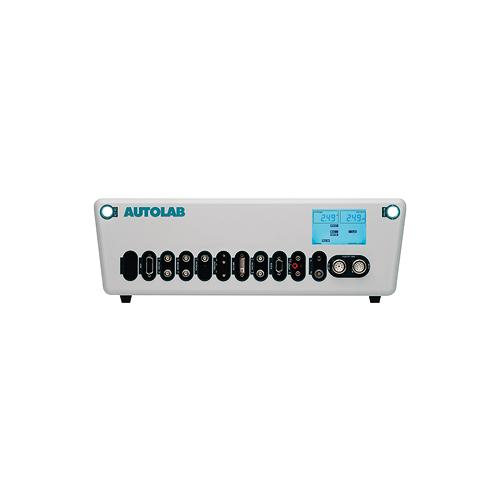
- This high end, high current potentiostat/galvanostat, with a compliance voltage of 30 V and a bandwidth of 1 MHz, combined with our FRA32M module, is specially designed for electrochemical impedance spectroscopy.The PGSTAT302N is the successor of the popular PGSTAT30. The maximum current is 2 A, the current range can be extended to 20 A with the BOOSTER20A, the current resolution is 30 fA at a current range of 10 nA.
- <p>This high end, high current potentiostat/galvanostat, with a compliance voltage of 30 V and a bandwidth of 1 MHz, combined with our FRA32M module, is specially designed for electrochemical impedance spectroscopy.</p><p>The PGSTAT302N is the successor of the popular PGSTAT30. The maximum current is 2 A, the current range can be extended to 20 A with the BOOSTER20A, the current resolution is 30 fA at a current range of 10 nA.</p>
- PCS
- 1
- Dual mode bipotentiostat module
- BA.S
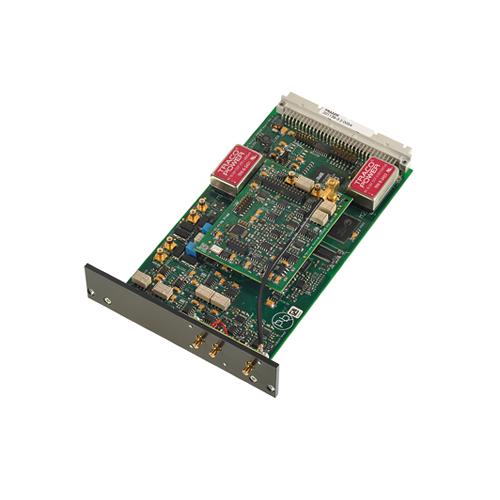
- The BA is a dual-mode bipotentiostat module that converts the Autolab into a double channel potentiostat with which measurements on 2 working electrodes can be performed sharing the same counter and reference electrode.In the Bipotentiostat mode, a fixed potential is applied to the second channel (second Working Electrode) while applying a potential step or a sweep to the first channel (first Working Electrode). In the Scanning Bipotentiostat mode, a potential offset with respect to the first channel is applied to the second channel.
- <p>The BA is a dual-mode bipotentiostat module that converts the Autolab into a double channel potentiostat with which measurements on 2 working electrodes can be performed sharing the same counter and reference electrode.<br />In the Bipotentiostat mode, a fixed potential is applied to the second channel (second Working Electrode) while applying a potential step or a sweep to the first channel (first Working Electrode). In the Scanning Bipotentiostat mode, a potential offset with respect to the first channel is applied to the second channel.<br /> </p>
- PCS
- 1
- Electrochemical impedance spectroscopy module
- FRA32M.S
- The FRA32M provides the means to perform impedance and electrochemical impedance measurements in combination with the Autolab. This module allows one to perform both potentiostatic and galvanostatic impedance measurements over a wide frequency range of 10 µHz to 32 MHz (limited to 1 MHz in combination with the Autolab PGSTAT). In addition to the classical EIS, the NOVA software also allows the users to modulate other outside signals such as rotation speed of a rotating disk electrode or the frequency of a light source to perform Electro-hydrodynamic or Photo-modulated impedance spectroscopy.The FRA32M module comes with a powerful fit and simulation software for the analysis of impedance data.
- <p>The FRA32M provides the means to perform impedance and electrochemical impedance measurements in combination with the Autolab. This module allows one to perform both potentiostatic and galvanostatic impedance measurements over a wide frequency range of 10 µHz to 32 MHz (limited to 1 MHz in combination with the Autolab PGSTAT). In addition to the classical EIS, the NOVA software also allows the users to modulate other outside signals such as rotation speed of a rotating disk electrode or the frequency of a light source to perform Electro-hydrodynamic or Photo-modulated impedance spectroscopy.</p><p>The FRA32M module comes with a powerful fit and simulation software for the analysis of impedance data.</p>
- PCS
- 1
- Autolab Electrocatalysis RRDE cell
- RRDE.CELL.CPL.S
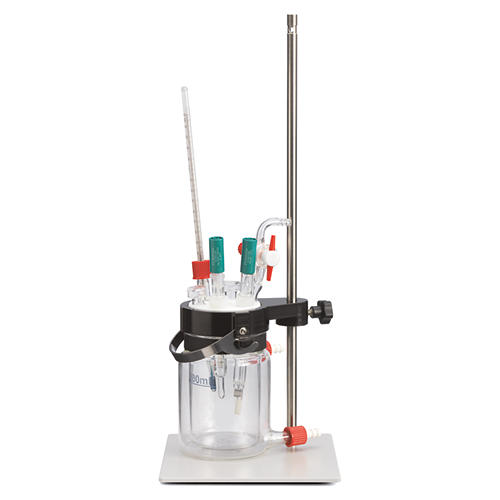
- The Autolab RRDE cell is a complete electrochemical cell designed for experiments under forced convection with the Autolab RRDE (or Autolab RDE2). The kit consists of a glass vessel with a volume of 300 mL, fitted with a thermostatic jacket for temperature control. All the parts that can come in contact with the solution can be cleaned in aggressive conditions, making the cell suitable for typical electrocatalysis experiments or sensitive interfacial electrochemistry measurements.
- <p>The Autolab RRDE cell is a complete electrochemical cell designed for experiments under forced convection with the Autolab RRDE (or Autolab RDE2). The kit consists of a glass vessel with a volume of 300 mL, fitted with a thermostatic jacket for temperature control. </p><p><br />All the parts that can come in contact with the solution can be cleaned in aggressive conditions, making the cell suitable for typical electrocatalysis experiments or sensitive interfacial electrochemistry measurements.<br /> </p>
- PCS
- 1
- True linear scan generator module
- SCAN250.S
- When the processes exhibit very fast transient behavior, such as hydrogen adsorption, digital sweep can lead to loss of information regarding the adsorption process. The SCAN250 module, which has the capability of applying a true analog sweep to the sample, was specially designed to overcome this problem. The true linear scan rate range is from 10 mV/s to 250 kV/s. The SCAN250 module in combination with ADC10M is a very powerful tool for studying fast transients.
- <p>When the processes exhibit very fast transient behavior, such as hydrogen adsorption, digital sweep can lead to loss of information regarding the adsorption process. The SCAN250 module, which has the capability of applying a true analog sweep to the sample, was specially designed to overcome this problem. The true linear scan rate range is from 10 mV/s to 250 kV/s. The SCAN250 module in combination with ADC10M is a very powerful tool for studying fast transients.</p>
- PCS
- 1
- Voltage and pH measurement module
- pX1000.S
- The pX1000 allows the measurements of pH or pX values during electrochemical experiments. This module also provides an additional Pt1000 input which allows recording of the temperature during the experiments, either through a Pt1000 sensor or through a combined pH/Pt1000 sensor. The temperature measurement allows automatic pH corrections.The pX1000 module can also be used as an additional differential electrometer, with the same specifications as the main Autolab electrometer. The pX1000 module is compatible with the Metrohm pH and temperature sensors.The user can connect any pH, pX or ‘double’ electrode to the pX1000 module. In case an electrode other than a pH electrode is used, the output is given as the voltage difference that is measured between the electrodes making it possible to connect a detection electrode to perform coulometric titration. The pX1000 module also works as an independent pH meter.
- <p>The pX1000 allows the measurements of pH or pX values during electrochemical experiments. This module also provides an additional Pt1000 input which allows recording of the temperature during the experiments, either through a Pt1000 sensor or through a combined pH/Pt1000 sensor. The temperature measurement allows automatic pH corrections.</p><p>The pX1000 module can also be used as an additional differential electrometer, with the same specifications as the main Autolab electrometer. The pX1000 module is compatible with the Metrohm pH and temperature sensors.</p><p>The user can connect any pH, pX or ‘double’ electrode to the pX1000 module. In case an electrode other than a pH electrode is used, the output is given as the voltage difference that is measured between the electrodes making it possible to connect a detection electrode to perform coulometric titration. The pX1000 module also works as an independent pH meter.<br /> </p>
- PCS
- 1
-
- Rotating Ring Disk Electrode
- AUT.RRDE.S
- The Autolab RRDE is a low-noise rotating ring disk electrode that can be used to perform electrochemical measurements under controlled hydrodynamic conditions. The ring and disk electrode assembly provides the means to detect reaction intermediates in situ through collection experiments.The Autolab RRDE uses 2 identical friction-less mercury contacts for low noise measurements and can be used with any Autolab potentiostat/galvanostat fitted with the BA, dual-mode bipotentiostat module.The rotation speed of the RRDE is controlled manually with the button on the front of the motor control unit. The RRDE can also be controlled remotely with the Autolab software. The rotation speed can be varied continuously between 100 and 10,000 rpm with a resolution of 1 rpm.
- <p>The Autolab RRDE is a low-noise rotating ring disk electrode that can be used to perform electrochemical measurements under controlled hydrodynamic conditions. The ring and disk electrode assembly provides the means to detect reaction intermediates in situ through collection experiments.</p><p><br />The Autolab RRDE uses 2 identical friction-less mercury contacts for low noise measurements and can be used with any Autolab potentiostat/galvanostat fitted with the BA, dual-mode bipotentiostat module.</p><p><br />The rotation speed of the RRDE is controlled manually with the button on the front of the motor control unit. The RRDE can also be controlled remotely with the Autolab software. The rotation speed can be varied continuously between 100 and 10,000 rpm with a resolution of 1 rpm.<br /> </p>
- PCS
- 1
- Autolab PGSTAT302N
- AUT302N.S
- This high end, high current potentiostat/galvanostat, with a compliance voltage of 30 V and a bandwidth of 1 MHz, combined with our FRA32M module, is specially designed for electrochemical impedance spectroscopy.The PGSTAT302N is the successor of the popular PGSTAT30. The maximum current is 2 A, the current range can be extended to 20 A with the BOOSTER20A, the current resolution is 30 fA at a current range of 10 nA.
- <p>This high end, high current potentiostat/galvanostat, with a compliance voltage of 30 V and a bandwidth of 1 MHz, combined with our FRA32M module, is specially designed for electrochemical impedance spectroscopy.</p><p>The PGSTAT302N is the successor of the popular PGSTAT30. The maximum current is 2 A, the current range can be extended to 20 A with the BOOSTER20A, the current resolution is 30 fA at a current range of 10 nA.</p>
- PCS
- 1
- Dual mode bipotentiostat module
- BA.S
- The BA is a dual-mode bipotentiostat module that converts the Autolab into a double channel potentiostat with which measurements on 2 working electrodes can be performed sharing the same counter and reference electrode.In the Bipotentiostat mode, a fixed potential is applied to the second channel (second Working Electrode) while applying a potential step or a sweep to the first channel (first Working Electrode). In the Scanning Bipotentiostat mode, a potential offset with respect to the first channel is applied to the second channel.
- <p>The BA is a dual-mode bipotentiostat module that converts the Autolab into a double channel potentiostat with which measurements on 2 working electrodes can be performed sharing the same counter and reference electrode.<br />In the Bipotentiostat mode, a fixed potential is applied to the second channel (second Working Electrode) while applying a potential step or a sweep to the first channel (first Working Electrode). In the Scanning Bipotentiostat mode, a potential offset with respect to the first channel is applied to the second channel.<br /> </p>
- PCS
- 1
- Electrochemical impedance spectroscopy module
- FRA32M.S
- The FRA32M provides the means to perform impedance and electrochemical impedance measurements in combination with the Autolab. This module allows one to perform both potentiostatic and galvanostatic impedance measurements over a wide frequency range of 10 µHz to 32 MHz (limited to 1 MHz in combination with the Autolab PGSTAT). In addition to the classical EIS, the NOVA software also allows the users to modulate other outside signals such as rotation speed of a rotating disk electrode or the frequency of a light source to perform Electro-hydrodynamic or Photo-modulated impedance spectroscopy.The FRA32M module comes with a powerful fit and simulation software for the analysis of impedance data.
- <p>The FRA32M provides the means to perform impedance and electrochemical impedance measurements in combination with the Autolab. This module allows one to perform both potentiostatic and galvanostatic impedance measurements over a wide frequency range of 10 µHz to 32 MHz (limited to 1 MHz in combination with the Autolab PGSTAT). In addition to the classical EIS, the NOVA software also allows the users to modulate other outside signals such as rotation speed of a rotating disk electrode or the frequency of a light source to perform Electro-hydrodynamic or Photo-modulated impedance spectroscopy.</p><p>The FRA32M module comes with a powerful fit and simulation software for the analysis of impedance data.</p>
- PCS
- 1
- Autolab Electrocatalysis RRDE cell
- RRDE.CELL.CPL.S
- The Autolab RRDE cell is a complete electrochemical cell designed for experiments under forced convection with the Autolab RRDE (or Autolab RDE2). The kit consists of a glass vessel with a volume of 300 mL, fitted with a thermostatic jacket for temperature control. All the parts that can come in contact with the solution can be cleaned in aggressive conditions, making the cell suitable for typical electrocatalysis experiments or sensitive interfacial electrochemistry measurements.
- <p>The Autolab RRDE cell is a complete electrochemical cell designed for experiments under forced convection with the Autolab RRDE (or Autolab RDE2). The kit consists of a glass vessel with a volume of 300 mL, fitted with a thermostatic jacket for temperature control. </p><p><br />All the parts that can come in contact with the solution can be cleaned in aggressive conditions, making the cell suitable for typical electrocatalysis experiments or sensitive interfacial electrochemistry measurements.<br /> </p>
- PCS
- 1
- True linear scan generator module
- SCAN250.S
- When the processes exhibit very fast transient behavior, such as hydrogen adsorption, digital sweep can lead to loss of information regarding the adsorption process. The SCAN250 module, which has the capability of applying a true analog sweep to the sample, was specially designed to overcome this problem. The true linear scan rate range is from 10 mV/s to 250 kV/s. The SCAN250 module in combination with ADC10M is a very powerful tool for studying fast transients.
- <p>When the processes exhibit very fast transient behavior, such as hydrogen adsorption, digital sweep can lead to loss of information regarding the adsorption process. The SCAN250 module, which has the capability of applying a true analog sweep to the sample, was specially designed to overcome this problem. The true linear scan rate range is from 10 mV/s to 250 kV/s. The SCAN250 module in combination with ADC10M is a very powerful tool for studying fast transients.</p>
- PCS
- 1
- Voltage and pH measurement module
- pX1000.S
- The pX1000 allows the measurements of pH or pX values during electrochemical experiments. This module also provides an additional Pt1000 input which allows recording of the temperature during the experiments, either through a Pt1000 sensor or through a combined pH/Pt1000 sensor. The temperature measurement allows automatic pH corrections.The pX1000 module can also be used as an additional differential electrometer, with the same specifications as the main Autolab electrometer. The pX1000 module is compatible with the Metrohm pH and temperature sensors.The user can connect any pH, pX or ‘double’ electrode to the pX1000 module. In case an electrode other than a pH electrode is used, the output is given as the voltage difference that is measured between the electrodes making it possible to connect a detection electrode to perform coulometric titration. The pX1000 module also works as an independent pH meter.
- <p>The pX1000 allows the measurements of pH or pX values during electrochemical experiments. This module also provides an additional Pt1000 input which allows recording of the temperature during the experiments, either through a Pt1000 sensor or through a combined pH/Pt1000 sensor. The temperature measurement allows automatic pH corrections.</p><p>The pX1000 module can also be used as an additional differential electrometer, with the same specifications as the main Autolab electrometer. The pX1000 module is compatible with the Metrohm pH and temperature sensors.</p><p>The user can connect any pH, pX or ‘double’ electrode to the pX1000 module. In case an electrode other than a pH electrode is used, the output is given as the voltage difference that is measured between the electrodes making it possible to connect a detection electrode to perform coulometric titration. The pX1000 module also works as an independent pH meter.<br /> </p>
- PCS
- 1