You have been redirected to your local version of the requested page
ECAT compact package

ECAT compact package

ECAT.COMPACT.S

ECAT compact package

en

ECAT.COMPACT.S

    • Rotating Ring Disk Electrode
    • AUT.RRDE.S
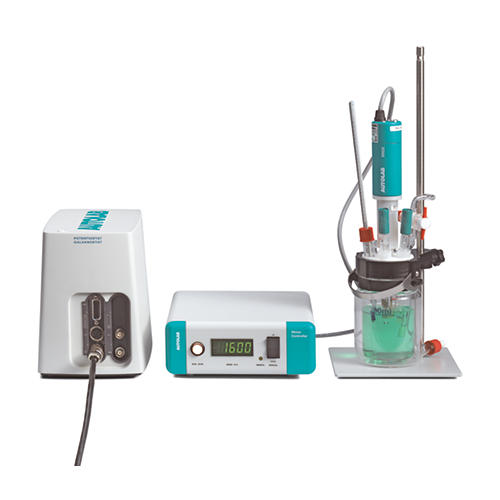
    • The Autolab RRDE is a low-noise rotating ring disk electrode that can be used to perform electrochemical measurements under controlled hydrodynamic conditions. The ring and disk electrode assembly provides the means to detect reaction intermediates in situ through collection experiments.The Autolab RRDE uses 2 identical friction-less mercury contacts for low noise measurements and can be used with any Autolab potentiostat/galvanostat fitted with the BA, dual-mode bipotentiostat module.The rotation speed of the RRDE is controlled manually with the button on the front of the motor control unit. The RRDE can also be controlled remotely with the Autolab software.  The rotation speed can be varied continuously between 100 and 10,000 rpm with a resolution of 1 rpm. 
    • <p>The Autolab RRDE is a low-noise rotating ring disk electrode that can be used to perform electrochemical measurements under controlled hydrodynamic conditions. The ring and disk electrode assembly provides the means to detect reaction intermediates in situ through collection experiments.</p><p><br />The Autolab RRDE uses 2 identical friction-less mercury contacts for low noise measurements and can be used with any Autolab potentiostat/galvanostat fitted with the BA, dual-mode bipotentiostat module.</p><p><br />The rotation speed of the RRDE is controlled manually with the button on the front of the motor control unit. The RRDE can also be controlled remotely with the Autolab software.&nbsp; The rotation speed can be varied continuously between 100 and 10,000 rpm with a resolution of 1 rpm.<br />&nbsp;</p>
    • PCS
    • 1
    • Autolab PGSTAT204
    • AUT204.S
    • The PGSTAT204 combines the small footprint with a modular design. The instrument includes a base potentiostat/galvanostat with a compliance voltage of 20 V and a maximum current of 400 mA or 10 A in combination with the BOOSTER10A. The potentiostat can be expanded at any time with one additional module, for example the FRA32M electrochemical impedance spectroscopy (EIS) module.The PGSTAT204 is an affordable instrument which can be located anywhere in the lab. Analog and digital inputs/outputs are available to control Autolab accessories and external devices are available. The PGSTAT204 includes a built-in analog integrator. In combination with the powerful NOVA software it can be used for most of the standard electrochemical techniques.
    • <p>The PGSTAT204 combines the small footprint with a modular design. The instrument includes a base potentiostat/galvanostat with a compliance voltage of 20 V and a maximum current of 400 mA or 10 A in combination with the BOOSTER10A. The potentiostat can be expanded at any time with one additional module, for example the FRA32M electrochemical impedance spectroscopy (EIS) module.</p><p>The PGSTAT204 is an affordable instrument which can be located anywhere in the lab. Analog and digital inputs/outputs are available to control Autolab accessories and external devices are available. The PGSTAT204 includes a built-in analog integrator. In combination with the powerful NOVA software it can be used for most of the standard electrochemical techniques.</p>
    • PCS
    • 1
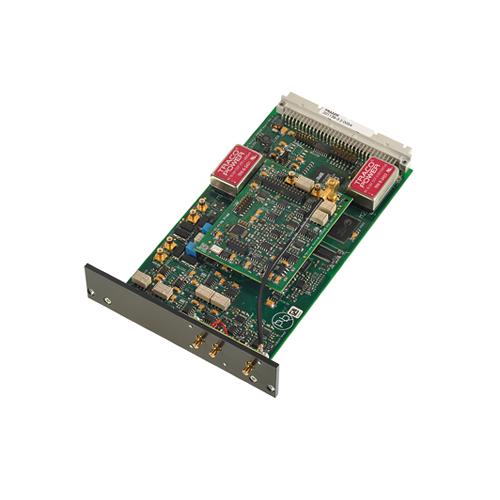
    • Dual mode bipotentiostat module
    • BA.MAC.204
    • The BA is a dual-mode bipotentiostat module that converts the Autolab into a double channel potentiostat with which measurements on 2 working electrodes can be performed sharing the same counter and reference electrode.In the Bipotentiostat mode, a fixed potential is applied to the second channel (second Working Electrode) while applying a potential step or a sweep to the first channel (first Working Electrode). In the Scanning Bipotentiostat mode, a potential offset with respect to the first channel is applied to the second channel.
    • <p>The BA is a dual-mode bipotentiostat module that converts the Autolab into a double channel potentiostat with which measurements on 2 working electrodes can be performed sharing the same counter and reference electrode.<br /><br />In the Bipotentiostat mode, a fixed potential is applied to the second channel (second Working Electrode) while applying a potential step or a sweep to the first channel (first Working Electrode). In the Scanning Bipotentiostat mode, a potential offset with respect to the first channel is applied to the second channel.</p>
    • PCS
    • 1
    • Autolab Electrocatalysis RRDE cell
    • RRDE.CELL.CPL.S
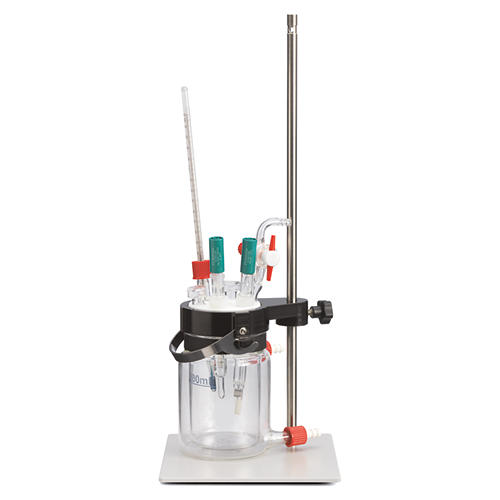
    • The Autolab RRDE cell is a complete electrochemical cell designed for experiments under forced convection with the Autolab RRDE (or Autolab RDE2). The kit consists of a glass vessel with a volume of 300 mL, fitted with a thermostatic jacket for temperature control. All the parts that can come in contact with the solution can be cleaned in aggressive conditions, making the cell suitable for typical electrocatalysis experiments or sensitive interfacial electrochemistry measurements. 
    • <p>The Autolab RRDE cell is a complete electrochemical cell designed for experiments under forced convection with the Autolab RRDE (or Autolab RDE2). The kit consists of a glass vessel with a volume of 300 mL, fitted with a thermostatic jacket for temperature control. </p><p><br />All the parts that can come in contact with the solution can be cleaned in aggressive conditions, making the cell suitable for typical electrocatalysis experiments or sensitive interfacial electrochemistry measurements.<br />&nbsp;</p>
    • PCS
    • 1
    • Rotating ring disk electrode, Glassy Carbon disk Platinum ring
    • RRDE.GCPT.S
    • The RRDE electrode tip consist of a 5 mm disc of Glassy Carbon with a concentric platinum ring at a distance of 375µm, leading to a theoretical collection efficiency of 24.9%.
    • <p>The RRDE electrode tip consist of a 5 mm disc of Glassy Carbon with a concentric platinum ring at a distance of 375&micro;m, leading to a theoretical collection efficiency of 24.9%.</p>
    • PCS
    • 1
    • Rotating Ring Disk Electrode
    • AUT.RRDE.S
    • The Autolab RRDE is a low-noise rotating ring disk electrode that can be used to perform electrochemical measurements under controlled hydrodynamic conditions. The ring and disk electrode assembly provides the means to detect reaction intermediates in situ through collection experiments.The Autolab RRDE uses 2 identical friction-less mercury contacts for low noise measurements and can be used with any Autolab potentiostat/galvanostat fitted with the BA, dual-mode bipotentiostat module.The rotation speed of the RRDE is controlled manually with the button on the front of the motor control unit. The RRDE can also be controlled remotely with the Autolab software.  The rotation speed can be varied continuously between 100 and 10,000 rpm with a resolution of 1 rpm. 
    • <p>The Autolab RRDE is a low-noise rotating ring disk electrode that can be used to perform electrochemical measurements under controlled hydrodynamic conditions. The ring and disk electrode assembly provides the means to detect reaction intermediates in situ through collection experiments.</p><p><br />The Autolab RRDE uses 2 identical friction-less mercury contacts for low noise measurements and can be used with any Autolab potentiostat/galvanostat fitted with the BA, dual-mode bipotentiostat module.</p><p><br />The rotation speed of the RRDE is controlled manually with the button on the front of the motor control unit. The RRDE can also be controlled remotely with the Autolab software.&nbsp; The rotation speed can be varied continuously between 100 and 10,000 rpm with a resolution of 1 rpm.<br />&nbsp;</p>
    • PCS
    • 1
    • Autolab PGSTAT204
    • AUT204.S
    • The PGSTAT204 combines the small footprint with a modular design. The instrument includes a base potentiostat/galvanostat with a compliance voltage of 20 V and a maximum current of 400 mA or 10 A in combination with the BOOSTER10A. The potentiostat can be expanded at any time with one additional module, for example the FRA32M electrochemical impedance spectroscopy (EIS) module.The PGSTAT204 is an affordable instrument which can be located anywhere in the lab. Analog and digital inputs/outputs are available to control Autolab accessories and external devices are available. The PGSTAT204 includes a built-in analog integrator. In combination with the powerful NOVA software it can be used for most of the standard electrochemical techniques.
    • <p>The PGSTAT204 combines the small footprint with a modular design. The instrument includes a base potentiostat/galvanostat with a compliance voltage of 20 V and a maximum current of 400 mA or 10 A in combination with the BOOSTER10A. The potentiostat can be expanded at any time with one additional module, for example the FRA32M electrochemical impedance spectroscopy (EIS) module.</p><p>The PGSTAT204 is an affordable instrument which can be located anywhere in the lab. Analog and digital inputs/outputs are available to control Autolab accessories and external devices are available. The PGSTAT204 includes a built-in analog integrator. In combination with the powerful NOVA software it can be used for most of the standard electrochemical techniques.</p>
    • PCS
    • 1
    • Dual mode bipotentiostat module
    • BA.MAC.204
    • The BA is a dual-mode bipotentiostat module that converts the Autolab into a double channel potentiostat with which measurements on 2 working electrodes can be performed sharing the same counter and reference electrode.In the Bipotentiostat mode, a fixed potential is applied to the second channel (second Working Electrode) while applying a potential step or a sweep to the first channel (first Working Electrode). In the Scanning Bipotentiostat mode, a potential offset with respect to the first channel is applied to the second channel.
    • <p>The BA is a dual-mode bipotentiostat module that converts the Autolab into a double channel potentiostat with which measurements on 2 working electrodes can be performed sharing the same counter and reference electrode.<br /><br />In the Bipotentiostat mode, a fixed potential is applied to the second channel (second Working Electrode) while applying a potential step or a sweep to the first channel (first Working Electrode). In the Scanning Bipotentiostat mode, a potential offset with respect to the first channel is applied to the second channel.</p>
    • PCS
    • 1
    • Autolab Electrocatalysis RRDE cell
    • RRDE.CELL.CPL.S
    • The Autolab RRDE cell is a complete electrochemical cell designed for experiments under forced convection with the Autolab RRDE (or Autolab RDE2). The kit consists of a glass vessel with a volume of 300 mL, fitted with a thermostatic jacket for temperature control. All the parts that can come in contact with the solution can be cleaned in aggressive conditions, making the cell suitable for typical electrocatalysis experiments or sensitive interfacial electrochemistry measurements. 
    • <p>The Autolab RRDE cell is a complete electrochemical cell designed for experiments under forced convection with the Autolab RRDE (or Autolab RDE2). The kit consists of a glass vessel with a volume of 300 mL, fitted with a thermostatic jacket for temperature control. </p><p><br />All the parts that can come in contact with the solution can be cleaned in aggressive conditions, making the cell suitable for typical electrocatalysis experiments or sensitive interfacial electrochemistry measurements.<br />&nbsp;</p>
    • PCS
    • 1
    • Rotating ring disk electrode, Glassy Carbon disk Platinum ring
    • RRDE.GCPT.S
    • The RRDE electrode tip consist of a 5 mm disc of Glassy Carbon with a concentric platinum ring at a distance of 375µm, leading to a theoretical collection efficiency of 24.9%.
    • <p>The RRDE electrode tip consist of a 5 mm disc of Glassy Carbon with a concentric platinum ring at a distance of 375&micro;m, leading to a theoretical collection efficiency of 24.9%.</p>
    • PCS
    • 1