Sie wurden zu Ihrer lokalen Version der angefragten Seite umgeleitet
Kombinierte Ag-Ringelektrode

Kombinierte Ag-Ringelektrode

6.00450.100

Kombinierte Ag-Ringelektrode

de

6.00450.100

Inhalt

Kombinierte Silberringelektrode mit einem Festschliffdiaphragma.
Diese Elektrode eignet sich für Fällungstitrationen bei variierendem pH-Wert (Titriermittel Silbernitrat) von z.B.:
 

  • Chlorid, Bromid, Iodid
  • Sulfiden
  • Schwefelwasserstoff
  • Mercaptane
  • Cyanide


Das Festschliffdiaphragma ist gegenüber Verschmutzung unempfindlich und der fest eingeschmolzene Silberring ist robust gegenüber höher konzentrierten Säuren und Salzlösungen.

Als Referenzelektrolyt und zur Aufbewahrung wird c(KNO3) = 1 mol/ L verwendet.

Je nach Anwendung empfiehlt sich die Verwendung einer Ag-Ringelektrode mit Überzug (AgBr-, AgCl- oder Ag2S-Überzug), die entsprechend bestellt werden kann.


 

Technische Daten

Schliffhülseflexibel
Widerstand (kOhm)5
SchaftmaterialGlas
Messbereich (theoretisch)-2000...2000
MesseinheitmV
Temp.-Dauer (°C)0...70
Temp.-Kurz. (°C)0...70
pH-Bereich0...14
Max. Einbaulänge (mm)125
Schaftdurchmesser oben (mm)12
Schaftdurchmesser unten (mm)6
Minimale Eintauchtiefe (mm)15
ElektrodensteckkopfMetrohm-Steckkopf G
Indikator-ElektrodentypAg
Form Indikator-ElektrodeRing
DiaphragmaFestschliff
Typ des Bezugselektrolytsc(KNO3) = 1 mol/L
Elektrolytausfluss (µl/h) bei 10 cm Wassersäule10...25
ReferenzsystemLL-System

Product Family

title
path
description

Documents

  • 81098047
  • 80005422
  • 81085088
    • de
      title
      Monographie: Elektroden in der Potentiometrie
      description
      Die Potentiometrie ist eine Analysemethode, die schnelle und einfache Analysen durch Messung der Potentialdifferenz zwischen einer Indikatorelektrode und einer Referenzelektrode ermöglicht. Diese Monographie dient als praktischer Leitfaden zu den verschiedenen Elektroden in der Potentiometrie, z. B. bei Titrationen oder ionenselektiven Messungen. Im ersten Teil wird die Theorie der Potentiometrie erläutert. Im zweiten Teil werden verschiedene Elektrodentypen vorgestellt und praktische Tipps zur Handhabung der Elektroden vermittelt.Die wichtigsten Themen sind:Grundlagen der Potentiometrie: Erfahren Sie mehr über den Aufbau eines potentiometrischen Messsystems und die Nernst-Gleichung, die den theoretischen Hintergrund für potentiometrische Messungen liefert.; Ionenselektive Elektroden: Lernen Sie die verschiedenen ionenselektiven Elektroden (ISEs) kennen, die in der Potentiometrie zum Einsatz kommen, sowie die verschiedenen Membrantypen (Glasmembranen, Kristallmembranen oder Polymermembranen) für die Messung verschiedener Ionen.; Die pH-Elektrode ist die gängigste ionenselektive Elektrode. Erfahren Sie mehr über das Funktionsprinzip einer pH-Elektrode und erhalten Sie praktische Tipps zur Kalibrierung, Fehlerbehebung und Wartung.; Metallelektroden werden für Redox-Messungen und Fällungstitrationen verwendet. Erhalten Sie Tipps zur Aufbewahrung und Reinigung dieser Art von Elektroden.; Referenzelektroden: Erfahren Sie, worauf Sie bei der Auswahl einer Referenzelektrode achten müssen, z. B. bei Membran- oder Double-Junction-Elektroden.; Wenn Sie umfangreichere und praktische Informationen zur Potentiometrie benötigen, laden Sie die Monographie herunter.
      language
      de
    • en
      title
      Monograph: Electrodes in potentiometry
      description
      Potentiometry is an analytical method that allows for rapid and simple analyses by measuring the potential difference between an indicator electrode and a reference electrode. This monograph serves as a practical guide about the different electrodes used in potentiometry, such as titrations or ion-selective measurements. The first part explains the theory behind potentiometry. The second part presents different types of electrodes and provides practical tips for electrode handling.Key take-aways:Basics of potentiometry: Learn about the setup of a potentiometric measurement system and the Nernst equation, which provides the theoretical background for potentiometric measurements.; Ion-selective electrodes: Learn about the various ion-sensitive electrodes (ISEs) used in potentiometry, and the different membrane types (glass membranes, crystal membranes, or polymer membranes) used to measure various ions.; The pH-electrode is the most common ion-selective electrode. Learn about the working principle of a pH electrode and practical tips for calibration, troubleshooting, and maintenance.; Metal electrodes are used for redox measurements and precipitation titrations with silver. Get tips on how to store and clean these kinds of electrodes.; Reference electrodes: Learn about the important points to consider when selecting a reference electrode, like the diaphragm or double junction electrodes.; For more comprehensive and practical knowledge of potentiometry, download the monograph.
      language
      en
    • fr
      title
      Monographie : Les électrodes en potentiométrie
      description
      La potentiométrie est une méthode d'analyse permettant de réaliser des analyses rapides et simples en mesurant la différence de potentiel entre une électrode indicatrice et une électrode de référence. Cette monographie est un guide pratique sur les différentes électrodes utilisées en potentiométrie, comme les titrages ou les mesures avec des électrodes ioniques spécifiques. La première partie est consacrée à la théorie de la potentiométrie. La seconde présente les différents types d'électrodes et fournit des conseils pratiques pour leur manipulation.Points forts à retenir :Bases de la potentiométrie : Découvrez la configuration d'un système de mesure potentiométrique ainsi que l'équation de Nernst, qui constitue le fondement théorique des mesures potentiométriques.; Électrodes ioniques spécifiques : Découvrez les différentes électrodes sensibles aux ions (EIS) utilisées en potentiométrie et les différents types de membranes (membranes de verre, cristallines ou polymères) utilisées pour mesurer les différents ions.; L'électrode pH est l'électrode ionique spécifique la plus courante. Découvrez le principe de fonctionnement d'une électrode pH et des conseils pratiques pour son calibrage, le traitement des problèmes et la maintenance.; Les électrodes de métal sont utilisées pour les mesures redox et les titrages par précipitation à l'argent. Apprenez comment stocker et nettoyer ces sortes d'électrodes efficacement.; Électrodes de référence : découvrez les critères essentiels pour choisir une électrode de référence, tels que le type de diaphragme ou les électrodes à double jonction.; Téléchargez cette monographie pour approfondir vos connaissances pratiques et théoriques en potentiométrie.
      language
      fr
    • ja
      title
      モノグラフ: 電位差測定における電極
      description
      電位差測定は、指示電極と参照電極の電位差を測定して迅速かつシンプルな分析を可能にする分析メソッドです。このモノグラフは、滴定やイオン選択性測定などの電位差測定で使用される様々な電極に関する実用的なガイドととして役立ちます。第一部では、電位差測定の背後にある理論について説明しています。第二部では、様々なタイプの電極を紹介し、電極の取り扱いに関する実践的なヒントを提供しています。重要なポイント:電位差測定の基礎: 電位差測定システムのセットアップと、電位差測定の論理的背景となるネルンストの式について学びます。; イオン選択性電極: 電位差測定で使用される様々なイオン選択性電極 (ISEs)、および様々なイオンの測定に用いられる異なる皮膜タイプ (ガラスメンブラン、結晶膜、ポリマーメンブラン) について学びます。; pH 電極は、最も一般的なイオン選択性電極です。pH 電極の動作原理、ならびにキャリブレーションや、問題処理、メンテナンスに関する実用的なヒントについて学びます。; メタル電極は、レドックス測定や銀による沈殿滴定に使用されます。こういった電極の保管方法や清掃方法についてのヒントをご覧ください。; 参照電極: ダイヤフラムやダブルジャンクション電極など、参照電極を選択する際に考慮すべき重要なポイントについて学びます。; 電位差測定のより包括的かつ実践的な知識に関しては、モノグラフをダウンロードしてください。
      language
      ja
    • pt
      title
      Monograph: Electrodes in potentiometry
      description
      Potentiometry is an analytical method that allows for rapid and simple analyses by measuring the potential difference between an indicator electrode and a reference electrode. This monograph serves as a practical guide about the different electrodes used in potentiometry, such as titrations or ion-selective measurements. The first part explains the theory behind potentiometry. The second part presents different types of electrodes and provides practical tips for electrode handling.Key take-aways:Basics of potentiometry: Learn about the setup of a potentiometric measurement system and the Nernst equation, which provides the theoretical background for potentiometric measurements.; Ion-selective electrodes: Learn about the various ion-sensitive electrodes (ISEs) used in potentiometry, and the different membrane types (glass membranes, crystal membranes, or polymer membranes) used to measure various ions.; The pH-electrode is the most common ion-selective electrode. Learn about the working principle of a pH electrode and practical tips for calibration, troubleshooting, and maintenance.; Metal electrodes are used for redox measurements and precipitation titrations with silver. Get tips on how to store and clean these kinds of electrodes.; Reference electrodes: Learn about the important points to consider when selecting a reference electrode, like the diaphragm or double junction electrodes.; For more comprehensive and practical knowledge of potentiometry, download the monograph.
      language
      pt
    • vi
      title
      Monograph: Electrodes in potentiometry
      description
      Potentiometry is an analytical method that allows for rapid and simple analyses by measuring the potential difference between an indicator electrode and a reference electrode. This monograph serves as a practical guide about the different electrodes used in potentiometry, such as titrations or ion-selective measurements. The first part explains the theory behind potentiometry. The second part presents different types of electrodes and provides practical tips for electrode handling.Key take-aways:Basics of potentiometry: Learn about the setup of a potentiometric measurement system and the Nernst equation, which provides the theoretical background for potentiometric measurements.; Ion-selective electrodes: Learn about the various ion-sensitive electrodes (ISEs) used in potentiometry, and the different membrane types (glass membranes, crystal membranes, or polymer membranes) used to measure various ions.; The pH-electrode is the most common ion-selective electrode. Learn about the working principle of a pH electrode and practical tips for calibration, troubleshooting, and maintenance.; Metal electrodes are used for redox measurements and precipitation titrations with silver. Get tips on how to store and clean these kinds of electrodes.; Reference electrodes: Learn about the important points to consider when selecting a reference electrode, like the diaphragm or double junction electrodes.; For more comprehensive and practical knowledge of potentiometry, download the monograph.
      language
      vi
  • 81095025
    • de
      title
      Prospekt: Die bewährte Ag-Ringelektrode jetzt mit Schliffdiaphragma ‒ robust und weniger anfällig für Verstopfungen
      description
      Dieser Prospekt enthält nähere Informationen zur kombinierten Ag-Ringelektrode. Die kombinierte Ag-Ringelektrode ist sowohl eine Mess- als auch eine Referenzelektrode. Sie benötigt weniger Platz im Titriergefäss und ermöglicht somit die Reduzierung des Gesamtvolumens, wodurch sich die Abfallmenge verringert, aber dennoch ausgezeichnete Resultate garantiert sind.
      language
      de
    • en
      title
      Brochure: The proven Ag ring electrode now with ground-joint diaphragm – Robust and less prone to clogging
      description
      This brochure provides further information on the combined Ag ring electrode. The combined Ag ring electrode is both a measuring and reference electrode in one. It requires less space in the titration vessel, thus the total volume can be reduced, resulting in less waste, but still guaranteeing superior results.
      language
      en
    • vi
      title
      Brochure: The proven Ag ring electrode now with ground-joint diaphragm – Robust and less prone to clogging
      description
      This brochure provides further information on the combined Ag ring electrode. The combined Ag ring electrode is both a measuring and reference electrode in one. It requires less space in the titration vessel, thus the total volume can be reduced, resulting in less waste, but still guaranteeing superior results.
      language
      vi
Dieses Feld ist erforderlich.
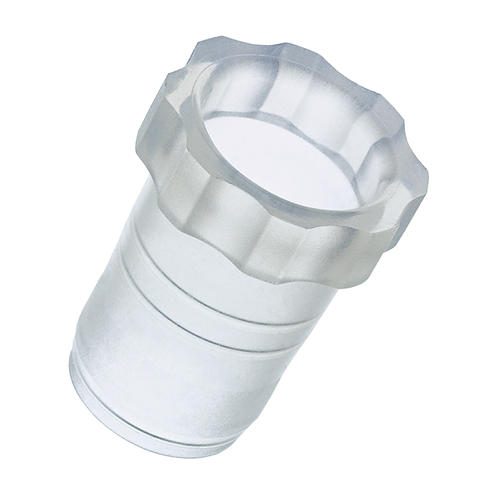
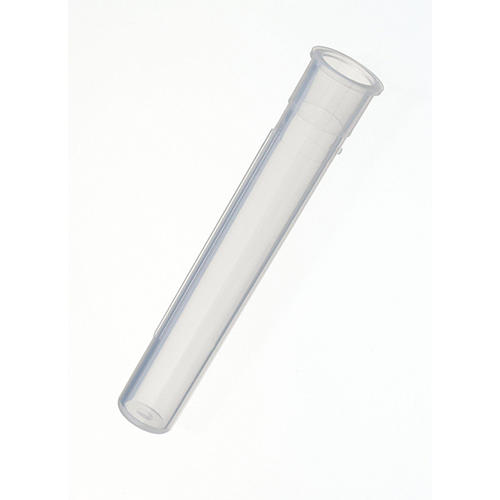
    • Aufbewahrungsgefäss 
    • 6.2008.040
    • Ergibt zusammen mit Halter 6.2008.050 eine Halterung für die Elektrode an 807 Dosing Units.
    • <p>Ergibt zusammen mit Halter 6.2008.050 eine Halterung für die Elektrode an 807 Dosing Units.</p>
    • Stk
    • 100
    • Aufbewahrungsgefäss 
    • 6.2008.040
    • Ergibt zusammen mit Halter 6.2008.050 eine Halterung für die Elektrode an 807 Dosing Units.
    • <p>Ergibt zusammen mit Halter 6.2008.050 eine Halterung für die Elektrode an 807 Dosing Units.</p>
    • Stk
    • 100
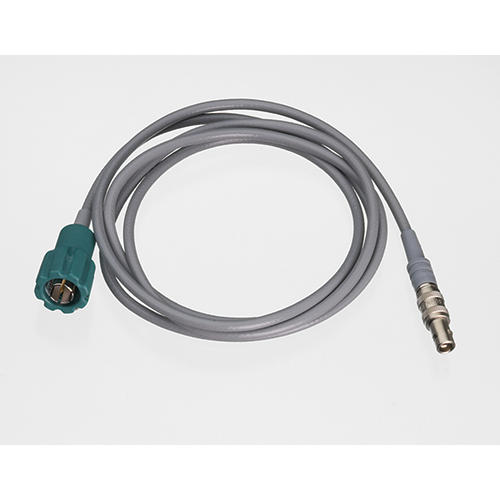
    • Elektrodenkabel / 1 m / F
    • 6.2104.020
    • Für die Verbindung von Elektroden mit Metrohm-Steckkopf G an Metrohm-Geräte (Buchse F).
    • Für die Verbindung von Elektroden mit Metrohm-Steckkopf G an Metrohm-Geräte (Buchse F).
    • STK
    • 1
    • Elektrolyt KNO3-1mol/L 250 mL
    • 6.2310.010
    • Elektrolytlösung KNO3 1 M (Bezugselektrolyt für kombinierte Silberelektroden)
    • <p>Elektrolytlösung KNO<sub>3</sub> 1 M (Bezugselektrolyt für kombinierte Silberelektroden)</p>
    • STK
    • 1
    • Elektrodenkabel Steckkopf G / Stecker P, 0.55 m
    • 6.02104.000
    • Kabel für Anschluss einer analogen Elektrode (Steckkopf G) an einem analogen Messmodul von OMNIS.
    • <p>Kabel für Anschluss einer analogen Elektrode (Steckkopf G) an einem analogen Messmodul von OMNIS.</p>
    • STK
    • 1
    • Elektrodenkabel Steckkopf G / Stecker P, 1.5 m
    • 6.02104.010
    • Kabel für Anschluss einer analogen Elektrode (Steckkopf G) an einem analogen Messmodul von OMNIS.
    • <p>Kabel für Anschluss einer analogen Elektrode (Steckkopf G) an einem analogen Messmodul von OMNIS.</p>
    • STK
    • 1