Chuyển hướng tin nhắn
Điện hóa phát quang: bước tiến về độ nhạy quang học

Điện hóa phát quang: bước tiến về độ nhạy quang học

Tính linh hoạt, đơn giản, đồng bộ hóa và độ nhạy được cải thiện cho kỹ thuật phân tích ECL.

Điện hóa phát quang: bước tiến về độ nhạy quang học

vi

Tính linh hoạt, đơn giản, đồng bộ hóa và độ nhạy được cải thiện cho kỹ thuật phân tích ECL.

Điện hóa phát quang (Electrochemiluminescence – ECL) là sự kết hợp giữa điện hóa và hóa phát quang. Tín hiệu hóa phát quang tạo ra bằng điện hóa thường thu được từ các trạng thái kích thích của một chất phát quang (luminophore) được hình thành tại bề mặt điện cực trong quá trình phản ứng điện hóa. Điện hóa phát quang được ứng dụng trong nhiều lĩnh vực, trong đó có phân tích thực phẩm và phân tích lâm sàng.

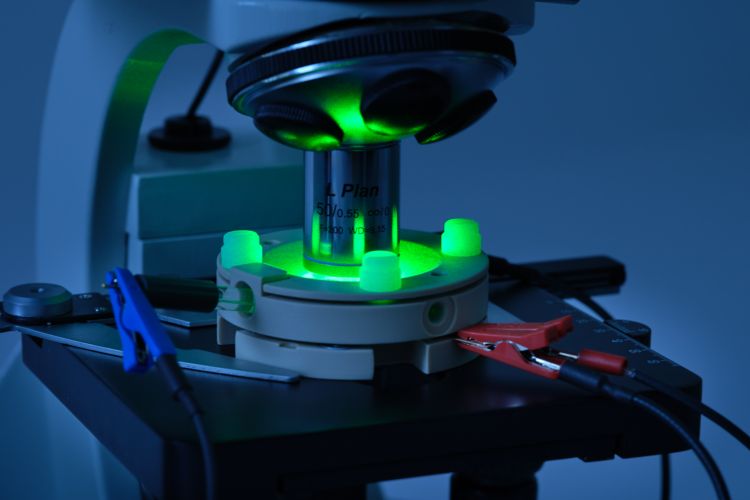
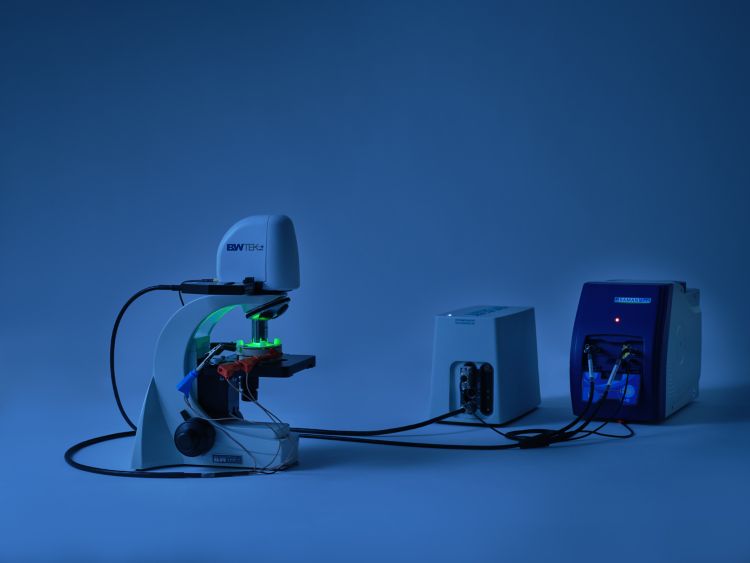
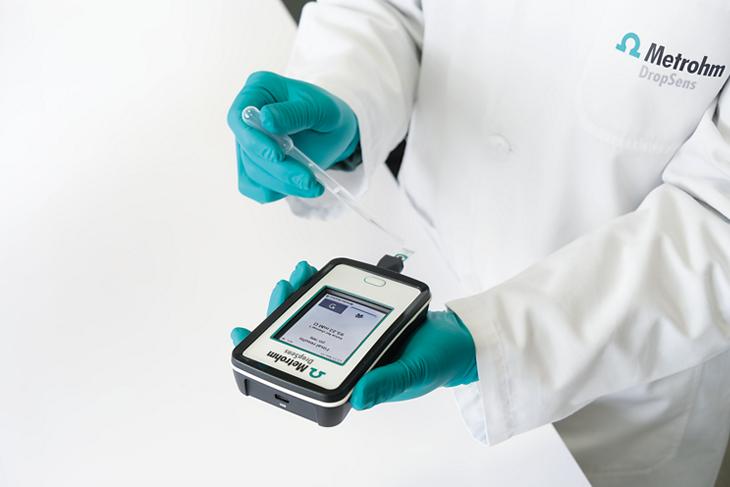
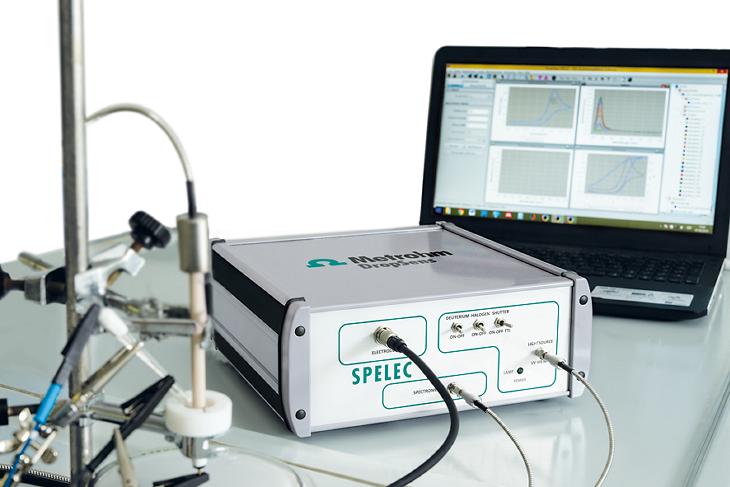
Metrohm DropSens cung cấp các thiết bị điện hóa phát quang mini hóa và di động, bao gồm một bộ bipotentiostat/galvanostat kết hợp với một buồng đo ECL.

  • Các giải pháp nhỏ gọn và linh hoạt
  • Hệ thống di động với thiết lập quang học đơn giản
  • Tăng độ nhạy của xét nghiệm
  • Đồng bộ hóa dữ liệu tức thì
  • Bao gồm các cell cao cấp chuyên biệt để làm việc với các điện cực in
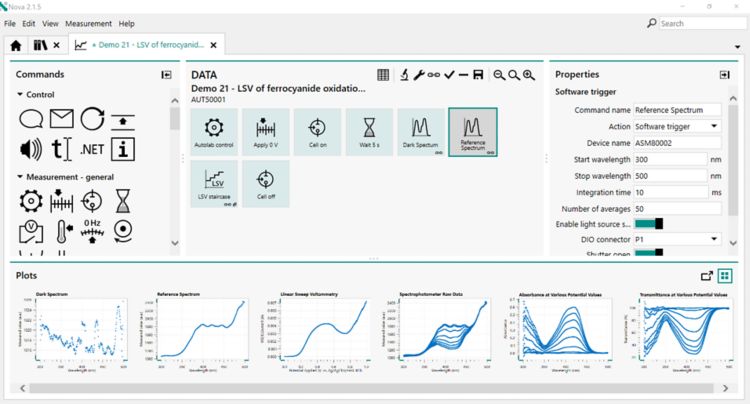
  • Phần mềm với các chức năng chuyên dụng cho các nghiên cứu ECL

Mạnh mẽ, di động và linh hoạt

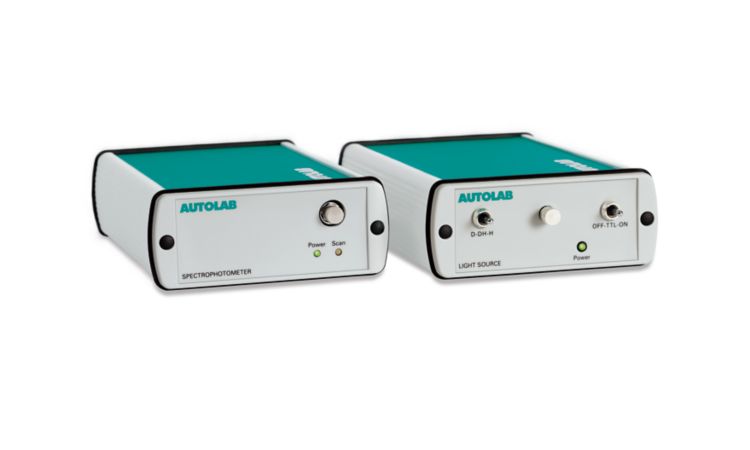
Hệ thống điện hóa phát quang bao gồm một thiết bị điện hóa có khả năng tạo ra các phản ứng trong một nhóm phát quang bằng cách áp dụng các xung điện áp hoặc dòng điện. Trạng thái của nhóm phát quang được phát hiện bởi một cell bao gồm đầu dò (photodiode hoặc vi quang phổ kế, tùy thuộc vào dòng máy). Các hệ thống Metrohm DropSens được thu nhỏ và di động - hoàn hảo cho phân tích điện hóa phát quang (ECL).

Các thiết bị cũng có thể được sử dụng độc lập như một thiết bị điện hóa để phân tích điện hóa với tất cả các tính năng của thiết bị Metrohm DropSens. Tùy thuộc vào dòng máy đo ECL, các cell đo có thể được kết hợp.

Đồng bộ hóa ngay lập tức

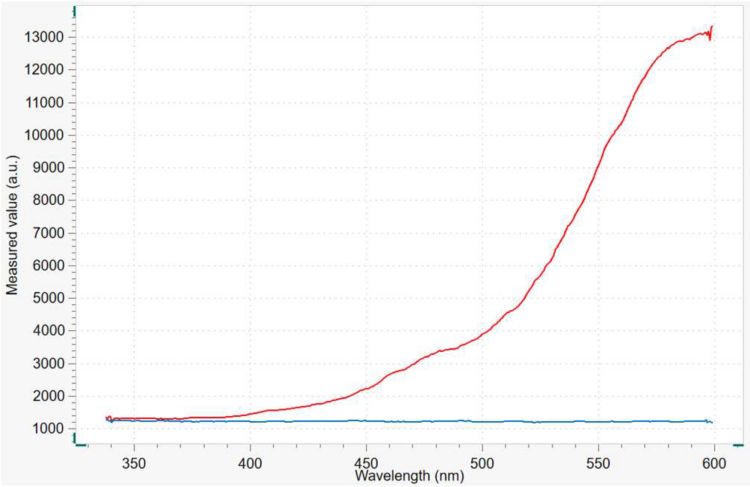
Các phản ứng điện hóa và điện hóa phát quang được đồng bộ hóa hoàn hảo và hiển thị trong thời gian thực. Hơn nữa, các thiết bị Metrohm DropSens cho phép kiểm soát tốt thời gian và không gian của các kỹ thuật phân tích này, ngay cả khi độ nhạy với tín hiệu ánh sáng rất thấp.

Thiết bị điện hóa nào phù hợp với yêu cầu của bạn?

Hãy liên hệ với Metrohm và tìm hiểu giải pháp tốt nhất cho nhu cầu của bạn!

ECL processes involve a luminophore, a co-reactant, and electrochemistry.

  • The luminophore is the key light-emitting molecule responsible of the emission of light during the ECL reaction. It provides the sensitivity, specificity, and efficiency of the ECL system. Its selection is critical to the development of new applications.
  • The co-reactant plays a crucial role in the generation of the excited states of the luminophore. Its primary function is to participate in the electrochemical reaction close to the electrode surface, generating reactive intermediates that interact with the luminophore.
  • Electrochemistry enables the oxidation and/or reduction of the luminophore and co-reactants at the electrode surface. These reactions are essential for the formation of the reactive species required for ECL.

ECL typically follows these steps:

  1. Electrochemical application of a potential/current to the working electrode.
  2. Generation of reactive intermediates via redox reactions of the luminophore or the co-reactant.
  3. Formation of an excited state close to the electrode surface upon interaction of intermediates.
  4. Emission of light when the excited state returns to the ground state.

Electrochemiluminescence offers the following advantages:

  • High sensitivity: ECL allows the detection of very low concentrations of analytes, making it ideal for applications such as medical diagnostics and environmental monitoring.
  • Excellent specificity: Combined with specific recognition elements (e.g., antibodies or DNA probes), ECL ensures high selectivity in detecting target molecules.
  • Wide dynamic range: It can measure analyte concentrations over several orders of magnitude, accommodating both very low and high levels of detection.
  • Minimal background noise: Since the luminescence signal is generated electrochemically, ECL exhibits lower background interference compared to other luminescent methods.
  • Versatility: It is compatible with a wide range of molecules and analytes, from small compounds to large biomolecules like proteins and nucleic acids.
  • Speed and reproducibility: The technique provides rapid results with high reproducibility, essential for high throughput testing.
  • Robustness: The reagents and setups are generally stable, ensuring reliable performance over time.

Its unique properties make electrochemiluminescence highly versatile:

  • Biosensing and medical diagnostics: ECL is widely used in clinical and biomedical research for detecting biomolecules with high sensitivity and specificity.
  • Pharmaceutical and drug development: ECL is utilized in pharmaceutical research for the development of drugs and quality control.
  • Food safety and environmental monitoring: ECL plays a crucial role in the detection of contaminants and monitoring of environmental safety.
  • Material science and nanotechnology: ECL is used in the characterization of novel materials and in the design of advanced sensors.
  • Clinical research: ECL platforms are used in the development of personalized therapeutic strategies. 
  • Analytical chemistry: ECL is a key technique in the detection and quantification of trace levels of analytes.
  • Forensic science: ECL is used to detect traces of substances such as drug residues and explosive materials.

The following luminophores are mostly used:

  • Ruthenium complexes (e.g., Ru(bpy)32+) are widely used in biosensing due to their high stability and strong luminescence.
  • Luminol is often used in forensic science and environmental testing.
  • Quantum dots and nanomaterials offer tunable luminescence and enhanced performance in advanced ECL applications.
Khám phá thêm những thiết bị Điện hóa Metrohm