




İstenen sayfanın yerel versiyonuna yönlendirildiniz
Potansiyostatlar & galvanostatlar

Potansiyostatlar & galvanostatlar

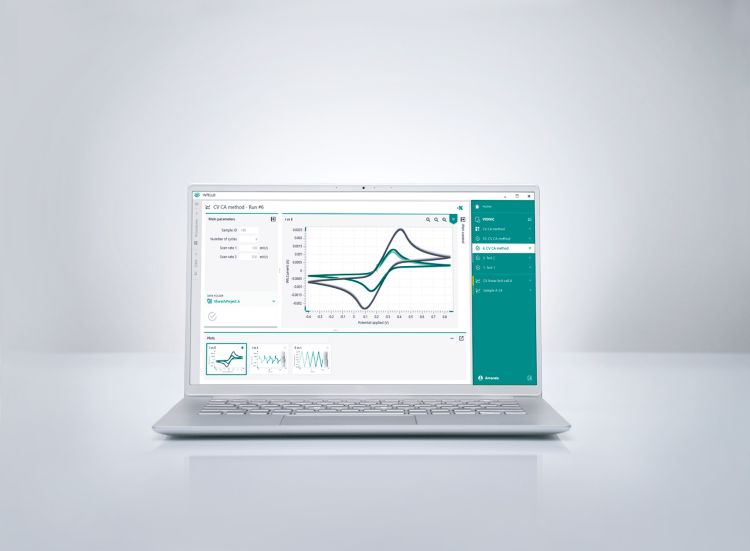
Elektrokimyasal araştırma ve test için potansiyostat/galvanostat aletleri.

Potansiyostatlar & galvanostatlar

tr_TR

Elektrokimyasal araştırma ve test için potansiyostat/galvanostat aletleri.

Gereksinimleriniz ne olursa olsun - sizin için doğru potansiyostat/galvanostat çözümünü sunabiliriz

Elektrokimyasal ölçüm cihazları portföyümüz, kompakt ila modüler ve tek kanaldan çok kanallı potansiyostatlar/galvanostatlar içermektedir. 

Elektrokimya için uygulamalara göz atın

Find applications for Electrochemistry

Güvenilir ve doğru ölçümler – Potansiyostatlarınız için bileşenler

Neden Metrohm potansiyostatları? – Küresel pazar lideriyiz

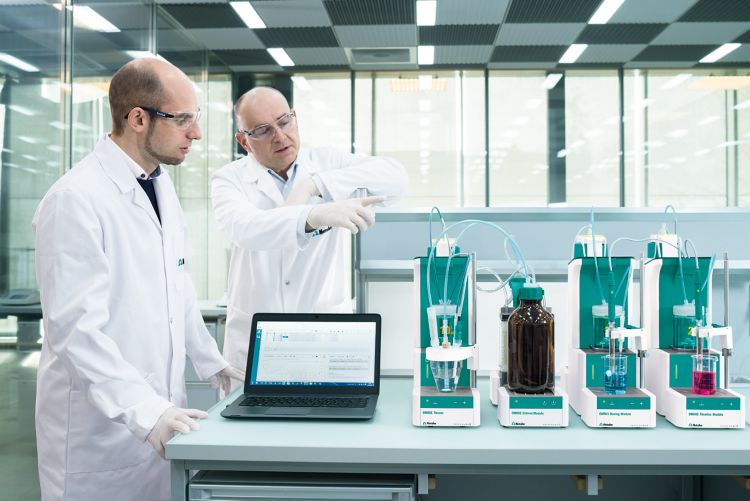
Metrohm elektrokimya enstrümantasyonunda standarları belirlemektedir. 30 yılı aşkın bir süre önce, tam bilgisayar kontrolü altında piyasada bulunan ilk dijital potansiyostat/galvanostat'ın öncülüğünü yaptık. Yeniliğe olan bağlılığımız bizi ileriye taşımaya devam ediyor. Bugün, kompakttan modüler, tek kanallı, çok kanallı ve tezgah üstü, taşınabilir potansiyostat ve galvanostatlara kadar geniş bir yelpazede elektrokimyasal cihazlar sunuyoruz.

  • Güvenilirlik: Tüm cihazlarımız üretim süreci boyunca yüzlerce kalite kontrolünden geçmektedir. Kurulumun ilk 5 yılında ortalama %99 çalışma süresi elde edilmektedir.
  • Üstün hizmet: Tüm cihazlarımız için sektör lideri 3 yıllık garantinin yanı sıra dünya çapında 120'den fazla ülkede yerel destek sunuyoruz. Bu durum, satış ve serviste genellikle 48 saat içinde hızlı yanıt verilmesini sağlamaktadır.

Müşterilerimizin araçlarımızdan en iyi şekilde yararlanmasına yardımcı olmak için 100'ün üzerinde uygulama notu, white paper yayını ve blog gönderisinden oluşan kapsamlı bir kaynak kitaplığı oluşturduk. Bu materyal, diğerlerinin yanı sıra Elektrokimya, Pil Araştırması, Yaşam Bilimleri ve Korozyon Çalışmaları gibi çok çeşitli bilimsel disiplinleri kapsamaktadır.

Döngüsel voltammetri ve Elektrokimyasal Empedans Spektroskopisi (EIS) gibi elektrokimyasal teknikleri araştırıyorsanız, kaynaklarımız pratik vaka çalışmaları ve ilgili formüller veya hesaplamalar içermekte ve ihtiyaçlarınıza göre uyarlanmış kapsamlı destek sağlamaktadır.

Elektrokimyaya yönelik uygulama notlarımızı keşfedin

Potansiyostatlar ve galvanostatlar – SSS

potentiostat is an electrochemical instrument that controls the potential difference (voltage) between the working electrode and the reference electrode while measuring the resulting current flow between the working and counter electrodes. It maintains a constant potential, making it ideal for studying redox reactions, corrosion, and processes where precise potential control is critical.

galvanostat, on the other hand, controls the cell current rather than the voltage. This makes it suitable for applications where maintaining a constant current is required, such as electrolysis, electrodeposition, or battery charge-discharge testing.

All Metrohm Autolab and Metrohm Dropsens instruments combine both potentiostatic and galvanostatic capabilities in a single device, allowing users to select the most suitable mode based on their experimental needs.

  Potentiostat (Potentiostatic Mode) Galvanostat (Galvanostatic Mode)

Columns

Voltage (potential)

Current

Measures

Current

Voltage (potential)

When to use

When maintaining constant voltage is crucial

When maintaining constant current is crucial

Typical applications
  • Redox reactions
  • Corrosion testing
  • Voltage sweeps measurements
  • Investigating electrochemical behaviour, kinetics and electrode surface properties
  • electrochemical sensors
  • Battery cycling
  • Electrolysis
  • Electrodeposition
  • Fuel cell testing
Example techniques

Cyclic voltammetry, chronoamperometry, potentiodynamic polarization

Charge/discharge cycles, galvanostatic plating, chronopotentiometry, GITT

Electrochemical impedance spectroscopy (EIS)

Characterizing high-impedance systems (materials with coatings or corrosion protection)

Studying impedance in low-impedance systems (batteries, supercapacitors)

Consider the following criteria to select a suitable potentiostat:

  1. Voltage and current range
  2. Workload
  3. Portability
  4. Hyphenation or all-in-one solution

Voltage and current range

Consider the range of potentials and currents you expect to work with.

  • Basic requirement: Compliance voltage up to ± 10 V, max. current up to ± 100 mA: PGSTAT101, Autolab IMP, μStat-i 400Small, lightweight, and affordable
  • Moderate requirement: Compliance voltage ± 20 V, max. current ± 400 mA: PGSTAT204Small and able to add one more module (e.g. EIS)
  • Advanced requirement: Compliance voltage ± 30 V, max. current ±2 A (upgradeable) : PGSTAT302NCustomizable with a range of modules
  • Stringent requirement: Compliance voltage ± 50 V, max. current ± 6 A: VIONIC powered by INTELLO Highest specification and multi-modules in one instrument

Workload

If you plan to run multiple experiments simultaneously, you might need a potentiostat with multiple channels.

Go to Mulitchannel Line

Go to Portable Multichannel Line

Portability

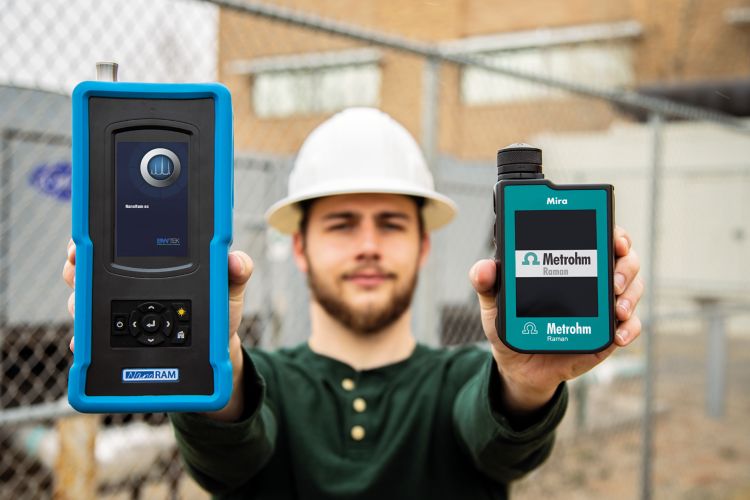
A portable potentiostat can be beneficial in various scenarios where mobility, fieldwork, or on-site measurements are necessary. Metrohm can provide both single-channel and multi-channel portable potentiostats.

Go to Portable Singlechannel Line

Go to Portable Multichannel Line

Hyphenated Electrochemistry with third-party instruments or Spectroelectrochemistry integrated into one instrument

lf your research requires synchronization of electrochemistry with optical measurements (or other complementary techniques), and you would like to have two independent instruments for electrochemistry and spectroscopy (or the instrument used in the complementary technique) as hyphenated or stand-alone solutions, you can consider our hyphenated solution.

The hyphenated solution includes a UV-Vis or Raman spectroscopy instrument and a Metrohm potentiostat. The Metrohm potentiostats/galvanostats can be purchased separately and used in specific hyphenated setups together with third party instruments. Please contact your local Metrohm support office for further details. With our hyphenated solution, you can enjoy the highest performance and  flexibility in both hardware and software selection.

Go to hyphenated spectroelectrochemistry instruments


You can also opt for the integrated product line. All components of spectroelectrochemical devices, i.e., potentiostat, spectrometer, and light source, are integrated in only one instrument with a dedicated software including all specific tools for spectroelectrochemical experiments, such as UV-Vis, NIR and Raman spectroscopy. With the integrated instruments, you benefit from the simplicity of the hardware set up and of working with a single software.

Go to integrated spectroelectrochemistry instruments

In a potentiostat, the grounded mode is used when none of the electrodes nor the cell vessel have a direct connection with the ground. This is the most commonly used mode for electrochemical experiments performed in laboratories (i.e., wet electrochemistry research, battery research, corrosion test in lab, etc.). If other devices are used during the electrochemical experiments, you can use the faraday cage to ground them.

The schematics of a VIONIC PGSTAT in non-floating mode. Please note the EARTH connection (always connected to the metallic chassis of the instrument) and the analog ground (AGND) connection and switch.

The floating mode must be used in the following three main cases:

  1. When the working electrode is directly connected to the Earth ground (grounded WE): Corrosion tests in open air, hydrogen permeation, in-situ electronic microscopy
  2. When the counter electrode is directly connected to the Earth ground (grounded CE): Bioreactors, autoclave
  3. When the entire cell is directly connected to the Earth ground (grounded Cell): Tribocorrosion, autoclave

For any of the above-mentioned cases, the correct measurement of the current is only possible if the potentiostat is used with the correct floating mode.

The schematics of a VIONIC PGSTAT in floating mode. Please note that the analog ground (AGND) is disconnected from the instrument chassis.

Selectable floating refers to the feature of potentiostats/galvanostats to choose the ground state of the cell setup. Due to the wide variation of experimental requirements and kinds of electrochemical cells, the use of an electrochemical instrument with a floating feature (such as VIONIC or µStat-i multiX among others) brings additional versatility to the user.

To perform an electrochemical hydrodynamic measurement and induce controlled hydrodynamic flow or convection, you need:

At Metrohm, we offer different models of potentiostats that can be used with our RDEs and RRDEs through dedicated software.

To simulate turbulent pipe-flow conditions in the lab for electrochemical corrosion research, the most common and practical approach is to use a Rotating Cylinder Electrode (RCE). The RCE setup recreates realistic turbulent flow conditions found inside pipes by rotating the electrode, which enhances mass transport and mimics the turbulent fluid flow experienced in real pipelines.

In addition, a potentiostat with dedicated software capable of controlling the rotating speed of the RCE is also essential.

White Paper: Corrosion Best Practice – Creating Pipe-flow Conditions Using a Rotating Cylinder Electrode

Yes, it is possible to perform electrochemical measurements with two or more working electrodes in the same cell. You can choose among different experimental setups based on your research needs.

If your research involves working with a Rotating Ring-Disk Electrode (RRDE) or a single screen-printed electrode that integrates two working electrodes, you will need a Bipotentiostat. At Metrohm, we offer different potentiostat models with Bipotentiostat functionality, such as the AUT302N and PGSTAT204 or portable models such as STAT-I-400.

If your research requires more than two working electrodes in the same electrochemical cell, other solutions are available:

  • Potentiostat with multiBA: for simultaneous measurements on up to six working electrodes or STAT-I MULTI16 for simultaneous measurements up to 16 working electrodes.
  • Potentiostat with Multiplexer Module (MUX-SCNR16): for sequential measurements on up to 128 working electrodes

To analyze EIS results, specialized software with data fitting tools is typically required. This process involves constructing an equivalent circuit in a flexible manner and fitting the calculated equivalent data to the measured results. Through this fitting process, the software determines and displays the quantitative values of each element in the circuit, allowing for a clear interpretation of the system’s electrochemical behavior.

At Metrohm, our potentiostat software, INTELLO, NOVA, and DropView 8400, provide all these features to ensure precise and reliable EIS data analysis.

Potansiyostat nedir? Potansiyostat ile galvanostat arasındaki fark nedir?

Potansiyostat, çalışma elektrodu ile referans elektrodu arasındaki potansiyel farkını (voltajı) kontrol ederken, çalışma elektrodu ile karşıt elektrot (yardımcı elektrot olarak da adlandırılır) arasında ortaya çıkan akım akışını ölçen bir elektrokimyasal alettir. Potansiyostat sabit bir potansiyeli koruyarak korozyon çalışmalarında, elektrokaplamada, pil testlerinde ve sensör geliştirmede elektrokimyasal reaksiyonların hassas kontrolüne ve ölçümüne de olanak tanımaktadır.

Galvanostat ise hücre voltajından ziyade hücre akımını kontrol eden elektrokimyasal bir alettir.

Tüm Metrohm elektrokimya cihazları potansiyostat ve galvanostat'ı tek bir cihazda birleştirmektedir. Kullanıcılar deneysel gereksinimlere göre uygun modu (potansiyostatik veya galvanostatik) seçebilmektedir.

Potansiyostatın nasıl çalıştığı ve elektrokimyasal ölçümlerde kullanılan elektrotların rolü hakkında daha fazla bilgi edinin:

Uygulama notu: Potansiyostat/galvanostat'ın (PGSTAT) çalışma prensibine temel genel bakış - elektrokimyasal hücre kurulumu

Blog: Hızlı ve temel – Güvenilir elektrokimyasal ölçümler üzerindeki etkiler

Galvanostatik vs potansiyostatik mod

Potansiyostatik mod ne zaman seçilmelidir:

  • Redoks reaksiyonları, korozyon, elektrokaplama veya sabit bir potansiyelin korunmasının çok önemli olduğu herhangi bir işlem üzerinde çalışırken.
  • Döngüsel voltammetri veya potansiyeli bir değer aralığı boyunca taramayı içeren diğer teknikleri gerçekleştirirken.
  • Elektrokimyasal davranışı, kinetiği ve elektrot yüzey özelliklerini araştırırken.

Uygulama notu: Potansiyostatik aralıklı titrasyon tekniği (PITT) 

Uygulama notu: ASTM G5 – Potansiyodinamik Anodik Polarizasyon Ölçümleri

Uygulama notu: ASTM G61'e göre Döngüsel Potansiyodinamik Polarizasyon Ölçümleri

Galvanostatik mod ne zaman seçilmelidir:

  • Elektroliz, elektrodepozisyon veya sabit bir akımın korunmasının kritik olduğu herhangi bir proses üzerinde çalışırken.
  • Yakıt hücreleri, piller veya belirli bir akım girişi gerektiren herhangi bir elektrokimyasal hücre ile ilgili deneyler yaparken.
  • Elektrokimyasal empedans spektroskopisi veya bir sistemin elektriksel tepkisini analiz eden diğer teknikleri kullanırken.

Uygulama notu: Autolab ile Li-ion pilin galvanostatik şarj-deşarjı

Uygulama notu: ASTM G100 – Döngüsel Galvanomerdiven Polarizasyonu

Uygulama notu: Galvanostatik Aralıklı Titrasyon Tekniği (GITT)

Potansiyostatta topraklama modu ve floating mod ne zaman kullanılır? Seçilebilir floating nedir?

Bir potansiyostatta, elektrotlardan hiçbirinin veya hücre kabının toprakla doğrudan bağlantısı olmadığında topraklama modu kullanılır. Bu, laboratuvarlarda gerçekleştirilen elektrokimyasal deneylerin (yani ıslak elektrokimya araştırması, pil araştırması, laboratuvarda korozyon testi vb.) büyük çoğunluğu için en yaygın kullanılan moddur. Elektrokimyasal deneyler sırasında başka cihazlar kullanılıyorsa bunları topraklamak için faraday kafesini kullanabilirsiniz.

Floating olmayan modda bir VIONIC PGSTAT'ın şeması. Lütfen TOPRAK bağlantısına (her zaman cihazın metalik şasisine bağlı) ve analog toprak (AGND) bağlantısına ve anahtarına dikkat edin.

Floating mod aşağıdaki üç ana durumda kullanılmalıdır:

  1. Çalışma elektrodu doğrudan toprağa bağlandığında (topraklanmış WE): Açık havada korozyon testleri, hidrojen geçirgenliği, yerinde elektronik mikroskopi
  2. Karşıt elektrot doğrudan toprağa (topraklanmış CE) bağlandığında: Biyoreaktörler, otoklav
  3. Hücrenin tamamı doğrudan toprağa (topraklanmış Hücre) bağlandığında: Tribokorozyon, otoklav

Yukarıda belirtilen durumların herhangi biri için akımın doğru ölçümü ancak potansiyostat doğru floating modda kullanıldığında mümkündür.

Floating modda bir VIONIC PGSTAT'ın şeması. Lütfen analog topraklamanın (AGND) cihaz şasisinden ayrıldığını unutmayın.

Deneysel gereksinimlerin ve elektrokimyasal hücre türlerinin çok çeşitli olması nedeniyle, floating özelliğe sahip bir elektrokimyasal cihazın (diğerlerinin yanı sıra VIONIC veya µStat-i multiX gibi) kullanılması kullanıcıya ek çok yönlülük sağlamaktadır.

Topraklanmış mı yoksa floating mod mu?

Download your free copy here

Bu white paper yayını, topraklanmış ve floating modların tanımını vermekte, her mod için tipik uygulamaların ana hatlarını çizmekte ve daha fazla özelleştirme için tamamlayıcı aksesuarlar sunmaktadır.

Uygun bir potansiyostat nasıl seçilir?

Kriter 1: Gerilim ve akım aralığı

Çalışmayı beklediğiniz potansiyel ve akım aralığını göz önünde bulundurun.

  • Temel gereksinim: Uyumluluk voltajı ± 10 V'a kadar, maks. ± 100 mA'ya kadar akım: PGSTAT101, Autolab IMP, μStat-i 400Küçük, hafif ve uygun fiyatlı
  • Orta düzeyde gereksinim: Uyumluluk voltajı ± 20 V, maks. akım ± 400 mA: PGSTAT204Küçük ve bir modül daha eklenebilir (örn. EIS)
  • Gelişmiş gereksinim: Uyumluluk voltajı ± 30 V, maks. akım ±2 A (yükseltilebilir): PGSTAT302NÇeşitli modüllerle özelleştirilebilirs
  • En üst gereksinim: Uyumluluk voltajı ± 50 V, maks. akım ± 6 A: INTELLO tarafından desteklenen VIONICTek cihazda en yüksek spesifikasyon ve çoklu modüller

Kriter 2: Yüksek işleme kapasitesine mi yoksa çok kanallıya mı ihtiyaç var?

Aynı anda birden fazla deney yapmayı planlıyorsanız birden fazla kanala sahip bir potansiyostata ihtiyacınız olabilir.

Çok Kanallı Grubuna gidin

Taşınabilir Çok Kanallı Grubuna gidin

Kriter 3: Taşınabilirlik

Taşınabilir bir potansiyostat, hareketlilik, saha çalışması veya yerinde ölçümlerin gerekli olduğu çeşitli senaryolarda faydalı olabilir. Metrohm hem tek kanallı hem de çok kanallı taşınabilir potansiyostatlar sağlayabilmektedir.


Taşınabilir Tek Kanallı Grubuna gidin

Taşınabilir Çok Kanallı Grubuna gidin

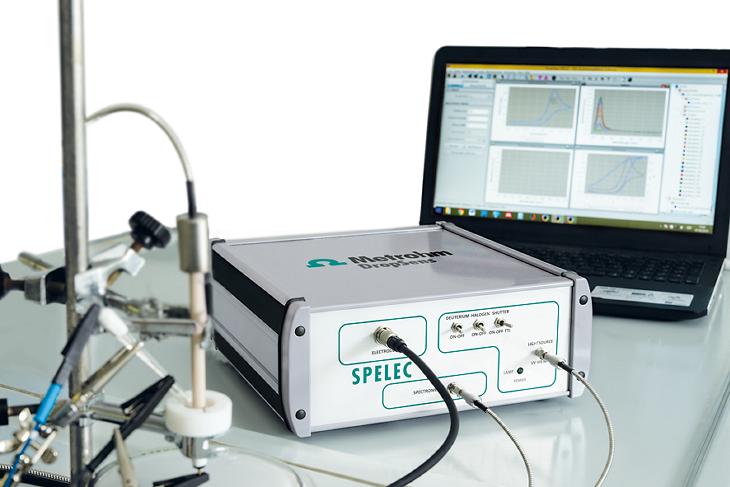
Kriter 4: Üçüncü taraf cihazlarla Hibridlenmiş Elektrokimya veya tek bir cihaza entegre edilmiş Spektroelektrokimya

Araştırmanız elektrokimyanın optik ölçümlerle (veya diğer tamamlayıcı tekniklerle) senkronizasyonunu gerektiriyorsa ve hibrit veya bağımsız çözümler olarak elektrokimya ve spektroskopi için iki bağımsız araca (veya tamamlayıcı teknikte kullanılan alete) sahip olmak istiyorsanız, hbirt çözümümüzü düşünebilirsiniz.

Hibrit çözüm, bir UV-Vis veya Raman spektroskopi cihazı ve bir Metrohm potansiyostat içermektedir. Metrohm potansiyostat/galvanostatları ayrı olarak satın alınabilmetke ve üçüncü taraf cihazlarla birlikte belirli hibrit kurulumlarda kullanılabilmektedir. Daha fazla ayrıntı için bizimle iletişime geçin. Hibrit çözümümüzle hem donanım hem de yazılım seçiminde en yüksek performansın ve esnekliğin keyfini çıkarabilirsiniz.

Hibrit spektroelektrokimya aletlerine gidin


Bunlara ek olarak, entegre ürün grubunu da tercih edebilirsiniz. Spektroelektrokimyasal cihazların tüm bileşenleri, yani potansiyostat, spektrometre ve ışık kaynağı, UV-Vis, NIR ve Raman spektroskopisi gibi spektroelektrokimyasal deneylere yönelik tüm özel araçları içeren özel bir yazılıma sahip tek bir cihazda entegre edilmiştir. Entegre cihazlarla donanım kurulumunun ve tek yazılımla çalışmanın kolaylığından yararlanırsınız.

Entegre spektroelektrokimya cihazlarına gidin