You have been redirected to your local version of the requested page
AUT302N.MBA.S

AUT302N.MBA.S

AUT302N.MBA.S

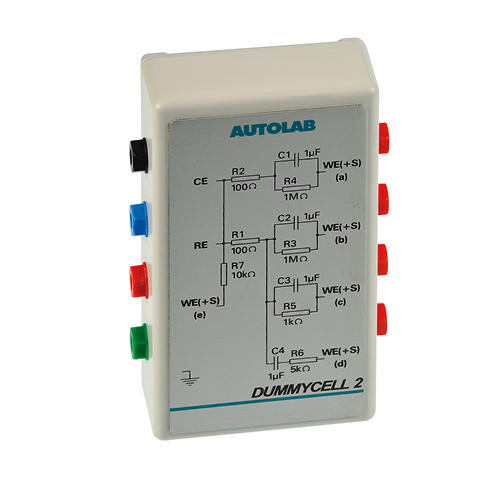
    • Autolab dummy cell
    • AUT.DUMCELL.S
    • Dummy cell for instrument testing.
    • <p>Dummy cell for instrument testing.</p>
    • PCS
    • 1
    • 50 cm BNC cable
    • CABLE.BNC.50
    • 50 cm BNC cable for diagnostics purposes.
    • <p>50 cm BNC cable for diagnostics purposes. </p>
    • PCS
    • 1
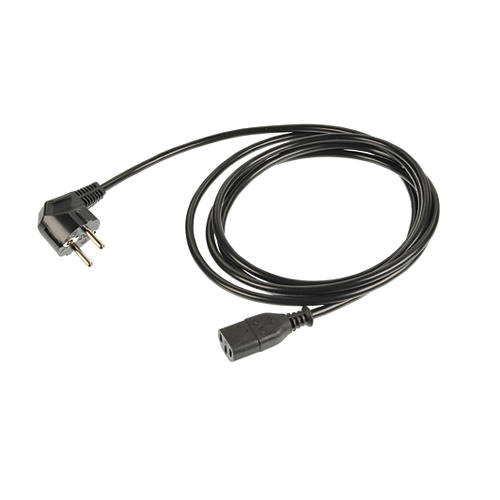
    • Power cable
    • CABLE.PWR
    • Standard power cable for Autolab instruments and accessories.
    • <p>Standard power cable for Autolab instruments and accessories.</p>
    • PCS
    • 1
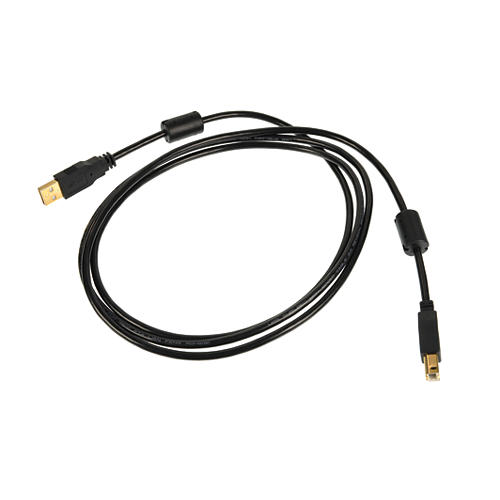
    • Standard USB cable
    • CBL.USB
    • Standard USB cable for Autolab instruments.
    • <p>Standard USB cable for Autolab instruments.</p>
    • PCS
    • 1
    • Cell cable
    • CELLCBL.30.RE.S
    • Standard cell cable, 1.5 m, with connection for reference electrode (RE) and sense electrode (S).
    • <p>Standard cell cable, 1.5 m, with connection for reference electrode (RE) and sense electrode (S).</p>
    • PCS
    • 1
    • Cell cable
    • CELLCBL.30.WE.S
    • Standard cell cable, 1.5 m, with connection for counter electrode (CE), working electrode (WE) and ground.
    • <p>Standard cell cable, 1.5 m, with connection for counter electrode (CE), working electrode (WE) and ground.</p>
    • PCS
    • 1
    • Autolab dummy cell
    • AUT.DUMCELL.S
    • Dummy cell for instrument testing.
    • <p>Dummy cell for instrument testing.</p>
    • PCS
    • 1
    • 50 cm BNC cable
    • CABLE.BNC.50
    • 50 cm BNC cable for diagnostics purposes.
    • <p>50 cm BNC cable for diagnostics purposes. </p>
    • PCS
    • 1
    • Power cable
    • CABLE.PWR
    • Standard power cable for Autolab instruments and accessories.
    • <p>Standard power cable for Autolab instruments and accessories.</p>
    • PCS
    • 1
    • Standard USB cable
    • CBL.USB
    • Standard USB cable for Autolab instruments.
    • <p>Standard USB cable for Autolab instruments.</p>
    • PCS
    • 1
    • Cell cable
    • CELLCBL.30.RE.S
    • Standard cell cable, 1.5 m, with connection for reference electrode (RE) and sense electrode (S).
    • <p>Standard cell cable, 1.5 m, with connection for reference electrode (RE) and sense electrode (S).</p>
    • PCS
    • 1
    • Cell cable
    • CELLCBL.30.WE.S
    • Standard cell cable, 1.5 m, with connection for counter electrode (CE), working electrode (WE) and ground.
    • <p>Standard cell cable, 1.5 m, with connection for counter electrode (CE), working electrode (WE) and ground.</p>
    • PCS
    • 1
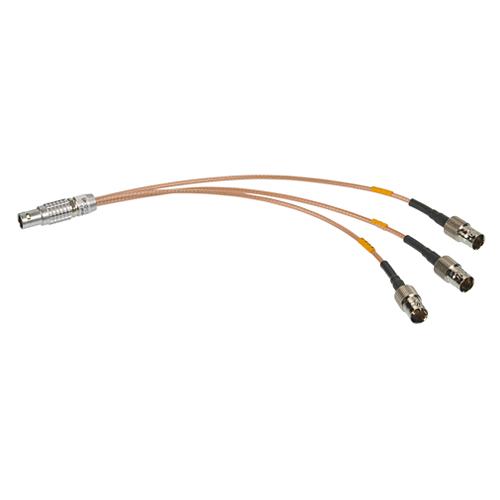
    • Monitor cable for N series Autolab
    • CABLE.MONITOR
    • Monitor cable for modular Autolab systems, providing connections for external equipments (Potential output (Eout), Current output (iout) and Potential input (Ein)).
    • <p>Monitor cable for modular Autolab systems, providing connections for external equipments (Potential output (E<sub>out</sub>), Current output (i<sub>out</sub>) and Potential input (E<sub>in</sub>)).</p>
    • PCS
    • 1
    •  Electrochemical impedance spectroscopy module
    • FRA32M.S
    • The FRA32M provides the means to perform impedance and electrochemical impedance measurements in combination with the Autolab. This module allows one to perform both potentiostatic and galvanostatic impedance measurements over a wide frequency range of 10 µHz to 32 MHz (limited to 1 MHz in combination with the Autolab PGSTAT). In addition to the classical EIS, the NOVA software also allows the users to modulate other outside signals such as rotation speed of a rotating disk electrode or the frequency of a light source to perform Electro-hydrodynamic or Photo-modulated impedance spectroscopy.The FRA32M module comes with a powerful fit and simulation software for the analysis of impedance data.
    • <p>The FRA32M provides the means to perform impedance and electrochemical impedance measurements in combination with the Autolab. This module allows one to perform both potentiostatic and galvanostatic impedance measurements over a wide frequency range of 10 &micro;Hz to 32 MHz (limited to 1 MHz in combination with the Autolab PGSTAT). In addition to the classical EIS, the NOVA software also allows the users to modulate other outside signals such as rotation speed of a rotating disk electrode or the frequency of a light source to perform Electro-hydrodynamic or Photo-modulated impedance spectroscopy.</p><p>The FRA32M module comes with a powerful fit and simulation software for the analysis of impedance data.</p>
    • PCS
    • 1
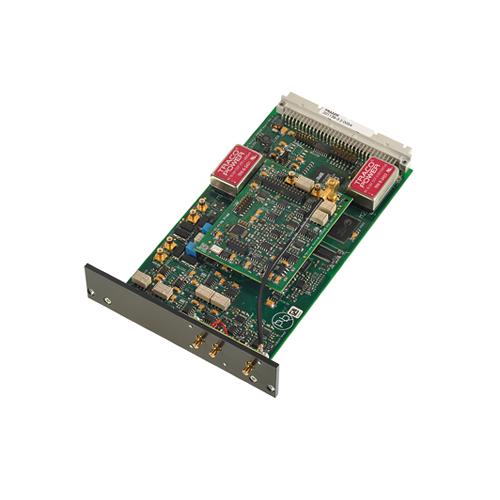
    • Dual mode bipotentiostat module
    • MBA.S
    • The MBA.S is an additional bipotentiostat module which can be installed into a MultiBA (MBA) Autolab potentiostat/galvanostat adding an additional working electrode to the MBA instrument. A maximum of 5 MBA.S modules together with one FRA32M.S module can be installed in one MBA instrument. 
    • <p>The MBA.S is an additional bipotentiostat module which can be installed into a MultiBA (MBA) Autolab potentiostat/galvanostat adding an additional working electrode to the MBA instrument. A maximum of 5 MBA.S modules together with one FRA32M.S module can be installed in one MBA instrument.</p><p>&nbsp;</p>
    • PCS
    • 1
    • Software development kit
    • SDK
    • The Autolab Software Development Kit (Autolab SDK) is designed to control the Autolab instrument from different external applications such as LabVIEW, Visual Basic for Applications (VBA), scripting etc. With the Autolab SDK the external application can be used to measure complete procedures or control individual Autolab modules.In order to use the Autolab SDK from other applications, these applications must have the possibility to use .NET assemblies or in the case of 'older' applications to use COM assemblies. How to integrate these assemblies is explained in the manual of the application.The Autolab SDK is compatible with Autolab NOVA however it does not require NOVA to be installed.
    • <p>The Autolab Software Development Kit (Autolab SDK) is designed to control the Autolab instrument from different external applications such as LabVIEW, Visual Basic for Applications (VBA), scripting etc. With the Autolab SDK the external application can be used to measure complete procedures or control individual Autolab modules.<br /><br />In order to use the Autolab SDK from other applications, these applications must have the possibility to use .NET assemblies or in the case of 'older' applications to use COM assemblies. How to integrate these assemblies is explained in the manual of the application.<br /><br />The Autolab SDK is compatible with Autolab NOVA however it does not require NOVA to be installed.</p>
    • PCS
    • 1